Charadriiformes / Scolopacidae / Calidris
Sharp-tailed Sandpiper
Calidris acuminata · 尖尾滨鹬
Introduction
A small-medium migratory wader in the genus Calidris, closely related to the broad-billed sandpiper. It breeds in eastern Siberia and winters primarily in Australasia. The species is listed as Vulnerable by the IUCN with a decreasing population trend.
Description
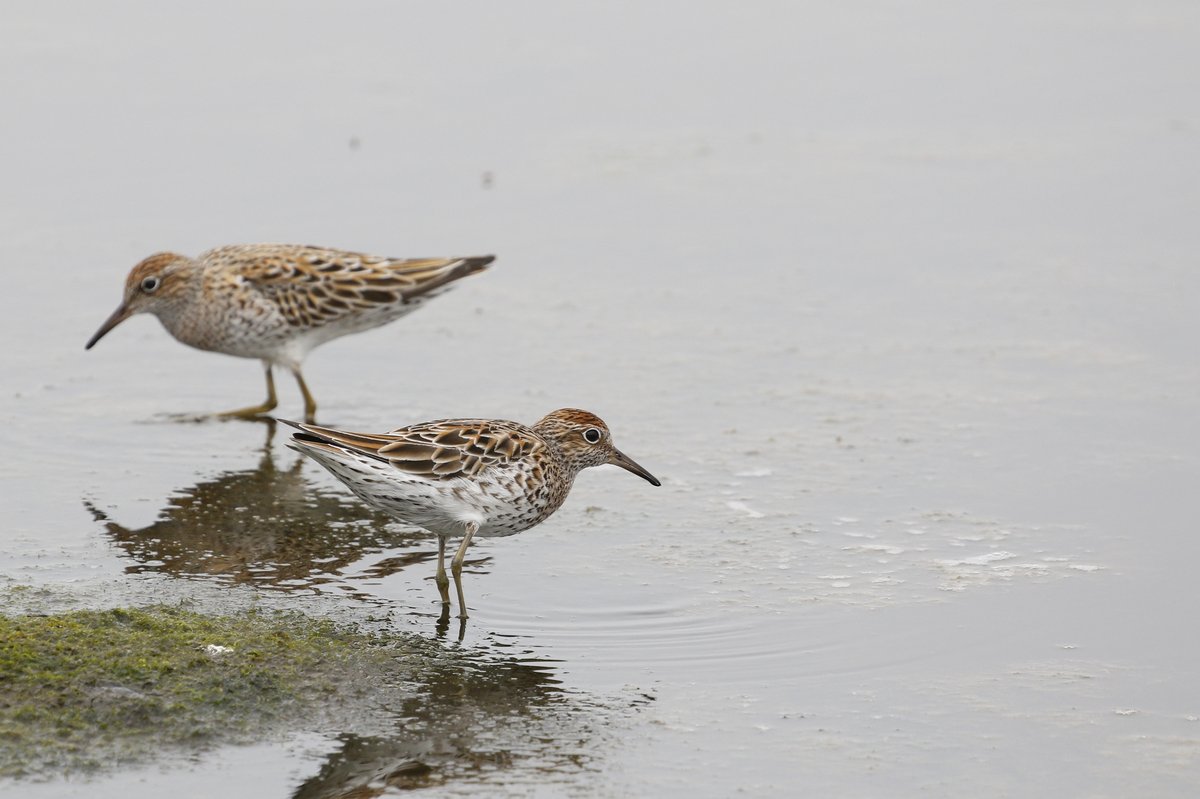
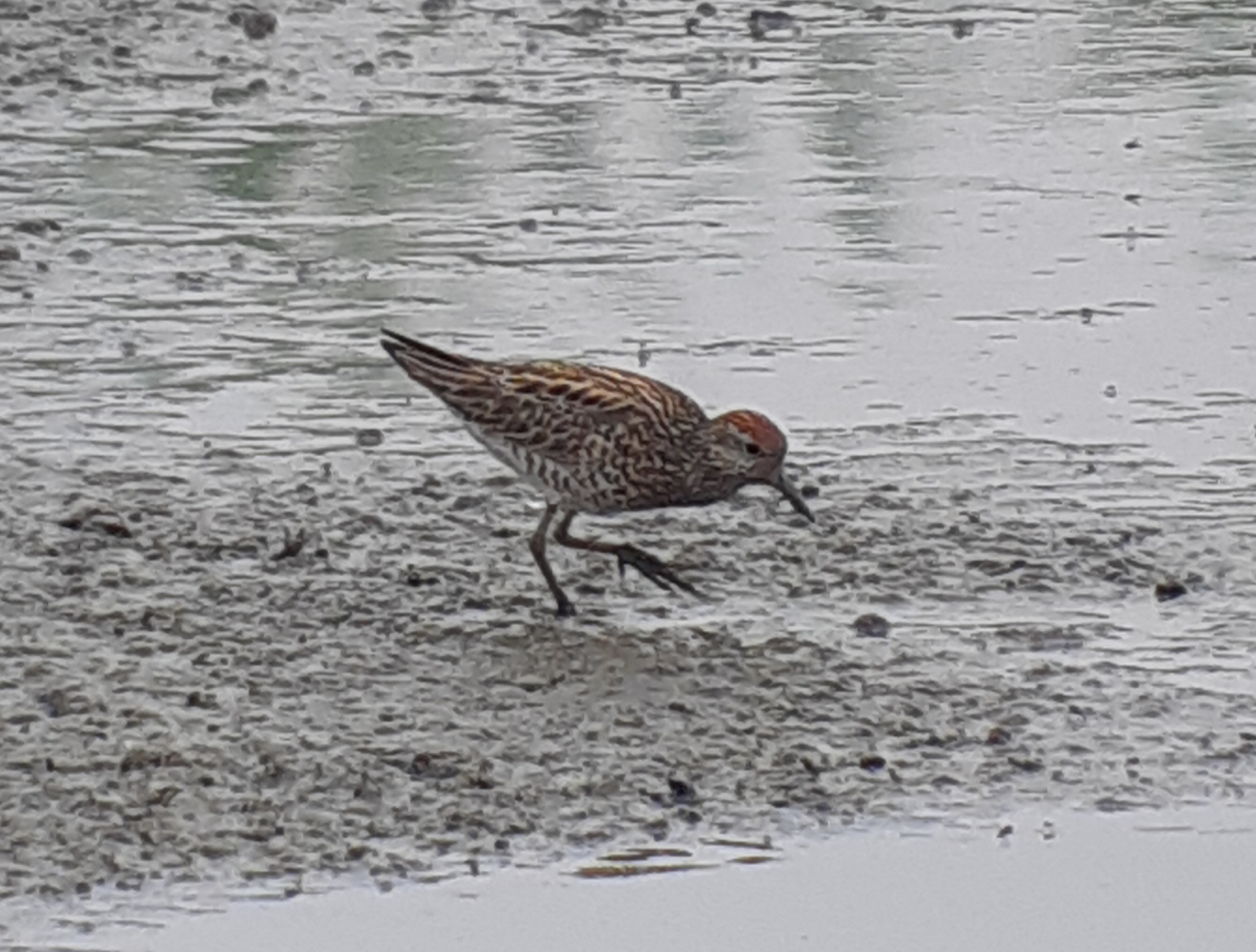
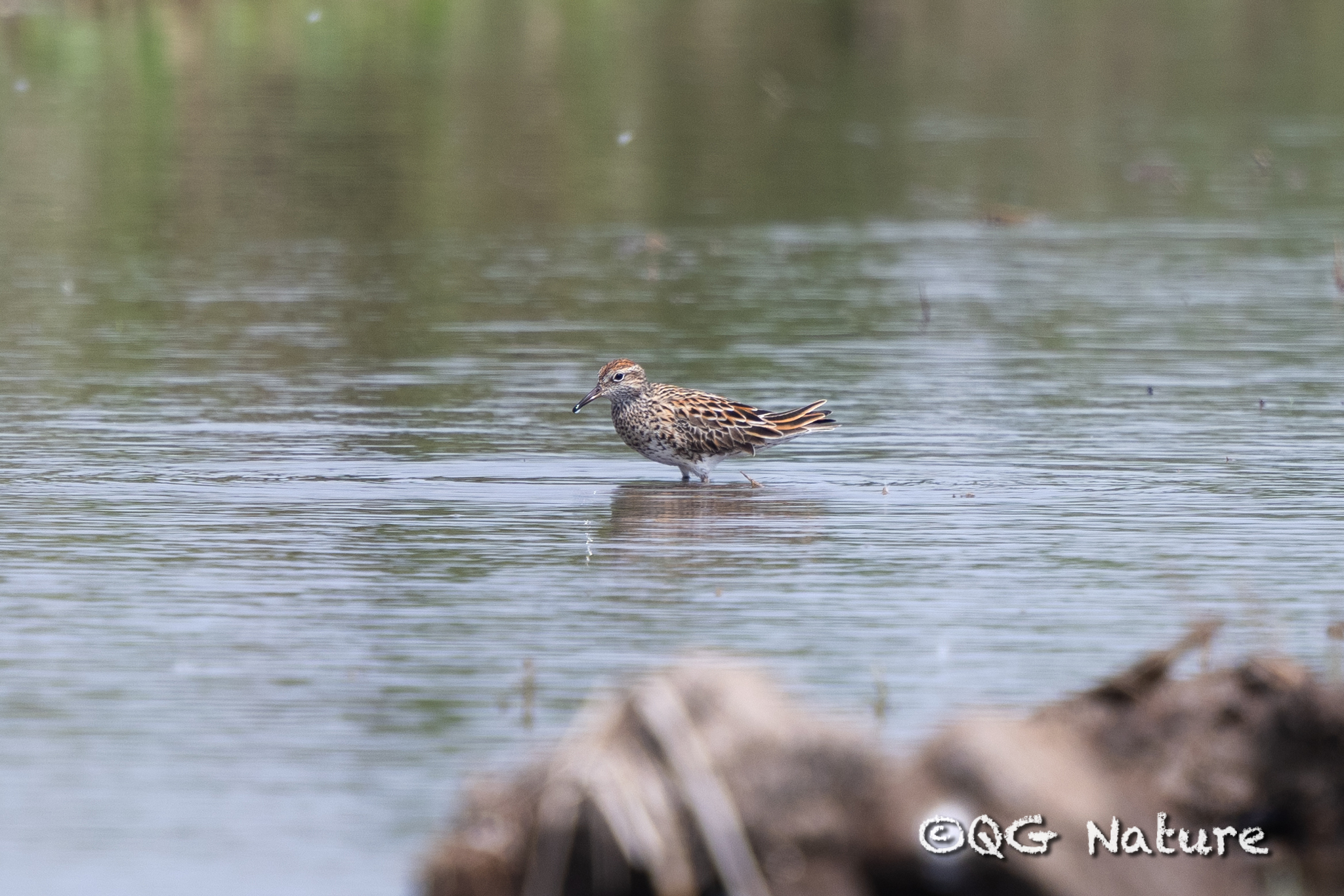
Length 22 cm, wingspan 36–43 cm, weight 39–114 g. Features a portly shape with a pot belly, flat back, and drawn-out rear. Breeding plumage includes a mottled chestnut-brown upper body with dark-centered feathers, a chestnut cap, and a brown eye stripe. The bill is dark grey to black and straight; legs are olive- to yellow-colored. Underparts are white or pale with mottling on the breast and belly sides. Juveniles are brighter than adults, with sharper feathers, bright chestnut crowns contrasting with white mantle stripes, and buffy chests. Winter plumage is duller.
Identification
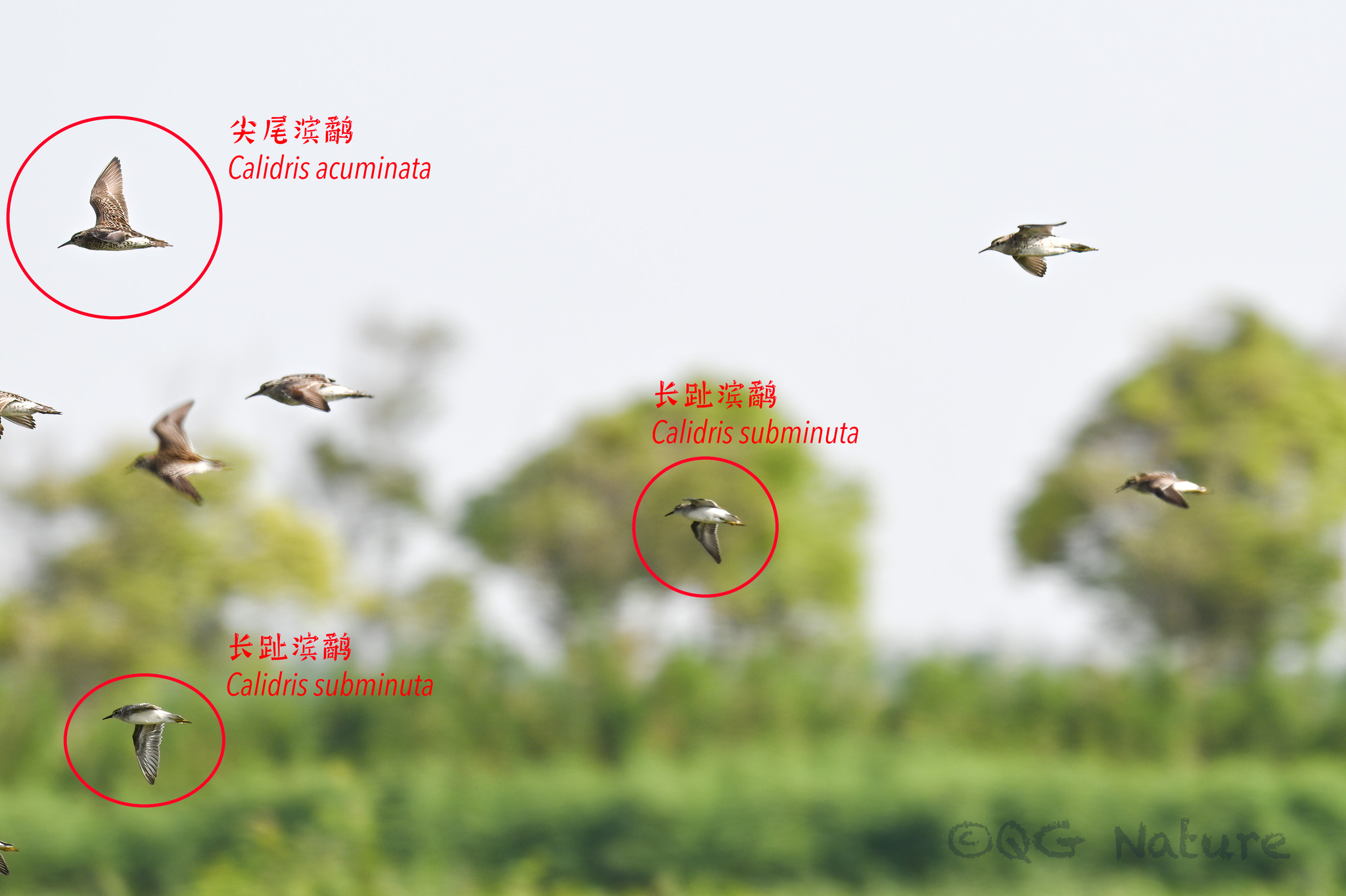
Distinguished from the similar pectoral sandpiper by lacking a strongly demarcated breast band, having '>'-shaped marks on the flanks, a stronger supercilium, and a more chestnut-colored crown. Larger than the long-toed stint.
Distribution & Habitat
Breeds solely in eastern Siberia (Taymyr Peninsula to Chaunskaya Bay) in tundra habitats. Migrates to Australasia for wintering. Adults mostly fly east of Lake Baikal to the Pacific coast of Russia, China, Korea, and Japan, then to Micronesia and New Guinea before reaching northwest Australia. Juveniles often cross the Bering Strait to Alaska, fattening up before a non-stop trans-Pacific flight of over 10,000 km to Australia and New Zealand. Rare migrant to North America, western Europe, the Middle East, Central Asia, and islands in the Indian Ocean. Recently recorded in Mozambique.
Behavior & Ecology
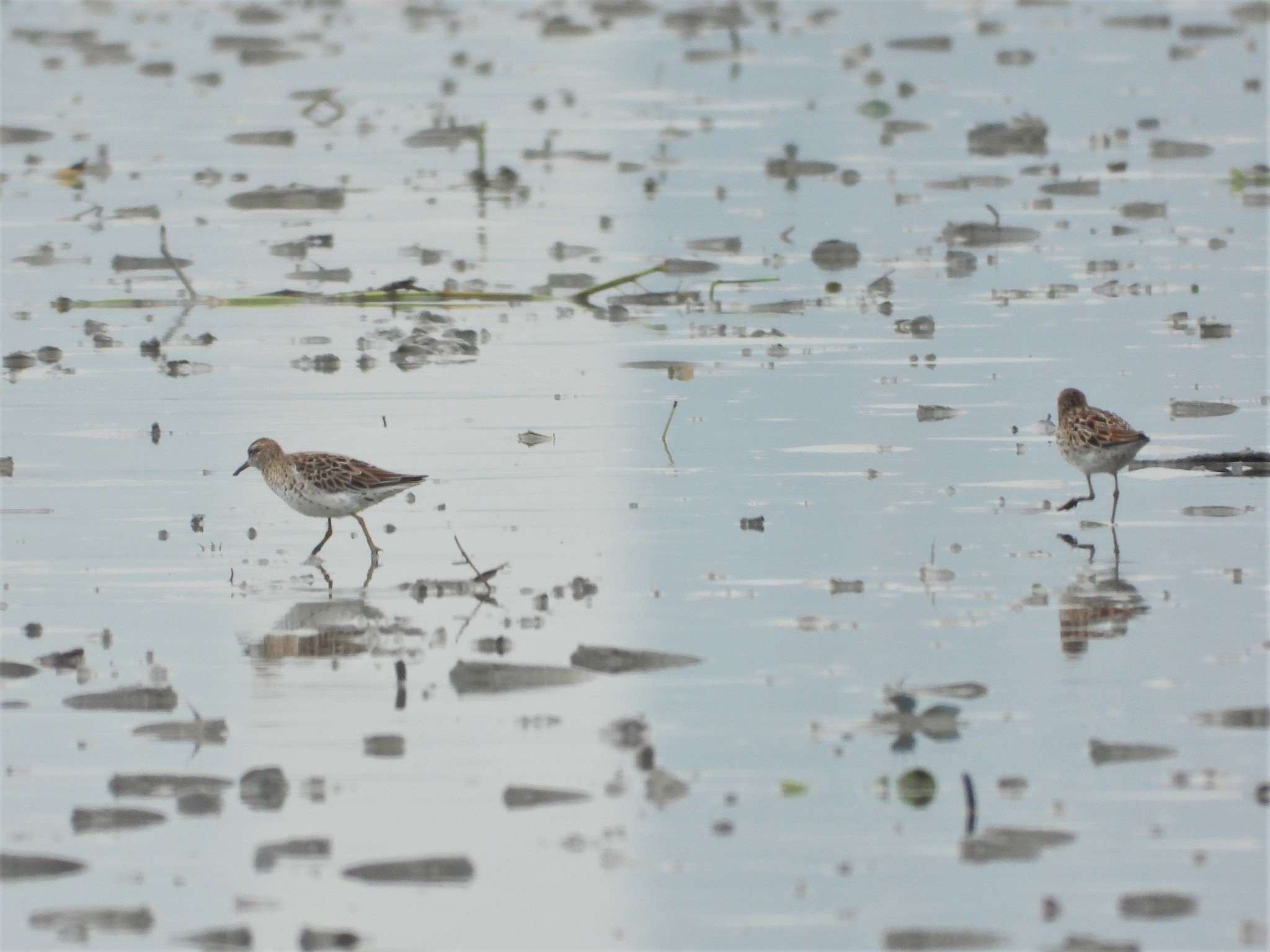
Breeds June to August in shallow, ground-hidden nests lined with leaves and grass; clutch size is usually four eggs, incubated and raised by females. Forages on wetland edges, mudflats, and shallow water by sight or probing. Diet consists mainly of aquatic insects, molluscs, crustaceans, worms, and occasionally seeds. Moves between intertidal mudflats at low tide and freshwater wetlands at high tide.
Conservation
Listed as Vulnerable by the IUCN (2021) with an estimated 60,000 to 120,000 mature individuals and a decreasing population trend. Major threats include habitat loss from land reclamation for aquaculture, wetland clearing, draining, and infilling in staging and wintering areas. Additional threats include habitat degradation from invasive species, pollution, hydrological changes, human disturbance, hunting, vehicle collisions, aircraft strikes, and predation by foxes and cats.
Source: Wikipedia · CC BY-SA 3.0
Taxonomy
- Order
- Charadriiformes
- Family
- Scolopacidae
- Genus
- Calidris
Distribution
breeds low Arctic tundra from Lena to Kolyma rivers (northeastern Siberia); winters from Wallacea eastward through Australasia; prone to extreme vagrancy
Data Sources
CBR Notes: IUCN红色名录等级由LC升为VU
Species description from Wikipedia, licensed under CC BY-SA 3.0.
Bird images and sounds sourced from GBIF, contributed by citizen scientists worldwide under Creative Commons licenses.
Taxonomy data from AviList 2025.