Sharp-tailed Sandpiper
Calidris acuminata
尖尾滨鹬
Description
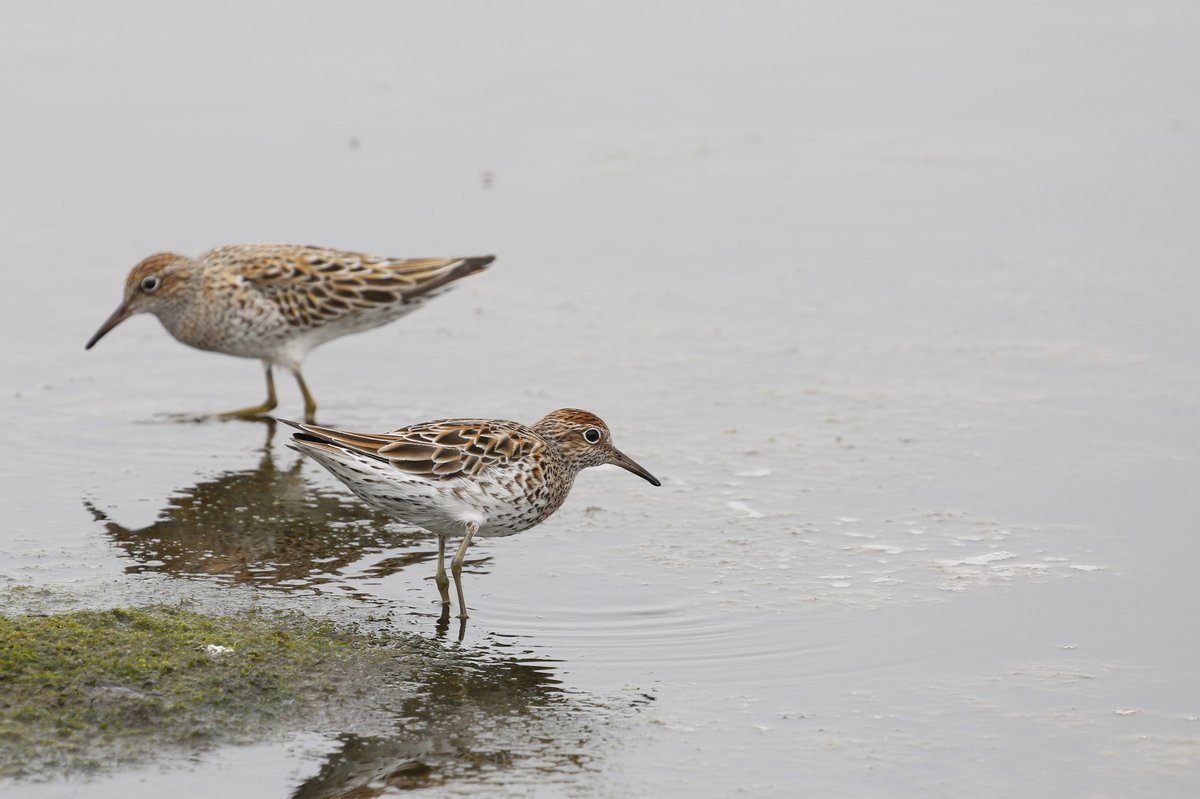
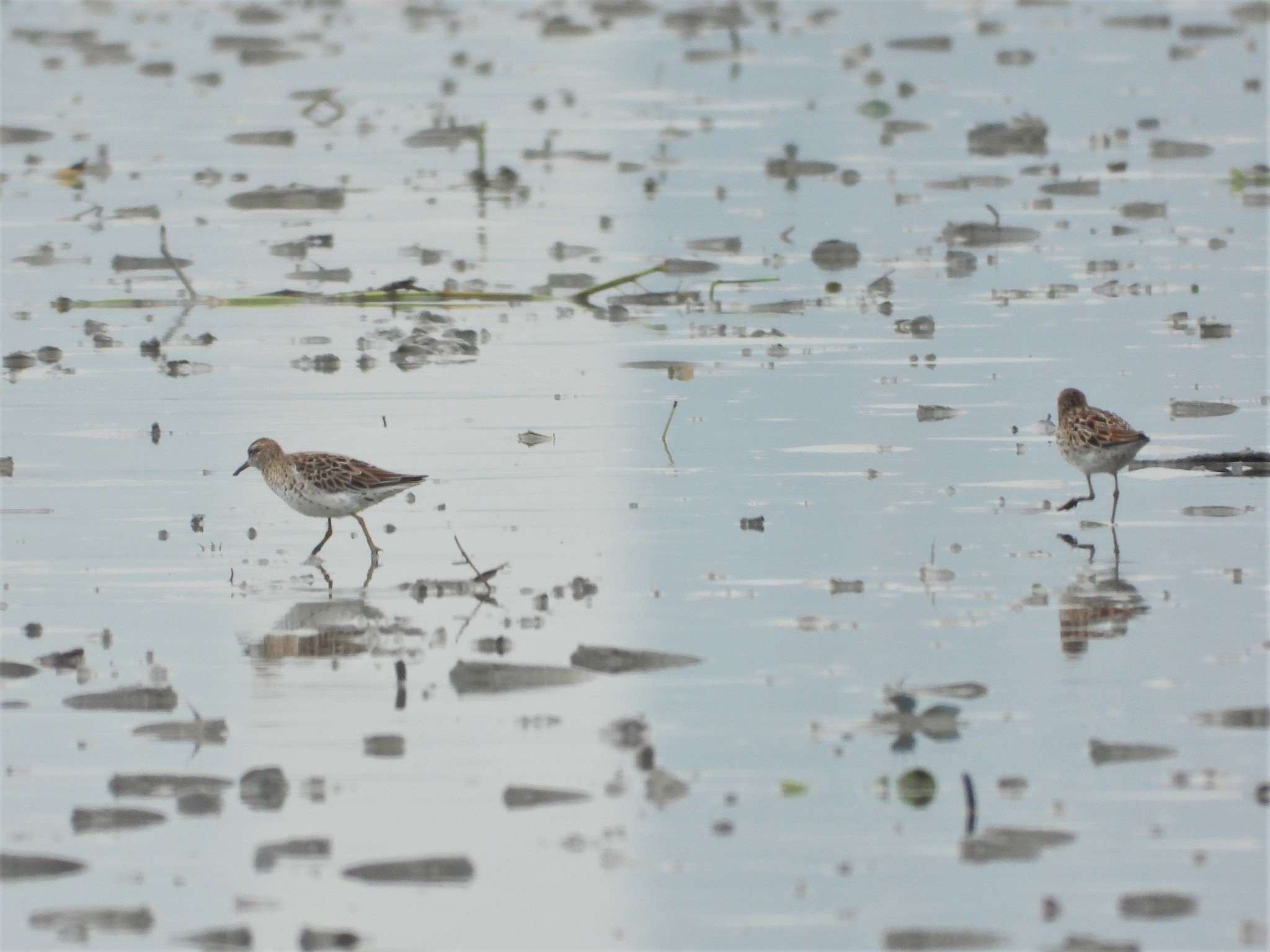
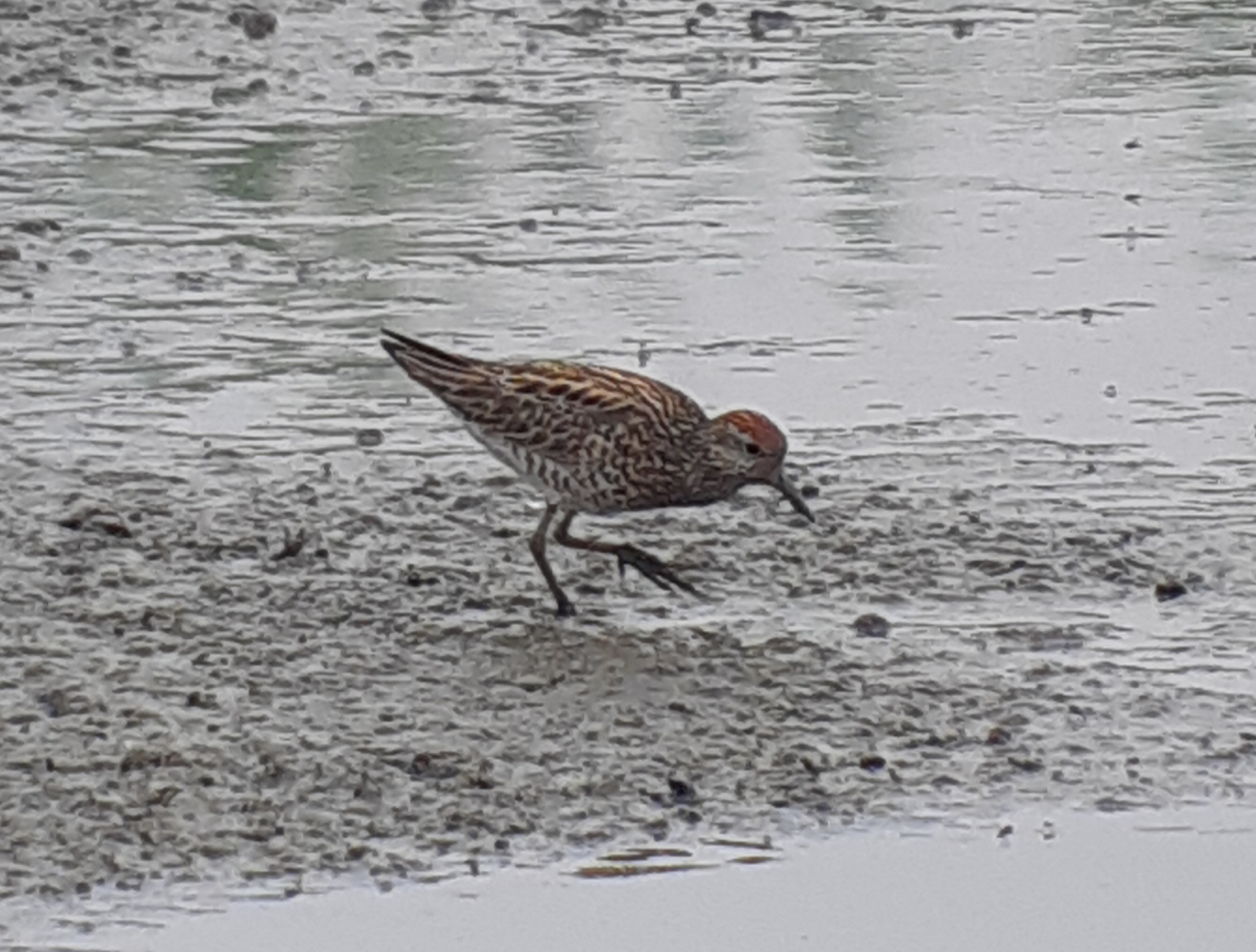
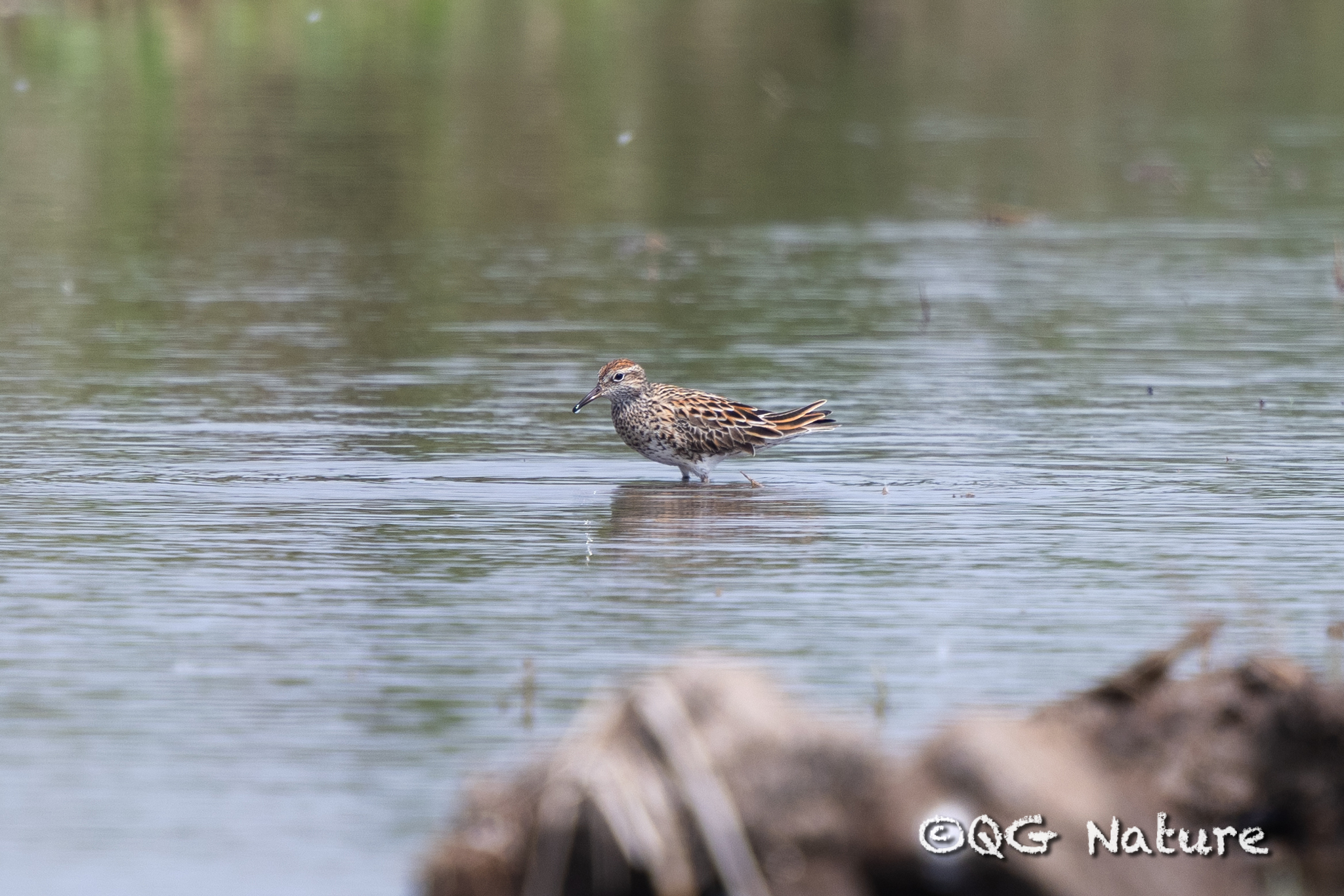
A small-medium wader with a distinctive portly appearance, this species shows a pot belly, flat back, and somewhat drawn-out rear end. The upperparts display mottled chestnut-brown plumage with sharp-looking feathers featuring dark centres, while the head bears a chestnut cap and a brown stripe through each eye. The bill is dark grey to black and straight, complemented by olive- to yellow-coloured legs. Underparts are white or paler, with mottling extending across the breast and belly sides. Breeding plumage appears more vivid, whereas winter plumage is considerably duller. Juveniles stand out in autumn and early winter with brighter colours, sharper feathers, brighter chestnut crowns contrasting with white mantle stripes, and distinctive buffy chests.
Identification
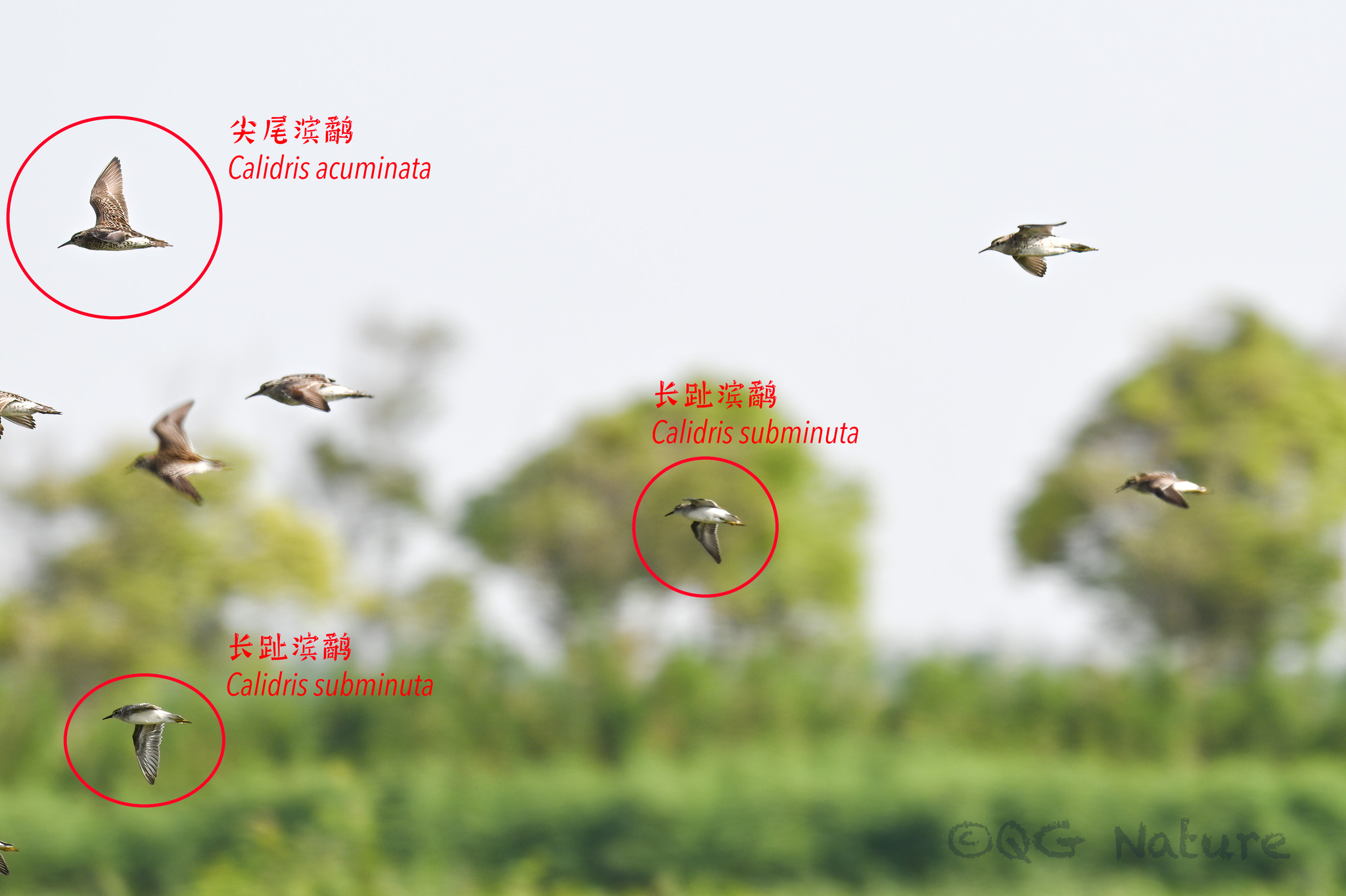
The pectoral sandpiper is the most similar species within the Asian range where this bird breeds. Key distinguishing features include the breast pattern - lacking the strongly demarcated breast band of the pectoral sandpiper and instead showing '>'-shaped marks on the flanks. This species also displays a stronger supercilium and a more chestnut-coloured crown. While it shares some similarities with the long-toed stint, the significant size difference makes identification straightforward.
Distribution & Habitat
This strongly migratory species breeds solely in eastern Siberia from the Taymyr Peninsula to Chaunskaya Bay in Chukotka during June to August. The population winters predominantly in Australasia from September to March. Two main migration routes exist: most adults fly south east of Lake Baikal to Russia's Pacific coast and the Yellow Sea before heading to Micronesia and New Guinea, then northwest Australia. The eastern route takes juveniles and some adults across the Bering Strait to Alaska, with a presumed non-stop trans-Pacific flight exceeding 10,000 km to reach Australia and New Zealand. Siberian breeding habitats consist of peat-hummock and lichen tundra, while migration and wintering areas include muddy edges of shallow freshwater and brackish wetlands, swamps, lagoons, coastal mudflats, and inland salt lakes.
Behavior & Ecology
Breeding occurs from June to August in the short Siberian summer, with shallow ground nests lined with leaves and grass, typically containing four eggs. Females handle incubation and chick-rearing. Foraging takes place on wetland edges, intertidal mudflats, shallow water, and among inundated vegetation. After rain, they may venture into distant grassy paddocks. Feeding involves picking up food by sight or occasional probing, with a diet comprising aquatic insects, molluscs, crustaceans, worms, occasional seeds, and other invertebrates. They move between coastal mudflats at low tide and freshwater wetlands at high tide.
Conservation
Listed as Vulnerable globally by IUCN in 2021, with an estimated 60,000 to 120,000 mature individuals and a decreasing population trend. Major threats include habitat loss from wetland reclamation for aquaculture, and degradation through clearing, inundation, draining, or infilling - particularly in Australia where it reduces foraging and roosting sites crucial for building energy reserves for migration to Siberian breeding grounds. Additional pressures include loss of riparian vegetation, invasive species, water pollution, hydrological changes, human disturbance from residential and recreational activities, hunting, vehicle collisions, aircraft strikes, and predation by foxes and cats.
Source: Wikipedia · CC BY-SA 3.0
Taxonomy
- Order
- Charadriiformes
- Family
- Scolopacidae
- Genus
- Calidris
- eBird Code
- shtsan
Distribution
breeds low Arctic tundra from Lena to Kolyma rivers (northeastern Siberia); winters from Wallacea eastward through Australasia; prone to extreme vagrancy
Data Sources
CBR Notes: IUCN红色名录等级由LC升为VU
Species description from Wikipedia, licensed under CC BY-SA 3.0.
Bird images and sounds sourced from GBIF, contributed by citizen scientists worldwide under Creative Commons licenses.
Taxonomy data from AviList 2025.