
Passeriformes / Alaudidae / Calandrella
Hume's Short-toed Lark
Calandrella acutirostris · 细嘴短趾百灵
Introduction
A species of lark in the family Alaudidae found in south-central Asia from Iran and Kazakhstan to China. Evaluated as Least Concern by the IUCN Red List.
Description
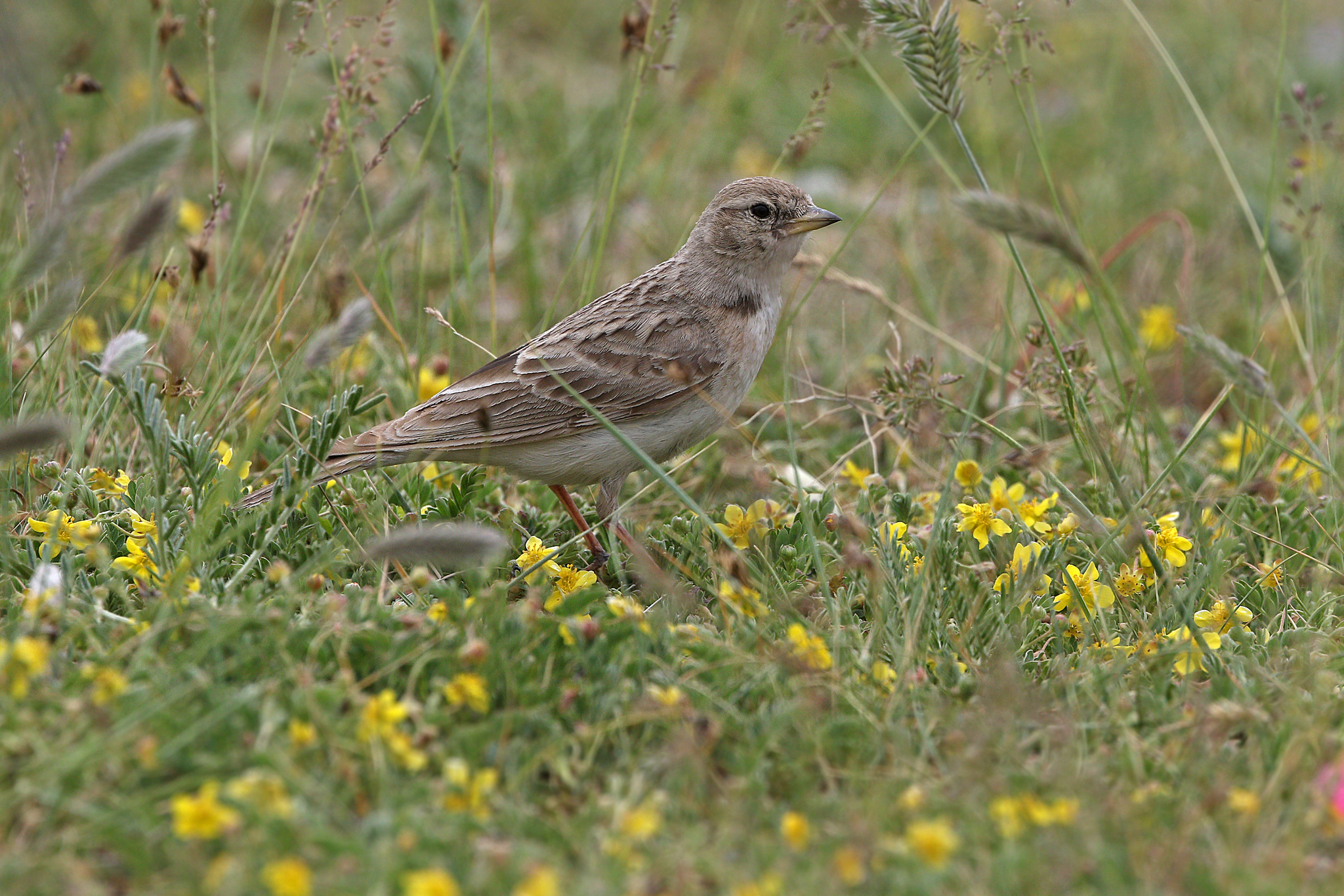
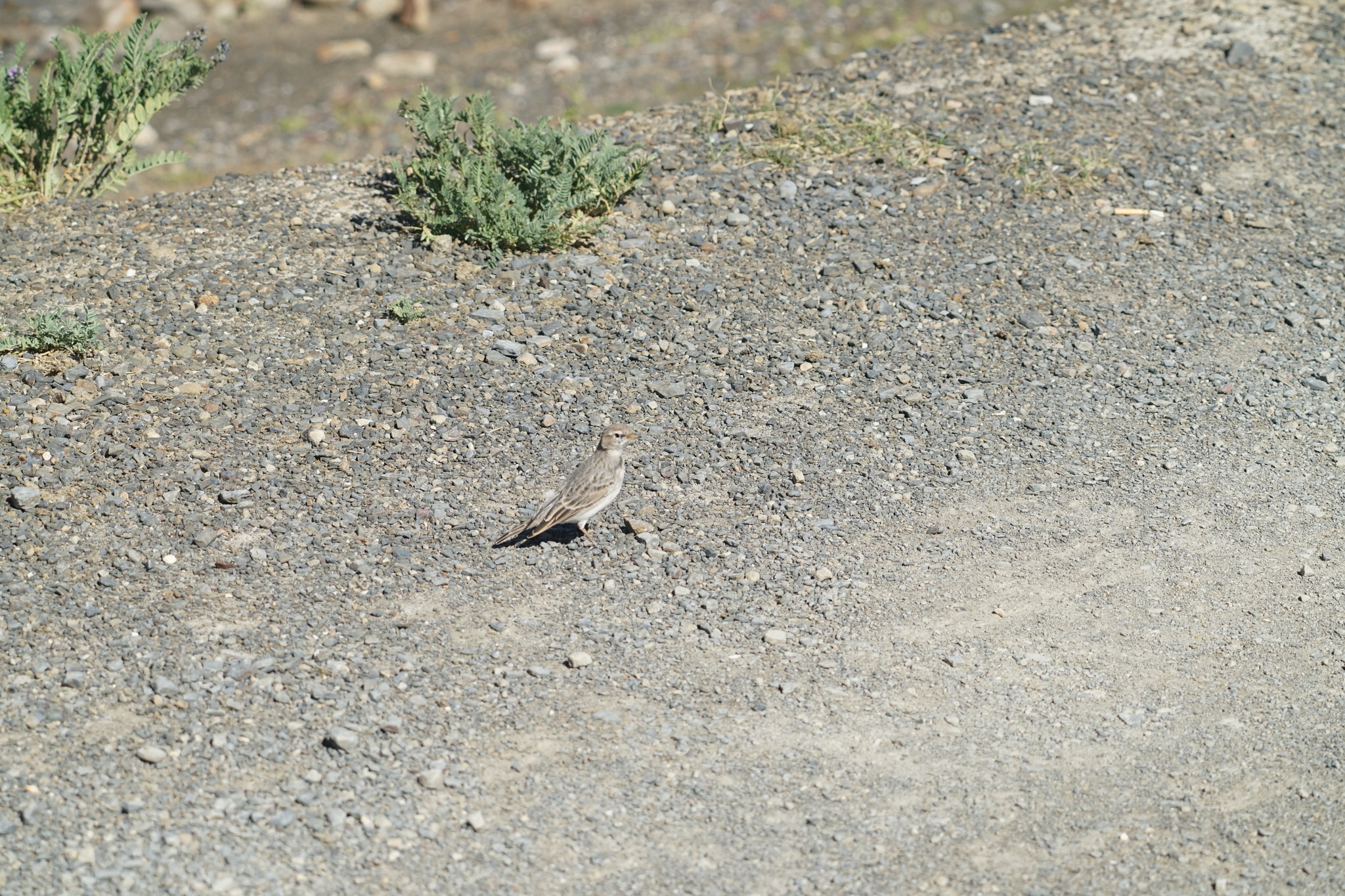
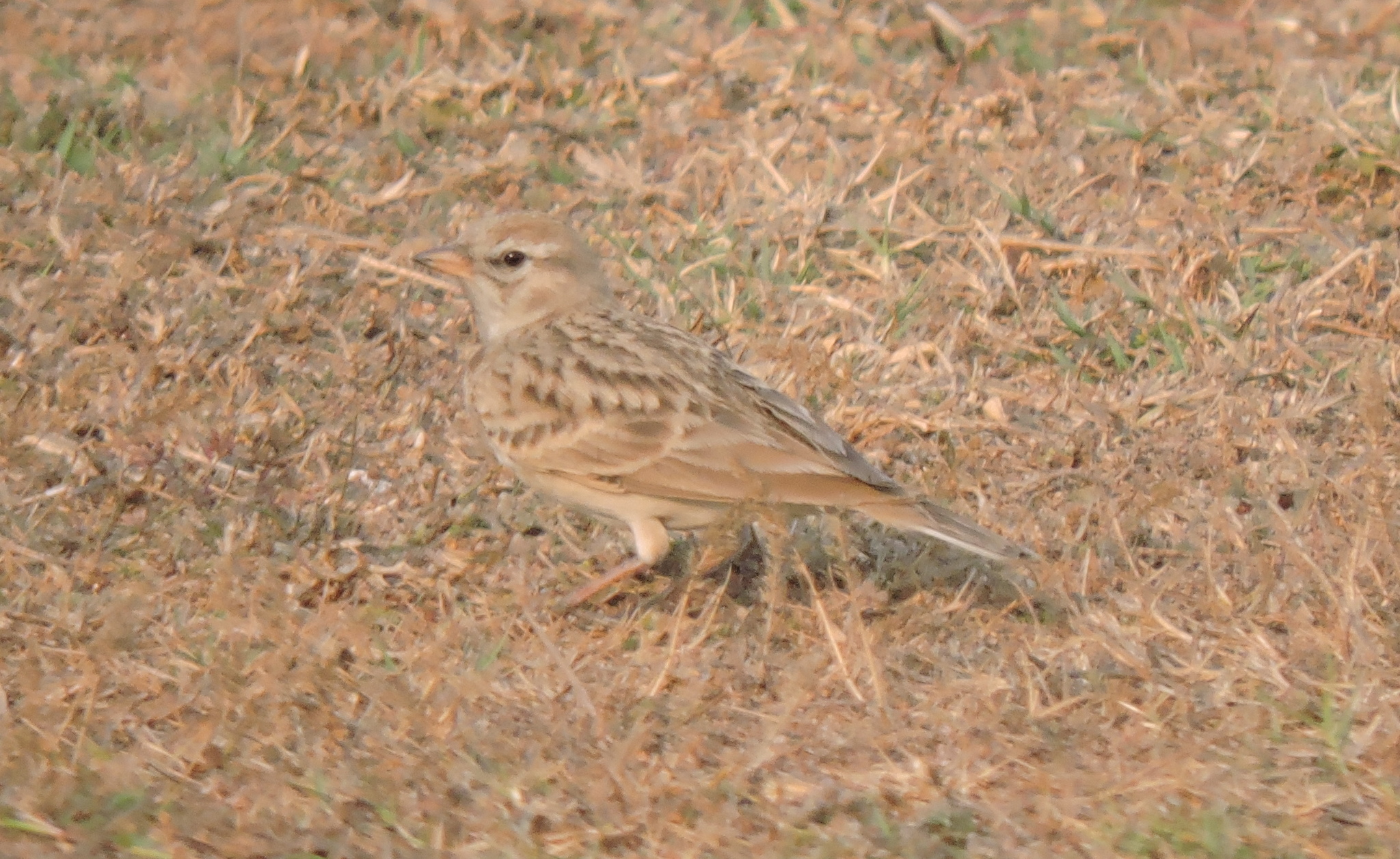
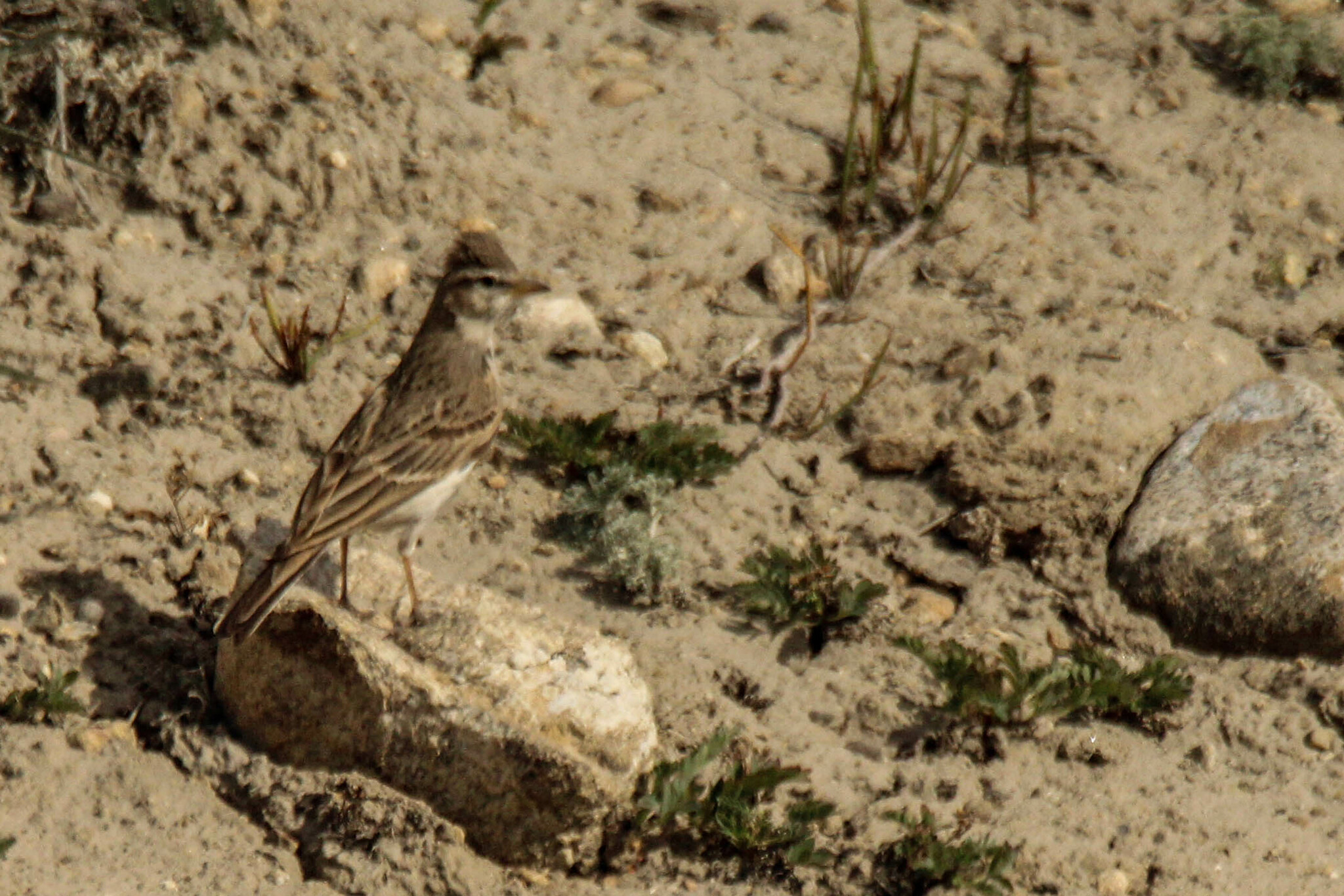
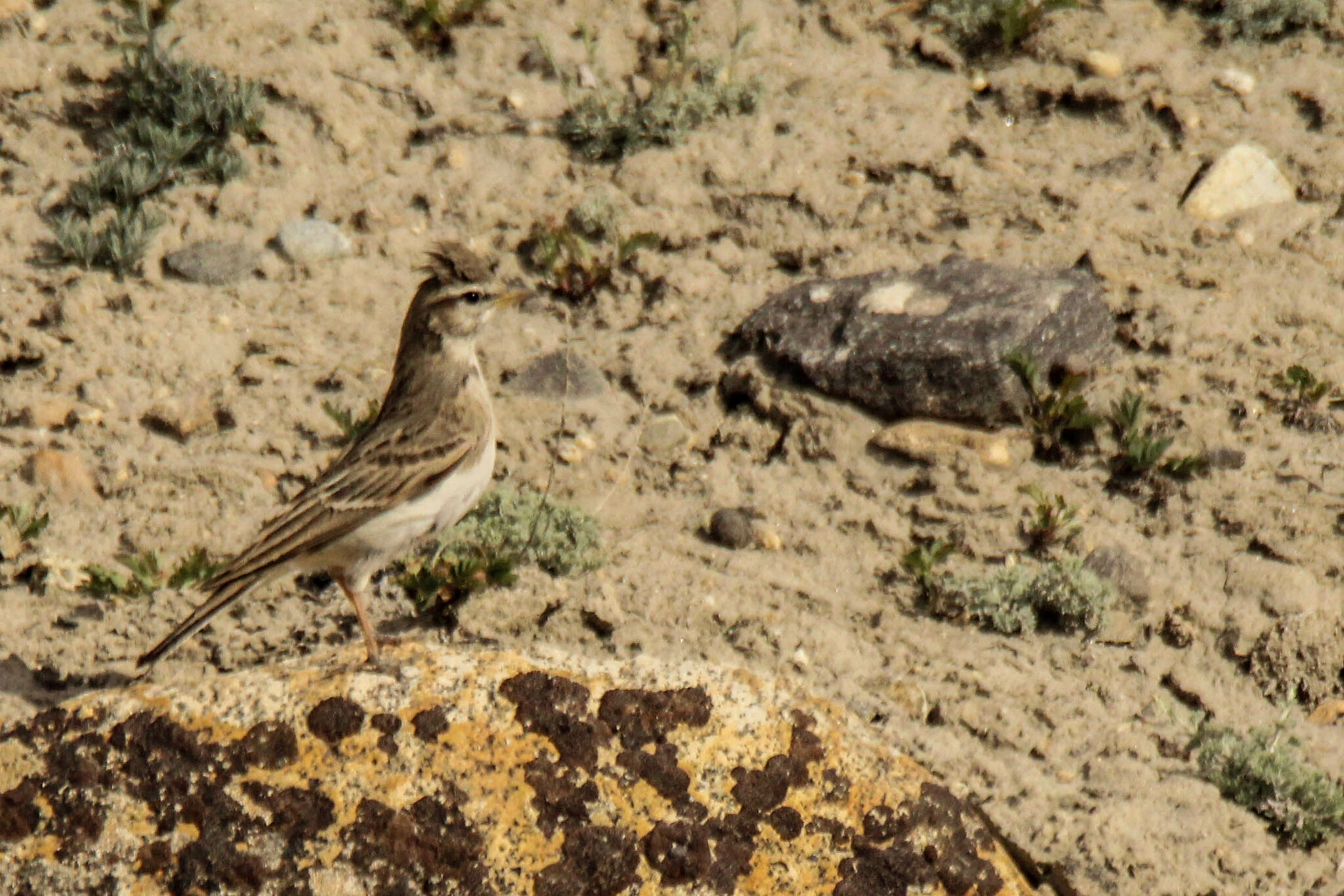
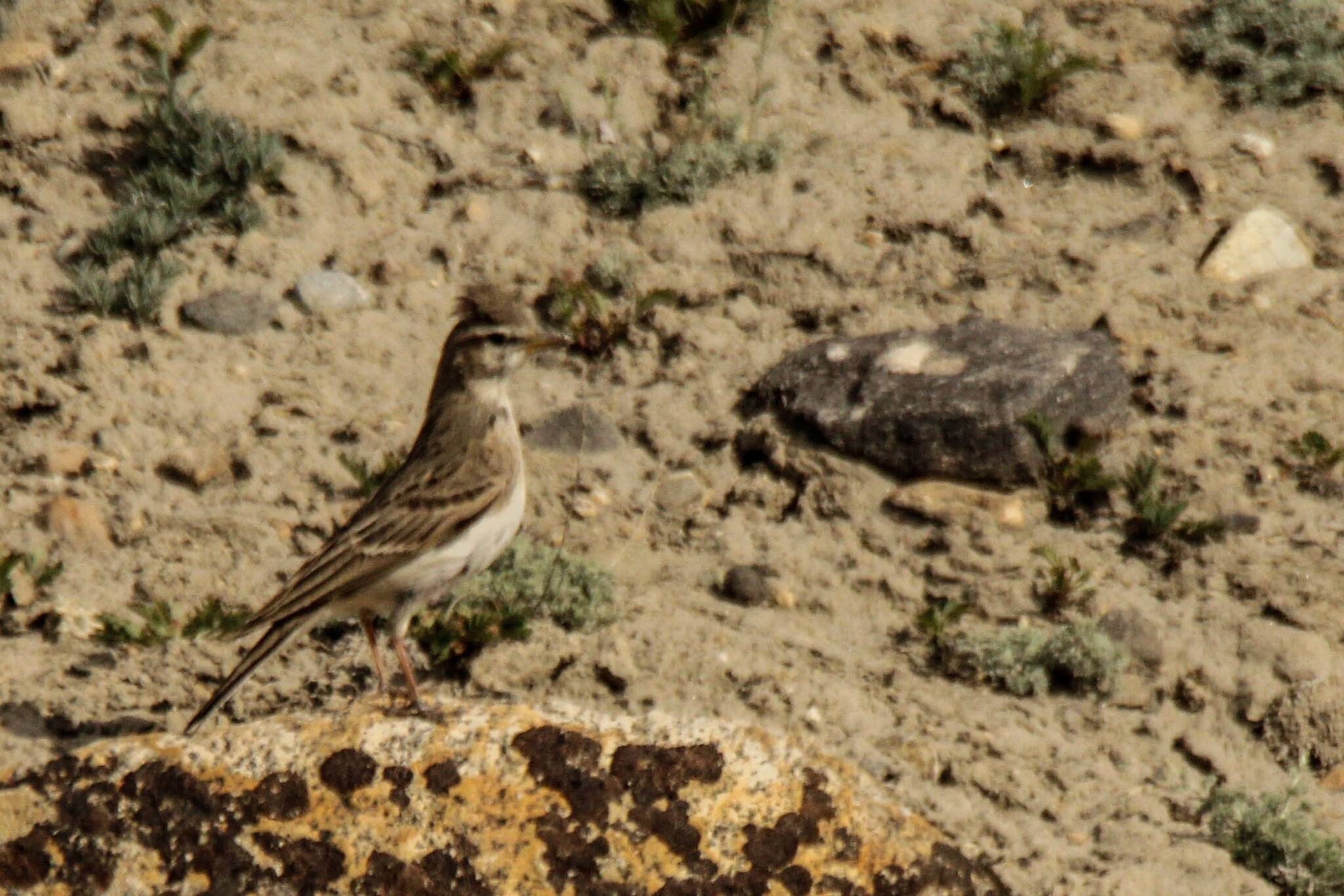
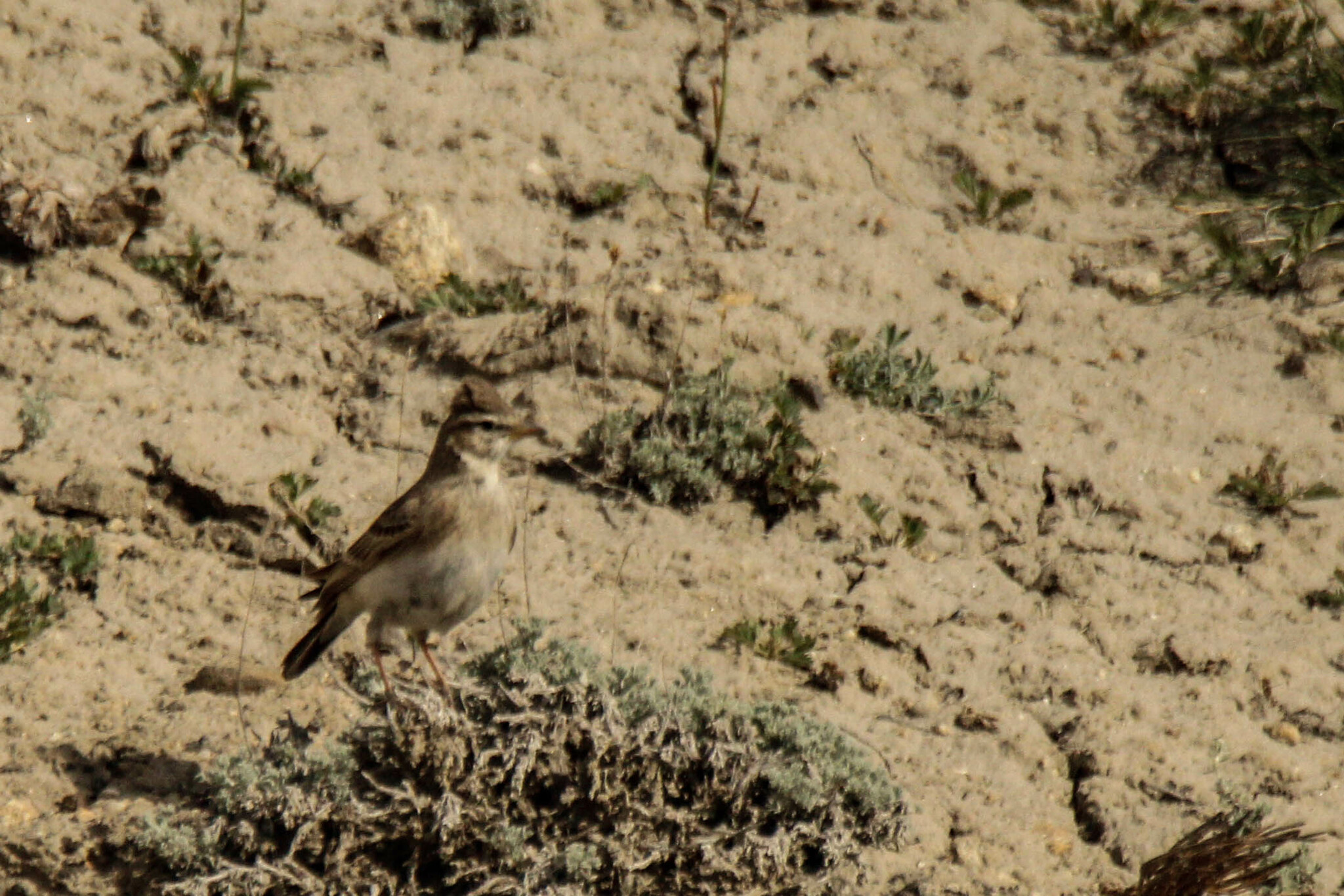
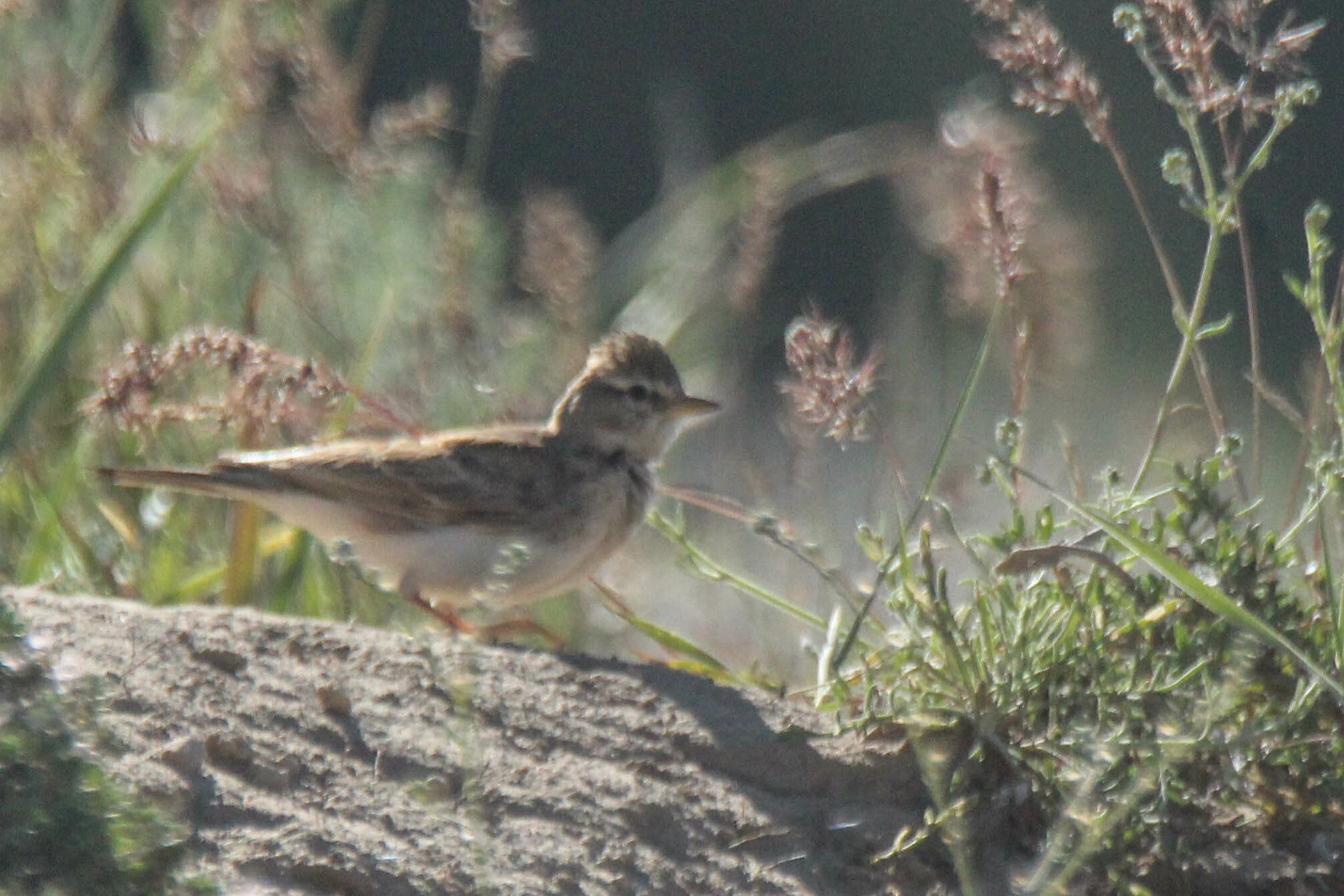
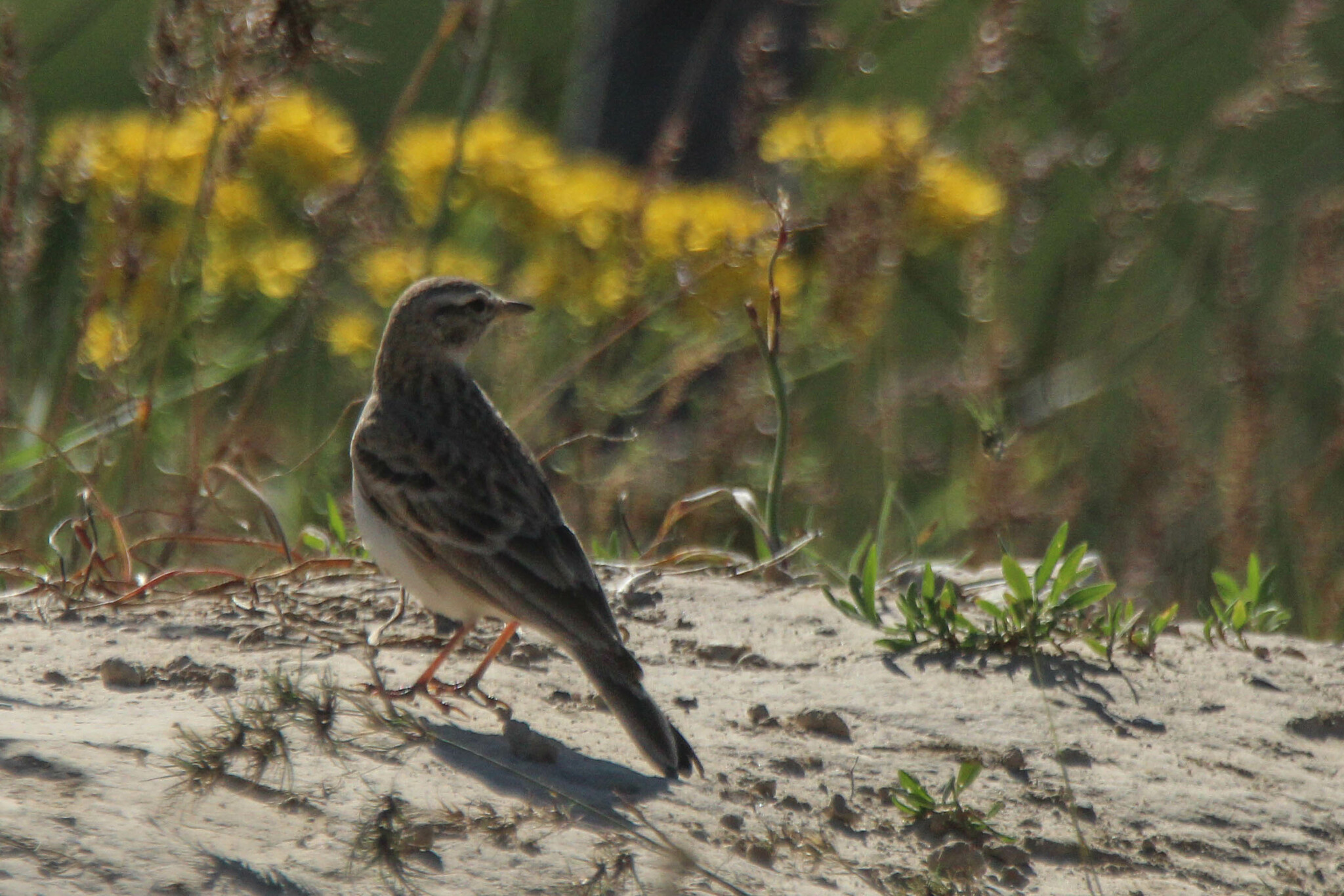
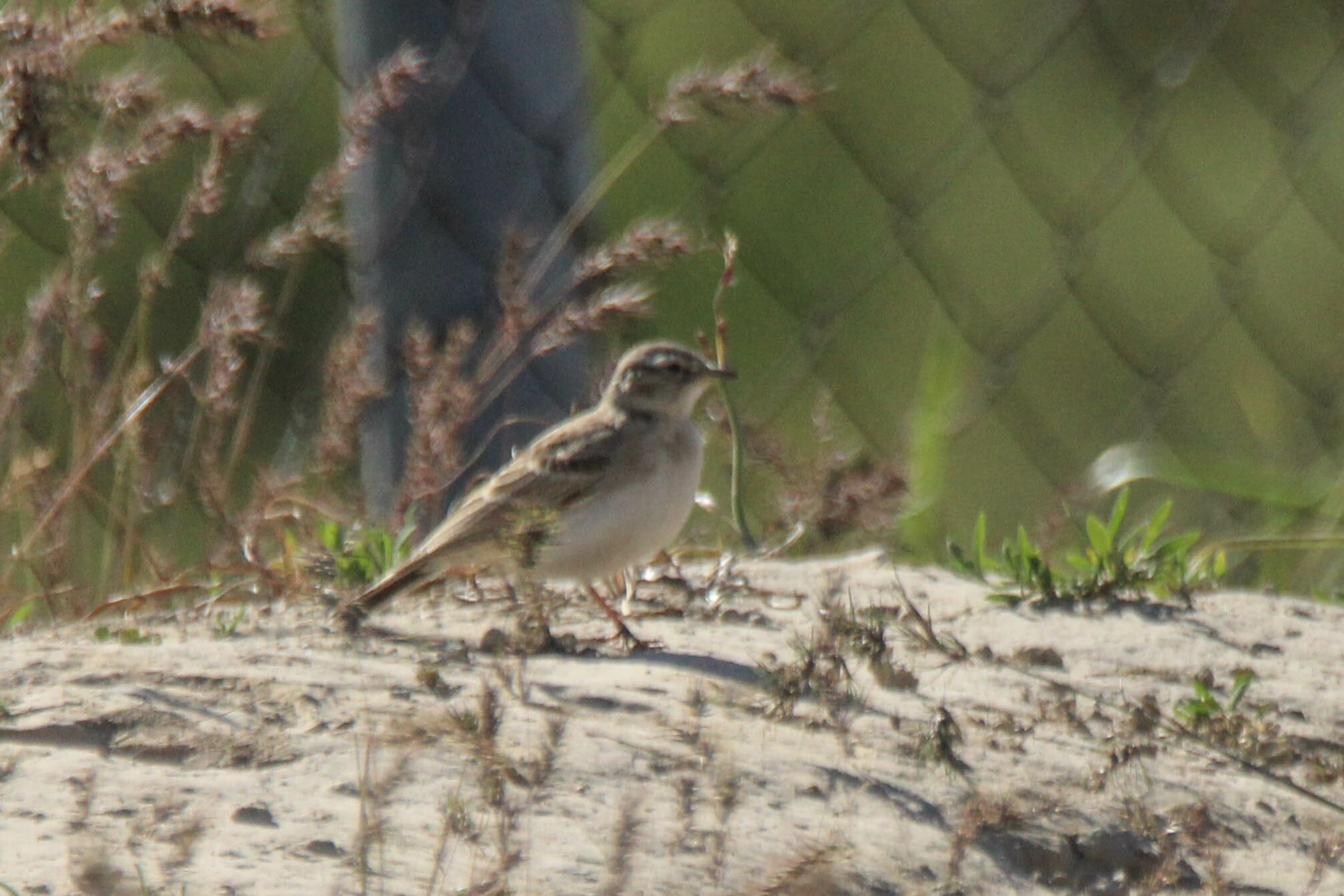
Grows to a length of 13 to 14 cm (5.1 to 5.5 in). Sexes are similar. Generally duller-looking with slightly darker plumage and a slightly smaller beak than related species. The crown is brown with slight diffuse streaking, cheeks are rufous-brown, and the supercilium is white. Upper parts are greyish-brown or sandy brown with darker streaking; upper tail coverts are washed with rufous-brown. Wings are greyish-brown with black barring and pale feather tips. Underparts are mostly whitish with a dark neck patch and a buffish-grey breast band. The breast is unstreaked.
Identification
Similar in size and appearance to the greater short-toed lark but generally duller with slightly darker plumage and a smaller beak. Color varies across the range and is not a reliable distinguishing feature. Vocalizations help distinguish this species, including a shrill "trree" and a more rolling "drreep".
Distribution & Habitat
Found in south-central Asia from Iran and Kazakhstan to China. Two subspecies are recognized: C. a. acutirostris, found from north-eastern Iran and eastern Kazakhstan to western China; and C. a. tibetana, found from north-eastern Pakistan to the Tibetan Plateau.
Conservation
Evaluated as Least Concern by the IUCN Red List due to its extensive range, stable population trend, and a population size that is not believed to approach threatened levels.
Source: Wikipedia · CC BY-SA 3.0
Taxonomy
- Order
- Passeriformes
- Family
- Alaudidae
- Genus
- Calandrella
Subspecies (2)
-
Calandrella acutirostris acutirostris
breeds southern Kazakhstan and far western China (western Xinjiang) southward to Afghanistan and southern Pakistan; winters mainly Pakistan and northwestern India; recorded in northeastern Iran
Data Sources
Species description from Wikipedia, licensed under CC BY-SA 3.0.
Bird images and sounds sourced from GBIF, contributed by citizen scientists worldwide under Creative Commons licenses.
Taxonomy data from AviList 2025.