Pelecaniformes / Ardeidae / Butorides
Striated Heron
Butorides striata · 绿鹭
Introduction
A small heron species, approximately 44 cm tall, primarily sedentary with distinctive behavioral traits. Breeding habitat is located in South America and the Caribbean. Formerly considered conspecific with the little heron found in Old World tropics. Classified as Least Concern by the IUCN.
Description
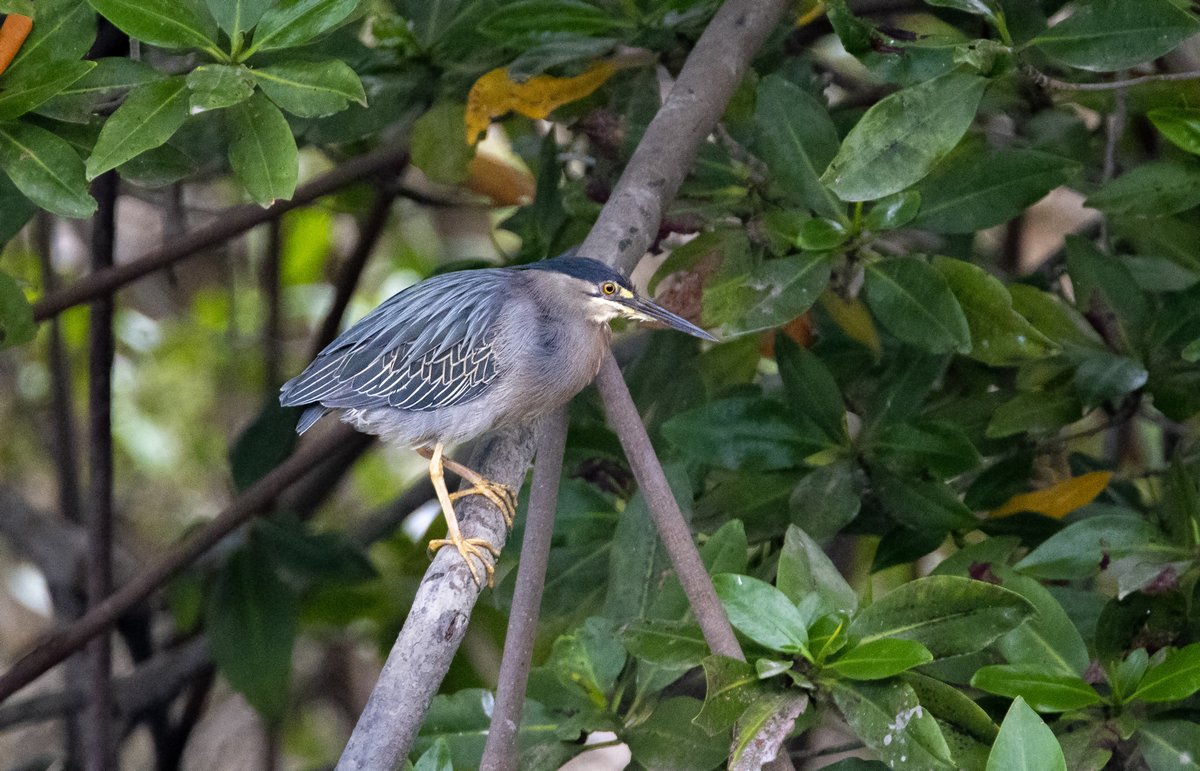
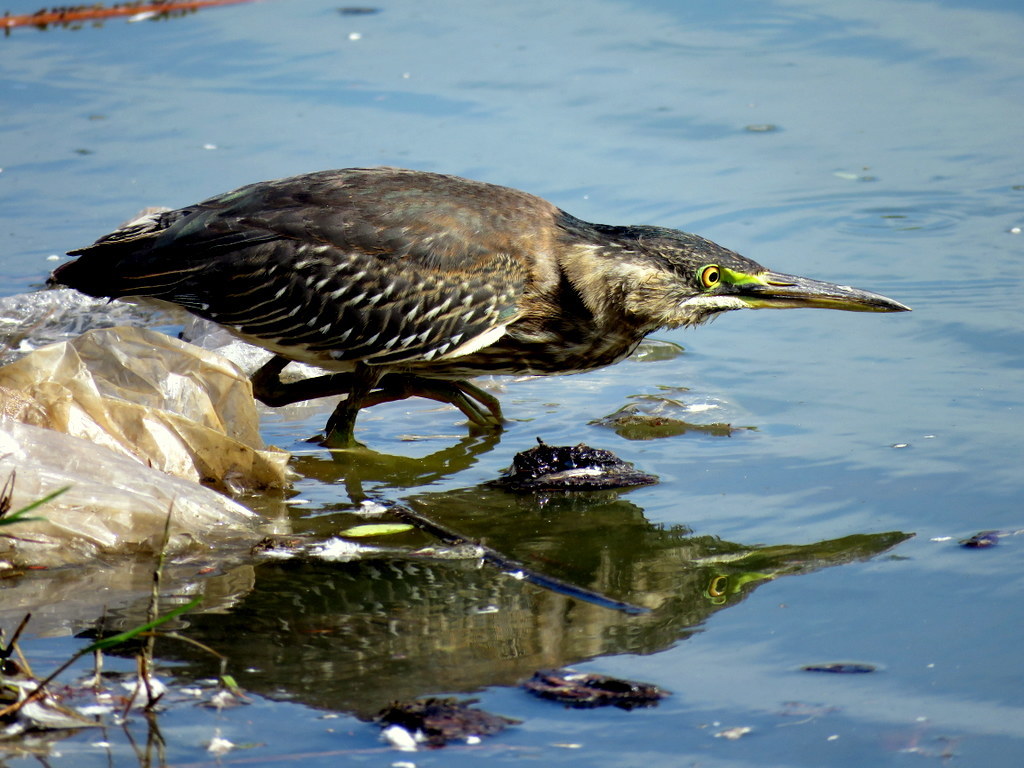
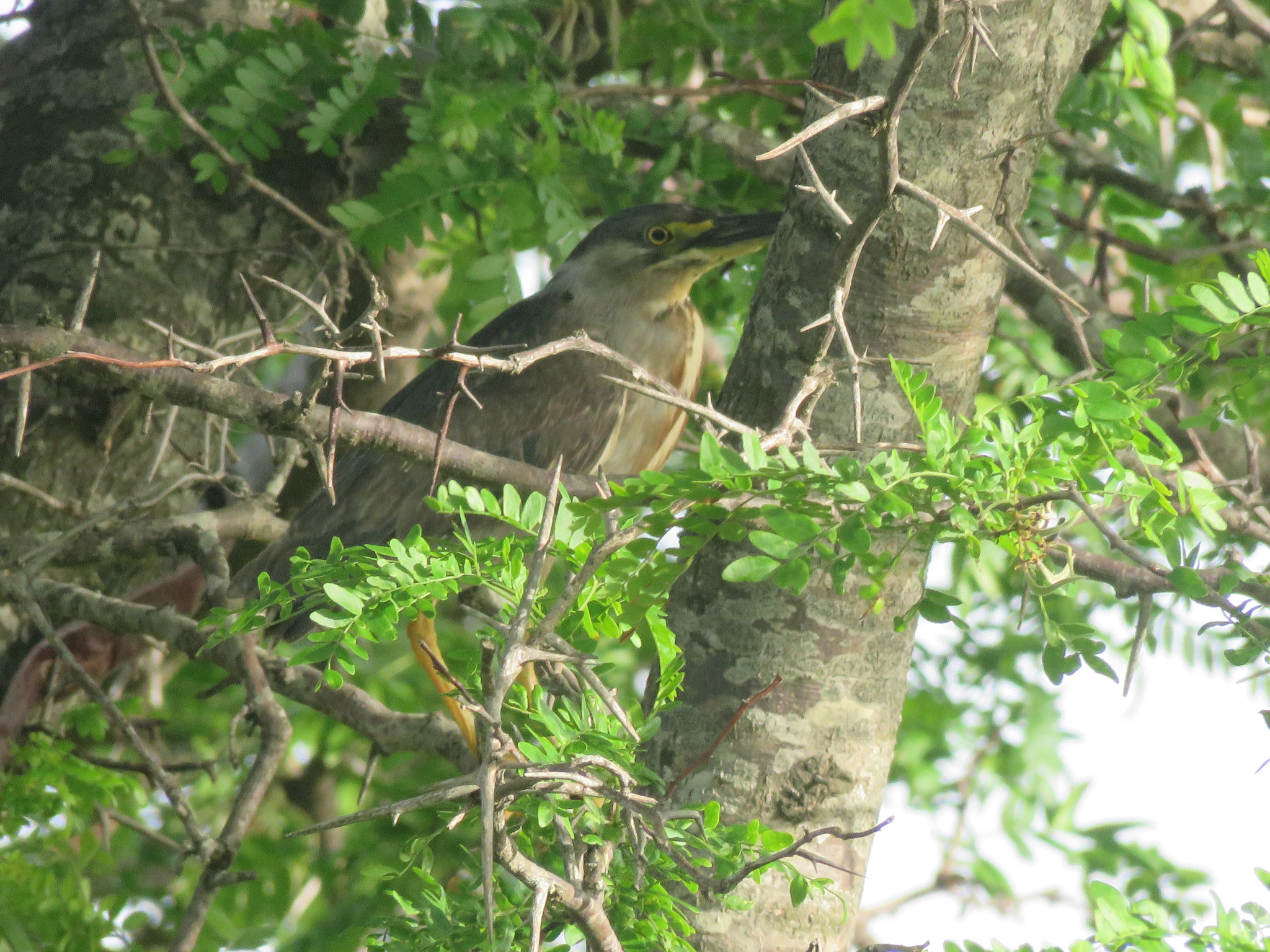
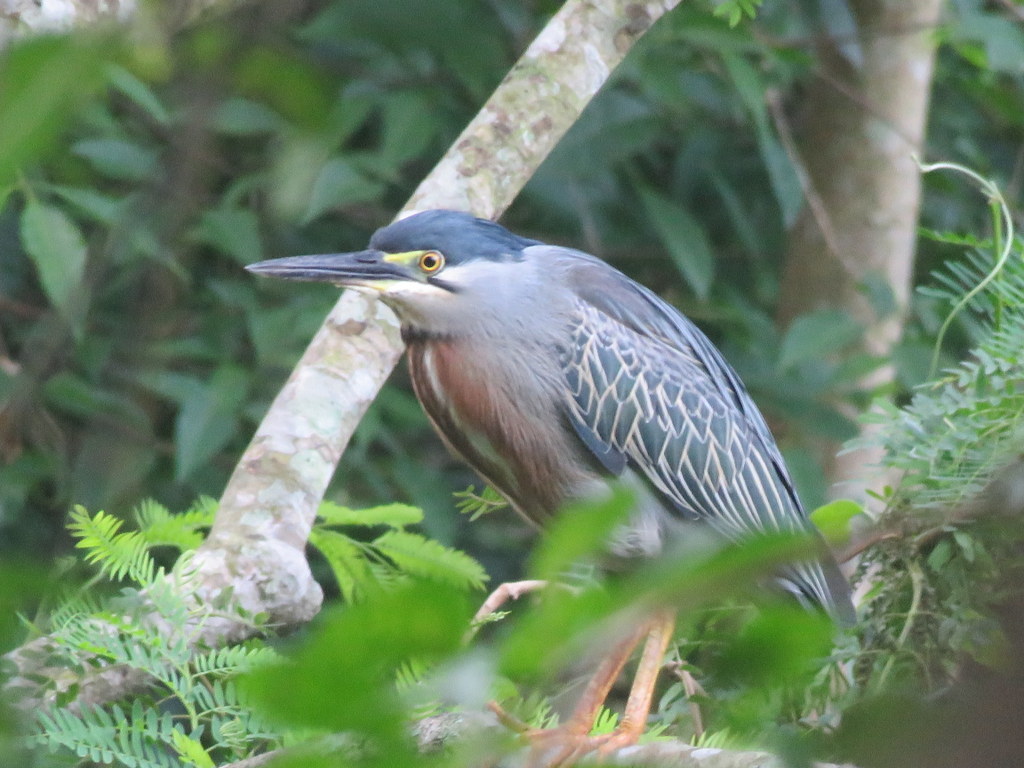
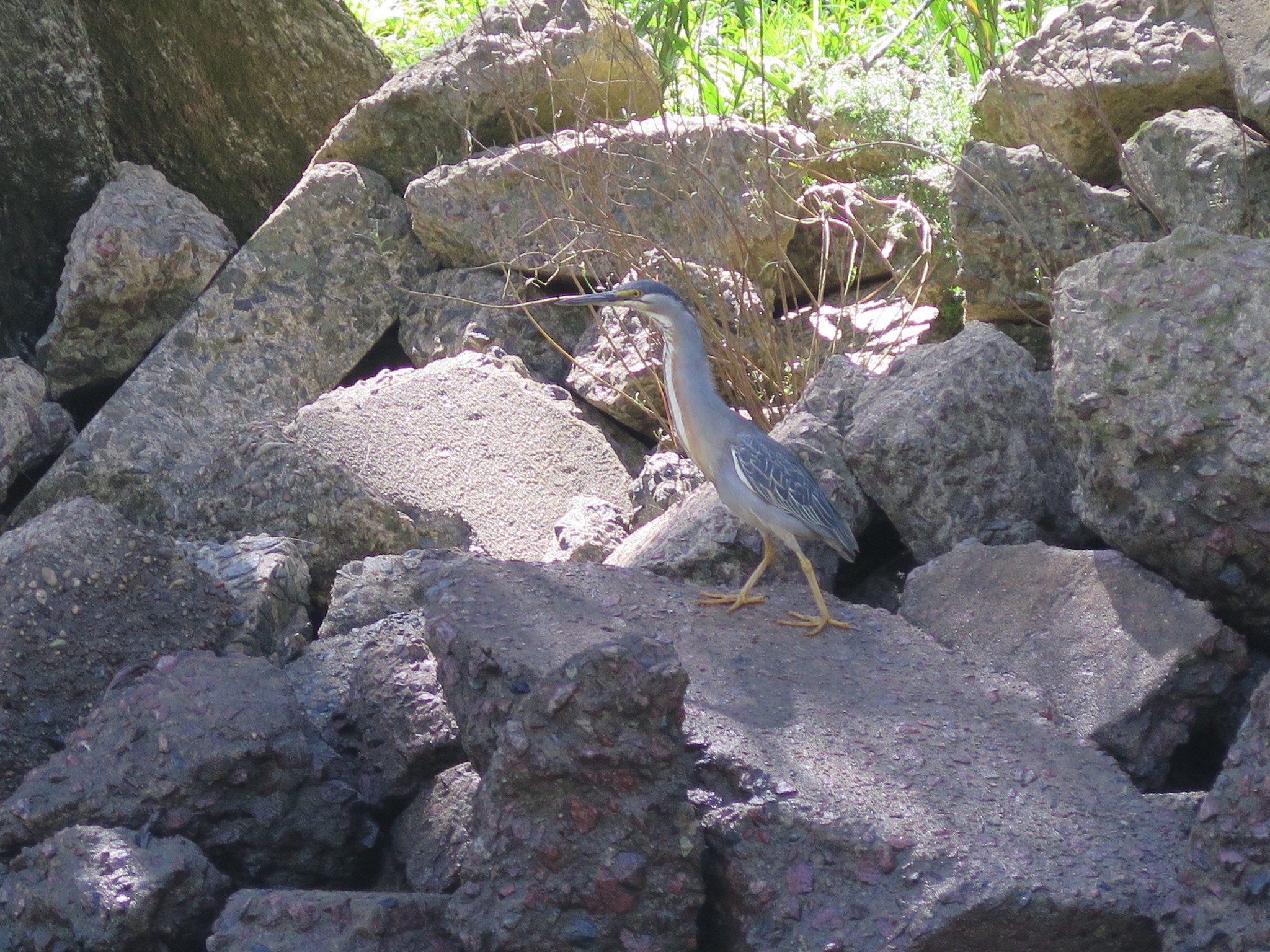
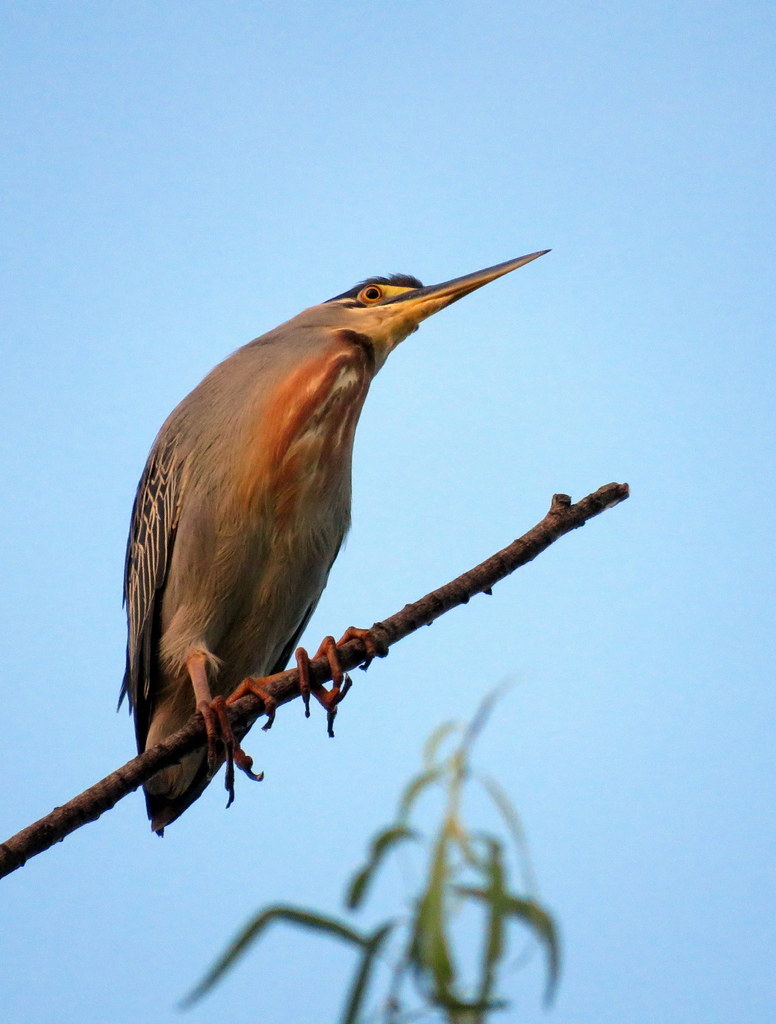
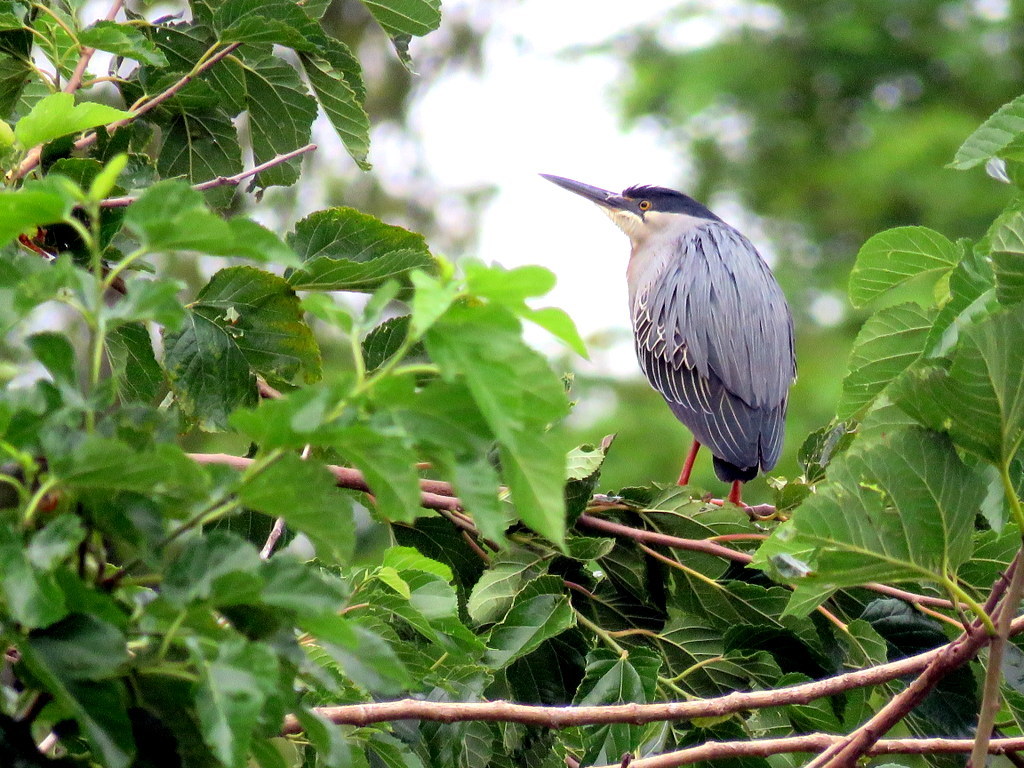
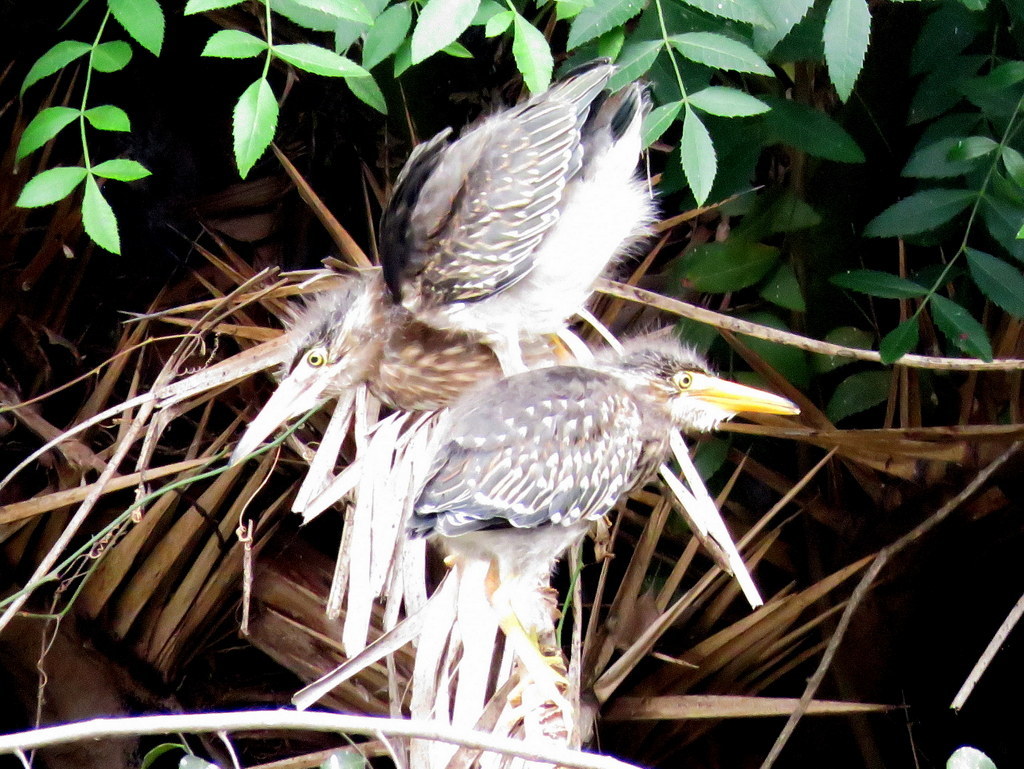
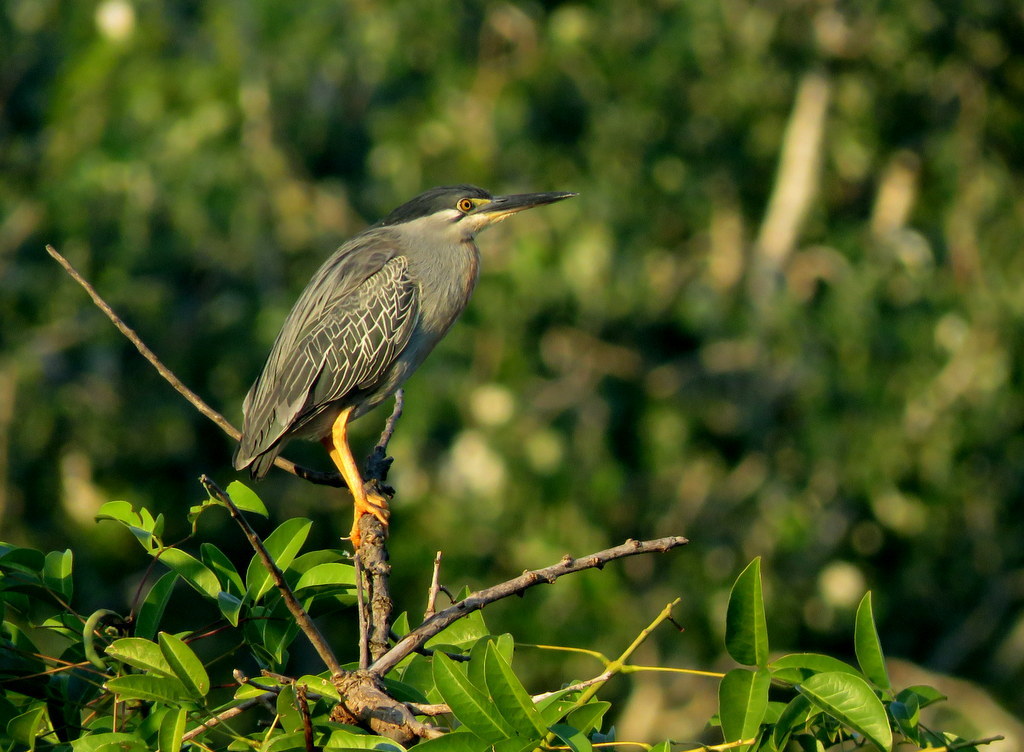
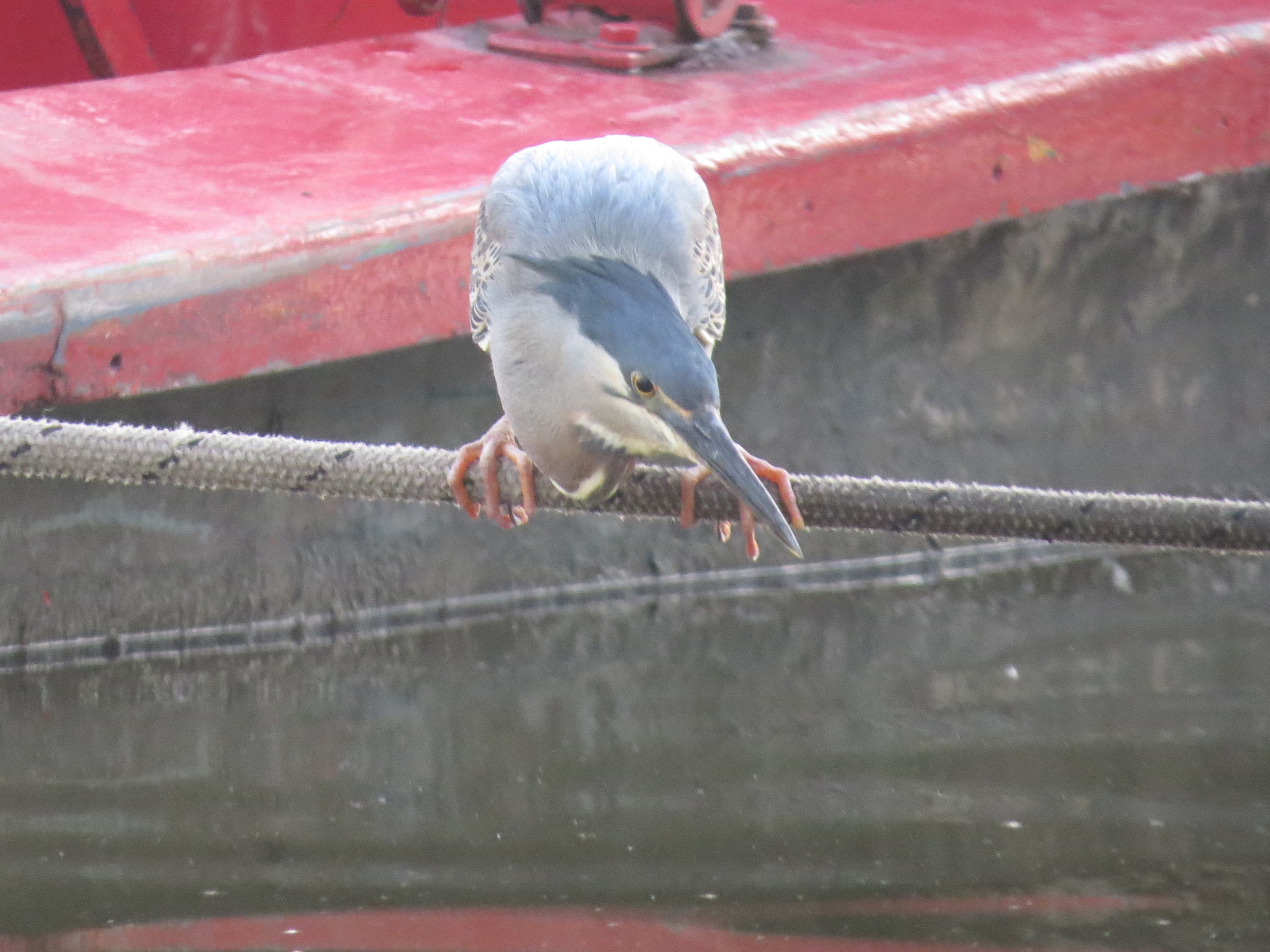
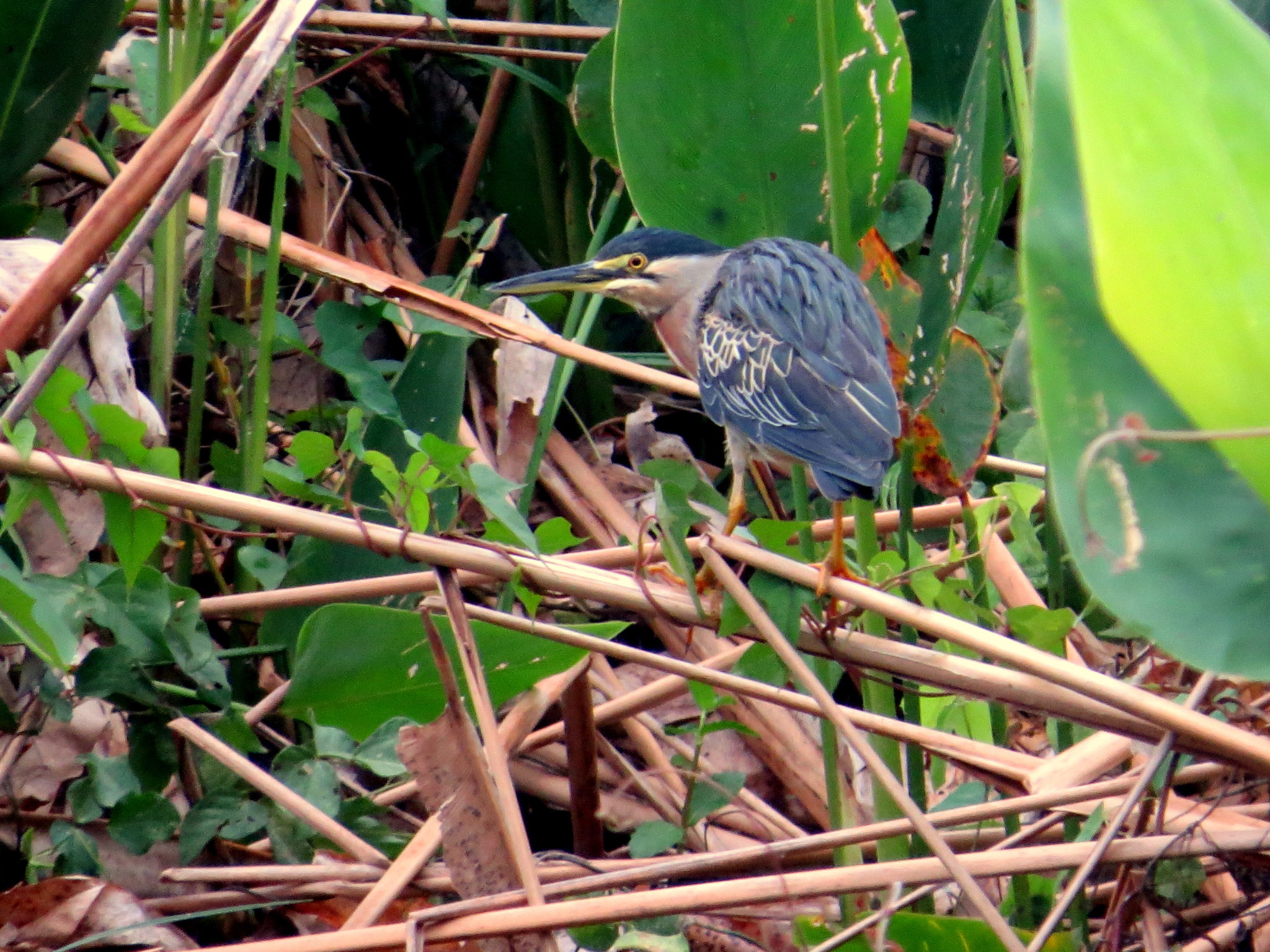
Length 35–48 cm (14–19 in), weight 130–250 g (4.6–8.8 oz), wingspan 52–60 cm (20–24 in). Sexes are alike. Plumage varies below from mid grey to pinkish-purple or orangey toned. Adults have a blue-grey back and wings, white underparts, a black cap, a dark line extending from the bill to under the eye, and short yellow legs. Juveniles are browner above and heavily streaked below.
Identification
Adults display a black cap, dark line from bill to under eye, blue-grey back, and white underparts. Juveniles are distinguished by brown upperparts and heavy streaking below. Hybrids with the green heron are generally much more purple-red below than typical individuals.
Distribution & Habitat
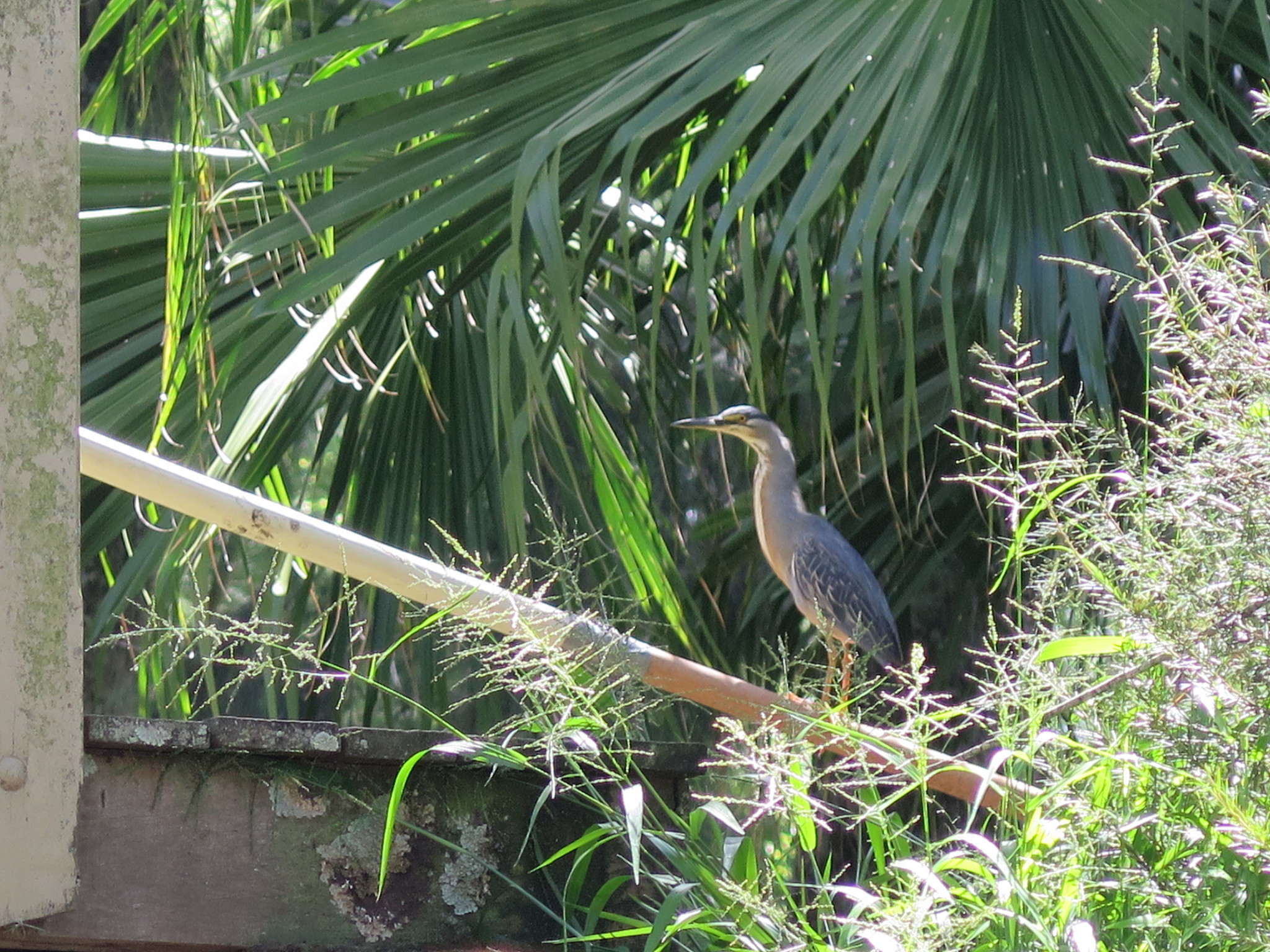
Widespread in tropical and warm temperate South America, from central and southeastern Panama south to Río Negro Province in Argentina. Generally a lowland bird found in marshes, lakes, and rivers; in Peru, it occurs up to an altitude of 800 m, avoiding the Andes mountains. In Trinidad and Tobago and central Panama, it overlaps slightly in range with the green heron.
Behavior & Ecology
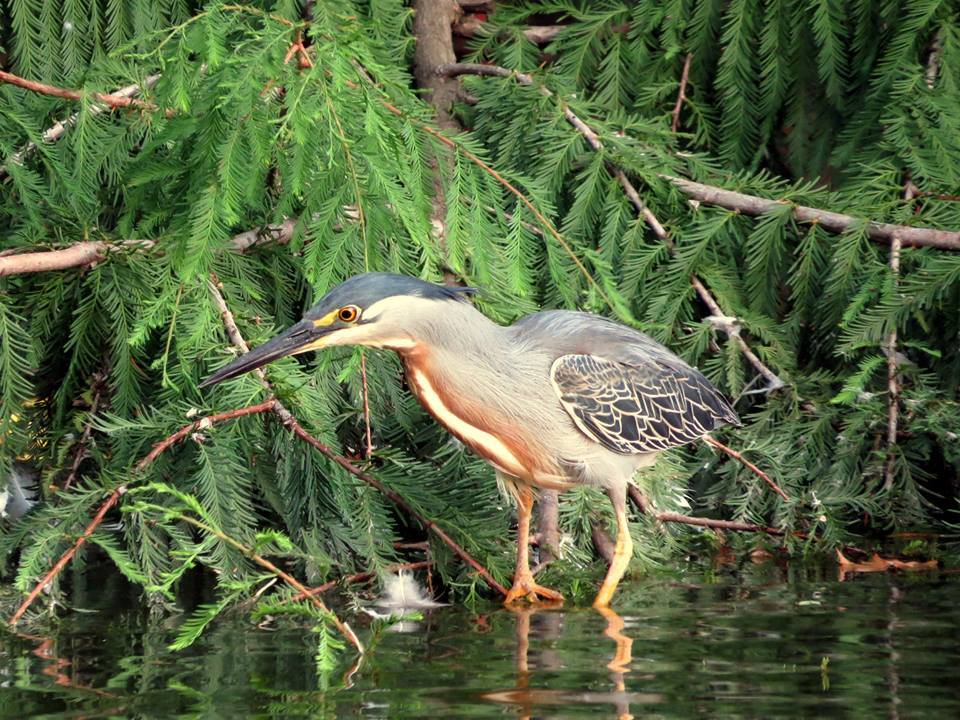
Ambushes prey by standing still at the water's edge, mainly eating small fish, frogs, and aquatic insects. Sometimes uses bait, dropping a feather or leaf on the water surface to attract fish. Nests are stick platforms built in shrubs, trees, or sheltered ground locations near water. Clutch size is 2–5 pale blue eggs measuring around 36 by 28 mm. One observed adult exhibited a rapid back-and-forth head motion with a stick in its bill while on the nest. Young birds display when threatened by stretching necks and pointing bills skywards.
Conservation
Classified as Least Concern by the IUCN. The population is widespread and generally common.
Source: Wikipedia · CC BY-SA 3.0
Taxonomy
- Order
- Pelecaniformes
- Family
- Ardeidae
- Genus
- Butorides
Distribution
eastern Panama and all South America to northern Argentina and Chile
Data Sources
Species description from Wikipedia, licensed under CC BY-SA 3.0.
Bird images and sounds sourced from GBIF, contributed by citizen scientists worldwide under Creative Commons licenses.
Taxonomy data from AviList 2025.