Striated Heron
Butorides striata
绿鹭
Introduction
This species is a small heron, approximately 44 cm in body length. It is a widespread resident of South American wetlands, typically found along the edges of marshes, lakes, and rivers. The species exhibits a distinctive hunting behavior, standing motionless before striking at prey. It is one of the few bird species known to use tools, dropping bait such as feathers or leaves onto the water surface to attract fish. Populations are mostly sedentary, though some individuals may make local movements. The species overlaps in range with the green heron in parts of Central America and the Caribbean, where hybridization occasionally occurs.
Description
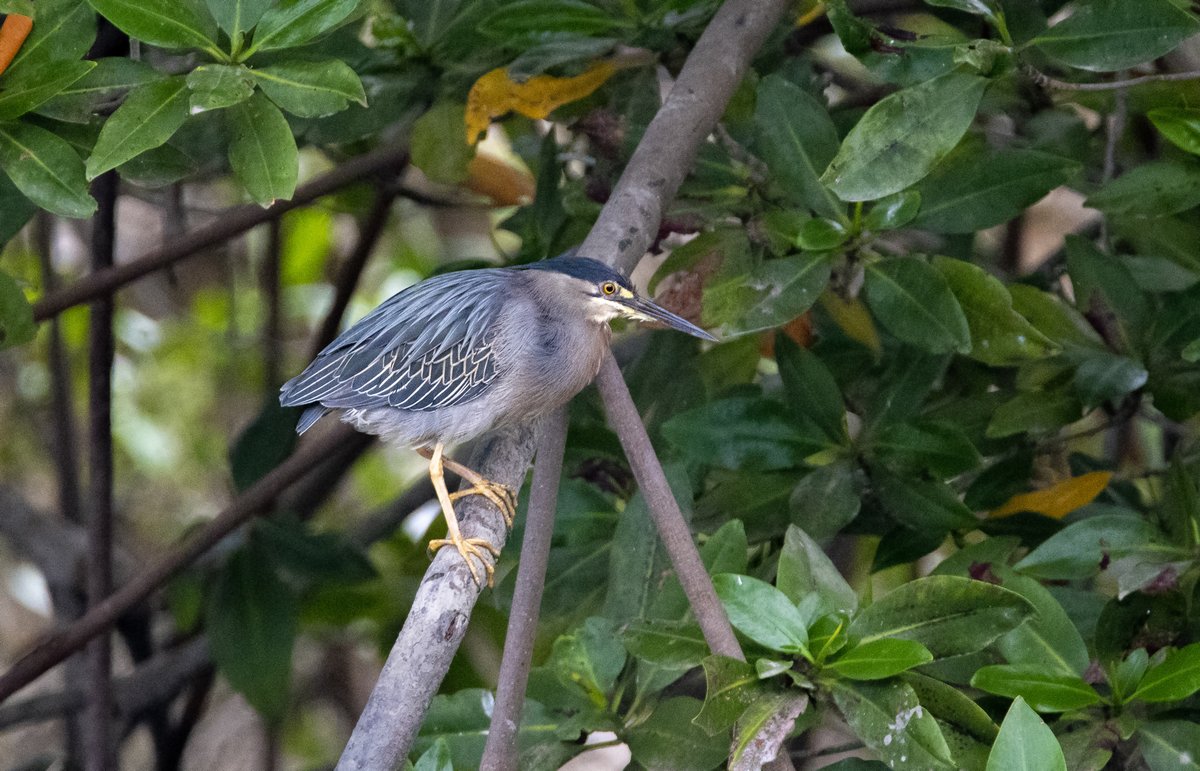
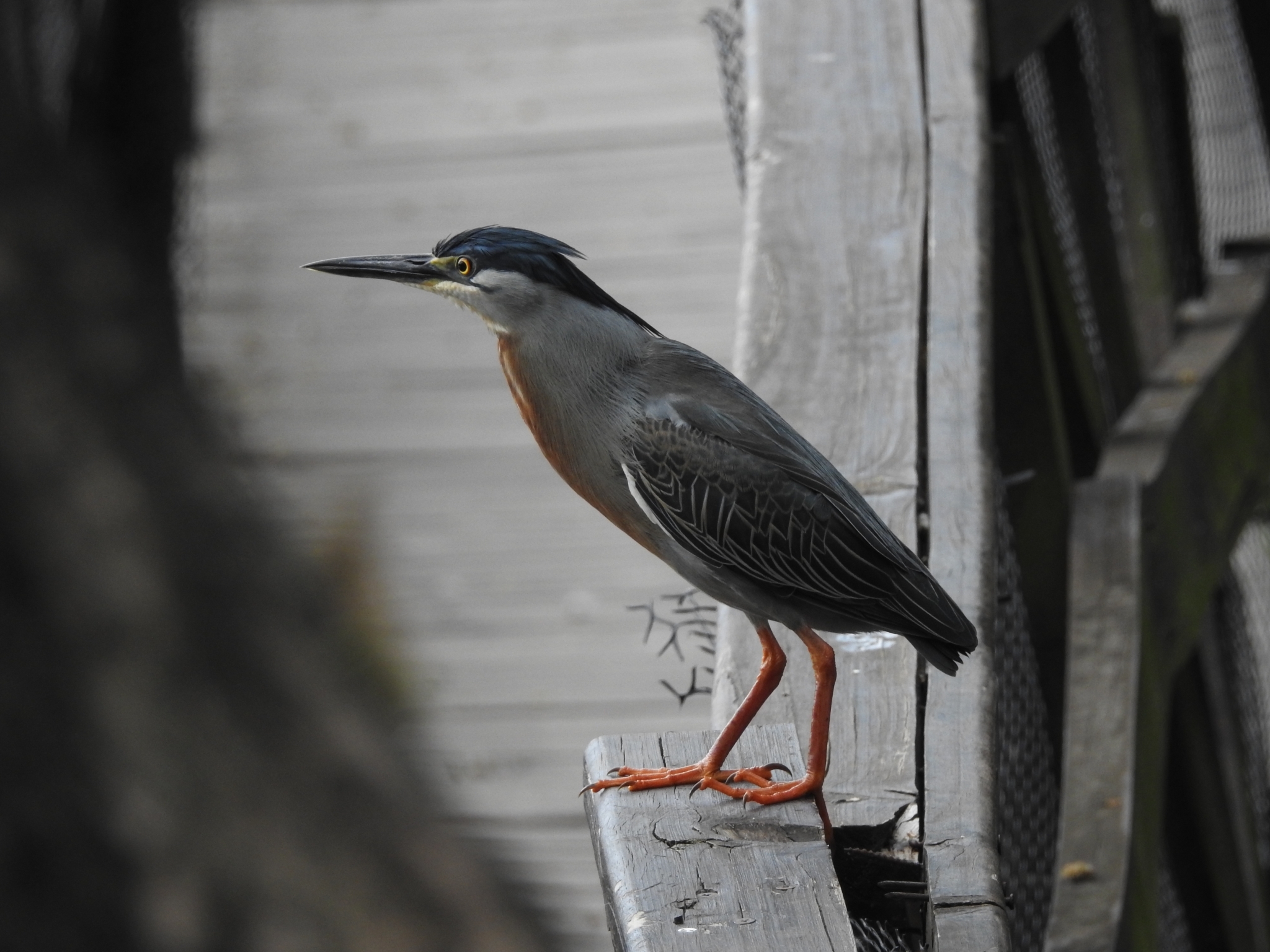
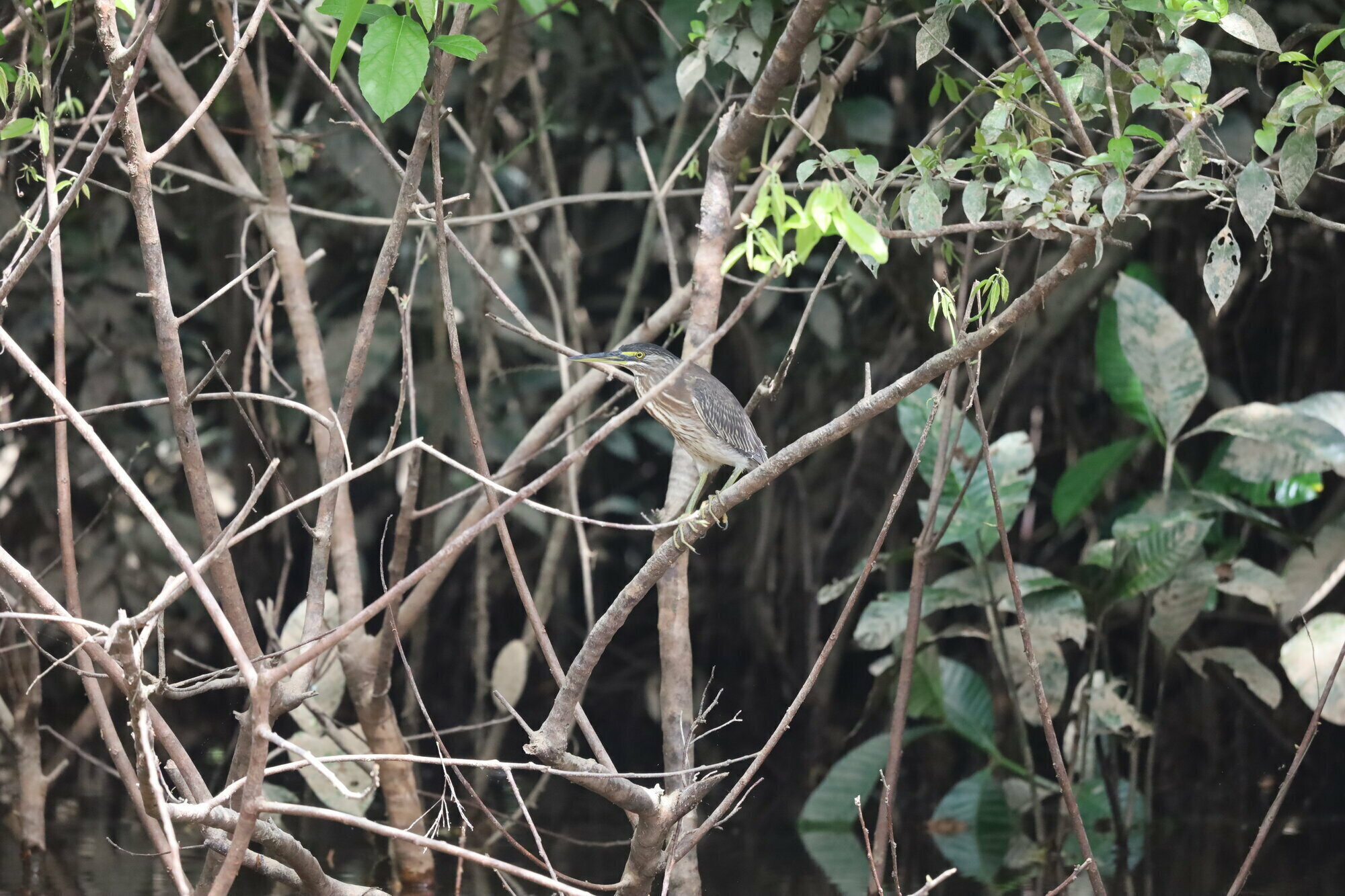
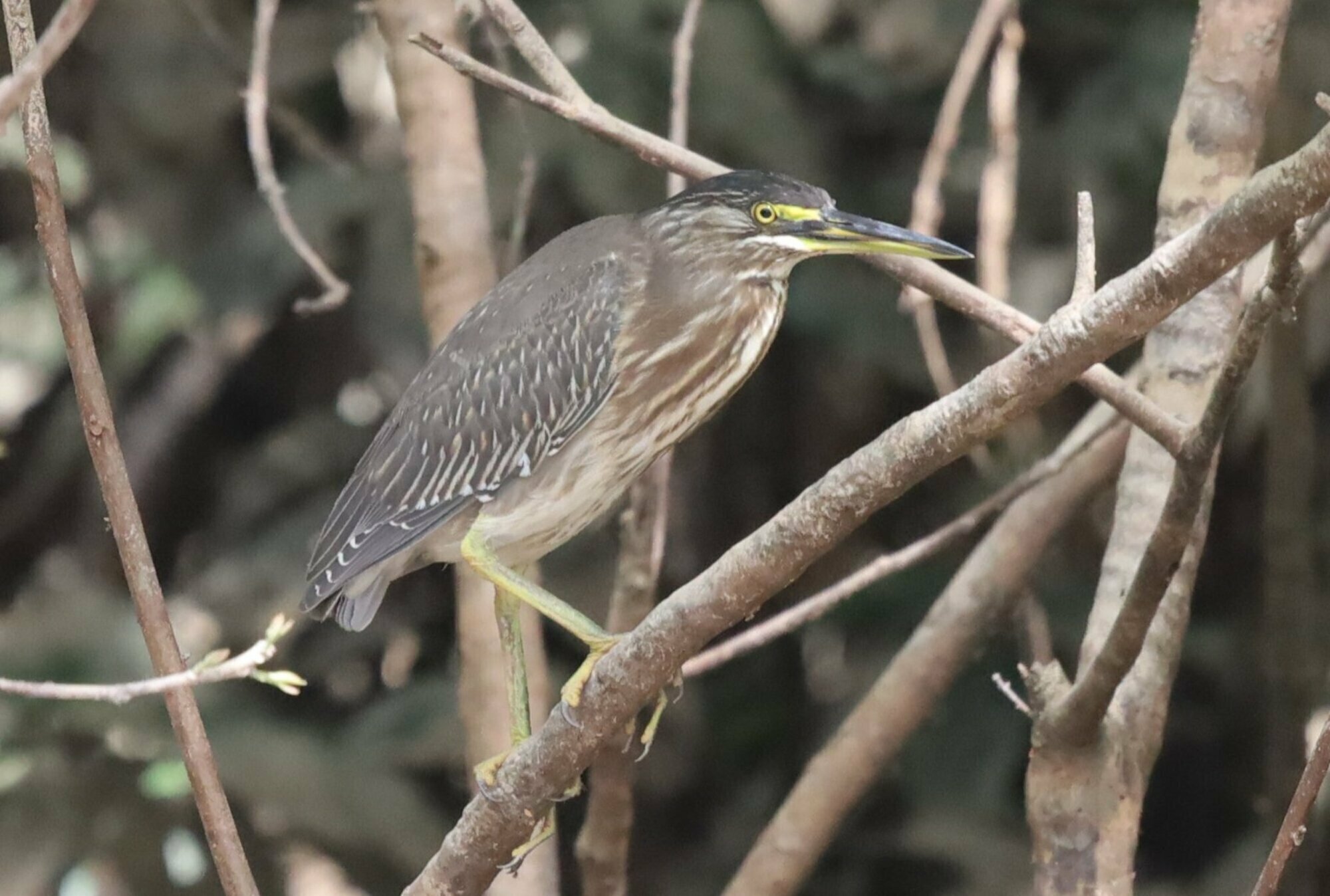
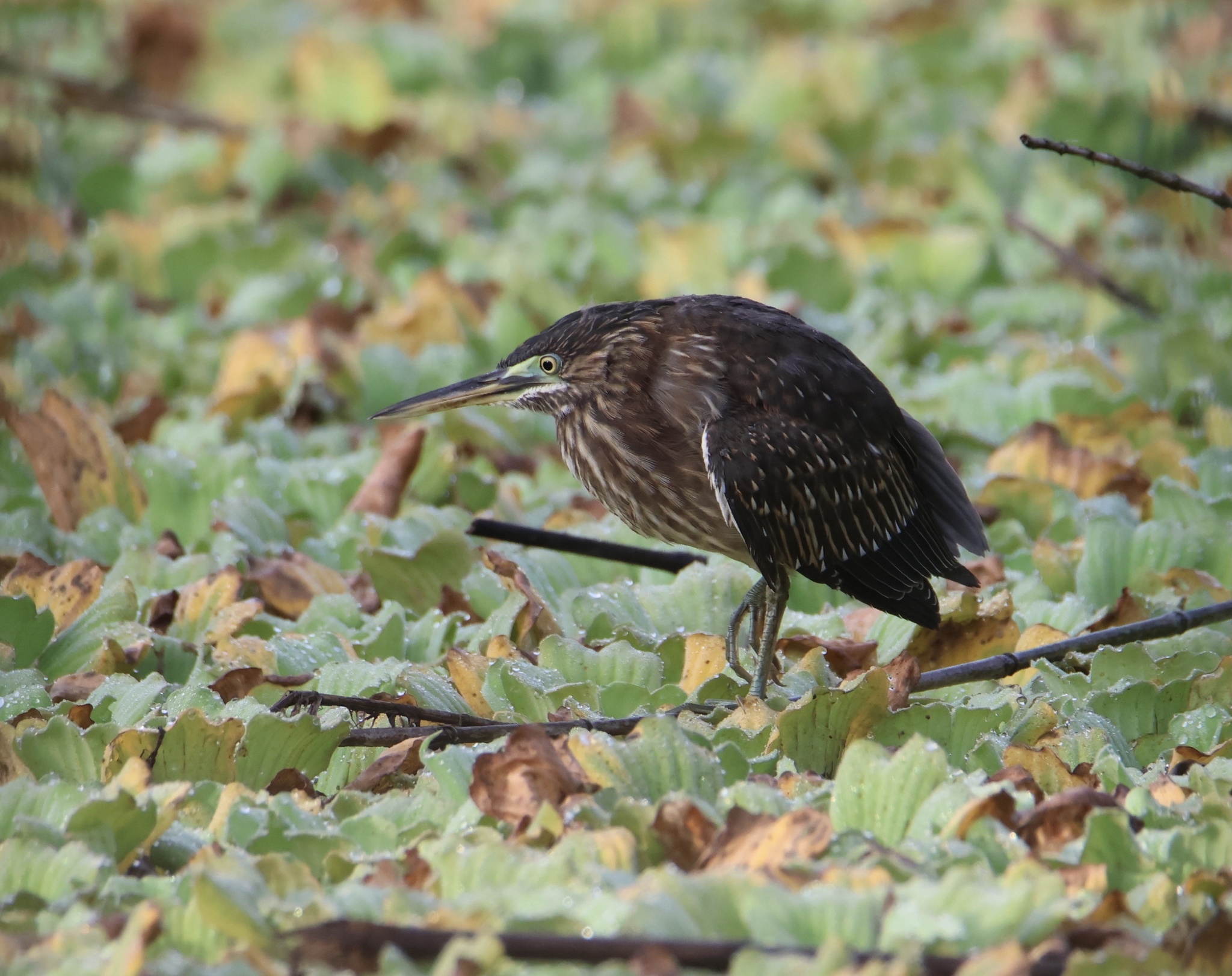
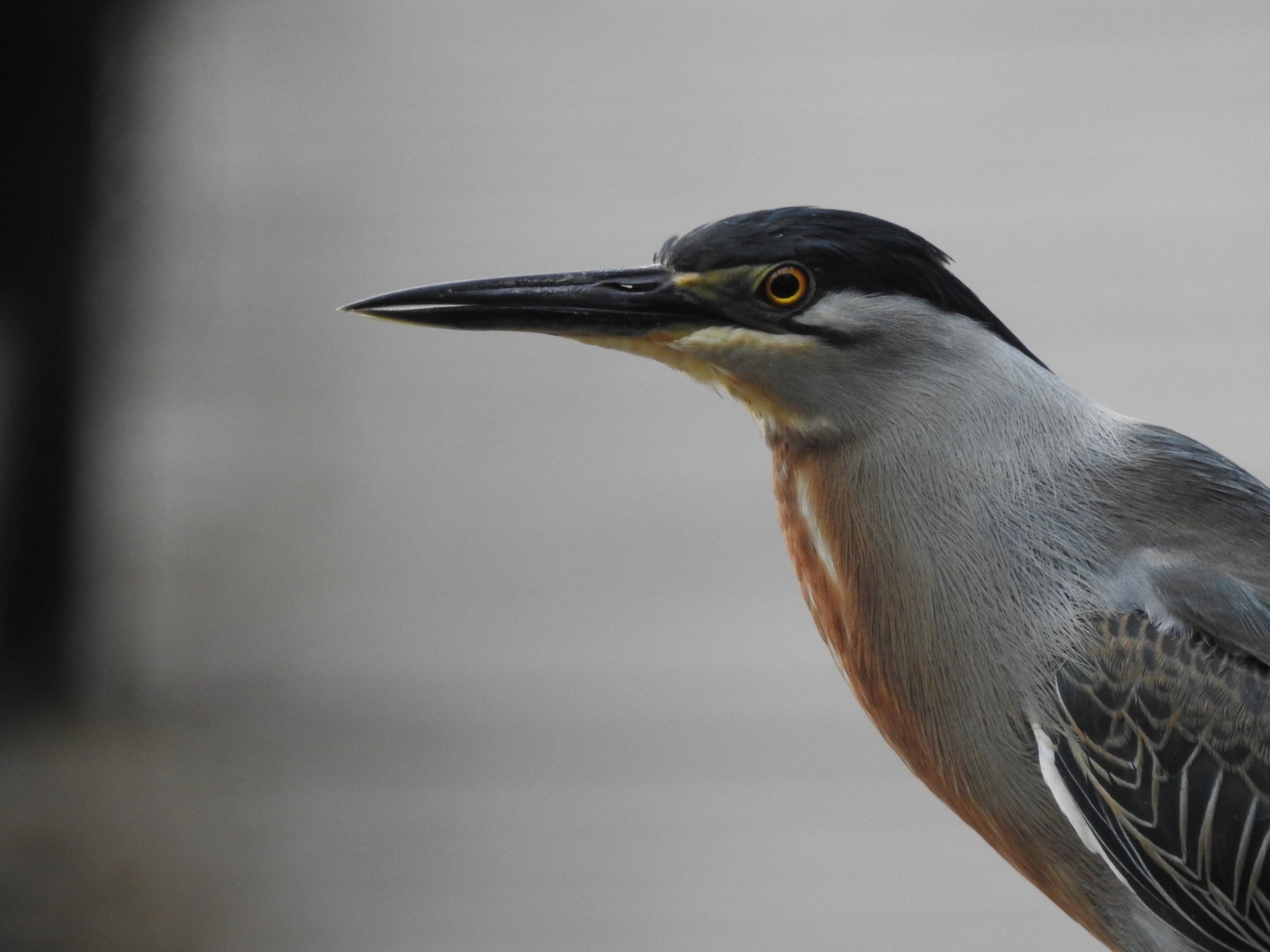
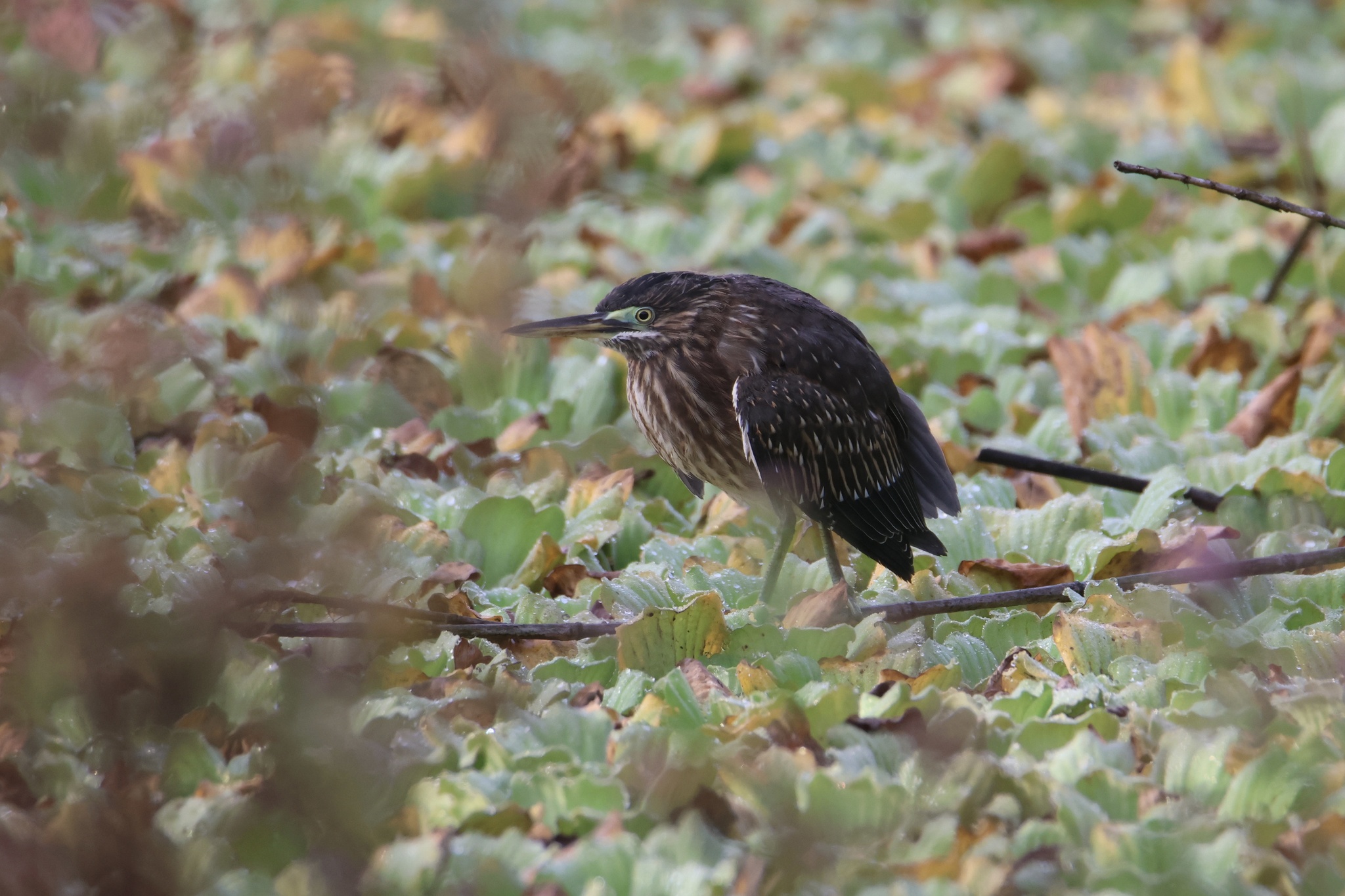
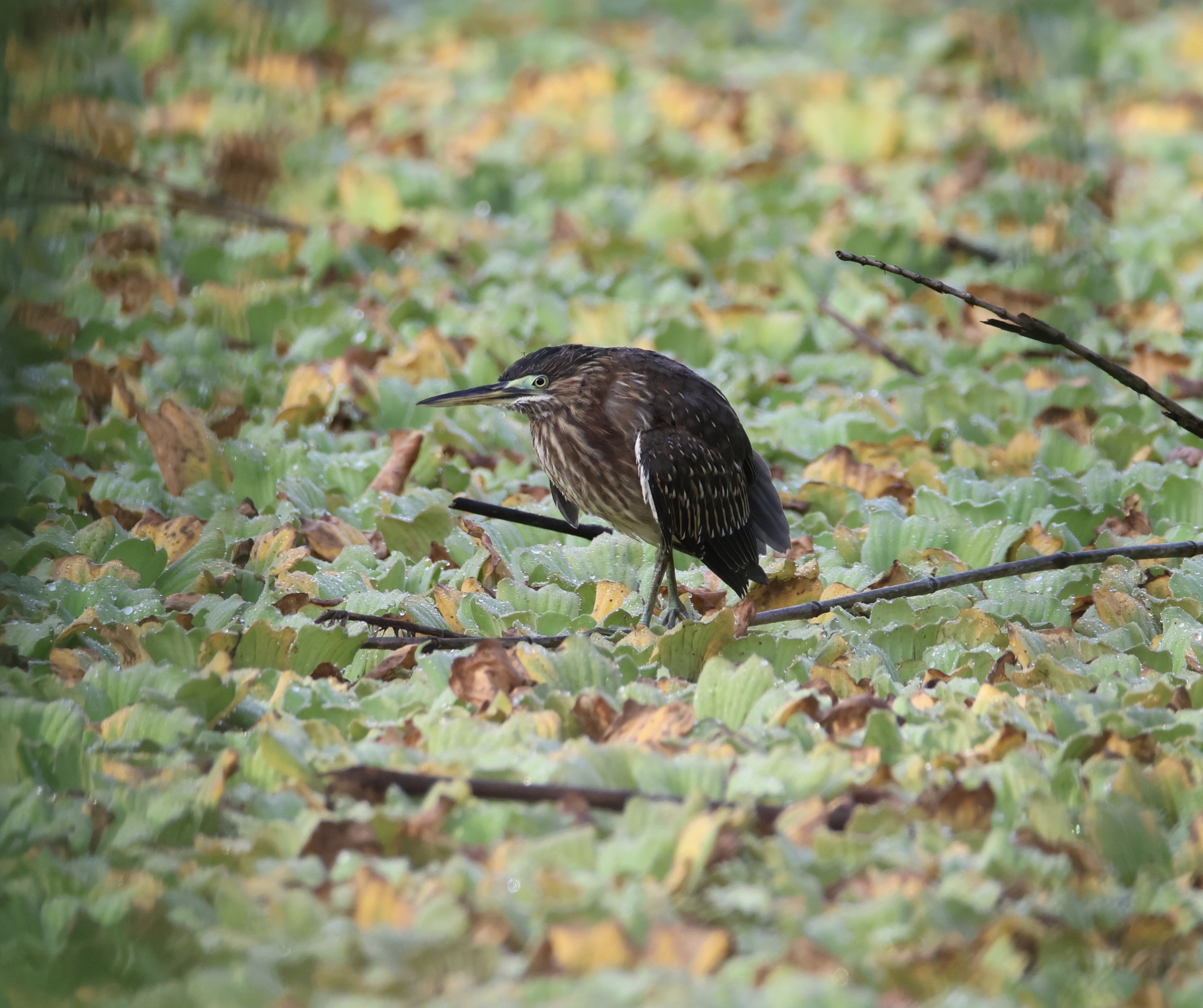
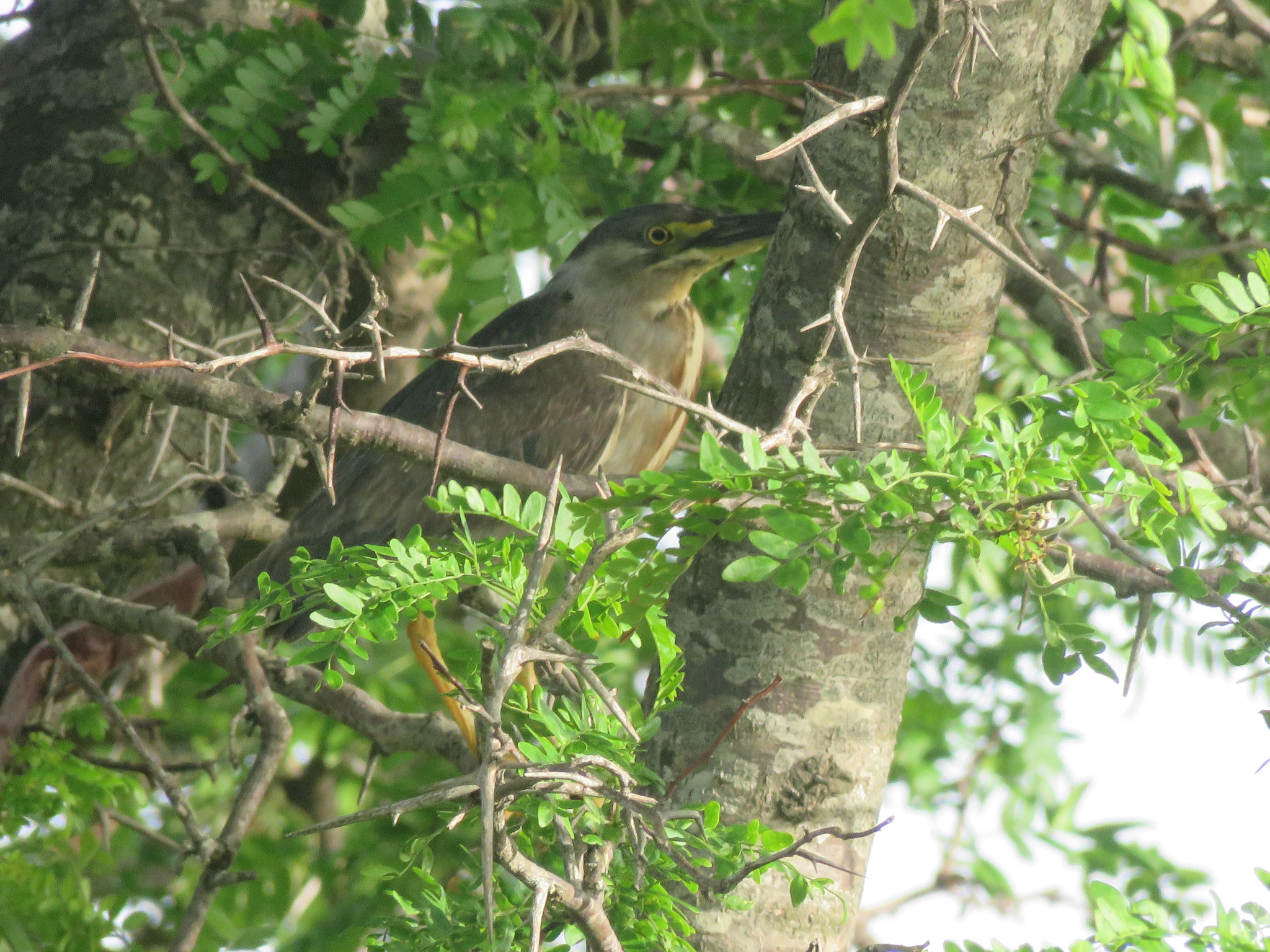
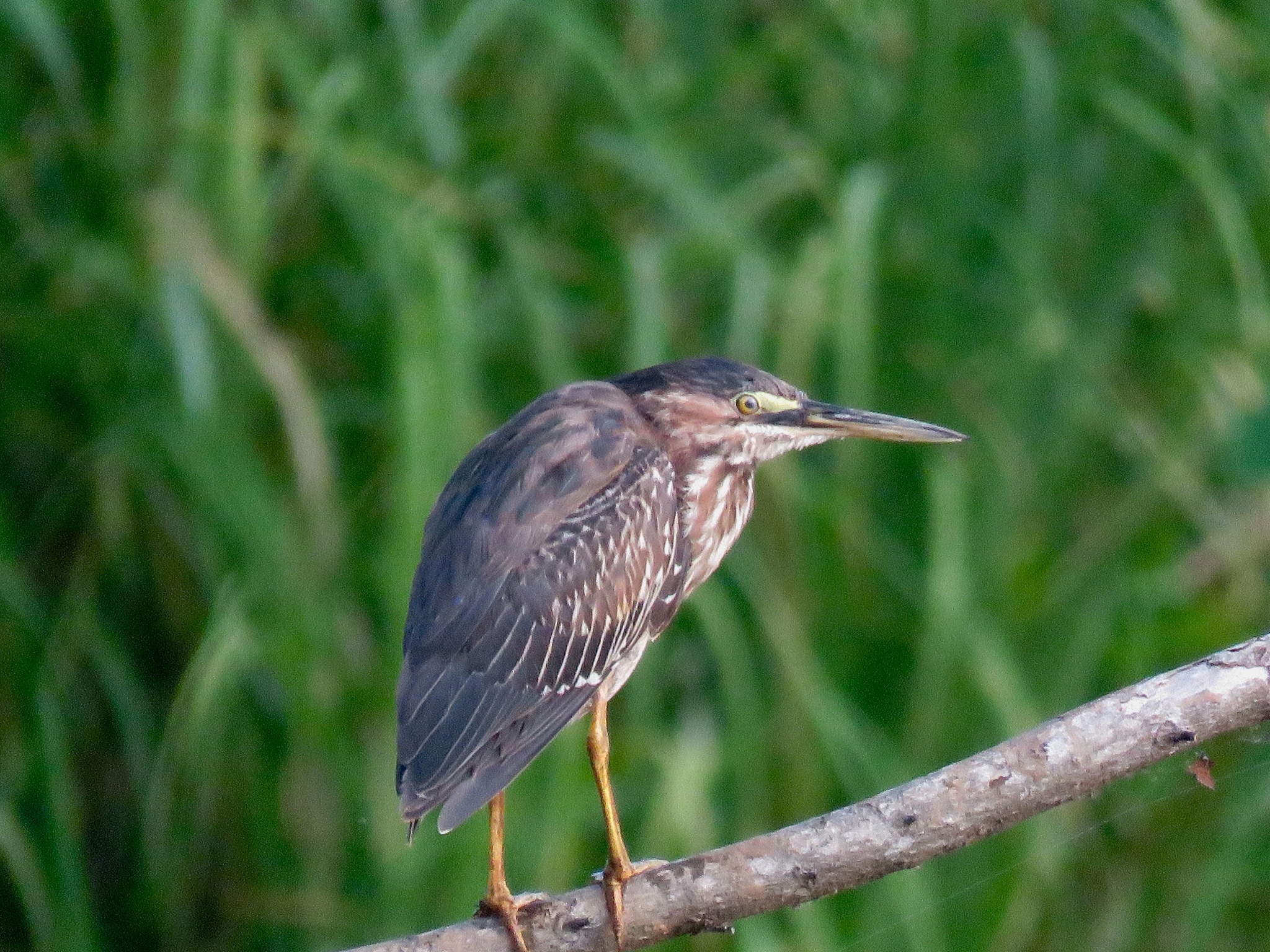
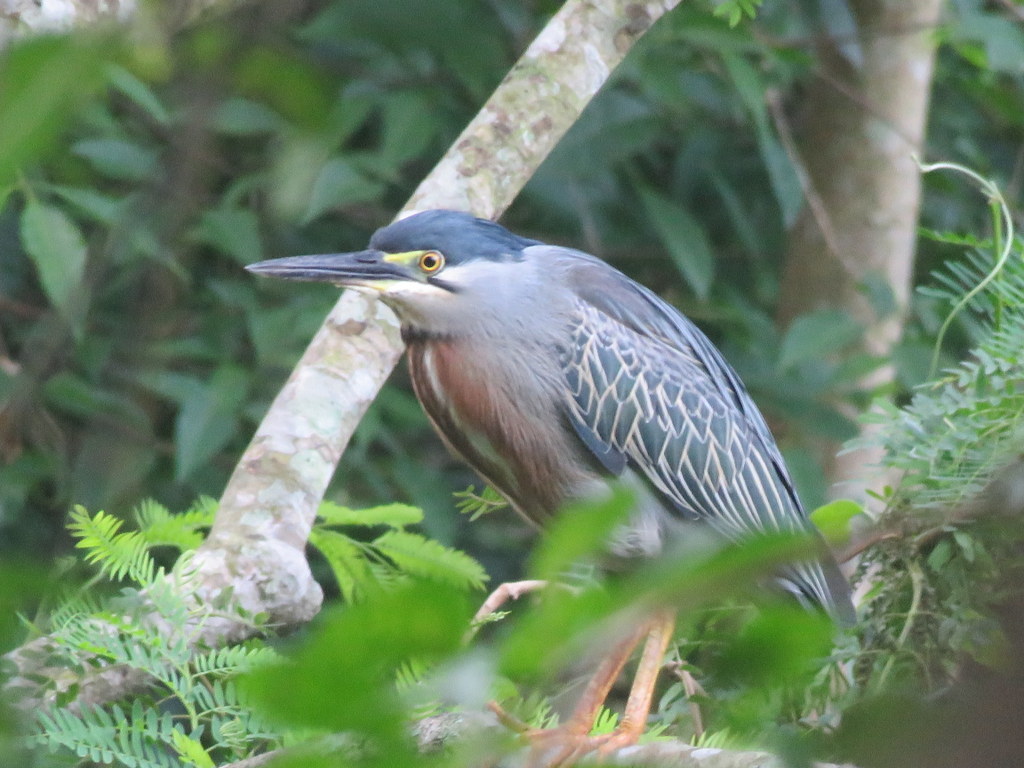
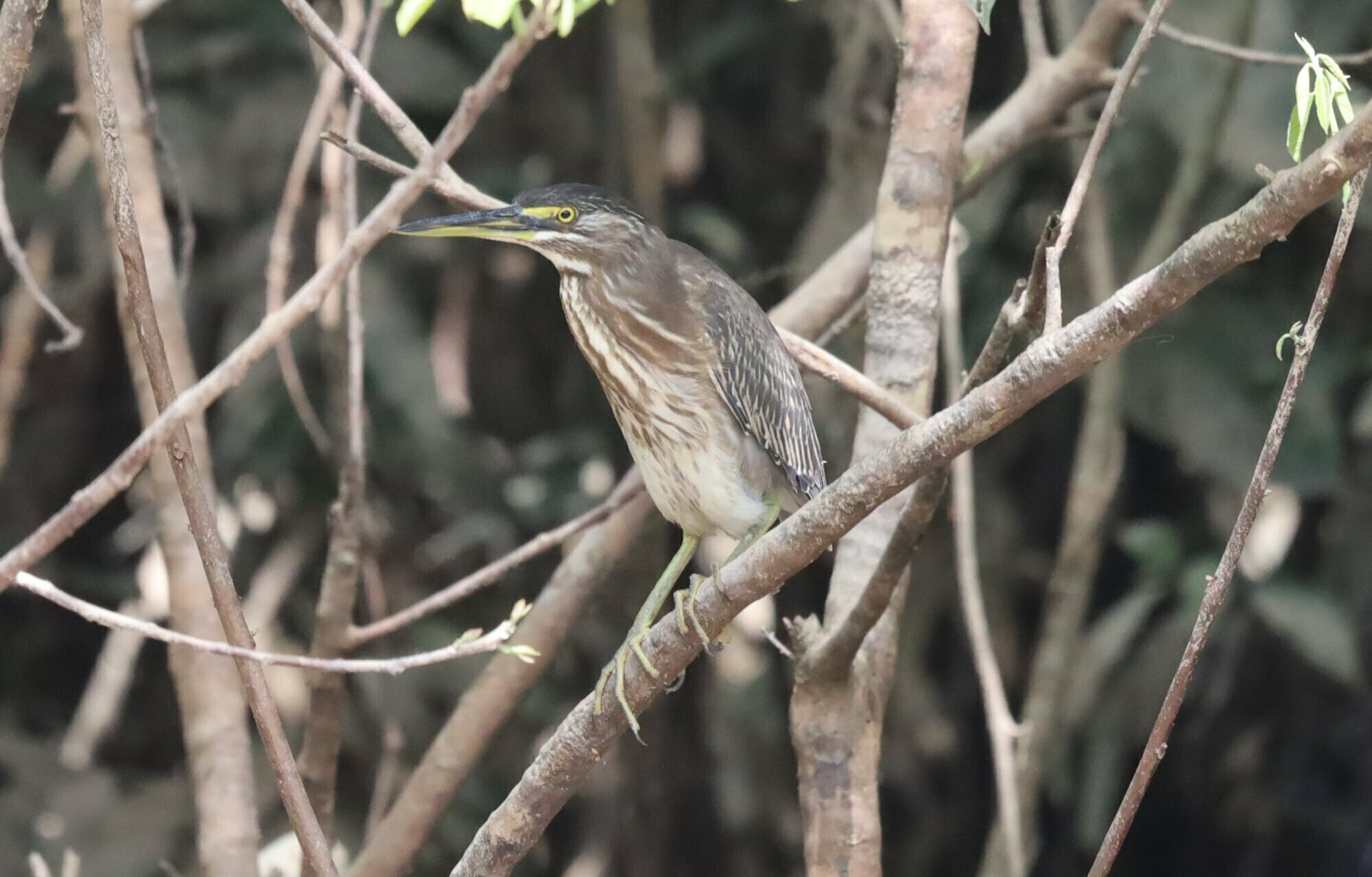
This compact heron measures 35–48 cm in length with a wingspan of 52–60 cm, weighing 130–250 g. The sexes are identical in appearance. Adults display a blue-grey back and wings, contrasting with clean white underparts. A glossy black cap sits atop the head, while a dark stripe extends from the base of the bill beneath the eye. The legs are notably short and yellowish. The plumage shows considerable individual variation below, ranging from mid-grey to pinkish-purple or orange tones. Juveniles are distinctly different, appearing browner on the upperparts and heavily streaked with darker markings on the underparts.
Identification
In the field, this species appears as a relatively small, compact heron with a dark cap and contrasting white underparts. The dark line running from the bill below the eye is a key distinguishing feature. The short yellow legs help separate it from larger heron species. When encountered in Central American regions, care must be taken to distinguish it from the similar green heron, which overlaps in range in Trinidad, Tobago, and central Panama. Hybrids between the two species occur in these areas and typically show much more purple-red coloration on the underparts than pure striated herons.
Distribution & Habitat
This species occupies tropical and warm temperate regions of South America, ranging from central and southeastern Panama southward to Río Negro Province in Argentina. It is primarily a lowland bird, typically found below 800 meters altitude in countries like Peru, generally avoiding the Andean mountains. Preferred habitats include marshes, lake edges, and river margins with adequate vegetation cover. The species is largely sedentary throughout its range, though local movements may occur in response to habitat conditions.
Behavior & Ecology
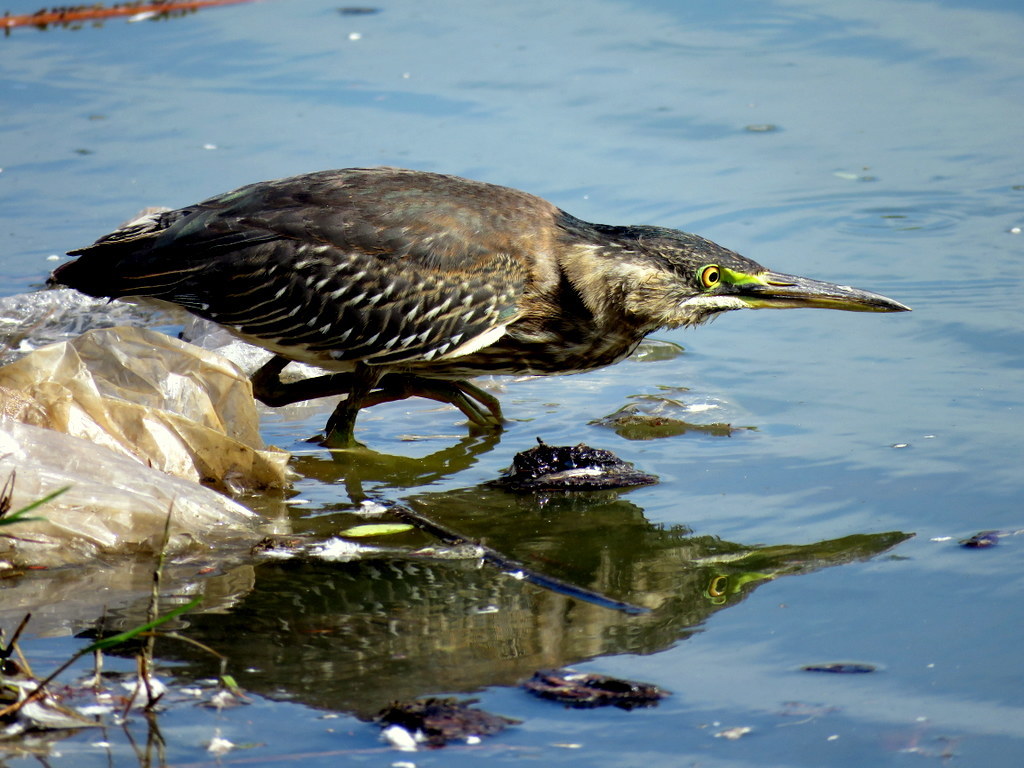
These herons employ a patient hunting strategy, standing motionless at the water's edge to ambush prey including small fish, frogs, and aquatic insects. They are notably more visible than many small heron species. Breeding involves constructing a stick platform nest measuring 40–50 cm wide and 8–10 cm high, typically placed in shrubs, trees, or occasionally on the ground near water. The clutch consists of 2–5 pale blue eggs measuring approximately 36 by 28 mm. A peculiar nesting behavior has been observed where adults rapidly move their heads back and forth while holding a stick, similar to a sewing machine motion—the purpose of this remains unknown. When threatened, young birds stretch their necks skyward in a defensive display.
Conservation
This species maintains a broad distribution across South America and remains generally common throughout its range. The IUCN classifies it as a species of Least Concern, reflecting its stable population status. This assessment holds regardless of whether the lava heron of the Galápagos Islands is included within this species or treated separately. The primary conservation concerns relate to wetland habitat degradation and loss across its range.
Culture
No specific cultural significance, folklore, or mythological associations were documented in the available sources for this species.
Source: Wikipedia · CC BY-SA 3.0
Taxonomy
- Order
- Pelecaniformes
- Family
- Ardeidae
- Genus
- Butorides
- eBird Code
- strher2
Distribution
eastern Panama and all South America to northern Argentina and Chile
Data Sources
Species description from Wikipedia, licensed under CC BY-SA 3.0.
Bird images and sounds sourced from GBIF, contributed by citizen scientists worldwide under Creative Commons licenses.
Taxonomy data from AviList 2025.