

Accipitriformes / Accipitridae / Buteo
Upland Buzzard
Buteo hemilasius · 大鵟
Introduction
A species of bird of prey in the family Accipitridae and the largest member of the genus Buteo. It inhabits mountainous grassy and rocky areas in Central Asia, northern South Asia, and East Asia, ranging from Kazakhstan to Korea. The species is migratory, typically covering short distances to avoid snow cover that hampers prey capture. It primarily subsists on small mammals but also consumes birds and insects. Classified as Least Concern by the IUCN due to a large range and stable population.
Description
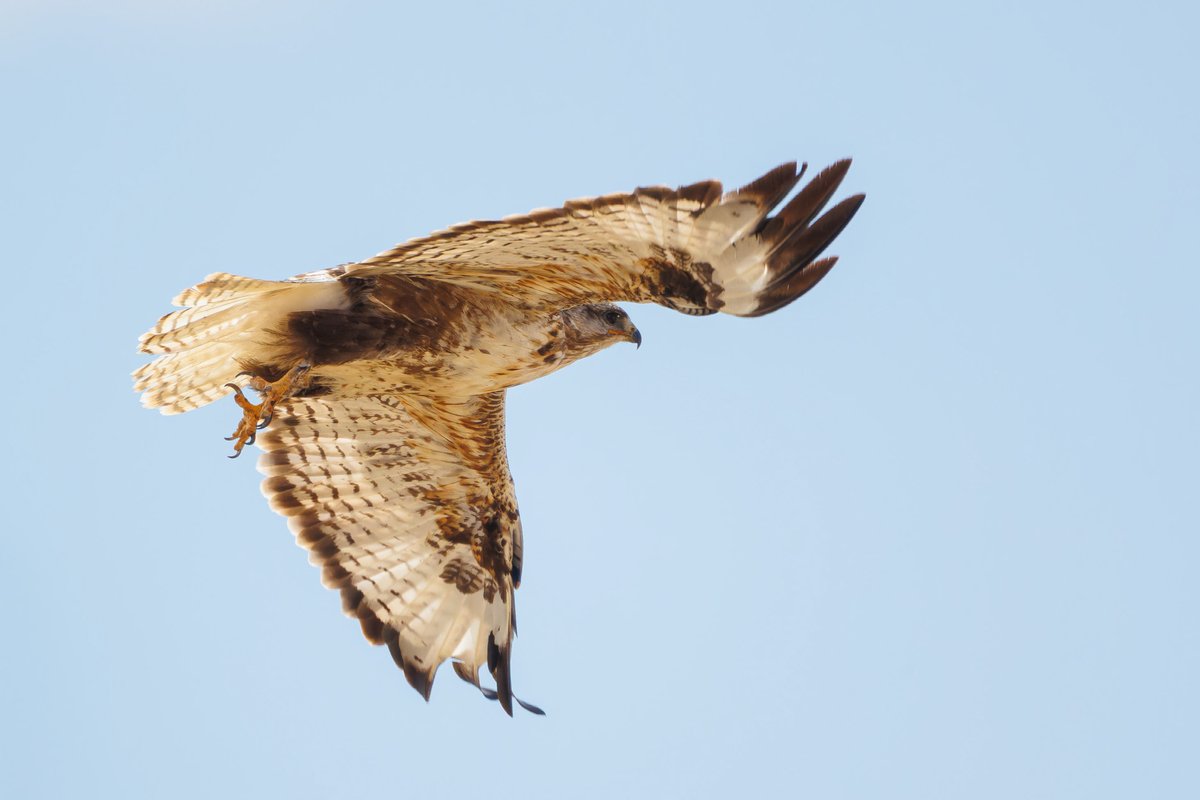
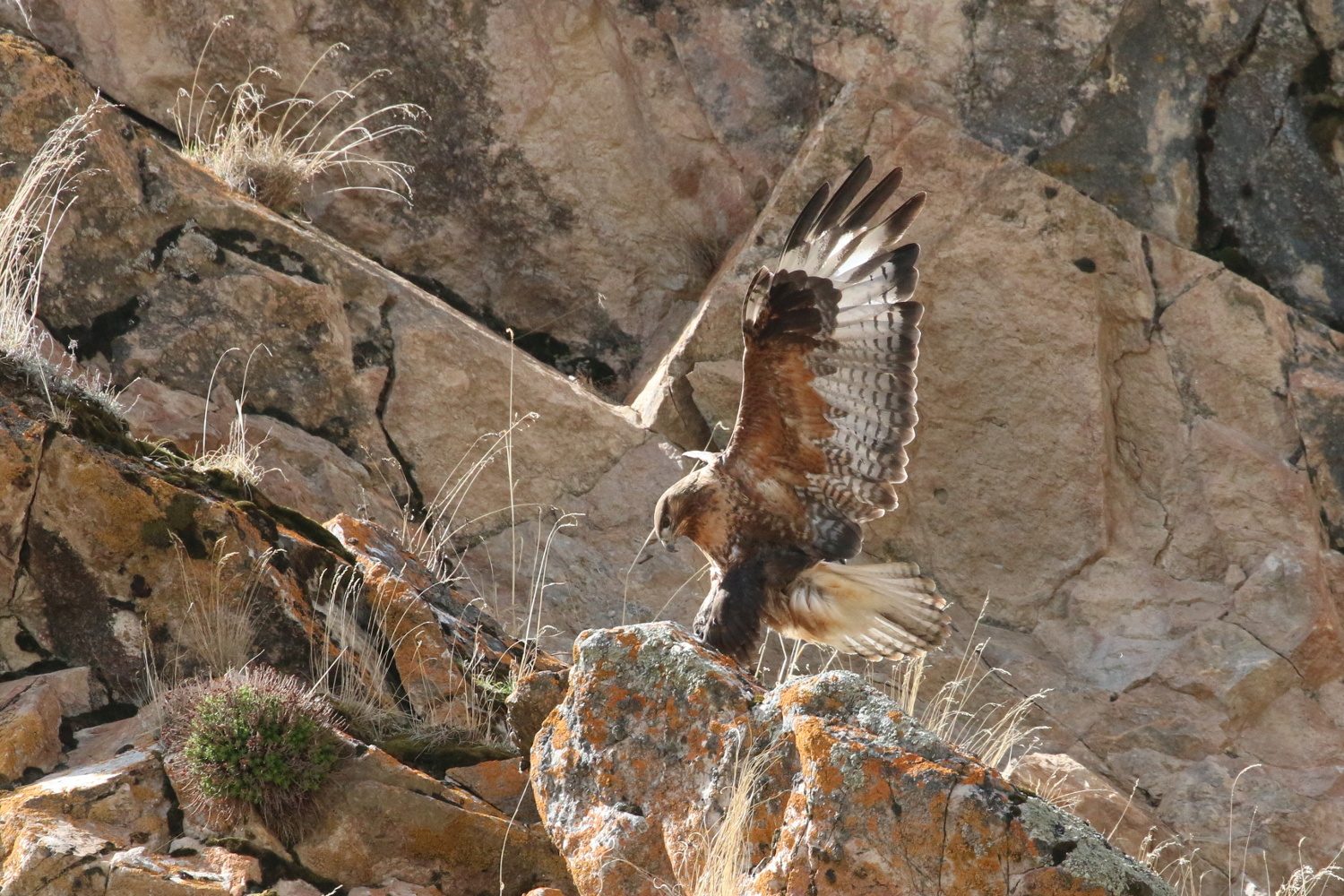
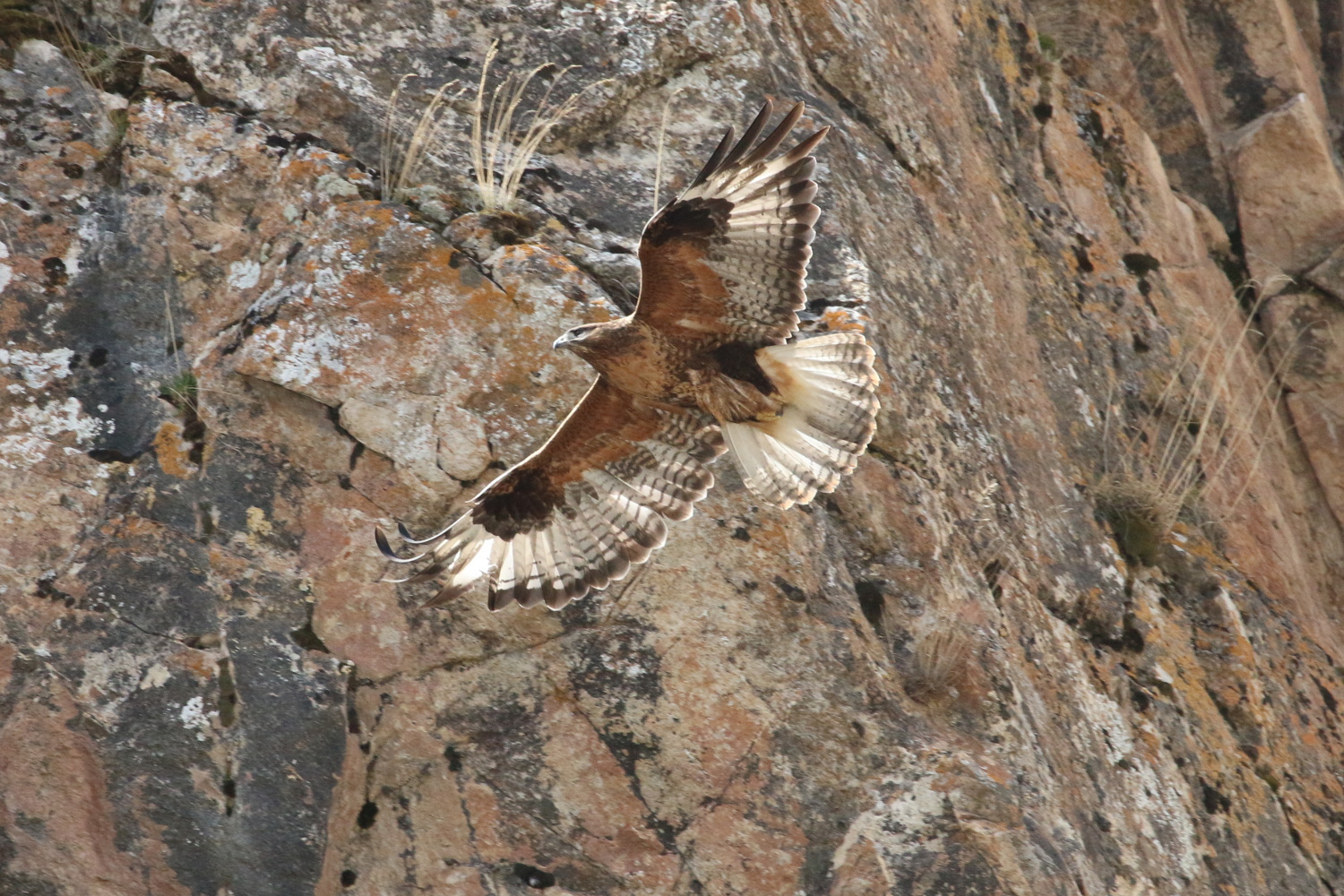
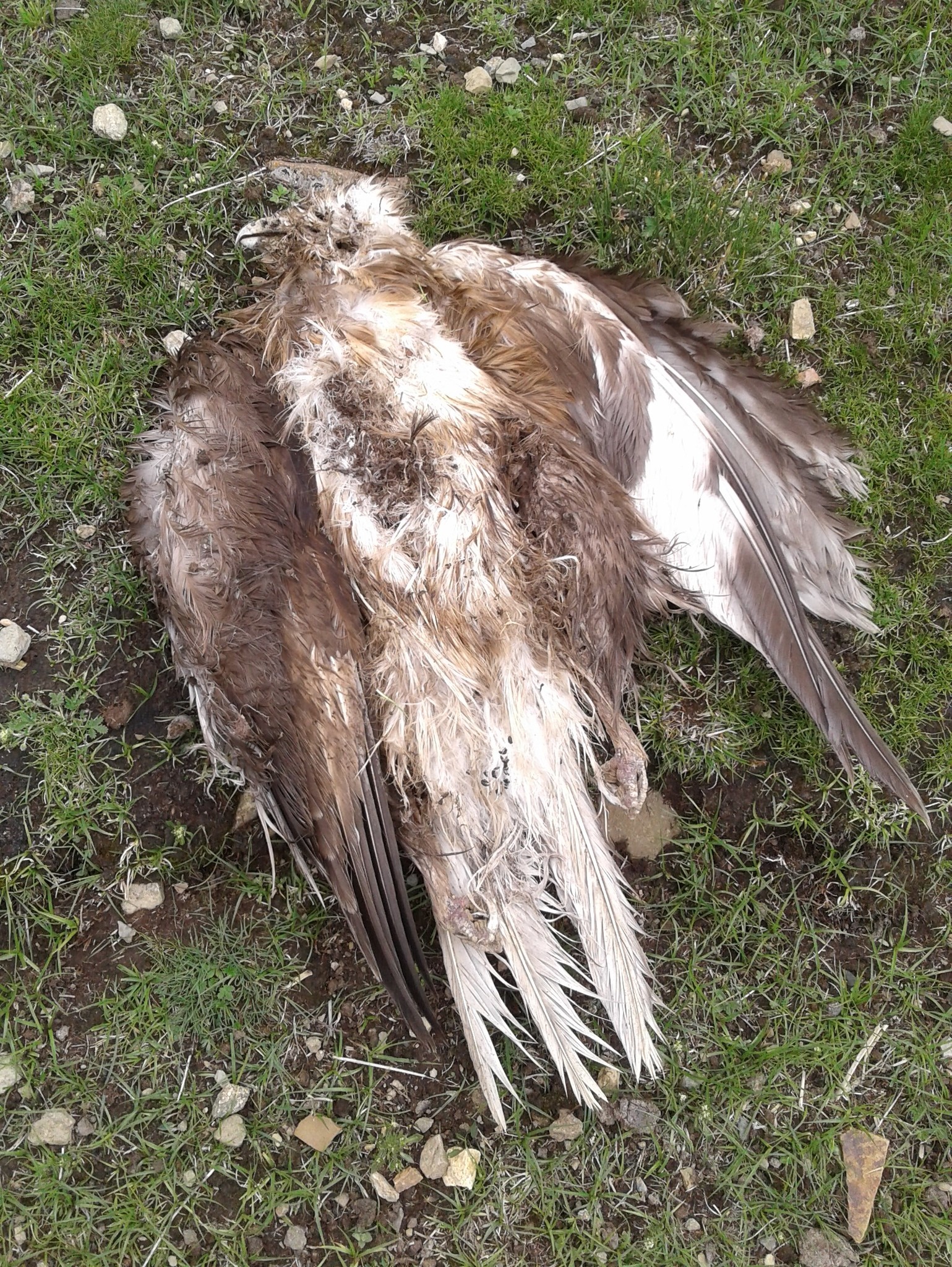
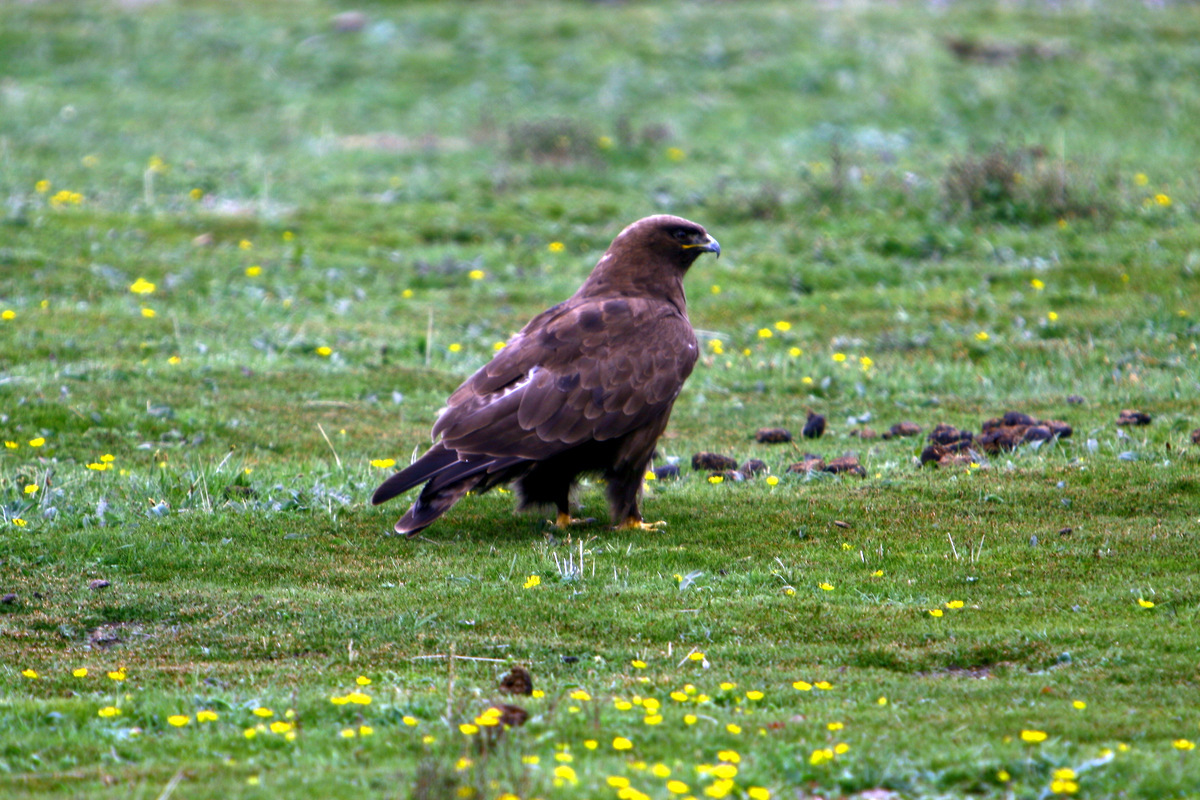
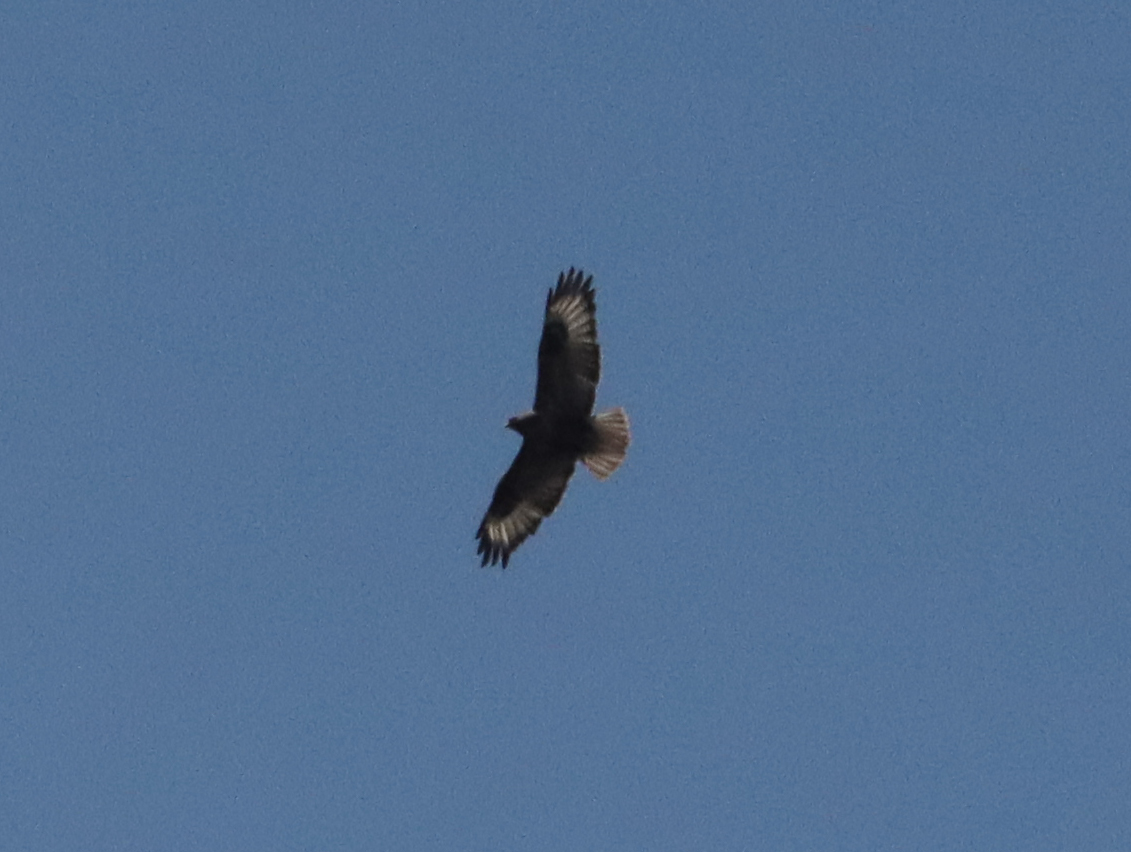
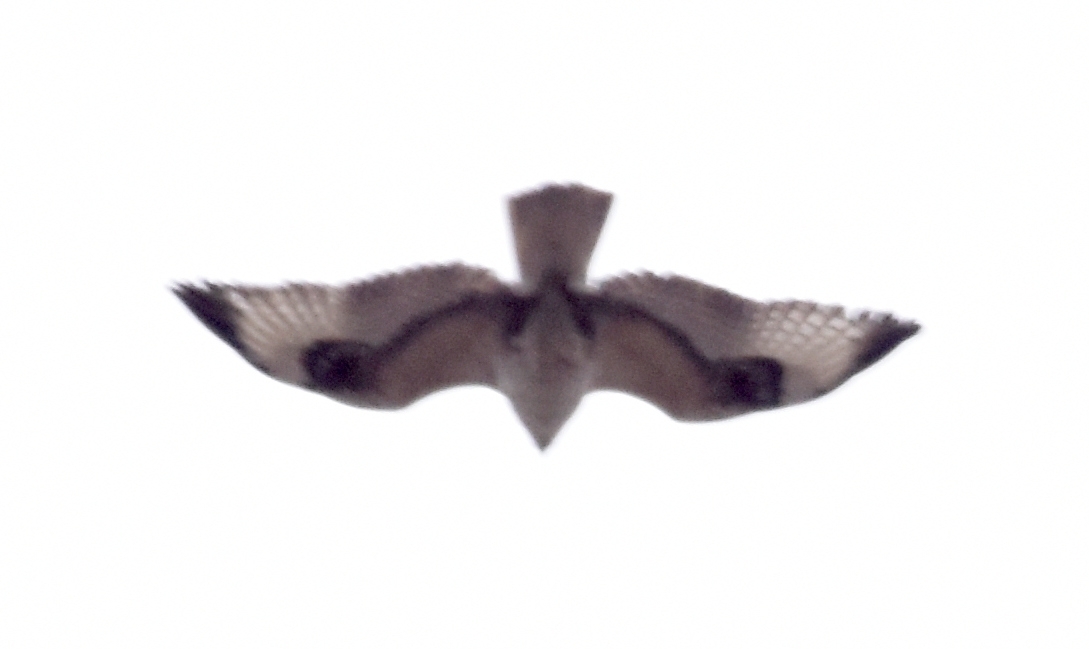
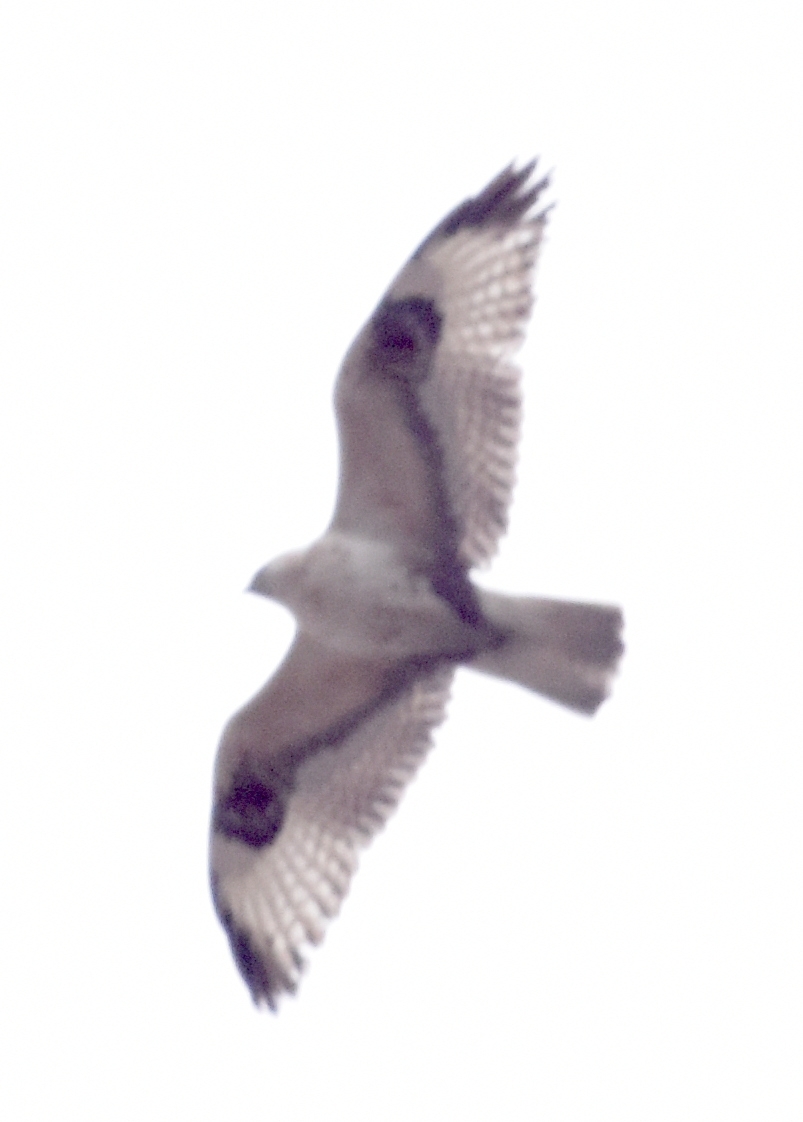
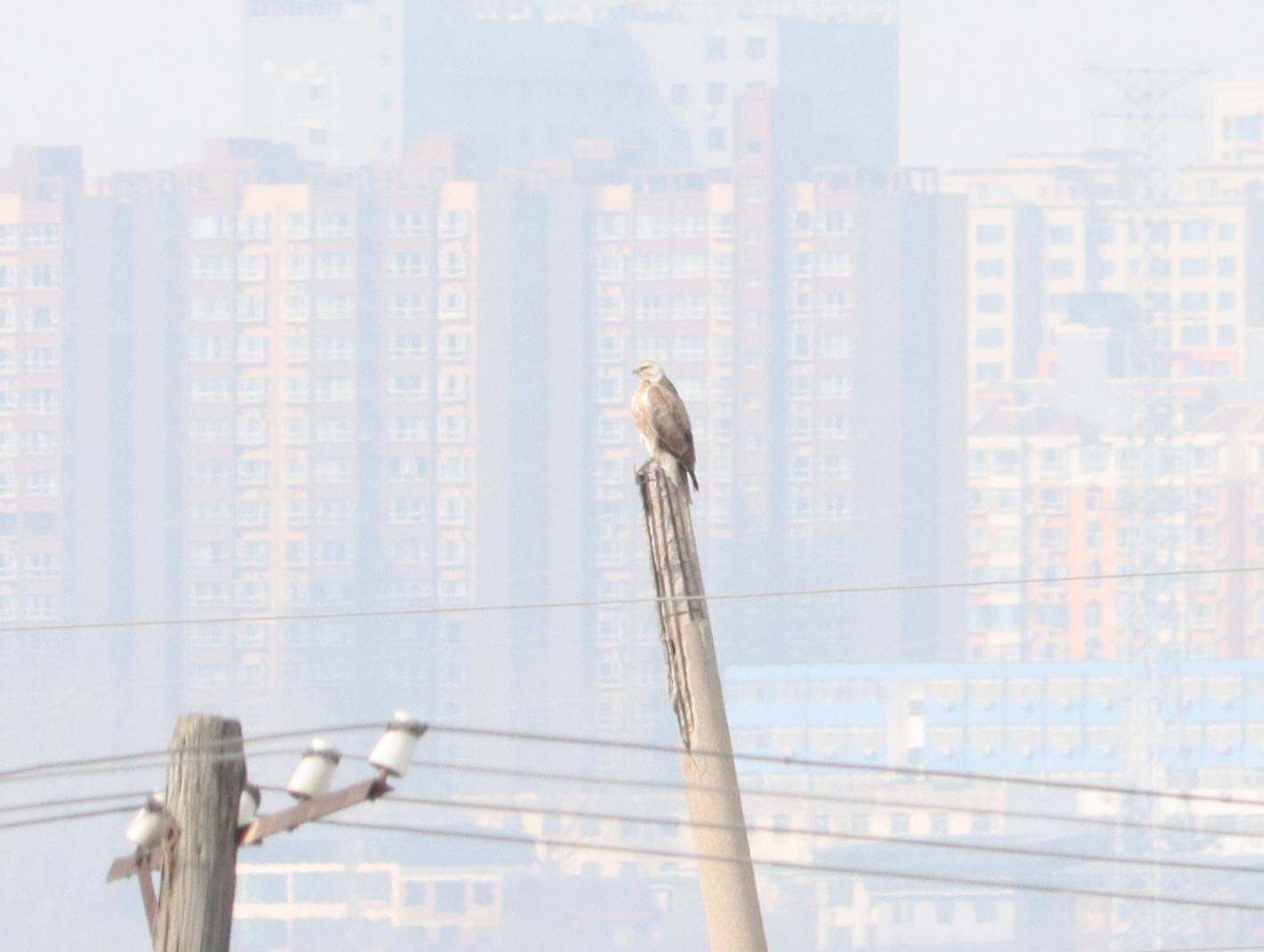
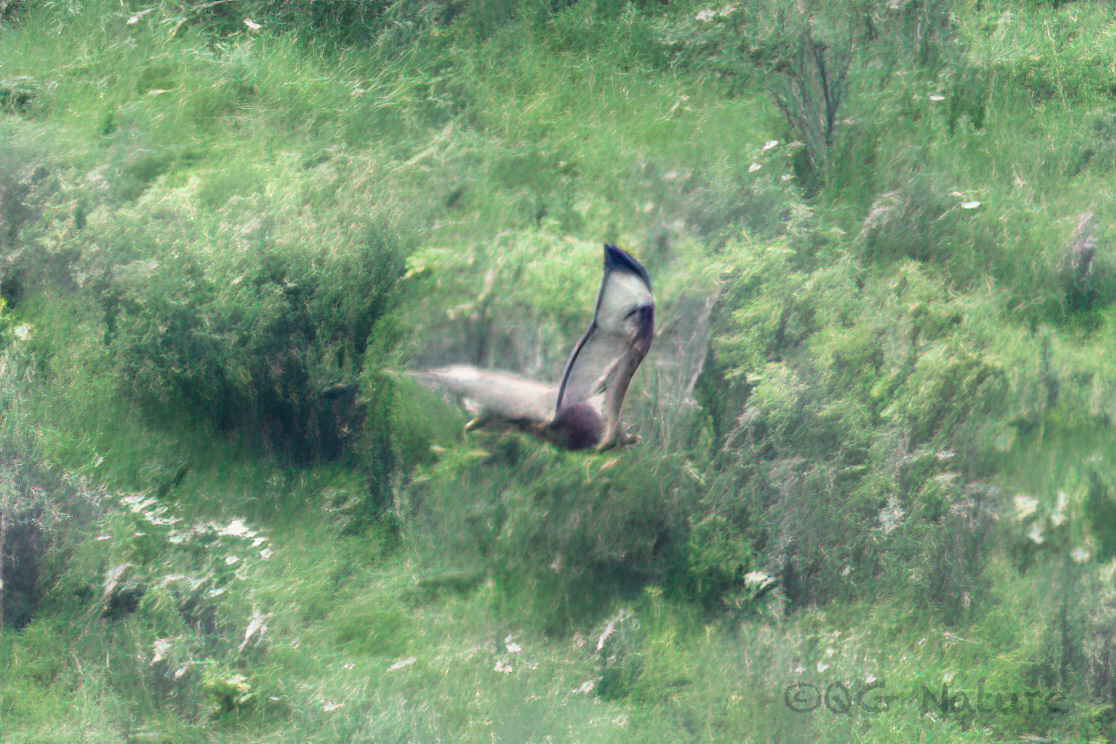
The largest buzzard in the world by total length and wingspan, roughly equaled in bulk by the ferruginous hawk. Total length ranges from 57 to 72 cm (22 to 28 in) and wingspan from 143 to 161 cm (4 ft 8 in to 5 ft 3 in). Body mass ranges from 950 to 1,400 g in males and 970 to 2,050 g in females. It has long wings, a relatively long tail, and an eagle-like appearance. Legs are heavily feathered with brown 'trousers' covering at least three-quarters of the legs. Two morphs exist: the pale morph is beige and earthen dark brown with a whitish chest, ochre-washed head, and irregular dark brown markings on the lower breast and abdomen; the tail is greyish with dark bands. The dark morph is almost entirely solid black-brown. In flight, pale morphs show streaky brown coverts, a strong blackish patagium mark, and whitish flight feathers with dark barring leading to blackish wingtips.
Identification
Distinguished from the long-legged buzzard by being slightly larger and lacking warmer rufous tones, though the two are often misidentified, especially in dark morphs which are practically indistinguishable. Long-legged buzzards tend to occur at lower elevations. Himalayan and eastern buzzards are conspicuously smaller with shorter wings and tails, paler bellies with belly bands, and less strongly contrasting wing patterns. The call is a prolonged nasal mewing, similar to but less frequent than that of the common buzzard.
Distribution & Habitat
Breeds primarily in Mongolia and China (western, northern, and northeastern areas), with populations in southern Siberia, far eastern Tajikistan, southeastern Kyrgyzstan, East Kazakhstan Region, and northern reaches of Bhutan, Nepal, and Tibet. Wintering areas include eastern Kazakhstan, northern India, much of Nepal and Bhutan, central and eastern China, North Korea, and South Korea. Rare vagrants appear in Japan and possibly Iran. Migrates September to October and returns March to May, frequently crossing the Gobi Desert. Habitats include alpine meadows, upland steppe, plateaus, and rocky areas at elevations of 1,000 to 4,500 m, occasionally down to sea level in winter.
Behavior & Ecology
Forages in open high-elevation regions, often hovering during hunting spells or swooping from active flight due to lack of perches, though rocks may be used. Diet consists mainly of small mammals such as tundra voles, plateau pikas, Brandt's voles, and gerbils, with population numbers in Mongolia dictated by vole cycles. Alternate prey includes passerine birds, insects, eggs, and occasionally larger animals like woolly hares, Tibetan snowcocks, and Mongolian gazelle neonates. Breeds April to August, nesting on cliff outcrops and ledges. Nests are constructed of sticks and lined with wool, grass, dung, or garbage. Clutch size is typically 2 to 4 eggs, with incubation lasting 36 to 38 days. Chicks fledge at around 45 days. Breeding success is food-dependent, with siblicide reported during prey declines.
Conservation
Classified as Least Concern by the IUCN. The species has a large range and is generally uncommon but not thought to be rare or declining.
Source: Wikipedia · CC BY-SA 3.0
Taxonomy
- Order
- Accipitriformes
- Family
- Accipitridae
- Genus
- Buteo
Distribution
open steppes and montane slopes of eastern Asia
Data Sources
Species description from Wikipedia, licensed under CC BY-SA 3.0.
Bird images and sounds sourced from GBIF, contributed by citizen scientists worldwide under Creative Commons licenses.
Taxonomy data from AviList 2025.