

Upland Buzzard
Buteo hemilasius
大鵟
Introduction
The upland buzzard is the largest member of the Buteo genus, with a body length of 60-72 cm and wingspan of 150-180 cm. It inhabits high plateaus and mountainous regions of Central and East Asia, typically at elevations of 1,200-5,000 m, occupying grasslands, alpine meadows, and rocky slopes. This species is a partial migrant, making short-distance movements to lower elevations in winter to avoid heavy snow cover that restricts hunting. It feeds primarily on small mammals, particularly voles, but also takes birds (larks to ptarmigan), insects, and occasionally hares. Population abundance varies with prey cycles, particularly vole population fluctuations. The species is generally uncommon throughout its extensive range. Conservation status is Least Concern.
Description
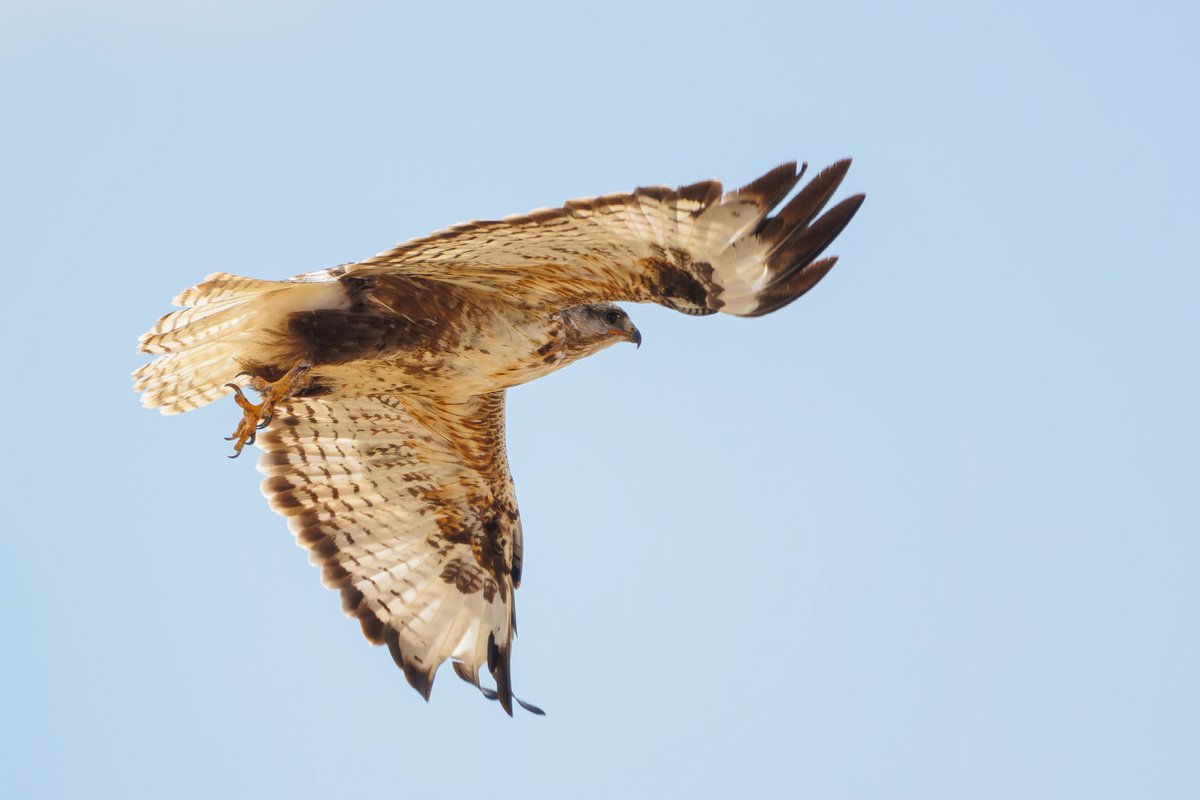
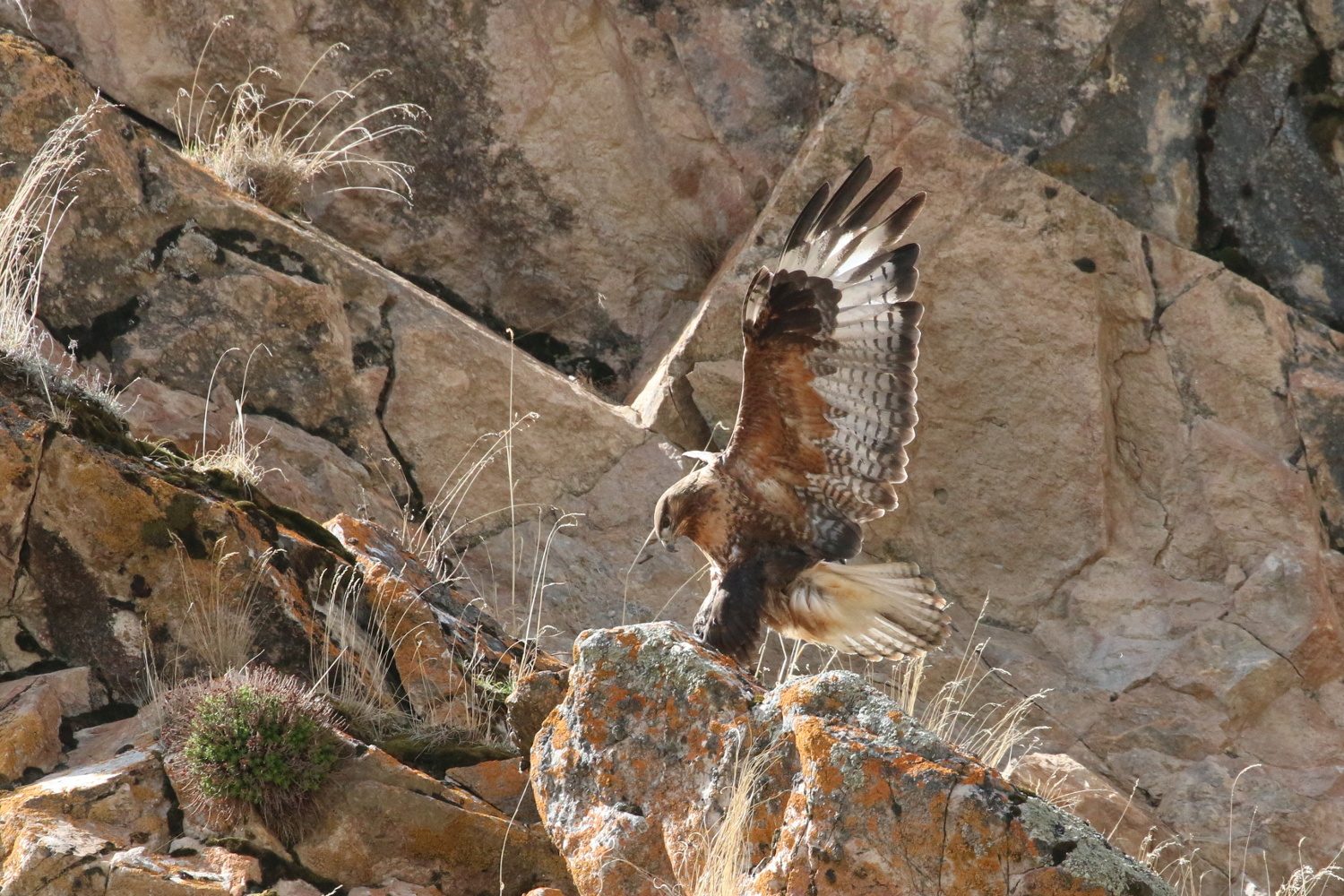
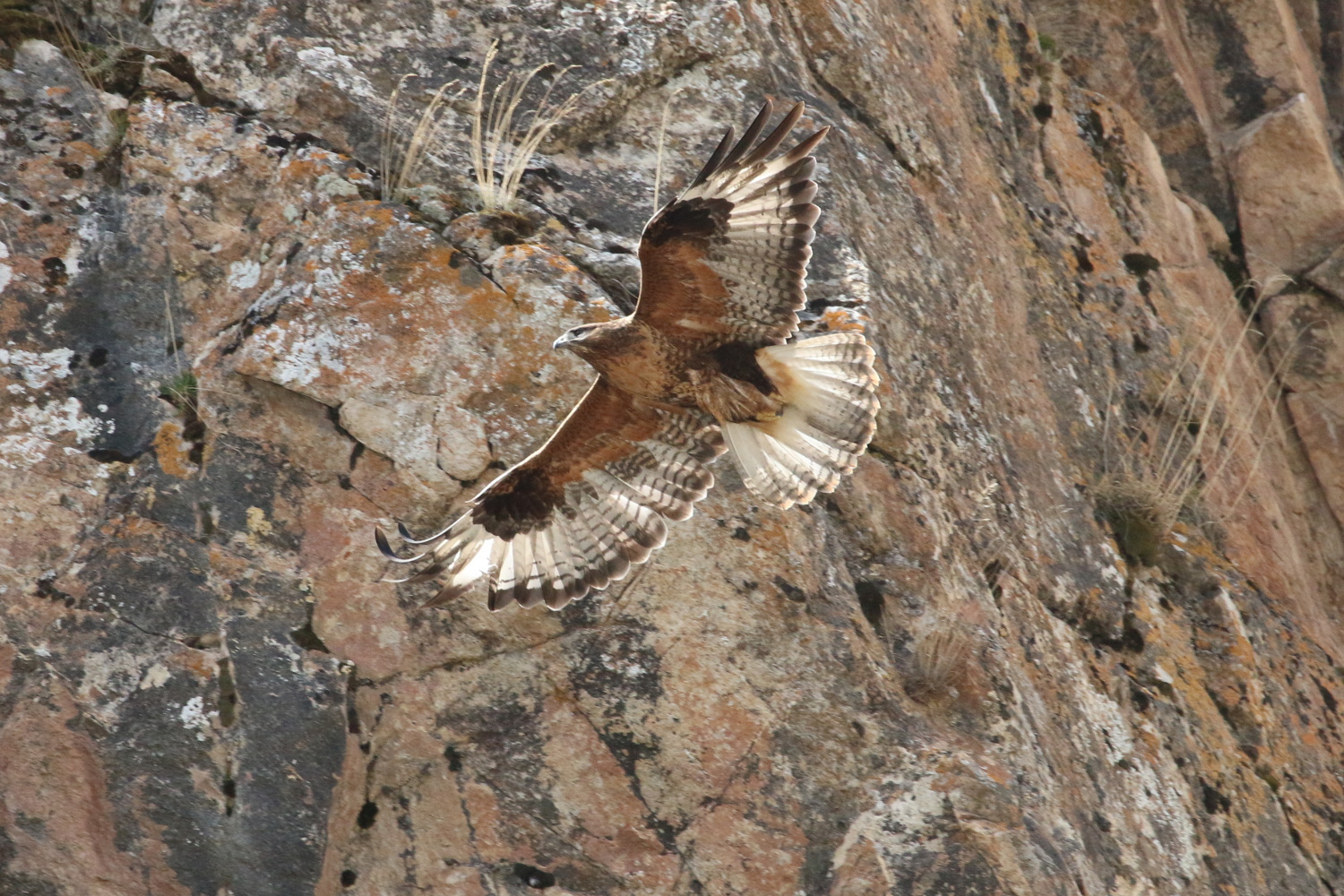
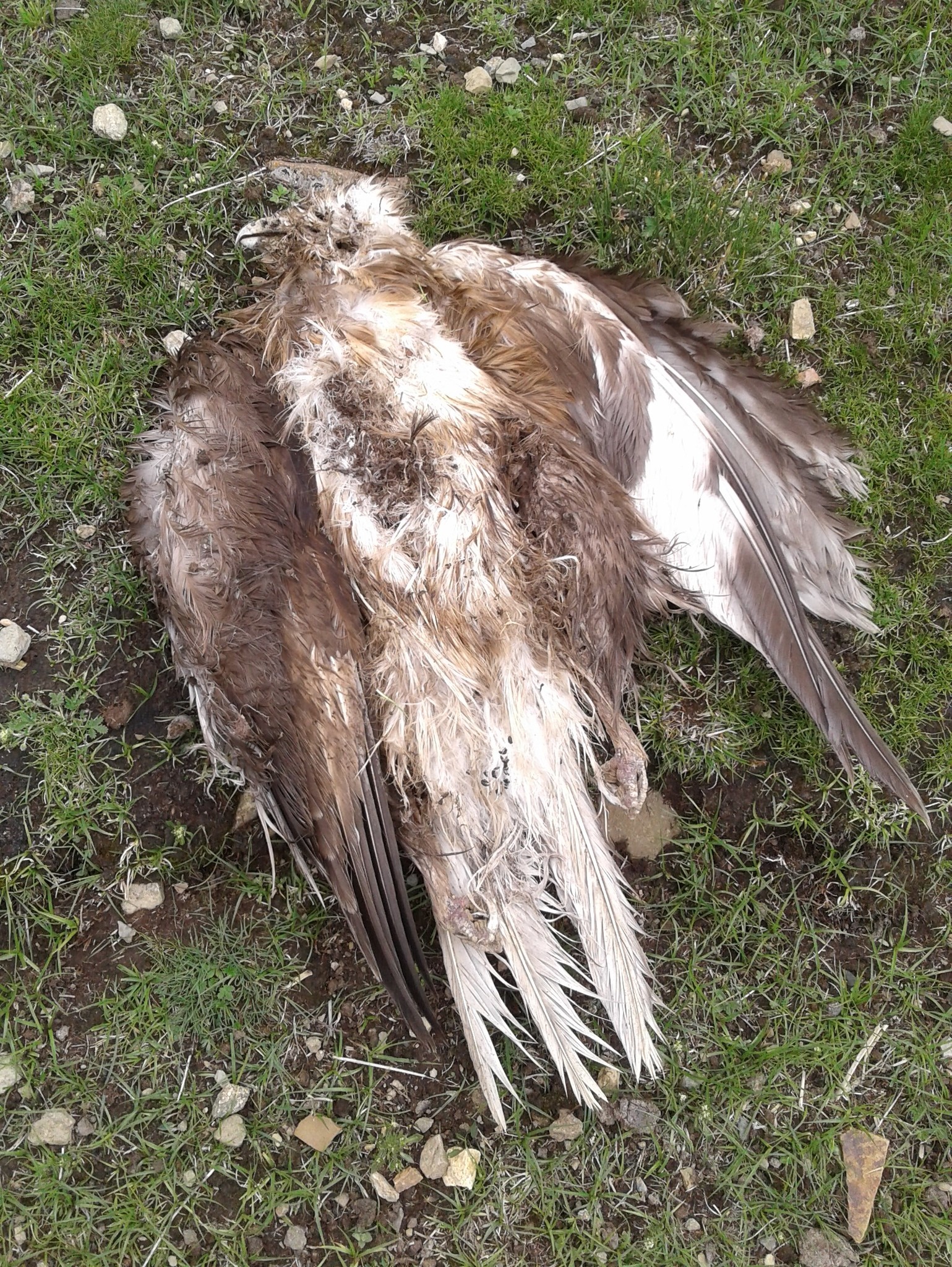
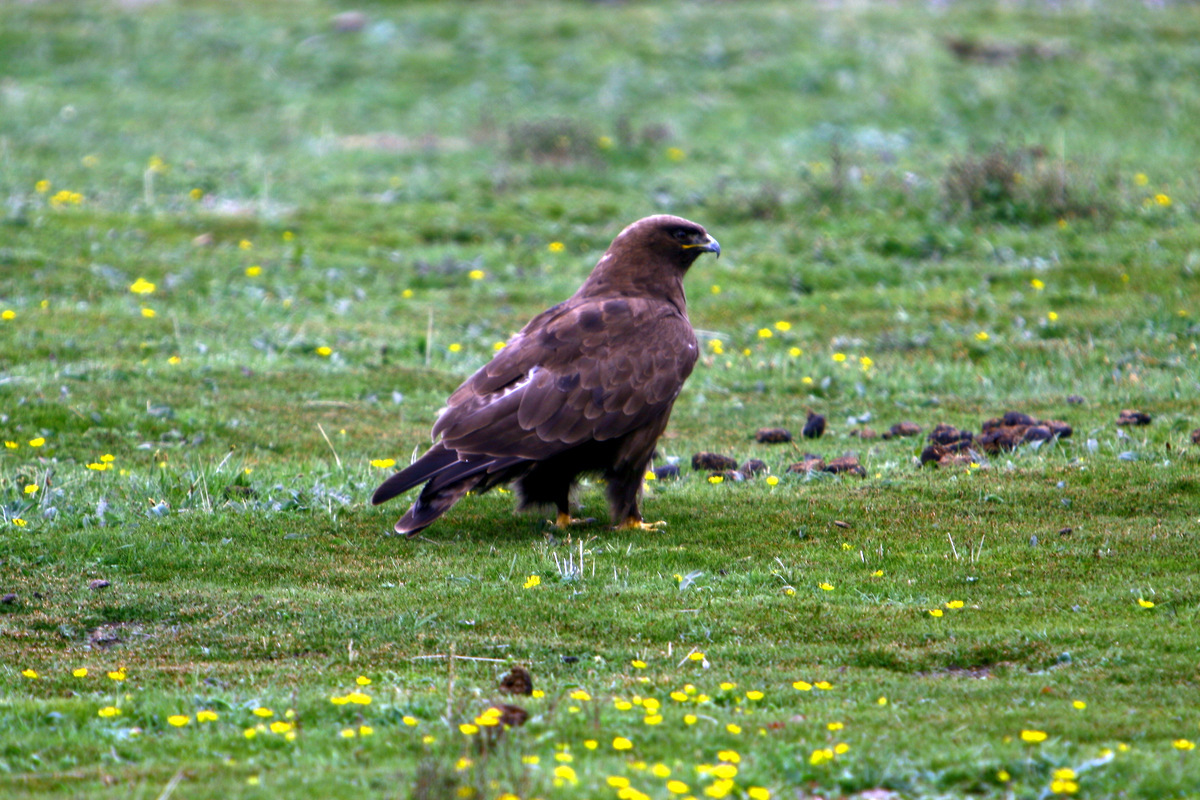
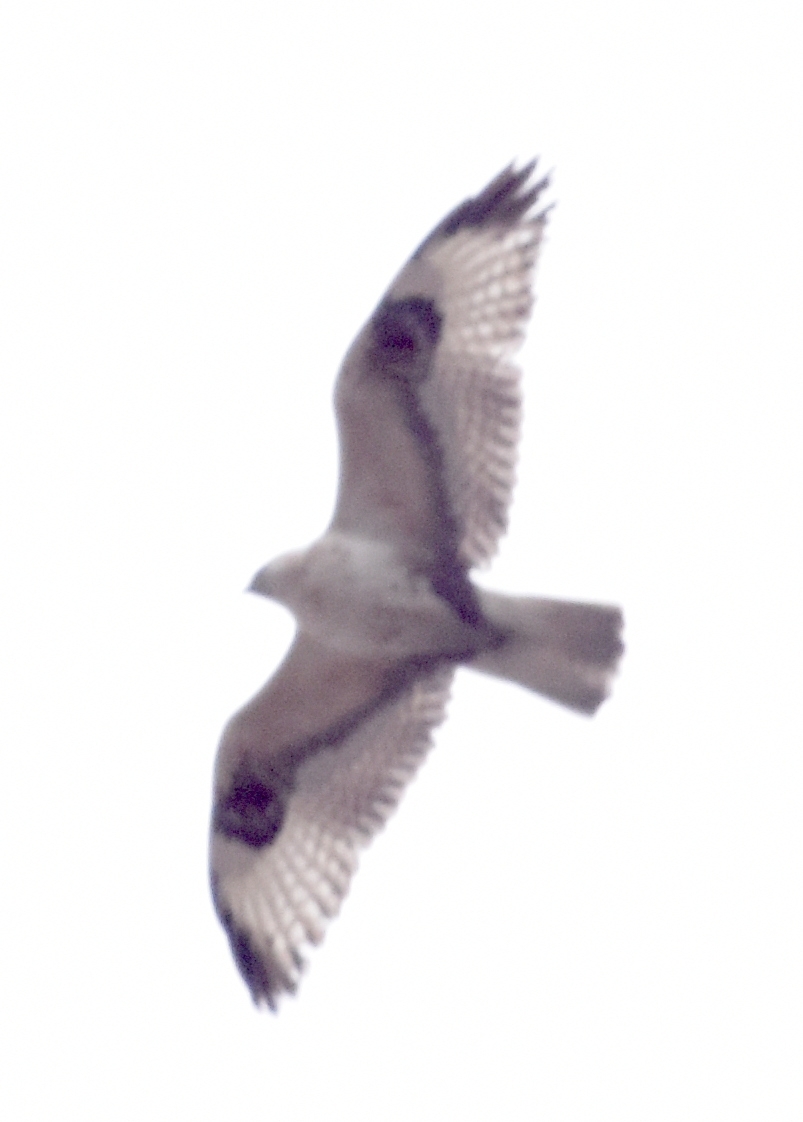
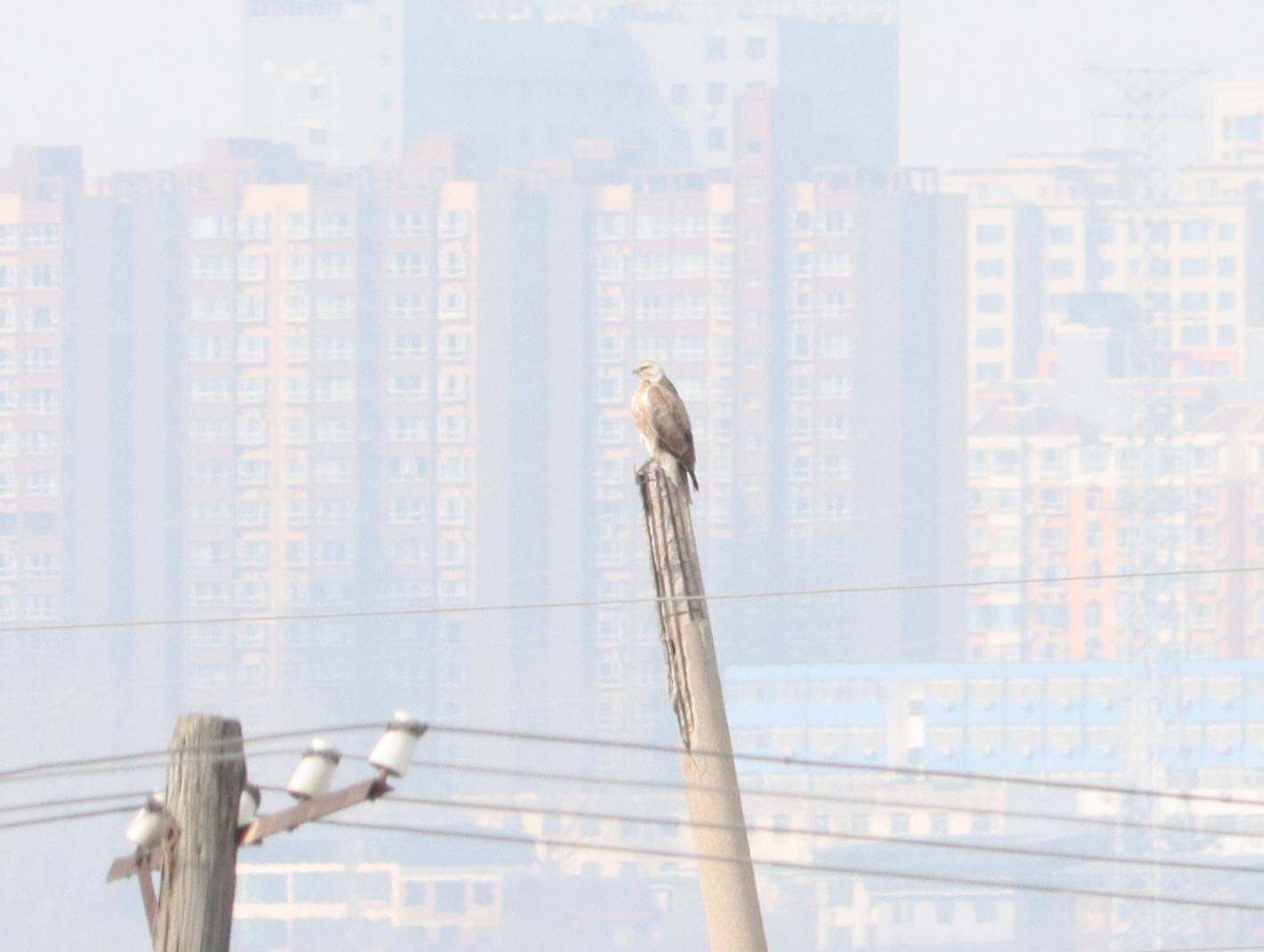
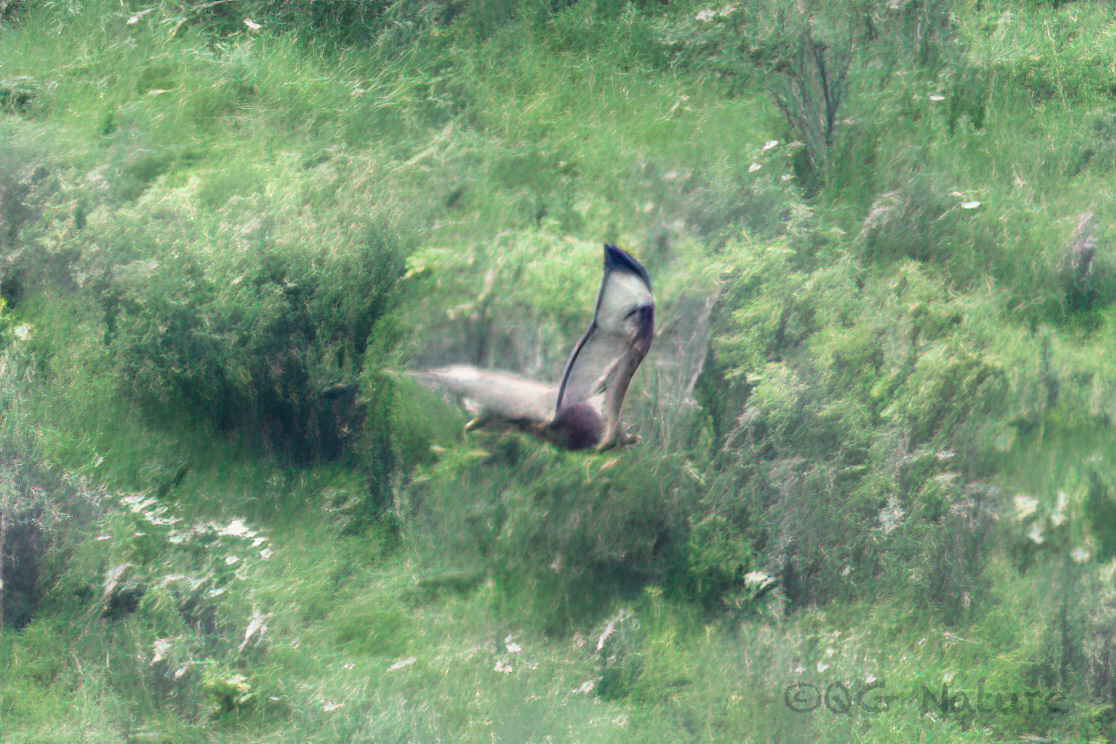
As the world's largest buzzard, this species commands attention with its substantial size and eagle-like proportions. Adults measure 57-72 cm in length with an impressive wingspan of 143-161 cm. Males weigh 950-1400 g while larger females range from 970-2050 g. The plumage occurs in two color morphs: pale birds display beige and earthen brown tones with a whitish head and chest contrasting with dark brown markings across the lower breast and abdomen, while dark morphs appear nearly solid black-brown throughout. Both morphs show a greyish tail with prominent dark banding. The species is distinctive for its heavily feathered lower legs, with feathering covering at least three-quarters of the tarsi—more extensively than most other Buteo species. The call is a prolonged nasal mewing, though it vocalizes less frequently than related buzzards.
Identification
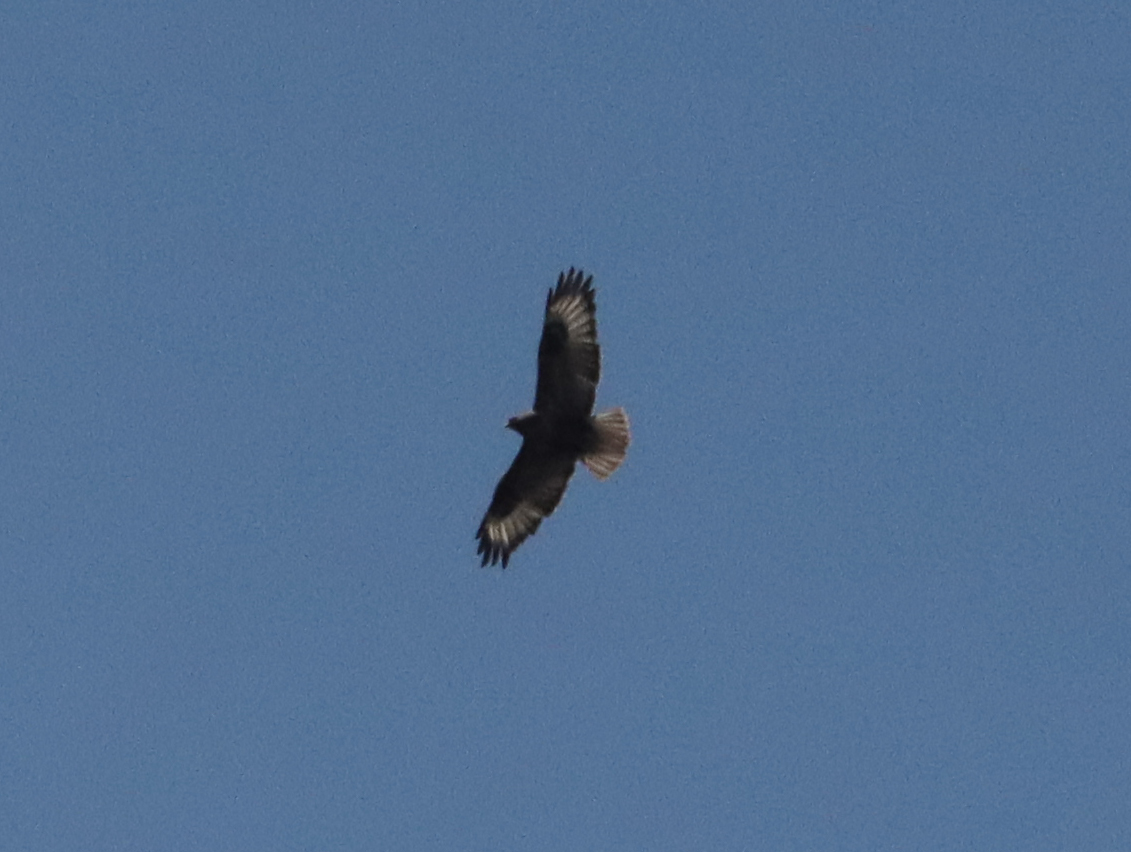
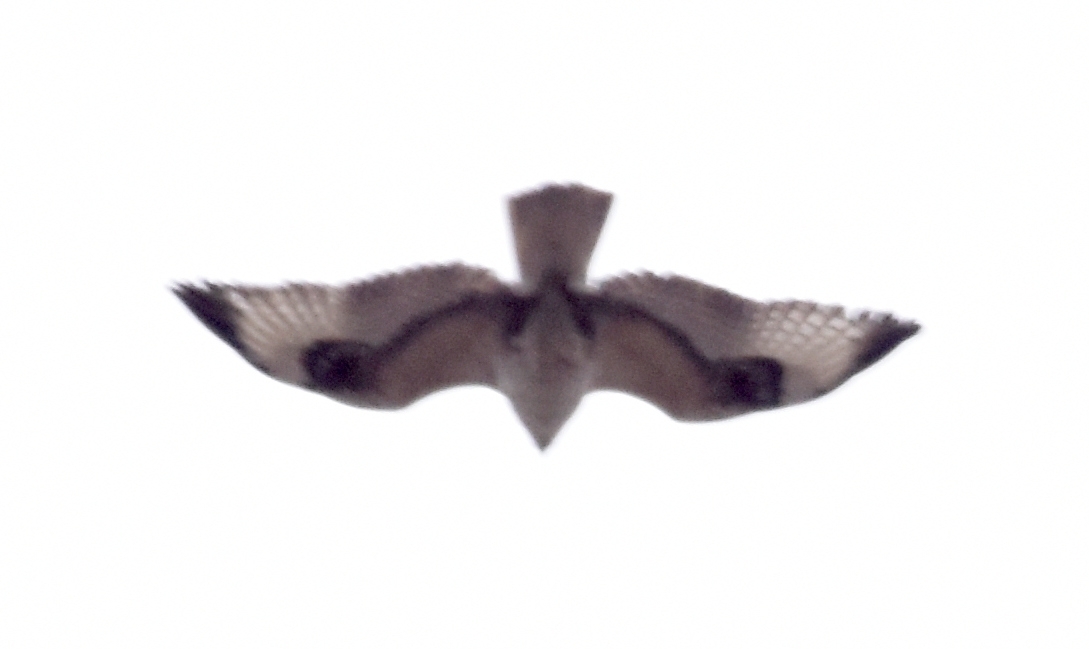
This species closely resembles several other buzzards across its range, particularly the long-legged buzzard with which it broadly overlaps. Identification can be challenging, though this species averages slightly larger and lacks the warmer rufous tones sometimes seen in long-legged buzzards. The Himalayan buzzard occupies similar high-elevation habitats and requires careful differentiation. Other regional buzzards—the eastern and Himalayan—are notably smaller with proportionally shorter wings and tails. The pale morphs show stronger contrasting patterns with a distinctive blackish patagium mark on the underwing. Dark morphs are particularly problematic, as the dark morph long-legged buzzard is practically indistinguishable in the field, with size differences sometimes the only reliable clue for distant birds.
Distribution & Habitat
The breeding range centers primarily on Mongolia and western, northern, and northeastern China, extending into southern Siberia and occasionally into eastern Kazakhstan, Tajikistan, and Kyrgyzstan. Southern populations breed in northern Bhutan and Nepal, with the first Indian subcontinent record confirmed in Tibet in 1998. Wintering areas include eastern Kazakhstan, northern India, Nepal, Bhutan, and much of China. This species is generally a short-distance migrant, moving southward from September to October and returning March to May to avoid heavy snow. Vagrants occasionally reach Japan, Korea, and there is an old winter record from Iran. It inhabits montane areas from 1,000-4,500 m elevation, though sea-level occurrences happen during winter.
Behavior & Ecology
This high-elevation specialist typically nests on cliff ledges, outcrops, and rocky slopes, constructing substantial stick nests lined with wool, grass, and occasionally human debris. The breeding season runs from April to August, with clutches of 2-4 eggs (exceptional clutches up to 8 reported in Mongolia) incubated for 36-38 days. Fledging occurs at approximately 45 days. Hunting is conducted primarily through soaring flight and hovering, with prey captured by diving from the air since suitable perches are often unavailable. The diet focuses heavily on small mammals, especially voles and pikas, but includes passerine birds, insects, and occasionally larger prey like hares and ptarmigan. This species shares habitat and prey bases with Eurasian eagle-owls, which may prey upon the buzzards themselves. Migration is minimal, with birds moving just far enough to find suitable hunting conditions.
Conservation
The IUCN Red List classifies this species as Least Concern due to its large range and generally stable population status, despite being generally uncommon throughout. Population densities fluctuate significantly with prey availability, particularly cyclic vole populations. In some areas such as Tibet and productive regions of Mongolia, numbers can be locally abundant, while other areas support only sparse populations. The species faces predation pressure from larger raptors including golden eagles and Eurasian eagle-owls. No major conservation threats are currently identified, though breeding success is strongly linked to prey abundance and could be affected by habitat changes or rodent control programs affecting key prey species.
Culture
No significant cultural, mythological, or folklore traditions associated with this species are documented in available sources.
Source: Wikipedia · CC BY-SA 3.0
Taxonomy
- Order
- Accipitriformes
- Family
- Accipitridae
- Genus
- Buteo
- eBird Code
- uplbuz1
Distribution
open steppes and montane slopes of eastern Asia
Data Sources
Species description from Wikipedia, licensed under CC BY-SA 3.0.
Bird images and sounds sourced from GBIF, contributed by citizen scientists worldwide under Creative Commons licenses.
Taxonomy data from AviList 2025.