Accipitriformes / Accipitridae / Buteo
Common Buzzard
Buteo buteo · 欧亚鵟
Introduction
A medium-to-large bird of prey in the genus Buteo and family Accipitridae. It has a large range across most of Europe and the Palearctic, extending to northwestern China, western Siberia, and northwestern Mongolia. The species inhabits interfaces between woodlands and open grounds, such as forest edges and farmland. It is an opportunistic predator that primarily feeds on small mammals, especially voles, typically hunting from a perch. Over much of its range, it is a year-round resident, though eastern and northern populations migrate south for winter. It is considered the most common diurnal raptor in Europe with a global population estimated between 2.1 and 3.7 million birds.
Description
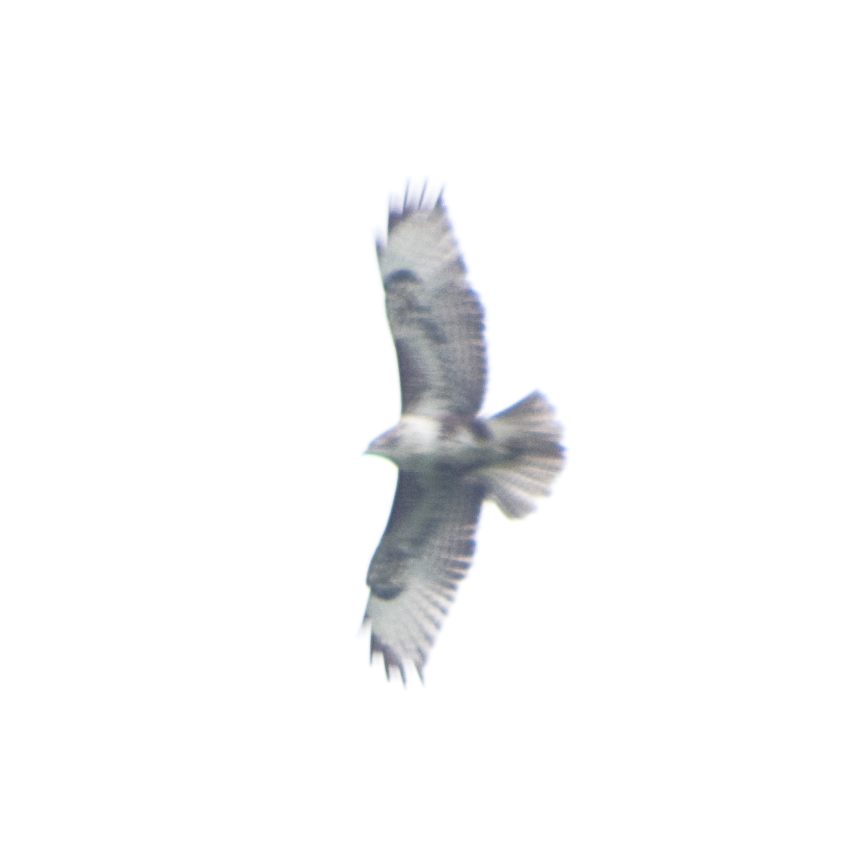
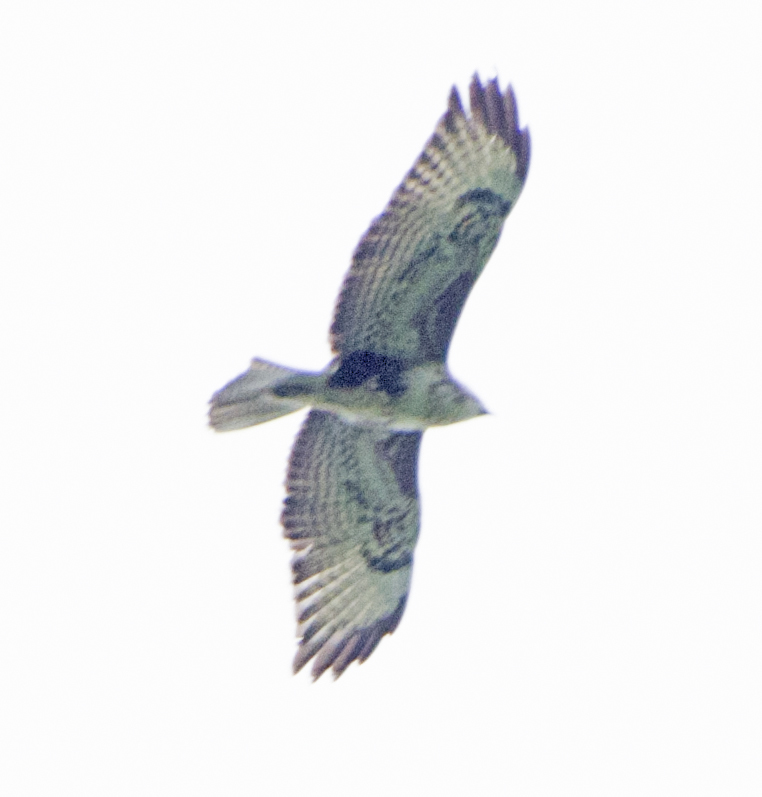
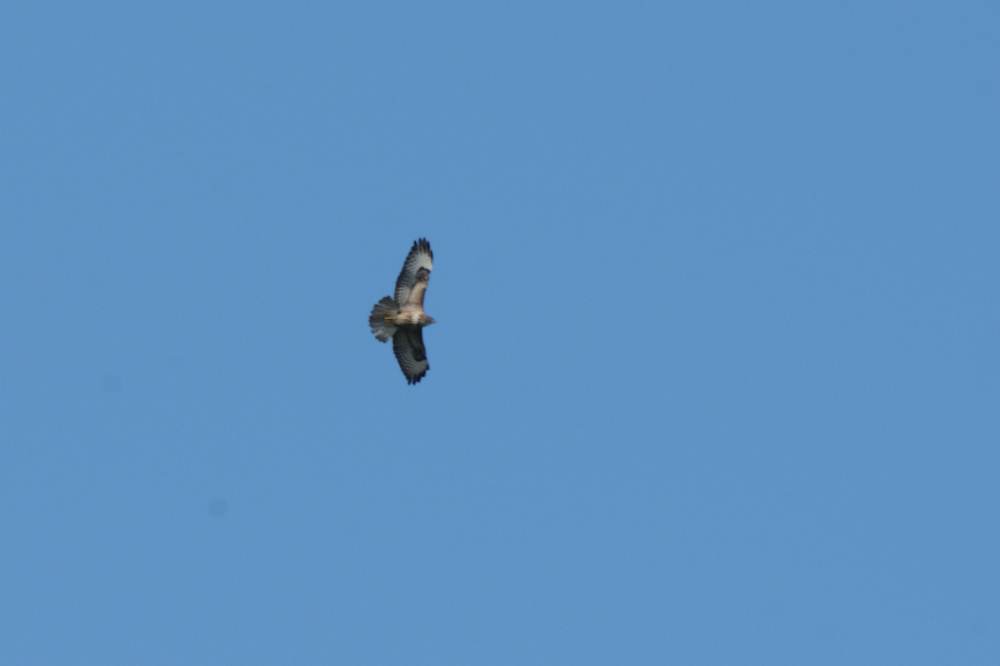
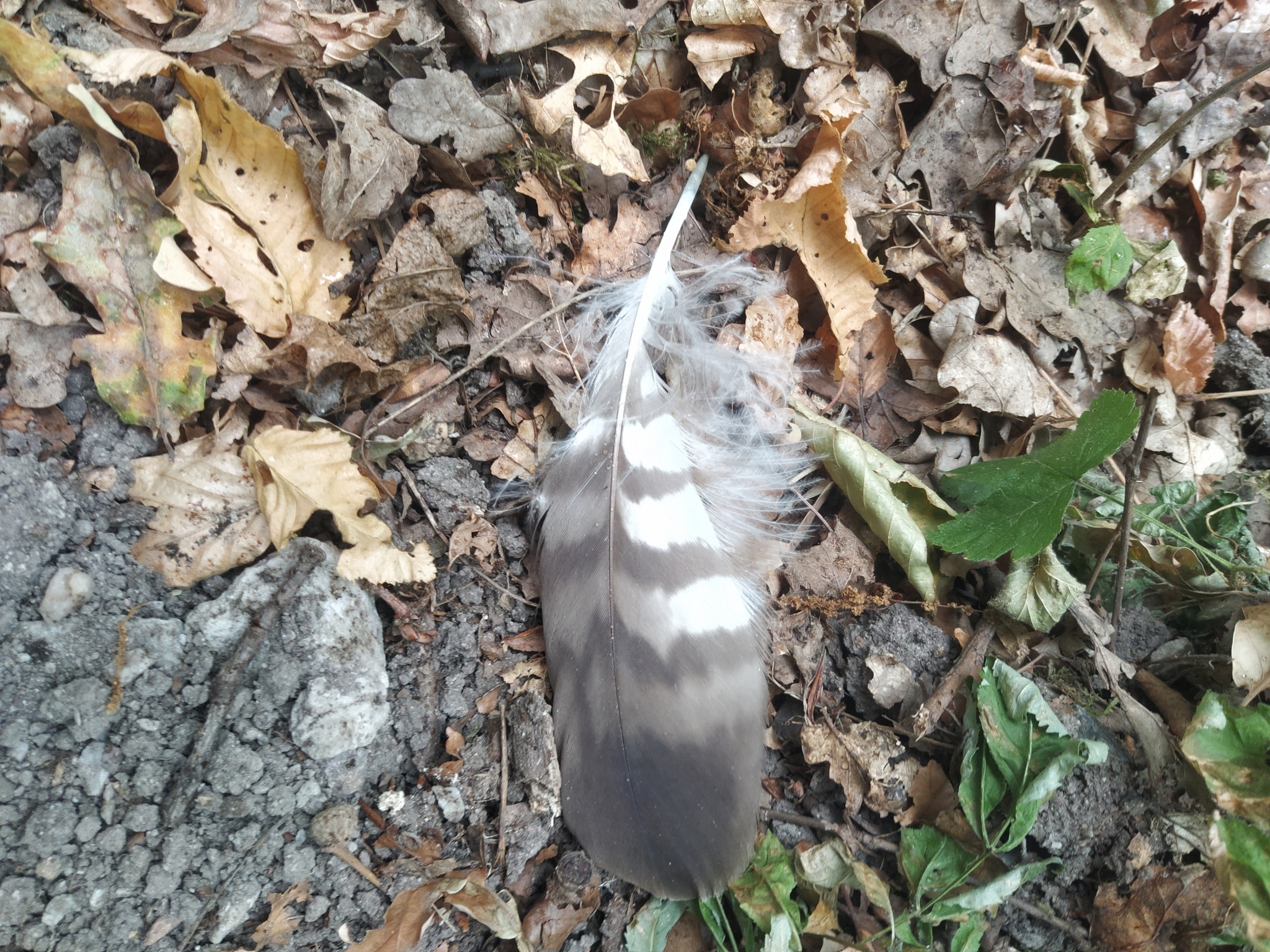
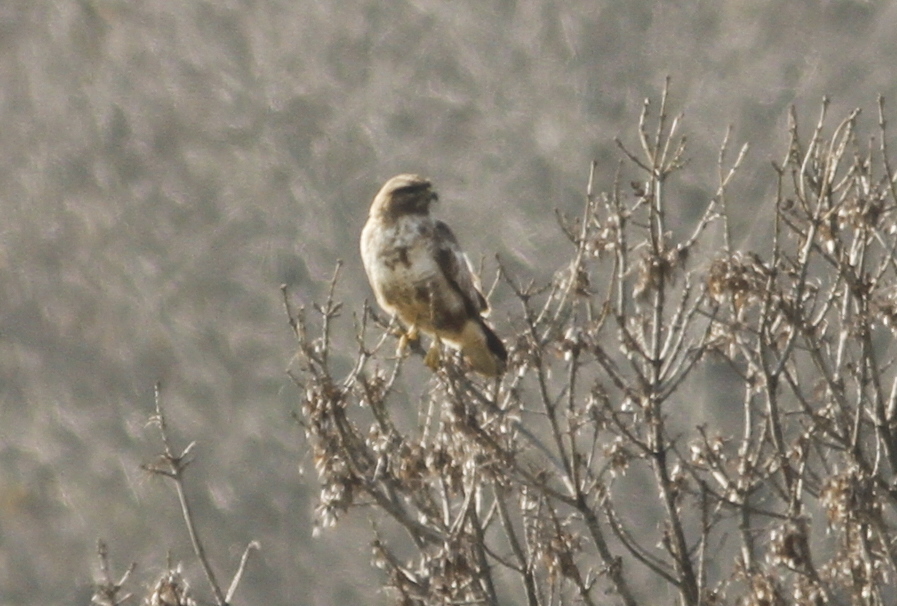
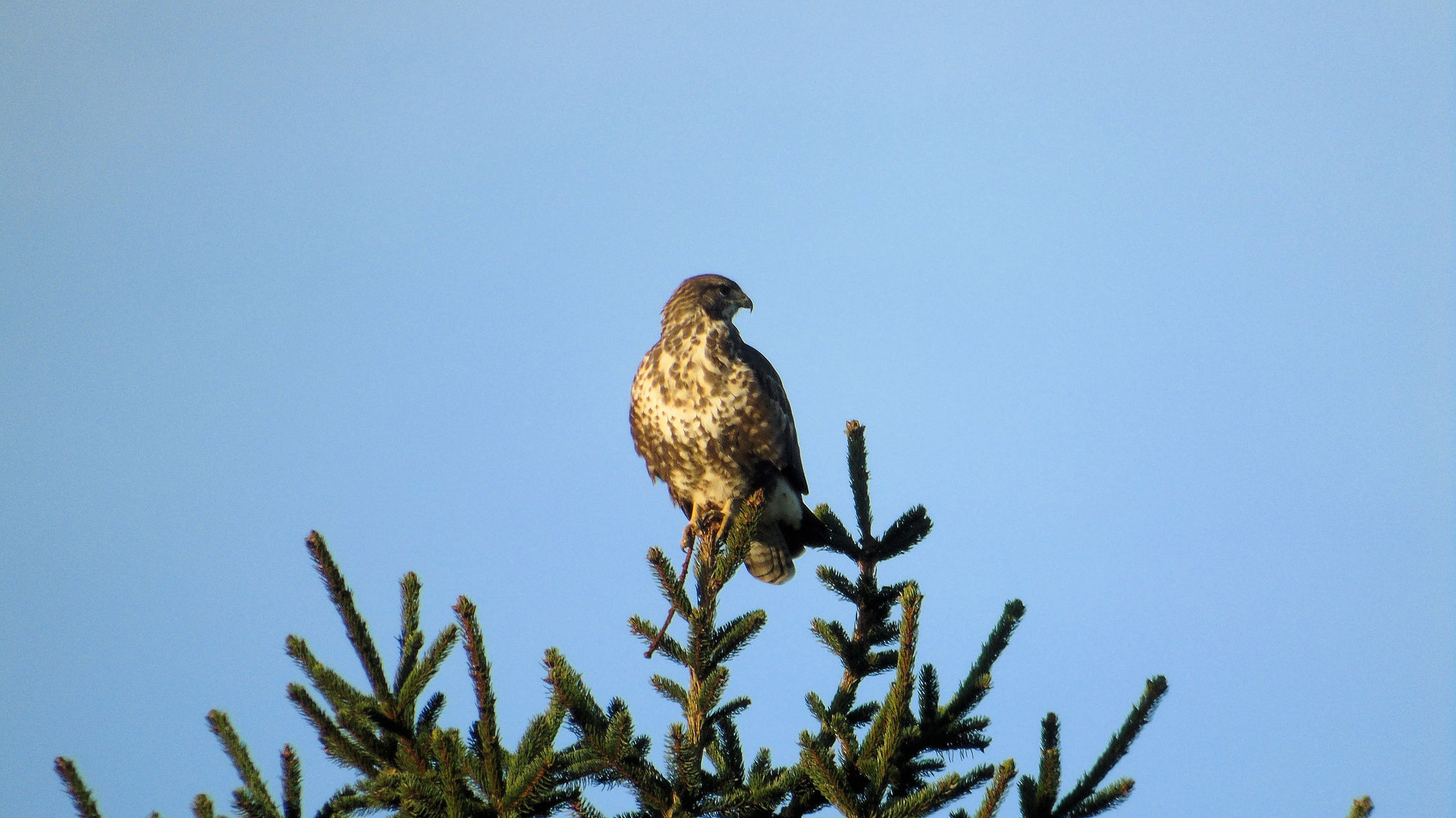
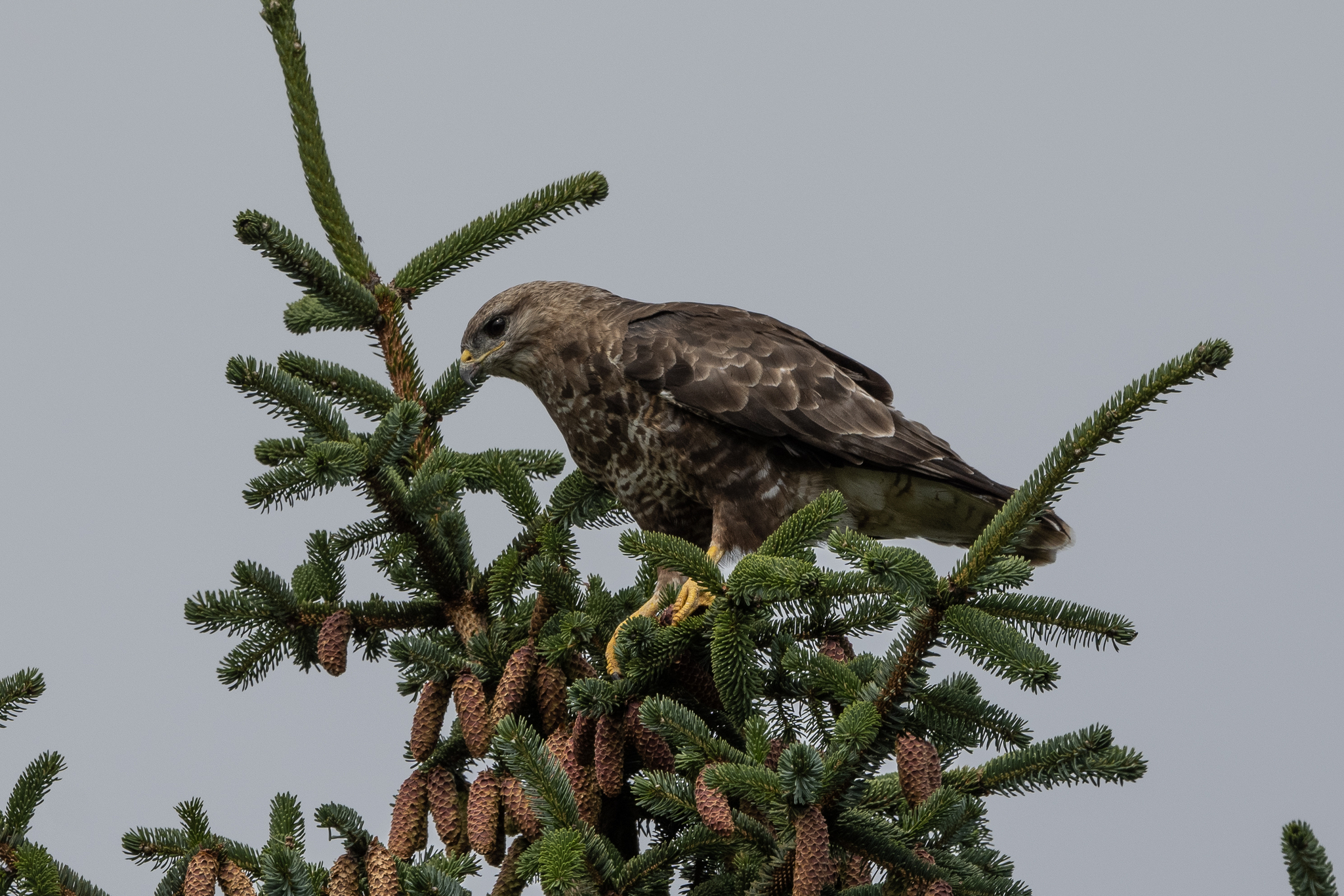
Measures 40–58 cm in length with a 109–140 cm wingspan. Females are 2–7% larger linearly and weigh about 15% more than males; body mass varies widely, with European males averaging 828 g and females 1,052 g. Plumage is highly variable, ranging from almost uniform black-brown to mainly white. Typical European individuals are dark brown above with a brown-streaked white throat, a pale U-shape across the breast, and a broad dark subterminal band on the tail. Juveniles have paler eyes, narrower tail bands, and streaked rather than barred underside markings. The steppe subspecies is smaller, with longer wings and tail, and exhibits distinct rufous, pale, and dark morphs.
Identification
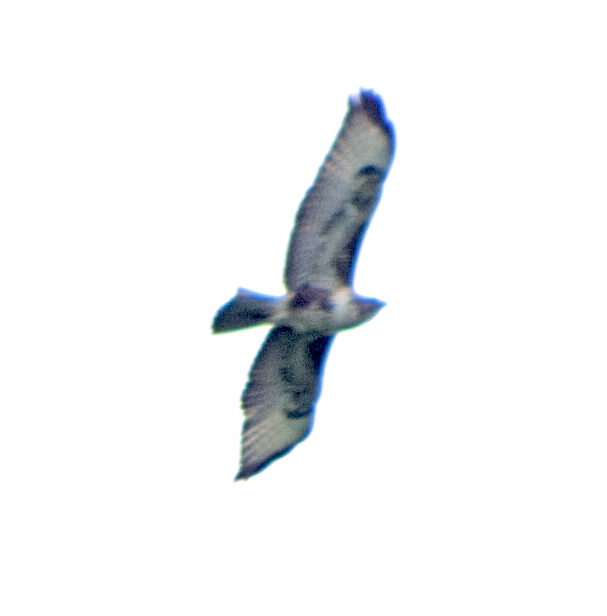
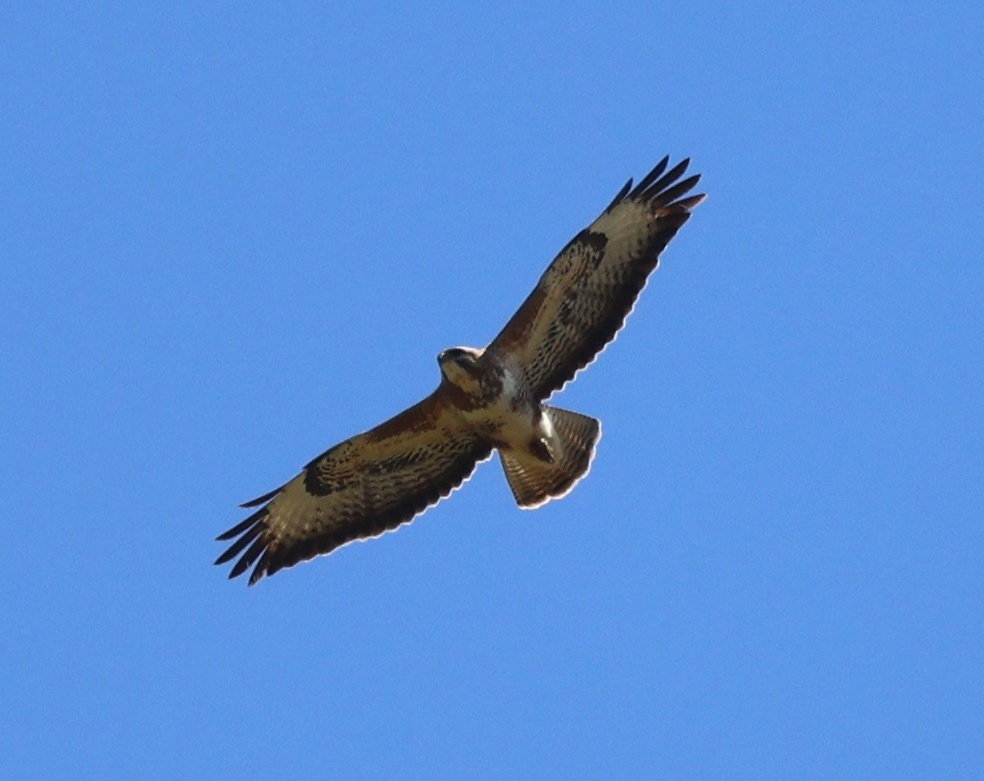
Distinctive features include a round head, broad wings often held in a slight dihedral, and a short tail with a broad dark subterminal band. In flight, typical European birds show a dark trailing edge to the wings and dark carpal patches. Steppe buzzards appear swifter and more agile with slower, clumsier wing beats in nominate birds. Differentiated from the European honey buzzard by faster, less mechanical wing beats and the presence of carpal patches (absent in honey buzzards). Distinguished from the rough-legged buzzard by unfeathered tarsi and lack of a white-based tail. Confusion with golden eagles or marsh harriers is possible at a distance but ruled out by size and proportion differences.
Distribution & Habitat
Breeds throughout most of Europe, including the British Isles, Iberian Peninsula, and Scandinavia (southern Sweden and Norway), extending east through Russia to western Siberia, northwestern China (Tian Shan), and northwestern Mongolia. Also found in northern Turkey, the Caucasus, and northern Iran. Non-breeding migrants winter in southwestern India, the Middle East, and extensively across eastern and southern Africa. Habitat includes forest edges, small woods, shelterbelts with adjacent grassland or farmland, and open moorland with scattered trees. Absent from treeless tundra and subarctic zones. Elevational range spans sea level to 2,000 m for breeding, with migration up to 4,500 m.
Behavior & Ecology
An opportunistic generalist predator feeding on over 300 prey species, primarily small mammals like voles and rabbits, but also birds, reptiles, amphibians, and insects. Hunts mostly from a perch, dropping gently to the ground, or via low flight; hovering is rare. Migratory behavior varies: nominate races are largely resident or short-distance migrants, while steppe buzzards are long-distance migrants traveling in flocks to Africa, covering up to 13,000 km. Vocalizations include a plaintive 'pee-yow' contact call and sharper aggressive notes. Breeding occurs March–July; nests are bulky stick structures in trees or on cliffs. Clutch size ranges from 2 to 6 eggs, incubated for 33–35 days. Fledging occurs at 43–54 days.
Conservation
The IUCN estimates the population between 2.1 and 3.7 million birds. It is one of the most numerous diurnal raptors in Europe, with conservative estimates of at least 700,000 pairs on the continent. Populations have increased in many areas, such as Great Britain and Germany, following reduced persecution and habitat recovery. Threats include power-line collisions, particularly in Spain, and predation by Eurasian eagle-owls. The species serves as a bioindicator for pesticide and metal contamination due to its resilience and terrestrial food chain position.
Source: Wikipedia · CC BY-SA 3.0
Taxonomy
- Order
- Accipitriformes
- Family
- Accipitridae
- Genus
- Buteo
Subspecies (7)
-
Buteo buteo bannermani
Cape Verde Islands
Data Sources
Species description from Wikipedia, licensed under CC BY-SA 3.0.
Bird images and sounds sourced from GBIF, contributed by citizen scientists worldwide under Creative Commons licenses.
Taxonomy data from AviList 2025.