Charadriiformes / Burhinidae / Burhinus
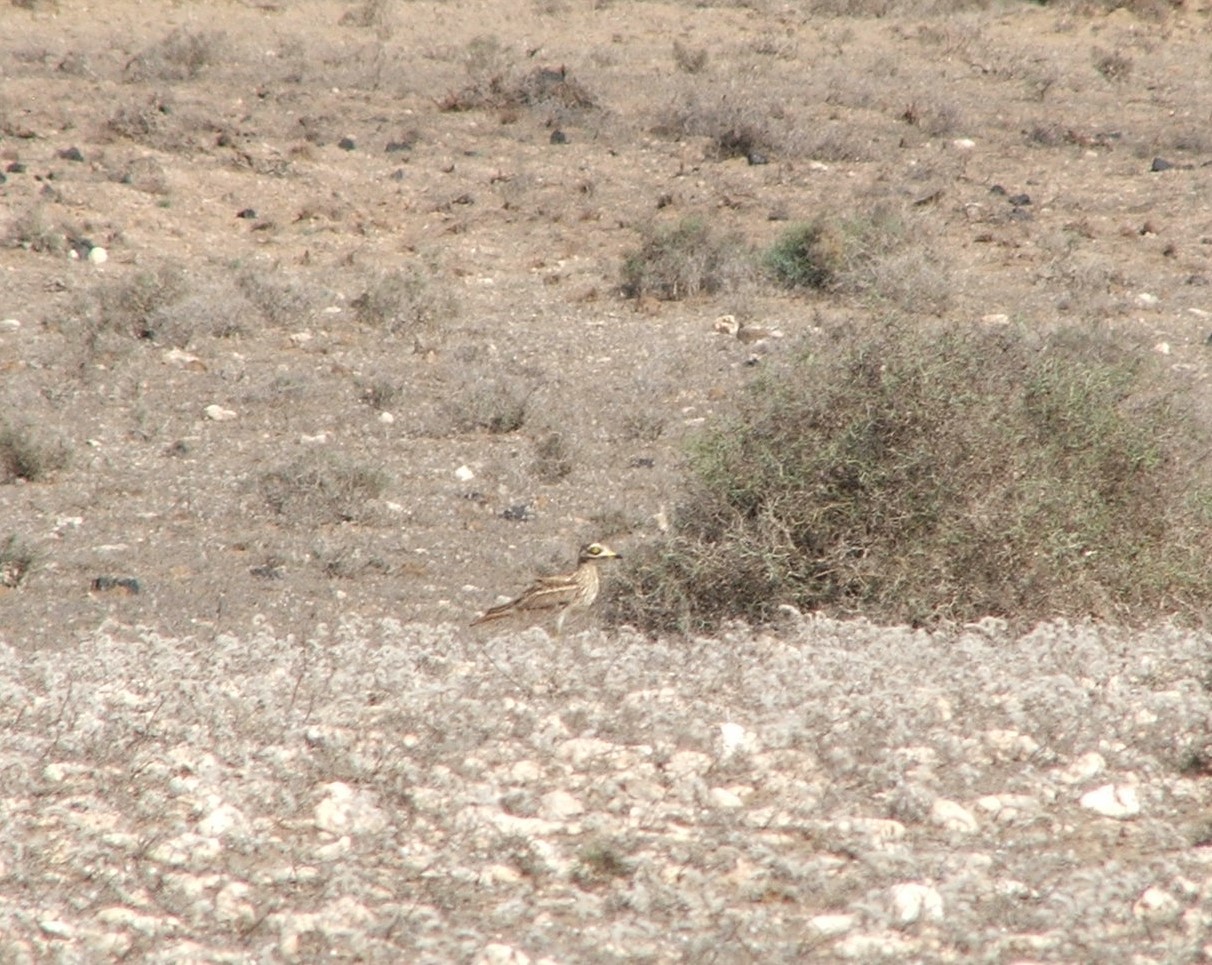
Eurasian Stone-curlew
Burhinus oedicnemus · 石鸻
Introduction
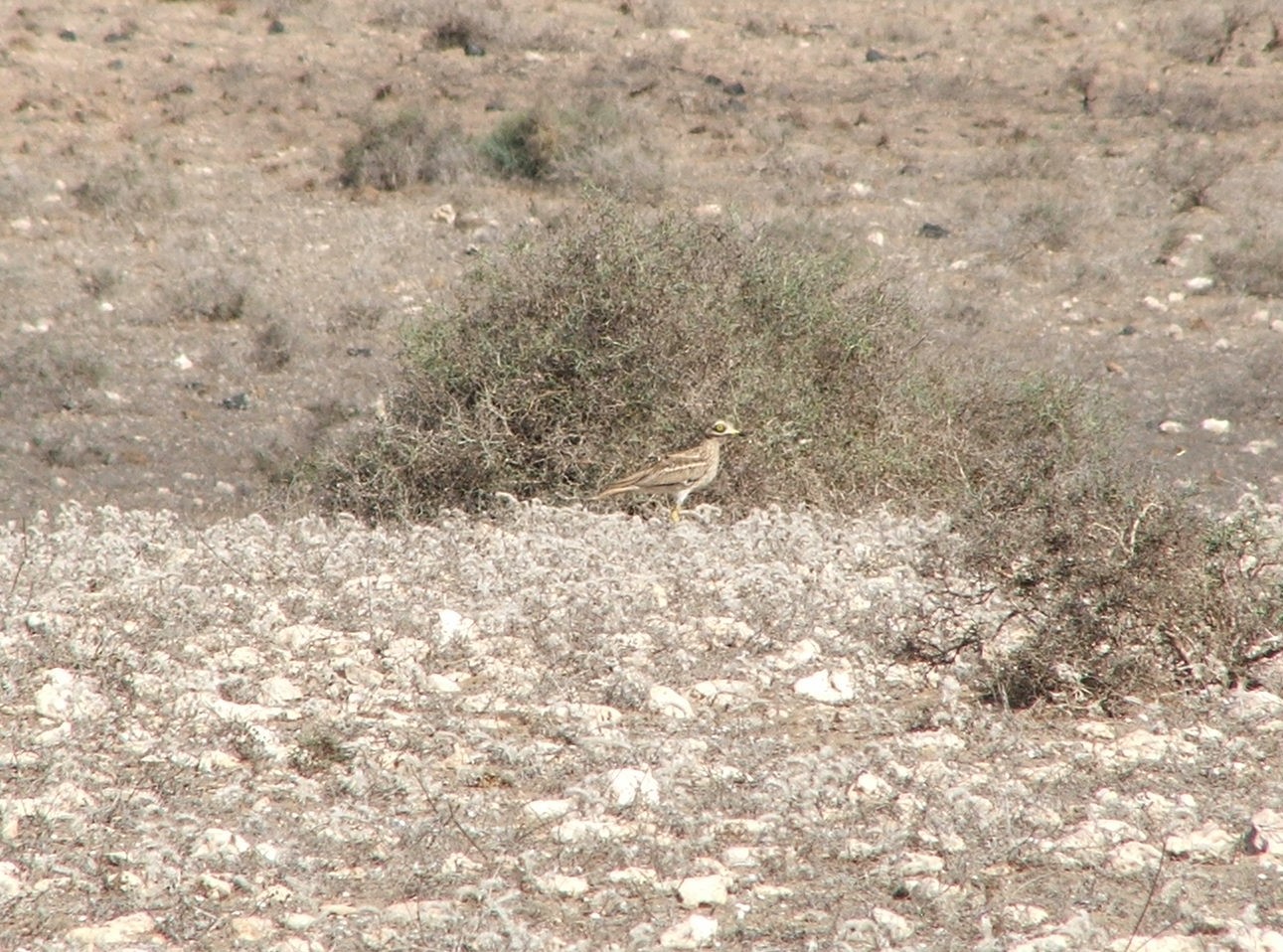
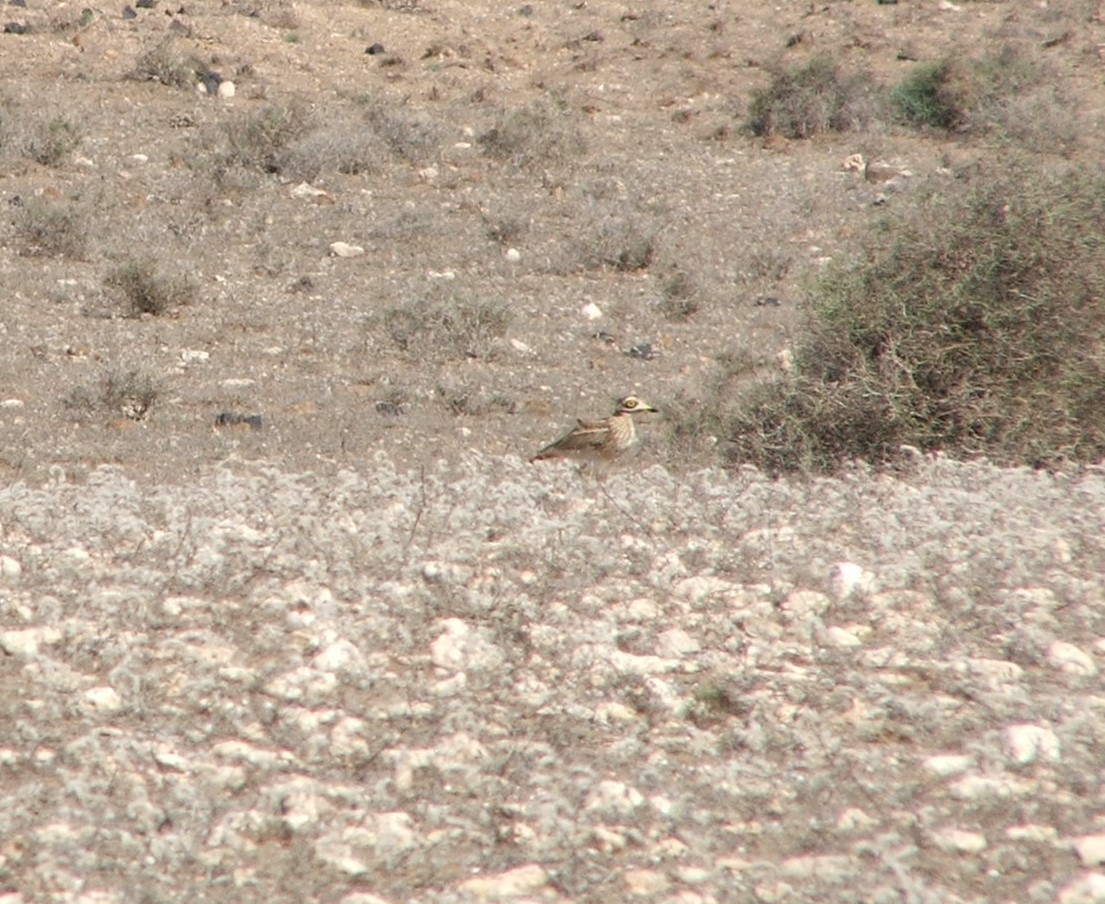
A northern species of the Burhinidae family, occurring throughout Europe, north Africa, and southwestern Asia. It prefers dry open habitats with bare ground and is largely nocturnal. The IUCN categorizes it as a least-concern species.
Description
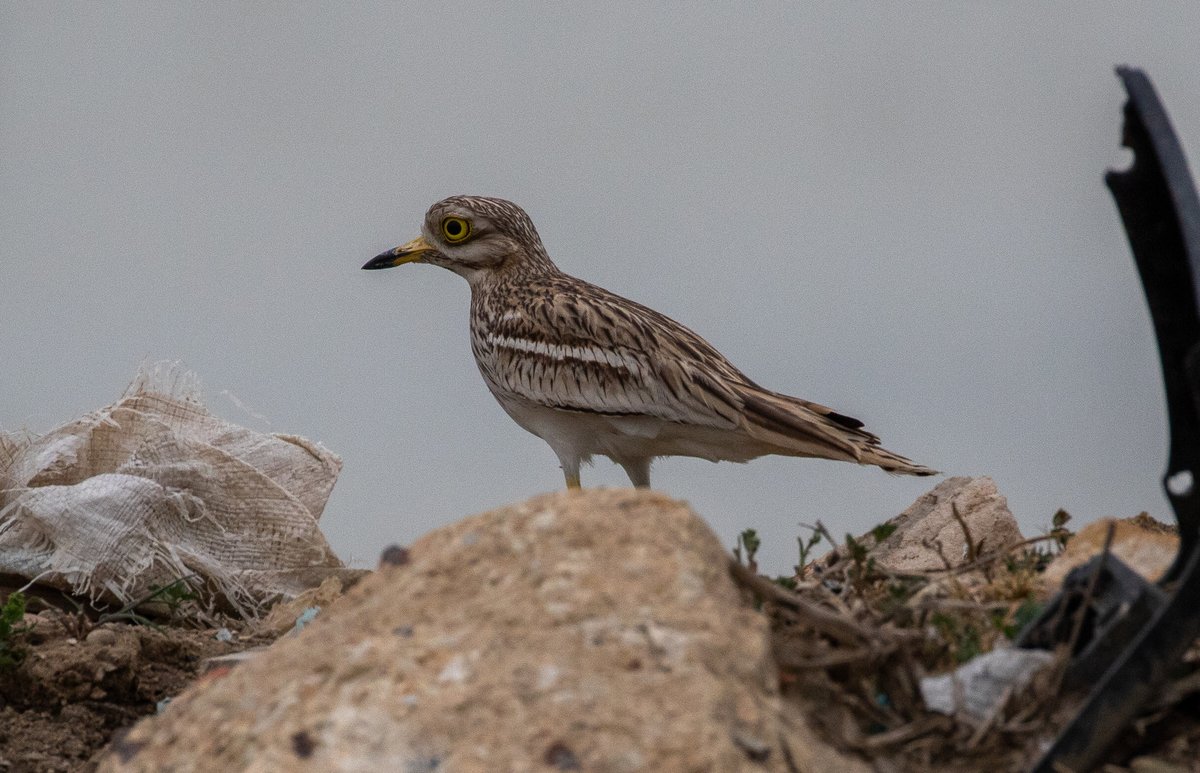
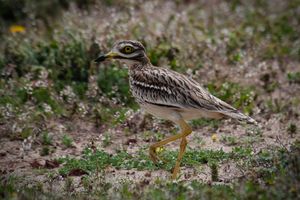
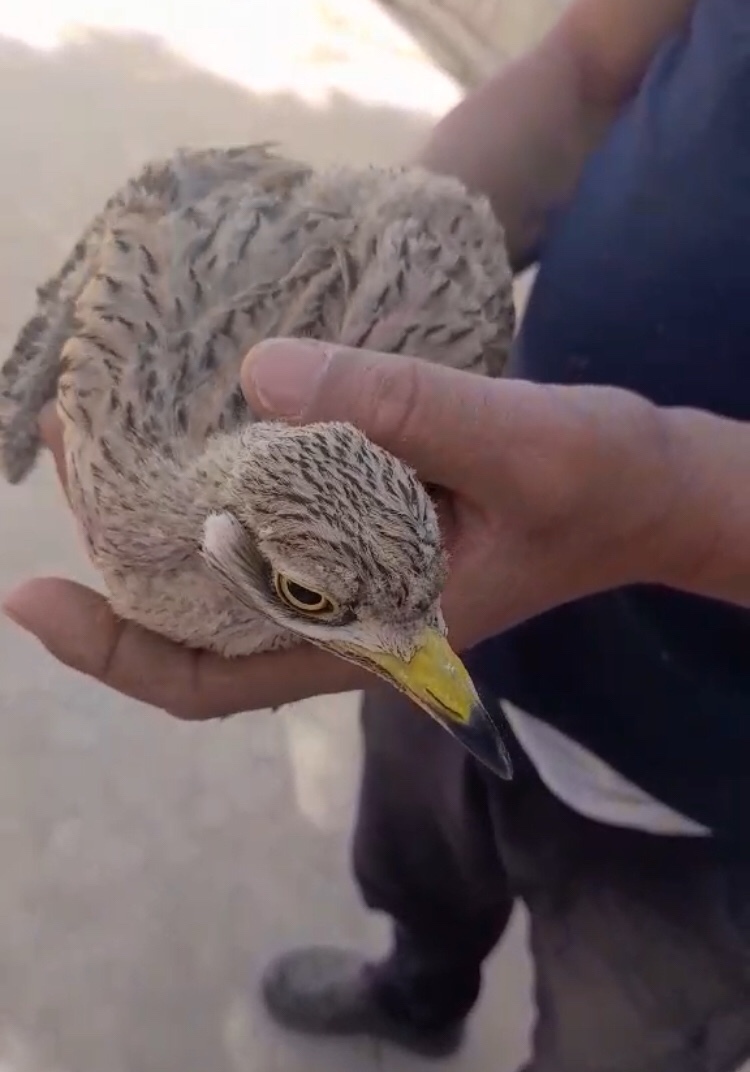
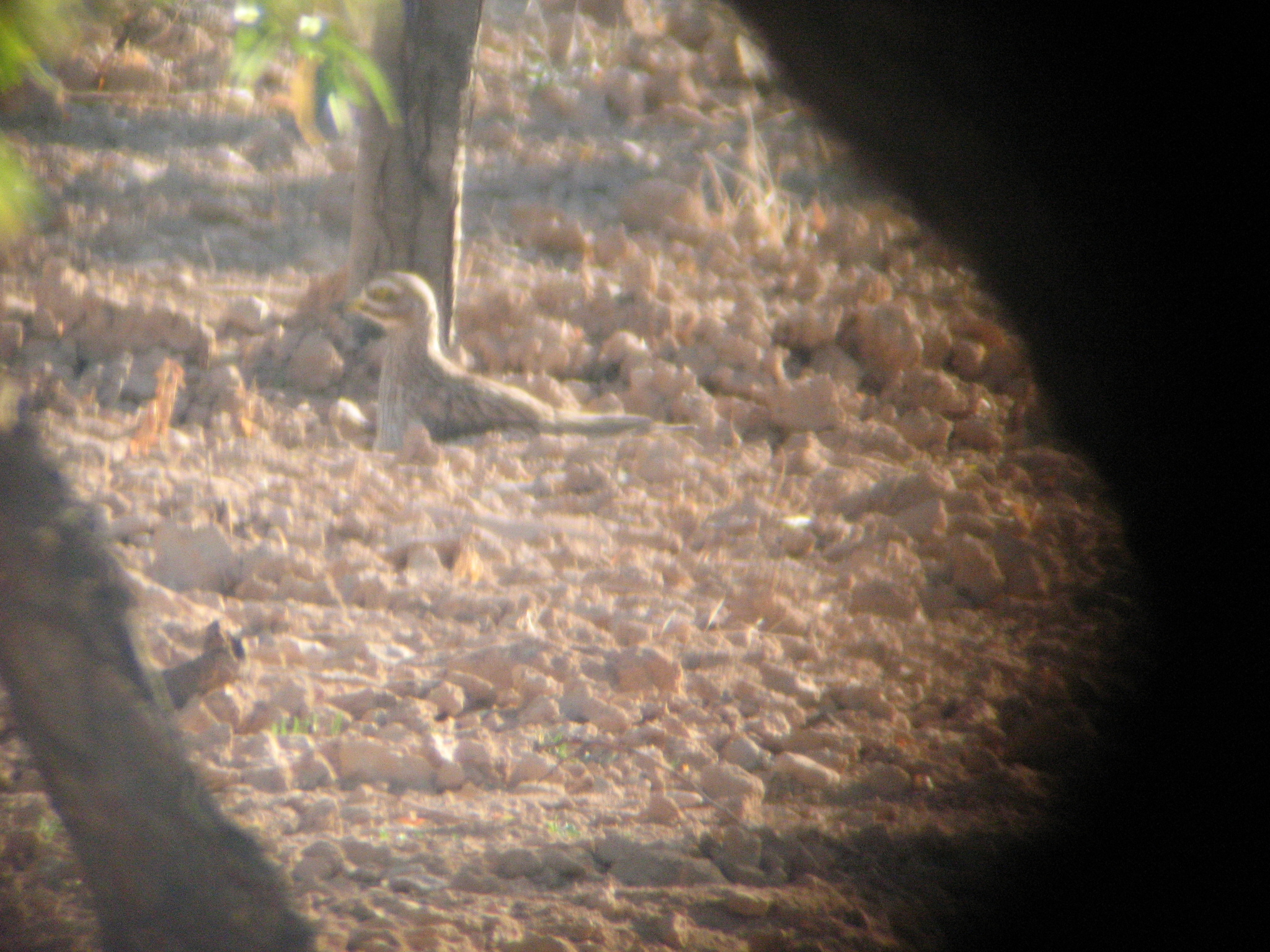
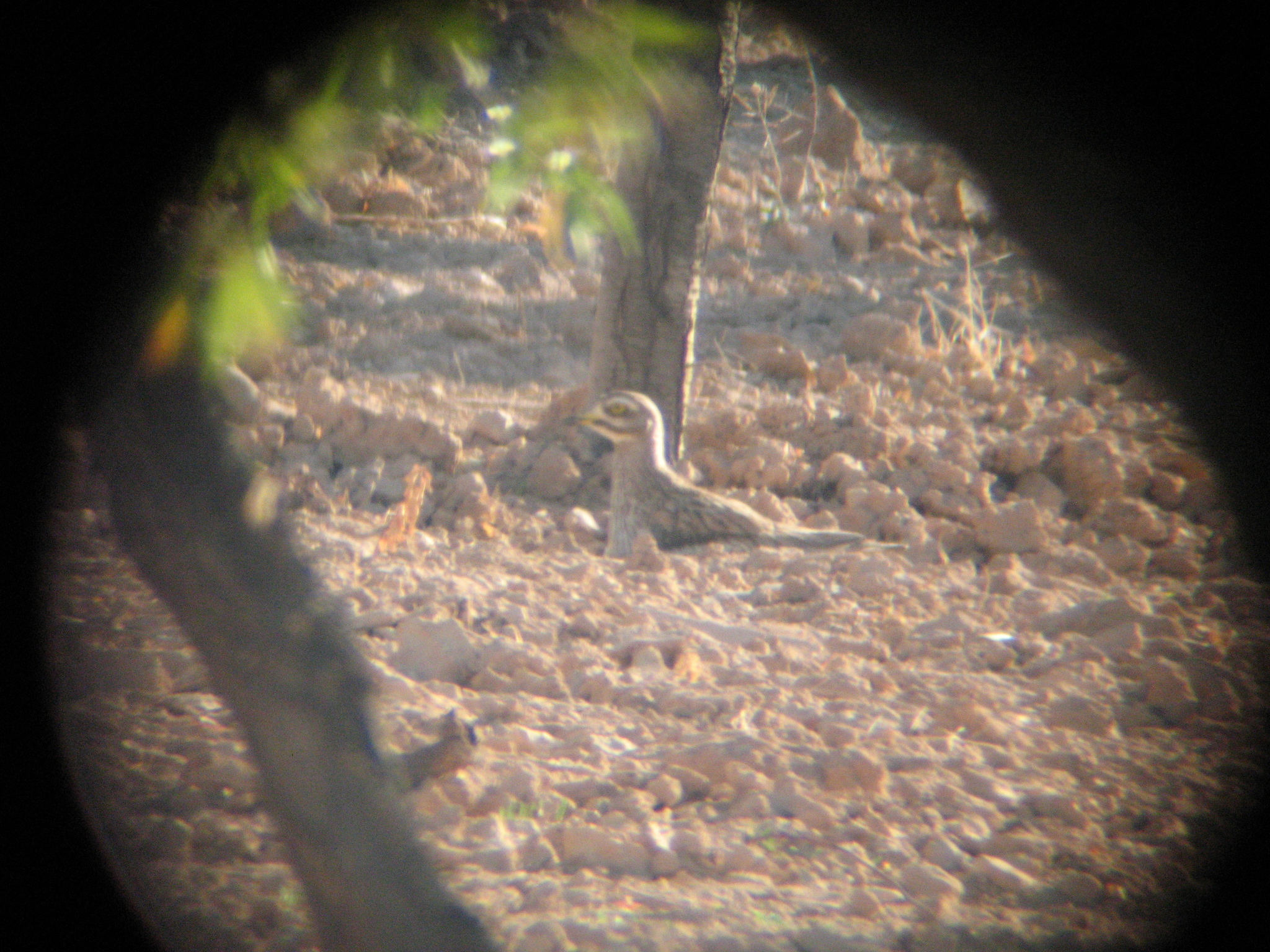
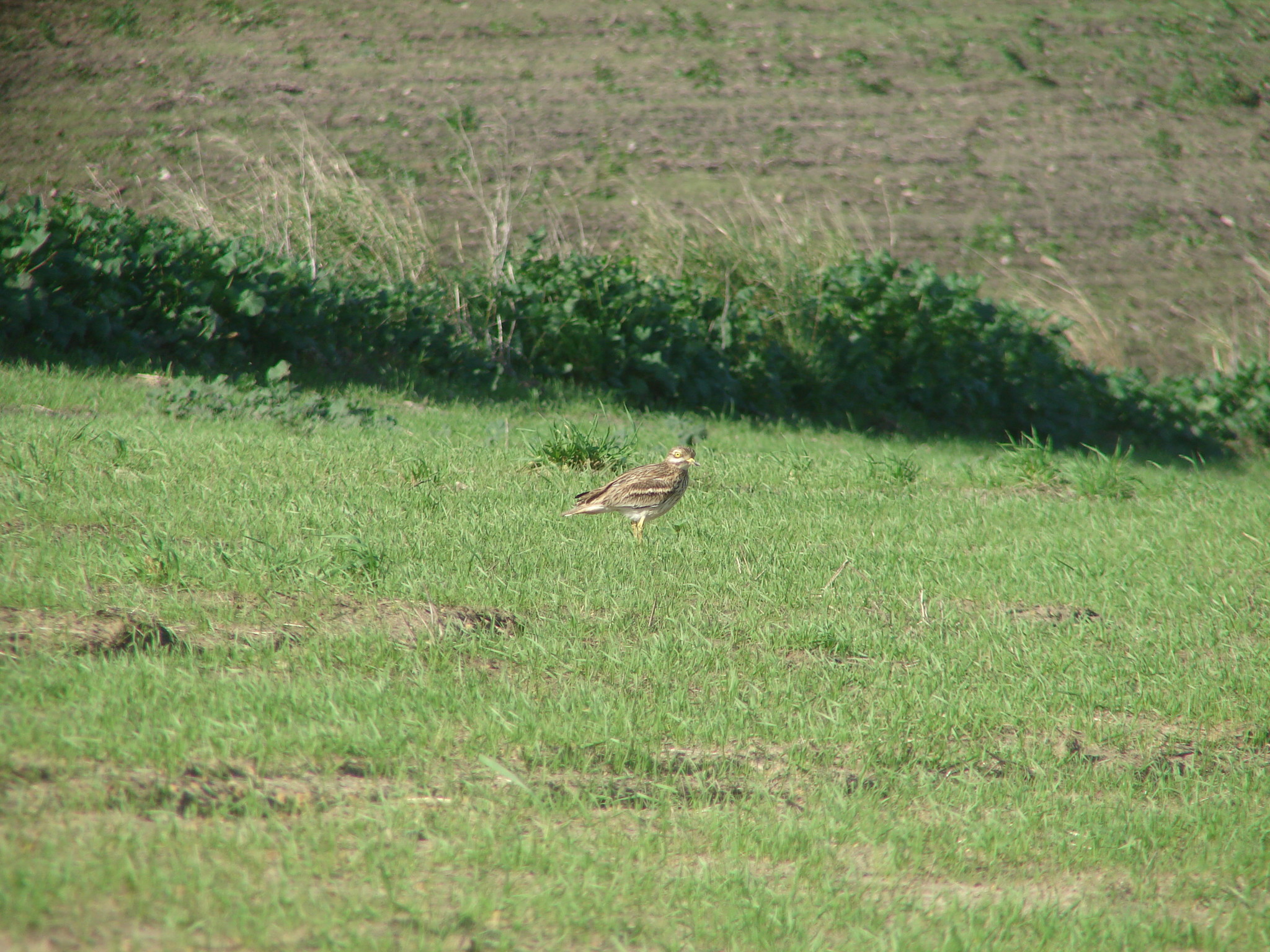
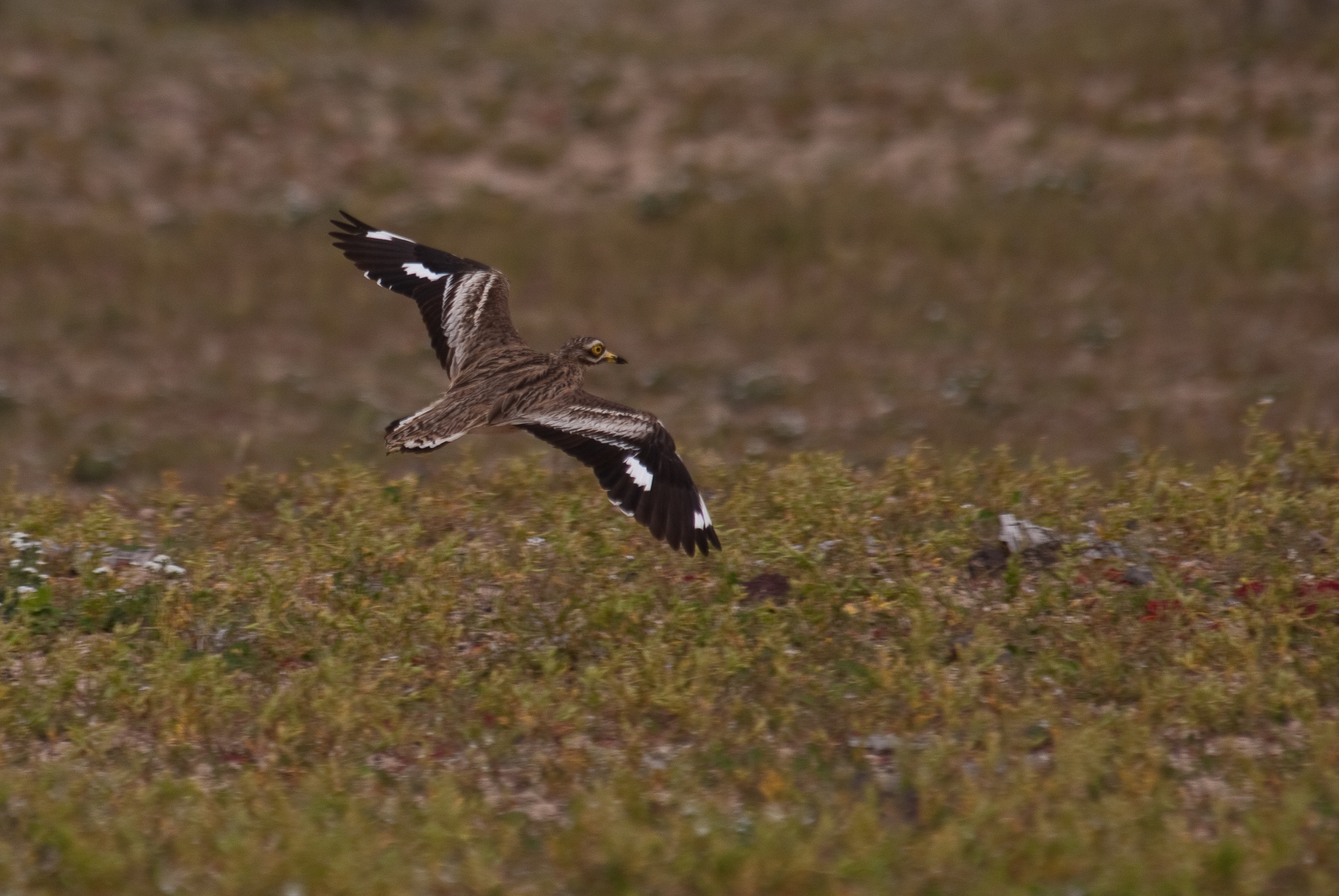
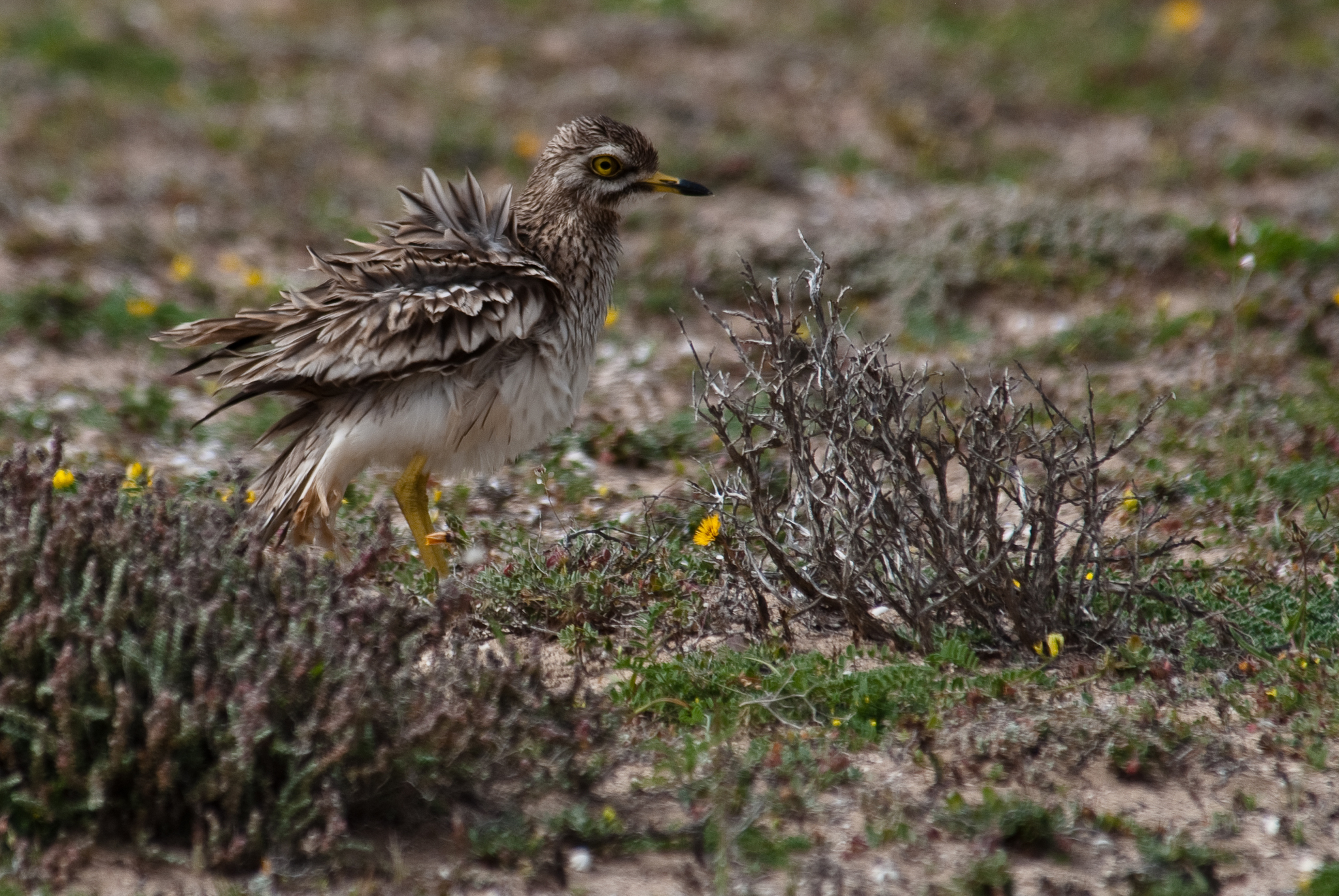
Length ranges from 38 to 46 cm, wingspan from 76 to 88 cm, and weight from 290 to 535 g. It has a strong yellow and black beak, large yellow eyes, and cryptic plumage. In flight, it displays striking black and white wing markings.
Distribution & Habitat
Occurs throughout Europe, north Africa, and southwestern Asia. It is a summer migrant in temperate European and Asian parts of its range, wintering in Africa. Five subspecies are recognized across regions including the Canary Islands, north Africa, and west Kazakhstan to northwest India.
Behavior & Ecology
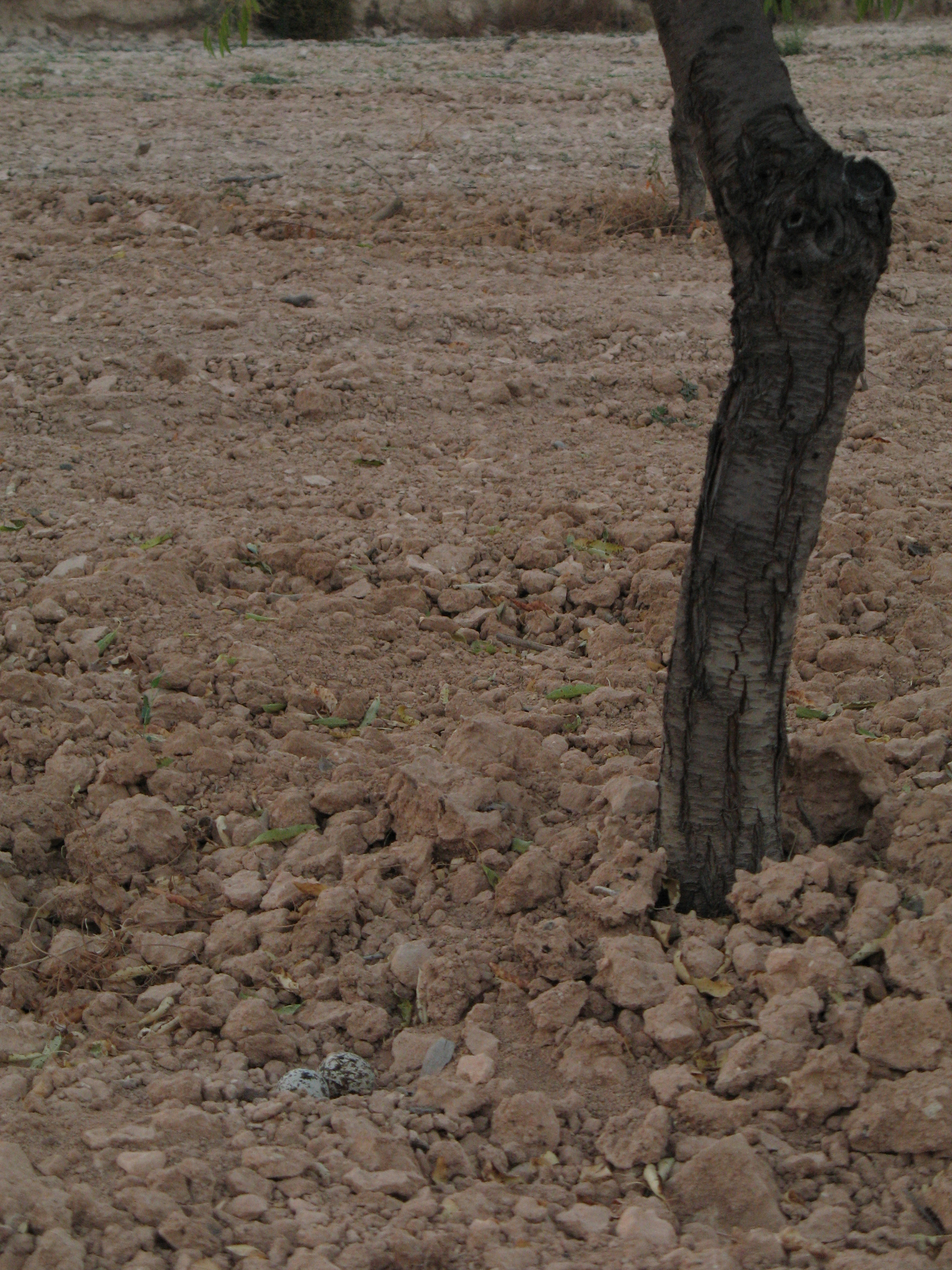
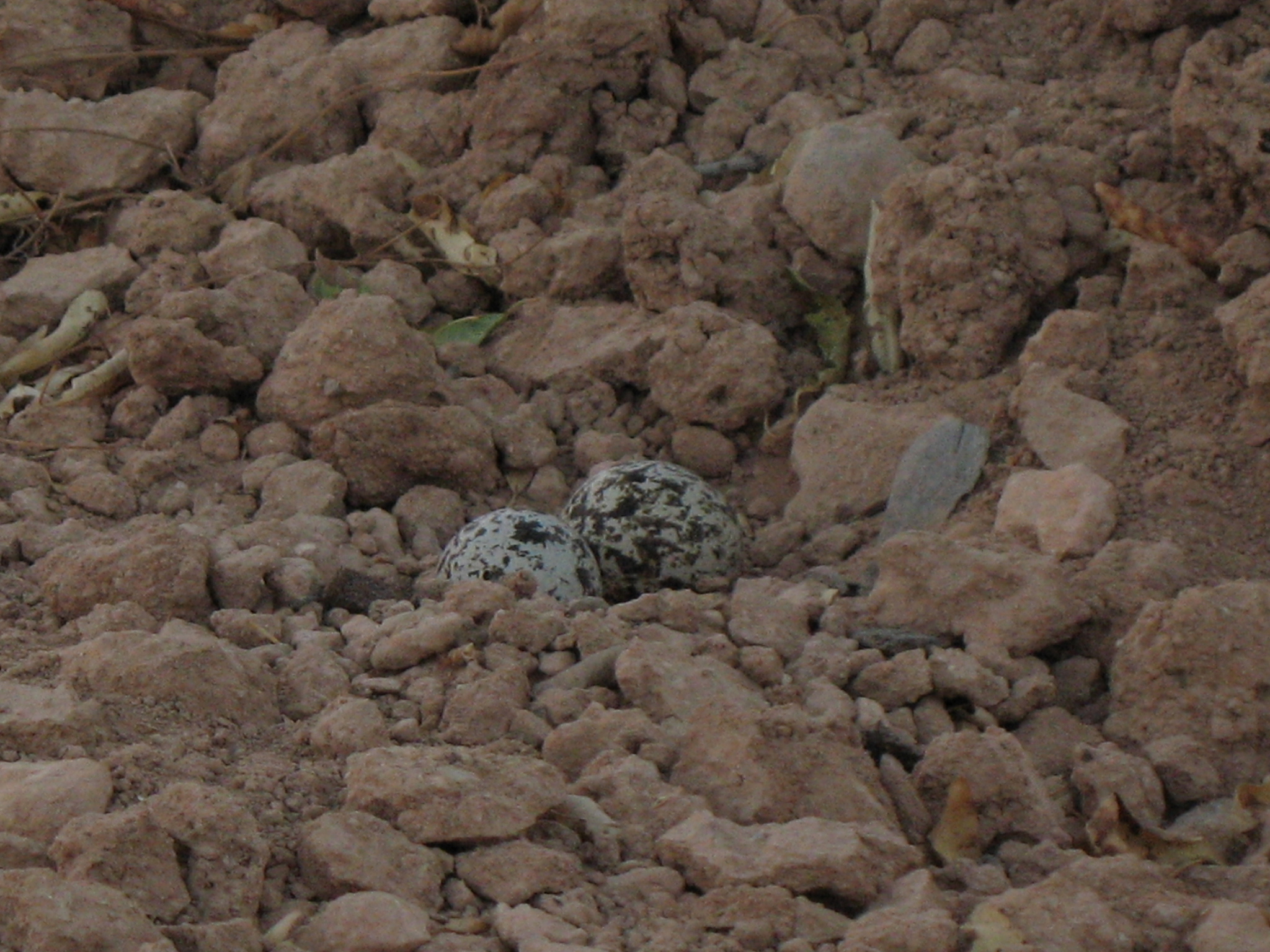
Largely nocturnal, particularly when singing loud wailing songs. Diet consists of insects, other small invertebrates, and occasionally small reptiles, frogs, and rodents. Breeding likely begins at three years old. The clutch normally consists of two pale buff eggs, spotted or streaked with brown or purple grey, laid in a scrape on open ground. Both sexes incubate for 24–26 days. Precocial young are cared for by both parents for 36–42 days. Normally one brood is raised per year, with replacement clutches laid if eggs or young are lost. Maximum recorded age is 22 years and 4 months.
Conservation
Categorized as a least-concern species by the IUCN. Some populations have declined due to agricultural intensification; a study in France observed a 26% population decline over a 14-year period between 1998 and 2016.
Source: Wikipedia · CC BY-SA 3.0
Taxonomy
- Order
- Charadriiformes
- Family
- Burhinidae
- Genus
- Burhinus
Vocalizations
Subspecies (5)
-
Burhinus oedicnemus distinctus
El Hierro to Gran Canaria (western and central Canary Islands)
Data Sources
CBR Notes: 中文名由欧石鸻恢复为传统中文名石鸻
Species description from Wikipedia, licensed under CC BY-SA 3.0.
Bird images and sounds sourced from GBIF, contributed by citizen scientists worldwide under Creative Commons licenses.
Taxonomy data from AviList 2025.