Eurasian Stone-curlew
Burhinus oedicnemus
石鸻
Introduction
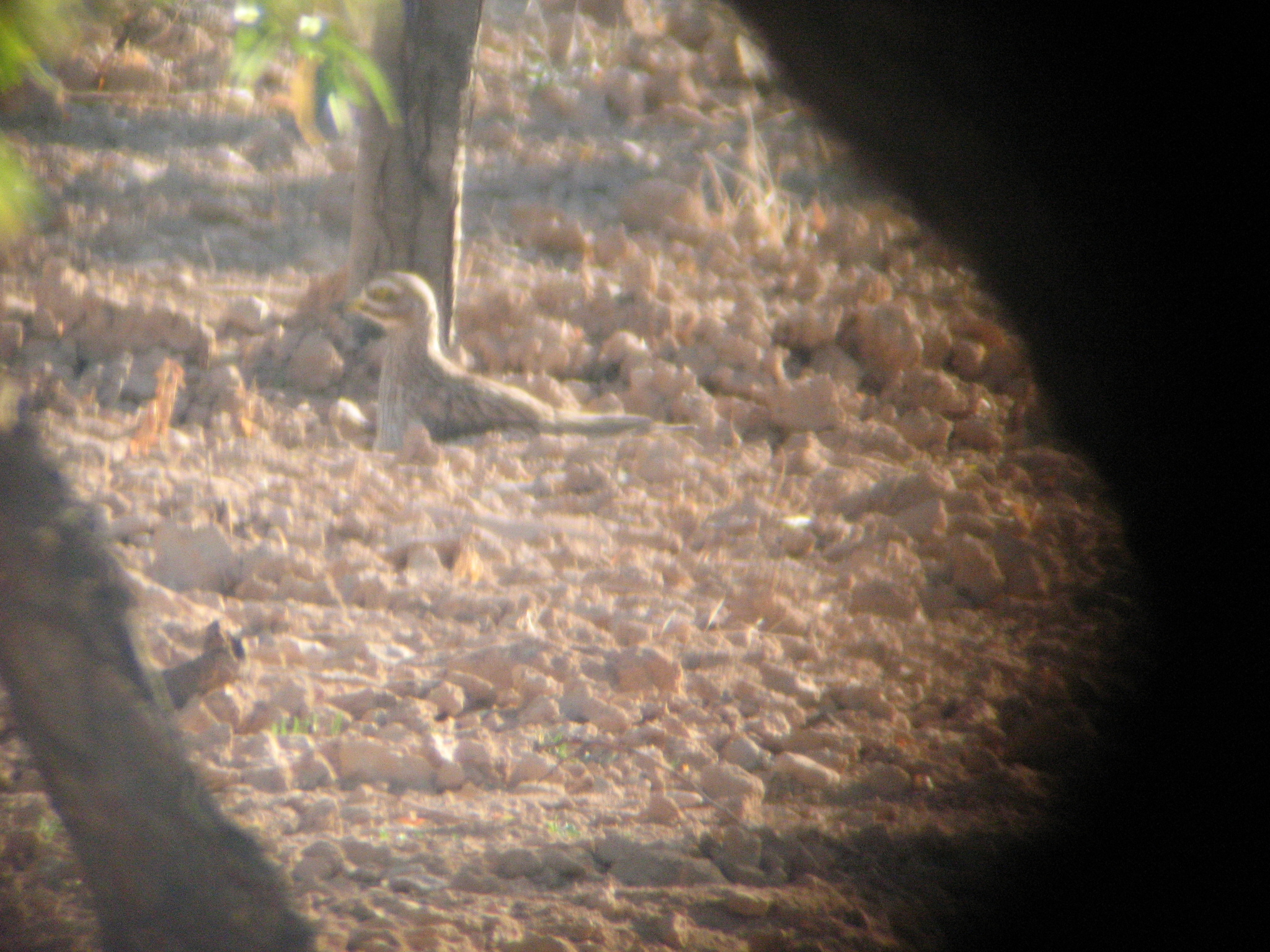
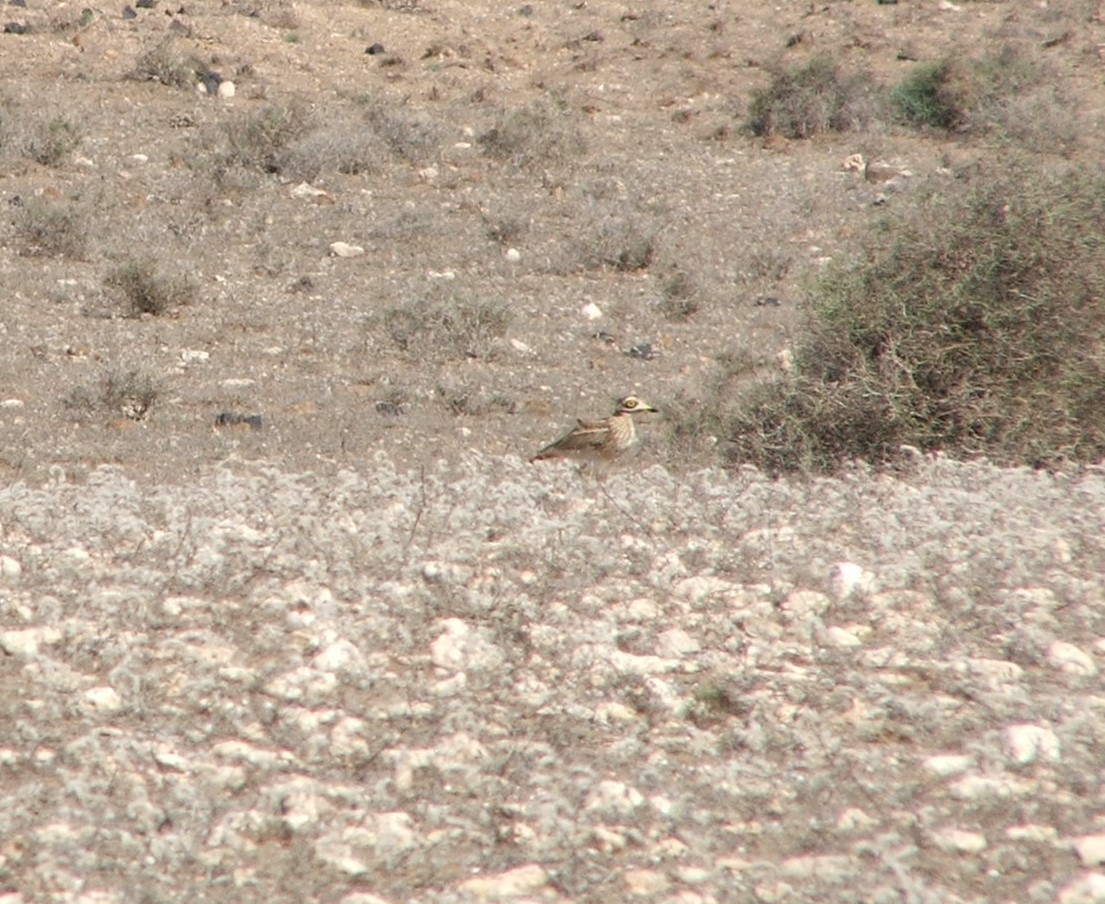
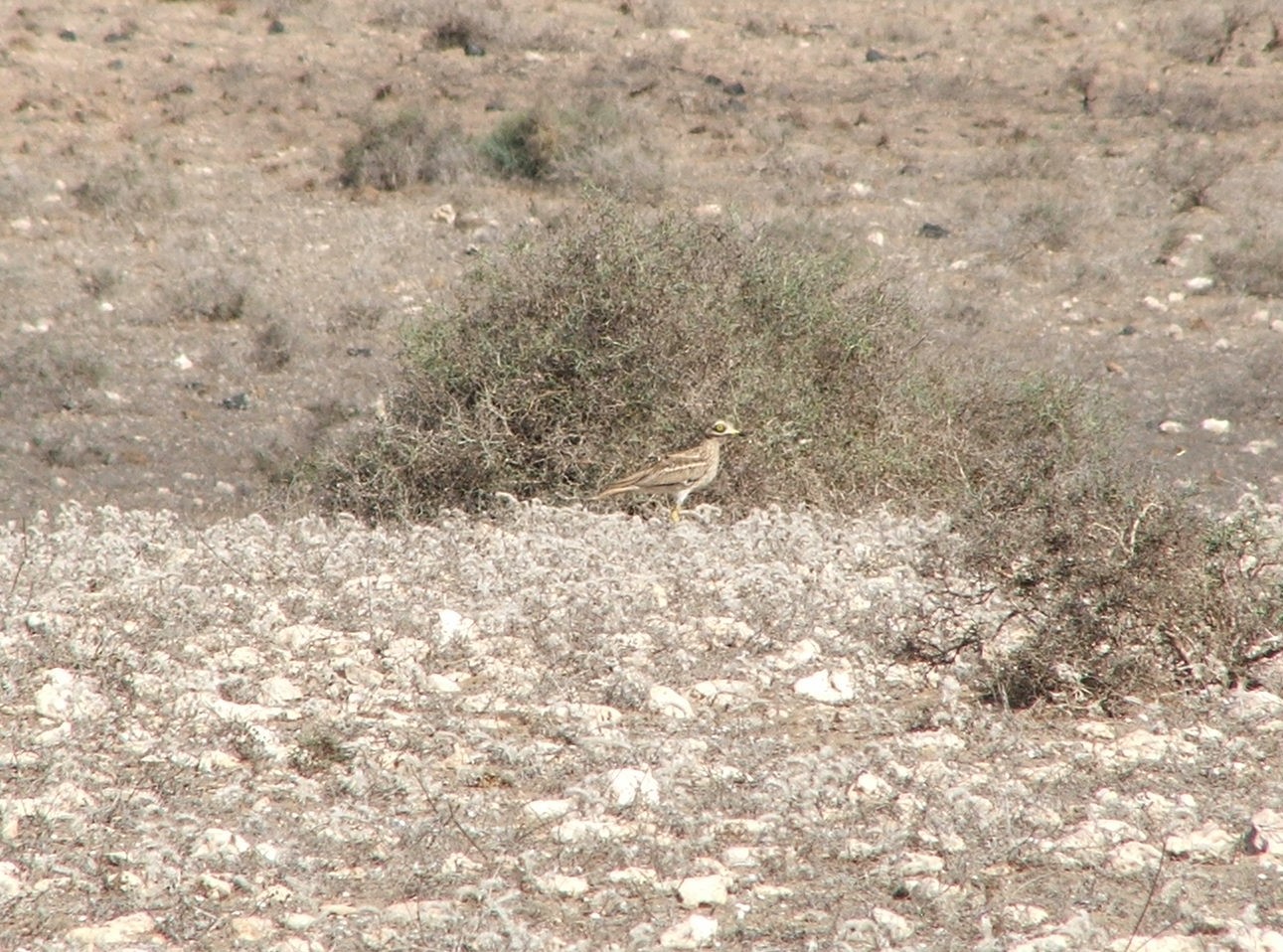
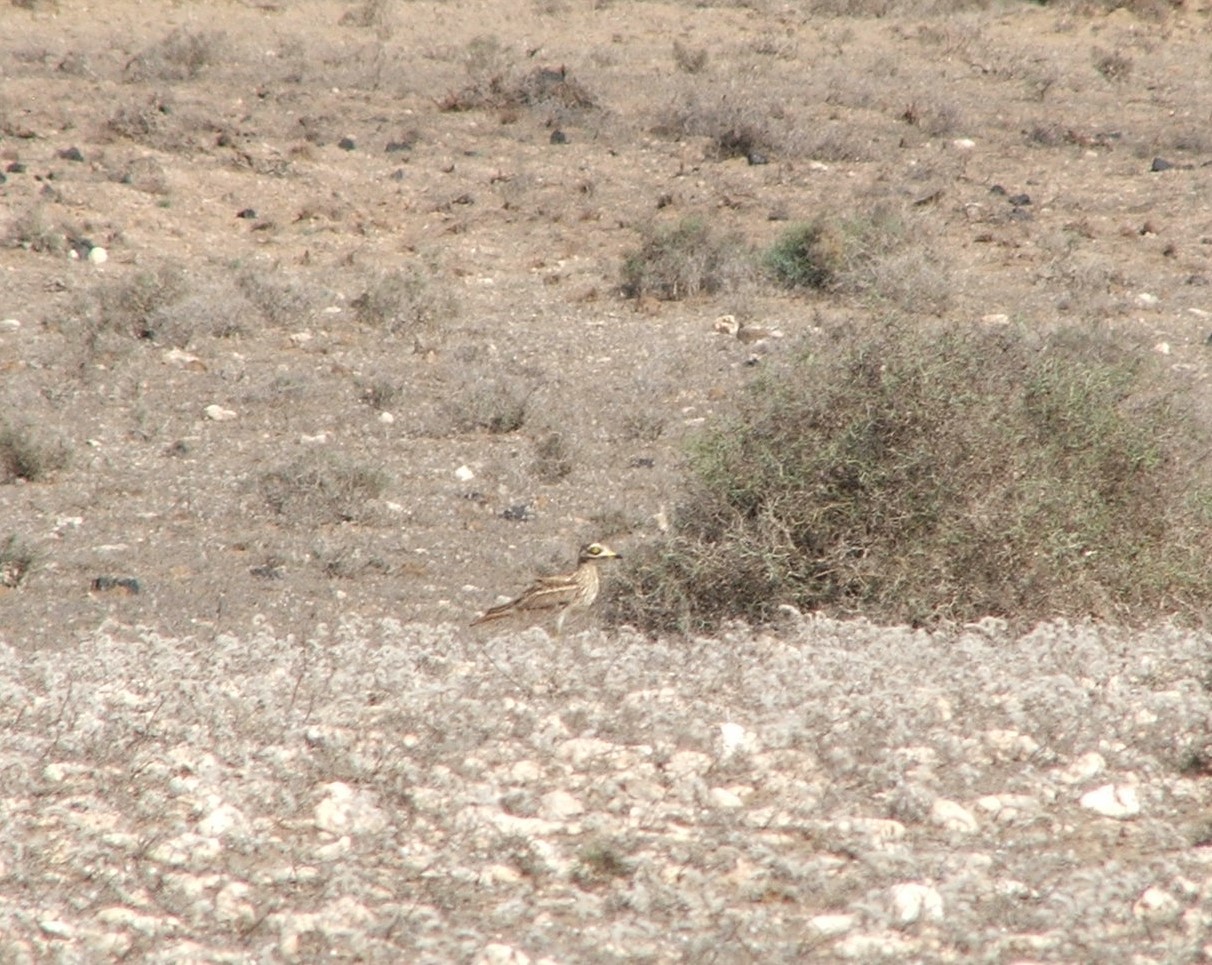
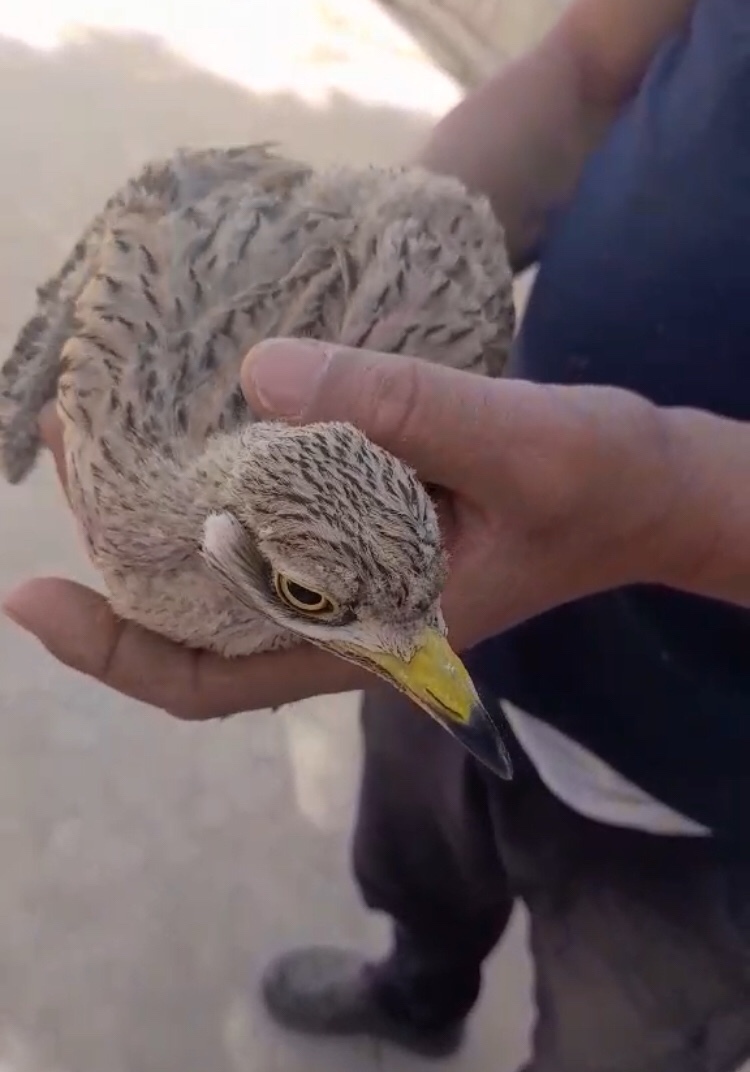
A nocturnal species ranging across Europe, North Africa, and southwestern Asia. Inhabits dry heathland, steppe, and agricultural fields with scattered vegetation, typically avoiding water despite its taxonomic family. Active at dusk and after dark. Characterized by large yellow eyes, a thick yellow-and-black bill, long yellow legs, and brownish plumage. In flight, displays bold black-and-white wing patterns. Emits loud, curlew-like calls at night. During the breeding season, males become vocal and territorial.
Description
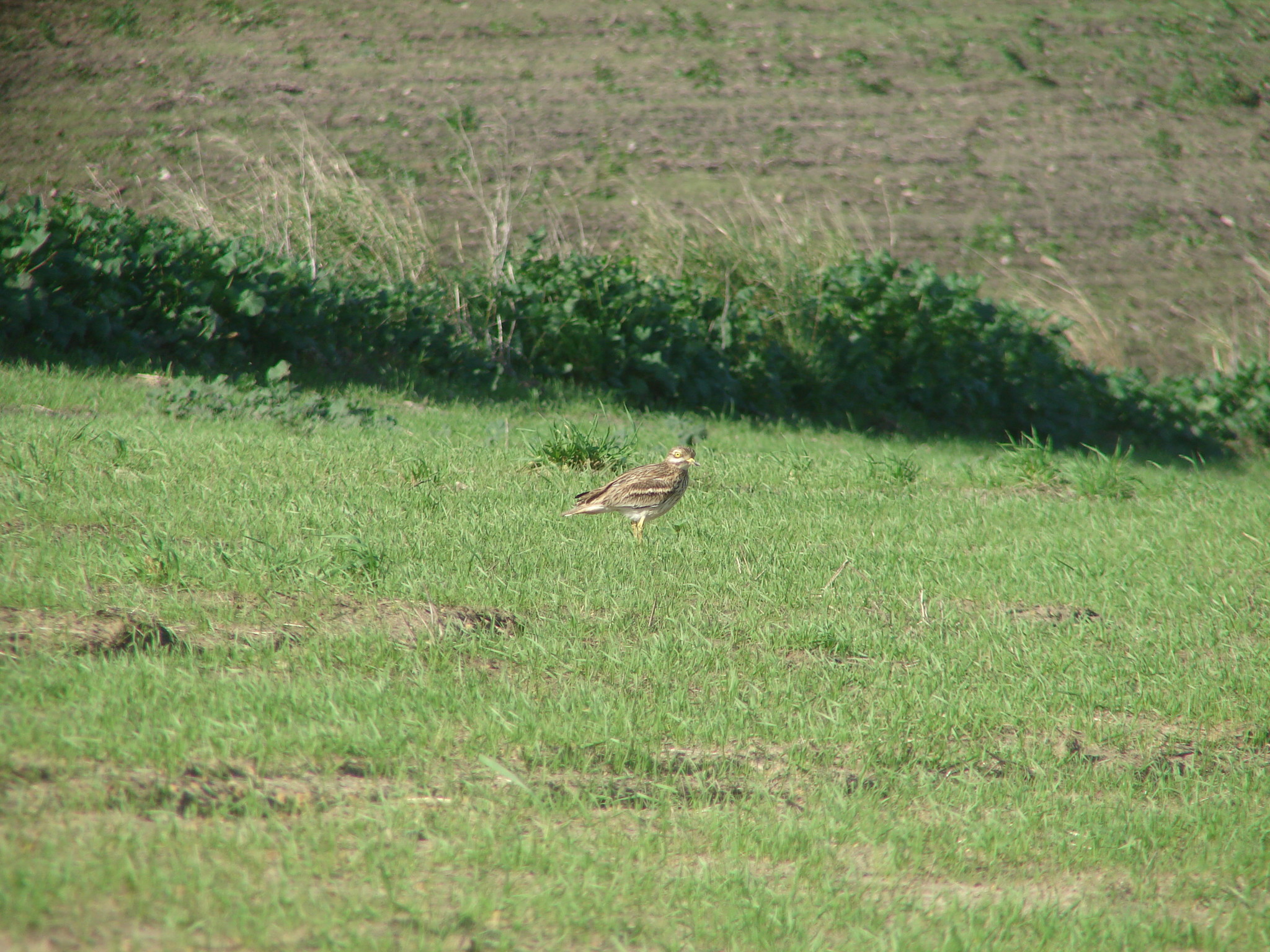
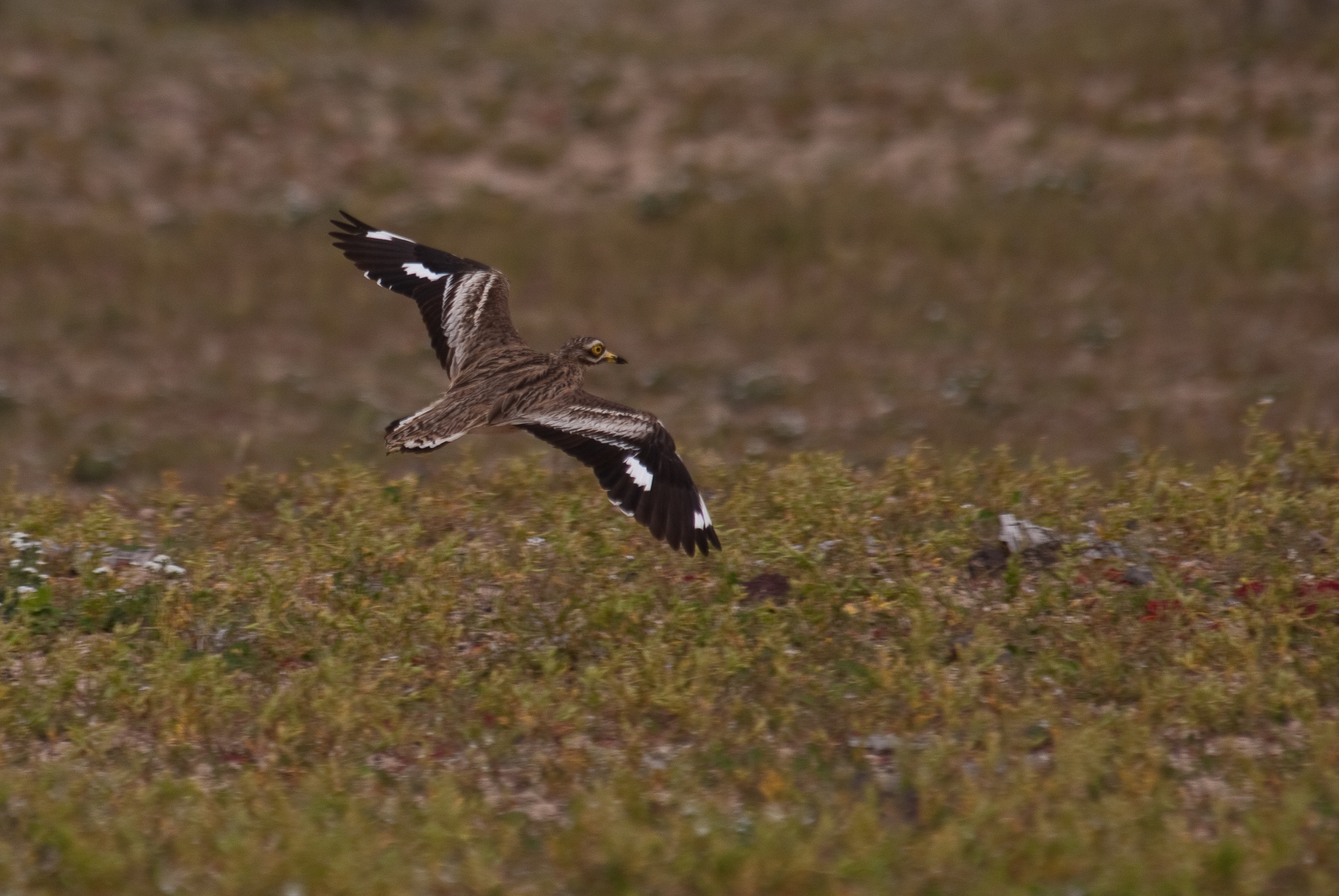
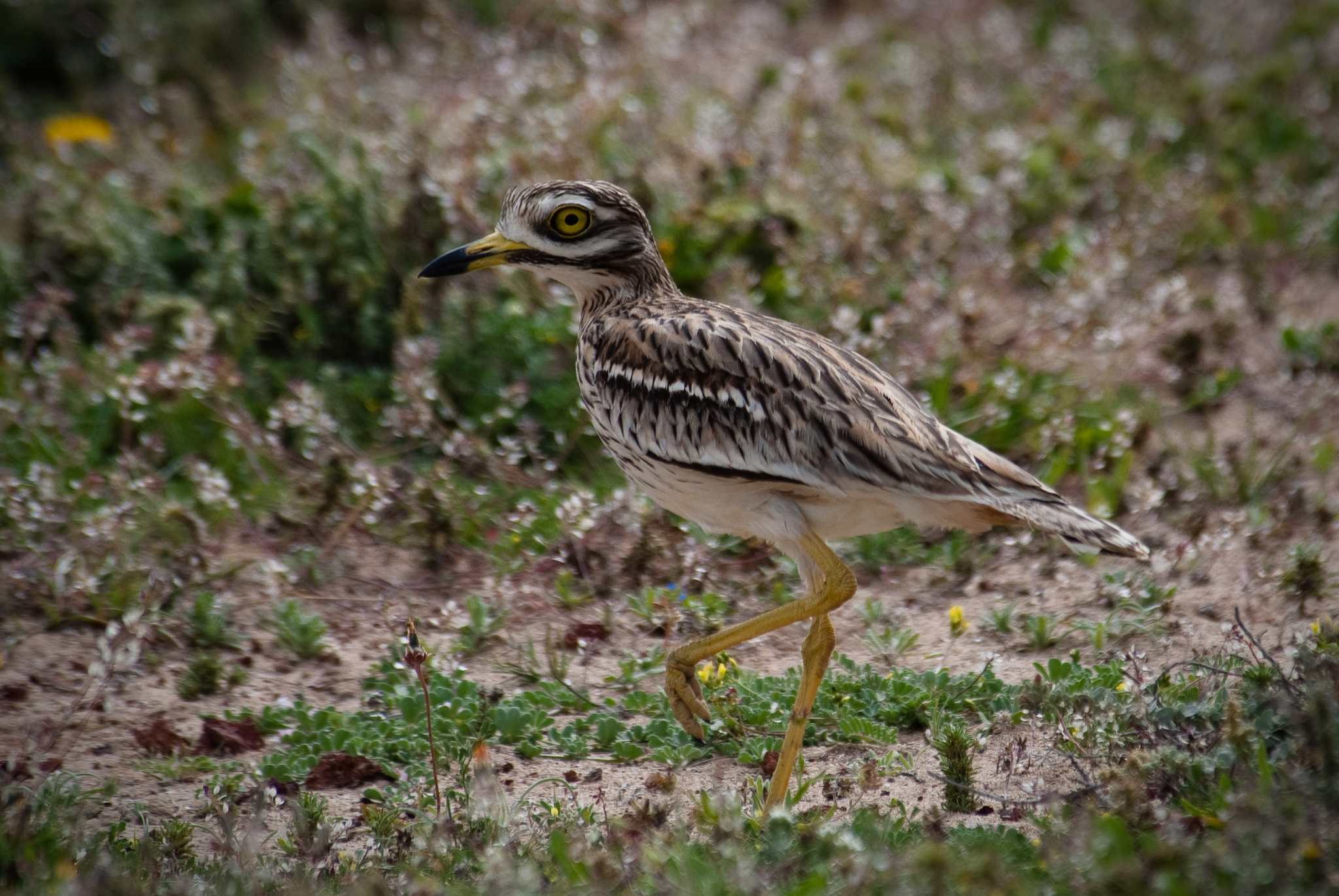
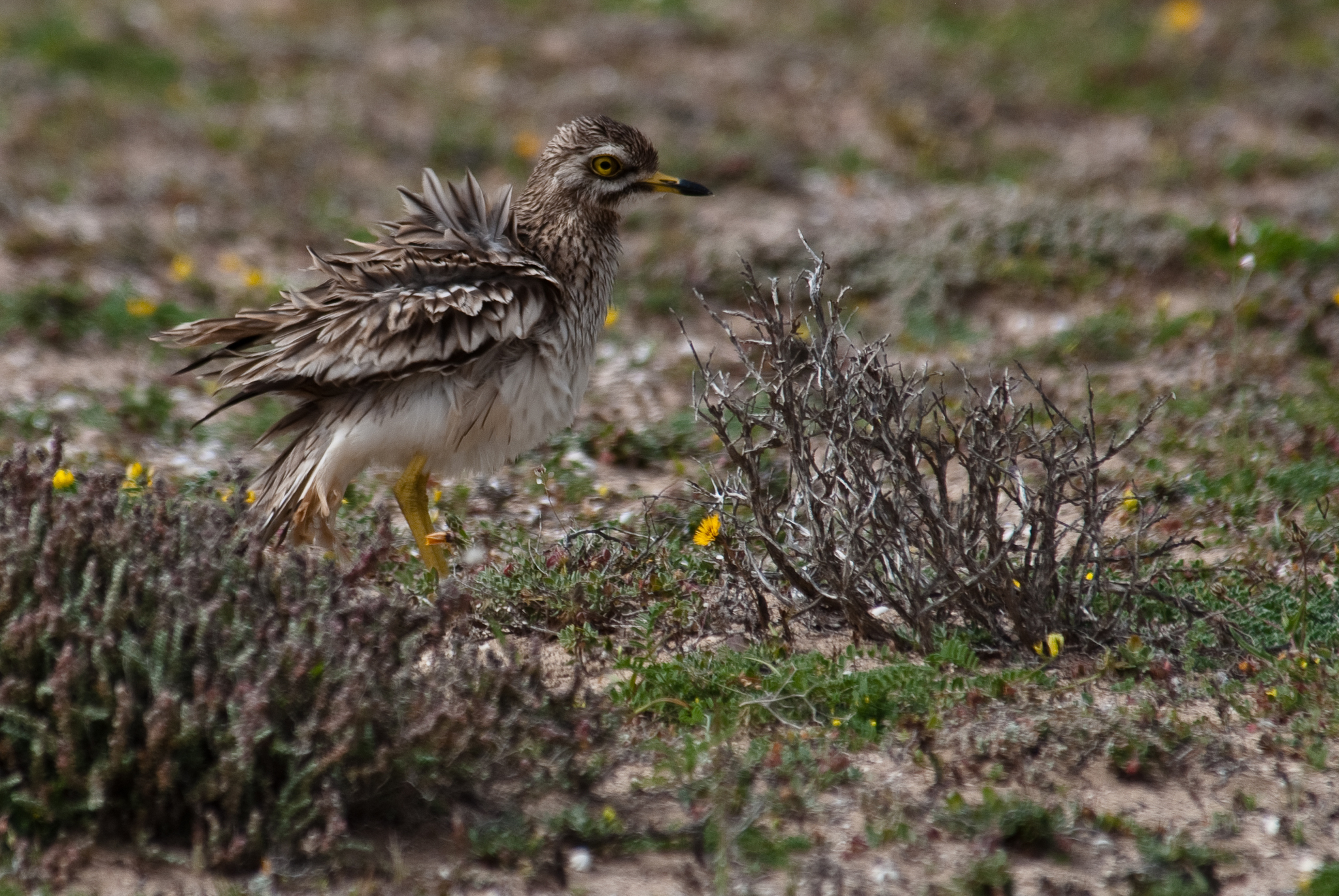
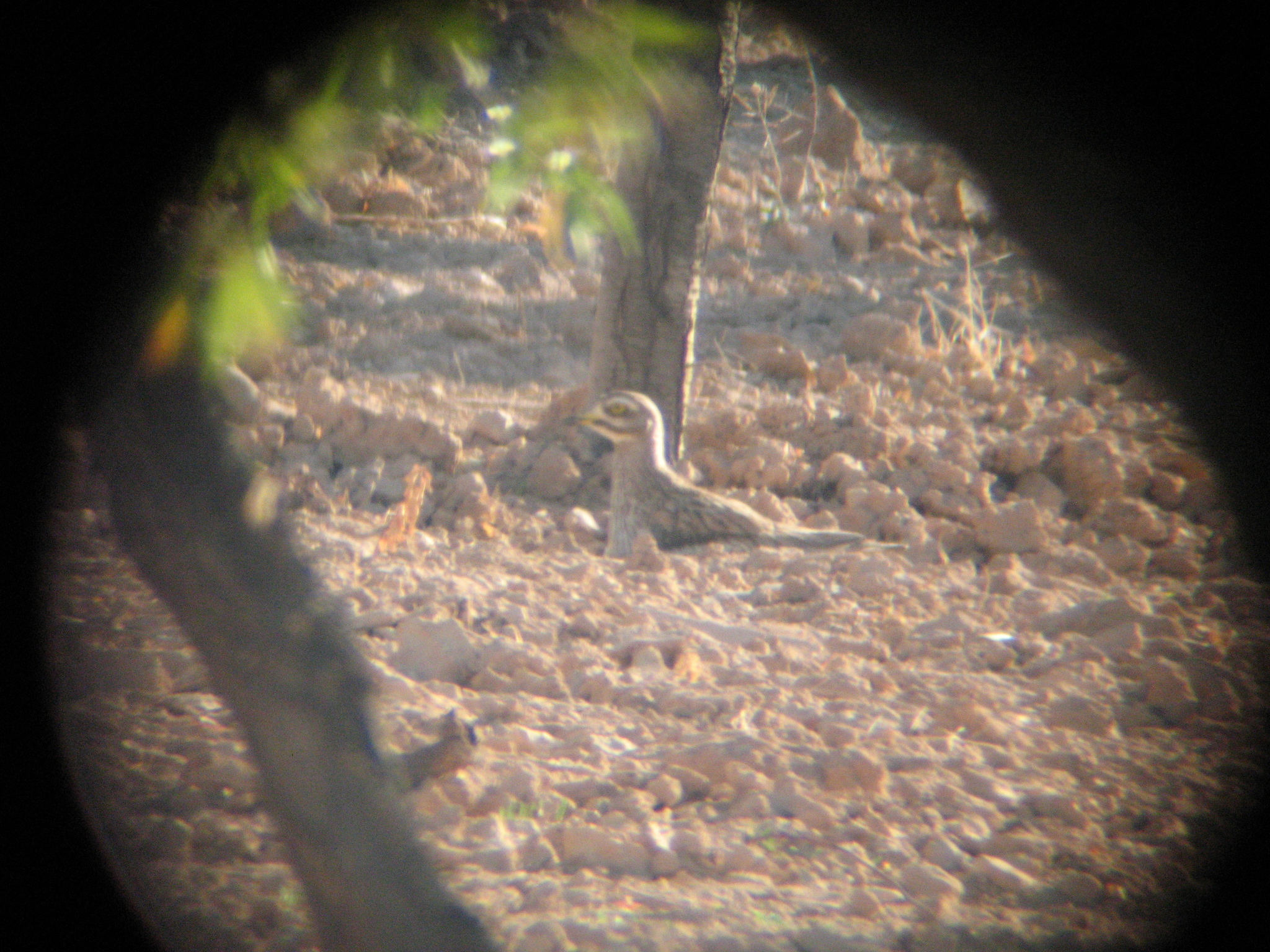
A fairly large wader with a distinctive, somewhat awkward appearance. Adults measure 38-46 cm in length with a wingspan of 76-88 cm and weigh 290-535 g. The most striking features are the large, protruding yellow eyes that give a 'reptilian' or 'goggle-eyed' expression, and a thick yellow-and-black beak. The plumage is heavily cryptically patterned in sandy-browns and buffs with darker streaks, providing excellent camouflage against bare ground. The long, yellowish legs are prominent in flight, which reveals bold black-and-white markings on the wings. Both sexes appear similar in plumage.
Identification
The combination of extremely large yellow eyes, thick yellow-and-black bill, and long yellow legs is distinctive within its range. The cryptic plumage can make the bird difficult to spot when motionless, but its large eyes are often the first feature to give away its presence. In flight, the bold black-and-white wing pattern immediately distinguishes it from similarly sized waders. The nocturnal, wailing call is another key identification feature, recalling that of the Eurasian curlew but from a very different-looking bird.
Distribution & Habitat
Breeds across temperate Europe through Ukraine and Caucasus to western Kazakhstan and northwest India, as well as in North Africa and Mediterranean islands. The northern and central European populations are migratory, wintering in Africa, while southern populations are resident. A bird of open dry landscapes rather than wetlands, it inhabits heathland, steppe, grassland, and agricultural fields with sparse vegetation. It requires areas of bare ground for foraging and breeding.
Behavior & Ecology
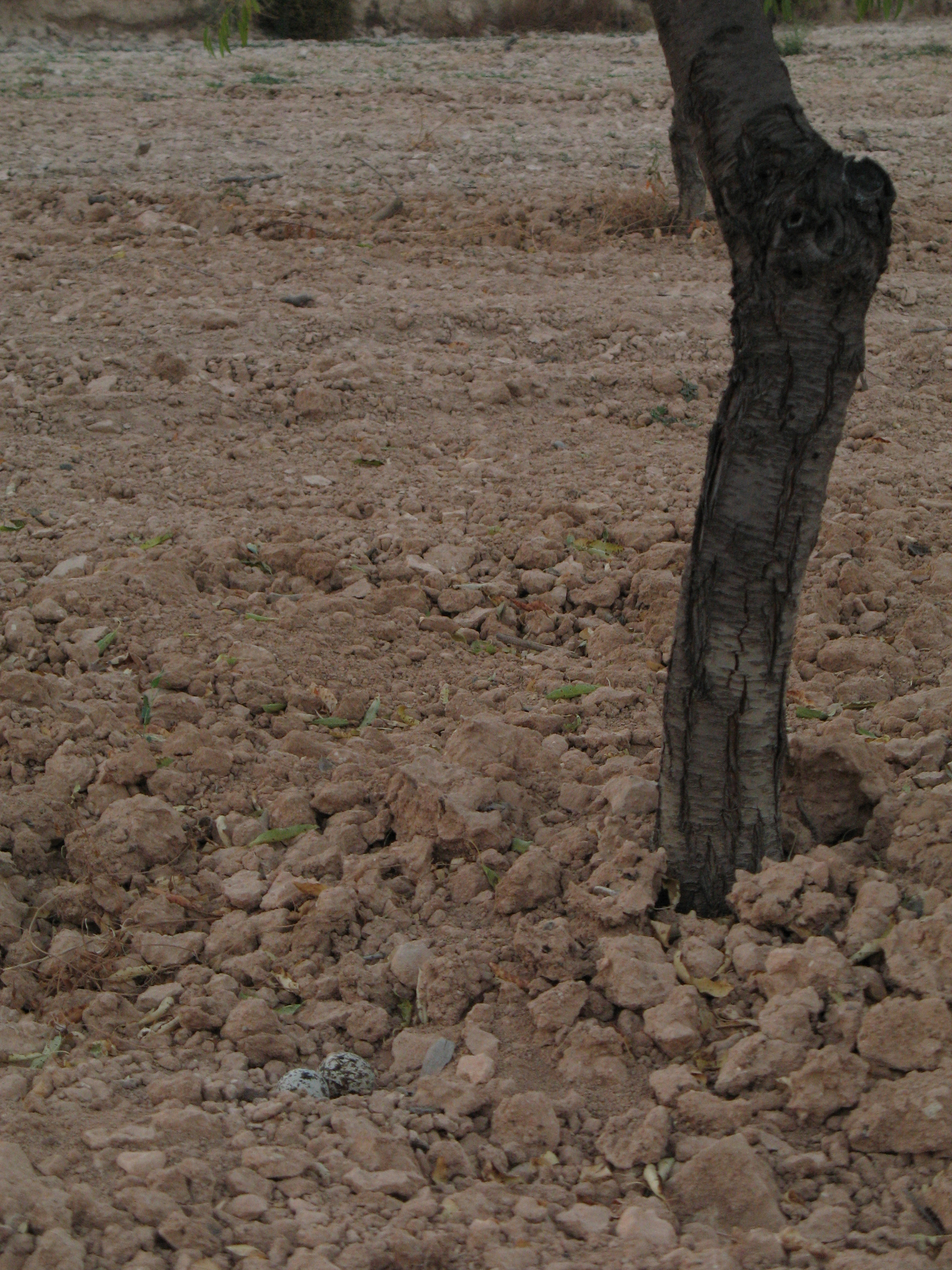
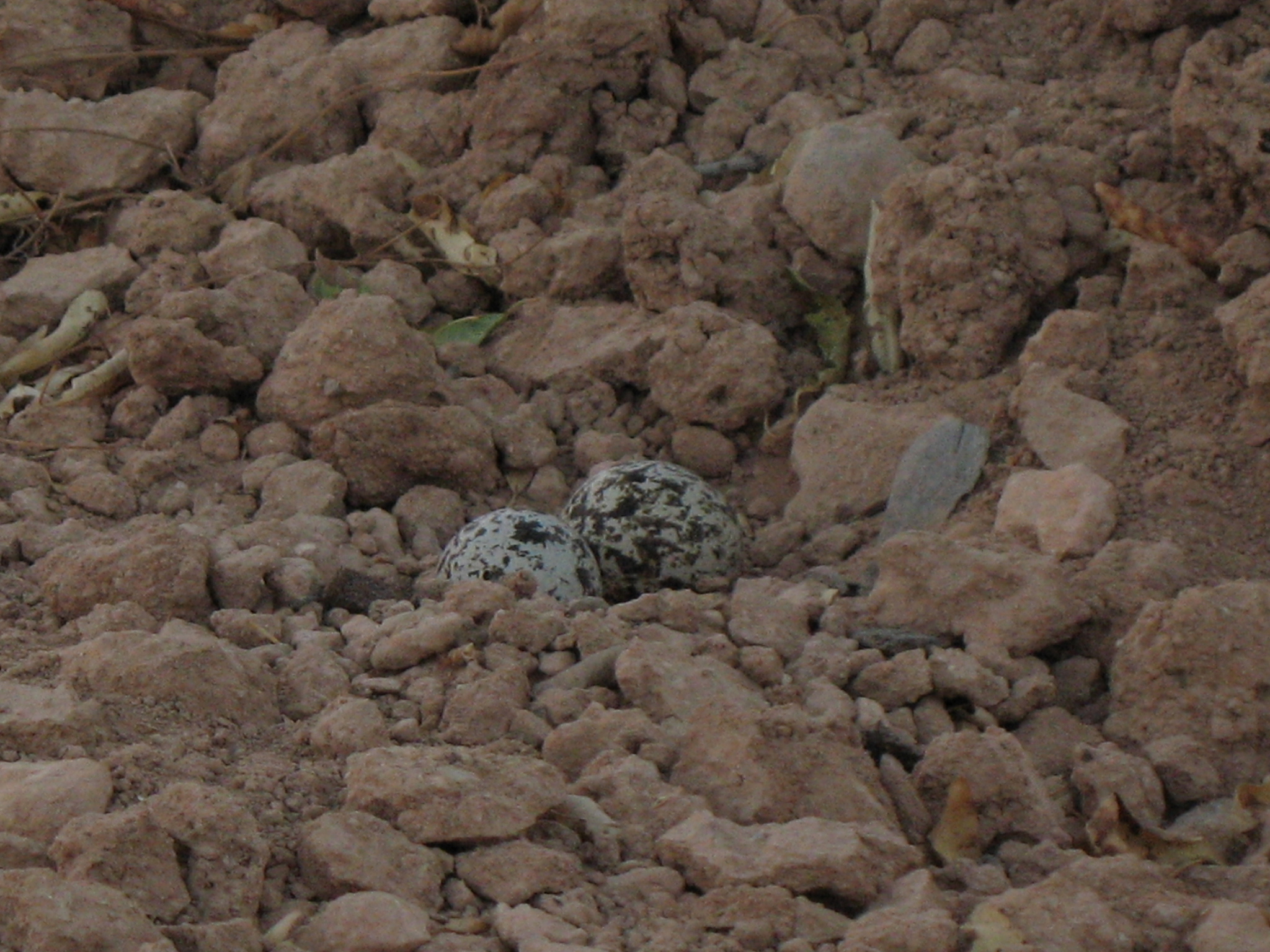
Predominantly nocturnal, becoming most active after dusk when it forages and vocalizes. The diet consists mainly of insects and other invertebrates, supplemented occasionally by small reptiles, frogs, and rodents. Breeding begins at around three years of age. Both parents share incubation duties, with two eggs laid in a simple ground scrape. The eggs are pale buff with variable brown or purple-grey markings. Precocial young leave the nest shortly after hatching and are cared for by both parents for 5-6 weeks. Usually a single brood per year, though replacement clutches may follow failure.
Conservation
Classified as Least Concern globally by the IUCN, though some populations face declines. A French study documented a 26% population reduction between 1998 and 2016, attributed primarily to agricultural intensification and habitat loss. Threats include agricultural mechanization, pesticide use reducing prey availability, and disturbance at breeding sites. The species remains relatively widespread but has disappeared from parts of its former range in western Europe.
Culture
The name 'stone-curlew' dates to 1678, derived from the bird's nocturnal calls that resemble those of the Eurasian curlew and its preference for barren, stony heathland. The alternative common name 'thick-knee' refers to the prominent tibiotarsal leg joints, an abbreviated form of Thomas Pennant's 1776 coinage 'thick-kneed bustard.' These names reflect the bird's distinctive appearance and vocal qualities rather than any taxonomic relationship to true curlews or bustards.
Source: Wikipedia · CC BY-SA 3.0
Taxonomy
- Order
- Charadriiformes
- Family
- Burhinidae
- Genus
- Burhinus
- eBird Code
- eutkne1
Vocalizations
Subspecies (5)
-
Burhinus oedicnemus distinctus
El Hierro to Gran Canaria (western and central Canary Islands)
-
Burhinus oedicnemus harterti
breeds Volga River delta (southwestern Russia) eastward to northeastern Xinjiang (western China) and southward to southwestern Kazakhstan and western and central Pakistan; winters to northeastern Africa and southwestern Asia
-
Burhinus oedicnemus insularum
Fuerteventura to Alegranza (eastern Canary Islands)
-
Burhinus oedicnemus oedicnemus
breeds in southern England (now very local) eastward to Volga River delta (southwestern Russia) and in south from Iberian Peninsula to Azerbaijan (Caucasus); winters to northern and eastern Africa, Arabian Peninsula, and southwestern Asia
-
Burhinus oedicnemus saharae
Balearic Islands, Malta, and Cyprus (western to eastern Mediterranean Sea), Türkiye to Iraq and Iran, and northern Africa eastward to Nile Valley and southward to western Mauretania
Data Sources
CBR Notes: 中文名由欧石鸻恢复为传统中文名石鸻
Species description from Wikipedia, licensed under CC BY-SA 3.0.
Bird images and sounds sourced from GBIF, contributed by citizen scientists worldwide under Creative Commons licenses.
Taxonomy data from AviList 2025.