Anseriformes / Anatidae / Bucephala
Common Goldeneye
Bucephala clangula · 鹊鸭
Introduction
Medium-sized sea duck of the genus Bucephala. Breeds in taiga lakes and rivers across boreal forests of North America, Europe, and Asia; migratory, wintering in protected coastal or open inland waters at temperate latitudes. Nests in tree cavities and exhibits aggressive, territorial behavior with elaborate courtship displays.
Description
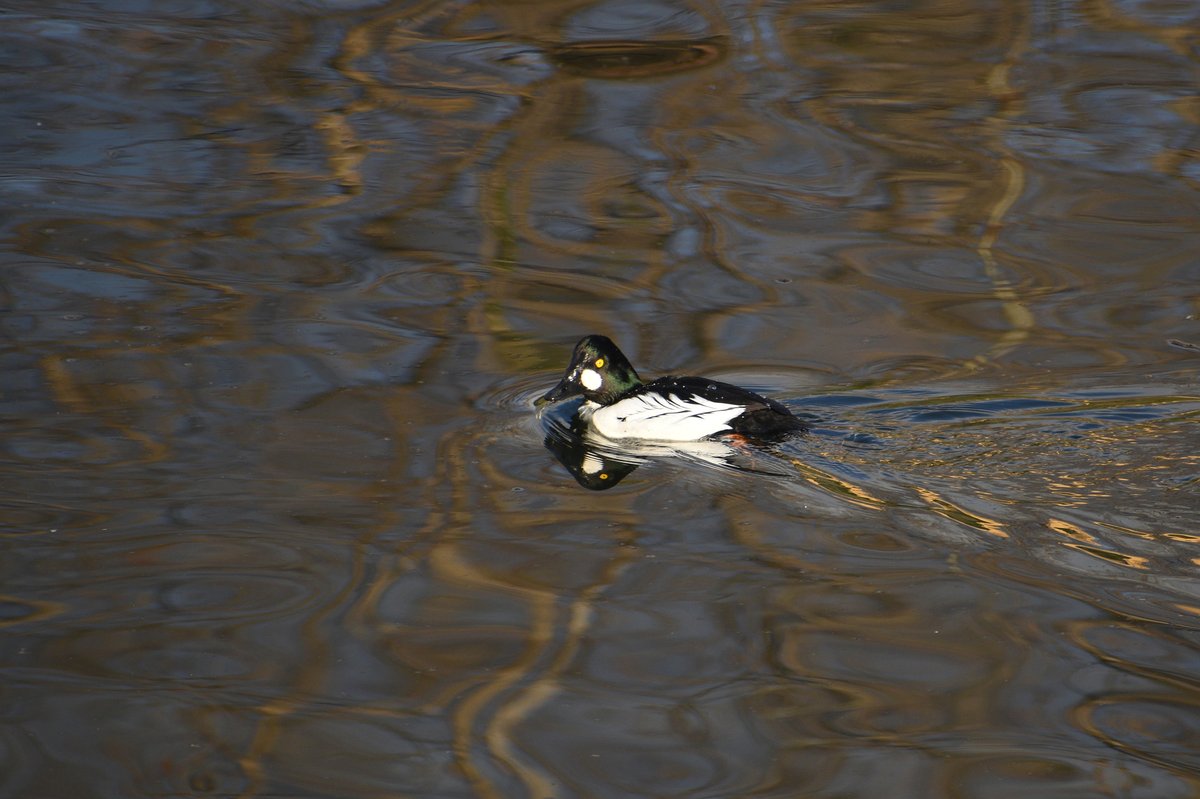
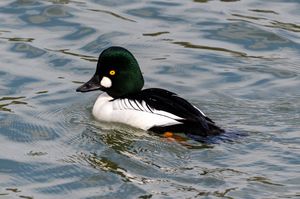
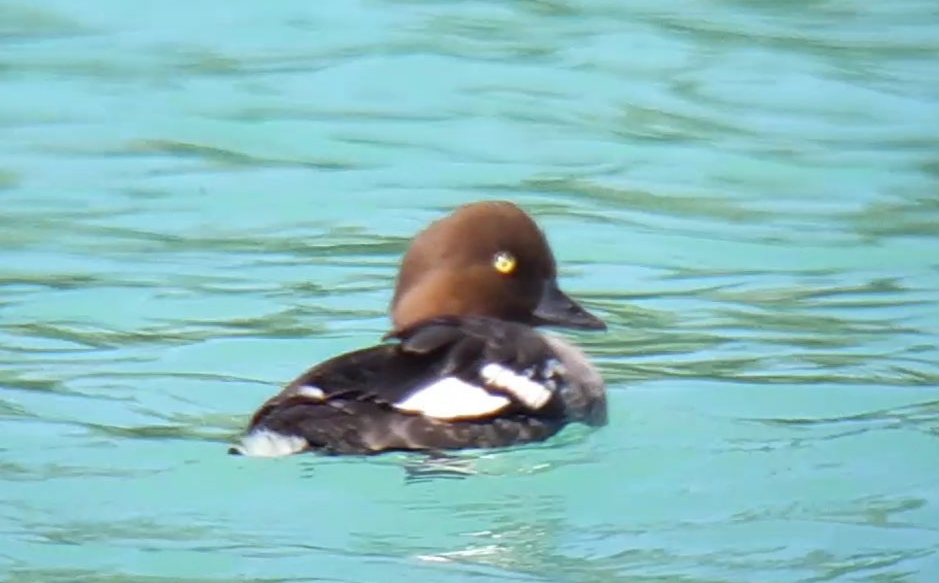
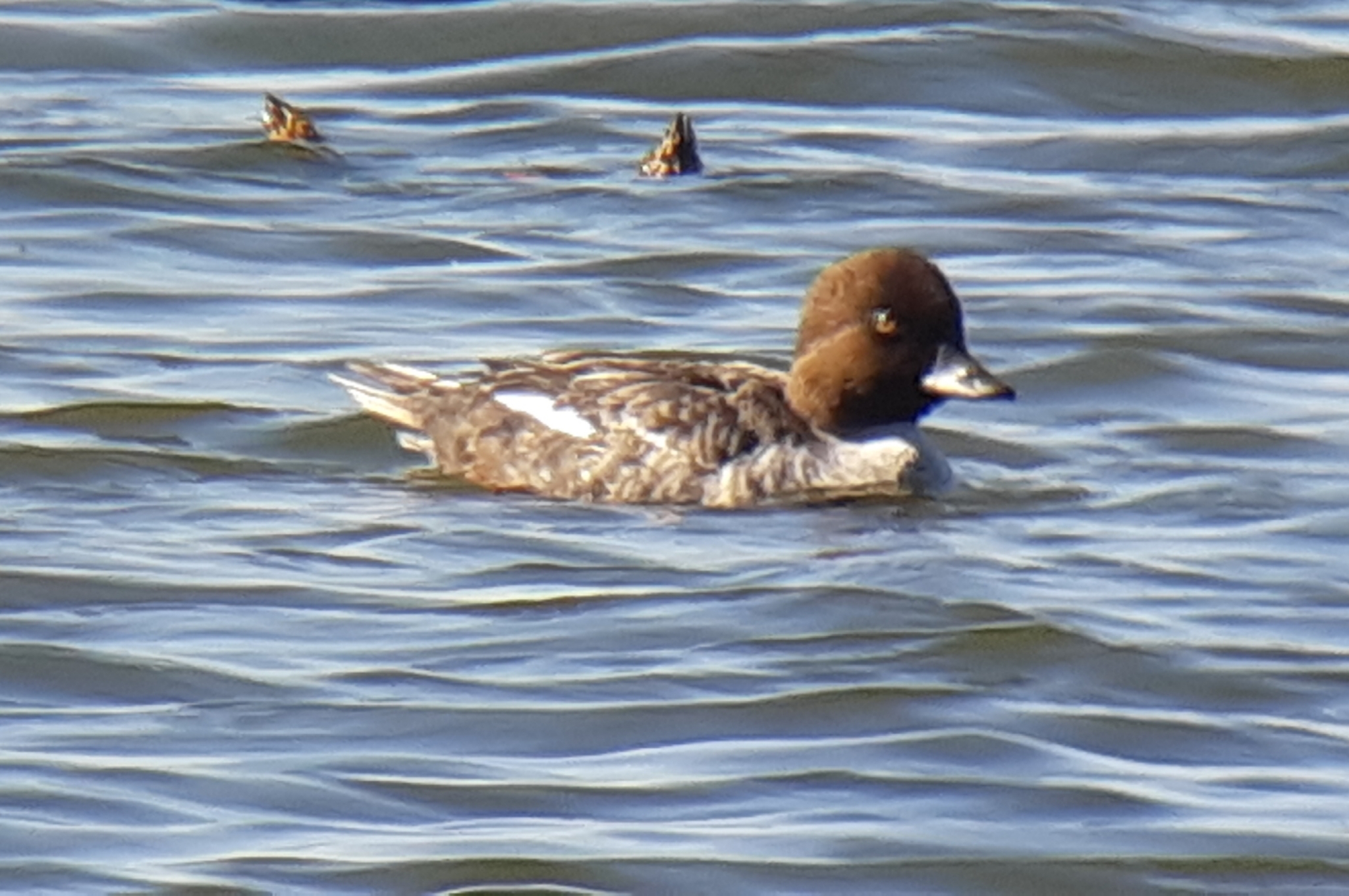
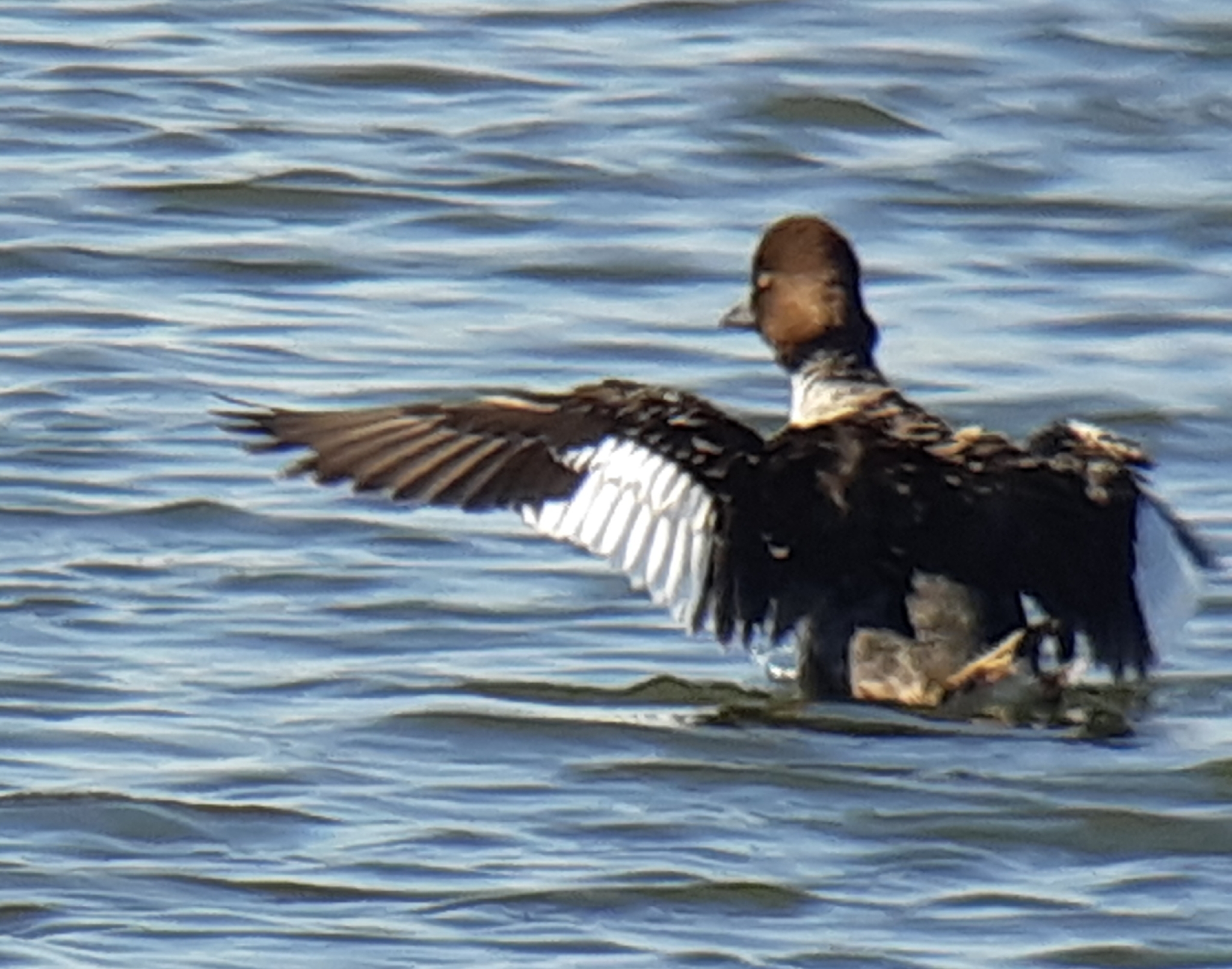
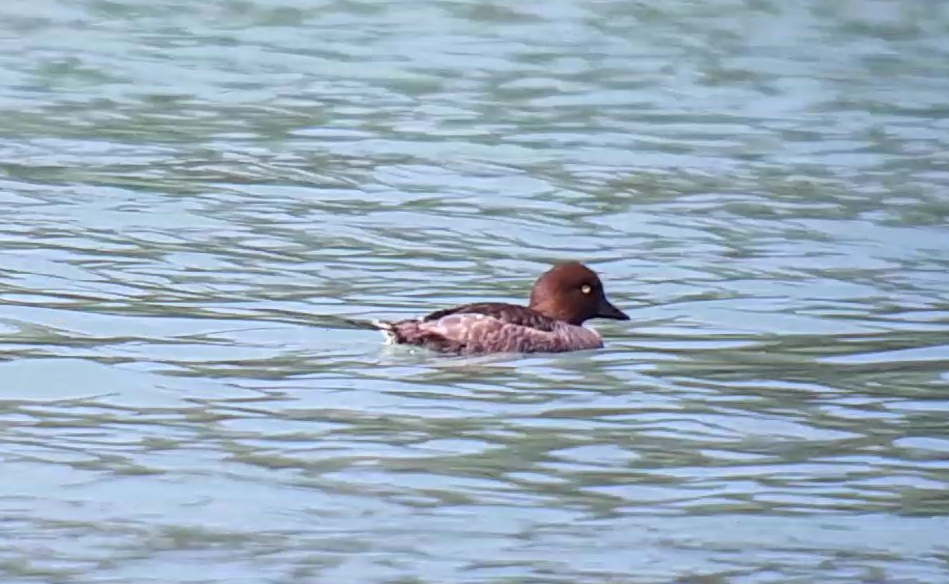
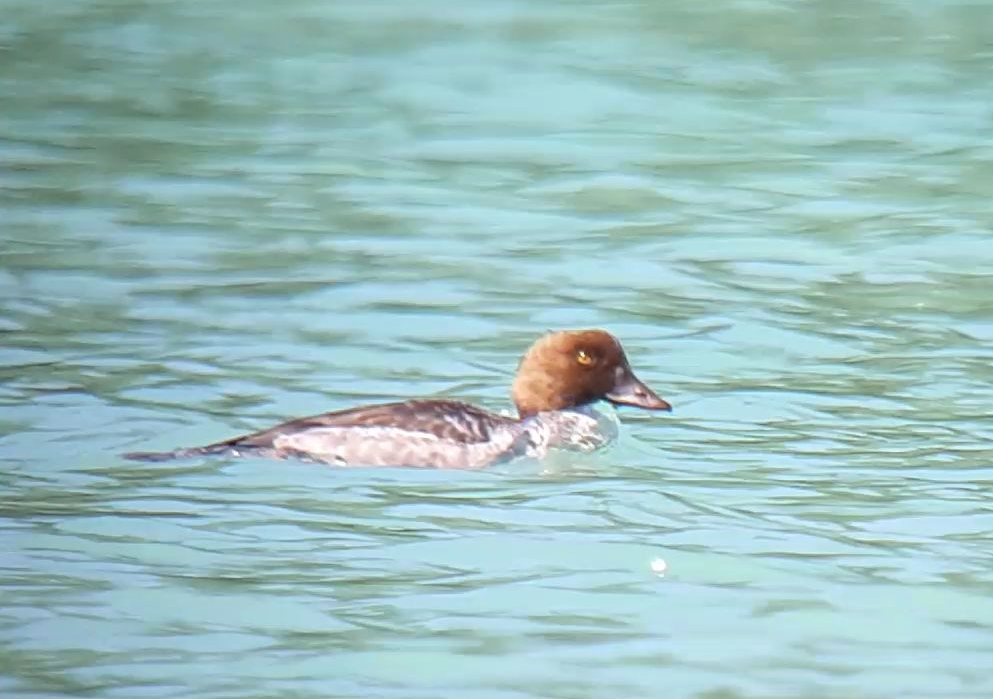
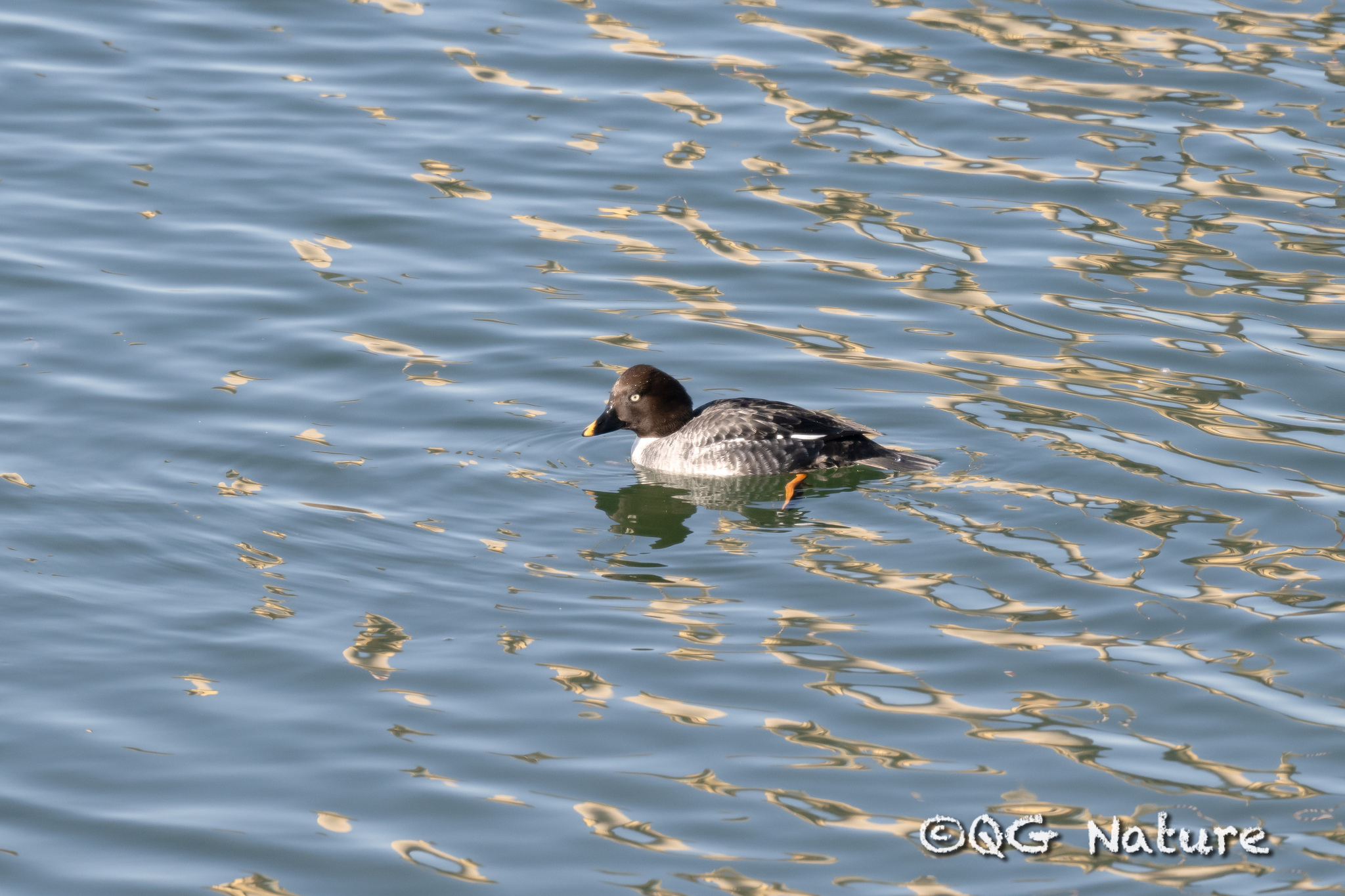
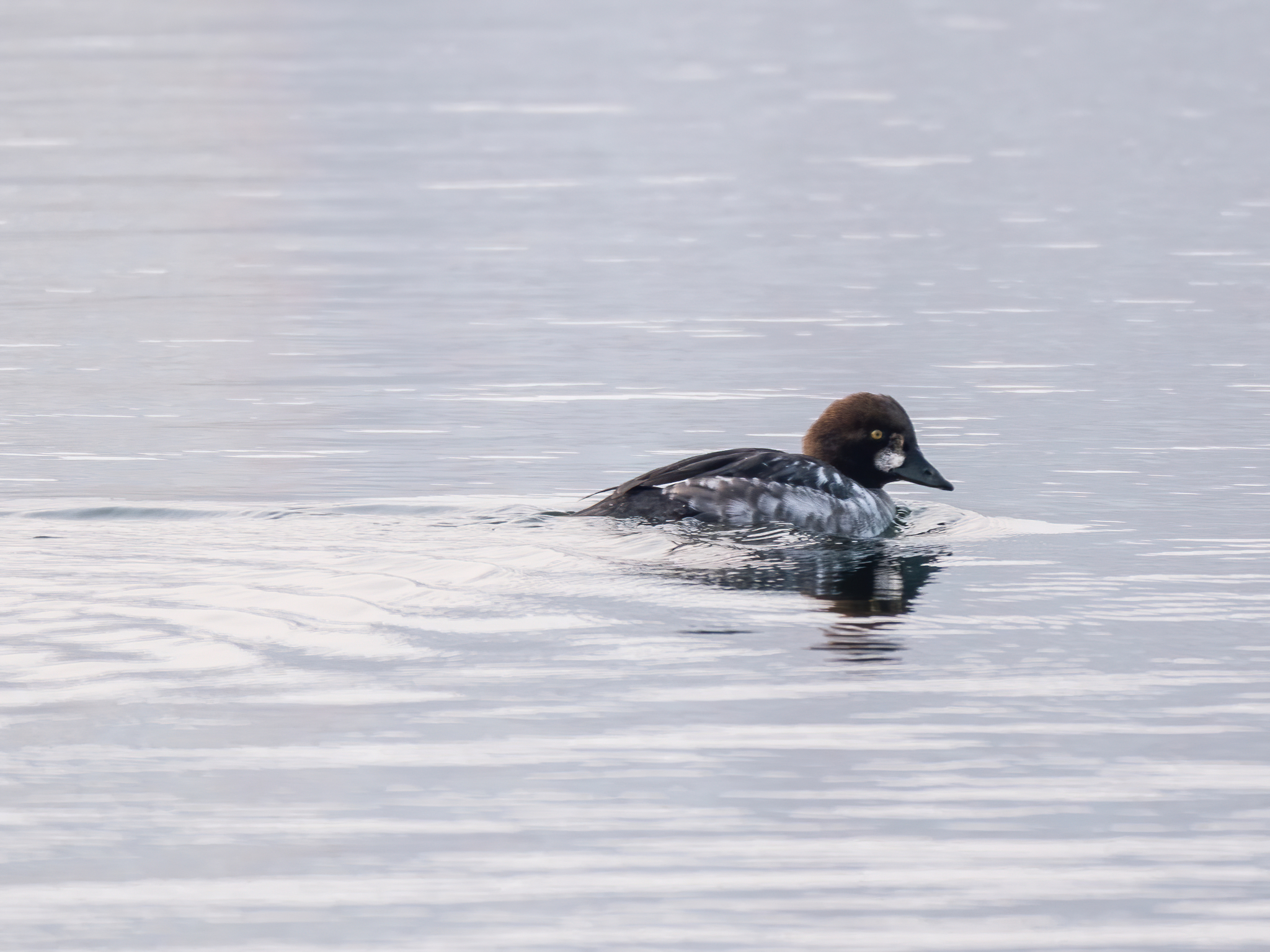
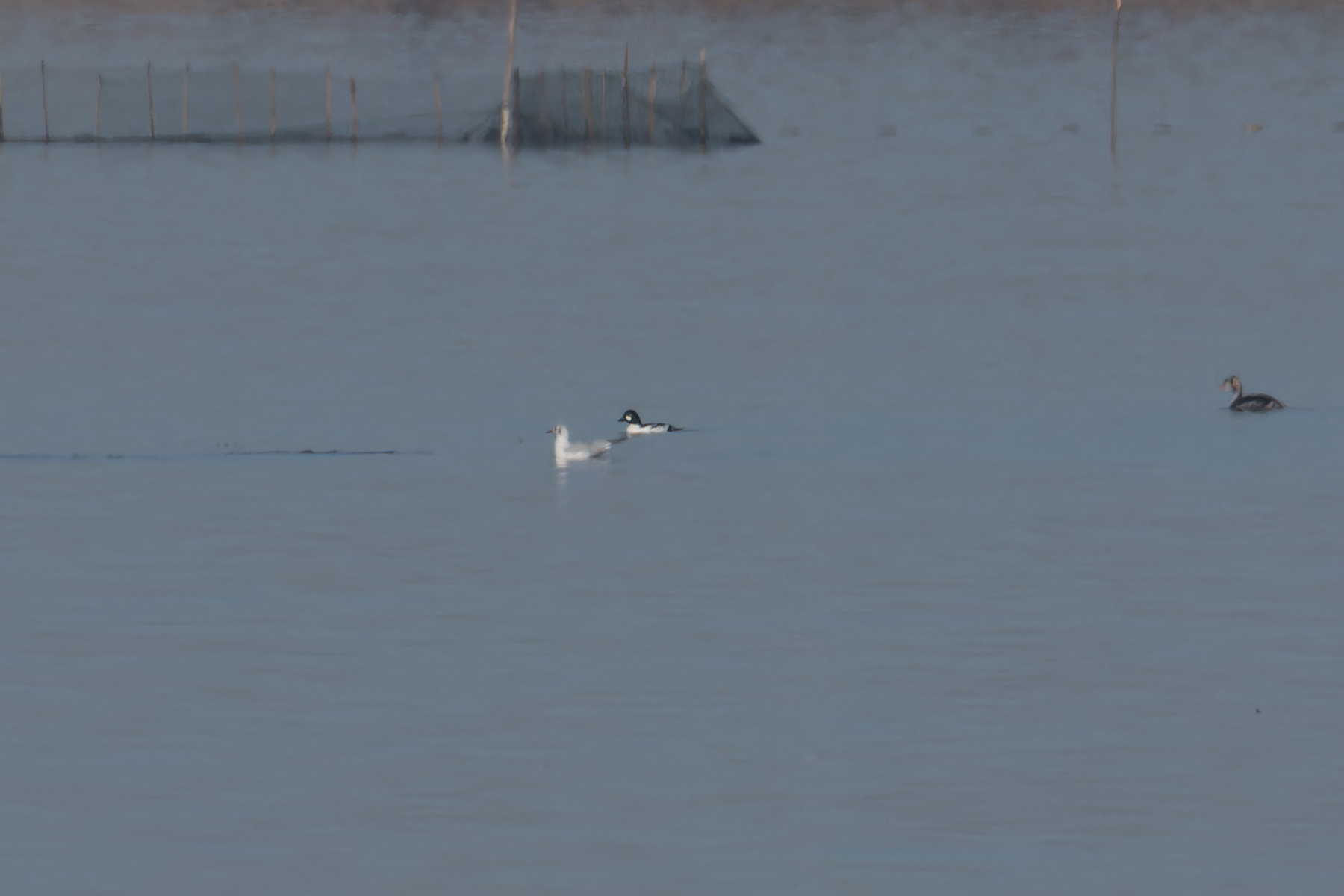
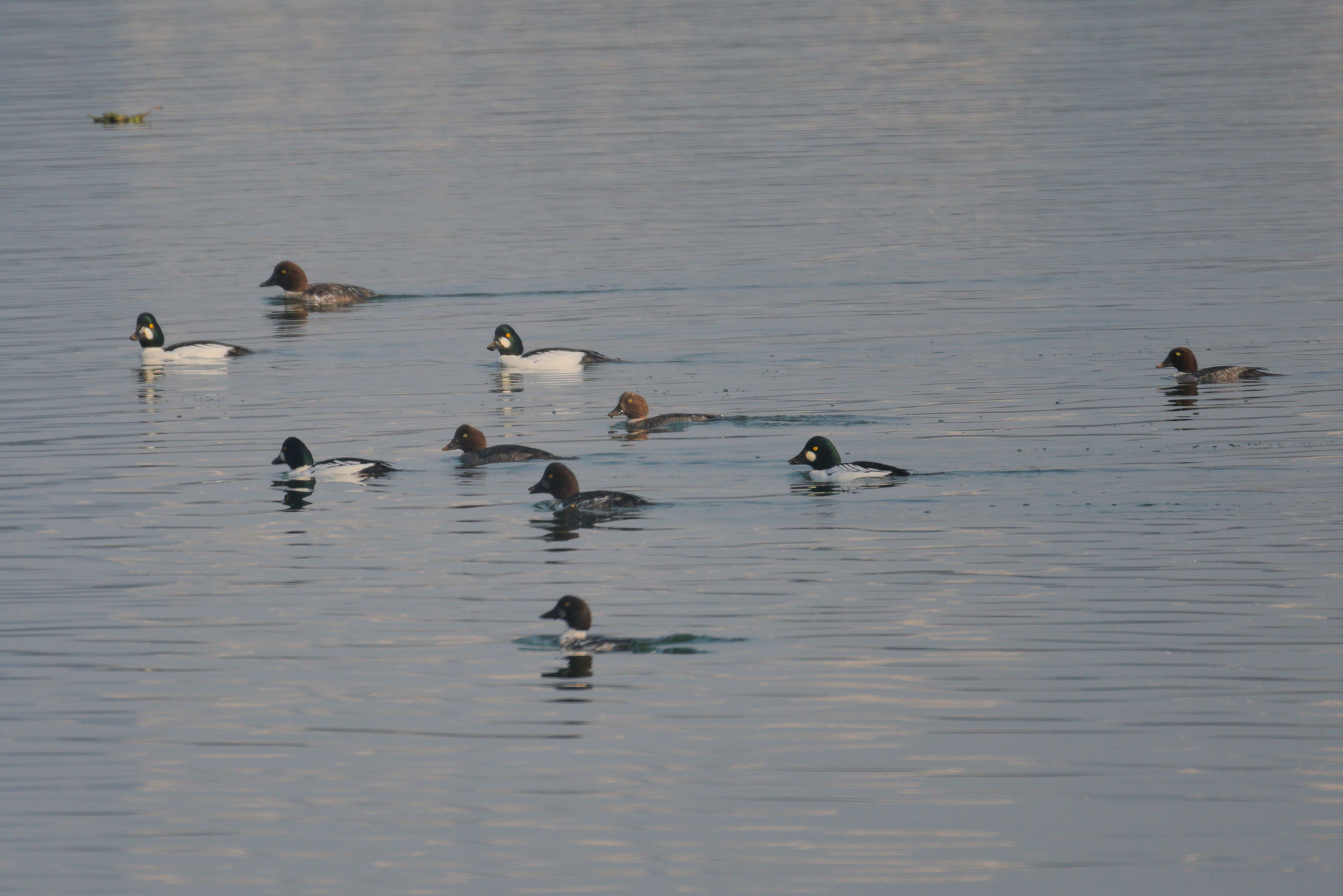
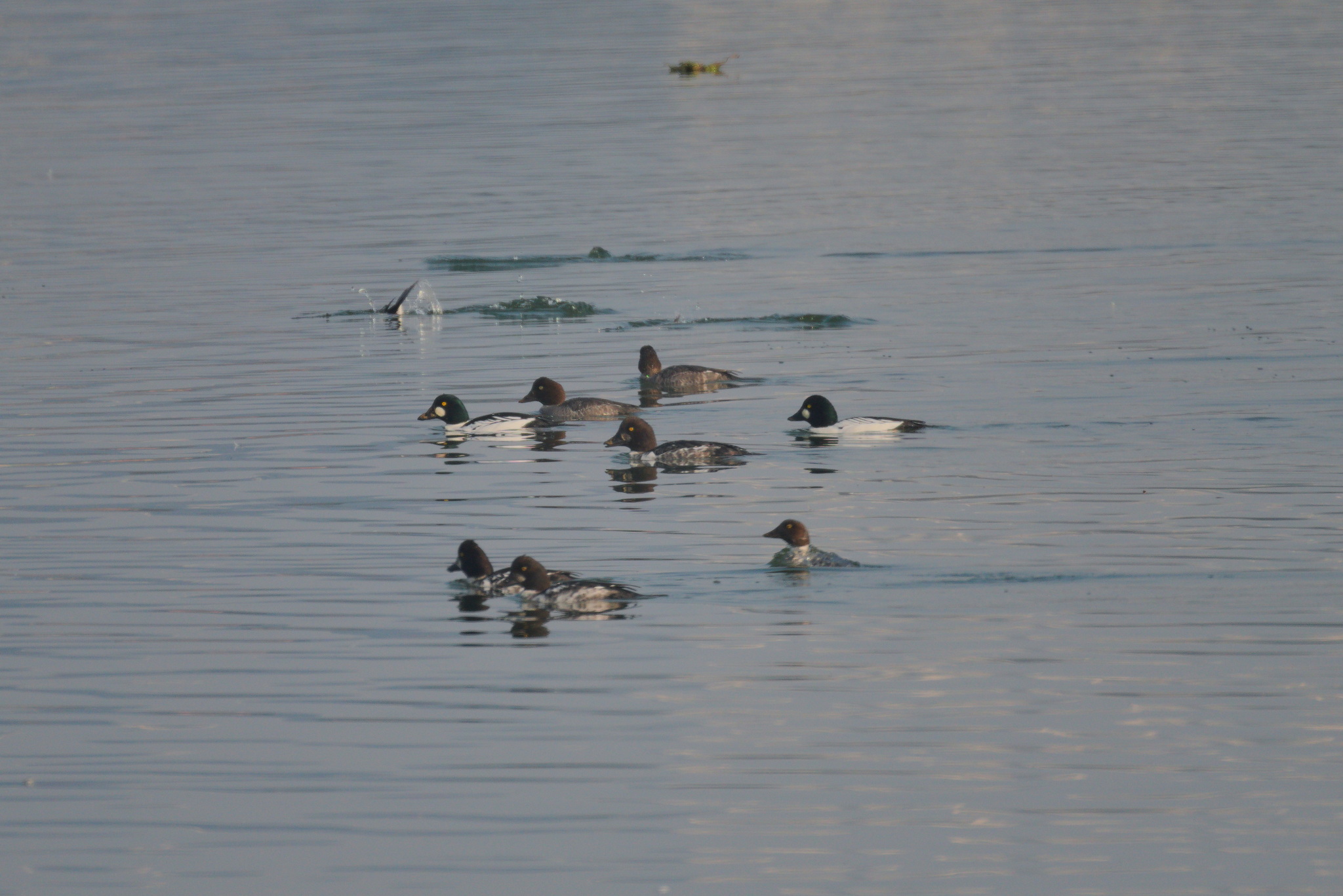
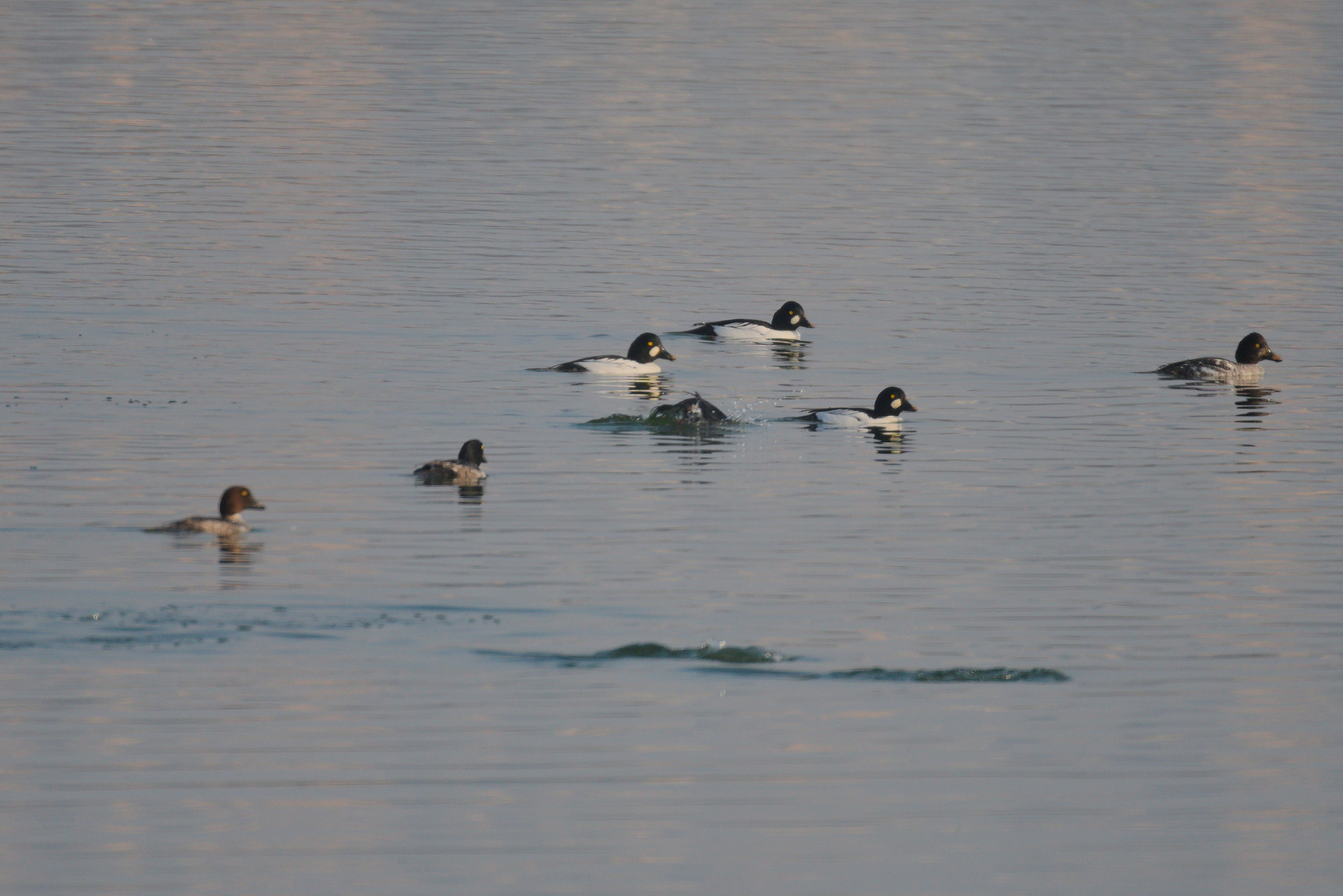
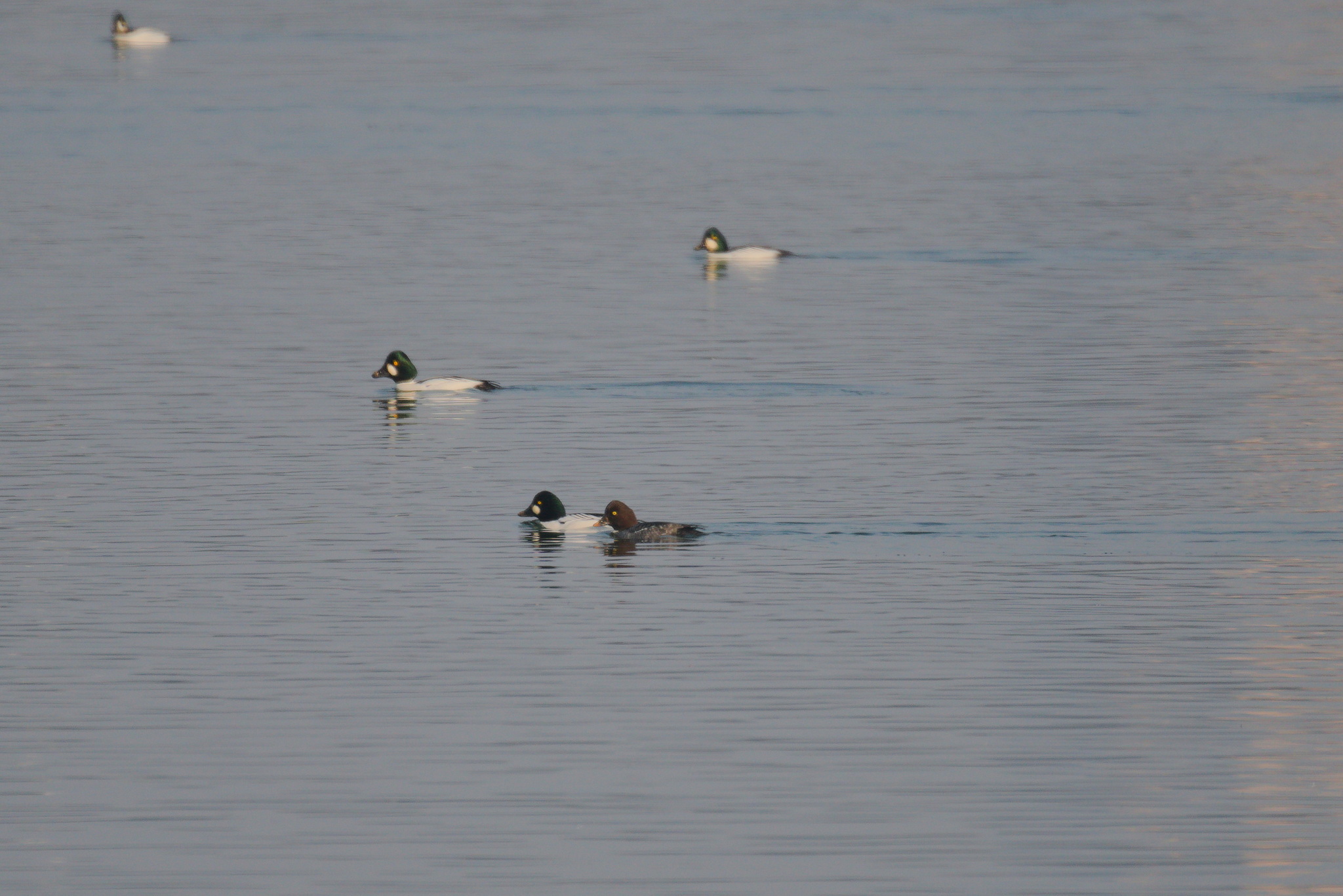
Adult males measure 45–51 cm (18–20 in) and weigh approximately 1,000 g (2.2 lb); females measure 40–50 cm (16–20 in) and weigh approximately 800 g (1.8 lb). Wingspan is 77–83 cm (30.5–32.5 in). Named for golden-yellow eyes. Adult males have a dark head with a greenish gloss, a circular white patch below the eye, a dark back, and a white neck and belly. Adult females have a brown head and a mostly grey body. Legs and feet are orange-yellow. Subspecies B. c. americana has a longer and thicker bill than the nominate B. c. clangula.
Identification
Key marks include golden-yellow eyes and, in adult males, a dark head with a greenish gloss and a distinct circular white patch below the eye. Females are identified by a brown head and mostly grey body. The subspecies B. c. americana is distinguished by a longer and thicker bill compared to B. c. clangula.
Distribution & Habitat
Breeding habitat is the taiga, specifically lakes and rivers of boreal forests across Canada, northern United States, Scotland, Scandinavia, Baltic States, and northern Russia. Two subspecies: B. c. clangula ranges from Scotland and Scandinavia to Sakhalin and Kamchatka Peninsula, south through north Kazakhstan, north Mongolia, and Heilongjiang; B. c. americana ranges from west Alaskan mainland to Labrador and New Brunswick, south through northern US. Migratory, wintering in protected coastal waters or open inland waters at more temperate latitudes.
Behavior & Ecology
Nests in natural tree cavities, such as those made by broken limbs or large woodpeckers (pileated or black woodpeckers), and readily uses nest boxes. Average egg size is 42.6–44.0 mm breadth, 58.1–60.6 mm length, weighing 61.2–66.6 g. Incubation lasts 28–32 days, performed solely by the female; males abandon females 1–2 weeks into incubation. Young remain in the nest for 24–36 hours and fledge at 55–65 days. Brood parasitism is common within the species. Diving birds foraging underwater; diet consists of 32% crustaceans, 28% aquatic insects, and 10% molluscs year-round. Insects predominate during nesting; crustaceans during migration and winter. Prey includes fish eggs and aquatic plants locally. Predators include hawks, owls, eagles, bears, weasels, mink, raccoons, northern flickers, and American red squirrels.
Conservation
Subject to the Agreement on the Conservation of African-Eurasian Migratory Waterbirds (AEWA). Approximately 188,300 individuals were killed annually by hunters in North America during the 1970s. Breeding and winter habitats have been degraded by clearance and pollution, though lake acidification provides short-term benefits in North America.
Source: Wikipedia · CC BY-SA 3.0
Taxonomy
- Order
- Anseriformes
- Family
- Anatidae
- Genus
- Bucephala
Subspecies (2)
-
Bucephala clangula americana
breeds northern North America; winters to California and Florida (southern USA)
Data Sources
Species description from Wikipedia, licensed under CC BY-SA 3.0.
Bird images and sounds sourced from GBIF, contributed by citizen scientists worldwide under Creative Commons licenses.
Taxonomy data from AviList 2025.