
Anseriformes / Anatidae / Branta
Canada Goose
Branta canadensis · 加拿大黑雁
Introduction
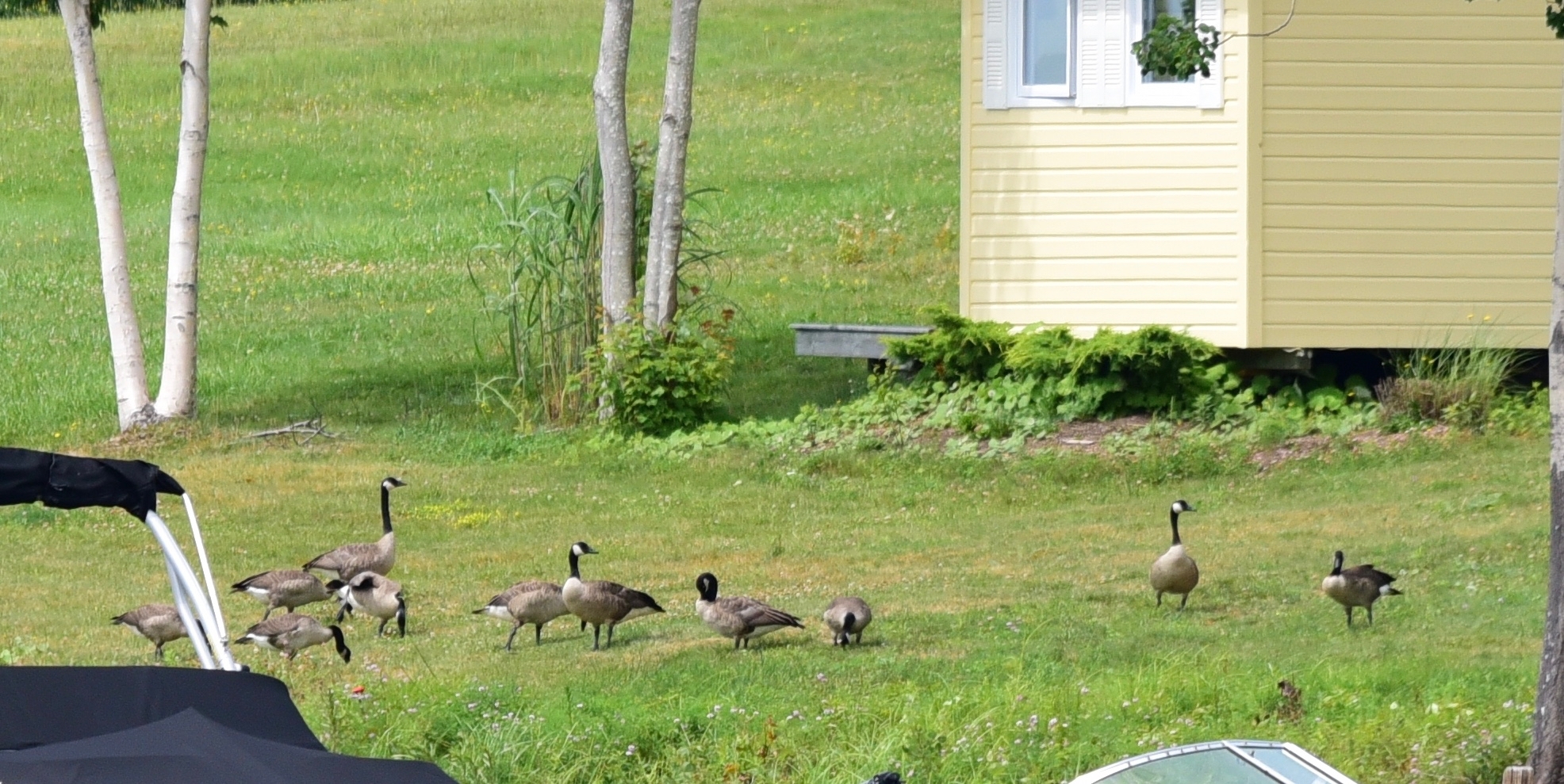
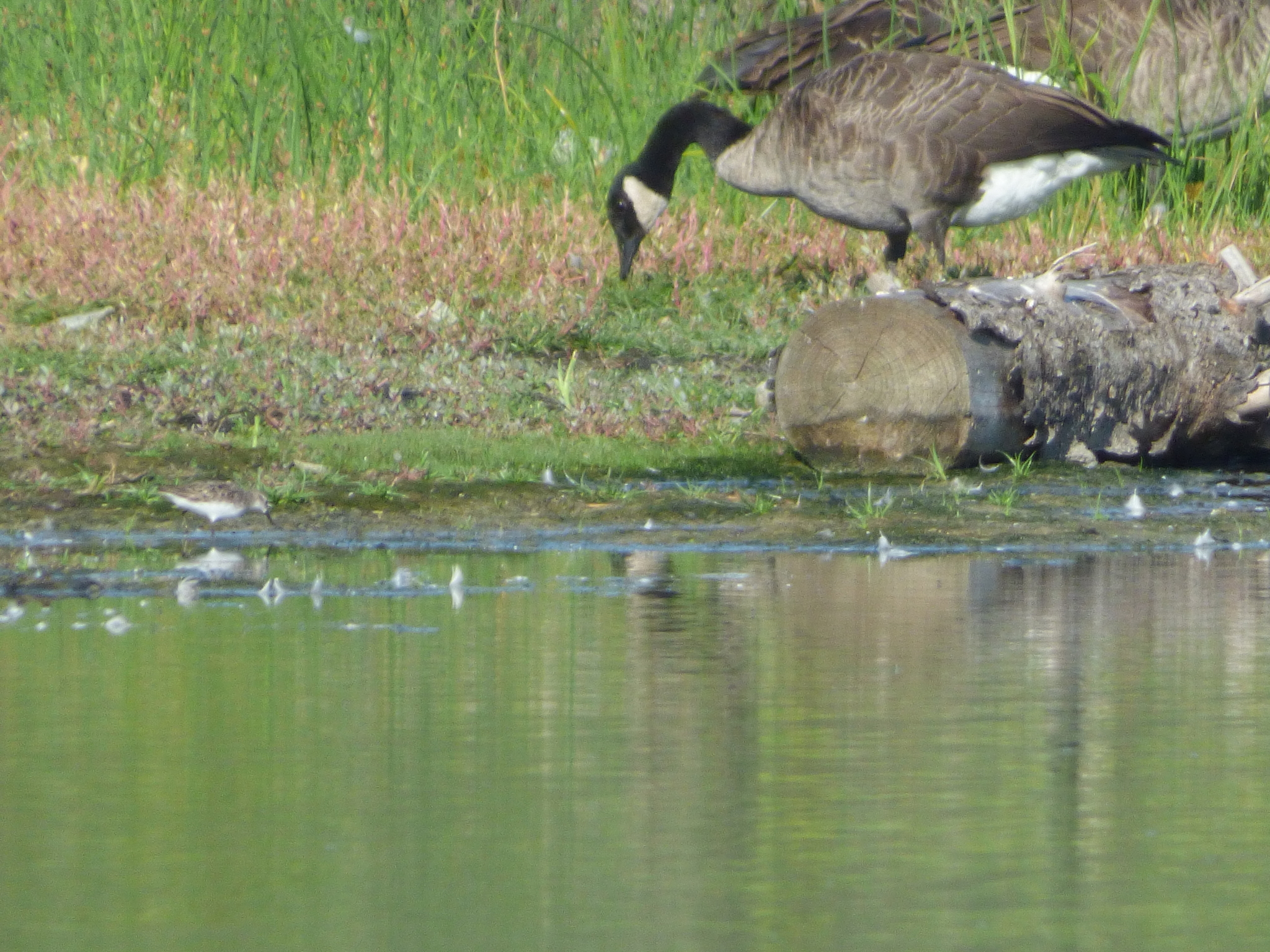
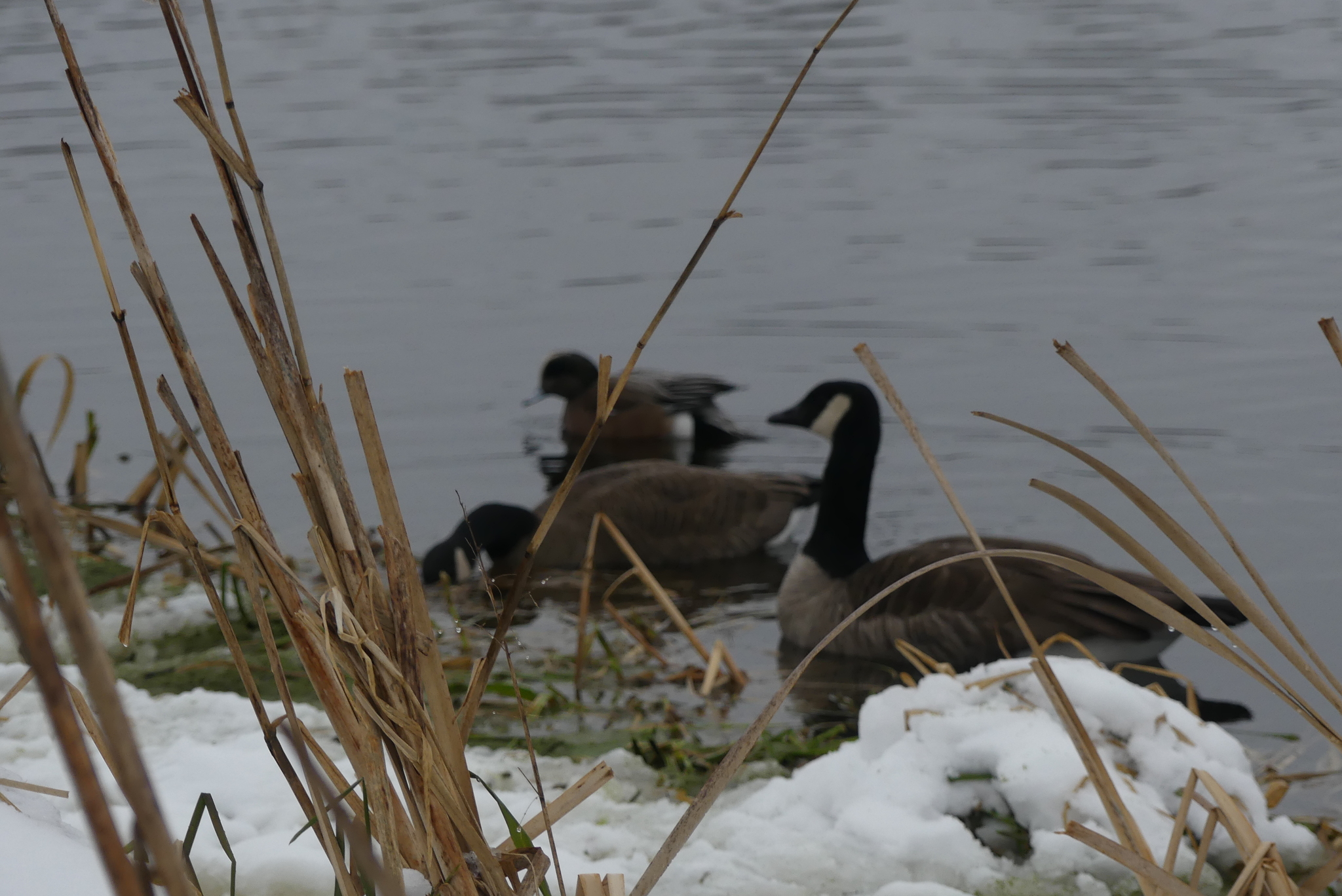
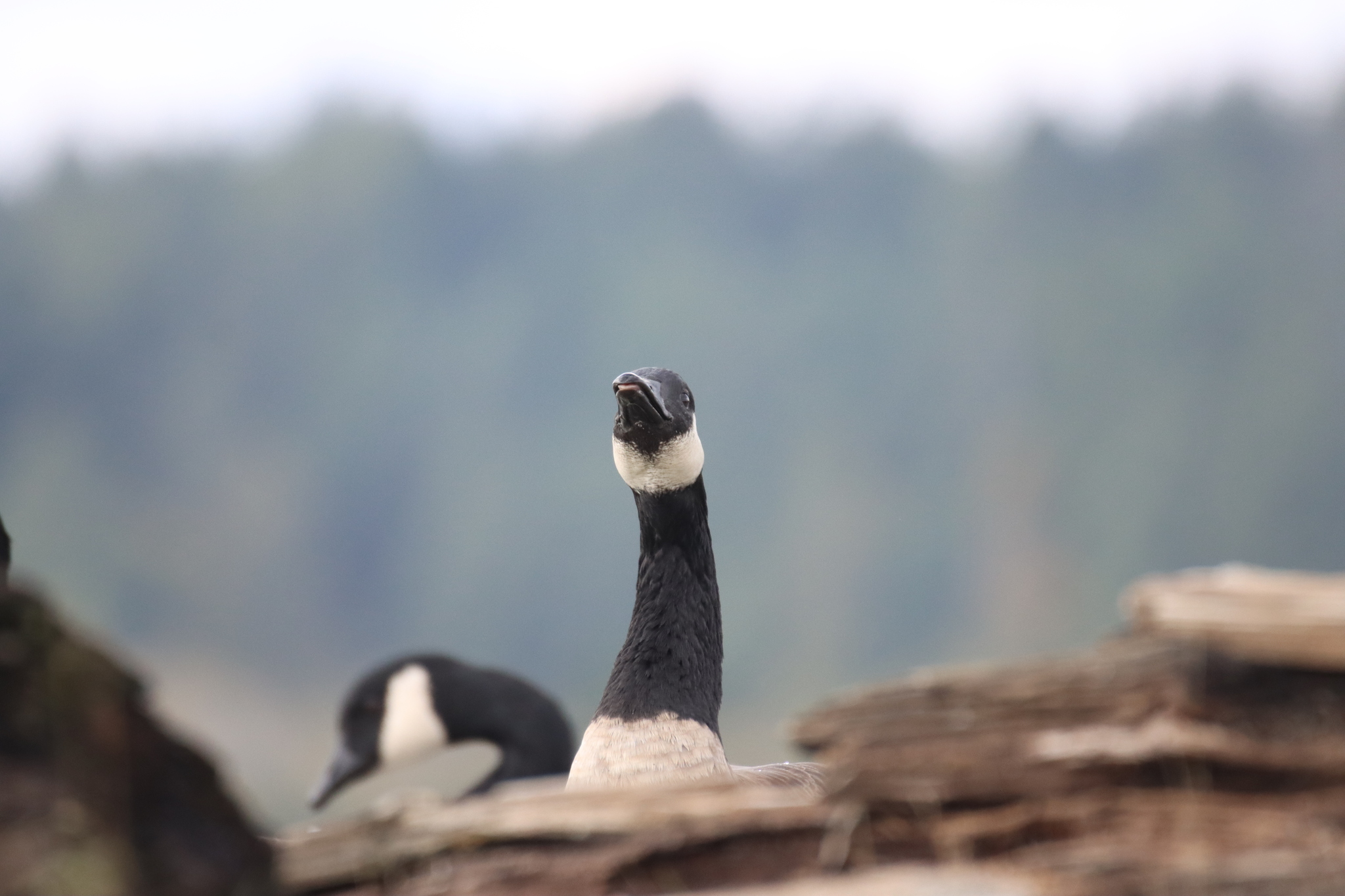
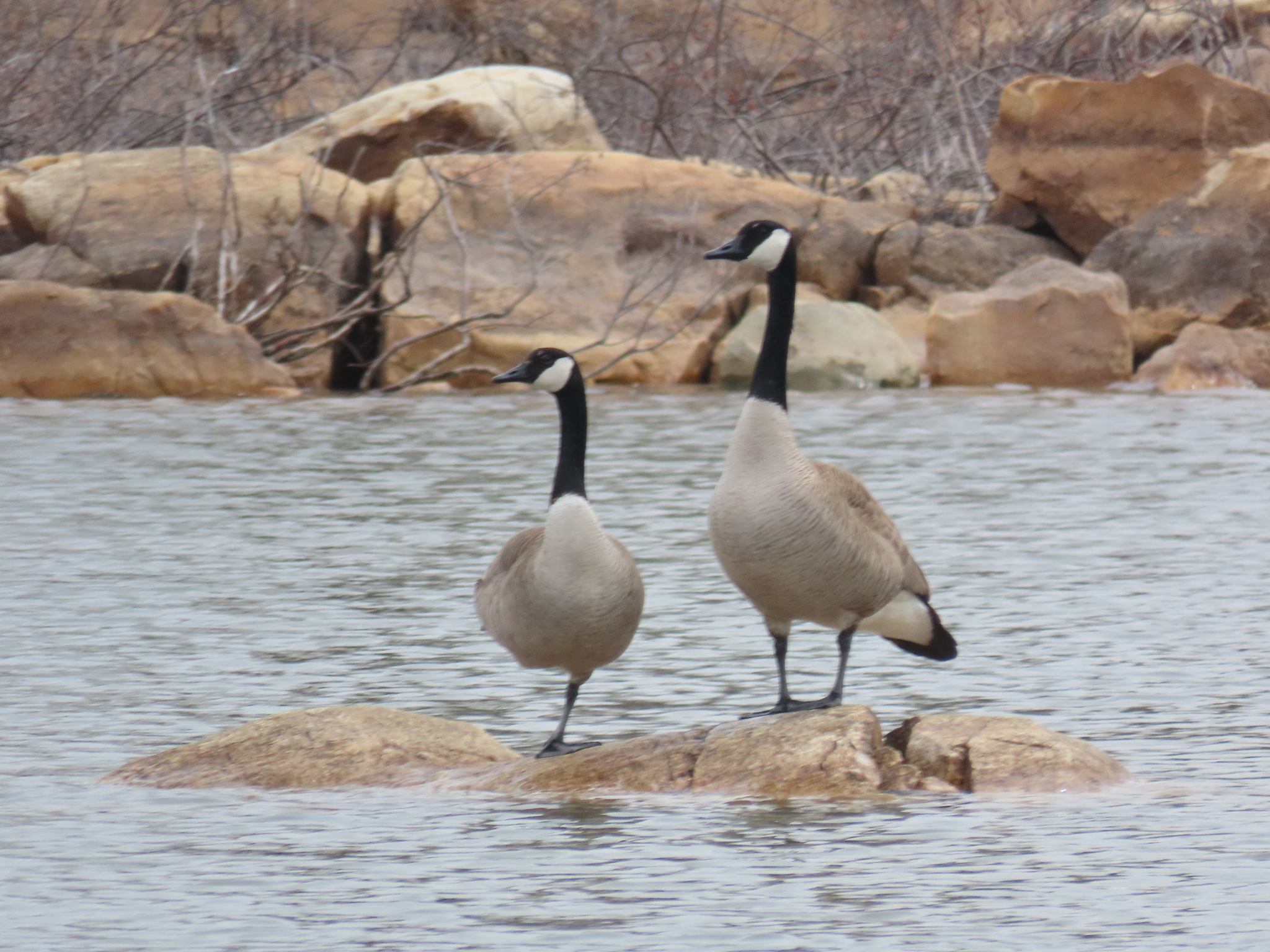
Large goose species (Branta genus) with black head and neck, white cheeks, white chinstrap, and brown body. Native to arctic and temperate regions of North America; occasionally migrates across Atlantic to northern Europe. Introduced to France, United Kingdom, Ireland, Scandinavia, New Zealand, Japan, Chile, Argentina, and Falkland Islands. Primarily herbivorous and normally migratory, inhabiting fresh water, brackish marshes, estuaries, and lagoons. Highly adaptable to human-altered landscapes, establishing breeding colonies in urban and cultivated habitats with abundant food and few predators. Classified as a pest species due to excrement, crop depredation, noise, aggressive territorial behavior, and food-begging habits.
Description
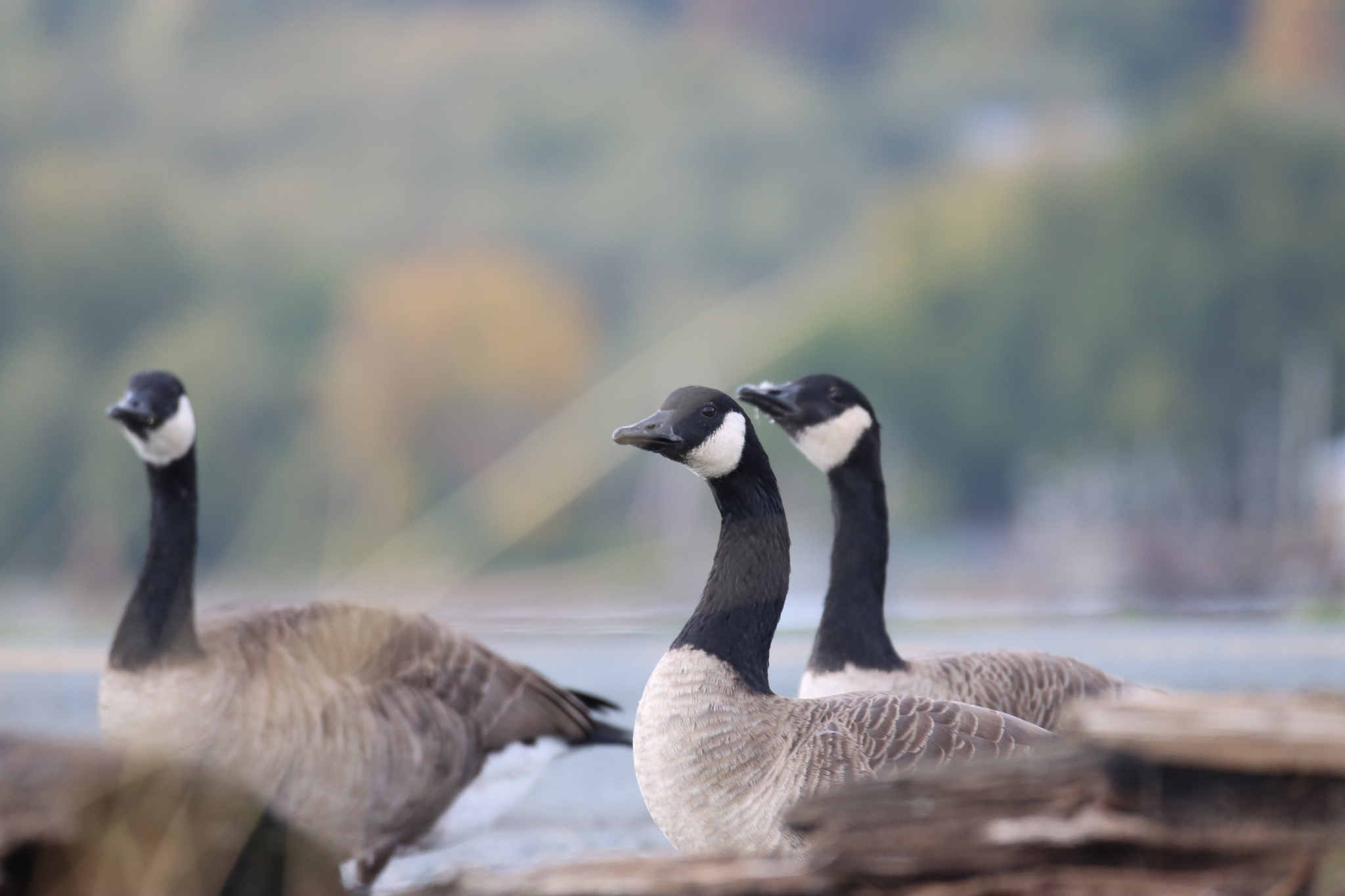
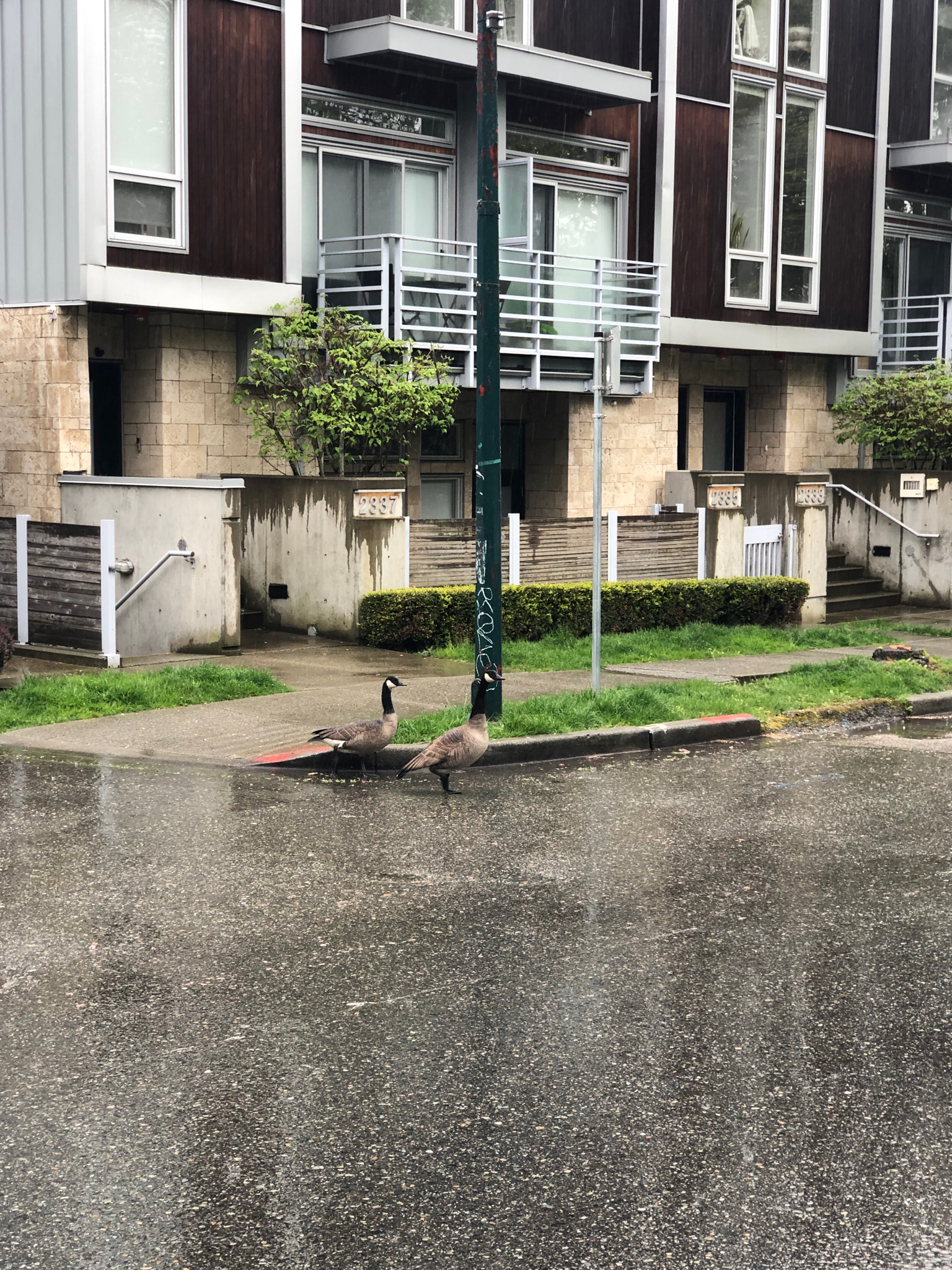
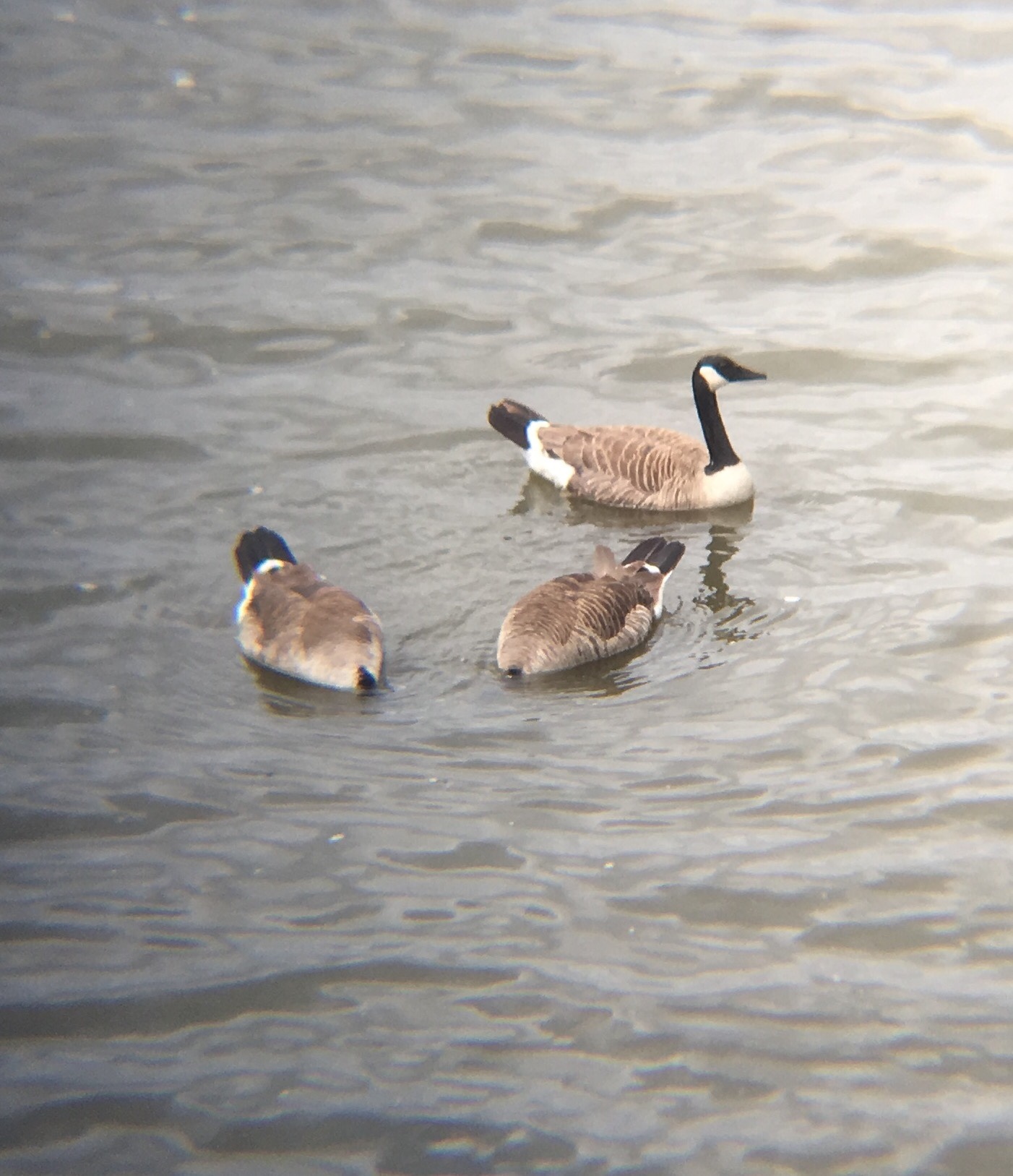
Large waterfowl with black head and neck featuring distinctive white chinstrap marking and white cheeks. Body plumage is brown overall. Some individuals exhibit leucistic coloration with pepper-spotted or brown neck. Seven subspecies vary considerably in size and plumage details. Length ranges from 75 to 110 cm with wingspan of 127 to 185 cm. Males average 3.9 kg with females averaging 3.6 kg and being approximately 10% smaller in linear dimensions. Largest subspecies (giant Canada goose, B. c. maxima) occasionally exceeds 8 kg; one exceptional specimen weighed 10.9 kg with 2.24 m wingspan, the largest wild goose on record. Bill measures 4.1 to 6.8 cm.
Identification
Black head and neck with white chinstrap is diagnostic, distinguishing from all similar species except cackling goose and barnacle goose. Barnacle goose differs with black breast and gray (not brown) body plumage. Cackling goose overlap in size with smaller Canada goose subspecies, but cackling geese have shorter neck and smaller bill. Most cackling goose subspecies are considerably smaller; the smallest (B. h. minima) is scarcely larger than a mallard. Leucistic individuals may show dark cheeks, white foreheads, or white necks. Of the true geese (genera Anser and Branta), this is on average the largest living species.
Distribution & Habitat
Native to North America, breeding across Canada and northern United States in varied habitats including Great Lakes region. Year-round populations exist along eastern seaboard and Pacific Coast from northern half of US. Migratory populations winter from California to South Carolina and northern Mexico. Historically declined due to overhunting and habitat loss by early 20th century; populations recovered after reintroduction programs. Now established as year-round residents in urban areas throughout much of North America, including the Pacific coast from British Columbia to San Francisco Bay, Chesapeake Bay, and parts of Florida. Introduced populations in Europe (France, UK, Ireland, Netherlands, Belgium, Germany, Scandinavia, Finland) are largely non-migratory. European population estimated at 165,000 wintering individuals in 2017. Introduced to New Zealand in 1905.
Behavior & Ecology
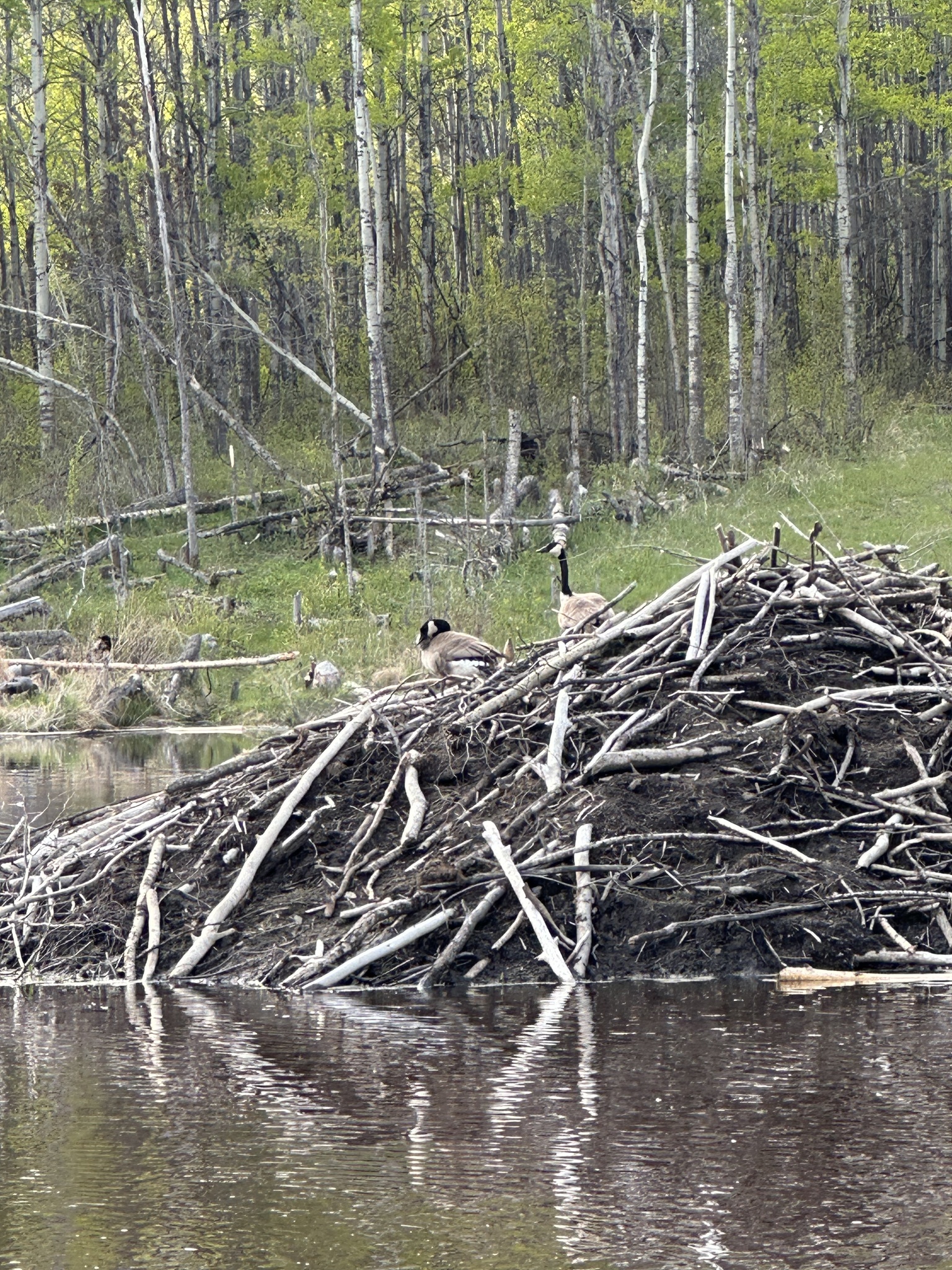
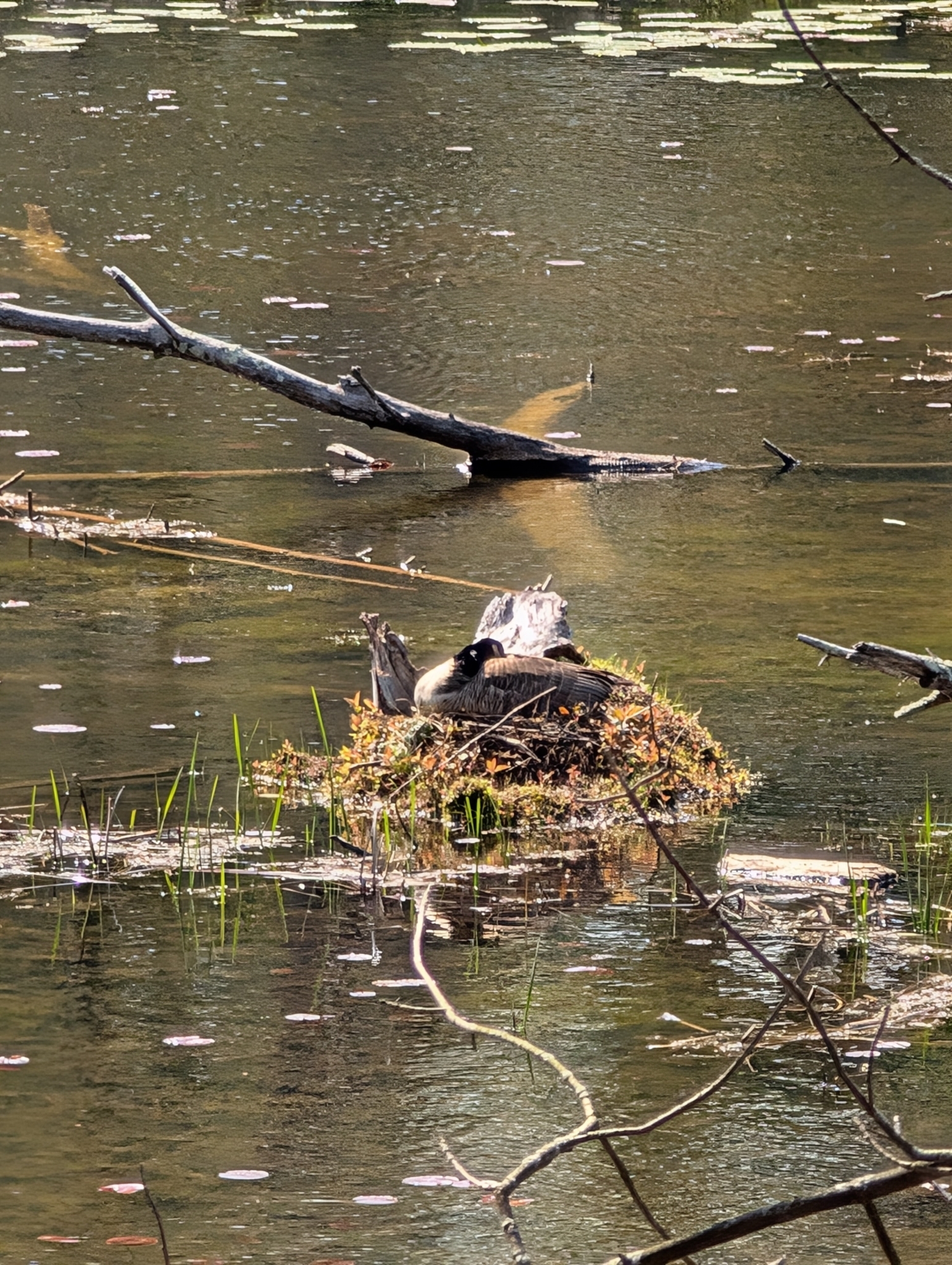
Communicates using ten distinct vocalizations for different situations. Male 'honk' call is longer and lower pitched than female 'rink.' High-pitched hiss indicates agitation or territorial defense. Monogamous, with most pairs remaining together for life; females lay 2-9 eggs (average 5) during second year. Both parents incubate eggs for 24-32 days and defend nest; female spends more time at nest. Nests located in elevated areas near water, lined with plant material and down. Goslings precocial—walking, swimming, and feeding independently shortly after hatching. Adults undergo annual summer molt, losing flight feathers for 20-40 days. Family groups lead goslings in lines with adults at front and back. Diet primarily herbivorous: grasses, beans, grains (wheat, rice, corn), aquatic plants, and algae. Forages by grasping grass blades and tearing with head jerk, or by sifting aquatic vegetation.
Conservation
Global population estimated at 4-5 million birds (2000). Historically declined due to overhunting and habitat loss; the giant subspecies was thought extinct until rediscovered in 1962. Populations have since rebounded substantially, leading to classification as pest in many areas due to urban expansion and predator removal. Protected under Migratory Bird Treaty Act (US) and Migratory Birds Convention Act (Canada); regulated hunting seasons exist in both countries. US Department of Agriculture conducts lethal culls in urban areas since 1999. Non-lethal control methods include habitat modification, aversion tactics, egg addling, and nest destruction. UK populations protected with shooting permitted only during defined open season.
Culture
Considered part of Canadian national identity. Historically described by Carl Linnaeus in Systema Naturae. The name 'Branta' derives from Old Norse Brandgás ('burned goose'); 'canadensis' is Neo-Latin for 'from Canada.' First citation for 'Canada goose' dates to 1772. Colloquially called 'Canadian goose.' Involved in notable aircraft strikes including US Airways Flight 1549 (2009) and a fatal 1995 E-3 Sentry crash killing all 24 crew. As game bird, meat is described as lean and rich, similar to beef; US harvest exceeded 1.3 million birds in 2013-14. British Trust for Ornithology describes them as 'reputedly amongst the most inedible of birds.'
Source: Wikipedia · CC BY-SA 3.0
Taxonomy
- Order
- Anseriformes
- Family
- Anatidae
- Genus
- Branta
Subspecies (7)
-
Branta canadensis canadensis
breeds Labrador and Newfoundland; winters to Florida
Data Sources
Species description from Wikipedia, licensed under CC BY-SA 3.0.
Bird images and sounds sourced from GBIF, contributed by citizen scientists worldwide under Creative Commons licenses.
Taxonomy data from AviList 2025.