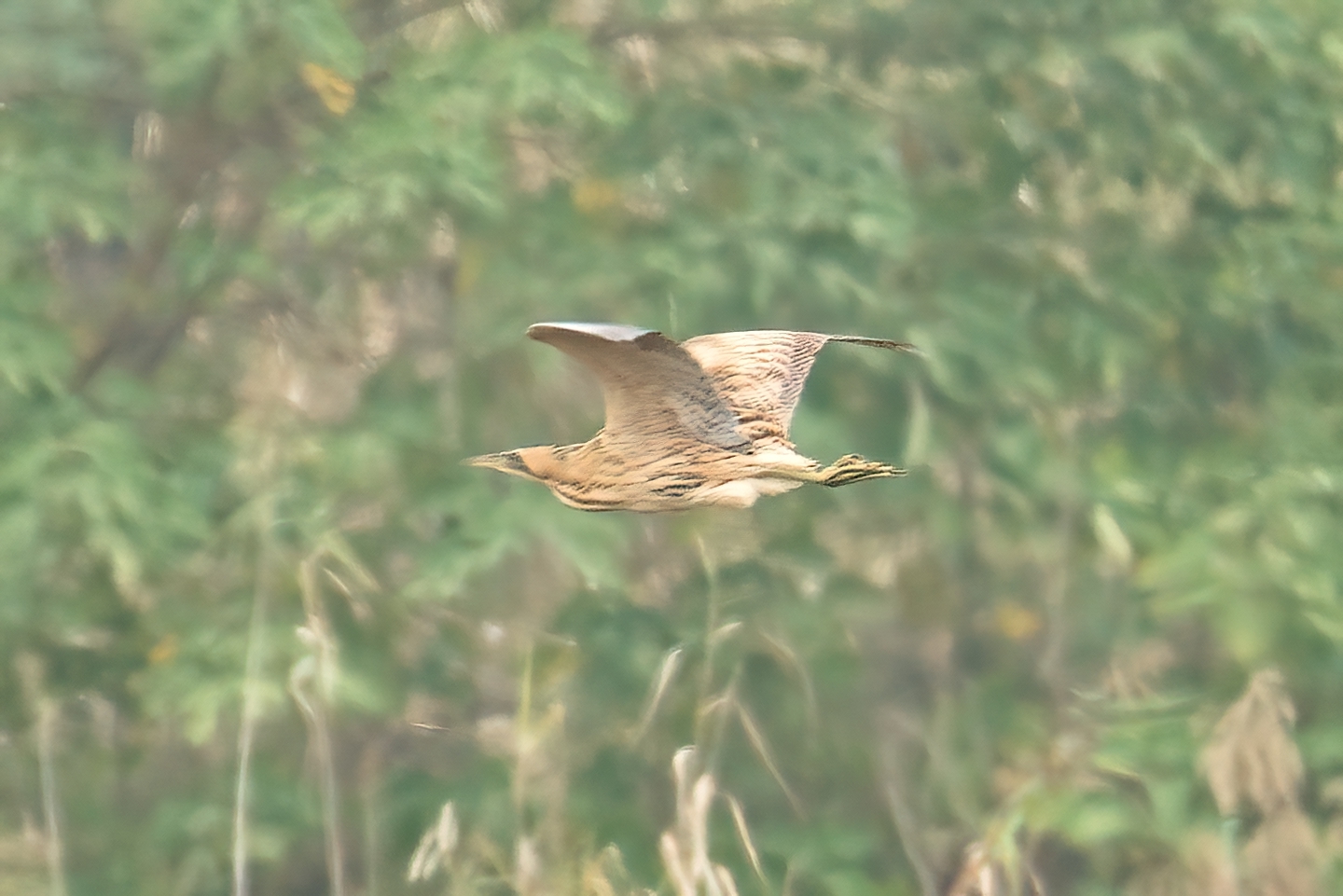
Pelecaniformes / Ardeidae / Botaurus
Eurasian Bittern
Botaurus stellaris · 大麻鳽
Introduction
A wading bird in the bittern subfamily (Botaurinae) of the heron family Ardeidae. It inhabits reed beds and thick vegetation near water bodies across Europe, Asia, northern Africa, and southern Africa. The species is secretive, often skulking in cover, and is known for the male's booming call during the breeding season. The IUCN assesses its global conservation status as Least Concern, though populations are declining due to wetland loss.
Description
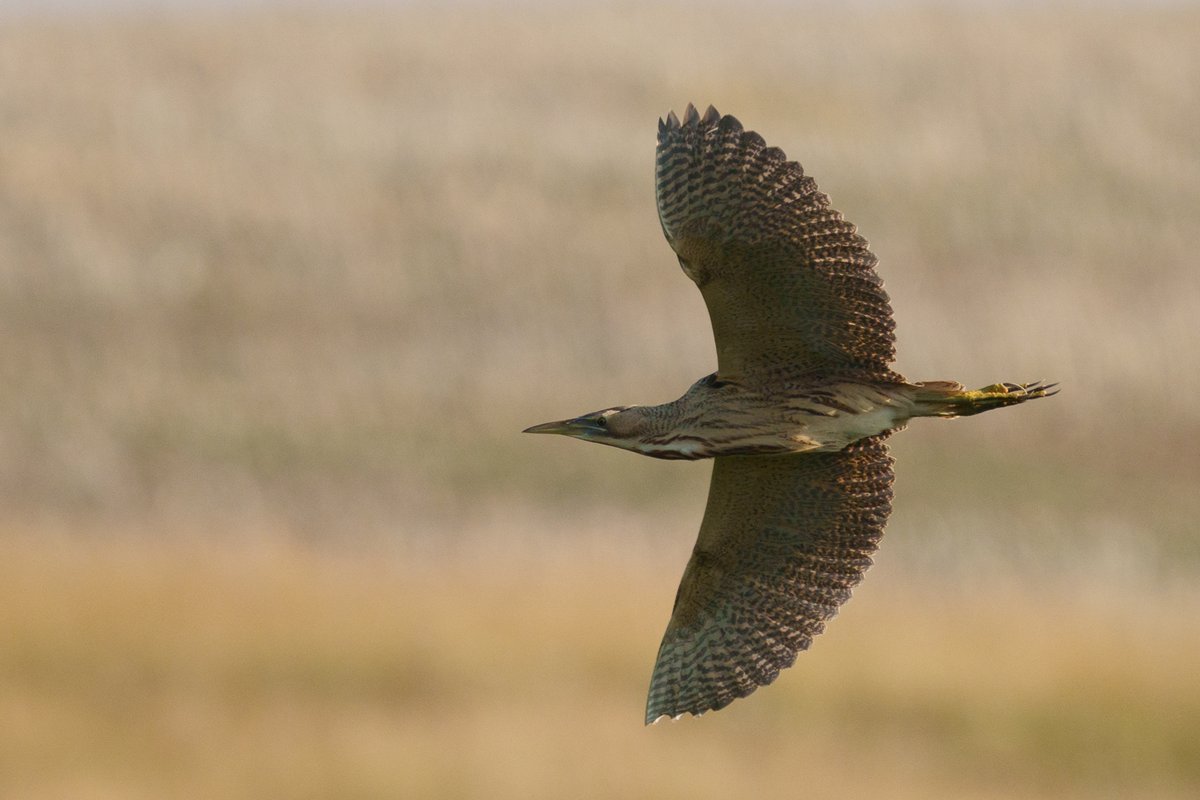
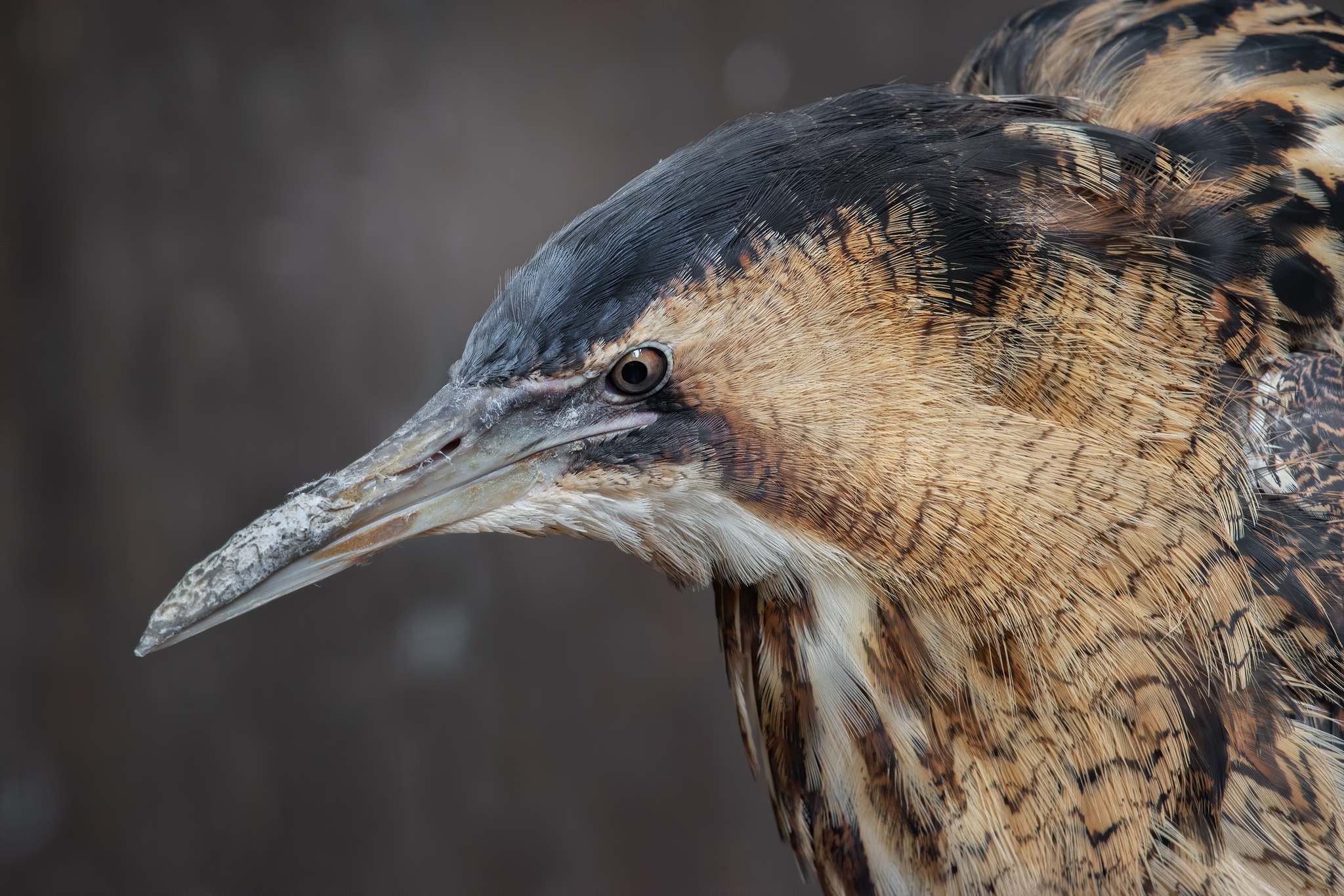
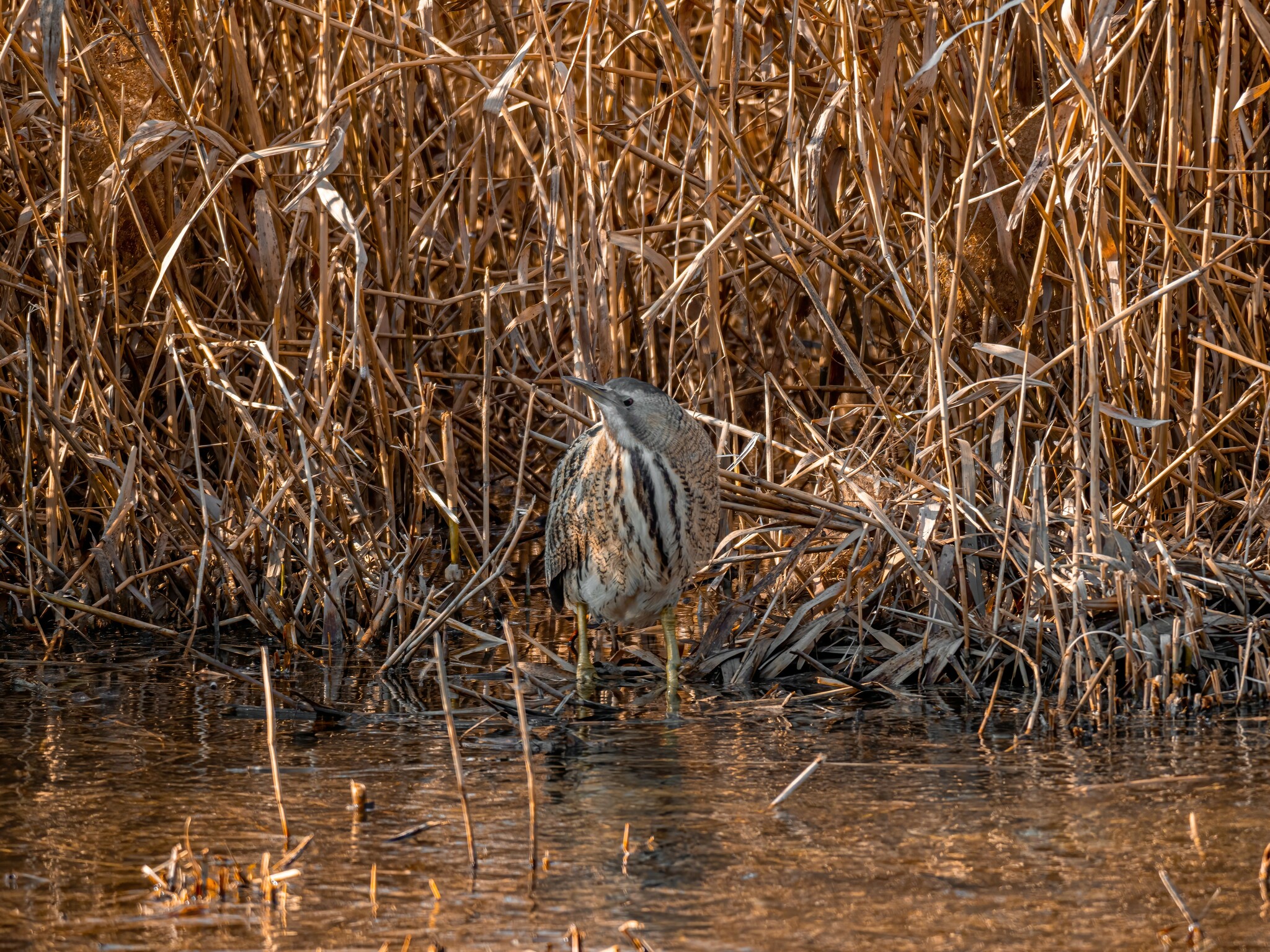
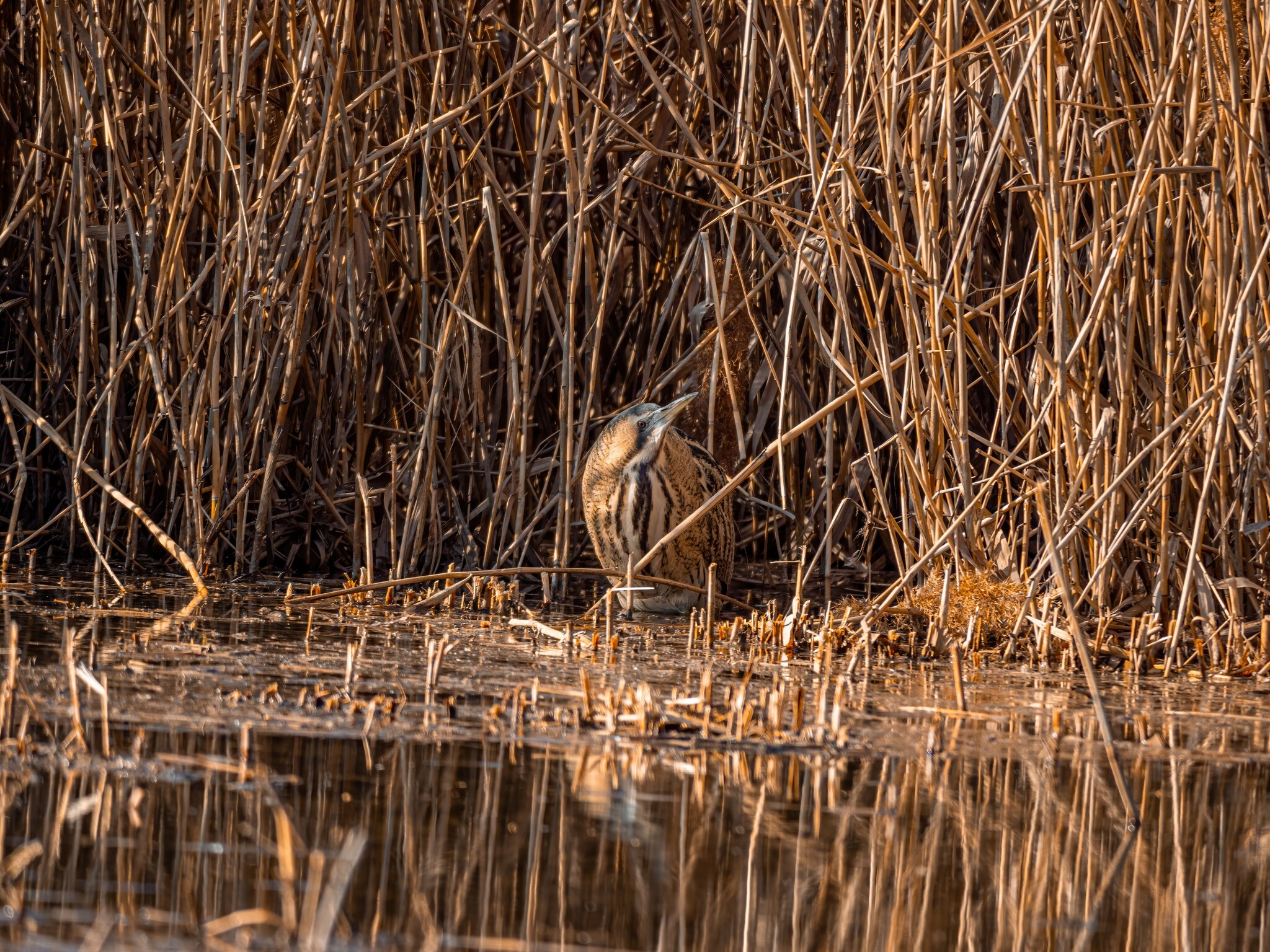
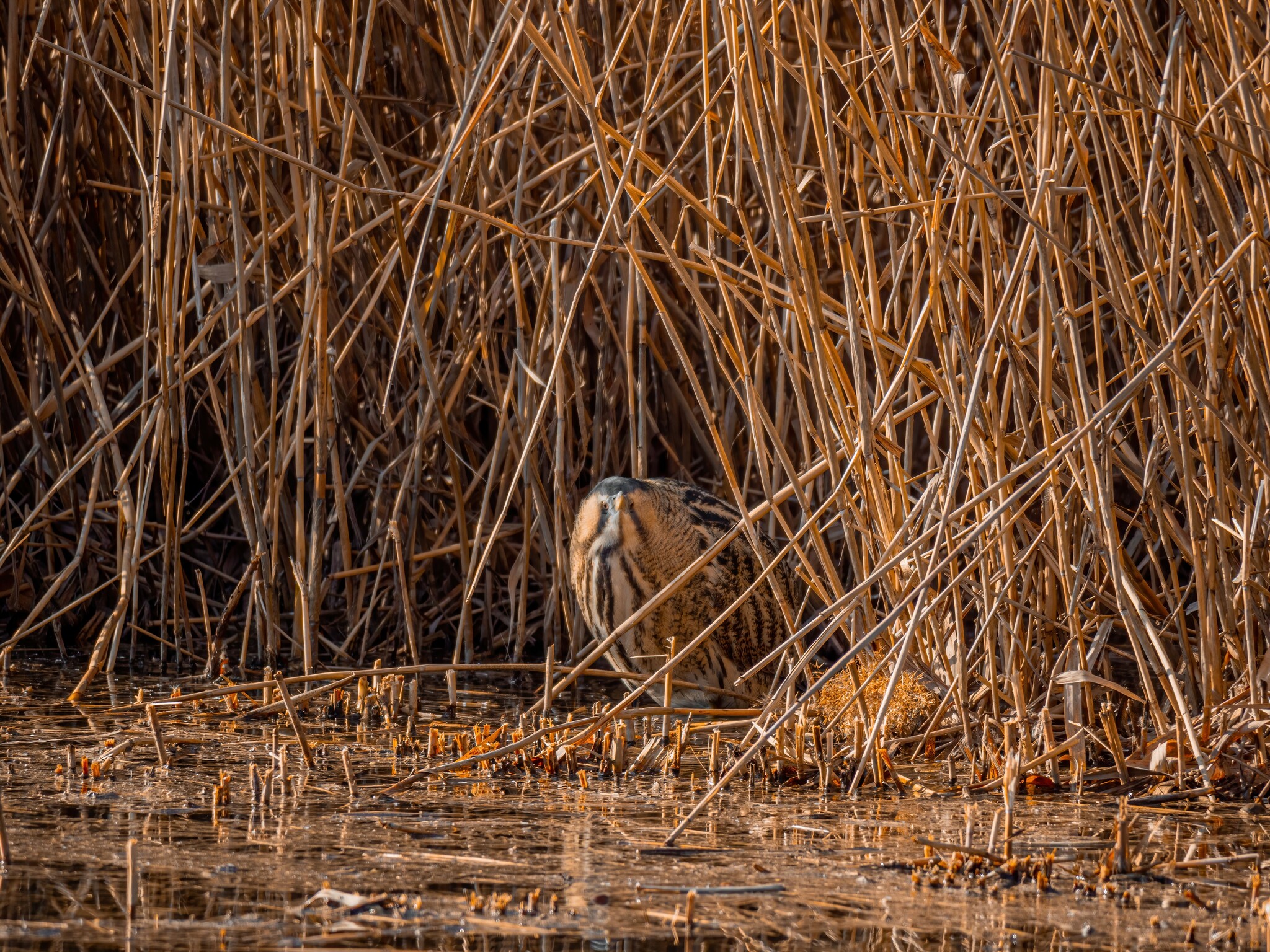
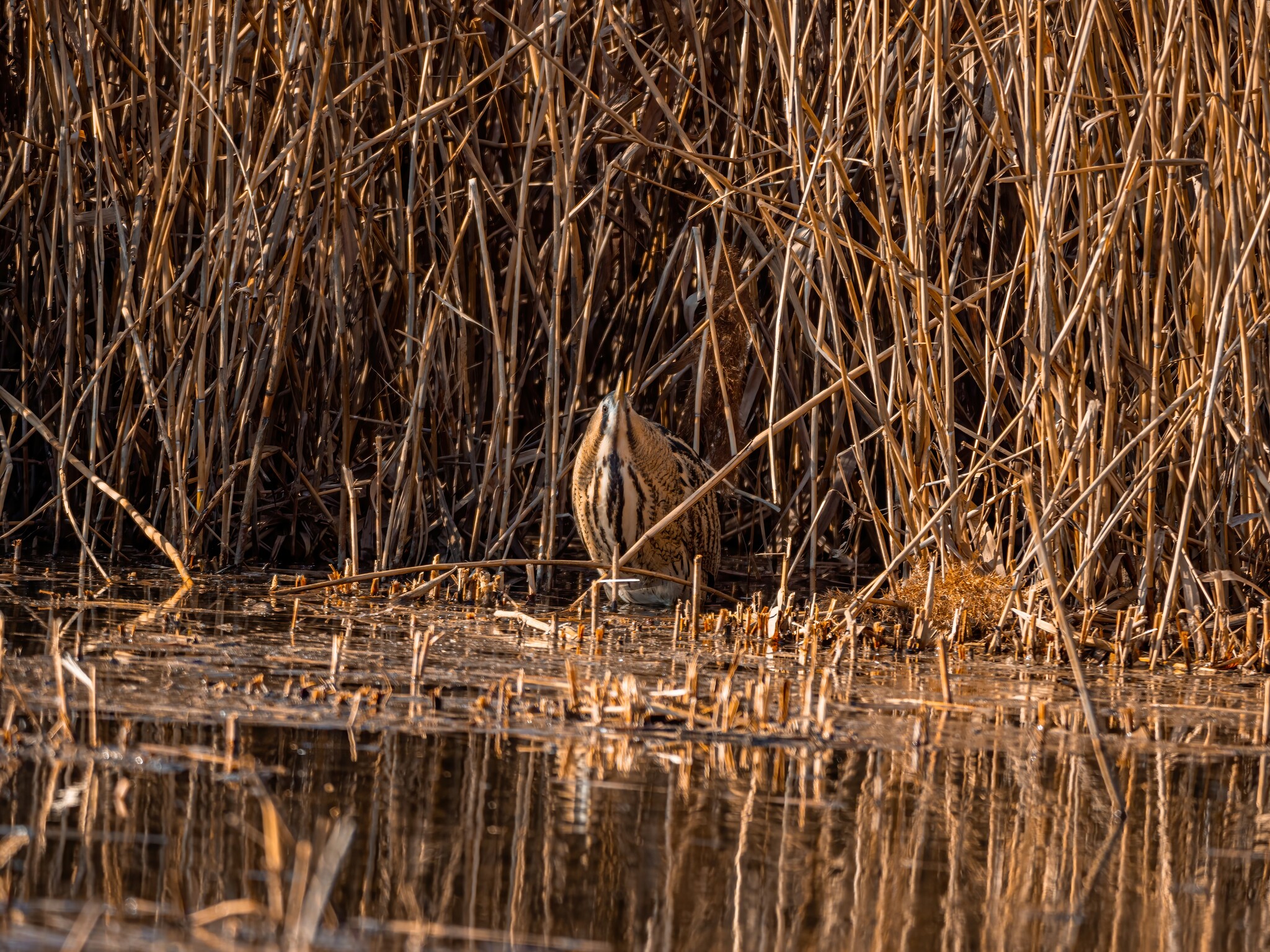
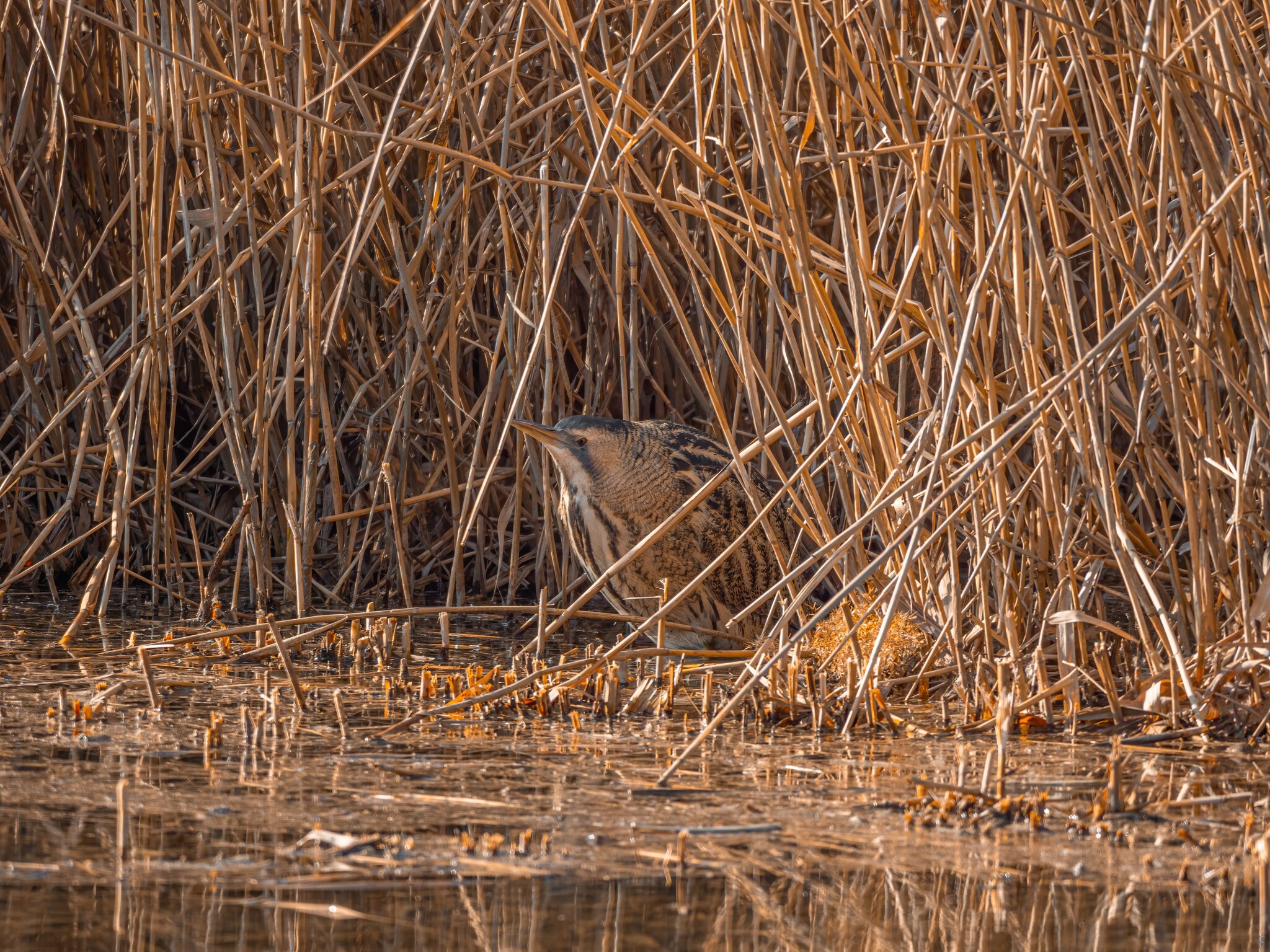
The largest of the bitterns, measuring 69–81 cm in length with a 100–130 cm wingspan and a body mass of 0.87–1.94 kg. Males are larger than females. Plumage is bright, pale, buffy-brown with dark streaks and bars; the crown and nape are black with long, loosely arranged feathers tipped with buff. The head features a yellowish-buff superciliary stripe and a brownish-black moustachial stripe. The bill is greenish-yellow with a darker tip, eyes have a yellow iris surrounded by greenish or bluish bare skin, and legs are greenish with yellow soles. Juveniles are paler with less distinct markings.
Identification
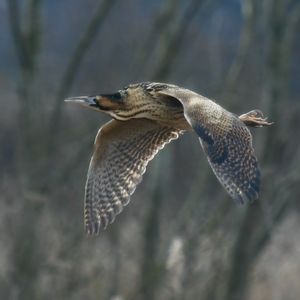
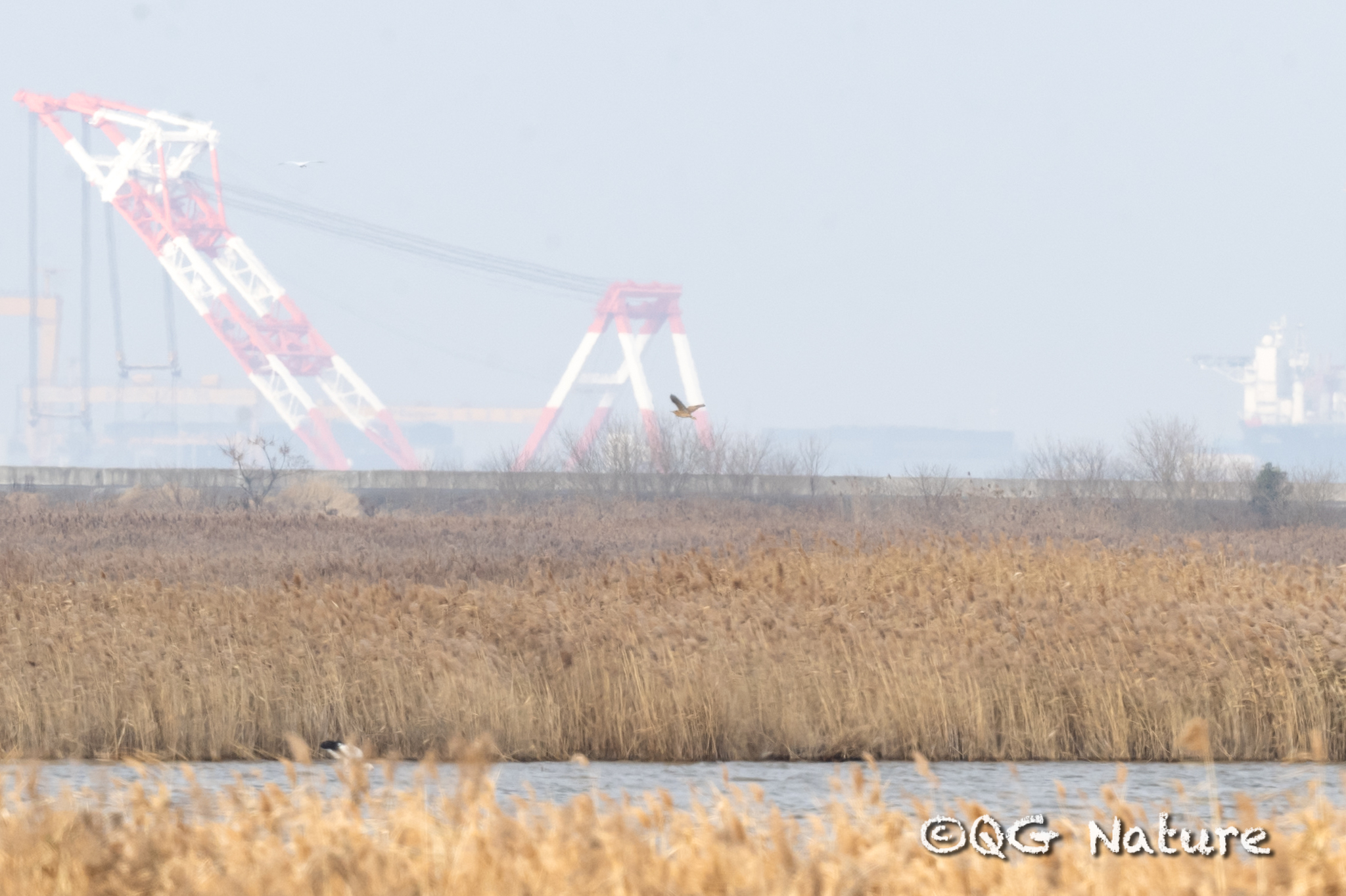
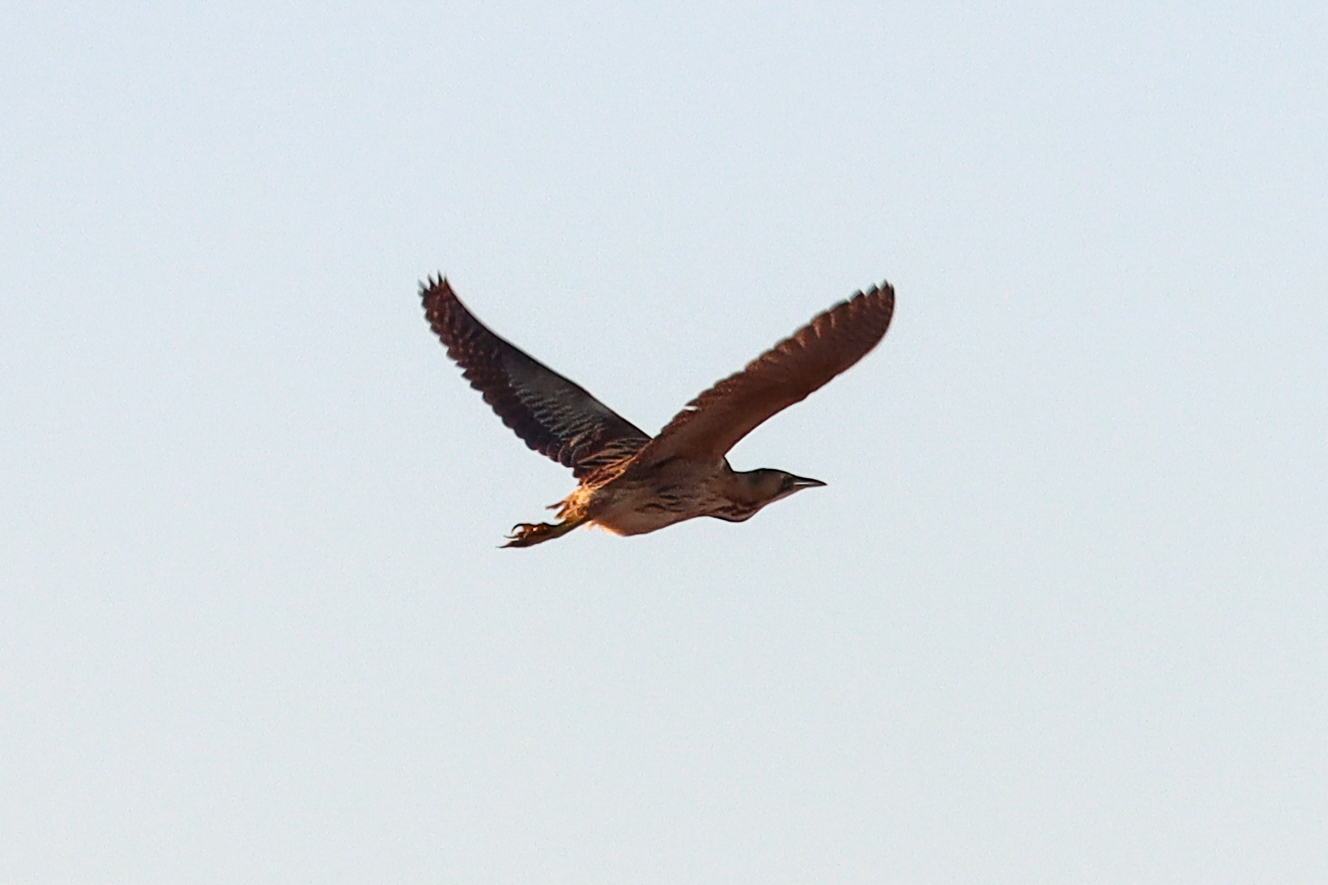
Identified by cryptic, streaked buff-brown plumage that blends into reeds. When disturbed, it exhibits 'bitterning' behavior: pointing its bill directly upwards and freezing to obscure its outline. In flight, wings appear broad and rounded with legs trailing behind; the neck is extended at takeoff but retracted in speed. Key vocal cue is the male's deep, sighing, bull-like boom, audible up to five kilometers away.
Distribution & Habitat
Two subspecies: B. s. stellaris breeds across temperate Europe and Asia (from the British Isles to Sakhalin Island, Korea, and Japan) and northern Africa; B. s. capensis is endemic to southern Africa. Northern populations migrate south to southern Europe, Africa, the Arabian Peninsula, and eastern China, while southern populations are sedentary. Habitat includes large reed beds (preferably >20 hectares), swamps, lakes, and sluggish rivers. Outside breeding season, it visits rice fields, fish farms, and sewage works.
Behavior & Ecology
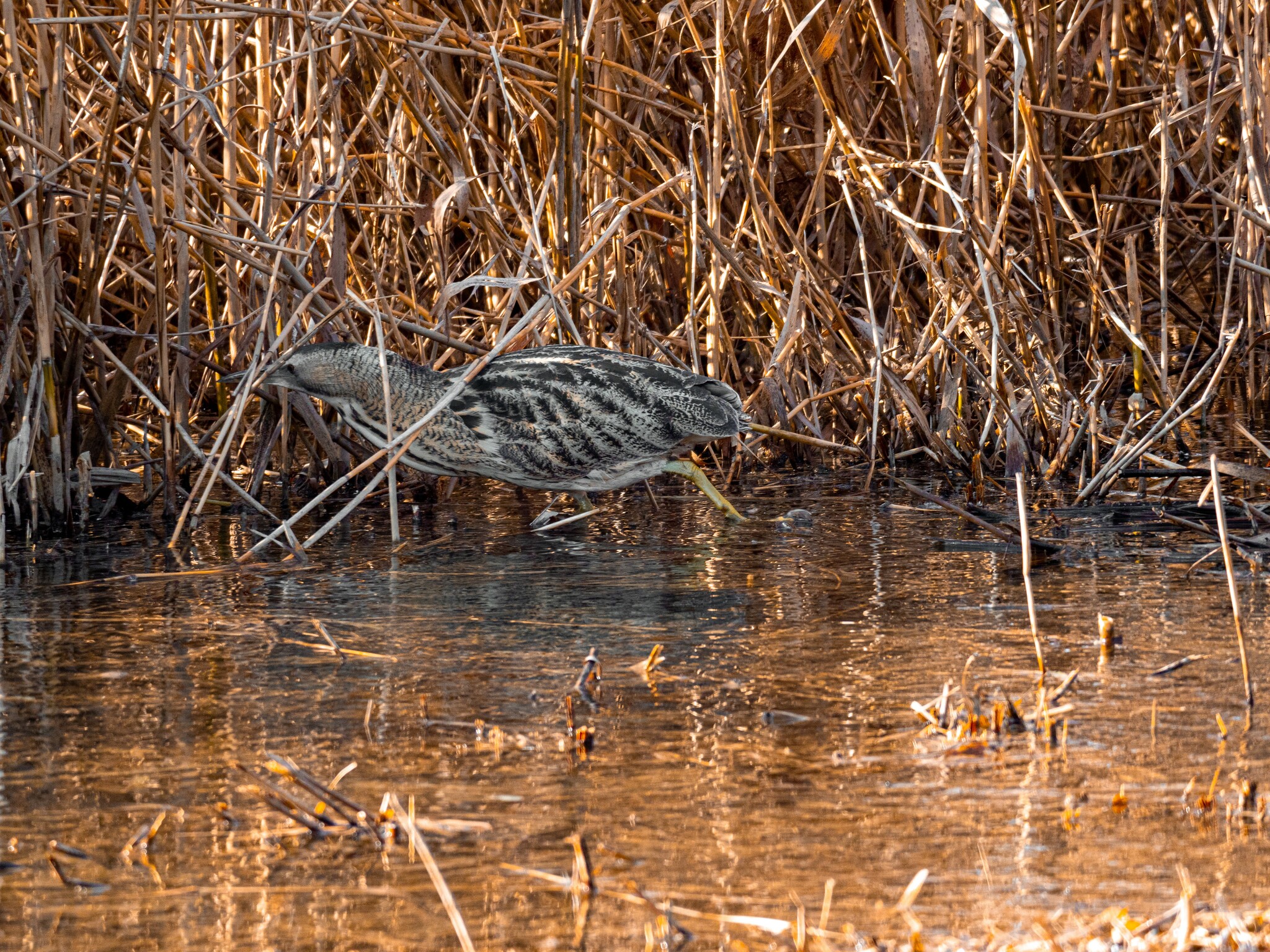
Solitary and shy, foraging stealthily in shallow water for fish (including eels up to 35 cm), small mammals, amphibians, crustaceans, and insects. Applies powder down to remove slime after feeding. Males are polygamous, mating with up to five females. The female builds a nest platform of reeds, incubates 4–6 eggs for about 26 days, and rears chicks alone. Chicks leave the nest at two weeks and fledge at eight weeks. Most active at dawn and dusk.
Conservation
IUCN status is Least Concern globally, with an estimated population of 110,000 to 340,000 individuals. The population trend is downward due to reed bed destruction, drainage, and wetland disturbance. The southern race has suffered catastrophic decline. In the United Kingdom, the species recovered from near extinction to 228 breeding males in 2021. It is listed under the Agreement on the Conservation of African-Eurasian Migratory Waterbirds (AEWA).
Culture
Folk names include 'bog-bull' and 'butter bump,' referencing its booming call. Featured in literature by James Thomson, George Crabbe, and Arthur Conan Doyle. Historically, myths suggested it produced sound by blowing into reeds or water. Thomas Bewick noted it was formerly esteemed as food. Proposed as a rational explanation for the Slavic mythical creature drekavac.
Source: Wikipedia · CC BY-SA 3.0
Taxonomy
- Order
- Pelecaniformes
- Family
- Ardeidae
- Genus
- Botaurus
Subspecies (2)
-
Botaurus stellaris capensis
southern Africa
Data Sources
Species description from Wikipedia, licensed under CC BY-SA 3.0.
Bird images and sounds sourced from GBIF, contributed by citizen scientists worldwide under Creative Commons licenses.
Taxonomy data from AviList 2025.