Bohemian Waxwing
Bombycilla garrulus
太平鸟
Introduction
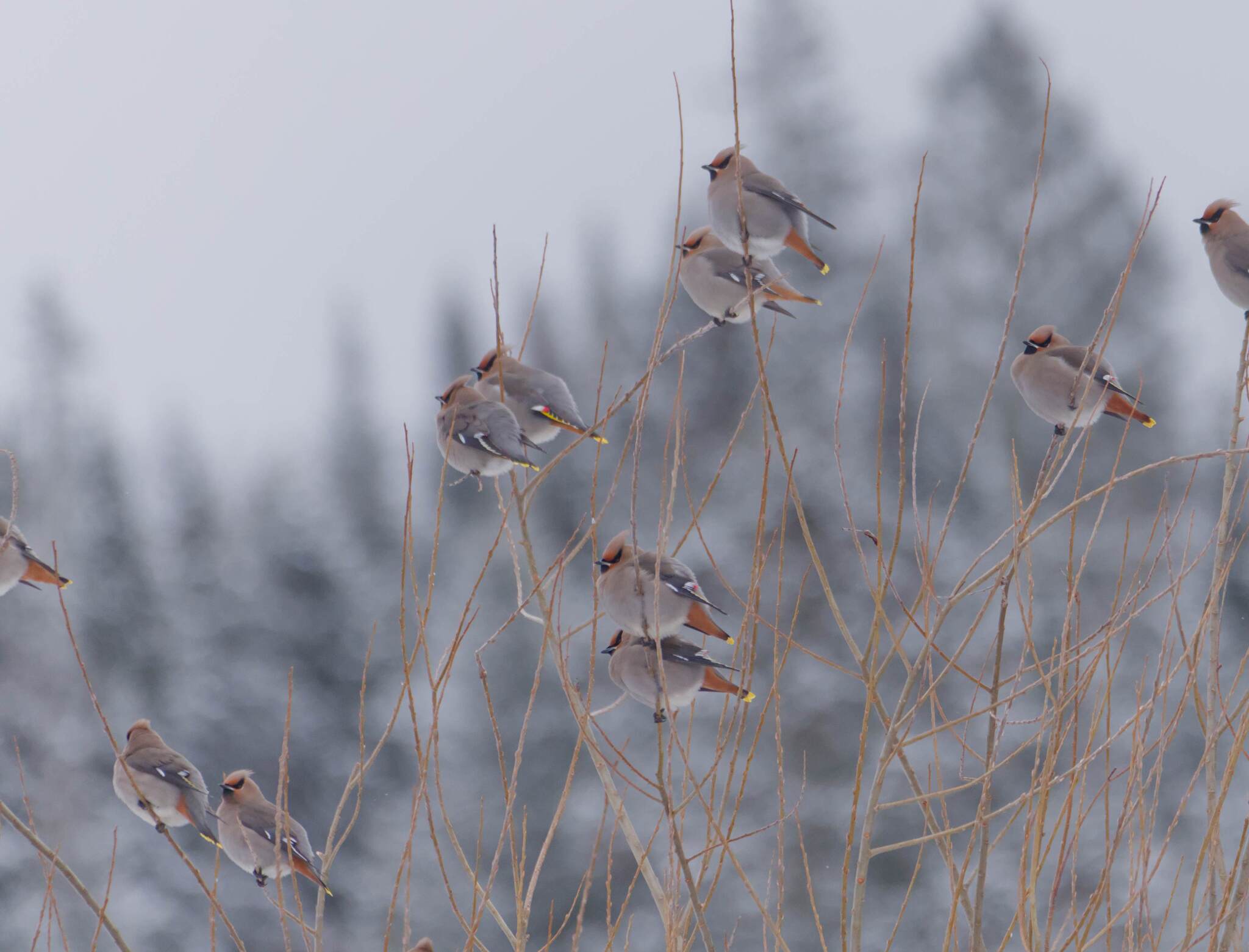
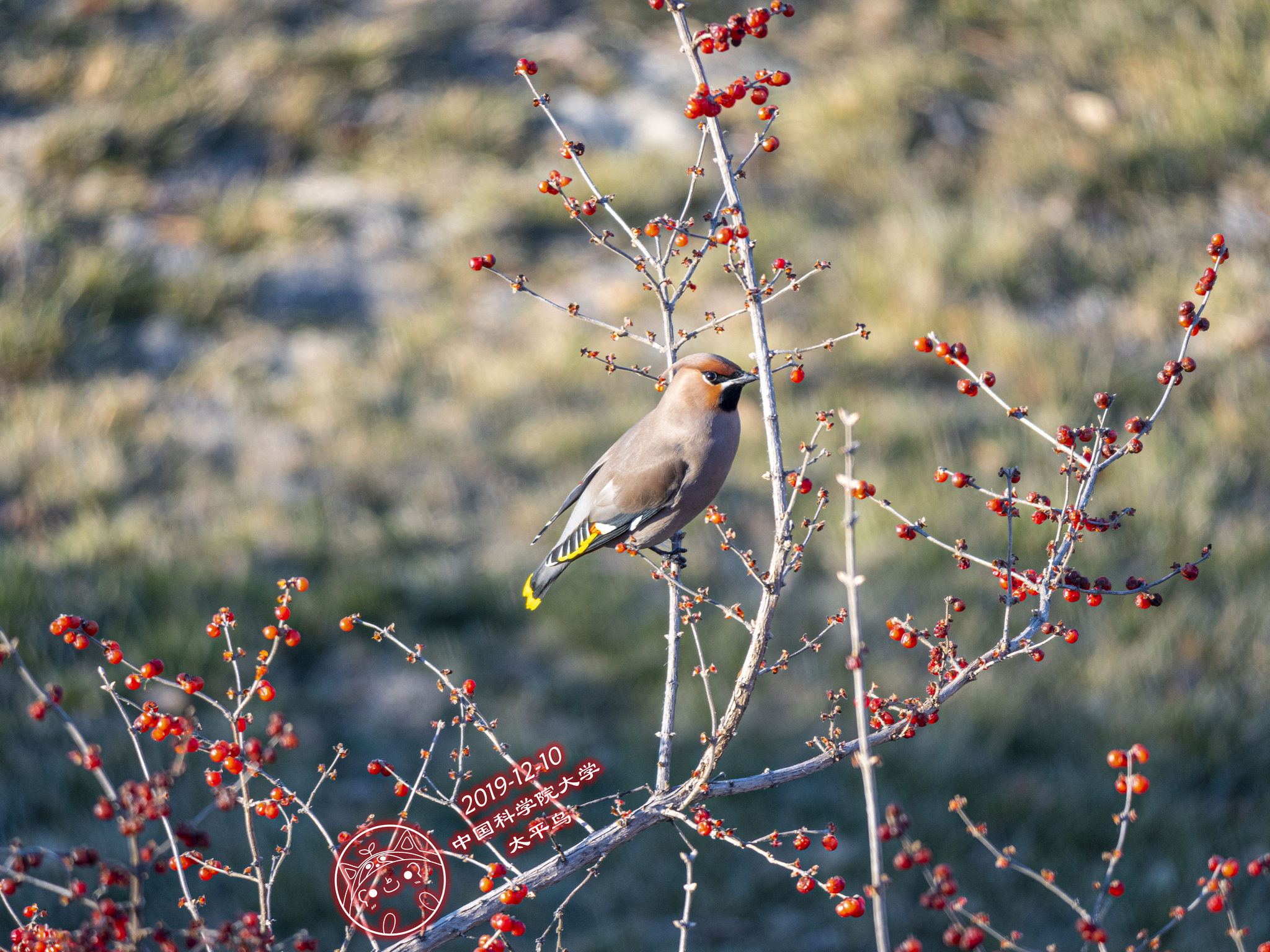
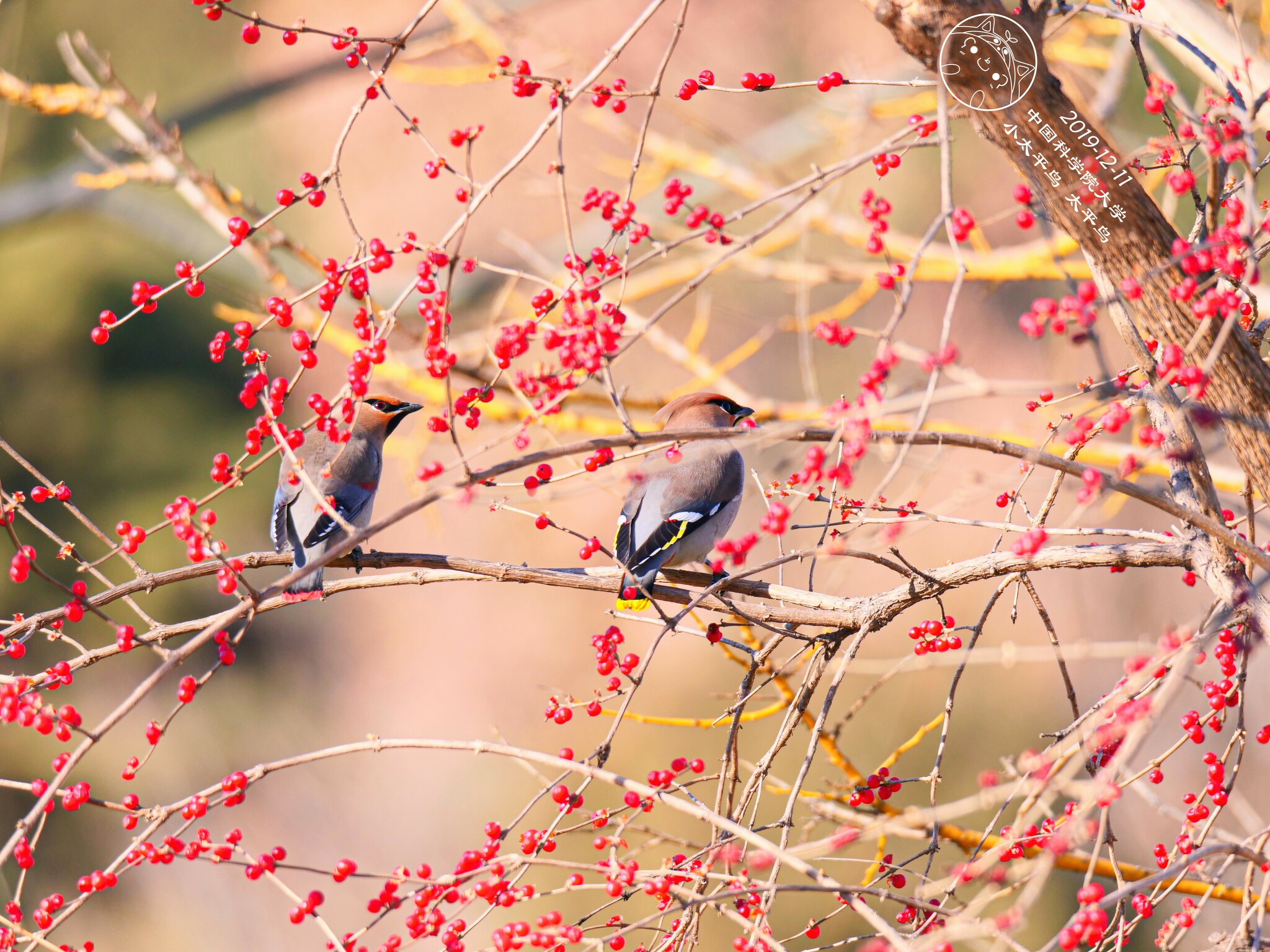
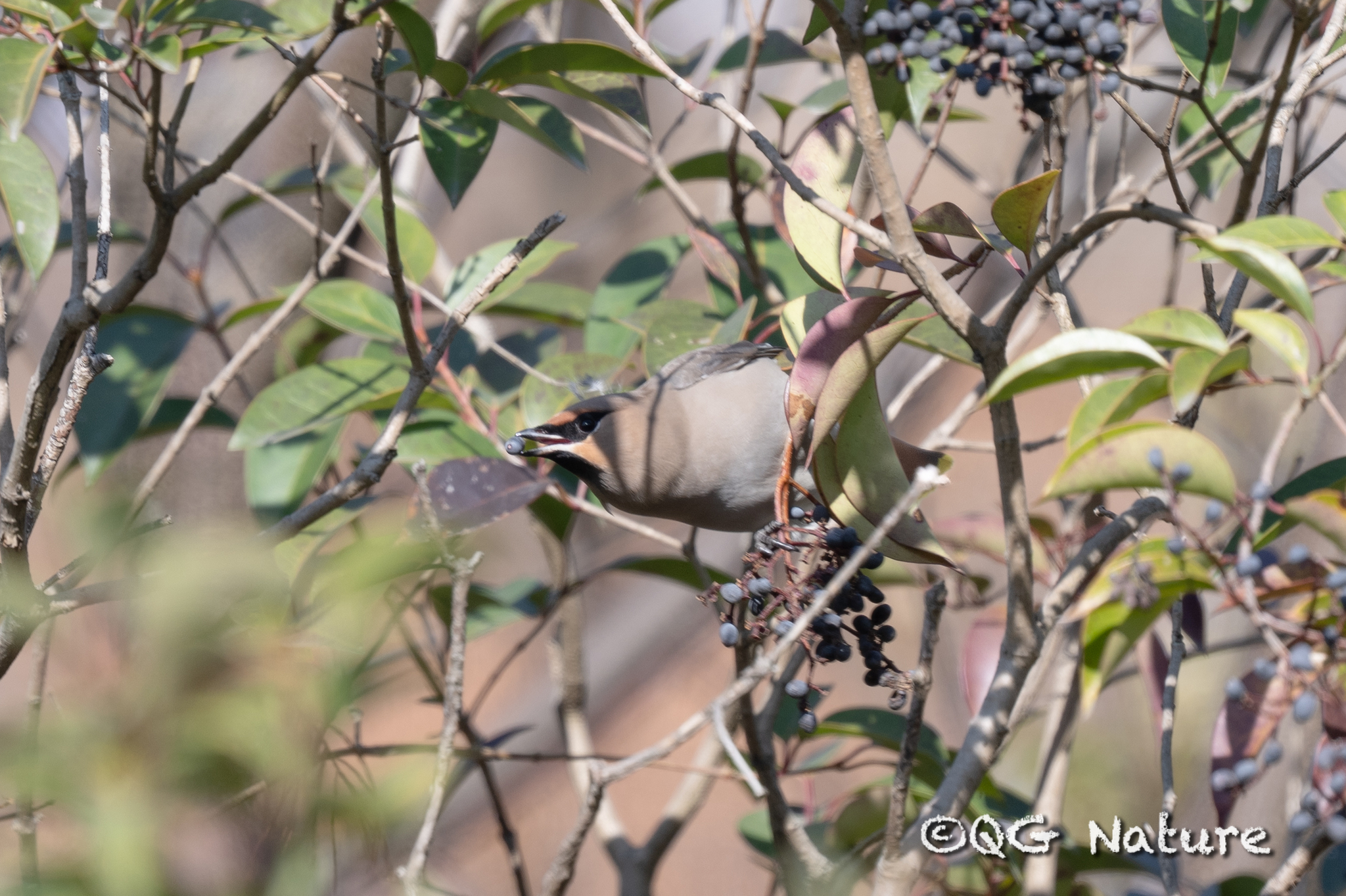
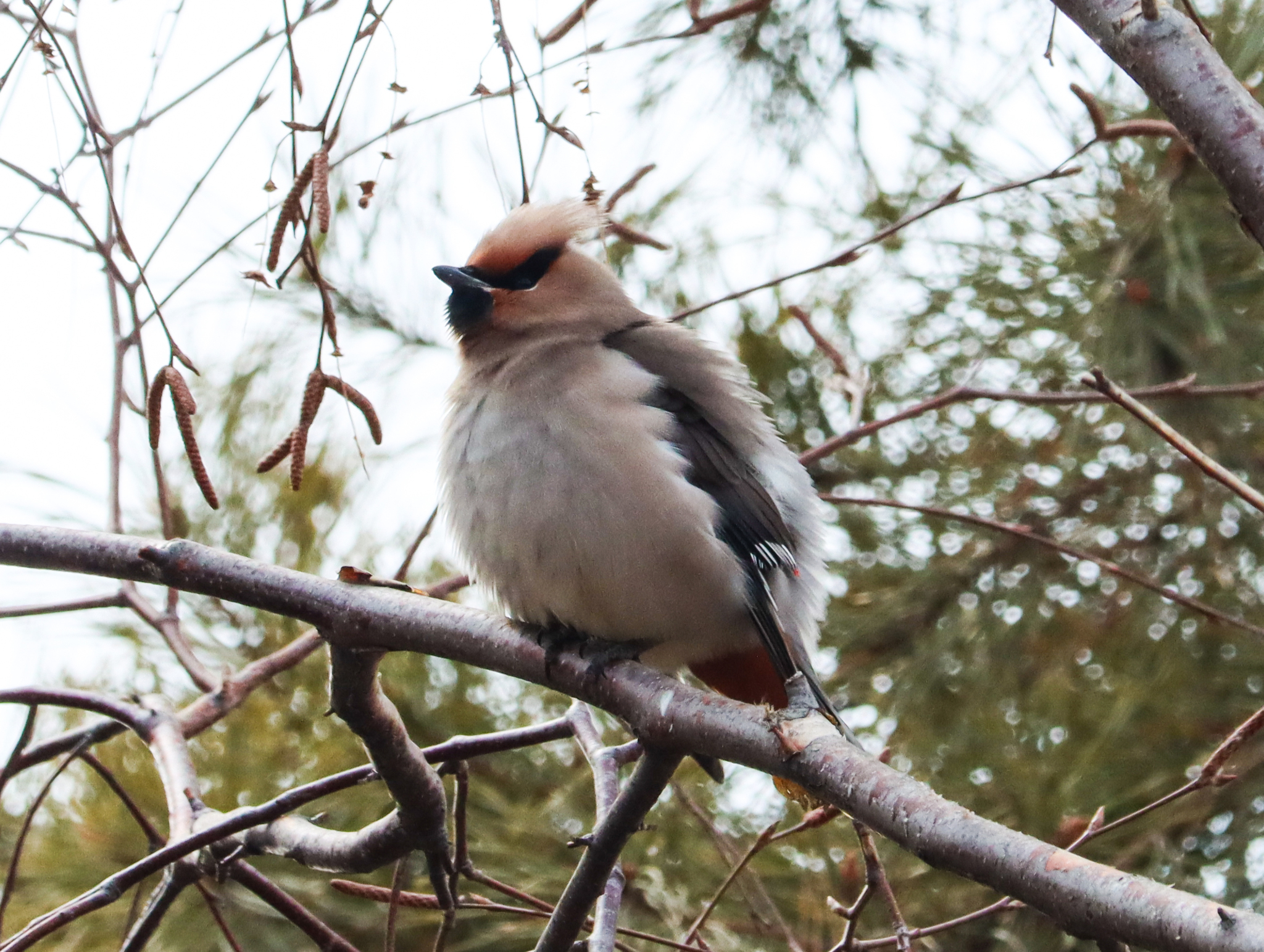
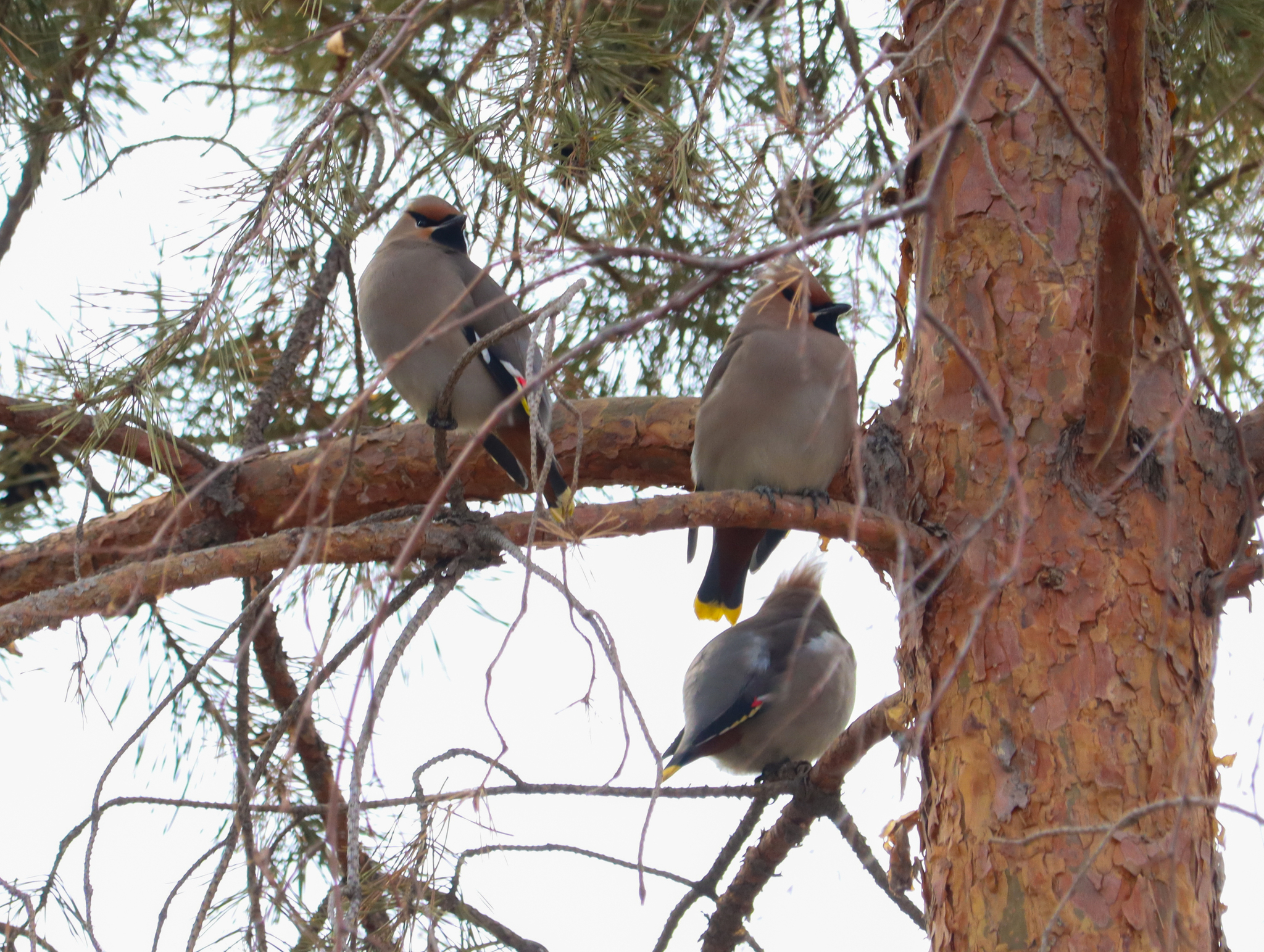
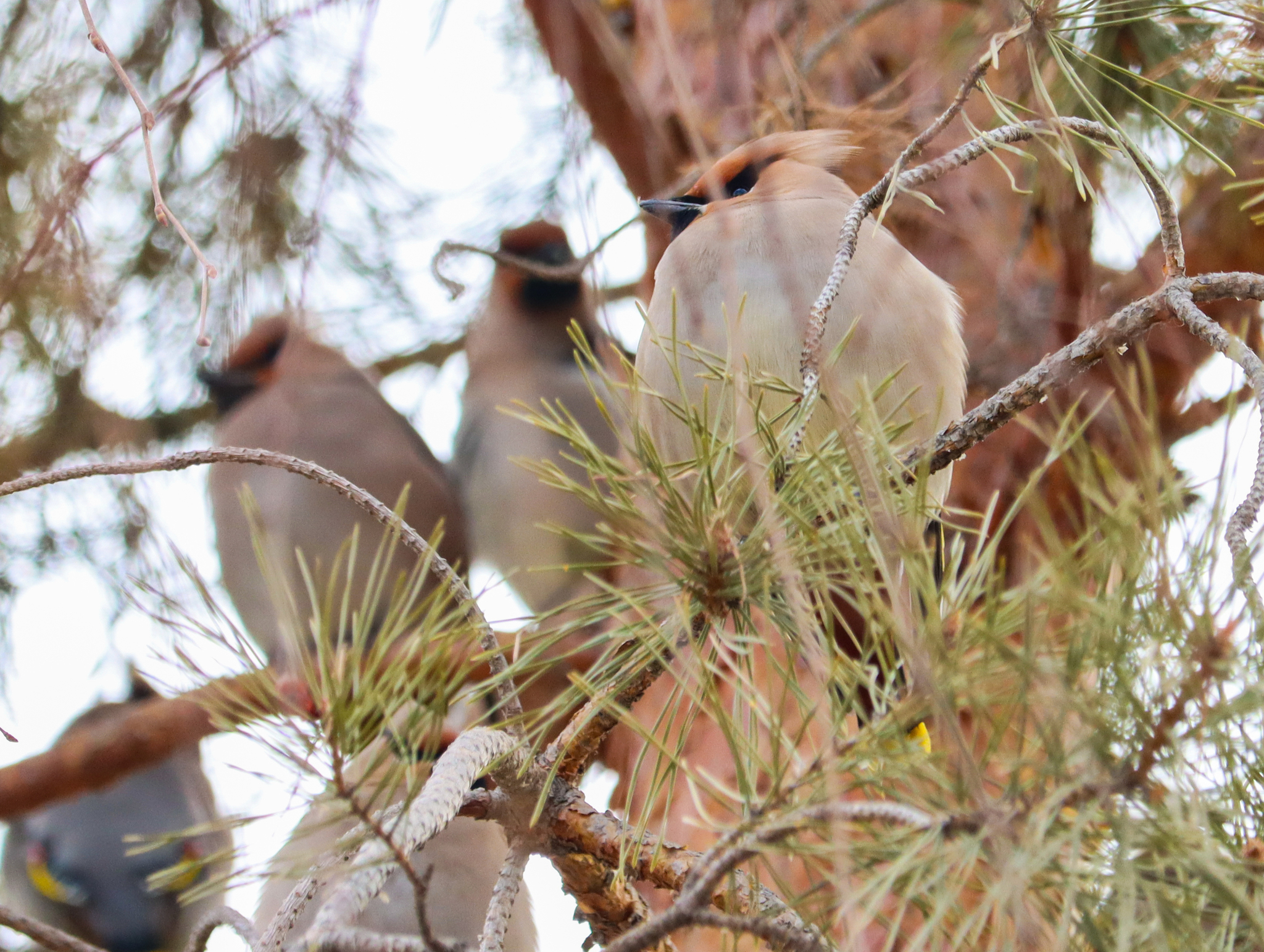
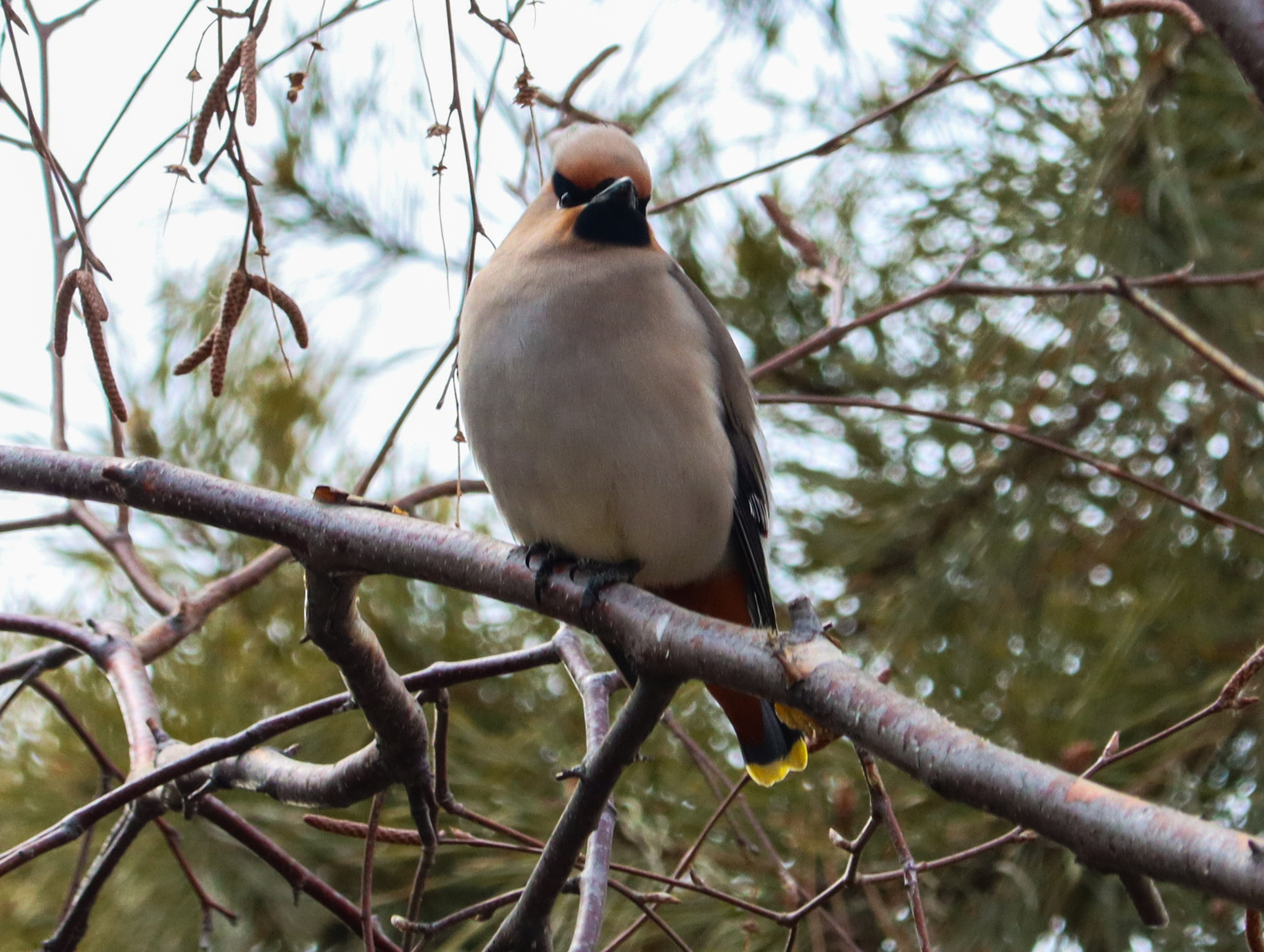
This starling-sized passerine inhabits remote coniferous forests across the circumpolar north during summer months. In winter, flocks move to towns and gardens where they feed on fruit, particularly rowan berries. Individuals may consume several hundred berries daily, exceeding their own body weight. The species is characterized by buff-grey plumage, black facial markings, an elegant crest, boldly patterned wings, and distinctive red wax-like tips on its secondary feathers. Flocks move nomadically in response to food availability, and irruptions can carry them beyond normal wintering areas. The species exhibits reduced wariness toward humans during winter feeding. The high-pitched trilling call is a characteristic winter vocalization.
Description
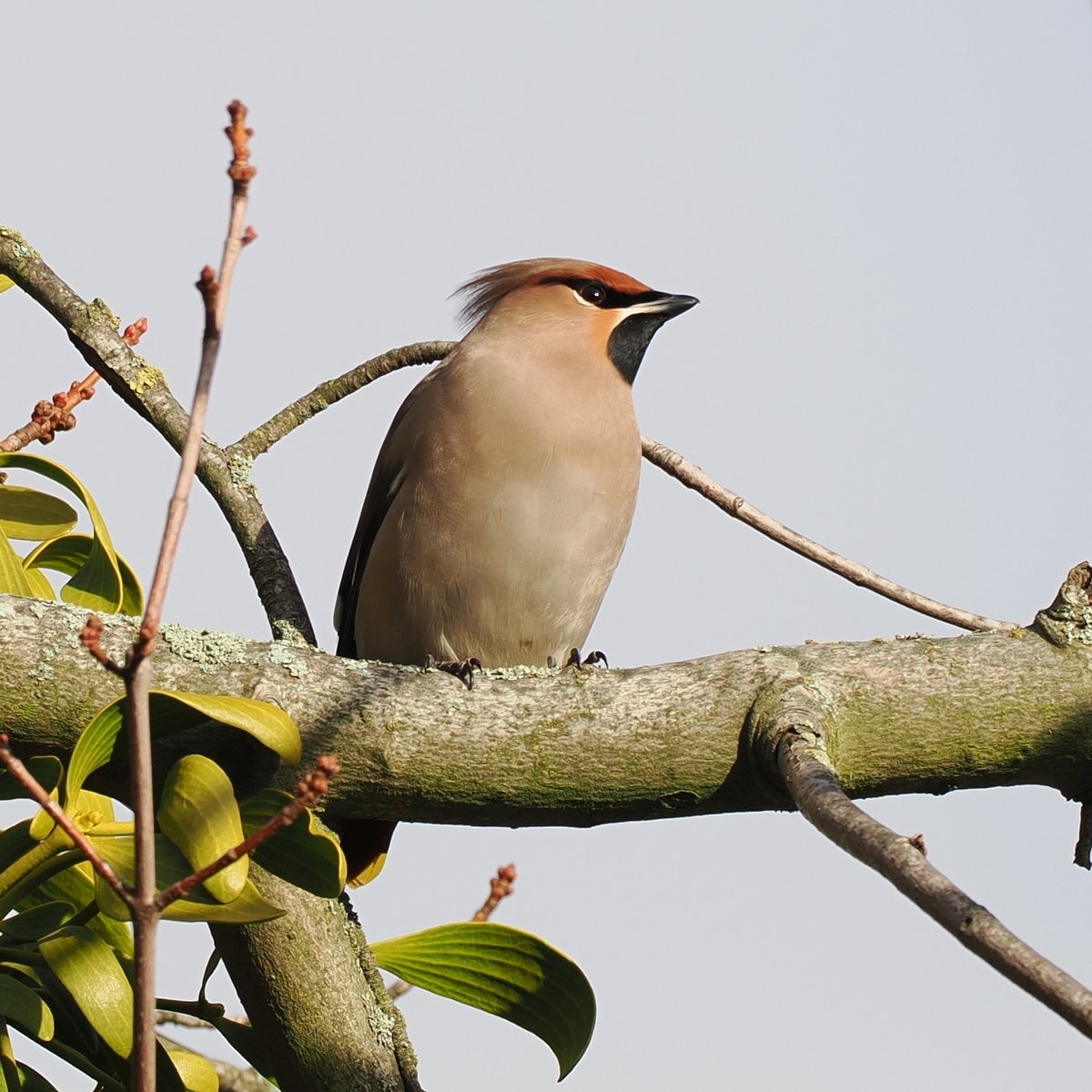
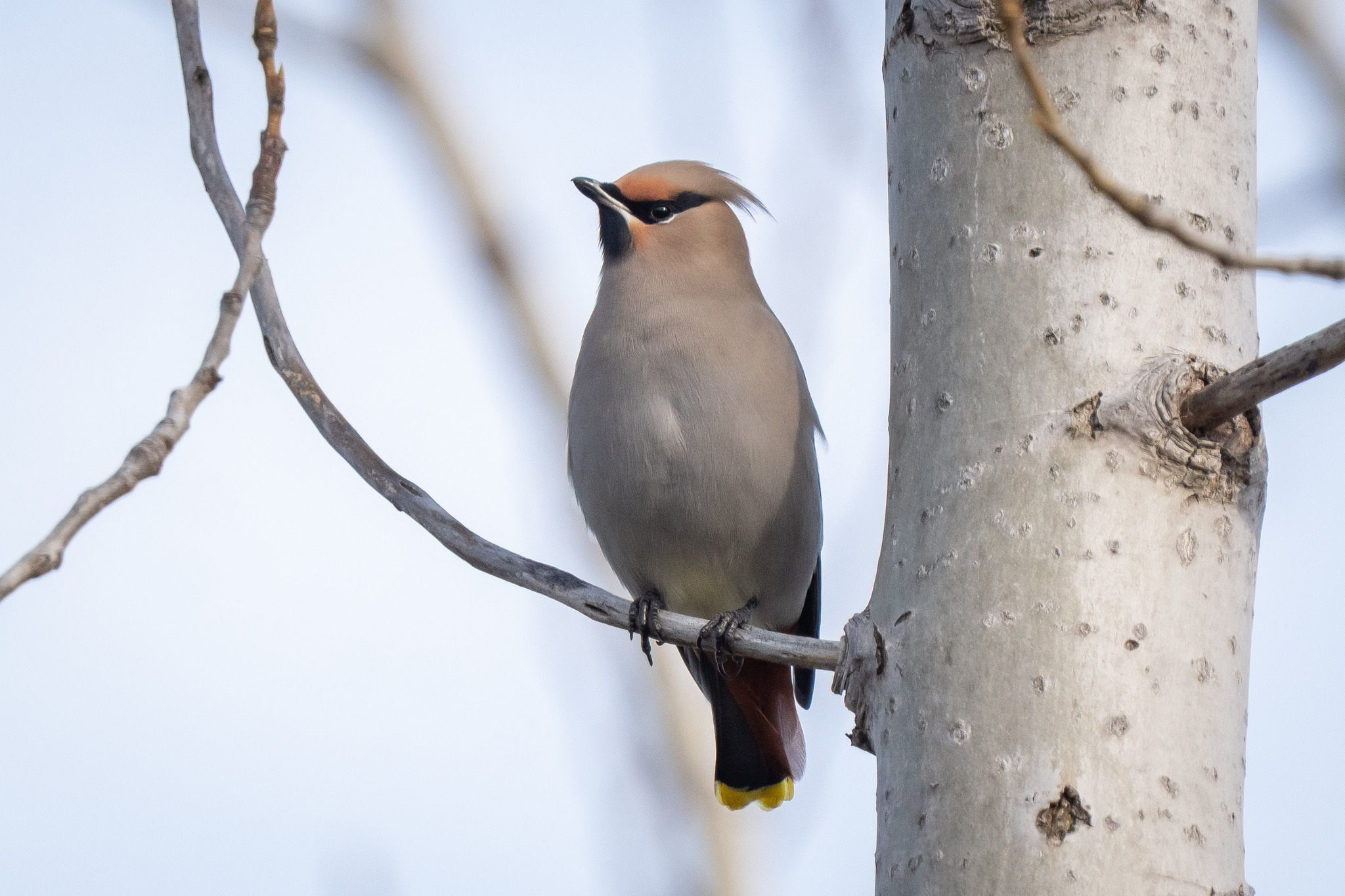
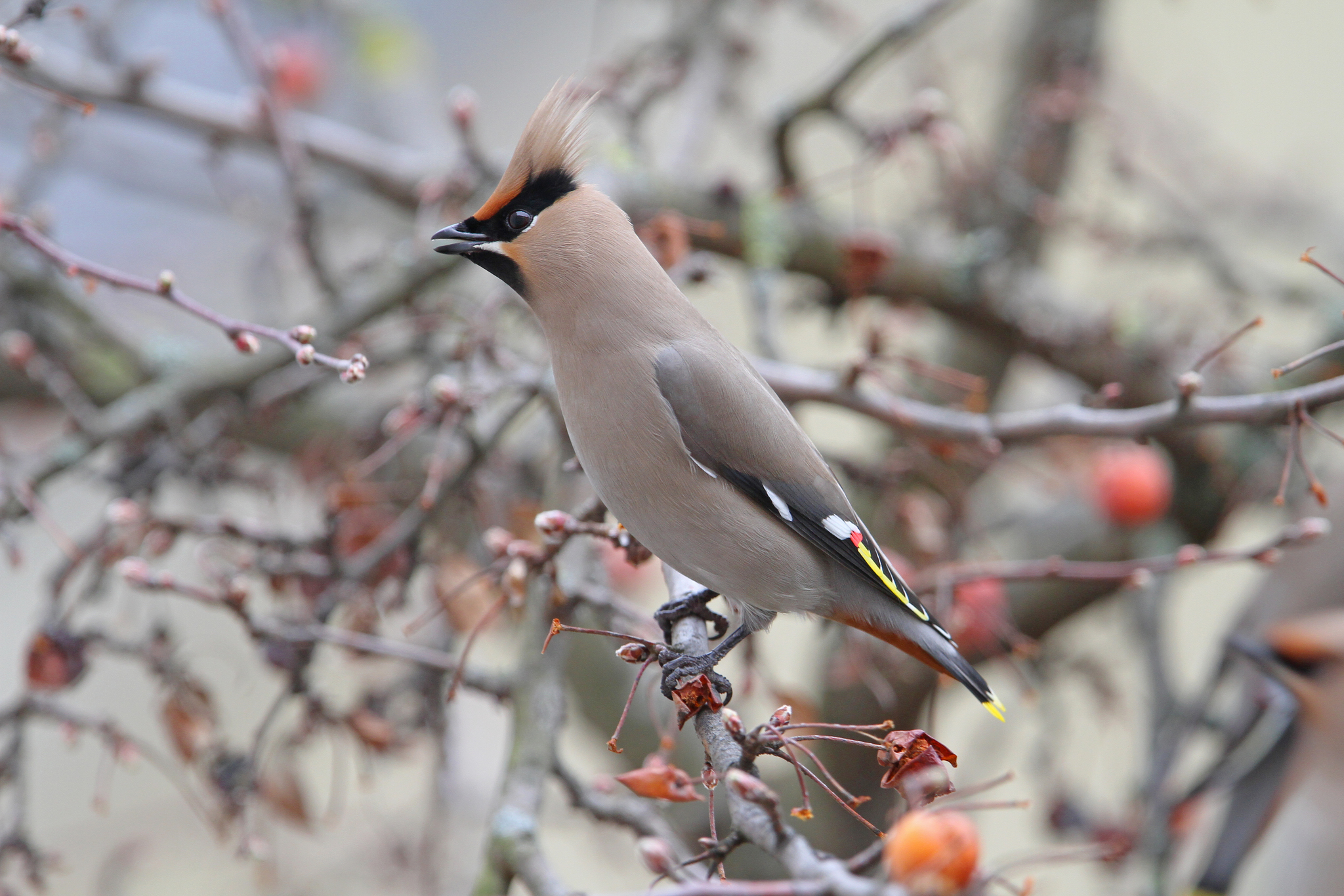
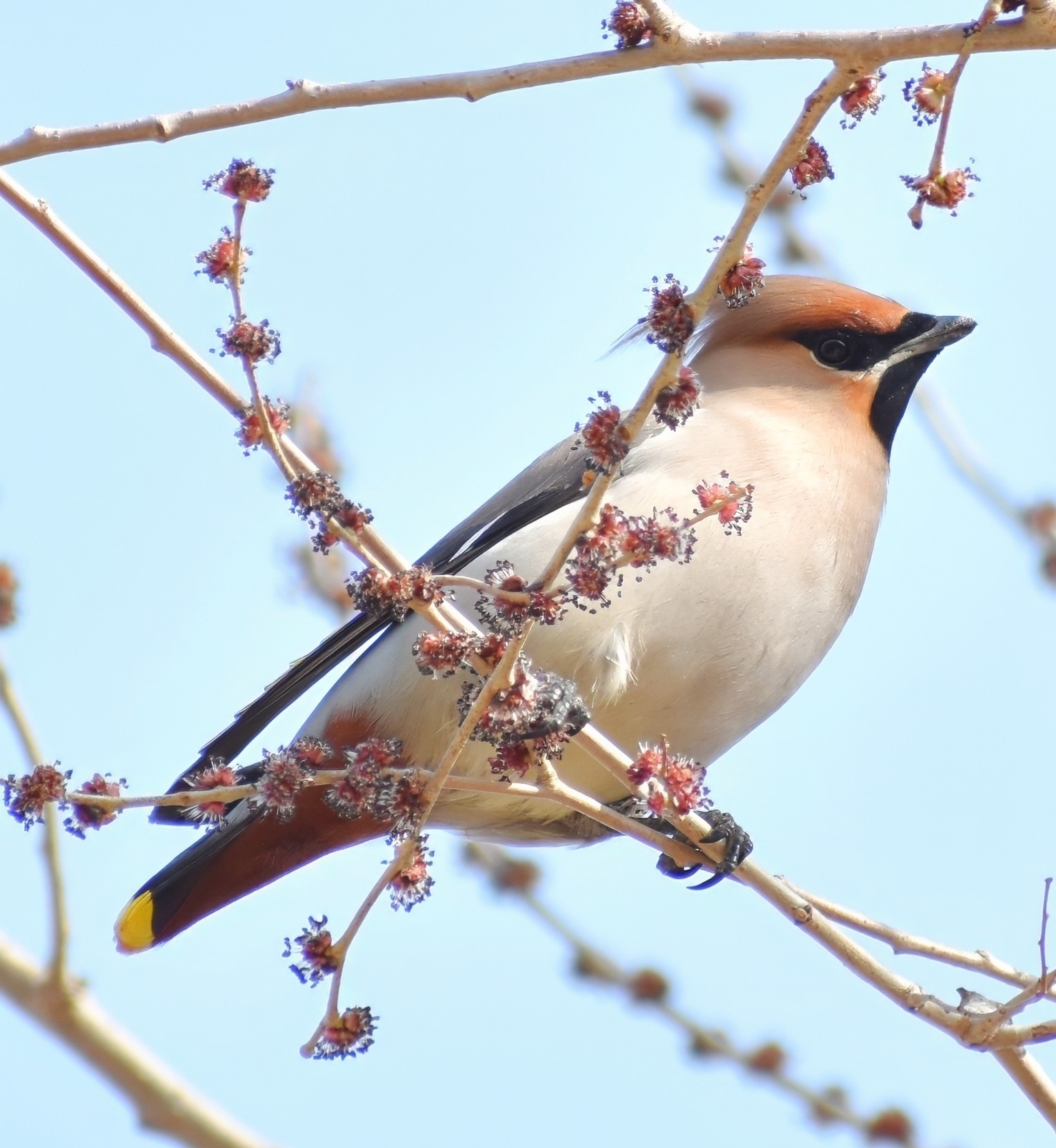
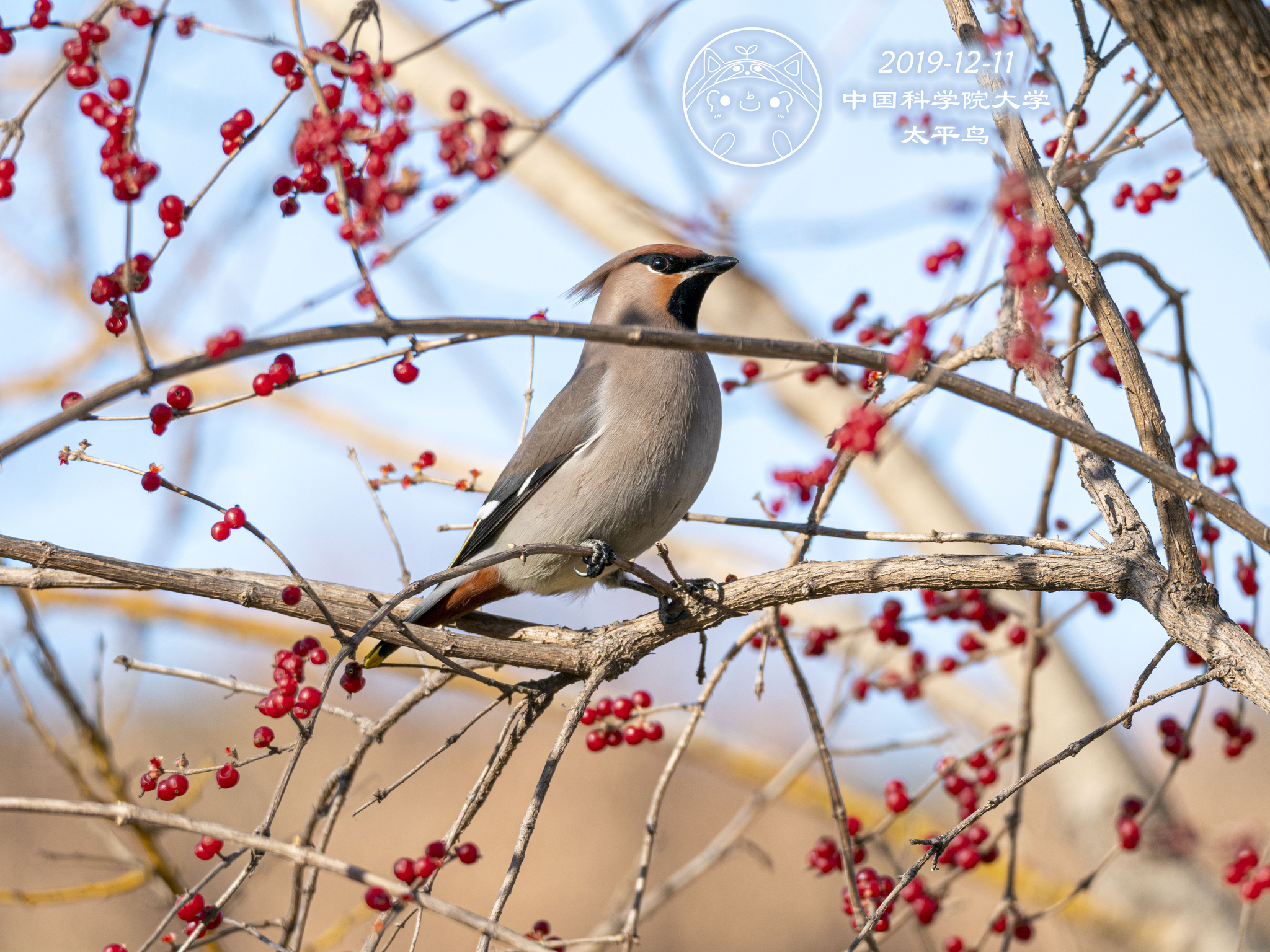
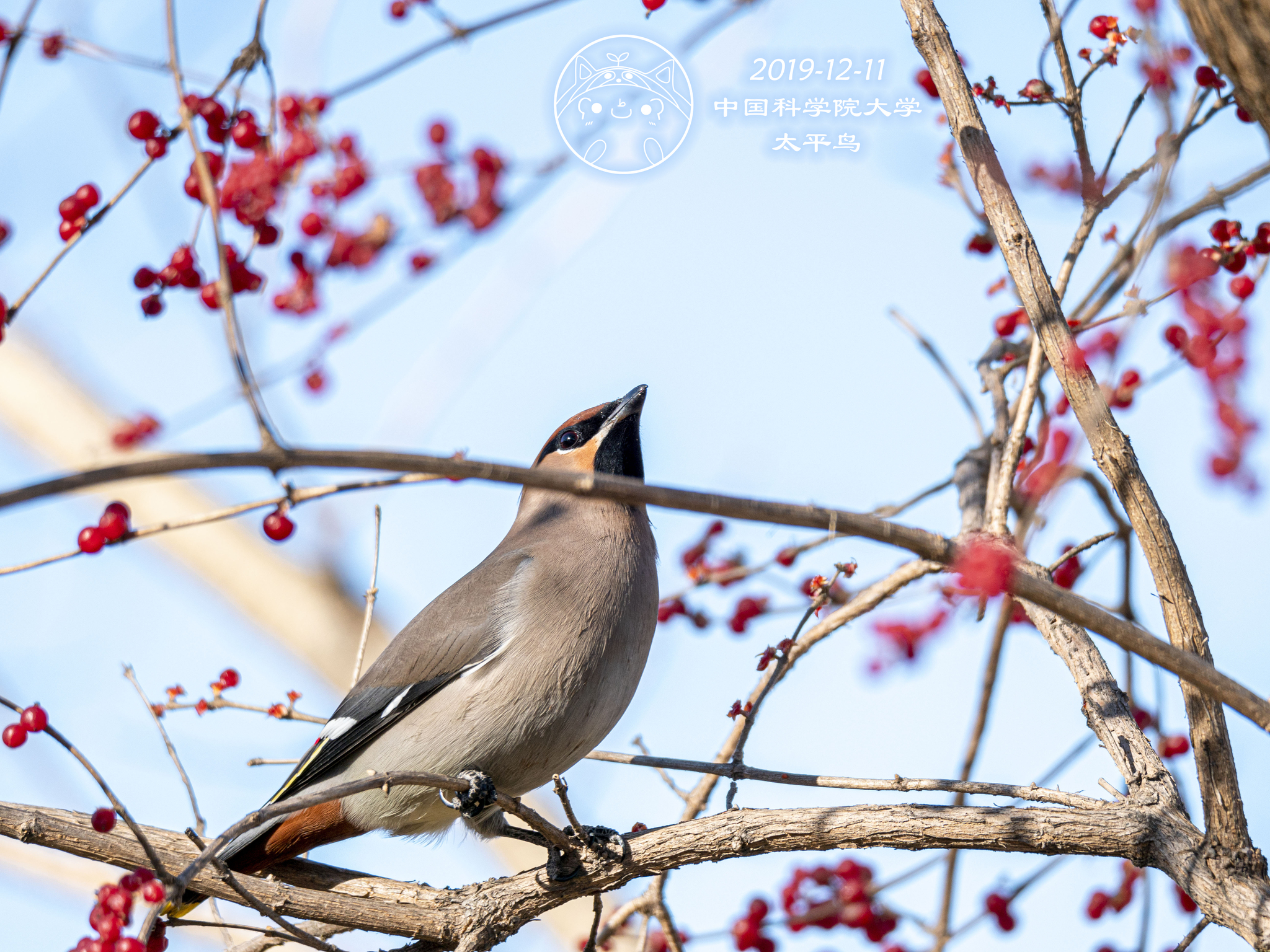
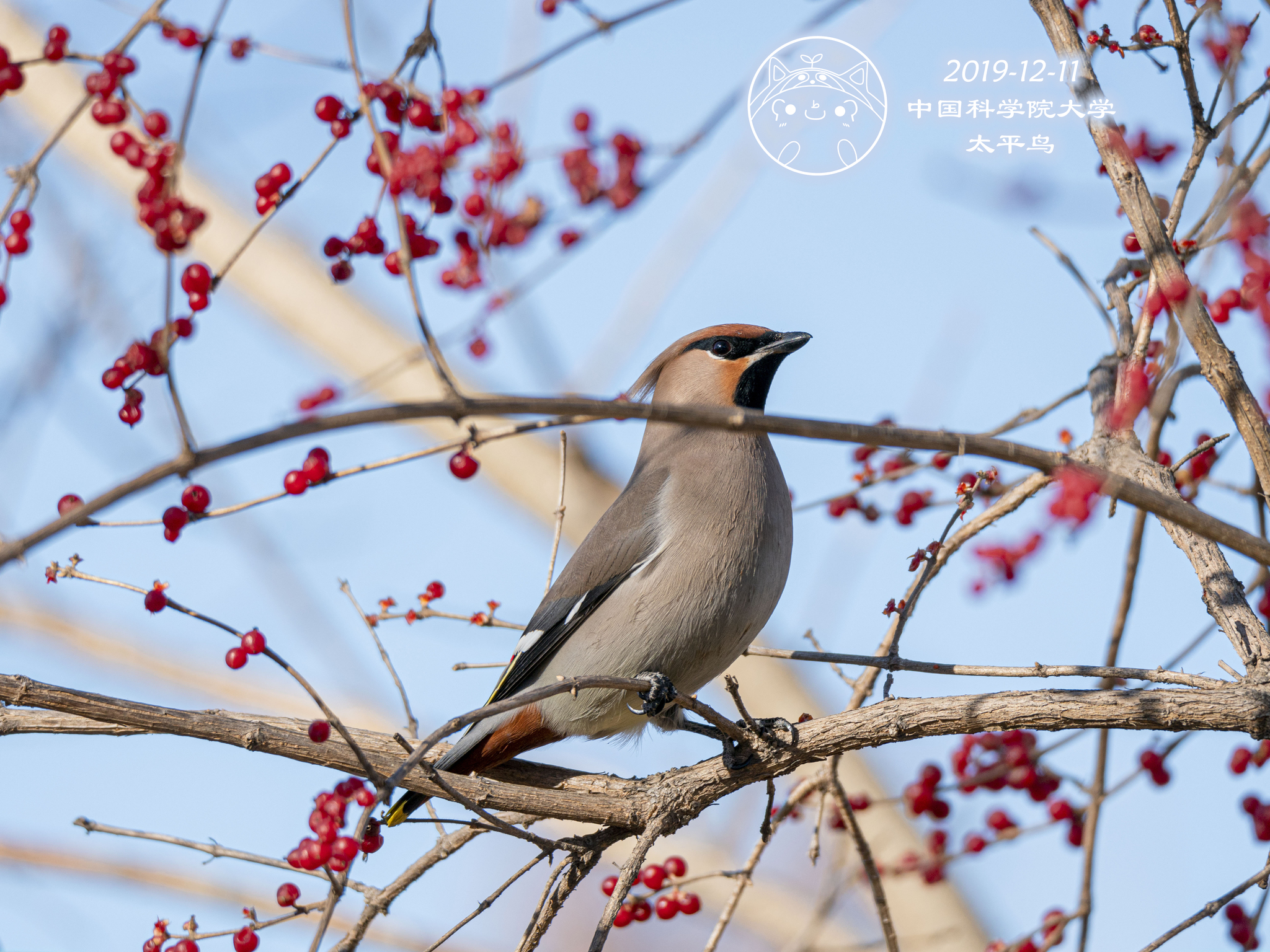
A compact, short-tailed bird measuring 19–23 cm in length with a 32–35.5 cm wingspan and averaging 55 g in weight. The plumage is predominantly brownish-grey with a striking pointed crest on the head. Adults display a black mask through the eye and a black throat, framed by a white streak behind the bill and a white curve below the eye. The lower belly is rich chestnut, with cinnamon-colored areas surrounding the facial mask. The grey rump leads to a tail ending in a bright yellow terminal band bordered above by black. The wings are highly distinctive: black flight feathers with yellow stripes and white 'fishhooks' on the closed wing. The secondary feathers bear long red tips resembling sealing wax—the feature that gives the species its English name. The eyes are dark brown, the bill is mainly black, and the legs are dark grey. Adults undergo a complete annual moult between August and January.
Identification
The range overlaps with the two other waxwing species, but identification is straightforward with attention to size and plumage. Compared to the cedar waxwing, this species is larger with buff-grey rather than brownish upperparts, lacks the white undertail and the white line above the eye patch, and shows prominent white and yellow wing markings. Adult cedar waxwings have yellowish bellies and less strongly patterned wings. The Japanese waxwing is easily distinguished by its red terminal tail band, black mask extending up the rear of the crest, and lack of yellow wing stripes and red tips. In flight, large flocks resemble starlings with their fast, direct movement, long wings, and short tails. The high-pitched trilling call is less wavering and lower-pitched than the cedar waxwing's call.
Distribution & Habitat
This species has a circumpolar distribution across the northern forests of Eurasia and North America. The northern breeding limit extends just beyond the treeline, roughly following the 10°C July isotherm, with most breeding occurring between 60–67°N. In Eurasia, birds breed from northern Norway east across northern Asia to the Urals and beyond; the North American subspecies breeds across northwestern and north-central regions. Breeding habitat consists of mature conifers near water, particularly spruce forests with access to lakes and peat swamps for insect feeding. Most birds migrate south for winter, with Eurasian populations normally wintering from Britain through northern Europe, Ukraine, Kazakhstan, and China to Japan. North American breeders winter mainly in southeast Canada and northern US states. In poor berry years, massive iruptions can carry flocks far beyond normal wintering areas.
Behavior & Ecology
This monogamous species breeds mainly from mid-June to July, returning to breeding areas between February and May. The nest, built by both sexes 1.3–15 m high in trees, is a cup of twigs lined with softer materials. The female incubates 3–7 eggs alone for 13–14 days; both parents feed the altricial chicks, initially with insects then fruit, until fledging at 14–16 days. Breeding densities are low, rarely exceeding ten birds per square kilometer. The primary vocalization is a high-pitched trill. Flocks produce a distinctive rattling wing sound audible 30 m away. Diet shifts seasonally: primarily insects (mosquitoes and midges) in summer, switching to fruit in winter. Waxwings can metabolize ethanol from fermenting fruit but may still become intoxicated. They forage in large flocks, roost communally in winter, and often associate with other thrush species.
Conservation
Classified as Least Concern by the IUCN due to extremely large numbers and extensive breeding range. The global population exceeds three million birds, and the breeding range covers approximately 12.8 million square kilometers. Although populations appear to be declining slowly as of 2013, the decrease is not sufficient to trigger vulnerability criteria. The species benefits from woodlands well north of major human populations and can exploit disturbed habitats. Primary mortality causes include predation by birds of prey, collisions with windows and cars, and poisoning from road salt. Maximum recorded ages are over 13 years in Europe and nearly 6 years in North America. No serious long-term threats have been identified.
Culture
The species carries historical associations with disease in Dutch and Flemish culture, where it was known as 'Pestvogel' or 'plague bird' because its arrival sometimes coincided with cholera or plague epidemics. Juniper berries, which waxwings consumed during these visits, were believed to offer protection against illness, leading people to consume the fruit and burn juniper branches to fumigate their homes. This historical connection between the bird's appearance and disease outbreaks gave rise to its evocative folk name, linking the species to periods of human suffering and creating a cultural legacy that persists alongside its more celebrated appearance and distinctive plumage.
Source: Wikipedia · CC BY-SA 3.0
Taxonomy
- Order
- Passeriformes
- Family
- Bombycillidae
- Genus
- Bombycilla
- eBird Code
- bohwax
Subspecies (2)
-
Bombycilla garrulus garrulus
breeds northern Europe and northern Asia; winters to western Europe and central, eastern Asia
-
Bombycilla garrulus pallidiceps
breeds northwestern North America; highly nomadic in winter
Data Sources
Species description from Wikipedia, licensed under CC BY-SA 3.0.
Bird images and sounds sourced from GBIF, contributed by citizen scientists worldwide under Creative Commons licenses.
Taxonomy data from AviList 2025.