Anseriformes / Anatidae / Aythya
Ferruginous Duck
Aythya nyroca · 白眼潜鸭
Introduction
A medium-sized diving duck native to the Palearctic. It prefers shallow freshwater bodies with rich submerged and floating vegetation, though it also uses saline or brackish pools. Distinctive traits include forming pairs from January onwards and often feeding at night. The species faces threats from habitat degradation and hunting.
Description
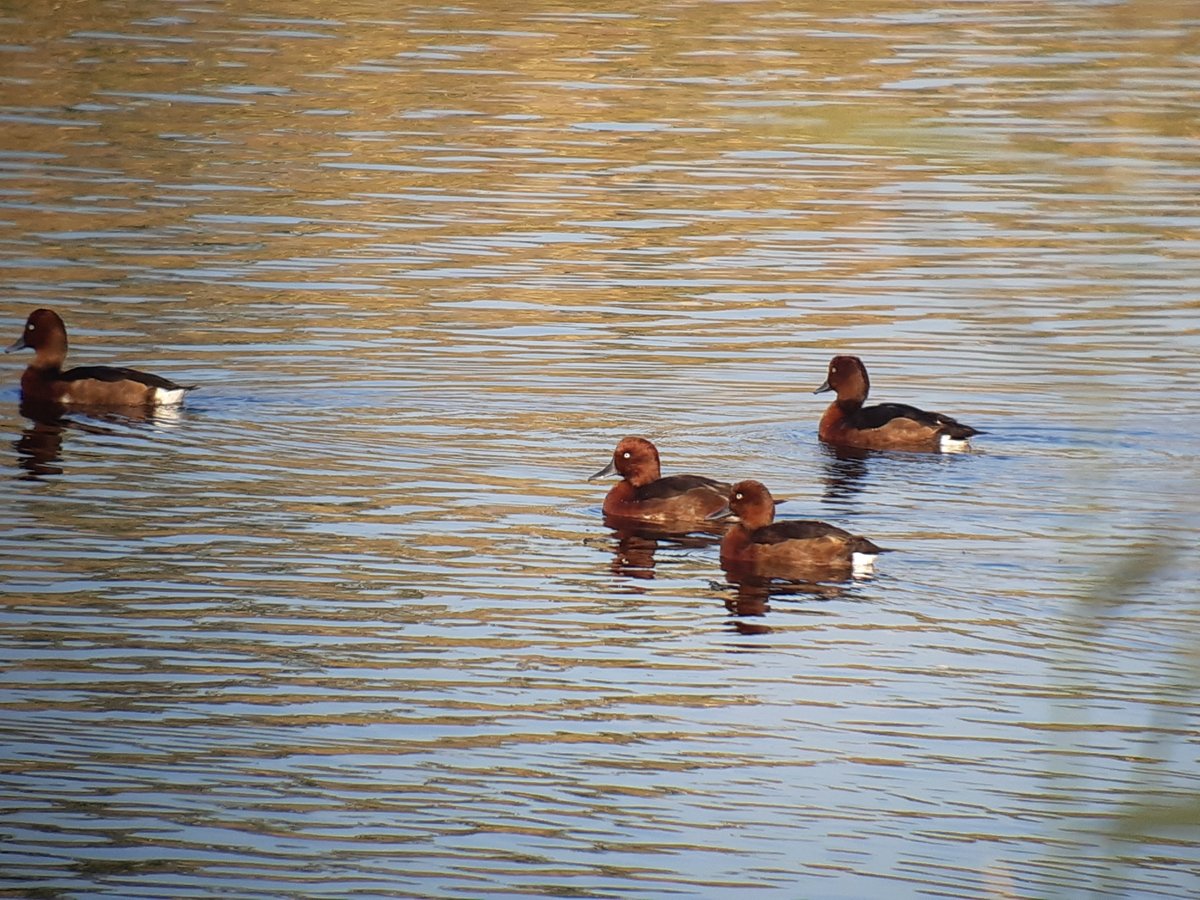
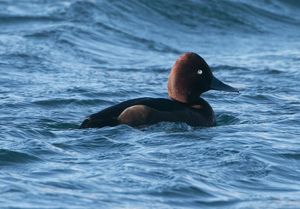
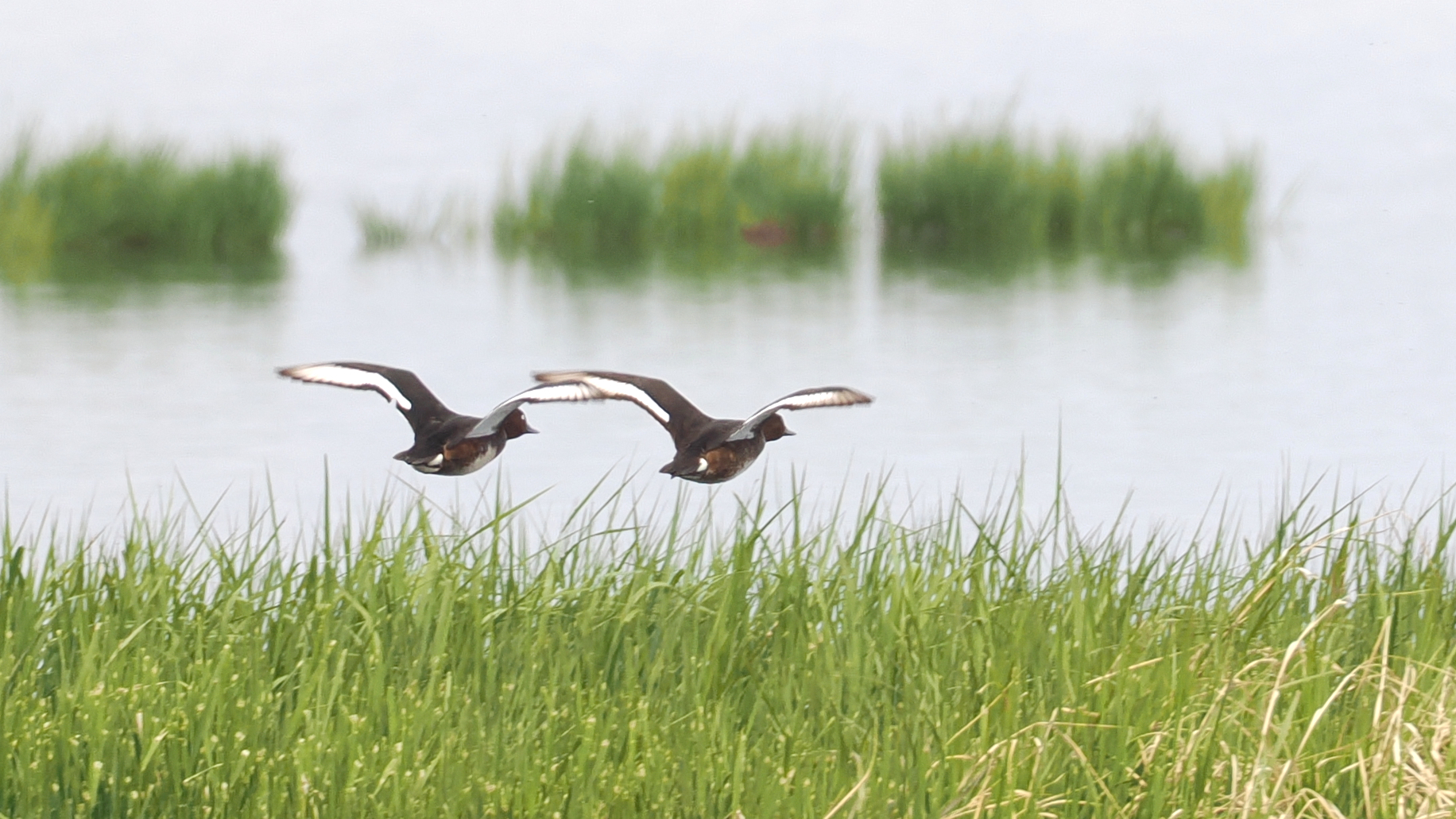
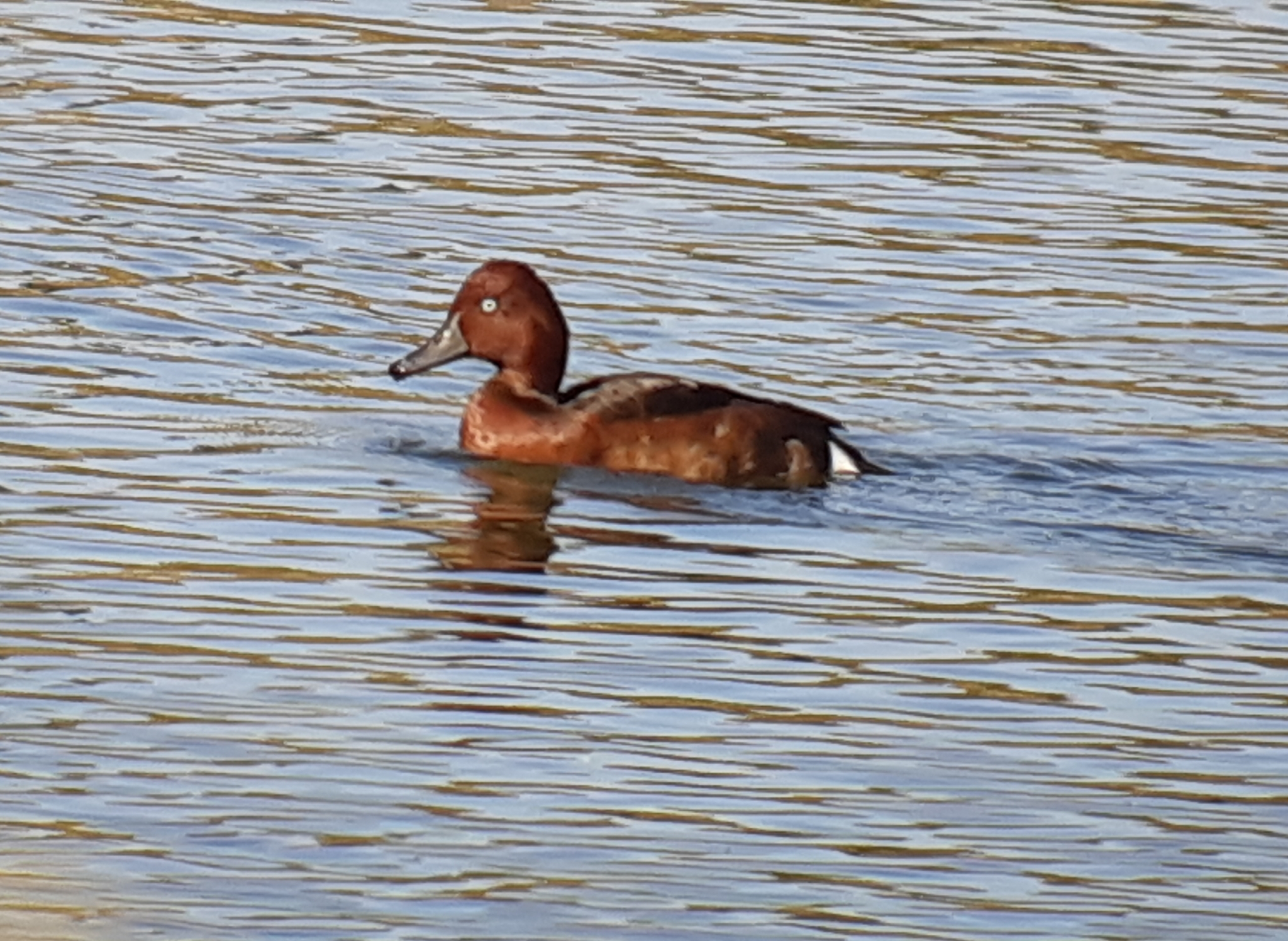
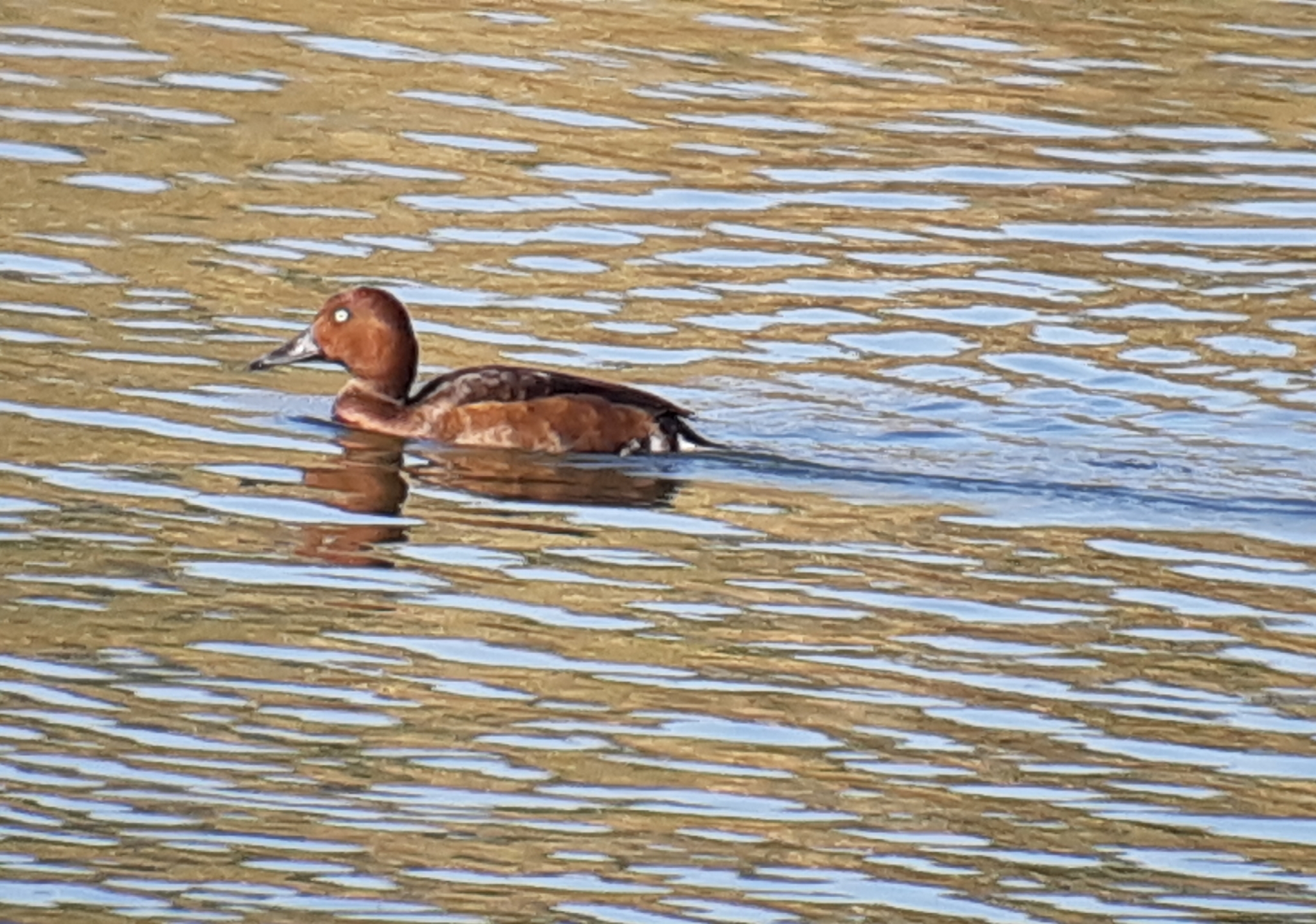
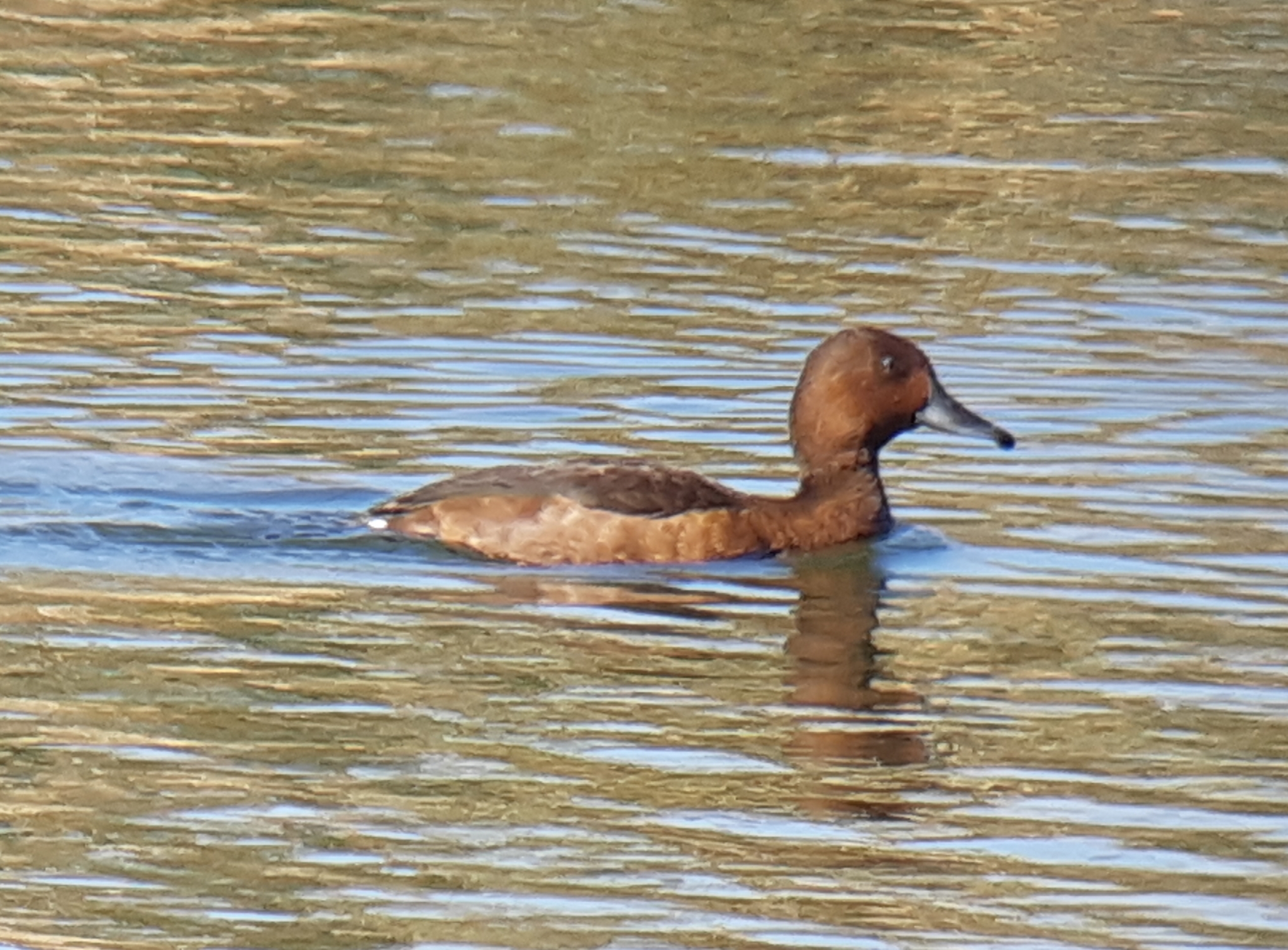
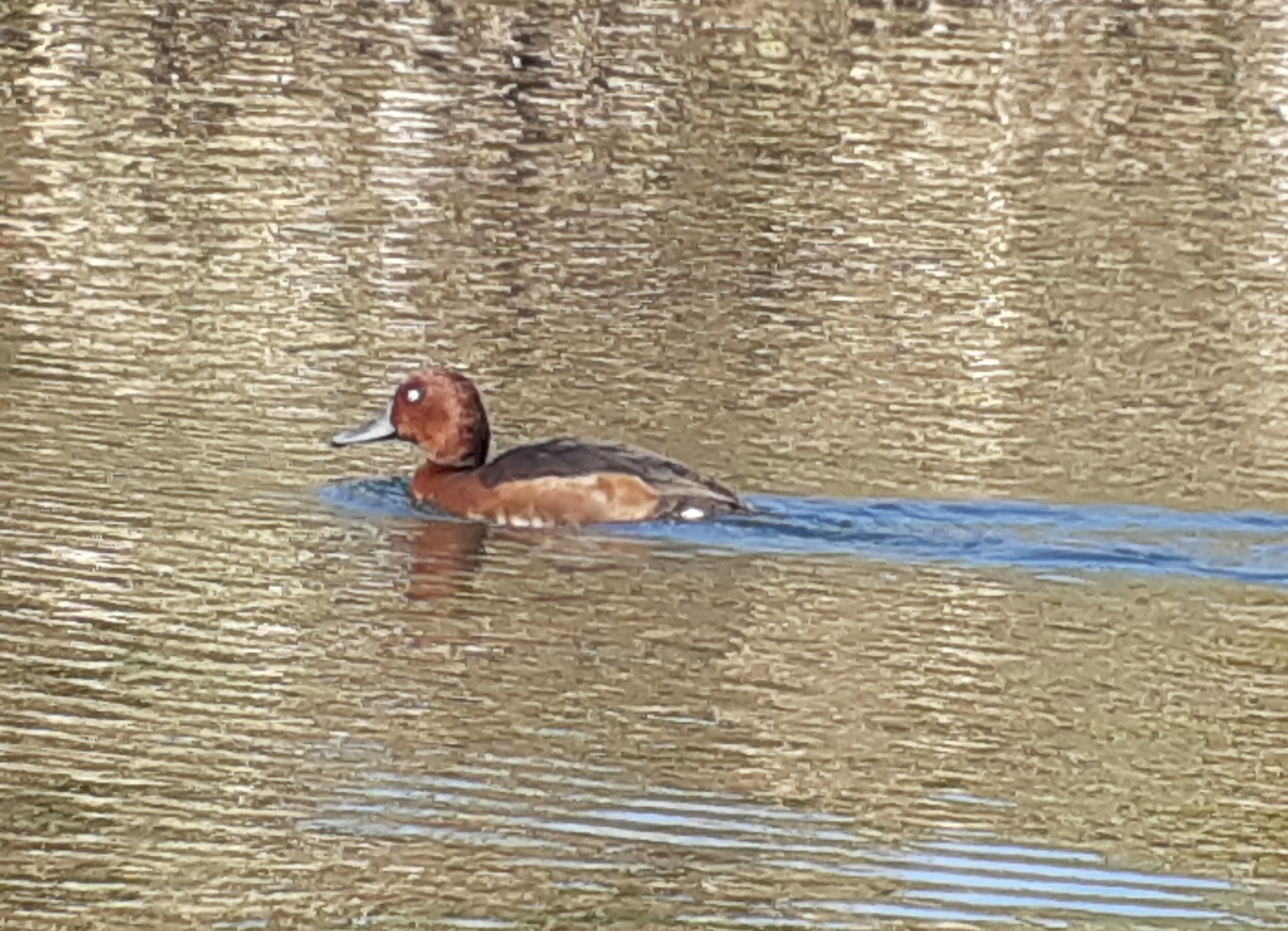
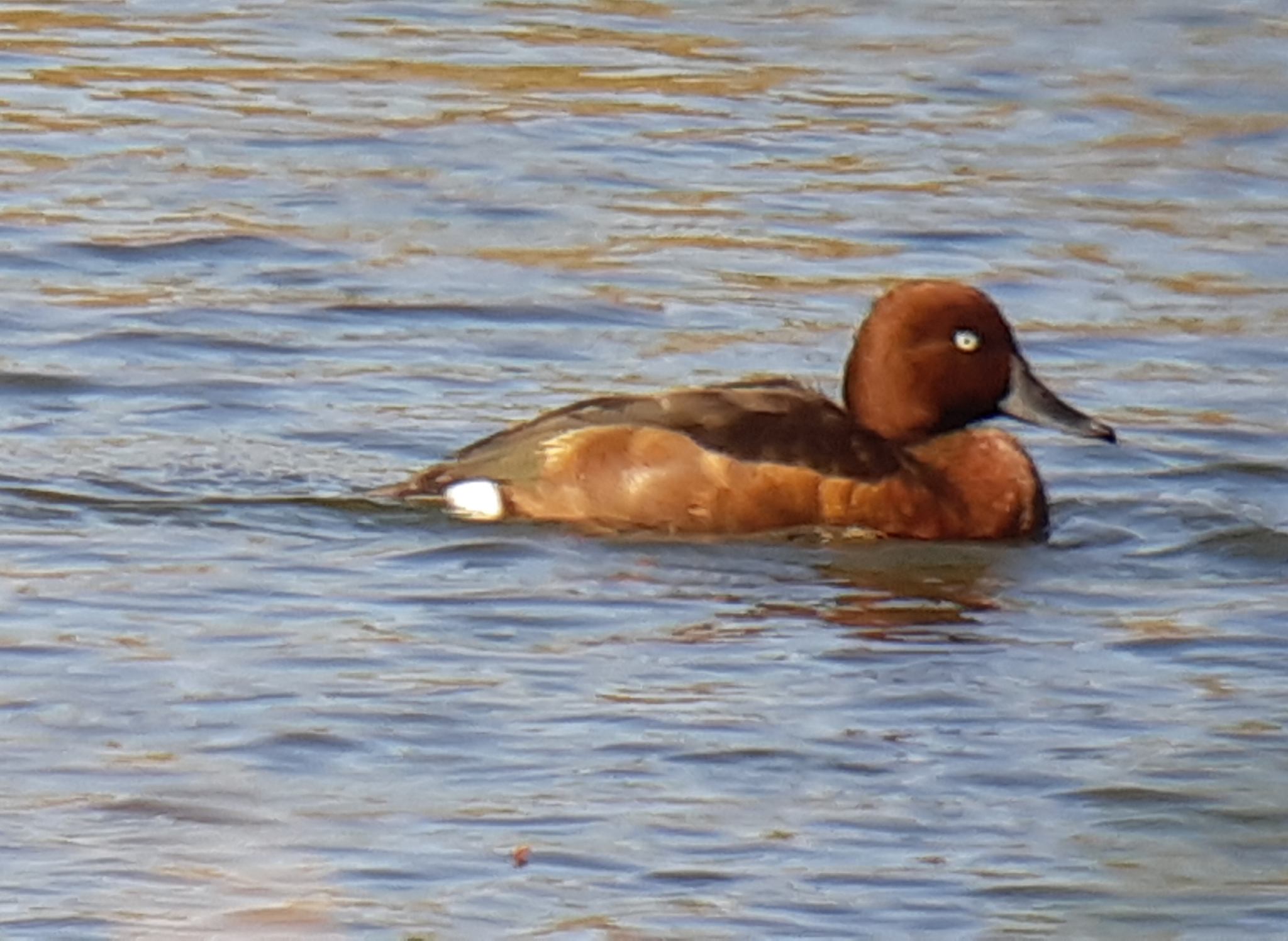
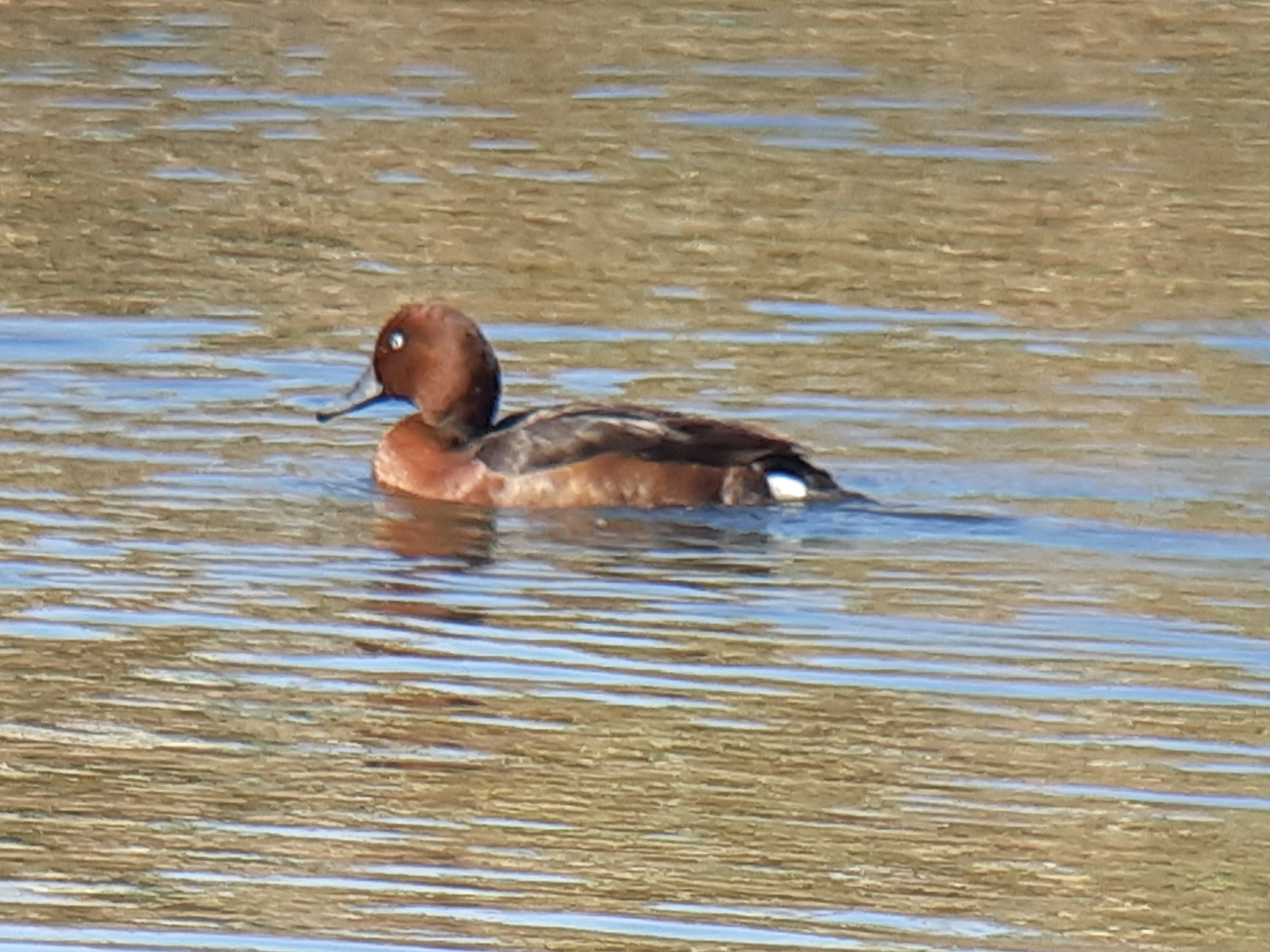
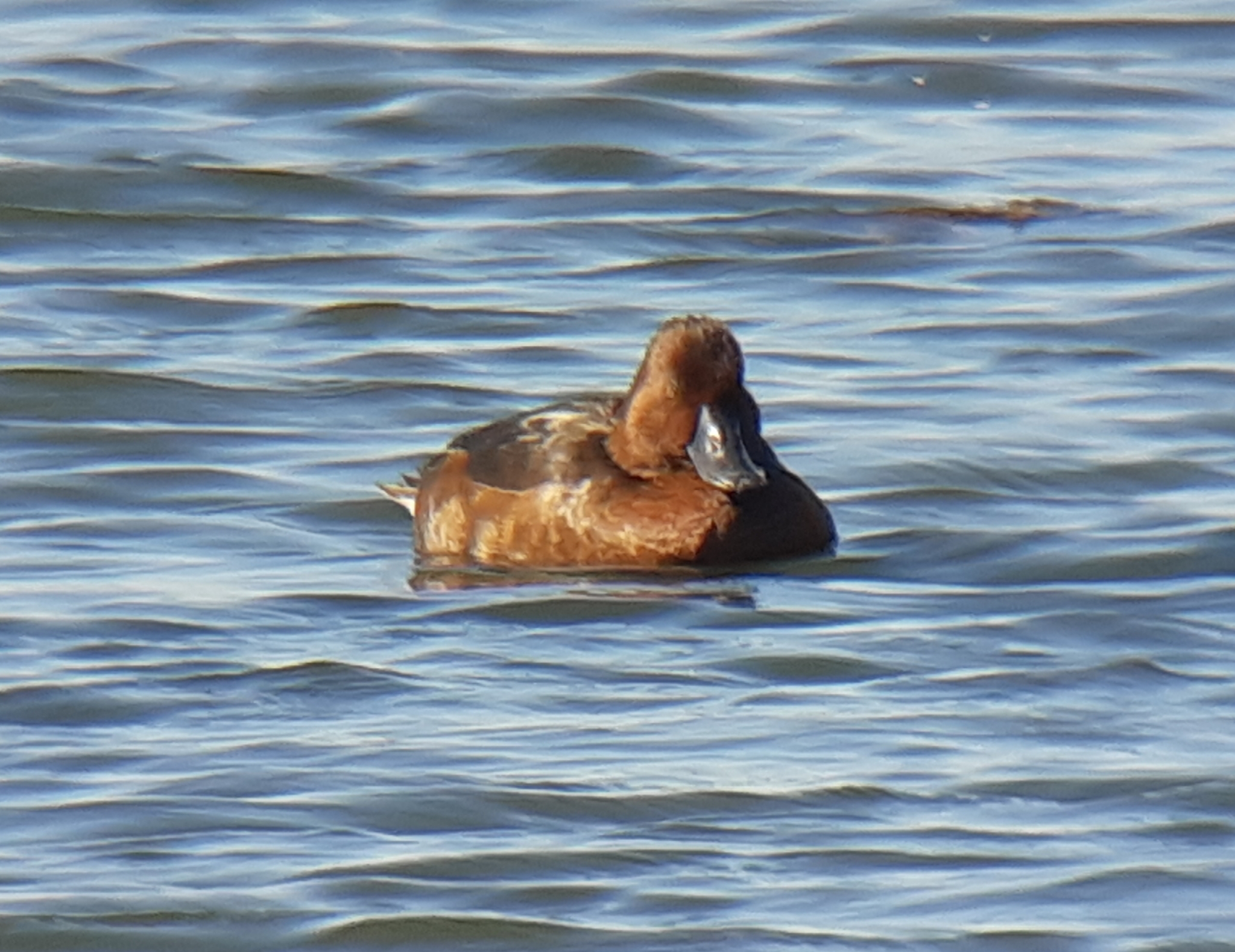
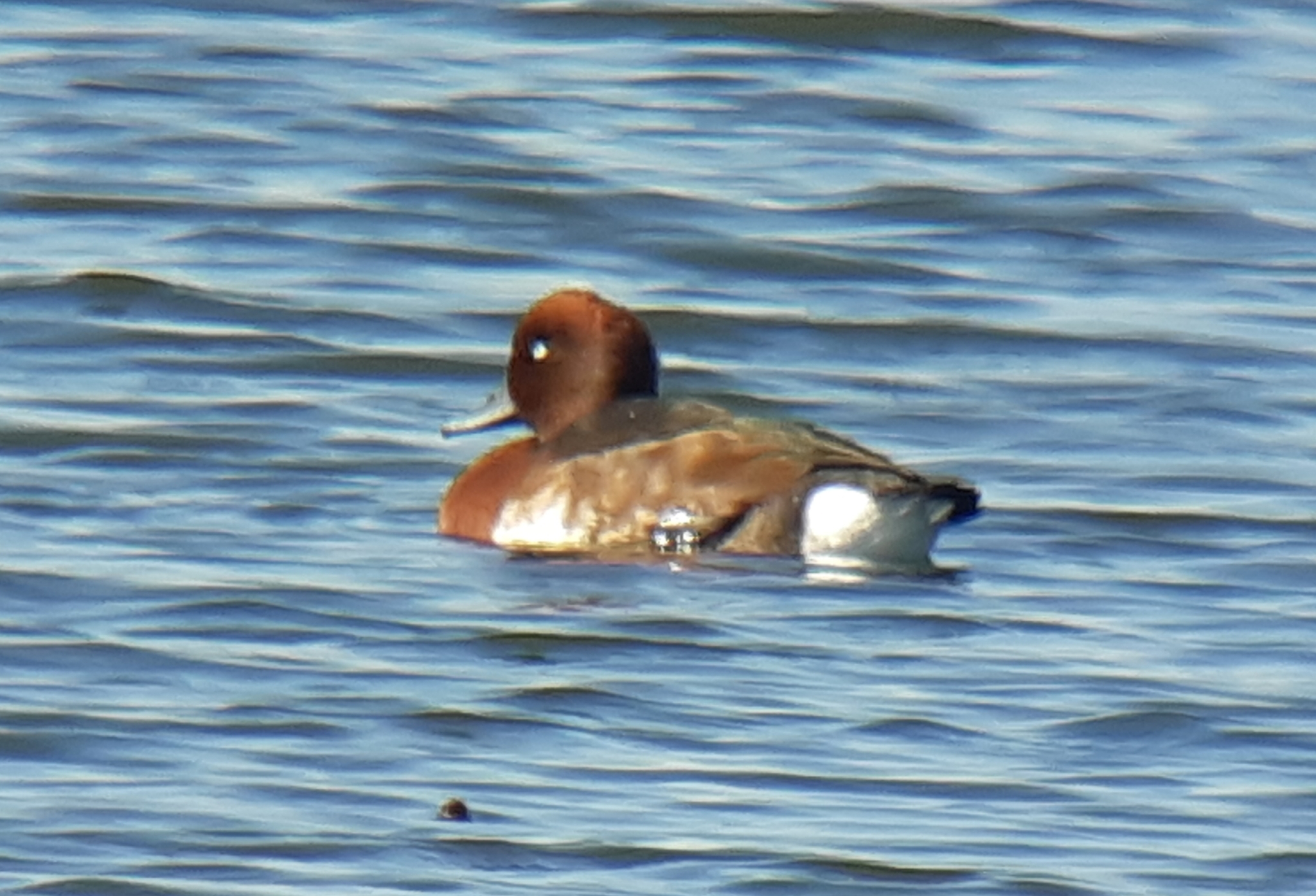
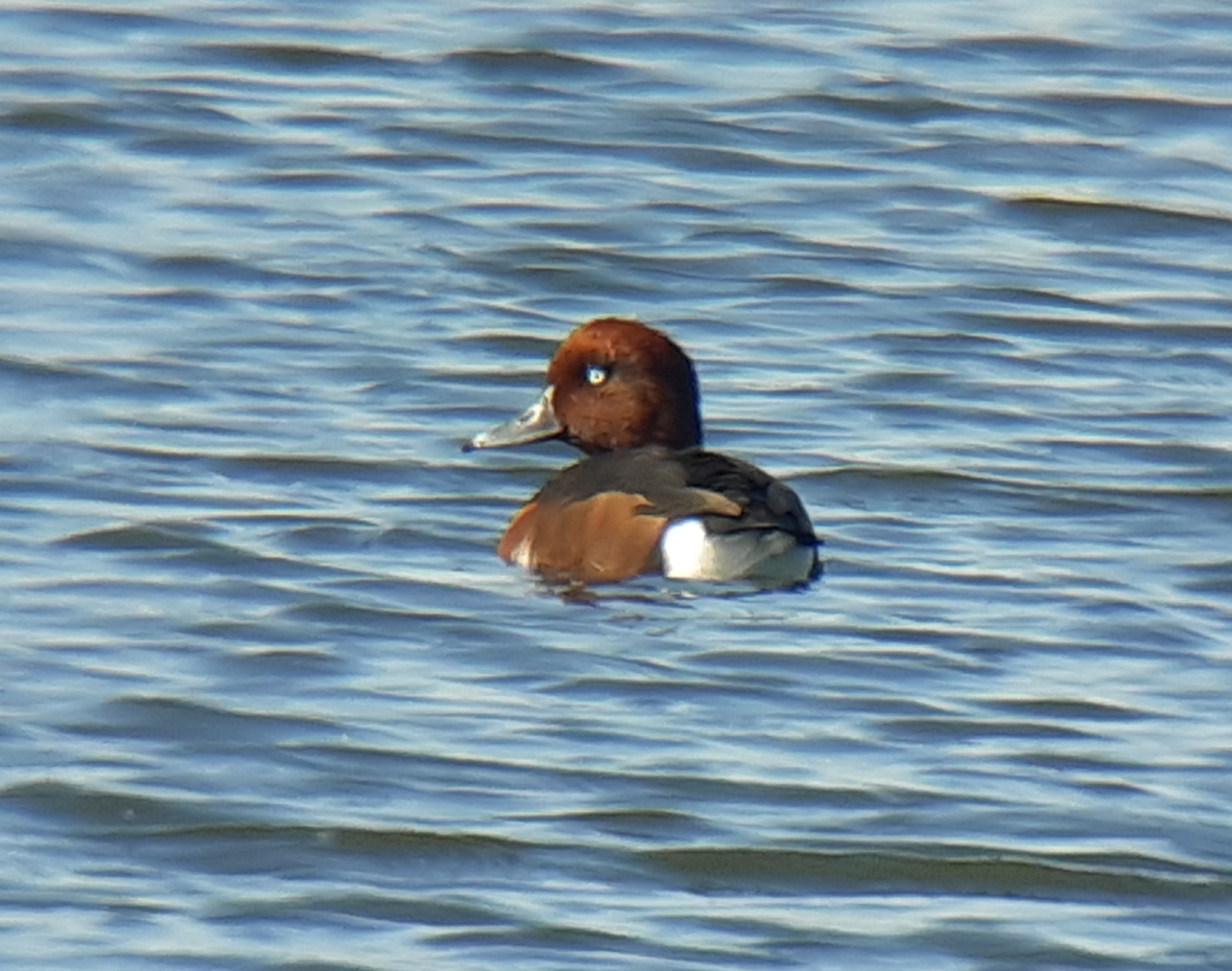
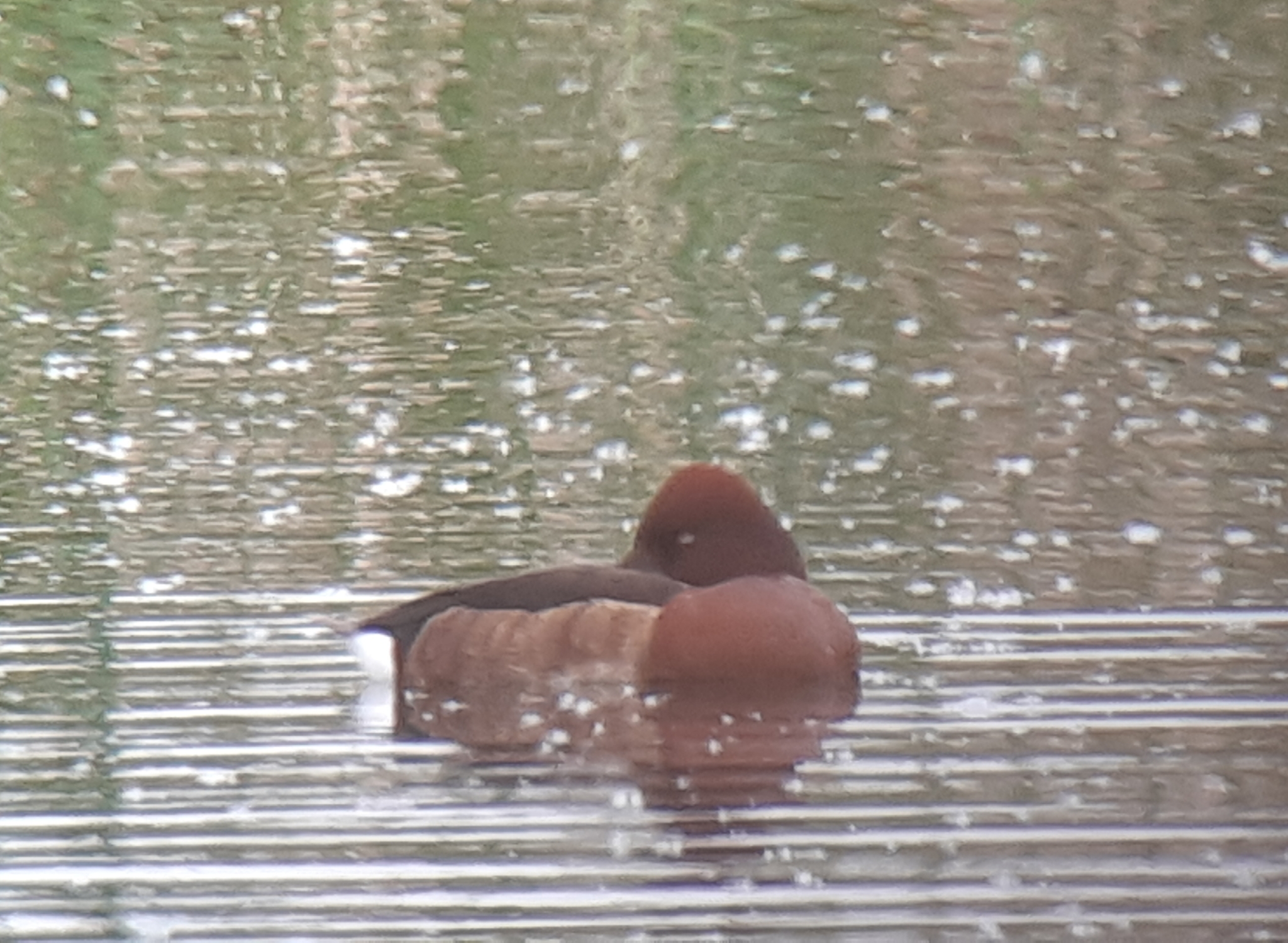
The breeding male features rich, dark chestnut plumage on the head, breast, and flanks, with contrasting pure white undertail coverts. In flight, a white belly and underwing patch are visible. Males have yellow eyes, while females are duller, browner, and have dark eyes.
Identification
Key marks include the male's dark chestnut body, white undertail coverts, and yellow eye. Females are distinguished by their duller brown plumage and dark eyes. In flight, the white belly and underwing patch are diagnostic. During courtship, males curl their tails to dip into the water, revealing a triangular white patch of undertail coverts.
Distribution & Habitat
Breeding range extends from Iberia and the Maghreb east to western Mongolia, and south to Arabia. It is scarce and localized in the west. Winters throughout the Mediterranean Basin and the Black Sea, with smaller numbers migrating to sub-Saharan Africa via the Nile Valley. Eastern populations winter in south and southeast Asia. Habitats include shallow fresh waters, saline pools, coastal waters, inland seas, and large open lagoons during passage and winter.
Behavior & Ecology
Gregarious but less social than related species; forms large winter flocks, often mixed with other diving ducks. Pairs form from January onwards. Nests on the ground close to water or in floating nests among emergent vegetation, singly where scarce or in colonies at protected sites where common. Eggs are laid from late April or early May, incubated for 25–27 days, with a fledging period of 55–60 days. Feeds mainly by diving or dabbling on aquatic plants, molluscs, aquatic insects, and small fish, often at night.
Conservation
Threatened by habitat degradation and destruction due to impoundment, drainage, pollution, mismanagement, and non-native species like grass carp. Climate change-induced drought and disturbance from fishing boats and anglers pose additional risks. Hunting, including illegal and accidental shooting, remains a threat despite protection in most European countries. Listed under the Agreement on the Conservation of African-Eurasian Migratory Waterbirds (AEWA). Breeding habitats in Armenia are included in the Emerald Sites network protected by the Bern Convention.
Source: Wikipedia · CC BY-SA 3.0
Taxonomy
- Order
- Anseriformes
- Family
- Anatidae
- Genus
- Aythya
Distribution
breeds discontinuously through southern Palearctic, from Spain through northeastern China; winters to India, southeastern Asia, and eastern China
Data Sources
Species description from Wikipedia, licensed under CC BY-SA 3.0.
Bird images and sounds sourced from GBIF, contributed by citizen scientists worldwide under Creative Commons licenses.
Taxonomy data from AviList 2025.