Ferruginous Duck
Aythya nyroca
白眼潜鸭
Introduction
The ferruginous duck is a medium-sized diving duck occurring across the Palearctic region. It occupies well-vegetated shallow wetlands and is less gregarious than related species, though it forms winter flocks and frequently associates with tufted ducks and common pochards. The species has become increasingly scarce in western parts of its range. During the breeding season, it exhibits colonial behavior at protected island sites and often nests alongside gulls. Males perform a courtship display in which they curl their tail to reveal white undertail coverts. It serves as an indicator species for wetland ecosystem health.
Description
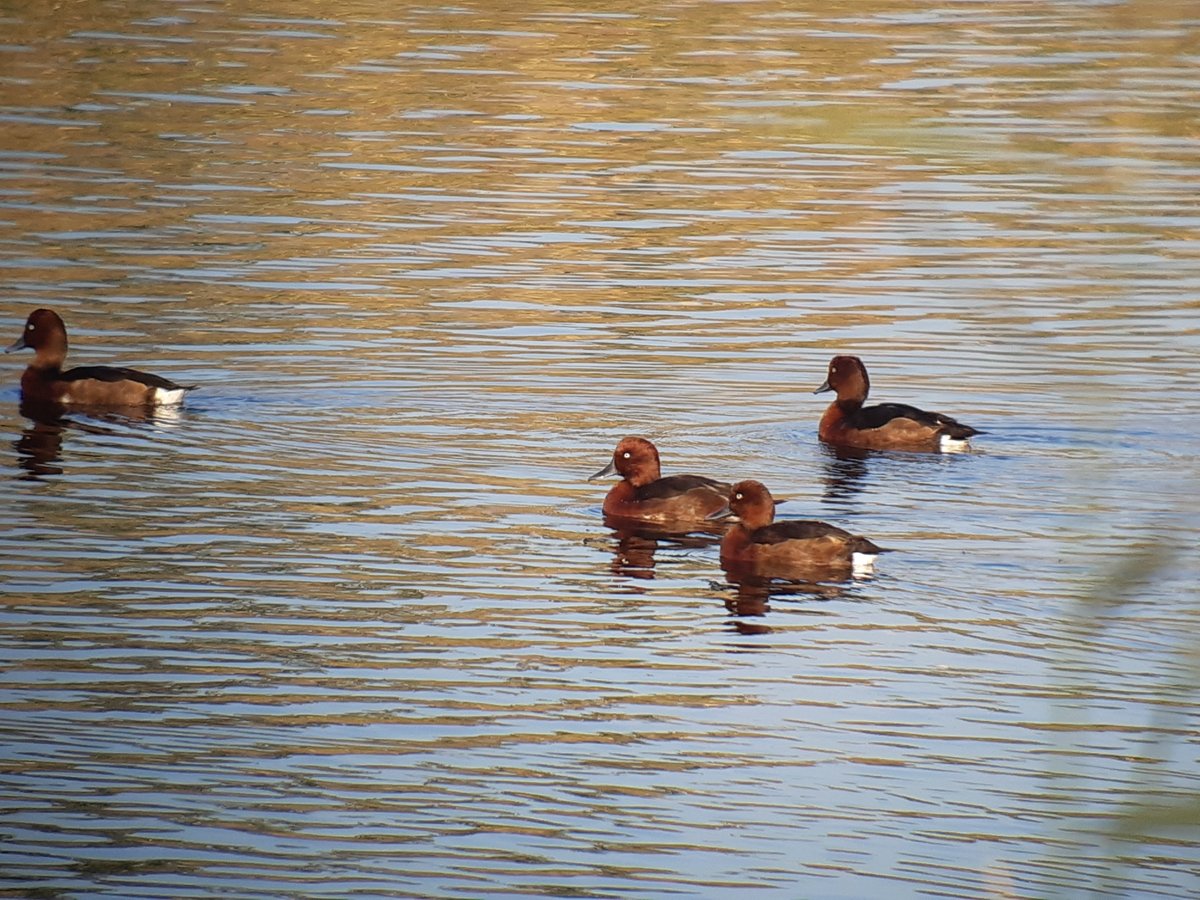
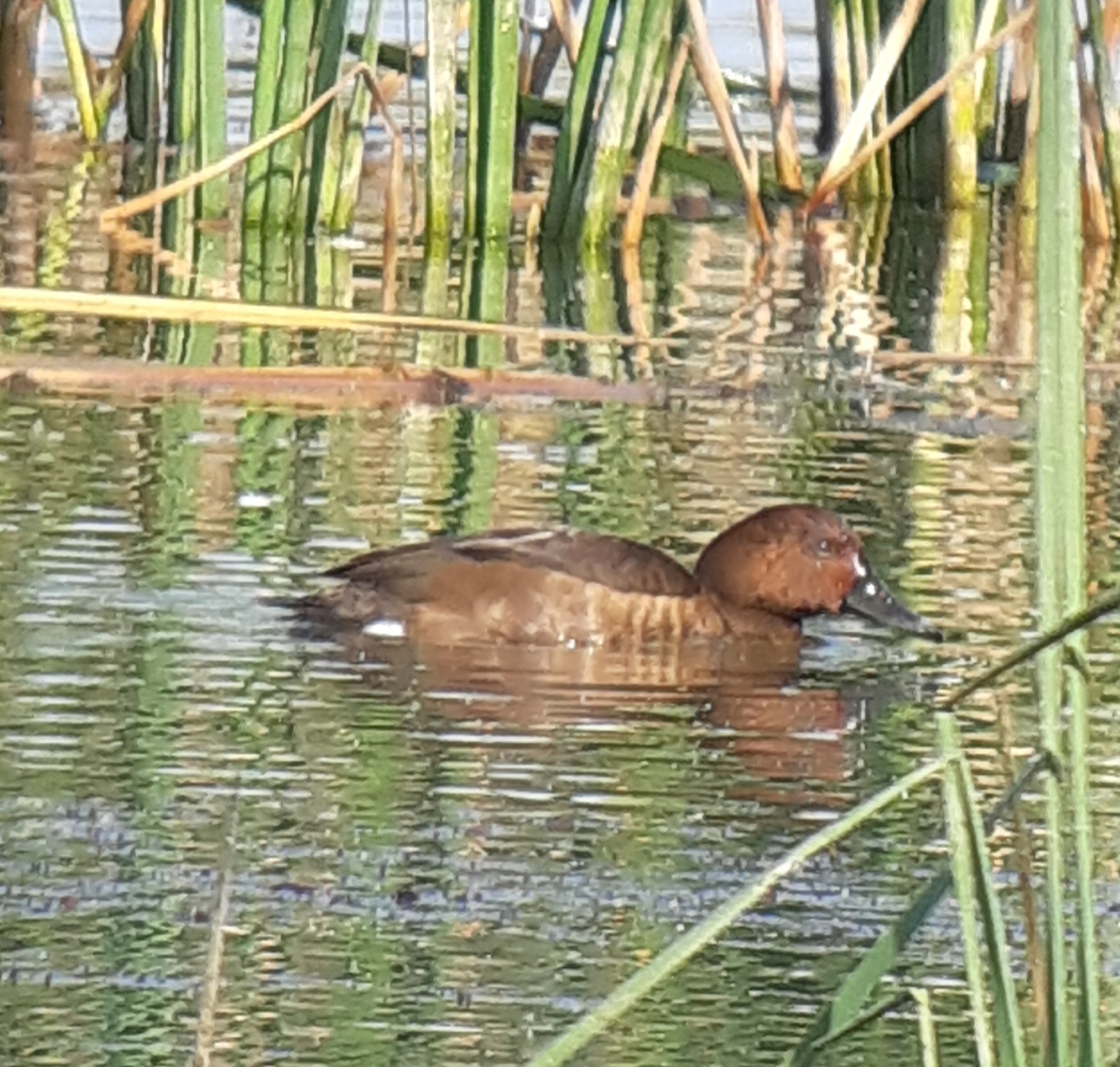
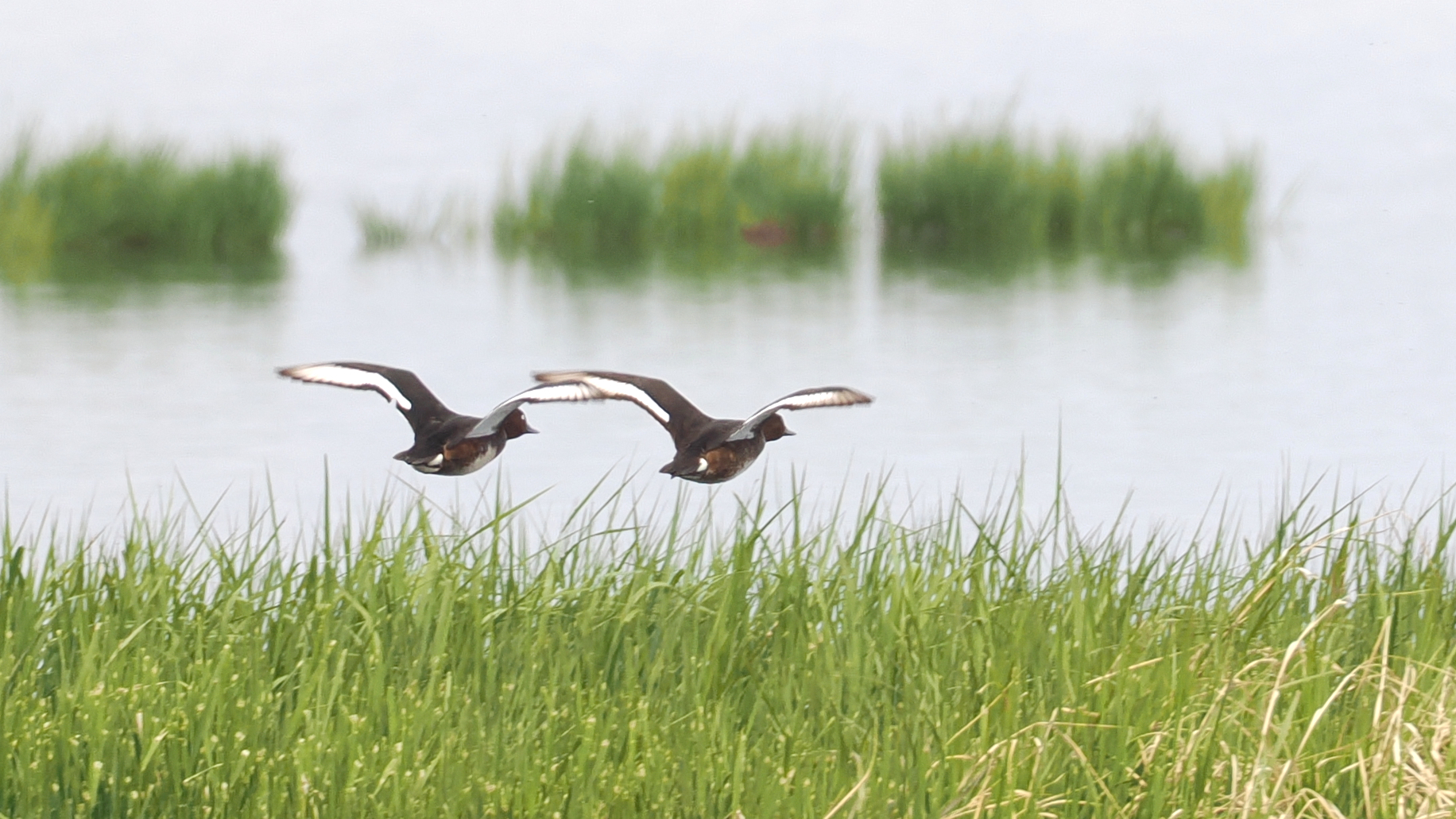
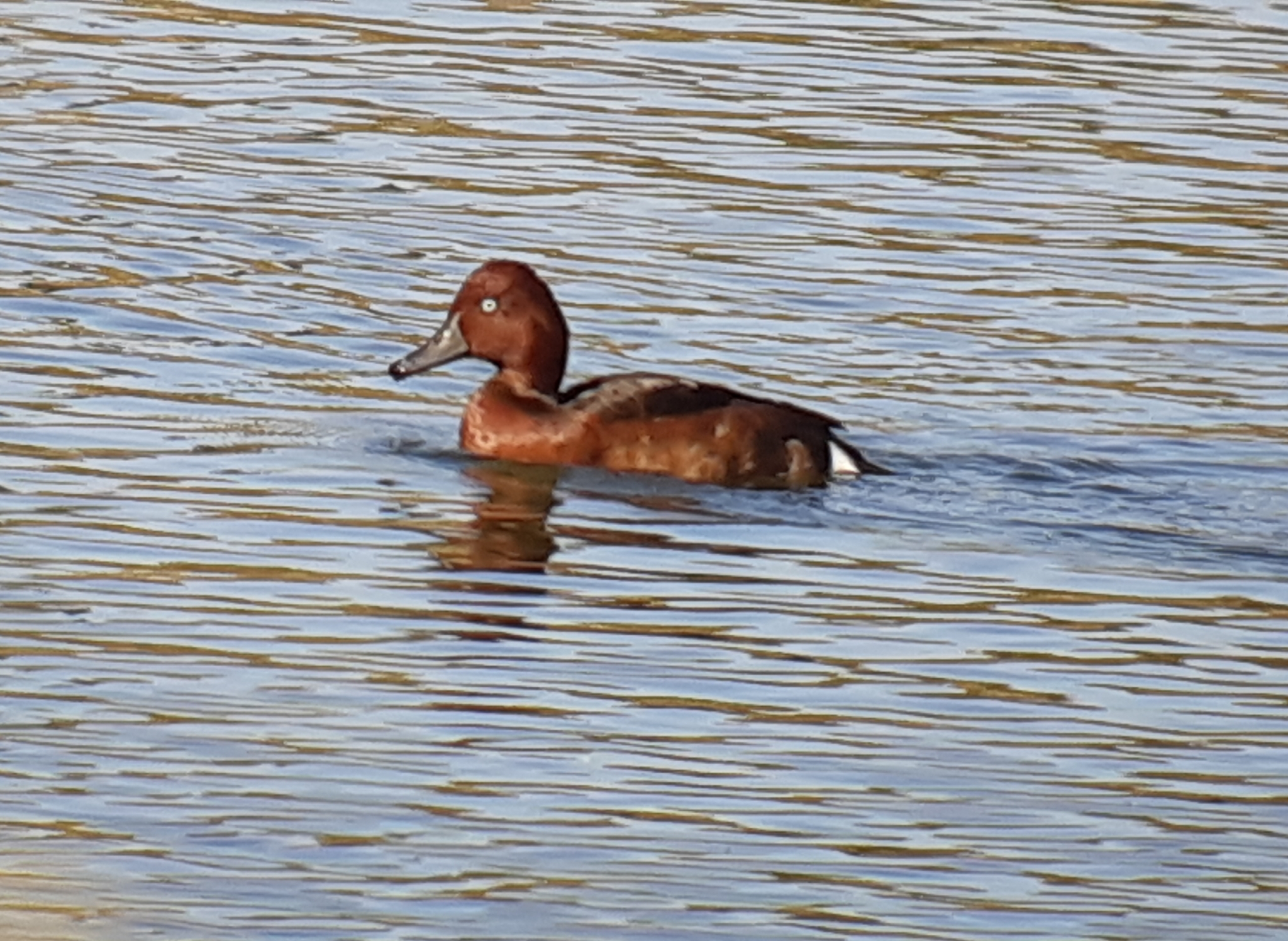
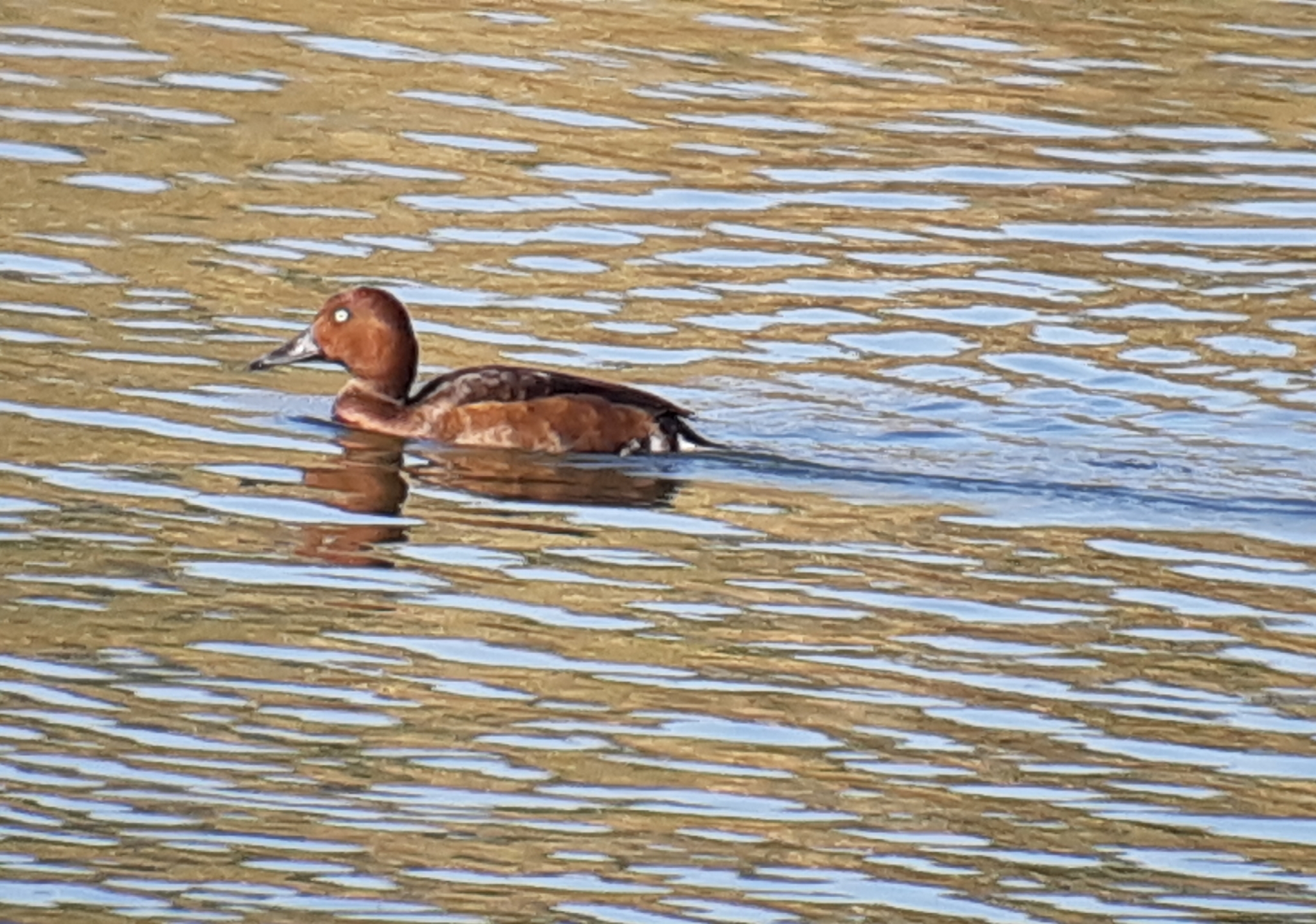
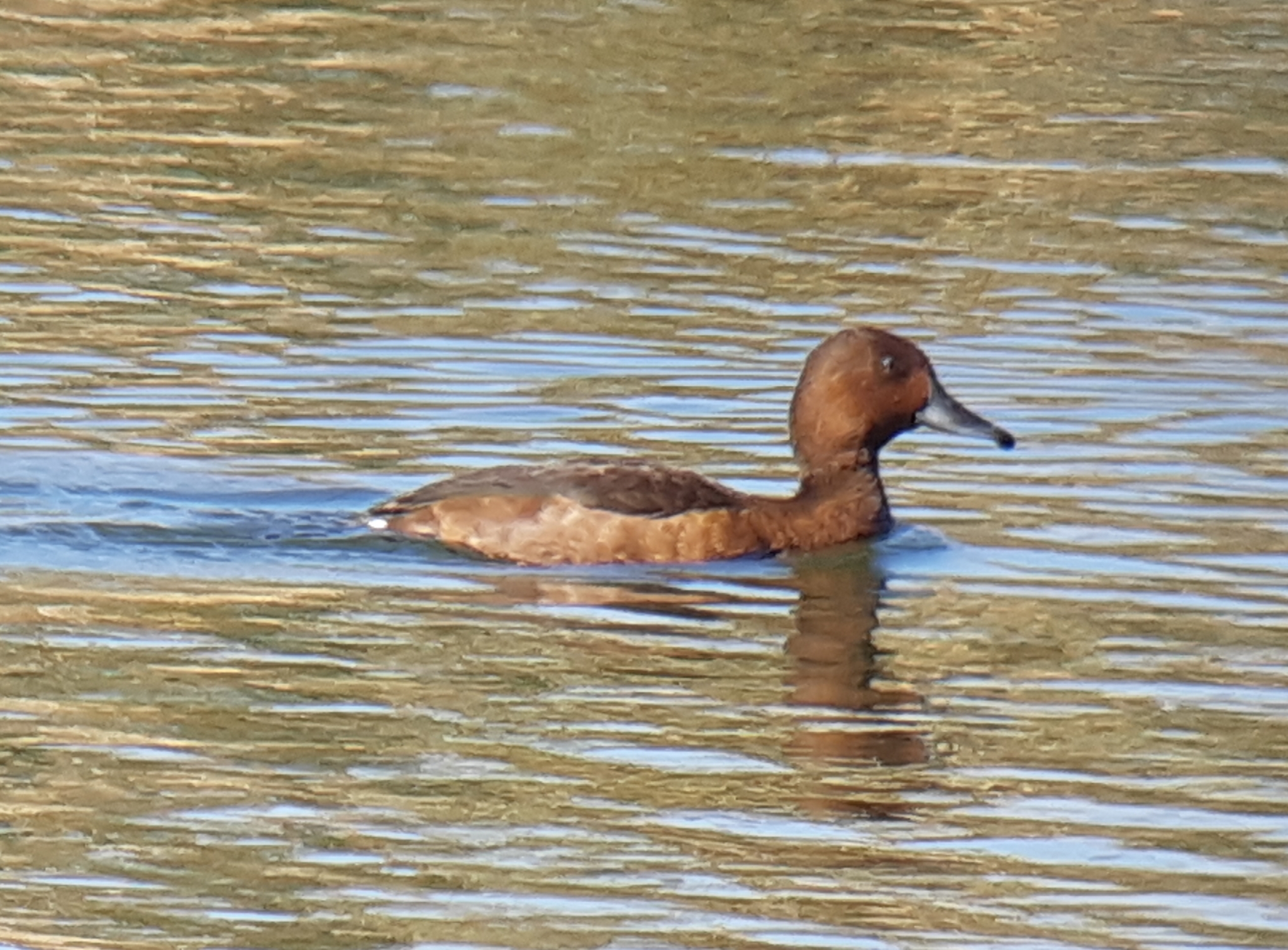
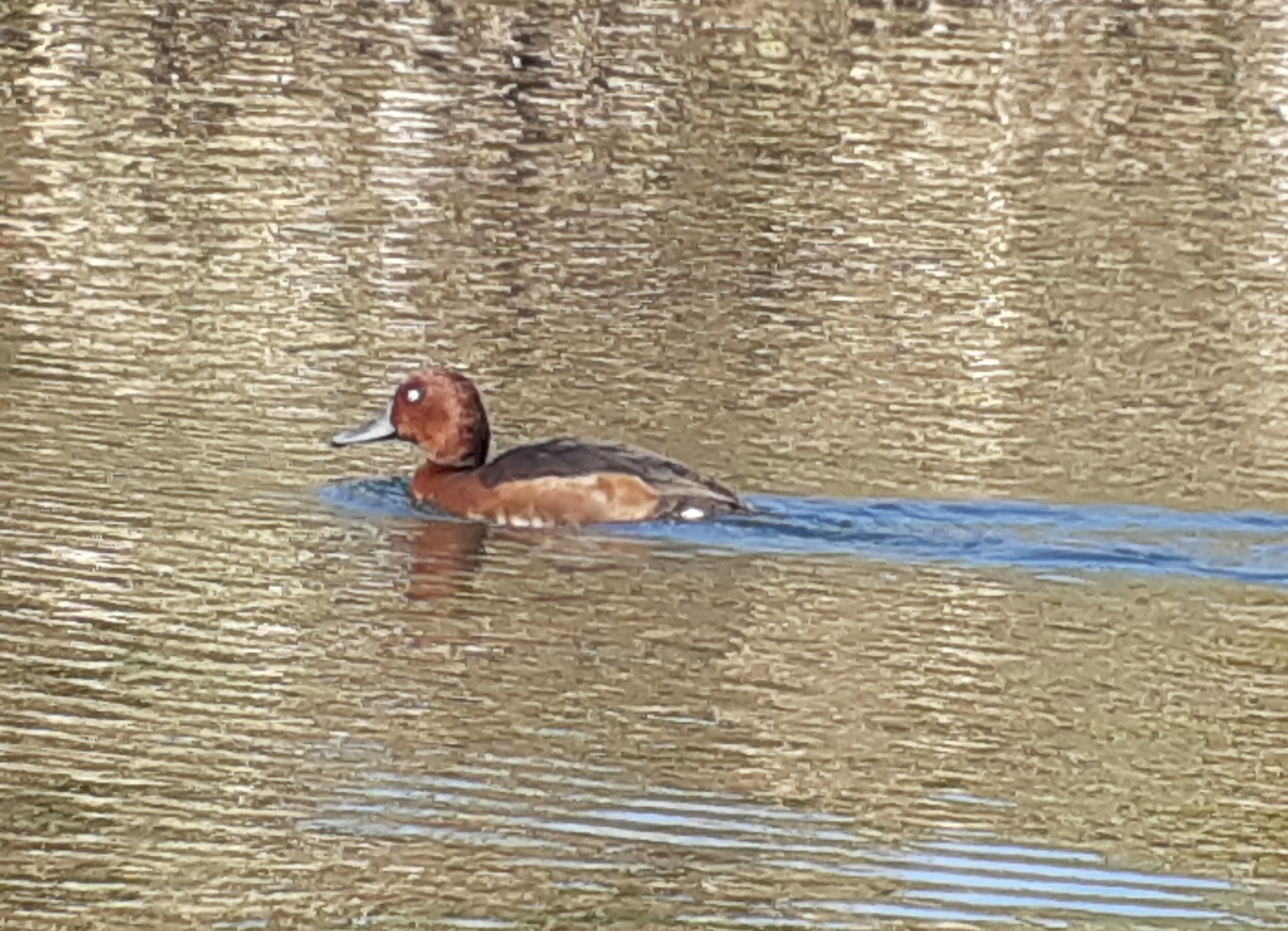
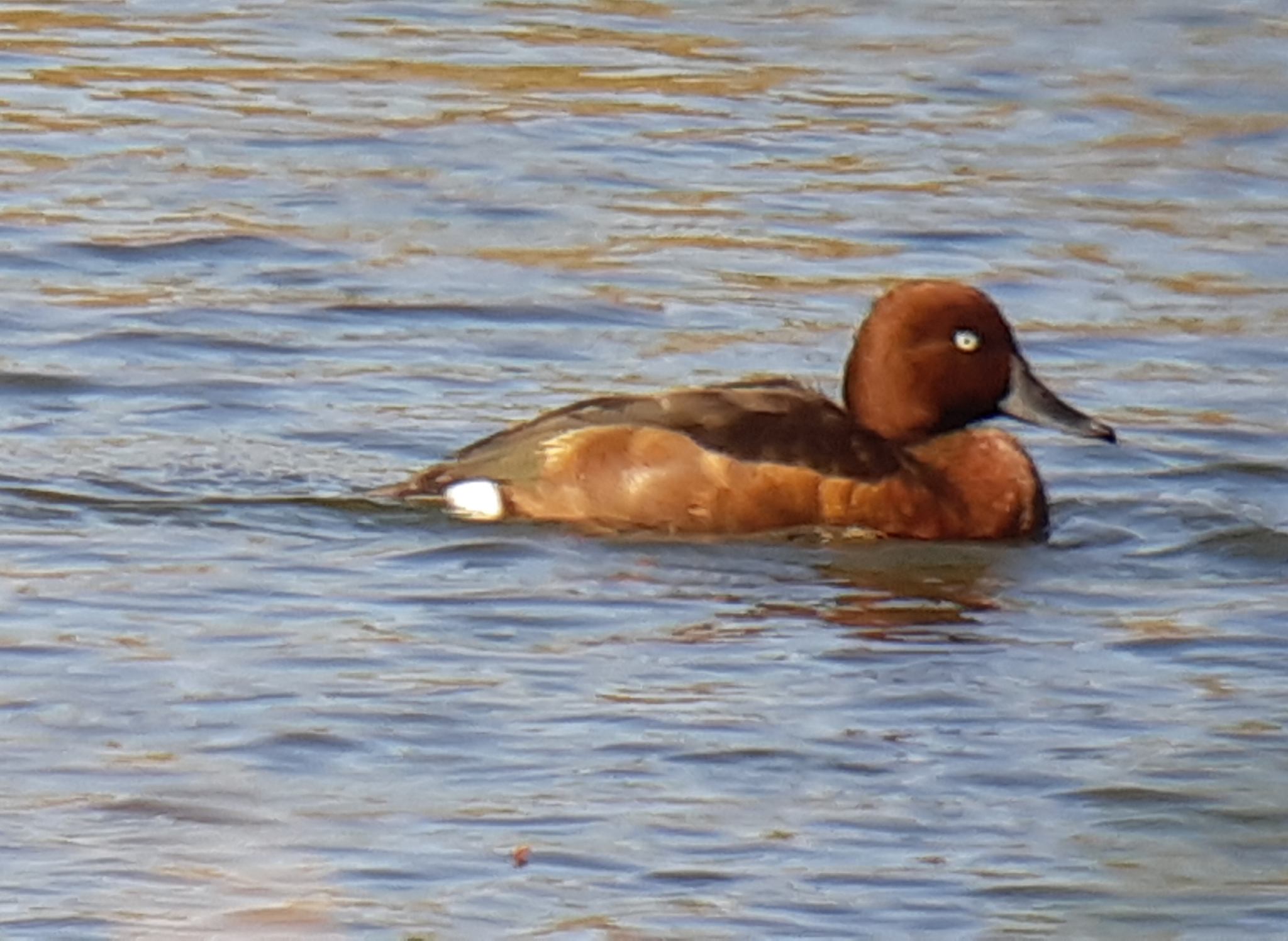
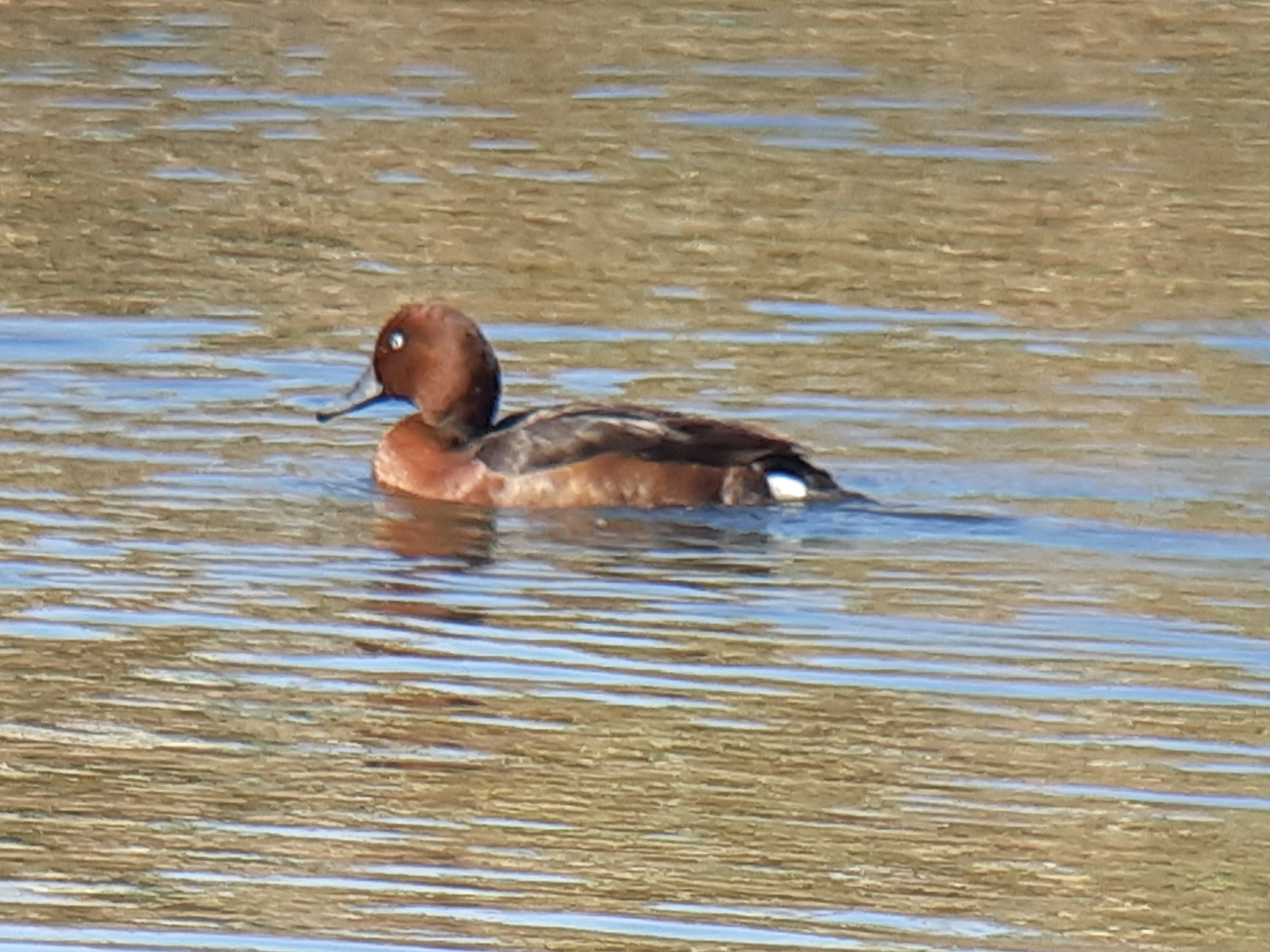
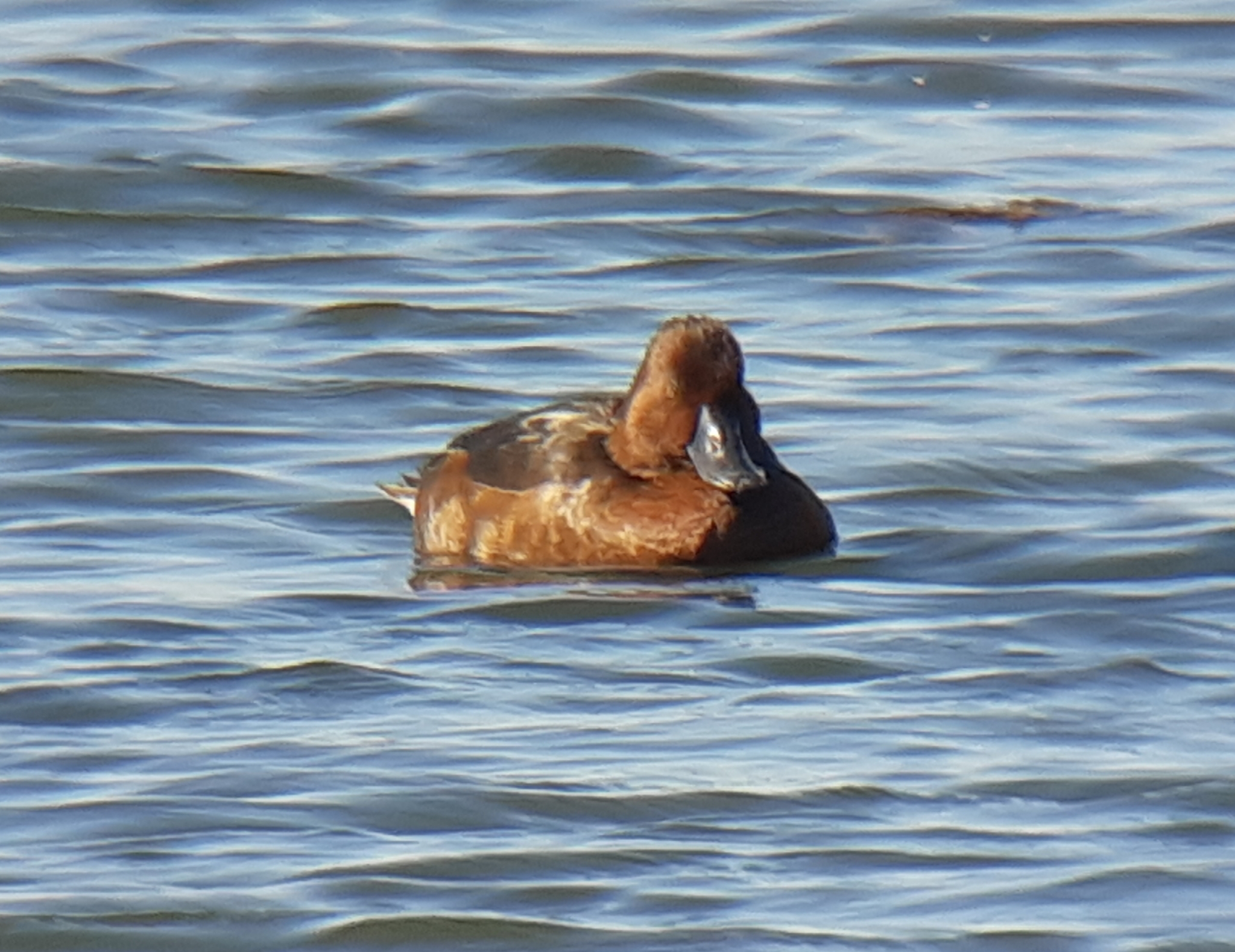
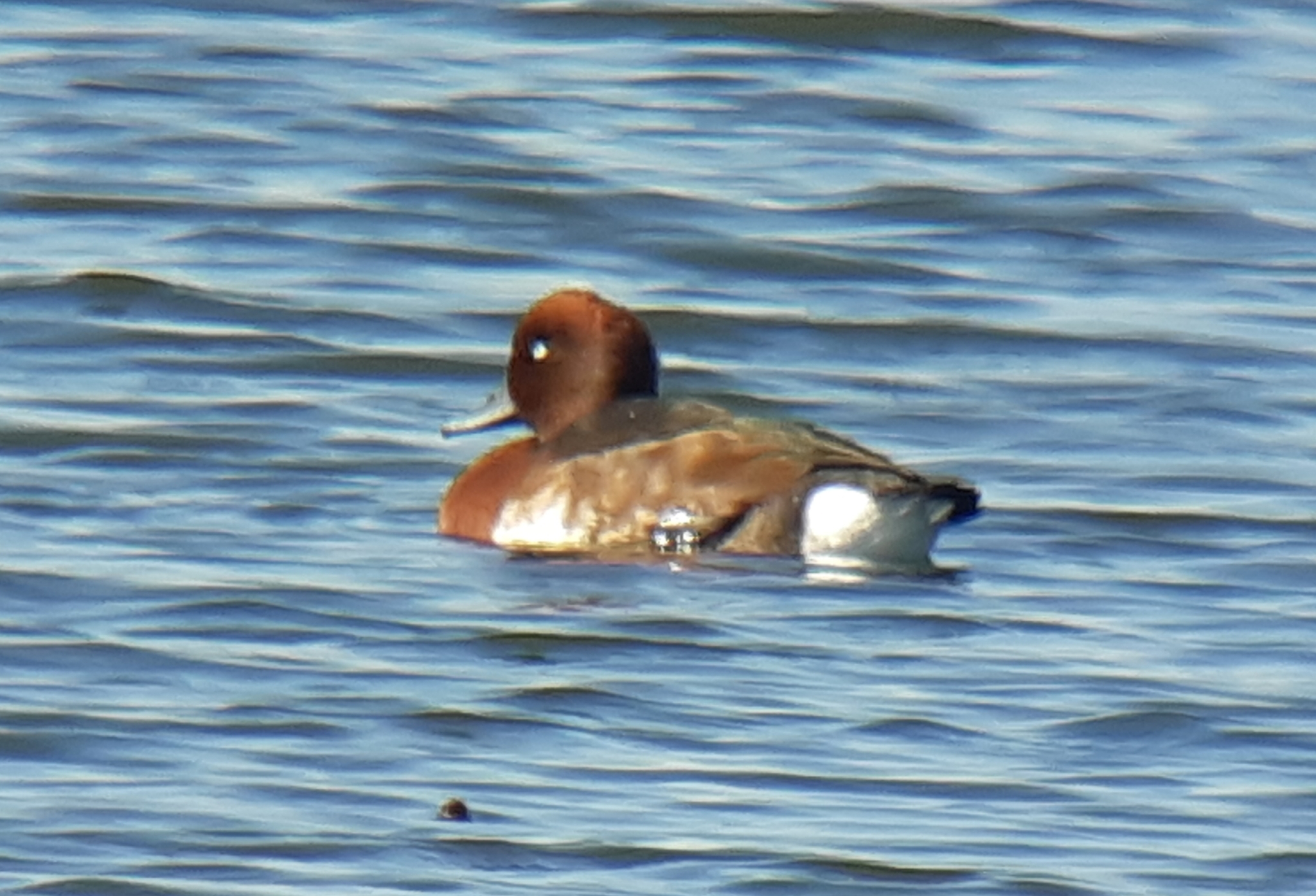
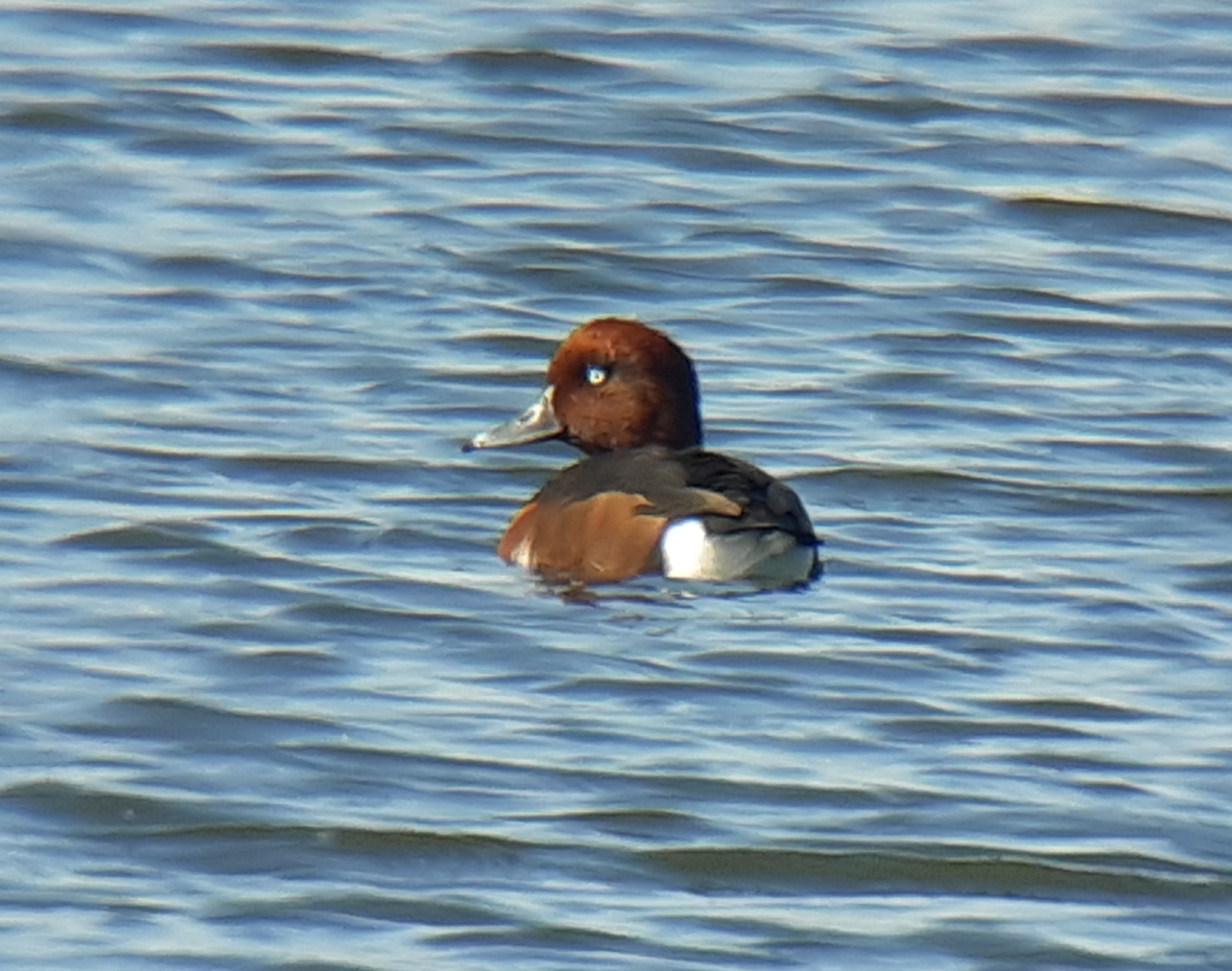
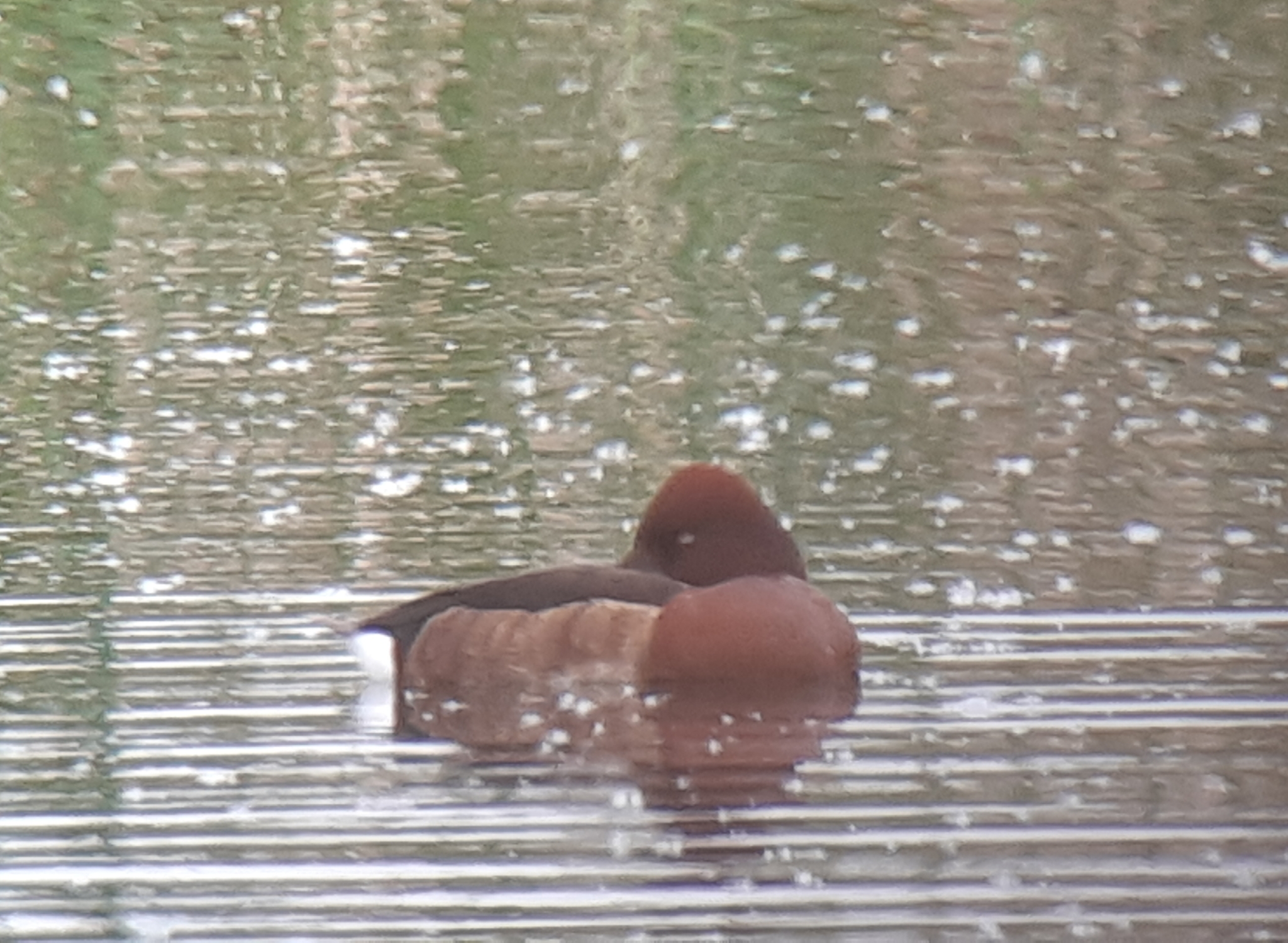
This diving duck displays striking sexual dimorphism. Breeding males wear rich, dark chestnut plumage on the head, breast, and flanks, creating a warm, distinctive appearance. Their most diagnostic feature is the pure white undertail coverts, which contrast sharply with the darker body. In flight, observers can see the white belly and underwing patch. Females appear notably duller and browner overall, lacking the male's vibrant coloration. The eye color provides another identifying clue: males possess a bright yellow eye, while females have darker eyes. The white undertail coverts remain visible in both sexes, particularly noticeable when males perform their characteristic courtship display of dipping their raised tail into the water.
Identification
The rich chestnut coloration distinguishes this species from other pochards, though care must be taken with females, which can appear quite brown. The pure white undertail coverts are visible both at rest and in flight, serving as a key field mark. Males' yellow eyes help separate them from female tufted ducks, which have dark eyes and lack the chestnut tones. During courtship, males perform a distinctive display by raising and curling the tail so that the white undertail coverts form an obvious triangular patch visible on the water's surface. In flight, the white belly and underwing distinguish it from similar species. When associating with mixed flocks of diving ducks, look for the combination of chestnut tones and white undertail.
Distribution & Habitat
This species breeds across a broad Palearctic range extending from Iberia and the Maghreb east to western Mongolia, south to Arabia. However, western populations have become scarce, localized, and even extirpated in some countries. Winter distribution centers on the Mediterranean Basin and Black Sea regions, with smaller numbers migrating through the Nile Valley into sub-Saharan Africa. Eastern populations winter in South and Southeast Asia. The species favors shallow freshwater wetlands with abundant submerged and floating vegetation and dense emergent margins. During migration and winter, it also utilizes coastal waters, inland seas, and large open lagoons, occasionally appearing in saline or brackish wetlands.
Behavior & Ecology
These diving ducks are gregarious but less social than other Aythya species, though they form substantial winter flocks where common. They arrive at breeding areas and form pairs from January onward. Males perform an elaborate courtship display, curling their tail to dip into water and reveal white undertail coverts. Breeding occurs in colonies on protected sites such as islands, often associating with gulls; where scarce, they nest singly in concealed sites near water. Nests are placed on the ground close to water or built as floating structures among emergent vegetation. Eggs are laid from late April or early May, incubated for 25-27 days, with a fledging period of 55-60 days. Diet consists primarily of aquatic plants, supplemented by molluscs, aquatic insects, and small fish. They feed both by diving and dabbling, with a preference for nighttime feeding.
Conservation
The species faces significant conservation concerns due to widespread habitat degradation and destruction from anthropogenic activities including impoundment, drainage, pollution, and poor wetland management. Non-native species introductions, particularly grass carp, have reduced available food resources by decreasing plant and animal biomass. Climate change-driven drought threats loom over drier portions of the range. Human disturbance from fishing boats and anglers can cause breeding site abandonment and disrupt breeding timing. Hunting pressures persist despite legal protections across most European countries, with significant numbers shot during autumn passage and in wintering areas. The species receives protection under the Agreement on the Conservation of African-Eurasian Migratory Waterbirds (AEWA), and breeding habitats in Armenia have been designated as Emerald Sites under the Bern Convention.
Culture
The ferruginous duck has received some cultural recognition through philately, with Belarus issuing a stamp featuring the species. In ornithological history, the species appears in early natural history works, including an illustration from around 1800 in 'Nederlandsche Vogelen' where it was referred to as Anas pullata. Beyond these artistic and historical references, the duck does not feature prominently in broader cultural traditions, folklore, or mythology compared to some other waterfowl species.
Source: Wikipedia · CC BY-SA 3.0
Taxonomy
- Order
- Anseriformes
- Family
- Anatidae
- Genus
- Aythya
- eBird Code
- ferduc
Distribution
breeds discontinuously through southern Palearctic, from Spain through northeastern China; winters to India, southeastern Asia, and eastern China
Data Sources
Species description from Wikipedia, licensed under CC BY-SA 3.0.
Bird images and sounds sourced from GBIF, contributed by citizen scientists worldwide under Creative Commons licenses.
Taxonomy data from AviList 2025.