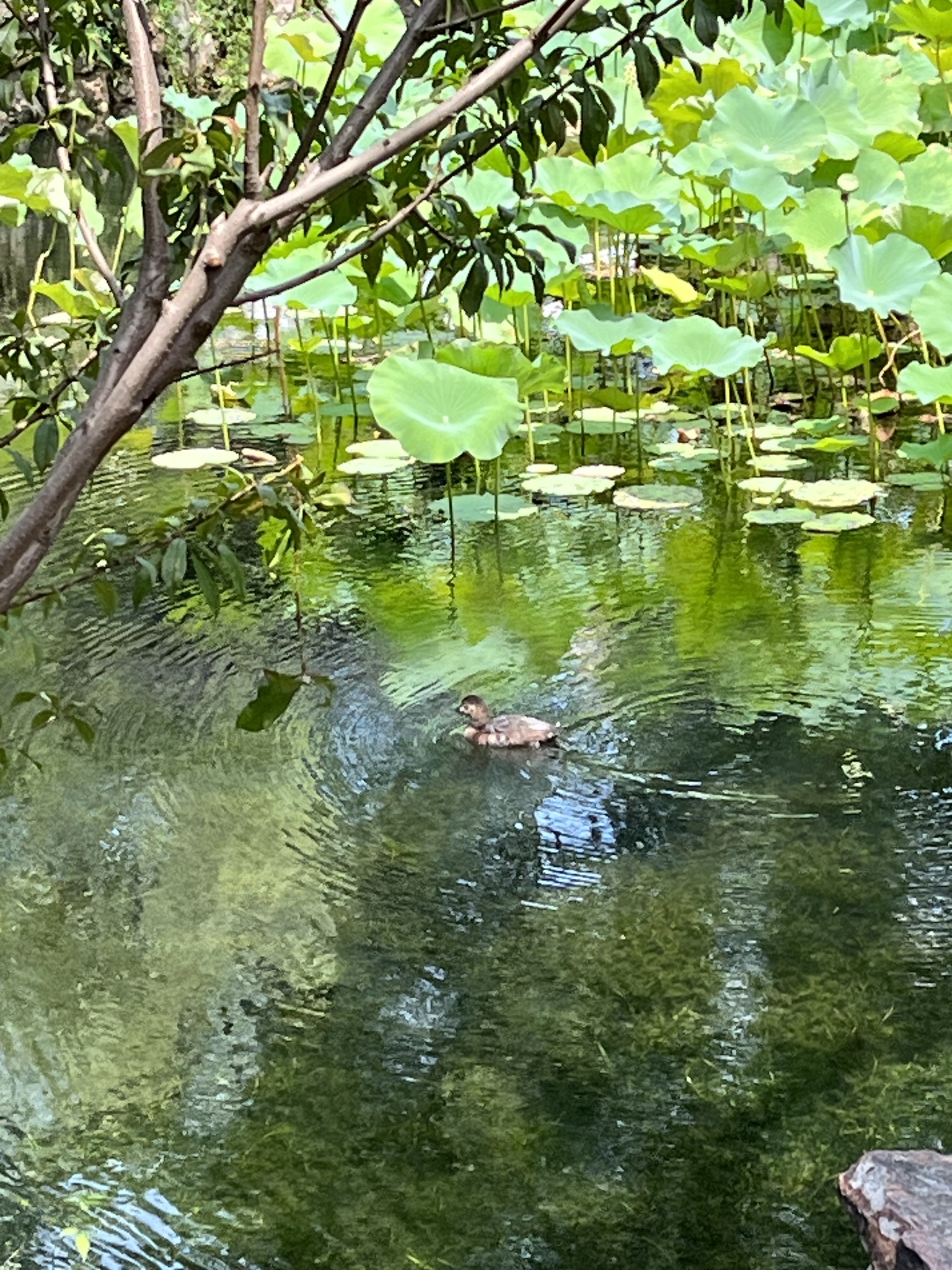
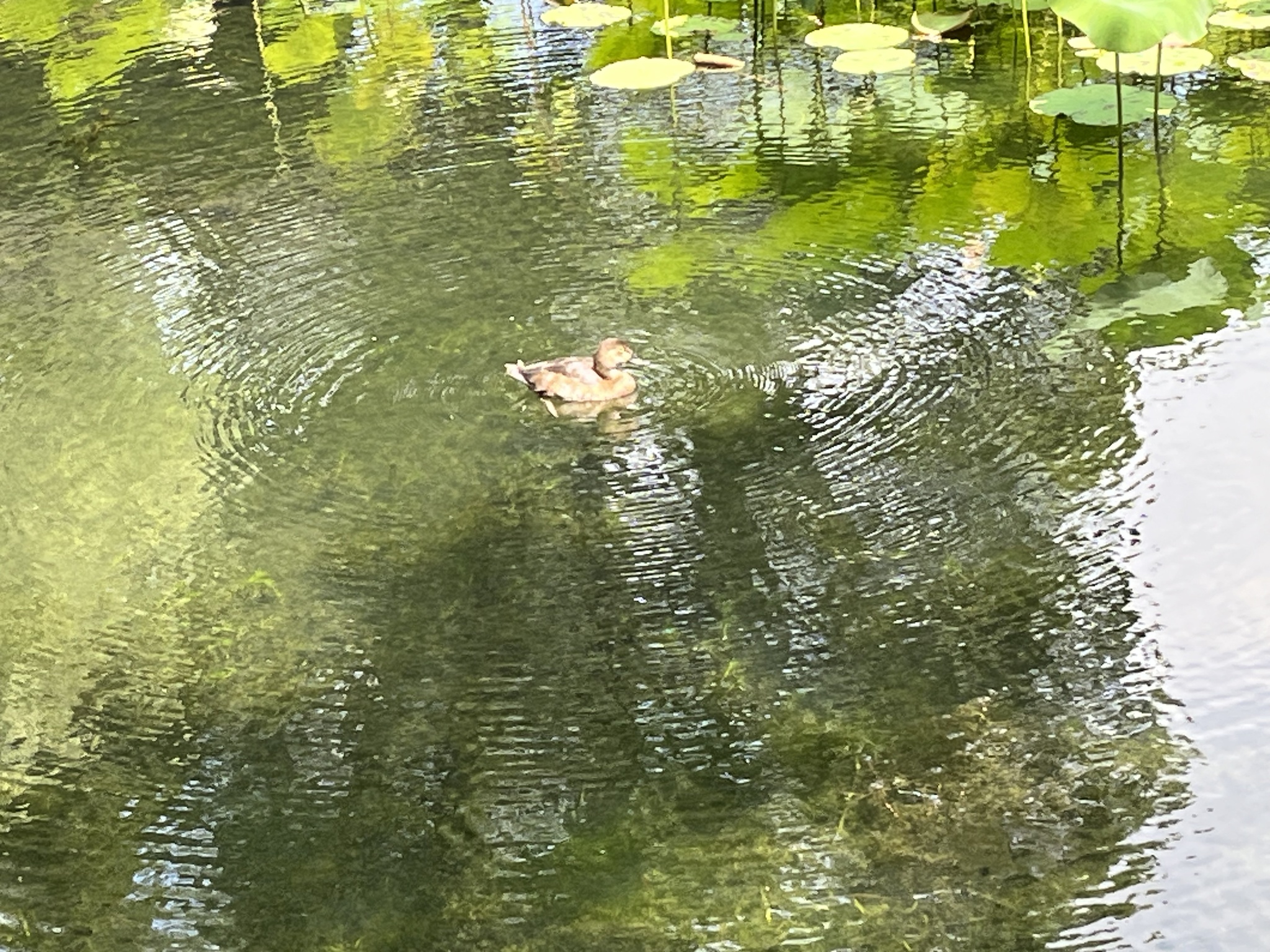
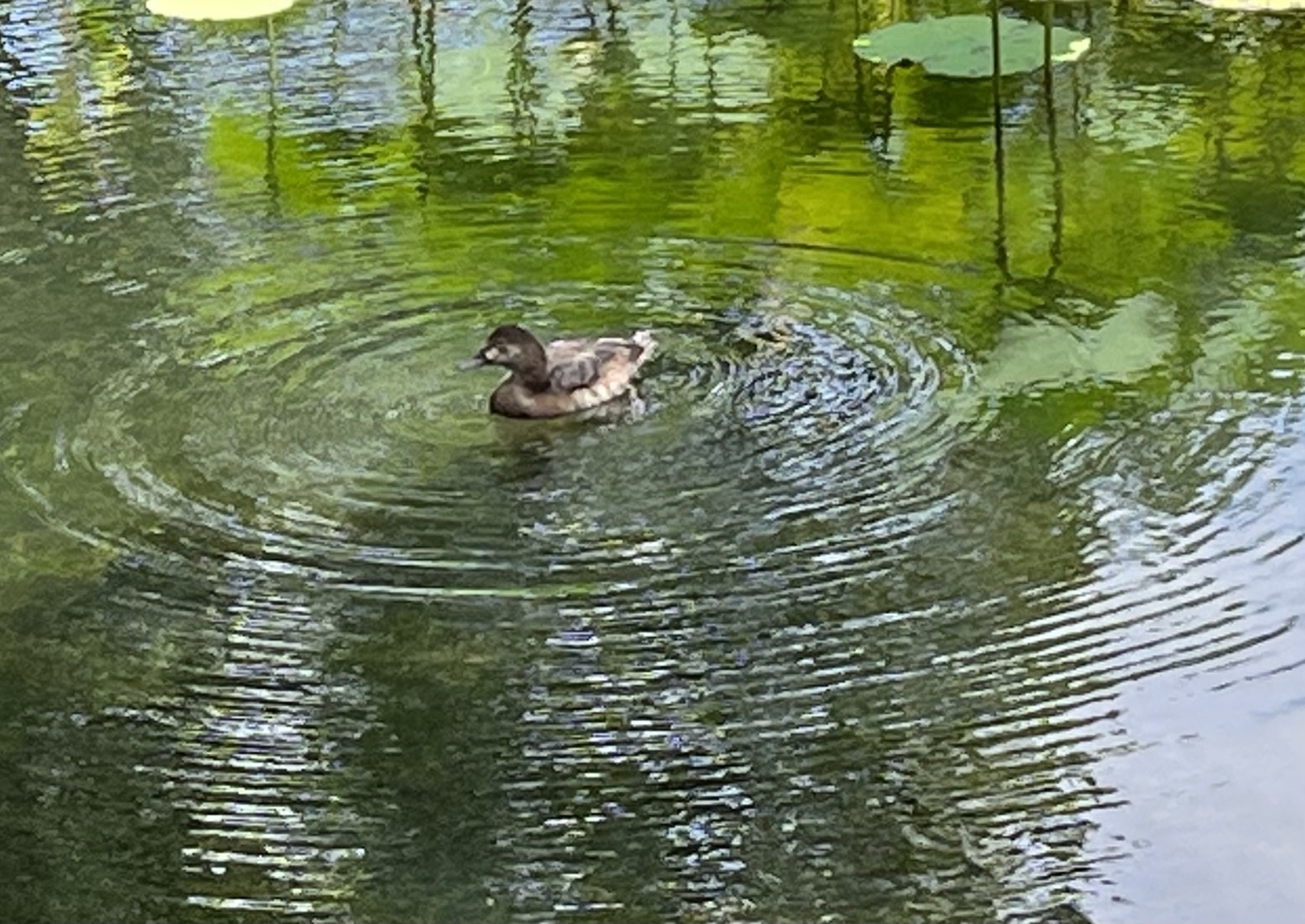
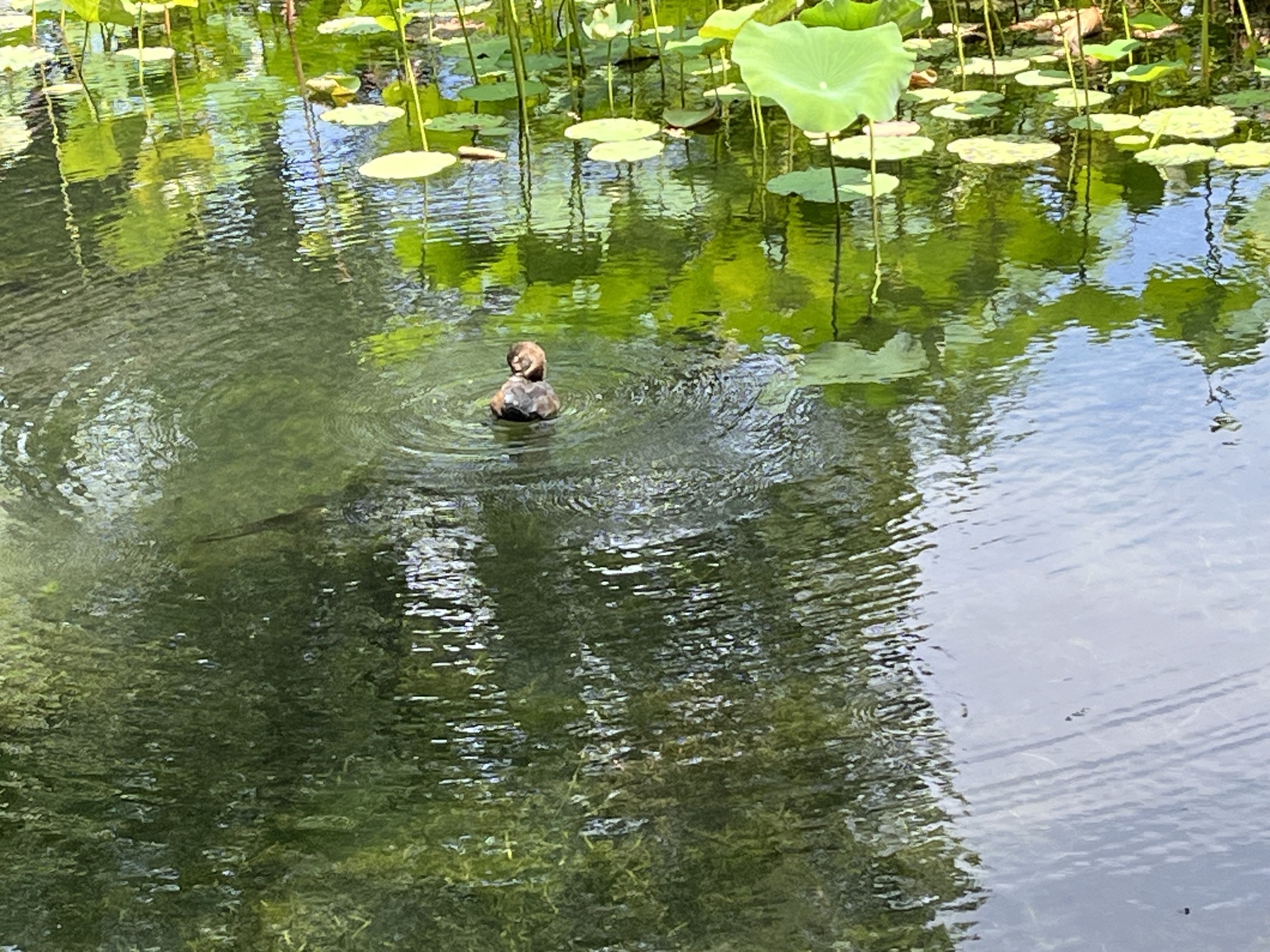
Anseriformes / Anatidae / Aythya
Common Pochard
Aythya ferina · 红头潜鸭
Introduction
A medium-sized diving duck in the family Anatidae, widespread across the Palearctic. It breeds primarily in steppe regions of Scandinavia and Siberia and winters farther south and west. The species is gregarious, forming large flocks in winter, and feeds by diving or upending. It is listed as Vulnerable by the IUCN due to population declines driven by habitat loss, overhunting, and introduced predators.
Description
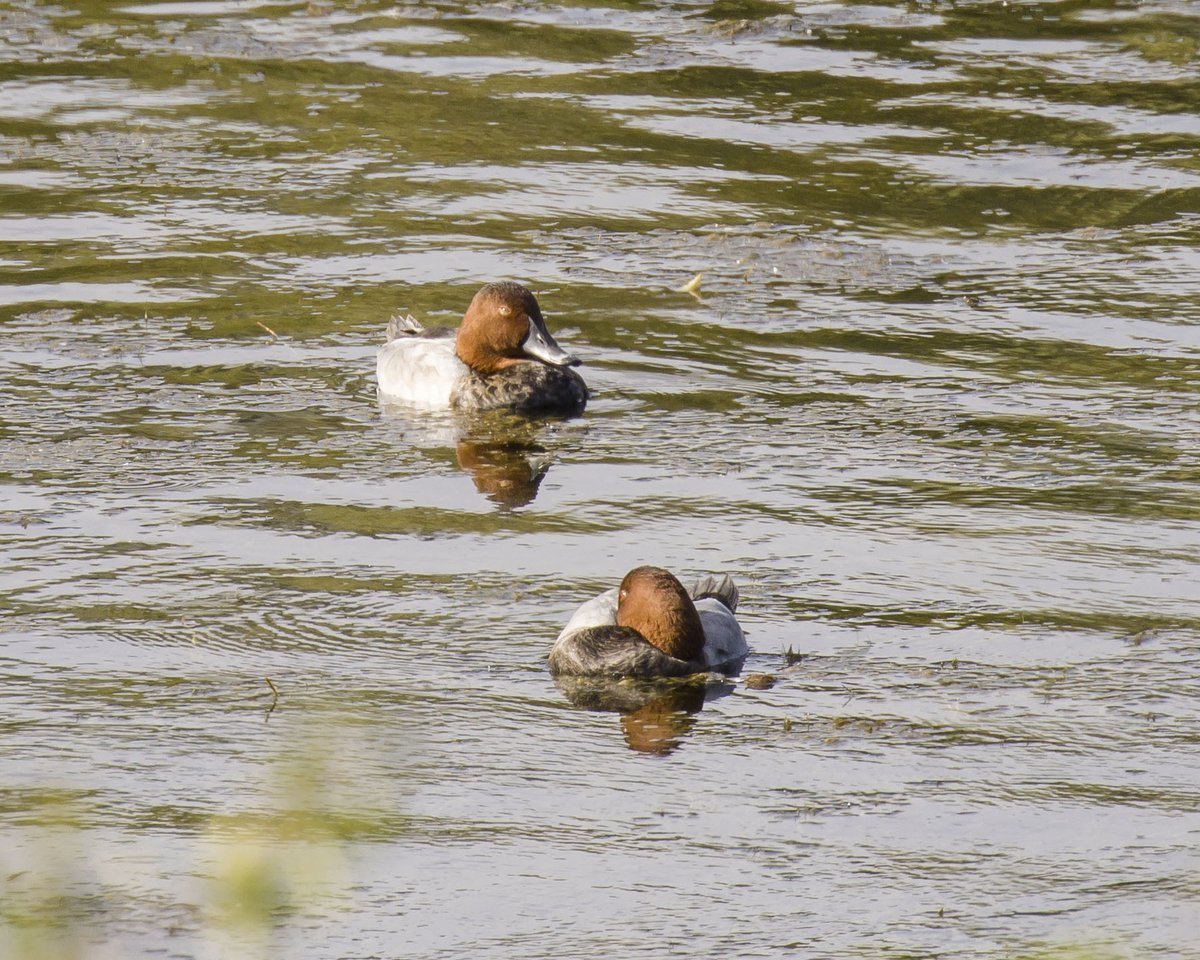
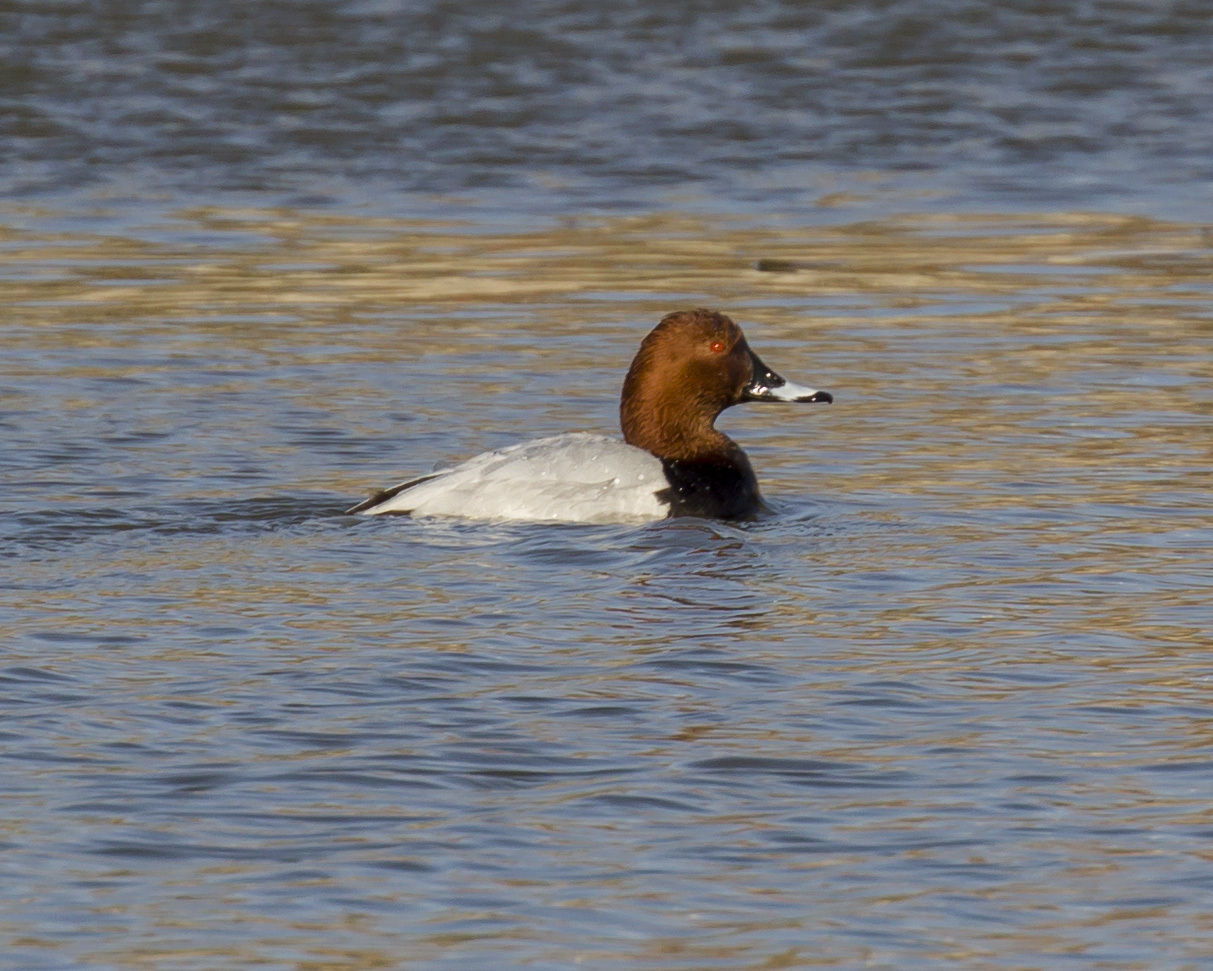
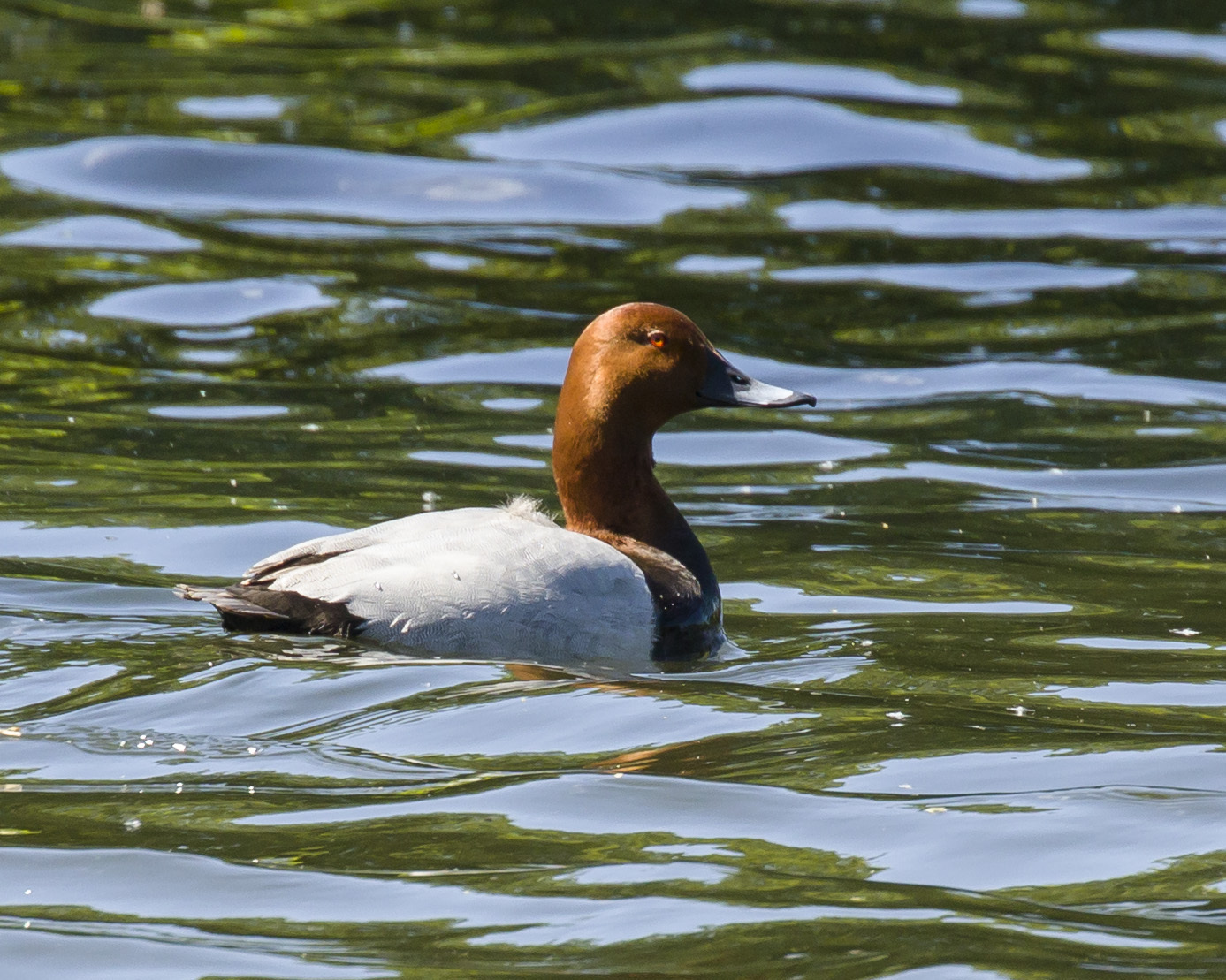
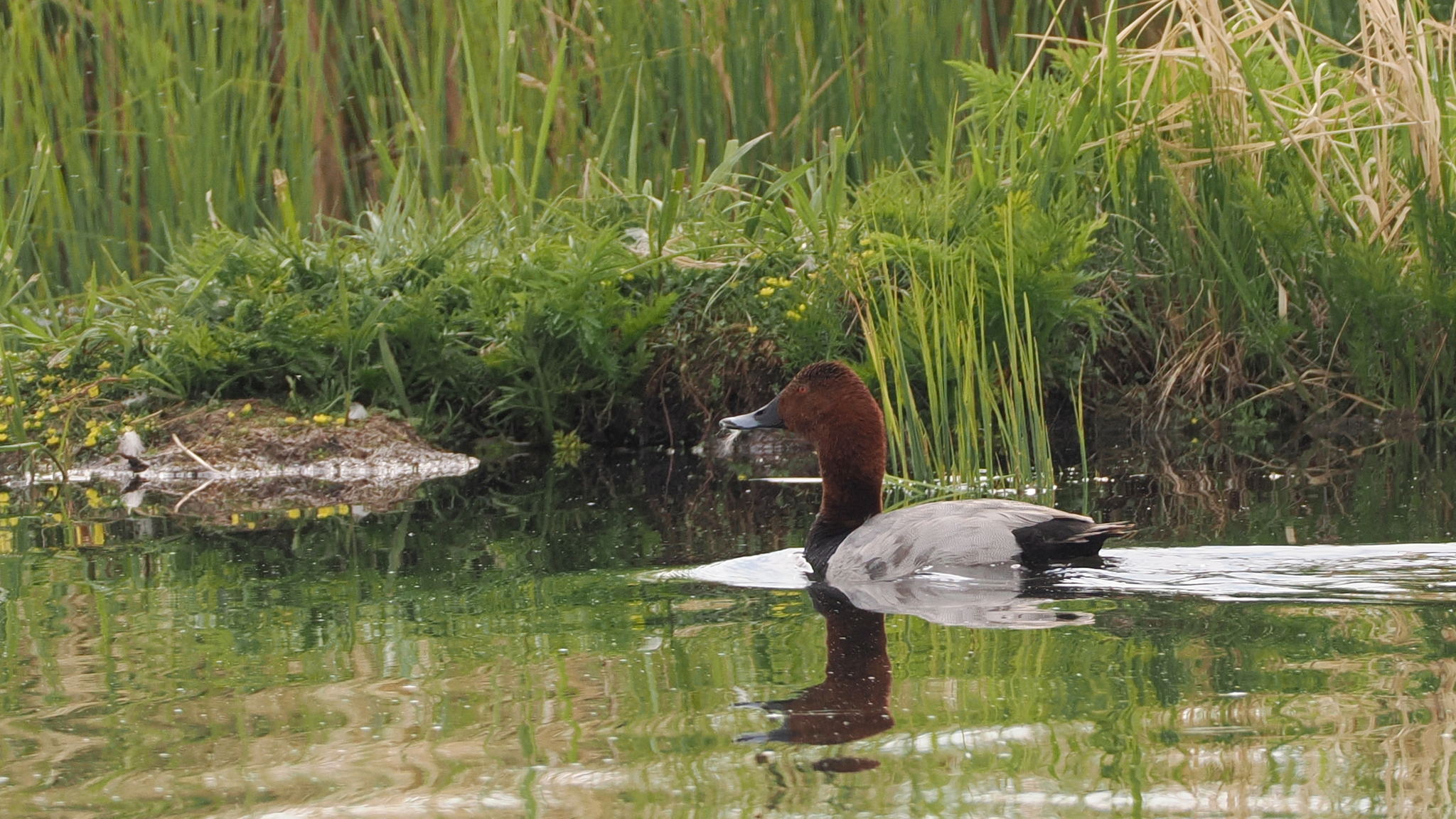
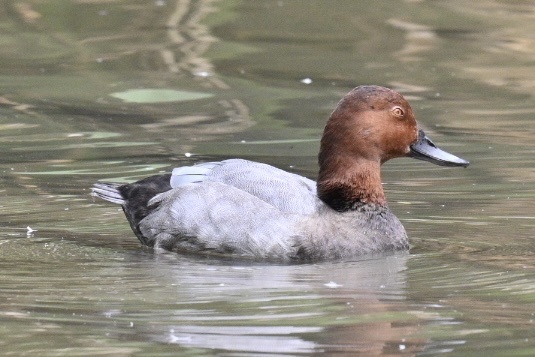
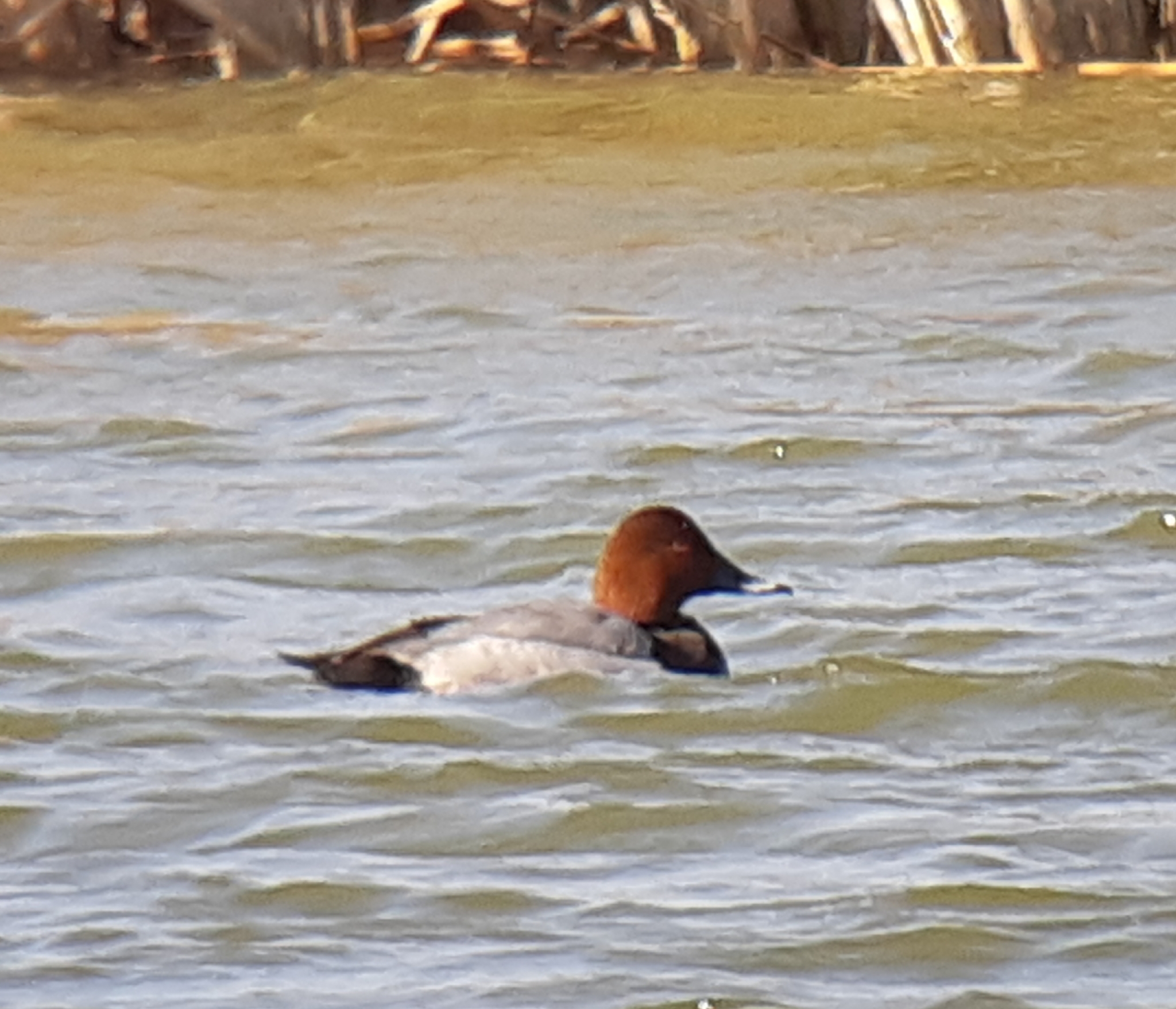
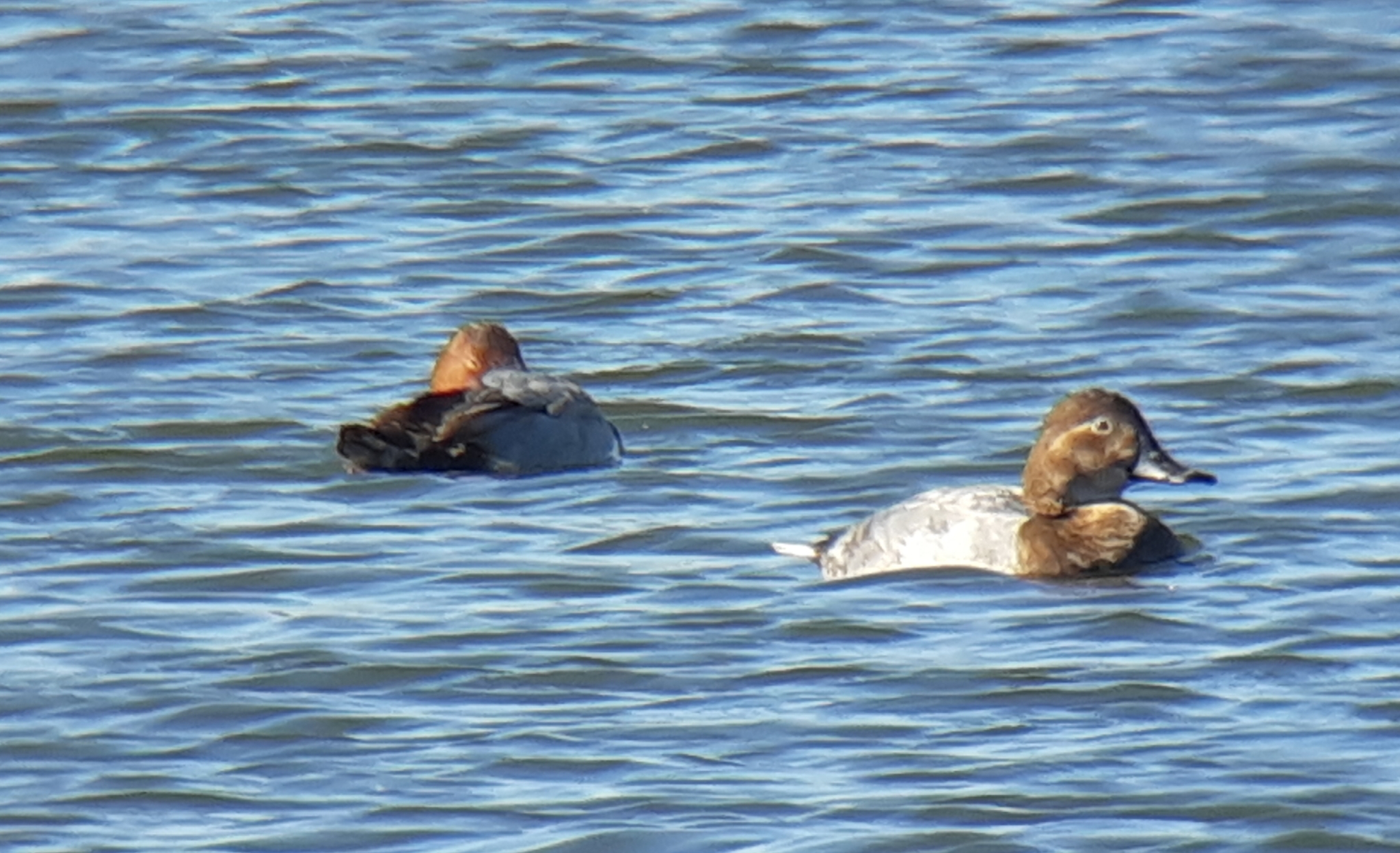
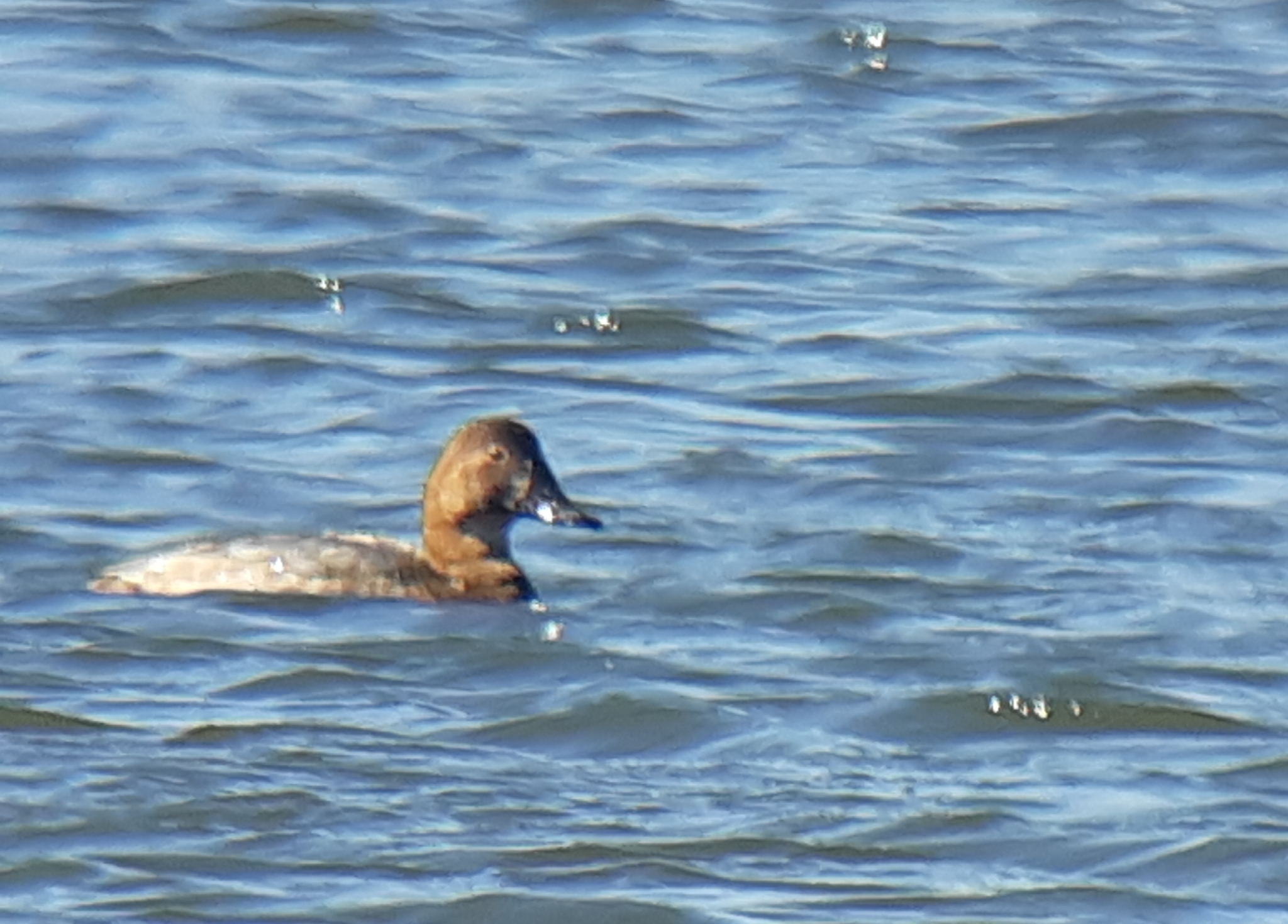
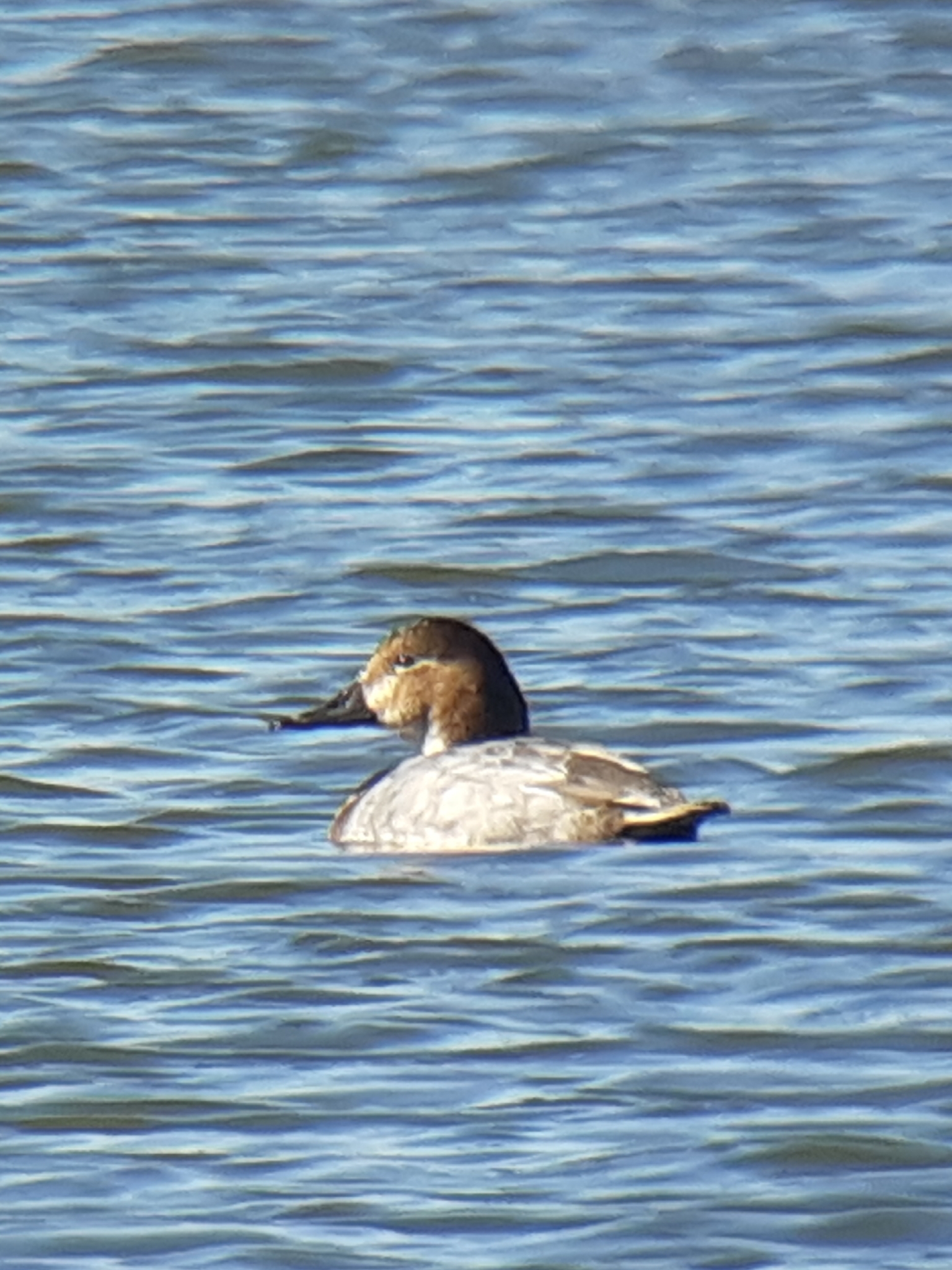
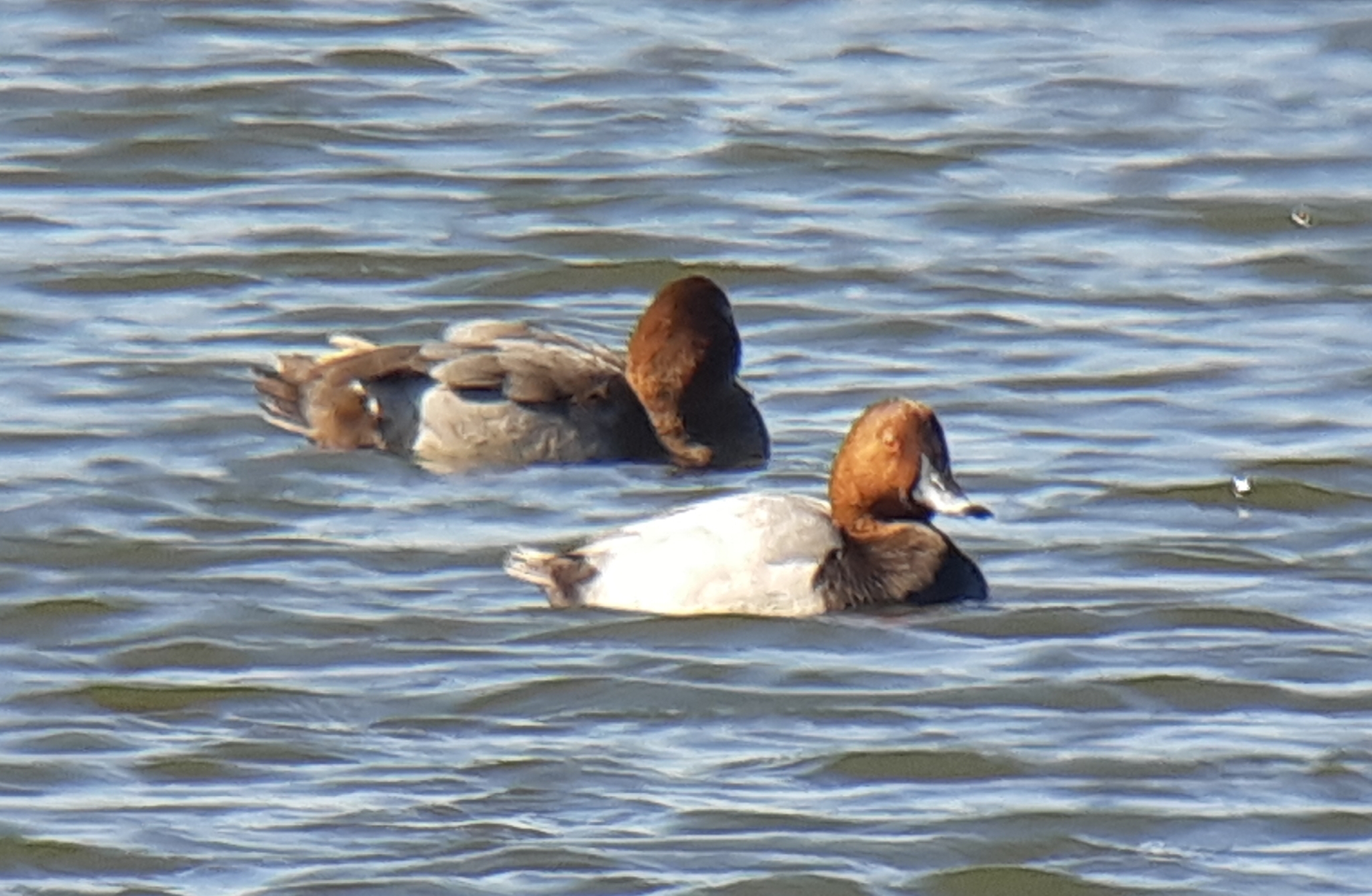
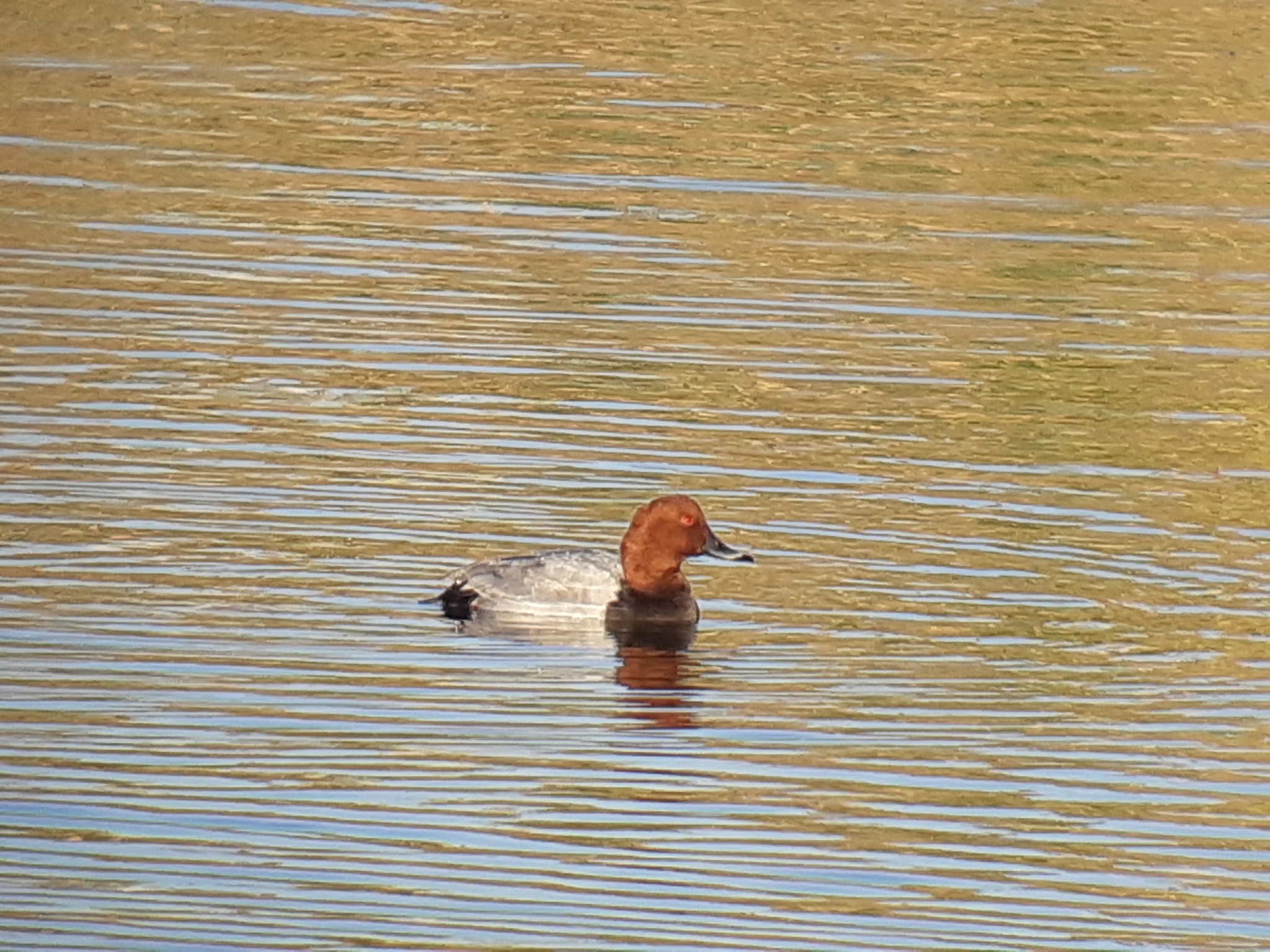
Measures 42–49 cm (17–19 in) in length with a wingspan of 72–82 cm (28–32 in). Weight ranges from 467 to 1,240 g (16.5 to 43.7 oz), with males averaging larger than females. Stocky and short-tailed with a sloping forehead and relatively long bill. Legs and feet are grey in both sexes. Males have a chestnut-coloured head and neck, black breast and tail, and a pale grey body with fine vermiculations. The male's bill is dark grey with a wide blue-grey band; the iris is yellow-orange to red, brightening in breeding season. Females have a brown iris, sometimes tending towards yellowish-brown. Juveniles have a yellow-olive iris that attains adult colour during the first winter.
Identification
Males are similar to canvasbacks but distinguished by a wide blue-grey band on the bill (canvasbacks have an all-dark bill). Males differ from redheads by having a red iris (redheads have yellow) and a less grey back. Females are identified by their brown iris. Flight is direct and flapping, reaching speeds of 22–24 m/s (49–54 mph). Vocalizations include a soft whistle from males during courtship and a soft growl ('krrr') from females when flushed.
Distribution & Habitat
Breeds in marshes and lakes with water depth of one metre or more across temperate and northern Europe and the Palearctic, including eastern England, lowland Scotland, and small numbers in Northern Ireland. Migratory, wintering in the south and west of Europe, with large numbers overwintering in Great Britain. Recorded as vagrants in North America (United States and Canada) and South America (Colombia). Monotypic with no subspecies.
Behavior & Ecology
Gregarious, forming large flocks in winter often mixed with other diving ducks. Feeds on plant material, seeds, small fish, molluscs, and aquatic invertebrates, primarily by diving but also upending and dabbling. Most feeding occurs at night. Often forages in association with Bewick's and whooper swans, gleaning food items disturbed by the swans' trampling, which can double food intake rates. Nests are platform structures of plant material lined with down, placed on the ground within 10 m of water or floating in dense cover. Clutches typically contain 8–10 greenish-grey eggs, incubated by the female for around 25 days. Young are precocial and fledge at 50–55 days. High rates of parasitic egg-laying occur, with up to 89% of nests containing foreign eggs in some areas.
Conservation
Listed as Vulnerable by the IUCN. Populations have declined by 30–49% over a 23-year period in Europe. Threats include urbanization, habitat transformation, overhunting, and introduced predators such as the American mink, which caused a 92% population decrease in one studied Polish population over 30 years. Nest predation by carrion crows and marsh harriers is significant. Protected under the Agreement on the Conservation of African-Eurasian Migratory Waterbirds (AEWA).
Source: Wikipedia · CC BY-SA 3.0
Taxonomy
- Order
- Anseriformes
- Family
- Anatidae
- Genus
- Aythya
Distribution
Palearctic, breeding British Isles and southern Scandinavia eastward through east-central Russia, in south from Iberian Peninsula and Türkiye eastward through northeastern China; winters to tropical Africa and India eastward to Japan and southward to the northern Philippines
Data Sources
Species description from Wikipedia, licensed under CC BY-SA 3.0.
Bird images and sounds sourced from GBIF, contributed by citizen scientists worldwide under Creative Commons licenses.
Taxonomy data from AviList 2025.