Common Pochard
Aythya ferina
红头潜鸭
Introduction
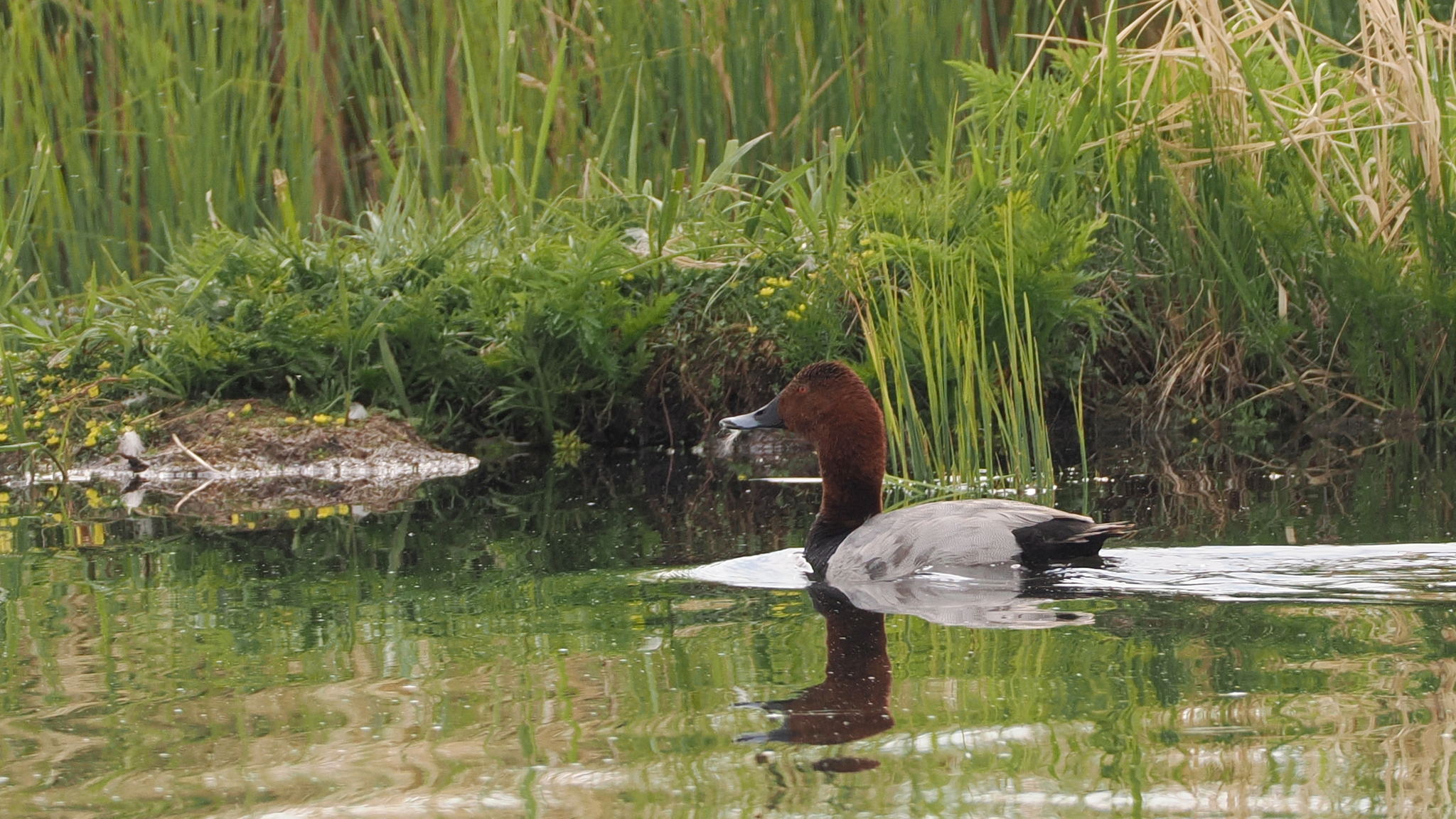
This medium-sized diving duck occurs across the Palearctic, breeding primarily in the steppe regions of Scandinavia and Siberia before migrating south and west for winter. During winter, large flocks numbering in the hundreds or thousands congregate on lakes, reservoirs, and coastal waters. The species has a plump, stocky build with a distinctive sloping forehead. Males have a chestnut head, pale grey body, and black breast. In direct flight, individuals reach speeds over 50 mph. Populations have declined significantly in recent decades, particularly in eastern Europe, where habitat loss and introduced predators are major threats.
Description
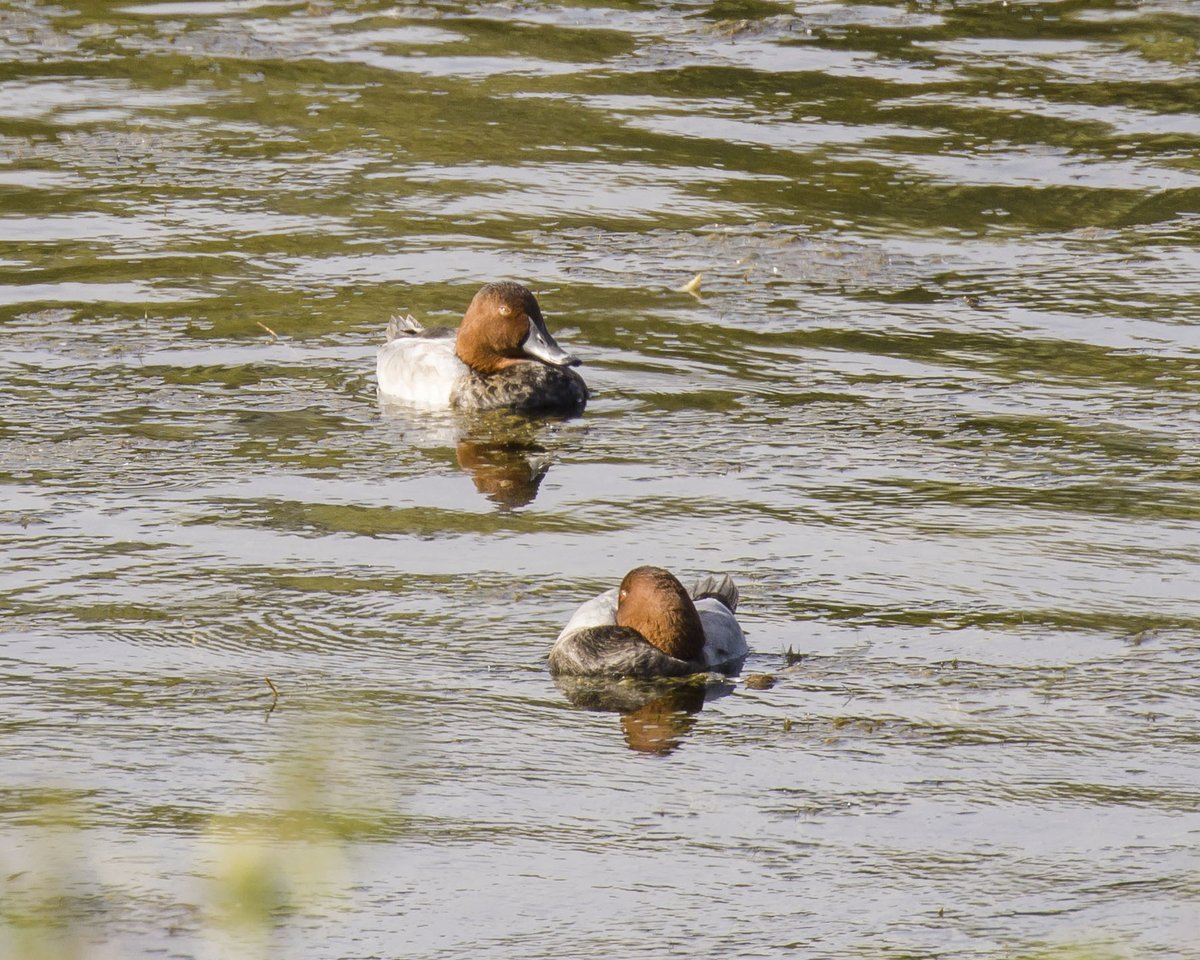
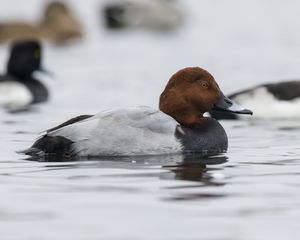
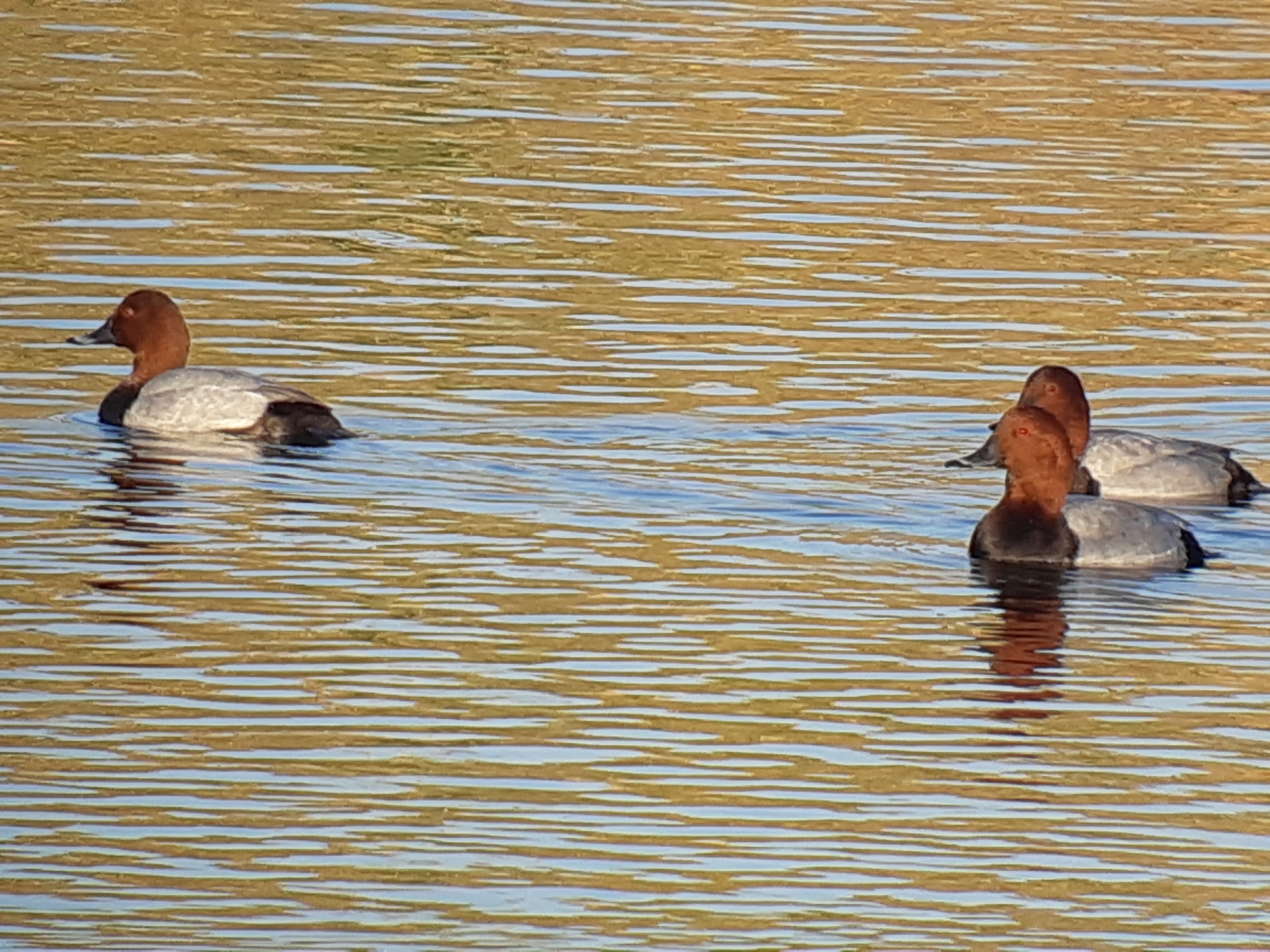
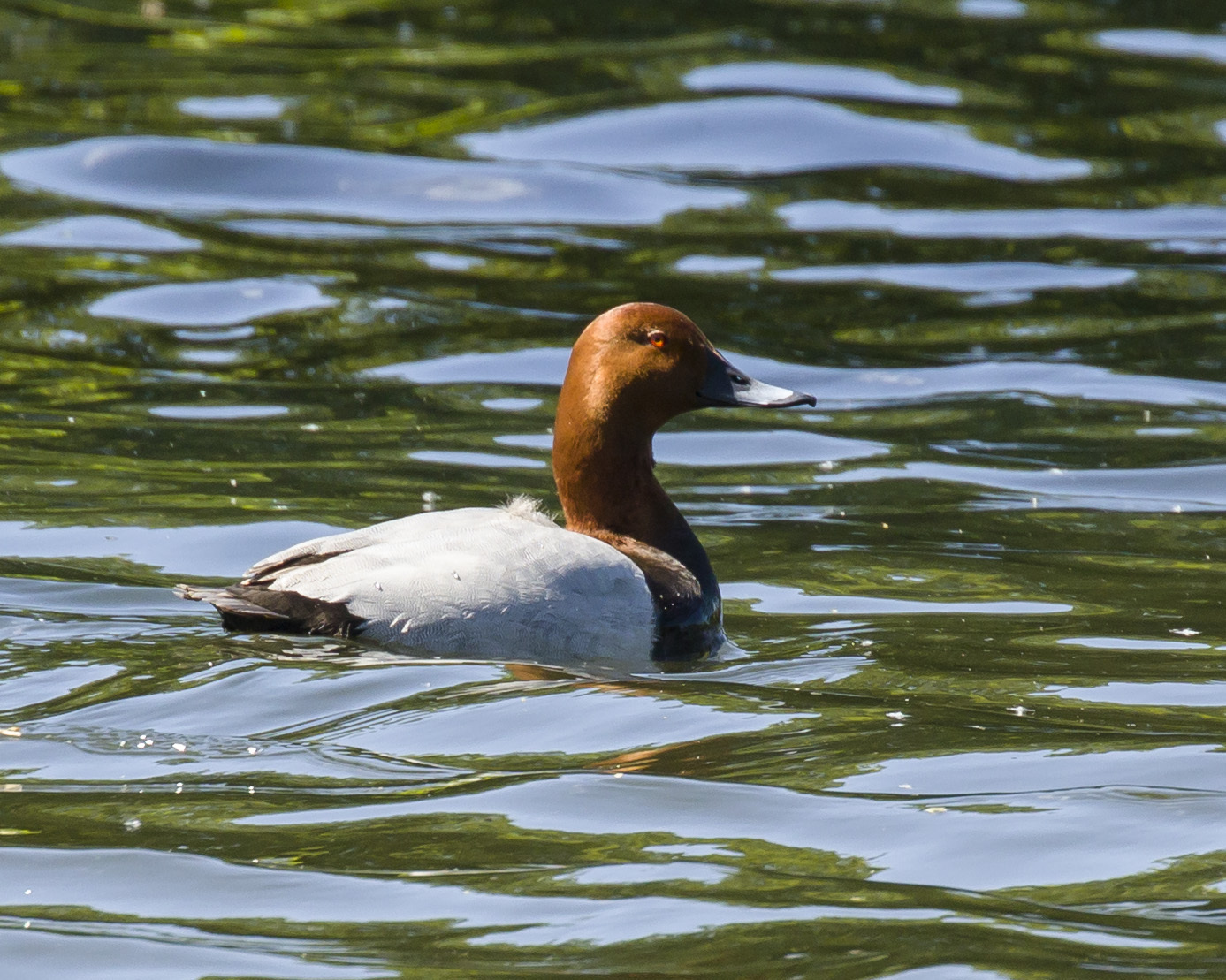
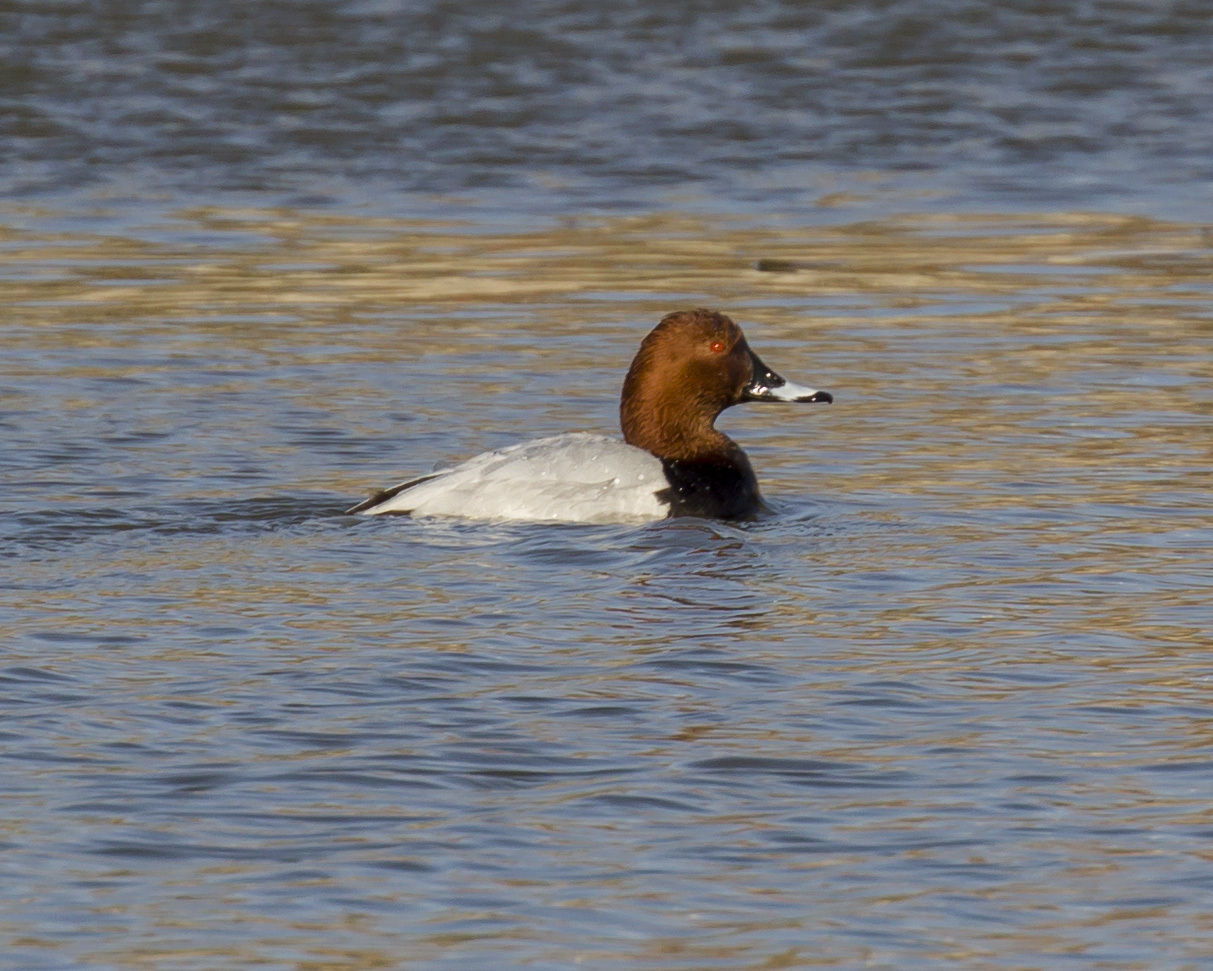
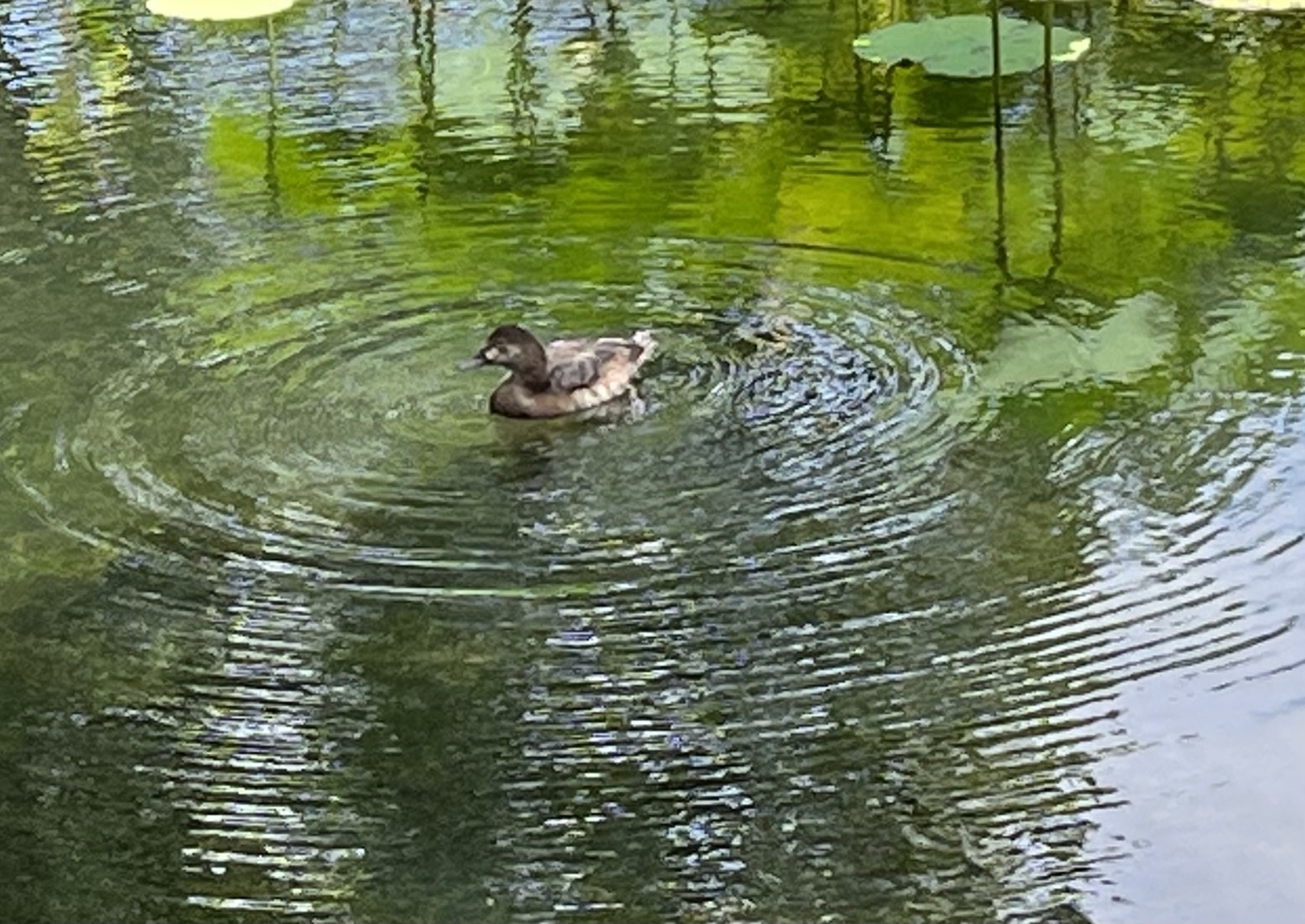
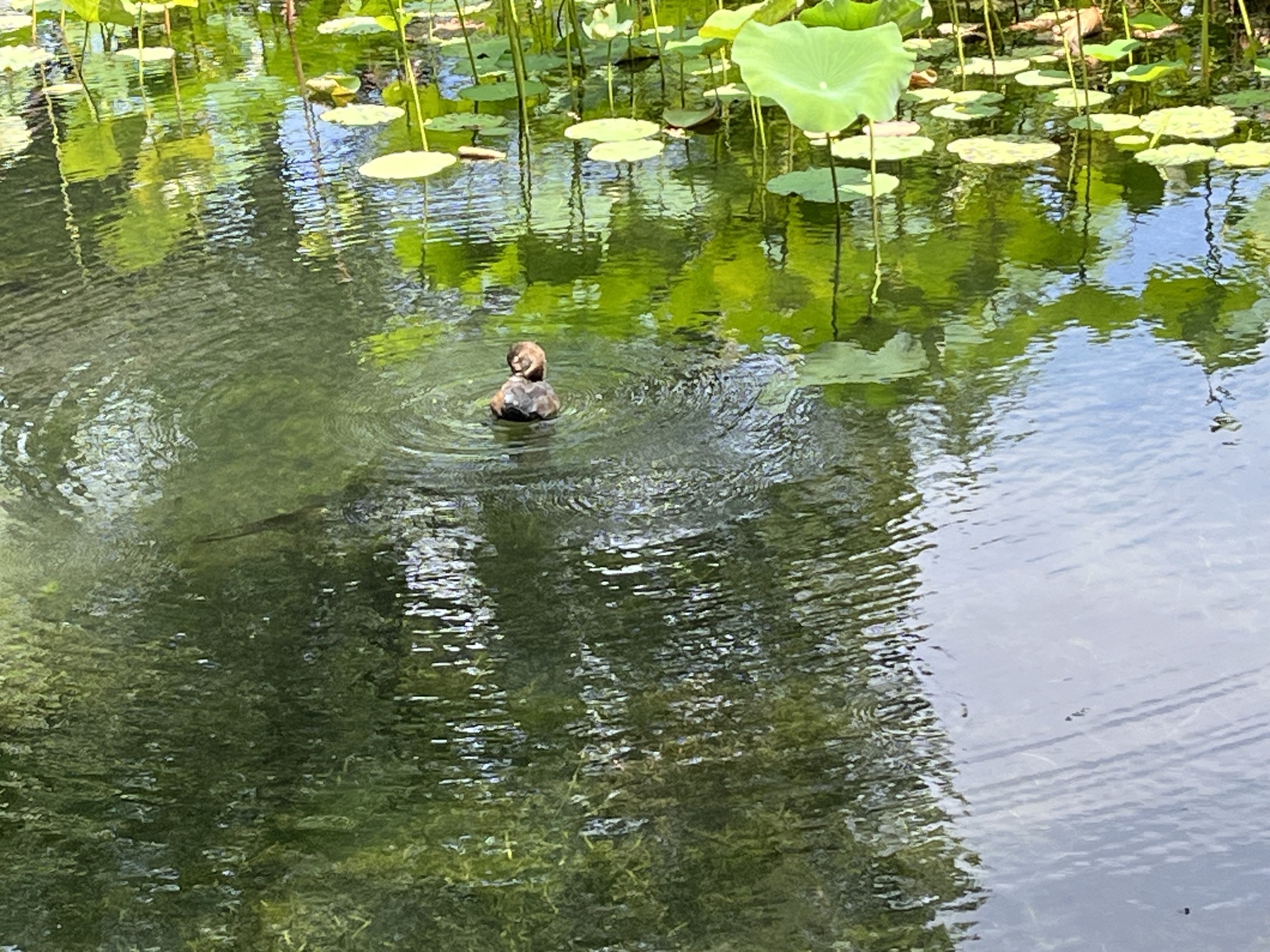
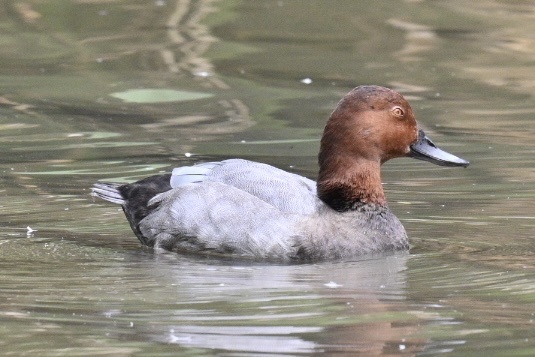
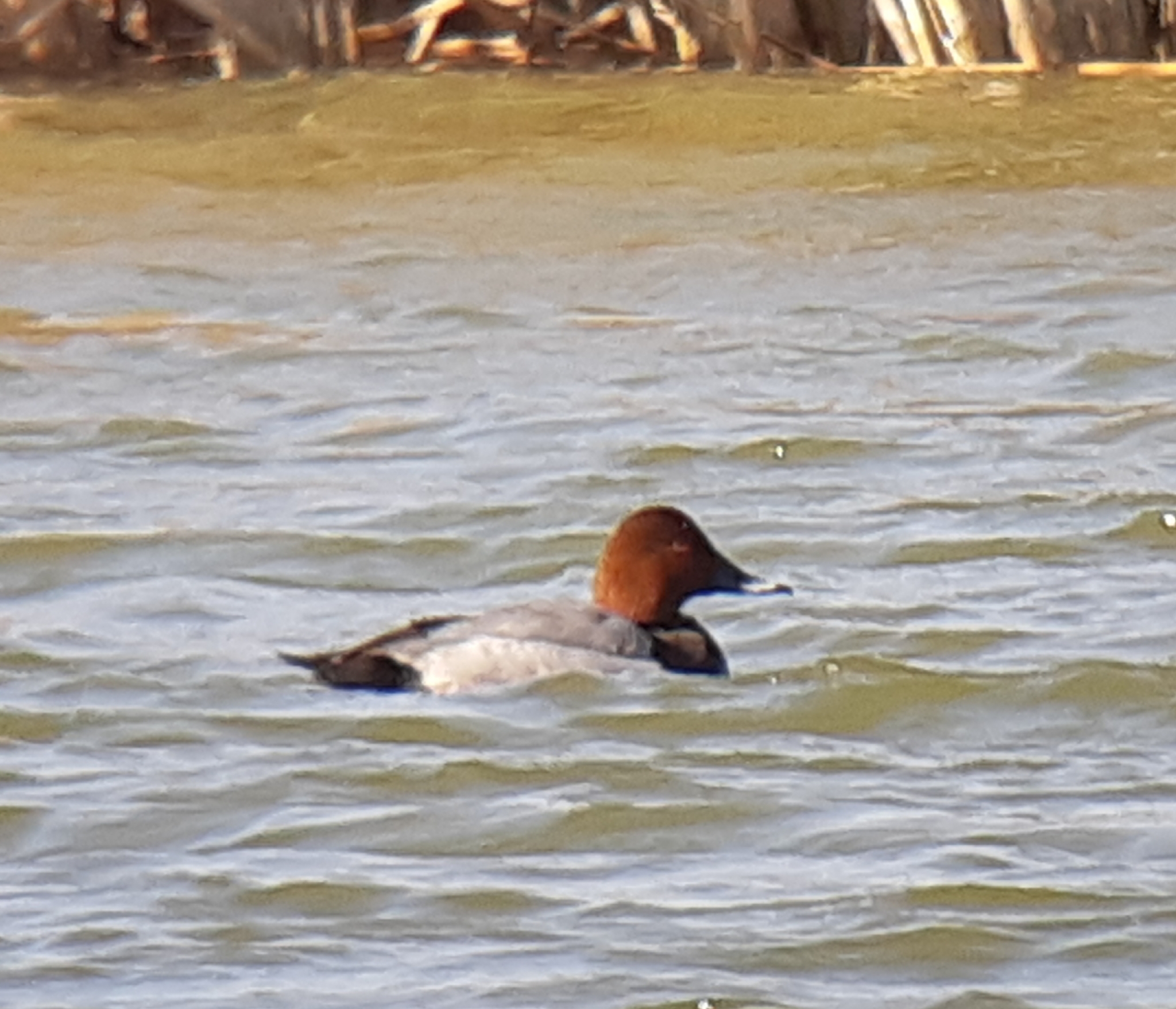
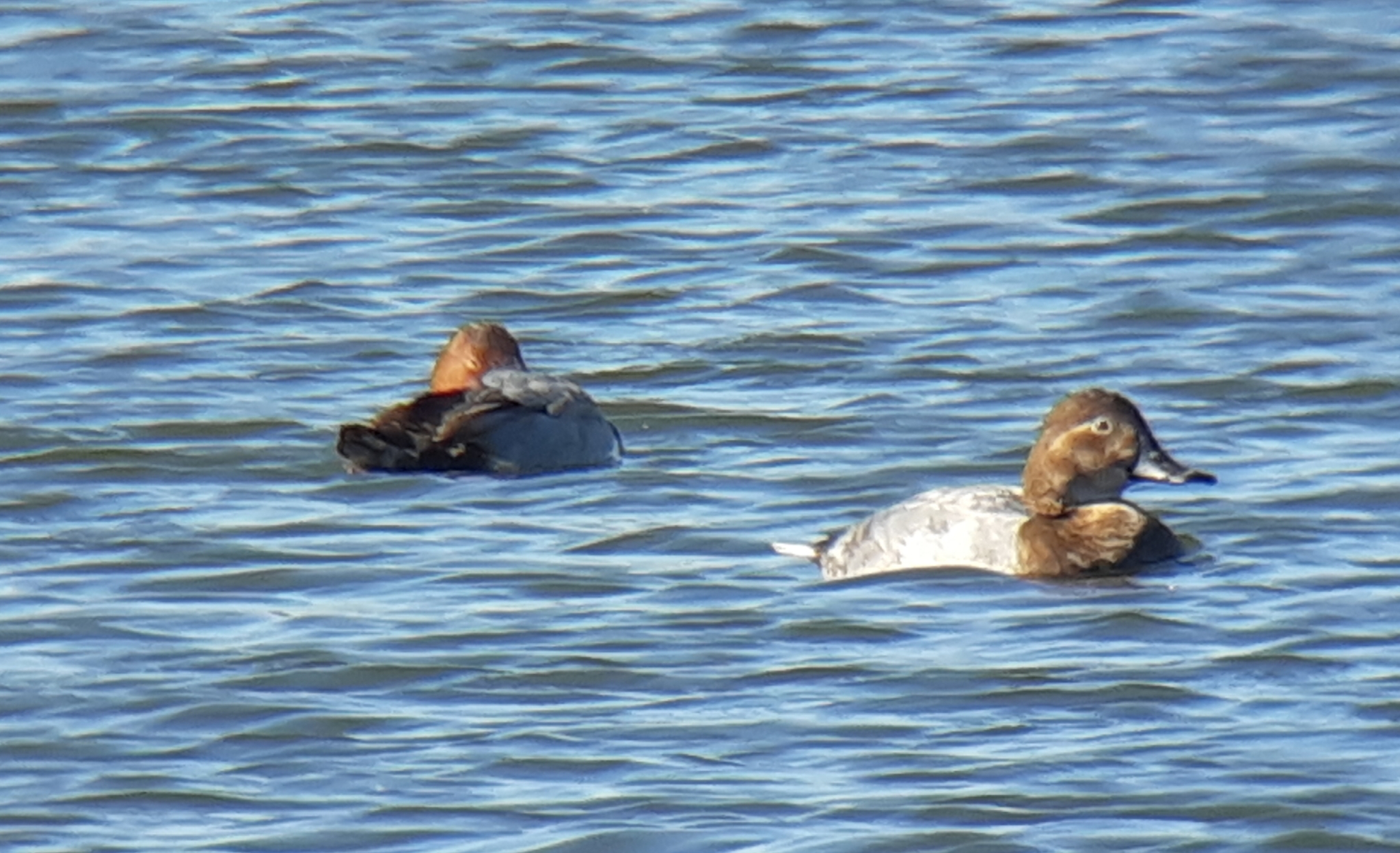
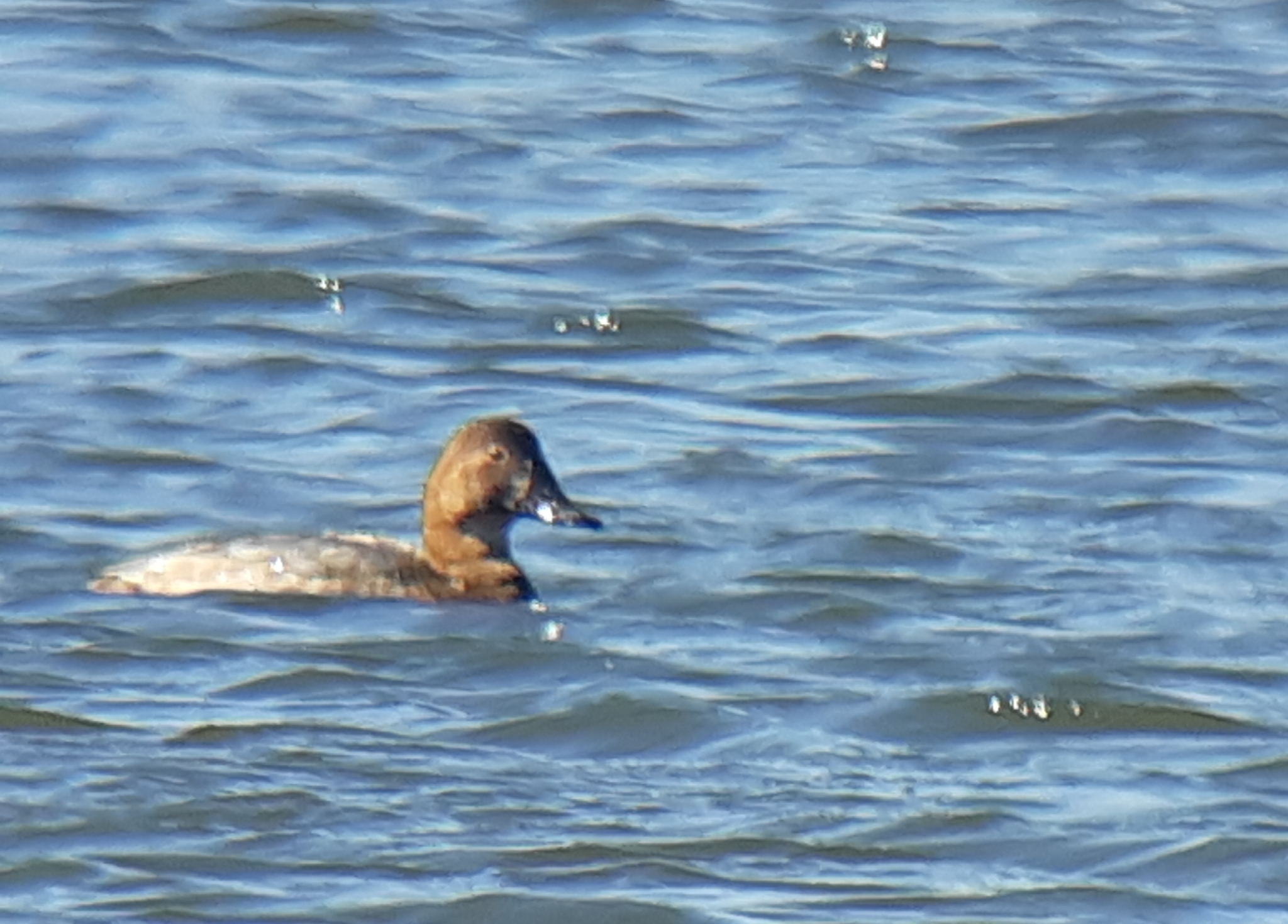
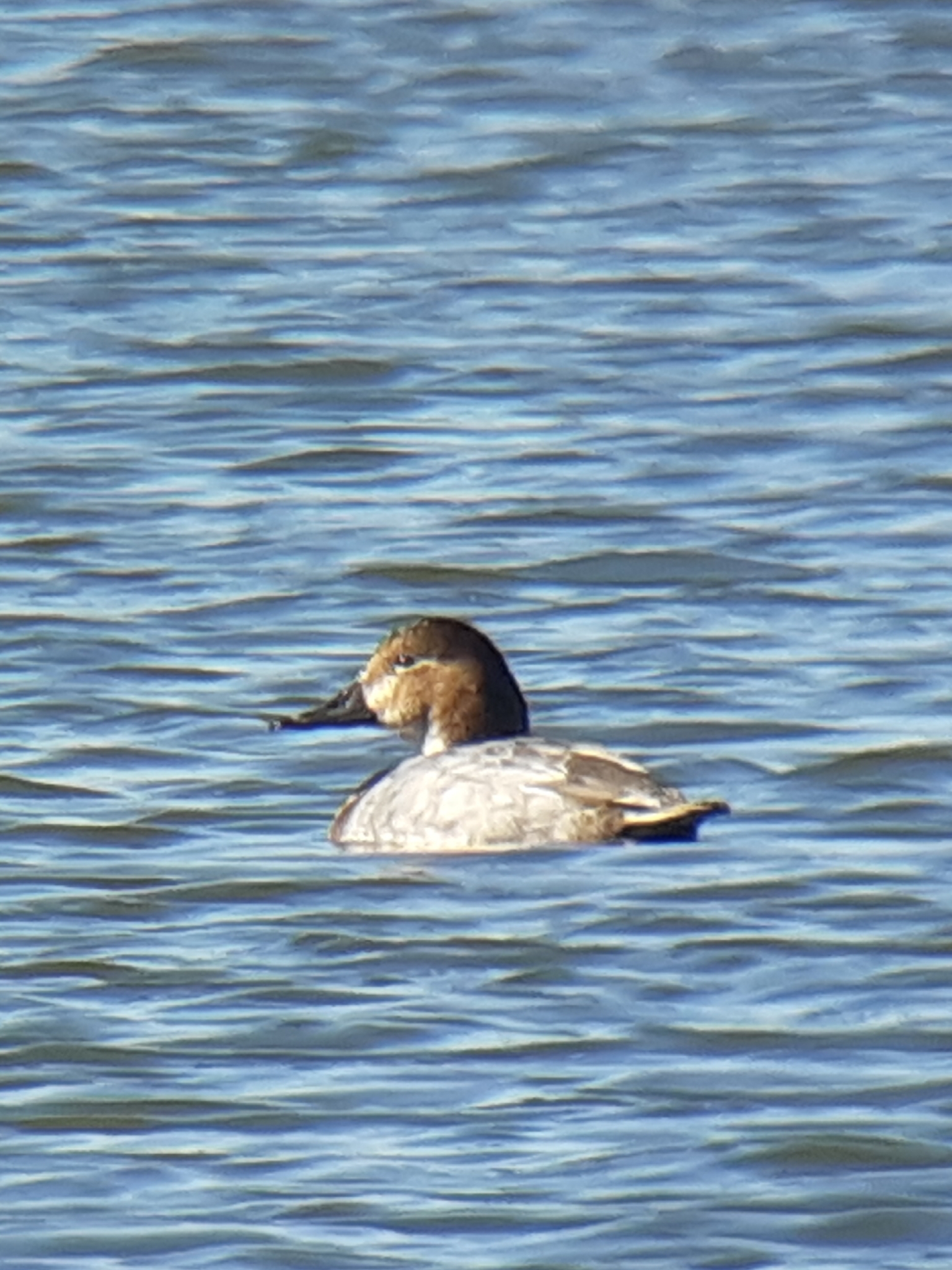
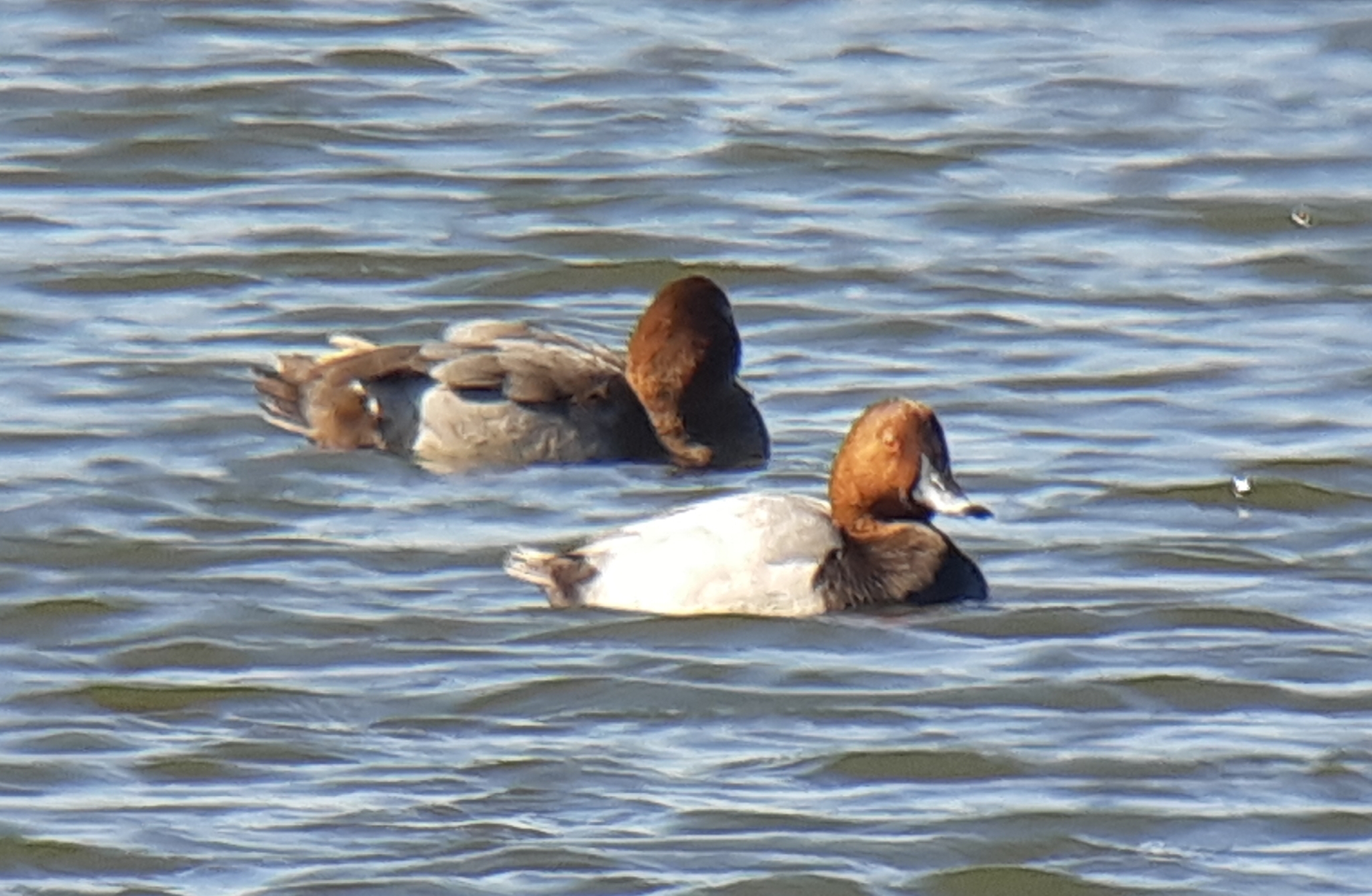
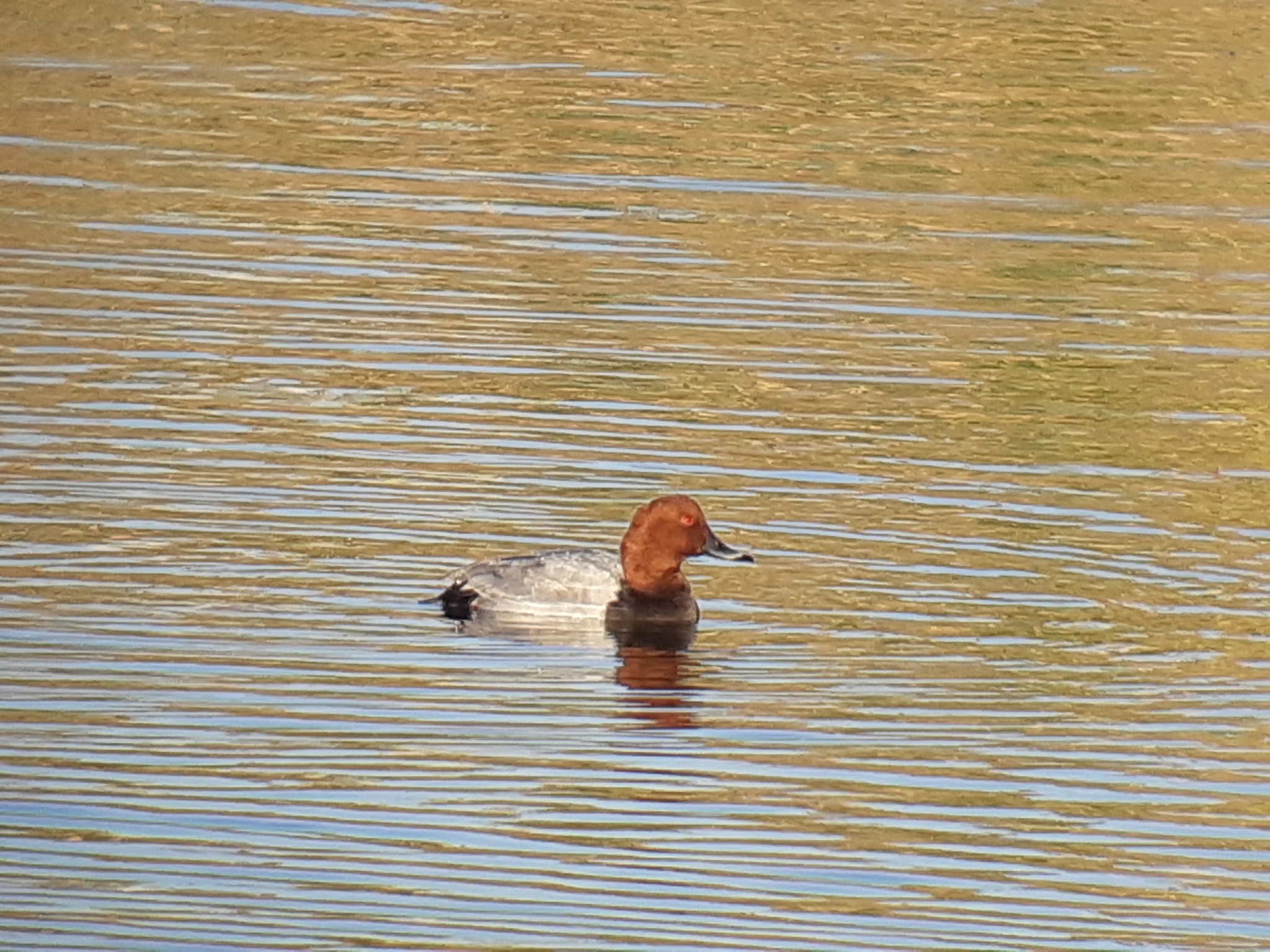
This is a plump, medium-sized diving duck measuring 42–49 cm in length with a wingspan of 72–82 cm. Adults weigh between 467 and 1,240 g, with males averaging larger and heavier than females. The bird has a stocky build, short tail, sloping forehead, and a relatively long bill. The legs and feet are grey in both sexes and all ages. The male in breeding plumage has a chestnut-coloured head and neck, black breast and tail, and a pale grey body finely marked with vermiculations. Its bill is dark grey with a distinctive wide blue-grey band across the middle, and the iris ranges from yellow-orange to red, brightening during the breeding season. The female is more subdued, with a brown iris that may appear yellowish-brown. Juveniles have a yellow-olive iris that gradually changes to adult colour during their first winter.
Identification
The male can be confused with the canvasback, which has an all-dark bill lacking the blue-grey band. It also resembles the male redhead, but the redhead has a yellow iris and a greyer back. Females and juveniles are more challenging to identify and are best distinguished by their association with males of known species and their distinctive head shape with the sloping forehead. The combination of the head colour pattern, bill pattern, and overall shape provides the most reliable identification features.
Distribution & Habitat
Breeding habitat consists of marshes and lakes with at least a metre of water depth across temperate and northern Europe and much of the Palearctic. The species is migratory, spending winters in southern and western Europe. In the British Isles, breeding occurs in eastern England, lowland Scotland, and small numbers in Northern Ireland, with sporadic breeding in the Republic of Ireland. Large numbers overwinter in Great Britain after birds retreat from Russia and Scandinavia. Vagrant individuals occasionally appear in North America, particularly the United States and Canada, with a single South American record from Colombia.
Behavior & Ecology
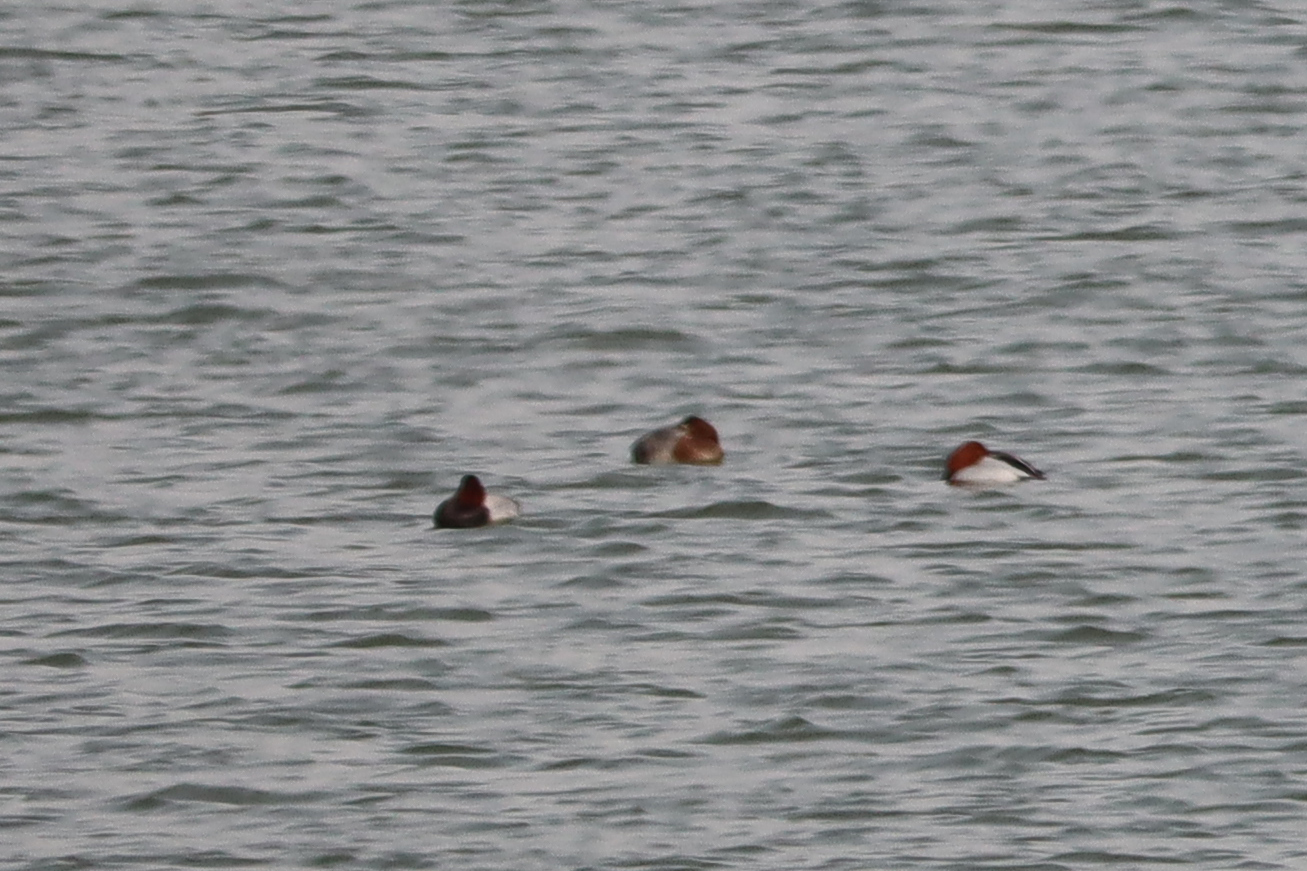
These are highly gregarious birds, forming large flocks in winter that often mix with other diving duck species. Feeding occurs primarily at night, with birds diving to retrieve plant material, seeds, small fish, molluscs, and aquatic invertebrates. They sometimes upend and dabble at the surface and have developed a remarkable foraging association with Bewick's and whooper swans, gleaning food items that float away as the swans trample underwater sediment—this can double their feeding efficiency. The female builds a nest platform of plant material lined with down, placed on the ground near water or floating in dense cover. She lays 8–10 greenish-grey eggs, averaging 62 × 44 mm, and incubates them for around 25 days. Ducklings are precocial and independent, fledging at 50–55 days. The male is generally silent but may whistle softly during courtship, while the female gives a soft growling call if flushed.
Conservation
Rated as Vulnerable by the IUCN despite the species' huge range and extremely large population. Evidence shows precipitous declines of 30–49% over a 23-year period in Europe. Main threats include urbanisation and habitat transformation, overhunting, and introduced predators—American mink have caused devastating declines, with one Polish population falling 92% in 30 years. Nest predation by carrion crows and marsh harriers is significant, though nests on islands or artificial platforms fare better. The species is protected under AEWA, but conservation efforts are complicated by the 75 official languages spoken across its range, fragmenting scientific collaboration. It carries various parasites including schistosomes that can transmit to humans swimming in shared wetland areas, causing cercarial dermatitis.
Culture
No significant cultural or folklore elements recorded for this species beyond its descriptive names in various languages. Simply known as 'pochard' in the United Kingdom, it is also referred to as European pochard or Eurasian pochard in other regions to distinguish it from similar species elsewhere.
Source: Wikipedia · CC BY-SA 3.0
Taxonomy
- Order
- Anseriformes
- Family
- Anatidae
- Genus
- Aythya
- eBird Code
- compoc
Distribution
Palearctic, breeding British Isles and southern Scandinavia eastward through east-central Russia, in south from Iberian Peninsula and Türkiye eastward through northeastern China; winters to tropical Africa and India eastward to Japan and southward to the northern Philippines
Data Sources
Species description from Wikipedia, licensed under CC BY-SA 3.0.
Bird images and sounds sourced from GBIF, contributed by citizen scientists worldwide under Creative Commons licenses.
Taxonomy data from AviList 2025.