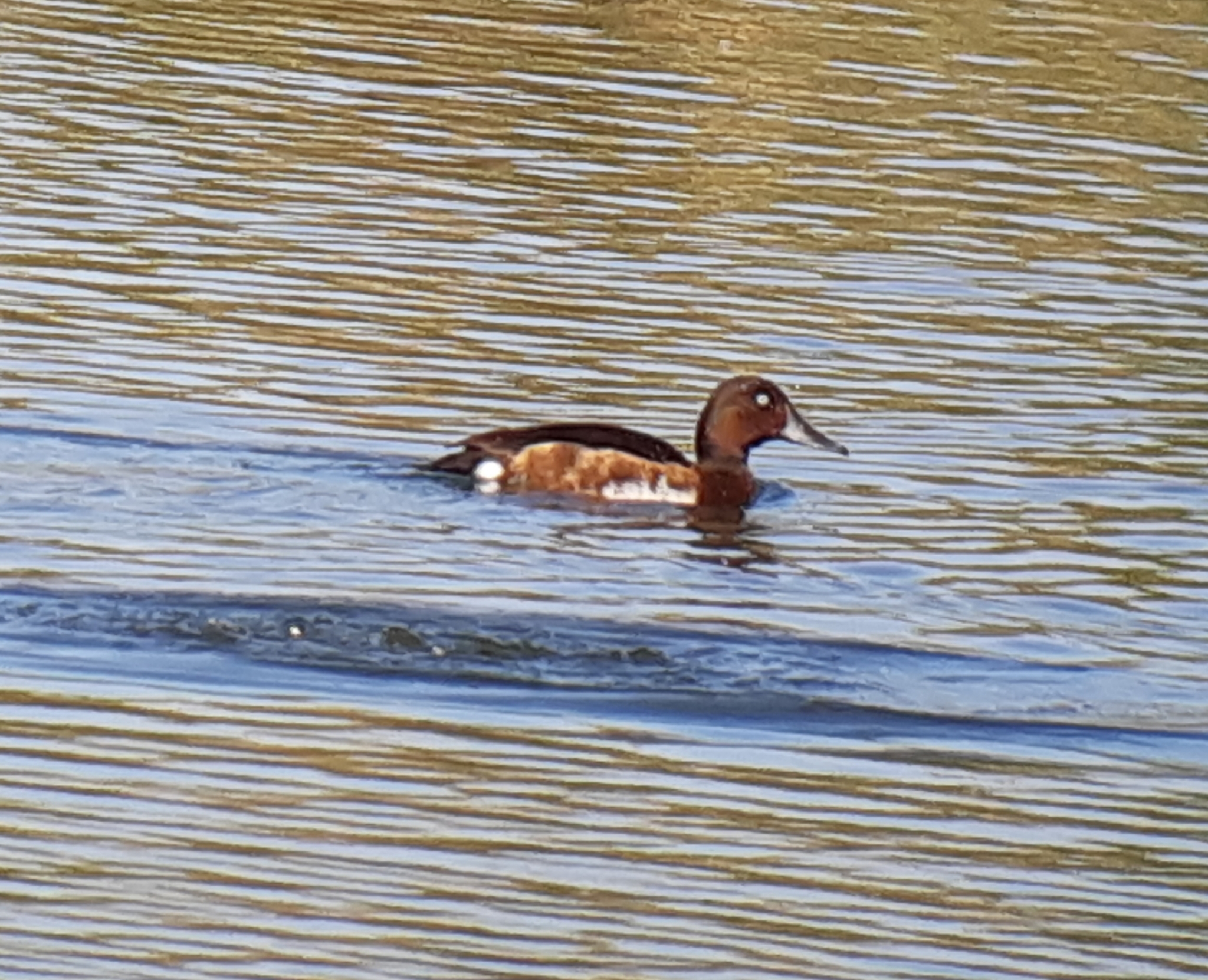
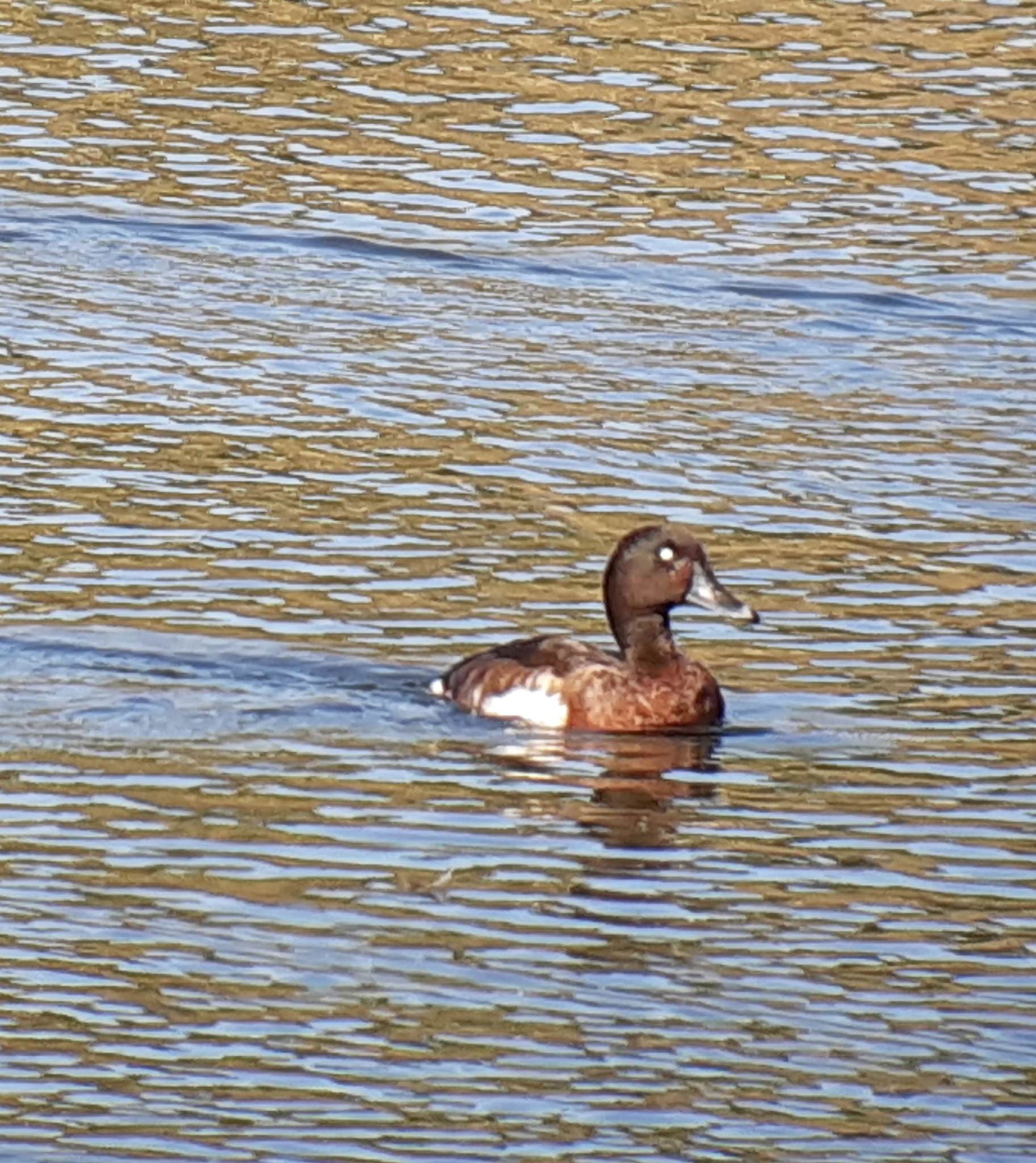
Baer's Pochard
Aythya baeri
青头潜鸭
Introduction
The Baer's Pochard (Aythya baeri) is a diving duck species endemic to eastern Asia. Fewer than 1,000 mature individuals remain in the wild. The species inhabits freshwater lakes, marshes, and slow-flowing rivers throughout eastern Asia, breeding in northeastern China and southern Russia before dispersing southward for winter. Unlike many diving ducks that form large flocks, this species tends to be solitary and favors vegetated wetlands. It is completely protected in China as a first-class protected animal, and international conservation efforts are underway.
Description
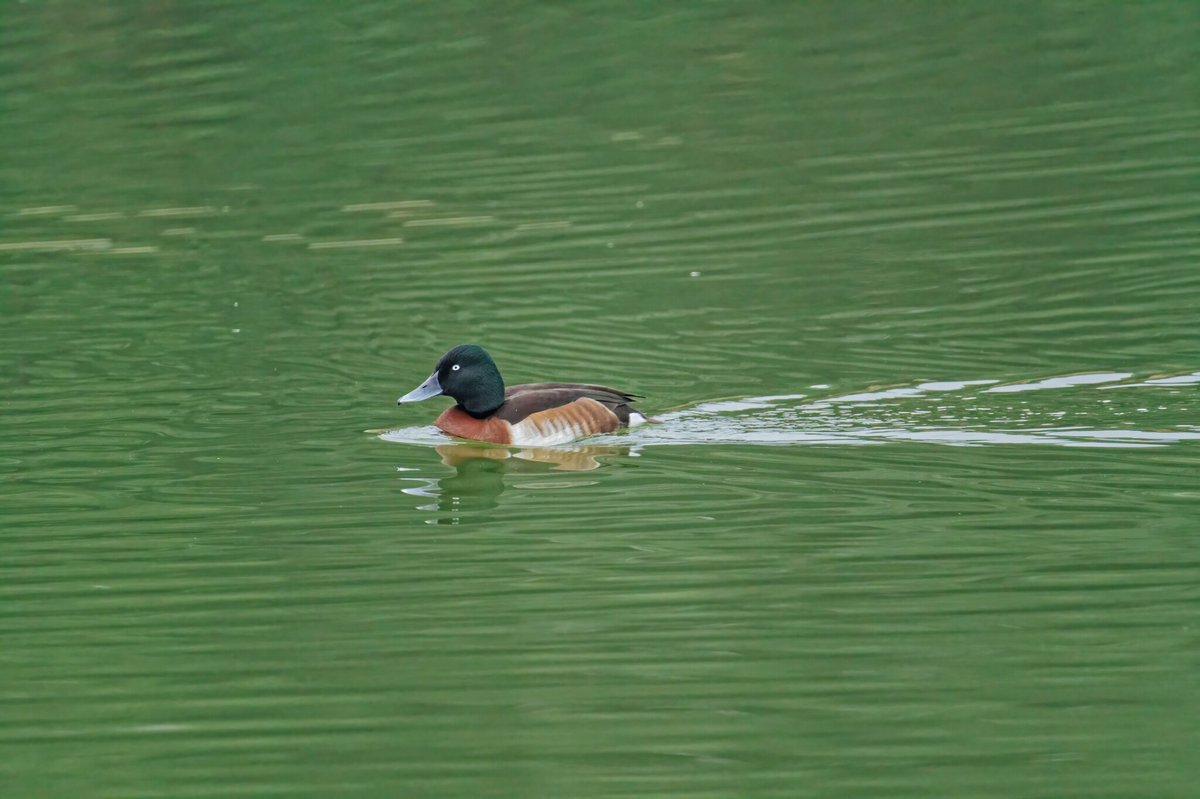
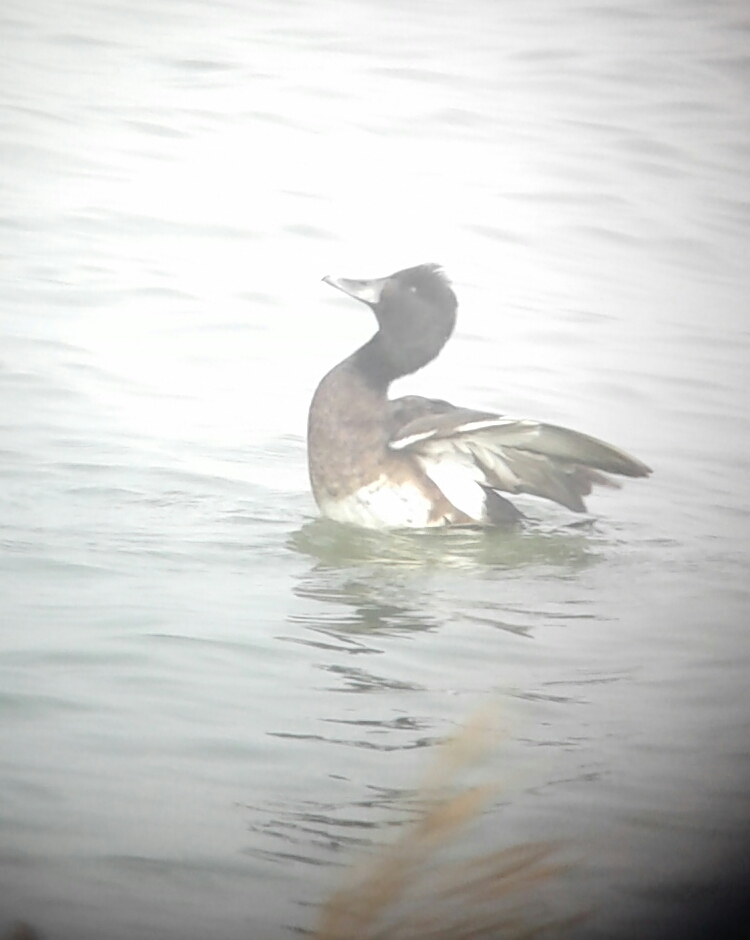
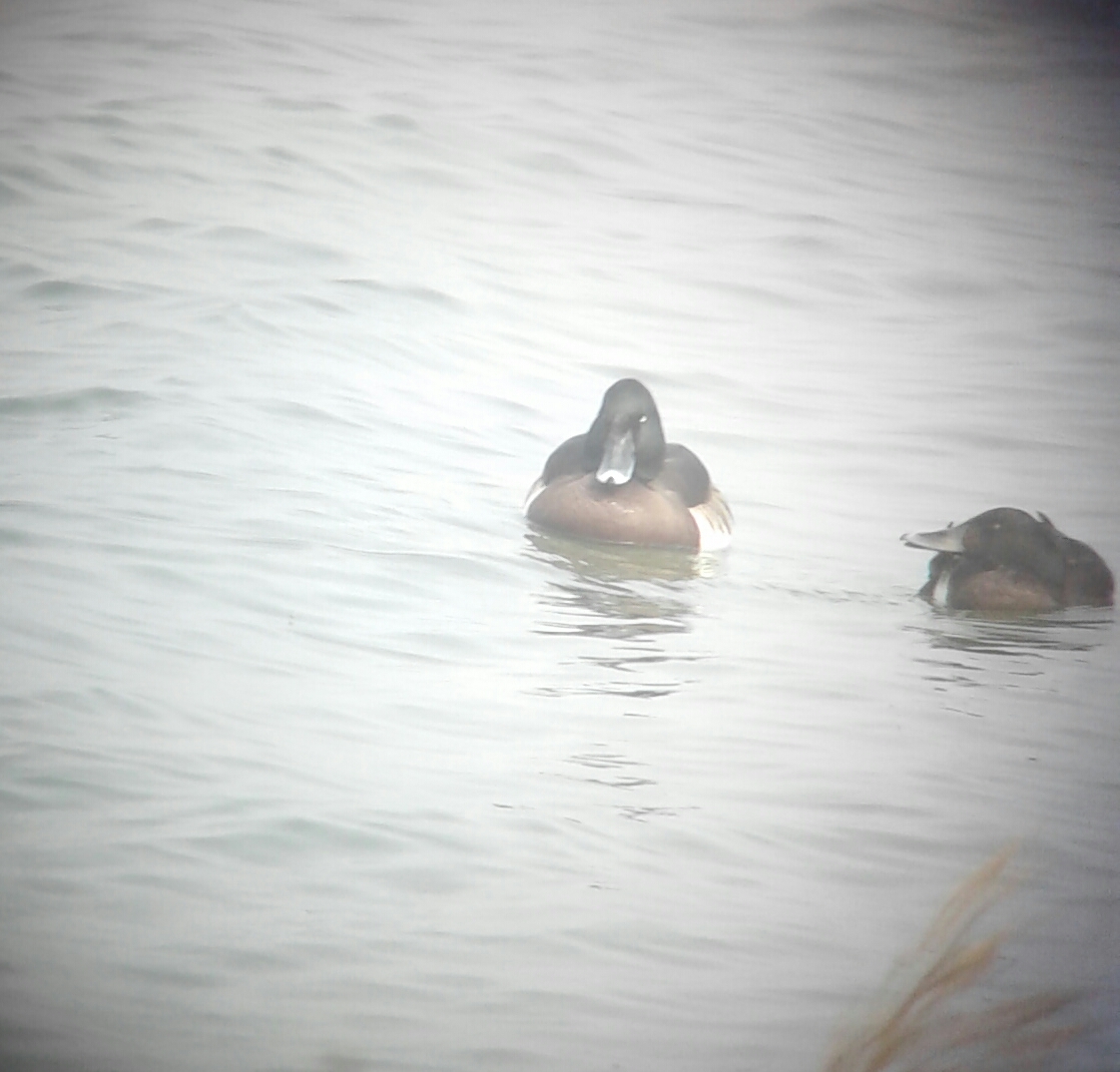
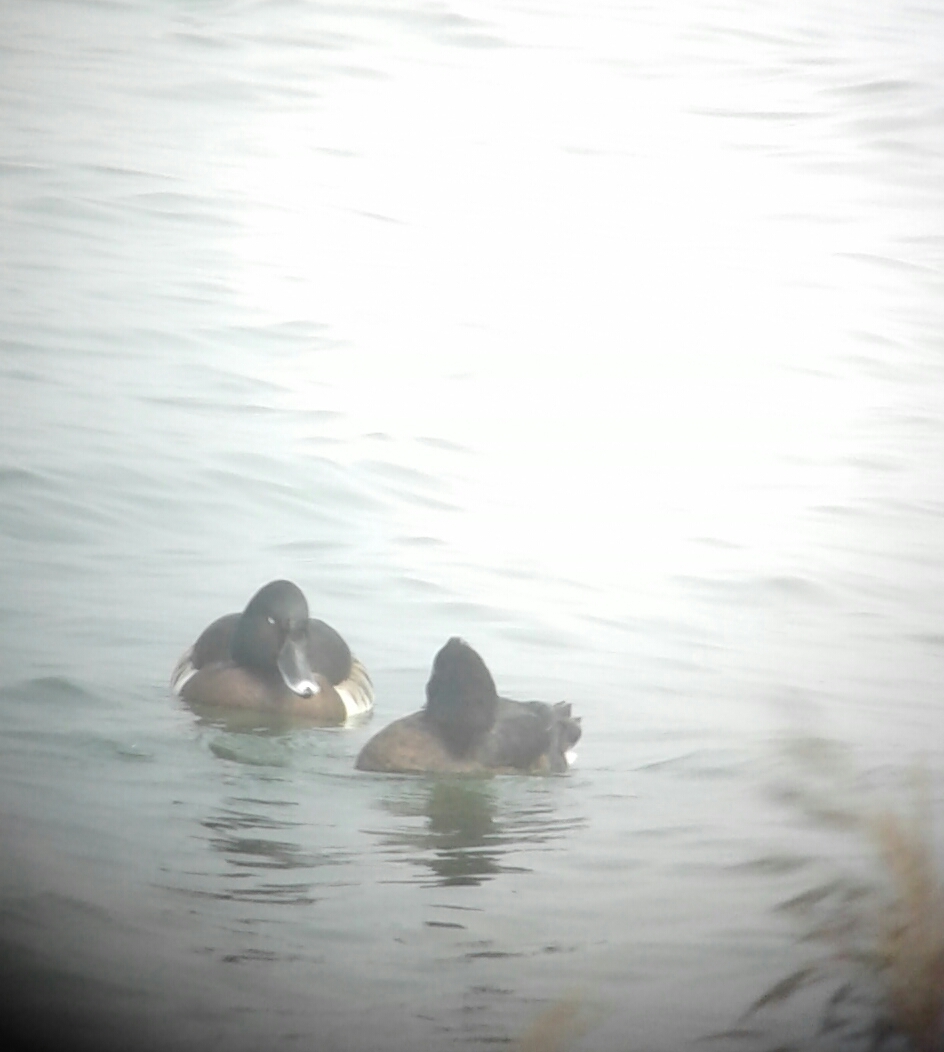
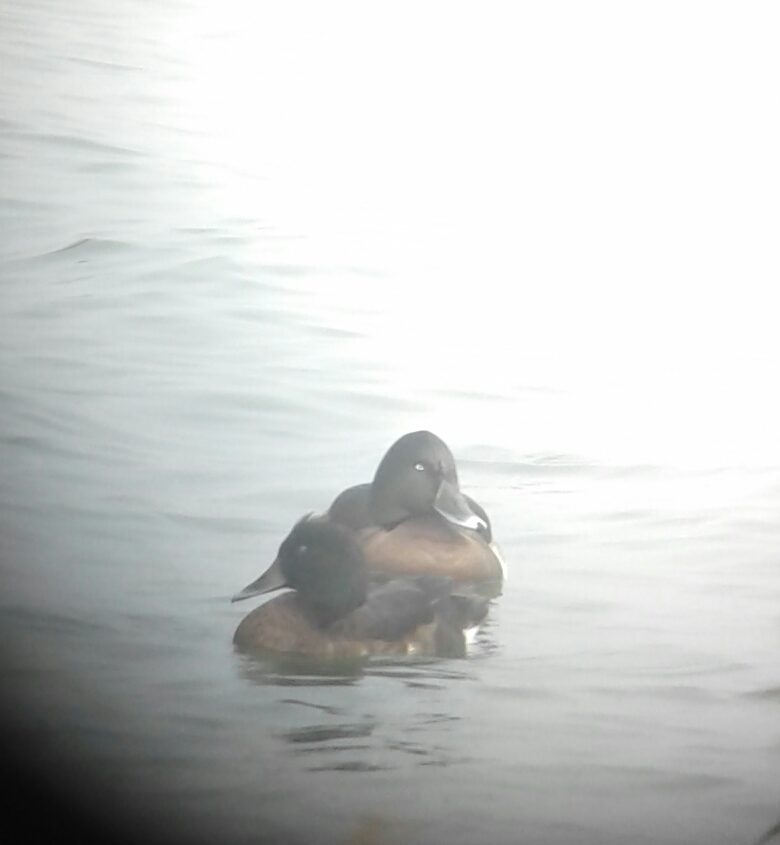
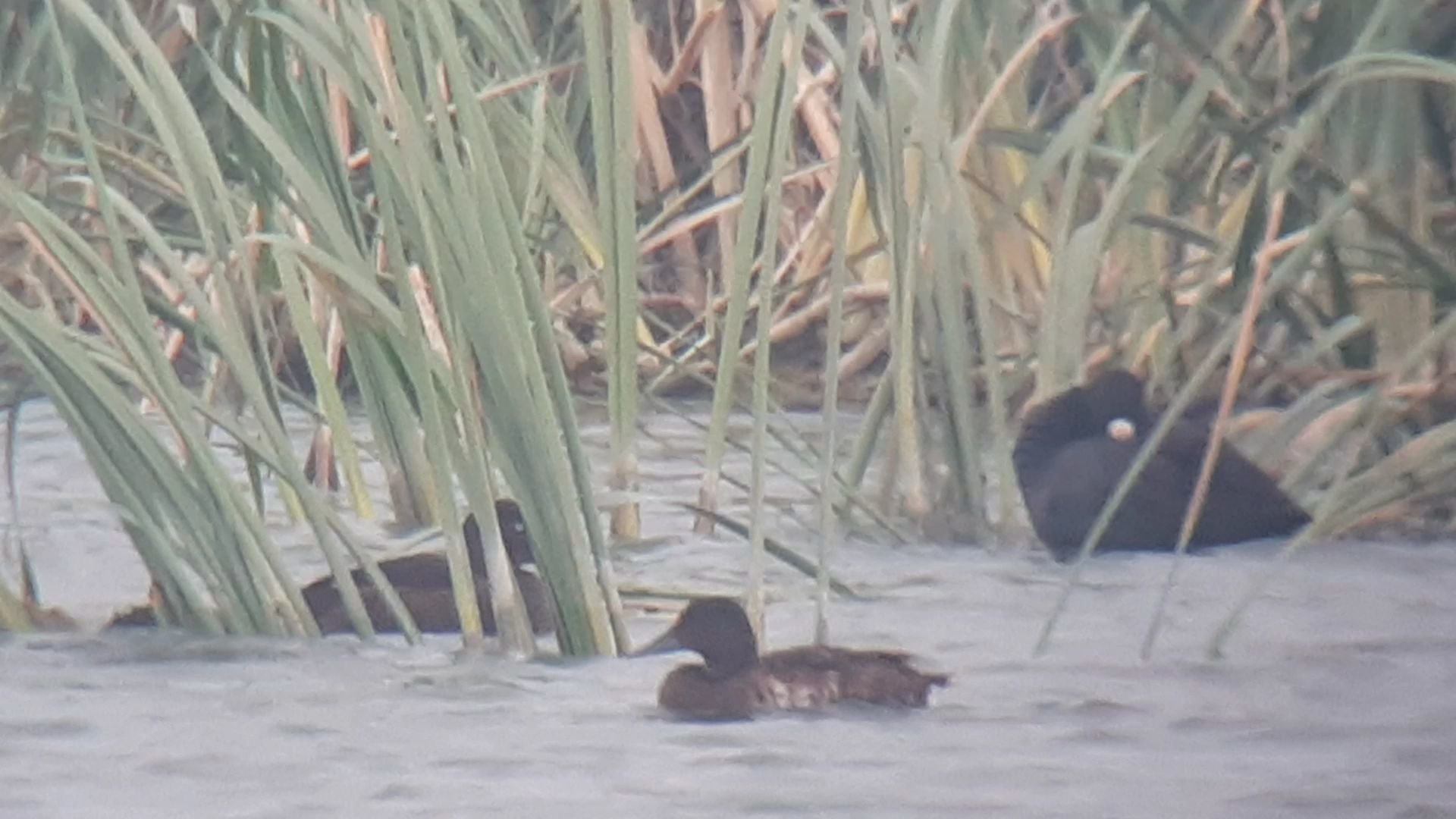
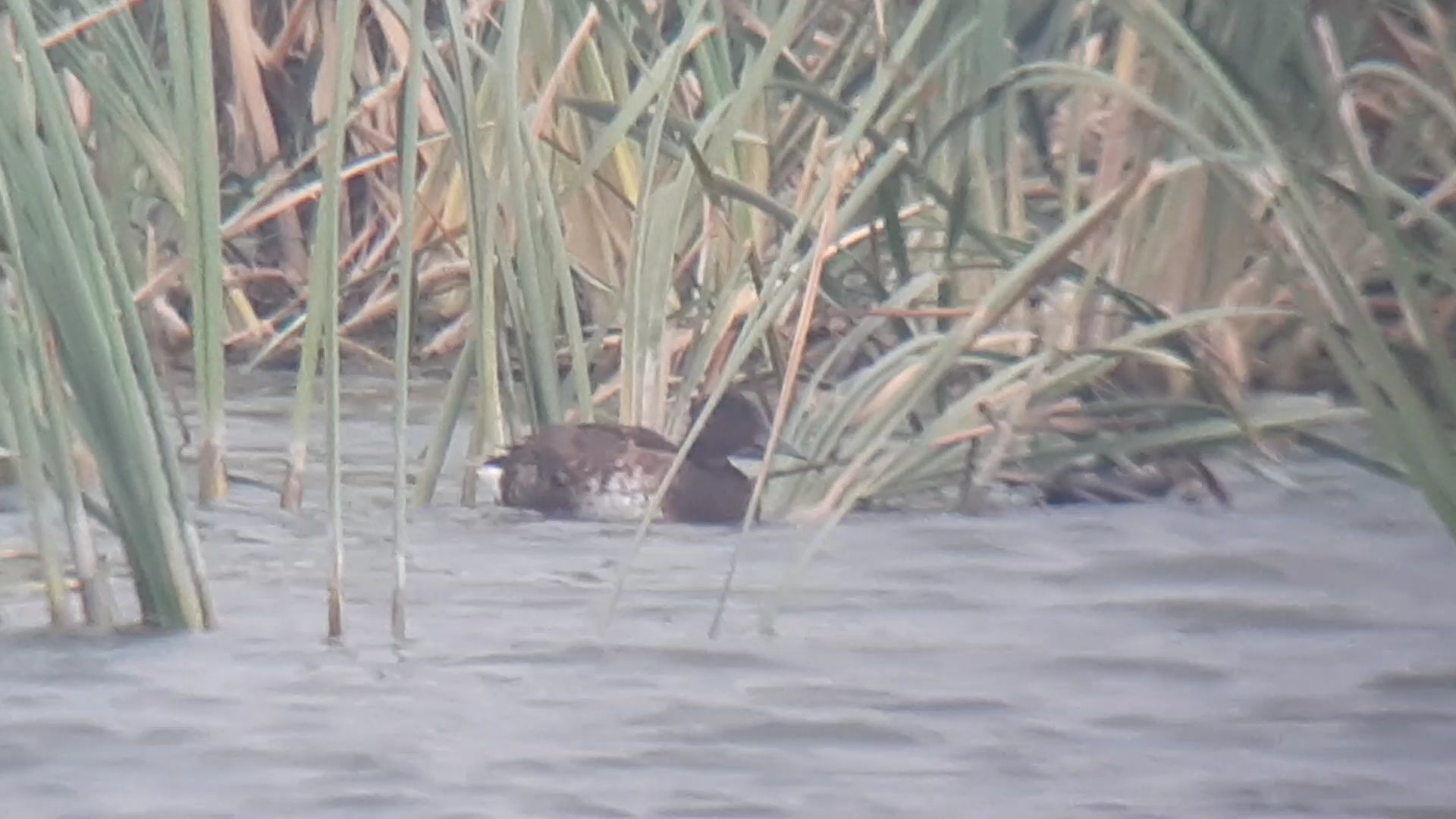
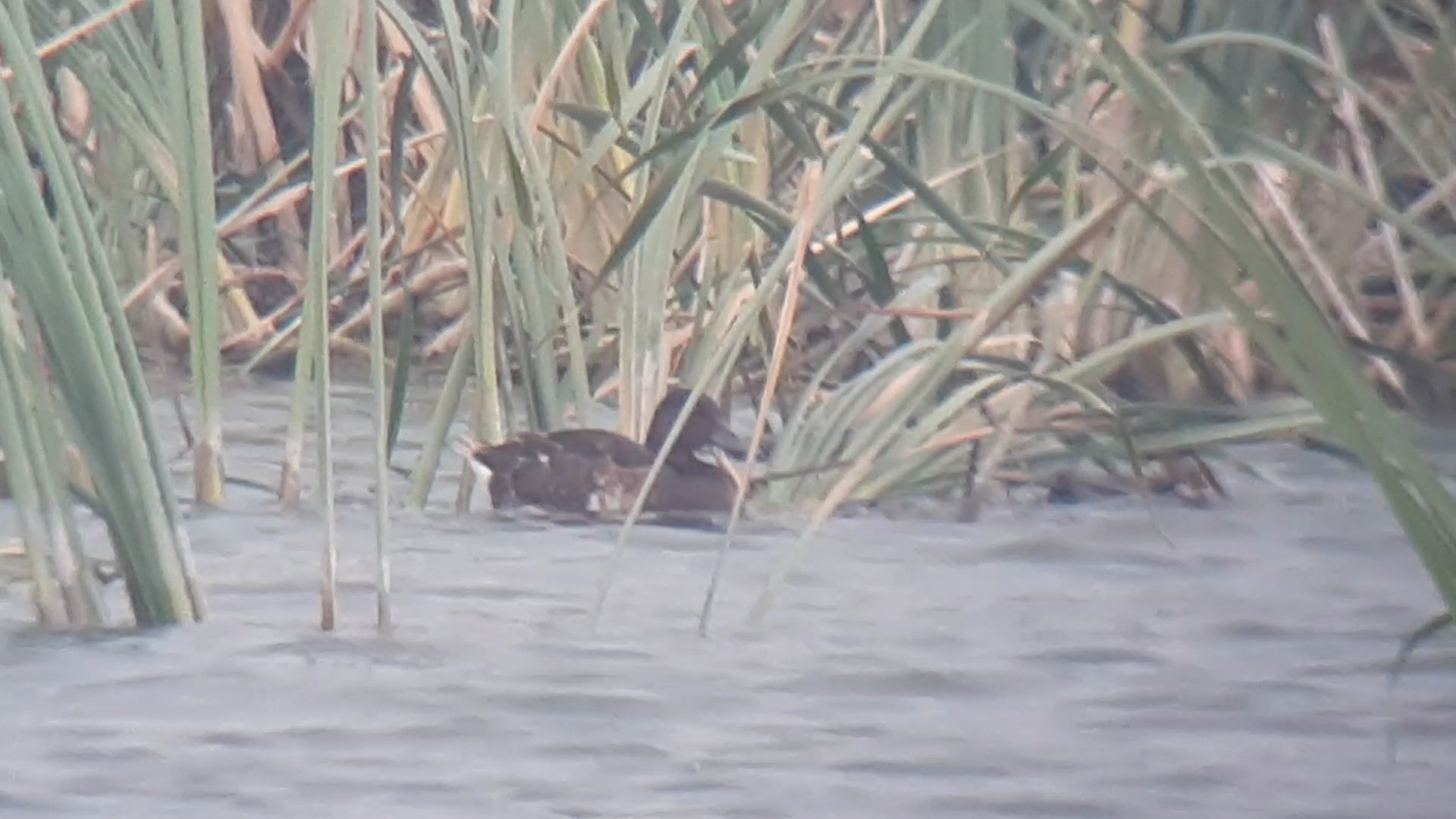
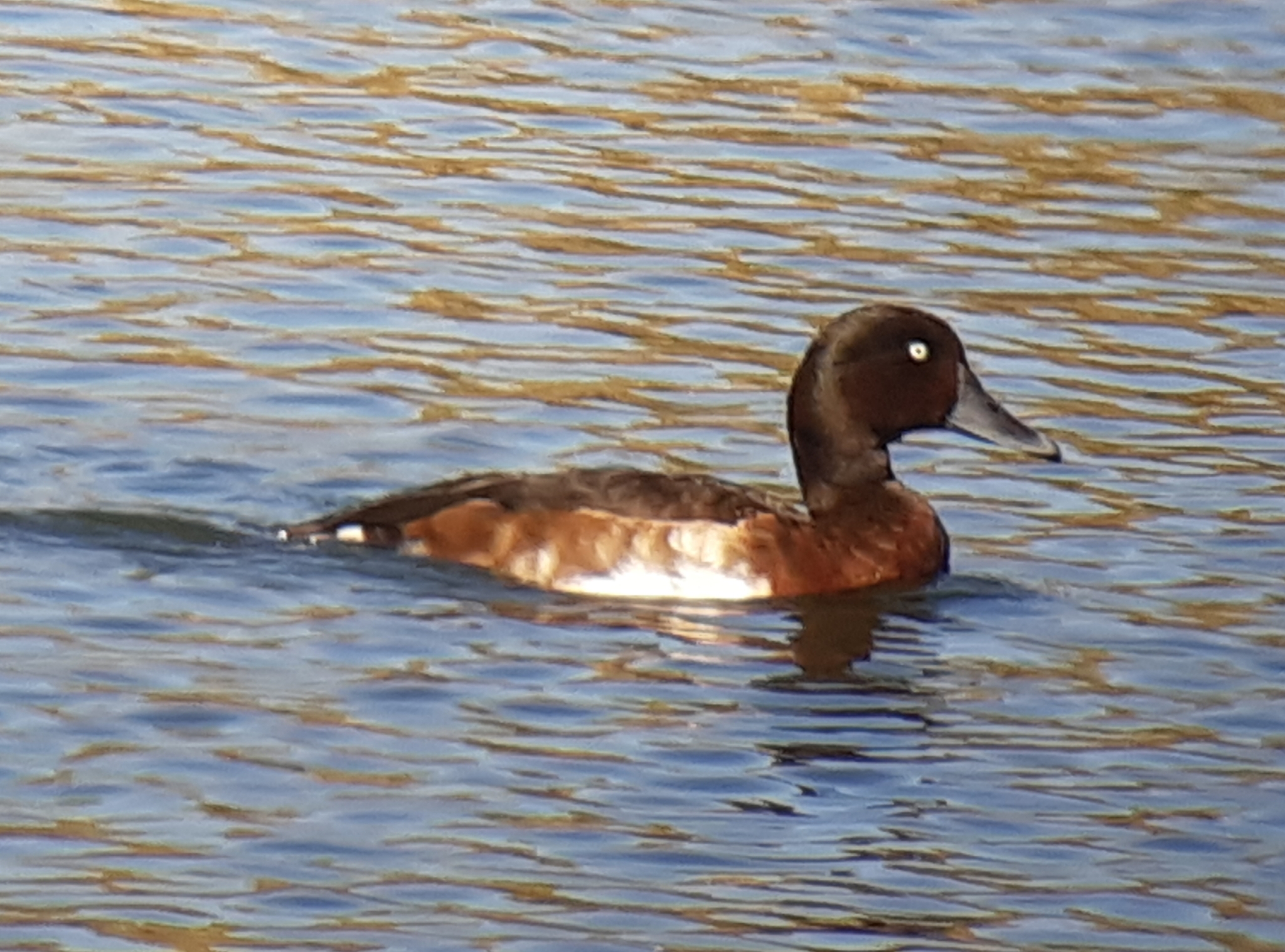
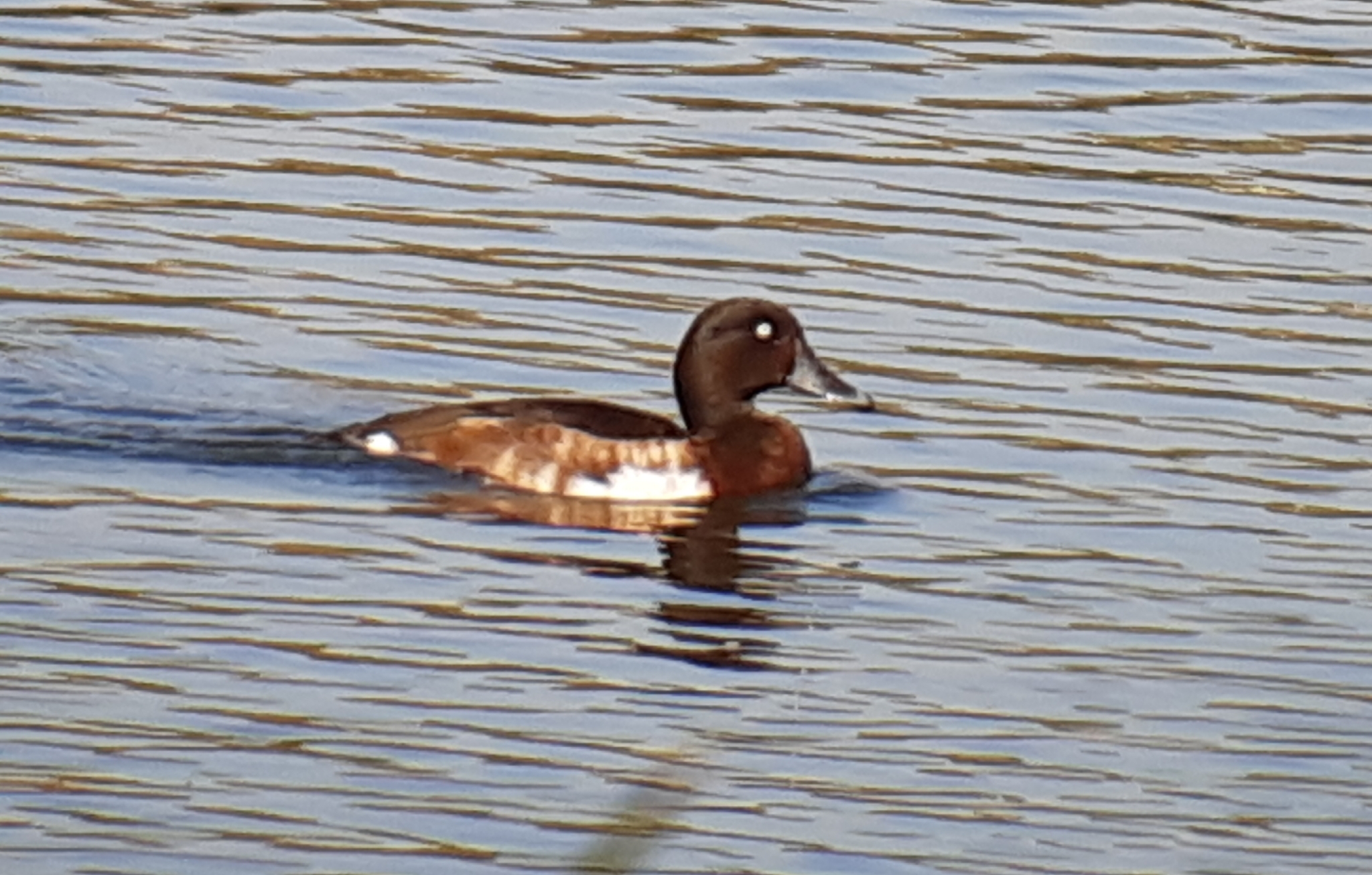
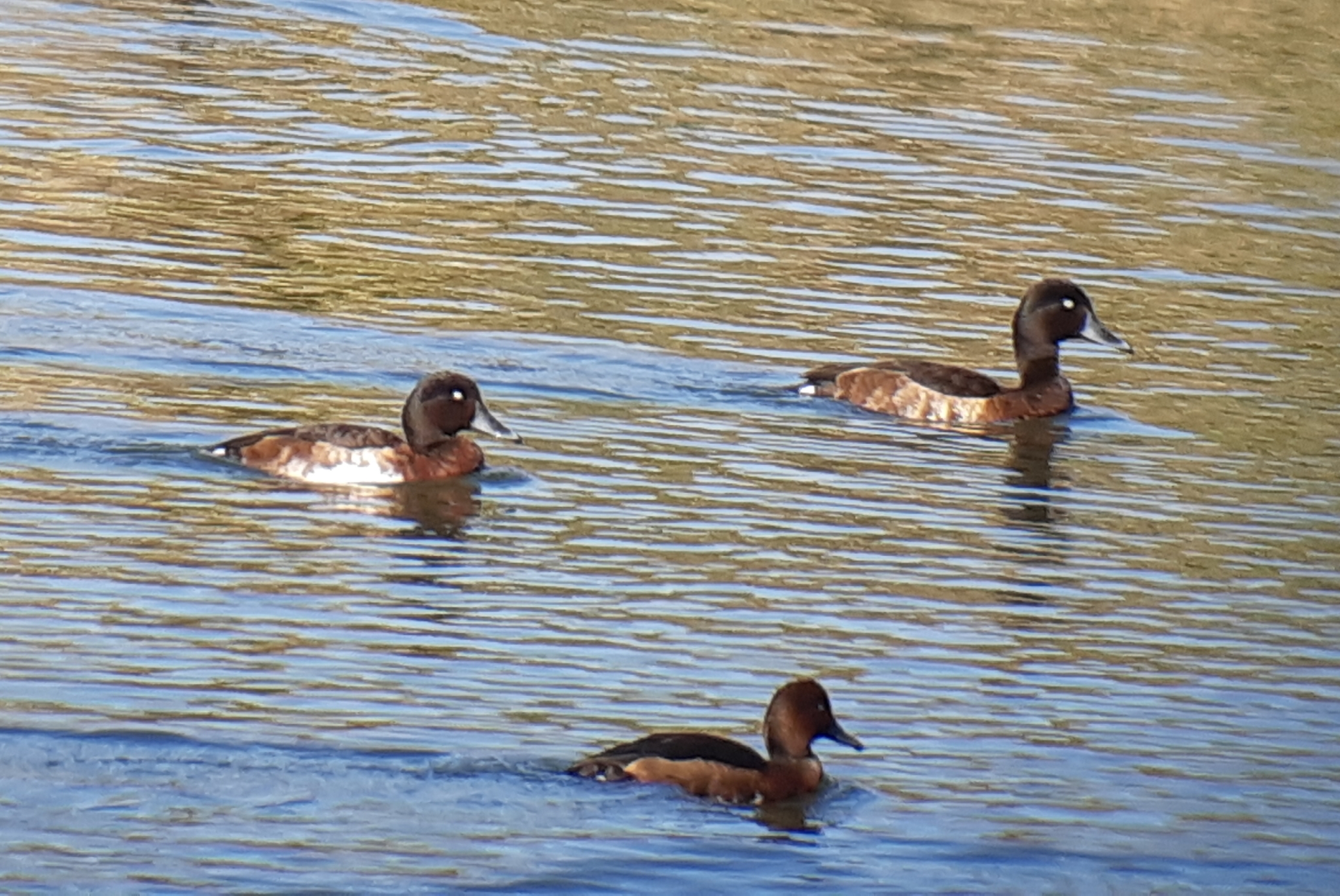
A medium-sized diving duck measuring 41-47 cm with a wingspan of 70-79 cm. Males are slightly larger, weighing 500-730 g, while females average 590-655 g. The breeding male displays a glossy black head and neck with green iridescence, contrasting white or pale yellow eyes, a blackish-brown back, dark chestnut breast, and white to light chestnut flanks. In poor lighting, the male can appear entirely black. Females have brown eyes and dark brown head and neck coloring that blends into chestnut-brown breast and flanks. Eclipse males resemble females but retain the distinctive white eyes. Both sexes show a wide white speculum patch, white underparts, dark grey bill with black nail, and dark grey legs. The species is notably larger and longer-headed than the ferruginous duck.
Identification
The most reliable identification feature is the extensive white plumage on the flanks, which remains visible when the bird floats on the water—a trait absent in the similar ferruginous duck. Males can be distinguished by their white or pale yellow eyes compared to the dark eyes of females and the all-dark appearance of ferruginous ducks. The head shape is crucial: Baer's pochard has a longer, more rounded head with a flatter forehead, contrasting with the tall, triangular head profile of the ferruginous duck. Females possess a bright chestnut spot at the lore that ferruginous ducks lack. In flight, both sexes show a bold white speculum. The white belly patch extends onto the flanks, unlike the restricted white belly of the ferruginous duck.
Distribution & Habitat
Traditional breeding grounds lie in the Amur and Ussuri basins of Northeast China and the Russian Far East, though the species has recently expanded into North and Central China. Wintering areas include most regions south of the Yellow River in China, along with Taiwan, Japan, Bangladesh, India, North Korea, Laos, Myanmar, Nepal, Thailand, and Vietnam, with occasional vagrant records in Bhutan, South Korea, the Philippines, and Pakistan. The species departs wintering grounds by mid-March and returns by mid-October or early November. It has become extremely rare in traditional northern breeding areas, with no confirmed breeding reports north of Beijing since 2010. New breeding populations have been discovered in Hebei, Hubei, and Jiangxi provinces. Wintering grounds have contracted significantly, with no regular wintering occurring outside mainland China since 2010-2011.
Behavior & Ecology
This shy species inhabits open, slow-flowing lakes, swamps, and ponds with rich aquatic vegetation. During winter, it forms large flocks on large, open freshwater lakes alongside other pochard species, typically sleeping during the day and departing for feeding sites at dusk. The diet consists primarily of aquatic plants, grass seeds, and molluscs. Breeding appears monogamous within seasons, with courtship involving males swimming around females while repeatedly nodding their heads. Nests are cylindrical structures built among emergent vegetation in shallow water or on small islands, constructed from sedges and reeds and lined with down. Clutch size ranges from 5-14 eggs, averaging 9.7. Males guard nests from approximately 10 meters away while females incubate for 23-26 days. Vocalizations include harsh "graaaak" calls during courtship, with females giving "kura kura kura" and males producing "kuro kuro" at other times.
Conservation
The species is classified as Critically Endangered by the IUCN, having been uplisted from Vulnerable to Endangered in 2008 and then to Critically Endangered in 2012. The global population is estimated at fewer than 1,000 mature individuals and continues to decline. Population data reveals catastrophic declines: China recorded 16,792 wintering individuals from 1986-1993, but only 2,131 from 2002-2011, representing a 99% decrease. Similar declines occurred across the wintering range, with Bangladesh recording over 3,000 in 1996 and India more than 1,400 in 1995-1997, but fewer than 50 individuals across all wintering grounds except China by 2011. The primary threats are hunting, with 336-4,803 birds killed annually at one Chinese site alone, and habitat loss from wetland degradation, pollution, and changes in aquatic vegetation. The first captive population of 54 individuals was established at Beijing Zoo in 2022 for potential reintroduction.
Culture
The species holds no significant cultural or folklore significance. The English common name commemorates Baltic German naturalist Karl Ernst von Baer, who was honored when the species was scientifically described in 1863. It is also known by several alternative English names including eastern white-eye, Siberian white-eye, Baer's white-eye, and green-headed pochard. Beyond its scientific recognition, the duck has not featured prominently in cultural traditions, mythology, or folklore of the regions it inhabits.
Source: Wikipedia · CC BY-SA 3.0
Taxonomy
- Order
- Anseriformes
- Family
- Anatidae
- Genus
- Aythya
- eBird Code
- baepoc1
Distribution
breeds northeastern Asia; winters to southern China and southeastern Asia (now rare everywhere)
Data Sources
Species description from Wikipedia, licensed under CC BY-SA 3.0.
Bird images and sounds sourced from GBIF, contributed by citizen scientists worldwide under Creative Commons licenses.
Taxonomy data from AviList 2025.