Accipitriformes / Accipitridae / Aviceda
Black Baza
Aviceda leuphotes · 黑冠鹃隼
Introduction
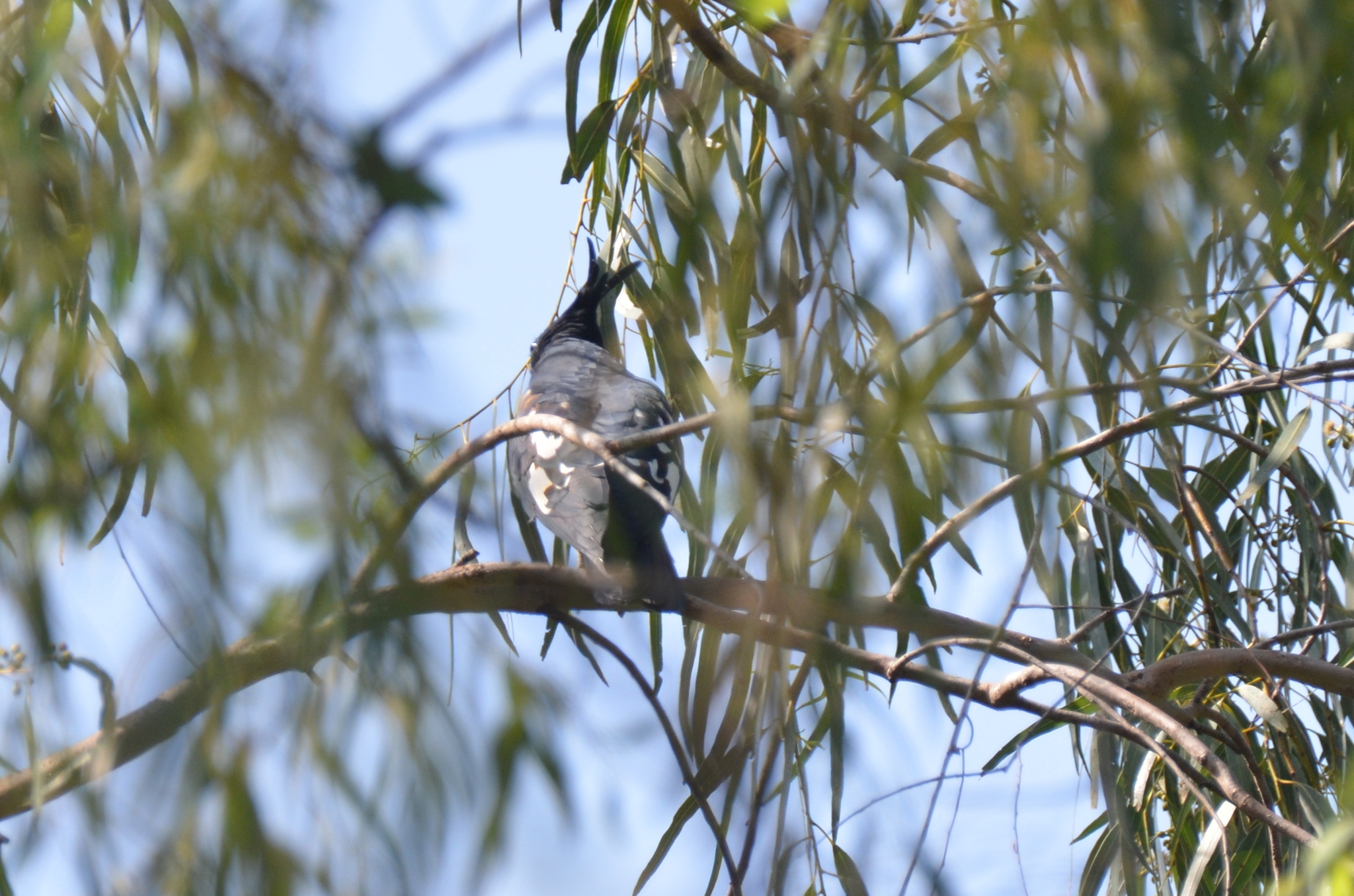
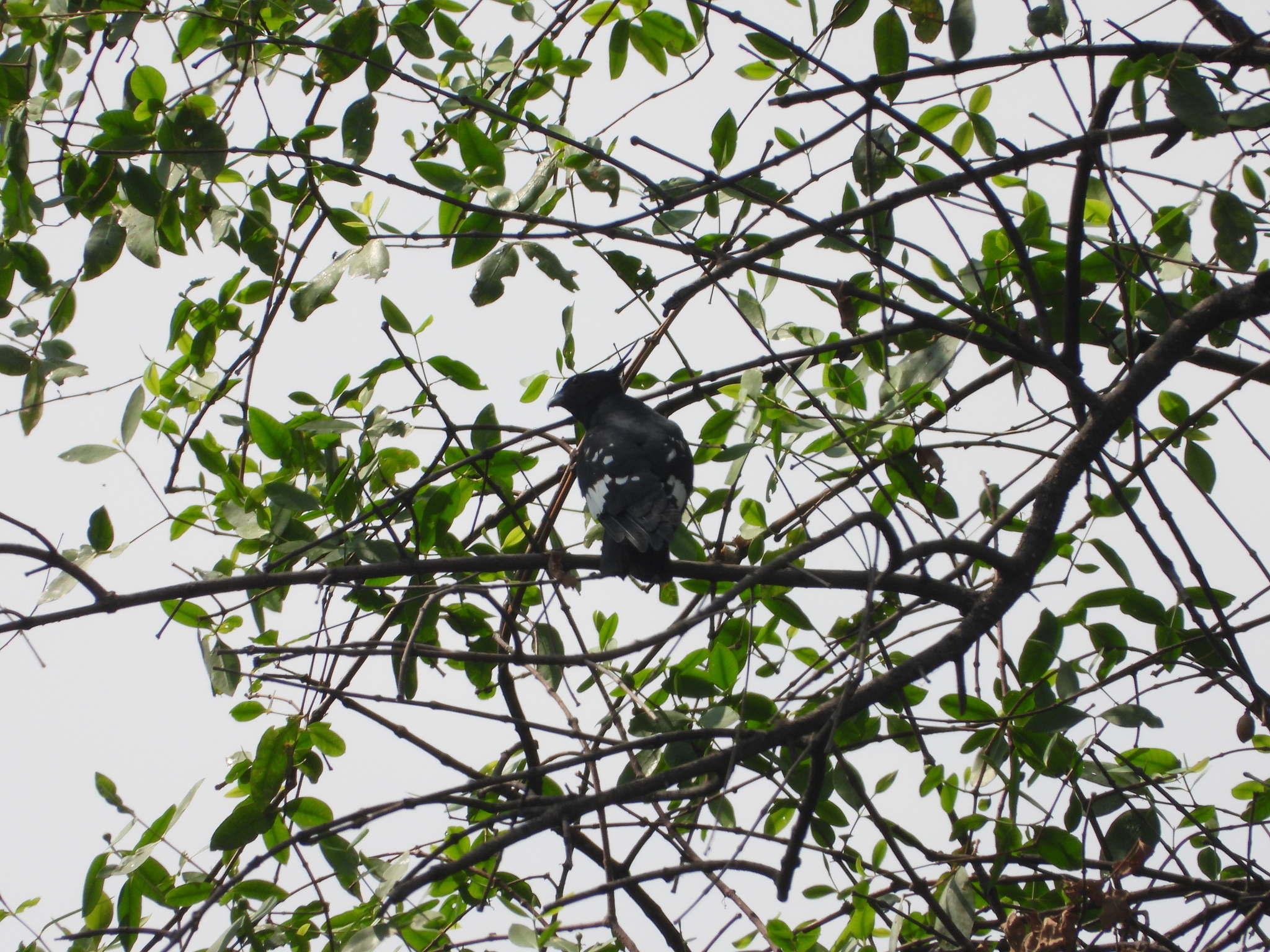
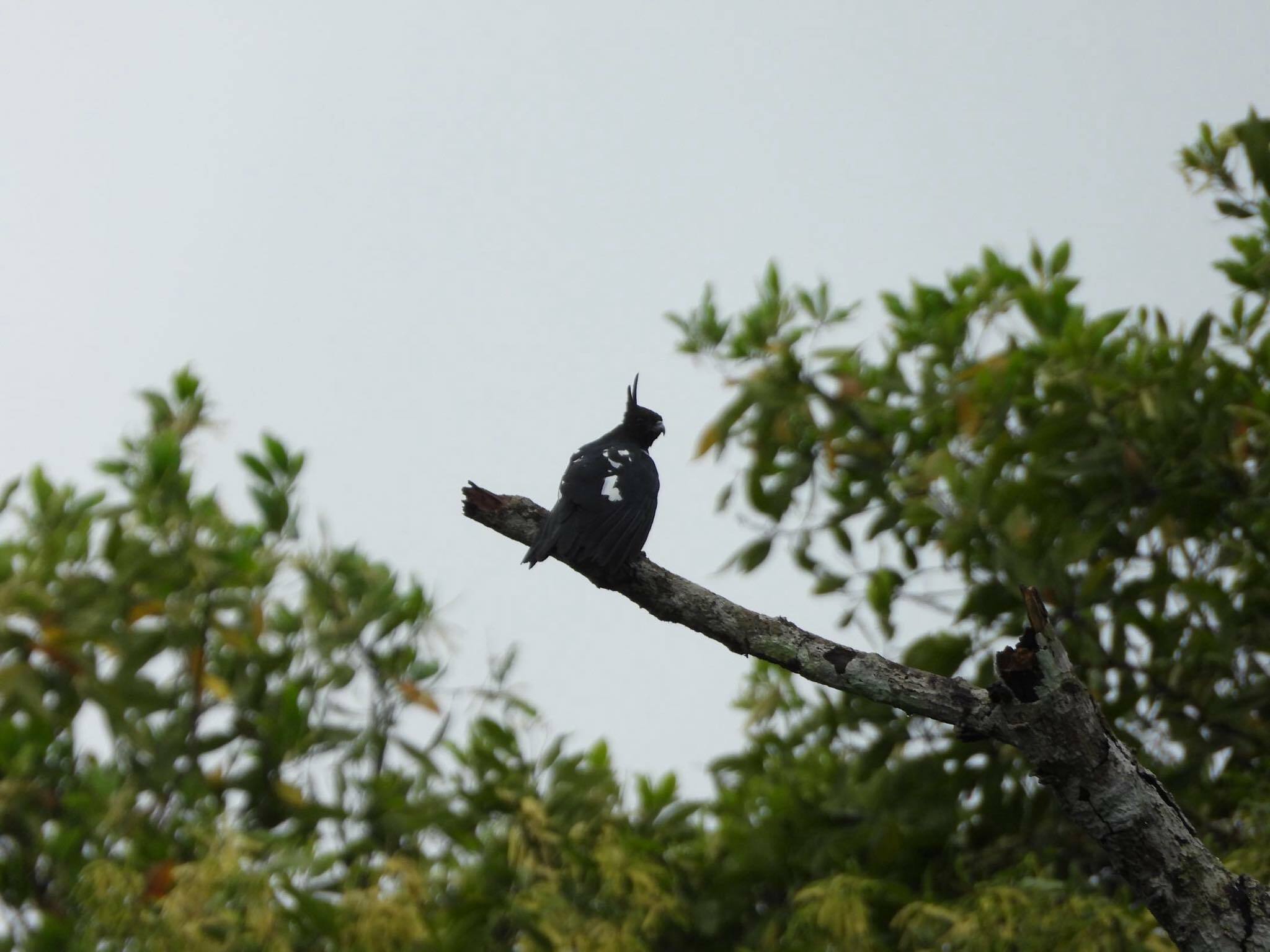
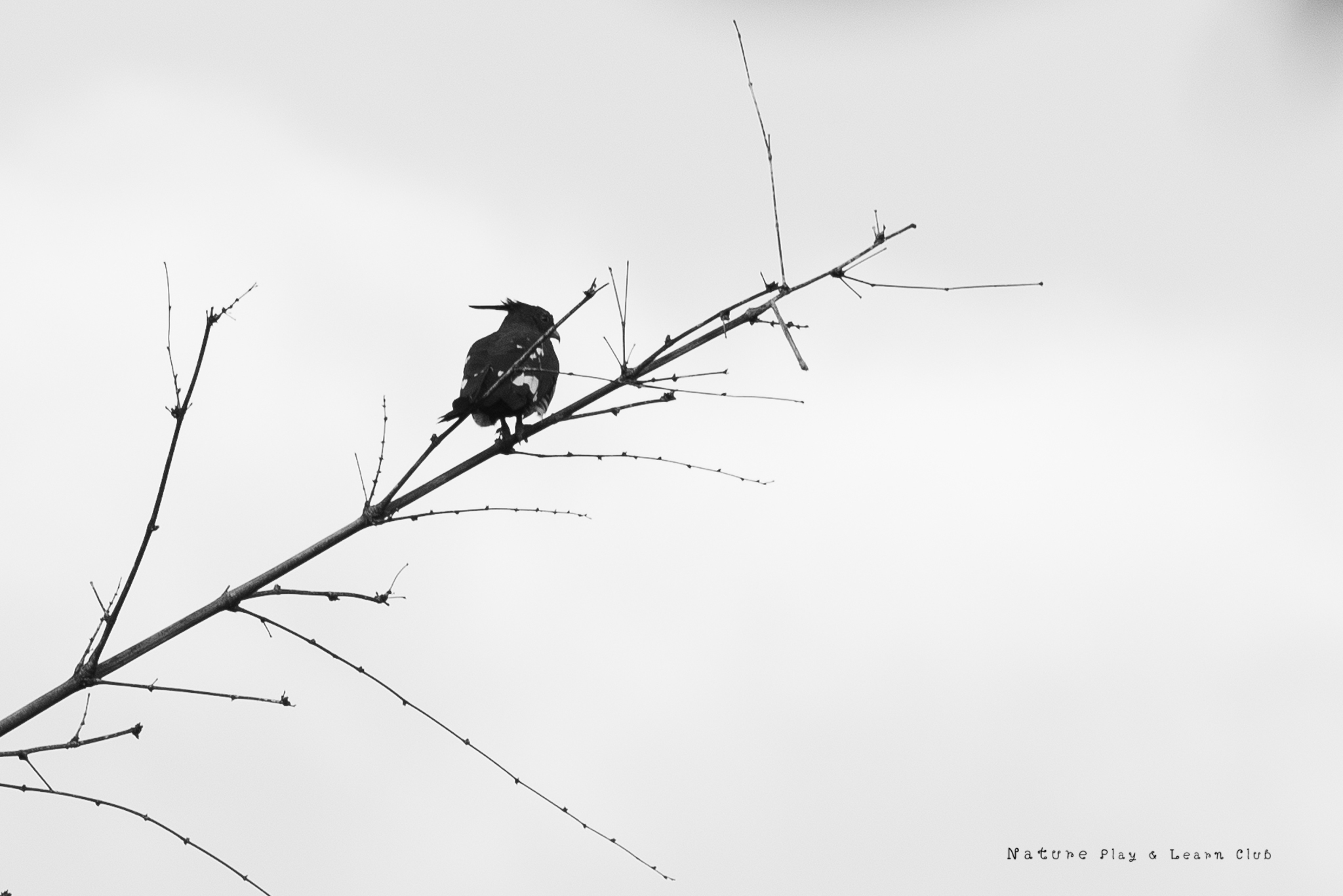
A small bird of prey in the genus Aviceda, found in forests of Northeast India, the eastern Himalayas, China, and Southeast Asia. Many populations are migratory, with Indian region birds wintering in the southern Peninsula and Sri Lanka. Distinctive traits include an upright crest, short stout legs with strong talons, and a habit of perching on bare branches above the forest canopy, often in small groups.
Description
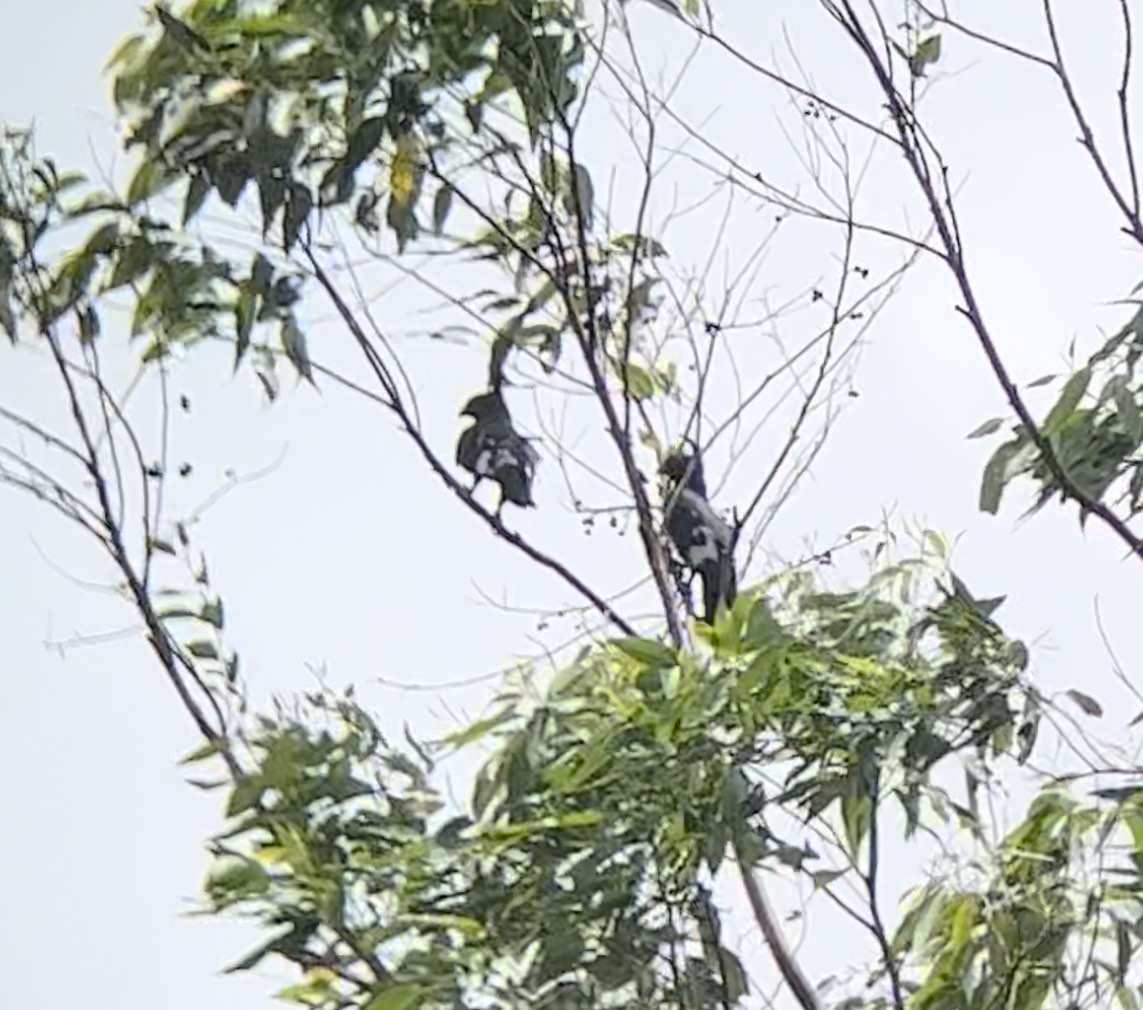
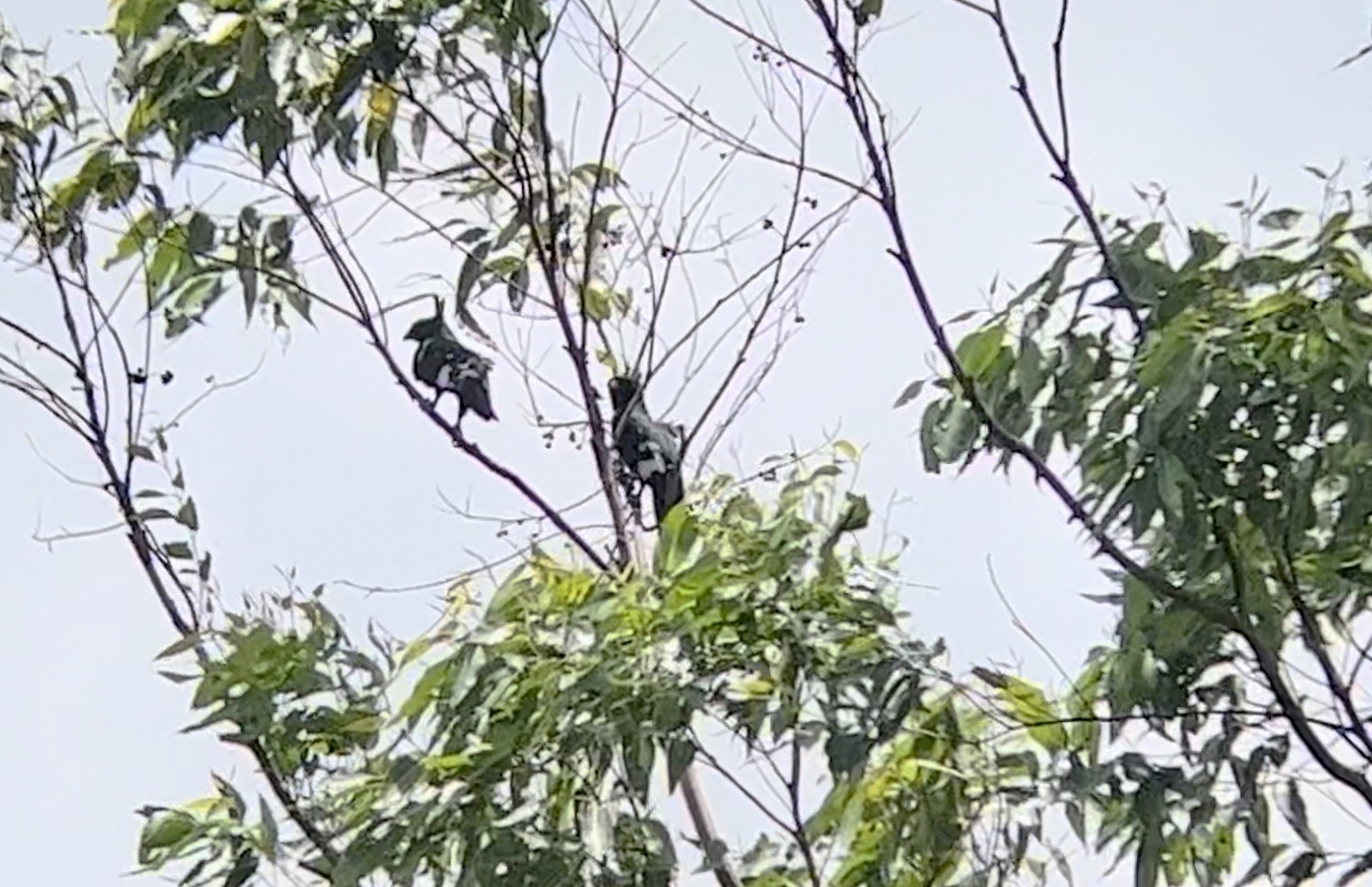
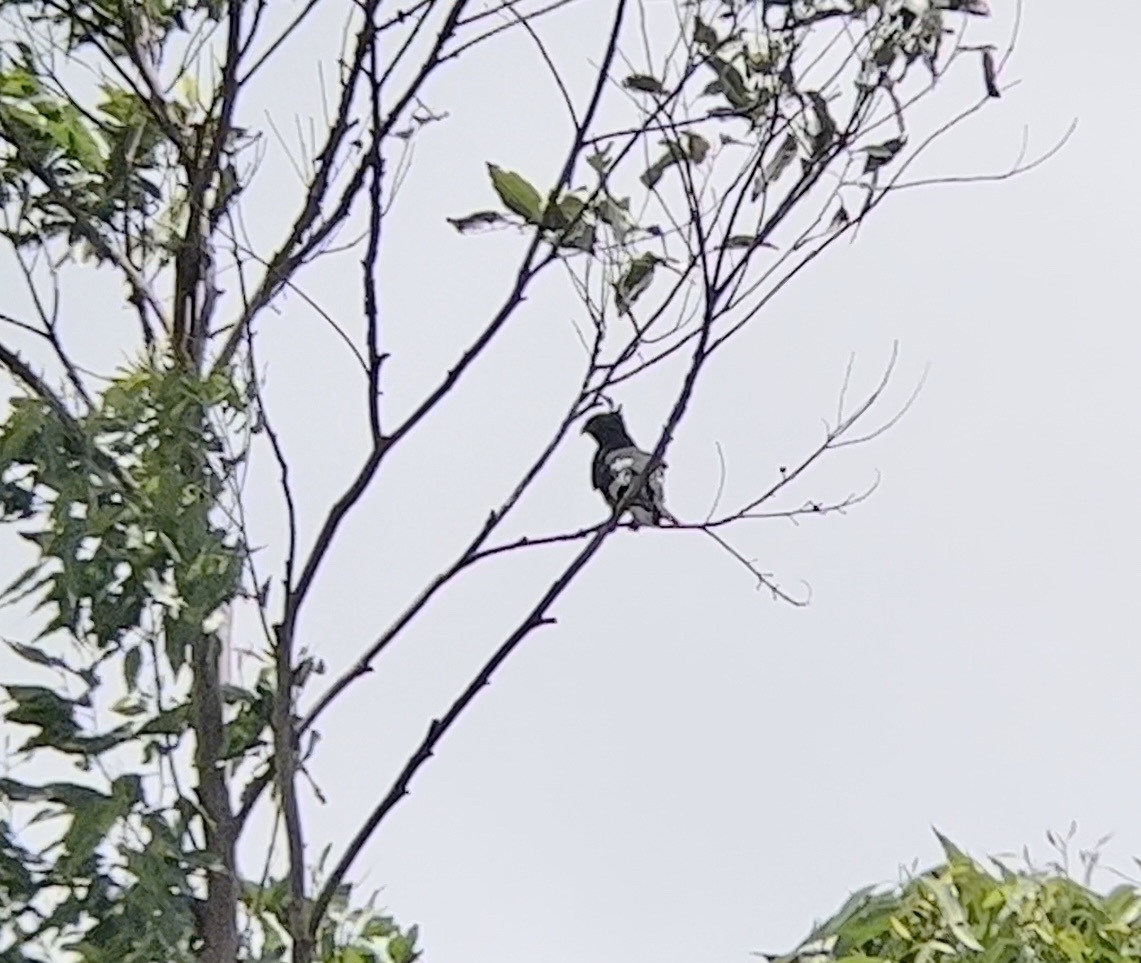
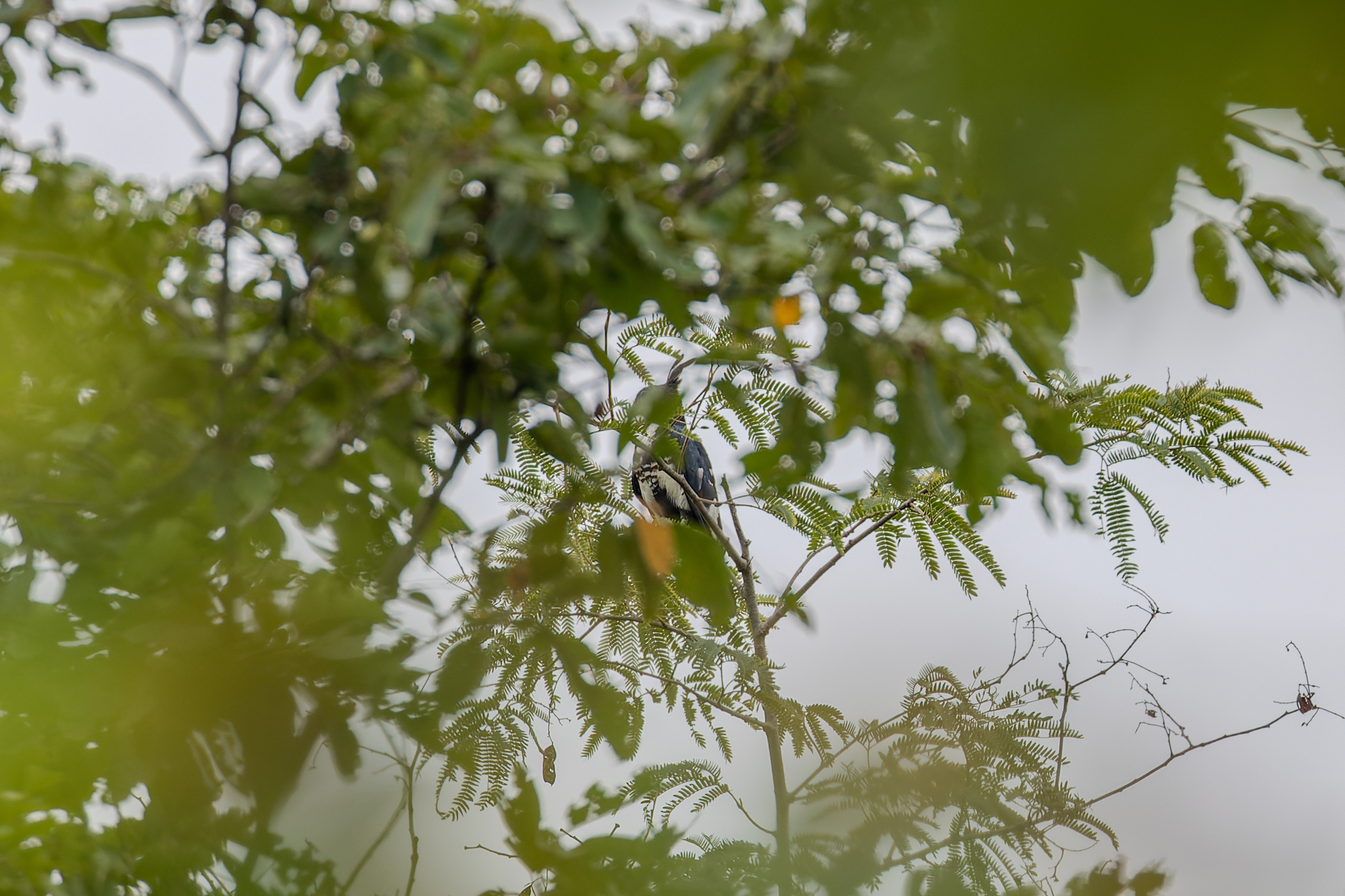
Length ranges from 30 to 35 cm, wingspan from 66 to 80 cm, and weight from 168 to 224 g. Features a prominent crest and contrasting patterns. Males have white scapulars, secondary coverts, and secondaries, with few chestnut bands on the underside. Females have white only on the scapulars and more chestnut bands on the underside. The subspecies A. l. andamanica has completely white underparts lacking chestnut bands. Possesses two tooth-like indentations on the edge of the upper bill.
Identification
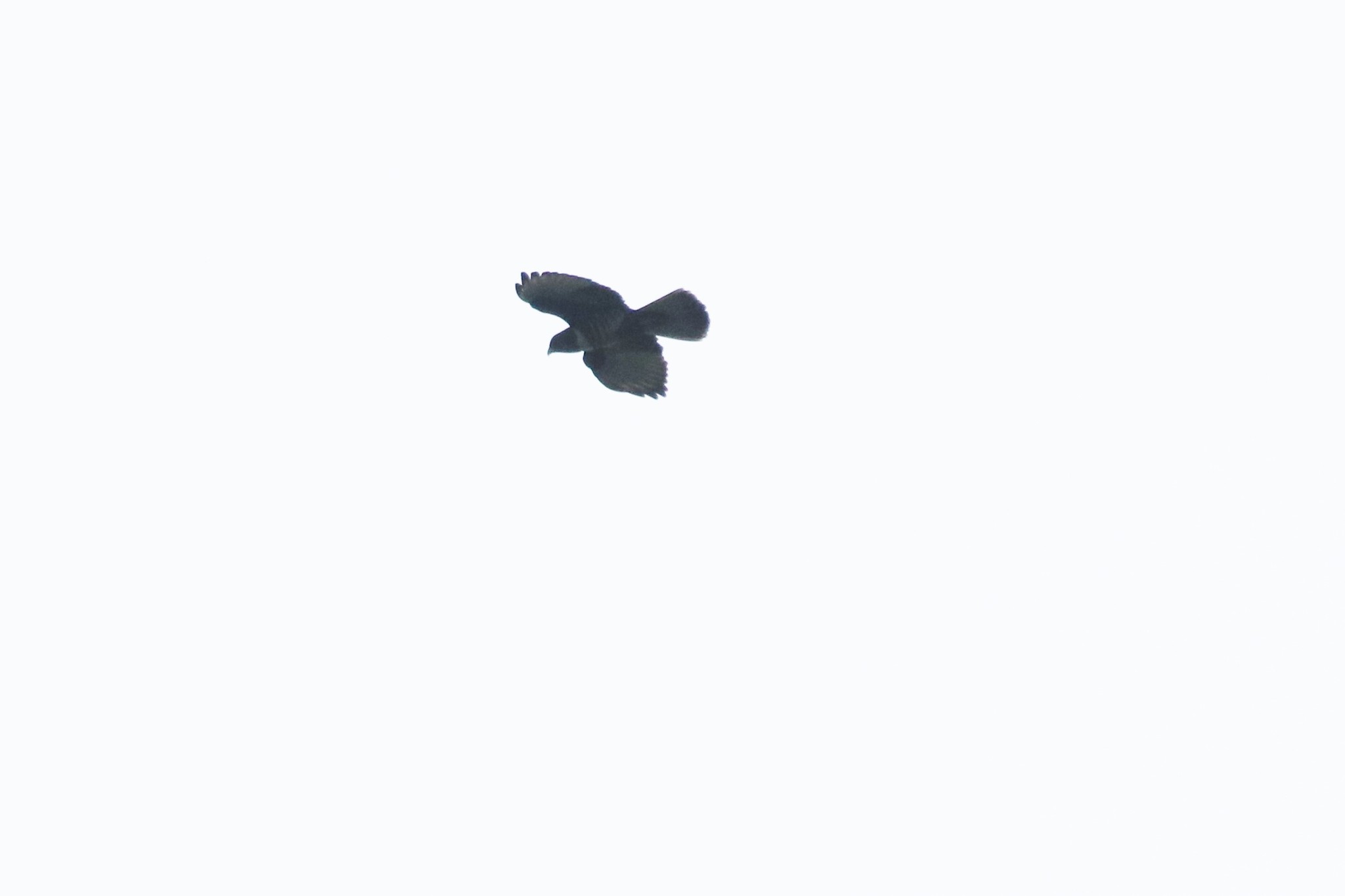
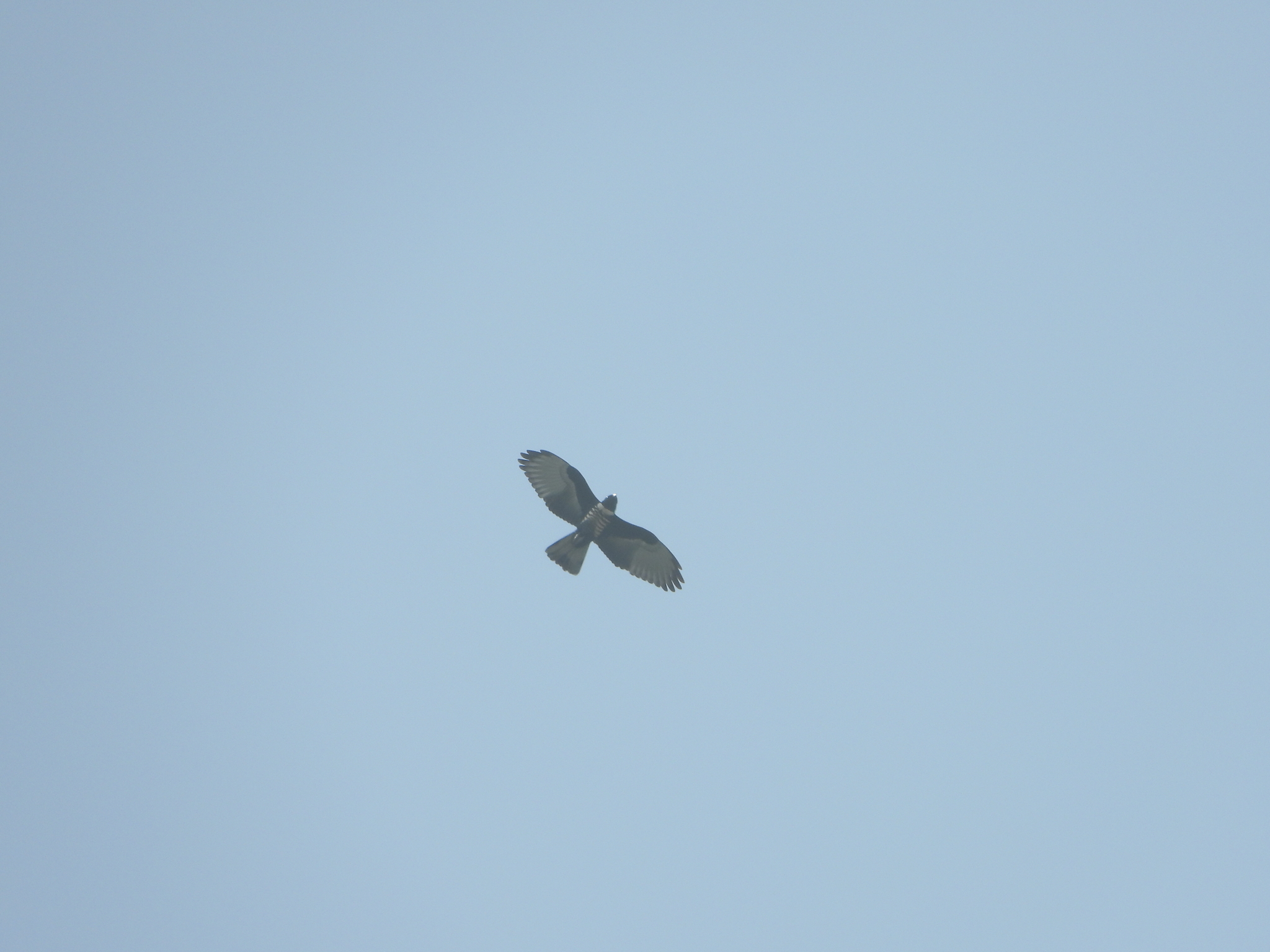
Difficult to misidentify when perched due to the upright crest and contrasting plumage patterns. In flight, resembles a crow and is often seen in small groups or flocks. Vocalizations include a 'chu-weep' call similar to the large cuckoo-shrike, a soft squeal or whistle, and a shrill gull-like mewing. Birds are noted to have a disagreeable, bug-like odour.
Distribution & Habitat
Found in Southeast Asia and parts of South Asia, including Northeast India, the eastern Himalayas, China, Burma, Thailand, and the Andaman Islands. Migratory in parts of its range; Indian populations winter in the south of the Peninsula and Sri Lanka. Large migration numbers occur at Chumphon, Thailand. Recently established as small resident populations in parts of Hong Kong. In southern India, regular in winter mainly in the Western Ghats and Eastern Ghats (spring passage). Breeds in northeastern India and Burma.
Behavior & Ecology
Somewhat crepuscular, more active at dusk and in overcast weather. Feeds mainly on insects via aerial sallies or by picking them off leaves, seizing prey with feet. Occasionally attempts to capture small birds like wagtails by dashing into flocks. Joins mixed-species foraging flocks and has been known to feed on oil palm fruits. Gregarious at roosts during migration. Breeding begins in April in northeastern India; both sexes build nests, incubate, brood, and feed chicks. Nests are firm platforms of thin sticks with a central depression, lined with grass, fiber, and green leaves. Eggs hatch in 26–27 days; chicks feed predominantly on insects.
Source: Wikipedia · CC BY-SA 3.0
Taxonomy
- Order
- Accipitriformes
- Family
- Accipitridae
- Genus
- Aviceda
Subspecies (3)
-
Aviceda leuphotes andamanica
Andaman Islands
Data Sources
Species description from Wikipedia, licensed under CC BY-SA 3.0.
Bird images and sounds sourced from GBIF, contributed by citizen scientists worldwide under Creative Commons licenses.
Taxonomy data from AviList 2025.