Black Baza
Aviceda leuphotes
黑冠鹃隼
Introduction
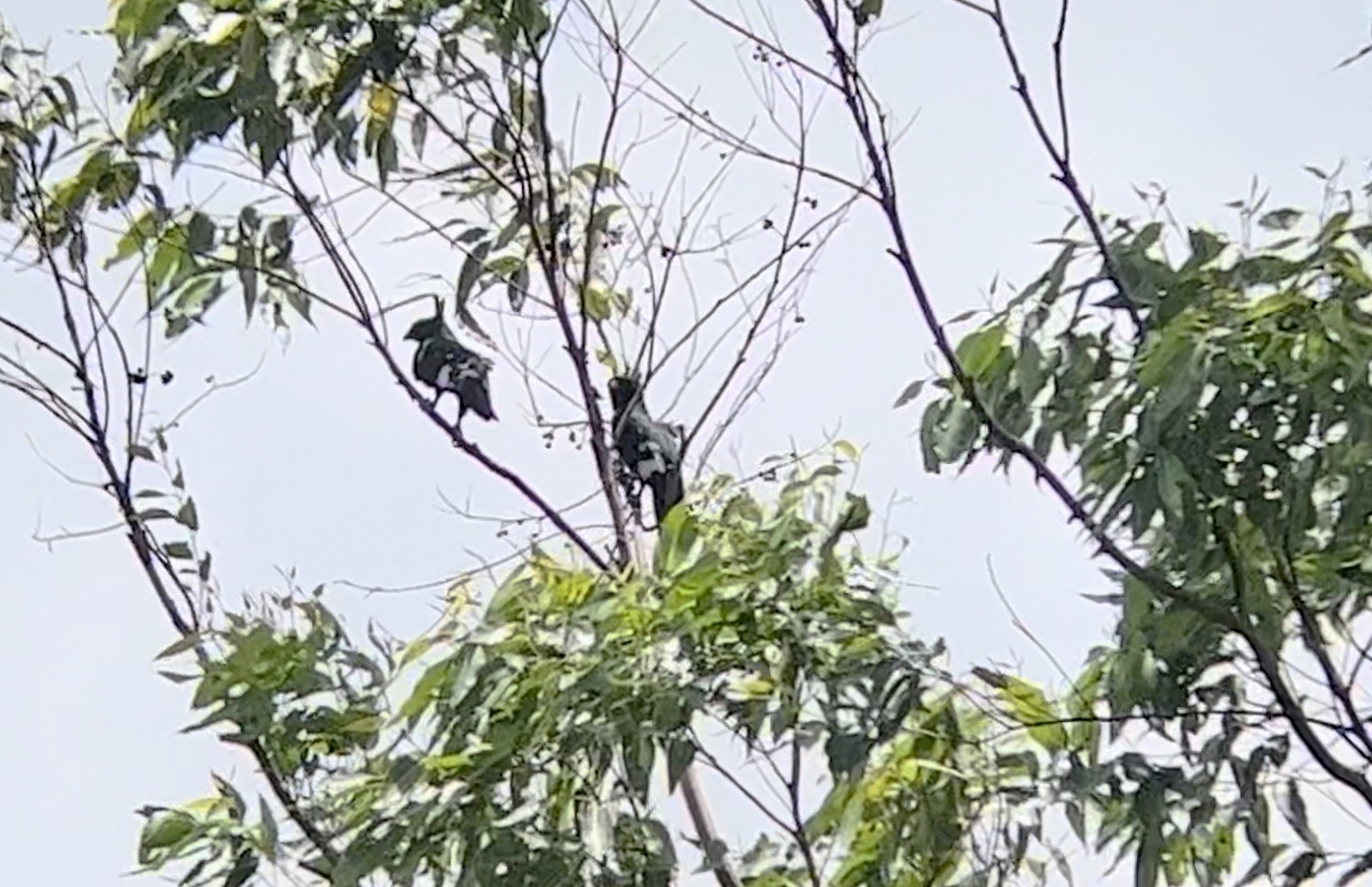
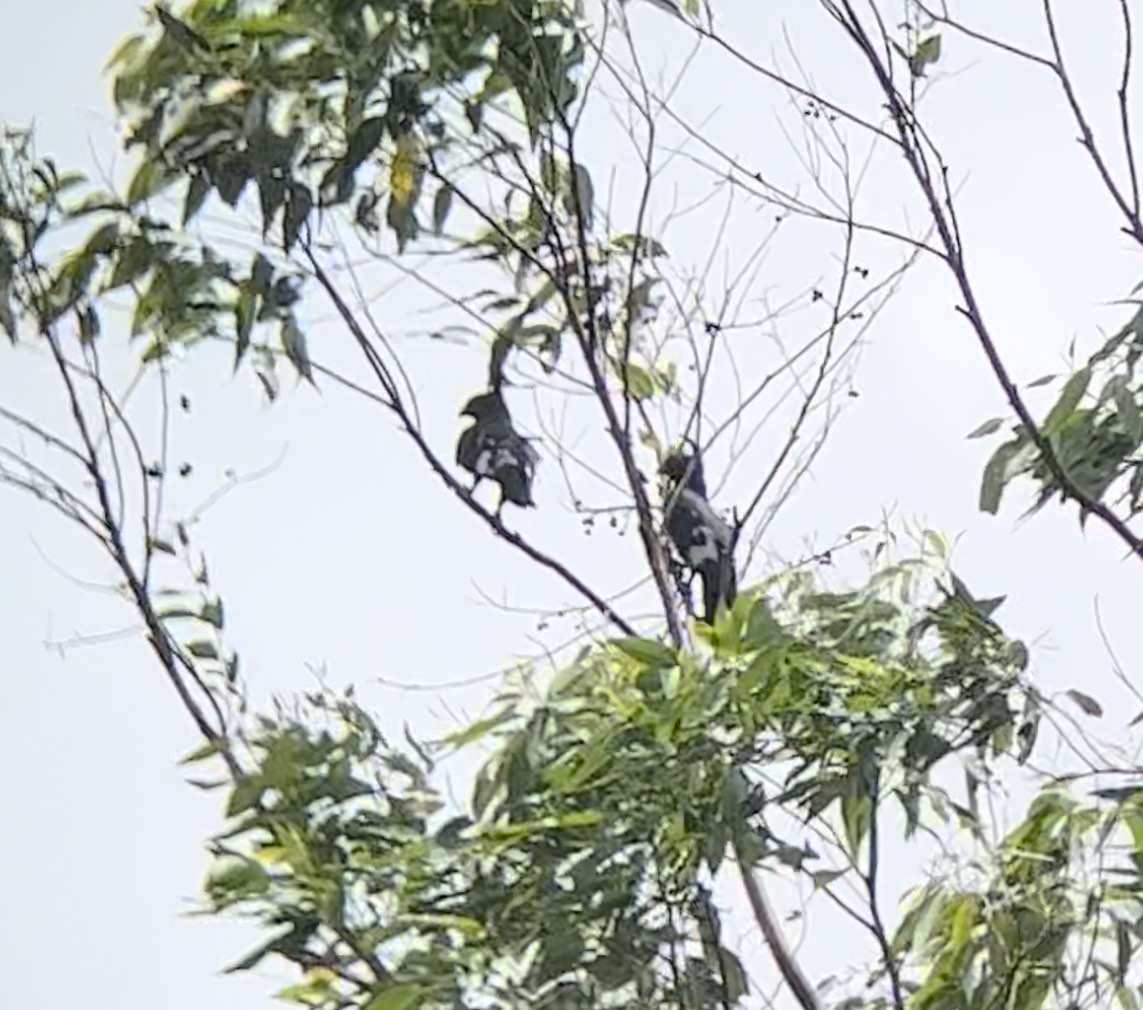
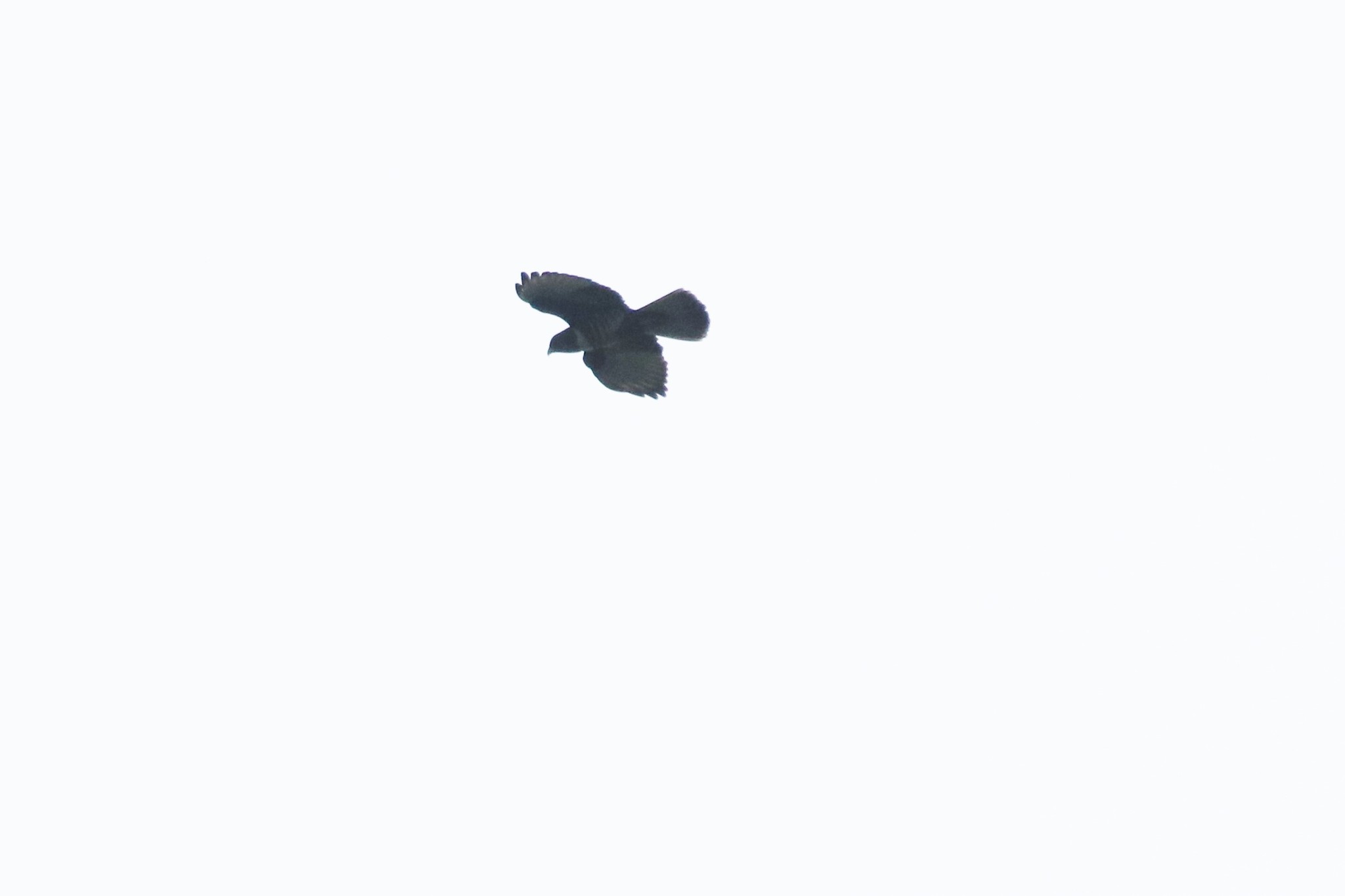
Compact raptor found across Northeast India, the eastern Himalayas, China, and Southeast Asia. Many populations are migratory, with Indian birds wintering in the Indian peninsula and Sri Lanka. Inhabits dense forest environments, typically perching on bare branches above the canopy. Launches aerial attacks on prey. Social species, occurring in small groups or larger flocks during migration. Active at dusk and during overcast weather. Flight silhouette resembles a crow. Strong legs and feet with prominent talons adapted for catching active prey in mid-air or from foliage.
Description
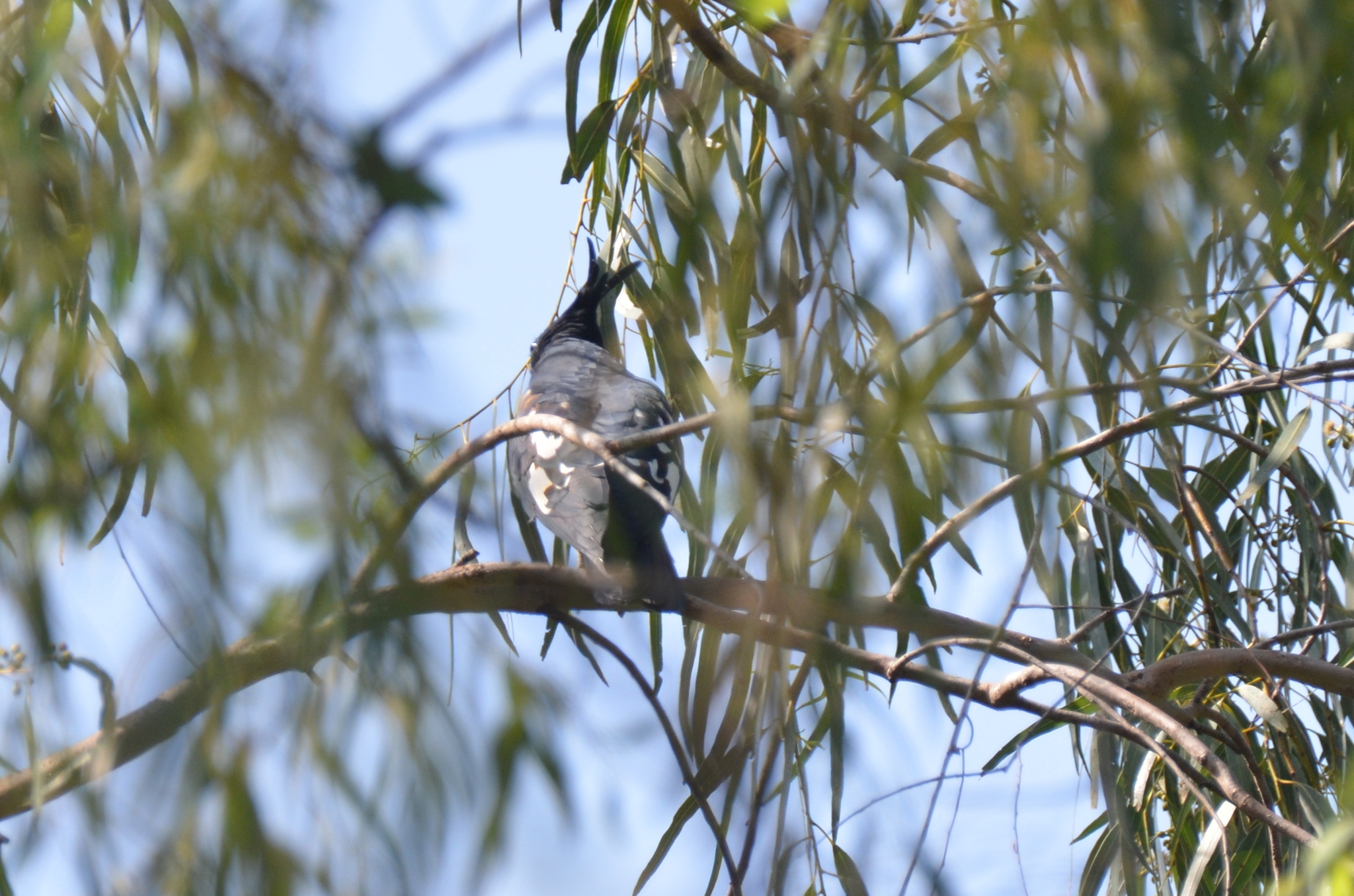
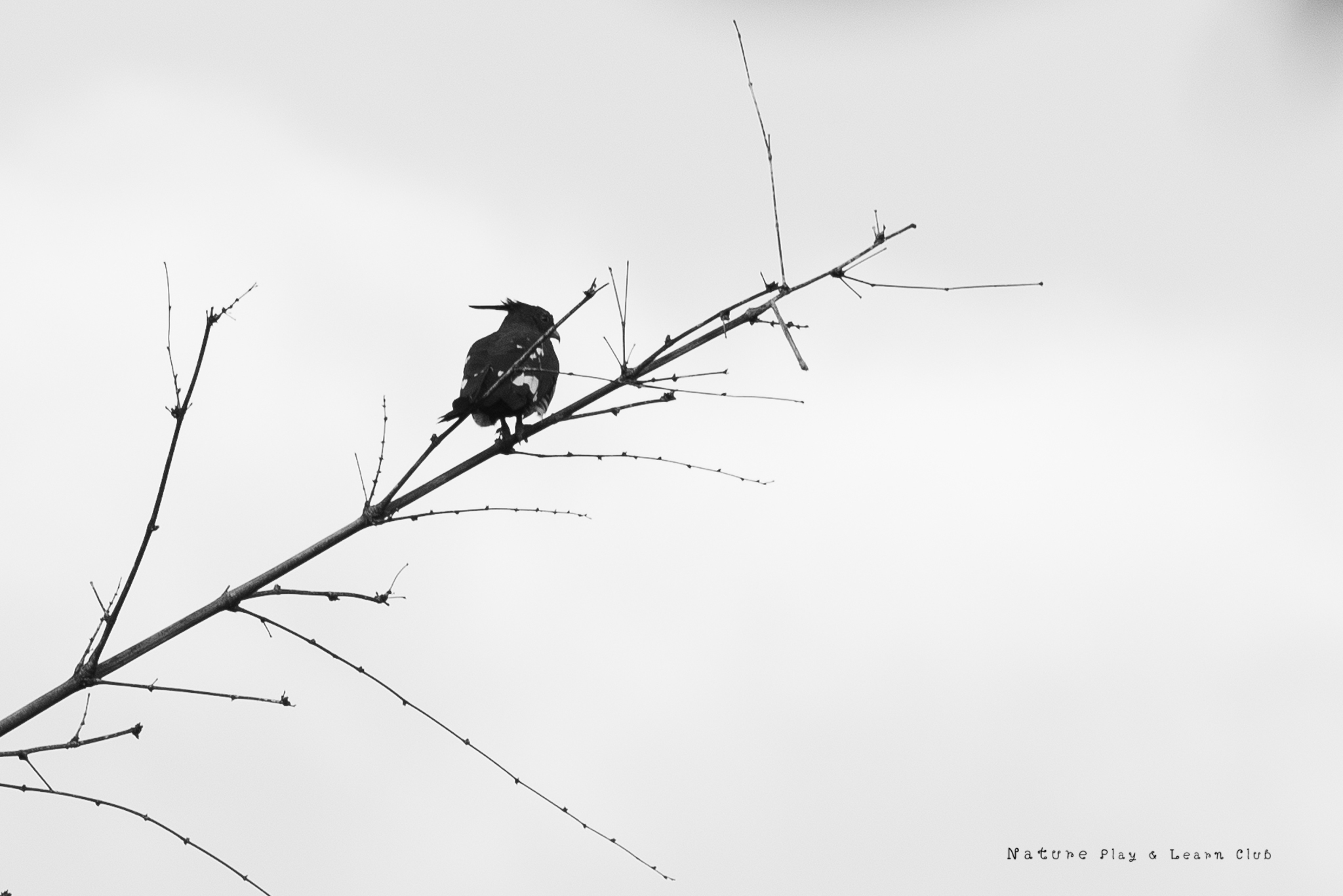
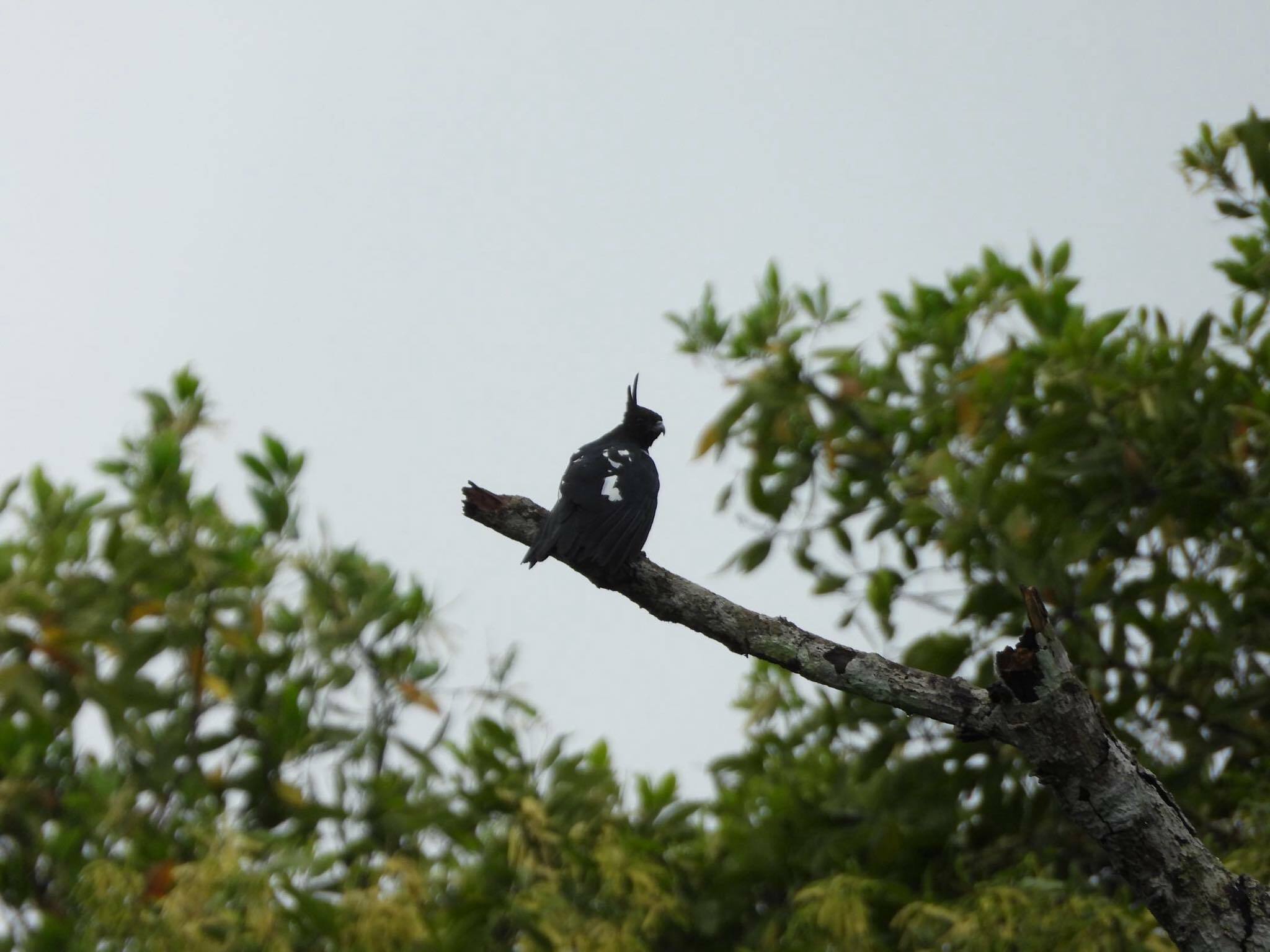
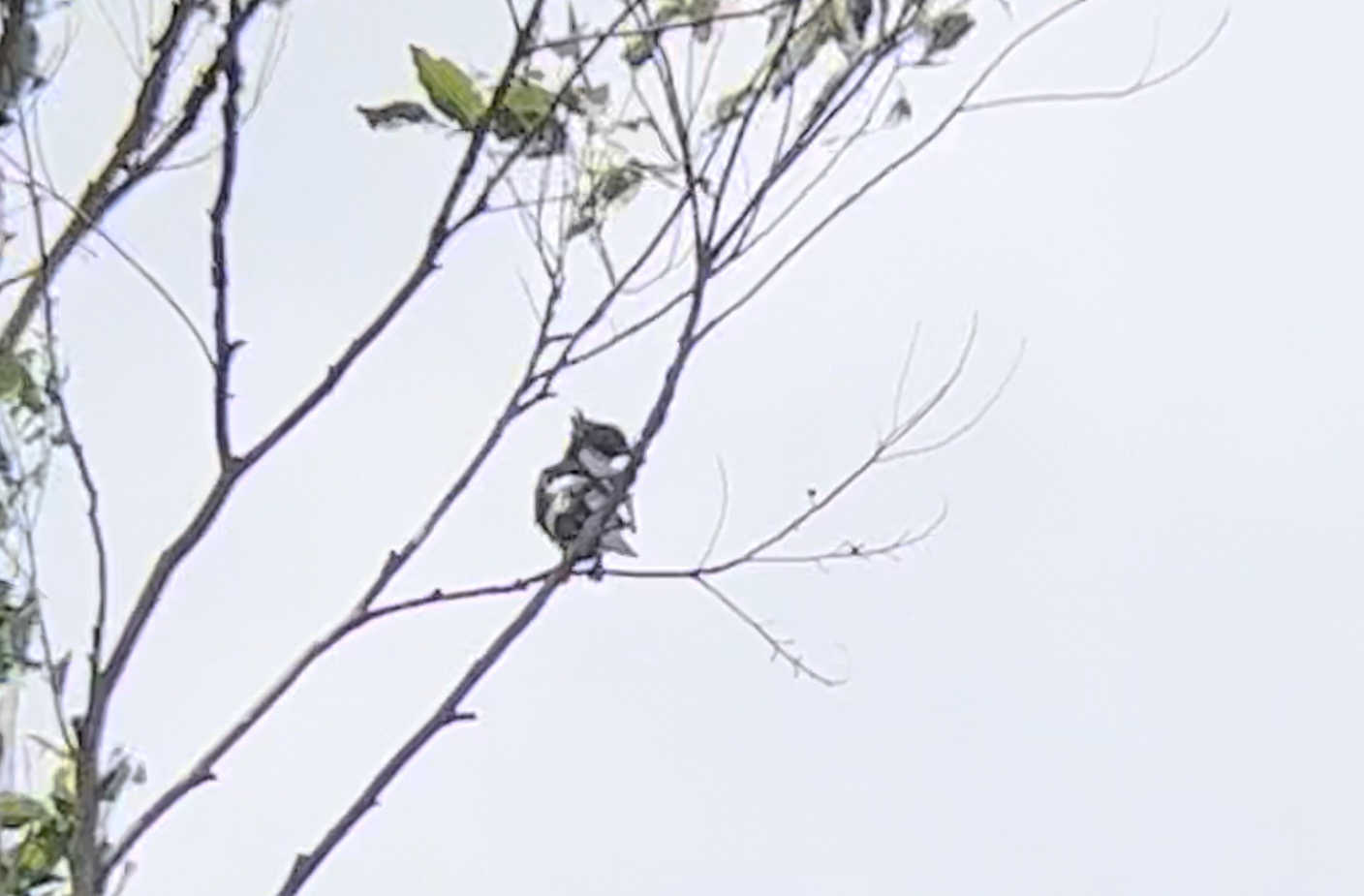
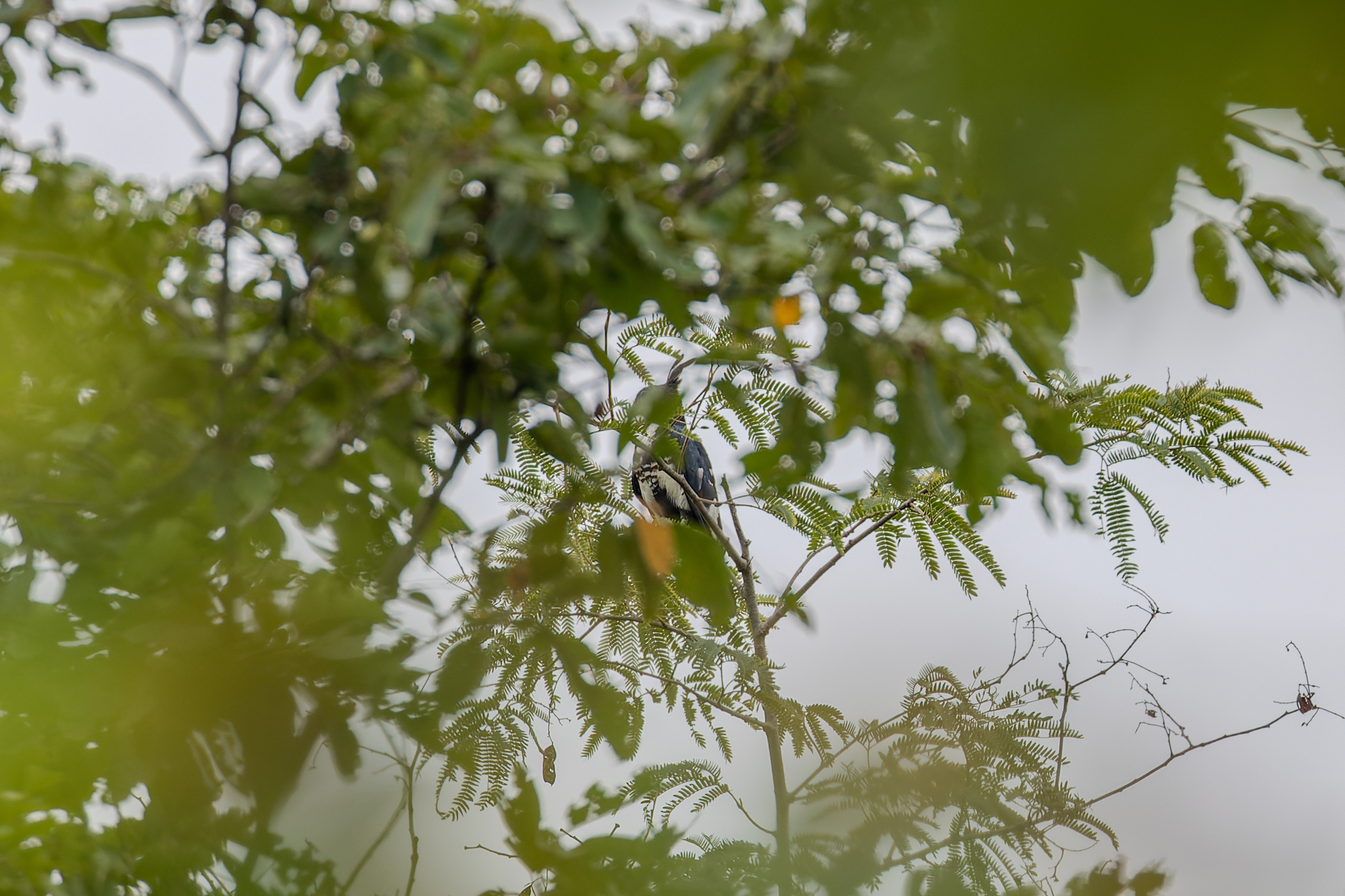
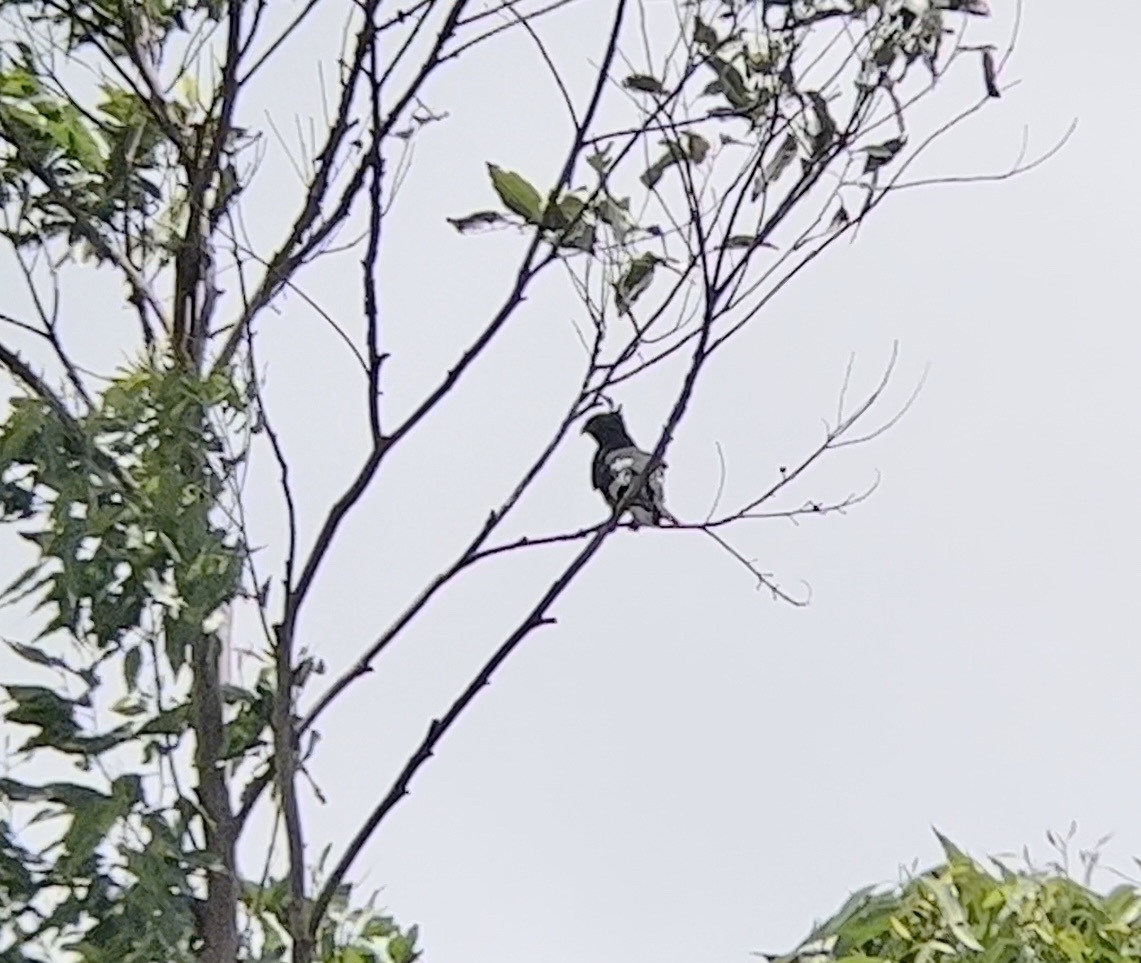
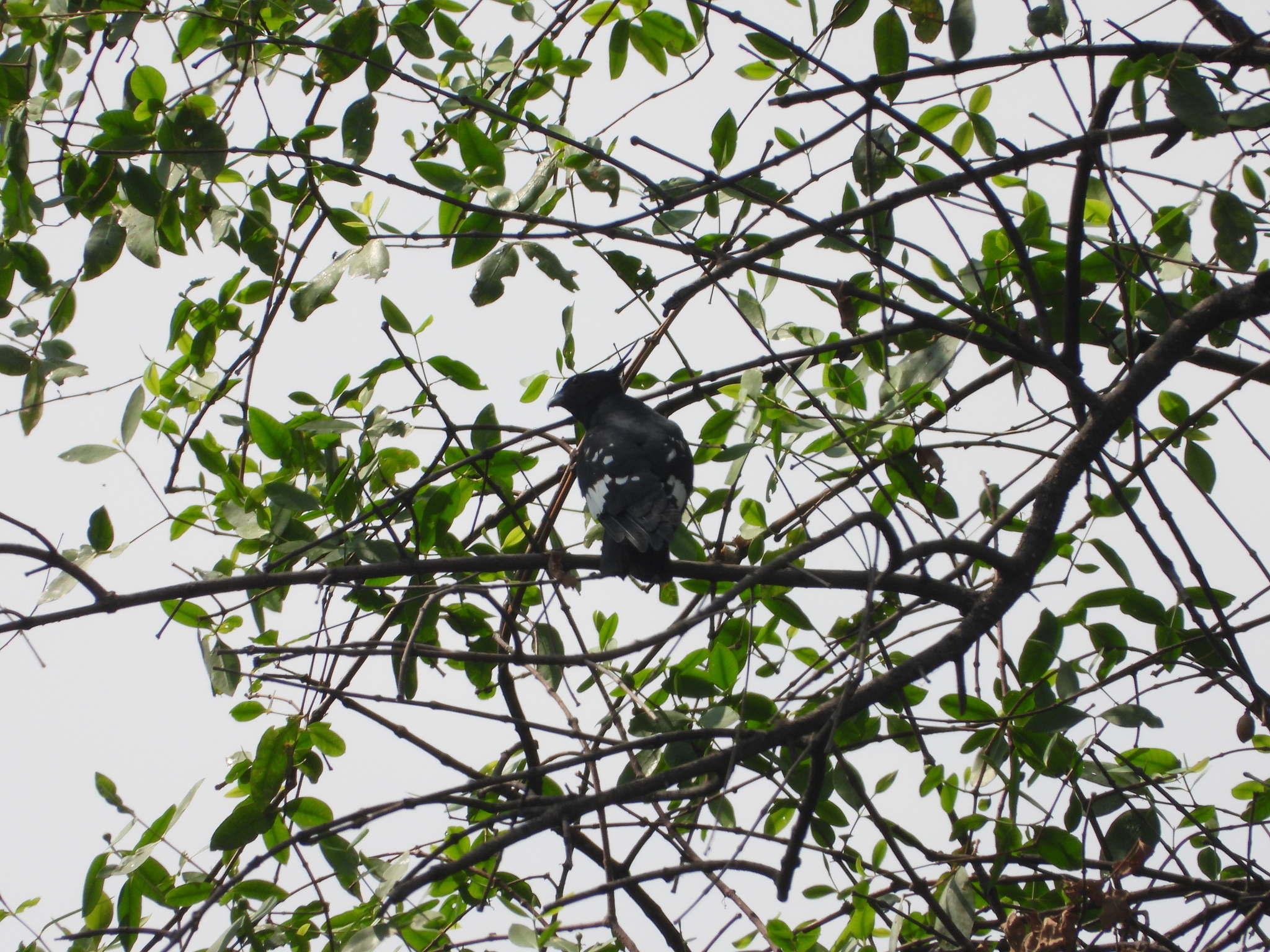
This small raptor measures 30-35 cm in length with a wingspan of 66-80 cm and weighs 168-224 g. The most striking feature is the prominent upright crest on the head. Males display white scapulars, secondary coverts, and secondaries creating bold contrasting patches against darker plumage. Females show white only on the scapulars and possess more numerous chestnut bands on the underparts compared to males. The overall coloration is distinctive and dark, with patterns that make confusion with other species unlikely when the bird is well seen. Like others in its genus, it has two tooth-like indentations on the edge of the upper bill. An unusual characteristic is a disagreeable 'bug-like' odor that birds possess.
Identification
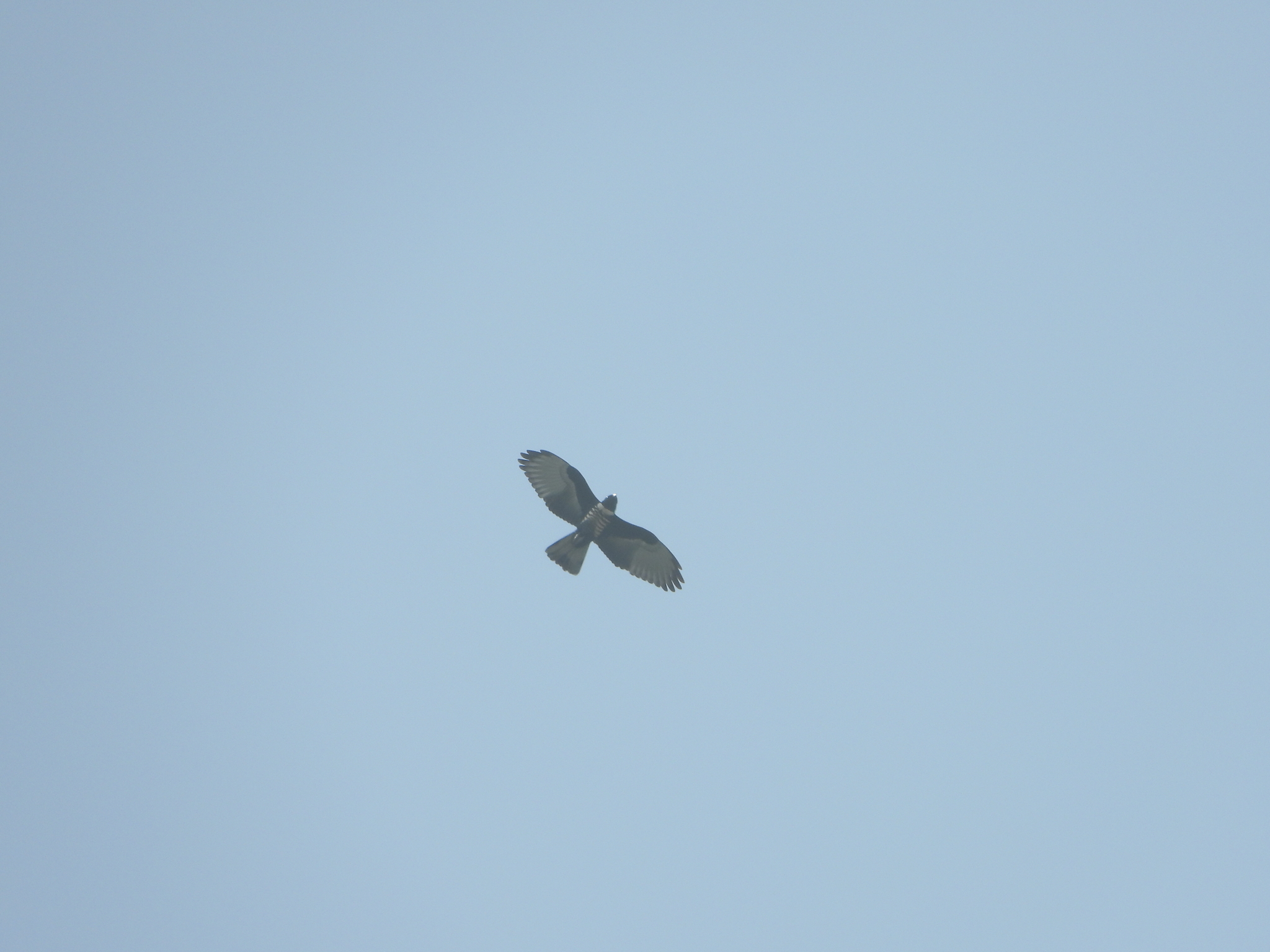
The upright crest and contrasting plumage patterns make this species relatively straightforward to identify when perched and visible. In flight, the silhouette resembles a crow, which can initially cause confusion, though the distinctive crest and color patterns help confirm identification. During migration, they travel in small groups or flocks and gather at communal roosts. Their crepuscular habits mean they may be more active around dawn and dusk, when birdwatchers should pay particular attention to forest edges and canopy perches. The species is best located by scanning tall bare branches above the forest canopy where individuals often perch conspicuously.
Distribution & Habitat
This species ranges across Southeast Asia and parts of South Asia, with migratory populations moving seasonally. Chumphon in Thailand sees remarkable concentrations, with black bazas accounting for nearly 40% of migrating raptors at peak times. Recent changes in distribution have been noted in Hong Kong, where small populations have become year-round residents rather than summer visitors. In southern India, regular winter sightings occur in the Western Ghats, with the Eastern Ghats primarily seeing birds during spring passage. Breeding has been confirmed in northeastern India and Burma, with the breeding season beginning in April. Vagrant individuals have appeared in urban green spaces including Guindy National Park in Chennai, near Trivandrum, and Bangalore, suggesting the species may be a more regular winter visitor to eastern peninsular India than previously understood.
Behavior & Ecology
Insects form the primary diet, obtained through aerial sallies from perches or by gleaning from leaves, with prey always seized in the feet. Birds have been observed attempting to catch small birds such as wagtails by dashing into flocks. They also consume oil palm fruits and regularly join mixed-species foraging flocks. The breeding season in northeastern India starts in April. Both parents share all duties including nest construction, incubation, brooding, and feeding. The nest is a compact platform of thin sticks with a central depression, lined with grass, fiber, and green leaves. Eggs require 26-27 days to hatch, and chicks are fed predominantly insects. The vocalization is a distinctive 'chu-weep' call, somewhat similar to the large cuckoo-shrike, described also as a soft squeal, whistle, or shrill gull-like mewing.
Conservation
The species has not been formally assessed for the IUCN Red List. Population trends and specific threats are not detailed in available information. The species occurs across a broad geographic range and appears to maintain stable populations in many areas, though detailed conservation status assessments would require additional study of population dynamics and threat factors throughout its range.
Culture
No cultural significance, folklore, or mythological associations have been documented for this species in available sources.
Source: Wikipedia · CC BY-SA 3.0
Taxonomy
- Order
- Accipitriformes
- Family
- Accipitridae
- Genus
- Aviceda
- eBird Code
- blabaz1
Subspecies (3)
-
Aviceda leuphotes andamanica
Andaman Islands
-
Aviceda leuphotes leuphotes
southwestern India to southern Myanmar and western Thailand
-
Aviceda leuphotes syama
breeds central Himalayas to west-central China and northern Myanmar; winters to Indochina and Sumatra
Data Sources
Species description from Wikipedia, licensed under CC BY-SA 3.0.
Bird images and sounds sourced from GBIF, contributed by citizen scientists worldwide under Creative Commons licenses.
Taxonomy data from AviList 2025.