
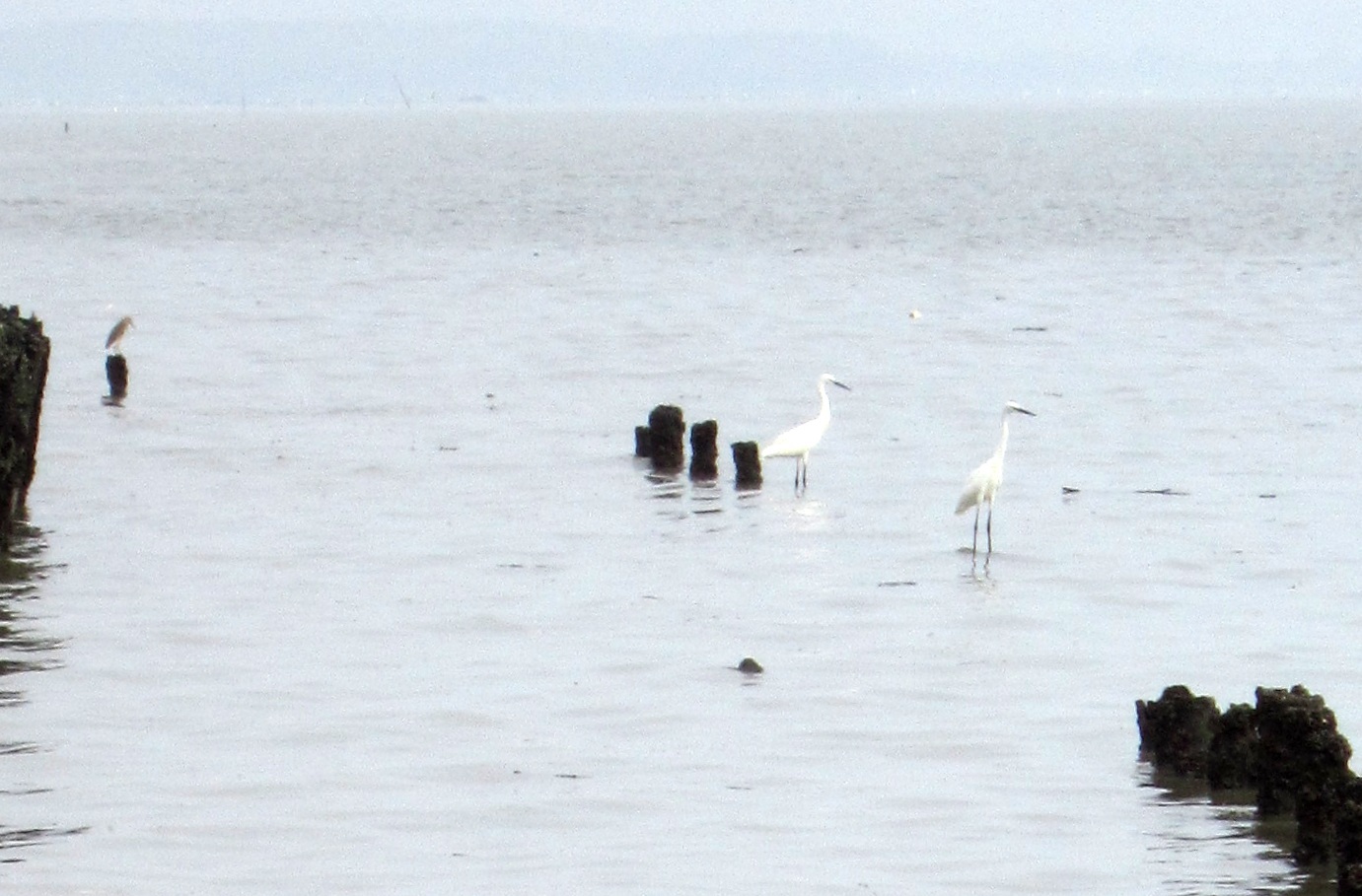
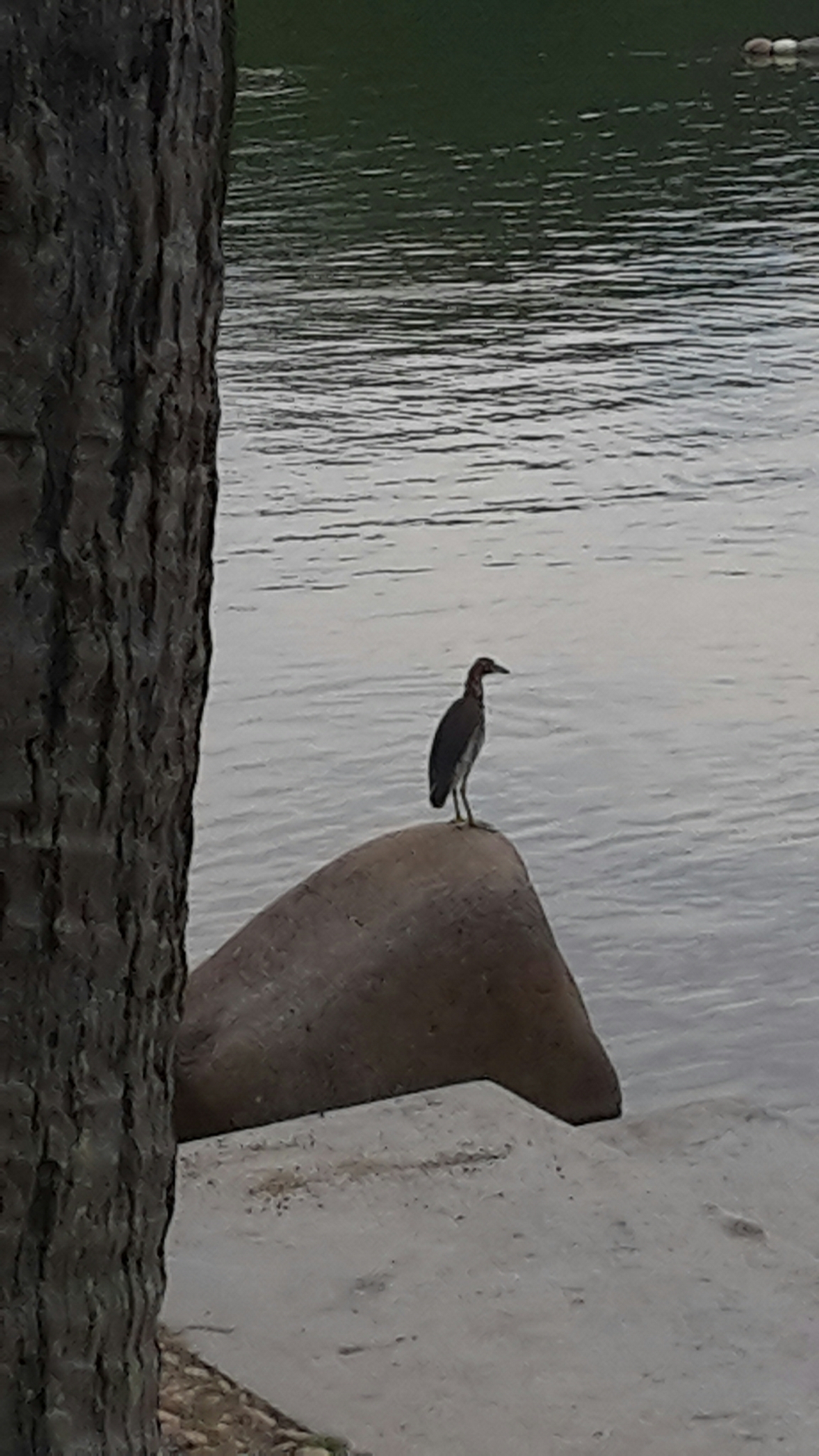
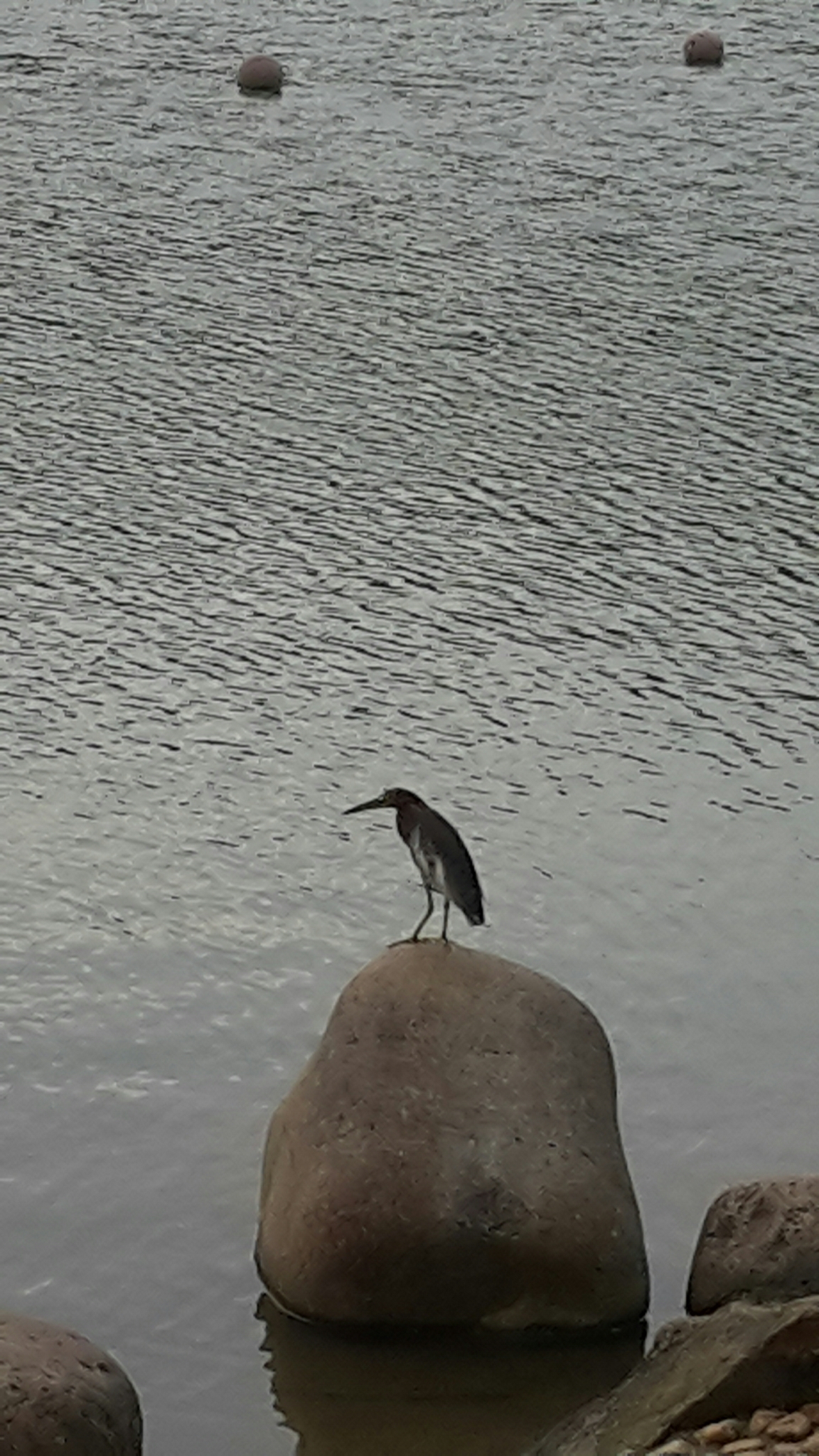
Chinese Pond Heron
Ardeola bacchus
池鹭
Introduction
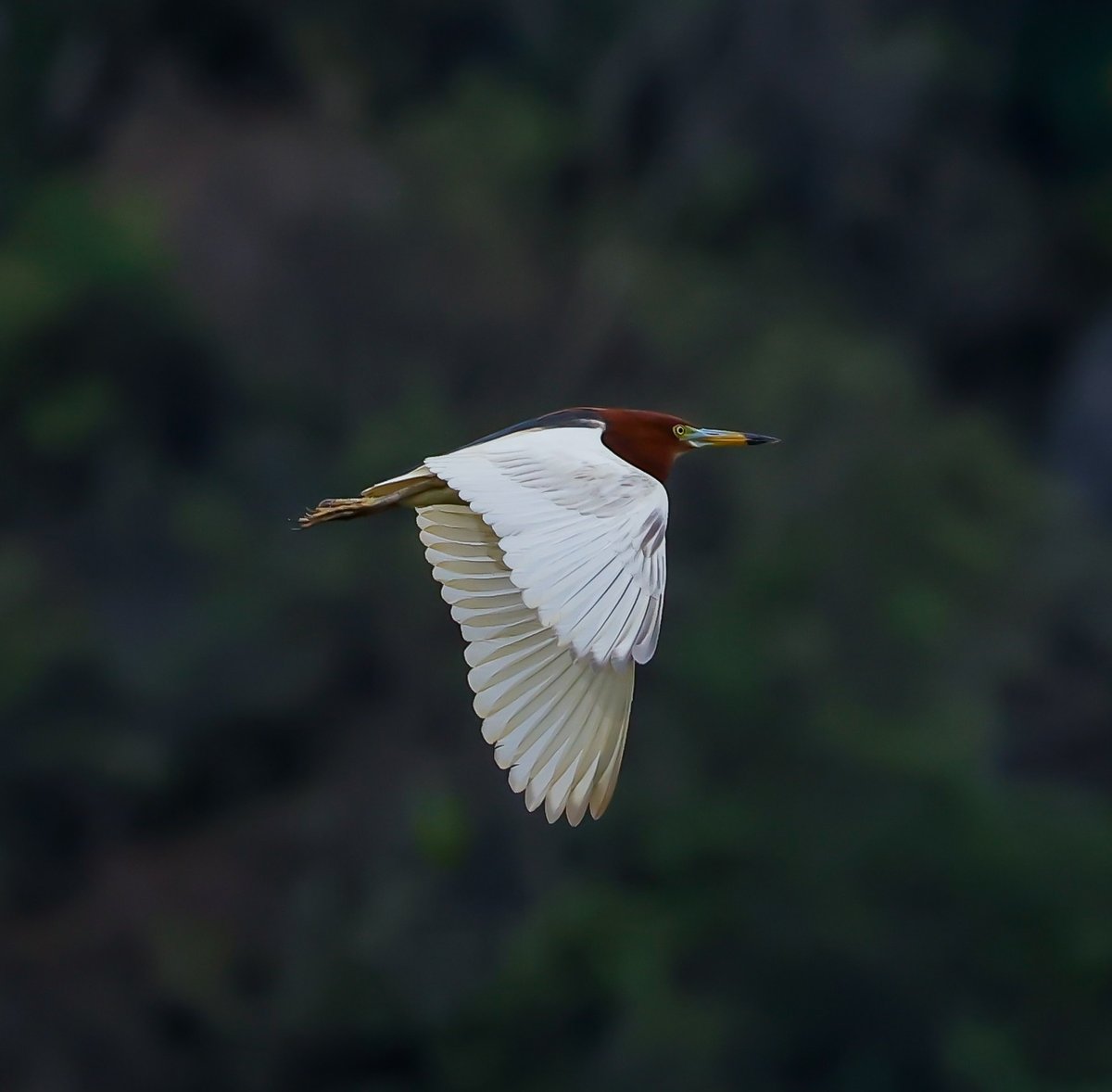
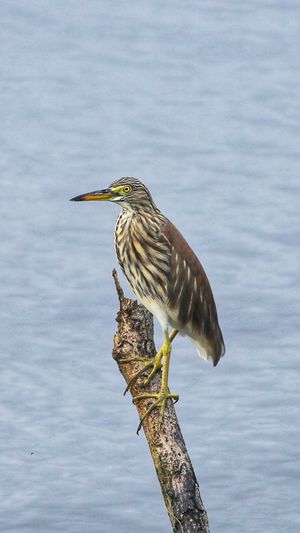
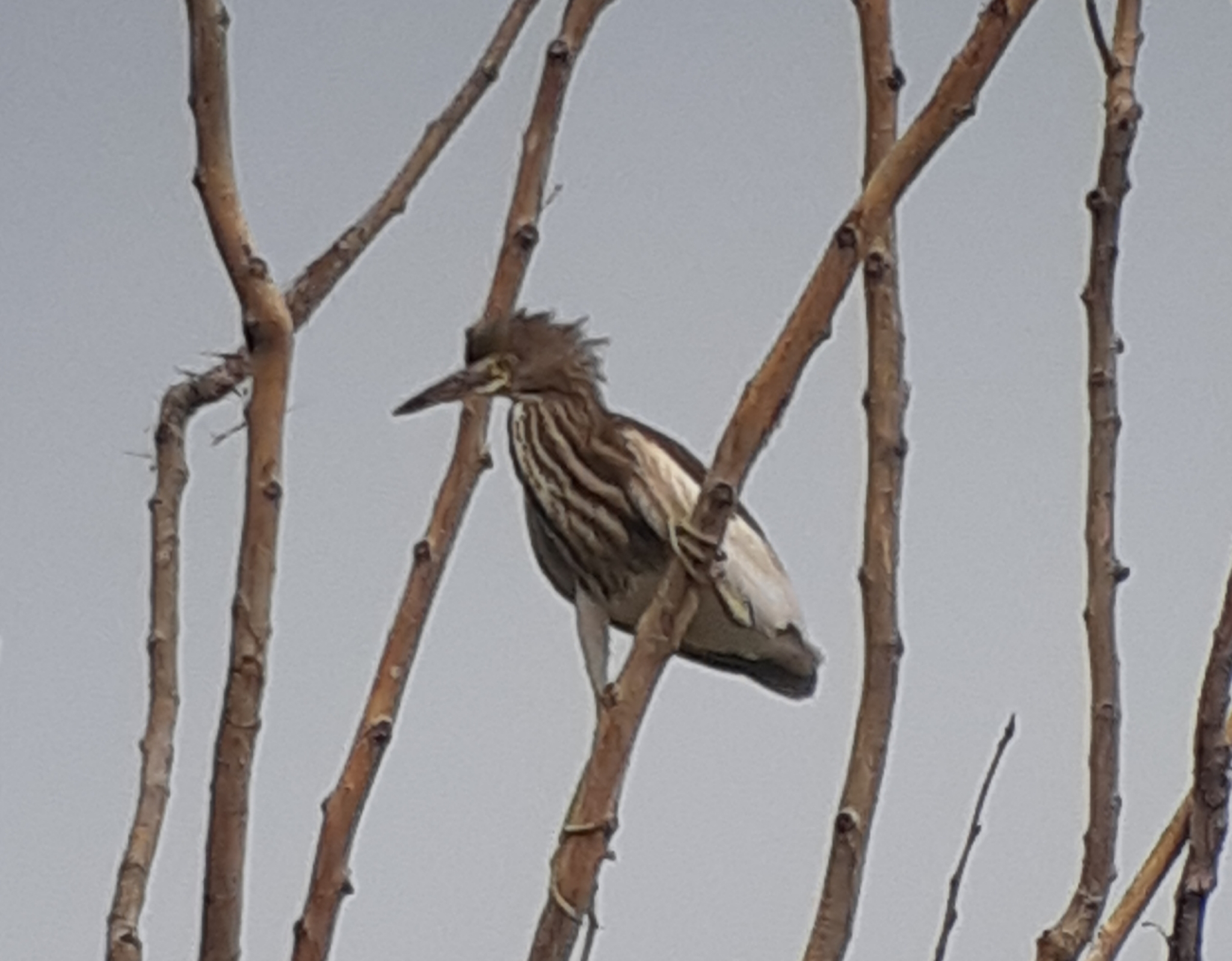
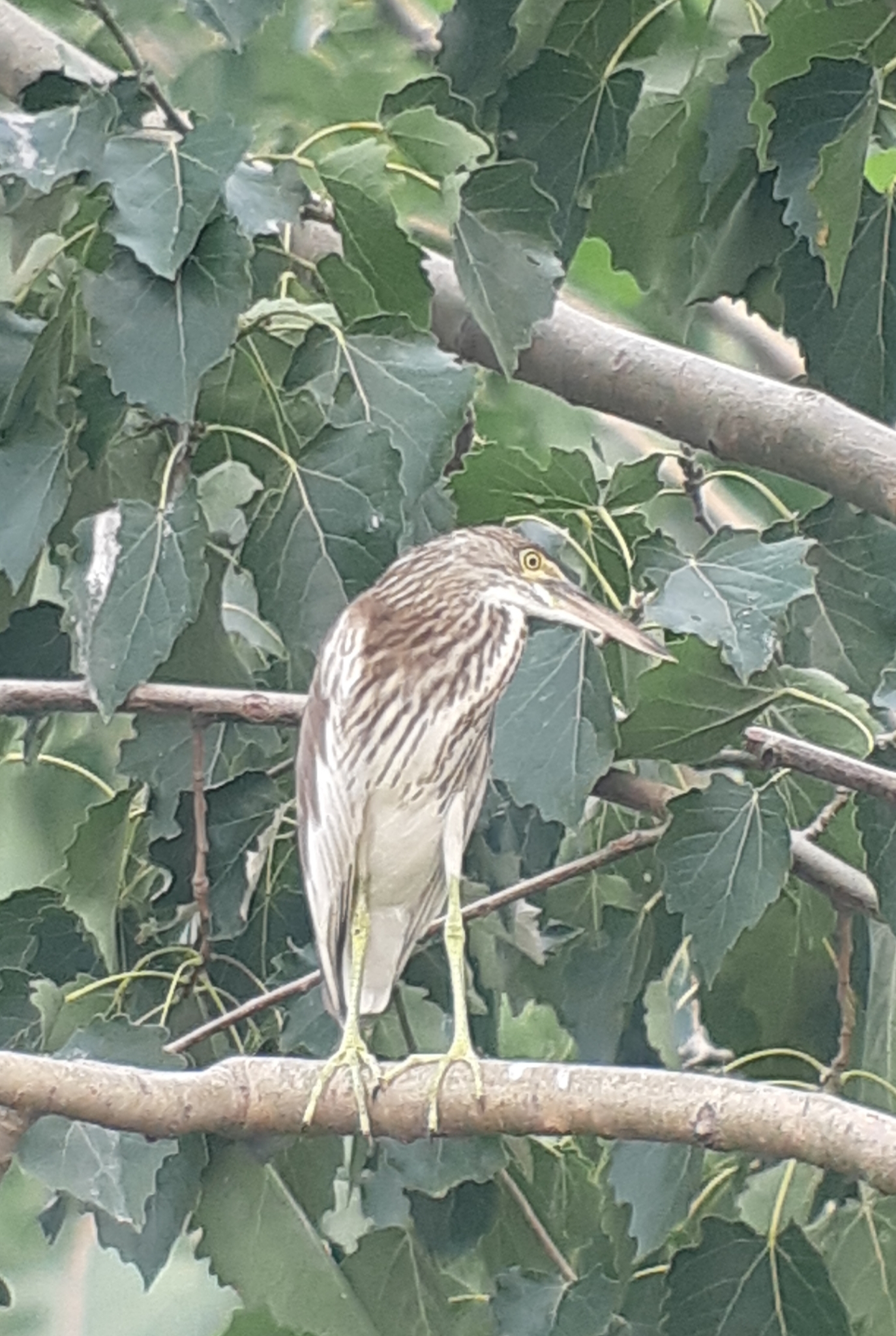
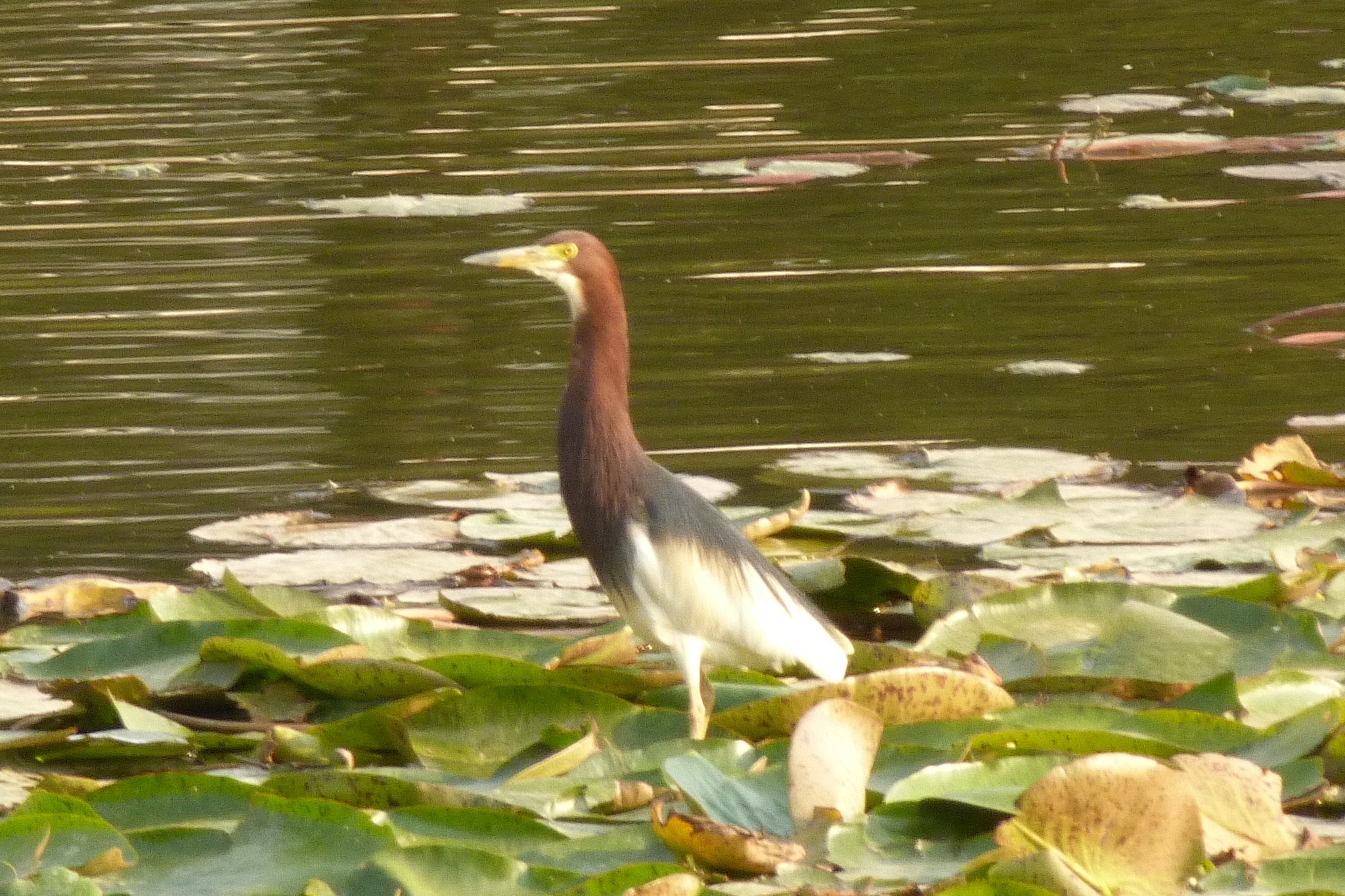
This medium-sized heron inhabits the wetlands of East Asia, frequenting shallow freshwater and brackish environments across much of China and surrounding regions. As one of six species in the Ardeola genus, it has the characteristic stocky build typical of pond herons. During the breeding season, it displays vivid red, blue, and white coloration. Outside the breeding period, it has greyish-brown plumage with white flecking. The species forms part of a complex of closely related pond herons that intergrade with similar species along its range boundaries, particularly in the west where it meets the Indian pond heron.
Description
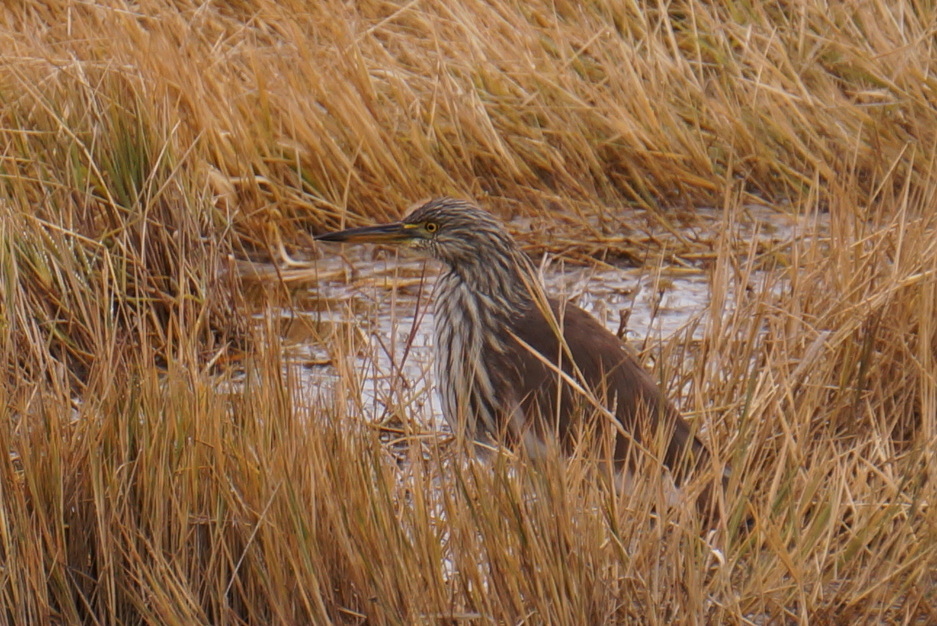
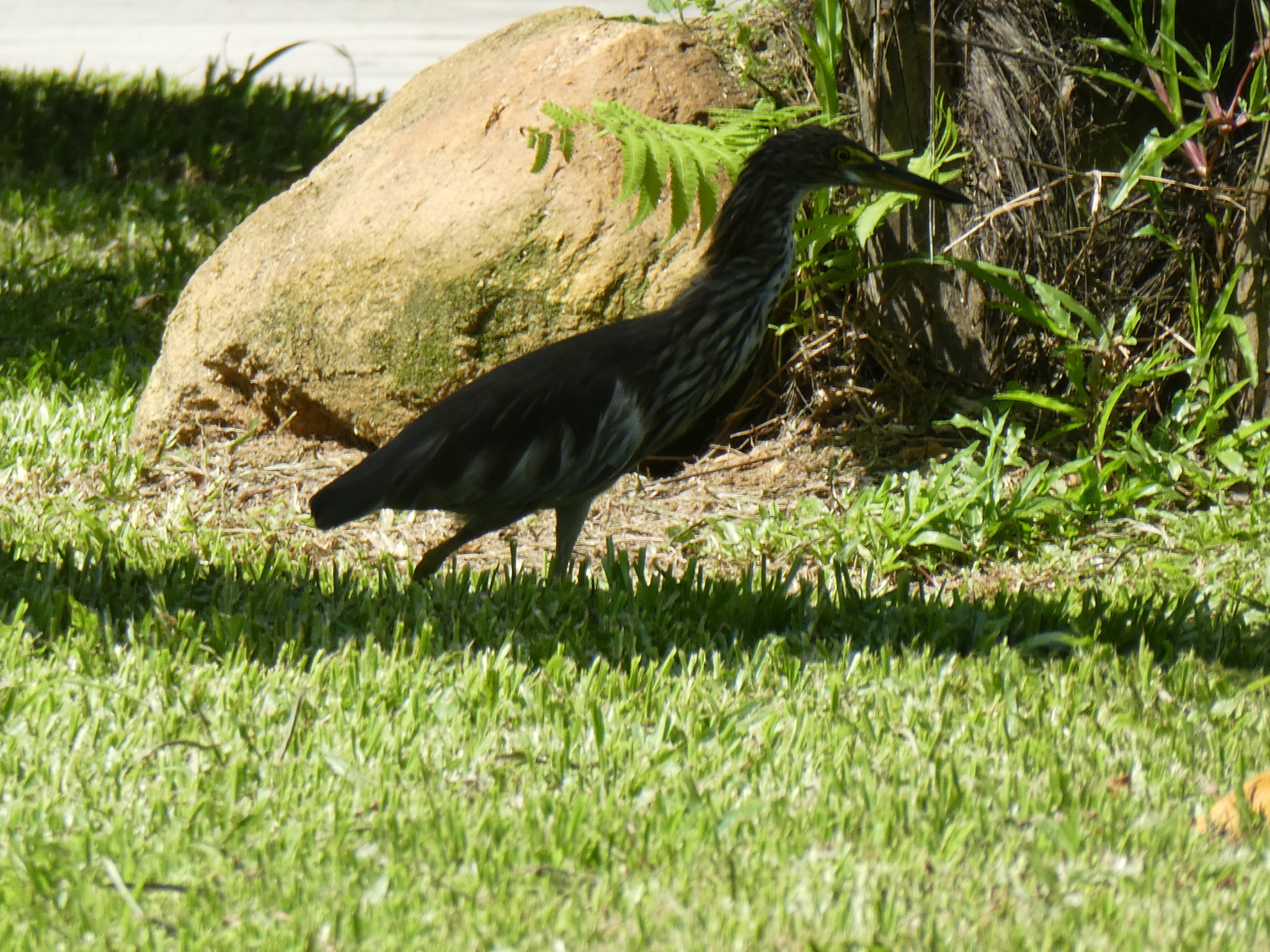
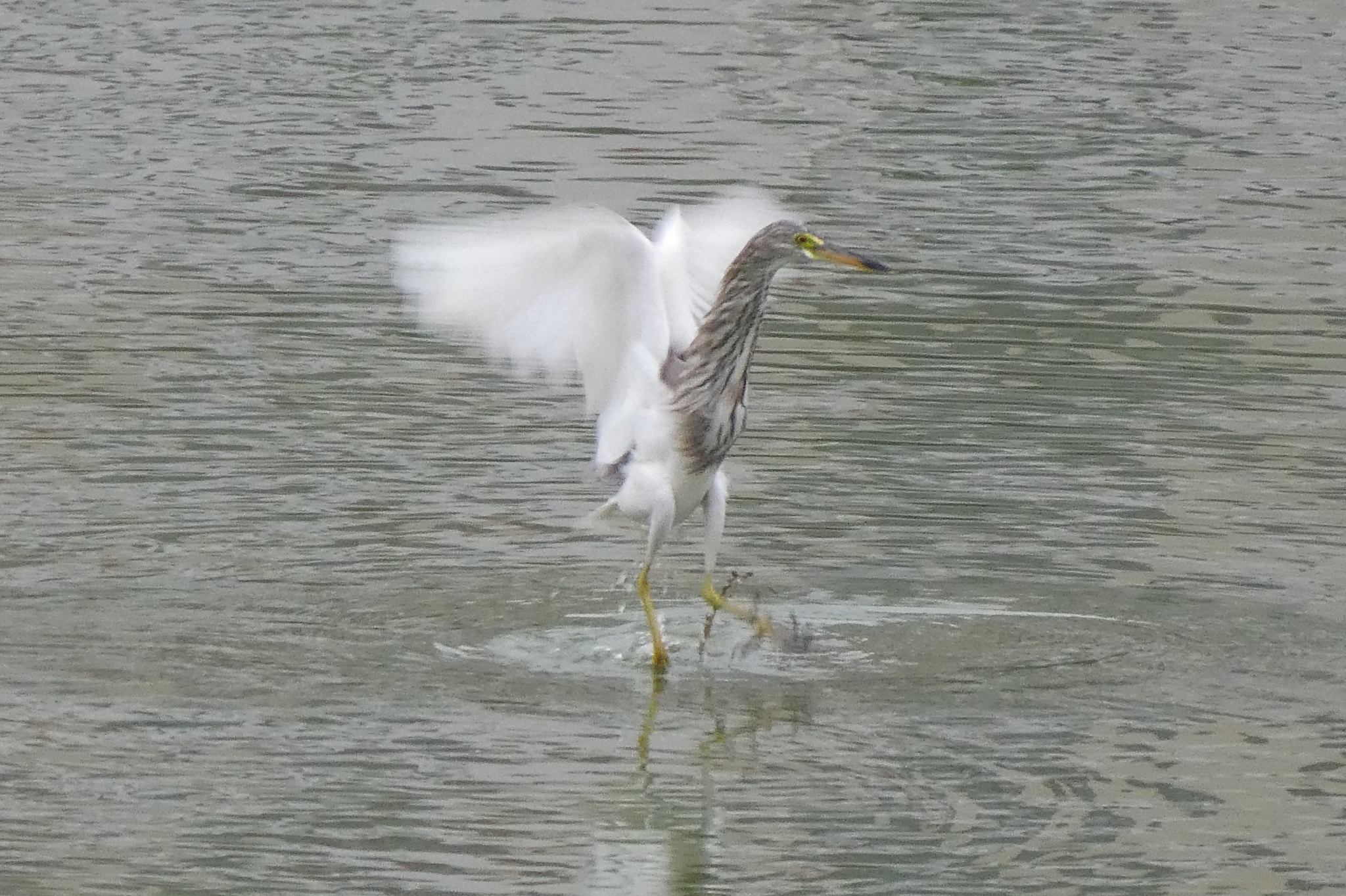
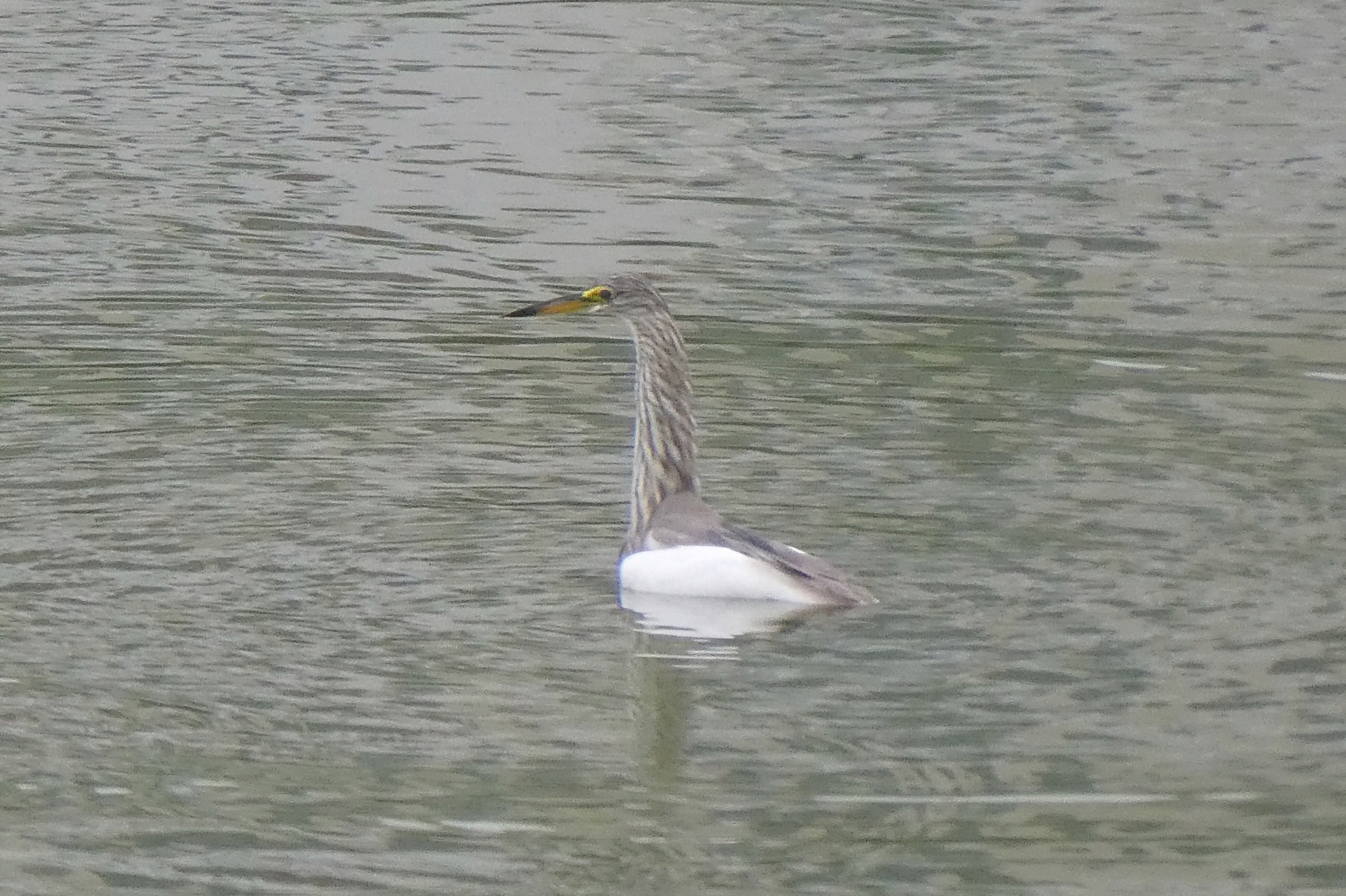
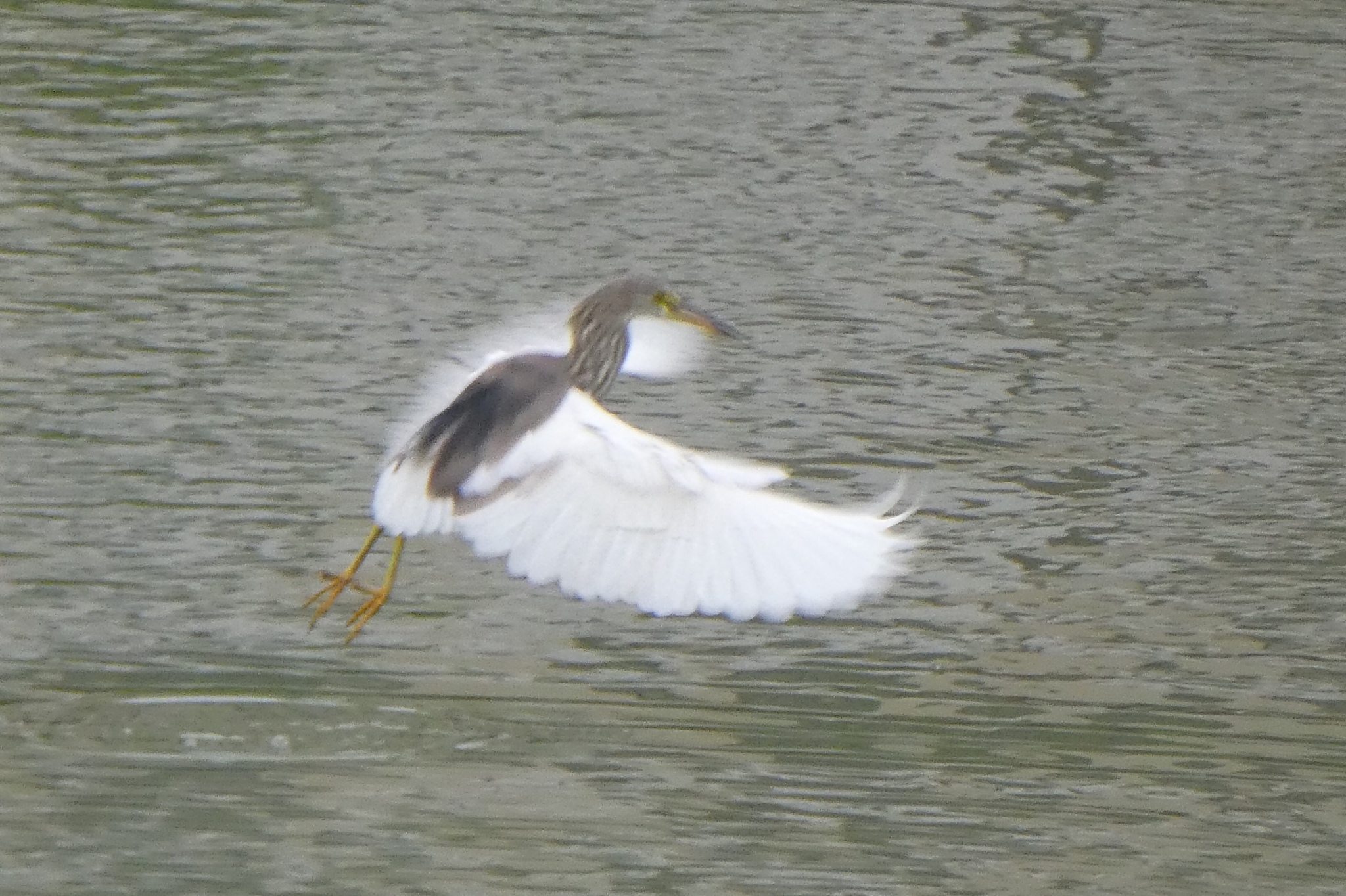
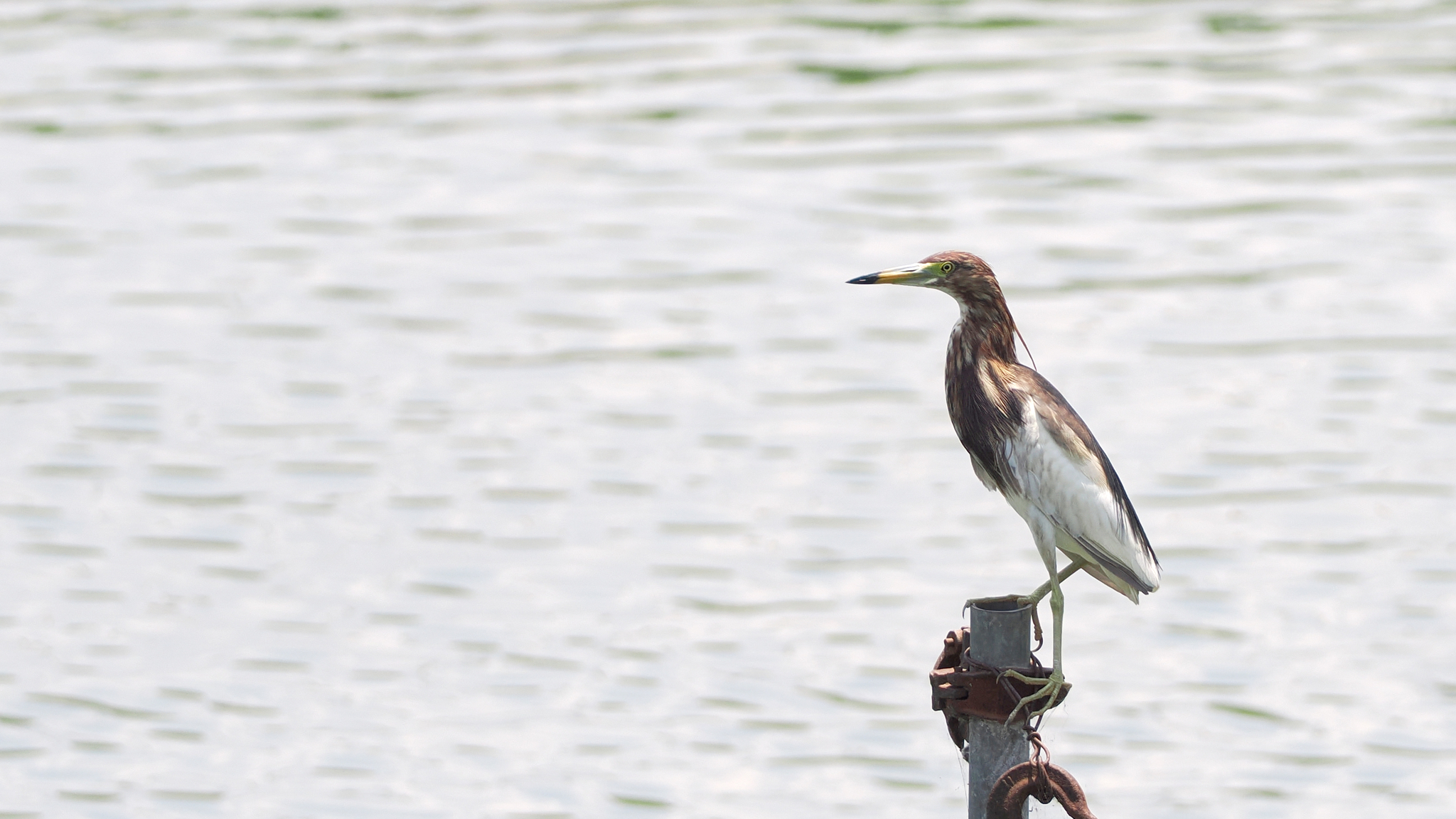
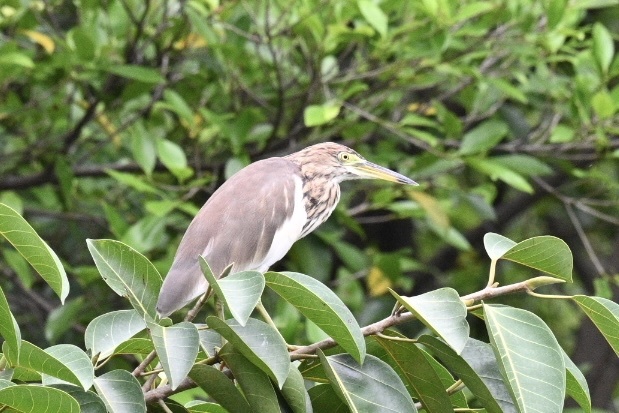
This compact heron reaches approximately 47 centimeters in length. The wings are conspicuously white in flight. The bill is yellow with a distinctive black tip, while the eyes and legs share the same yellow hue. Breeding adults display rich red underparts, blue upperparts, and white belly plumage. Non-breeding birds appear predominantly greyish-brown with scattered white flecking on the upperparts and white underparts. The overall shape is typical of pond herons: stocky body, relatively short neck, and pointed bill adapted for swift strikes at prey.
Identification
The breeding plumage is diagnostic within its range, with the combination of red, blue, and white making confusion with other species unlikely. The white wings are visible in flight and contrast strongly with the dark body. The yellow bill with a black tip helps distinguish it from similar-sized herons. The closely related Indian pond heron overlaps in the western parts of the range but lacks the vivid breeding colors. Non-breeding birds require closer attention to the subtle brown tones and white flecking pattern to separate them from the Javan pond heron to the south.
Distribution & Habitat
This species occupies temperate and subtropical wetlands across eastern and southern China, extending into adjacent regions including Taiwan, Korea, Japan, and parts of Southeast Asia. It inhabits shallow freshwater marshes, brackish coastal wetlands, ponds, and rice fields, typically staying at lower elevations. The northern range is limited by subarctic conditions, while mountain ranges bound the species to the west and south. Vagrants have appeared well outside the normal range, including records from Burma and even North America, with one individual documented in Alaska in 1997.
Behavior & Ecology
Foraging occurs in shallow waters where the bird stands motionless before launching quick strikes at prey. The diet includes insects, small fish, and crustaceans. This heron is colonial during the breeding season, joining mixed-species heronries alongside other wading birds. The nest is constructed from sticks in trees or shrubs near water. Clutches typically contain three to six blue-green eggs. The species is generally solitary when foraging but becomes more gregarious at communal roosts and breeding colonies.
Conservation
The species is classified as Least Concern by the IUCN. Population numbers appear stable across its range, and the bird remains fairly common in suitable wetland habitats. While not currently threatened, it faces potential pressures from wetland drainage, pollution, and habitat degradation that affect freshwater ecosystems throughout East Asia. Conservation of shallow wetland environments will be important for maintaining healthy populations.
Source: Wikipedia · CC BY-SA 3.0
Taxonomy
- Order
- Pelecaniformes
- Family
- Ardeidae
- Genus
- Ardeola
- eBird Code
- chpher1
Distribution
lowlands of southern Asia; winters to Greater Sundas
Data Sources
Species description from Wikipedia, licensed under CC BY-SA 3.0.
Bird images and sounds sourced from GBIF, contributed by citizen scientists worldwide under Creative Commons licenses.
Taxonomy data from AviList 2025.