
Pelecaniformes / Ardeidae / Ardea
Purple Heron
Ardea purpurea · 草鹭
Introduction
A wide-ranging heron species breeding in Africa, central and southern Europe, and the southern and eastern Palearctic. Western Palearctic populations migrate between breeding and wintering grounds, while African and tropical Asian populations are primarily sedentary. It favors densely vegetated habitats near water, particularly reed beds, and is more evasive than similar species. The IUCN assesses its conservation status as Least Concern.
Description
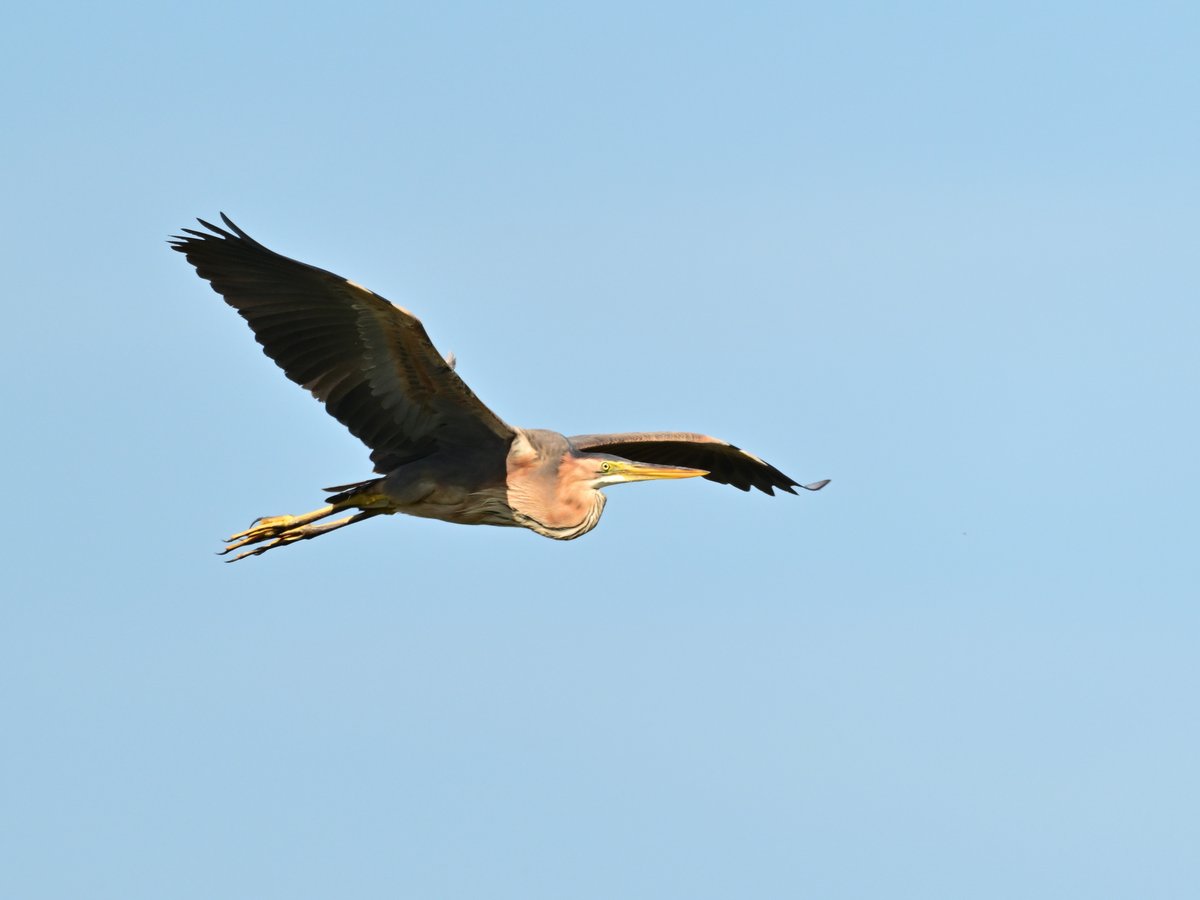
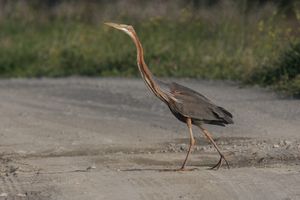
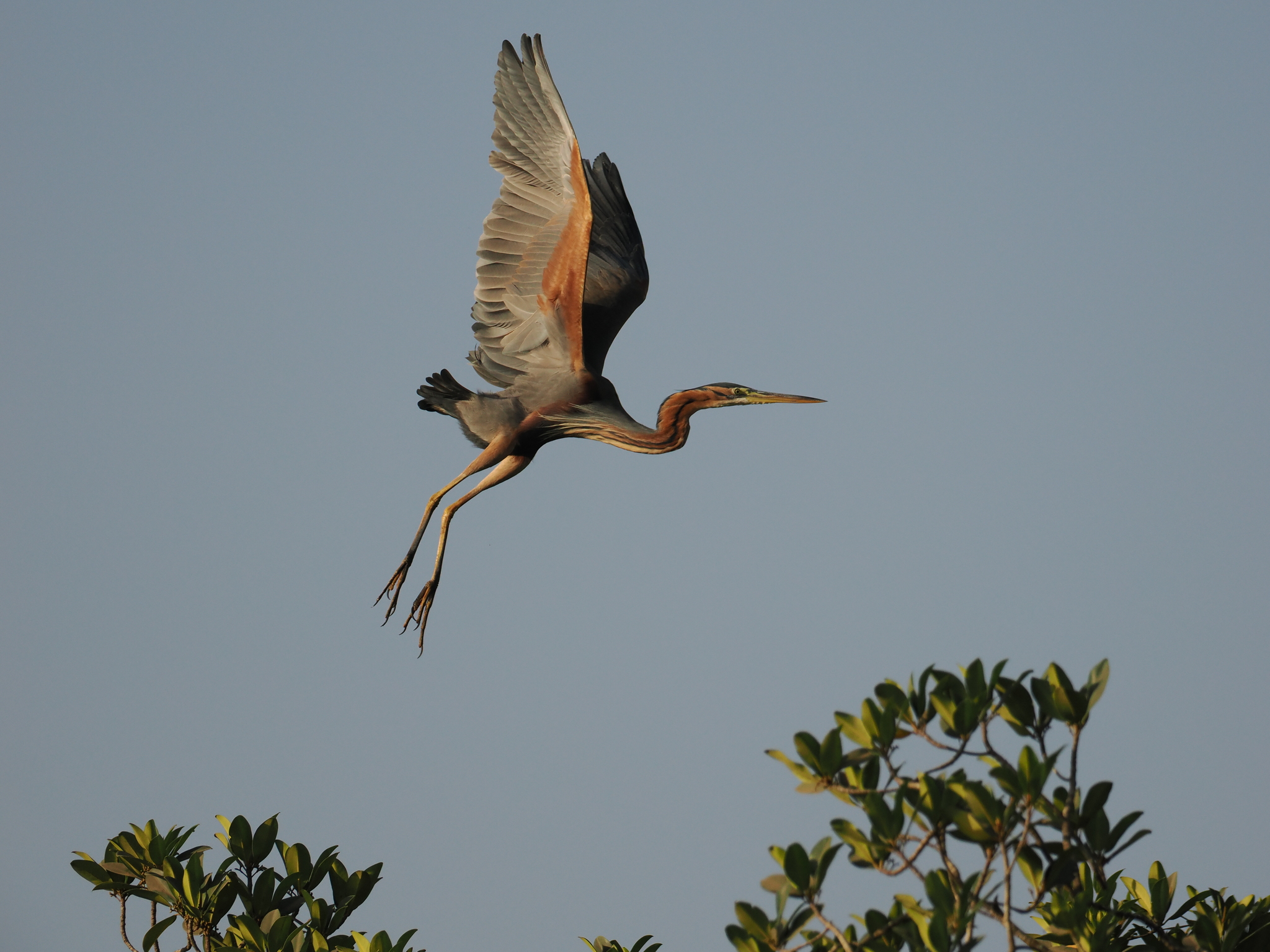
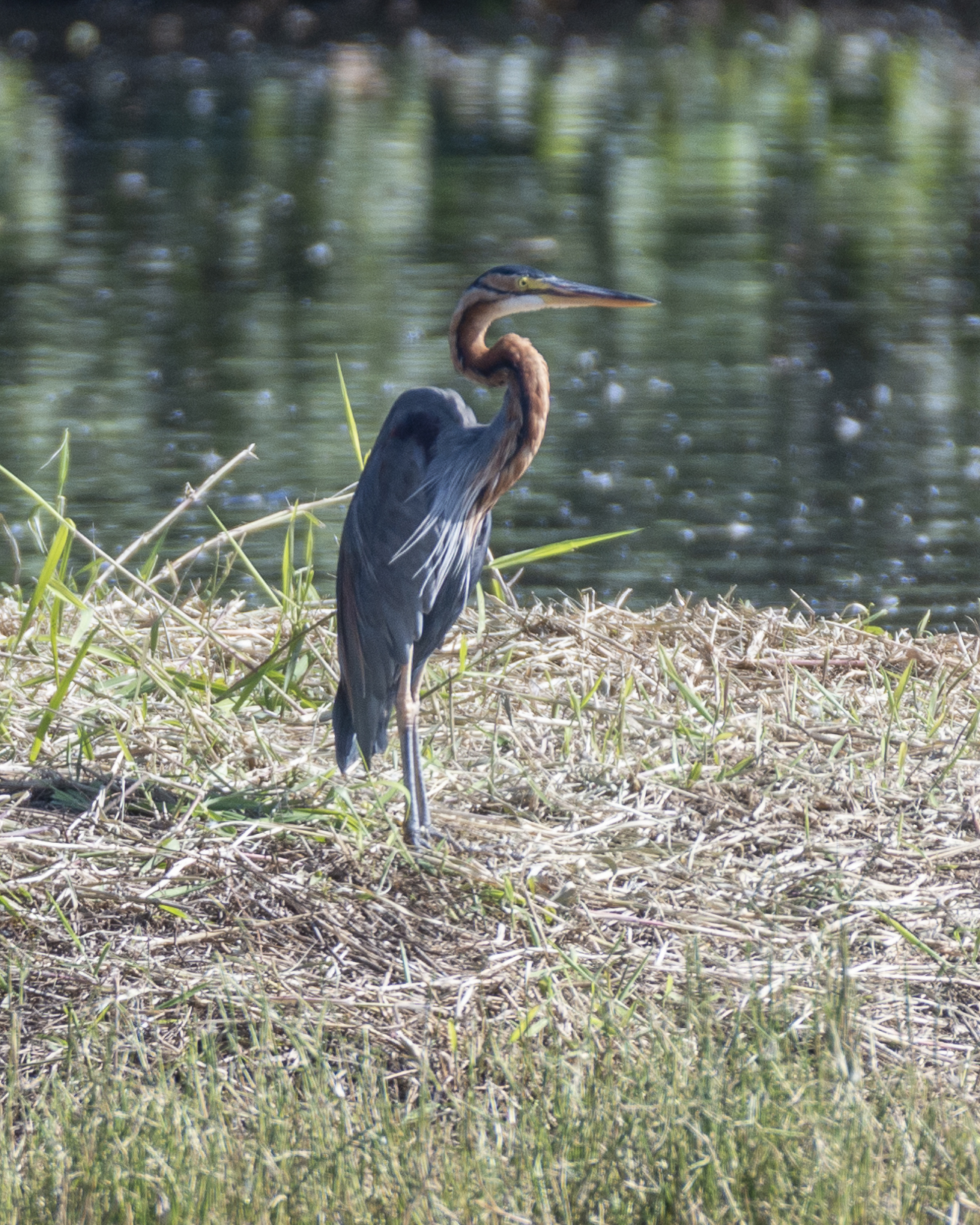
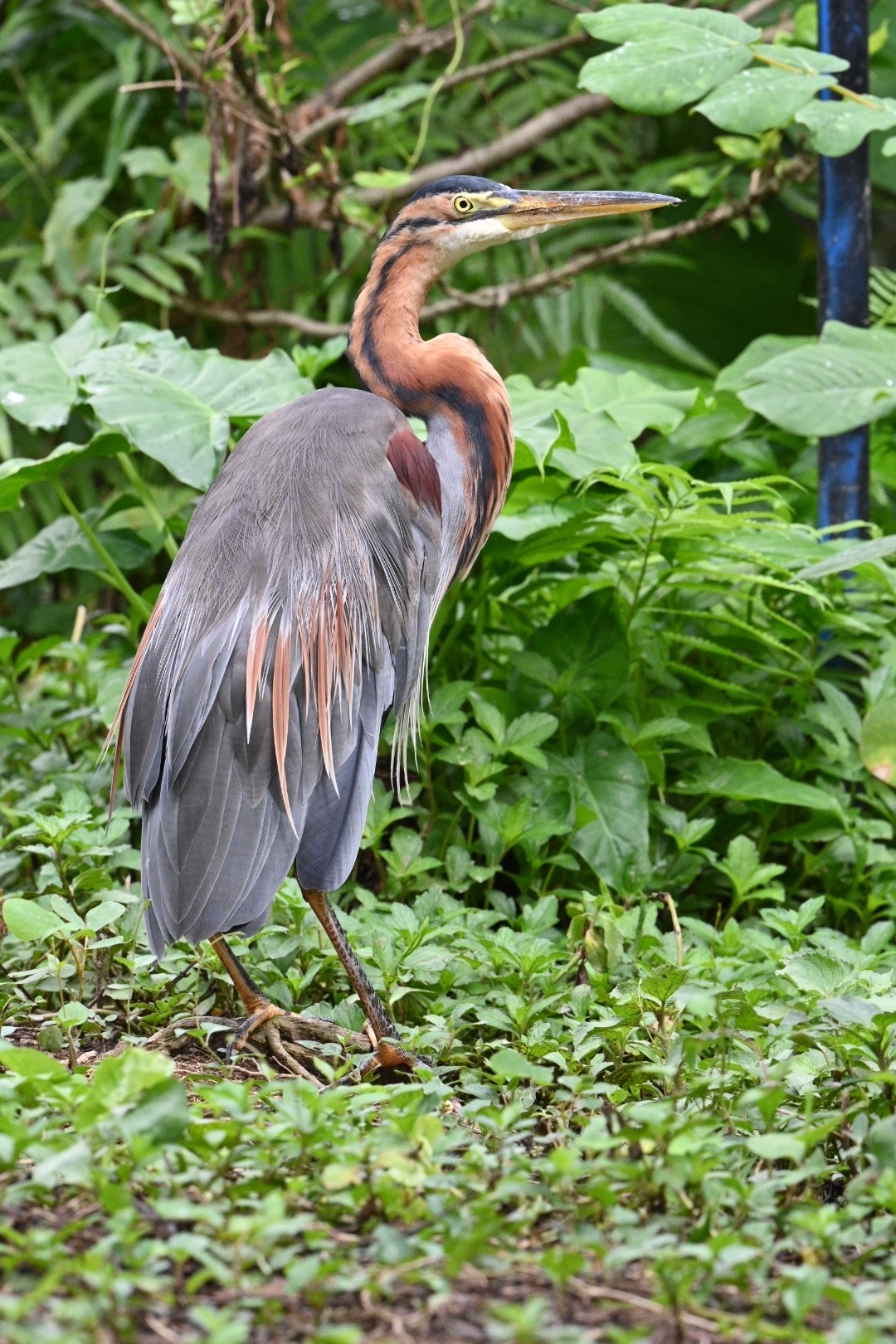
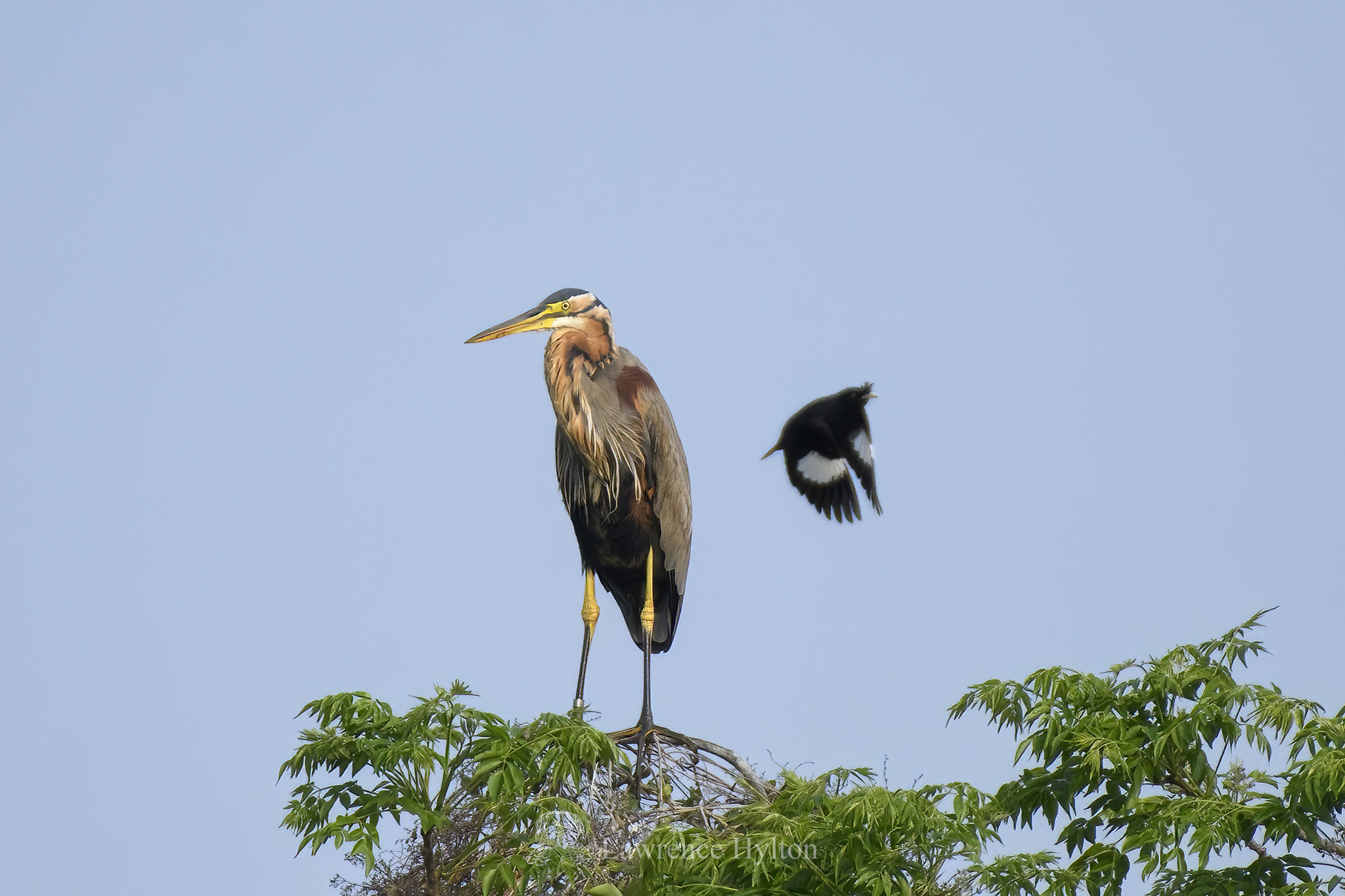
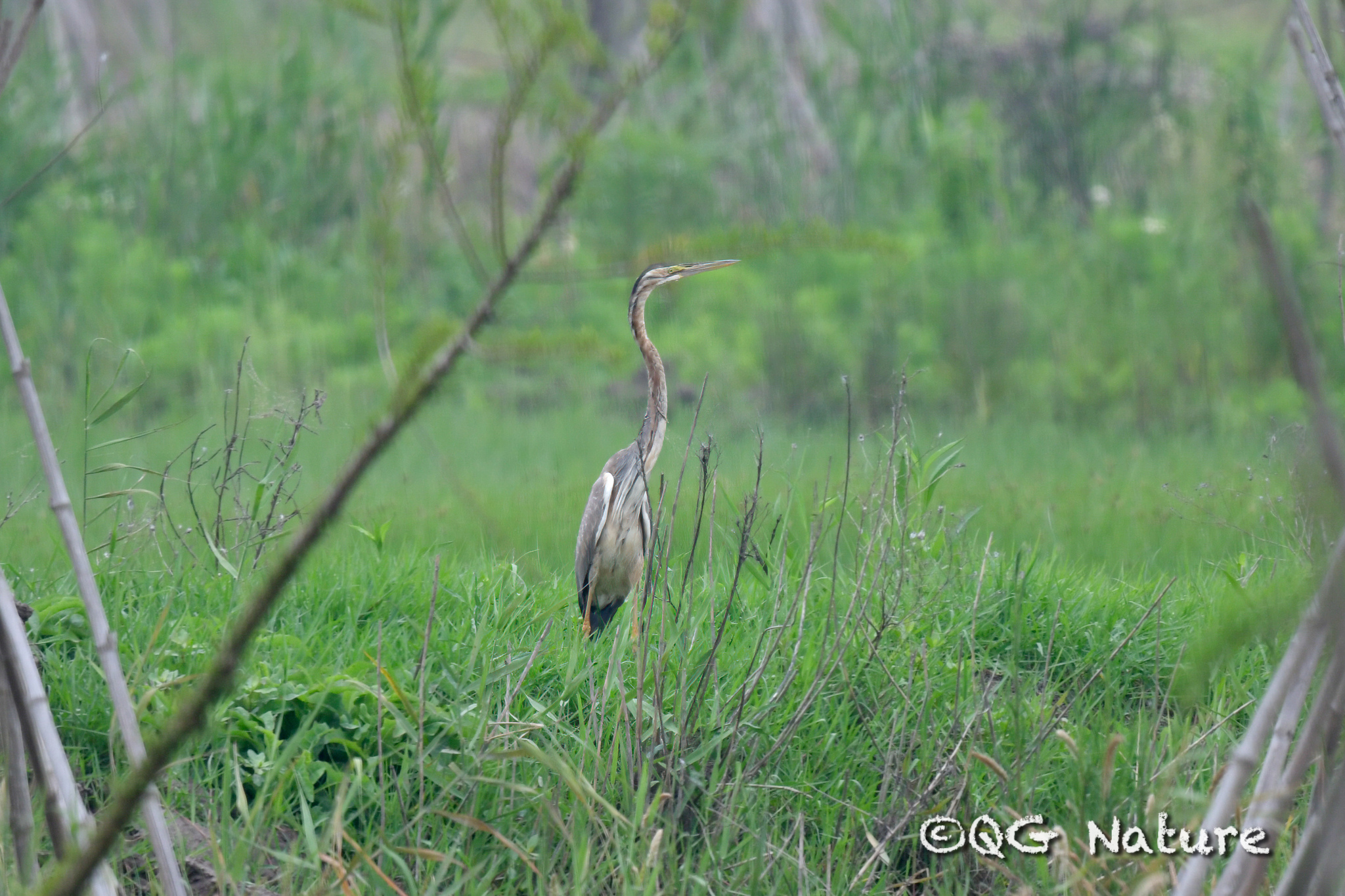
Length 78–97 cm (31–38 in), standing height 70–94 cm (28–37 in), wingspan 120–152 cm (47–60 in). Weighs 0.5–1.35 kg (1.1–3.0 lb). Slender build with darker reddish-brown plumage and a darker grey back compared to the grey heron. Adults have a black forehead and crown, a dark stripe down the neck ending in a slender crest not exceeding 140 mm (5.5 in). Head and neck sides are buffish chestnut with dark streaks. Mantle is oily brown; upper scapulars are elongated. Breast is chestnut brown; belly and under-tail coverts are black. Beak is long, straight, powerful, and brownish-yellow, brighter in breeding adults. Iris is yellow; legs are brown in front and yellowish behind.
Identification
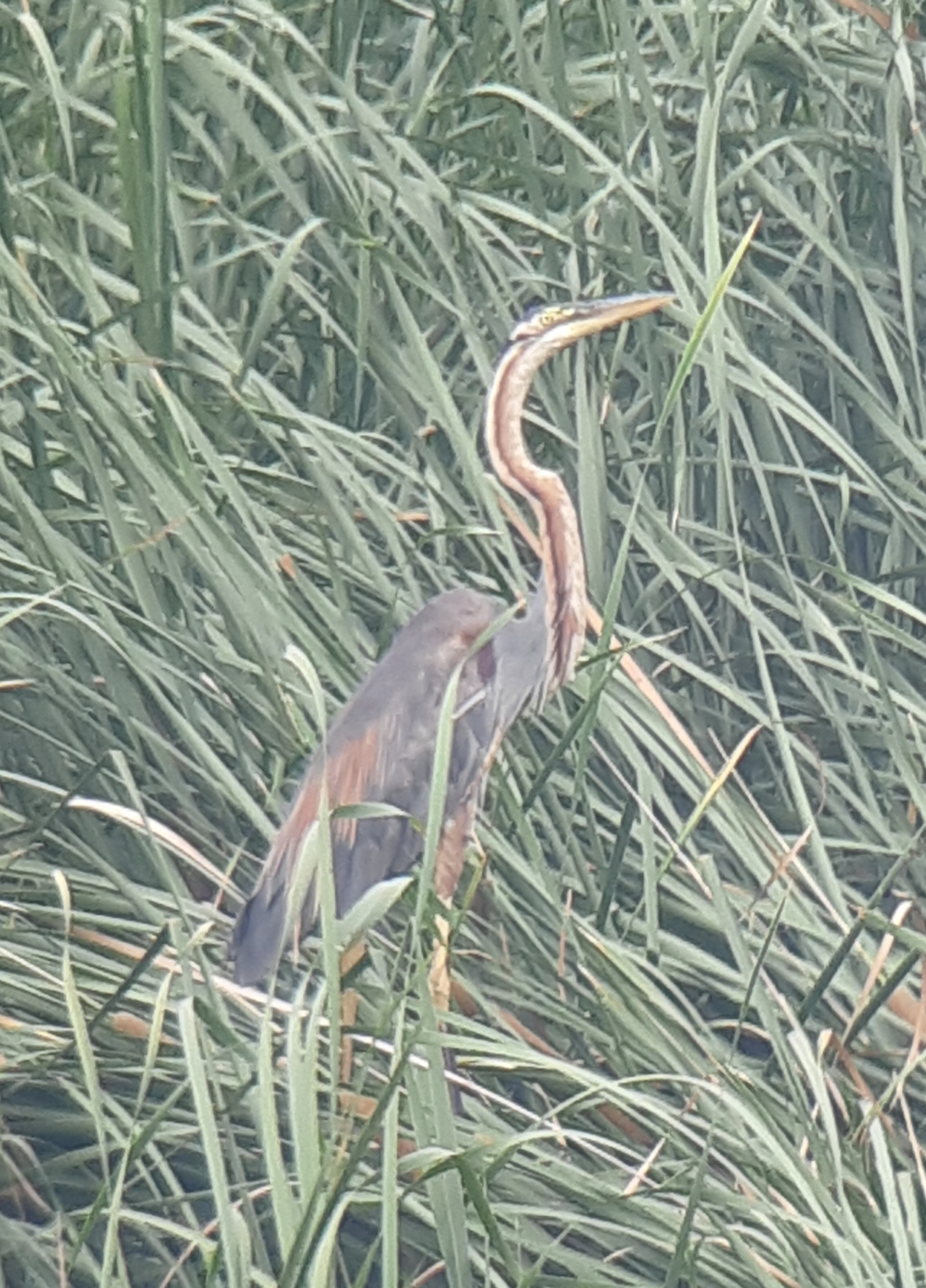
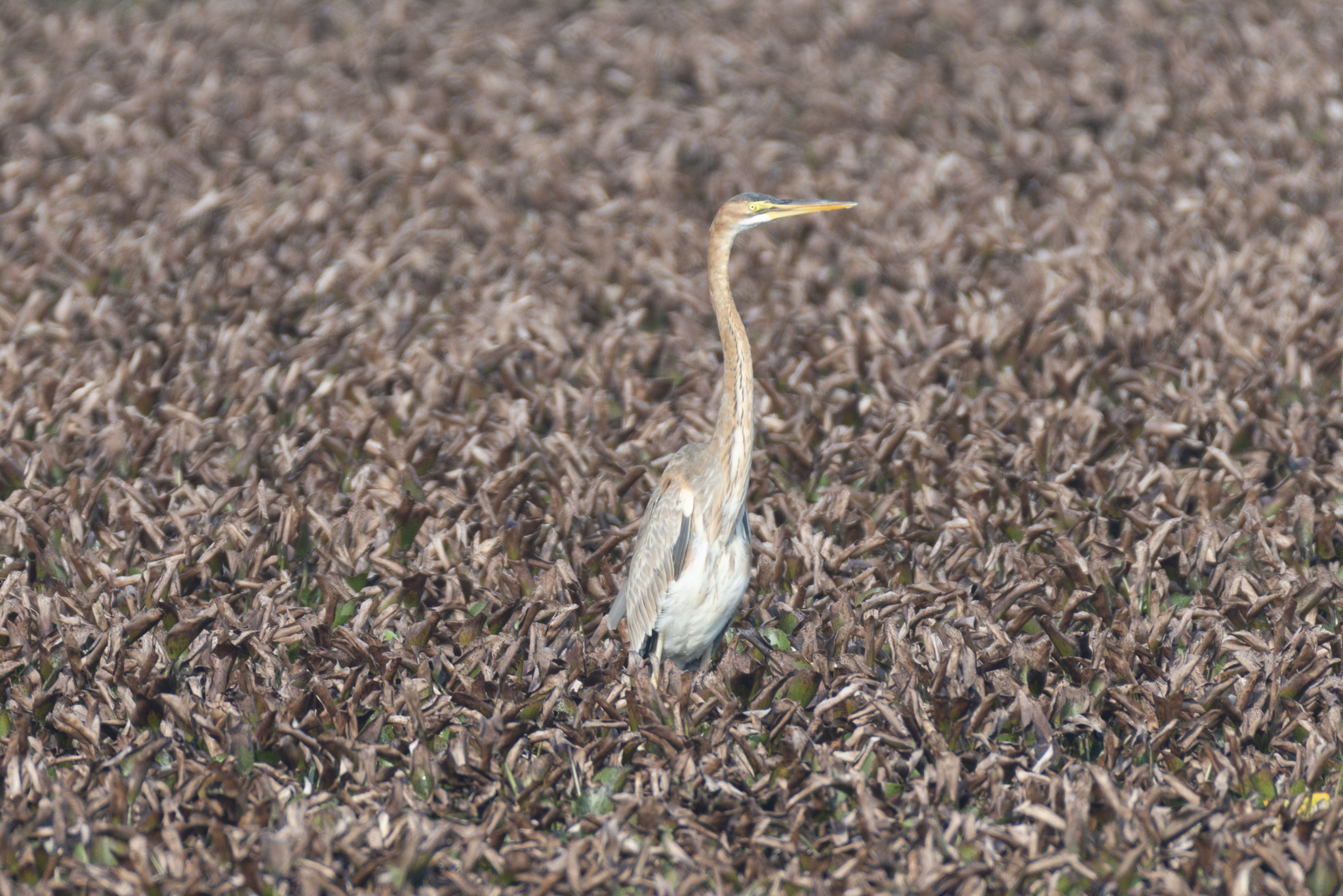
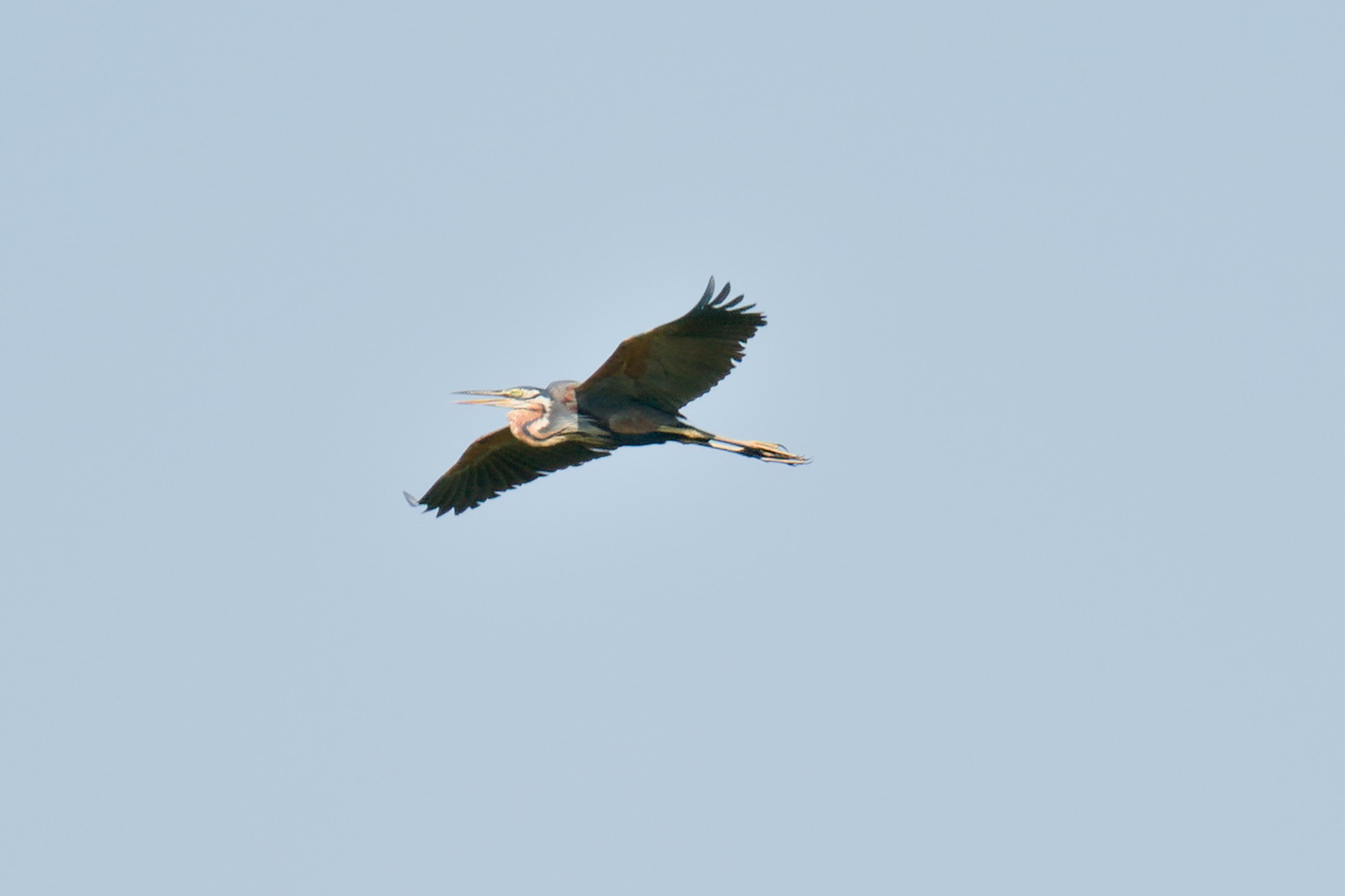
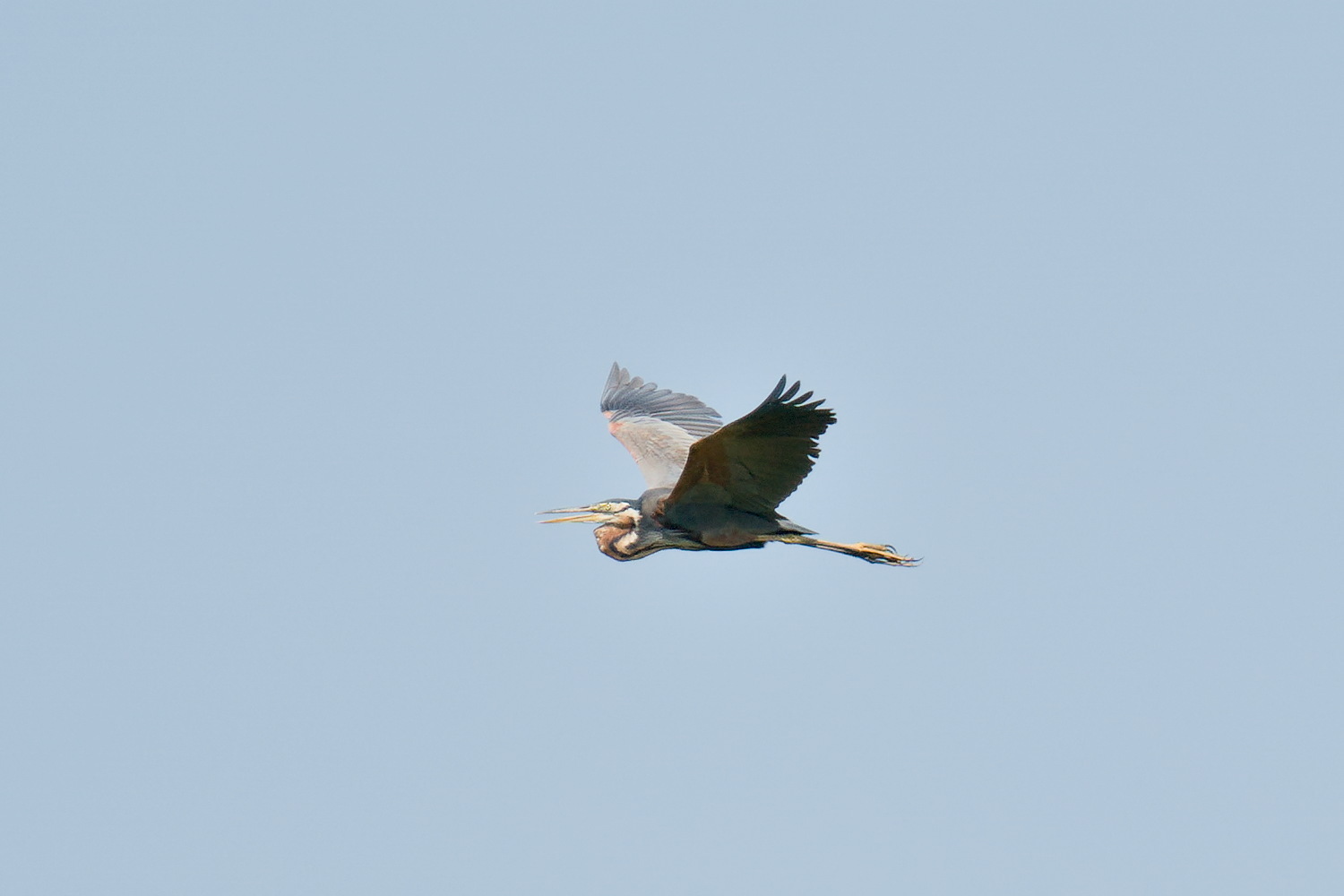
Distinguished from the grey heron by smaller size, slender snake-like neck, darker reddish-brown plumage, and longer toes. Often adopts an oblique neck posture. Flight is slow with neck retracted and legs extending well behind the tail. Call is a harsh 'frarnk', quieter and higher-pitched than the grey heron's. Generally less noisy and more secretive, favoring dense cover.
Distribution & Habitat
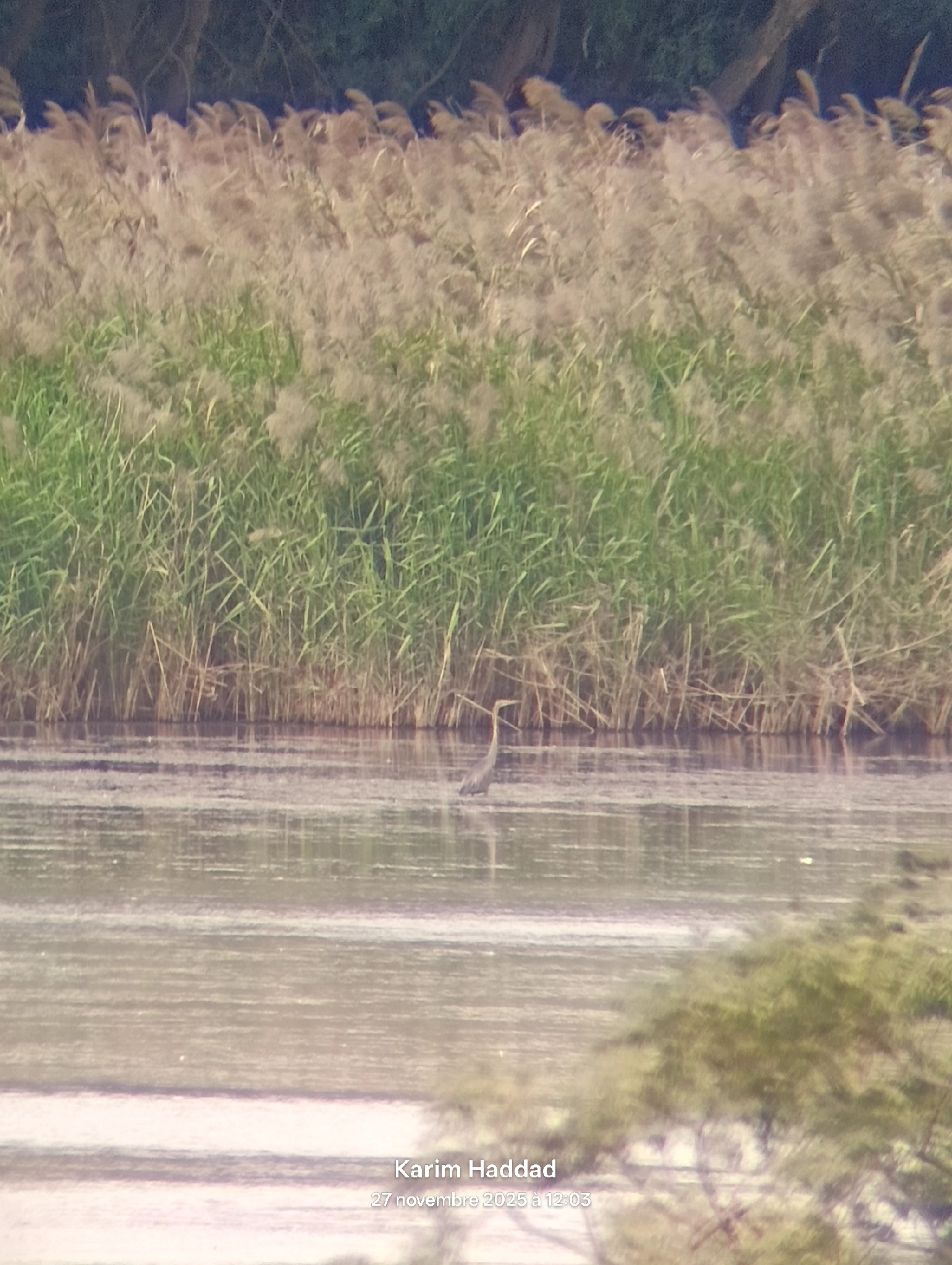
Breeds in Europe, Asia, and Africa. Western race ranges from Portugal to Lake Balkhash, Kazakhstan, and North Africa. Eastern race extends from the Indian subcontinent to the Philippines, Indonesia, and north to Primorsky Krai, Russia. Southern race is restricted to Madagascar; a small population exists in the Cape Verde Islands. Western populations migrate south to tropical Africa August–October, returning north in March. Eastern populations are largely resident, with some northern birds moving south to Korea, Thailand, and Malaysia. African birds are resident. Vagrants recorded in northern Europe, French Guiana, Barbados, Brazil, and Trinidad and Tobago. Inhabits marshes, lagoons, lakes with dense vegetation (especially Phragmites reed beds), mangrove swamps, mudflats, and river banks. Cape Verde birds may use arid slopes.
Behavior & Ecology
Secretive, active at dawn and dusk; roosts midday and night. Walks on floating vegetation using long toes. Feeds in shallow water by stalking or ambushing prey. Diet includes fish, small mammals, amphibians, nestling birds, snakes, lizards, crustaceans, water snails, insects (especially terrestrial beetles), and spiders. Breeds colonially or solitarily, sometimes with other heron species. Builds bulky nests of dead reeds or sticks in reed beds or low bushes near water. Clutch usually 4–5 bluish-green eggs (avg 56x45 mm), occasionally up to 8. Incubation lasts 24–28 days, shared by both parents. Chicks fledge at six weeks and become independent at two months.
Conservation
Global population estimated at 180,000–380,000 individuals (2019) with a decreasing trend. Assessed as Least Concern on the IUCN Red List. Chief threats are drainage and disturbance of wetland habitats, particularly destruction of reed beds. Listed under the Agreement on the Conservation of African-Eurasian Migratory Waterbirds (AEWA).
Source: Wikipedia · CC BY-SA 3.0
Taxonomy
- Order
- Pelecaniformes
- Family
- Ardeidae
- Genus
- Ardea
Vocalizations
Subspecies (4)
-
Ardea purpurea bournei
Cape Verde Islands (Santiago)
Data Sources
Species description from Wikipedia, licensed under CC BY-SA 3.0.
Bird images and sounds sourced from GBIF, contributed by citizen scientists worldwide under Creative Commons licenses.
Taxonomy data from AviList 2025.