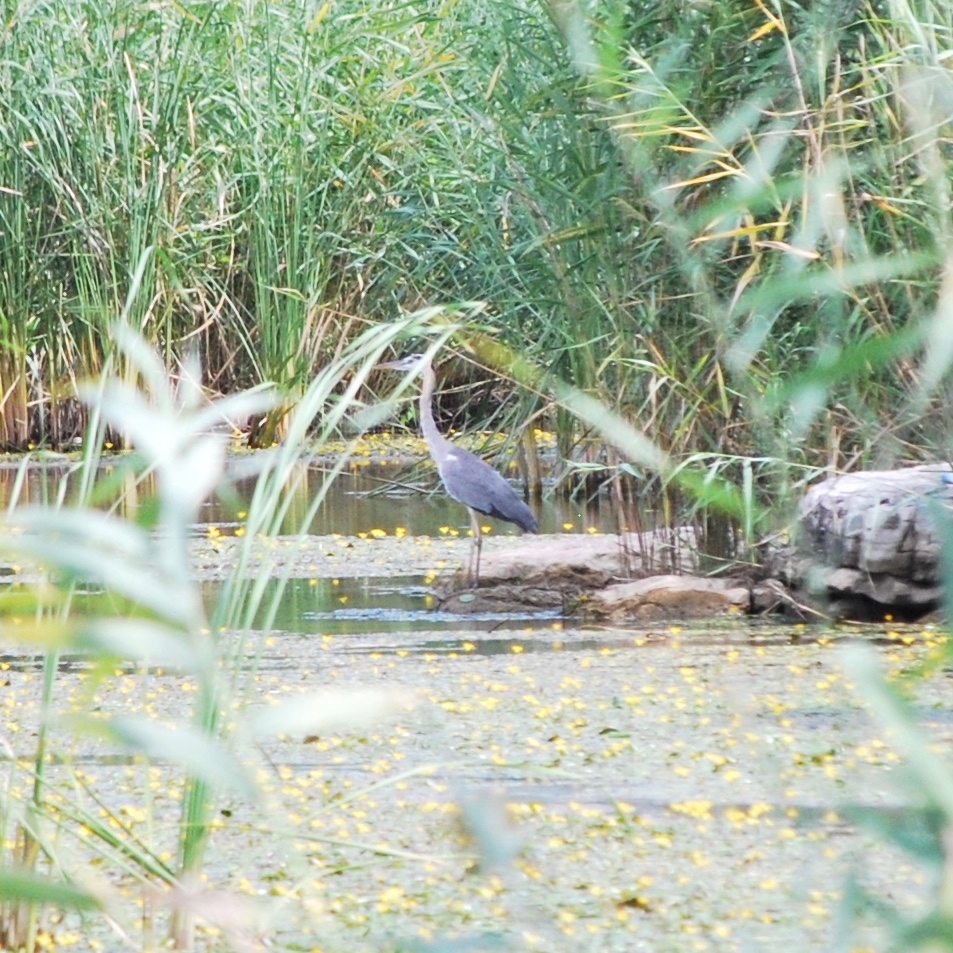
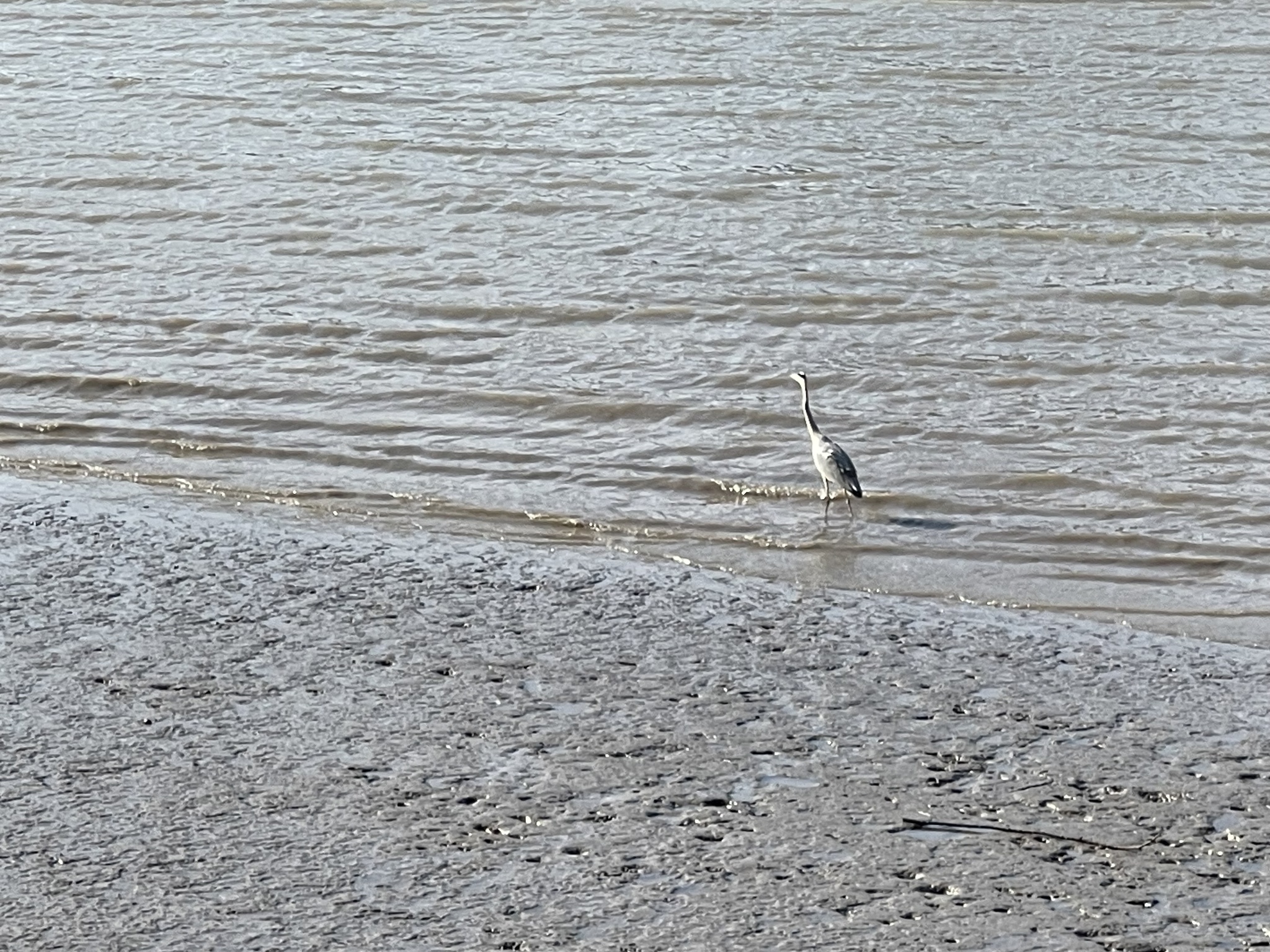
Pelecaniformes / Ardeidae / Ardea
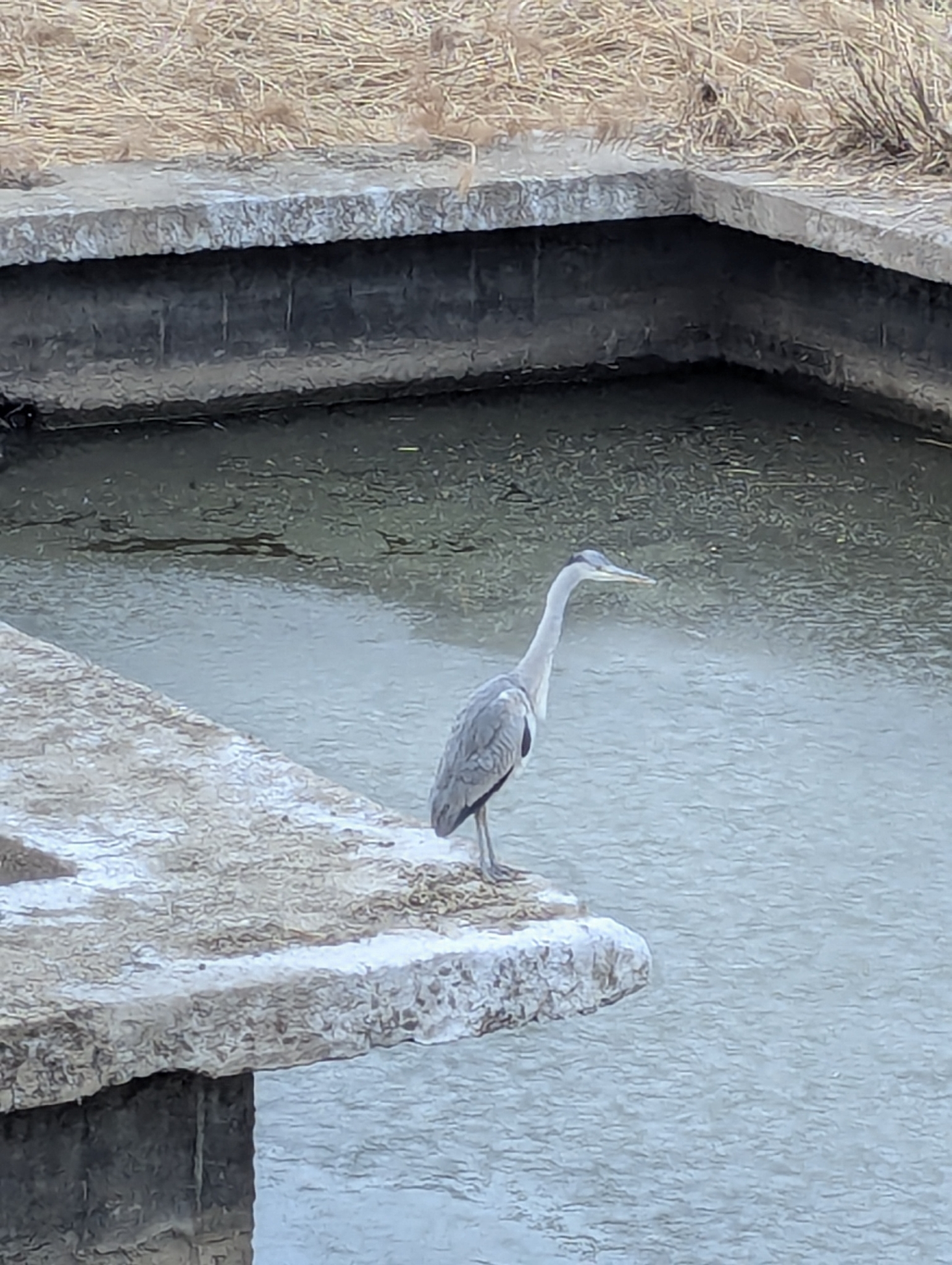
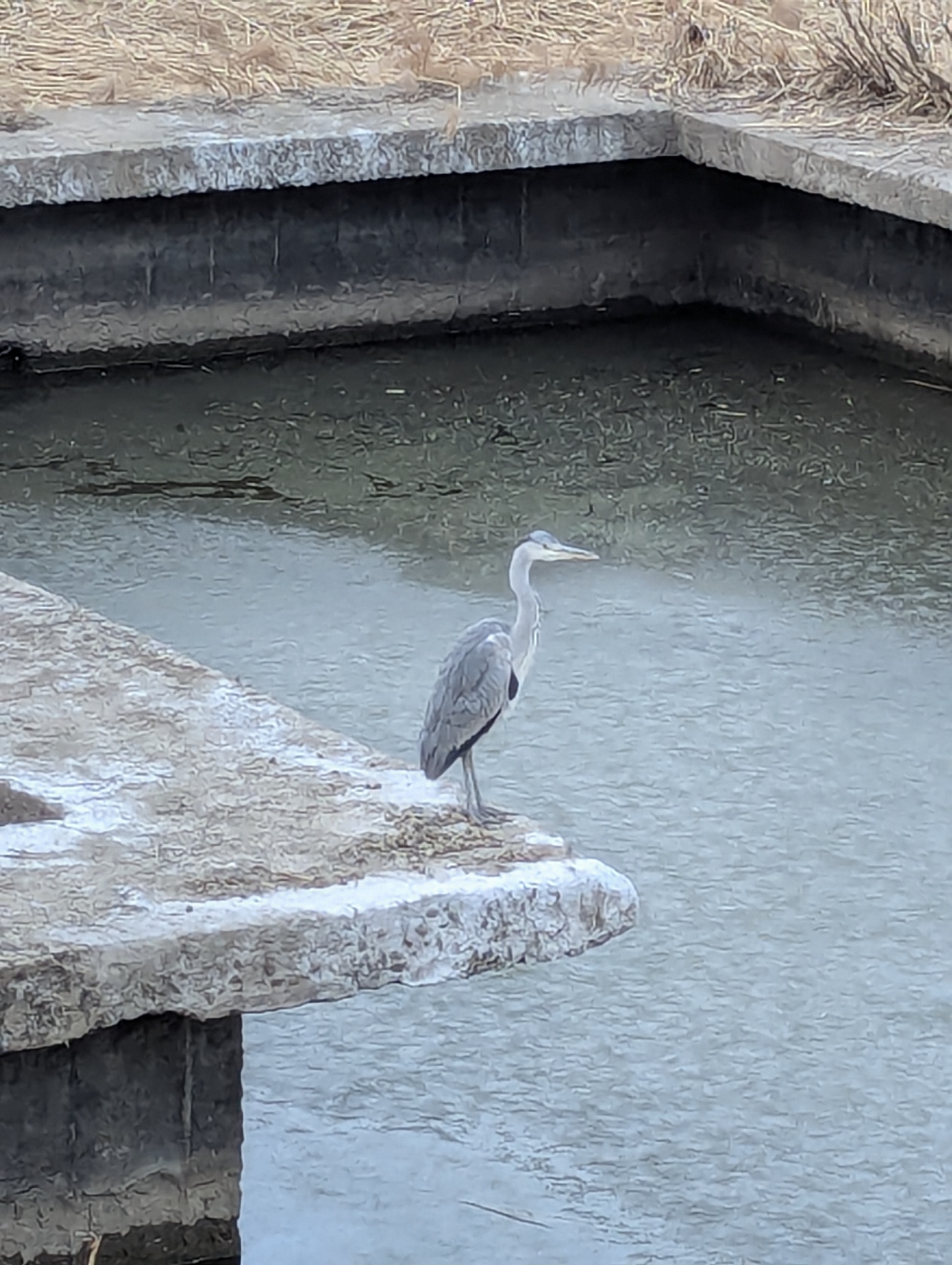
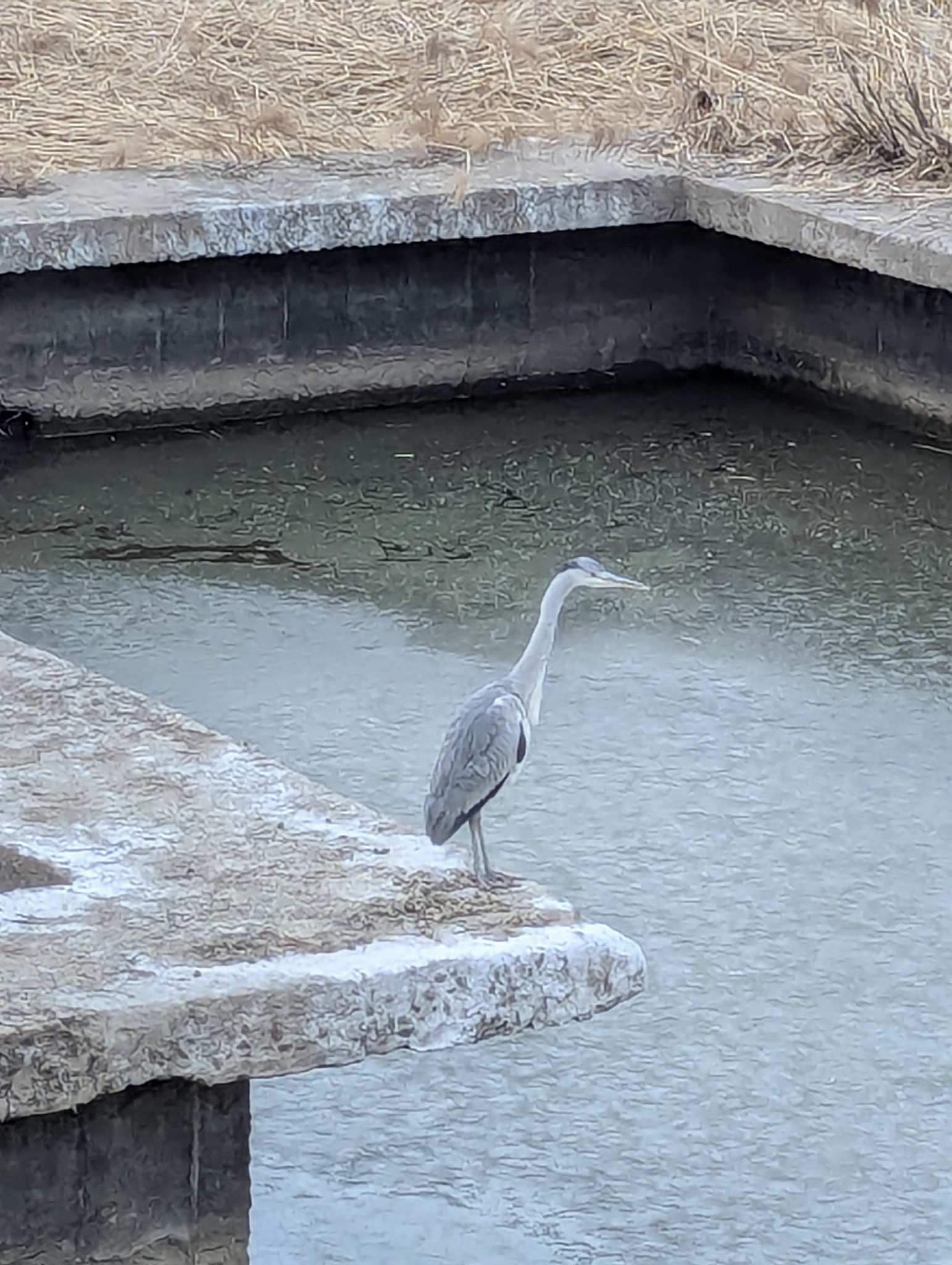
Grey Heron
Ardea cinerea · 苍鹭
Introduction
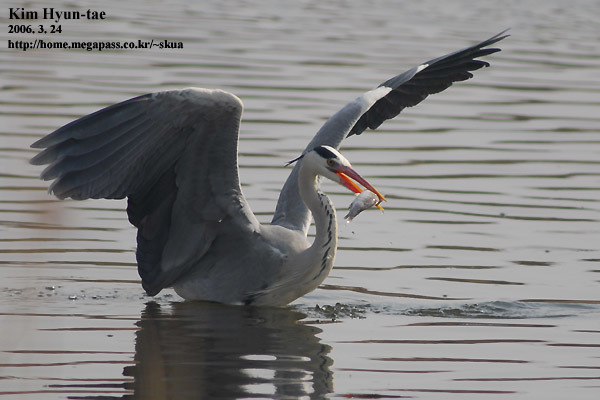
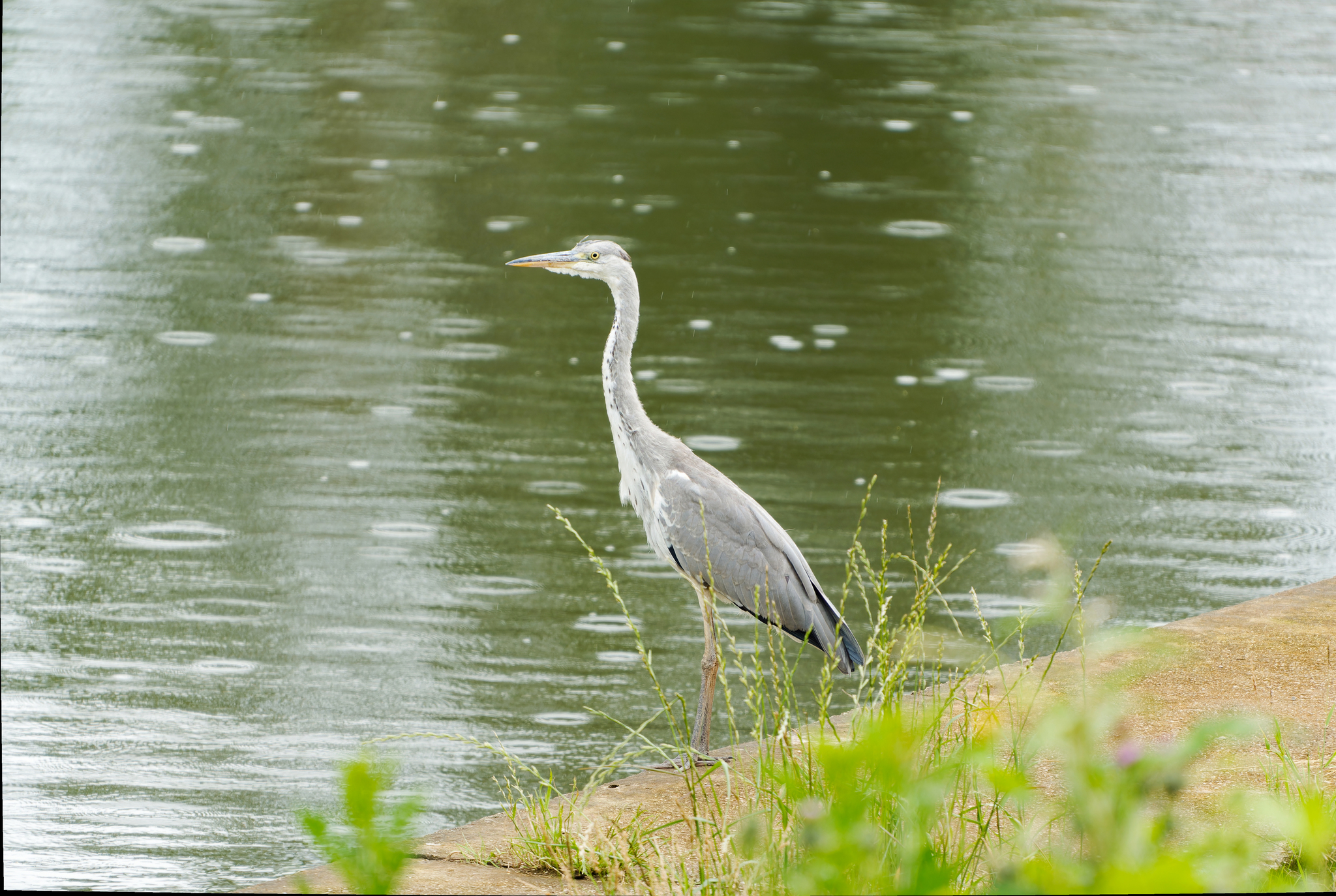
A long-legged wading bird of the heron family, Ardeidae, native throughout temperate Europe and Asia, and parts of Africa. It inhabits wetland areas including lakes, rivers, ponds, marshes, and sea coasts. It feeds mostly on aquatic creatures caught by standing stationary or stalking through shallows. Resident in much of its range, with northern populations migrating southwards in autumn.
Description
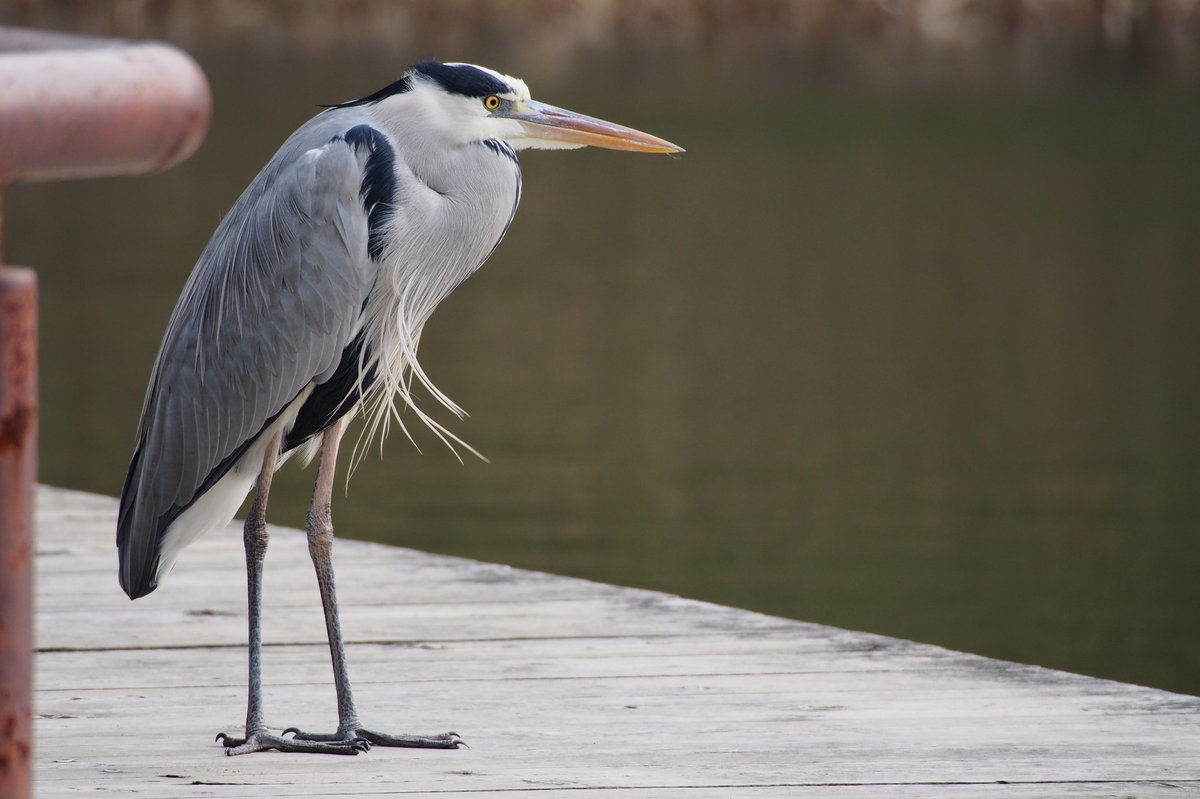
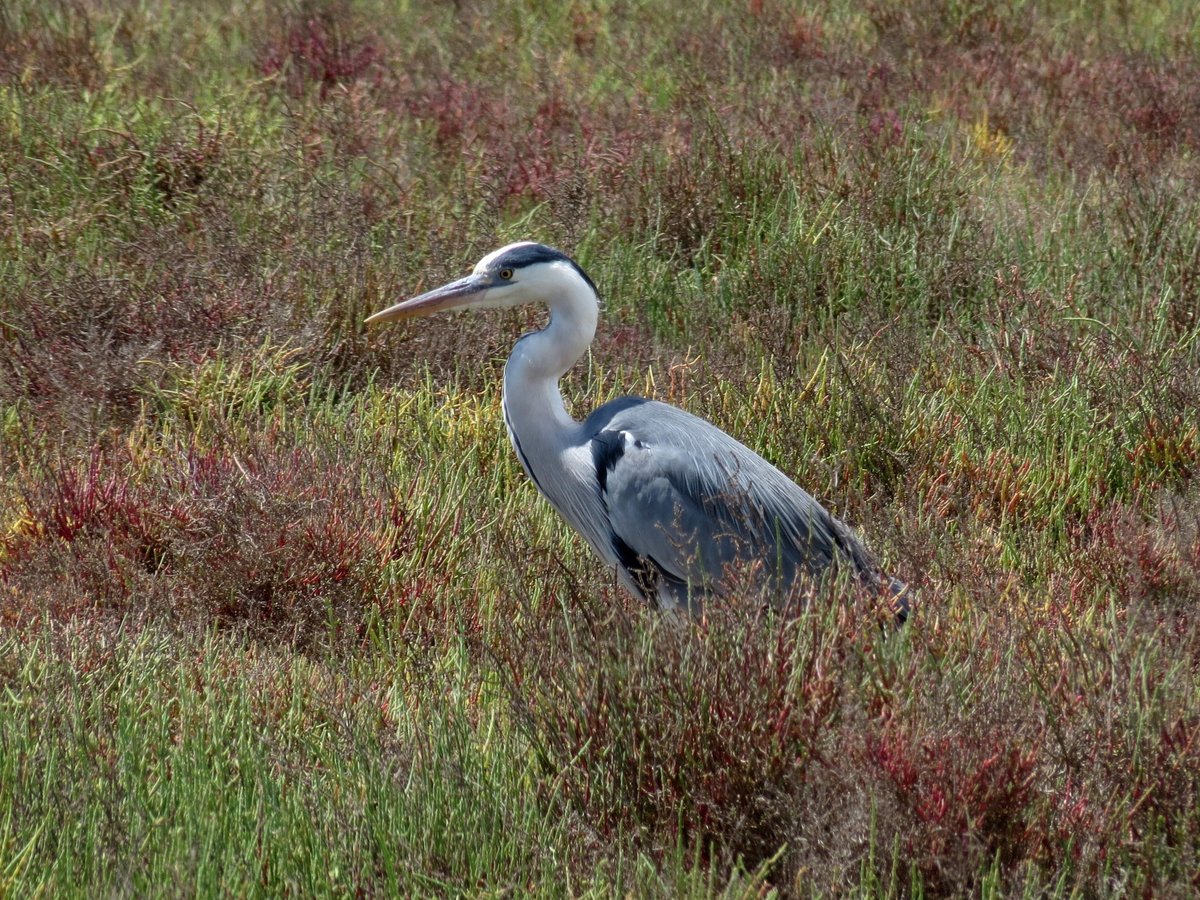
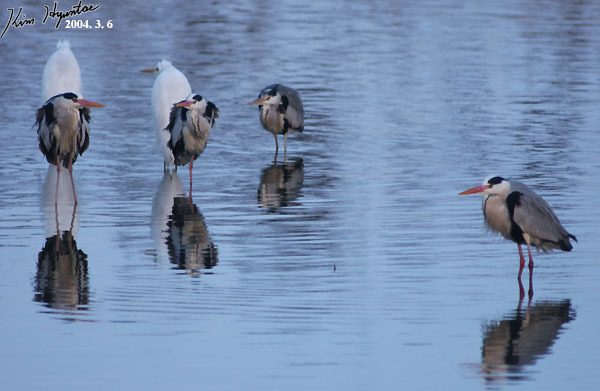
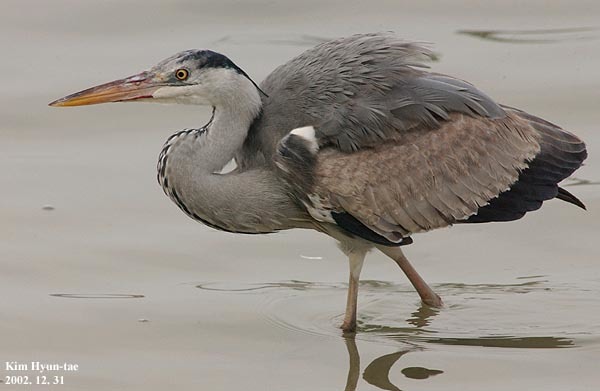
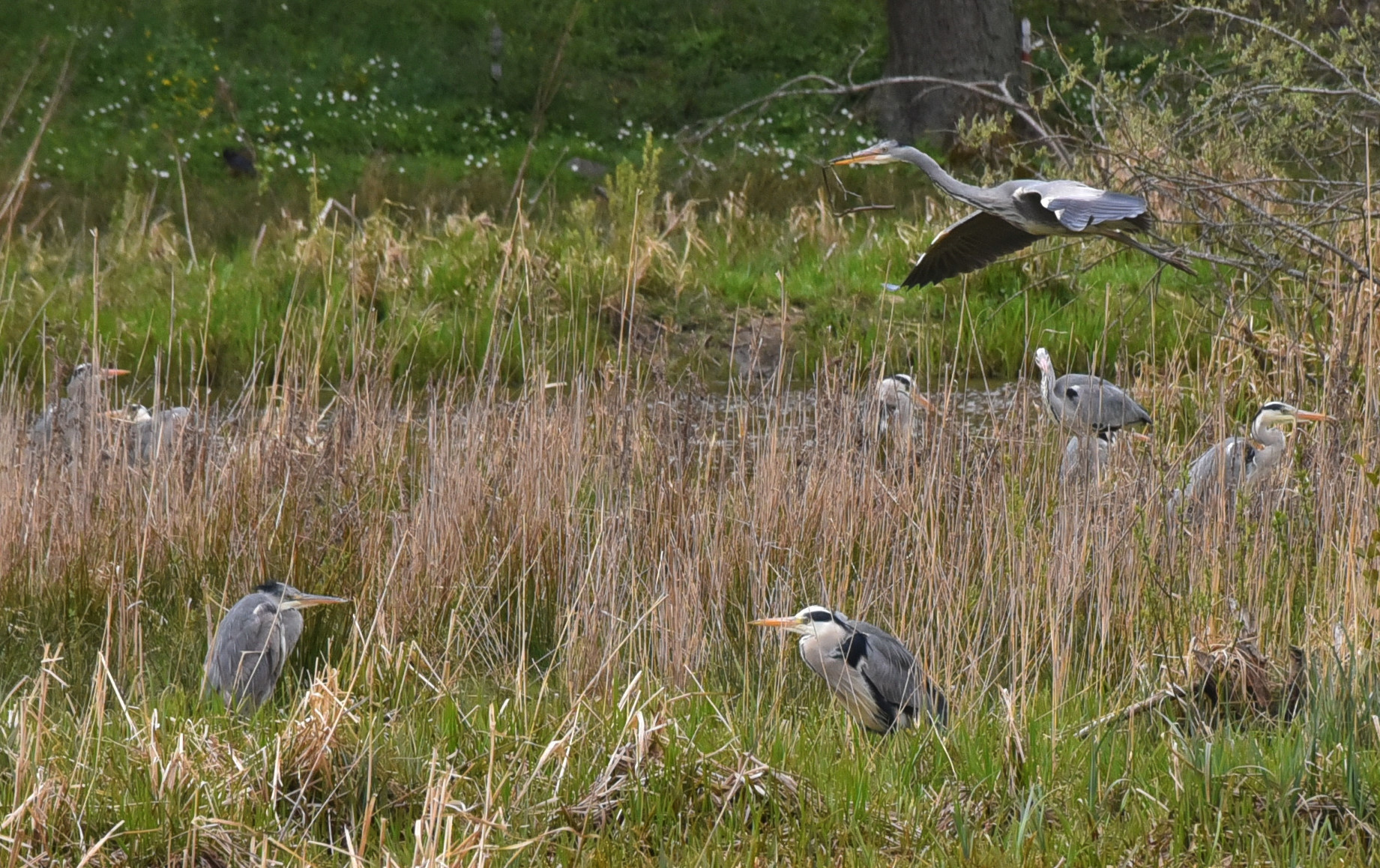
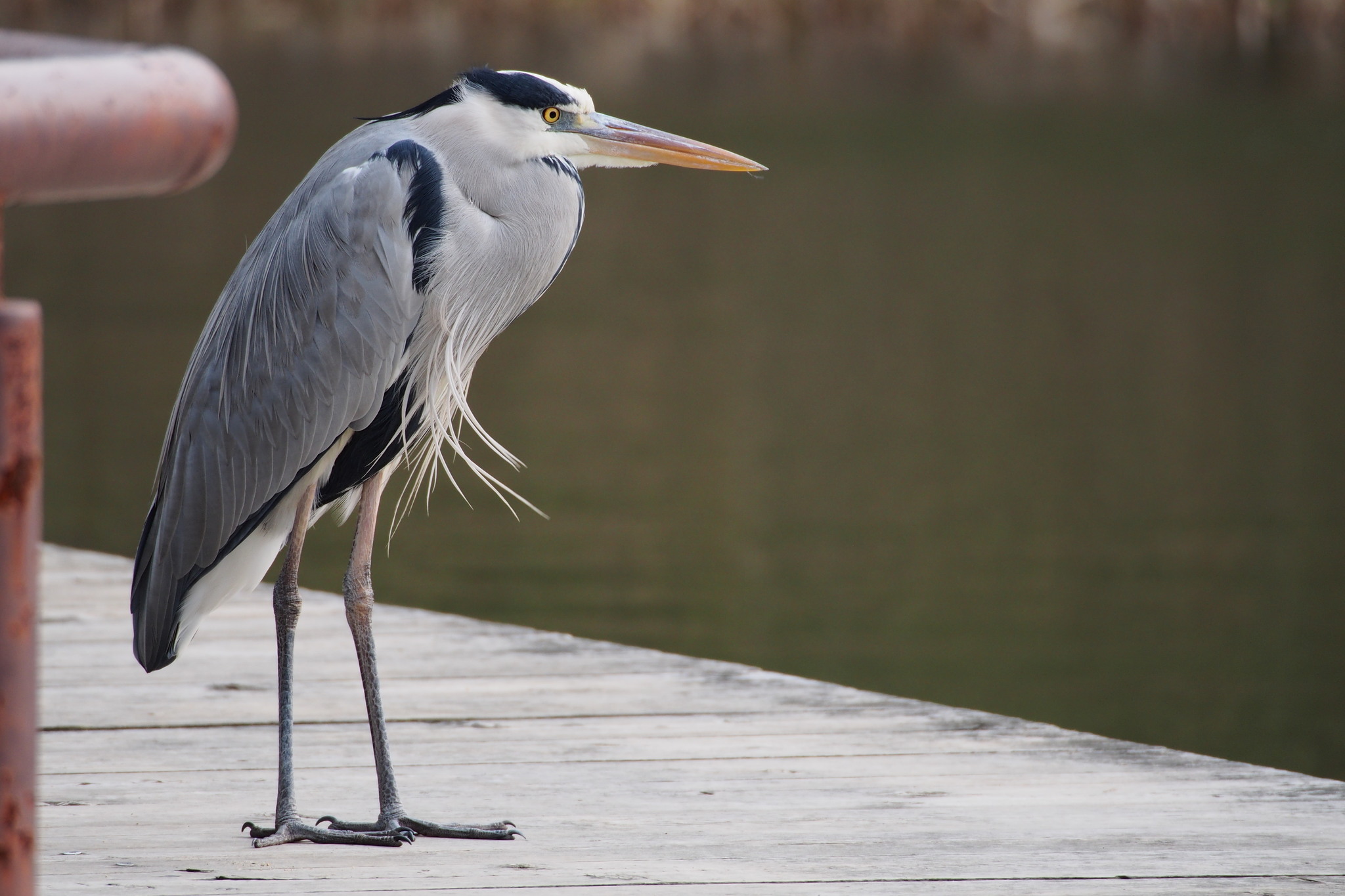
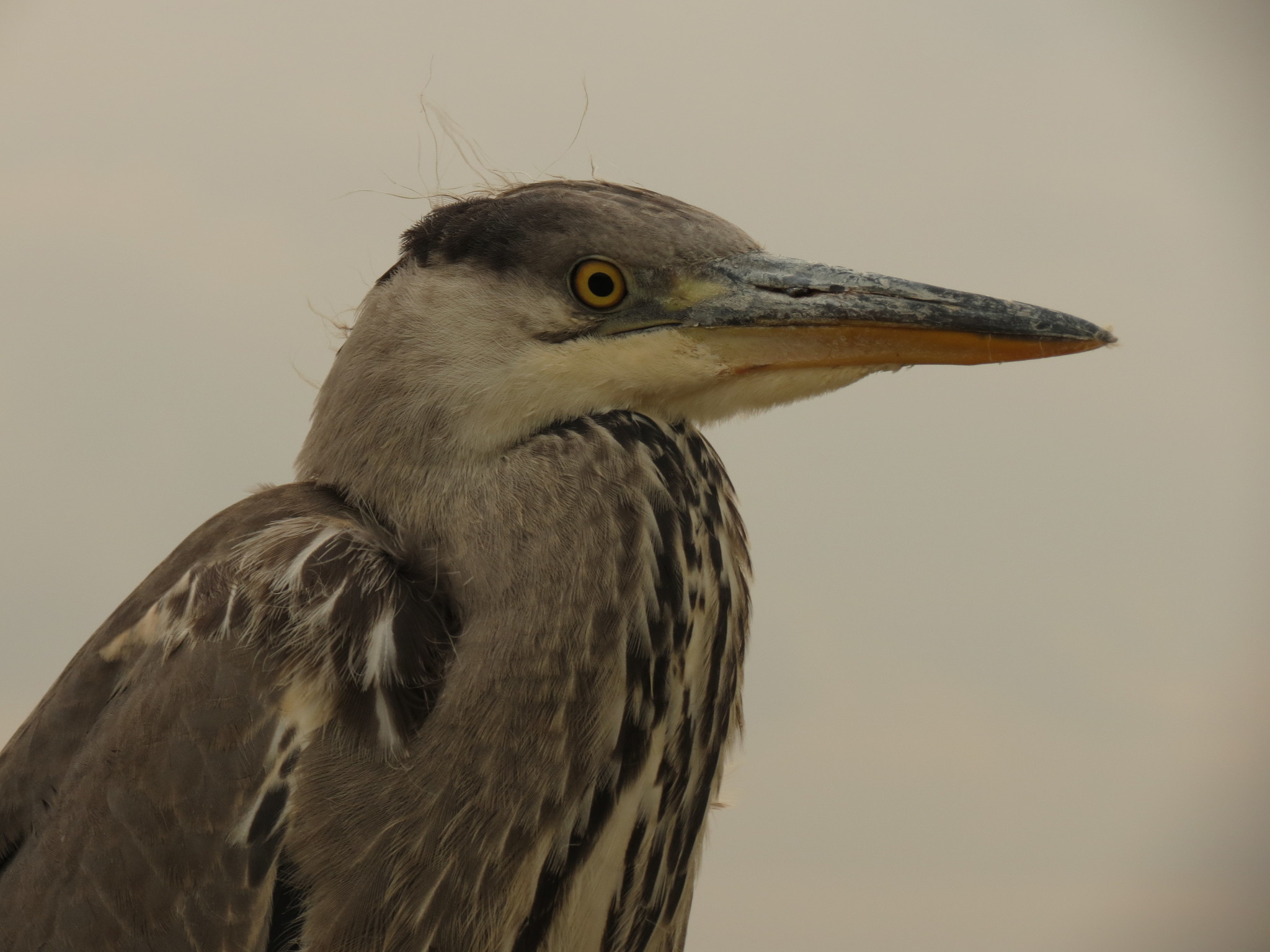
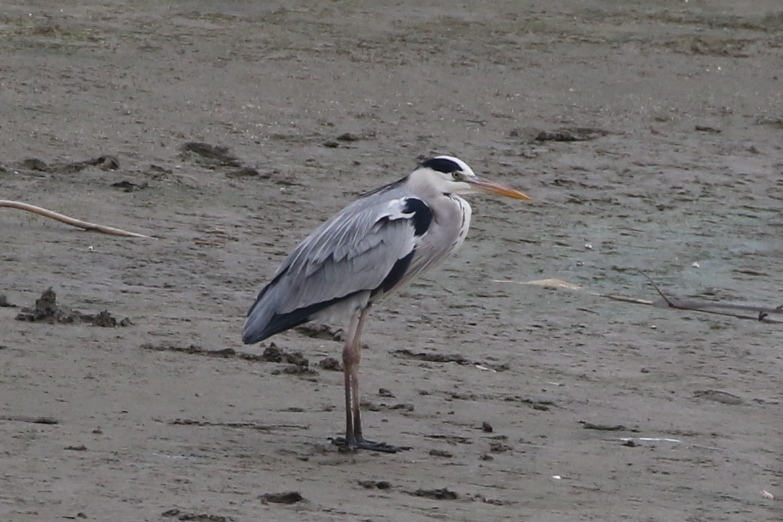
Stands up to 100 cm (40 in) tall, measures 84–102 cm (33–40 in) long, with a 155–195 cm (61–77 in) wingspan. Body weight ranges from 1.02–2.08 kg (2 lb 4 oz – 4 lb 9 1/4 oz). Plumage is largely ashy-grey above and greyish-white below, with black on the flanks. Adults have a white head and neck with a broad black supercilium terminating in a slender, dangling crest, and bluish-black streaks on the front of the neck. The beak is long, straight, powerful, and pinkish-yellow, brighter in breeding adults. Iris is yellow; legs are brown and very long. Immature birds lack the dark head stripe, appear duller with a grey head and neck, and have a small, dark grey crest.
Identification
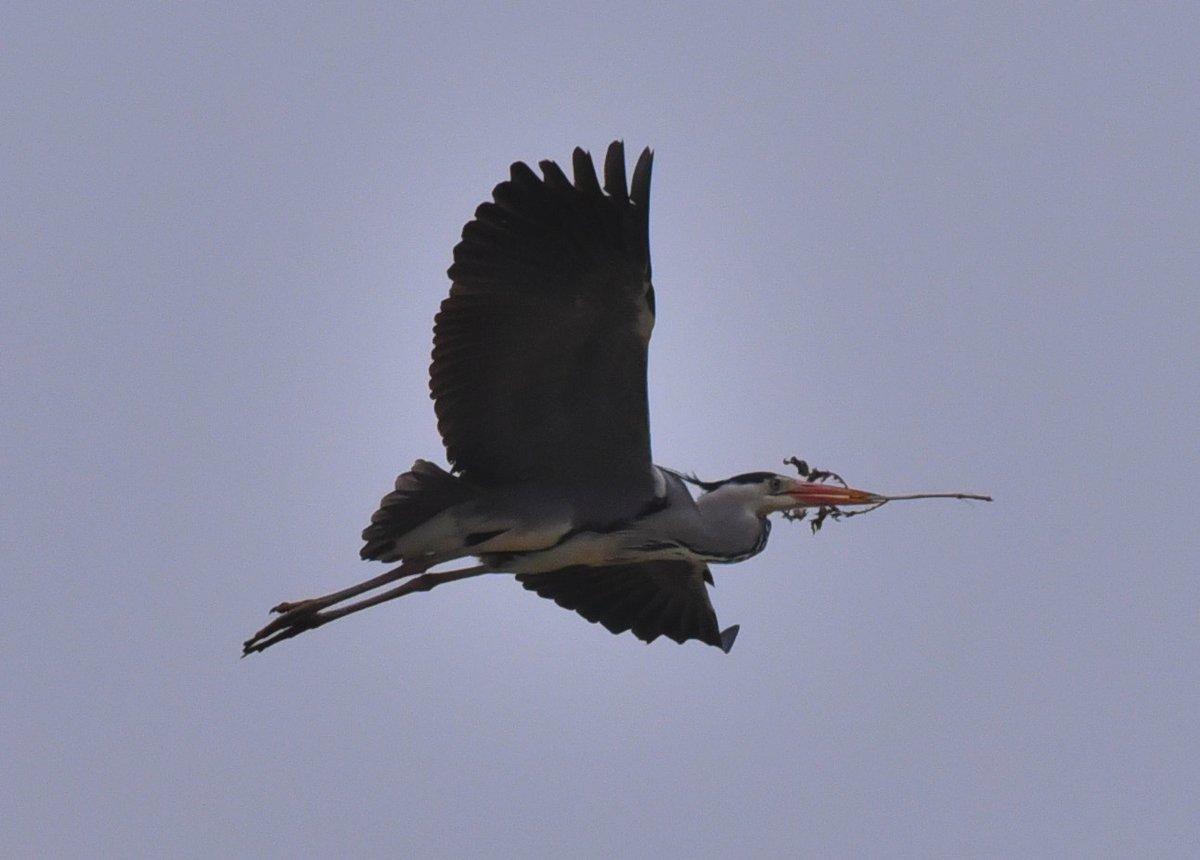
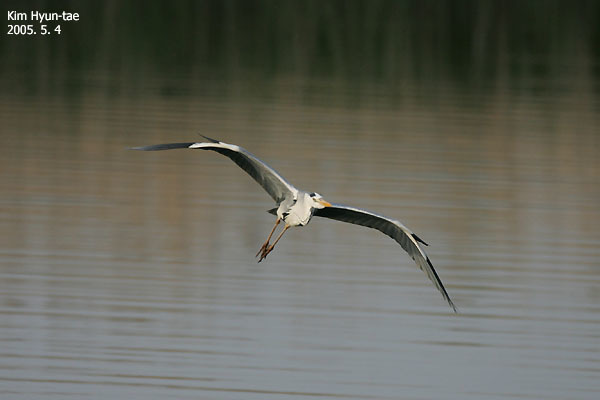
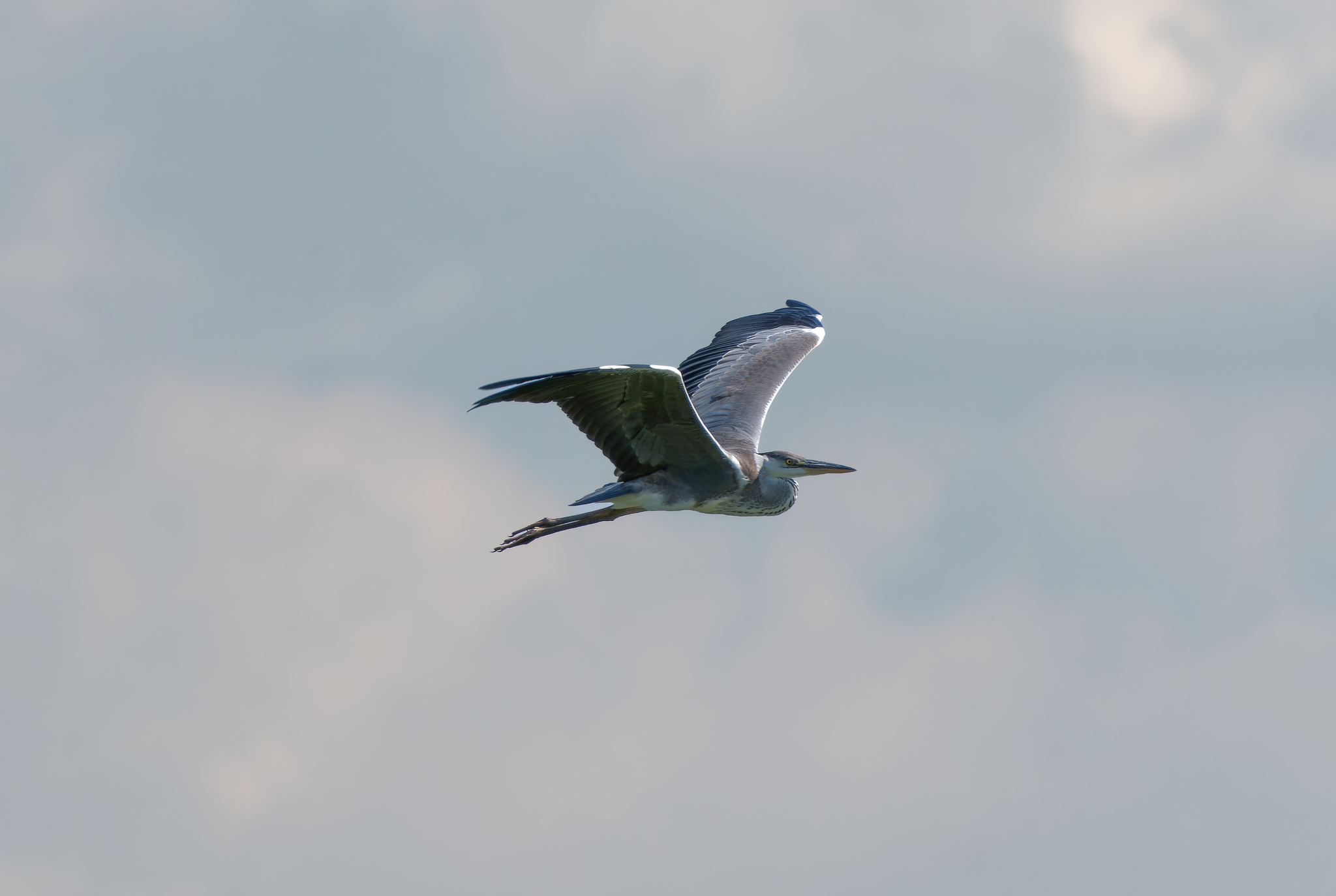
Flight is slow with long neck retracted in an S-shape, distinguishing it from storks, cranes, and spoonbills which extend their necks. Main call is a loud croaking 'fraaank'. At breeding colonies, uses guttural and raucous noises, including a harsh 'schaah' for driving off intruders and a soft 'gogogo' expressing anxiety. Chicks utter loud chattering or ticking noises.
Distribution & Habitat
Extensive range throughout most of the Palearctic realm. Nominate subspecies extends to 70° N in Norway and east to the Ural Mountains; south to northern Spain, India, Myanmar, and Africa south of the Sahara. Subspecies A. c. jouyi found in eastern Siberia, Mongolia, eastern China, Japan, and Taiwan. A. c. firasa in Madagascar and Aldabra Islands. A. c. monicae restricted to Mauritania and offshore islands. Vagrant in the Caribbean, Bermuda, Iceland, Greenland, Aleutian Islands, Newfoundland, and South America (Brazil, Colombia). Inhabits shallow water bodies, coastal lagoons, estuaries, and sometimes pasture or desert areas.
Behavior & Ecology
Breeds colonially in spring in heronries, usually building nests high in trees. Clutch of usually three to five bluish-green eggs laid at two-day intervals. Both parents incubate for around 25 days and feed chicks, which fledge at 7-8 weeks. Diet includes fish, amphibians, crustaceans, insects, juvenile birds, and small mammals. Uses 'stress and wash' technique on newts to remove toxins. Stands motionless or stalks prey with neck curved in an 'S', striking quickly. Swallows small fish head first; beats larger prey on ground before eating. Regurgitates pellets of indigestible material. Active mainly at dawn and dusk. Roosts gregariously in trees or on cliffs at night. Average life expectancy about 5 years; oldest recorded lived 23 years.
Conservation
In Estonia, a nesting colony was protected in 1990, but suitable nesting trees were cut down in 2001, leading to the nationwide 'The Heron Seeker' protection and research project (2007-2014) to map colonies and feeding grounds.
Culture
In Ancient Egypt, the deity Bennu was depicted as a heron. In Ancient Rome, it was a bird of divination. In the Middle Ages British Isles, associated with chivalry, patience, and nobility on coats of arms. Roast heron was a prized dish; 400 served at George Neville's appointment as Archbishop of York in 1465. English surnames Earnshaw, Hernshaw, Herne, and Heron derive from the bird. Common in the Maldives under the name Maakana.
Source: Wikipedia · CC BY-SA 3.0
Taxonomy
- Order
- Pelecaniformes
- Family
- Ardeidae
- Genus
- Ardea
Subspecies (4)
-
Ardea cinerea cinerea
Eurasia to Manchuria, India, Africa, and Comoros
Data Sources
Species description from Wikipedia, licensed under CC BY-SA 3.0.
Bird images and sounds sourced from GBIF, contributed by citizen scientists worldwide under Creative Commons licenses.
Taxonomy data from AviList 2025.