







Grey Heron
Ardea cinerea
苍鹭
Introduction
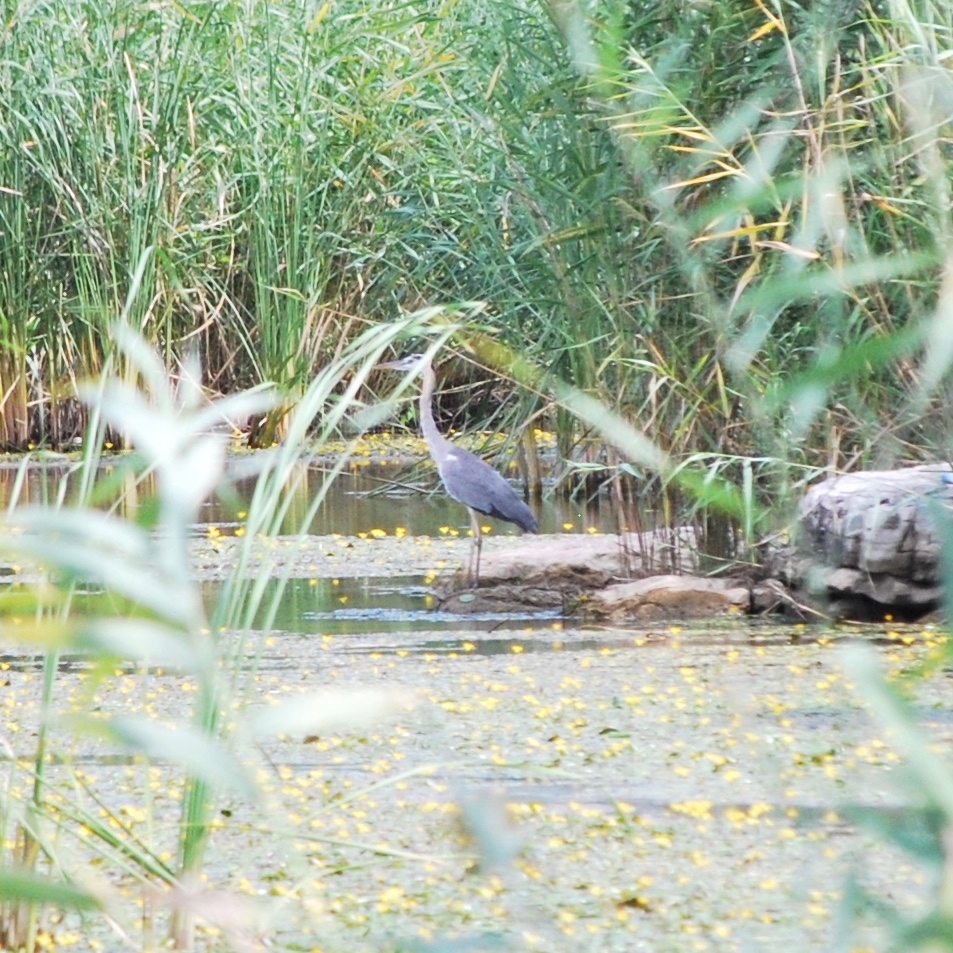
The Grey Heron (Ardea cinerea) is a large wading bird found across wetlands throughout Europe, Asia, and Africa. It inhabits coastal estuaries, lake margins, riverbanks, marshes, and urban ponds. It occurs at elevations up to 2,000 meters and has been recorded in desert environments. Northern populations are migratory, moving southward in autumn, while birds in milder regions remain resident year-round. The species has adapted to urban environments, including cities like Amsterdam, where it frequents human-altered habitats.
Description
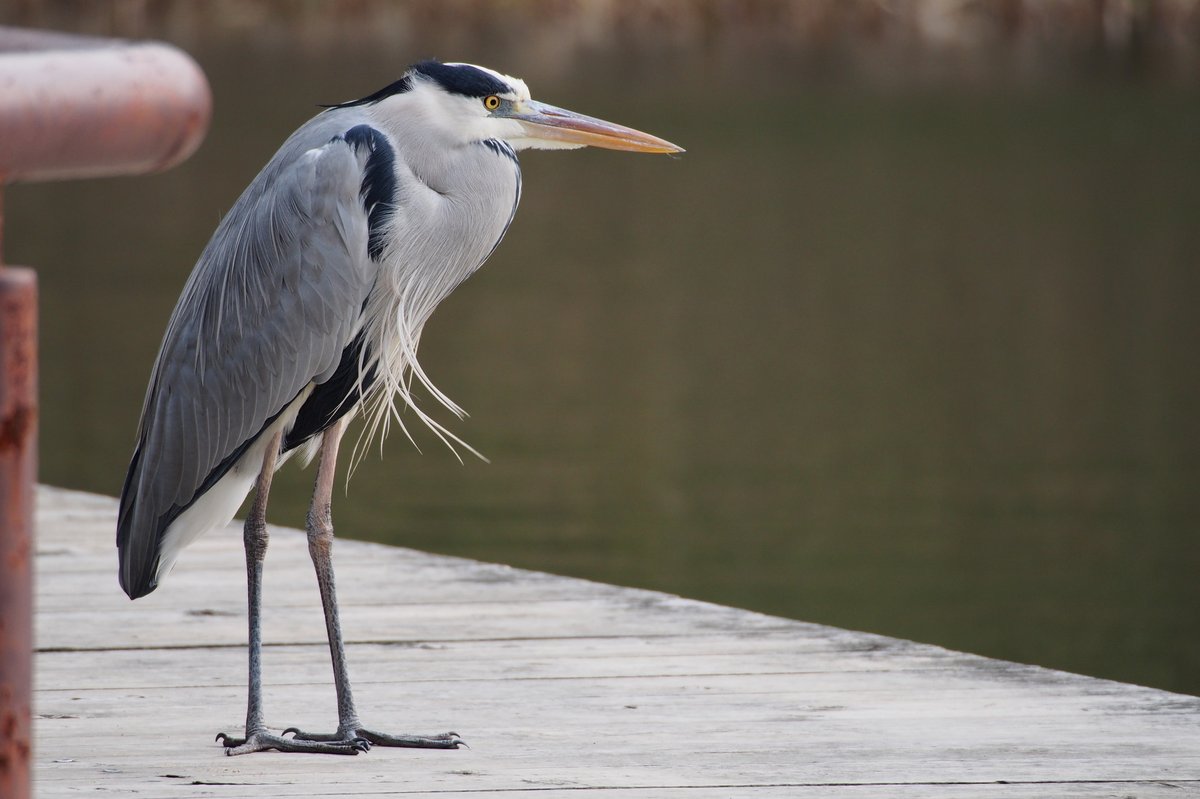
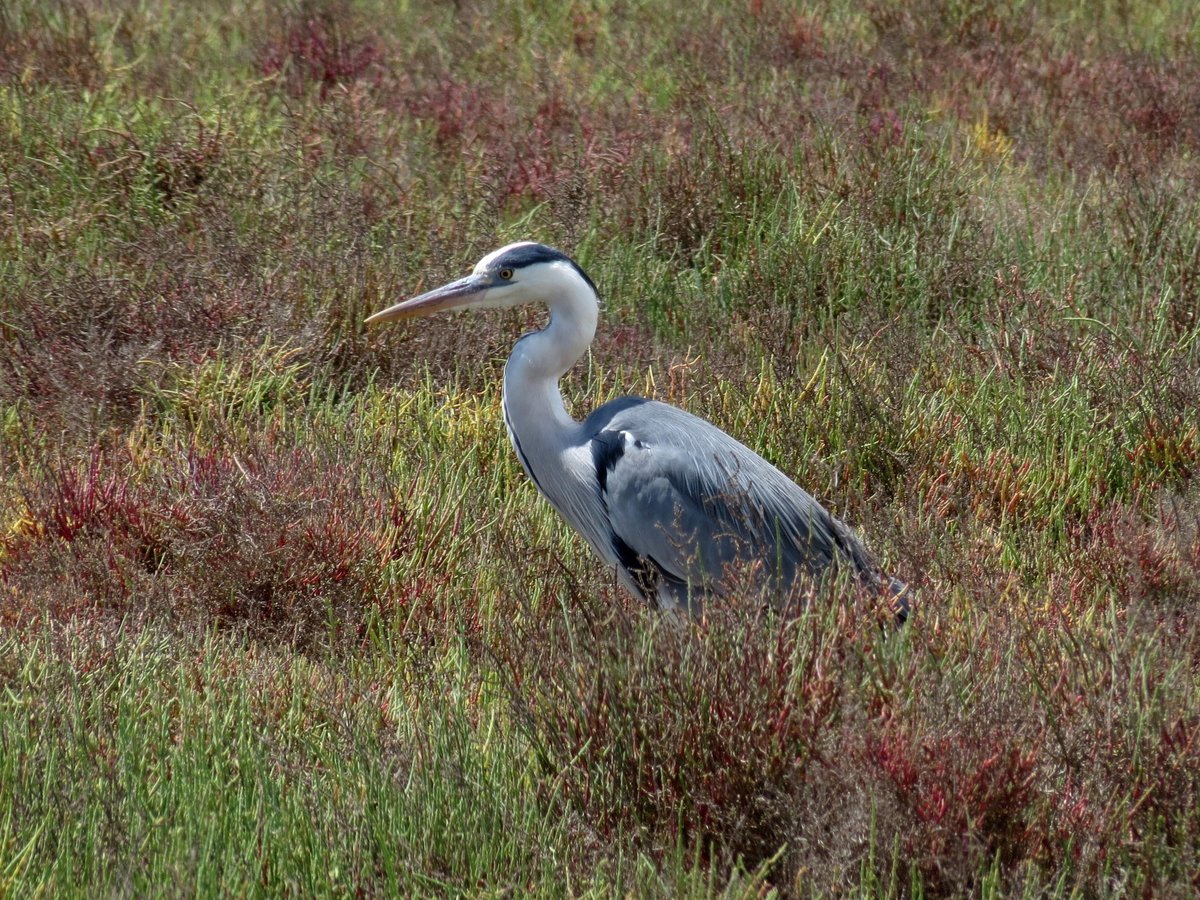
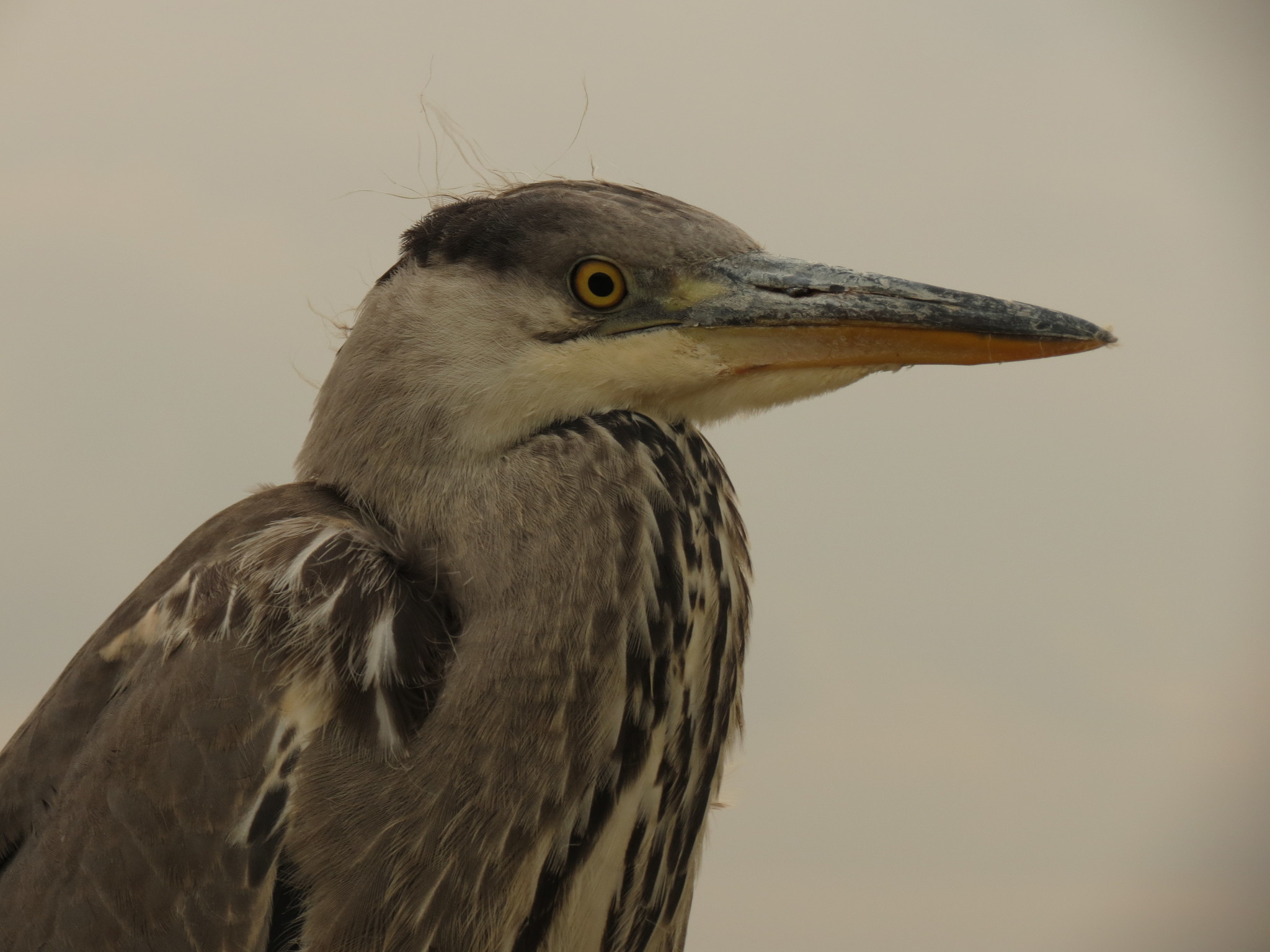
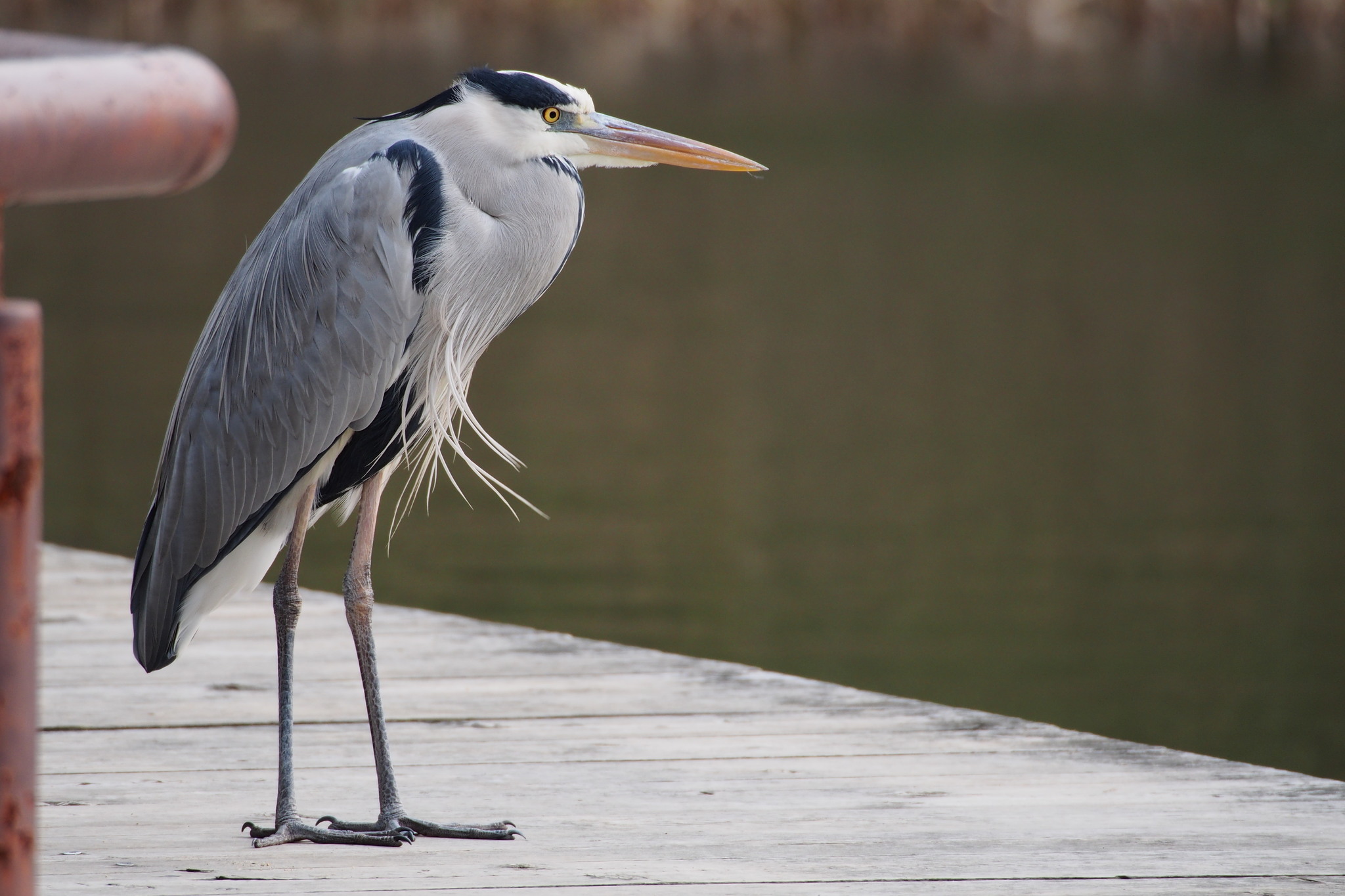
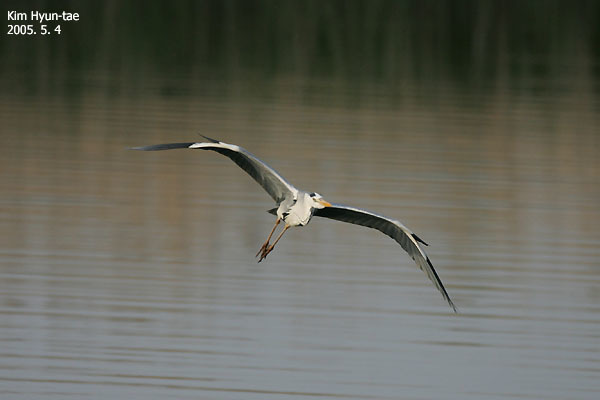
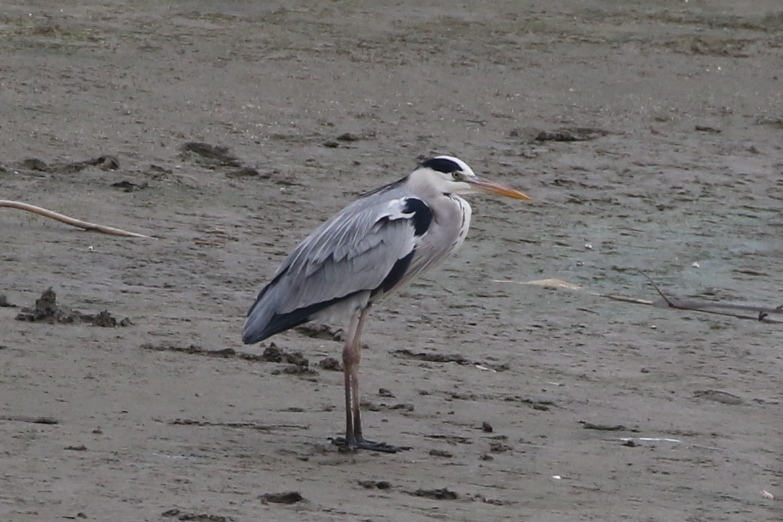
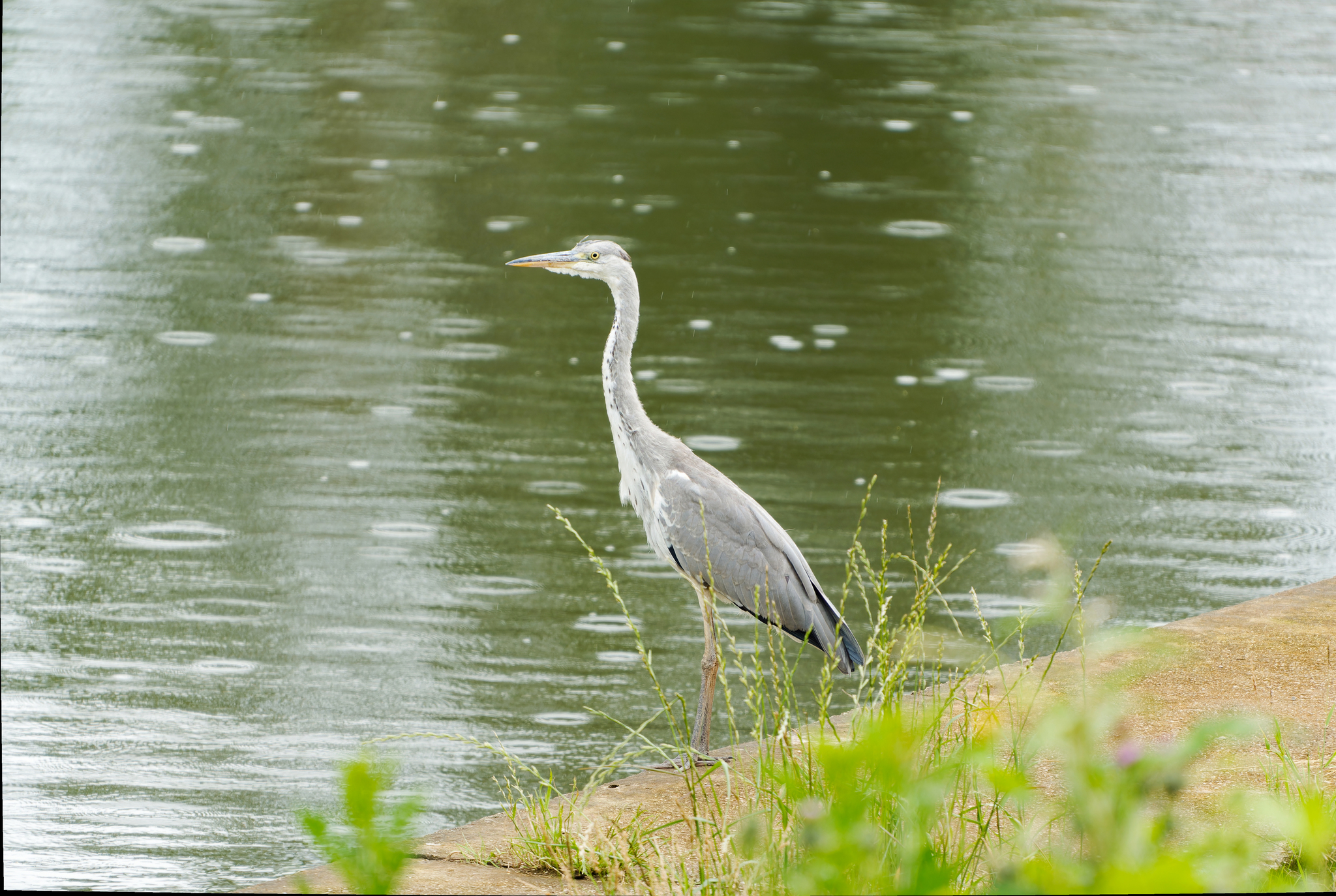
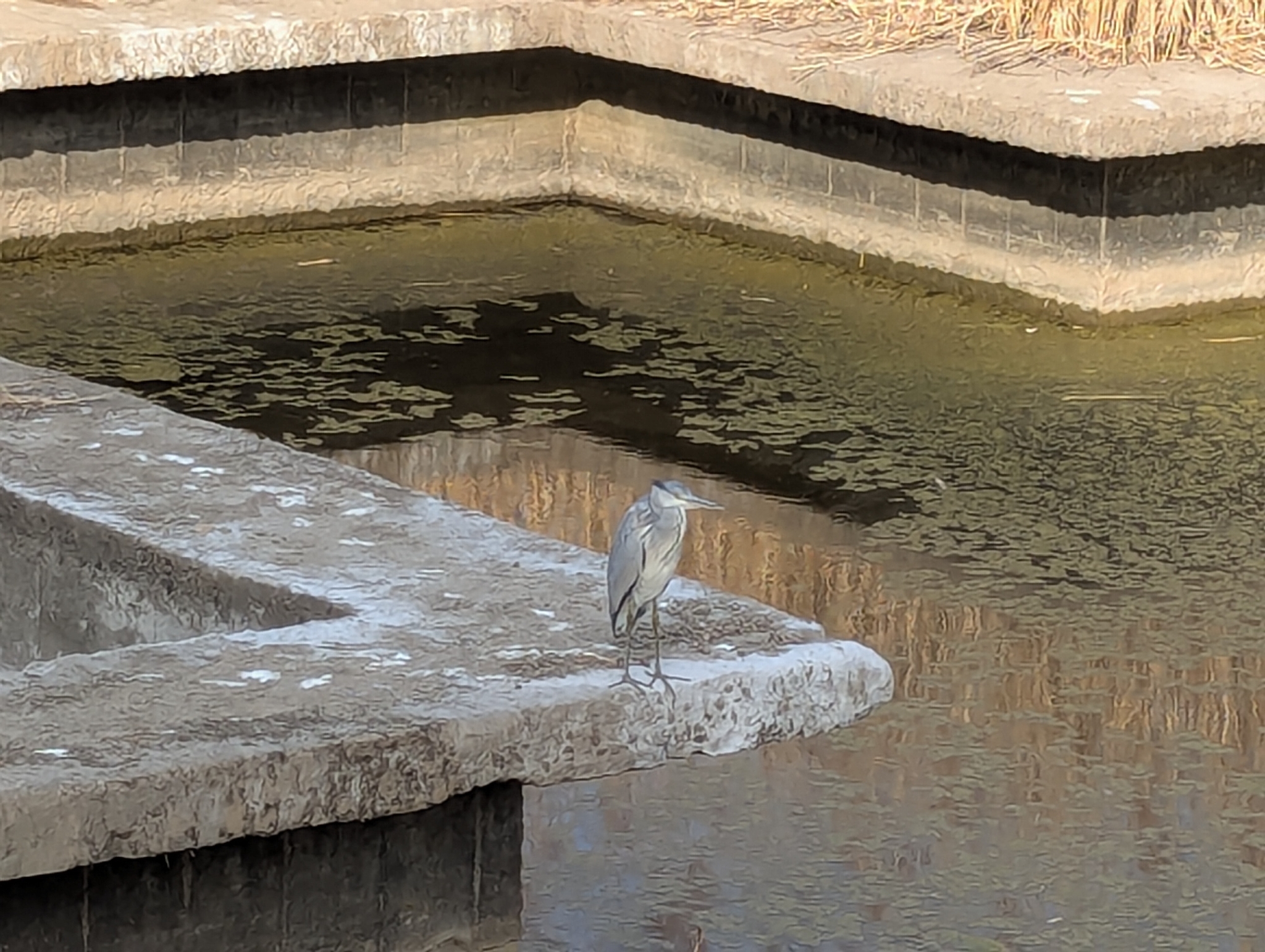
This is a large, imposing heron standing approximately 100 cm tall with a body length of 84-102 cm and impressive wingspan of 155-195 cm. Adults weigh between 1.02-2.08 kg. The plumage is predominantly ashy-grey on the upperparts and wings, with greyish-white underparts marked by black on the flanks. The head and neck are white, striking features cut through by a broad black supercilium extending from above the eye to a slender, dangling crest at the back. Bluish-black streaks adorn the front of the neck. The long, powerful beak is pinkish-yellow and brightest during the breeding season. The eyes are yellow, and the very long legs are brown. Immature birds are duller overall, lacking the adult's head pattern and showing a grey head and small dark grey crest.
Identification
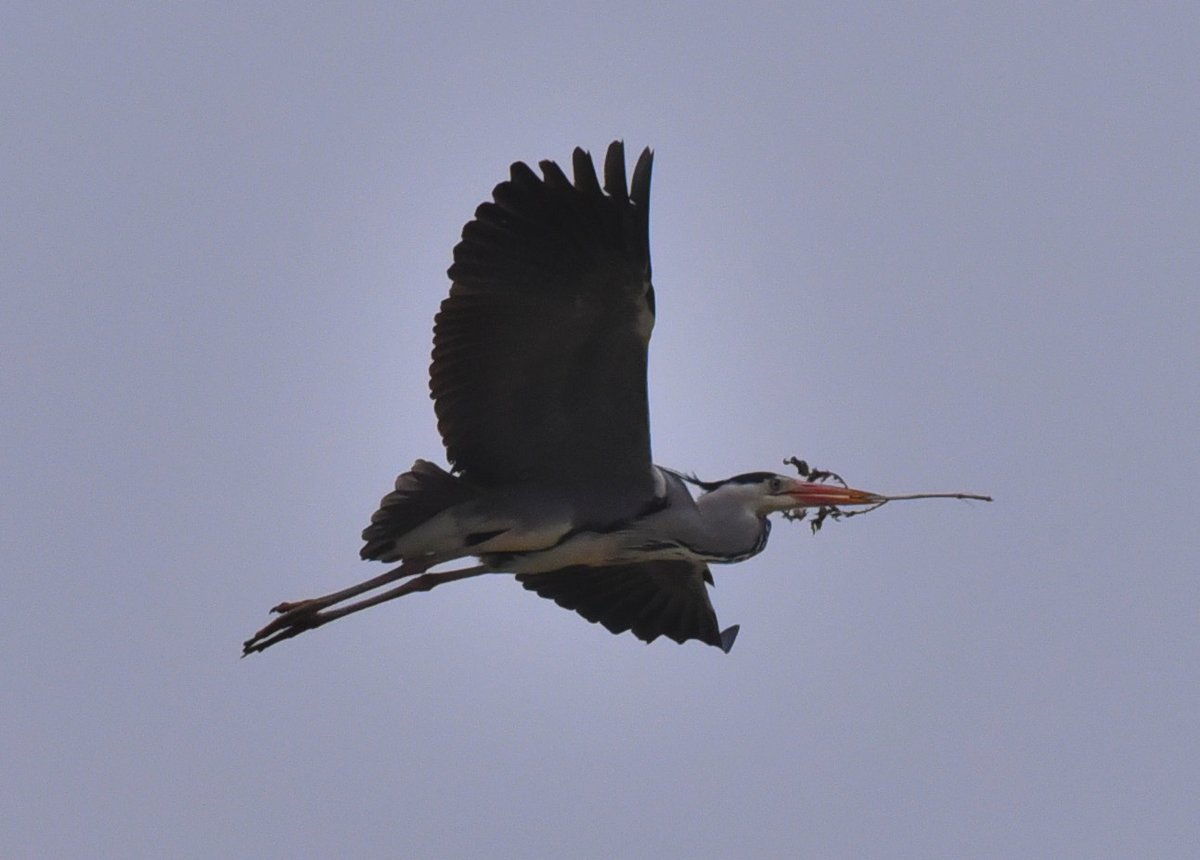
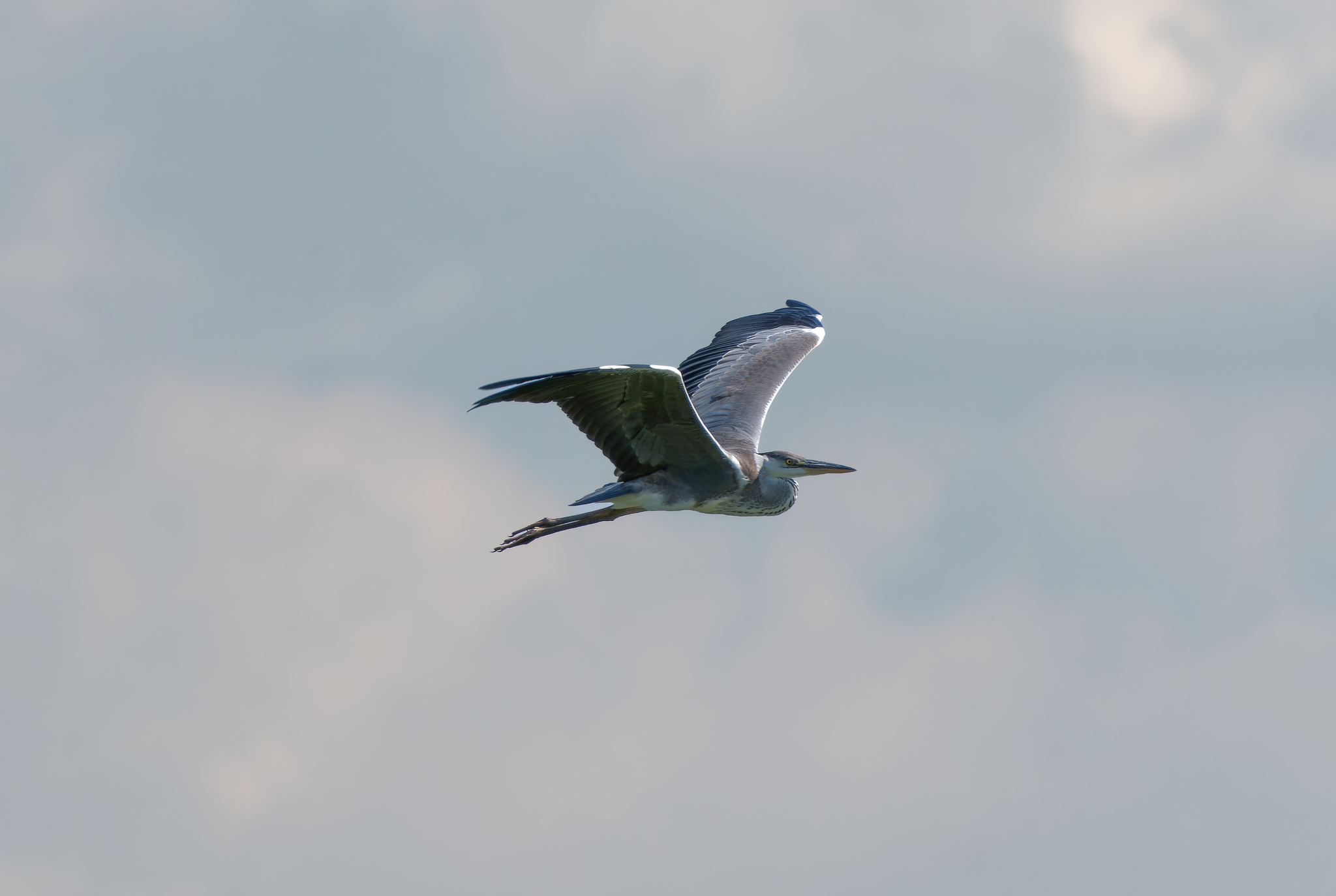
The combination of grey plumage, white head with black eyestripe and crest, and brown legs distinguishes this species from similar herons. It is smaller than the related great blue heron, which has chestnut-brown flanks and thighs. The Australian white-faced heron is often confused but is a separate species. The grey plumage separates it from white egrets, while the black crest and eyestripe distinguish it from the purple heron, which has a darker overall appearance. In flight, the retracted neck and slow wingbeats are characteristic of herons and help separate them from storks and cranes, which extend their necks.
Distribution & Habitat
This species occupies an extensive range across the Palearctic, breeding from Norway and Sweden southward to Spain, Italy, the Balkans, and east through Asia to the Urals, Iran, India, and Myanmar. It occurs throughout Africa south of the Sahara, the Canary Islands, Mediterranean islands, and Madagascar. Four subspecies are recognized, with eastern Asian populations assigned to a different subspecies. Northern European populations migrate south to Central Europe or Africa, while more southerly birds are resident. Vagrants have appeared in the Caribbean, Iceland, Greenland, and North America. Suitable habitat includes any shallow water body with margins for wading, from lowland lakes and rivers to mountain tarns, coastal lagoons, marshes, and sea shores.
Behavior & Ecology
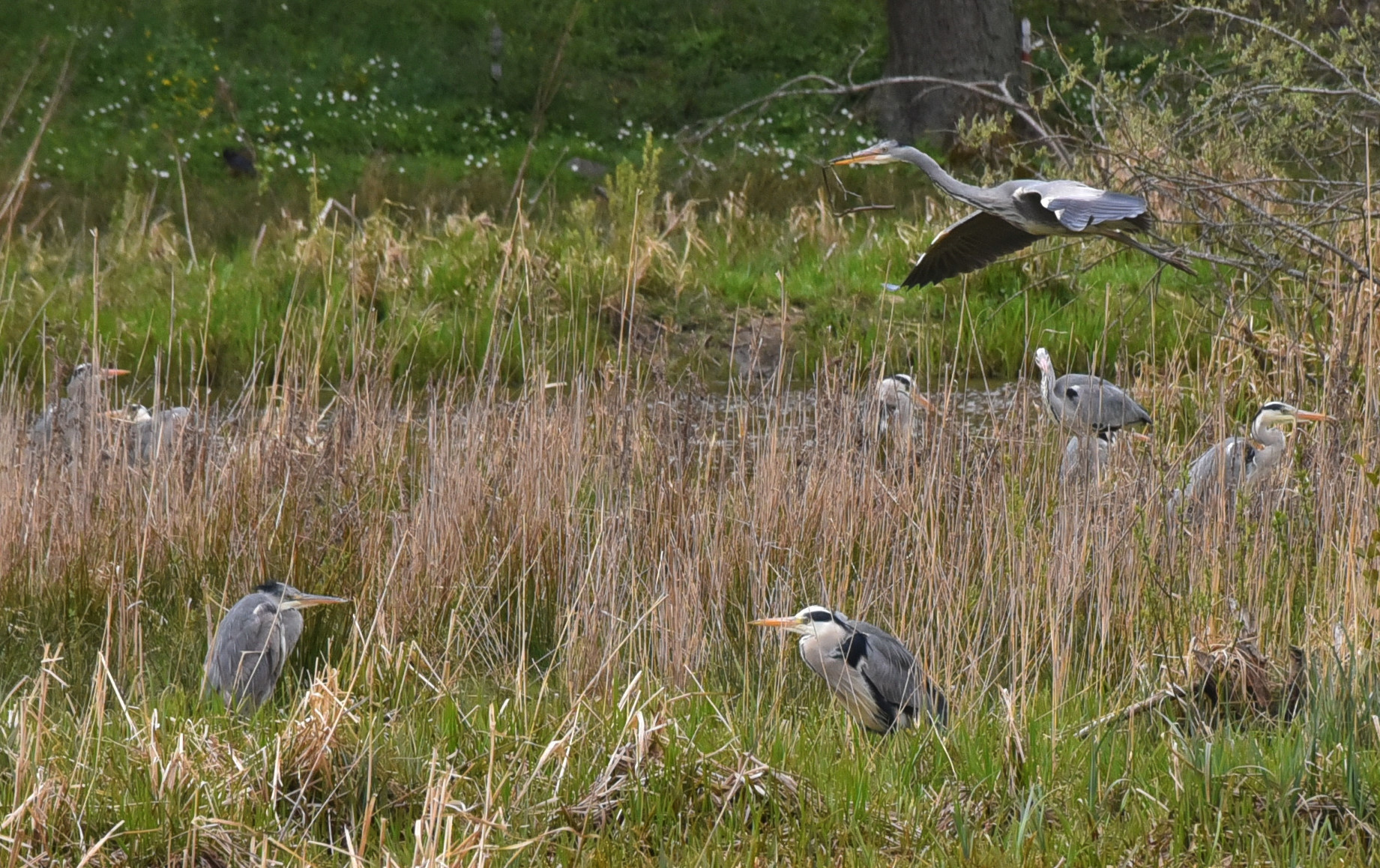
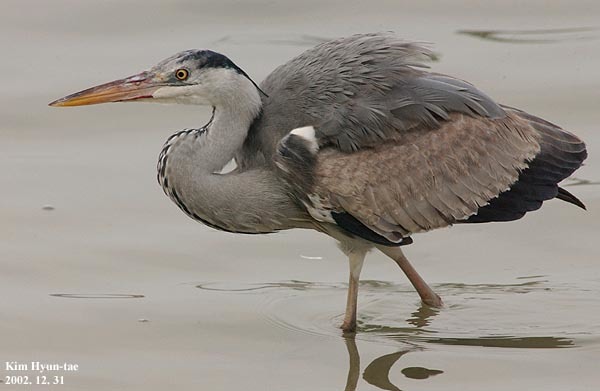
The species breeds colonially in traditional heronries, usually in tall trees near water but occasionally up to eight kilometers away. Courtship involves elaborate ceremonies including stretching, wing-raising, and stick presentations. Clutches of three to five greenish-blue eggs are laid, with both parents sharing 25-day incubation duties and chick-rearing. Chicks fledge at seven to eight weeks. Diet is varied and opportunistic, including fish up to 57 cm, amphibians, crustaceans, insects, small mammals, and occasionally ducklings and other birds. Hunting techniques include standing motionless or slow stalking through shallows. The main call is a loud croaking 'fraaank,' with various guttural sounds at colonies including advertising, greeting, and alarm calls. Roosting occurs in trees or cliffs, often gregariously.
Conservation
The species remains widespread and abundant across its extensive range, with no major conservation concerns at the global level. Its adaptability to human-modified environments, including urban areas, has helped maintain stable populations. However, local impacts include fishery conflicts, as the species is sometimes considered a pest for eating stocked fish. Colonies can significantly alter soil chemistry through concentrated guano deposition. Adults have few predators but may be taken by eagles and goshawks. Parasite studies indicate heavy worm burdens in some populations, with juvenile birds showing higher infection intensity despite hosting fewer species. The oldest recorded individual lived 23 years, though average life expectancy is around five years.
Culture
This bird carries rich cultural significance across civilizations. In ancient Egypt, the deity Bennu associated with creation and rebirth was depicted as a heron in New Kingdom artwork. Ancient Romans regarded the heron as a bird of divination whose calls augured coming events. During the British Middle Ages, the heron symbolized patience, contemplation, and nobility, featuring commonly on coats of arms. Roast heron was a prized delicacy at medieval feasts, including 400 served at the installation of Archbishop George Neville in 1465. The species appears in church stained glass at Selborne, Hampshire. Several English surnames derive from the bird, with '-shaw' indicating a heron-wood. In the Maldives, it remains common under the local name Maakana and has inspired satirical television characters.
Source: Wikipedia · CC BY-SA 3.0
Taxonomy
- Order
- Pelecaniformes
- Family
- Ardeidae
- Genus
- Ardea
- eBird Code
- graher1
Subspecies (4)
-
Ardea cinerea cinerea
Eurasia to Manchuria, India, Africa, and Comoros
-
Ardea cinerea firasa
Madagascar
-
Ardea cinerea jouyi
Japan, China, Indochina, Malaya, Sumatra, and Java
-
Ardea cinerea monicae
islands off Banc d'Arguin (Mauritania)
Data Sources
Species description from Wikipedia, licensed under CC BY-SA 3.0.
Bird images and sounds sourced from GBIF, contributed by citizen scientists worldwide under Creative Commons licenses.
Taxonomy data from AviList 2025.