


Pelecaniformes / Ardeidae / Ardea
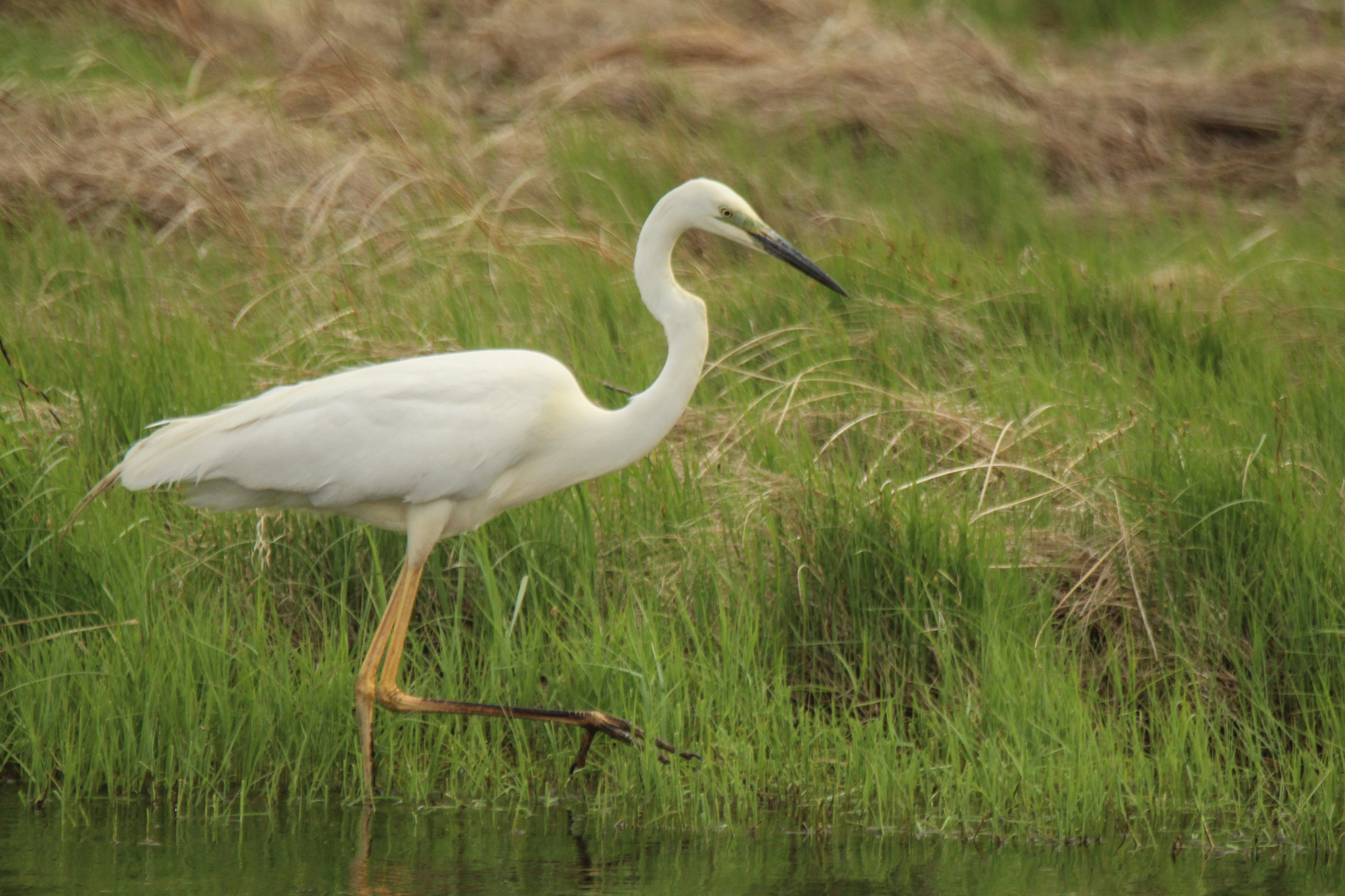
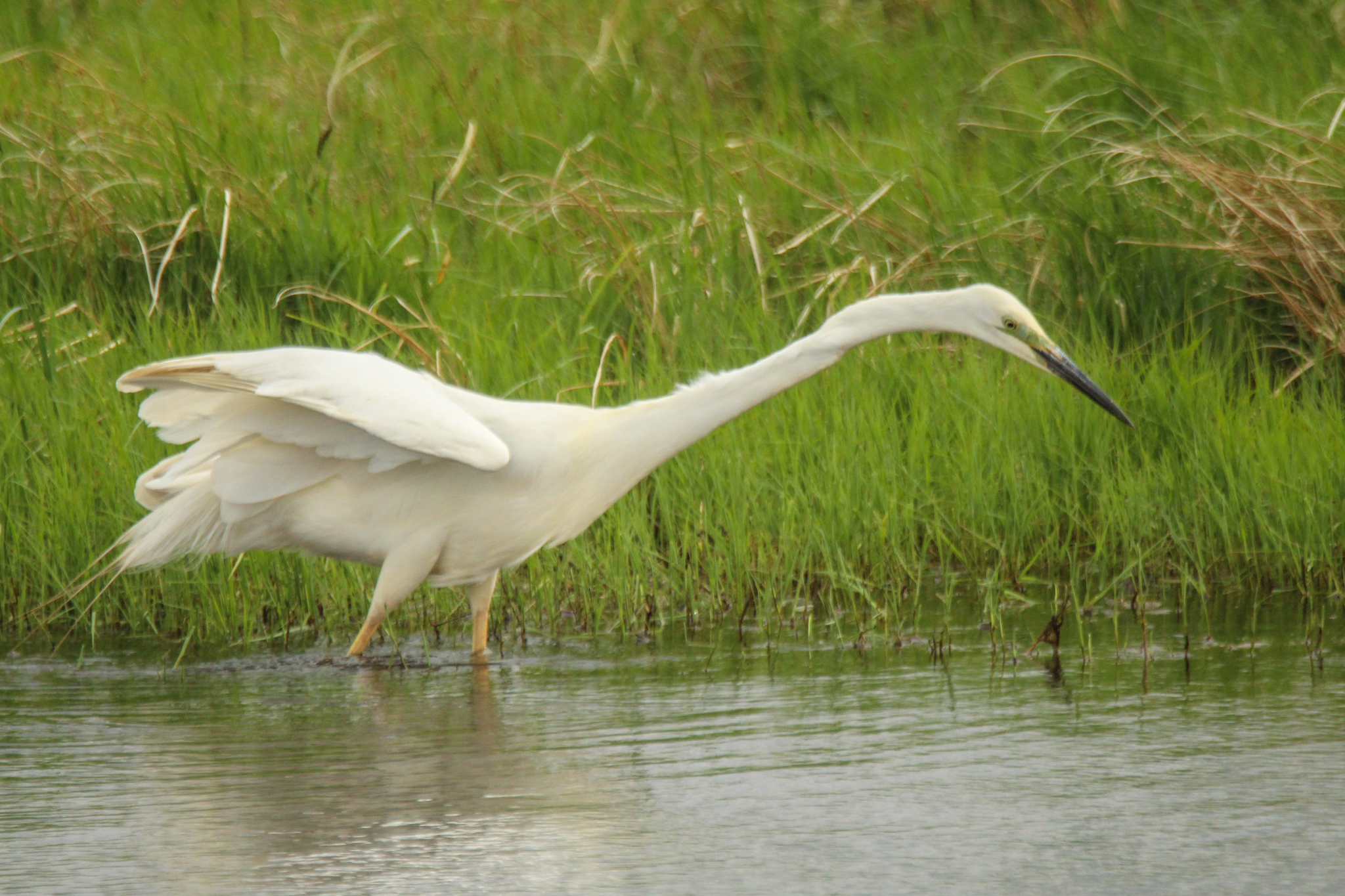
Great Egret
Ardea alba · 大白鹭
Introduction
A large, widely distributed member of the heron family Ardeidae, placed in the genus Ardea. Found across tropical and warmer temperate regions of Asia, Africa, the Americas, and southern Europe, with recent range expansion into northern Europe. Builds tree nests in colonies close to water.
Description
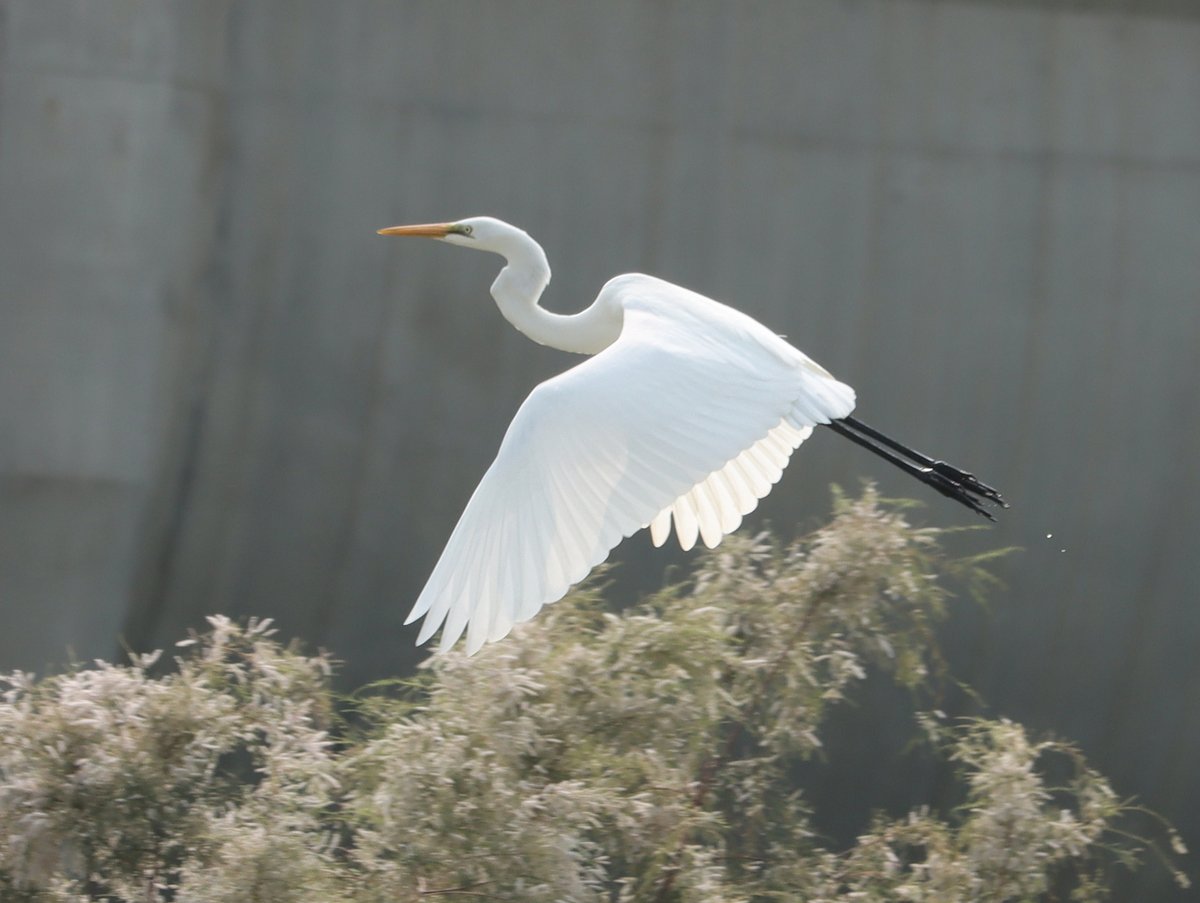
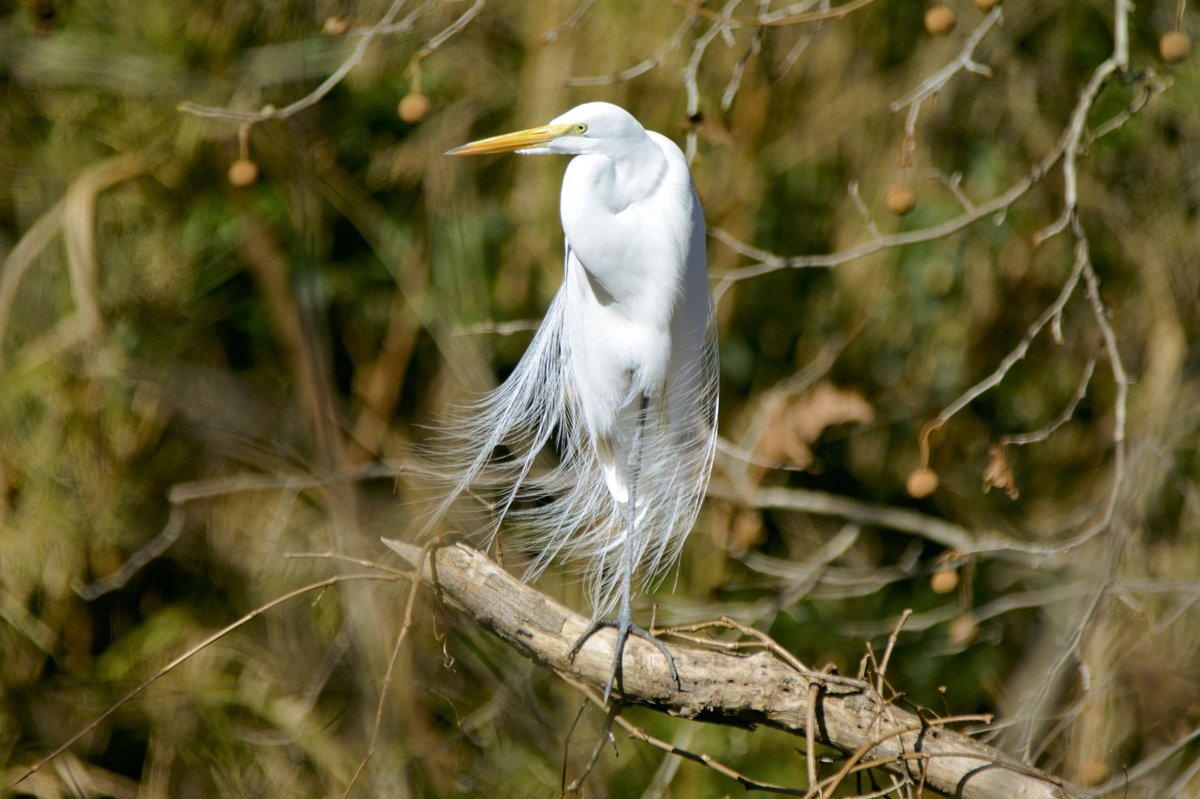
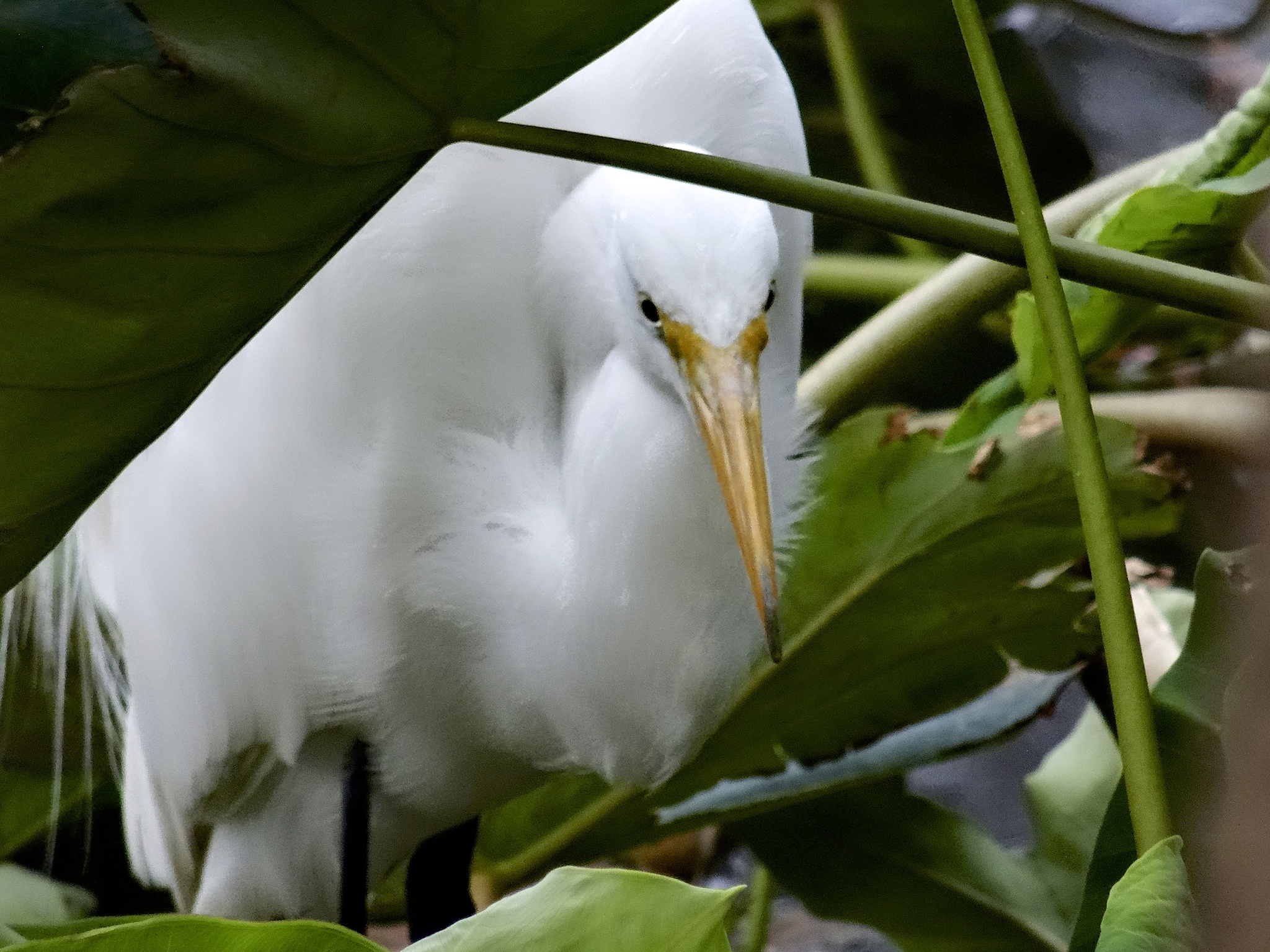
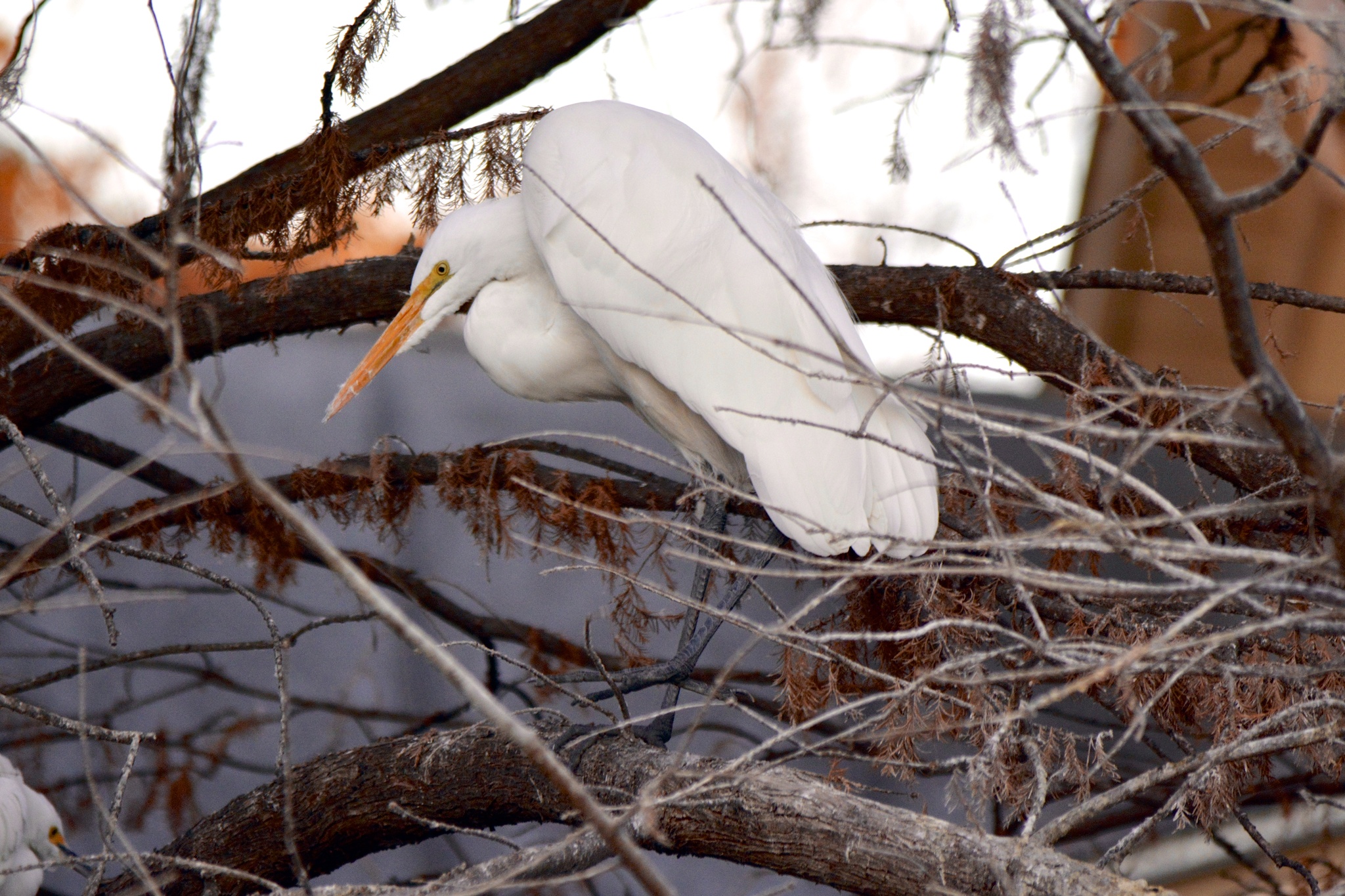
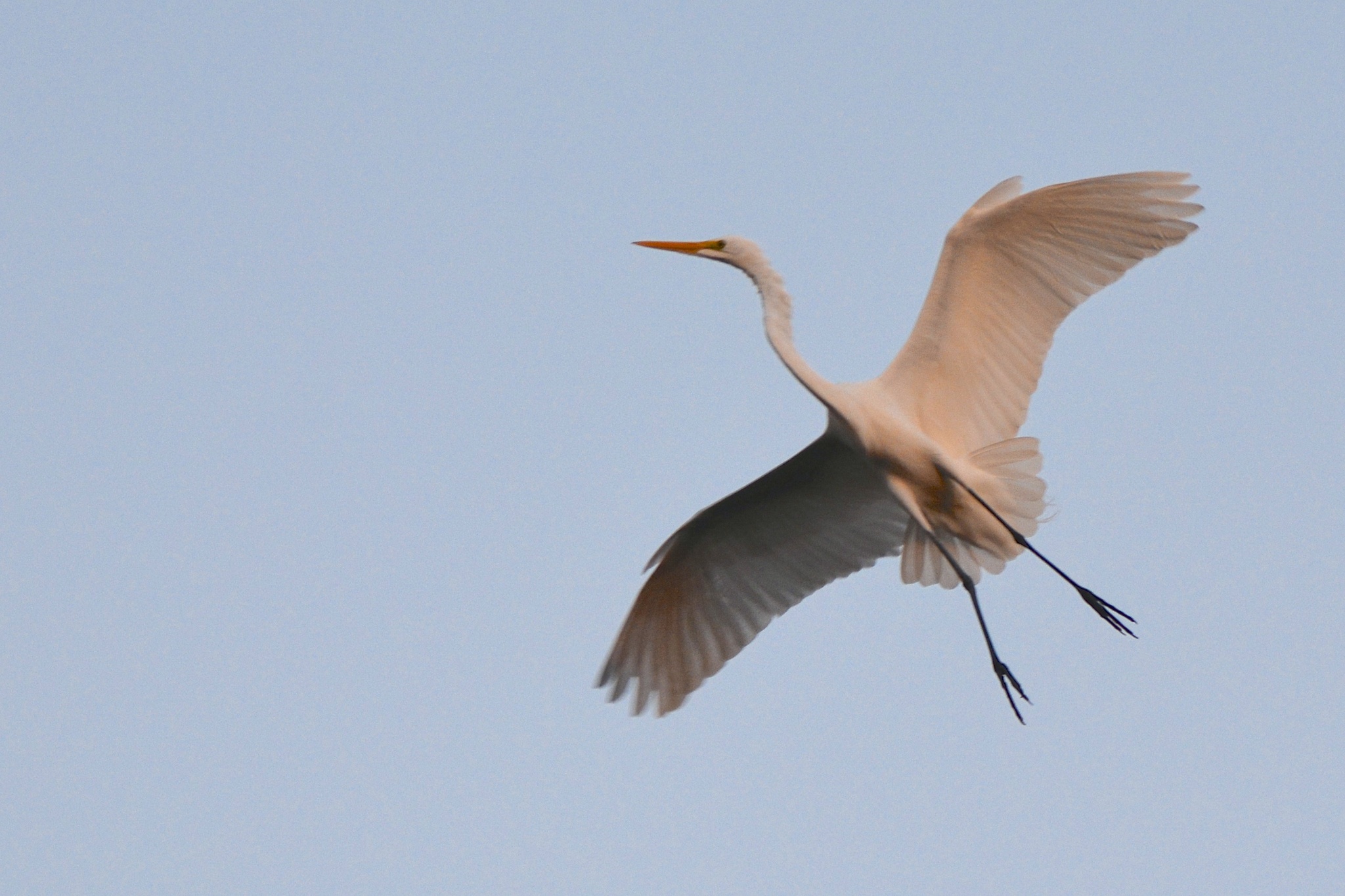
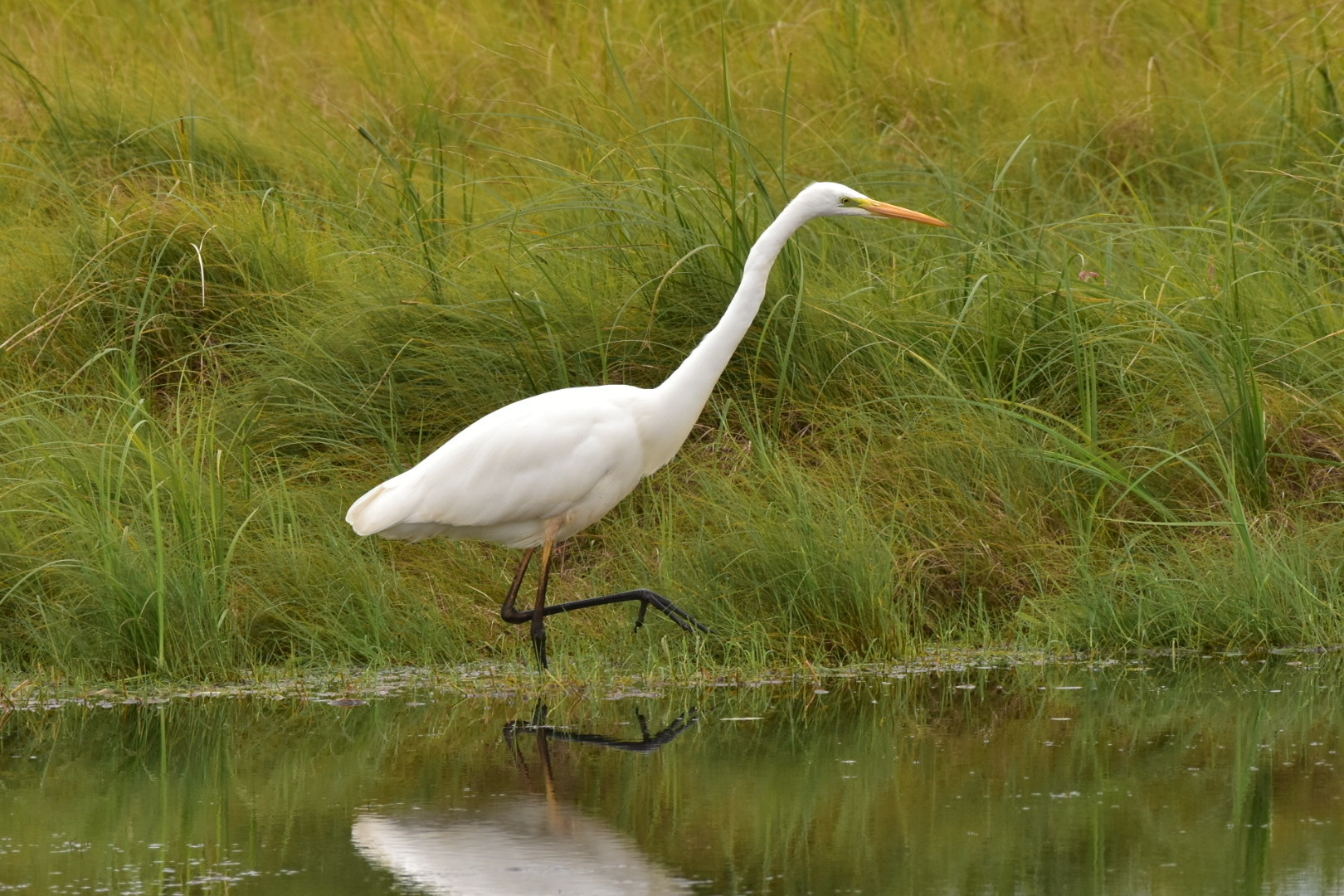
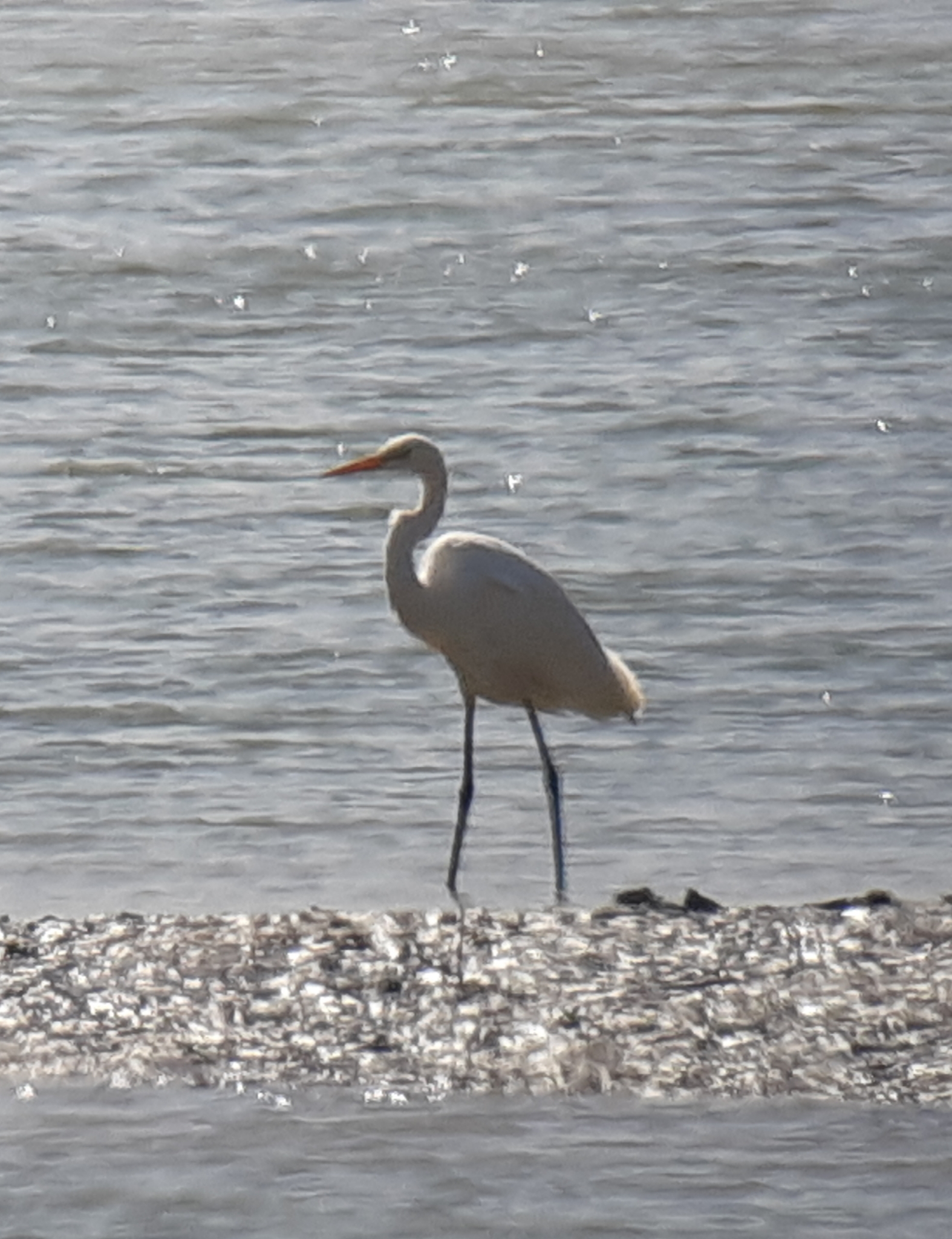
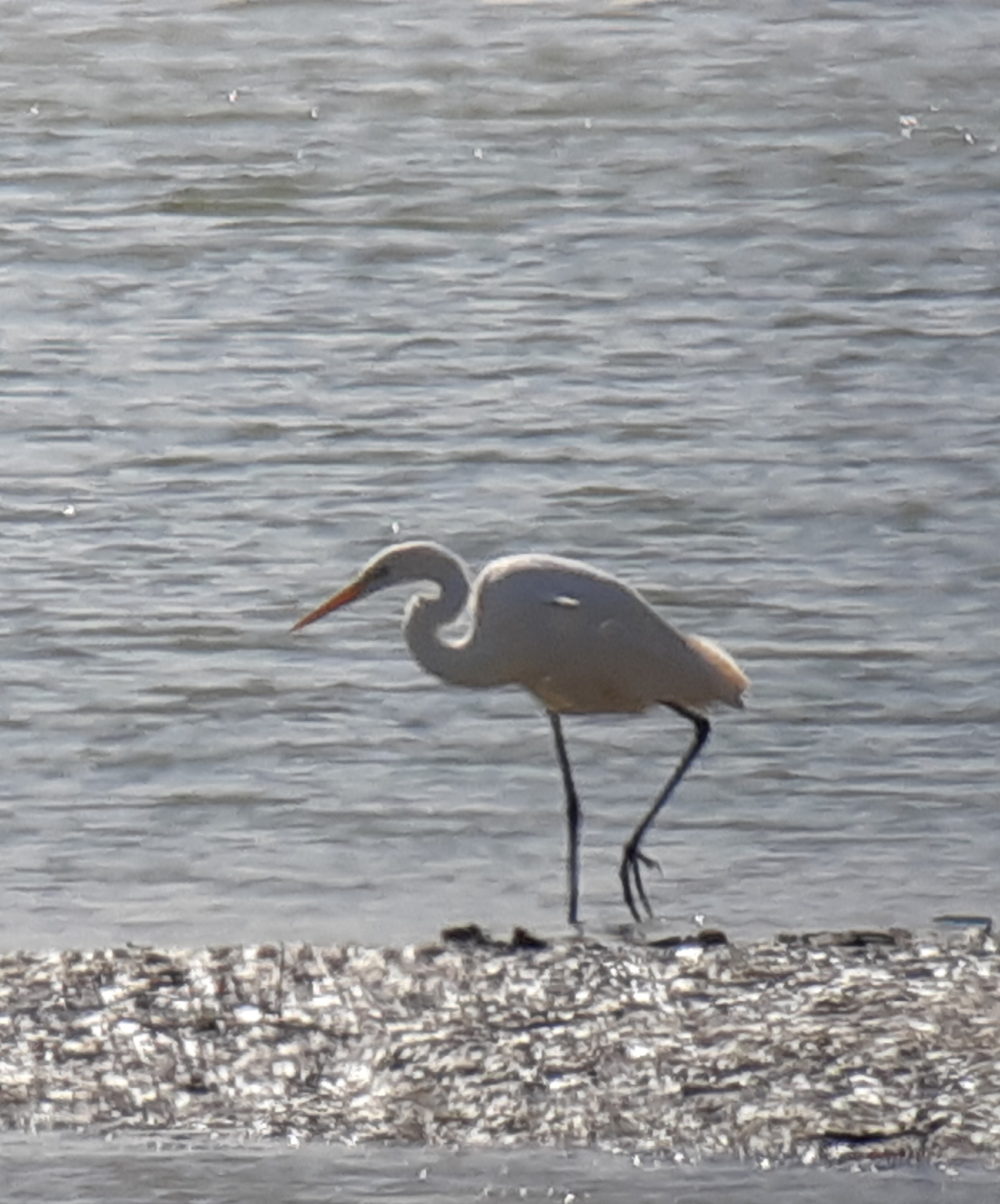
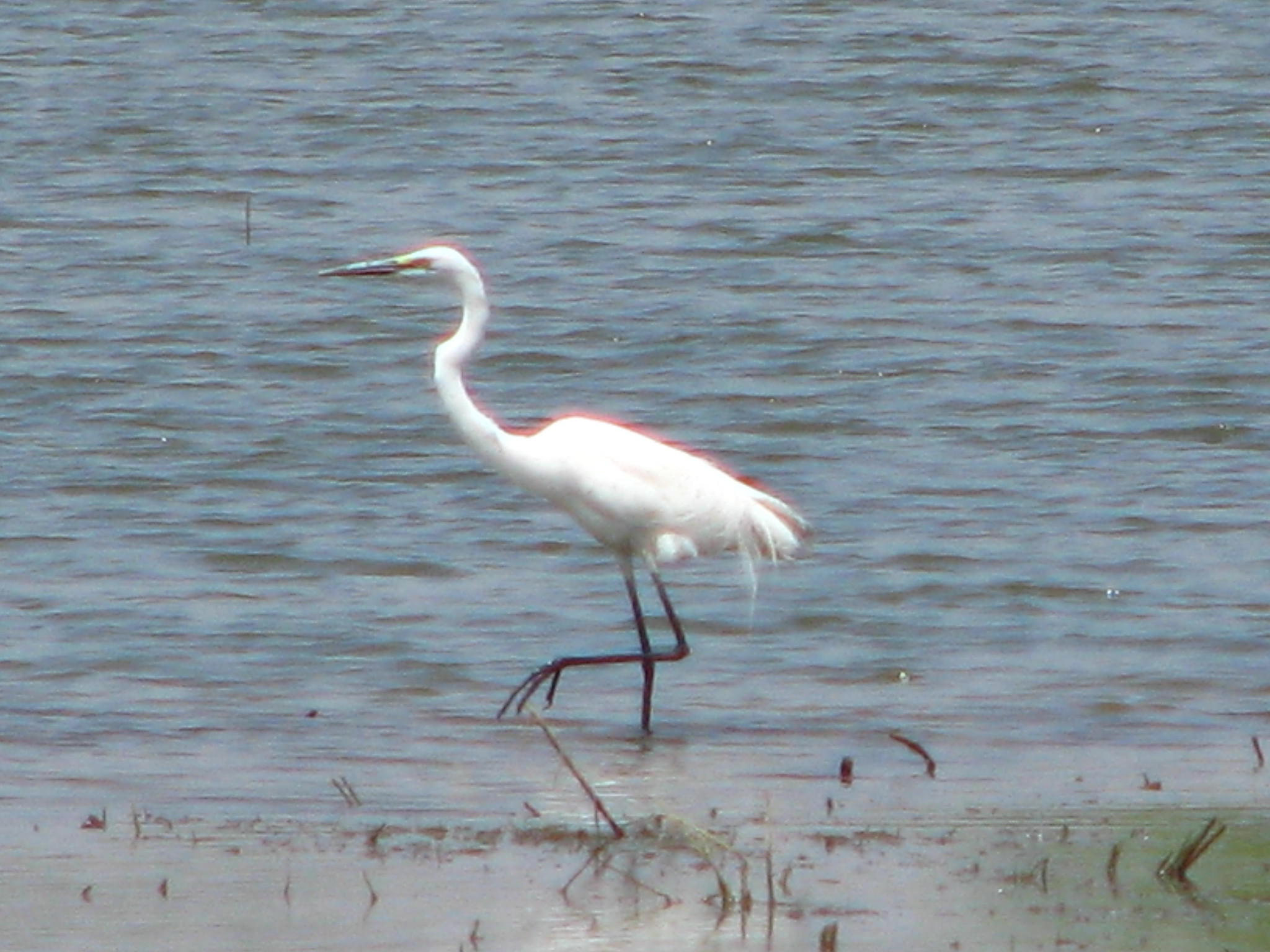
Large heron with all-white plumage, standing up to 1 m (3 ft 3 in) tall. Length ranges from 80 to 104 cm (31 to 41 in) with a wingspan of 131 to 170 cm (52 to 67 in). Body mass is 700 to 1,500 g (25 to 53 oz), averaging around 1,000 g (35 oz). Features a yellow bill and black legs and feet, though the bill may darken and lower legs lighten during breeding. Breeding adults develop delicate ornamental feathers on the back. Males and females are identical; juveniles resemble nonbreeding adults.
Identification
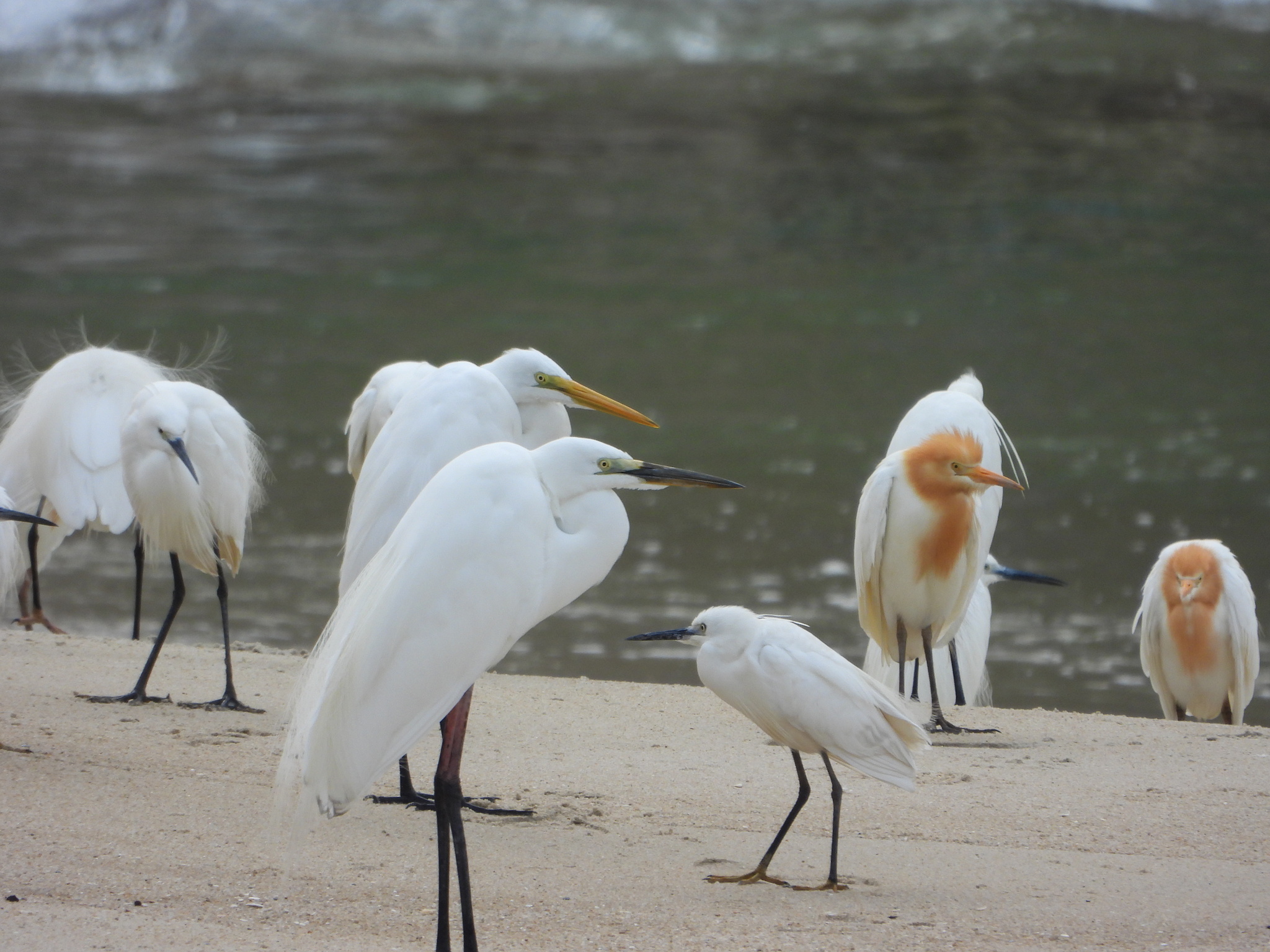
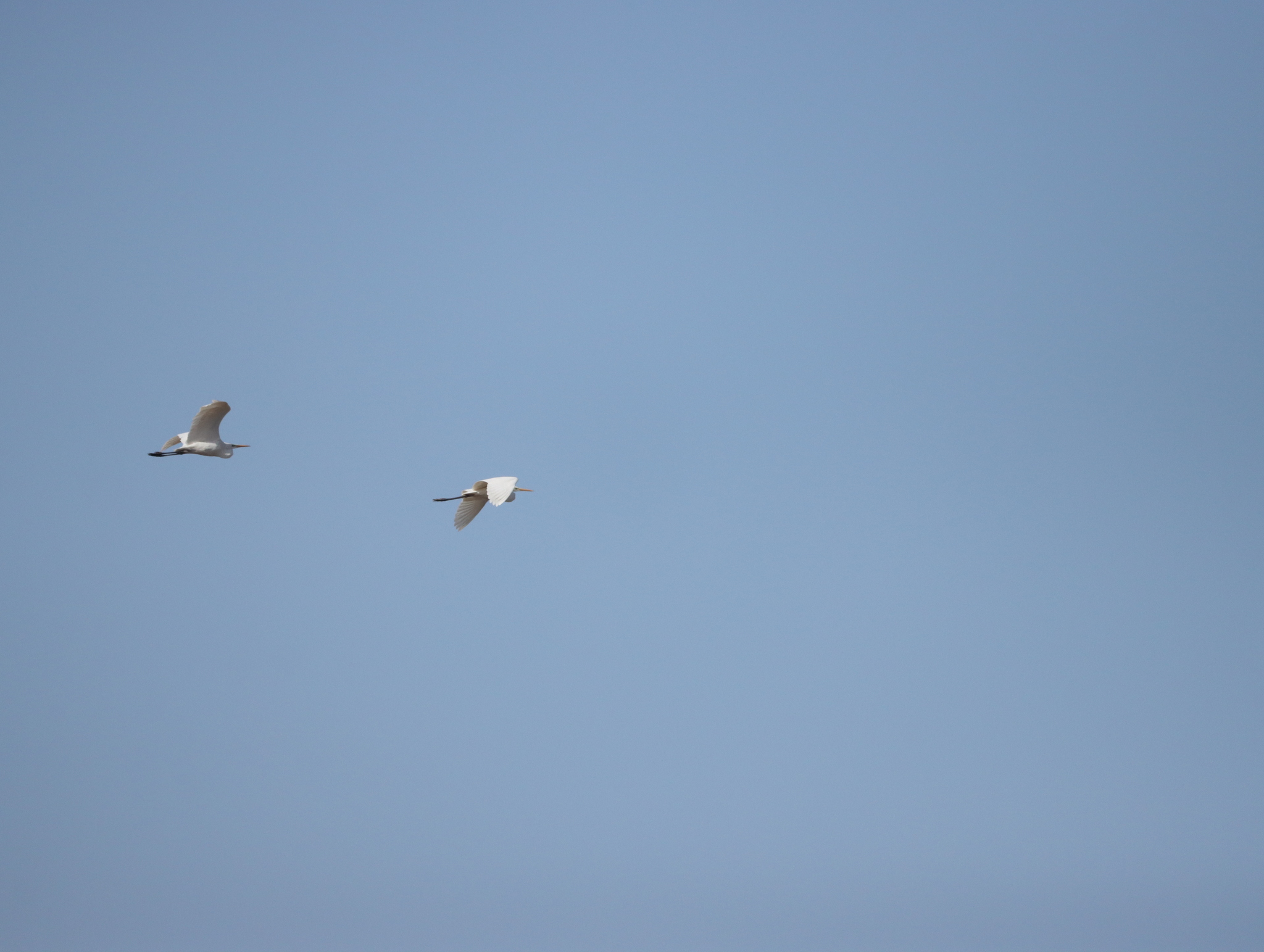
Distinguished from other white egrets by its yellow bill and black legs/feet. The gape extends well beyond the back of the eye, unlike the intermediate egret where it ends just behind the eye. Flight is slow with the neck retracted, characteristic of herons. Differentiated from the smaller snowy egret, which has a black bill and yellow feet. Distinguished from the white morph of the great blue heron, which is larger with a thicker bill.
Distribution & Habitat
Found in tropical and warmer temperate regions worldwide, including Asia, Africa, the Americas, and southern Europe. Subspecies include A. a. alba (Europe/Palearctic), A. a. egretta (Americas), A. a. melanorhynchos (Africa), and A. a. modesta (Asia/Australasia). Range is expanding northward in Europe, with breeding recorded in Sweden (2012), Denmark (2014), Finland (2018), the UK (2012), and Scotland (2024).
Behavior & Ecology
Breeds in colonies in trees 3.0–12.2 m (10–40 ft) high near large lakes with reed beds or wetlands. Forms monogamous pairs seasonally, starting at 2–3 years of age. Males select nest sites and build stick nests lined with plant material. Clutches contain up to six bluish-green eggs, incubated by both sexes for 23–26 days. Young are fed by regurgitation and fledge in 6–7 weeks. Forages in shallow water or dry habitats for fish, frogs, amphibians, mice, snakes, crayfish, and insects. Vocalizations include a low hoarse croak when disturbed and loud croaking or squawks at breeding colonies.
Conservation
Populations in North America declined significantly in the late 19th century due to hunting for plumes but have recovered following conservation measures. In parts of the southern United States, numbers have declined due to habitat loss, specifically wetland degradation from drainage, grazing, clearing, burning, increased salinity, groundwater extraction, and exotic plant invasion.
Culture
Symbol of the National Audubon Society. Depicted on the reverse of the 5-Brazilian real banknote, a Belarusian commemorative coin, the New Zealand $2 coin, and the Hungarian 5-forint coin. Featured on the cover art of Faith No More's 1992 album Angel Dust.
Source: Wikipedia · CC BY-SA 3.0
Taxonomy
- Order
- Pelecaniformes
- Family
- Ardeidae
- Genus
- Ardea
Taxonomy Changes
Ardea modesta → Ardea alba
Subspecies lump — GBIF Backbone Taxonomy uses the former name; AviList 2025 uses the current name.
Vocalizations
Subspecies (4)
-
Ardea alba alba
central Europe to central Asia (southward to Iran)
Data Sources
Species description from Wikipedia, licensed under CC BY-SA 3.0.
Bird images and sounds sourced from GBIF, contributed by citizen scientists worldwide under Creative Commons licenses.
Taxonomy data from AviList 2025.