












Great Egret
Ardea alba
大白鹭
Introduction
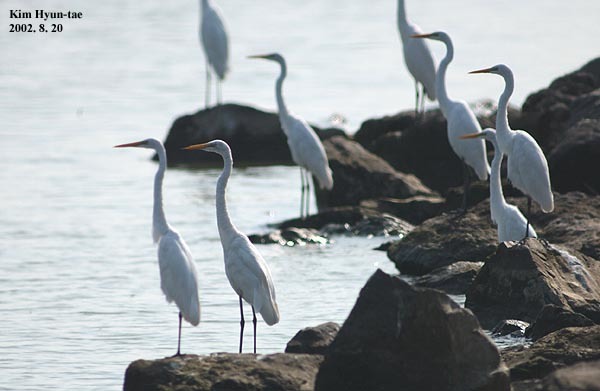
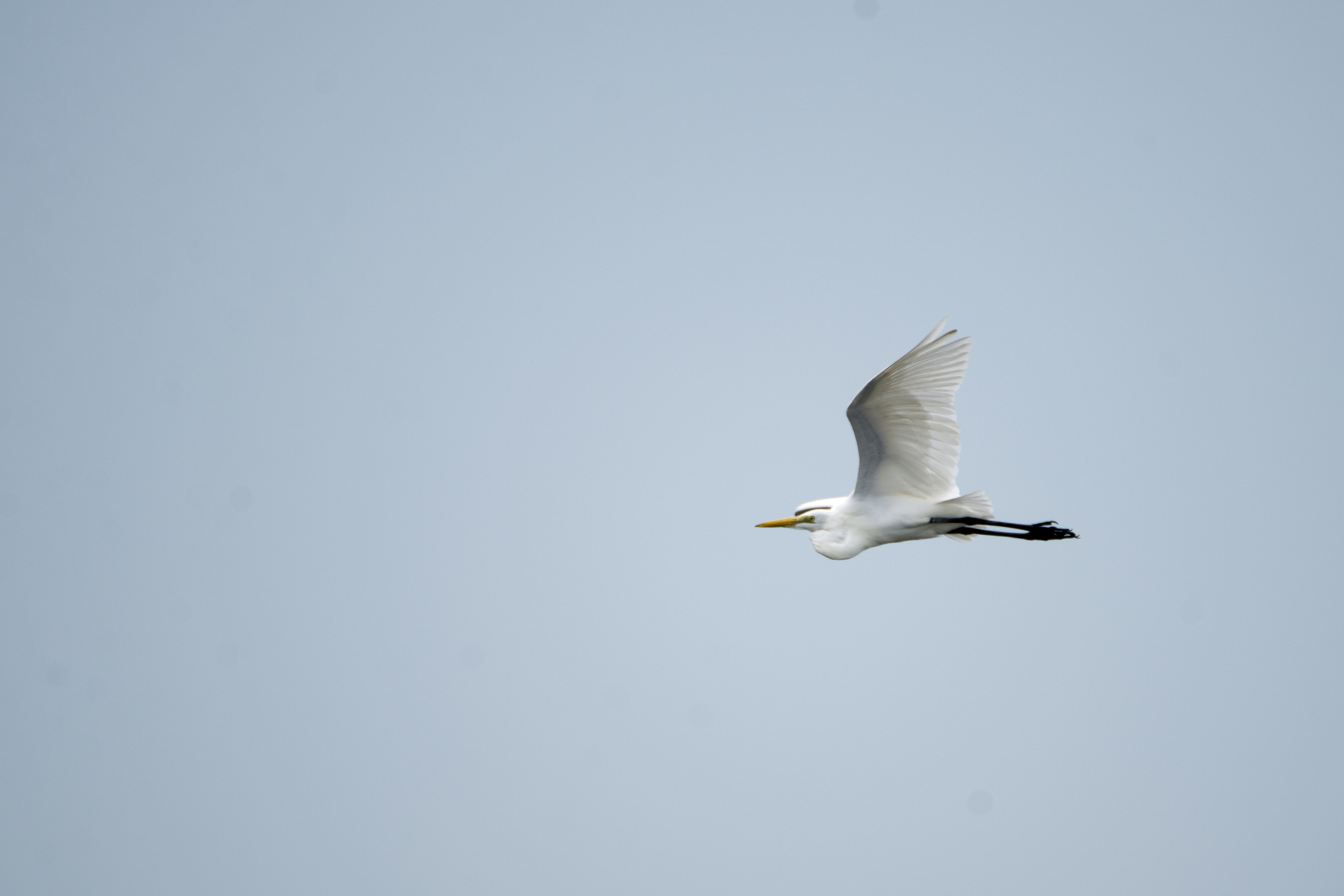
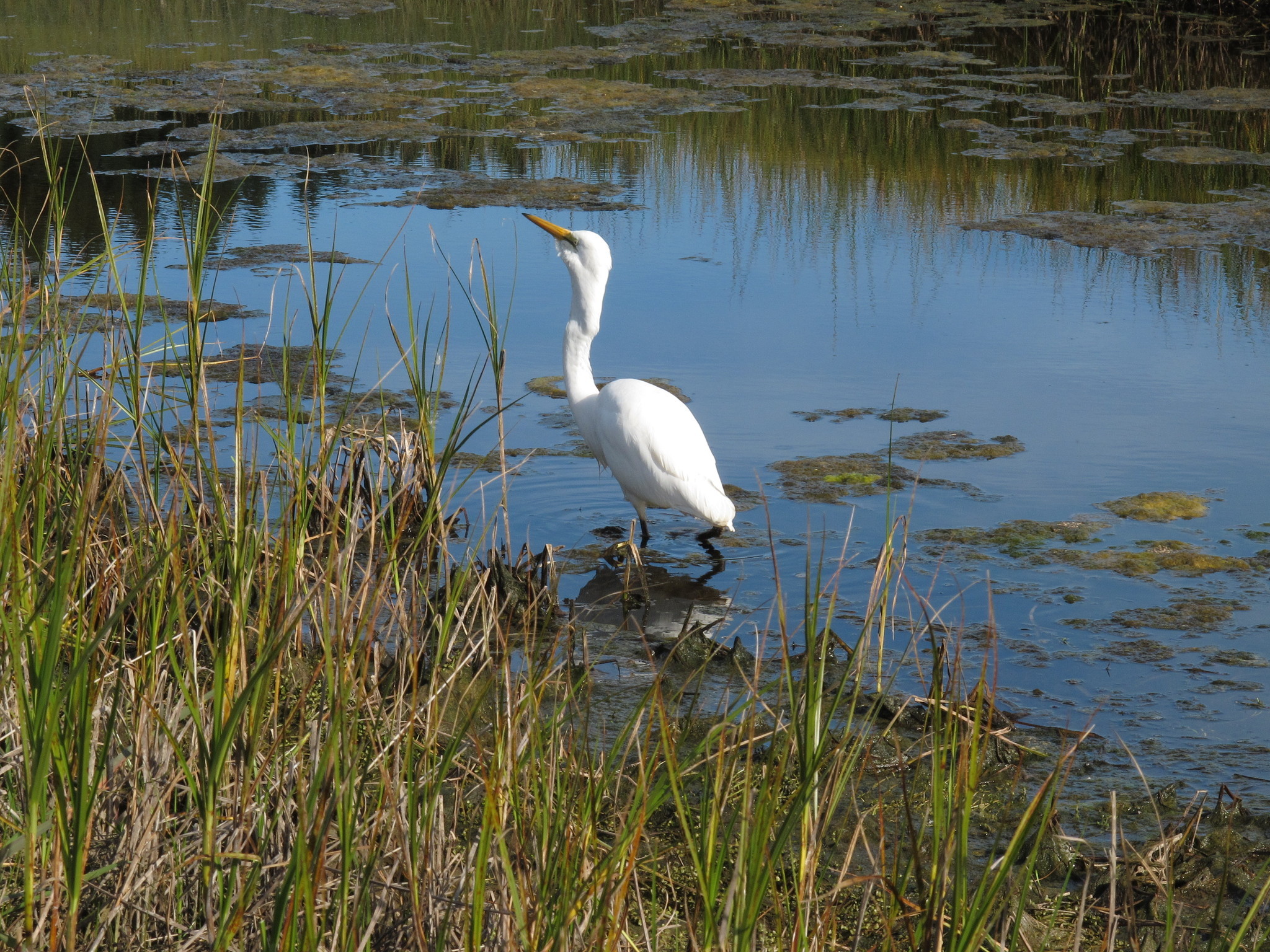
This wading bird is one of the most widespread herons globally, occurring in temperate and tropical wetlands throughout the Americas, Europe, Asia, Africa, and Oceania. It inhabits marshes, reed beds, and other wetland environments. The species has shown range expansion in recent decades, increasingly appearing in northern areas of Europe where it was once only a rare visitor. Foraging behavior includes standing motionless in shallow waters while hunting and gliding overhead with slow, deliberate wingbeats. It frequently congregates in mixed-species foraging flocks with other herons and egrets in productive wetland areas.
Description
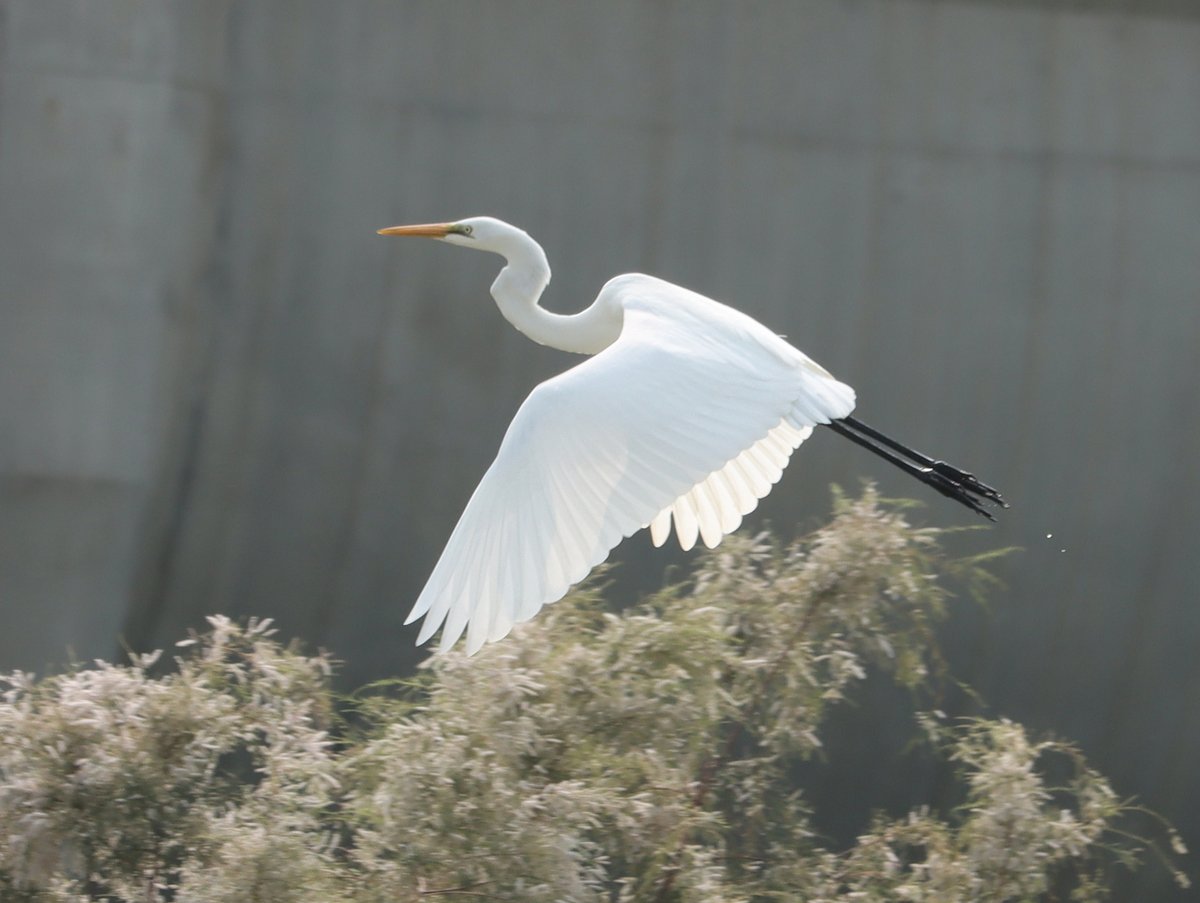
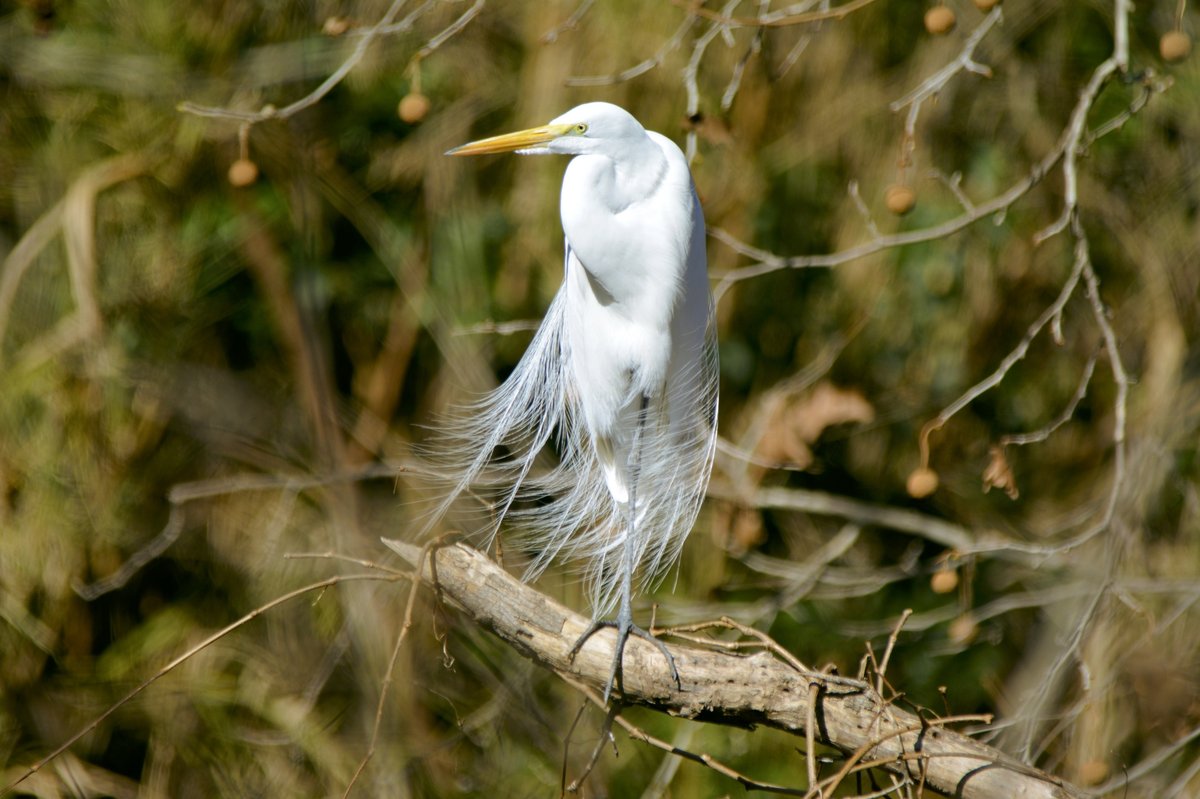
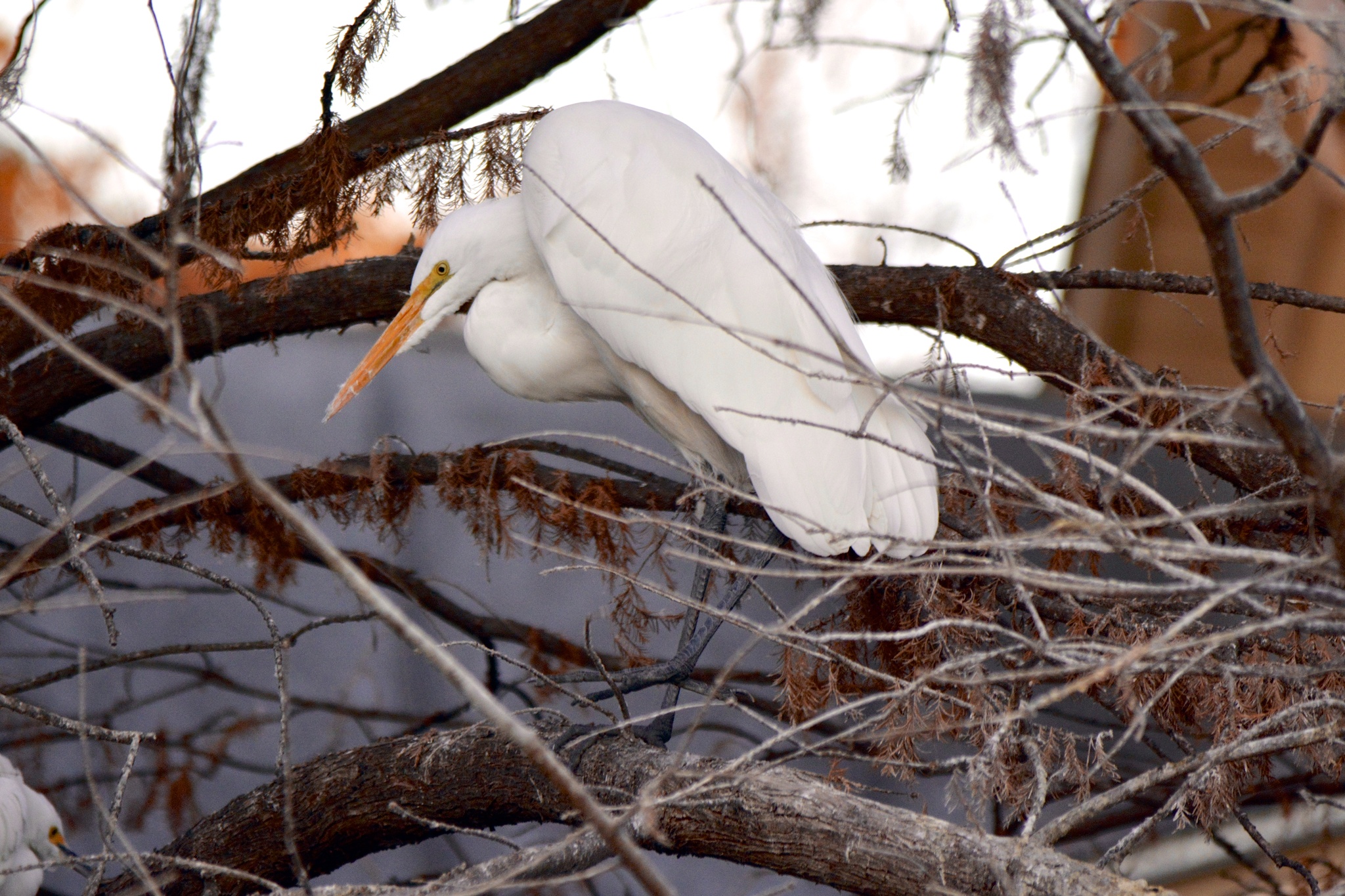
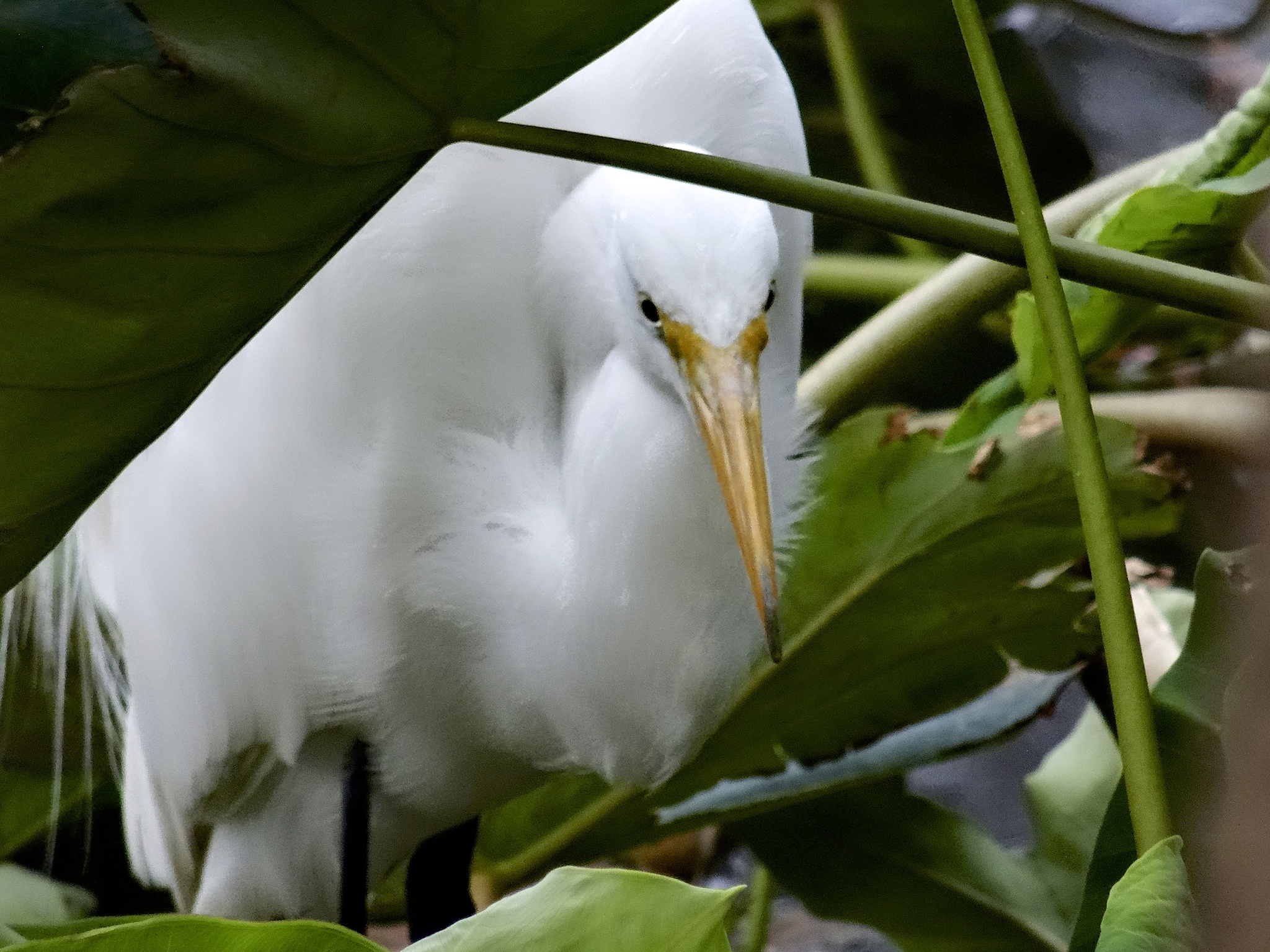
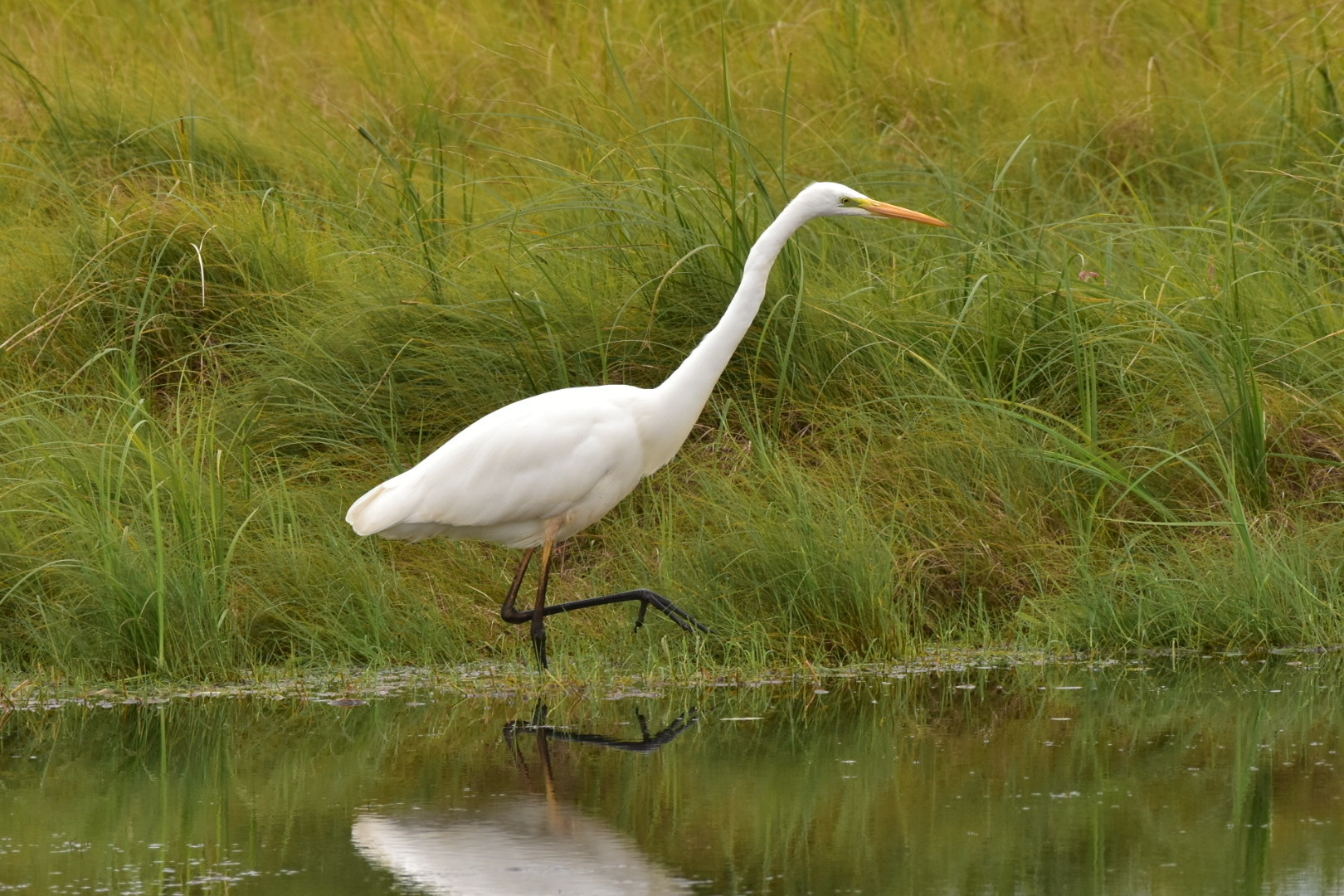
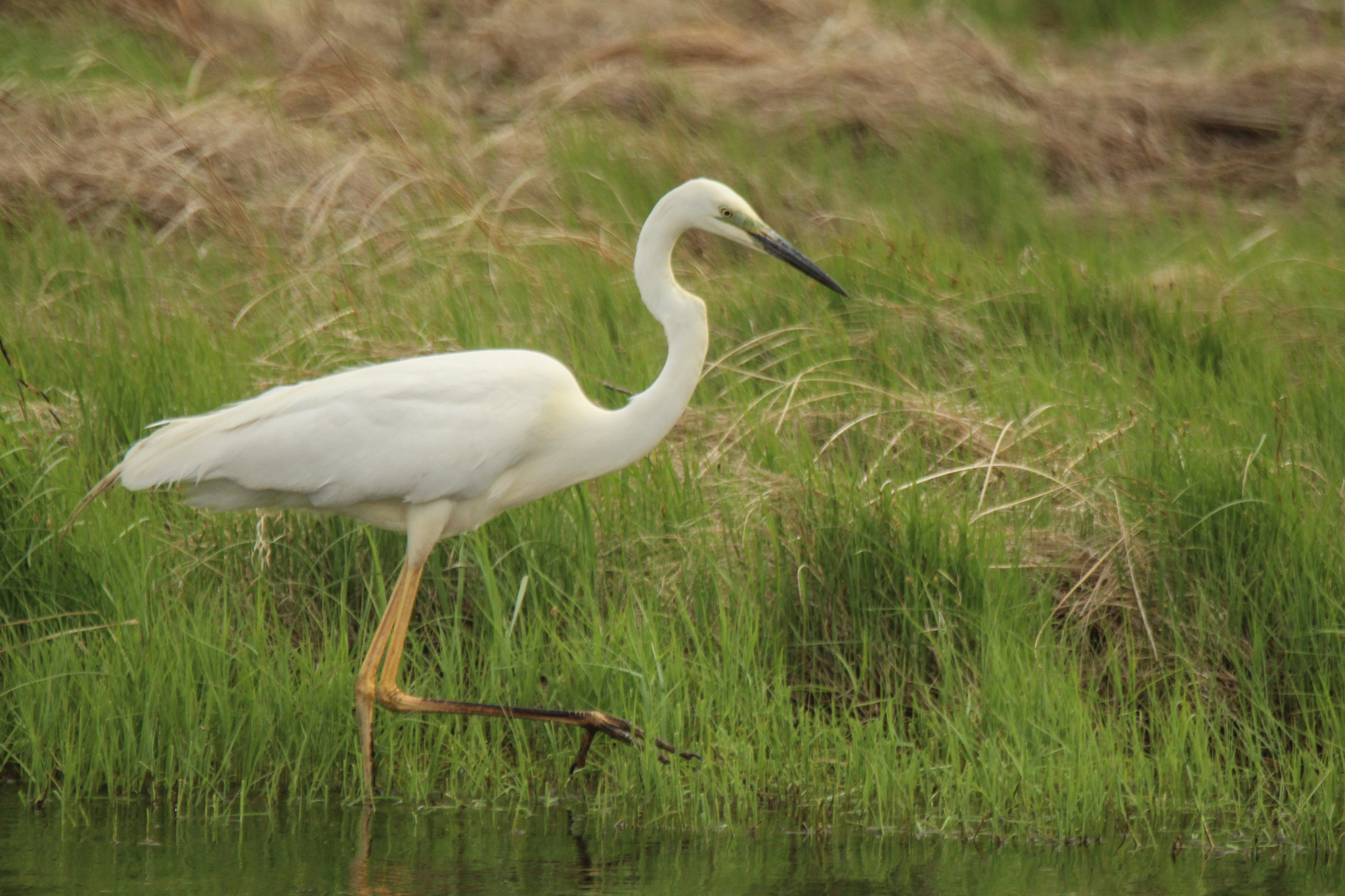
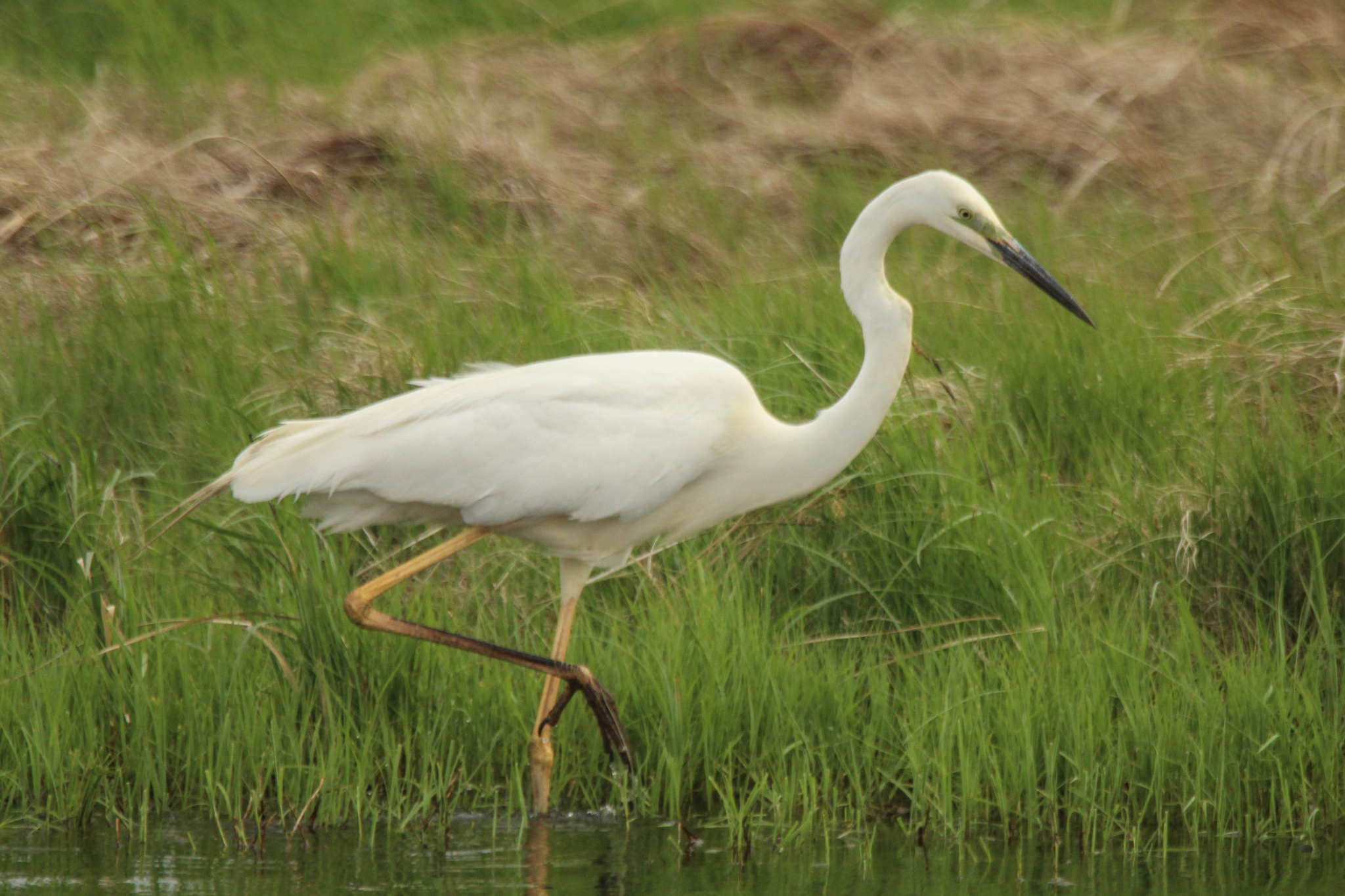
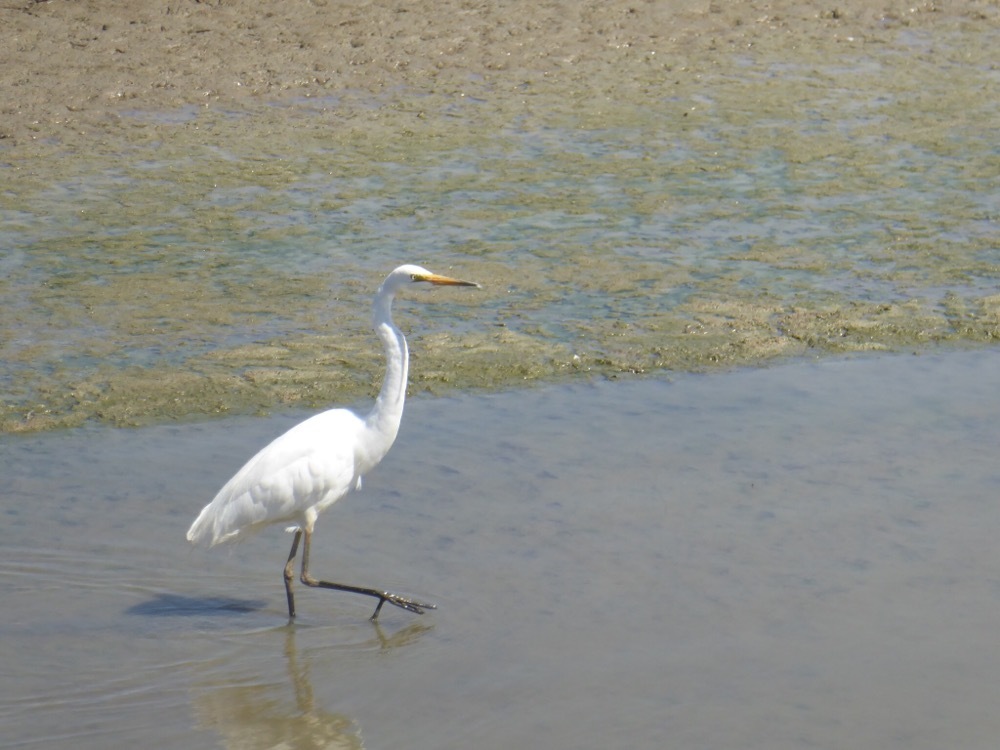
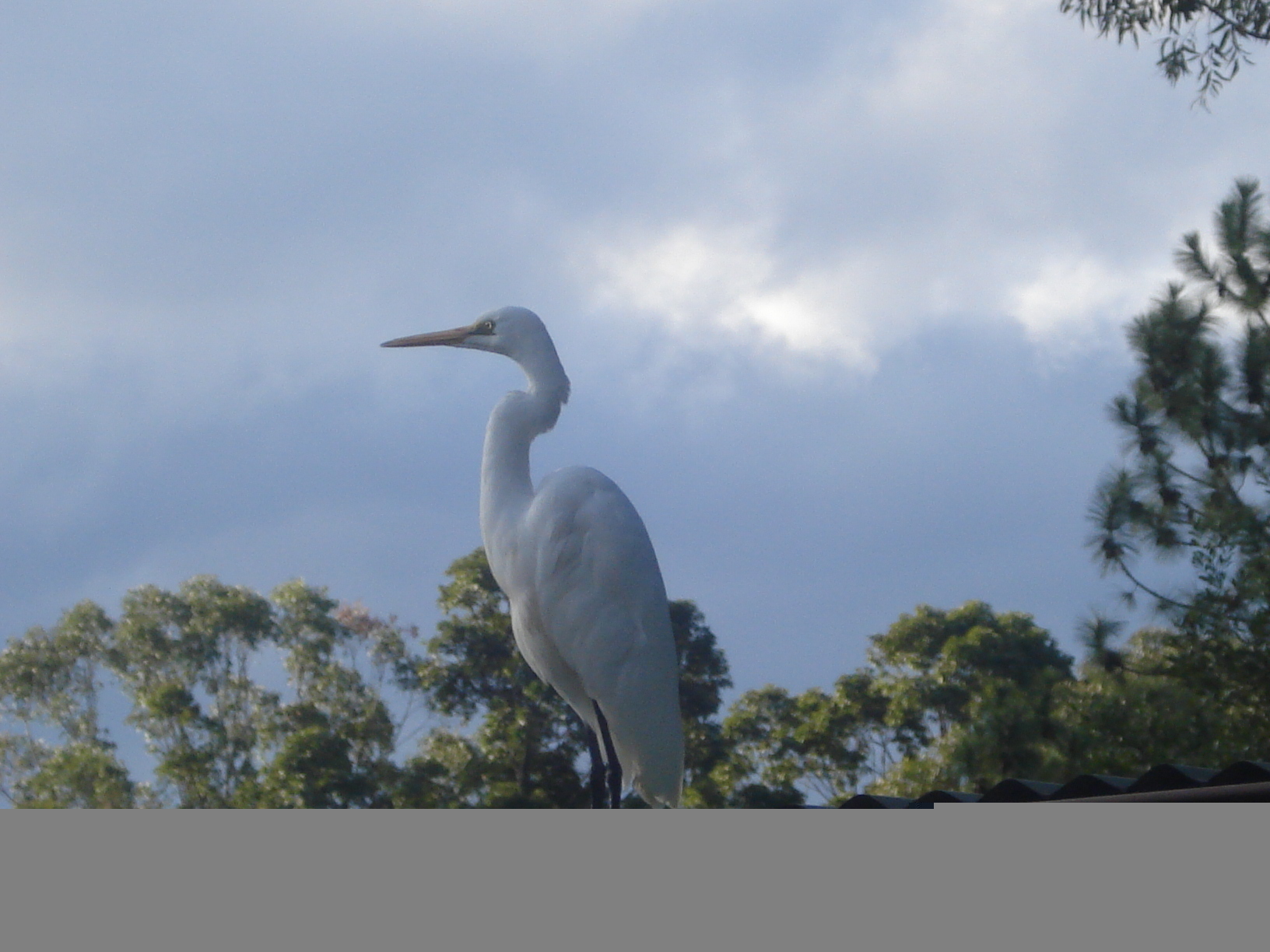
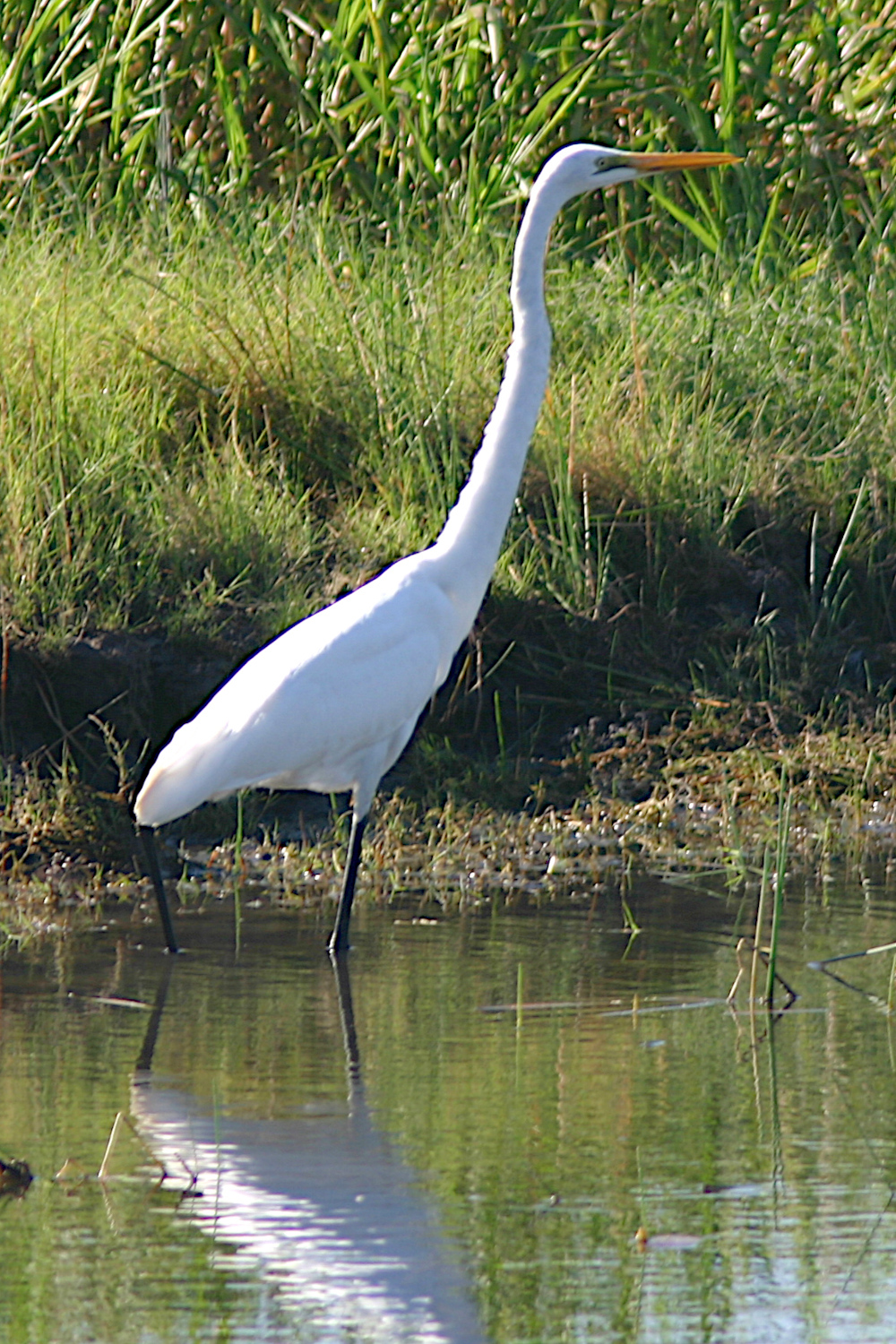
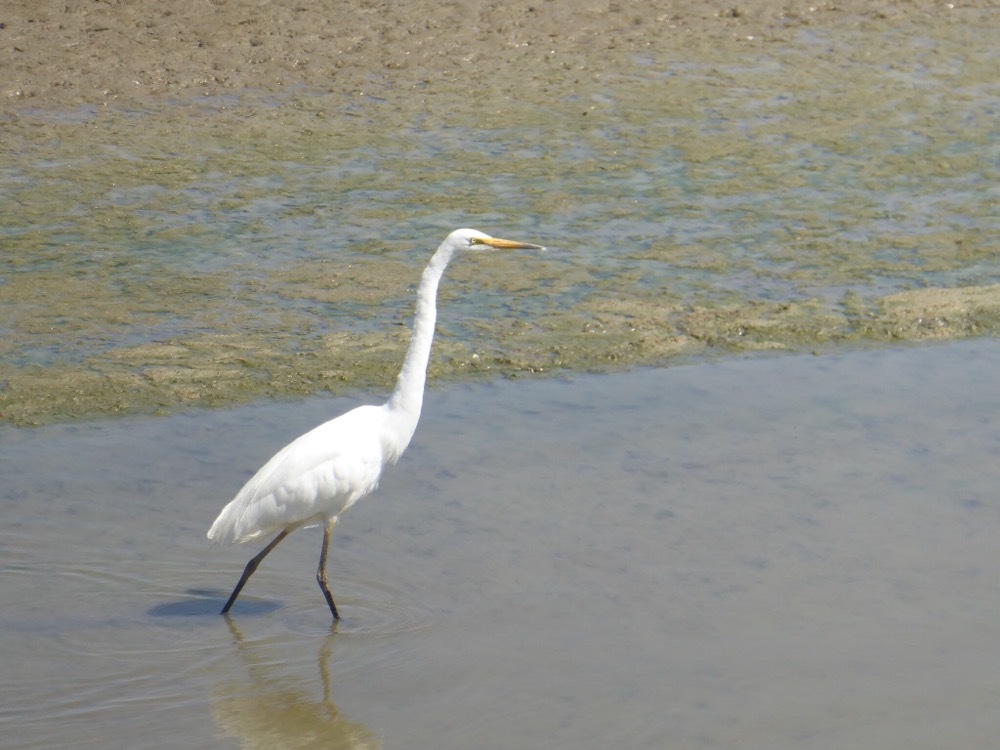
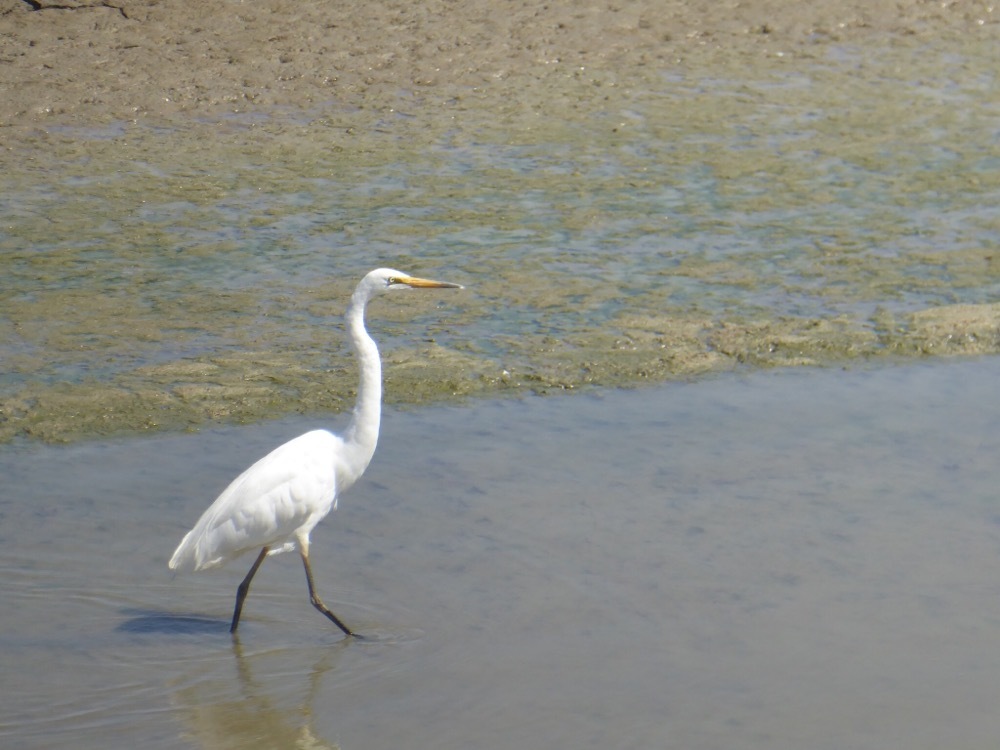
This large heron bears entirely white plumage throughout its life. Adults stand approximately 1 meter tall, measuring 80 to 104 cm in body length with a substantial wingspan of 131 to 170 cm. Weight ranges from 700 to 1,500 grams, averaging around 1,000 grams. The species appears only slightly smaller than the great blue or grey heron. The distinctive yellow bill and black legs and feet separate it from similar white egrets, though bill and leg colors may shift during the breeding season. In breeding plumage, delicate ornamental plumes adorn the back. Males and females look identical, and juveniles resemble nonbreeding adults. The gape extends well beyond the back of the eye, distinguishing it from the intermediate egret, where the gape ends just behind the eye. Flight is slow and deliberate with the neck retracted, a characteristic heron trait.
Identification
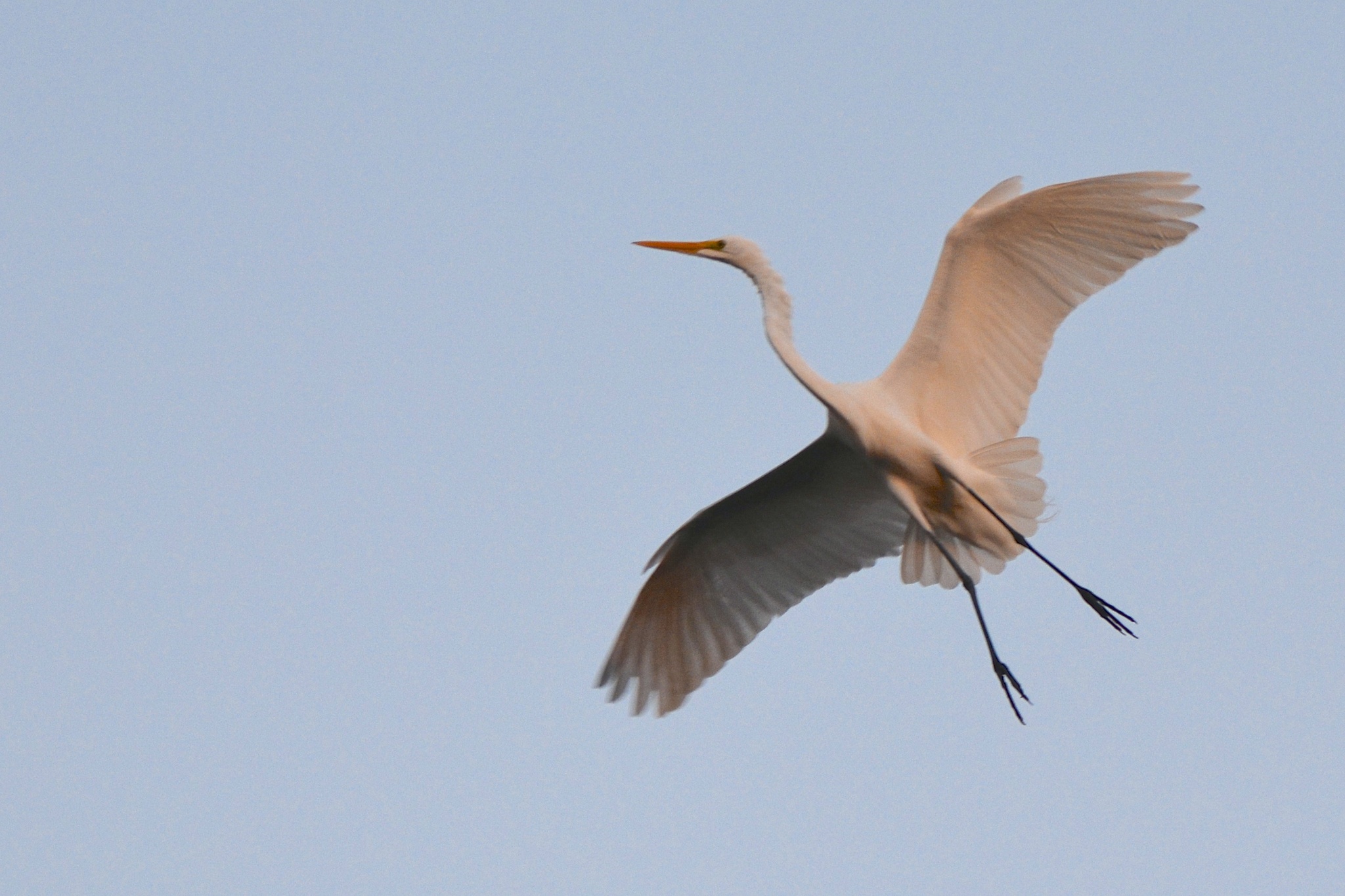
The yellow bill combined with black legs and feet provides the primary distinction from other white egret species, particularly the snowy egret, which is notably smaller with a slender black bill and yellow feet. The intermediate egret poses a closer identification challenge, but the great egret's gape extending beyond the back of the eye is diagnostic. In North America, the white morph of the great blue heron can cause confusion; this larger species shows a proportionally thicker bill. The retracted neck in flight separates the species from storks, cranes, ibises, and spoonbills, which extend their necks during flight.
Distribution & Habitat
This species occupies temperate and tropical habitats across most of the world, being particularly ubiquitous across the Sun Belt of the United States and throughout Neotropical regions. The four subspecies occupy distinct ranges: A. a. alba across Europe and the Palearctic, A. a. egretta throughout the Americas, A. a. melanorhynchos in Africa, and A. a. modesta in India, Southeast Asia, East Asia, and Oceania. Recent range expansion into northern Europe has produced first breeding records in Sweden (2012), Denmark (2014), and Finland (2018). In Britain, the first nesting occurred at Shapwick Heath, Somerset in 2012, with additional breeding sites established in Norfolk and, in 2024, Scotland.
Behavior & Ecology
Breeding occurs in colonies within trees near large lakes with extensive reed beds, typically at heights of 3 to 12 meters. Pairs form monogamous bonds each season beginning at 2-3 years of age, with the male selecting the nest area and initiating construction. The stick nest, lined with plant material, may reach 3 feet in diameter. Clutches contain up to six bluish-green eggs, incubated by both parents for 23-26 days. Both adults feed young through regurgitation, and fledging occurs within 6-7 weeks. Foraging takes place in shallow water or adjacent drier habitats, where the diet includes fish, frogs, other amphibians, mice, snakes, crayfish, and various insects. The species is typically silent, giving only a low croak when disturbed, though breeding colonies produce louder cuk cuk cuk calls and squawks.
Conservation
The species holds a conservation status of Least Concern due to its large and expanding range. Historical persecution decimated North American populations in the late 19th century, when birds were killed for their ornamental plumes used in hat decorations. Numbers subsequently recovered through conservation measures, and the range has expanded northward into southern Canada. However, wetland degradation through drainage, grazing, clearing, burning, increased salinity, groundwater extraction, and invasive plant species continues to impact populations in parts of the southern United States. The species adapts well to human-modified landscapes and remains common in urban and suburban wetlands.
Culture
The species serves as a prominent symbol in conservation, representing the National Audubon Society. It appears on currency including the Brazilian 5-real banknote, New Zealand's $2 coin, and the Hungarian 5-forint coin. Belarus issued a commemorative coin featuring the bird. In the artistic realm, an airbrushed photograph by Werner Krutein of a great egret in breeding plumage adorns the cover of Faith No More's 1992 album Angel Dust. The bird's cultural reach extends to literature as well, with Sarah Orne Jewett's short story 'A White Heron' featuring a related species.
Source: Wikipedia · CC BY-SA 3.0
Taxonomy
- Order
- Pelecaniformes
- Family
- Ardeidae
- Genus
- Ardea
- eBird Code
- greegr
Vocalizations
Subspecies (4)
-
Ardea alba alba
central Europe to central Asia (southward to Iran)
-
Ardea alba egretta
southern Canada to Tierra del Fuego and West Indies
-
Ardea alba melanorhynchos
sub-Saharan Africa and Madagascar
-
Ardea alba modesta
southern Asia from Pakistan eastward in sub-Himalayan region to southeastern Russia and Japan, southward to Indonesia, Australia (including Tasmania but not western deserts), and New Zealand (very local)
Data Sources
Species description from Wikipedia, licensed under CC BY-SA 3.0.
Bird images and sounds sourced from GBIF, contributed by citizen scientists worldwide under Creative Commons licenses.
Taxonomy data from AviList 2025.