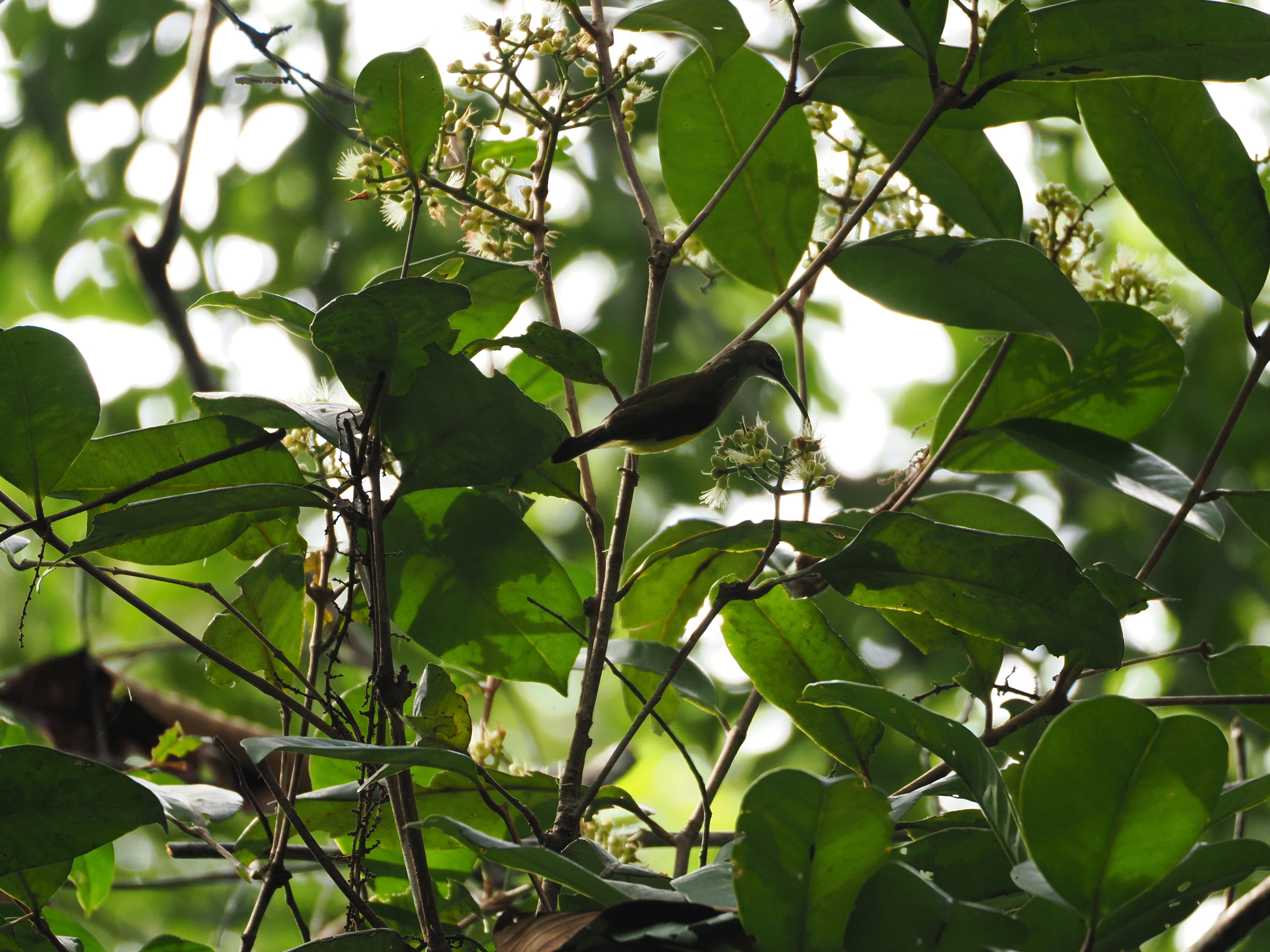
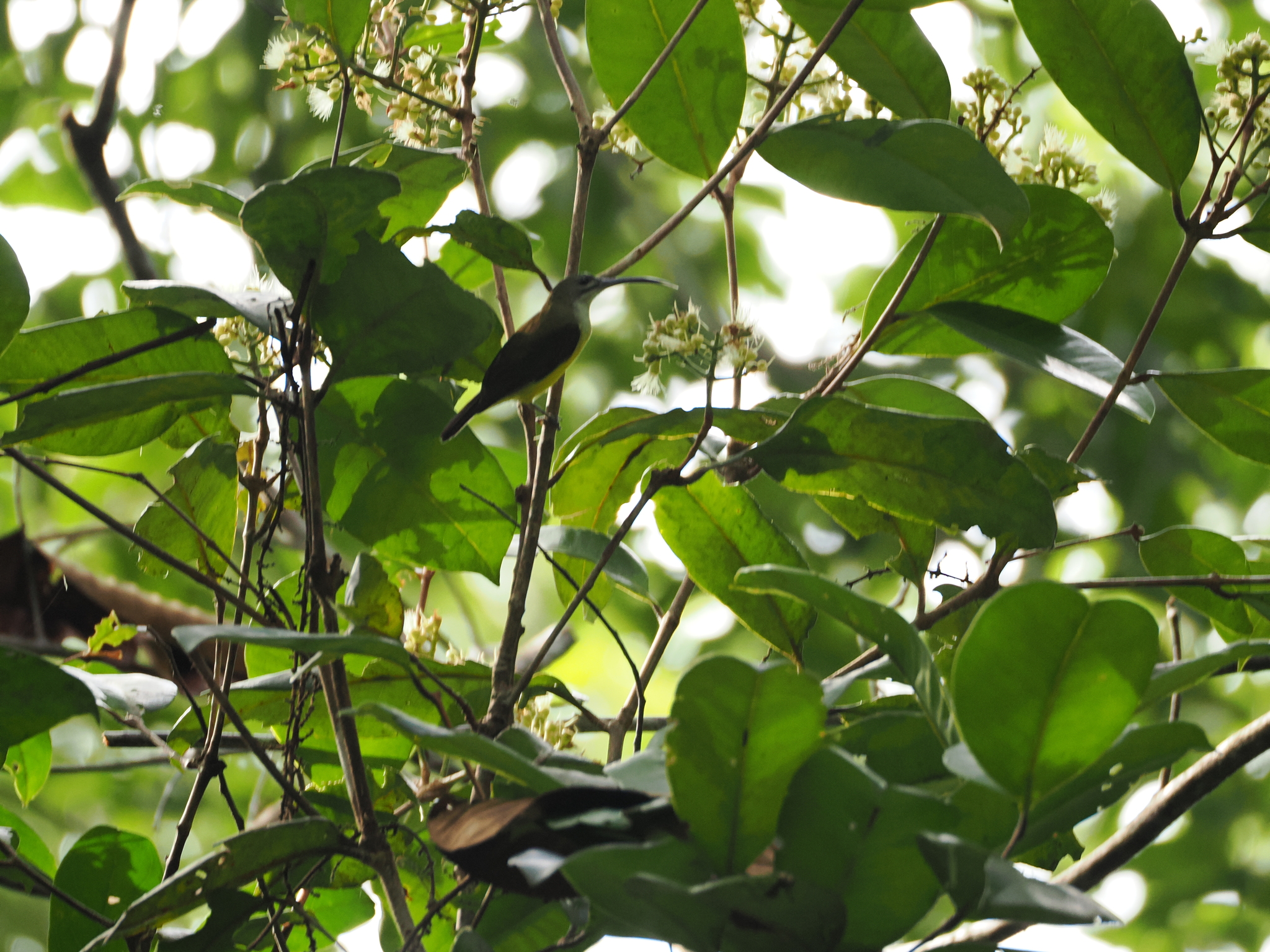
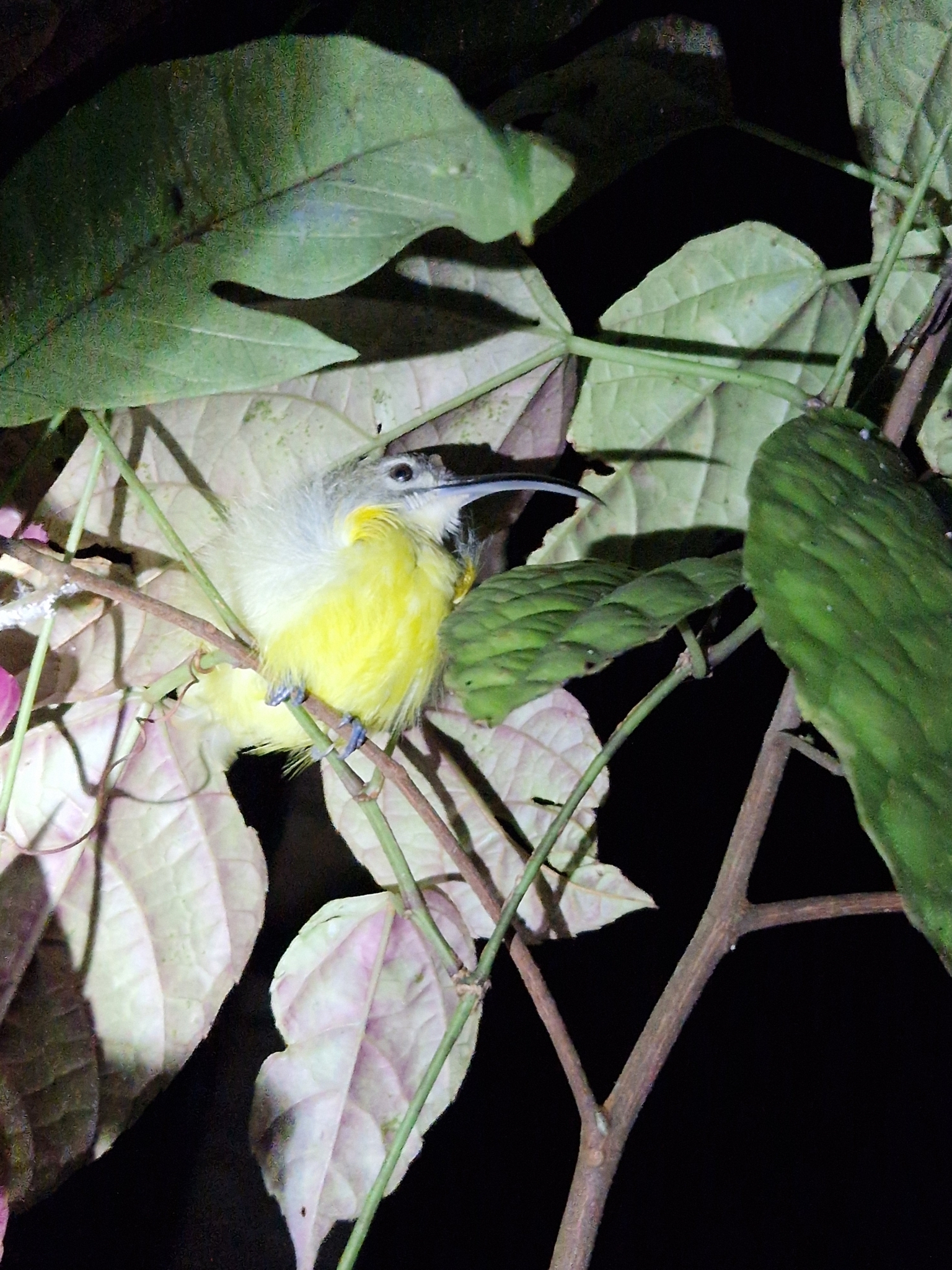
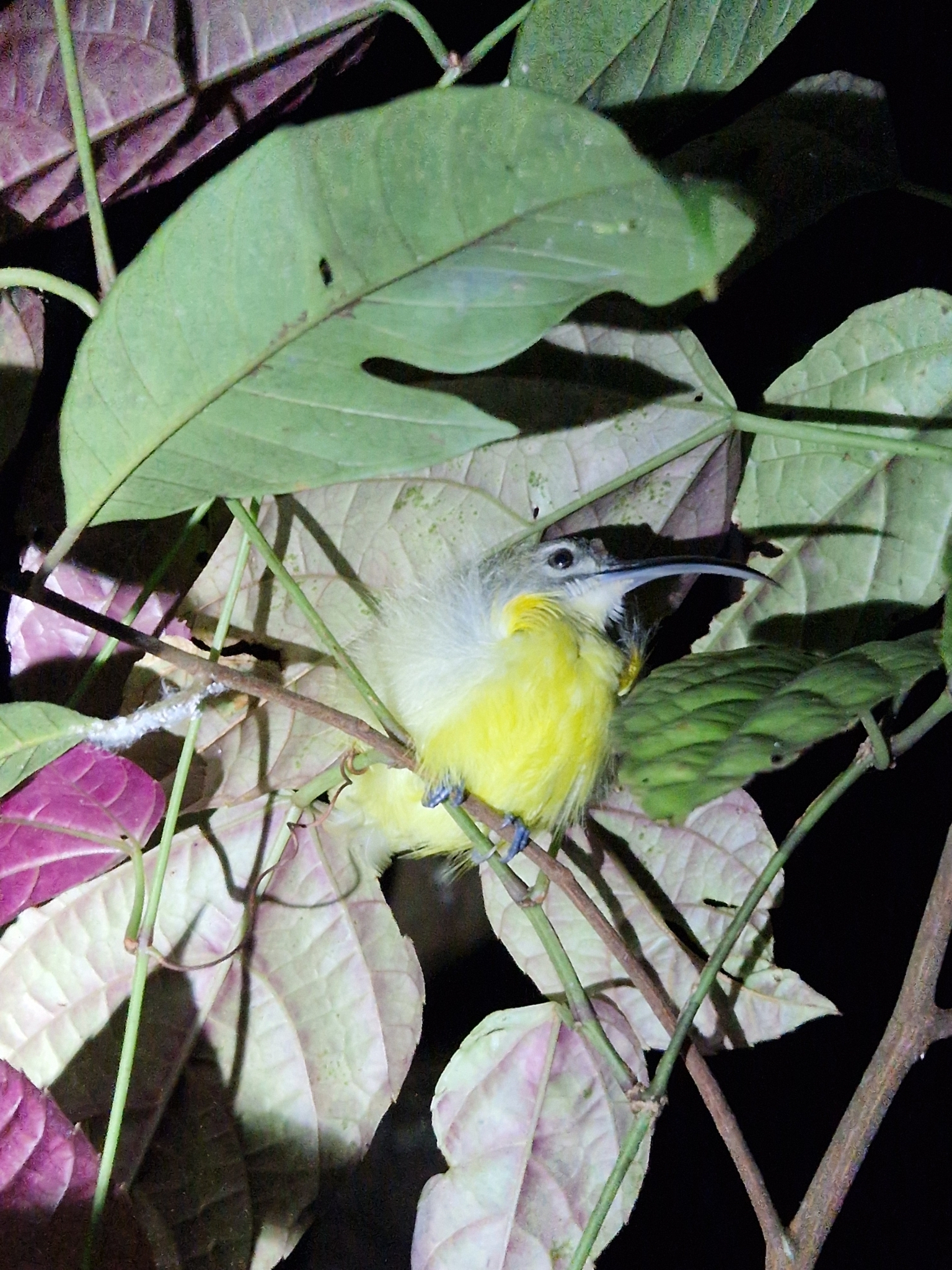
Passeriformes / Nectariniidae / Arachnothera
Little Spiderhunter
Arachnothera longirostra · 长嘴捕蛛鸟
Introduction
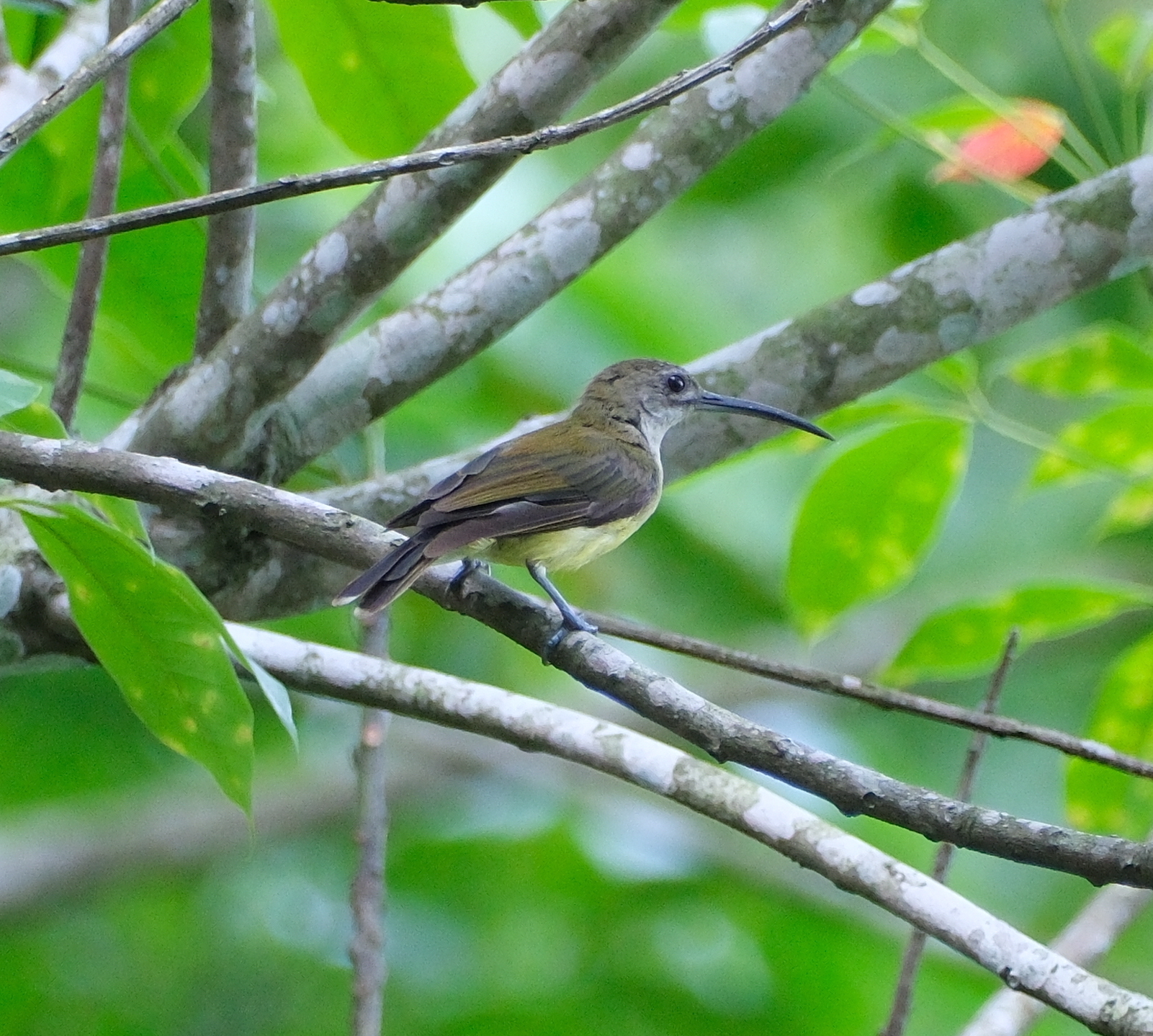
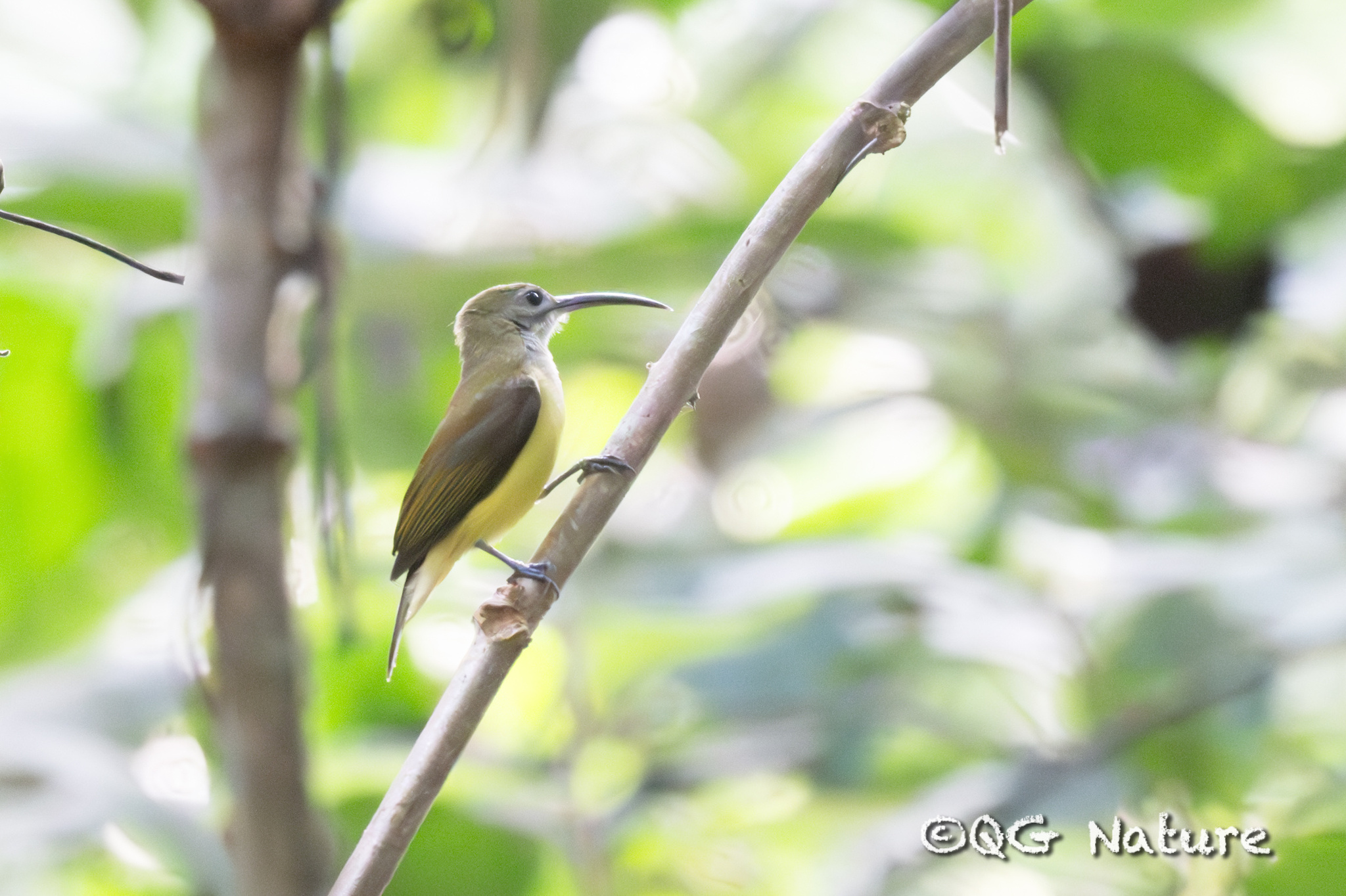
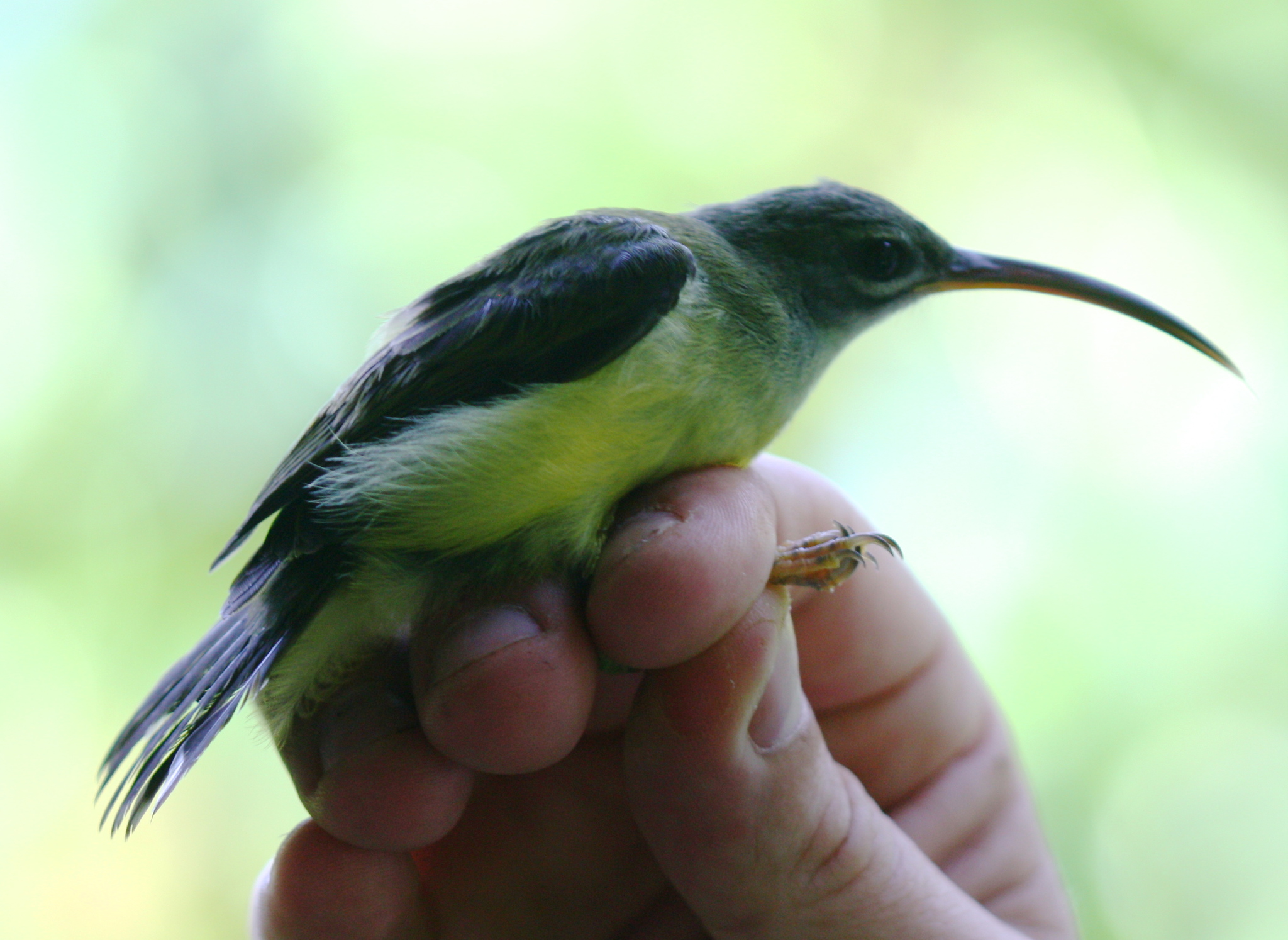
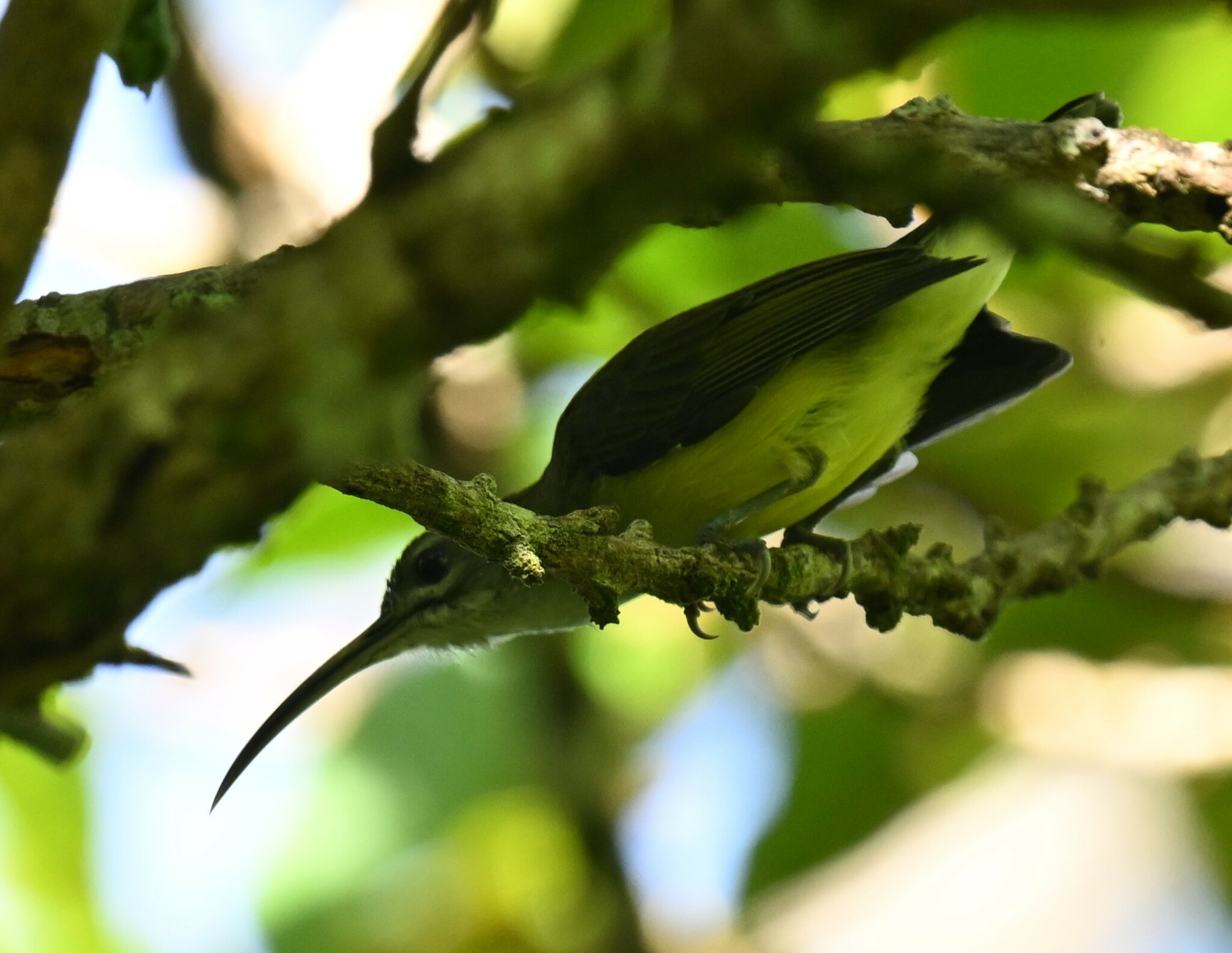
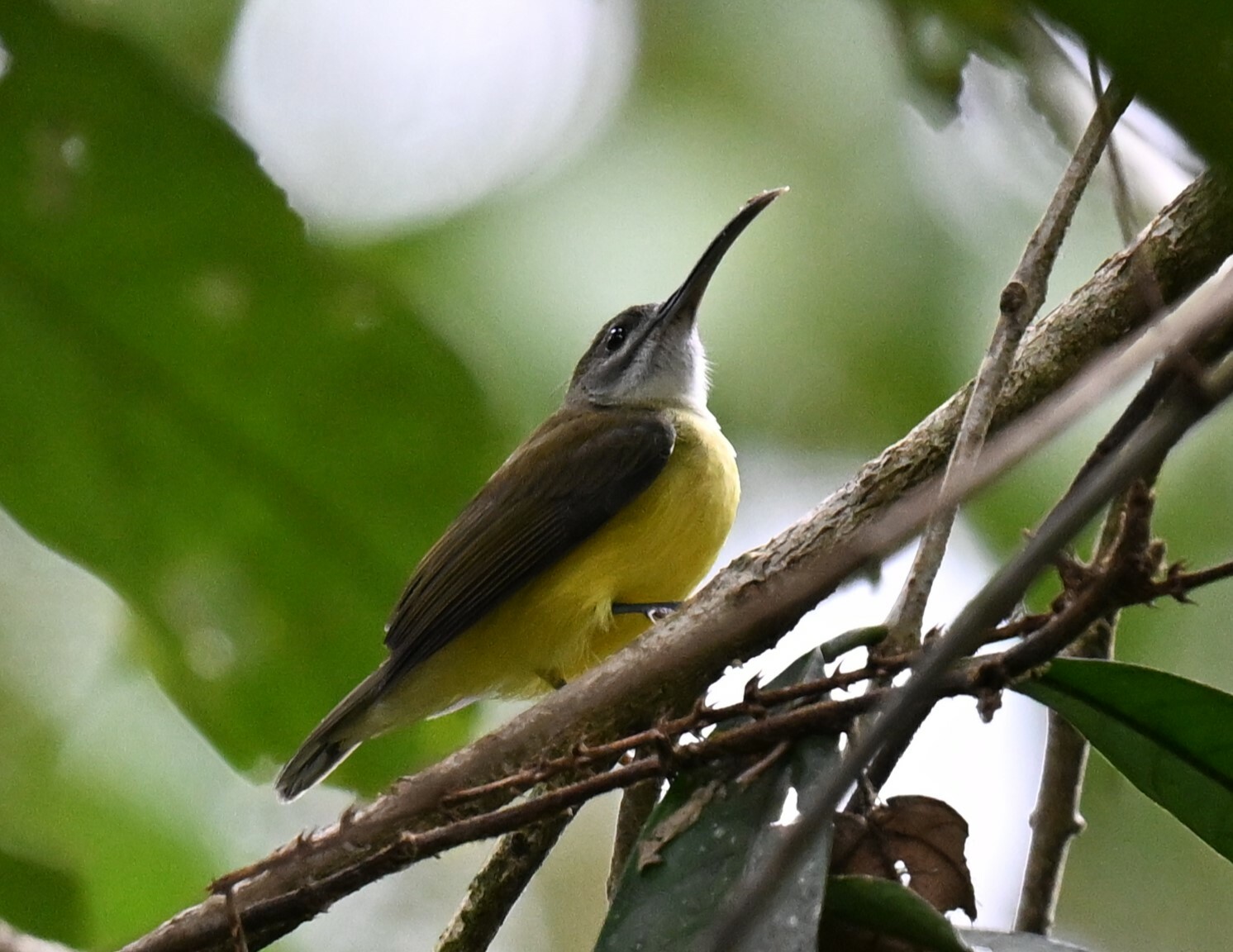
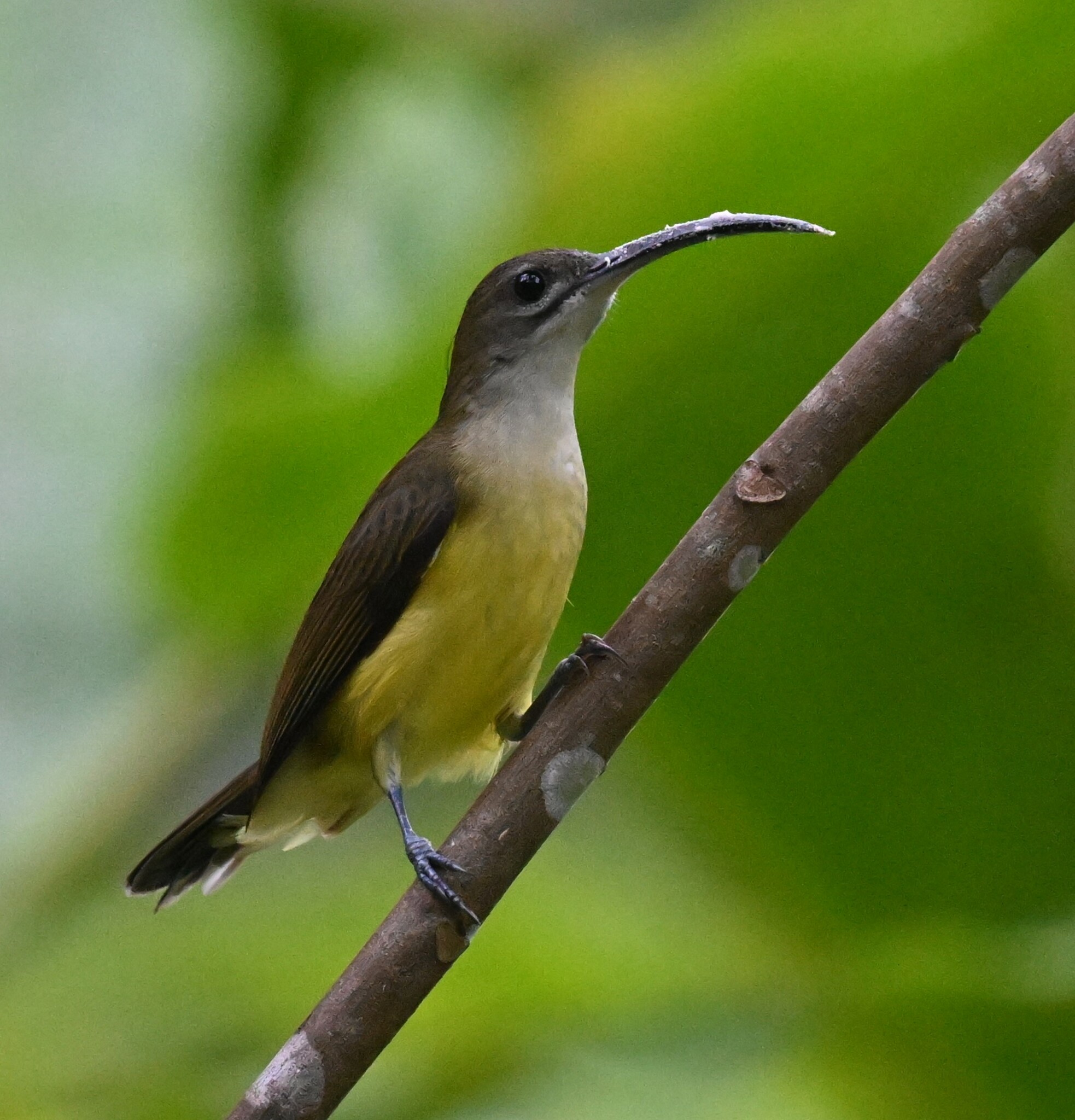
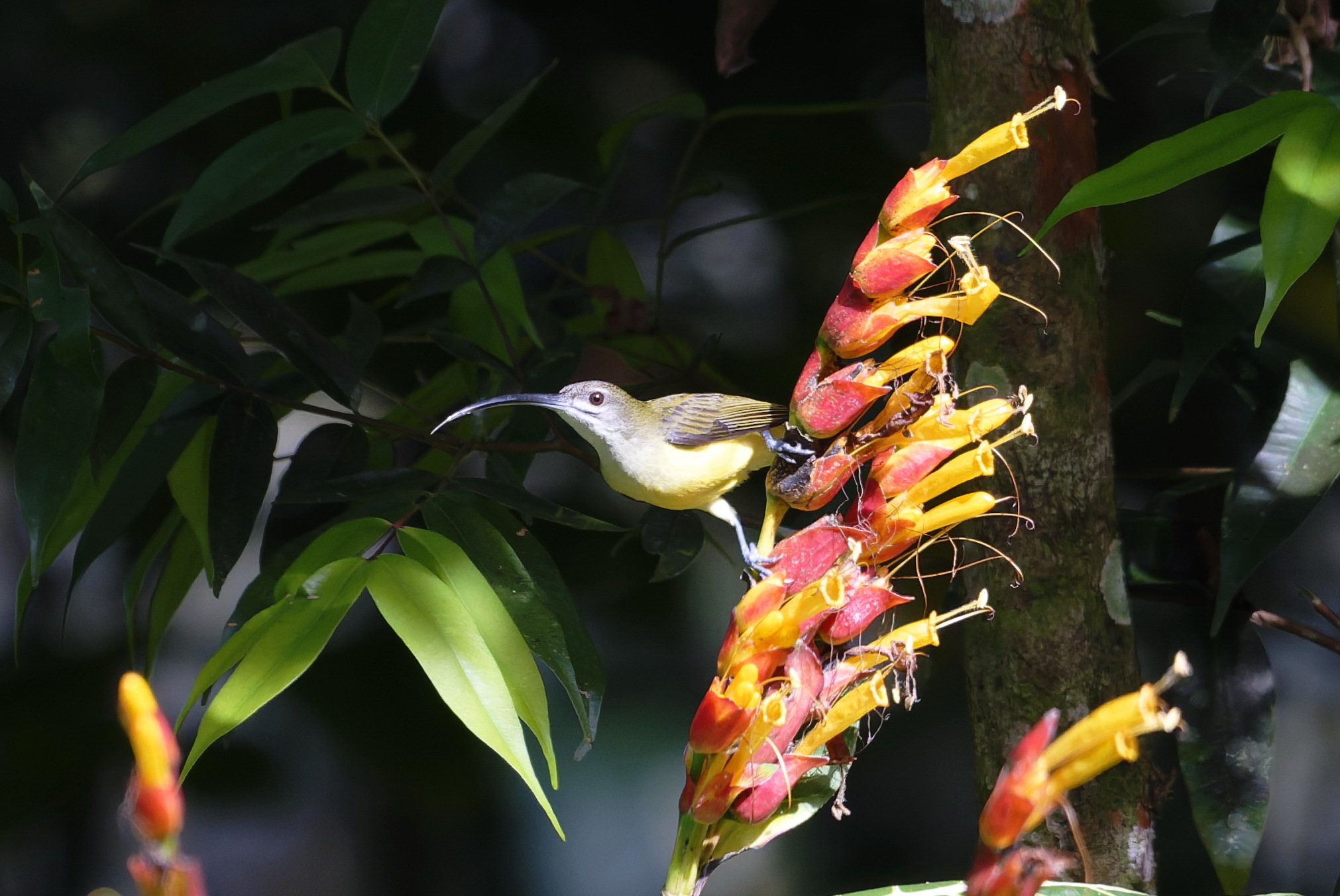
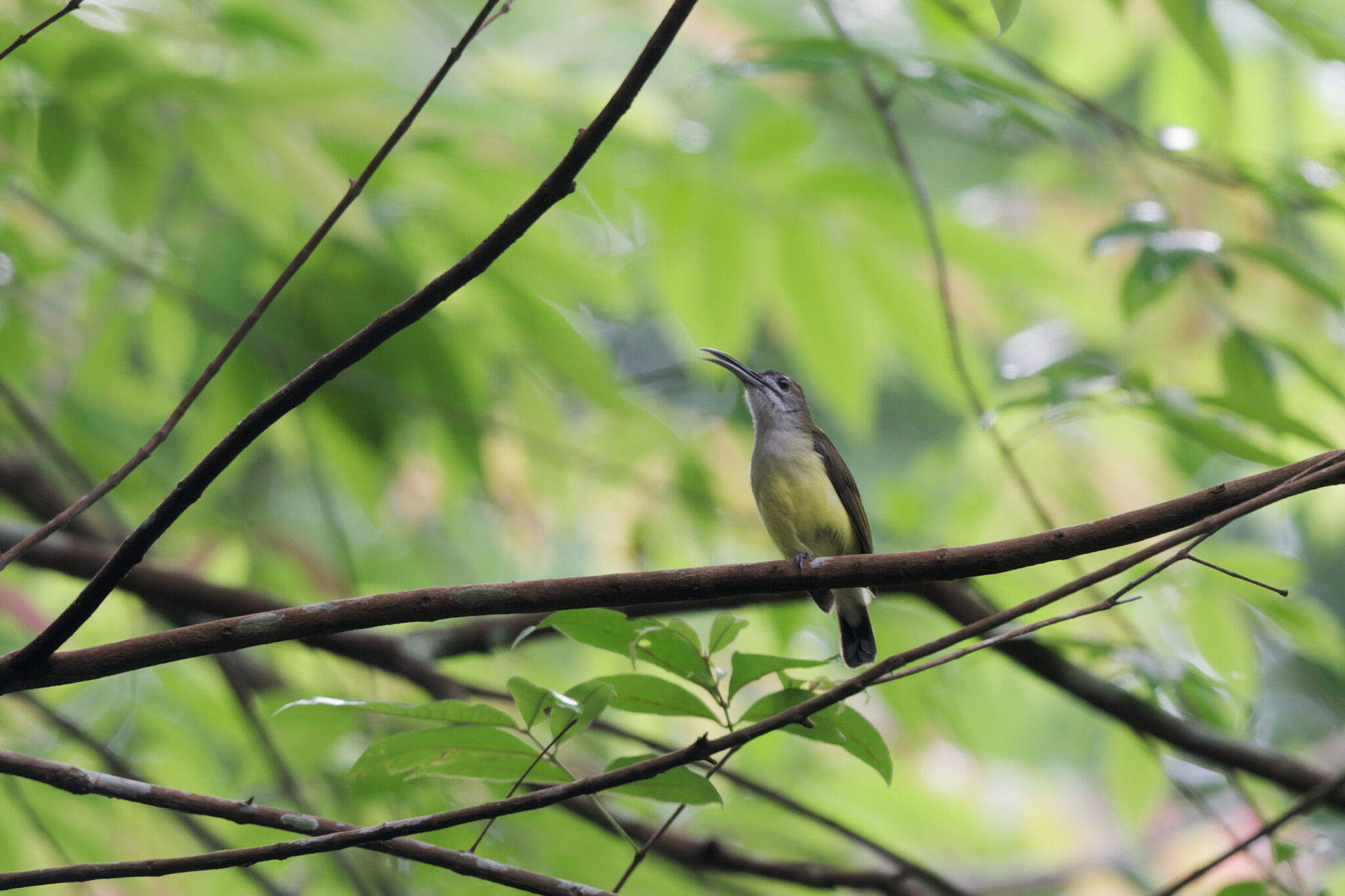
A long-billed nectar-feeding bird in the family Nectariniidae found in moist forests of South and Southeast Asia. Unlike typical sunbirds, males and females are very similar in plumage. They are usually seen in ones or twos and frequently make a tzeck call.
Description
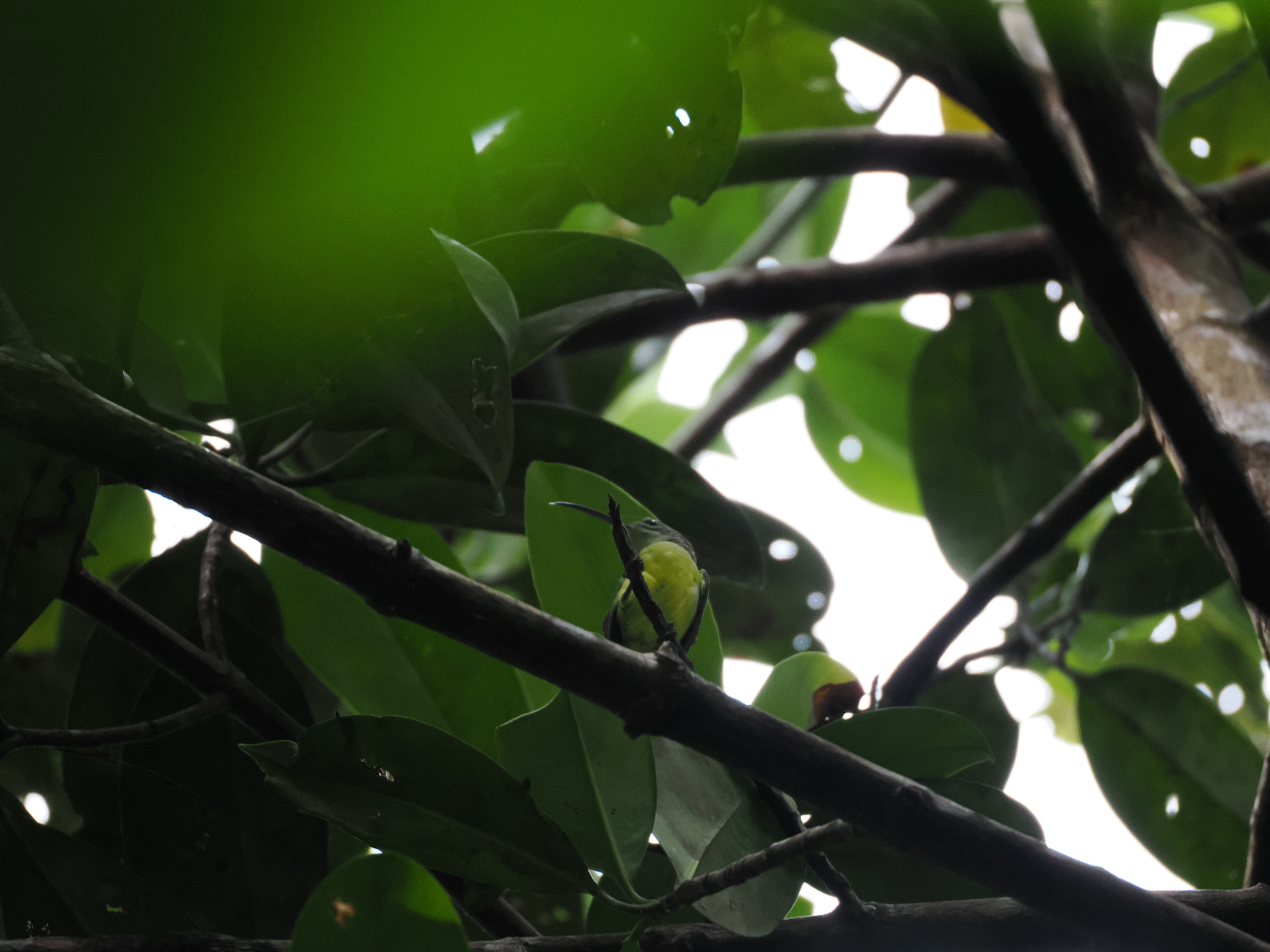
Distinctive long beak sets it apart from other sunbirds. Sexes are similar, except the female has a paler base on the lower mandible, while the male has an all-black beak.
Identification
Key marks include a distinctive long beak. Vocal cues include a buzzy zick-zick call made regularly when disturbed or foraging, and a song consisting of a series of rapid chipping notes that can continue for long periods.
Distribution & Habitat
Found in Bangladesh, Bhutan, Brunei, Cambodia, China, India, Indonesia, Laos, Malaysia, Myanmar, Nepal, Philippines, Thailand, and Vietnam. In India, disjunct populations exist in the Eastern Ghats (Lamasinghi, Visakhapatnam, parts of Orissa) and Western Ghats, with main distribution in north-east India extending into Southeast Asia. About thirteen geographic races are recognized, including nominate longirostra in southwestern to northeastern India, Himalayas, Thailand, and Yunnan; sordida in southern China and northeastern Thailand; pallida in eastern Thailand and Indochina; cinereicollis south of the Isthmus of Kra to Sumatra; and others on islands like Nias, Natuna, Borneo, Java, Bali, and Basilan. Natural habitats include subtropical or tropical moist lowland forests, mangrove forests, and moist montane forests, usually below the canopy. Also found in gardens.
Behavior & Ecology
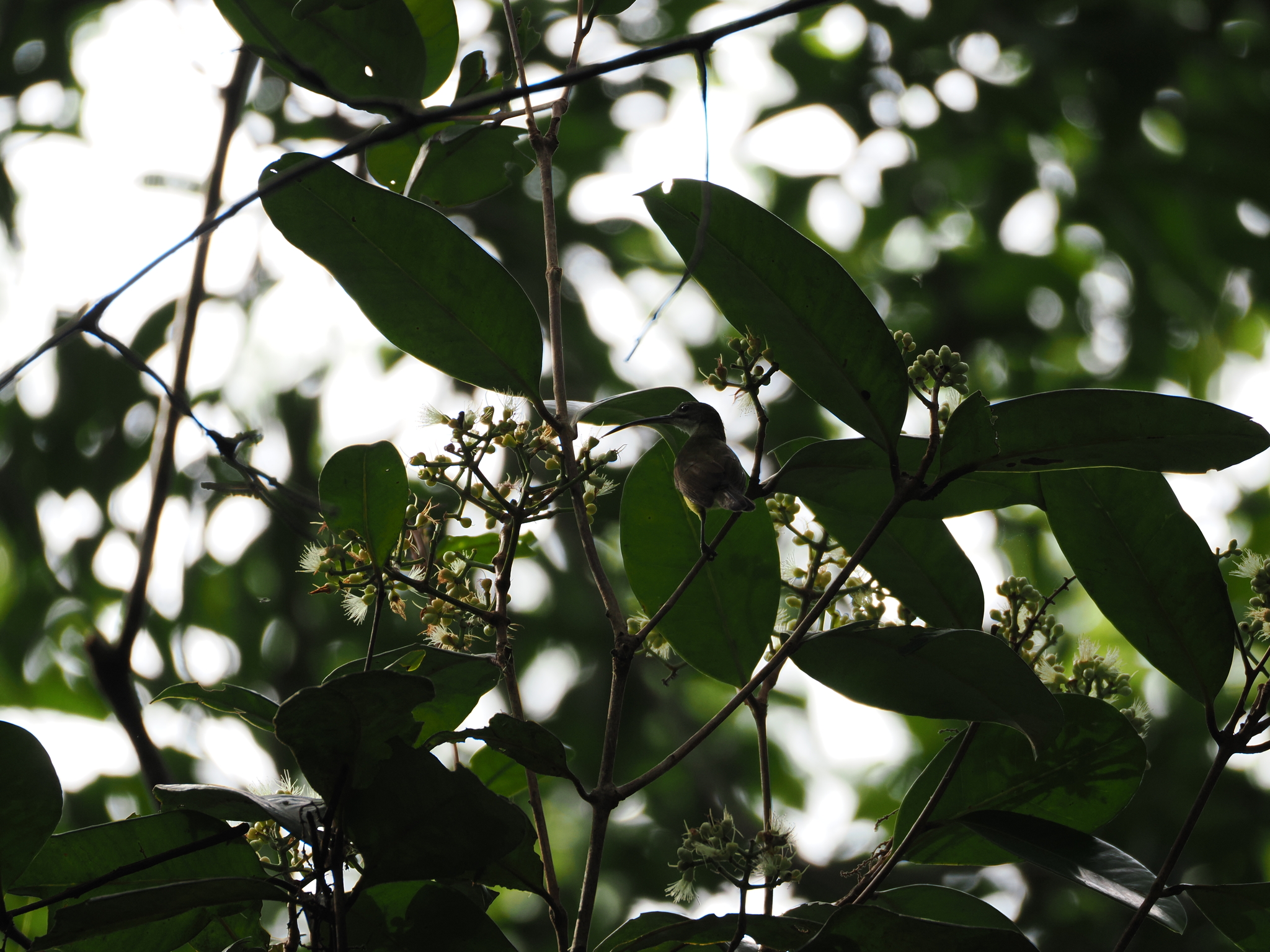
Obtains nectar near flowering plants, especially wild Musaceae, ginger family species, Loranthus sp., Bombax malabaricum, and Erythrina indica. Acts as a good pollinator for wild banana and ginger species. Often seen in plantations, secondary forests, or clearings. Breeding season is March to September (mainly May to August) in northeastern India and December to August in southern India. Clutch size is usually two eggs. The nest is a compact, hammock-like cup suspended from the underside of a banana leaf or similar broad-leaved plant using approximately 150 pop-rivets of cobwebs and vegetable fibre. Suspected brood parasites include Hodgson's hawk-cuckoo and violet cuckoo in India. A haemosporidian parasite, Leucocytozoon, has been noted in specimens from Malaysia.
Culture
In Sarawak, the Kayan, Kenyah, and Punan people consider it a bird of good omen. Men collecting camphor wait until they hear the sit call of this bird.
Source: Wikipedia · CC BY-SA 3.0
Taxonomy
- Order
- Passeriformes
- Family
- Nectariniidae
- Genus
- Arachnothera
Vocalizations
Subspecies (10)
-
Arachnothera longirostra atita
South Natuna Islands (South China Sea)
Data Sources
Species description from Wikipedia, licensed under CC BY-SA 3.0.
Bird images and sounds sourced from GBIF, contributed by citizen scientists worldwide under Creative Commons licenses.
Taxonomy data from AviList 2025.