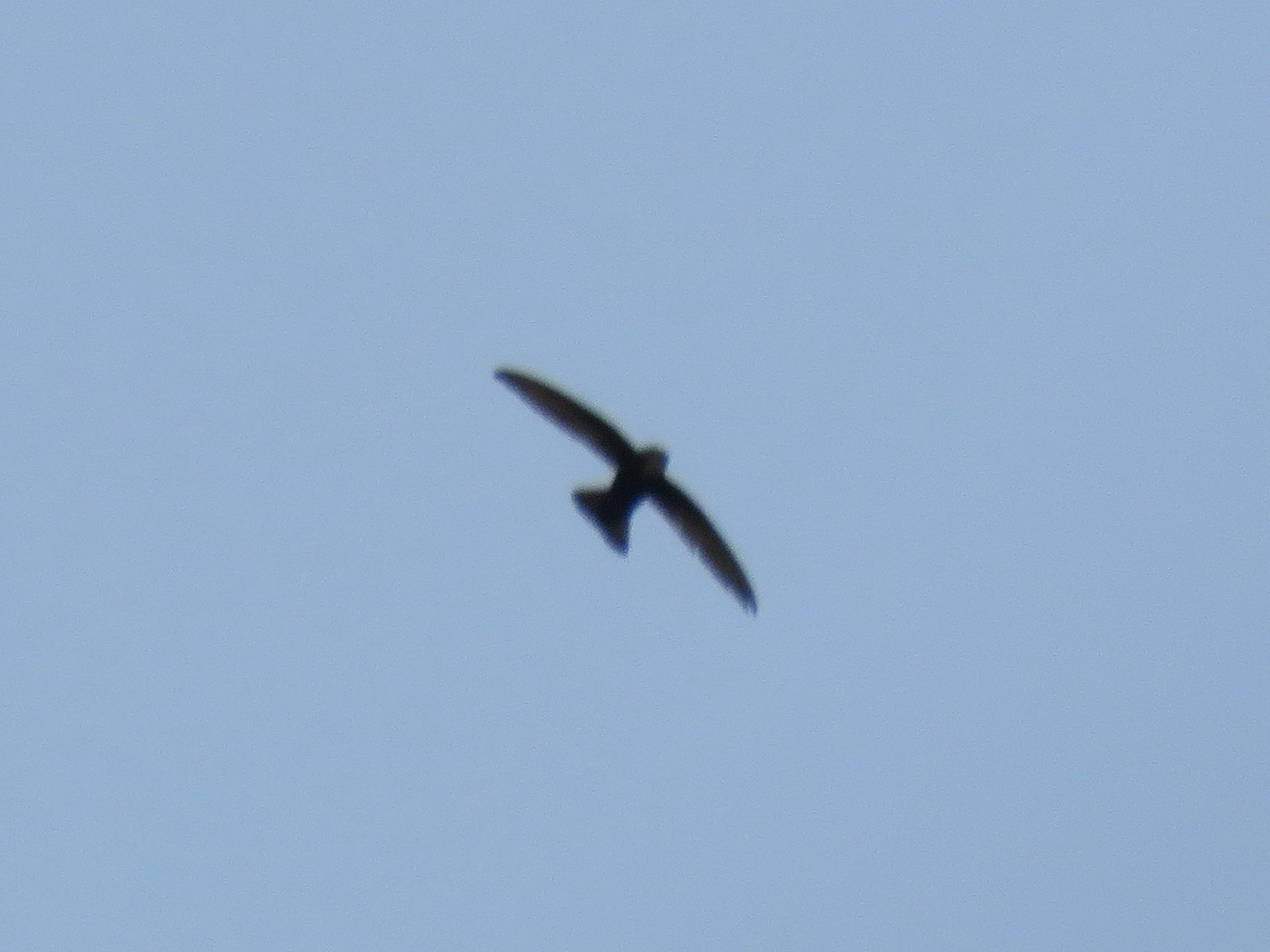
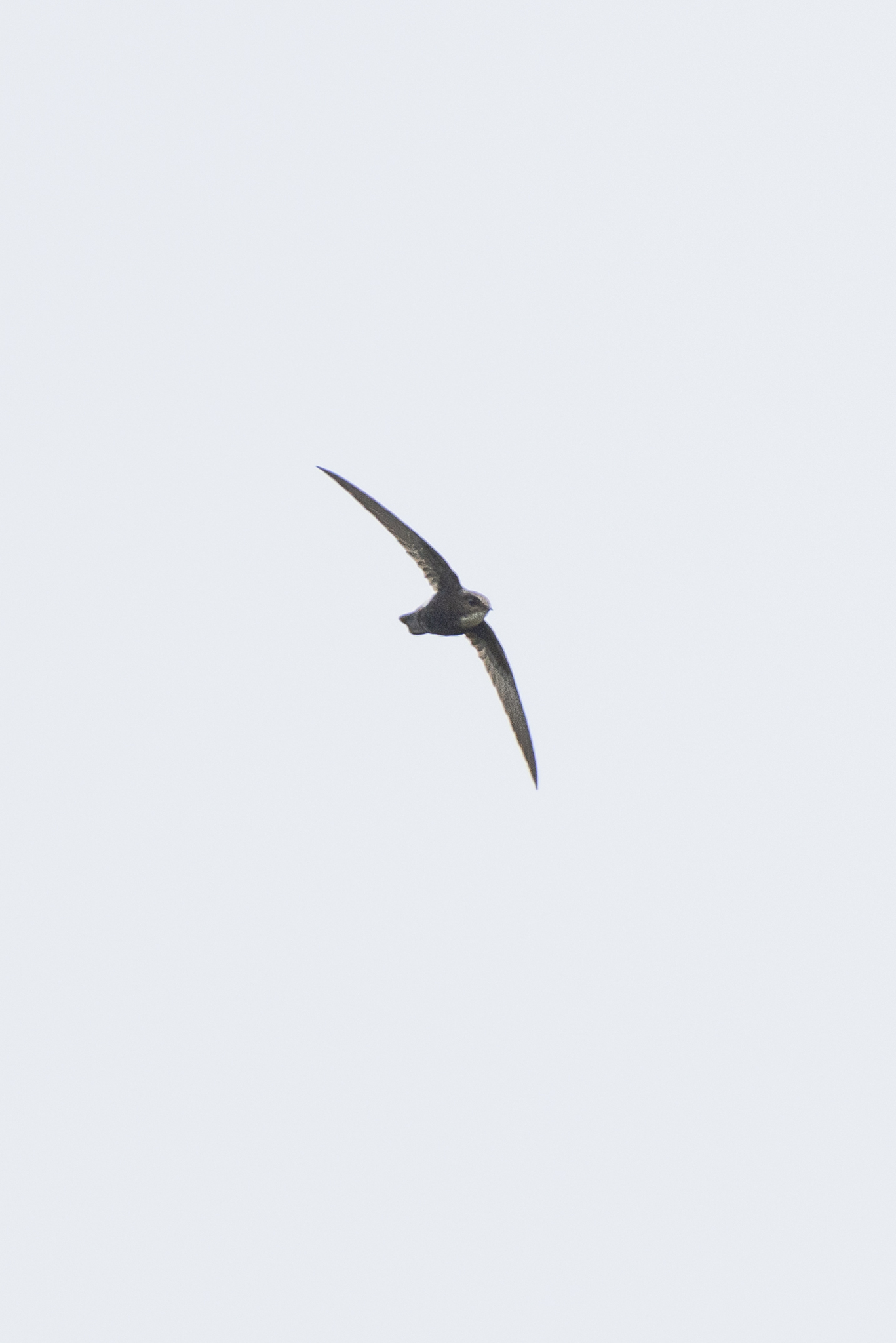
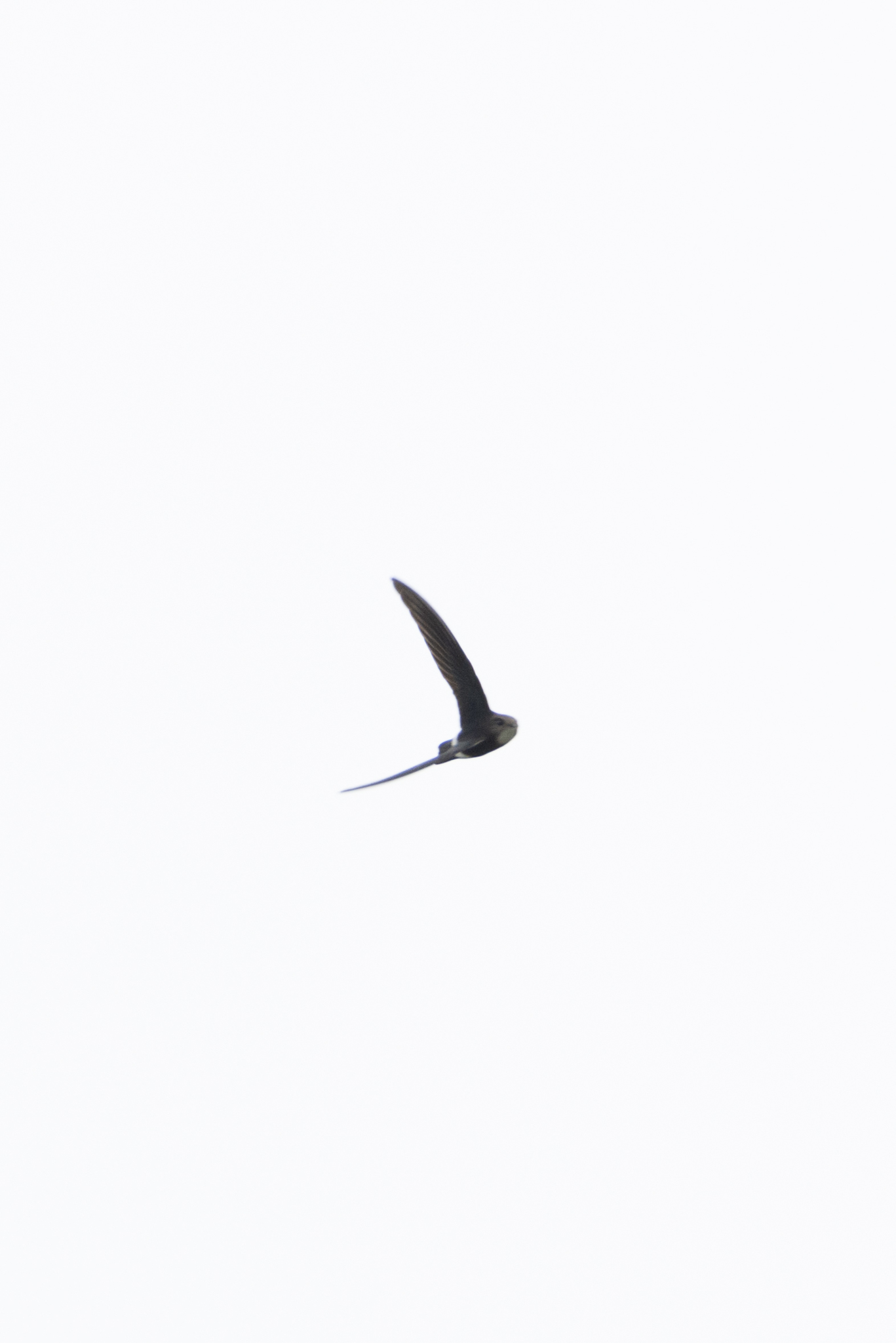
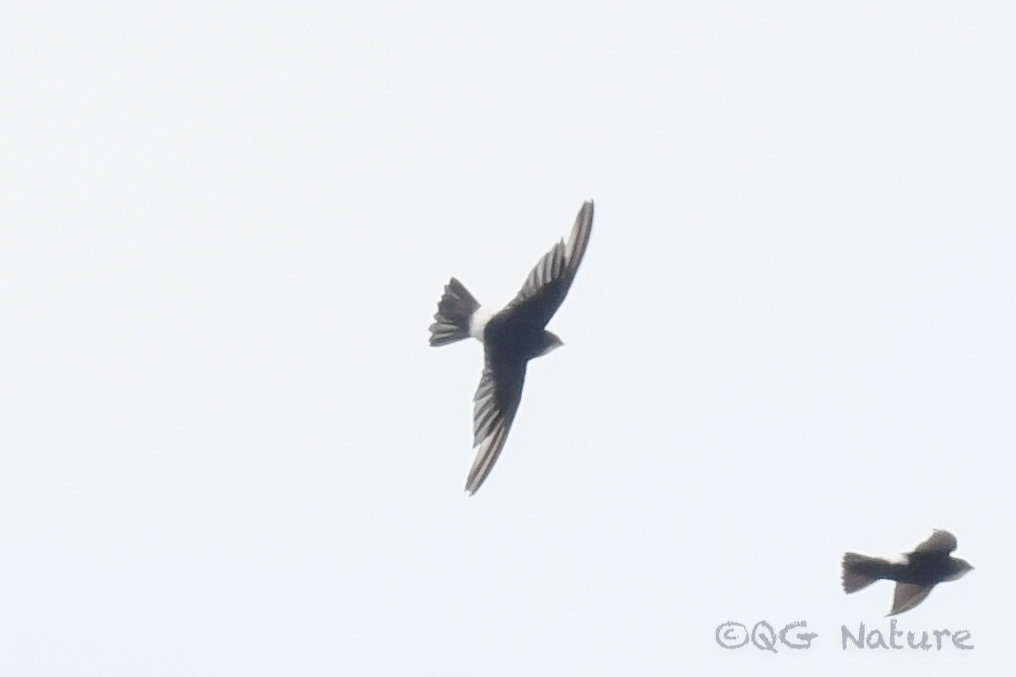
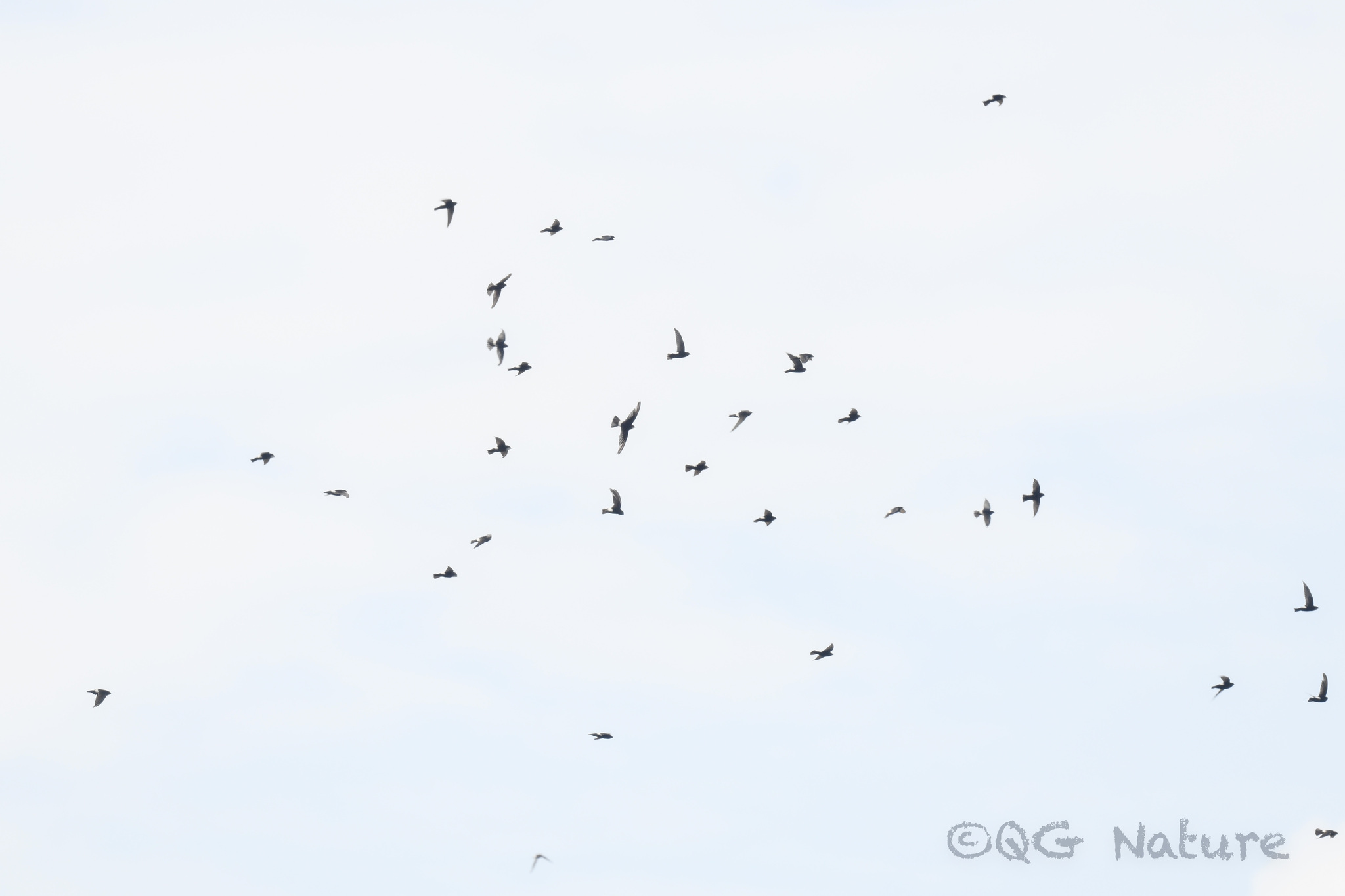
Apodiformes / Apodidae / Apus
House Swift
Apus nipalensis · 小白腰雨燕
Introduction
A species of swift in the family Apodidae, found in Japan, Nepal, and Southeast Asia. It is capable of flying long distances by alternately shutting off hemispheres of its brain in-flight. Formerly considered a subspecies of the little swift.
Description
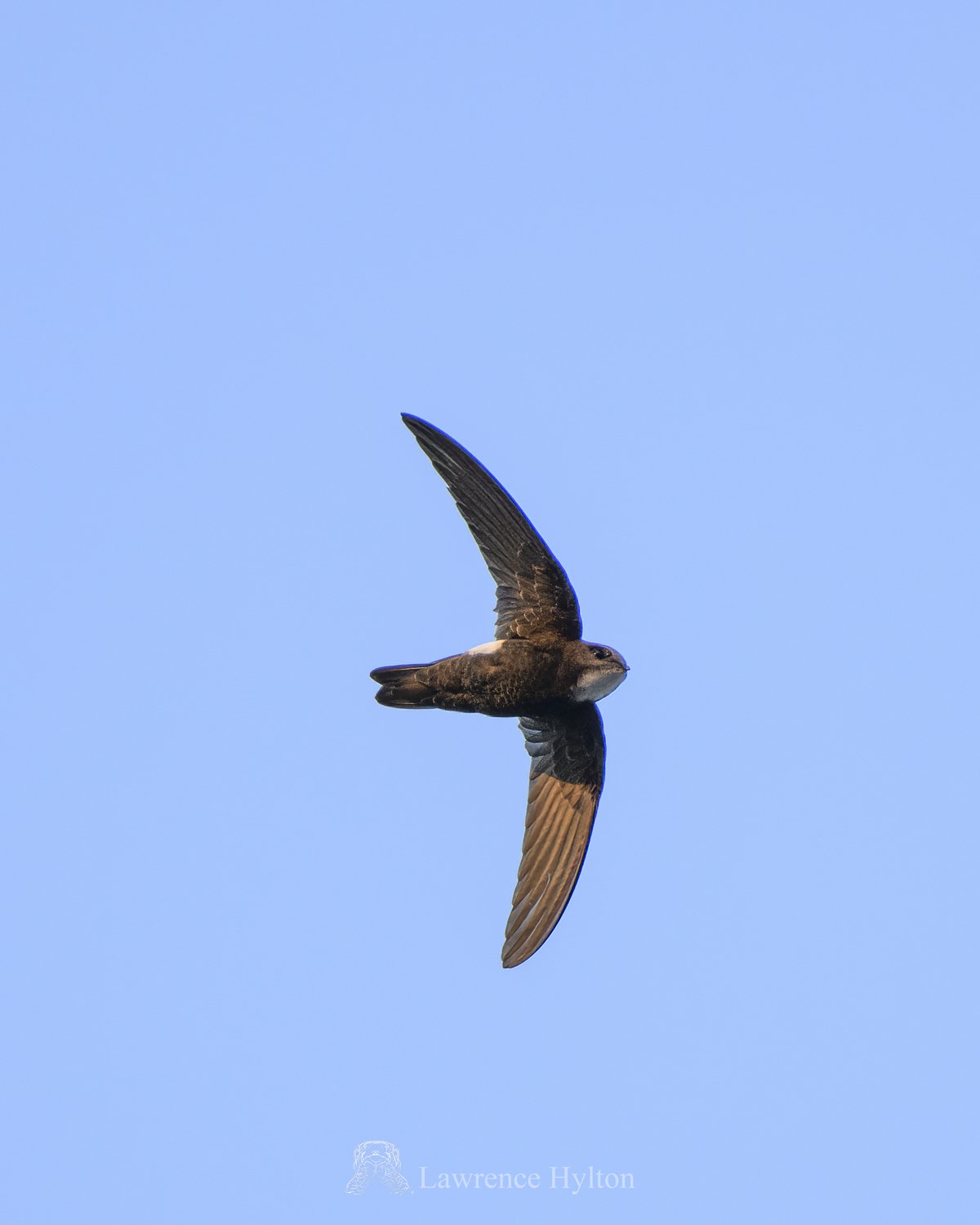
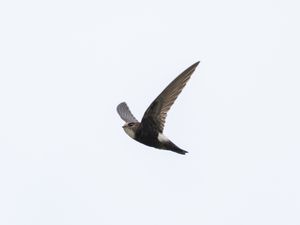
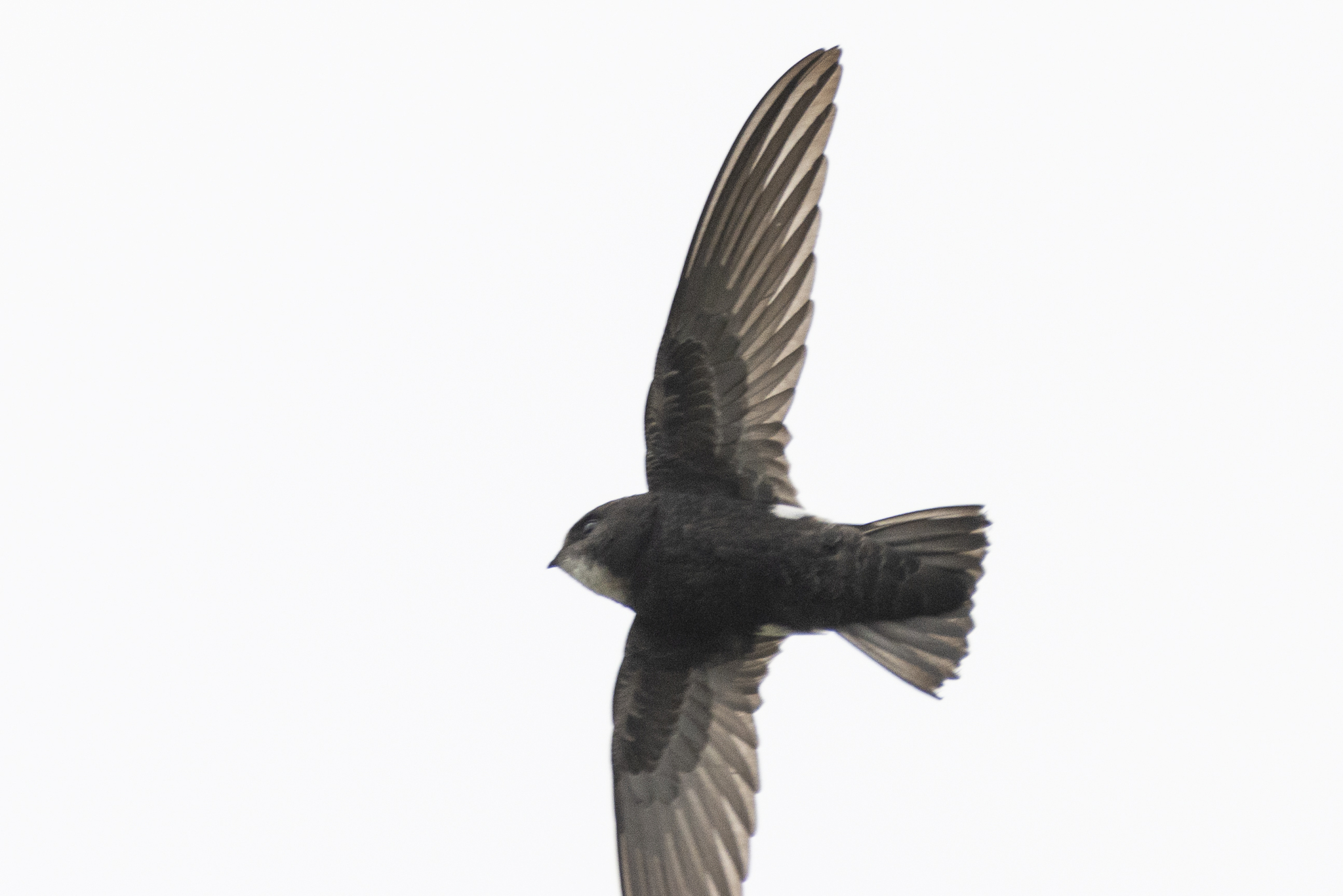
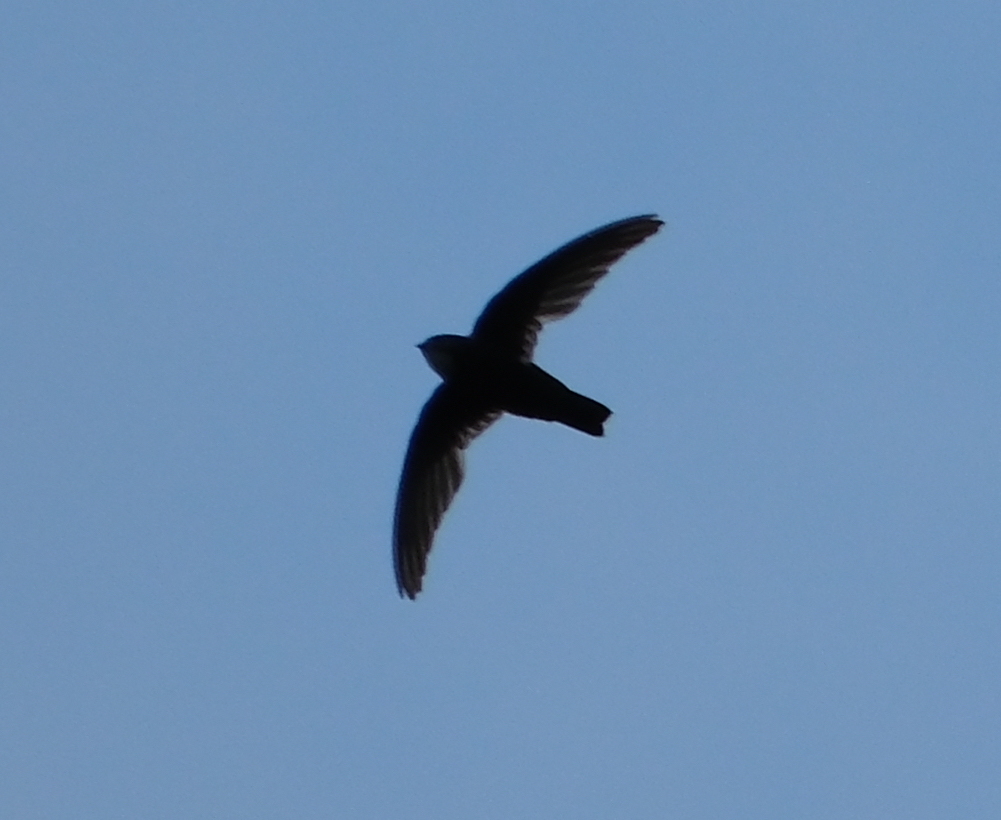
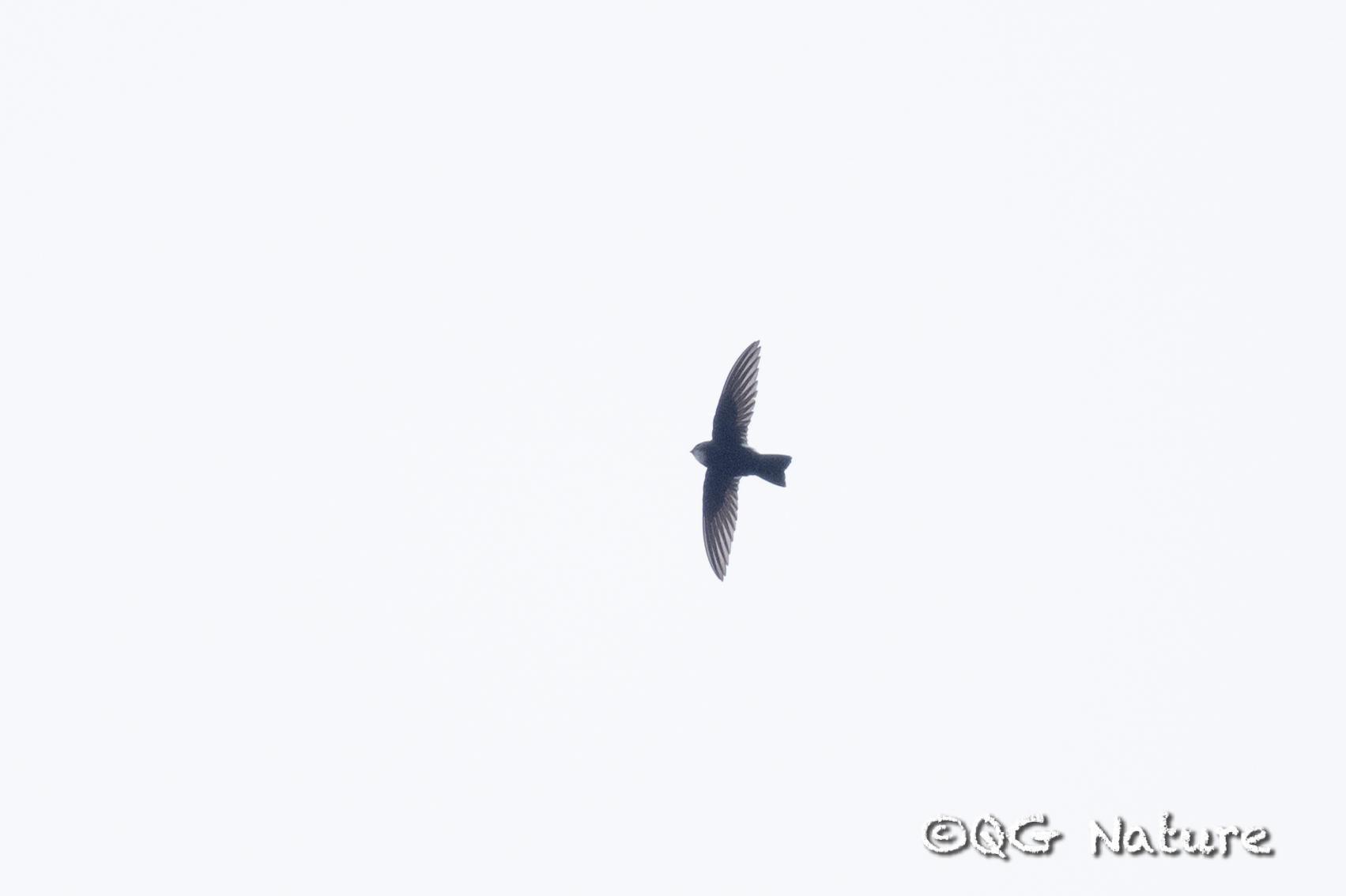
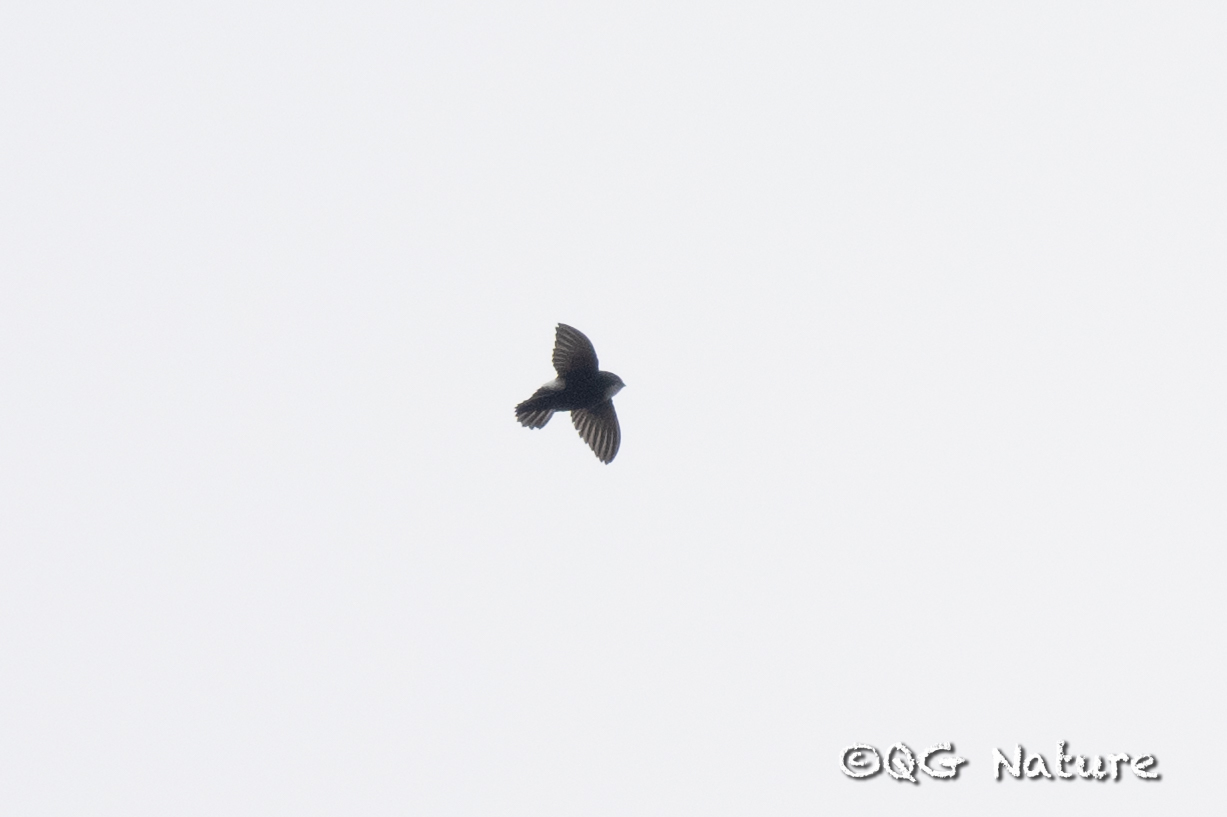
A small bird but medium-sized swift, with a body size of 14 to 16 cm, a wingspan of 12.5-14.5 cm, and a weight of approximately 20-35 g. It has black plumage, darker than the little swift, with a white rump band and white throat-patch. The tail is dark and slightly forked.
Identification
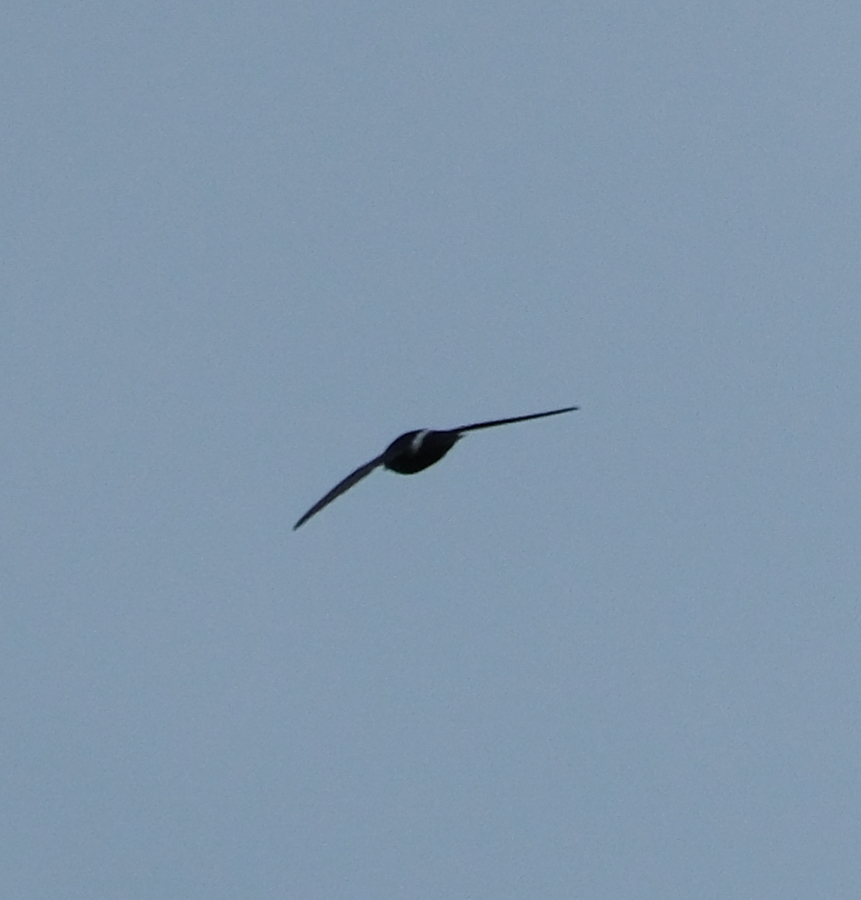
Similar to the little swift but has darker black plumage. Key marks include a white rump band and white throat-patch. Vocalizations include a ti-ti-ti-tititrrrrrr sound.
Distribution & Habitat
Found on the Asian continent, including Japan, Nepal, Southeastern China, the Malay Peninsula, Java, Bali, and Taiwan. Subspecies distributions vary: A. n. nipalensis from Nepal to Southeastern China, Japan, and parts of Southeast Asia; A. n. subfurcatus in the Malay Peninsula and other islands in Southeast Asia; A. n. furcatus on Java and Bali; A. n. kuntzi solely on Taiwan. Lives in urban and rural areas, from mountainous regions to cities. Recorded once in North America in 2012 (unaccepted). Some movement recorded to Northern Australia and India during winter.
Behavior & Ecology
Highly aerial, feeding in the air on small arthropods such as ants, spiders, mosquitos, and flies. Nests in cliffs or urban areas, preferring under roof overhangs or tunnels. Builds nests using saliva to stick together leaves, branches, and feathers. Has one breeding period with generally two broods per year. Clutch sizes range from one to five eggs. Incubation lasts 20 to 30 days. First fledglings fly by early June; last fledglings leave by mid-September.
Source: Wikipedia · CC BY-SA 3.0
Taxonomy
- Order
- Apodiformes
- Family
- Apodidae
- Genus
- Apus
Vocalizations
Subspecies (4)
-
Apus nipalensis furcatus
Java and Bali; probably this form spreading through Lesser Sundas
Data Sources
Species description from Wikipedia, licensed under CC BY-SA 3.0.
Bird images and sounds sourced from GBIF, contributed by citizen scientists worldwide under Creative Commons licenses.
Taxonomy data from AviList 2025.