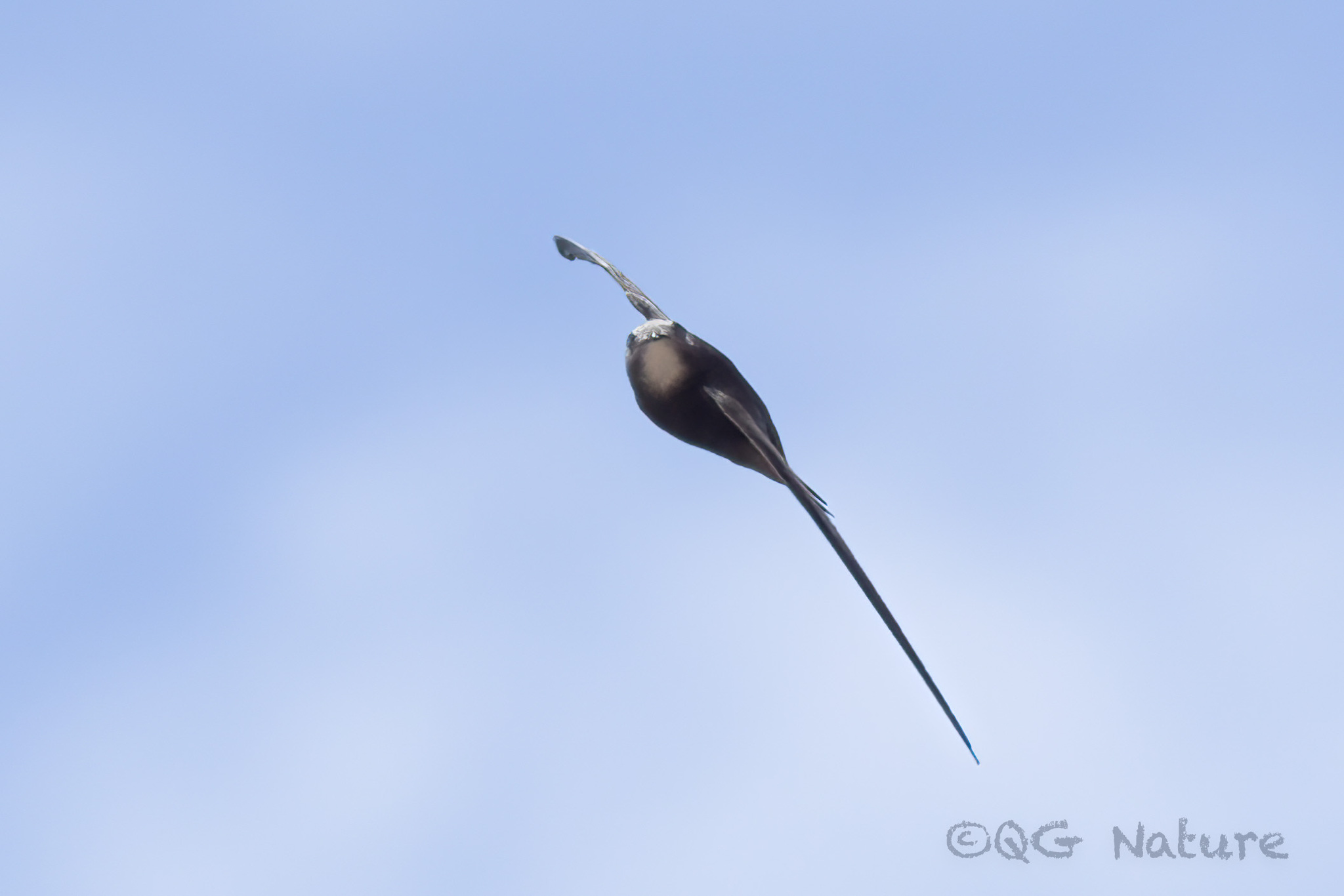
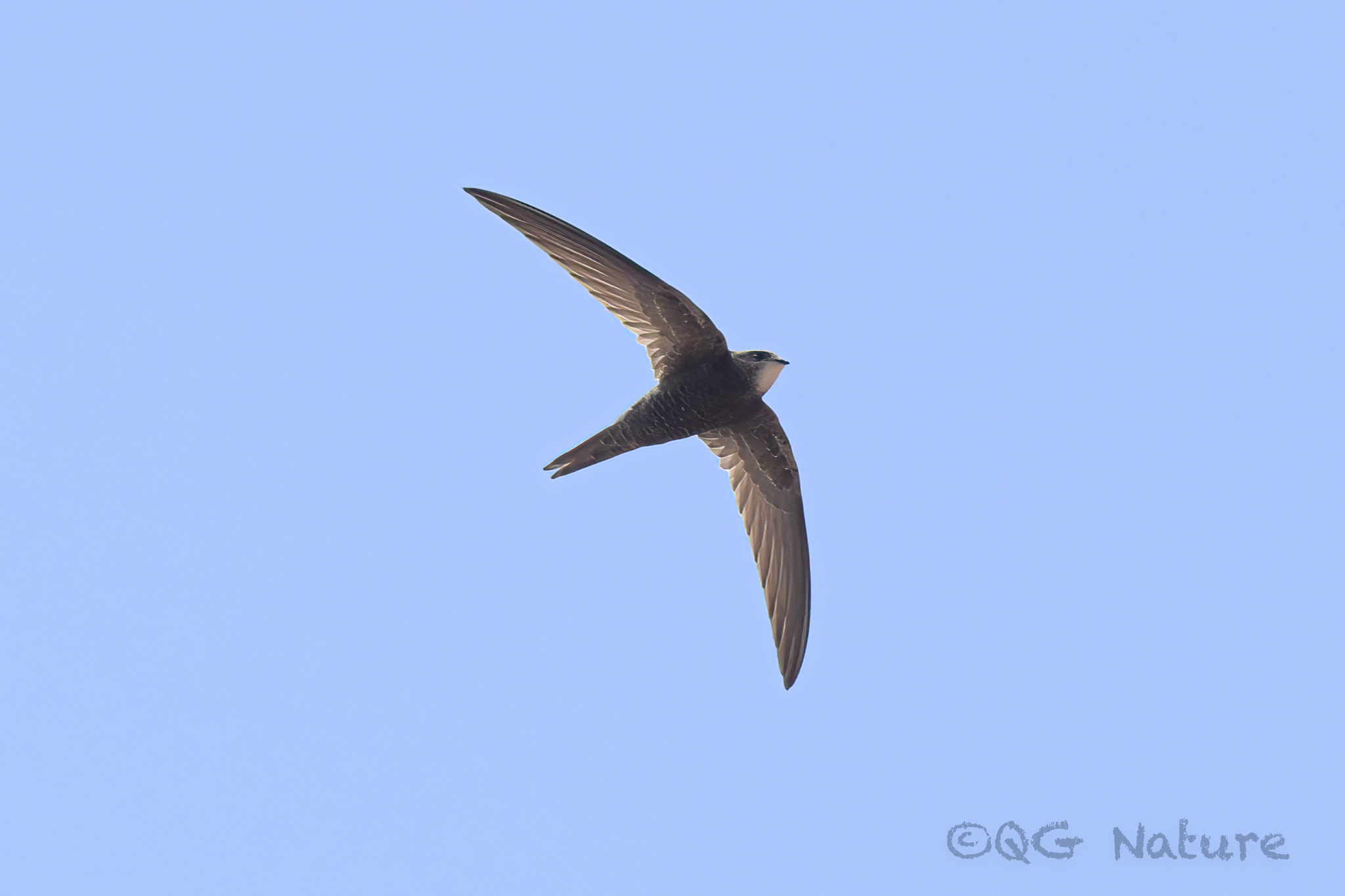
Apodiformes / Apodidae / Apus
Common Swift
Apus apus · 普通雨燕
Introduction
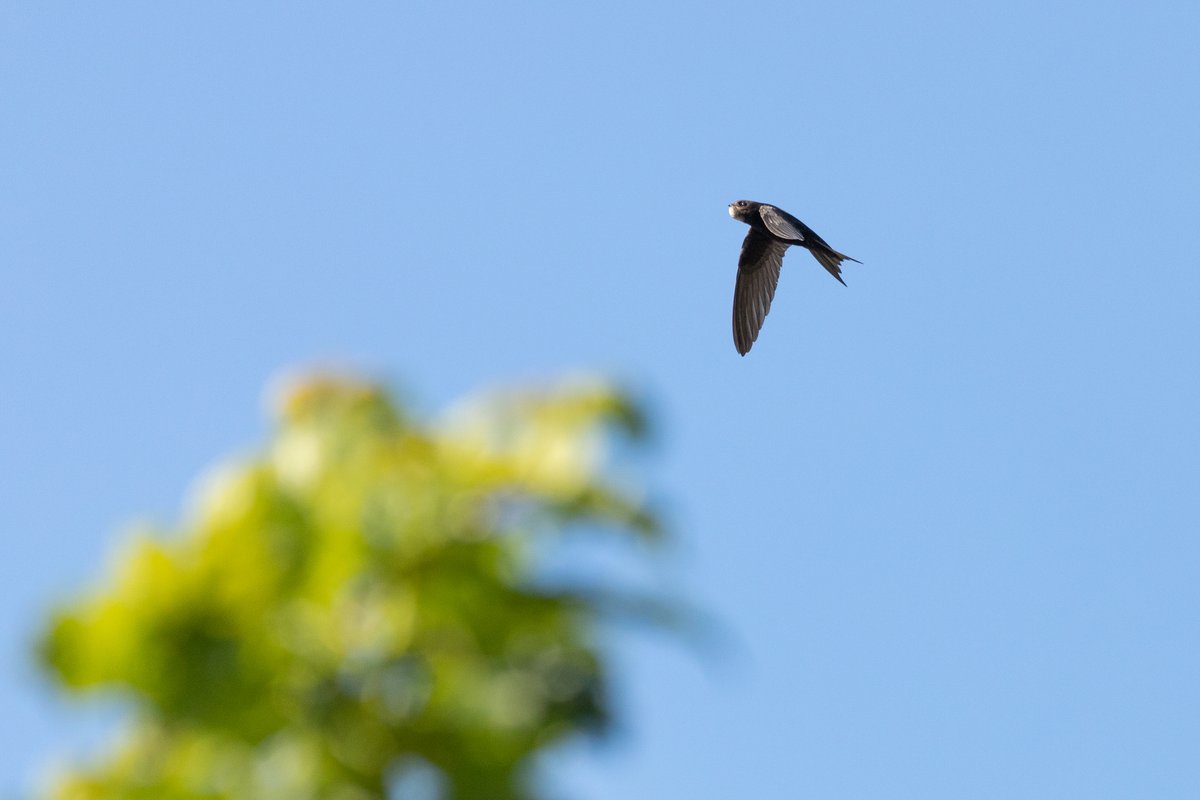
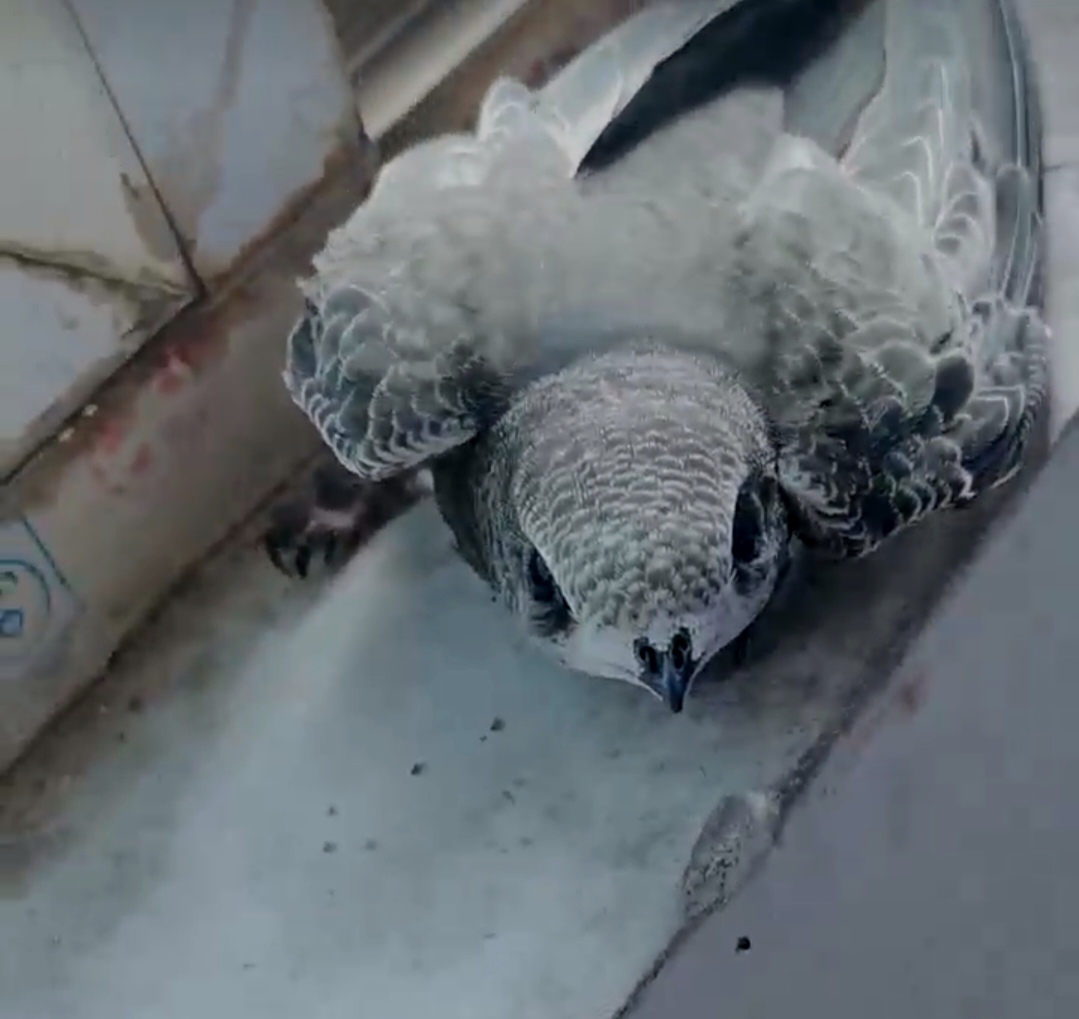
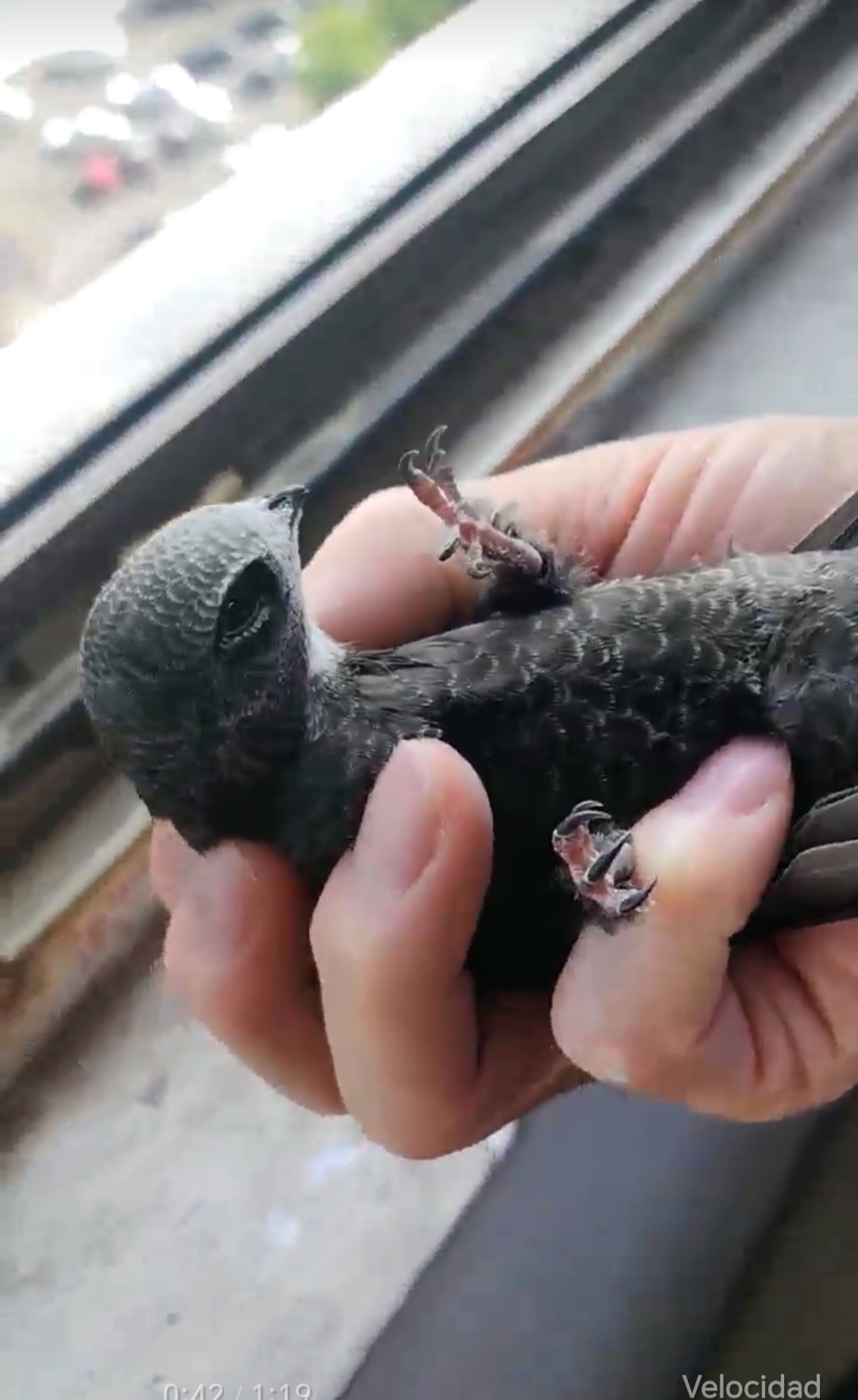
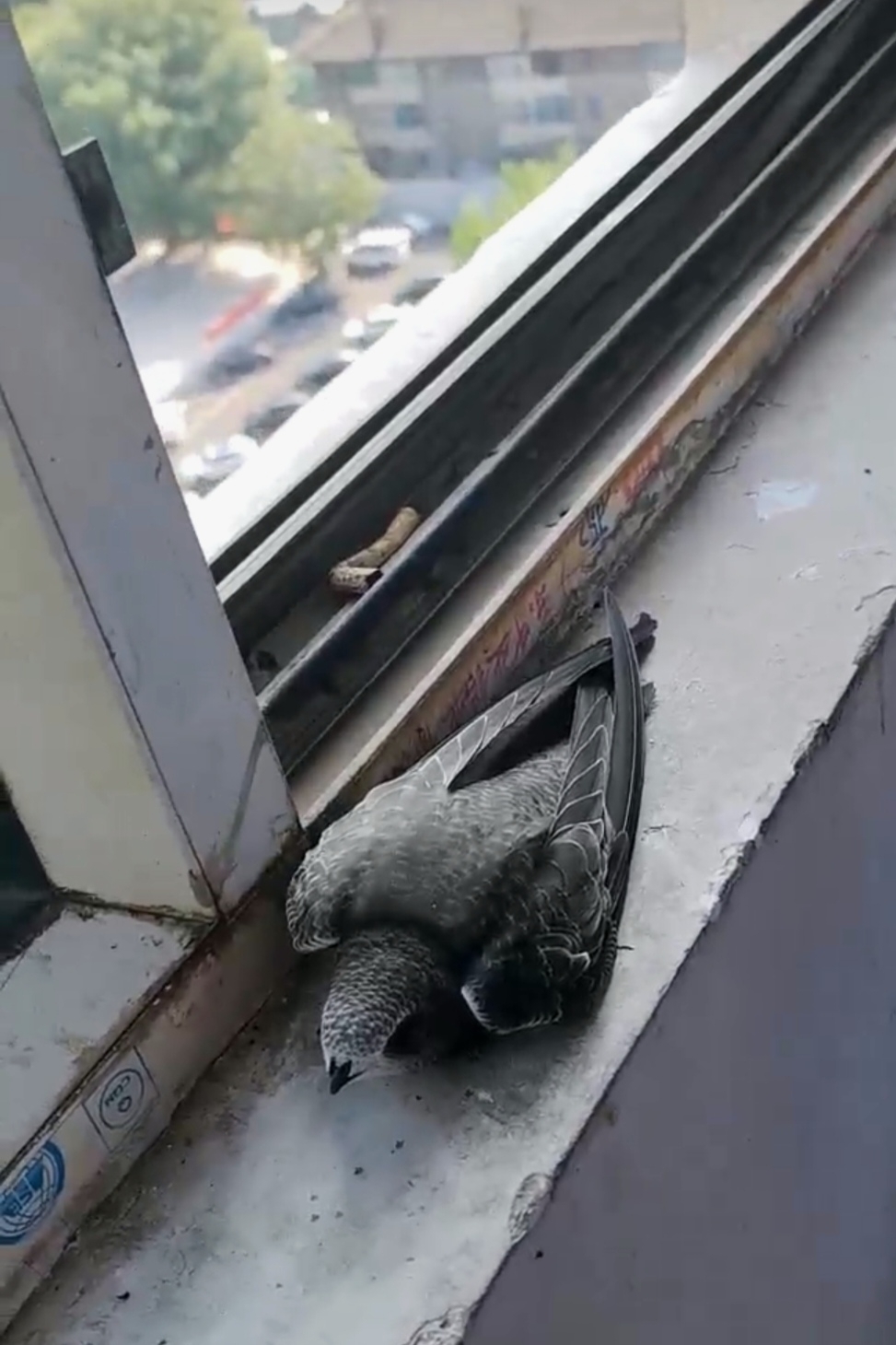
A medium-sized bird in the order Apodiformes, superficially similar to swallows but related to hummingbirds and treeswifts. It is highly aerial, with non-breeding individuals spending up to ten months in continuous flight. The species avoids landing on the ground, using short legs primarily for clinging to vertical surfaces.
Description
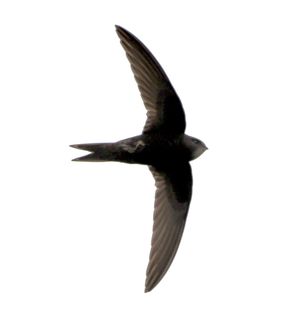
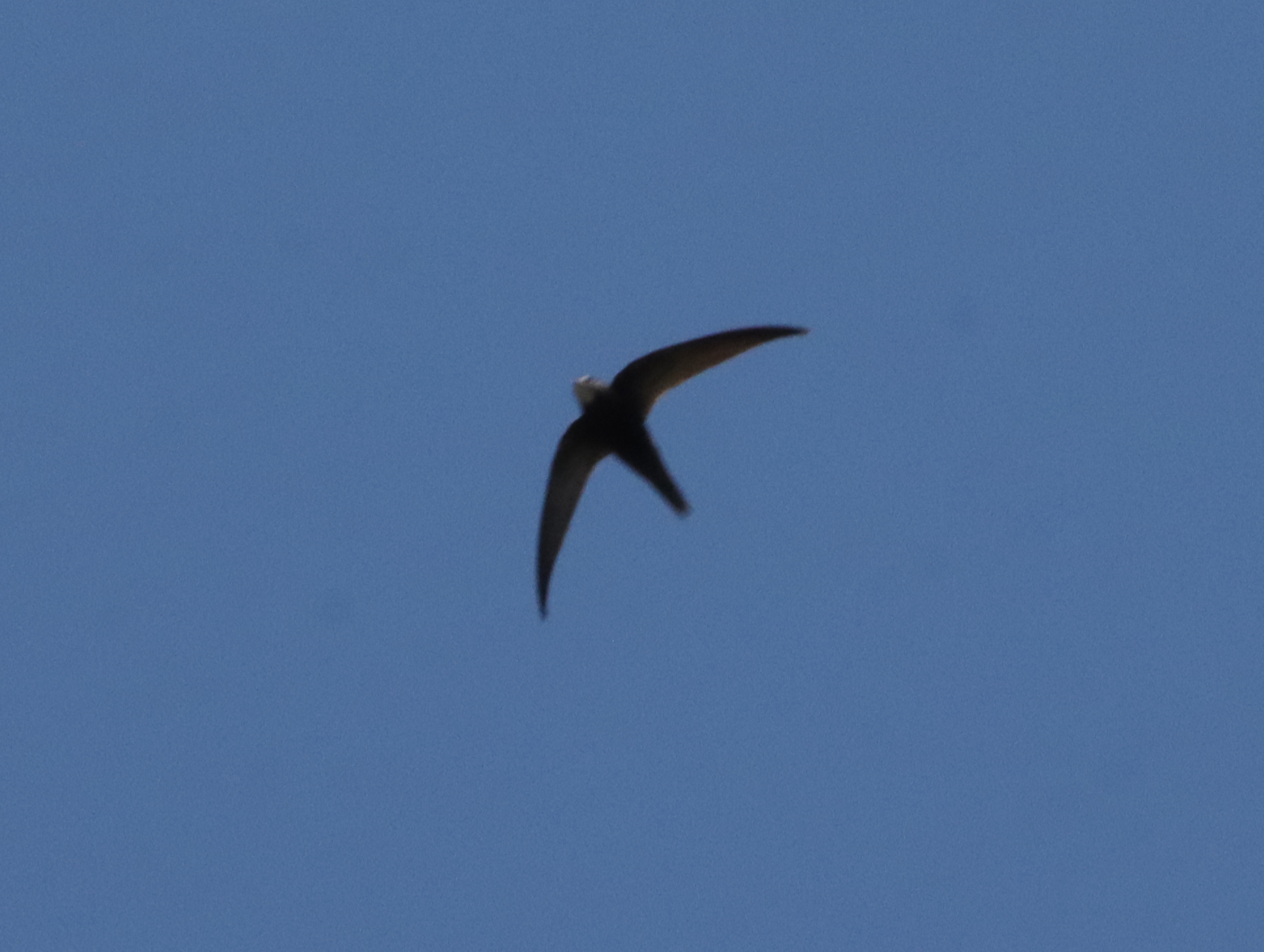
Body length is 16–17 cm (6.3–6.7 in) with a wingspan of 38–40 cm (15–16 in). Plumage is entirely blackish-brown except for a small white or pale grey patch on the chin, which is not visible from a distance. The tail is short and forked, and the wings are very long, swept-back, and resemble a crescent or boomerang.
Identification
Distinguished from swallows by narrow, sickle-shaped wings that are longer than the body, creating an anchor-like silhouette in flight. Flight involves deep, quick wingbeats and longer glides compared to the fluttering style of swallows. The underside is entirely dark brown, unlike the beige-white underside of swallows. The call is a loud scream in two different tone pitches, distinct from the inconspicuous babbling of swallows.
Distribution & Habitat
Summer breeding range extends from Portugal and Ireland across Europe to China and Siberia, including Northern Africa (Morocco, Algeria), the Middle East, and sub-Arctic Russia. Migrates to Equatorial and Sub-Equatorial Africa, excluding the Cape. Rare vagrant in North America, the Caribbean, and South America. Does not breed on the Indian Subcontinent.
Behavior & Ecology
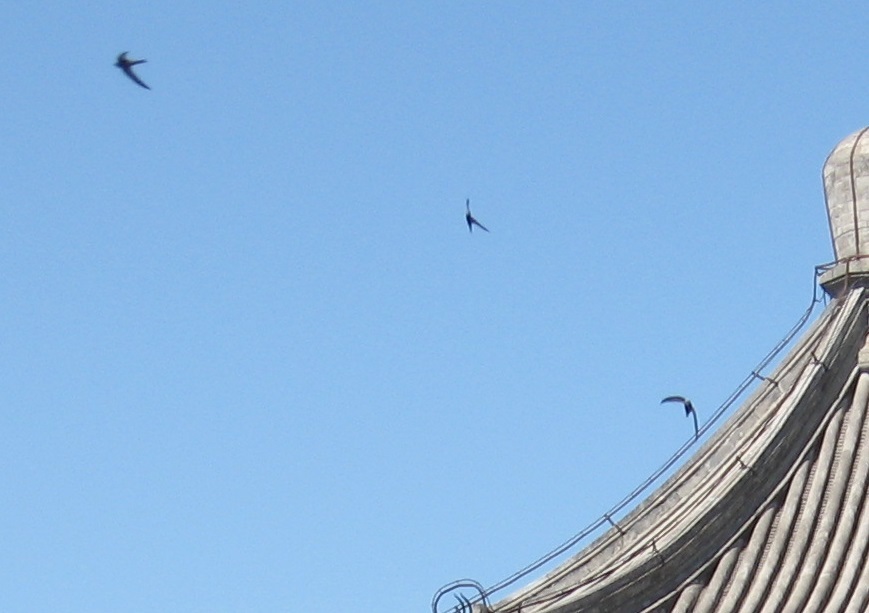
Spends almost its entire life in the air, feeding, drinking, mating, and sleeping on the wing; maximum horizontal flying speed is 111.6 km/h (69.3 mph). Feeds on airborne insects, often forming large parties over wetlands. Nests in building hollows, tree holes, or cliffs, using saliva-bonded airborne material. Pairs often reunite at the same site annually. Young can enter a torpid state to survive food shortages. Forms 'screaming parties' of 10–20 birds near nesting areas.
Culture
In medieval Italy, specific structures called rondonare were built into towers and buildings to encourage nesting, and young birds were harvested for food under regulated rules. The heraldic martlet, depicted without feet, may have been based on this bird, symbolizing landless wandering.
Source: Wikipedia · CC BY-SA 3.0
Taxonomy
- Order
- Apodiformes
- Family
- Apodidae
- Genus
- Apus
Subspecies (2)
-
Apus apus apus
breeds Western Palearctic eastward to Lake Baikal and Iran; winters to southern Africa
Data Sources
Species description from Wikipedia, licensed under CC BY-SA 3.0.
Bird images and sounds sourced from GBIF, contributed by citizen scientists worldwide under Creative Commons licenses.
Taxonomy data from AviList 2025.