Common Swift
Apus apus
普通雨燕
Introduction
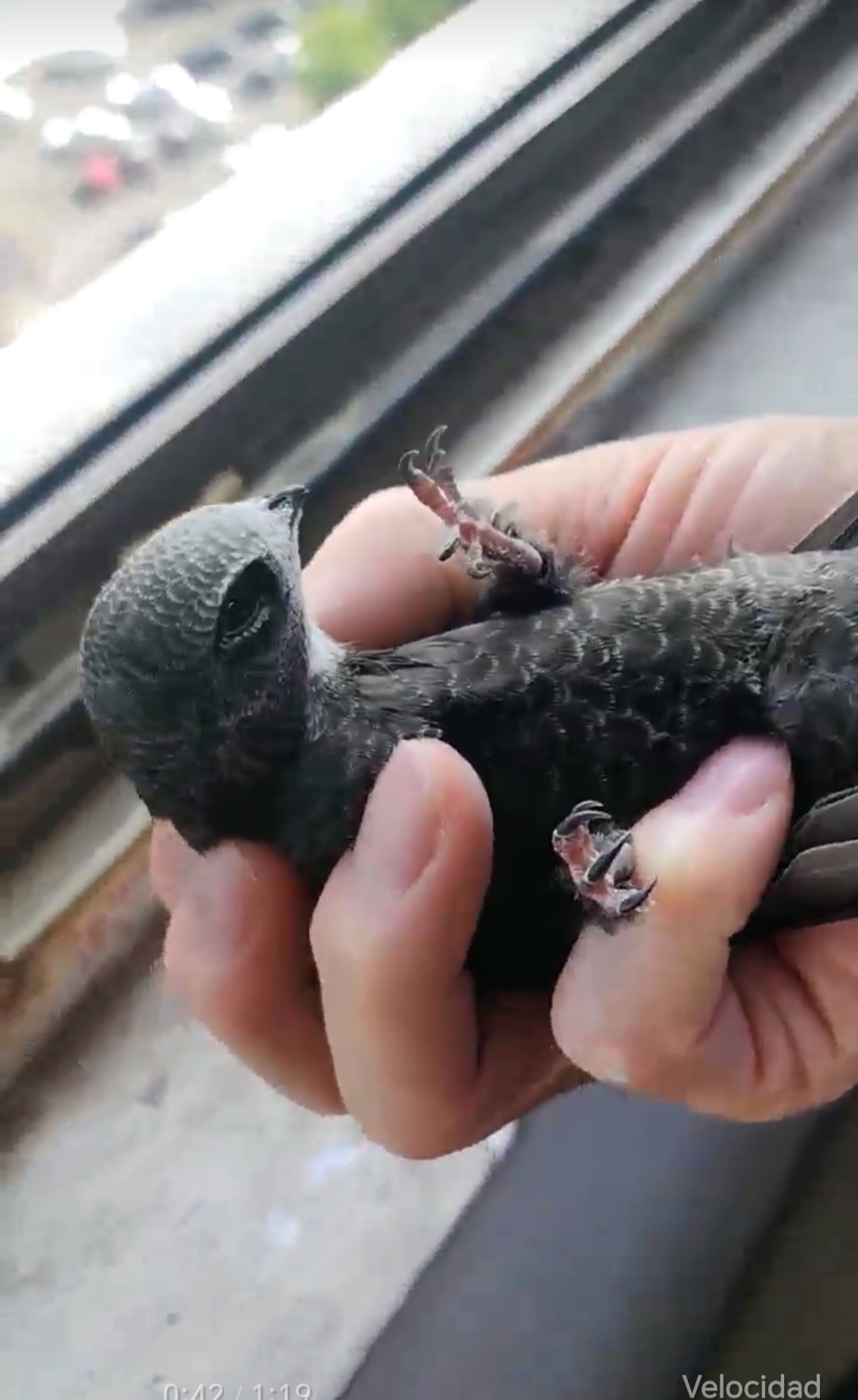
Taxonomic position: Order Apodiformes, family Apodidae. Distinct from swallows and martins despite superficial similarities; closely related to hummingbirds and tropical treeswifts. Physical characteristics: Body length 16-17 cm; wingspan 42-48 cm. Wings extremely long and scythe-like, appearing anchor-shaped or crescent-shaped in flight. Legs extremely short, adapted only for clinging to vertical surfaces. Behavior: Completely aerial lifestyle; individuals may spend up to 10 months continuously airborne without touching down. All activities including sleeping, mating and drinking occur while flying. Never settles on ground; takes flight only from elevated perches. Gregarious; forages and roosts in flocks of 10 or more. Performs characteristic ascents and descents around nesting colonies. Habitat: Urban and suburban areas; cliff faces; inland cliffs and rocky outcrops for nesting.
Description
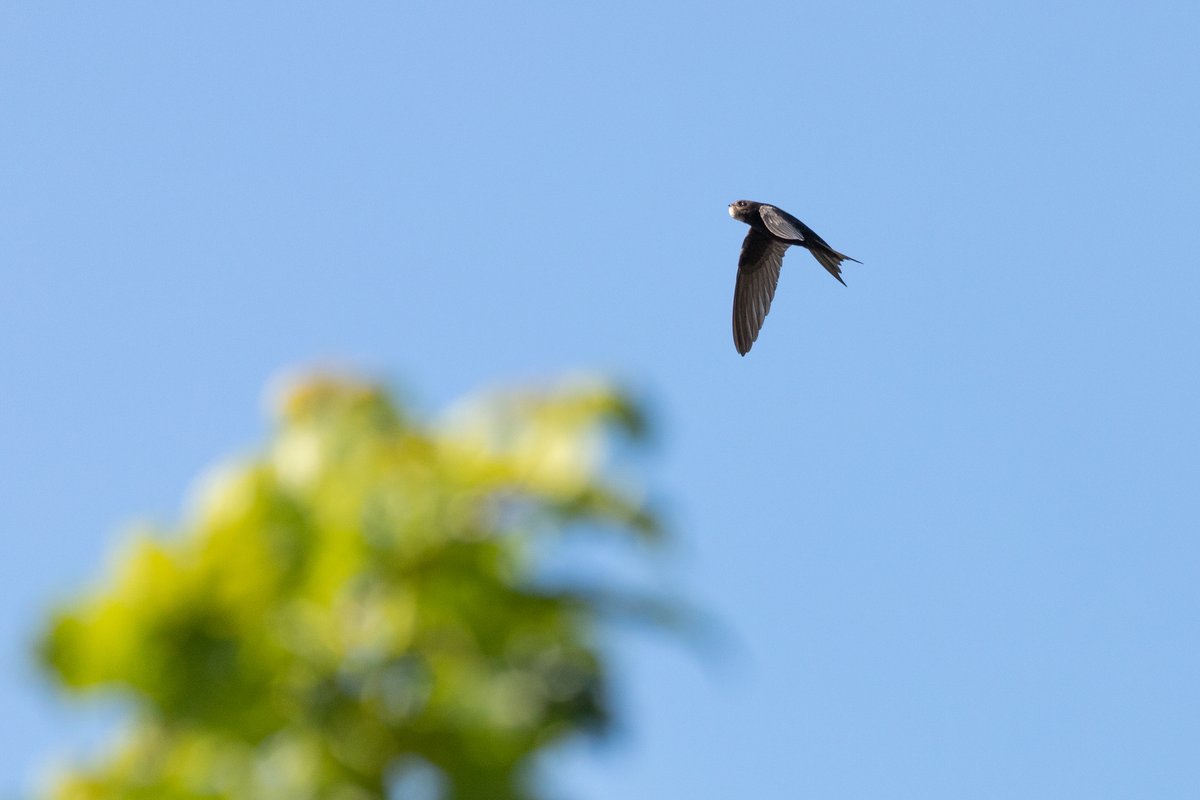
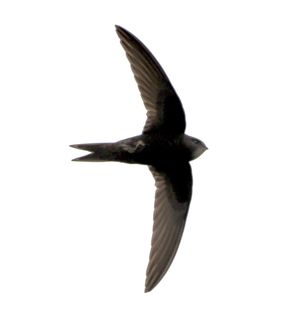
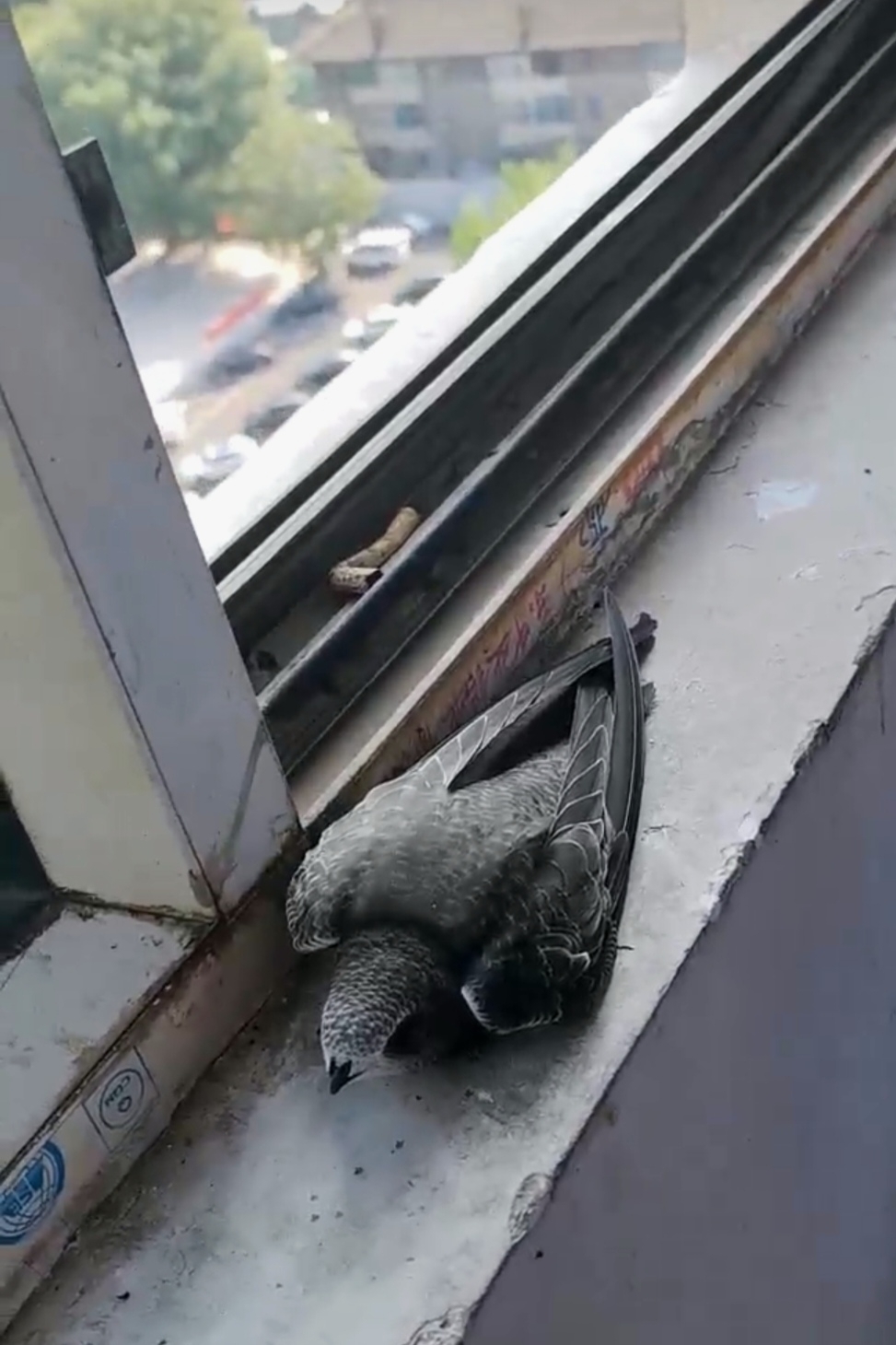
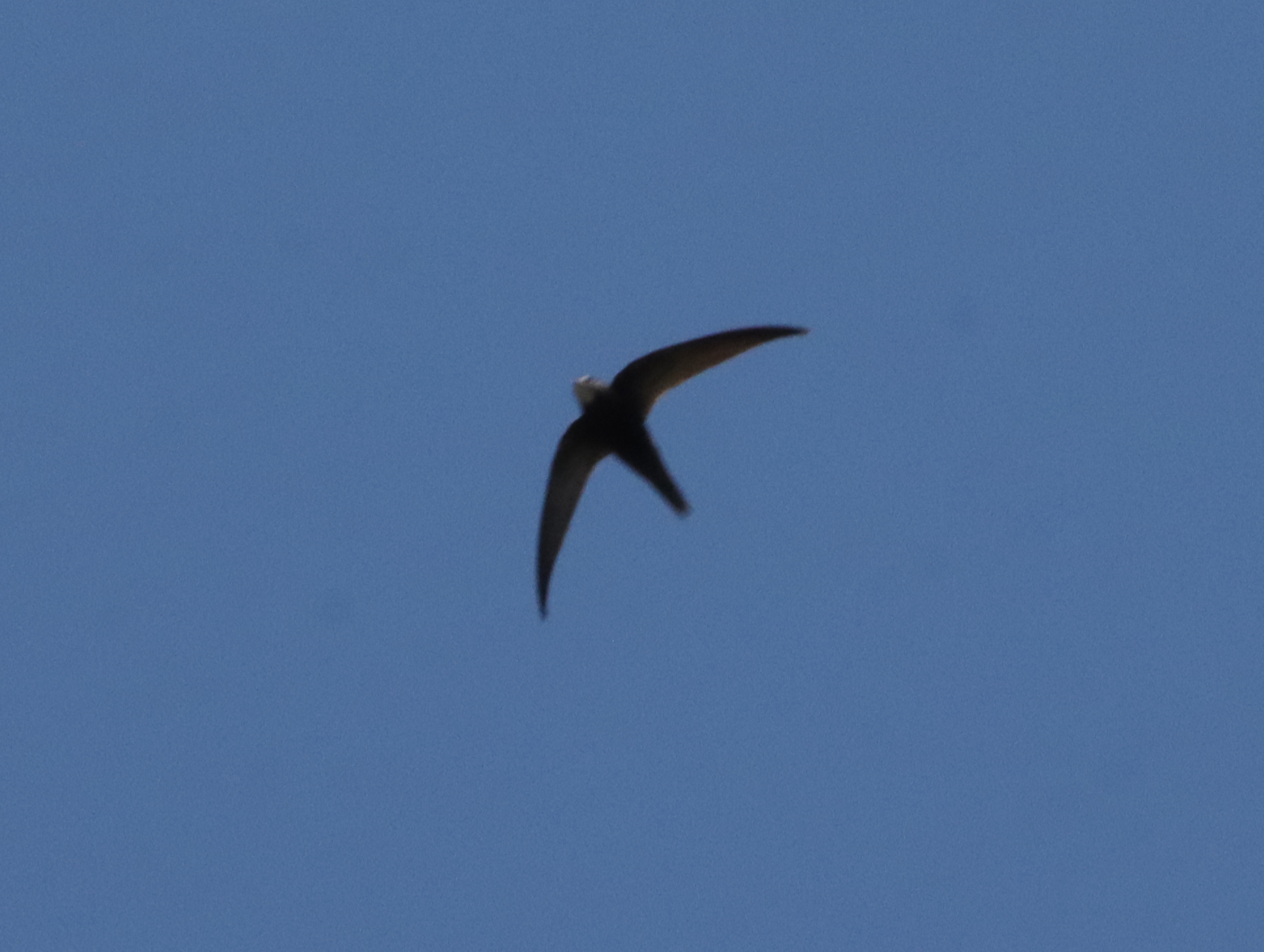
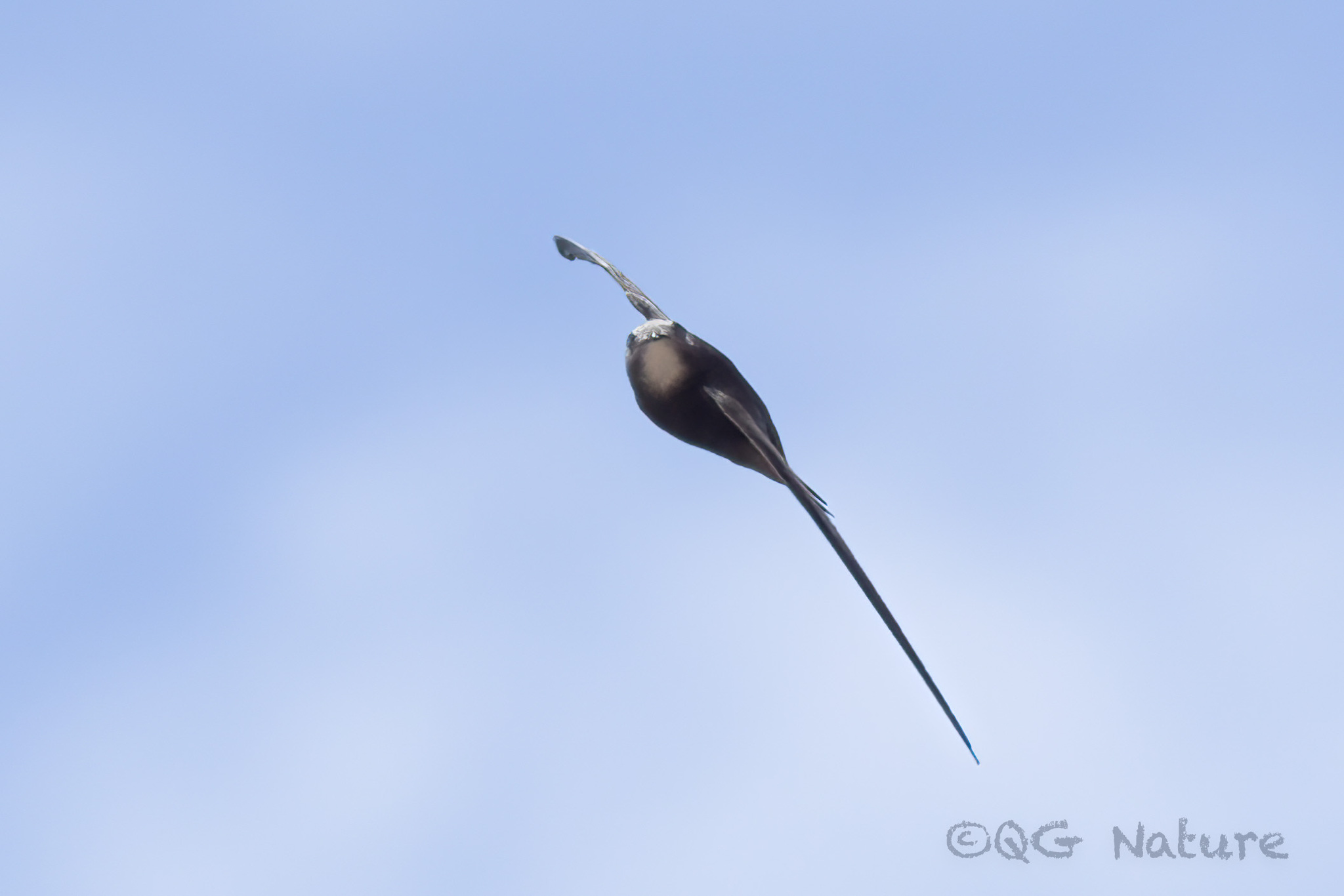
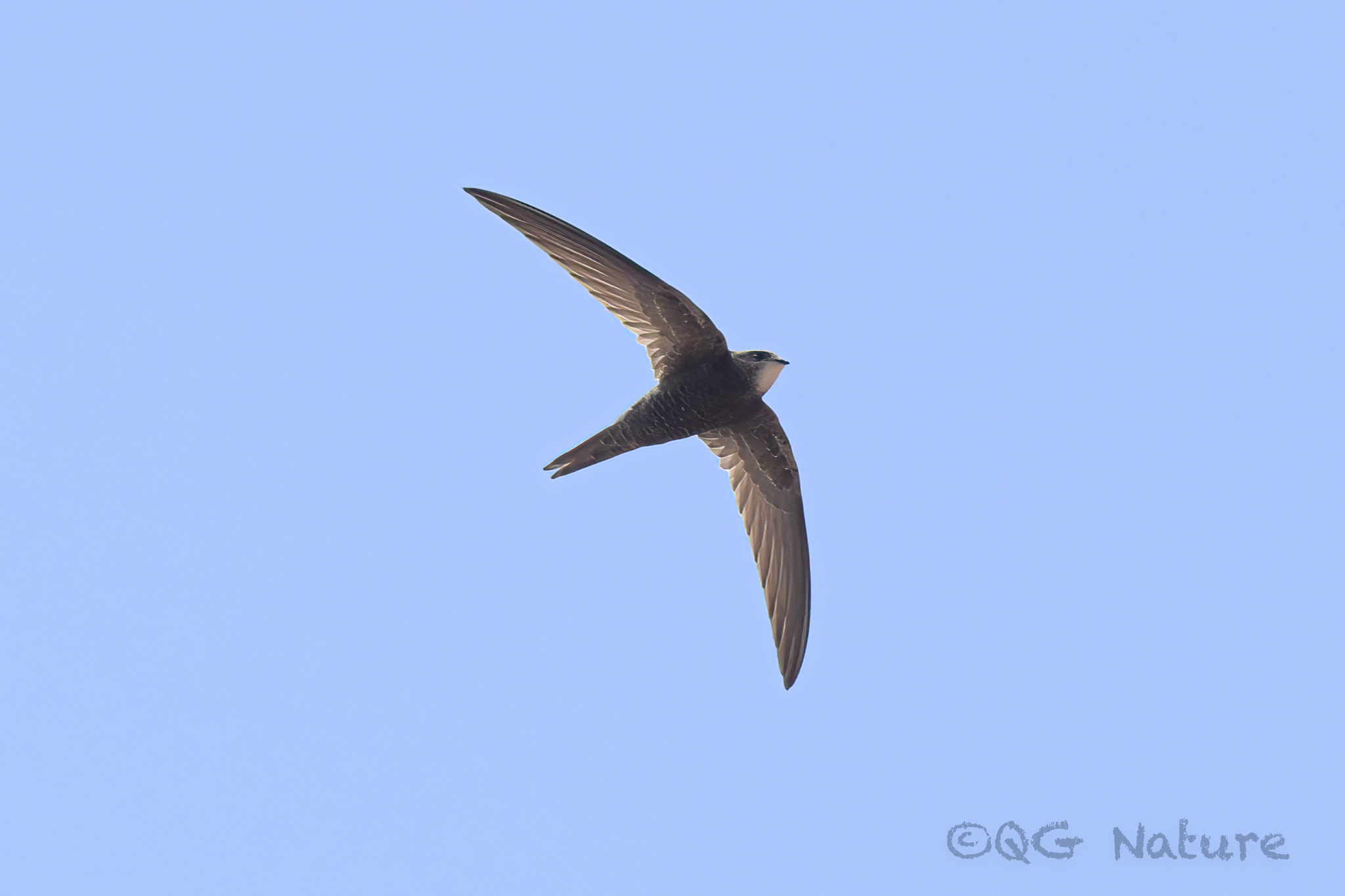
A medium-sized aerial species measuring 16-17 cm in length with a wingspan of 38-40 cm. The plumage is entirely blackish-brown, creating a dark silhouette against the sky, with only a small white or pale grey patch on the chin that remains invisible at any practical viewing distance. The tail is short and distinctly forked, while the wings are remarkably long, swept-back and curved, giving the appearance of a crescent or boomerang. This wing shape, longer than the bird's body itself, is the key識別 feature and enables the characteristic gliding flight that distinguishes it from similar-looking species.
Identification
The most reliable identification feature is the call—a loud, shrill screaming in two distinct pitches, which contrasts sharply with the softer, chattering sounds of swallows. In flight, the narrow, sickle-shaped wings appear longer than the body and create a silhouette resembling an anchor. Wingbeats are deep and powerful, followed by prolonged glides, whereas swallows exhibit more fluttery flight with wings pressed further back during beats. The entirely dark brown underparts (except for the invisible chin patch) separate it from swallows and martins, which show pale beige-white undersides. The tail fork, while present, is generally less pronounced than that of swallows.
Distribution & Habitat
This migratory species breeds across the entire European continent from Portugal and Ireland eastward through Russia to China and Siberia, reaching as far north as Norway, Finland and sub-Arctic Russia. Southern populations extend into Northern Africa, the Middle East and Turkey. Wintering grounds lie in Equatorial and Sub-Equatorial Africa, avoiding the Cape region. Breeding occurs in a wide variety of sites including buildings, tree holes, cliff crevices and nestboxes, with colonies often established in urban and rural structures. Birds return to Central Europe between late April and early May, preferring lowlands and areas near water. Vagrants occasionally appear in North America, the Caribbean and South America.
Behavior & Ecology
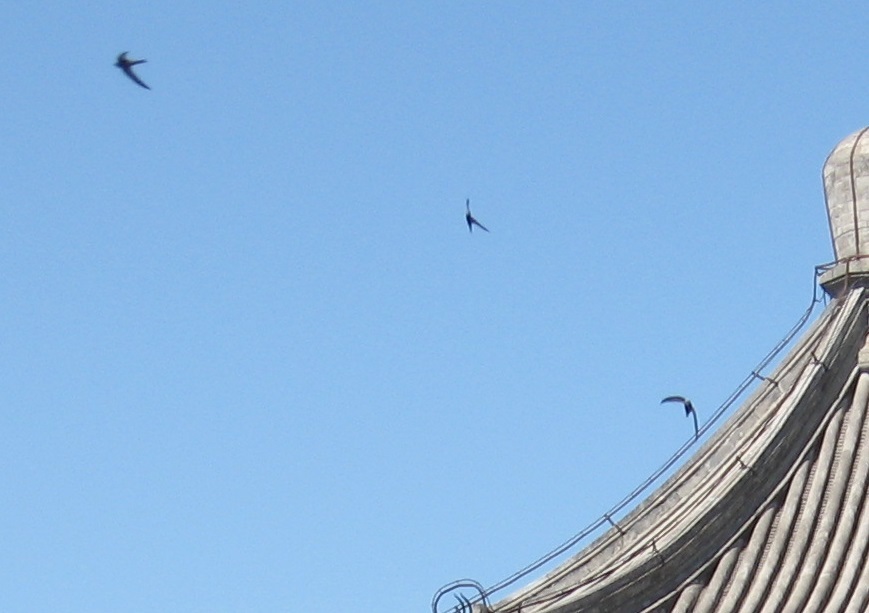
An insectivore that catches all its prey in flight, this species lives entirely on the wing except when nesting. It drinks, feeds, mates and even sleeps while airborne, with some individuals going ten months without landing. The maximum horizontal flight speed reaches 111.6 km/h. Breeding pairs often stay together for years, returning to the same nest site annually and repairing damage during their 40-week migratory absence. Nests are constructed from airborne materials bonded with saliva. Evening gatherings around colonies create 'screaming parties' of 10-20 birds, with larger assemblies forming at higher altitudes late in the breeding season. Young can enter a torpid state to survive brief periods without food.
Conservation
Not provided in source material.
Culture
In medieval Italy, these birds were actively encouraged to nest in towers and buildings through 'rondonare'—purposeful holes left in walls and special constructions under eaves. Young birds were harvested for food, though regulations required leaving at least one juvenile in each nest. The heraldic 'martlet,' depicted without feet and used for the arms of younger sons, may have been based on this species, symbolizing landless wandering, though it is more commonly associated with the house martin.
Source: Wikipedia · CC BY-SA 3.0
Taxonomy
- Order
- Apodiformes
- Family
- Apodidae
- Genus
- Apus
- eBird Code
- comswi
Subspecies (2)
-
Apus apus apus
breeds Western Palearctic eastward to Lake Baikal and Iran; winters to southern Africa
-
Apus apus pekinensis
breeds Iran to Himalayas, Mongolia, and northern China; winters to southern Africa
Data Sources
Species description from Wikipedia, licensed under CC BY-SA 3.0.
Bird images and sounds sourced from GBIF, contributed by citizen scientists worldwide under Creative Commons licenses.
Taxonomy data from AviList 2025.