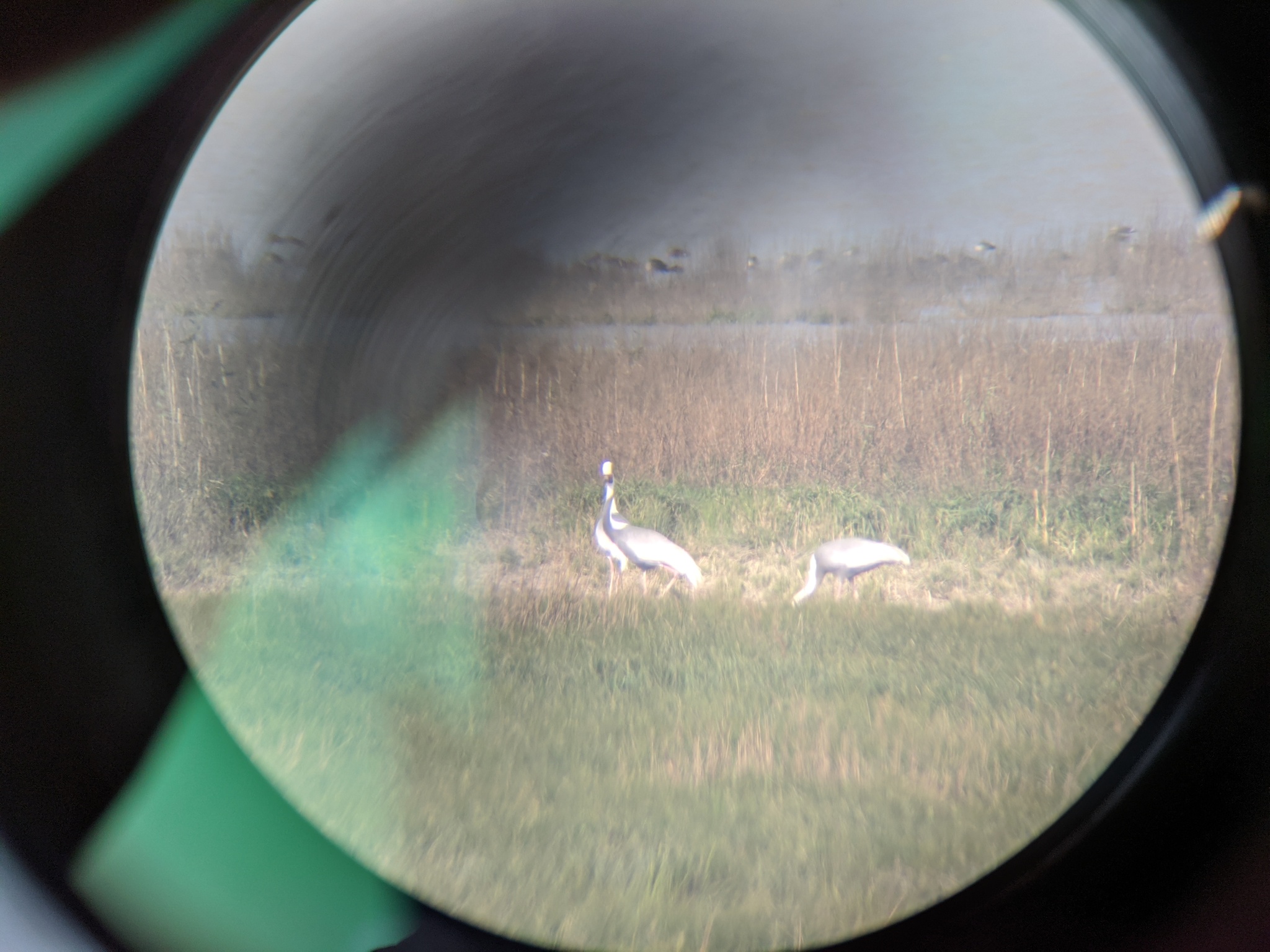
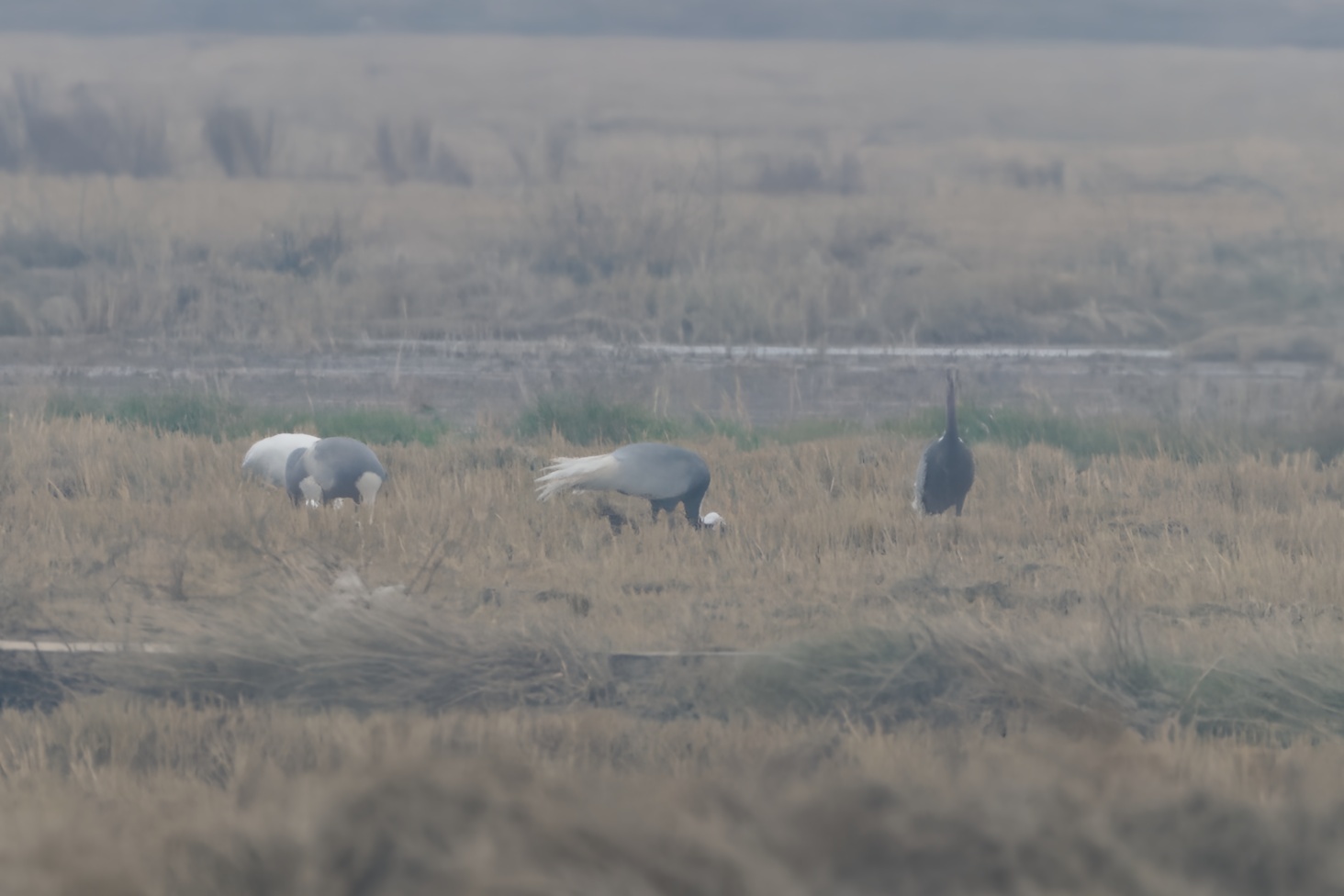
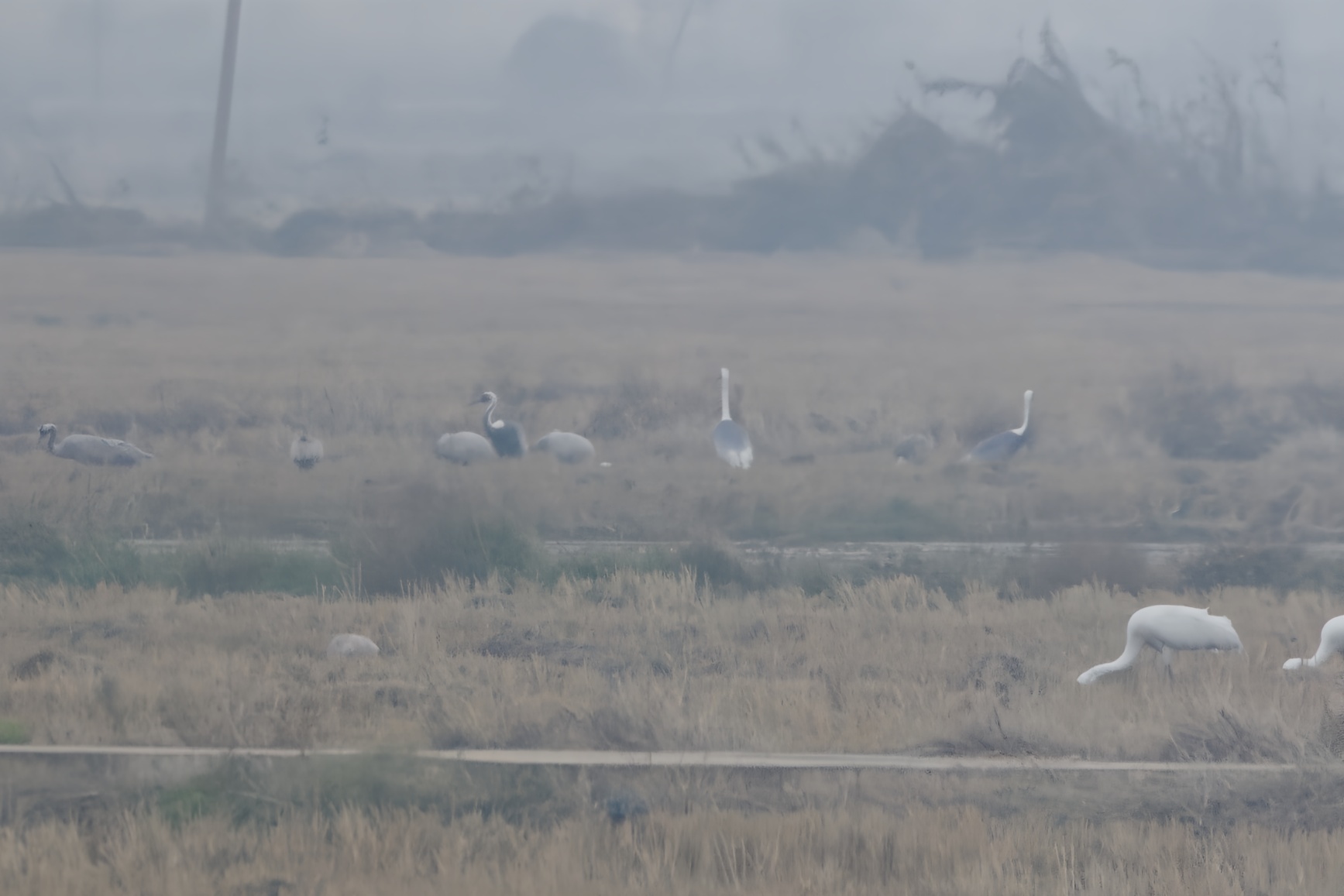

White-naped Crane
Antigone vipio
白枕鹤
Introduction
White-naped Crane (Antigone vipio) The white-naped crane is a large waterbird species found in East Asia. It breeds in the remote wetlands of northeastern Mongolia, China, and southeastern Russia, with over 50% of the global population concentrated in Mongolia. This Vulnerable species inhabits wetland habitats throughout its range. Key wintering sites include the Korean Demilitarized Zone, Poyang Lake in China, and Japan. Adults reach approximately 130 cm in height. The species performs courtship dances involving head-bobbing, wing-flapping, and loud unison calls, with peak activity during spring breeding and autumn pre-migration. Its reliance on threatened wetland habitats makes it an indicator species for East Asian freshwater ecosystem health.
Description
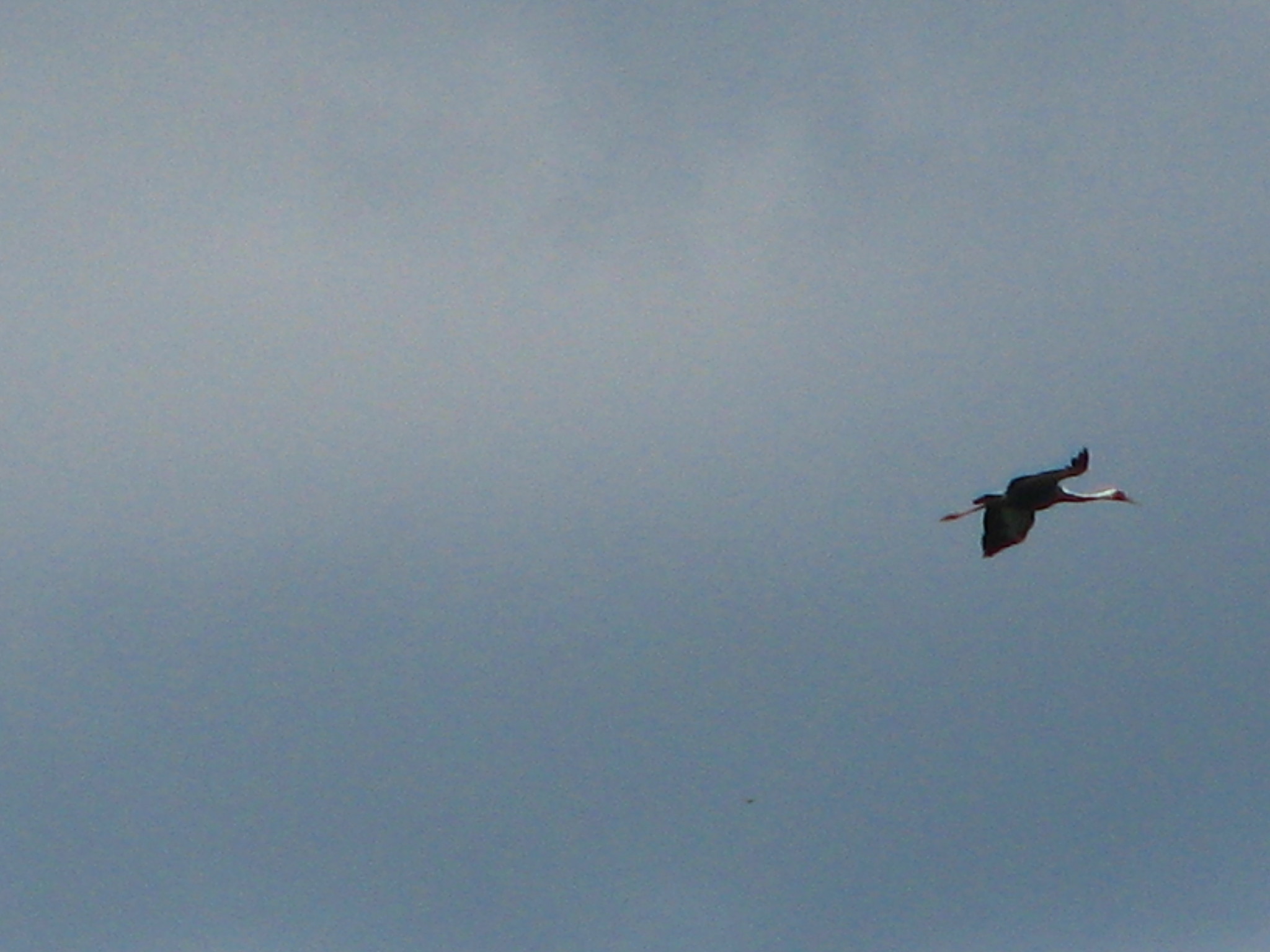
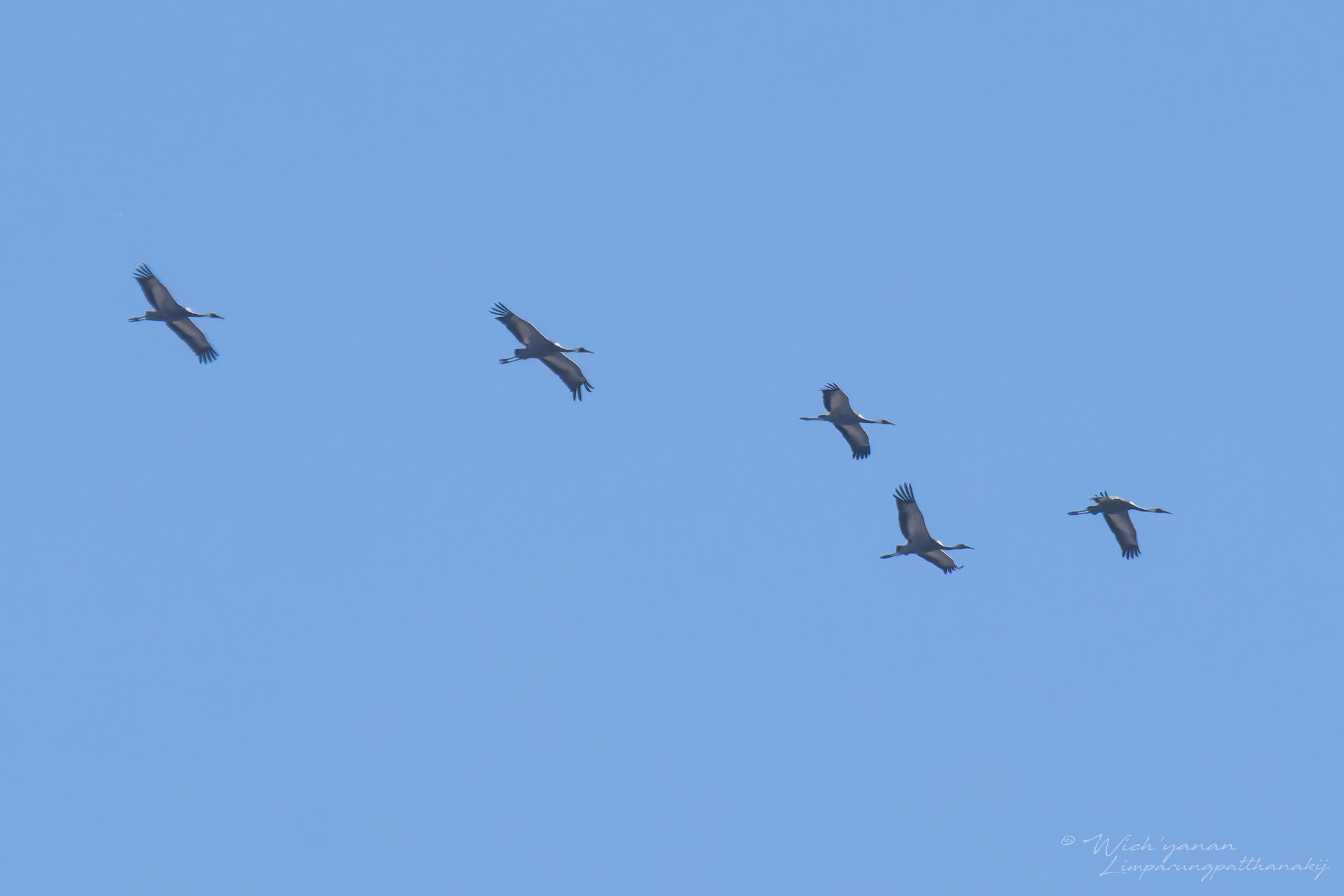
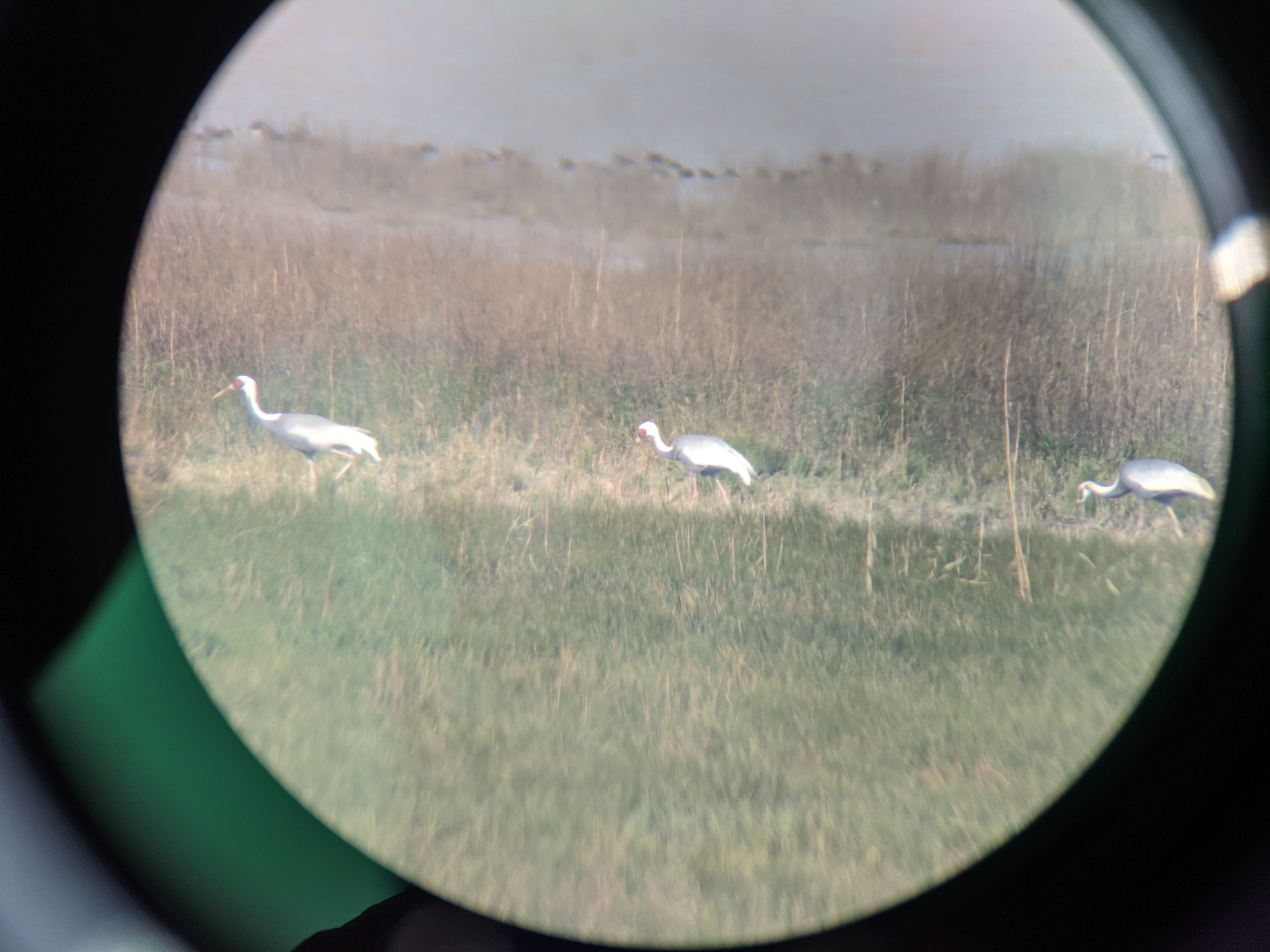
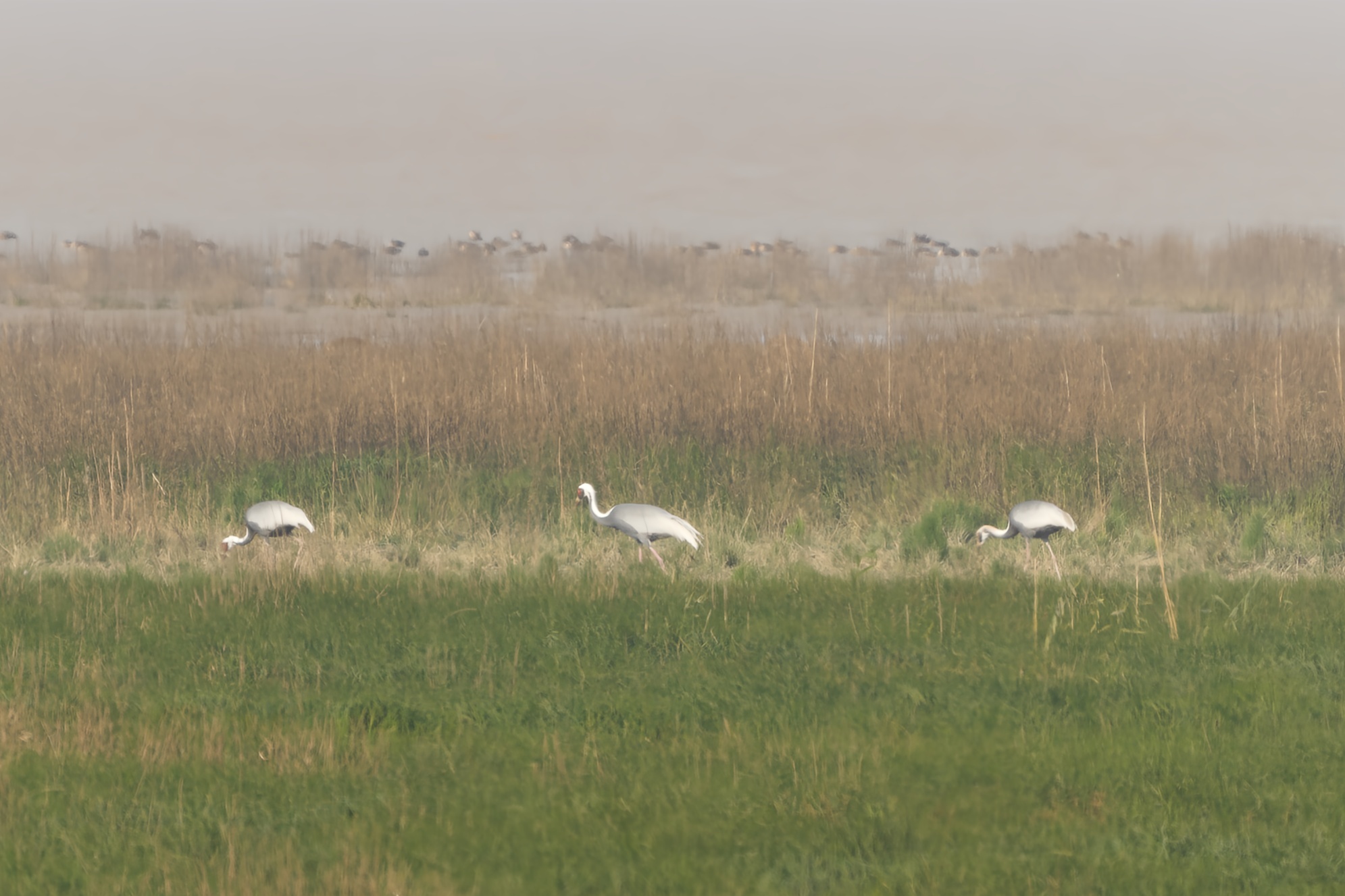
This large crane stands about 130 cm tall with a body length of 112–125 cm and weight of approximately 5.6 kg. The plumage is predominantly grey on the body and wings, with distinctive pinkish legs. The most striking feature is the white stripe running from the back of the crown down the nape, contrasting with the grey-and-white striped neck. The face features a bold red patch, while the throat is white. Juveniles are noticeably different, possessing brown head plumage and a pale throat rather than the adult's white markings. The overall silhouette shows the typical crane profile: long neck, long legs, and a relatively heavy bill suited for foraging in wetland soils.
Identification
The white-naped crane is most readily identified by its unique white nape stripe, a feature absent in other members of the genus Antigone. This distinguishes it from the similar sandhill crane and brolga, which lack the contrasting white neck marking. The red face patch and white throat are additional distinguishing marks from related species. Vocalizations provide further identification clues: the species produces a growling contact call at close range and high-pitched calls, while loud calls differ between sexes and include aggressive guard calls and flight intention calls. In flight, the white nape remains visible, helping distinguish it from other cranes at a distance.
Distribution & Habitat
This species breeds across three countries: northeastern Mongolia, northeastern China, and adjacent areas of southeastern Russia, with the Khingan Nature Reserve in Russia hosting an egg-rearing program to boost populations. Migration routes separate western and eastern populations—western breeders travel through China to winter at Poyang Lake near the Yangtze River, while eastern populations migrate south through Korea. Two main wintering areas exist: the Chinese Yangtze region and the Korean Demilitarized Zone, with a smaller population wintering on Kyūshū in Japan. Habitat consists of shallow wetlands, wet meadows, lake edges, and river valleys, with birds also foraging in farmland adjacent to these areas.
Behavior & Ecology
Breeding occurs in spring, with pairs nesting in areas of deeper water that provides predator protection. Eggs are laid between April and late May, with chicks being brownish-yellow with dark spots. Fledging takes 70–75 days, and individuals become sexually mature at 2–3 years. The diet varies seasonally: breeding birds consume wetland plants, tubers and roots, while wintering and migrating birds add rice, cereal grains and waste grain to their intake. Foraging involves standing in place and digging for deeper vegetation, contrasting with the red-crowned crane's surface-grazing behavior and allowing niche partitioning. Vocalizations include a lower-frequency contact call used between parents and nearby chicks, as well as various calls for territory defense and flight coordination.
Conservation
Listed as Vulnerable on the IUCN Red List and on CITES Appendices I and II, an estimated 3,700 to 4,500 individuals remain in the wild. Primary threats include ongoing wetland loss and degradation from agricultural conversion in China and Russia, climate change affecting hydrology, and increased human disturbance. Droughts have reduced nesting habitat quality, while fires have destroyed nesting sites and eggs. Habitat concentration increases disease transmission risk. All range countries provide legal protection and have established protected areas. Important habitats fall under the East Asian–Australasian Flyway Partnership, with RAMSAR wetland designations proposed. Conservation measures include artificial feeding stations in Japan, which have increased wintering numbers, as well as banding and radio telemetry studies to better understand migration patterns and inform protection strategies.
Culture
The white-naped crane holds particular significance in the Korean Demilitarized Zone, where the wintering population represents one of the few wildlife success stories in this heavily militarized region. The presence of these endangered birds has contributed to conservation awareness and occasional diplomatic cooperation between North and South Korea regarding habitat protection. The species symbolizes wetland health in East Asian cultures, and its elegant courtship displays have made it a subject of nature photography and ecotourism initiatives at wintering sites.
Source: Wikipedia · CC BY-SA 3.0
Taxonomy
- Order
- Gruiformes
- Family
- Gruidae
- Genus
- Antigone
- eBird Code
- whncra1
Distribution
breeds Siberia and Manchuria; winters to southern China, Korea, and Japan
Data Sources
Species description from Wikipedia, licensed under CC BY-SA 3.0.
Bird images and sounds sourced from GBIF, contributed by citizen scientists worldwide under Creative Commons licenses.
Taxonomy data from AviList 2025.