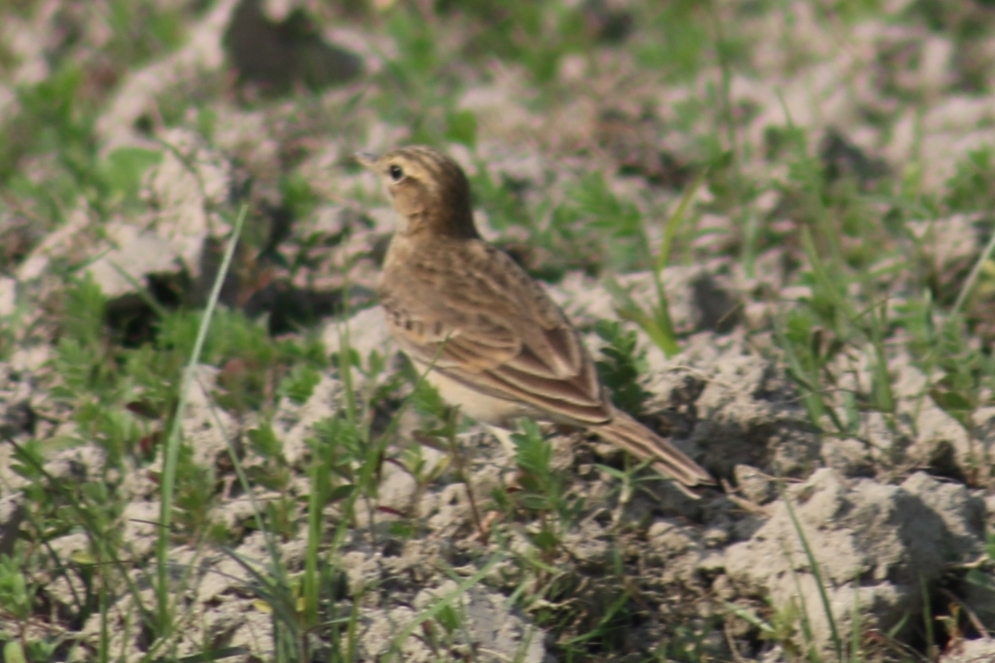
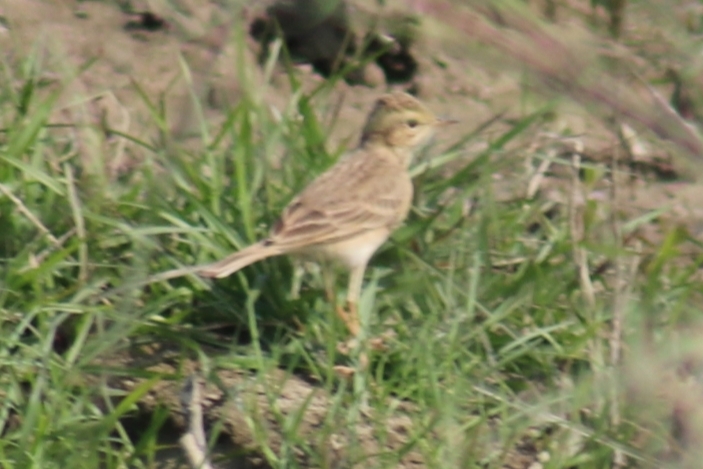
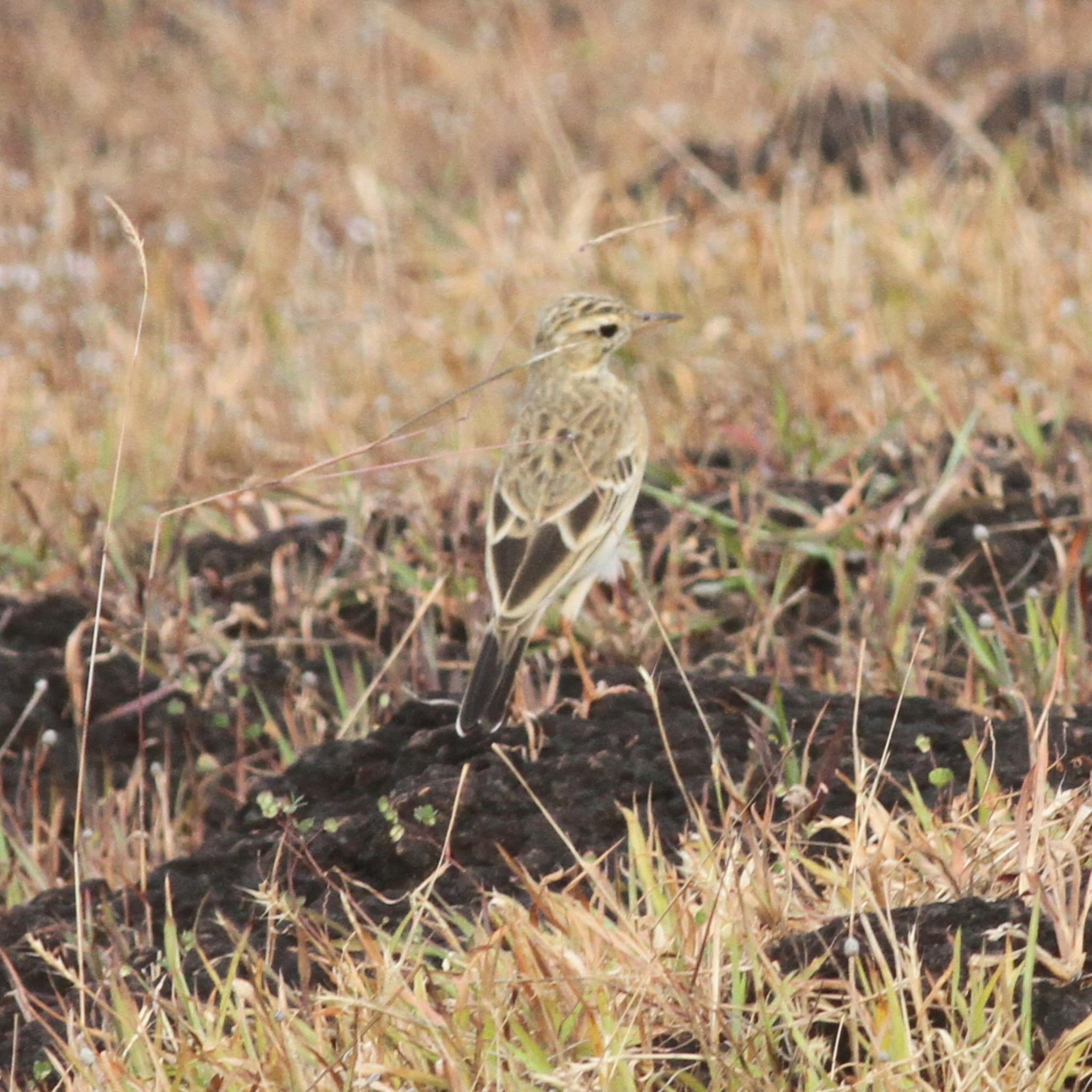
Paddyfield Pipit
Anthus rufulus
东方田鹨
Introduction
A small to medium-sized pipit, this is one of the few resident breeding pipits in southern Asia. It occurs throughout the Indian subcontinent and Southeast Asia, occupying open habitats including farmland edges and grasslands. The species is non-migratory and maintains territories year-round. Six subspecies are recognized, with notable variation between the pale waitei of northwestern regions and the darker, more heavily streaked malayensis of the Western Ghats and Sri Lanka. Distinguishing features include pale underparts with fine breast streaking, a long dark bill, and characteristic tail-bobbing behavior. The species is identified by chip-chip-chip calls and a ground-hugging running gait. Populations in some regions face pressure from habitat change.
Description
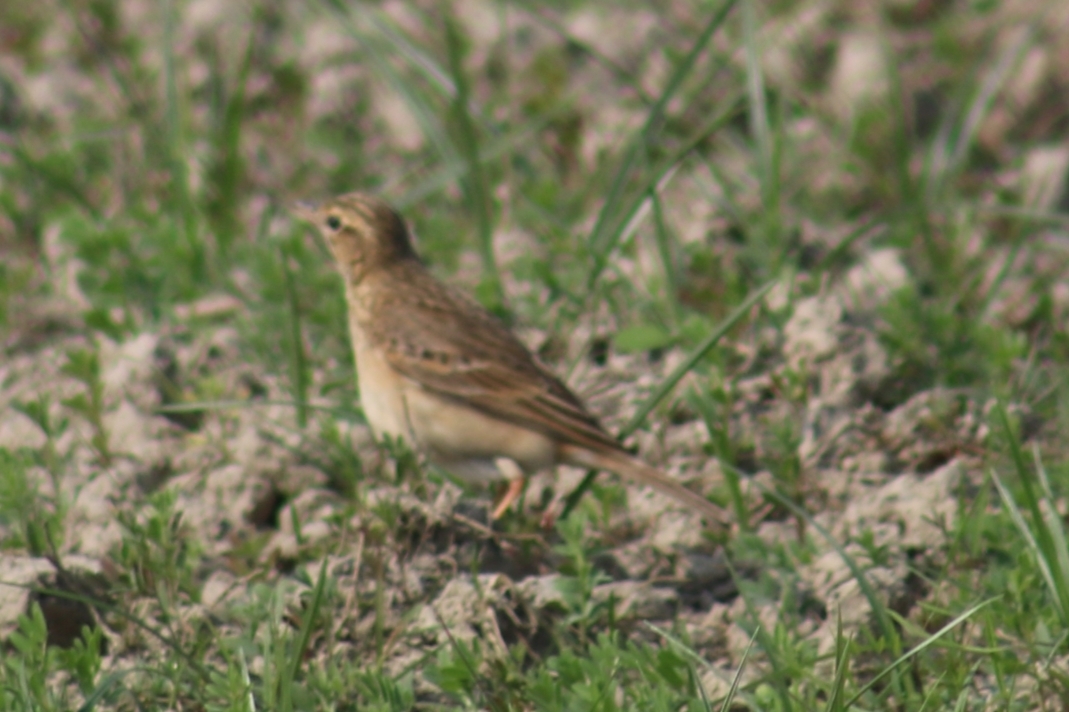
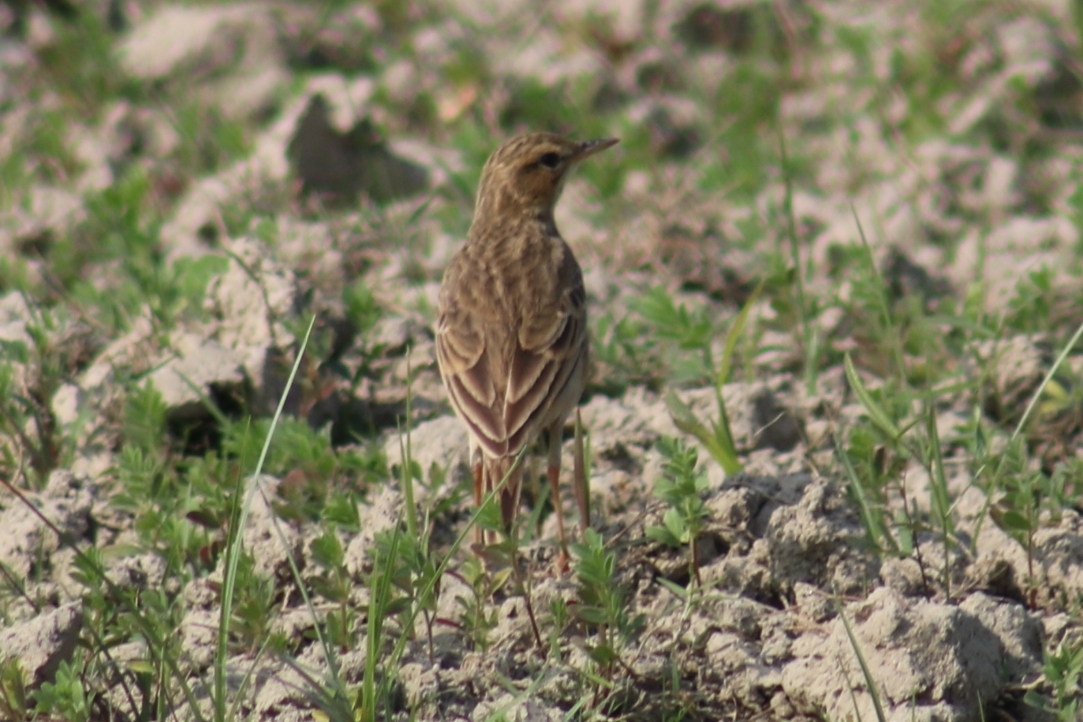
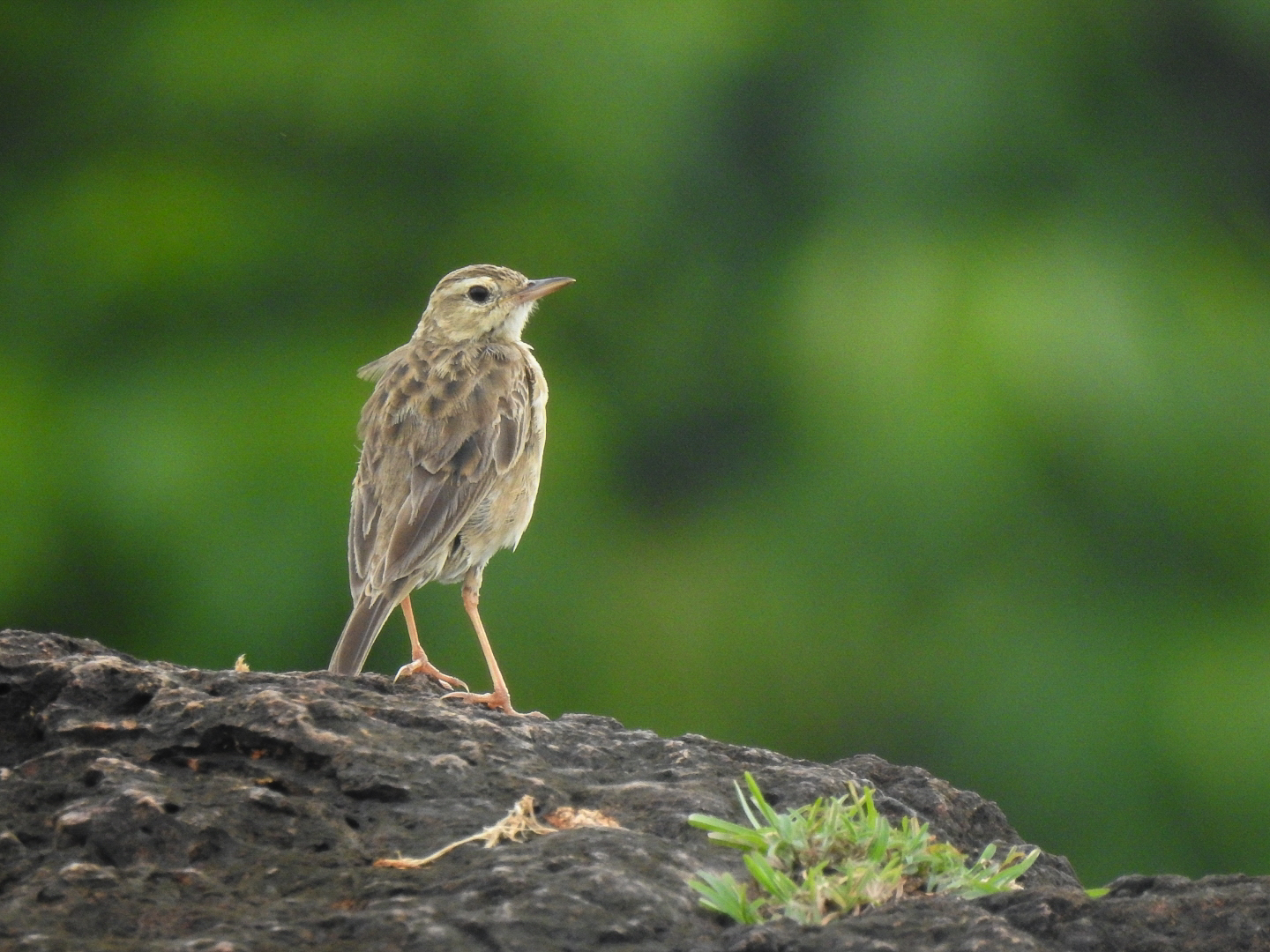
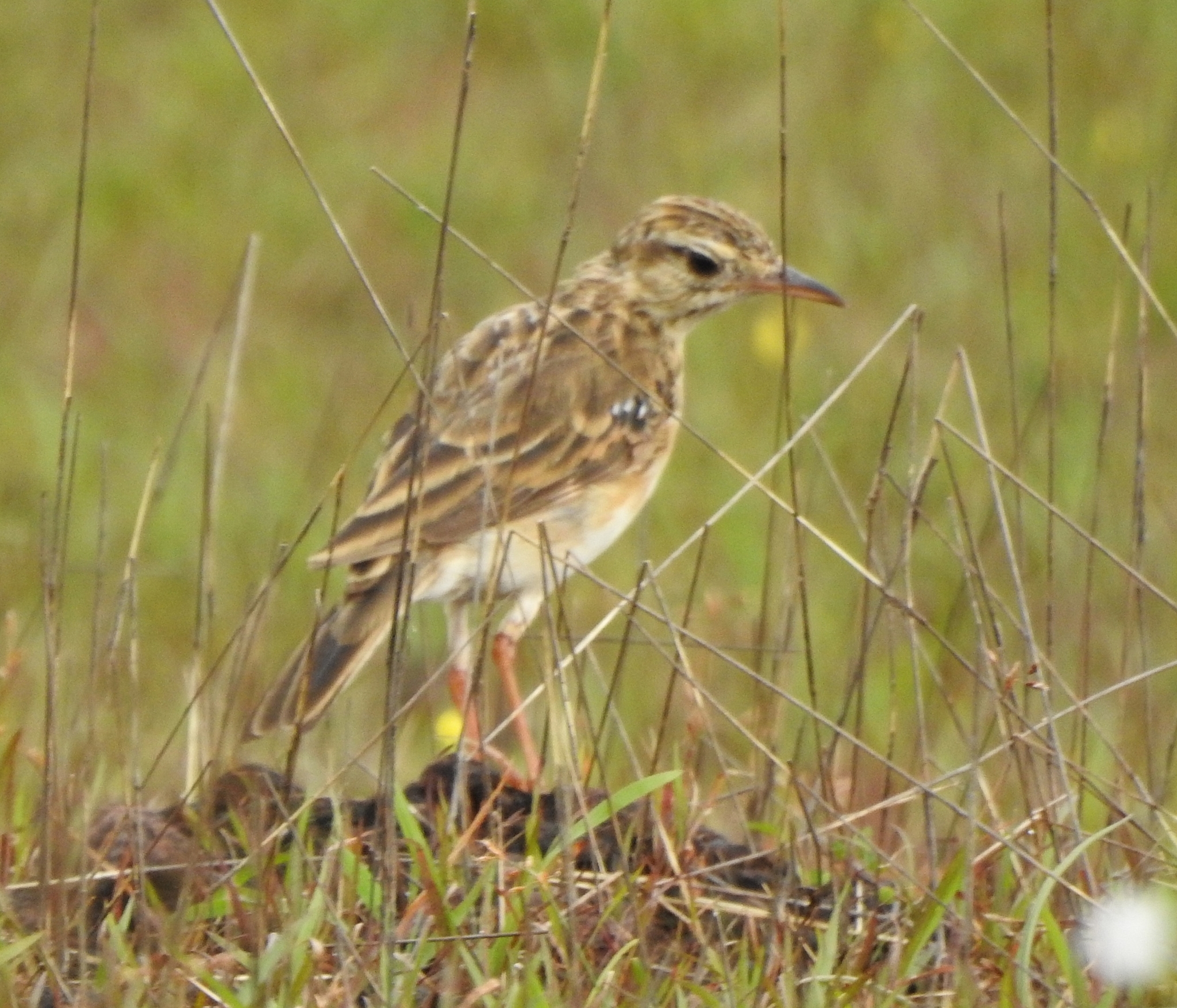
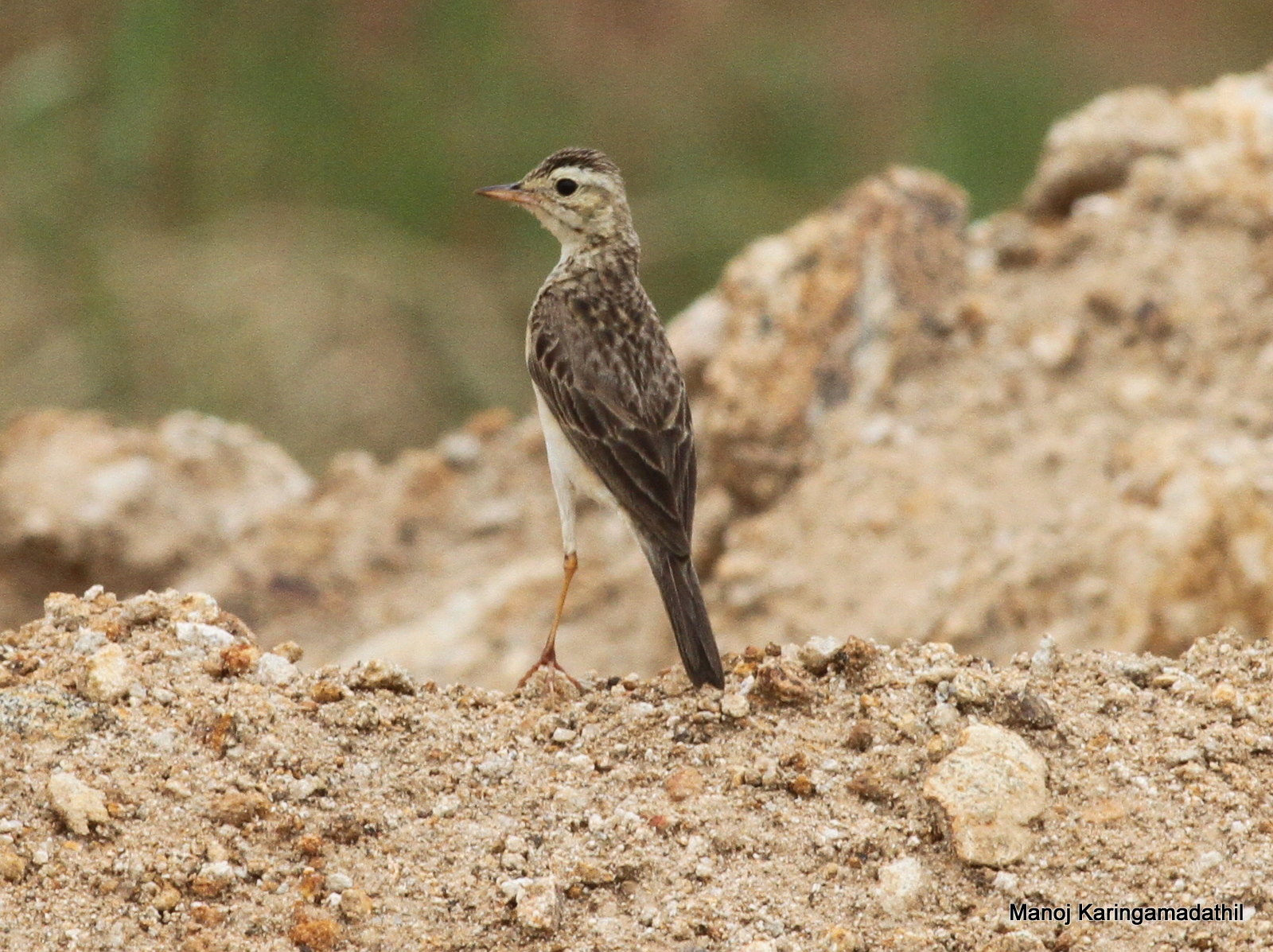
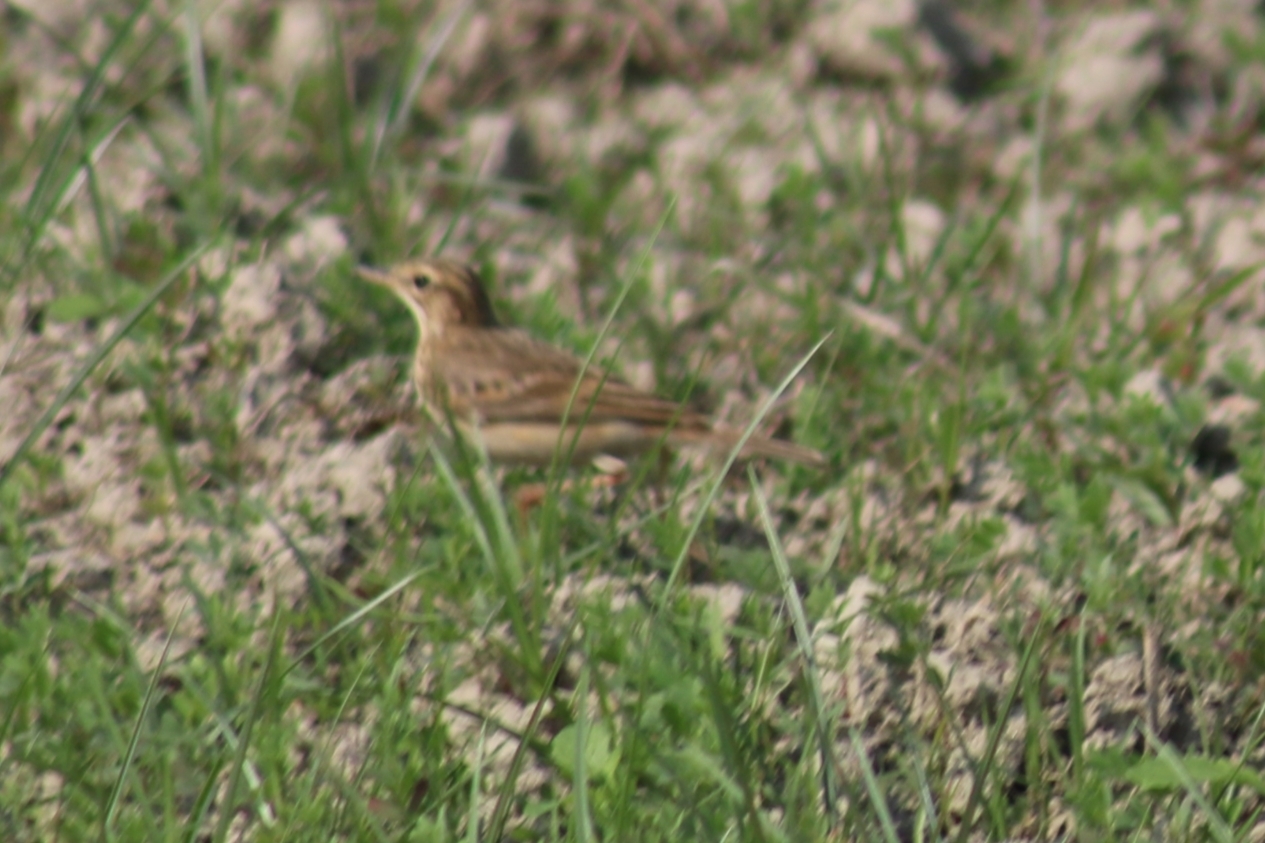
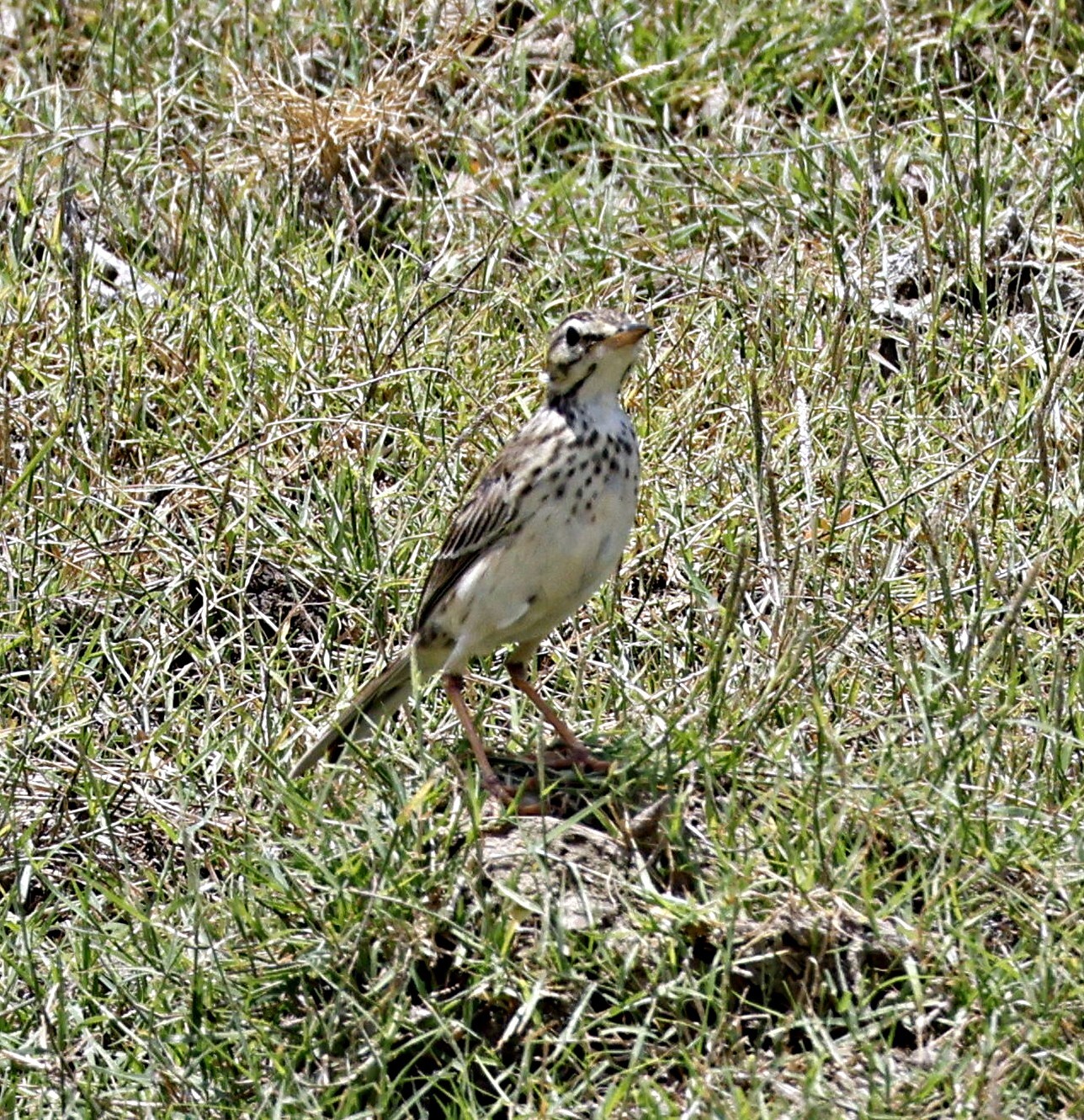
A relatively large pipit measuring 15 cm in length, this species appears robust with long legs, a long tail, and an elongated dark bill. The upperparts are streaked grey-brown while the underparts are pale with distinctive breast streaking. Sexes are identical in plumage, and seasonal variation between summer and winter feathers is minimal. Juveniles display richer coloration on the underparts with more conspicuous pale feather edges on the upperparts and more prominent breast spotting. Subspecies show considerable geographic variation: waitei populations in northwestern India and Pakistan appear pale, while malayensis from the Western Ghats and Sri Lanka is larger, darker, and more heavily streaked. The nominate rufulus occupies an intermediate position in coloration and size.
Identification
Winter identification requires careful comparison with migrant pipits, particularly Richard's pipit and Blyth's pipit. This species is smaller and dumpier than Richard's pipit with a shorter-looking tail and weaker, more fluttering flight. The characteristic chip-chip-chip call differs markedly from Richard's pipit's explosive shreep and Blyth's pipit's nasal pschreen. Tawny pipit can be distinguished by its less streaked mantle, distinct black loreal stripe, and longer tail. Birdwatchers should note that the Western Ghats population can appear remarkably similar to Nilgiri pipit, requiring extreme caution and attention to range and subtle plumage differences.
Distribution & Habitat
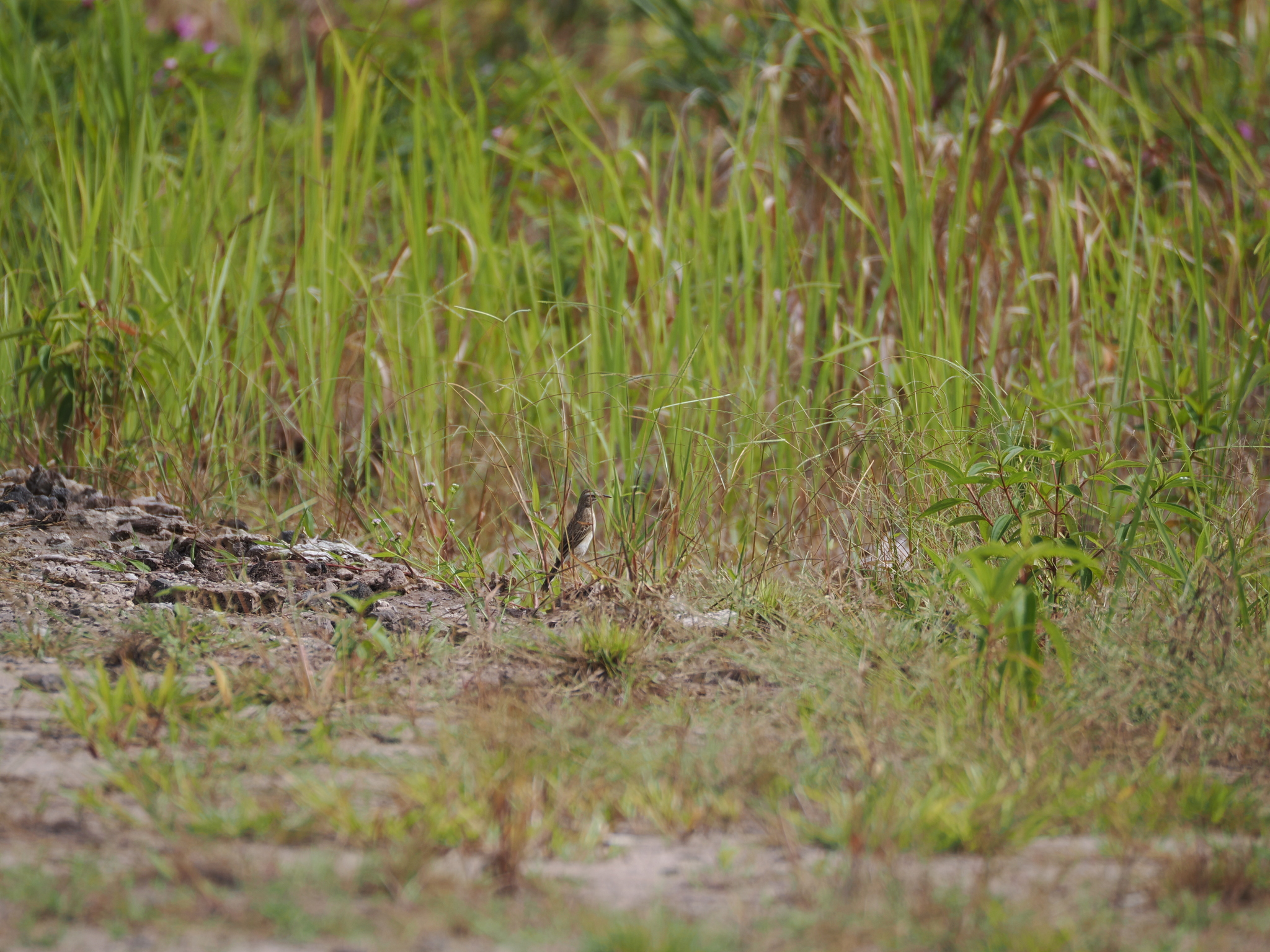
A resident species across open scrub, grassland, and cultivation in southern Asia, ranging east to the Philippines. The nominate rufulus occupies most of the Indian subcontinent eastward to southern China and southward through Thailand and Indochina. The pale waitei subspecies occurs in the dry zone of northwestern India and Pakistan, while the darker malayensis inhabits the wet zone of the Western Ghats and Sri Lanka. Philippine populations (lugubris) possibly extend to northern Borneo. Subspecies albidus occurs on Sulawesi, Bali, and the western Lesser Sundas, while medius is found on the eastern Lesser Sundas.
Behavior & Ecology
This ground-dwelling species runs rapidly across open terrain, flushing only short distances when disturbed. It breeds throughout the year with a peak during the dry season, potentially raising two or more broods annually. The song consists of repeated notes delivered during a short fluttery descent from just above the ground. The cup-shaped nest is constructed on the ground beneath grass tufts or bush edges, often with a domed or semi-domed structure. The typical clutch contains three to four greenish eggs speckled with brown at the larger end. When threatened near the nest, adults employ distraction displays including injury feigning and weak tsip-tsip-tsip calls. The diet consists primarily of small insects supplemented by beetles, snails, and worms, with occasional aerial pursuit of mosquitoes and termites.
Conservation
As a widespread and relatively common species across its range, the paddyfield pipit is not currently considered globally threatened. Its ability to exploit human-modified landscapes including farmland and grasslands provides it with some resilience to habitat change. However, local populations may face pressure from agricultural intensification and habitat degradation. The species is susceptible to parasitic infections, including mite infestations causing scaly leg lesions, and has been documented as a host for Haemoproteus blood parasites.
Culture
No significant cultural or folklore associations have been documented for this species.
Source: Wikipedia · CC BY-SA 3.0
Taxonomy
- Order
- Passeriformes
- Family
- Motacillidae
- Genus
- Anthus
- eBird Code
- oripip1
Vocalizations
Subspecies (5)
-
Anthus rufulus albidus
Sulawesi, Bali, and western Lesser Sundas (Lombok to Sumba)
-
Anthus rufulus lugubris
Philippines including Palawan; possibly also northern Borneo
-
Anthus rufulus malayensis
far southwestern India, Sri Lanka, Malayan Peninsula, Greater Sundas, and southern Indochina
-
Anthus rufulus medius
Sawu to Sermata (central to eastern Lesser Sundas)
-
Anthus rufulus rufulus
central and eastern Afghanistan through India and Sri Lanka, eastward to southern China and southward to Indochina
Data Sources
Species description from Wikipedia, licensed under CC BY-SA 3.0.
Bird images and sounds sourced from GBIF, contributed by citizen scientists worldwide under Creative Commons licenses.
Taxonomy data from AviList 2025.