Anseriformes / Anatidae / Anser
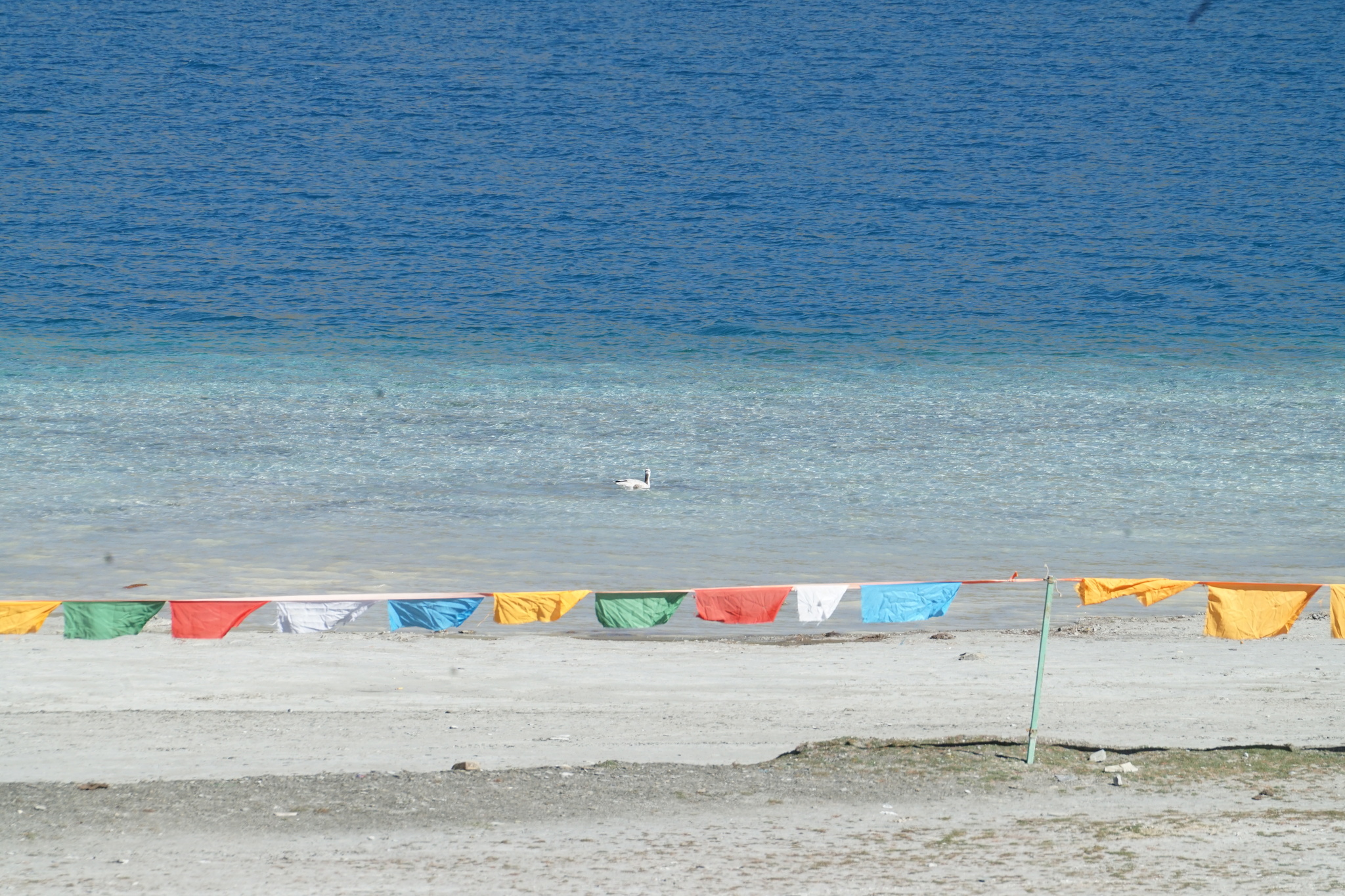
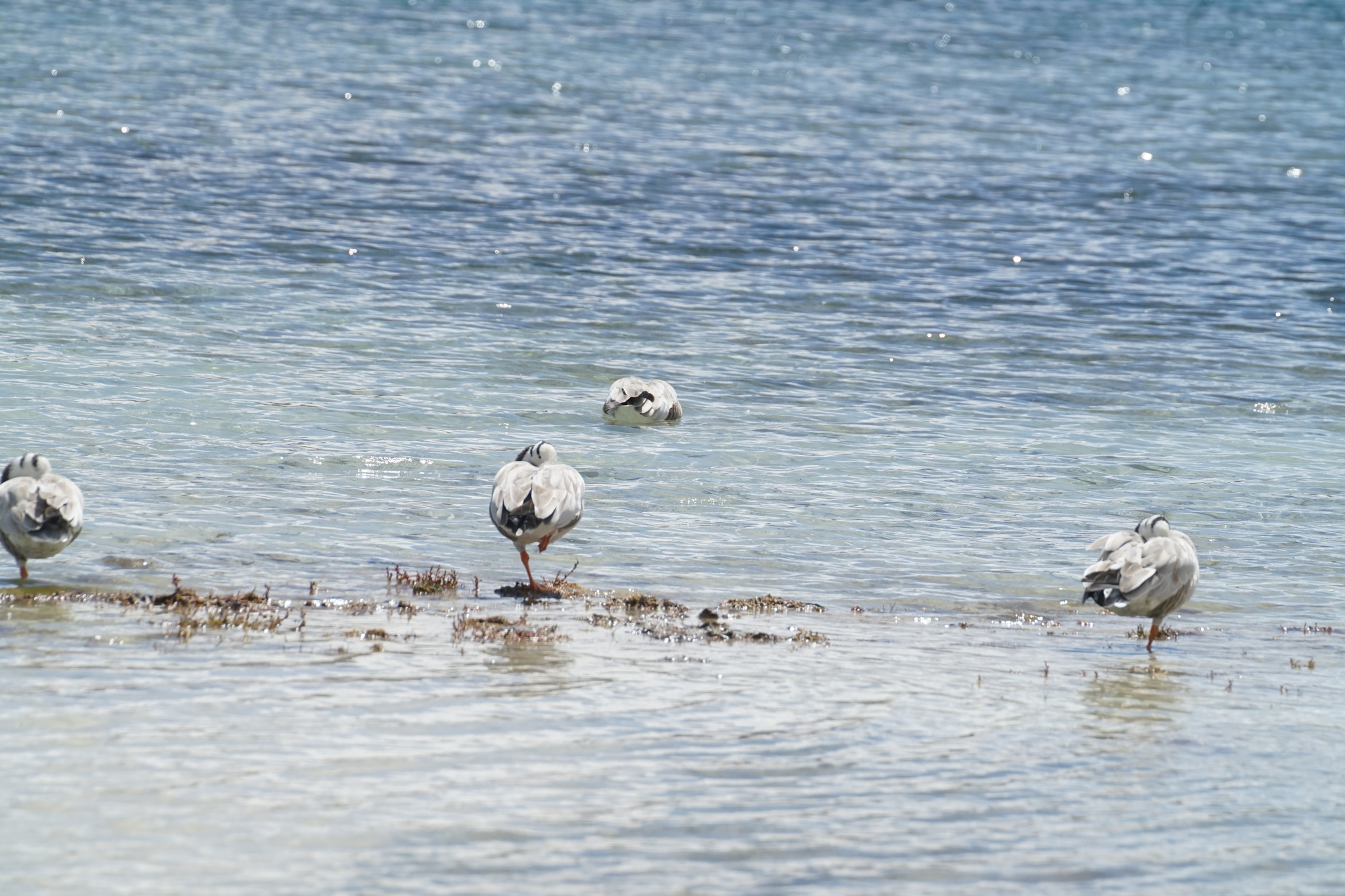
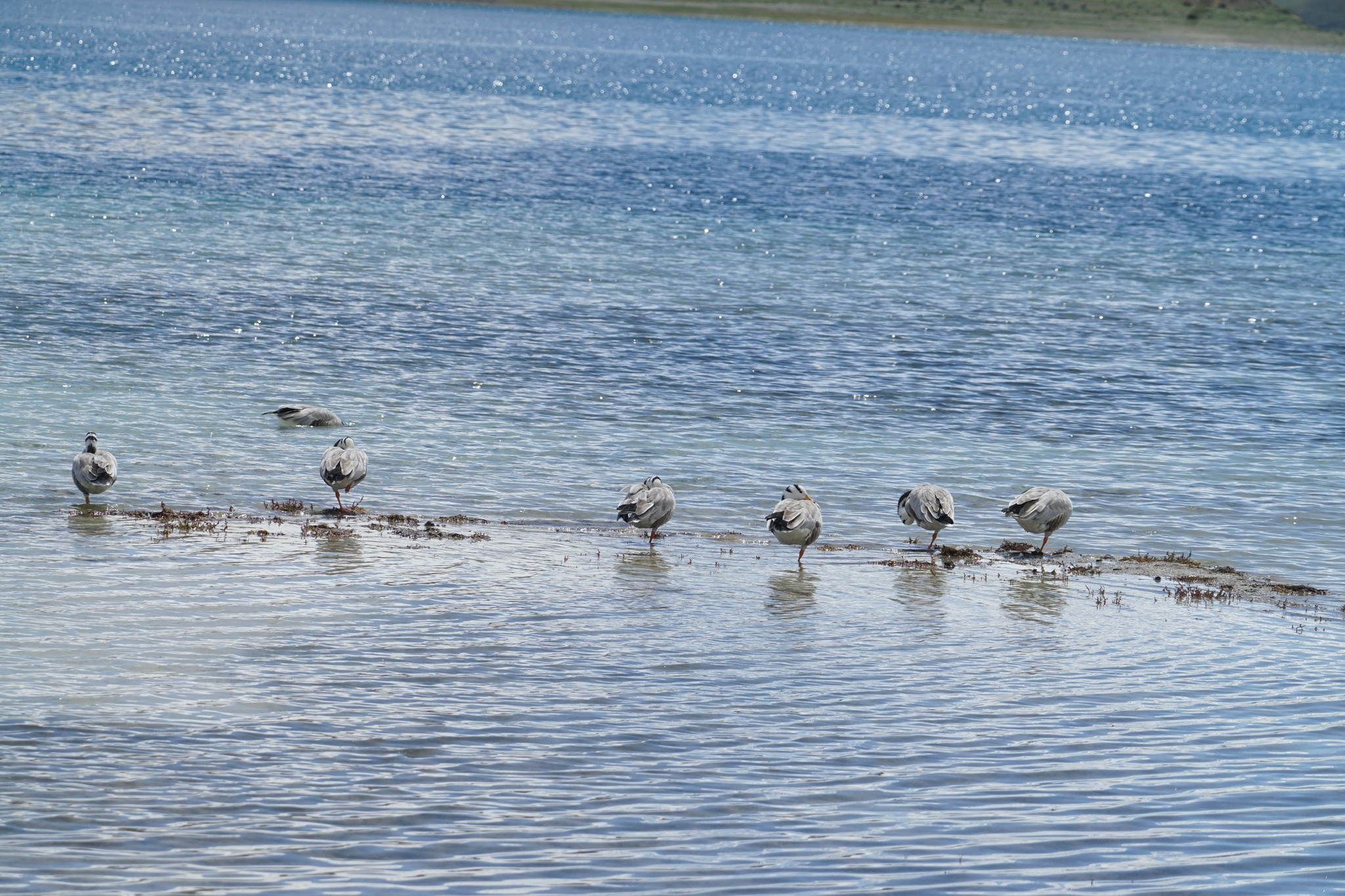
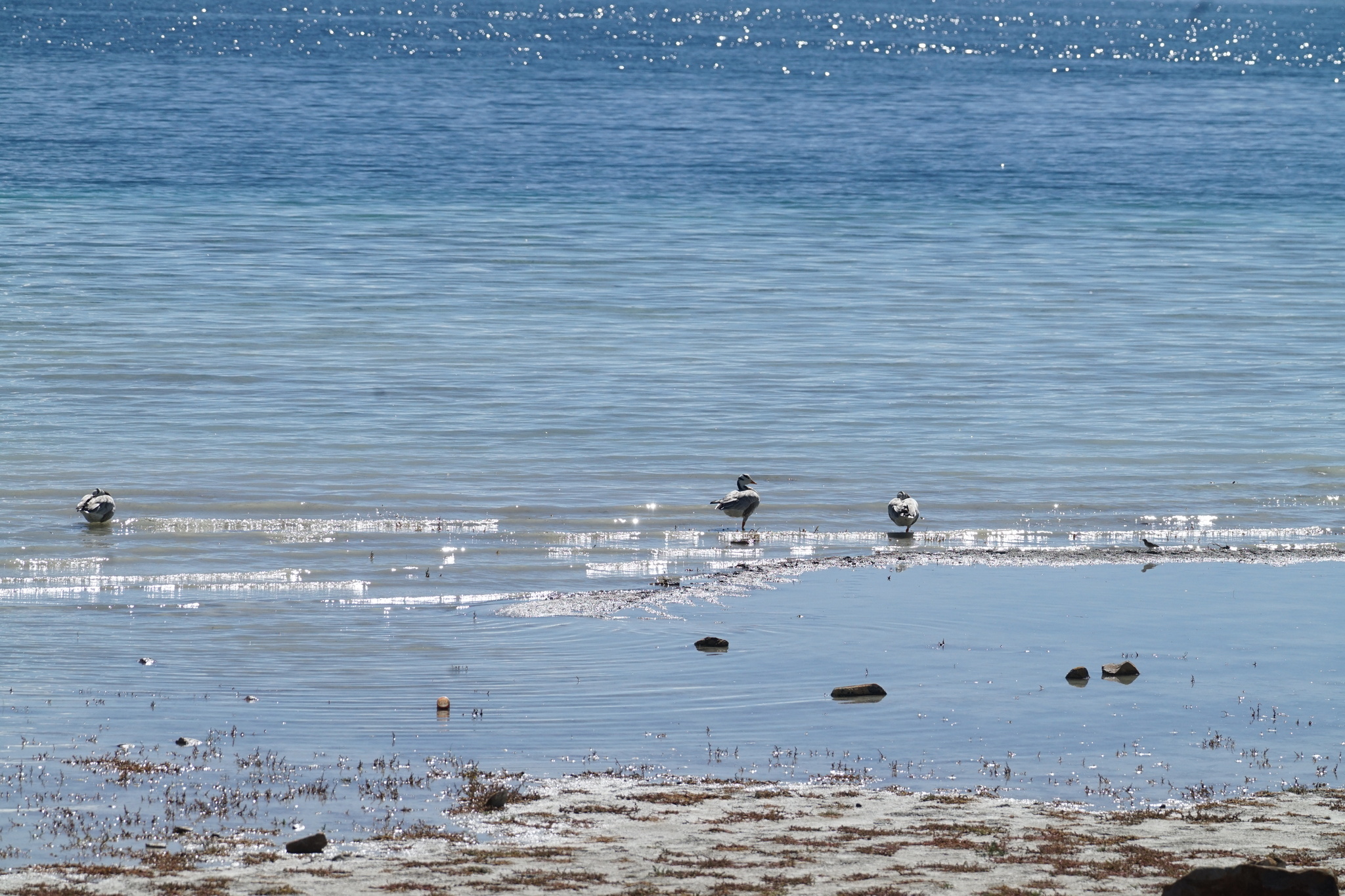
Bar-headed Goose
Anser indicus · 斑头雁
Introduction
A mid-sized goose basal in the genus Anser, breeding in Central Asia near mountain lakes and wintering in South Asia. It is renowned for migrating across the Himalayas at extreme altitudes, reaching peaks around 7,290 m (23,920 ft), though most travel occurs below 5,784 m (18,976 ft). The species lays three to eight eggs in ground nests.
Description
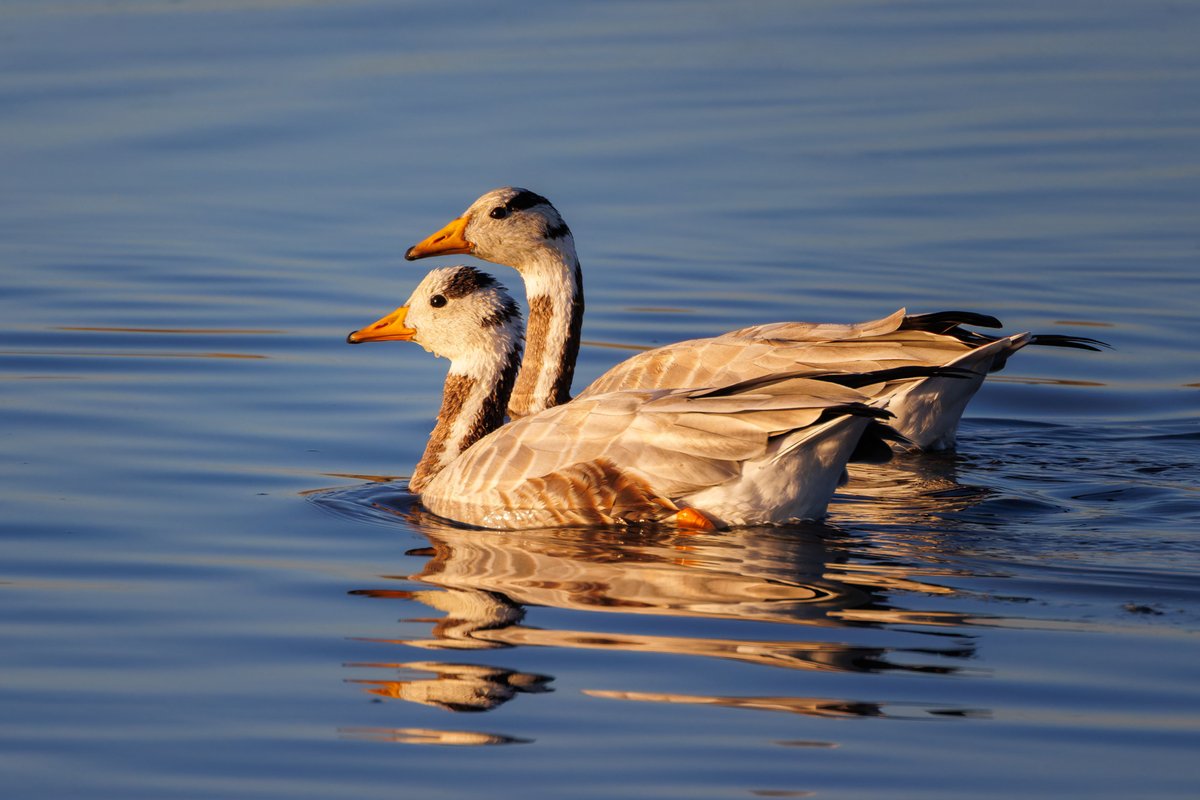
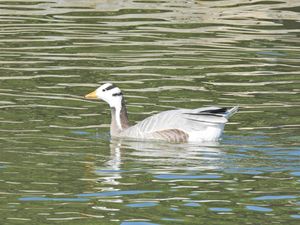
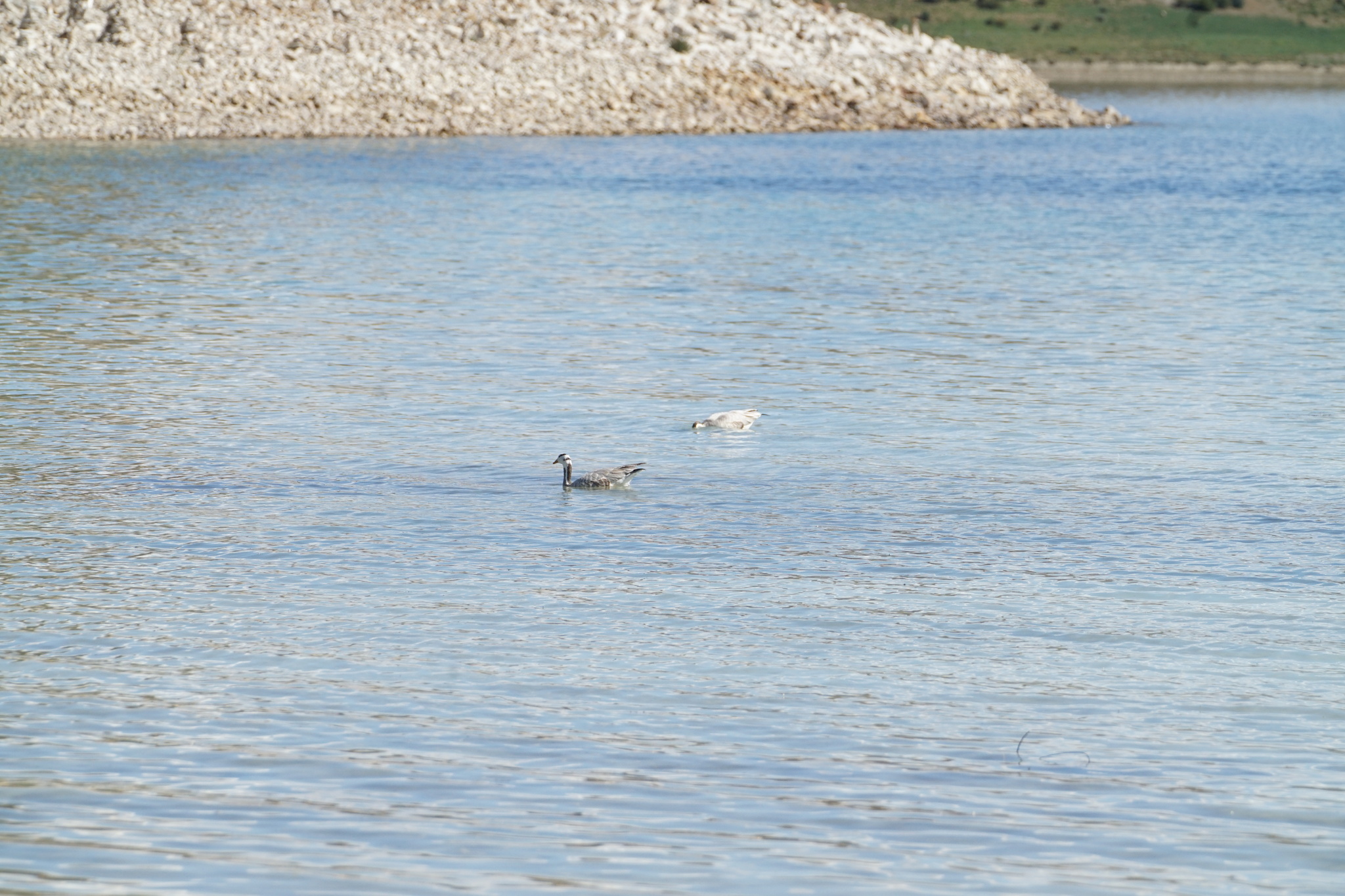
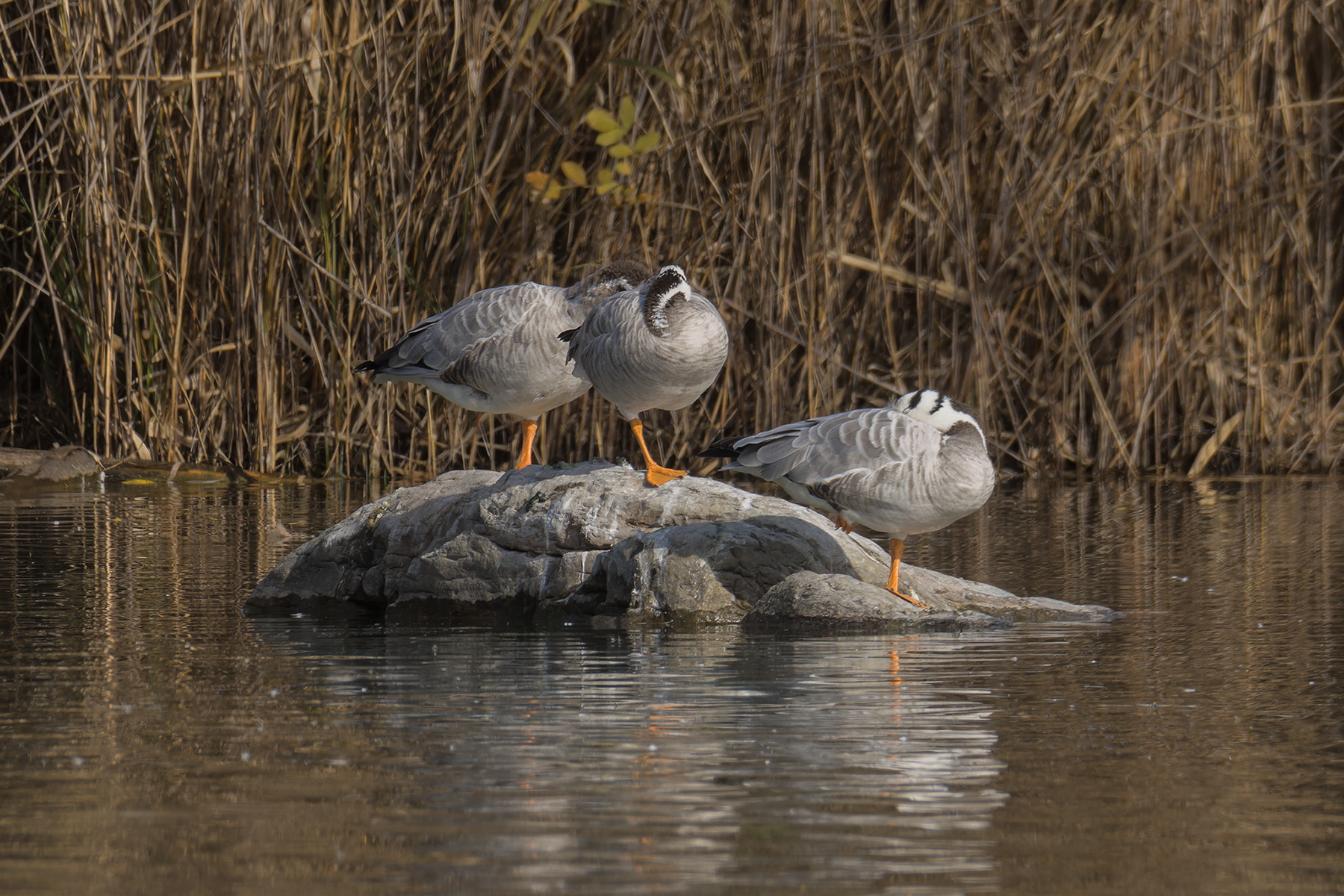
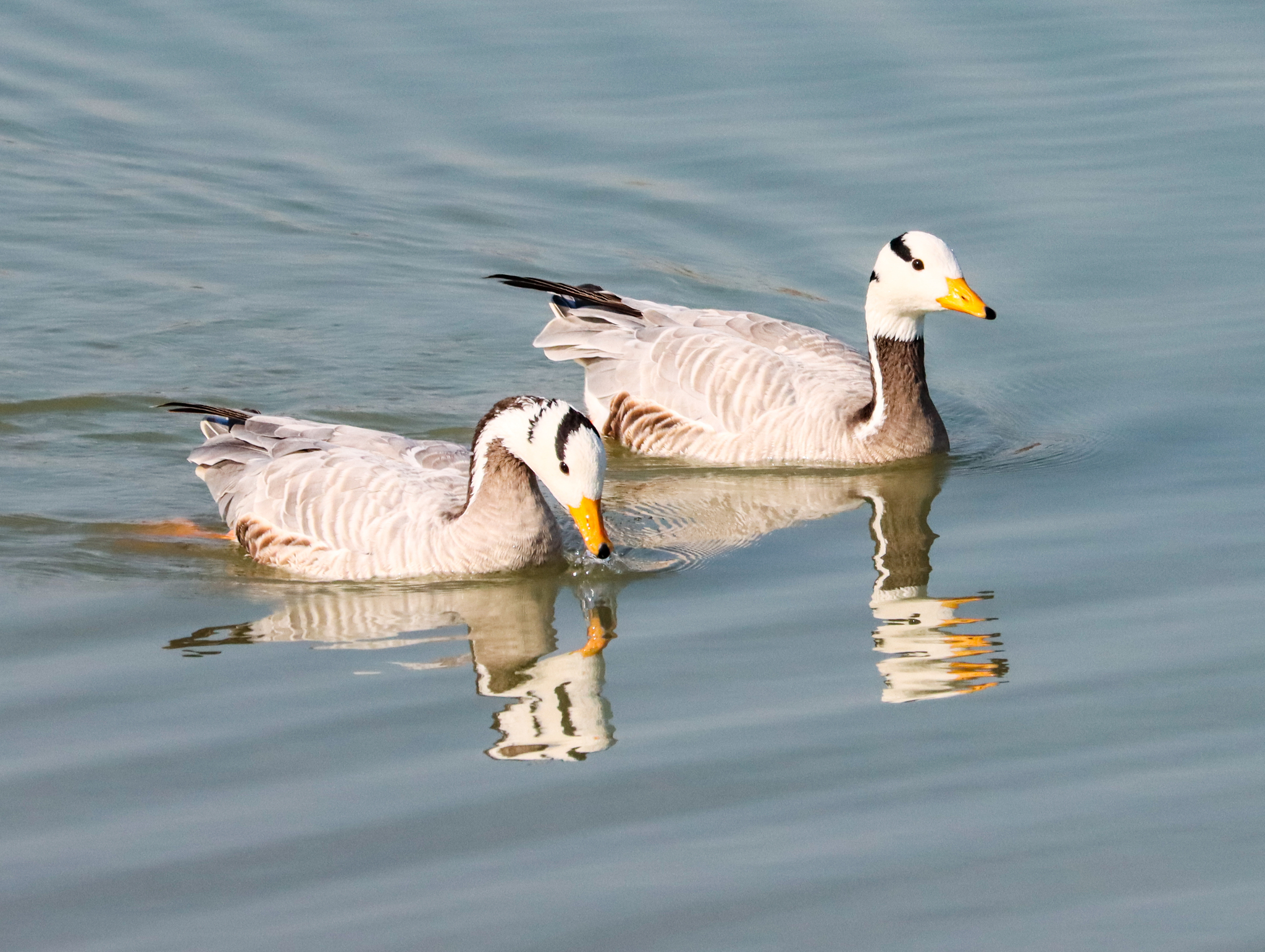
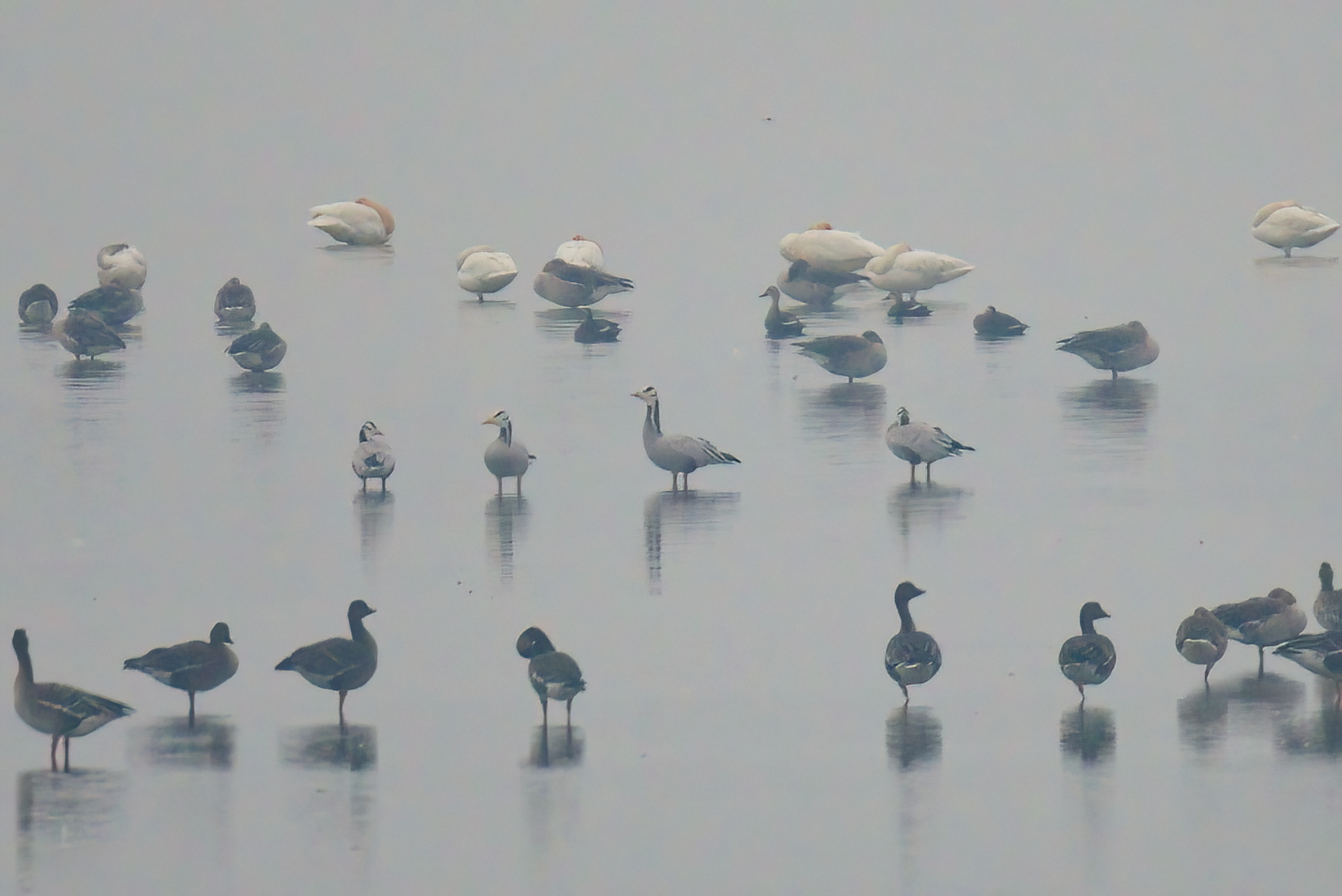
Pale grey plumage, significantly lighter than other geese in the genus. Distinguished by black bars on an otherwise white head. Measures 71–76 cm (28–30 in) in total length and weighs 1.87–3.2 kg (4.1–7.1 lb).
Identification
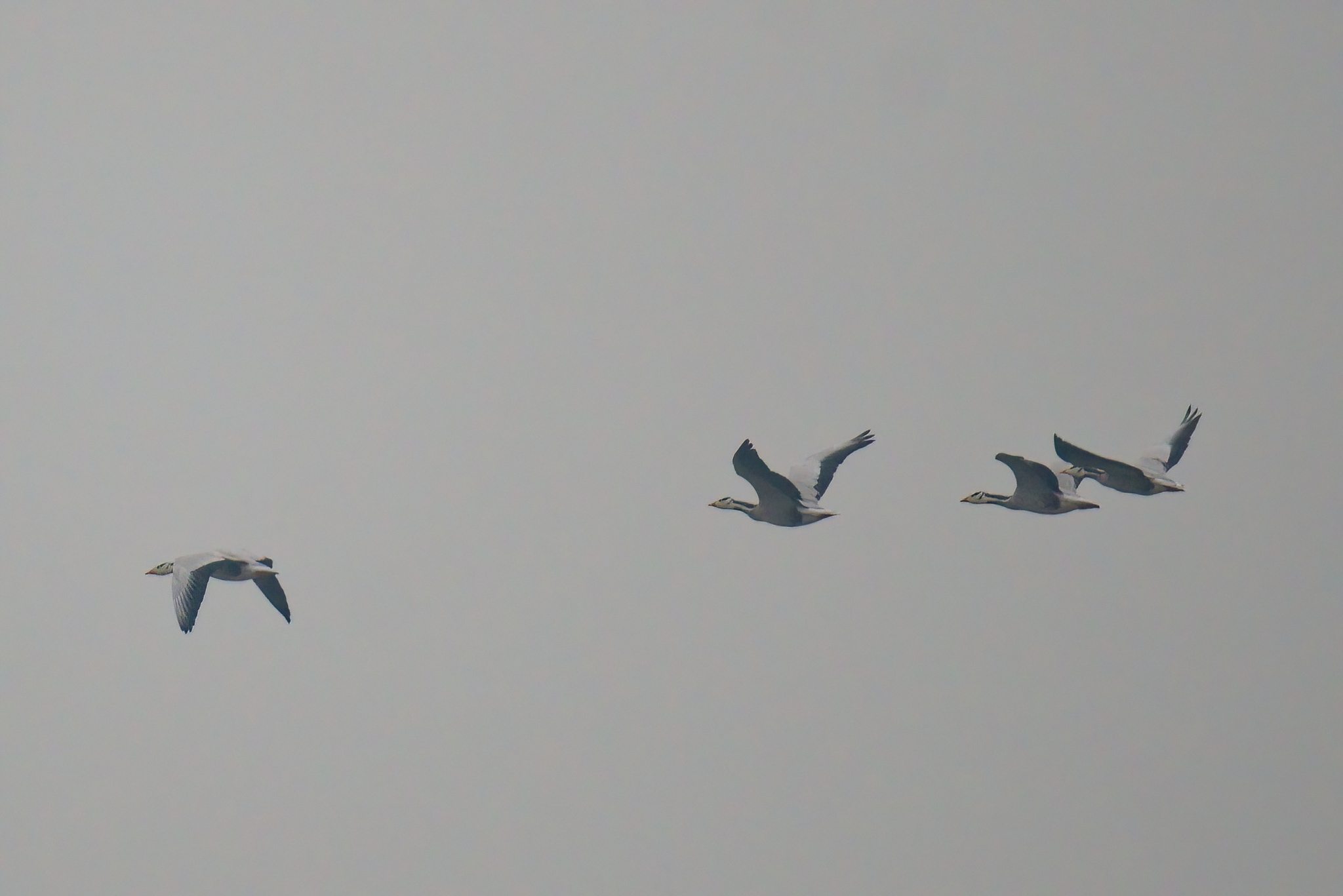
Easily identified by black bars on a white head and pale grey body, distinguishing it from other grey geese. In flight, produces a typical goose honking call.
Distribution & Habitat
Breeds in colonies on the Tibetan Plateau, extending north to Mongolia, with summer habitats in high-altitude lakes in Central Asia (Tibet, Kazakhstan, Russia). Migrates south across the Himalayas to winter in South Asia, from Assam to peninsular India (Tamil Nadu). Winter habitats include cultivated fields. Small naturalised populations exist in Germany; occasional sightings in Great Britain and Florida stem from captive escapes.
Behavior & Ecology
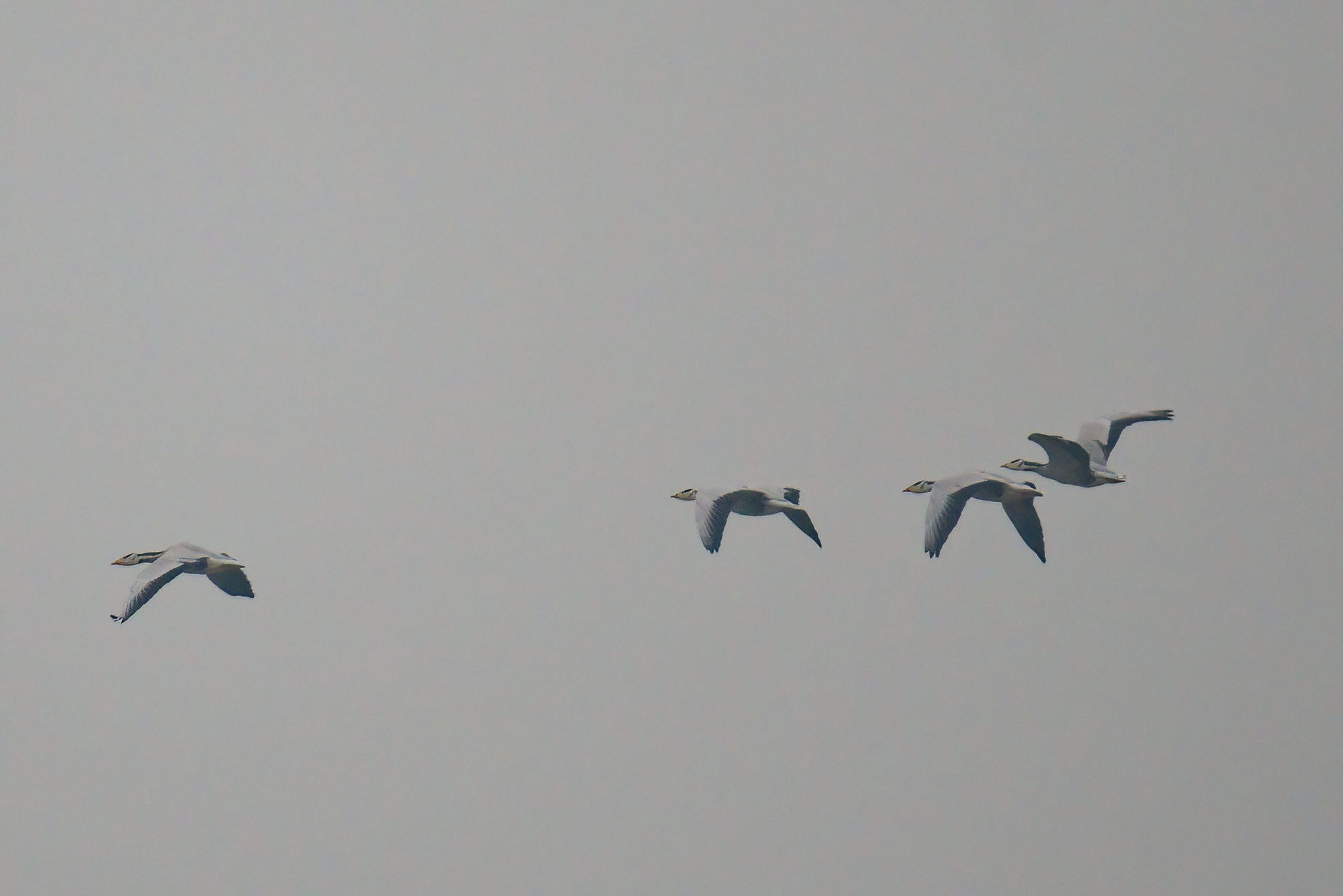
Migrates in stages, crossing the Himalayas non-stop in as little as seven hours, typically at night or early morning to utilize denser air. Spurns tail winds, waiting for calm conditions to achieve high climbing rates. Feeds on short grass in summer and barley, rice, and wheat in winter. Exhibits intraspecific brood parasitism where lower-ranking females lay eggs in higher-ranking females' nests. Predators include crows, foxes, ravens, sea eagles, and gulls.
Conservation
Total population may be increasing, though assessment is complex due to a range exceeding 2,500,000 km² (970,000 sq mi). Identified as an early victim of highly pathogenic avian influenza (HPAI) at Qinghai.
Culture
Suggested as the model for the Hamsa in Indian mythology, though some interpretations identify it as the Kadamb in Sanskrit literature, reserving Hamsa for the swan. Featured on a Soviet postage stamp.
Source: Wikipedia · CC BY-SA 3.0
Taxonomy
- Order
- Anseriformes
- Family
- Anatidae
- Genus
- Anser
Distribution
breeds alpine lakes in central Asia; winters to India and Myanmar
Data Sources
Species description from Wikipedia, licensed under CC BY-SA 3.0.
Bird images and sounds sourced from GBIF, contributed by citizen scientists worldwide under Creative Commons licenses.
Taxonomy data from AviList 2025.