Swan Goose
Anser cygnoides
鸿雁
Introduction
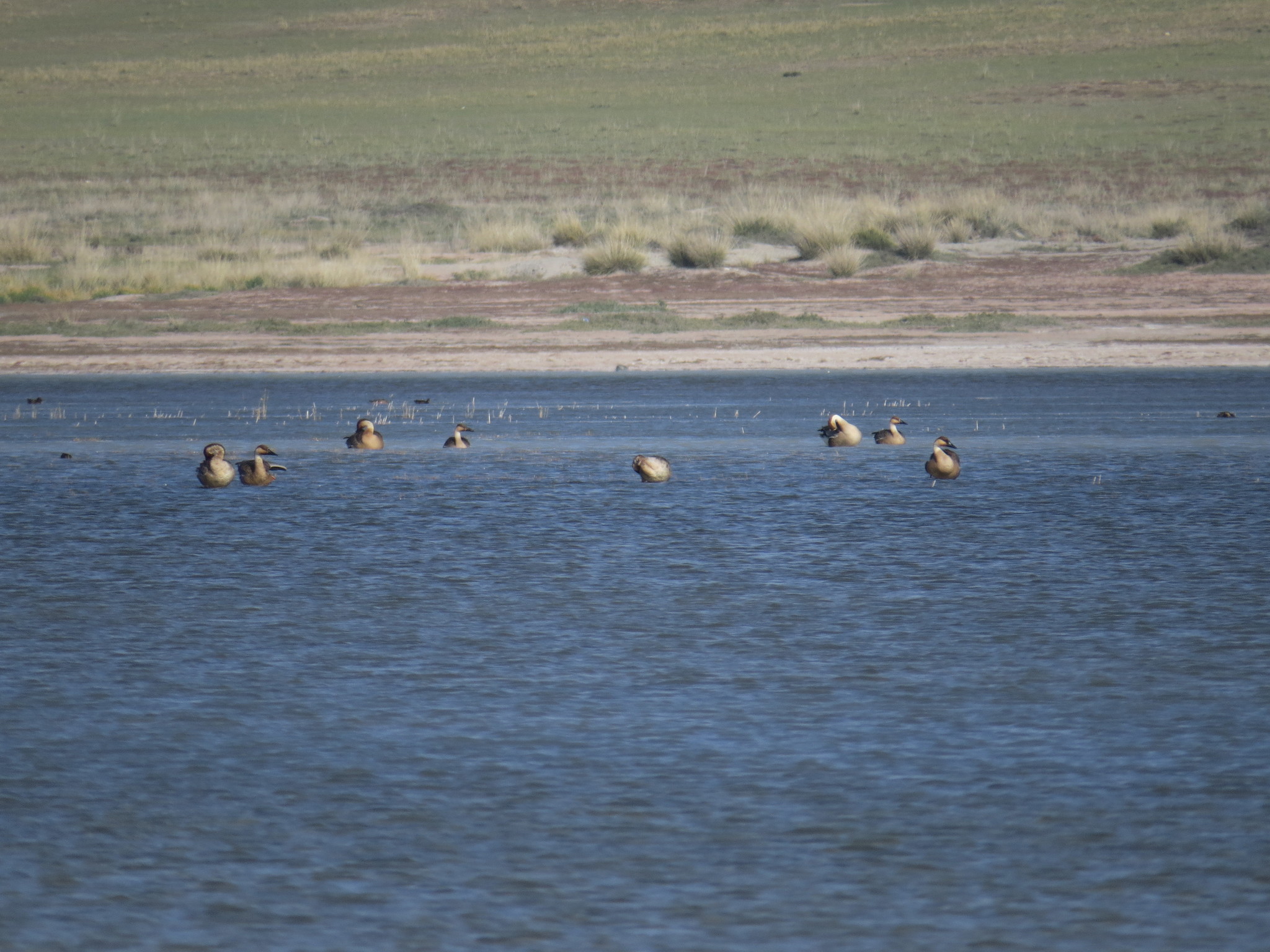
Large goose species, the longest and second-heaviest member of its genus. Characterized by a long neck and entirely black bill. Head and neck exhibit maroon coloring. Range extends across East Asia. Inhabits grasslands and wetlands. Wild populations are endangered. Outside the breeding season, forms small flocks. Has been domesticated for at least 2,000 years and is the ancestor of Chinese and African goose breeds. Produces honking calls. Escaped domestic birds occasionally occur in feral goose flocks.
Description
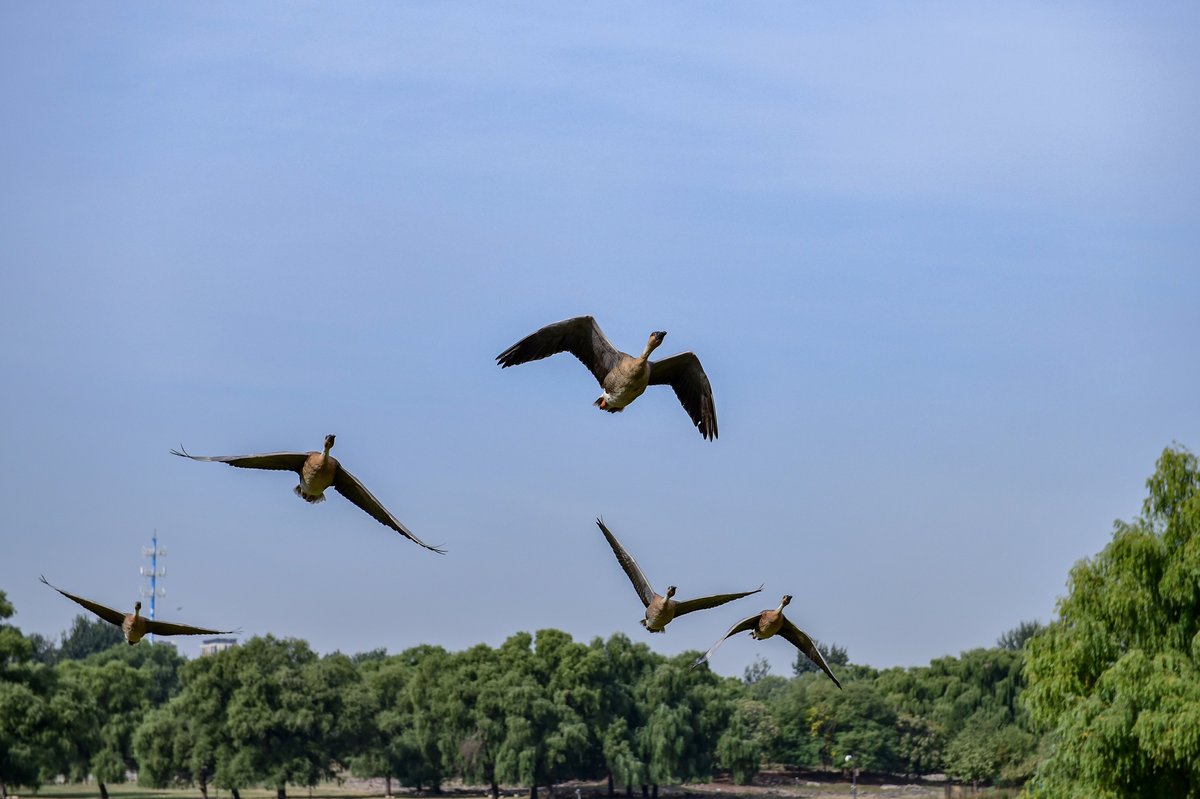
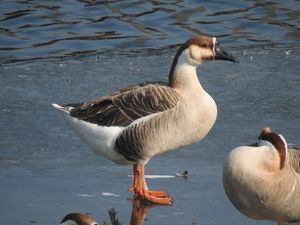
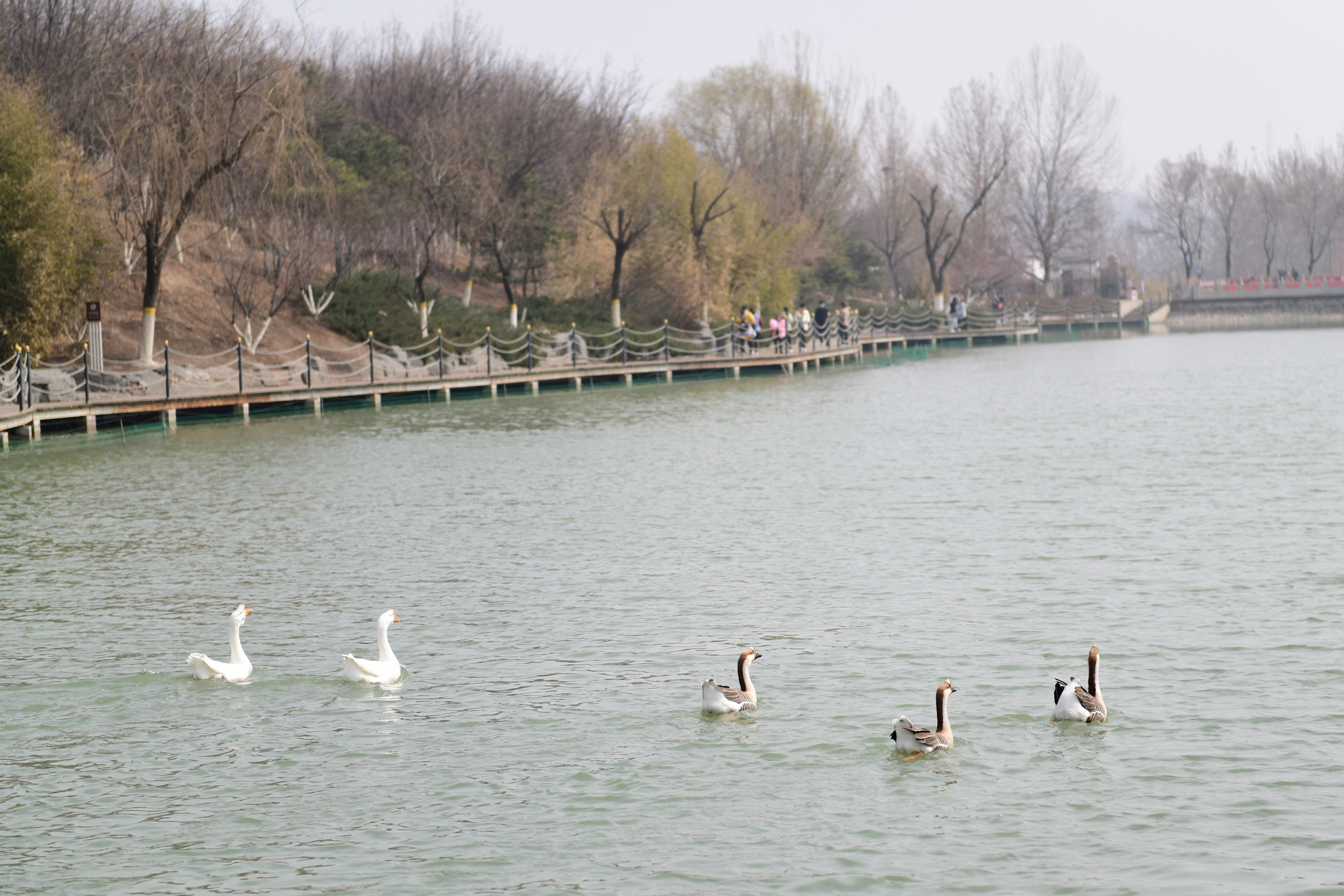
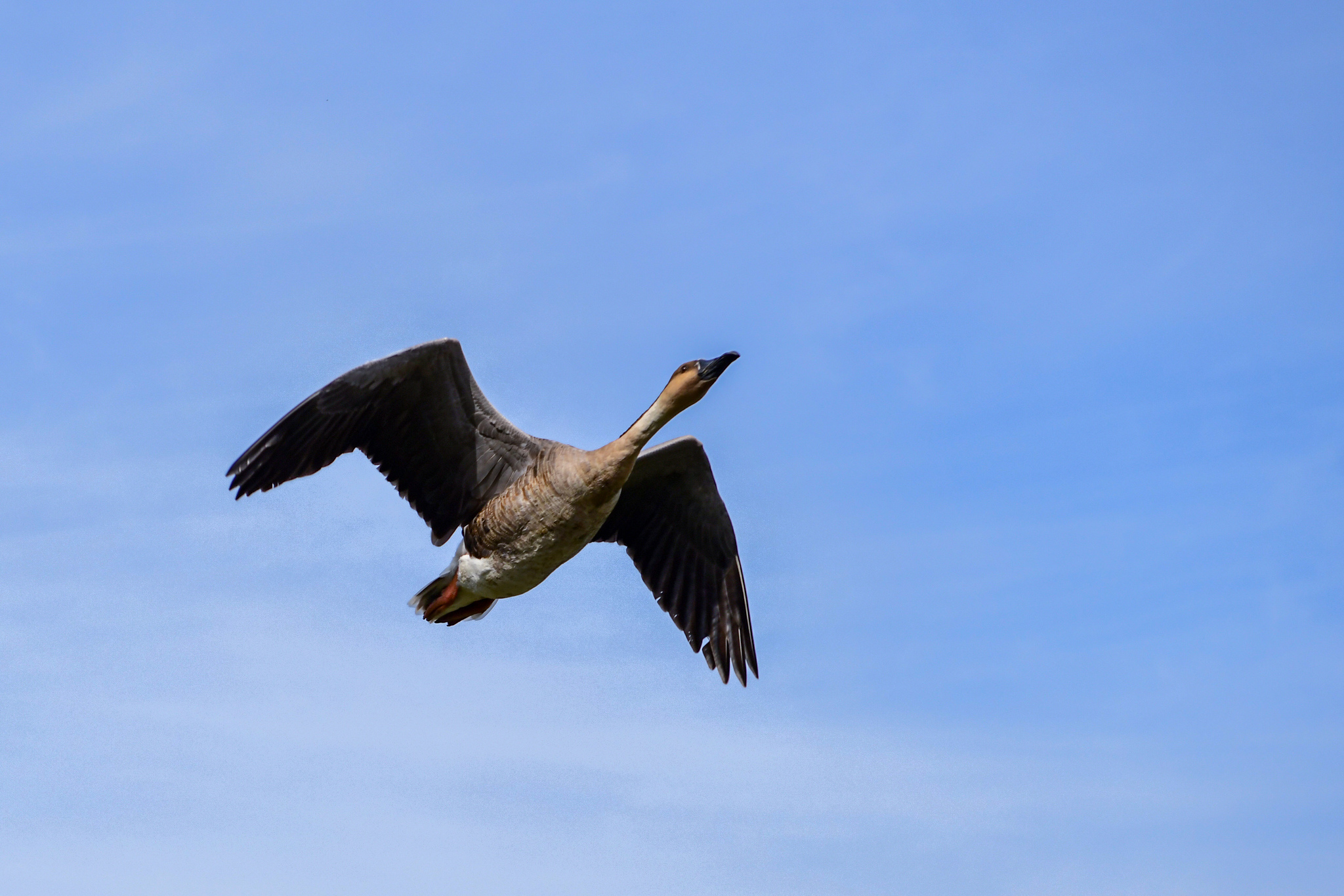
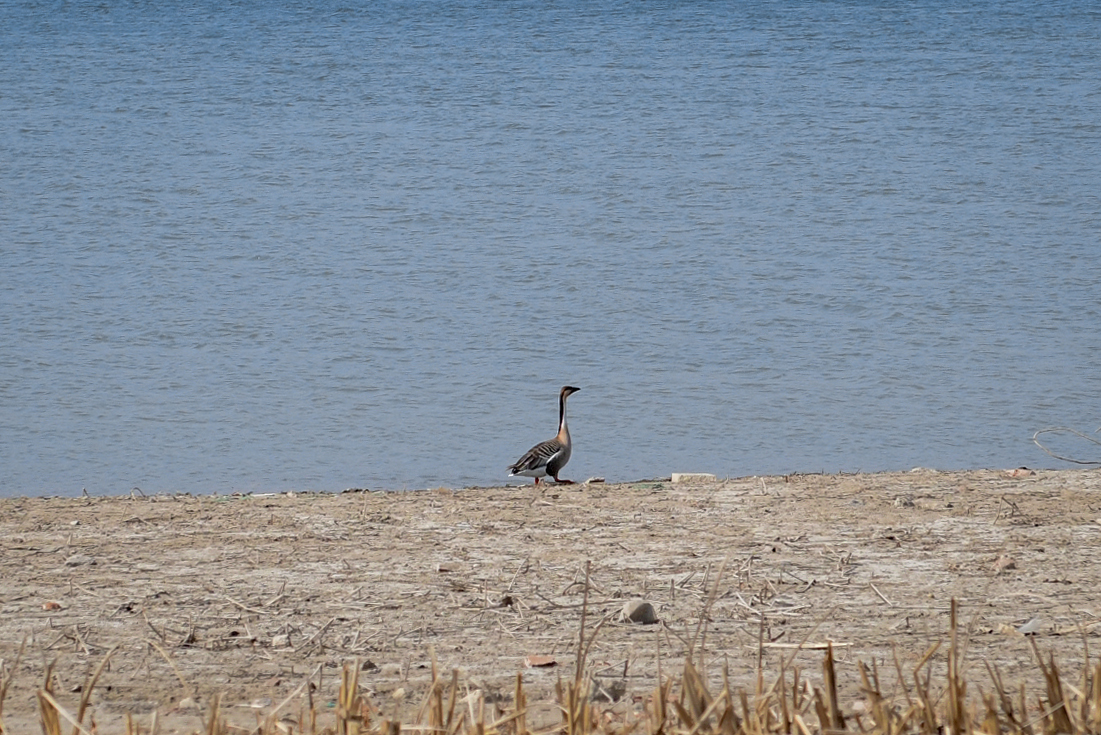
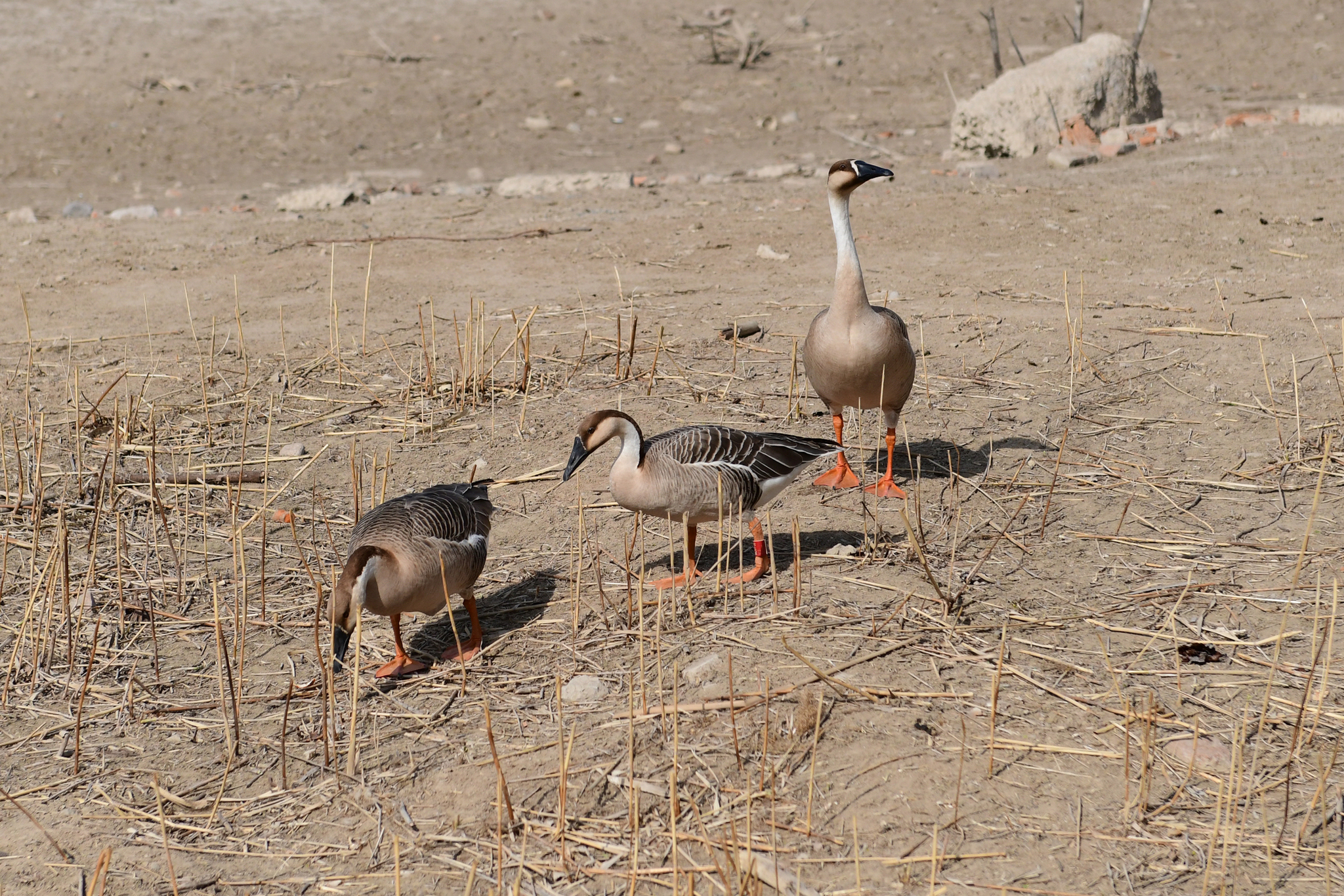
A large, robust goose with an exceptionally long neck for its genus, this species measures 81-94 cm in length and weighs 2.8-3.5 kg. The wingspan ranges from 160-185 cm. Sexes appear similar, though males are significantly larger with proportionally longer bills and necks. The plumage features greyish-brown upperparts with fine light fringes to the feathers. The hindneck and cap display a distinctive maroon coloring extending just below the eye. The remiges, entire underwing, and white-tipped tail feathers are blackish, while the tail coverts are white. A thin white stripe frames the bill base. The underparts show pale buff coloring, lightest on the lower head and foreneck where it creates a sharp contrast against the maroon neck. Dark streaks adorn the belly and flanks. Most notably, this species possesses a completely black bill, unique within its genus. The legs and feet are orange, and the eye irises are maroon. Juveniles are duller overall and lack the white bill base and belly streaking.
Identification
The combination of completely black bill and long neck separates this species from all other grey geese. The maroon head and hindneck coloring is distinctive, though this can appear darker in certain lighting conditions. Compared to the similar greylag goose, this species is longer-necked, has a heavier black bill rather than the pinkish-orange bill of the greylag, and shows more contrast between the dark cap and pale underparts. In flight, the dark wings show no conspicuous pattern, unlike some other goose species. The relatively upright posture and prominent bill knob—more pronounced in domestic birds—help distinguish domestic escapes. The loud, ascending honking call is quite distinctive and can aid identification when birds are hidden in vegetation.
Distribution & Habitat
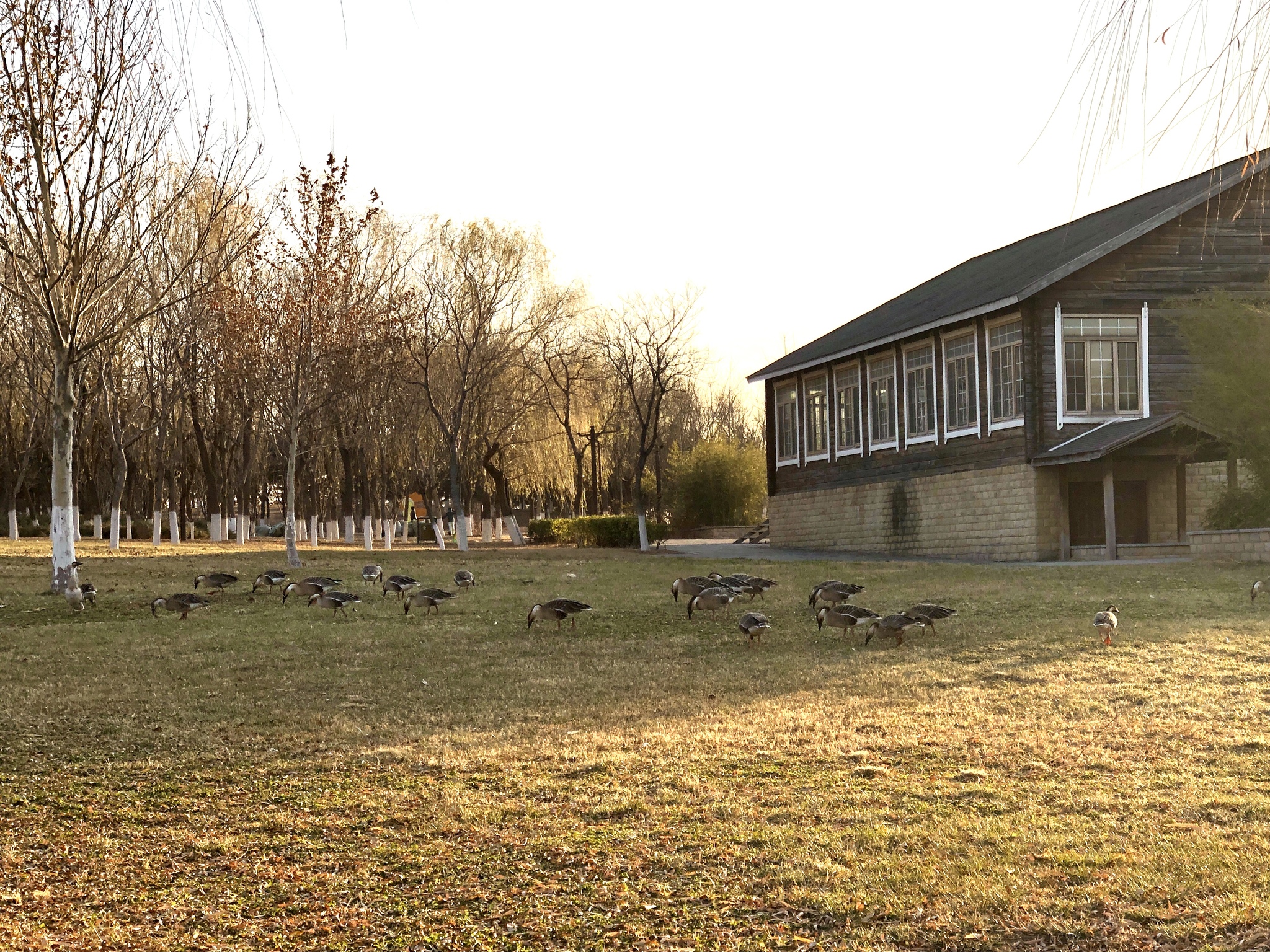
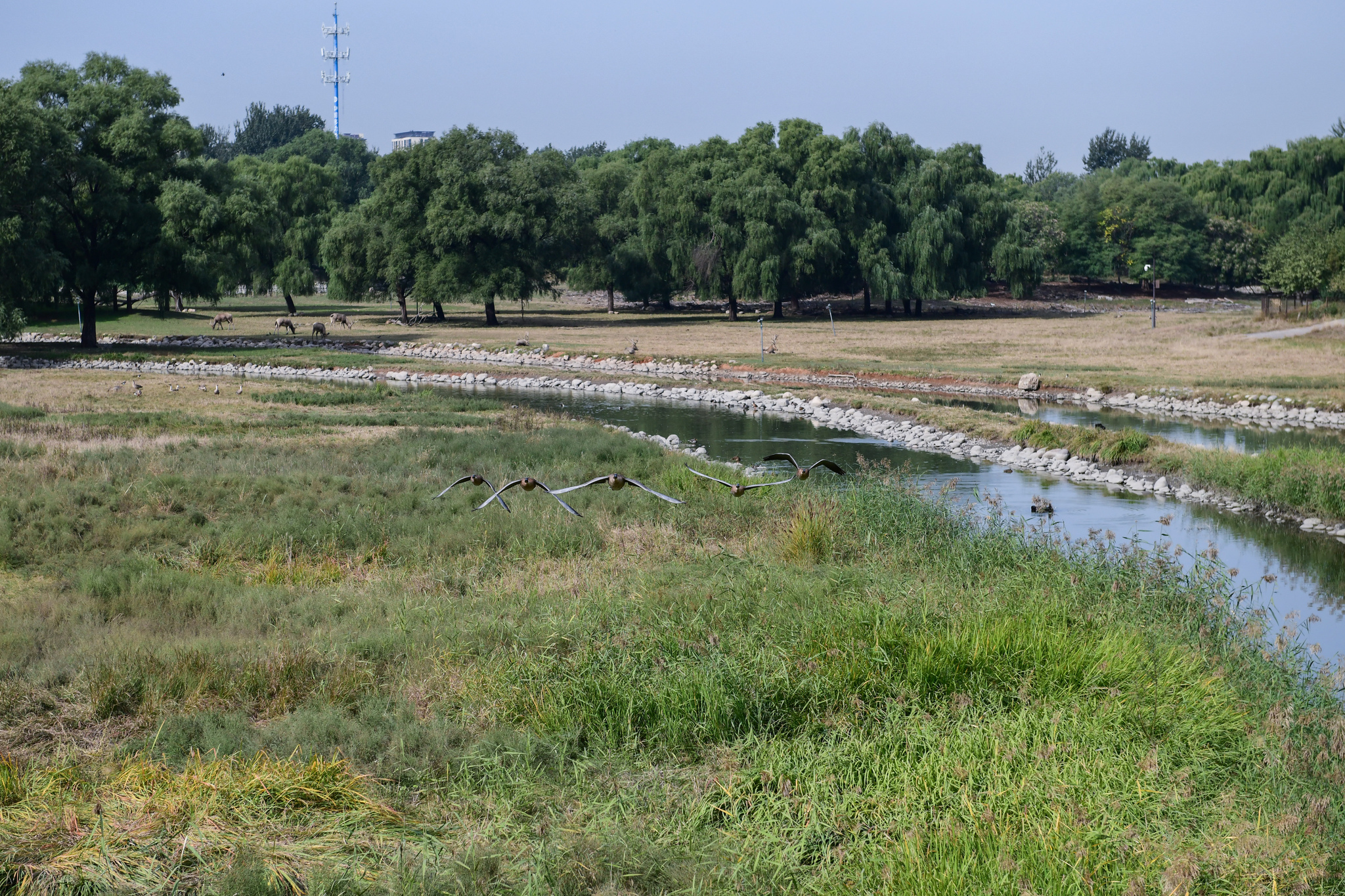
The natural breeding range encompasses inland Mongolia, Northeast China, and the Russian Far East. This migratory species winters primarily in central and eastern China, with important locations including Lake Dongting, Lake Poyang, the Yancheng Coastal Wetlands, and areas along the lower Yangtze River. Vagrant birds occasionally appear in Japan, Korea, Kazakhstan, Laos, coastal Siberia, Taiwan, Thailand, and Uzbekistan. The species inhabits steppe to taiga environments and mountain valleys near freshwater, breeding near marshes and wetlands. Wintering birds graze on plains and stubble fields, sometimes far from water. Spring migration begins around April, with birds returning to breeding areas. They depart for winter quarters again in late August or early September.
Behavior & Ecology
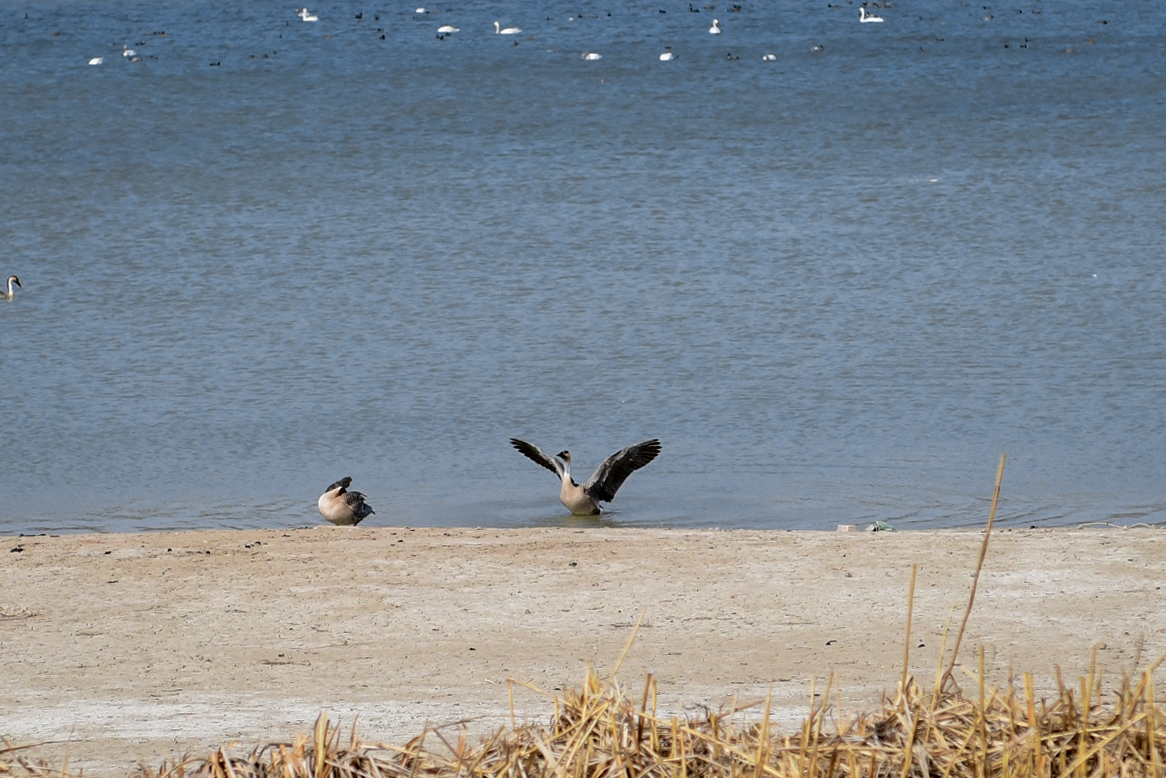
Outside the breeding season, this goose forms small flocks and rarely swims, preferring to graze on terrestrial vegetation. The diet consists primarily of sedges, grasses, and water plants. Birds return from winter quarters around April, and breeding commences shortly thereafter in single pairs or loose colonies near wetlands. Nesting activity begins in May, with the female constructing a shallow plant nest directly on the ground, often on elevated knolls to remain dry. Clutches typically contain 5-6 eggs, though up to 8 may be laid. After approximately 28 days of incubation, precocial young hatch. Sexual maturity occurs at 2-3 years of age. The species gives a loud, drawn-out ascending honk described as 'aang,' while warning calls consist of 2-3 more barking honks in succession. Winter flocks gather to undergo their annual molt.
Conservation
The species holds an Endangered classification on the IUCN Red List due to ongoing population declines and range losses, compounded by recent poor breeding success and unsustainable hunting levels. The 2023 population estimate stands at 36,000-43,500 individuals. The species was previously listed as Near Threatened in 1992 and Endangered in 2000 before being downlisted to Vulnerable in 2008 when research revealed larger numbers than previously believed. However, the population continues to decline. Primary threats include habitat loss, excessive hunting, and egg collection—particularly intensive on China's Sanjiang Plain. In Russia, fewer than 500 breeding pairs may remain. Important wintering areas in China may support up to 60,000 individuals annually, potentially representing almost the entire global population. Until the 1950s, small numbers wintered annually in Japan, but habitat destruction has eliminated this population.
Culture
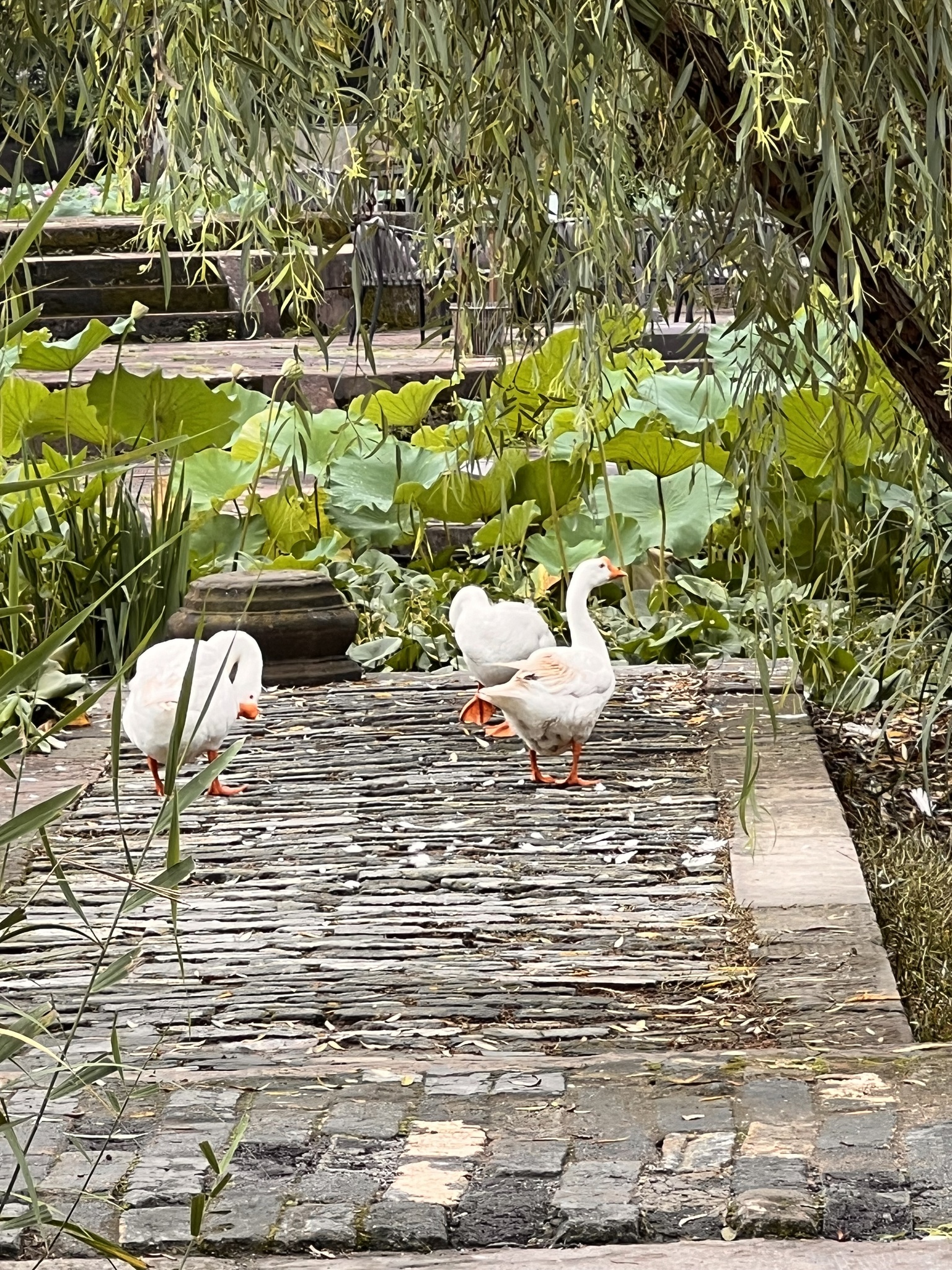
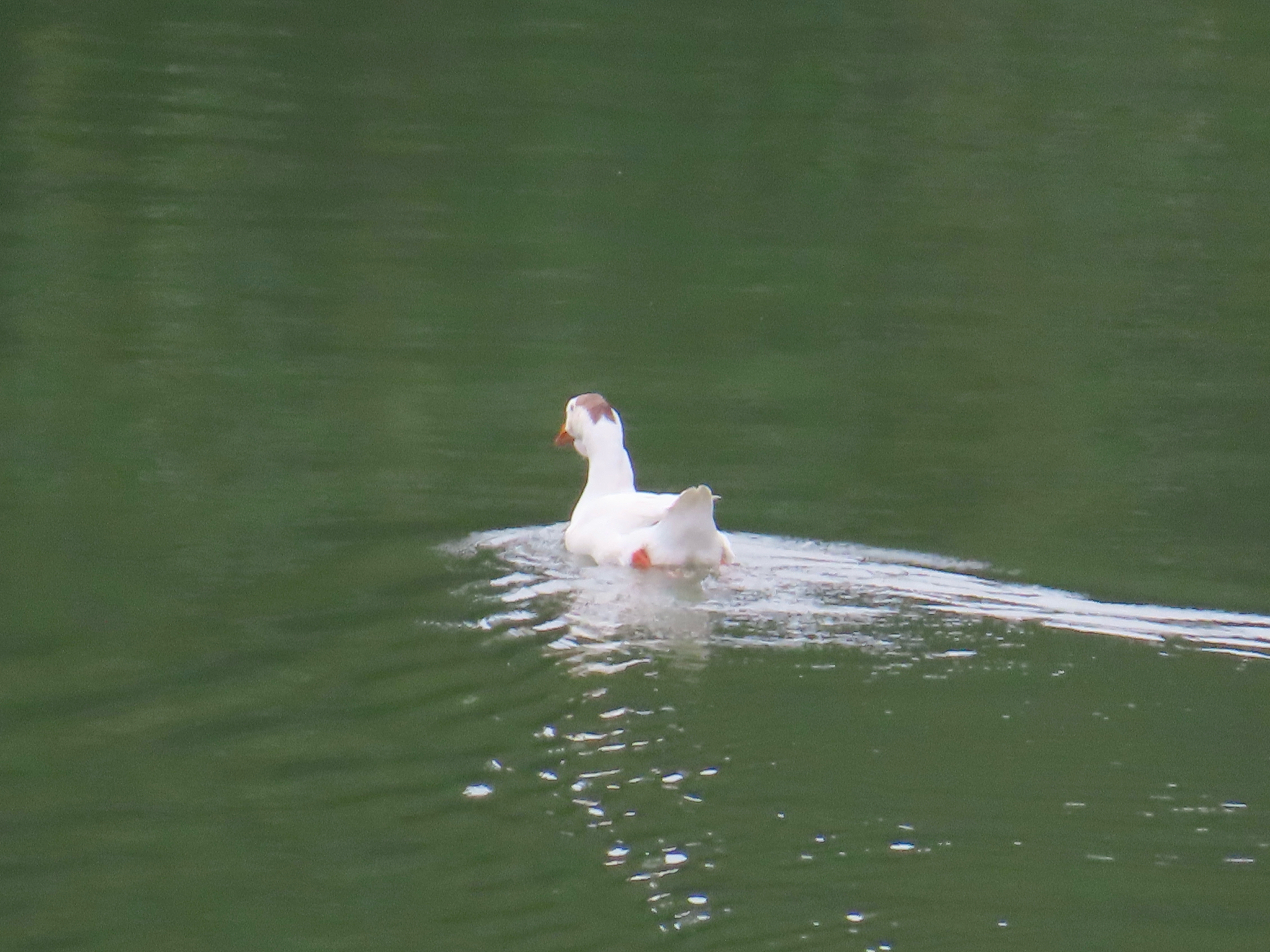
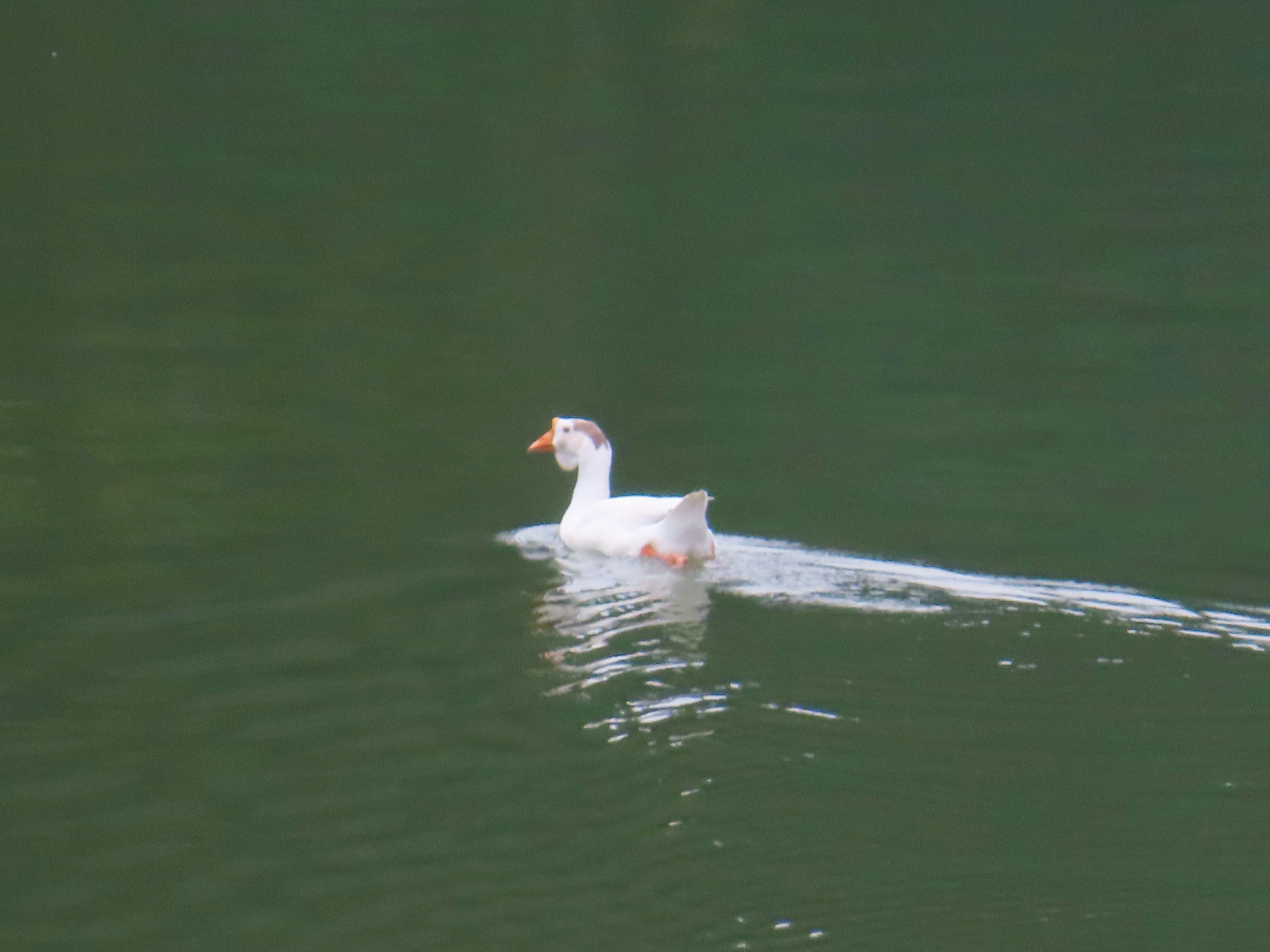
This species has played a significant role in human civilization as the ancestor of the Chinese and African domestic goose breeds. Domesticated for at least 2,000 years—possibly since around 1000 BC in China—these breeds have become widespread globally. Charles Darwin studied goose breeds in developing his theory of evolution, noting the substantial external differences between Chinese geese and greylag-descended breeds despite their close relationship. Domestic breeds differ conspicuously from their wild ancestors in having prominent bill knobs and more upright postures. These domesticated varieties have been bred for meat and egg production, developing distinct temperaments from their wild counterparts. Darwin documented that hybrids between this species and the greylag goose have bred in captivity with either pure parent species, demonstrating the genetic compatibility despite centuries of domestication.
Source: Wikipedia · CC BY-SA 3.0
Taxonomy
- Order
- Anseriformes
- Family
- Anatidae
- Genus
- Anser
- eBird Code
- swagoo1
Distribution
breeds central Asia and Mongolia to southeastern Siberia; winters to southeastern China
Data Sources
CBR Notes: IUCN红色名录等级由VU升为EN
Species description from Wikipedia, licensed under CC BY-SA 3.0.
Bird images and sounds sourced from GBIF, contributed by citizen scientists worldwide under Creative Commons licenses.
Taxonomy data from AviList 2025.