Anseriformes / Anatidae / Anas
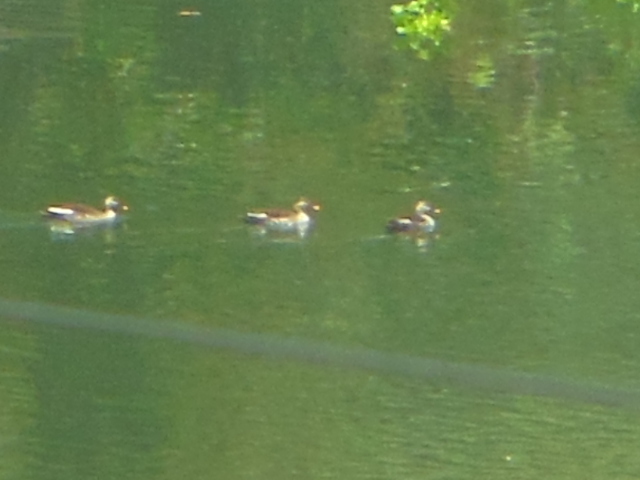
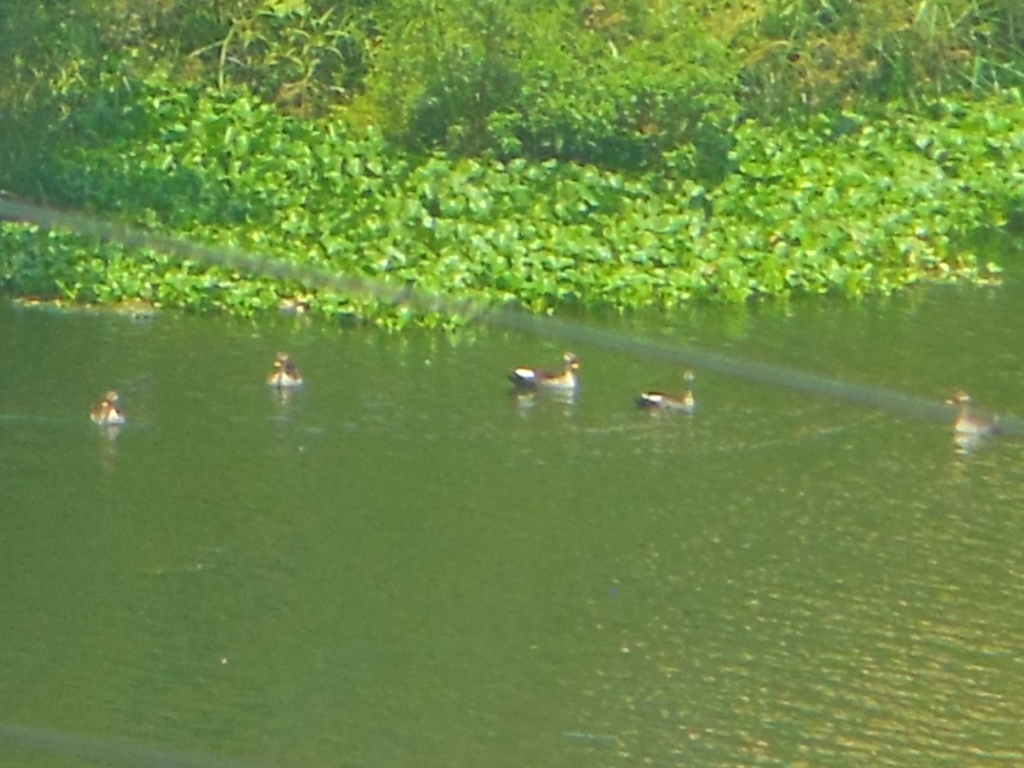
Indian Spot-billed Duck
Anas poecilorhyncha · 南亚斑嘴鸭
Introduction
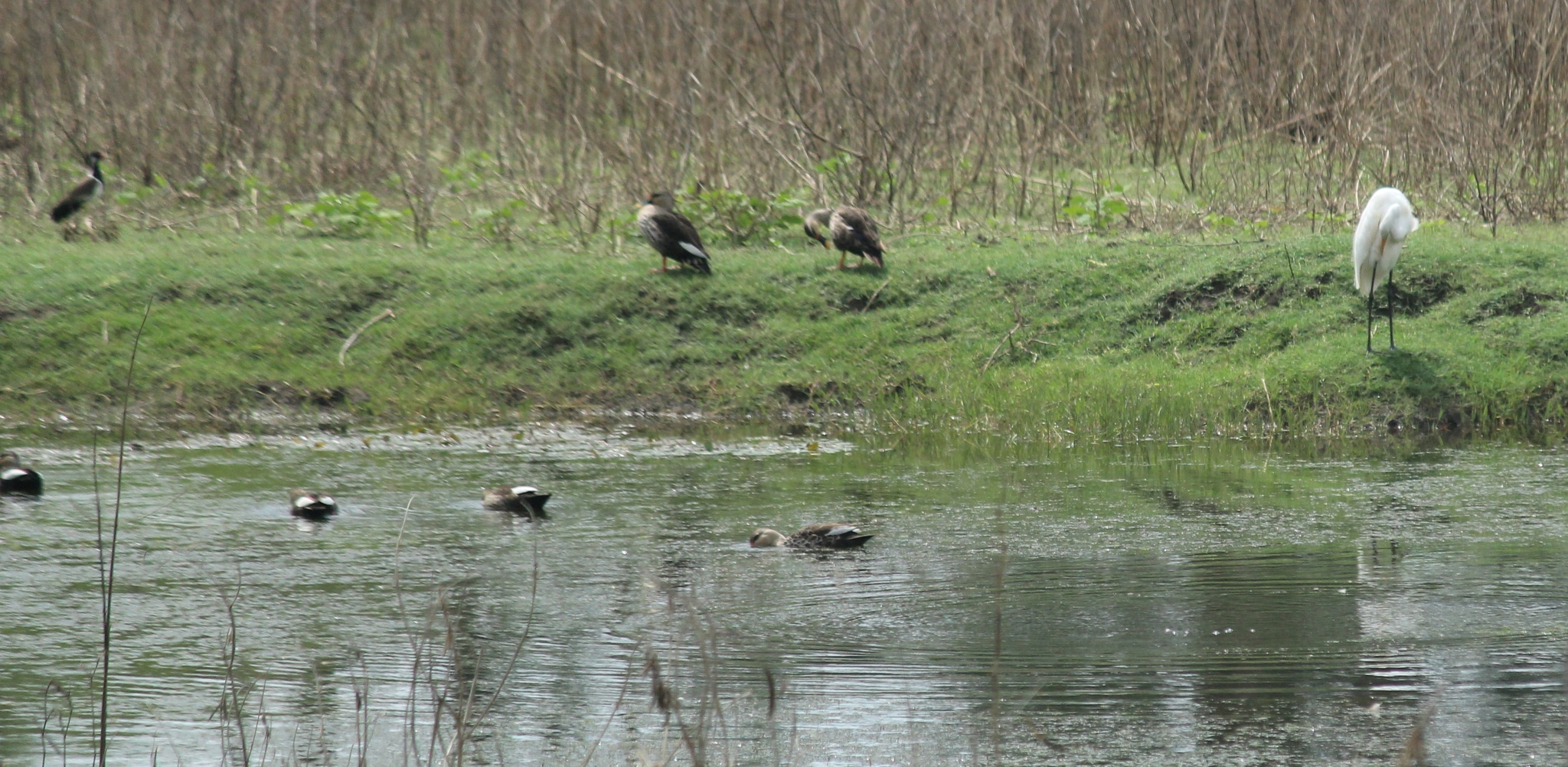
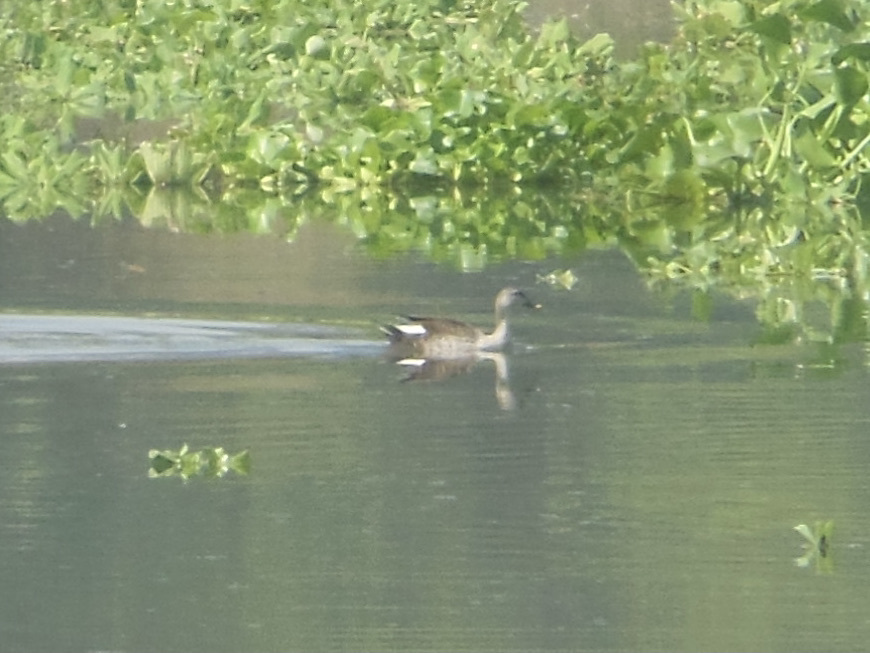
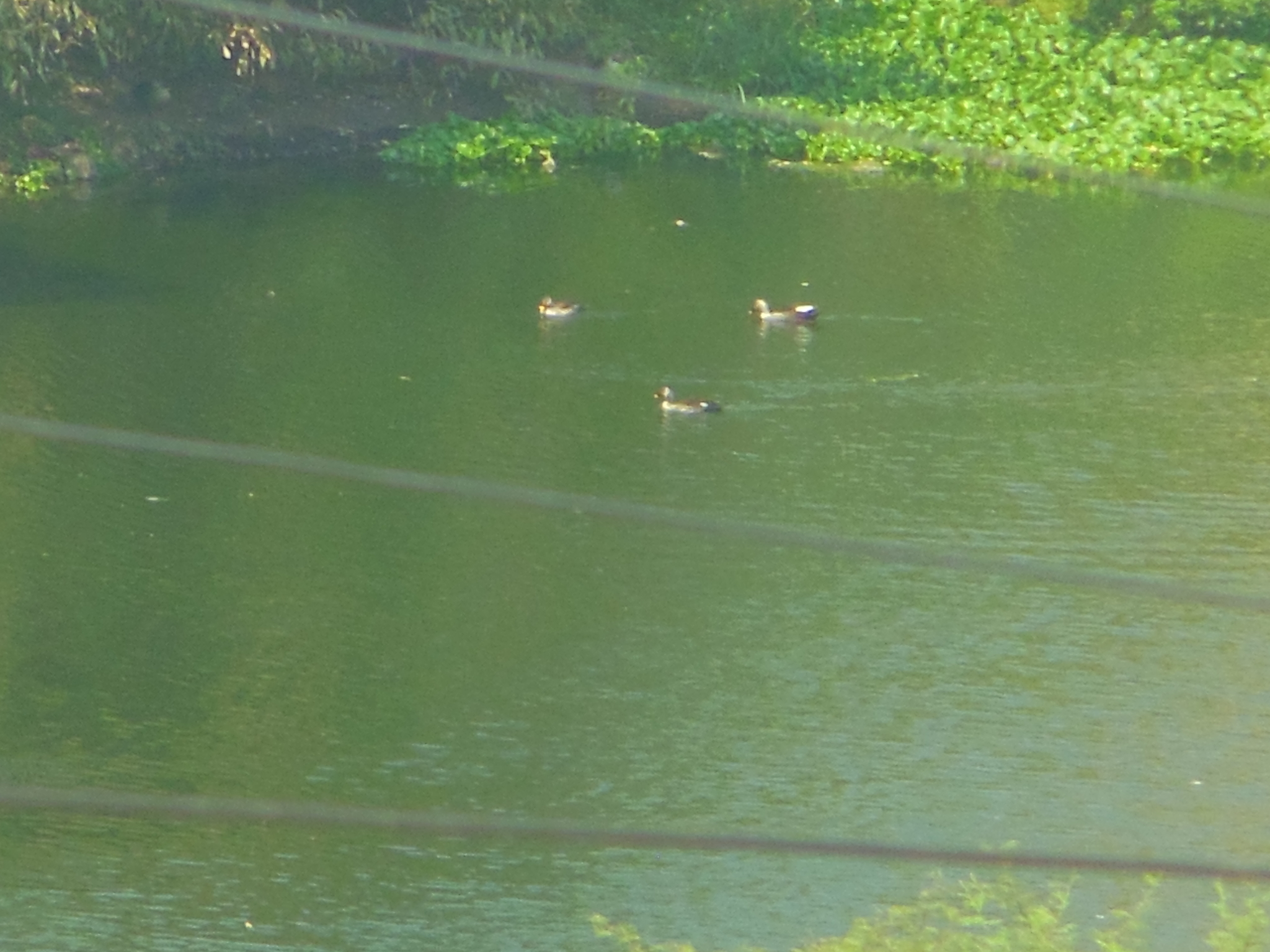
A large dabbling duck species, non-migratory breeder in freshwater wetlands across the Indian subcontinent. Distinctive for white tertials forming a side stripe when at rest and a green speculum with a broad white band in flight. Formerly conspecific with the eastern spot-billed duck.
Description
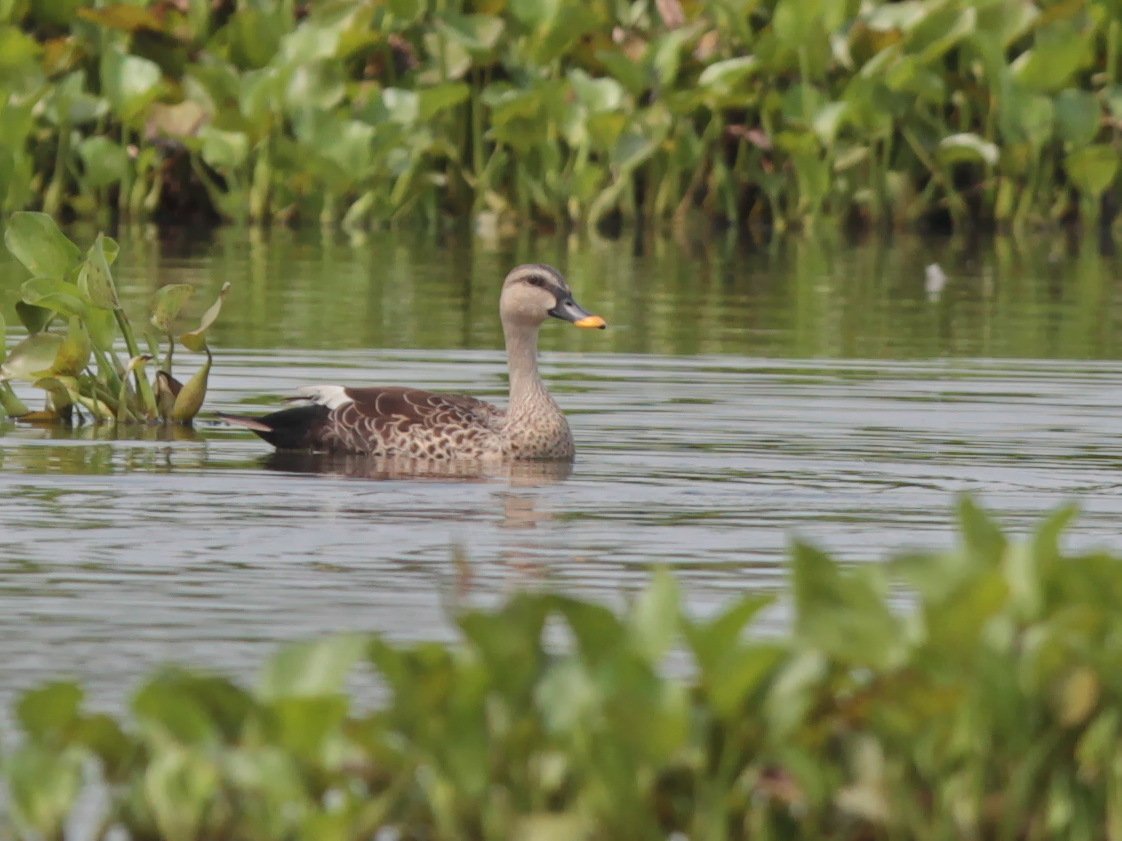
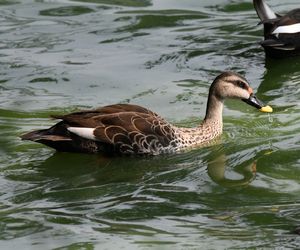
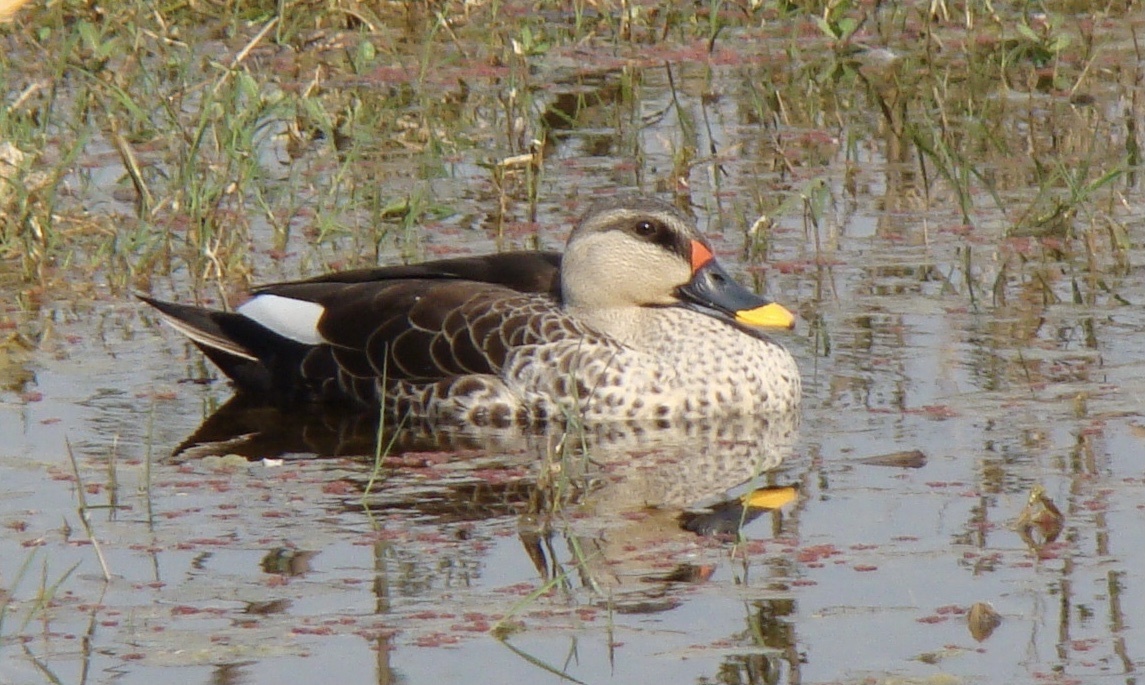
Measures 55–63 cm in length, 83–95 cm wingspan, and weighs 790–1,500 g. Plumage is mainly grey with a scaly pattern, paler head and neck. Bill is black with a bright yellow tip; nominate males have red spots at the base, absent or inconspicuous in females and absent in subspecies haringtoni. Legs and feet are bright orange to coral red. Wings show whitish coverts with black flight feathers below and a white-bordered green speculum above. Juveniles are browner and duller. Males lack eclipse plumage.
Identification
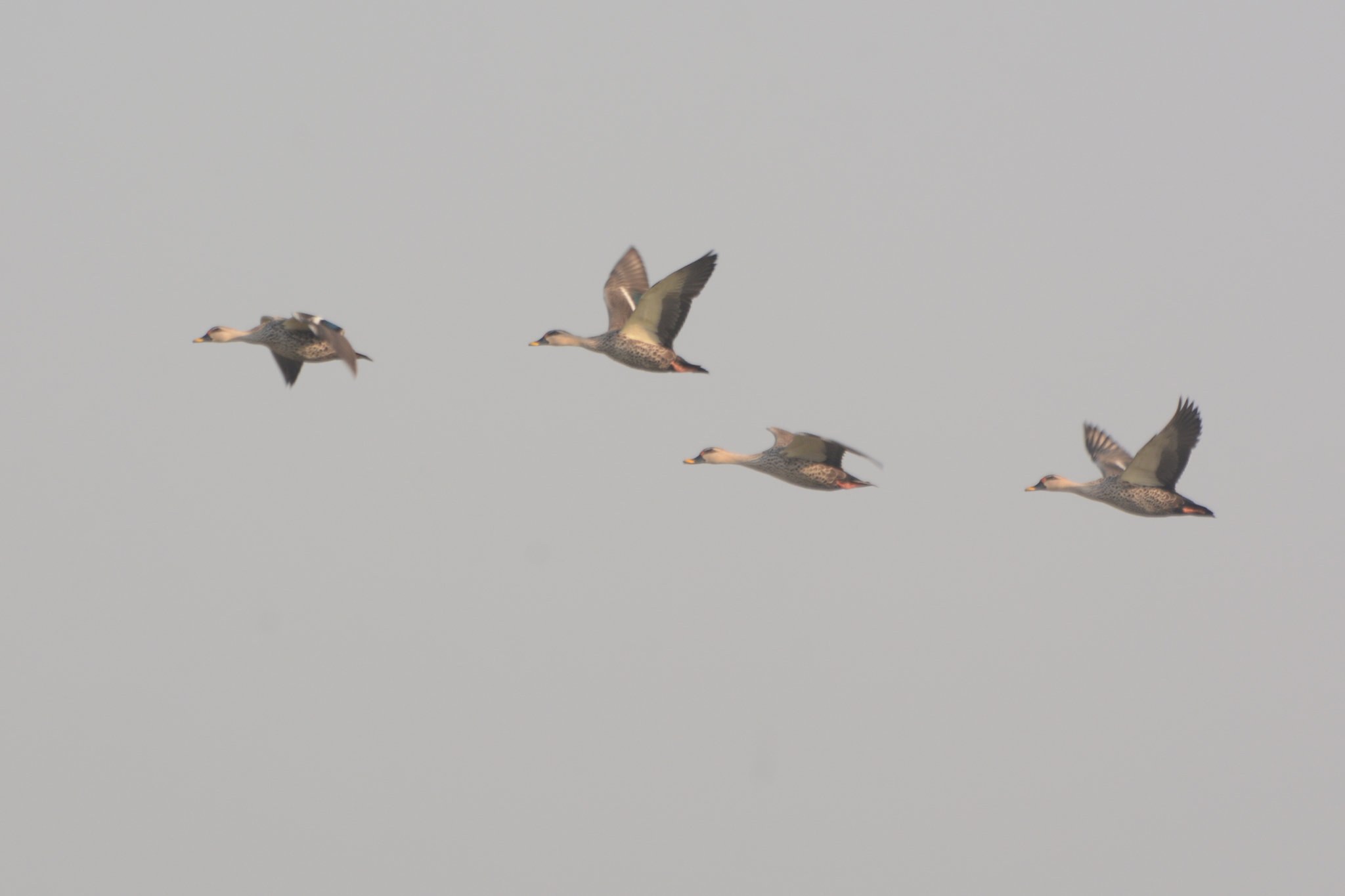
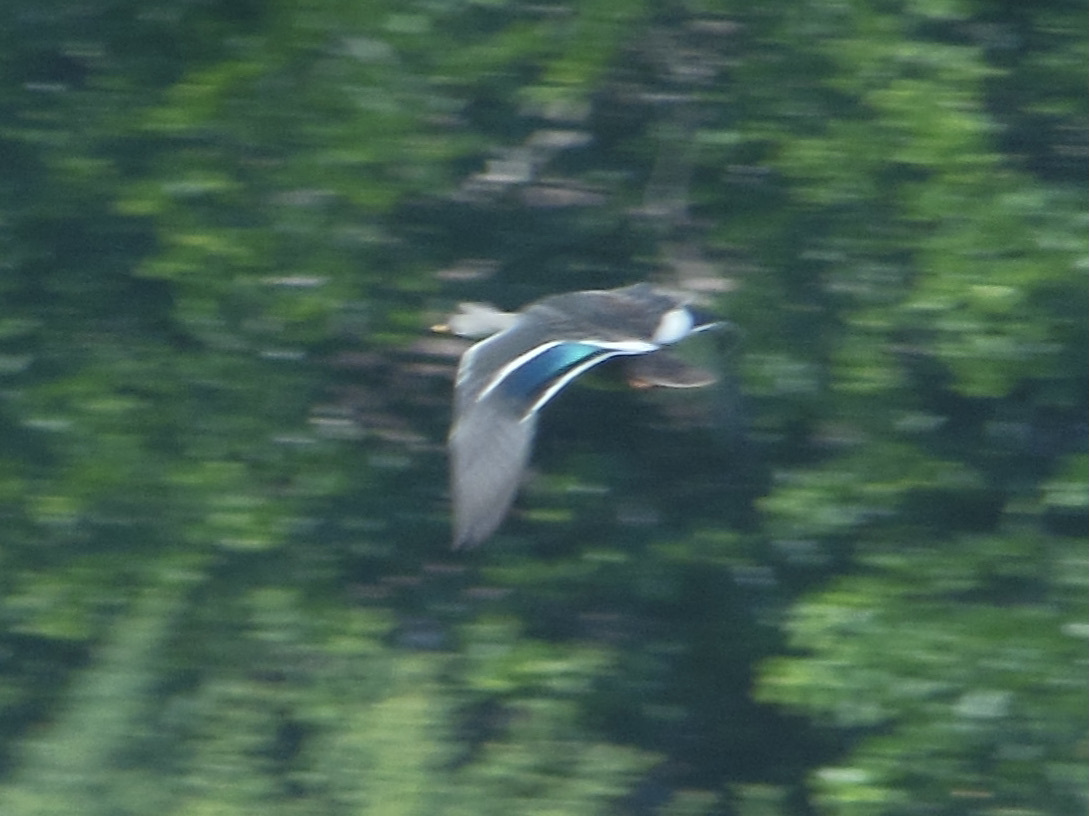
Recognized at distance by white tertials forming a stripe on the side. In flight, distinguished by a green speculum with a broad white band at the base. The nominate subspecies has a bill with a yellow tip and orange-red spots at the base. Differs from the eastern spot-billed duck, which is darker, browner, lacks the red bill spot, and has a blue speculum.
Distribution & Habitat
Resident throughout Pakistan and India in freshwater wetlands, preferring medium-sized wetlands with vegetation cover over large open water patches. Subspecies A. p. poecilorhyncha occurs in India and Sri Lanka; A. p. haringtoni ranges from Myanmar to southern China and Laos. Northernmost populations have expanded range northwards by over 500 km since the early 20th century. Rare migration recorded, with one individual ringed in Rajasthan recovered near Novosibirsk.
Behavior & Ecology
Feeds by dabbling for plants (including rice) and invertebrates like snails, mainly in the evening or at night. Breeding season varies: July to September in northern India, November to December in southern India. Nests on ground hidden in vegetation or on tree branches covered by creepers, laying 8-14 eggs. Incubation lasts about 24 days. Chicks are black with a yellow back and wide eyestripe. Gregarious outside breeding season, forming small flocks. Takes off nearly vertically when disturbed and may dive to evade capture. Hosts various trematodes and helminths. Predators include birds of prey, pythons, and otters.
Source: Wikipedia · CC BY-SA 3.0
Taxonomy
- Order
- Anseriformes
- Family
- Anatidae
- Genus
- Anas
Vocalizations
Subspecies (2)
-
Anas poecilorhyncha haringtoni
eastern Assam and Myanmar to southern Yunnan and Vietnam
Data Sources
Species description from Wikipedia, licensed under CC BY-SA 3.0.
Bird images and sounds sourced from GBIF, contributed by citizen scientists worldwide under Creative Commons licenses.
Taxonomy data from AviList 2025.