Anseriformes / Anatidae / Anas
Mallard
Anas platyrhynchos · 绿头鸭
Introduction
A dabbling duck belonging to the subfamily Anatinae of the family Anatidae. It breeds throughout temperate and subtropical Americas, Eurasia, and North Africa, and has been introduced to New Zealand, Australia, South America, and South Africa. Inhabits wetlands, feeds on water plants and small animals, and is highly social, often congregating in flocks. Classified as Least Concern by the IUCN.
Description
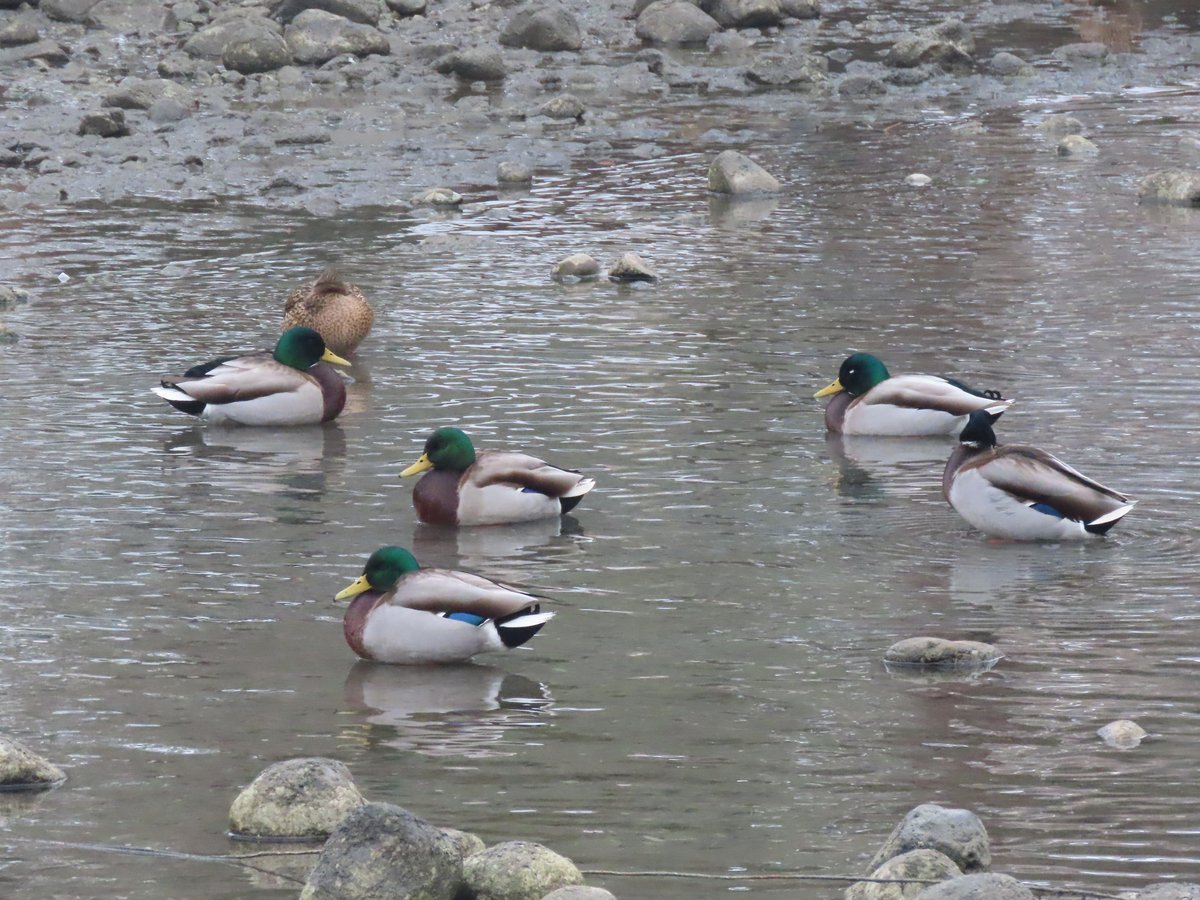
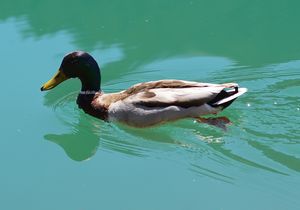
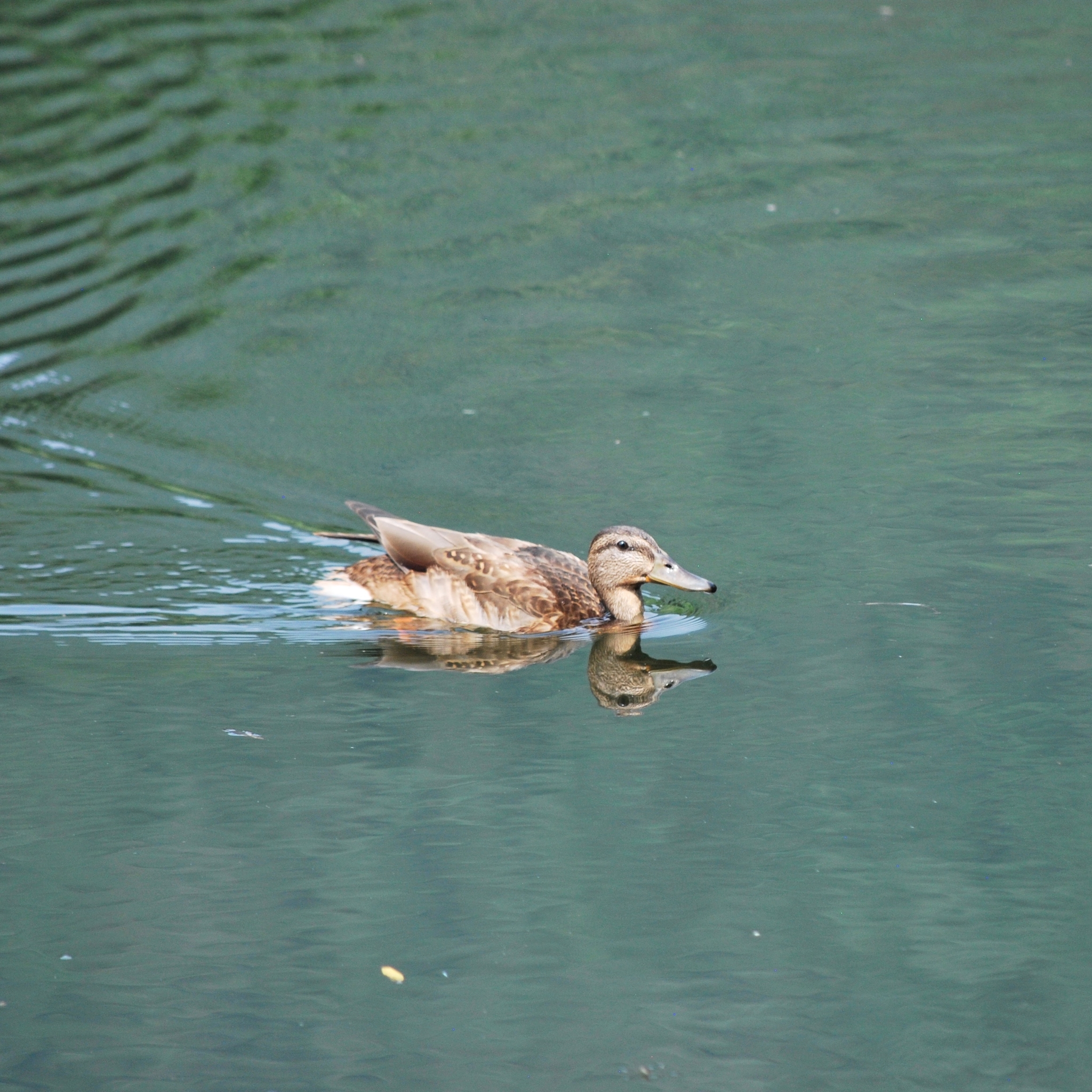
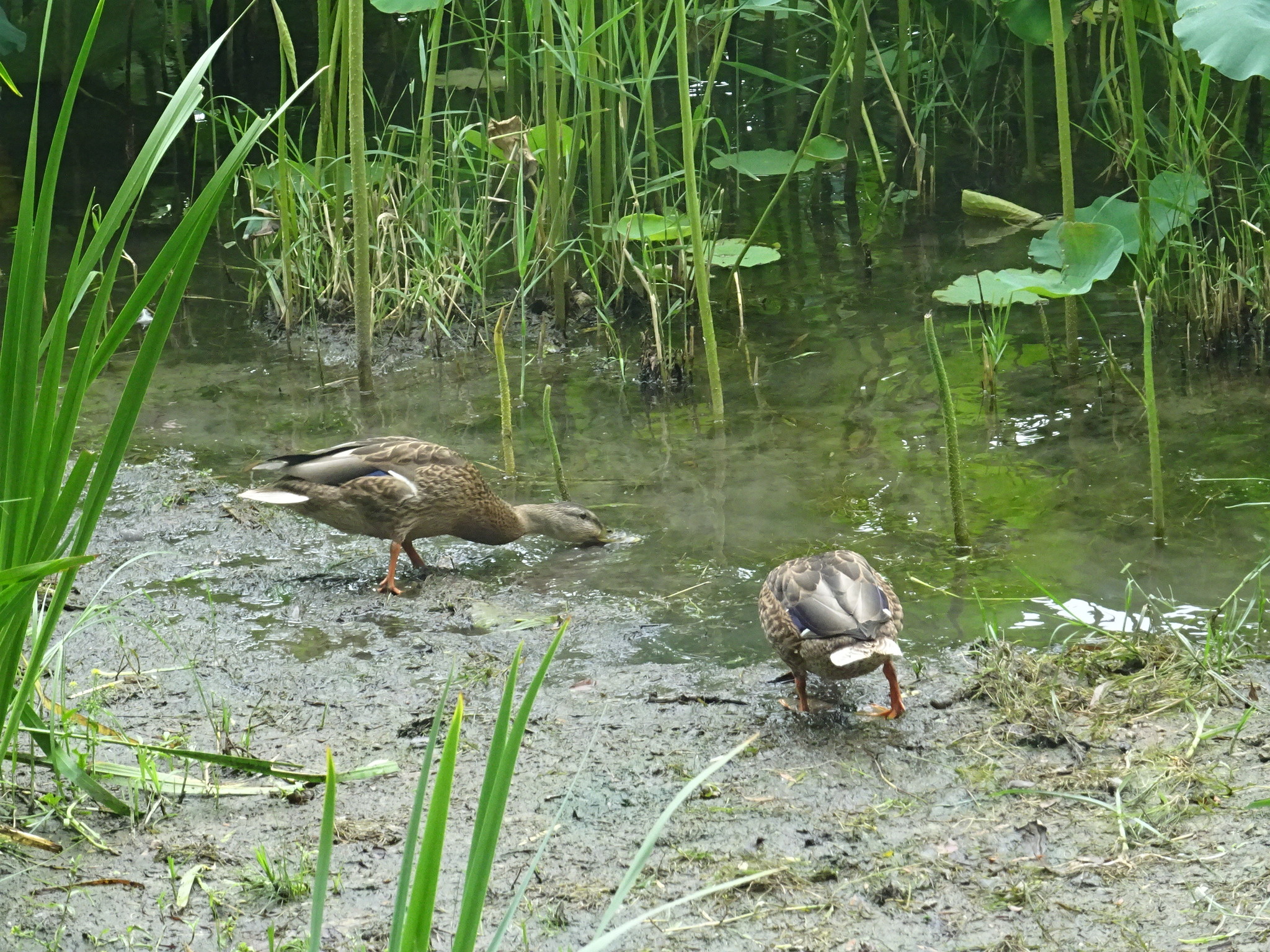
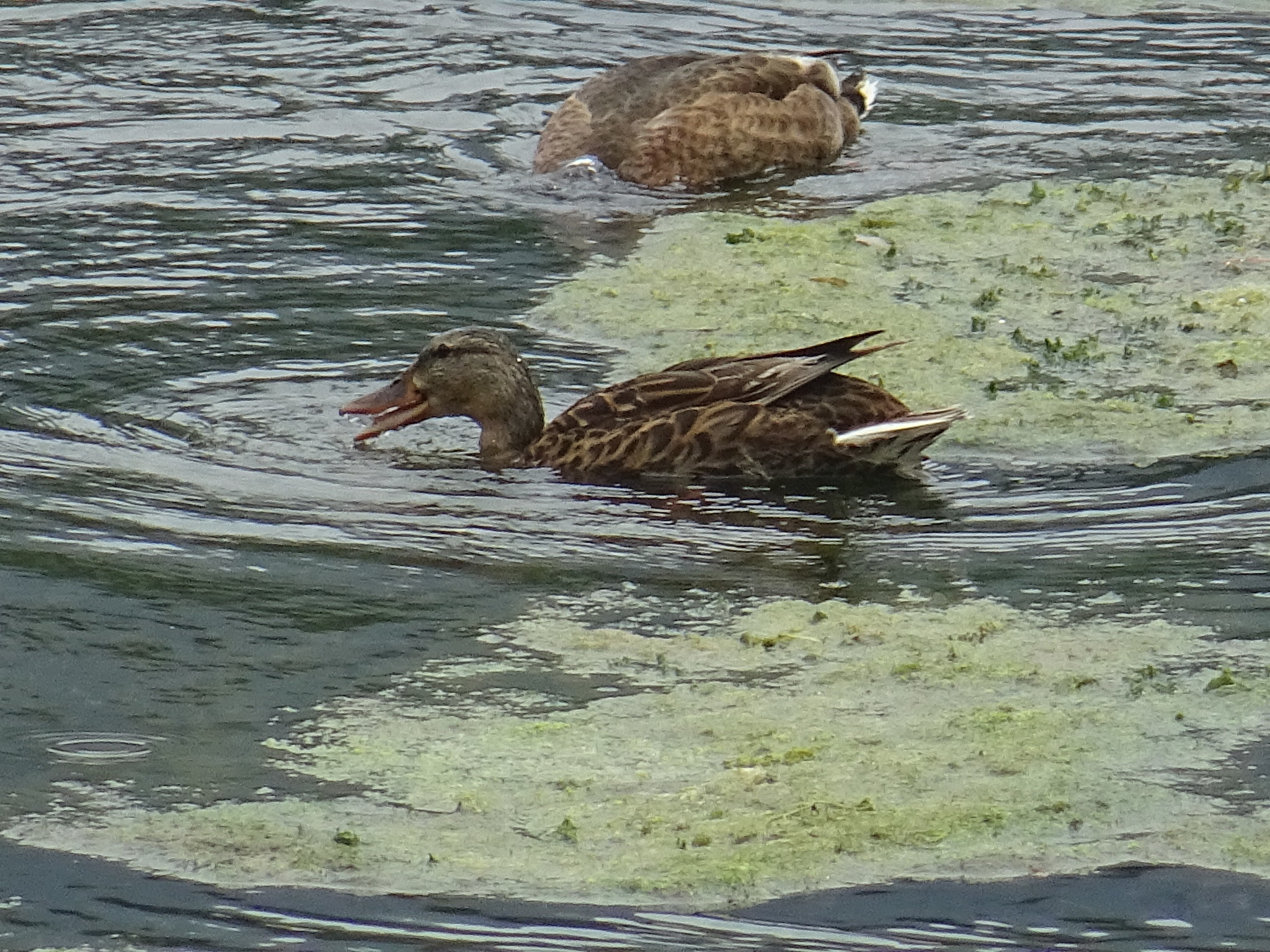
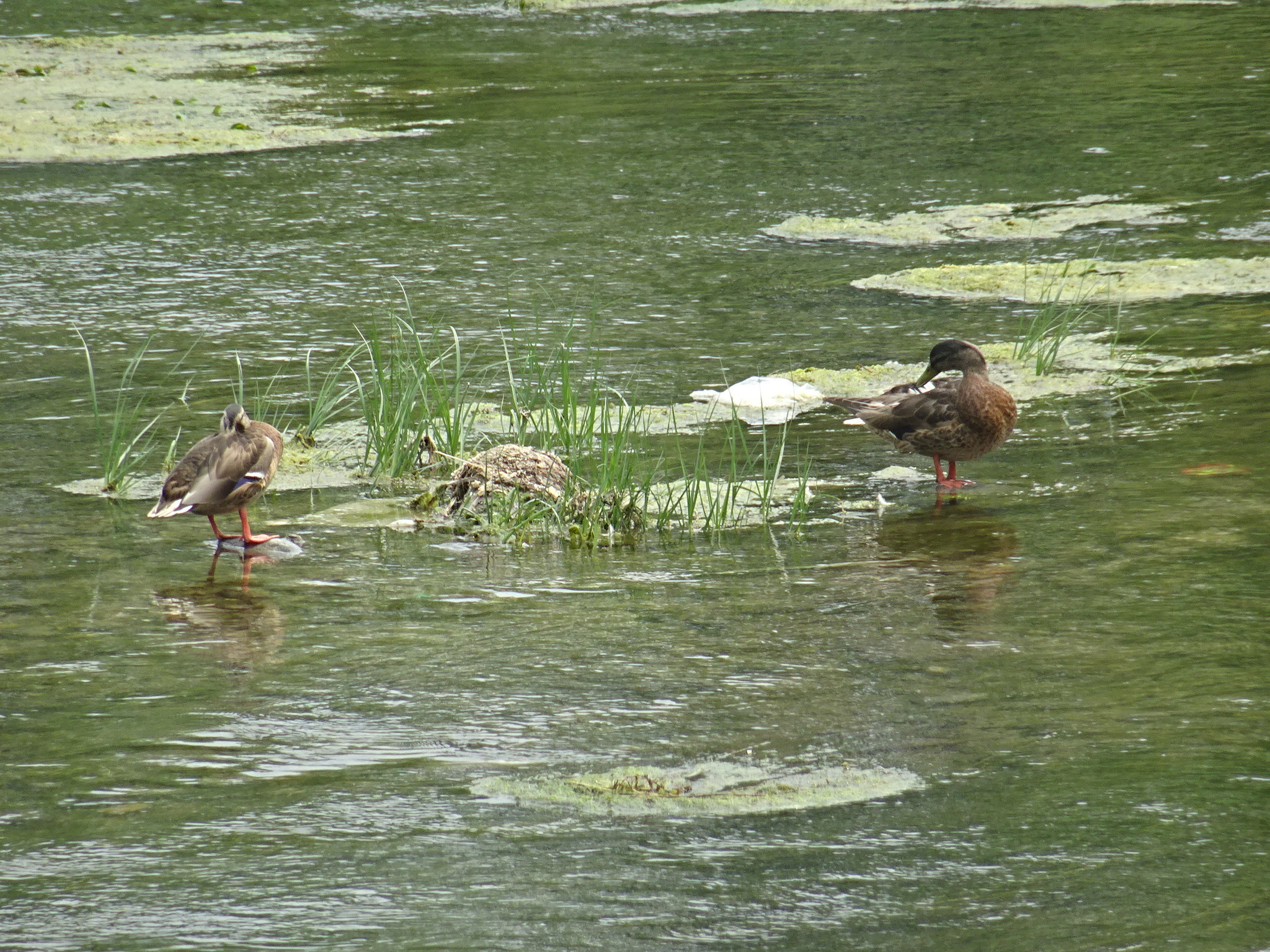
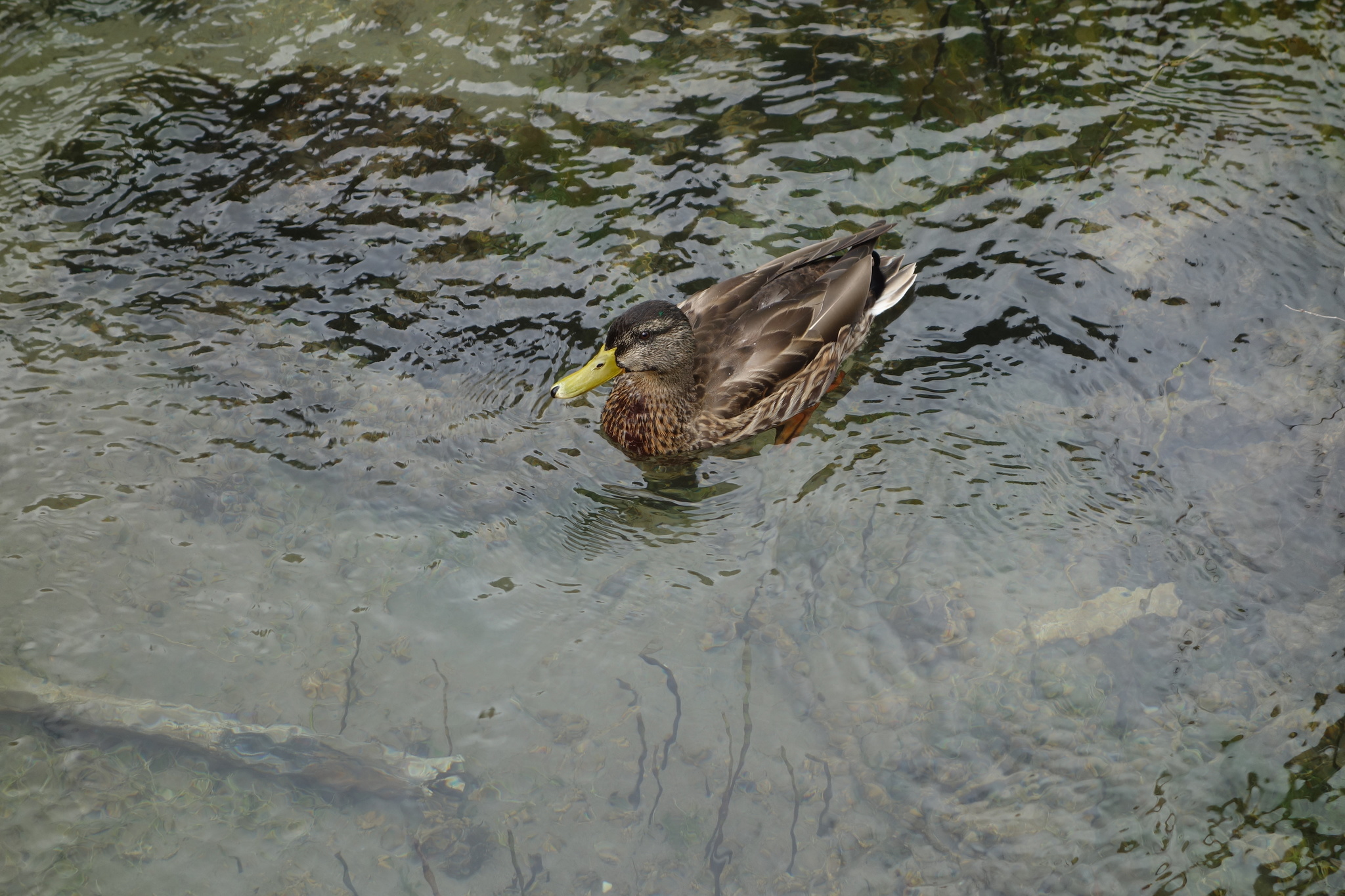
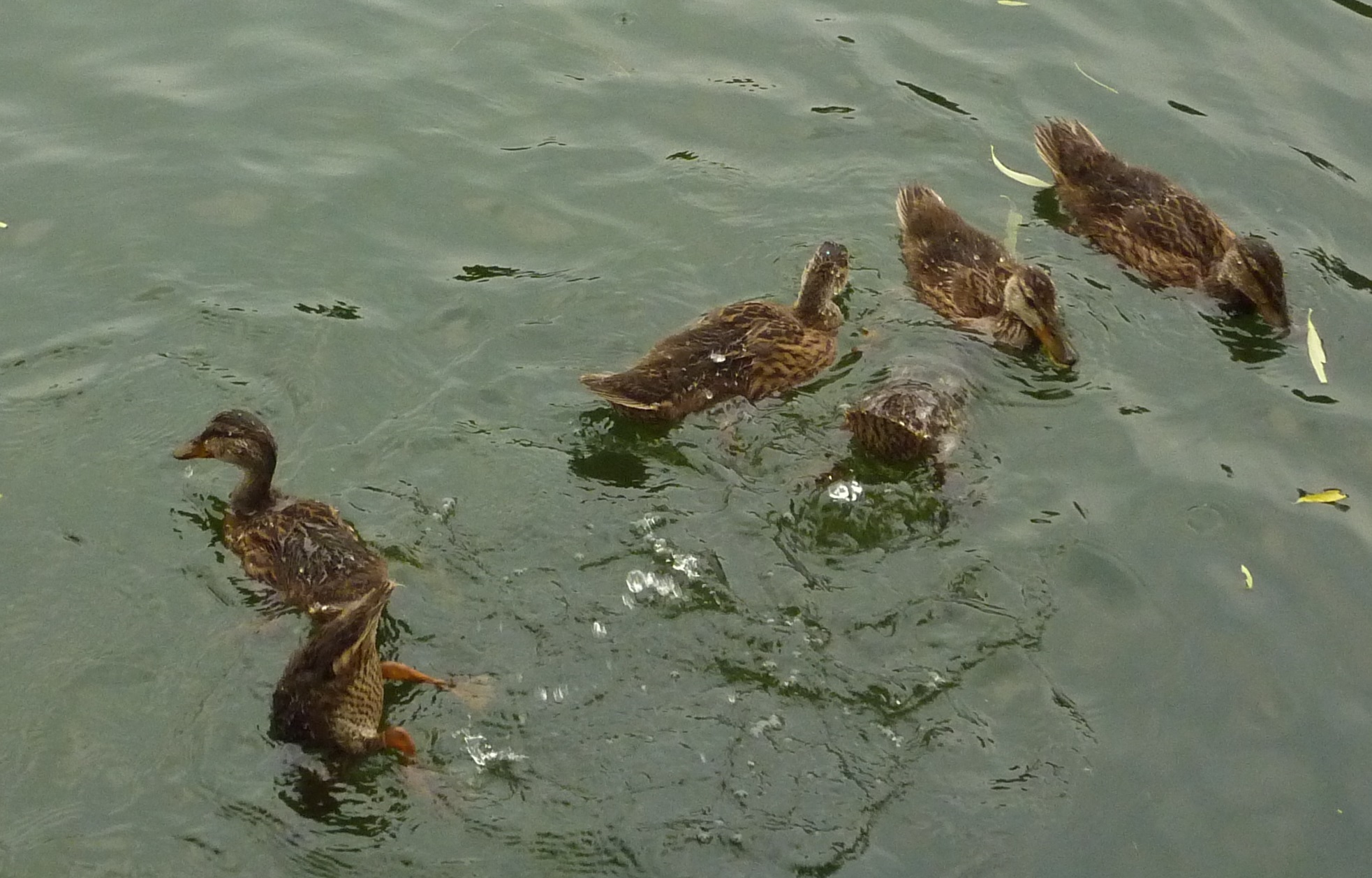
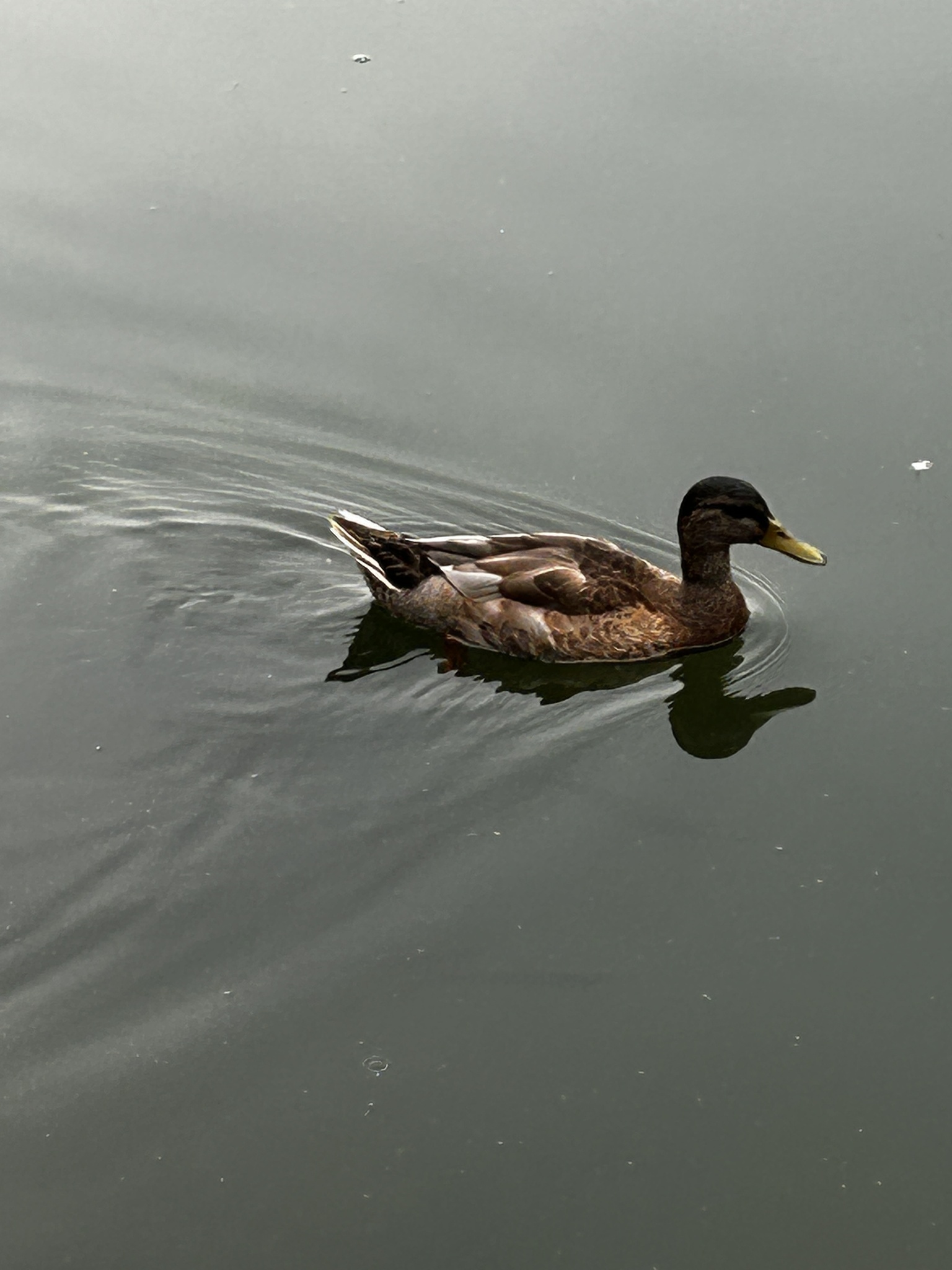
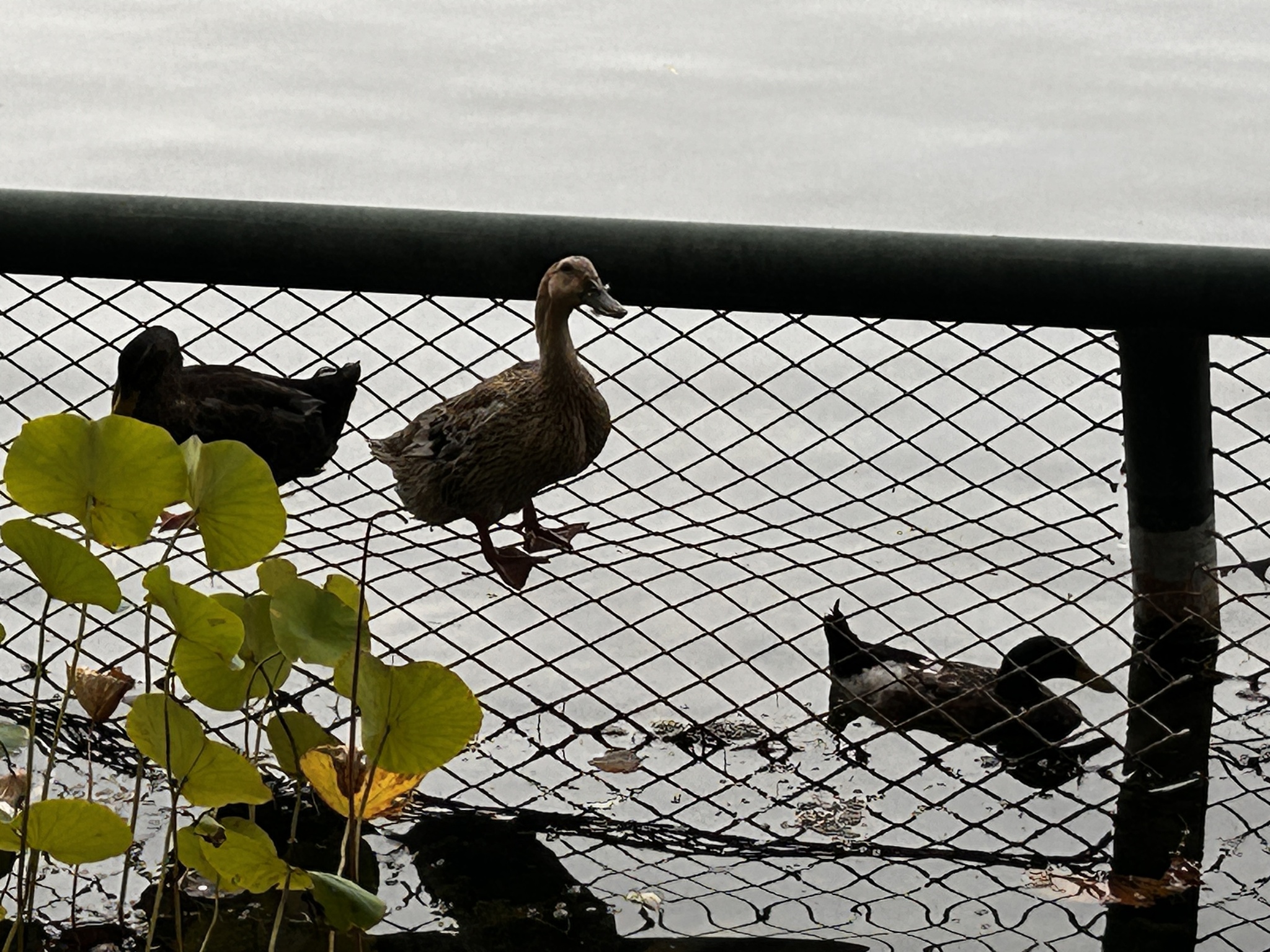
Length 50–65 cm (20–26 in), wingspan 81–98 cm (32–39 in), weight 0.7–1.6 kg (1.5–3.5 lb). Bill length 4.4–6.1 cm (1.7–2.4 in). Breeding males have glossy bottle-green heads, white neck collars, purple-tinged brown breasts, grey-brown wings, pale grey bellies, black rears, and yellowish-orange bills tipped with black. Females are predominantly mottled brown with buff cheeks, eyebrow, throat, and neck, darker crown and eye-stripe, and bills ranging from black to mottled orange and brown. Both sexes possess iridescent purple-blue speculum feathers edged with white. Ducklings have yellow undersides and faces with black backs and legs.
Identification
Breeding male is unmistakable with green head and white collar. Female distinguished from similar species like American black duck (darker) and mottled duck (no white edge on speculum) by mottled brown plumage and white-bordered speculum. Gadwall female has orange-lined bill and white belly. Key field marks include the blue speculum visible in flight or at rest. Vocalizations include a deep quack from females (sequence of 2–10 quacks decreasing in volume) and a quieter, deeper quack from males. Wings produce a faint whistling noise on takeoff.
Distribution & Habitat
Native range extends across North America (southern/central Alaska to Mexico, Hawaiian Islands), Eurasia (Iceland, southern Greenland, Morocco to Siberia, Japan, South Korea), and North Africa. Introduced to New Zealand, Australia, Peru, Brazil, Uruguay, Argentina, Chile, Colombia, Falkland Islands, and South Africa. Strongly migratory in northern breeding ranges, wintering south to southern United States, northern Mexico, Central America, and Caribbean. Inhabits fresh- and salt-water wetlands, parks, ponds, rivers, lakes, estuaries, and shallow coastal waters, preferring depths under 0.9 meters.
Behavior & Ecology
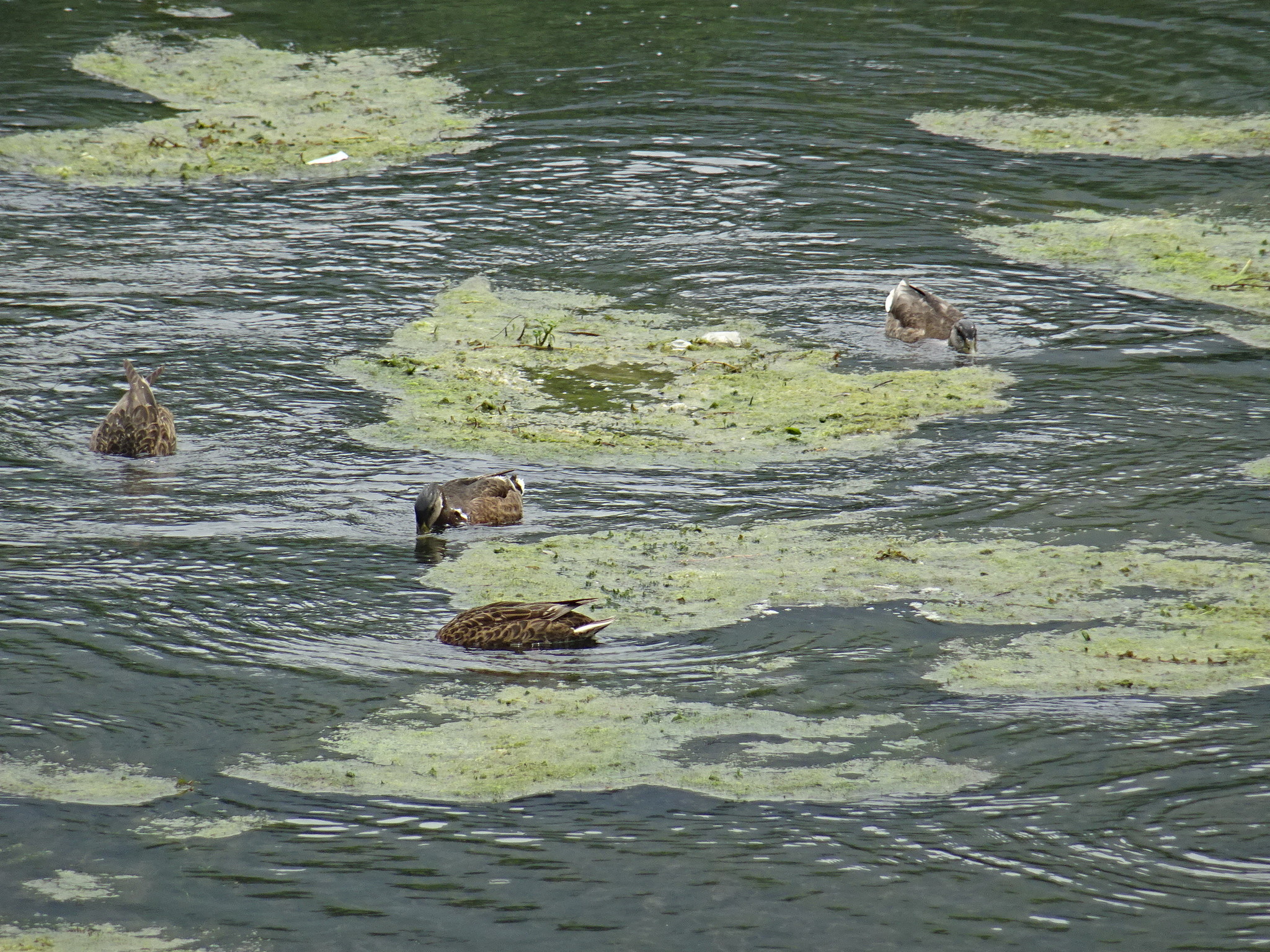
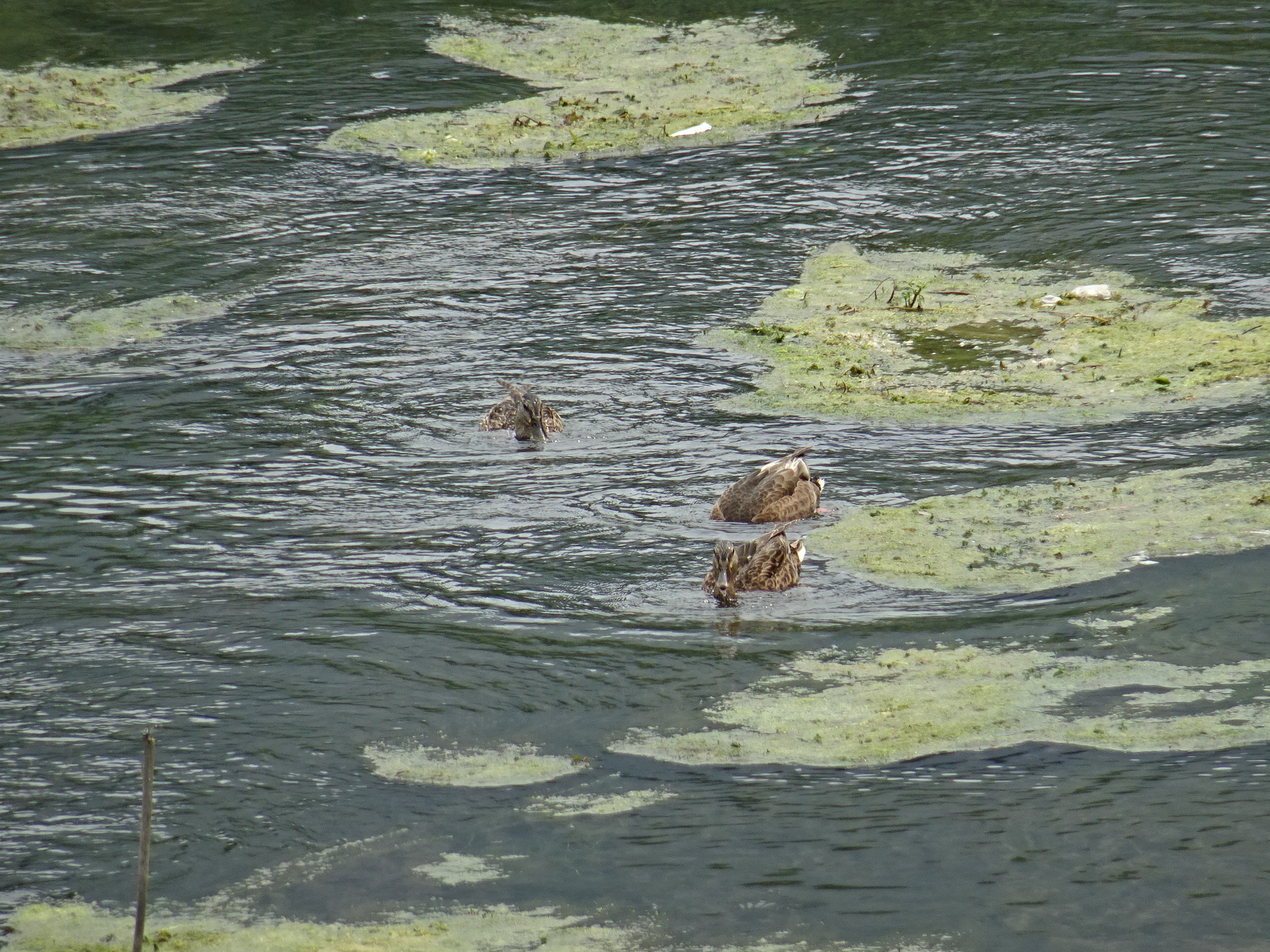
Omnivorous diet consisting of gastropods, insects, crustaceans, worms, seeds, plant matter, roots, and tubers; occasionally eats frogs, fish, and small birds. Feeds by dabbling or grazing. Gregarious outside breeding season, forming flocks known as 'sordes'. Pairs form in October/November; males leave females after egg-laying begins. Nests on ground hidden in vegetation, or in tree hollows and structures. Clutch size 8–13 creamy white to greenish-buff eggs laid on alternate days. Incubation 27–28 days; fledging 50–60 days. Ducklings are precocial. Exhibits regional vocal variations, with urban populations louder than rural ones.
Conservation
Listed as Least Concern by the IUCN since 1998 due to large range (>20,000,000 km²) and increasing population. Considered an invasive species in some regions, including Australia and New Zealand. Poses conservation threats through genetic pollution by interbreeding with indigenous waterfowl such as the Hawaiian duck, American black duck, mottled duck, and yellow-billed duck, potentially leading to extinction of distinct gene pools. Hybridization with domestic ducks also affects wild genetic integrity.
Culture
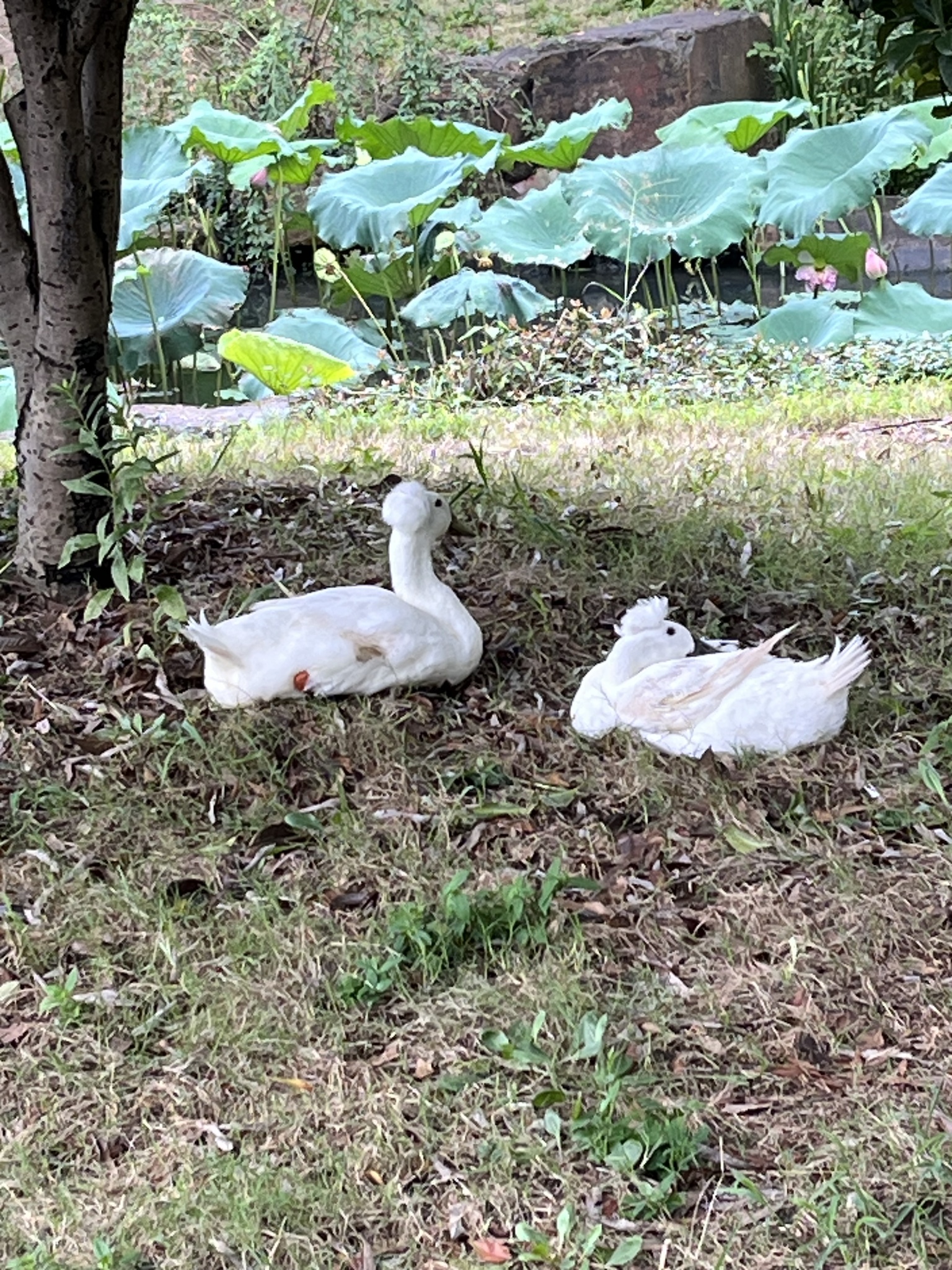
Ancestor of most domestic duck breeds, first domesticated in Southeast Asia at least 4,000 years ago. Subject of waterfowl hunting globally. Featured in children's book 'Make Way for Ducklings' and animated film 'Migration'. A specific individual named 'Trevor' gained media attention in Niue. Mallard-vehicle collisions are recorded by aviation authorities, ranking as the 7th most hazardous bird to aircraft in the United States.
Source: Wikipedia · CC BY-SA 3.0
Taxonomy
- Order
- Anseriformes
- Family
- Anatidae
- Genus
- Anas
Subspecies (2)
-
Anas platyrhynchos conboschas
coastal southwestern Greenland
Data Sources
Species description from Wikipedia, licensed under CC BY-SA 3.0.
Bird images and sounds sourced from GBIF, contributed by citizen scientists worldwide under Creative Commons licenses.
Taxonomy data from AviList 2025.