
Mallard
Anas platyrhynchos
绿头鸭
Introduction
The mallard (Anas platyrhynchos) is a dabbling duck belonging to the subfamily Anatinae within the waterfowl family Anatidae. It breeds throughout the temperate and subtropical Americas, Eurasia, and North Africa, and has been introduced to New Zealand, Australia, Peru, Brazil, Uruguay, Argentina, Chile, Colombia, the Falkland Islands, and South Africa. This species inhabits wetlands and is highly adaptable, thriving in urban environments. The mallard is omnivorous, feeding on water plants and small animals, and is highly social, congregating in groups or flocks of varying sizes. The IUCN lists it as a species of least concern; however, it is considered invasive in some regions due to hybridization with indigenous waterfowl and competition for resources.
Description
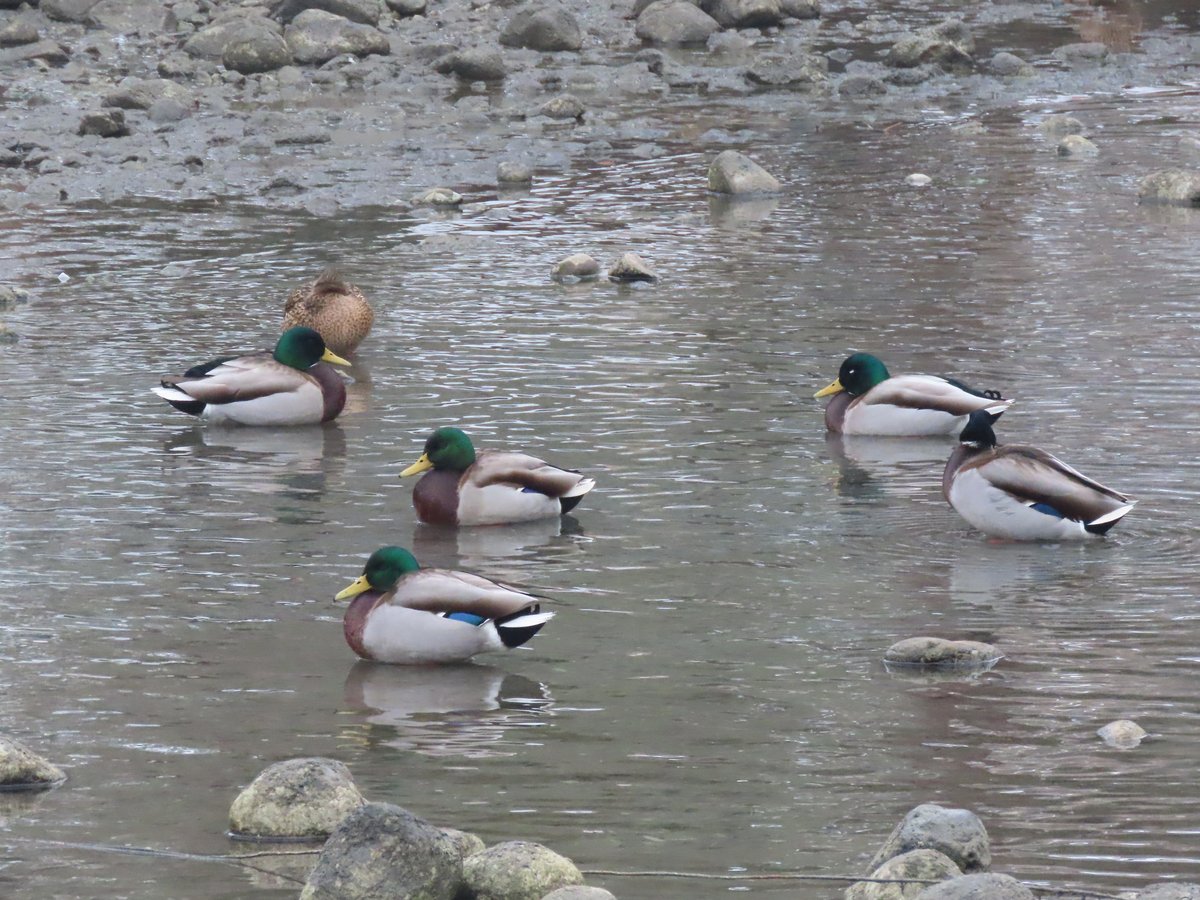
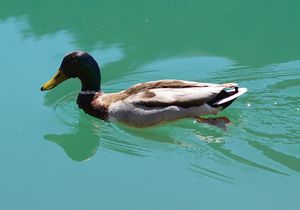
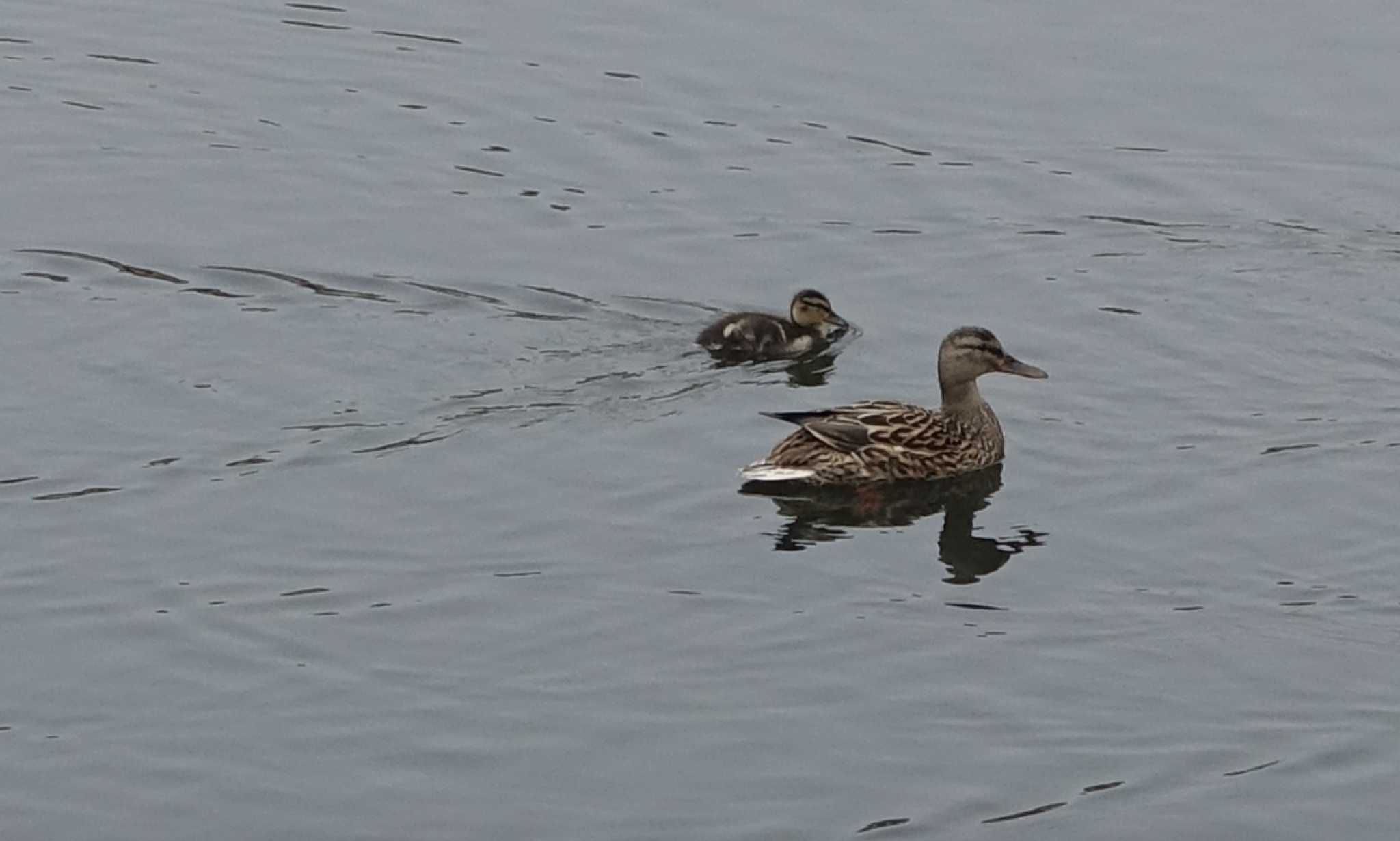
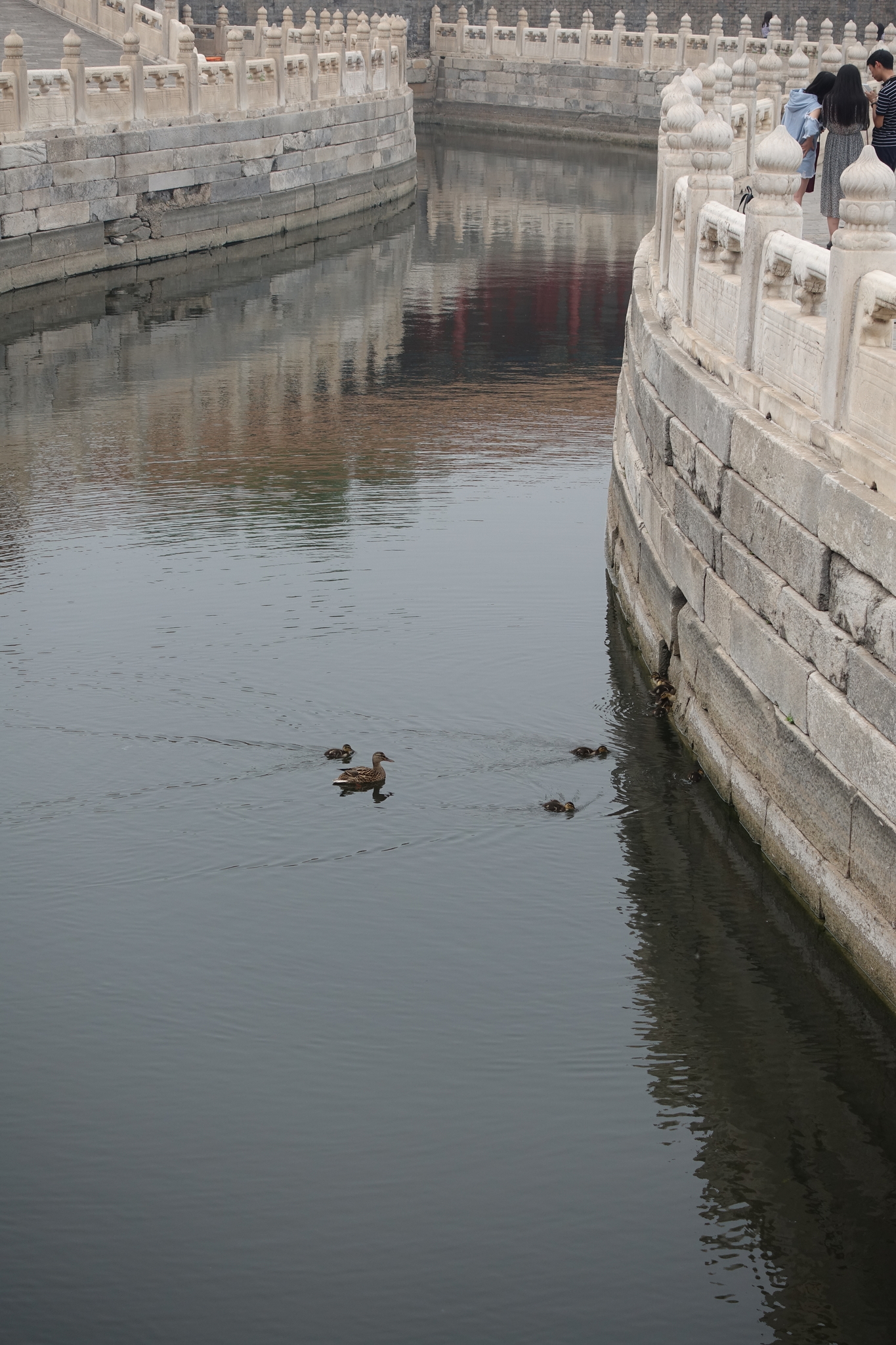
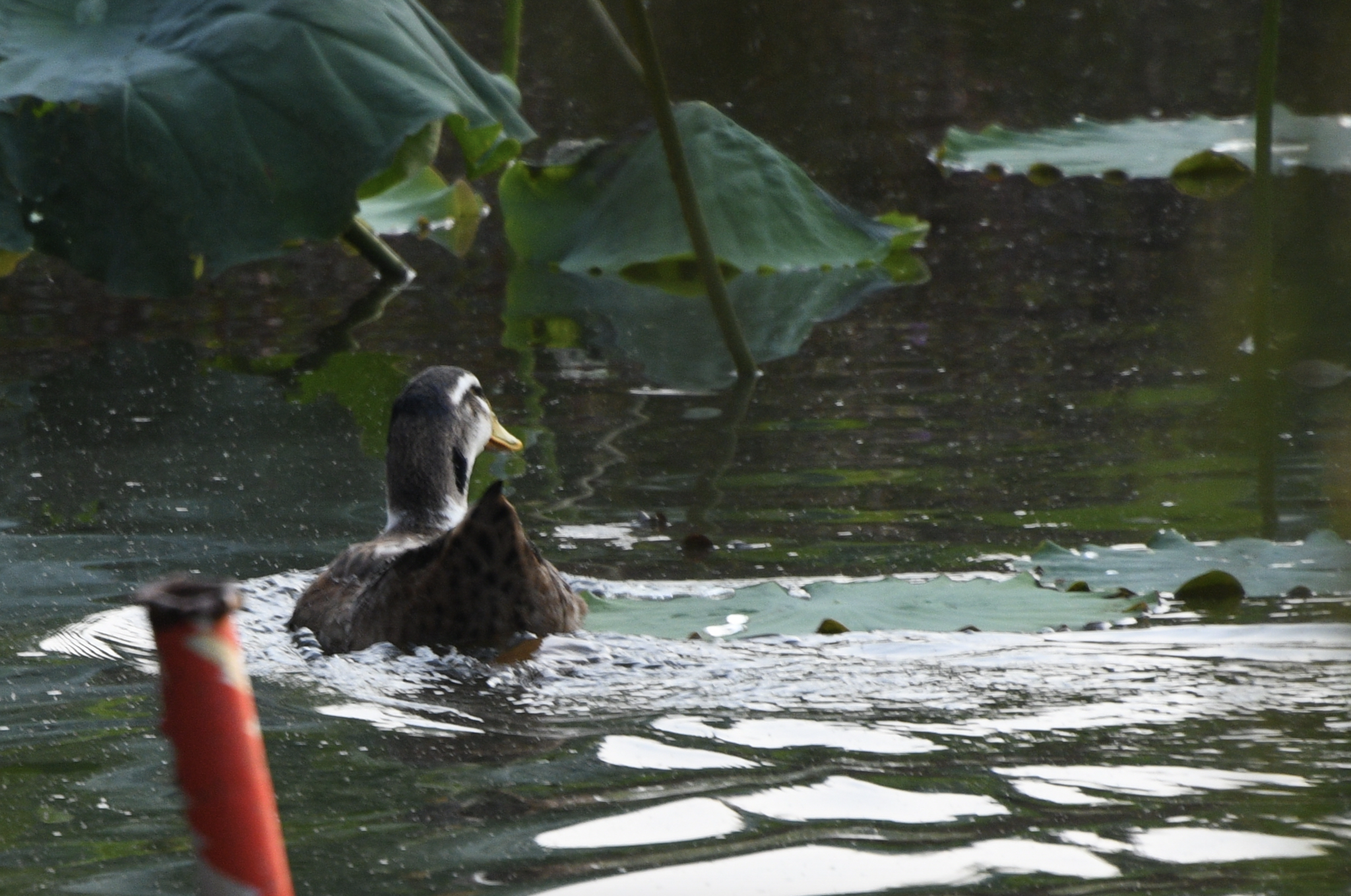
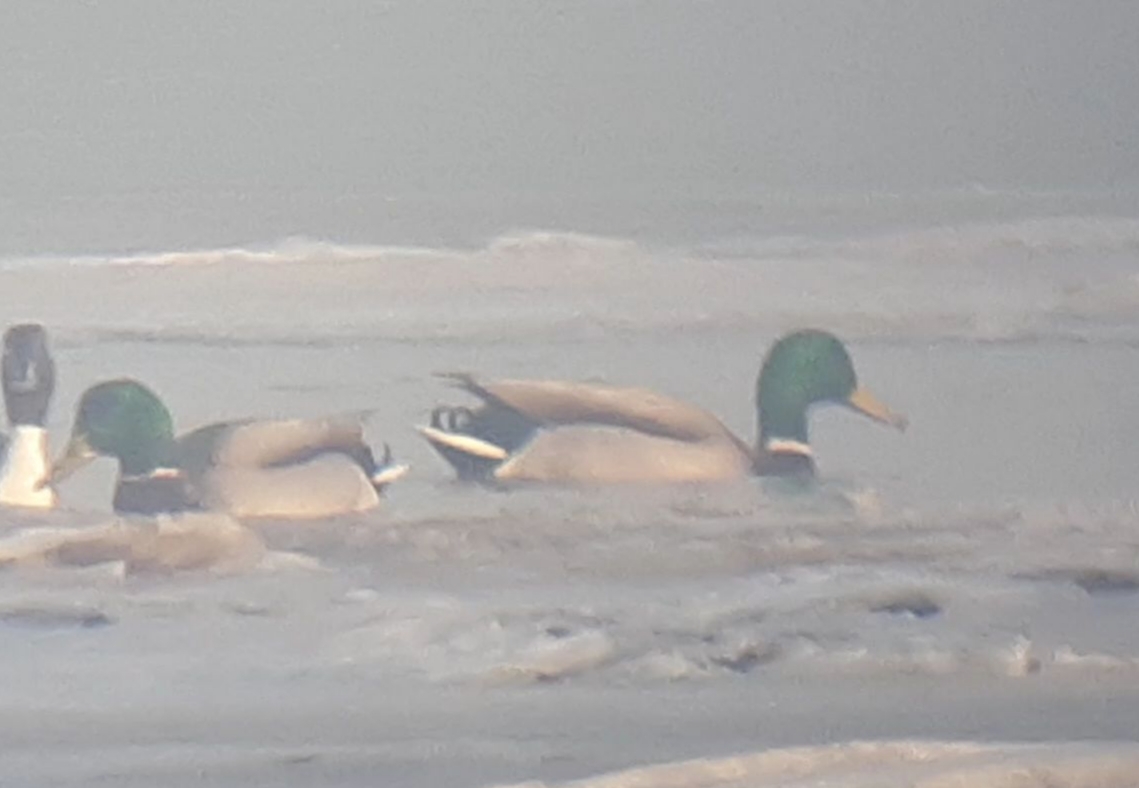
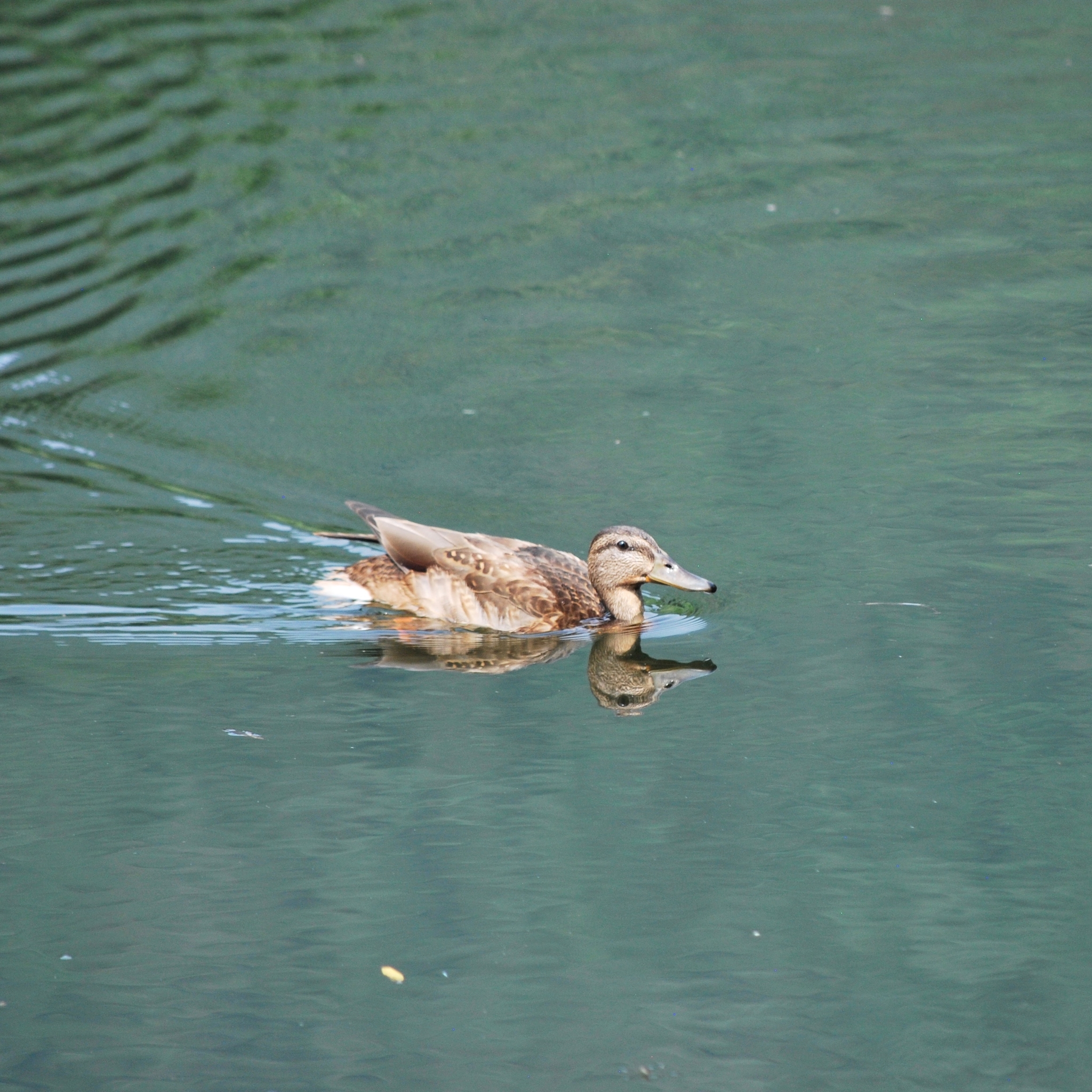
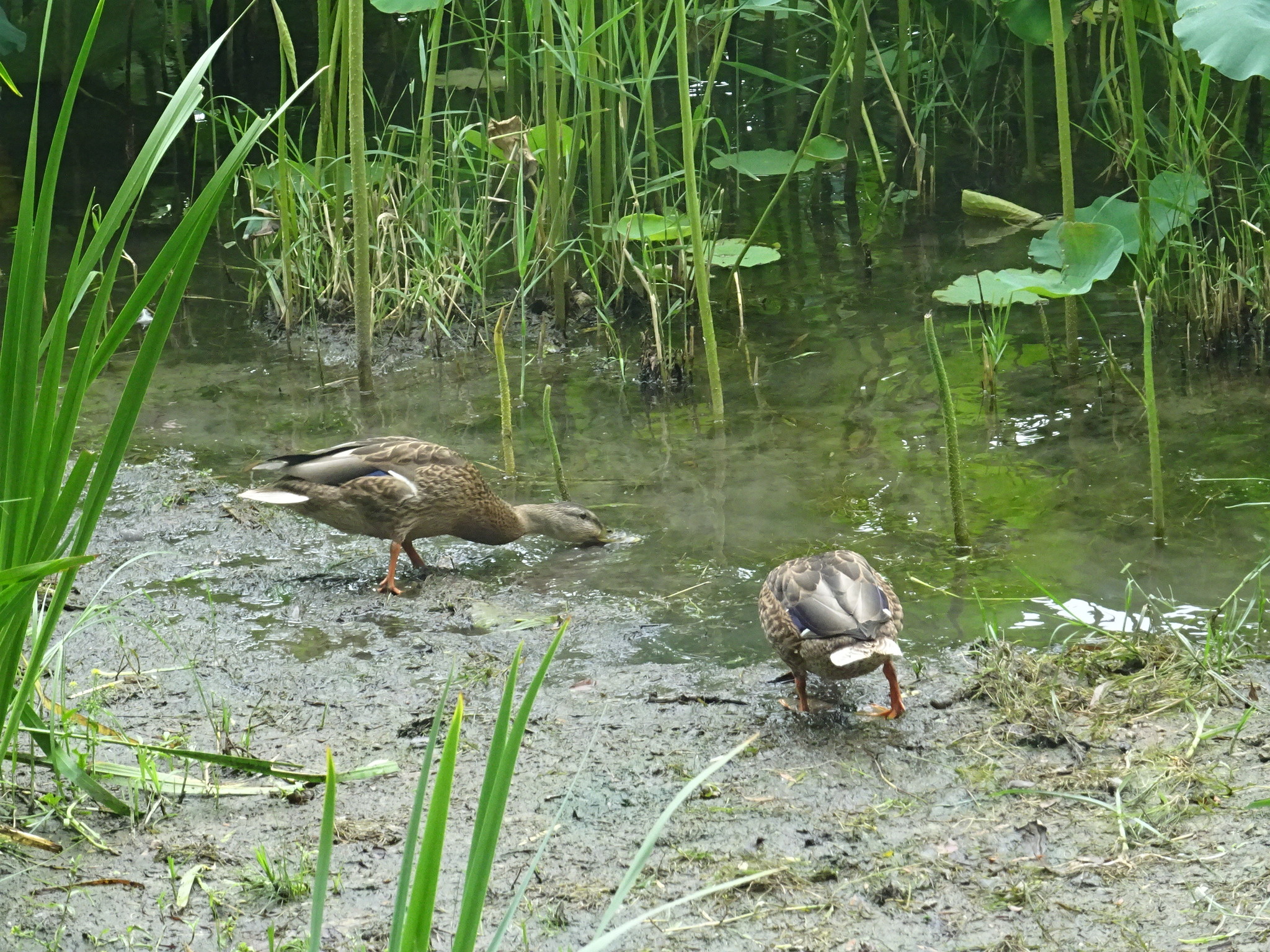
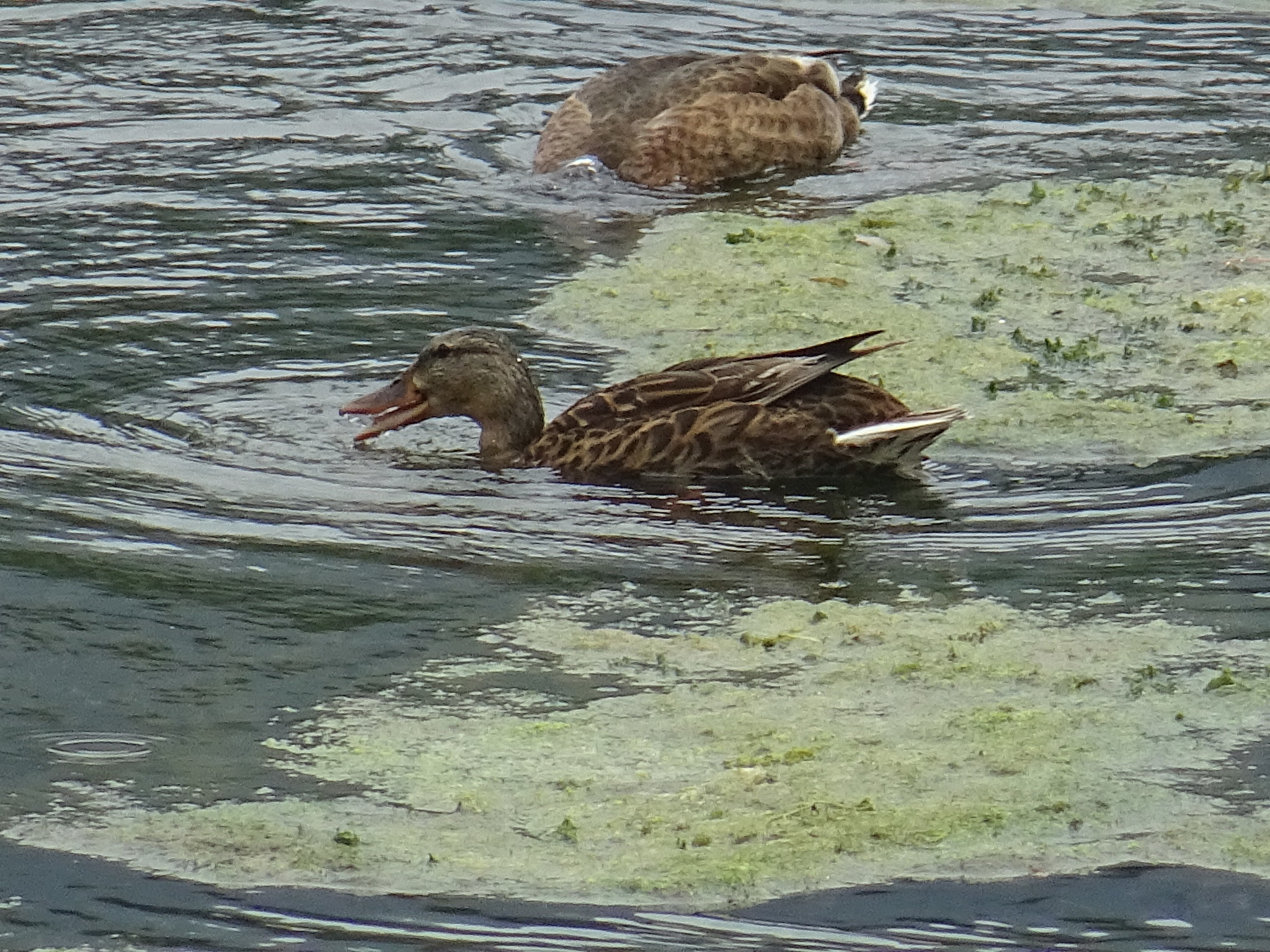
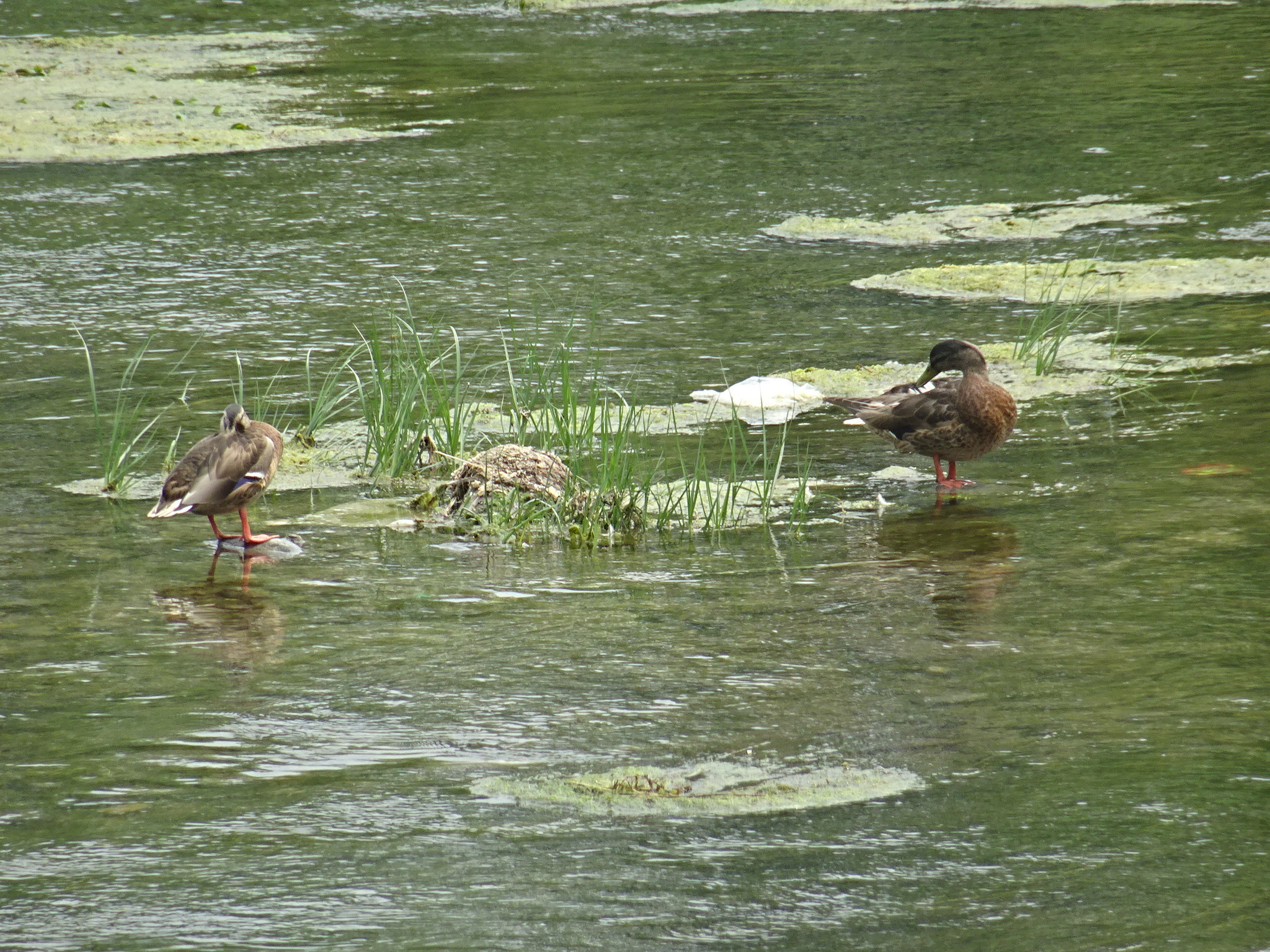
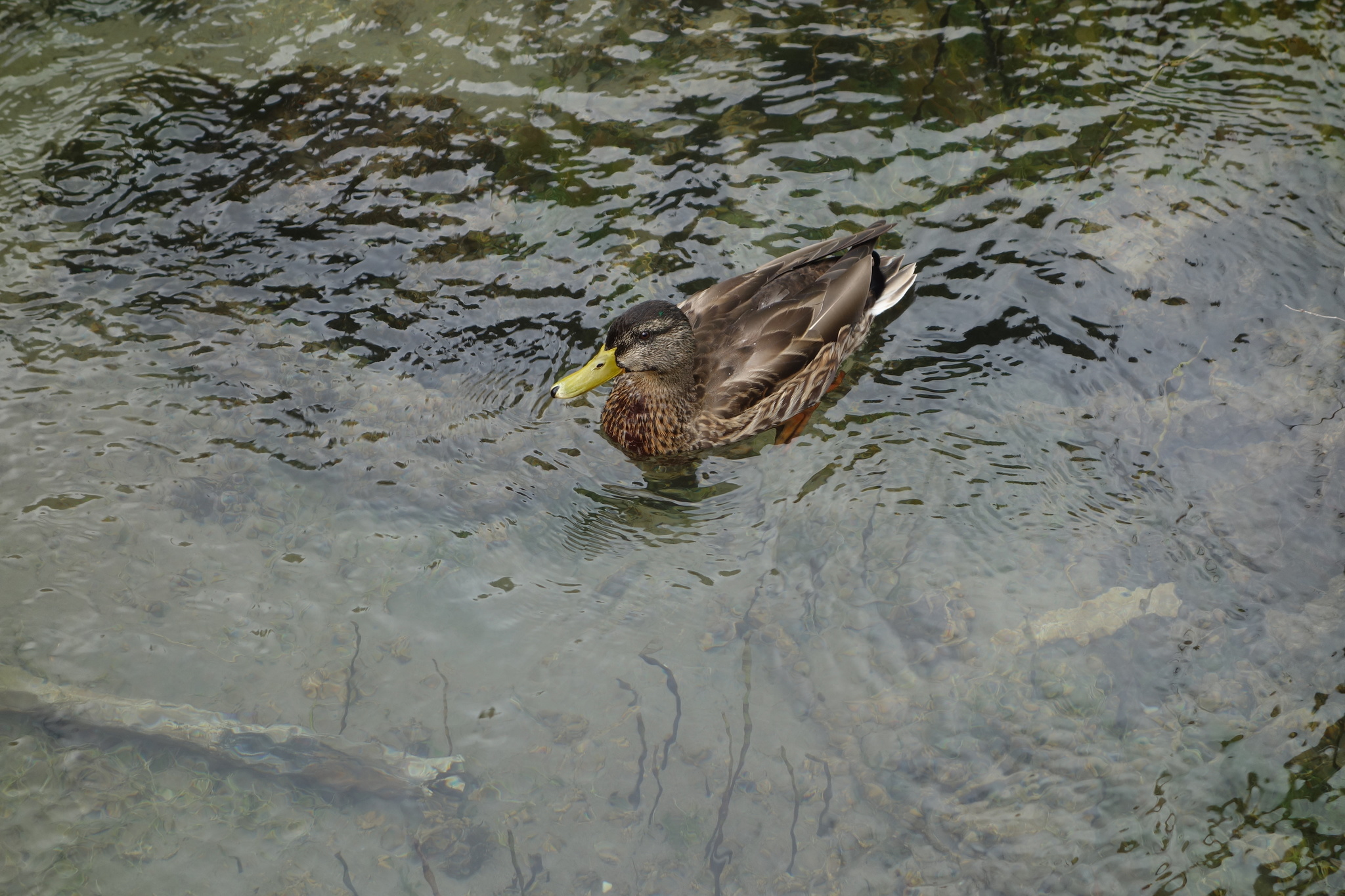
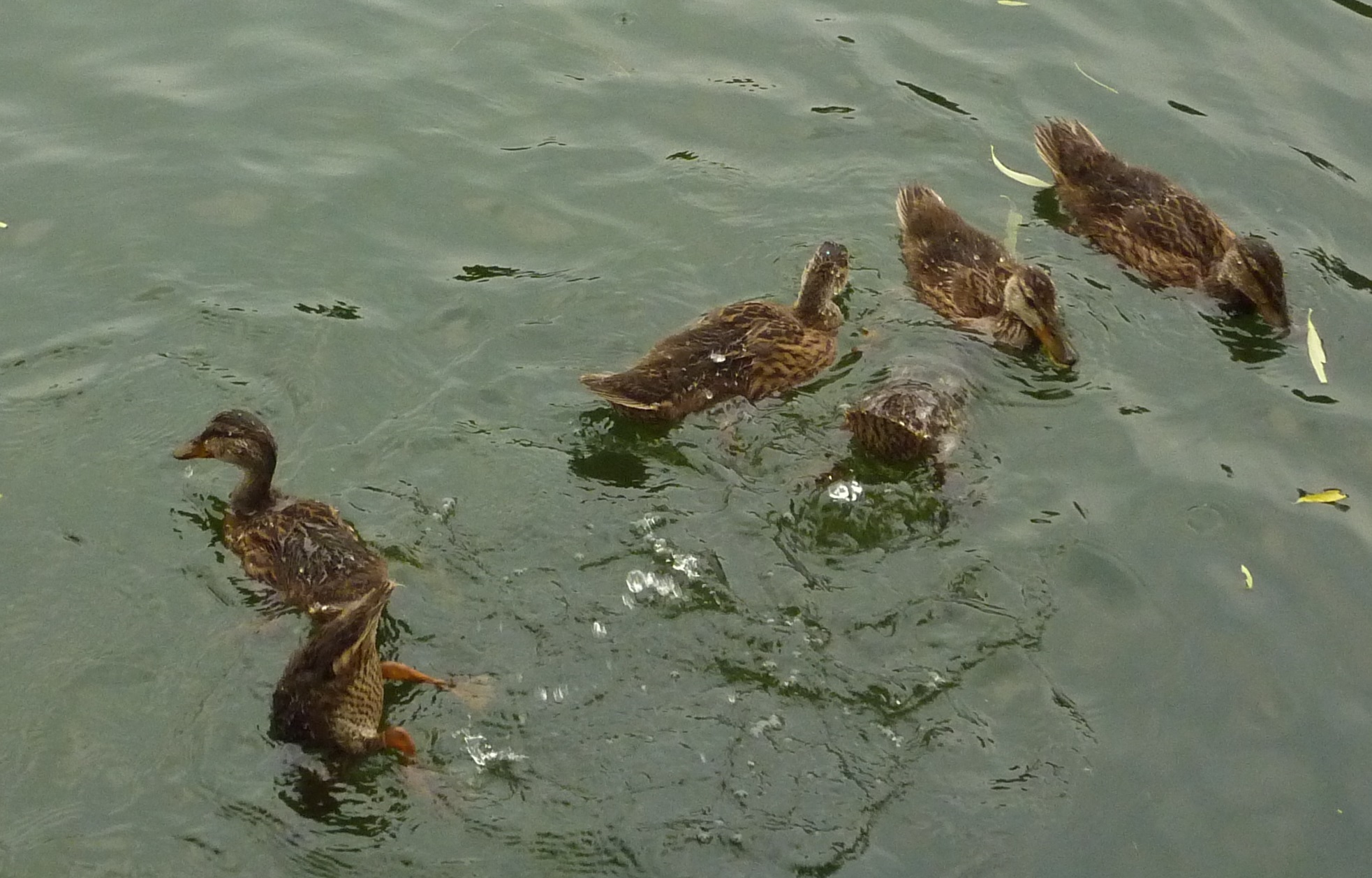
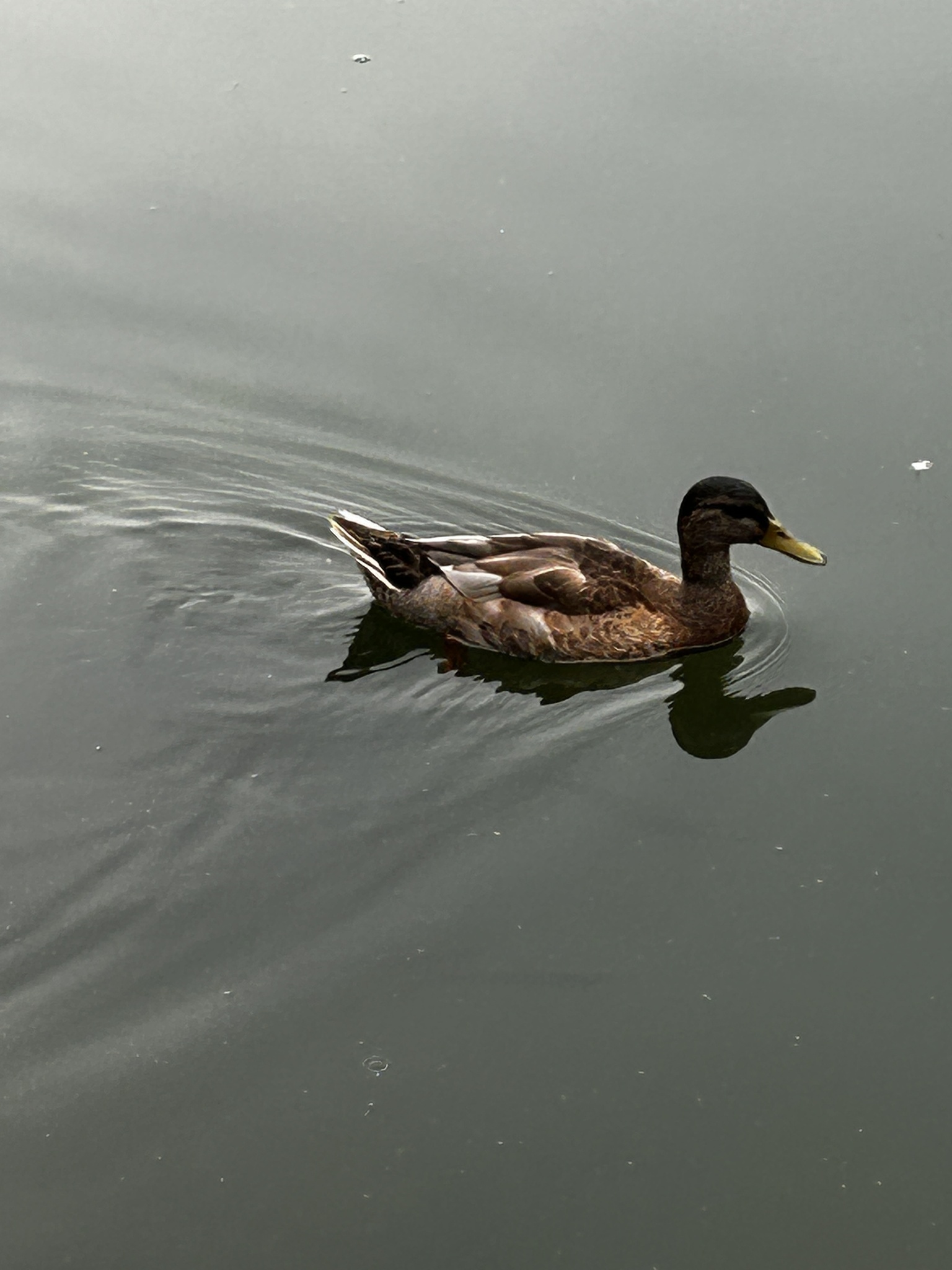
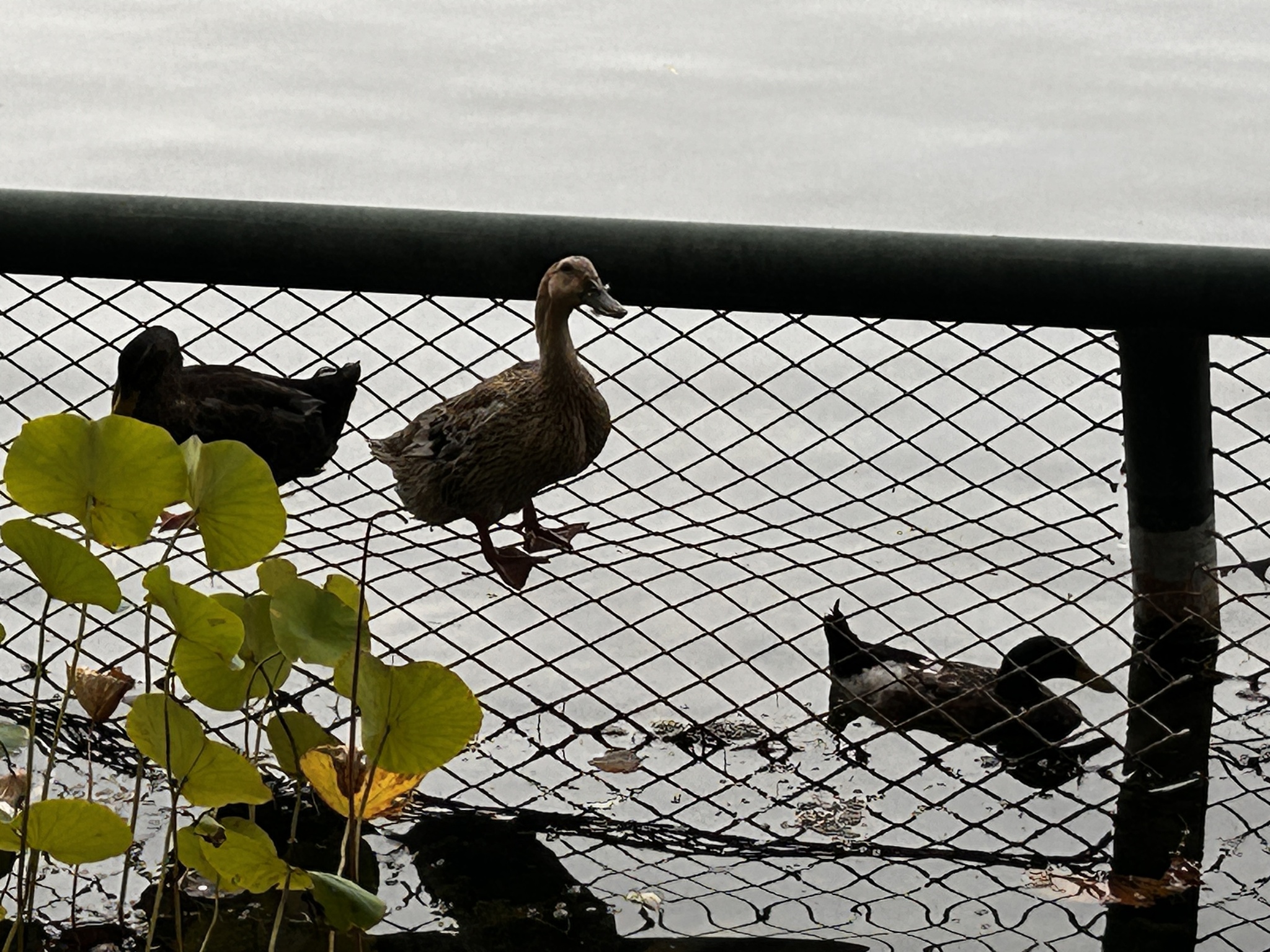
The mallard is a medium-sized dabbling duck, typically weighing 0.7-1.6 kg, making it slightly heavier than most other dabbling ducks. It measures 50-65 cm in length, with the body comprising approximately two-thirds of this length, and has a wingspan of 81-98 cm. The bill measures 4.4-6.1 cm. Breeding males have a glossy bottle-green head with a white collar, purple-tinged brown breast, grey-brown wings, pale grey belly, and black rear with white-bordered tail feathers. The male's bill is yellowish-orange tipped with black. Females are predominantly brown-speckled with buff markings on the cheeks, eyebrow, throat, and neck. Both sexes display distinctive iridescent purple-blue speculum feathers edged with white, prominent in flight. Ducklings have yellow undersides and faces with eye streaks, black backs with yellow spots, and black legs and bills.
Identification
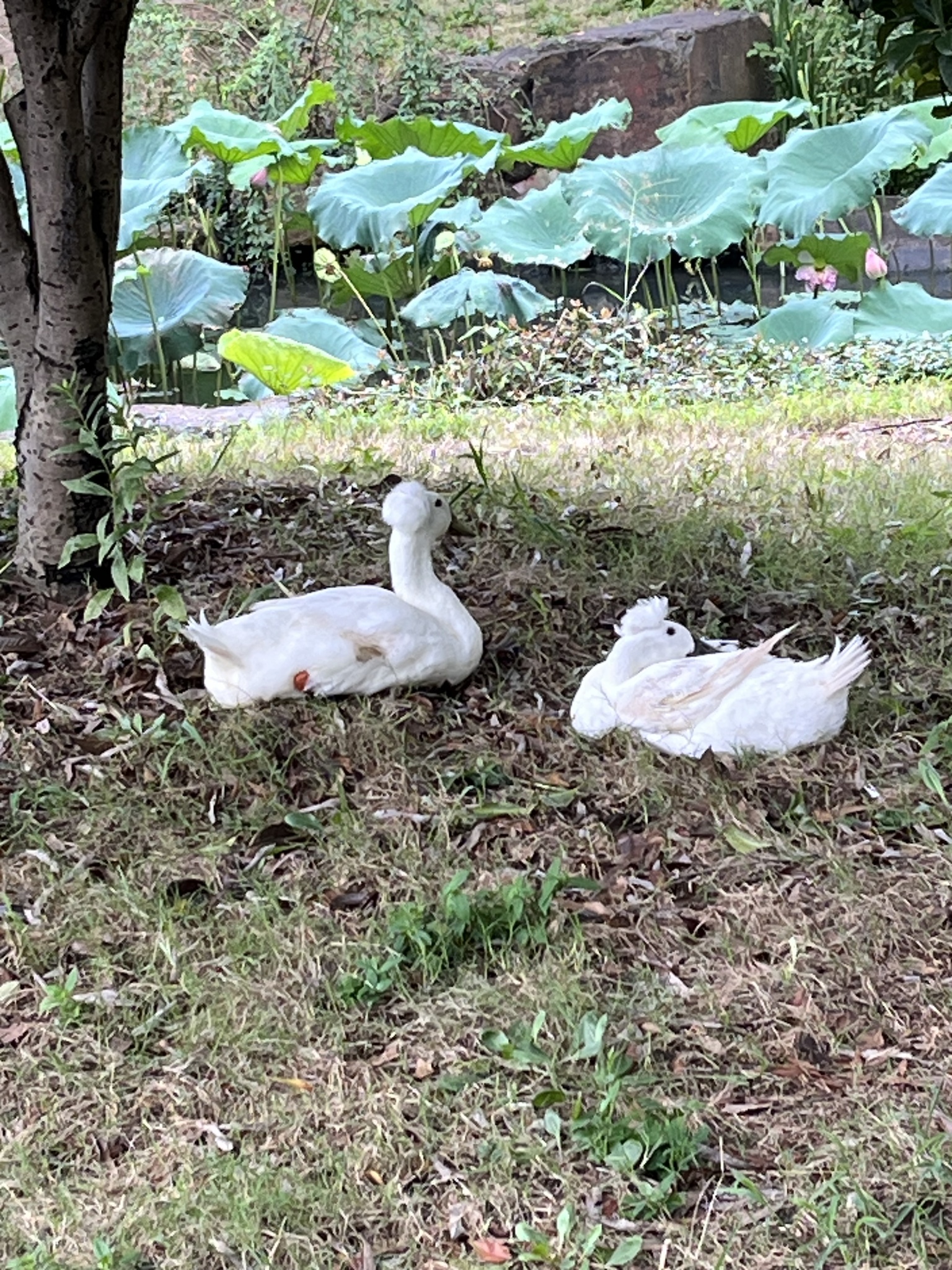
The breeding male mallard is unmistakable with its glossy bottle-green head and white collar. Females can be confused with other brown-plumaged dabbling ducks. The female gadwall is smaller with an orange-lined bill, white belly, and a black-and-white speculum appearing as a white square in flight. The American black duck is notably darker in both sexes than the mallard. The mottled duck is somewhat darker than the female mallard with different bare-part coloration and lacks the white edge on the speculum. Domestic ducks in captivity may display wild-type, white, or other color plumages. Hybrids with other Anas species are common and can complicate identification.
Distribution & Habitat
The mallard has a nearly cosmopolitan distribution across both Northern and Southern Hemispheres. In North America, its range extends from southern and central Alaska to Mexico, including the Hawaiian Islands. In the Palearctic, it occurs from Iceland, Scandinavia, and Britain through Siberia to Japan and South Korea, and south to Morocco in North Africa. Introduced populations exist in Australia and New Zealand. The species is strongly migratory in northern breeding regions, wintering farther south. It inhabits fresh and salt-water wetlands including ponds, rivers, lakes, estuaries, and coastal inlets, preferring water depths under 0.9 meters with abundant aquatic vegetation.
Behavior & Ecology
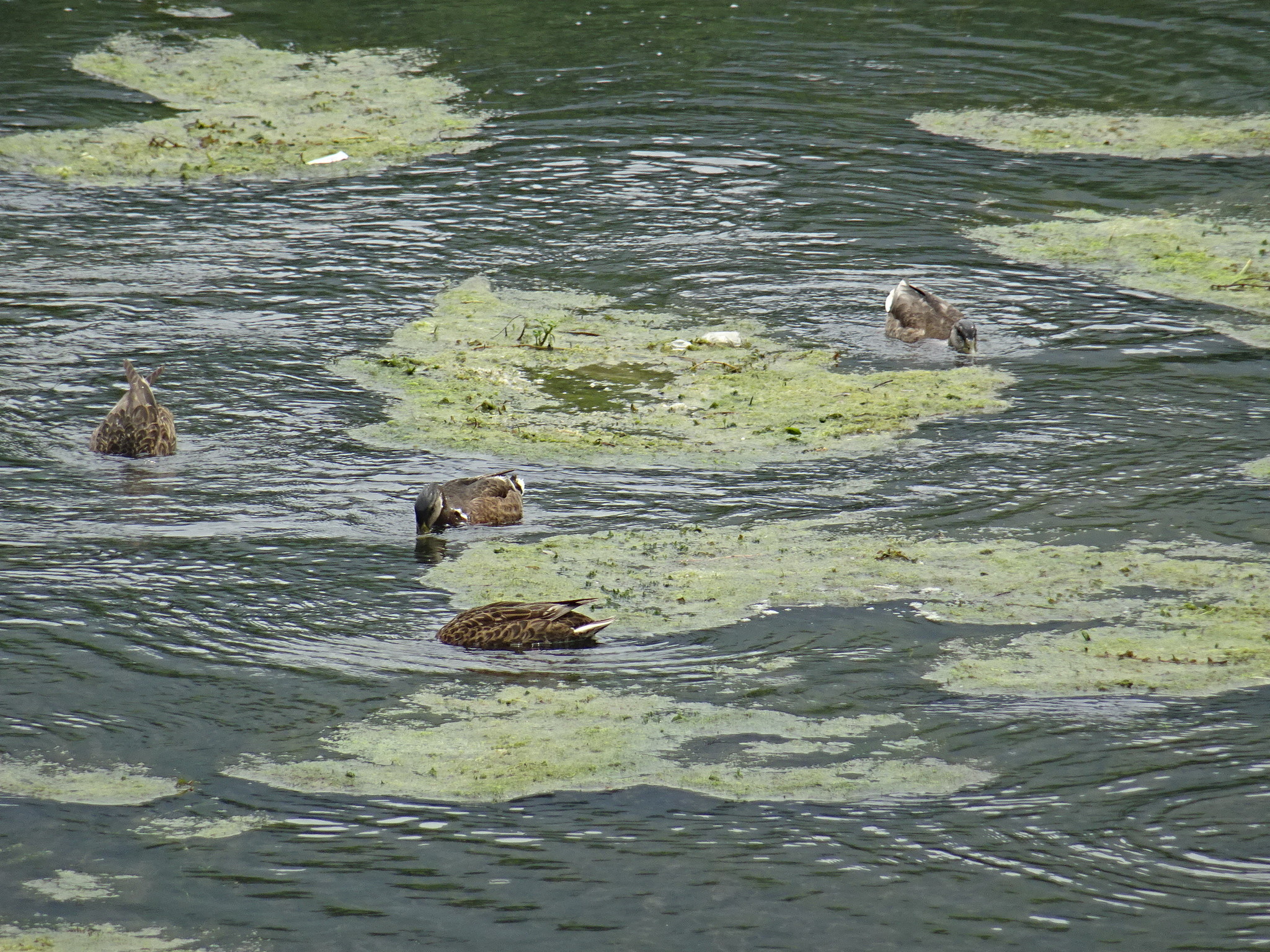
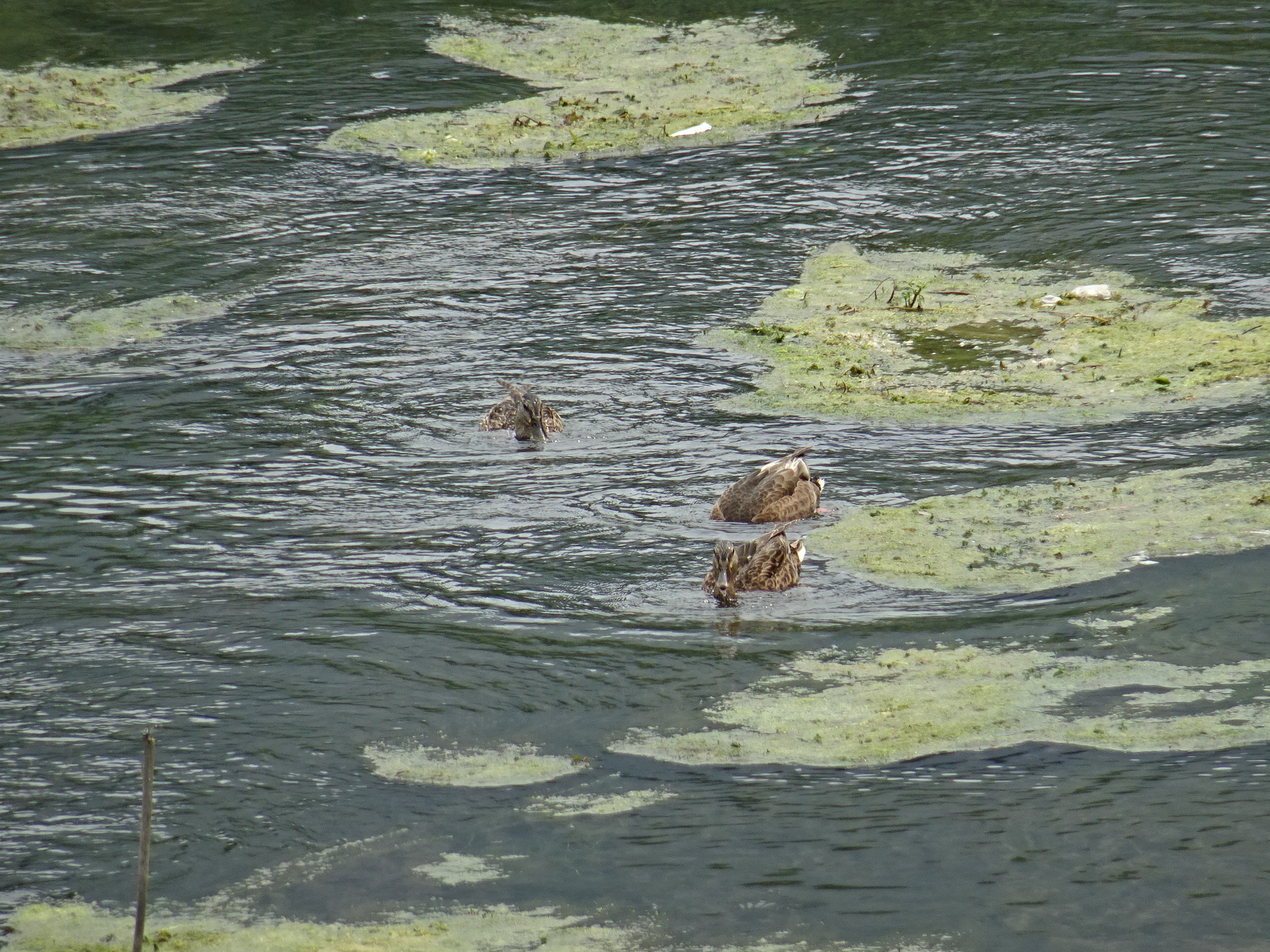
The mallard is omnivorous with a flexible diet consisting of gastropods, insects, crustaceans, worms, seeds, plant matter, and roots. During breeding, plant matter dominates at 62-63% for males and non-laying females, while laying females consume 72% animal matter. Feeding occurs through dabbling or grazing. The female produces the stereotypical deep quack, typically in sequences of 2-10 calls, while males make a quieter, deeper quack. Urban populations exhibit louder vocalizations as adaptation to anthropogenic noise. Pairs form in autumn and remain together until the female lays eggs. Nesting occurs on ground vegetation, though tree hollows and urban structures are also used. Clutches contain 8-13 eggs laid on alternate days, incubated for 27-28 days. Ducklings fledge in 50-60 days and are precocial. Outside breeding season, mallards form large flocks called 'sordes'.
Conservation
The mallard is rated as least concern on the IUCN Red List due to its large range exceeding 20,000,000 km² and increasing population. However, it poses significant conservation concerns through hybridization with indigenous waterfowl including the Hawaiian duck, New Zealand grey duck, American black duck, mottled duck, Meller's duck, yellow-billed duck, and Mexican duck. The species is considered invasive in Australia, New Zealand, and South Africa, where it competes with and hybridizes with native Pacific black ducks and yellow-billed ducks. Complete hybridization could result in extinction of indigenous species. The mallard has crossed with at least 63 other species. Hunting occurs but is regulated; the species is protected under the Wildlife and Countryside Act 1981 in the UK.
Culture
The mallard features in children's literature, most notably 'Make Way for Ducklings' by Robert McCloskey, set in the Boston Public Garden. The species appears in the animated film 'Migration' (2023), following a mallard family's journey from New England to Jamaica. 'Trevor,' dubbed 'the world's loneliest duck,' gained attention when he appeared on the Pacific island of Niue in 2018 before dying in 2019. The species has been hunted for food since Neolithic times, with only breast and thigh meat typically consumed. Almost all domestic duck breeds derive from the mallard, except some Muscovy breeds, with domestication occurring in Southeast Asia at least 4,000 years ago.
Source: Wikipedia · CC BY-SA 3.0
Taxonomy
- Order
- Anseriformes
- Family
- Anatidae
- Genus
- Anas
- eBird Code
- mallar3
Subspecies (2)
-
Anas platyrhynchos conboschas
coastal southwestern Greenland
-
Anas platyrhynchos platyrhynchos
breeds Holarctic, from Iceland and Spain eastward through eastern Russia, and Alaska through Greenland and southward to northern Baja California and mid-Atlantic US states; winters to North Africa, India, and southern China, and central Mexico and Cuba; widely introduced elsewhere, often hybridizing with local congeners
Data Sources
Species description from Wikipedia, licensed under CC BY-SA 3.0.
Bird images and sounds sourced from GBIF, contributed by citizen scientists worldwide under Creative Commons licenses.
Taxonomy data from AviList 2025.