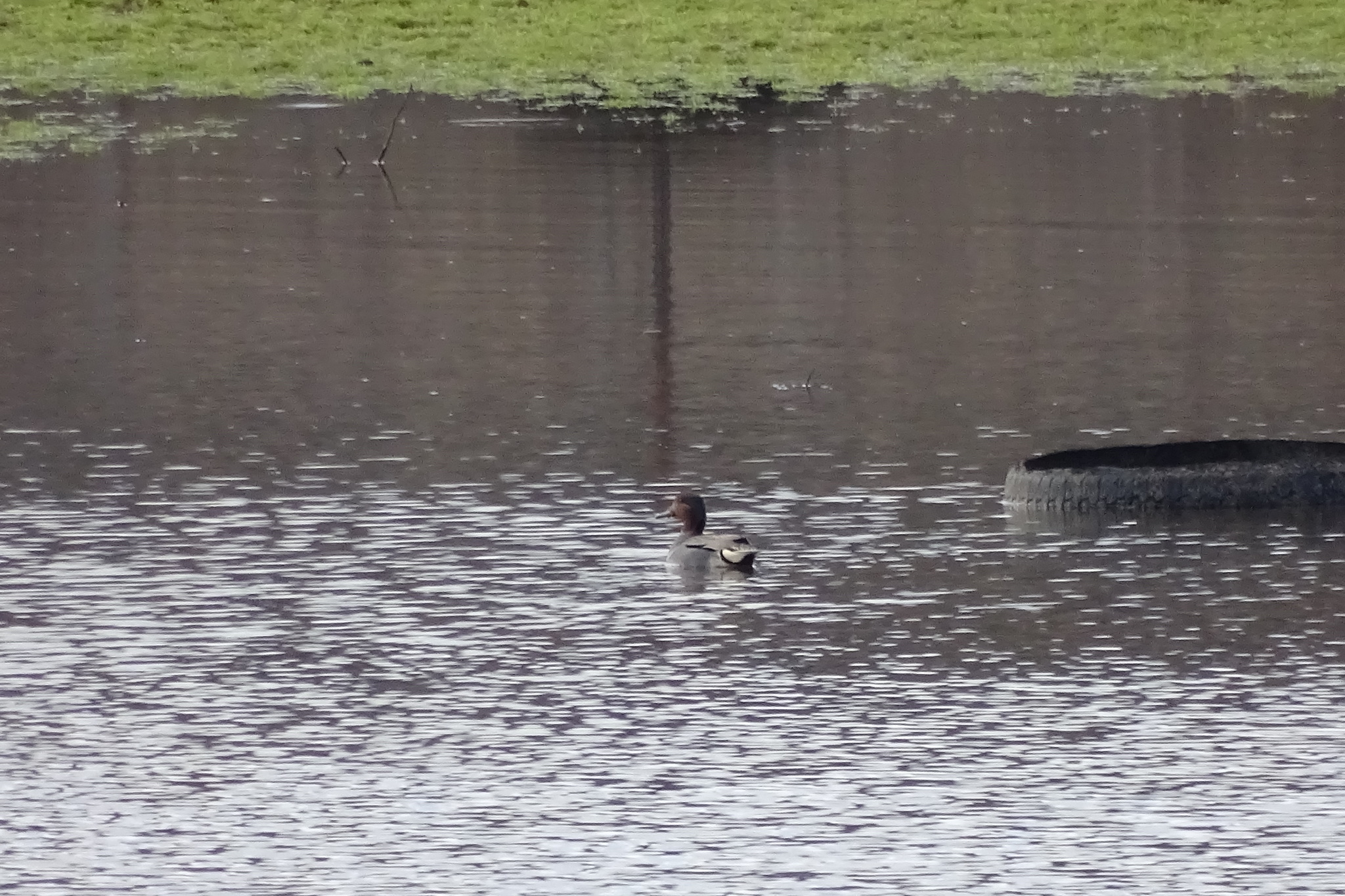
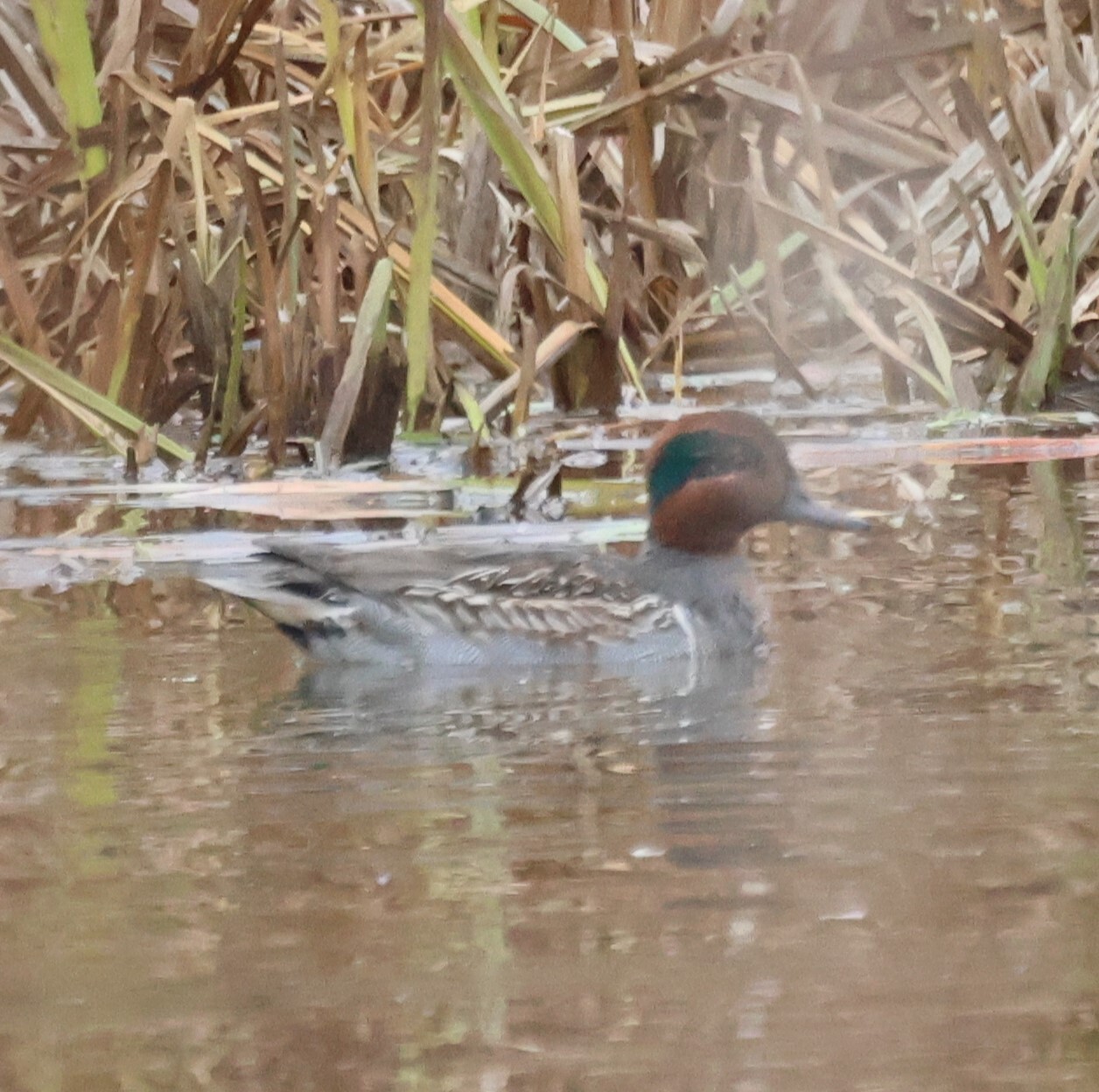
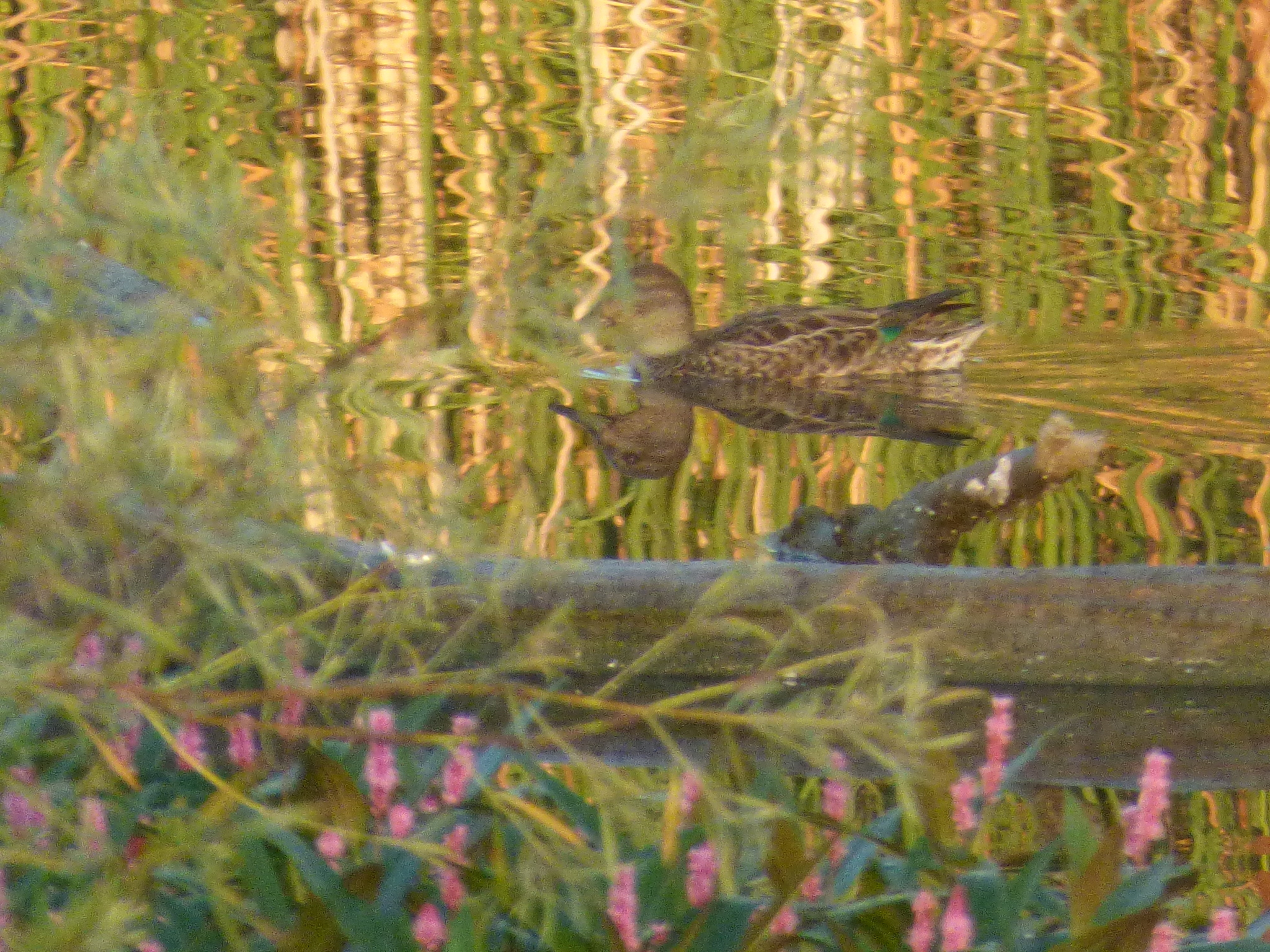
Green-winged Teal
Anas crecca
绿翅鸭
Introduction
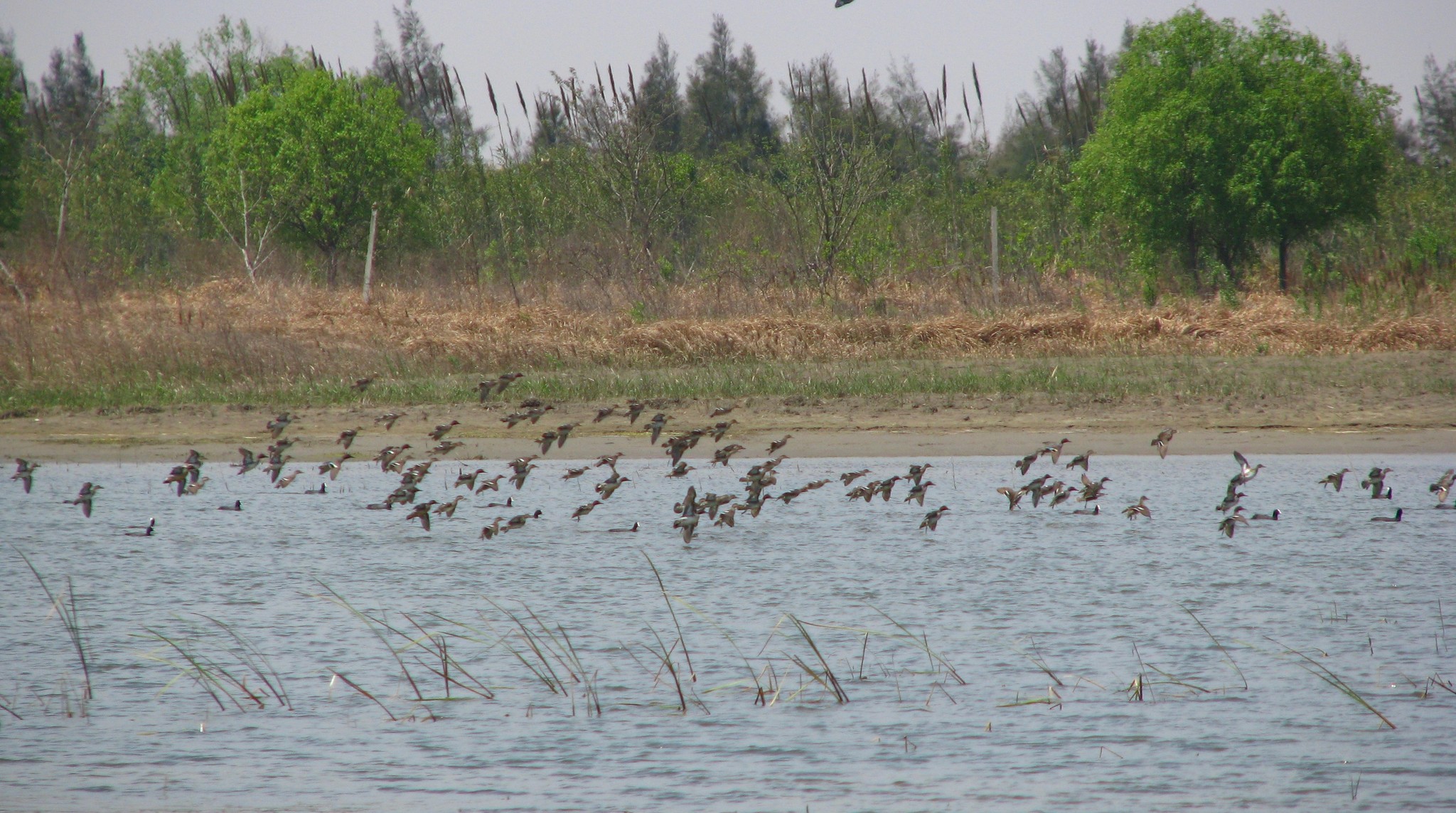
One of the most widespread waterfowl across North America, it is the smallest dabbling duck on the continent. It forms flocks numbering in the thousands. The species inhabits shallow, sheltered waters with abundant emergent vegetation, where it feeds by dabbling at the surface or upending in deeper water. It breeds primarily in the boreal forest regions and northern prairies, with its wintering range extending throughout much of Central America. Arrivals in the northern United States typically occur in early September, with peak migration through October and November.
Description
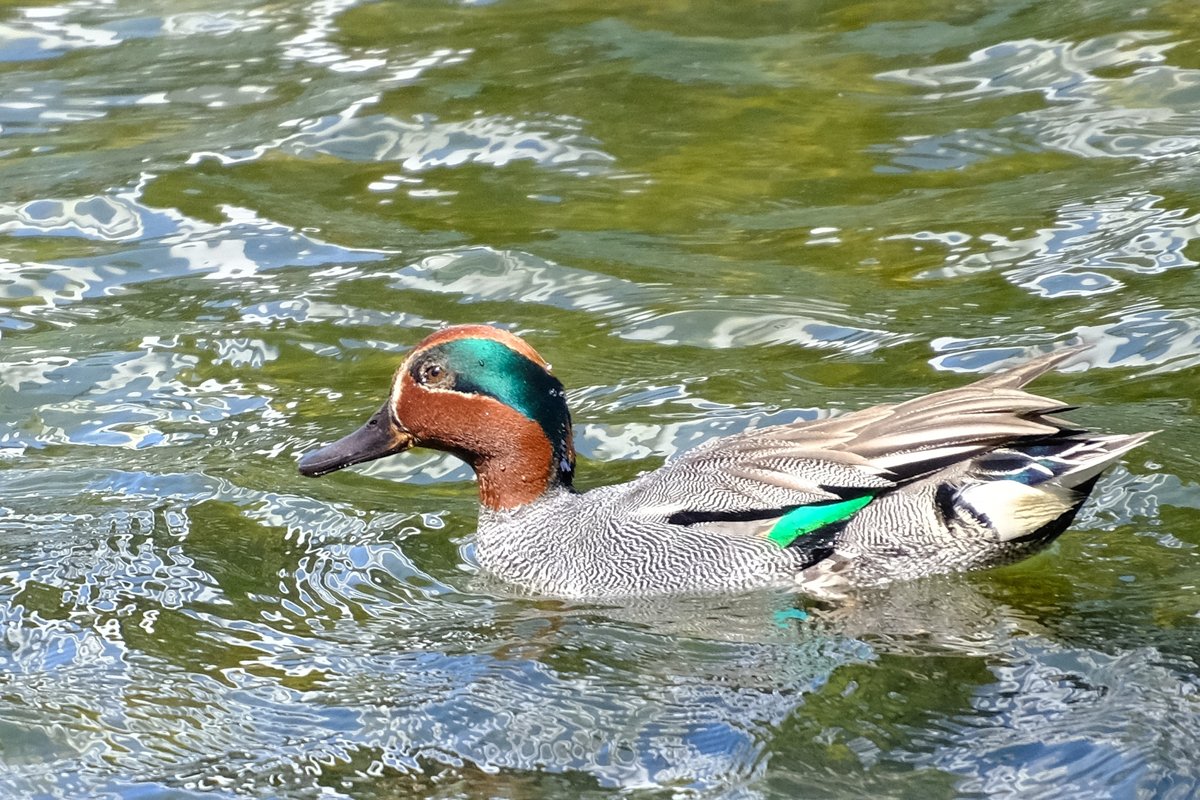
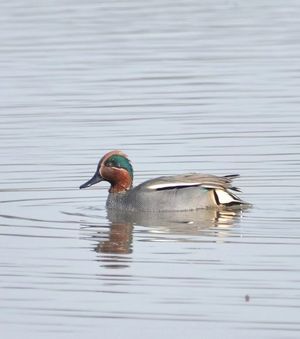
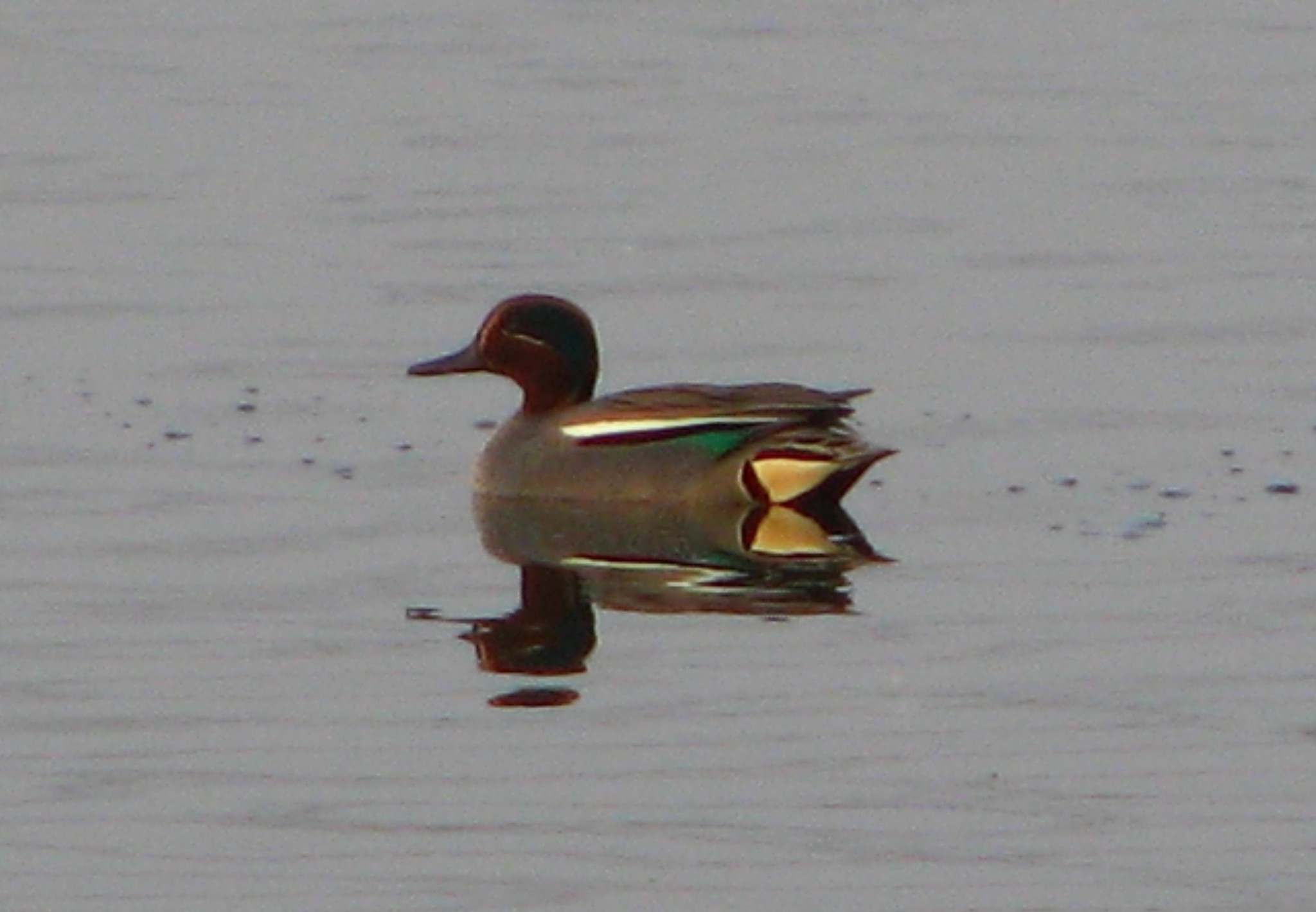
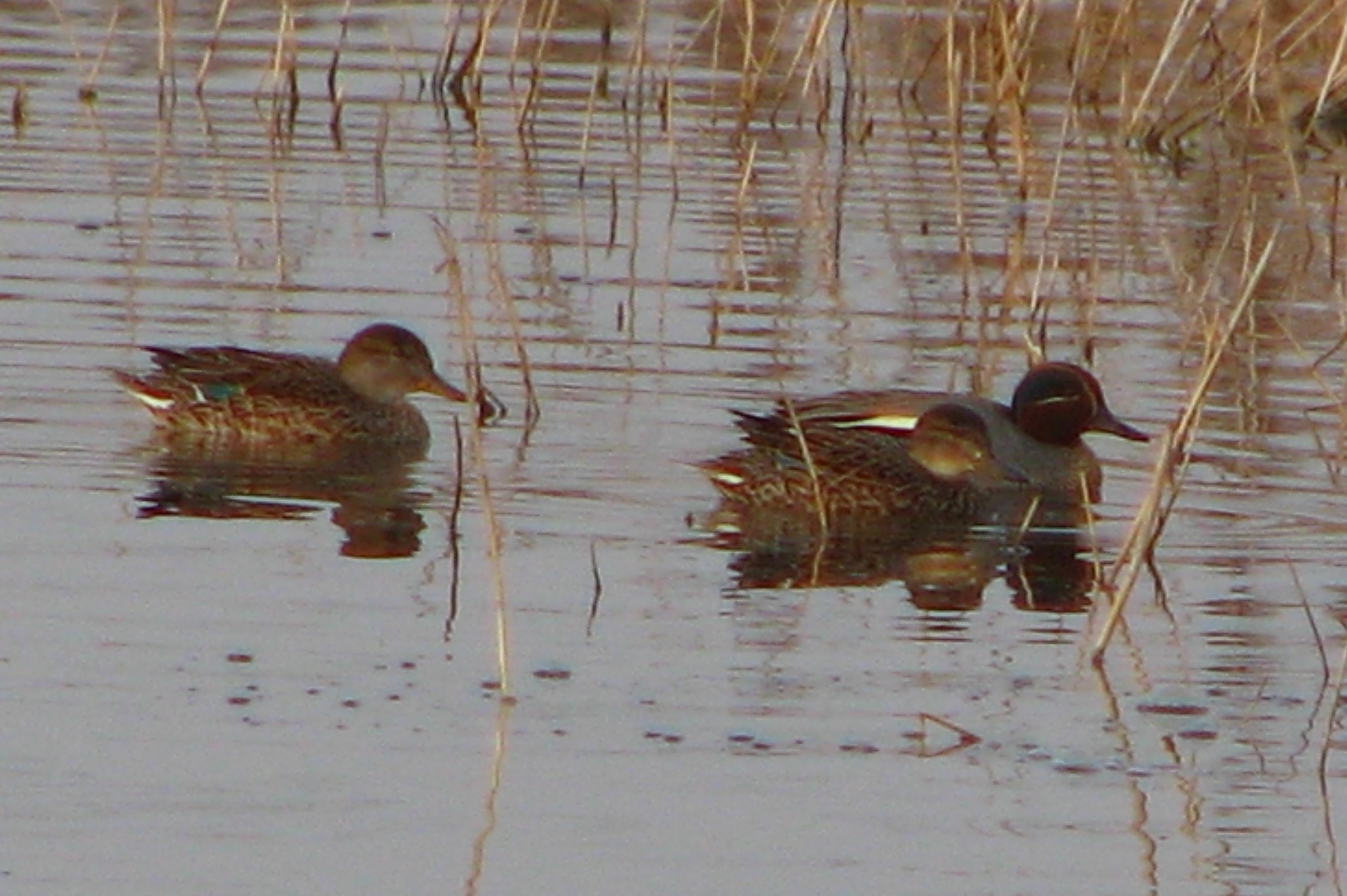
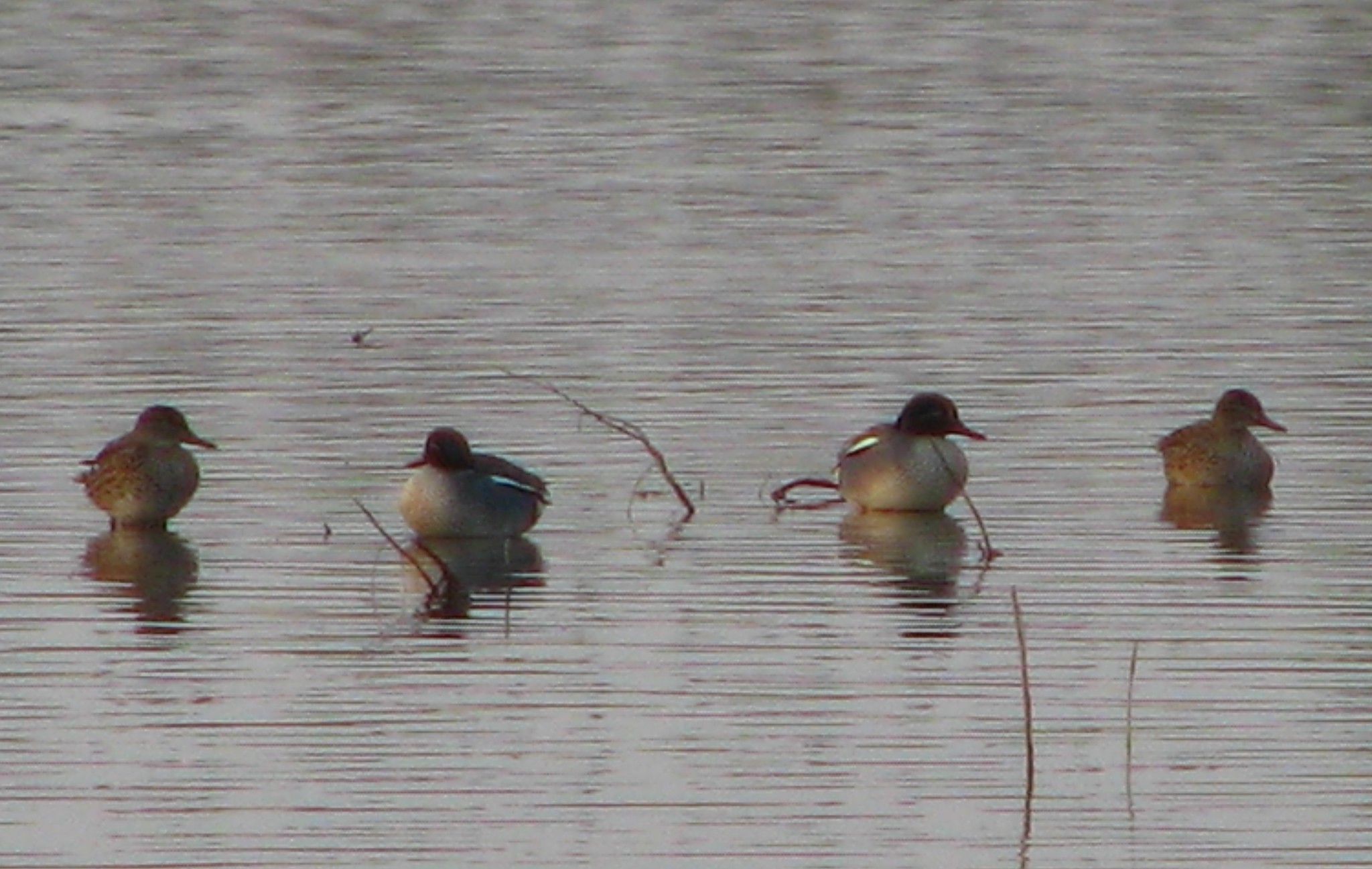
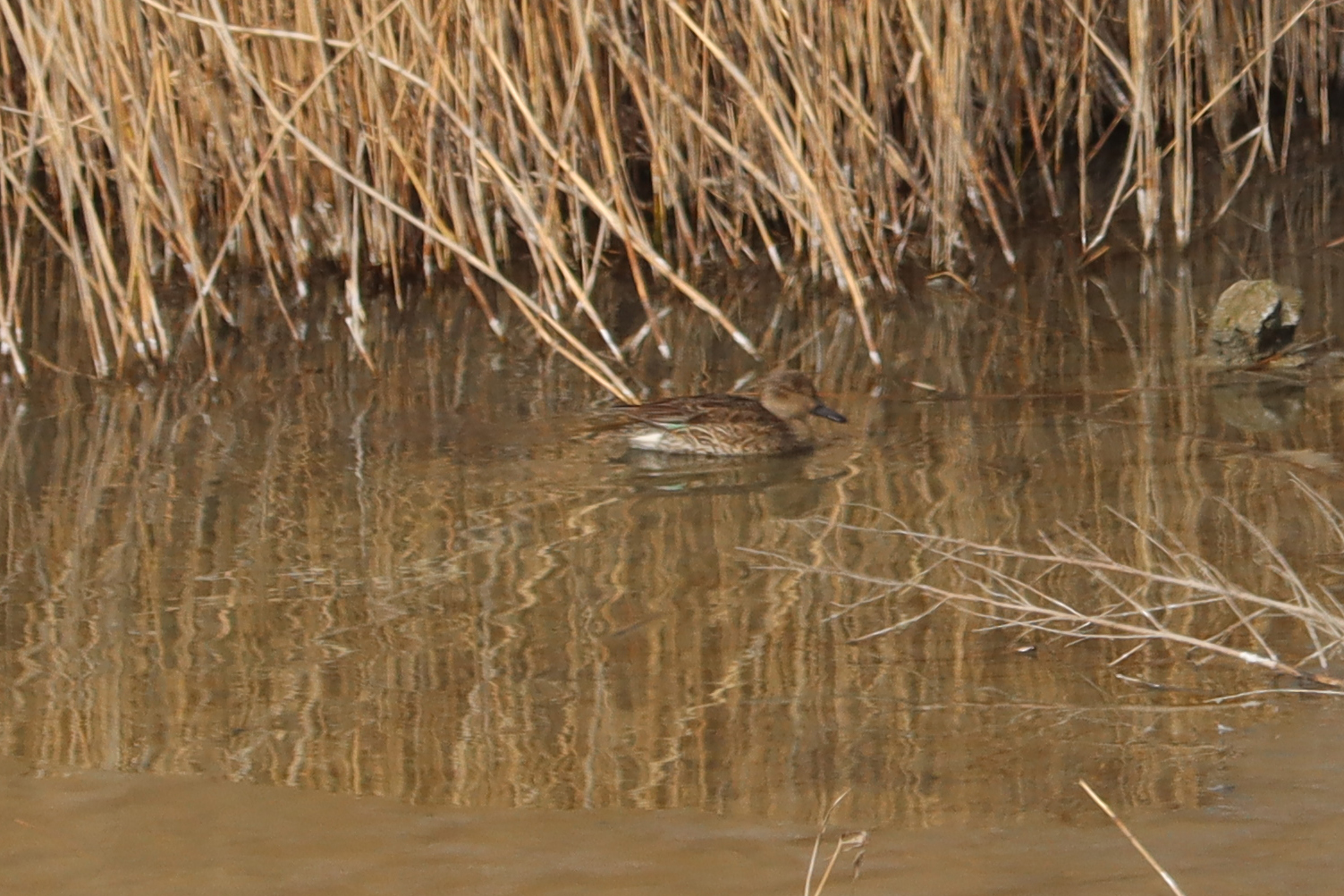
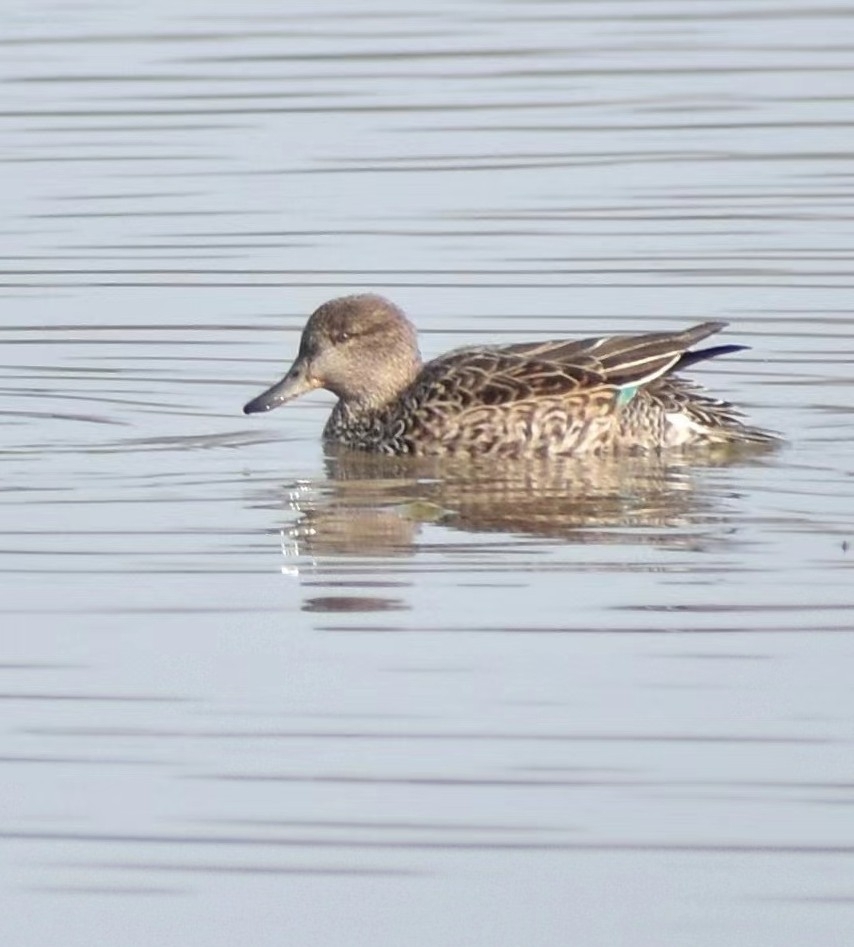
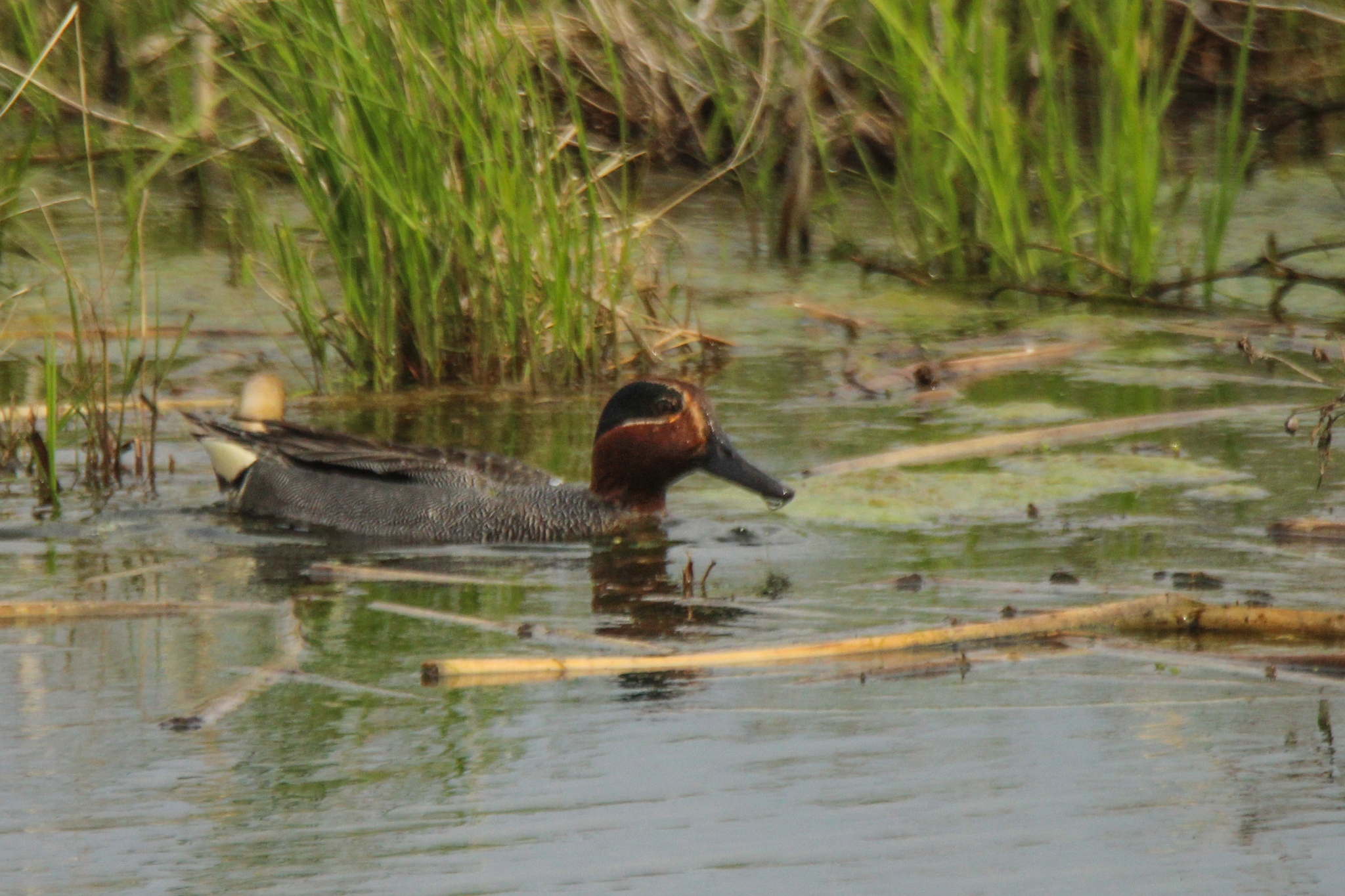
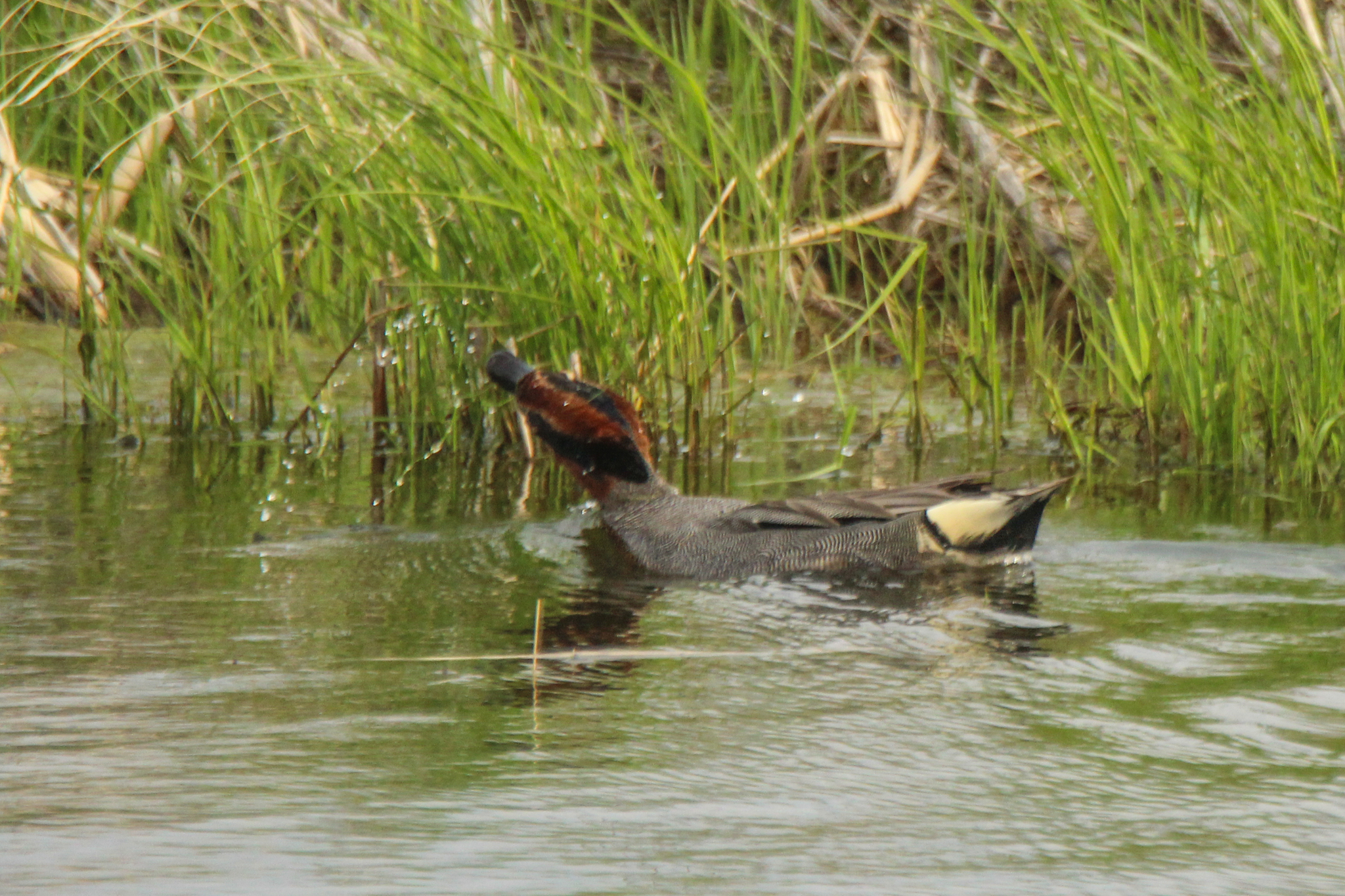
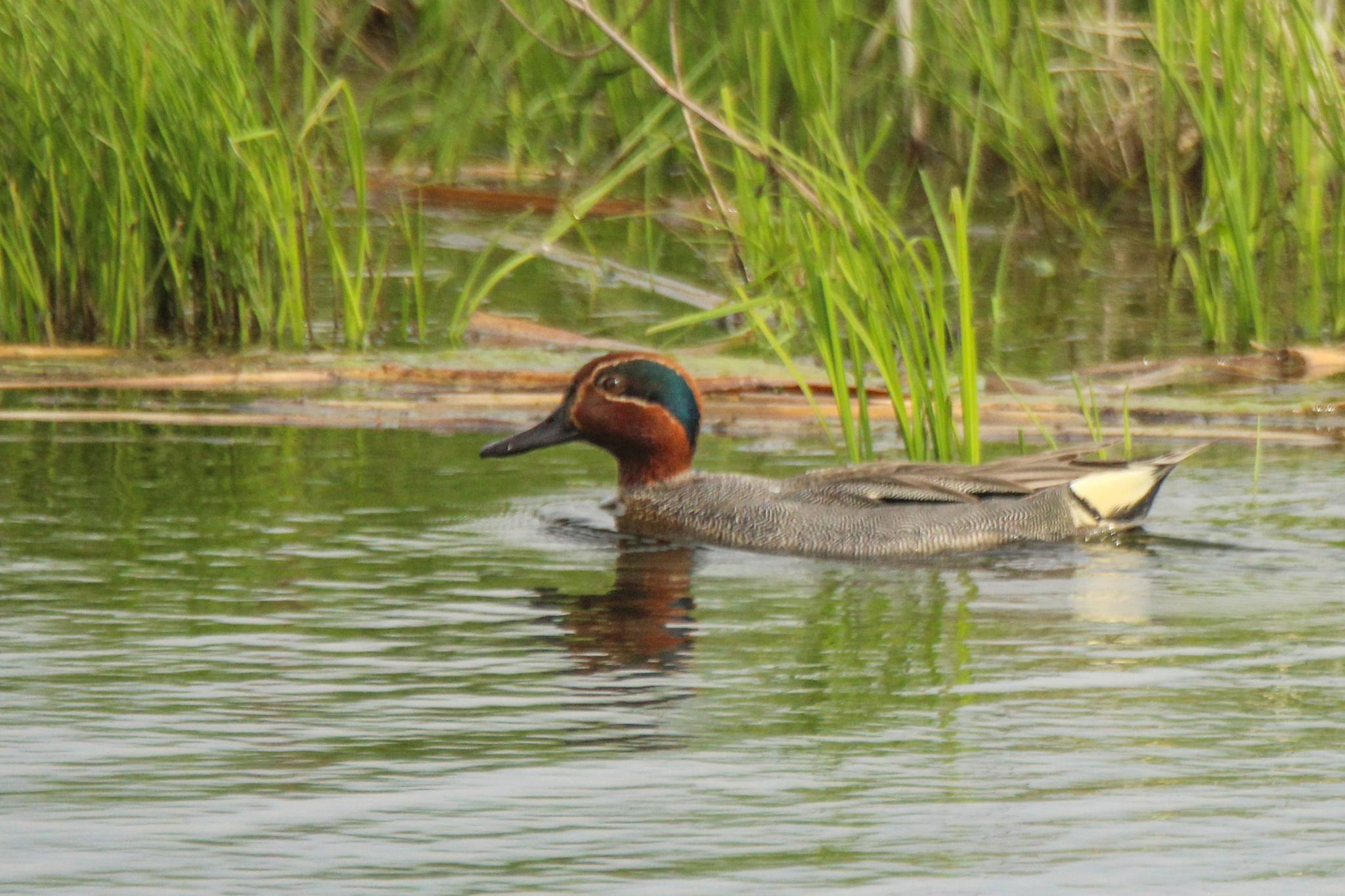
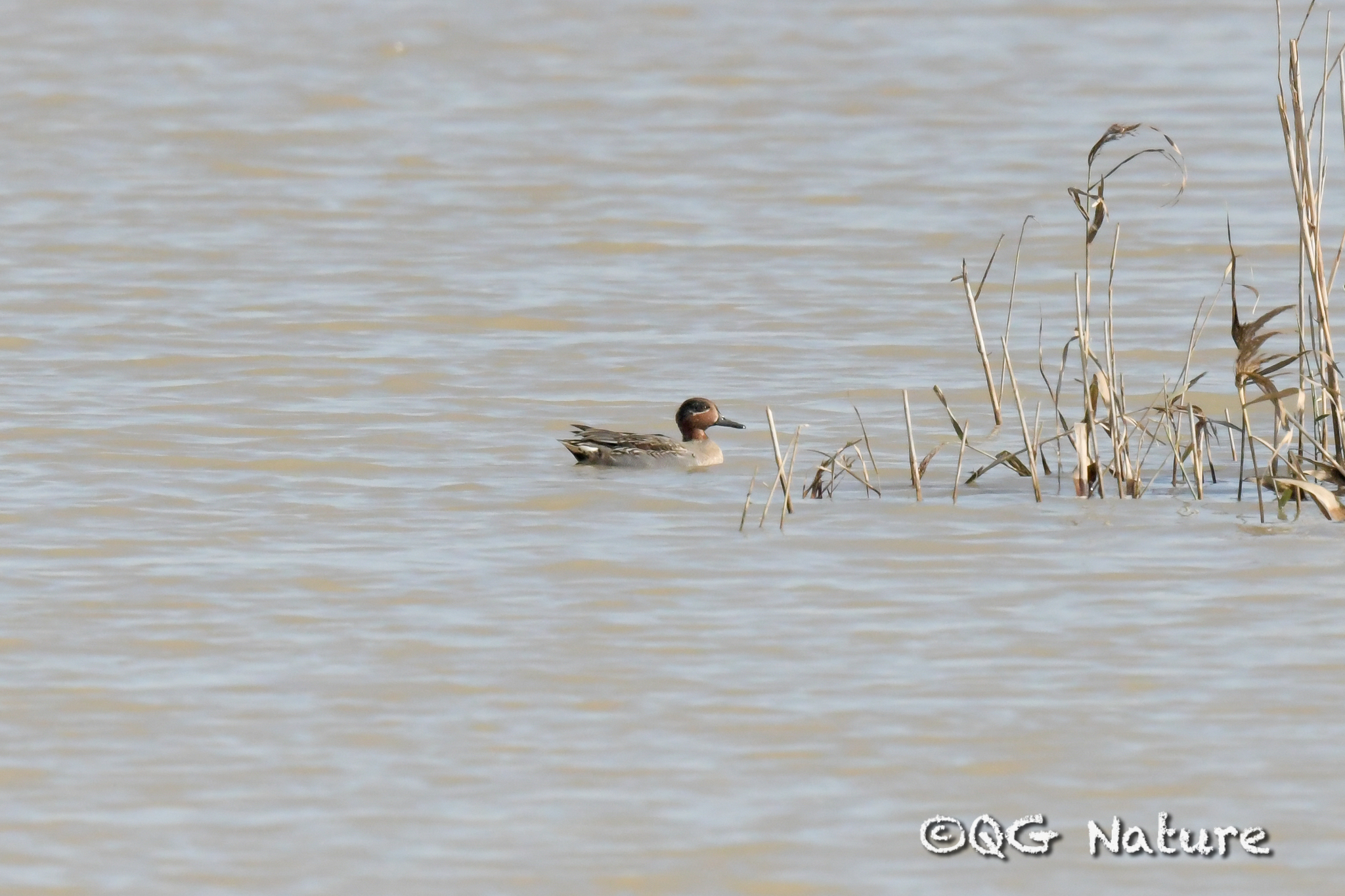
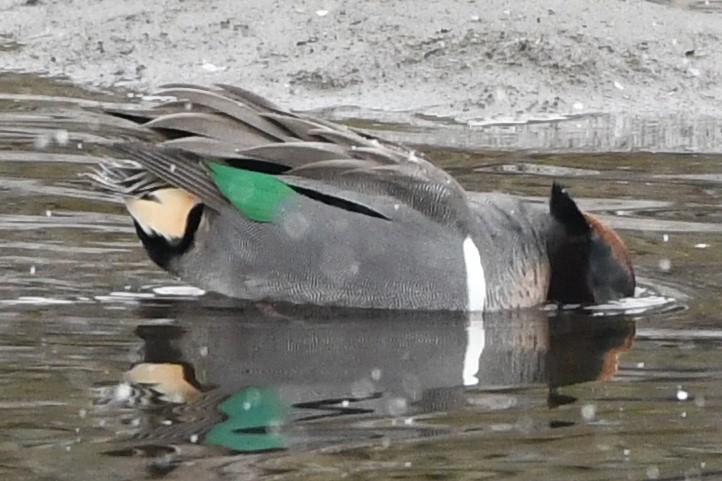
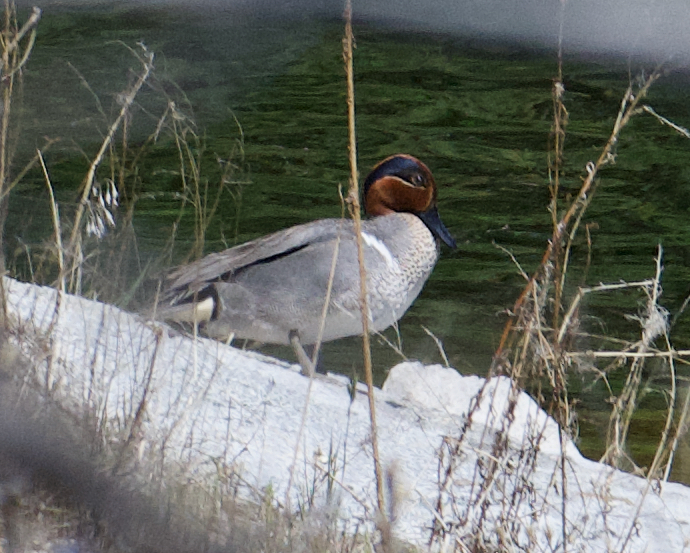
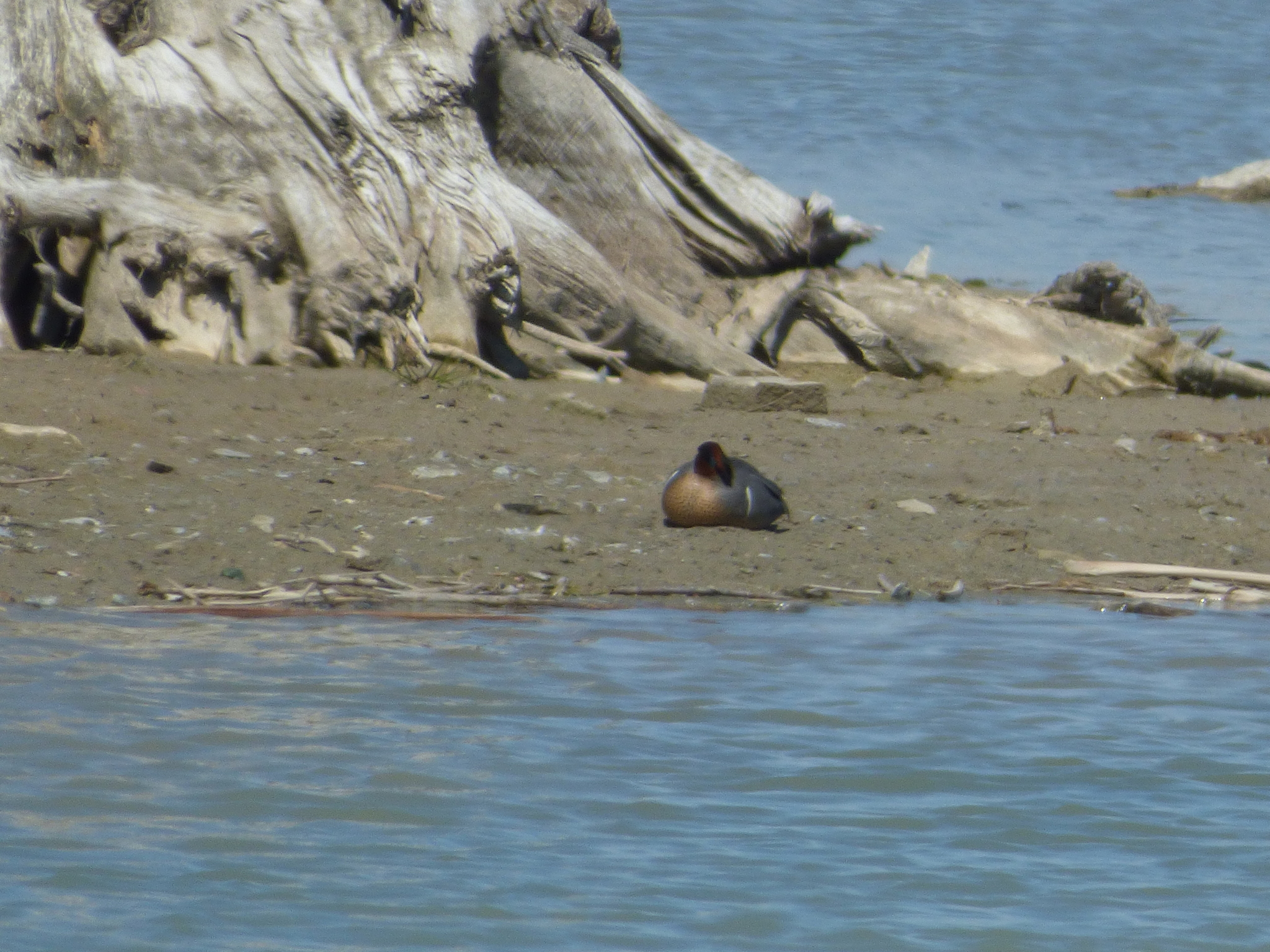
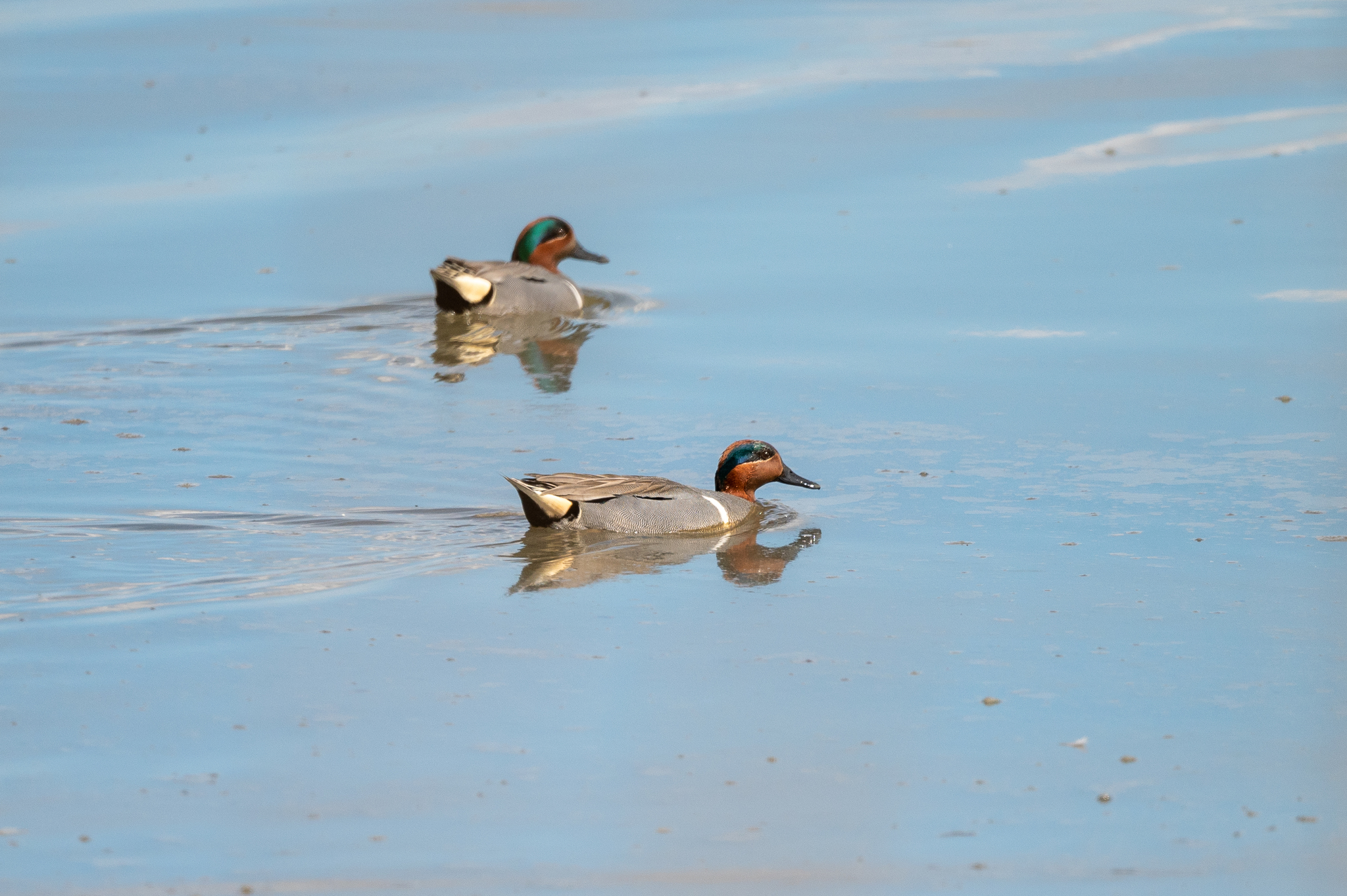
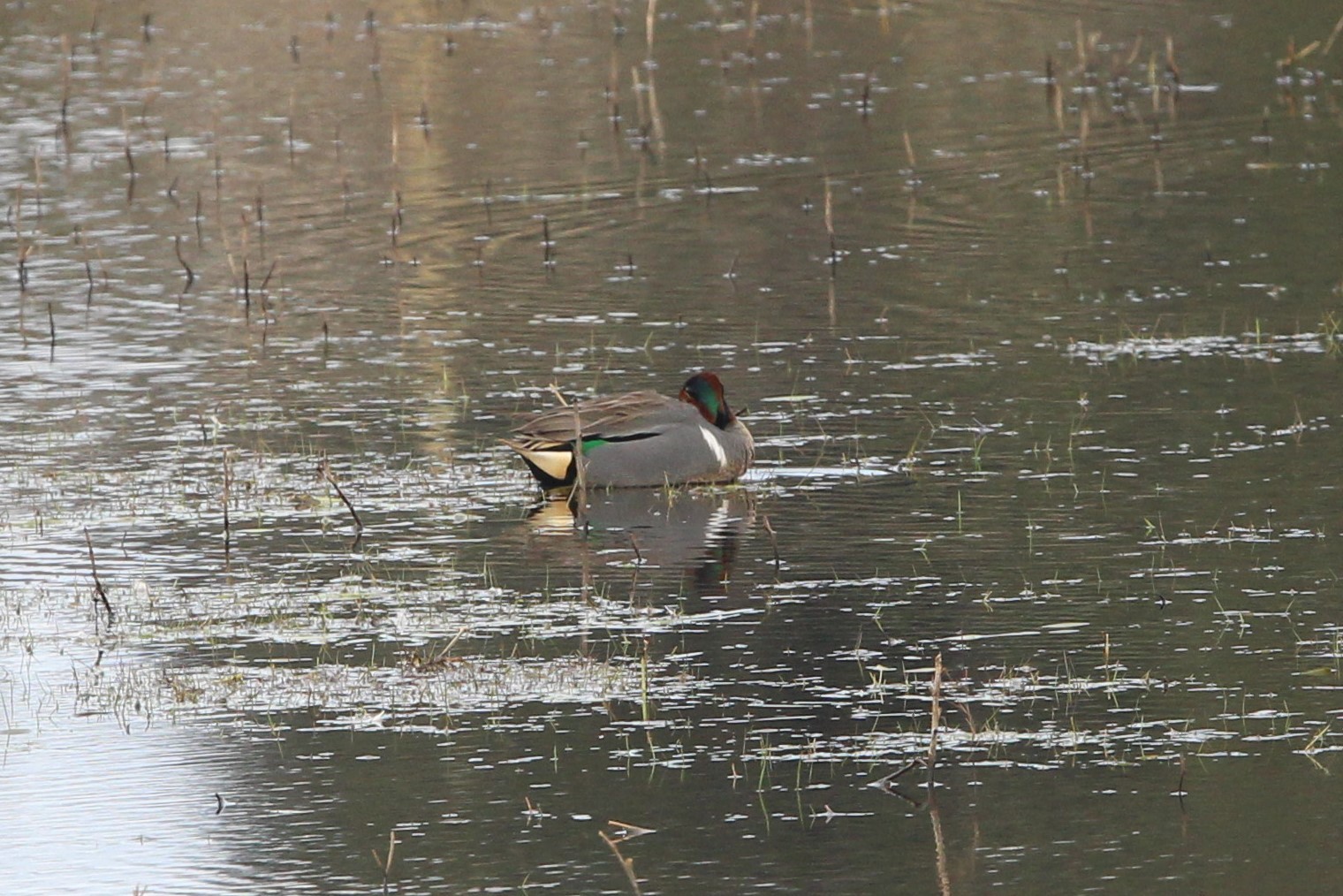
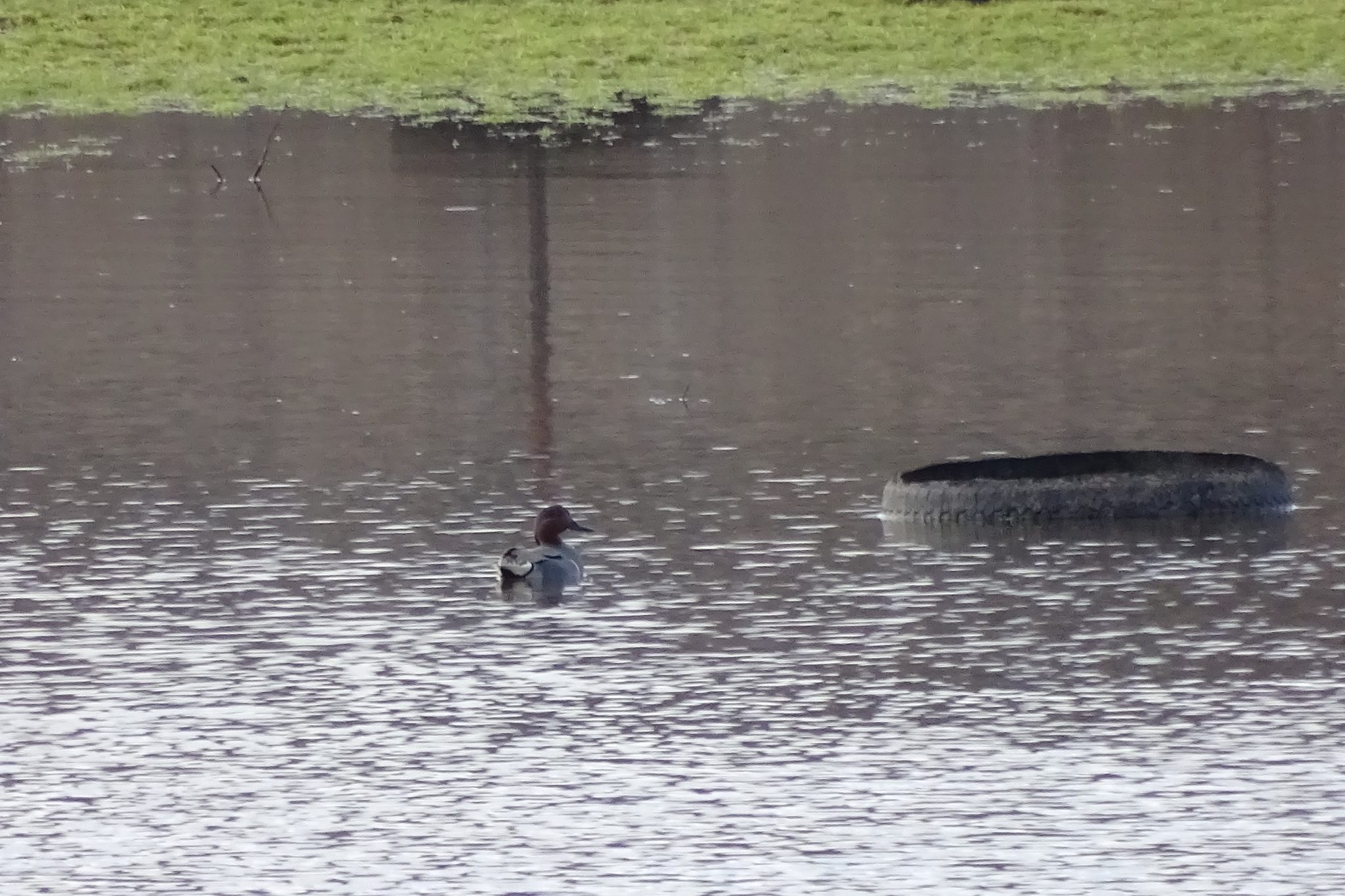
The smallest North American dabbling duck, this species measures 31-39 cm in length with a wingspan of 52-59 cm and weighs 140-500 g. Breeding males display a distinctive chestnut head with a iridescent green eye patch, grey flanks and back, and a conspicuous white-edged green speculum visible in flight or at rest. The underparts show a yellow area toward the rear, while a vertical white stripe marks the side of the breast. Females are uniformly light brown with plumage resembling female mallards but are much smaller. Both sexes show the characteristic wing pattern with the green speculum. During eclipse plumage in late summer, males molt into female-like appearance before regaining their breeding colors.
Identification
Field identification relies on the combination of small size, rapid flight with twisting flocks, and the distinctive wing pattern. Males in breeding plumage are unmistakable due to the green eye patch, vertical white breast stripe, and white-edged speculum. They differ from the Eurasian teal by the vertical rather than horizontal breast marking and the absence of the horizontal white scapular stripe. Females present greater identification challenges, as they closely resemble female Eurasian teals; separation typically requires careful attention to overall size, head shape, and wing pattern details. The species' habit of forming large, fast-moving flocks in twisting patterns helps distinguish it from other dabbling ducks in mixed flocks.
Distribution & Habitat
The breeding range covers northern North America from the Aleutian Islands and northern Alaska east through Canada's boreal forest to Labrador and Newfoundland, extending south to central California, the northern Great Plains, and the Great Lakes region. Wintering areas span from southern British Columbia and coastal Alaska east to the Maritime Provinces and south throughout the continental United States to Central America, with regular occurrence in Hawaii. Northern populations migrate southward beginning in September, reaching central regions by October and southern wintering areas by late November. The species inhabits sheltered wetlands including taiga bogs, prairie marshes, coastal estuaries, and flooded agricultural fields, showing particular preference for shallow waters with dense emergent vegetation.
Behavior & Ecology
This species is highly gregarious outside the breeding season, forming enormous flocks that number in the thousands. During spring migration, it arrives on breeding grounds almost as soon as snow melts, often among the earliest waterfowl to return. Nesting begins in late April in southern areas and extends to June in the far north, with females selecting well-concealed ground depressions in dense grass or brush near water. Clutches contain 5-16 eggs incubated for 21-23 days, with ducklings fledging at 34-35 days. Feeding occurs primarily on mud flats, where this species prefers small seeds of sedges, grasses, and bulrushes, though it also consumes aquatic vegetation, insects, and mollusks. Males give a clear, distinctive whistle, while females produce only a weak quack.
Conservation
While not separately evaluated by the IUCN due to taxonomic uncertainty regarding its relationship to the Eurasian teal, this species is considered abundant enough to warrant a Least Concern assessment if recognized as distinct. It remains far more plentiful than its Eurasian counterpart. Population trends appear stable across most of its extensive range, supported by its adaptability to various wetland habitats and broad geographic distribution. Conservation concerns center on wetland habitat loss throughout migration corridors and wintering areas, though the species' large numbers and wide distribution provide significant resilience against localized threats.
Culture
The species holds significance as a popular game bird throughout much of its range, particularly during waterfowl hunting seasons across North America. Its status as one of the smallest and most abundant ducks makes it a common target for both subsistence and sport hunters. Beyond hunting, the species is valued by birdwatchers for its spectacular flocking behavior and the challenge it presents in identification, particularly when distinguishing females from the similar Eurasian teal in areas where vagrant individuals occur.
Source: Wikipedia · CC BY-SA 3.0
Taxonomy
- Order
- Anseriformes
- Family
- Anatidae
- Genus
- Anas
- eBird Code
- gnwtea
Vocalizations
Subspecies (2)
-
Anas crecca carolinensis
breeds North America; winters to Mexico and West Indies
-
Anas crecca crecca
breeds in Palearctic, from Iceland southward to France, eastward to eastern Siberia, and the Aleutian Islands; winters from southern and central Europe eastward to Japan, southward to Africa (to Senegambia, Central African Republic, and Kenya), southern Asia, and southeastern Asia
Data Sources
Species description from Wikipedia, licensed under CC BY-SA 3.0.
Bird images and sounds sourced from GBIF, contributed by citizen scientists worldwide under Creative Commons licenses.
Taxonomy data from AviList 2025.