Charadriiformes / Charadriidae / Anarhynchus
Kentish Plover
Anarhynchus alexandrinus · 环颈鸻
Introduction
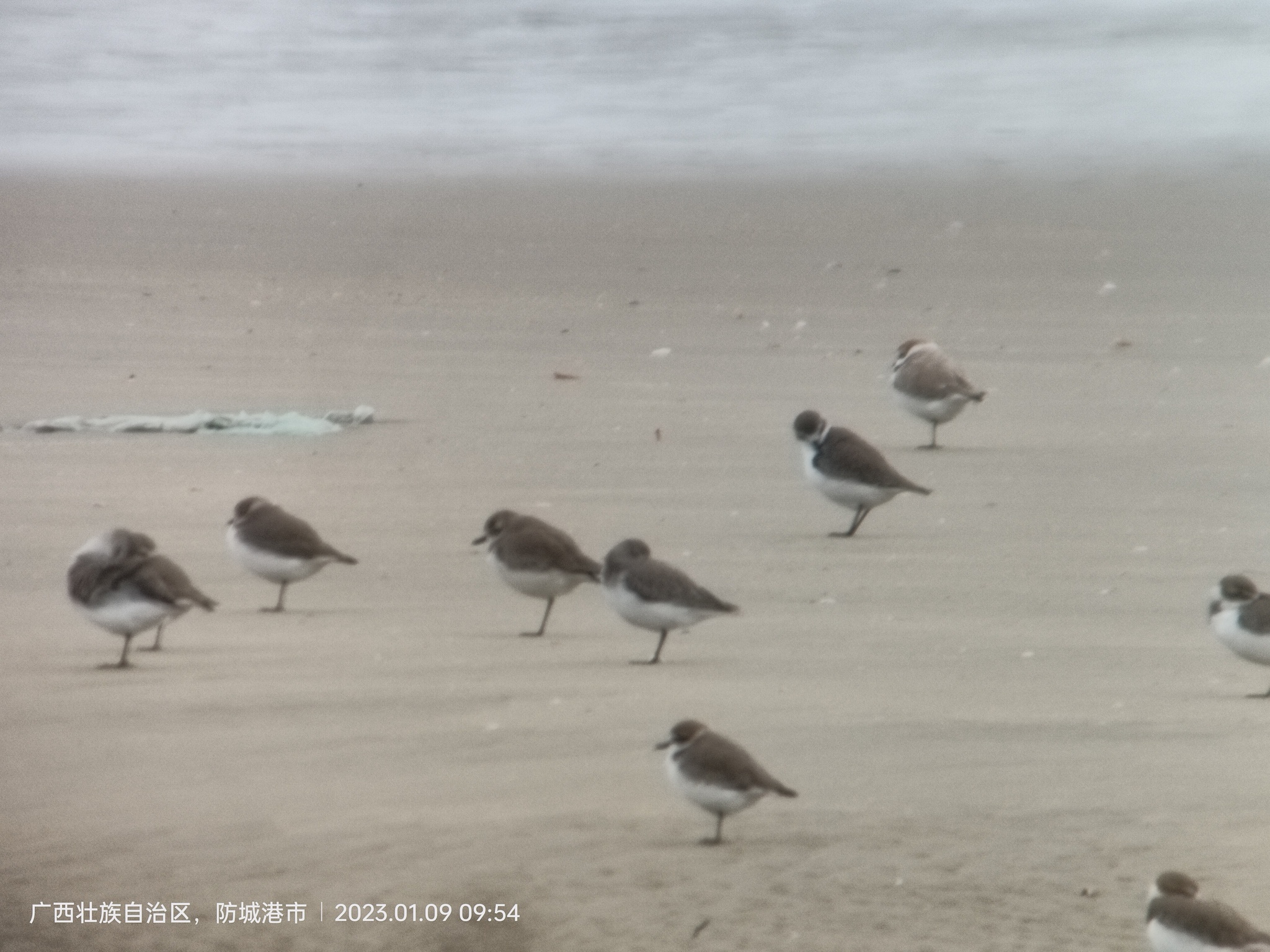
A small wader (40–44 g) of the family Charadriidae, breeding on shores of saline lakes, lagoons, and coasts across Europe, Asia, and Africa. It inhabits sand dunes, marshes, semi-arid deserts, and tundra. The species is sexually dimorphic and exhibits a flexible breeding system including both monogamy and polygamy. Classified as Least Concern on the IUCN Red List, though global populations are declining.
Description
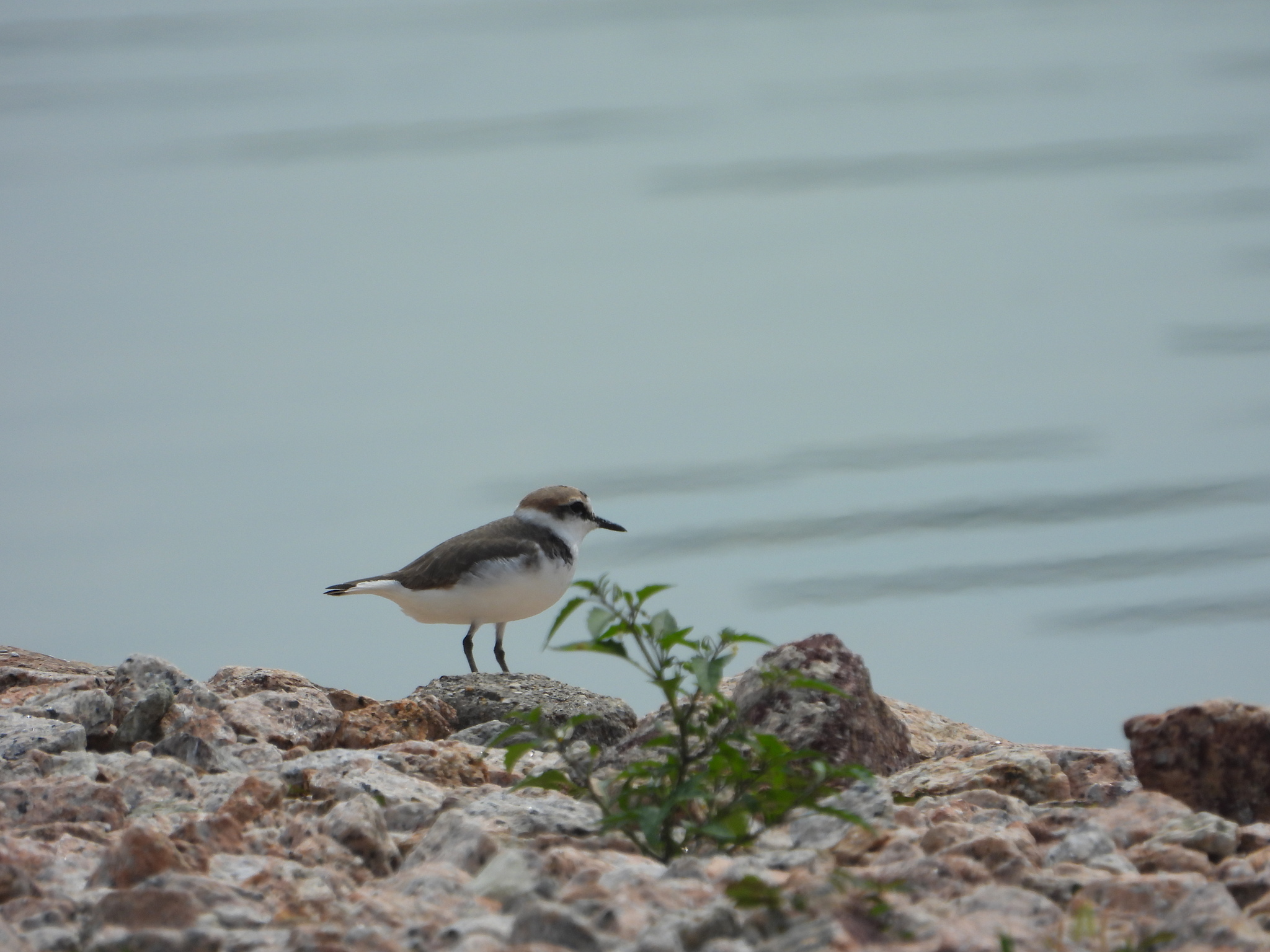
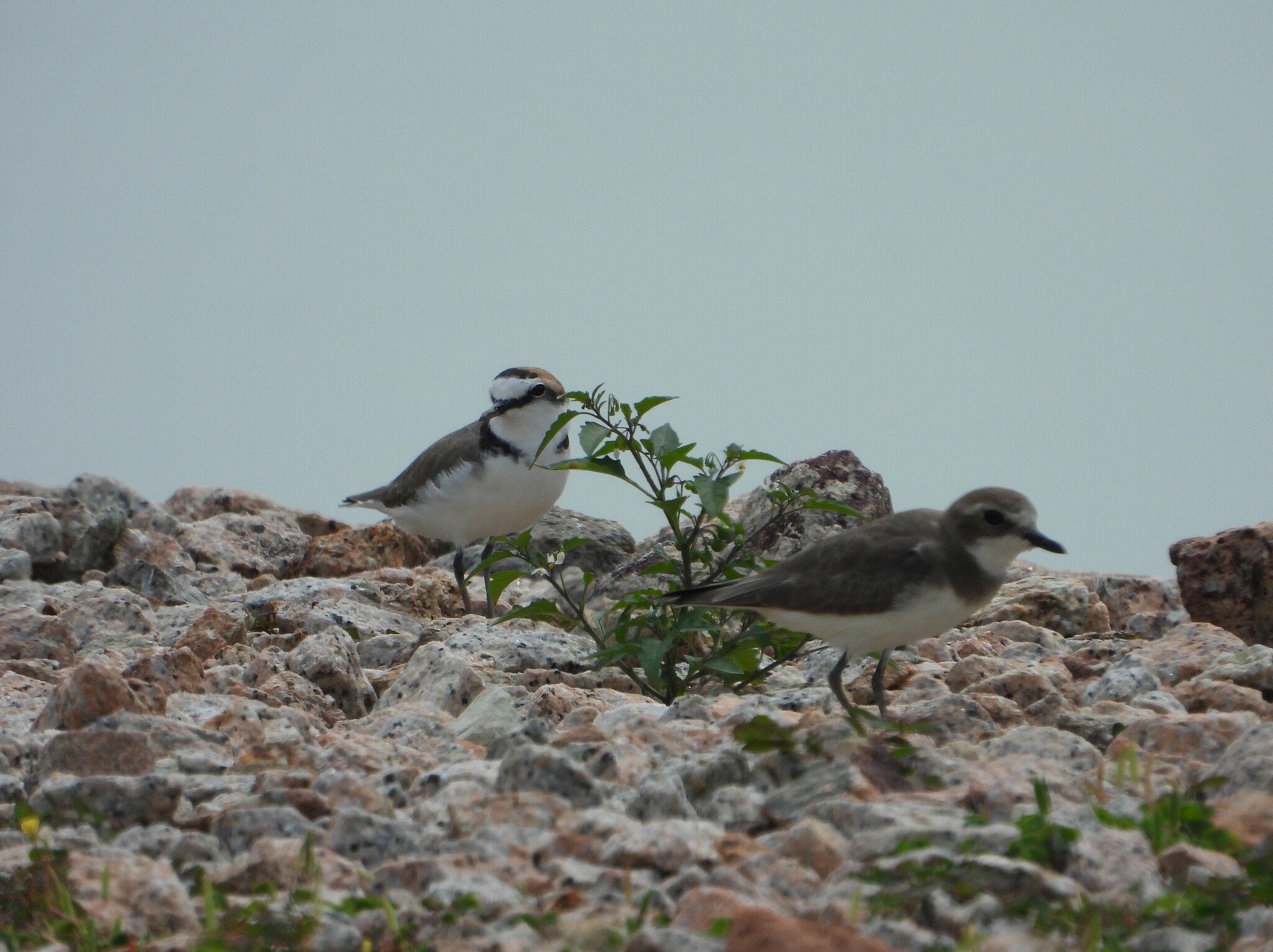
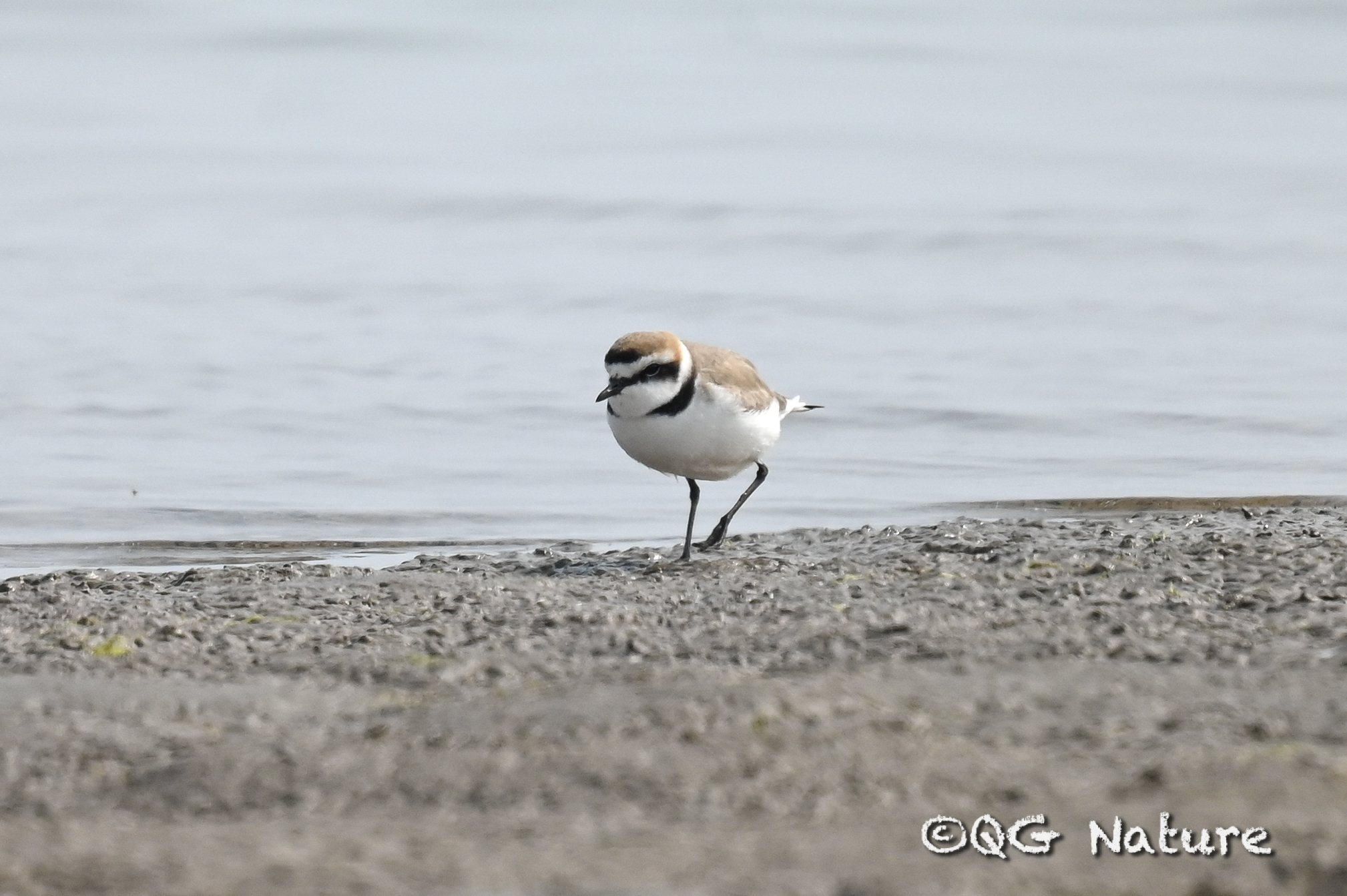
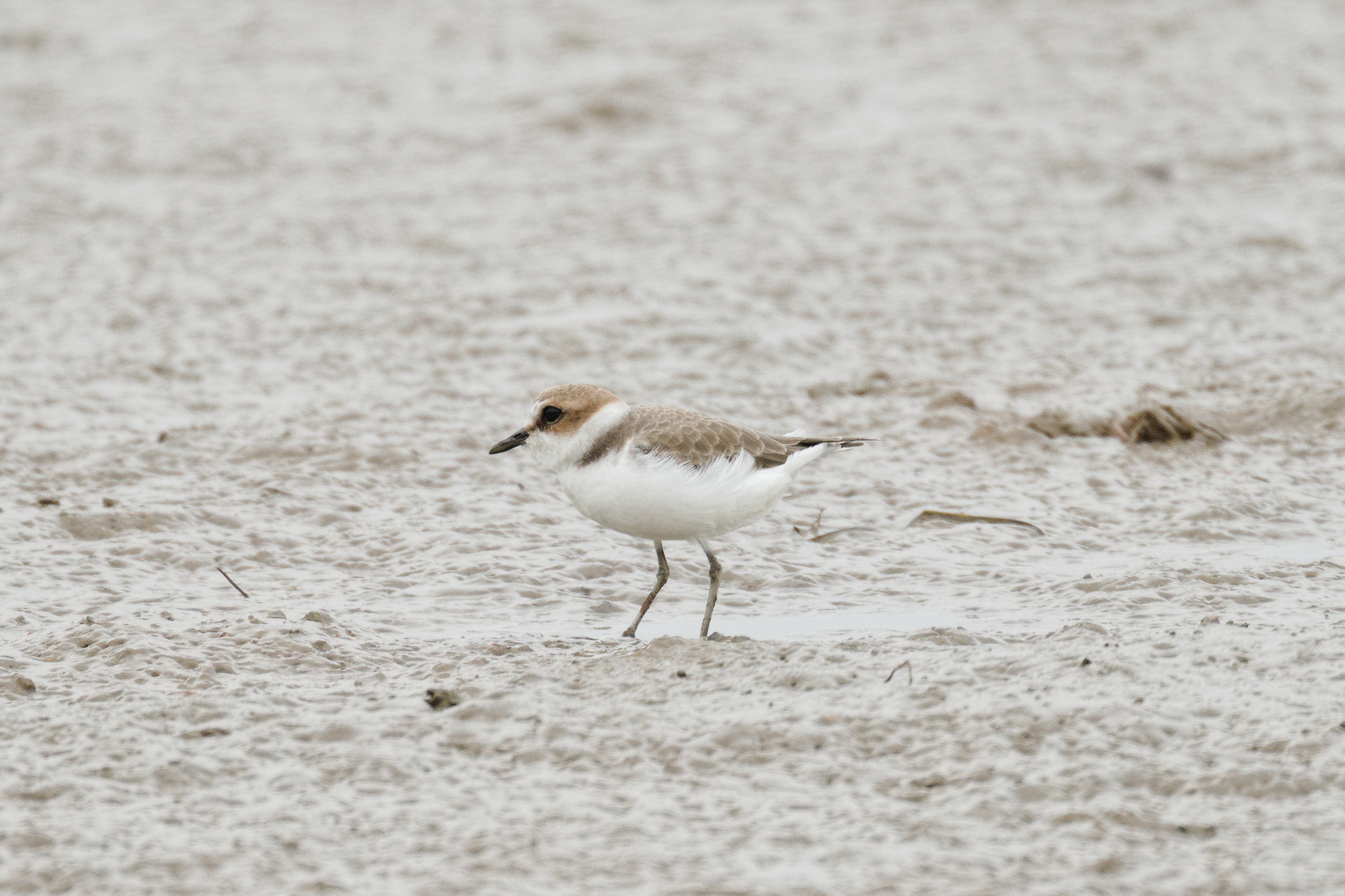
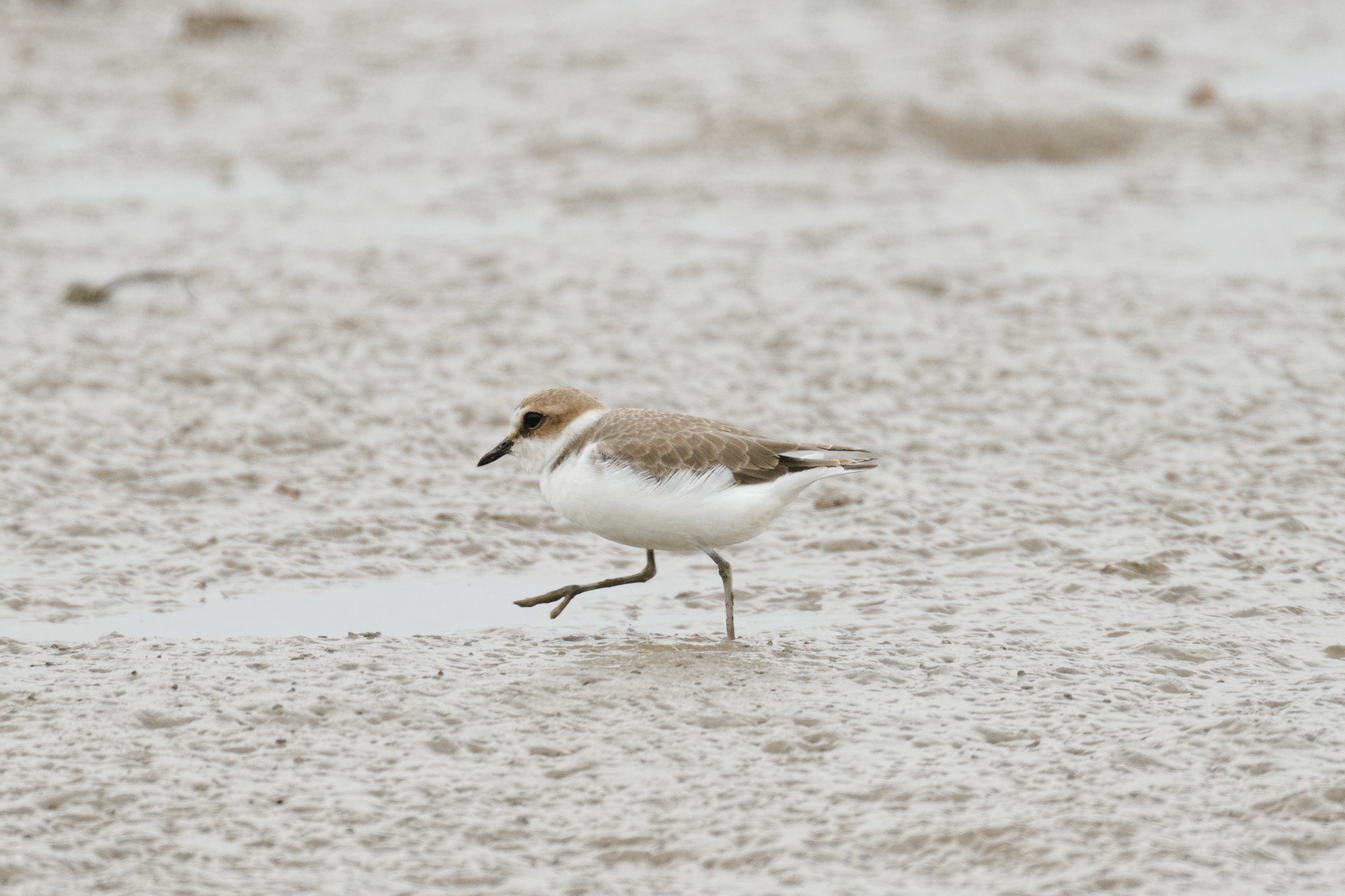
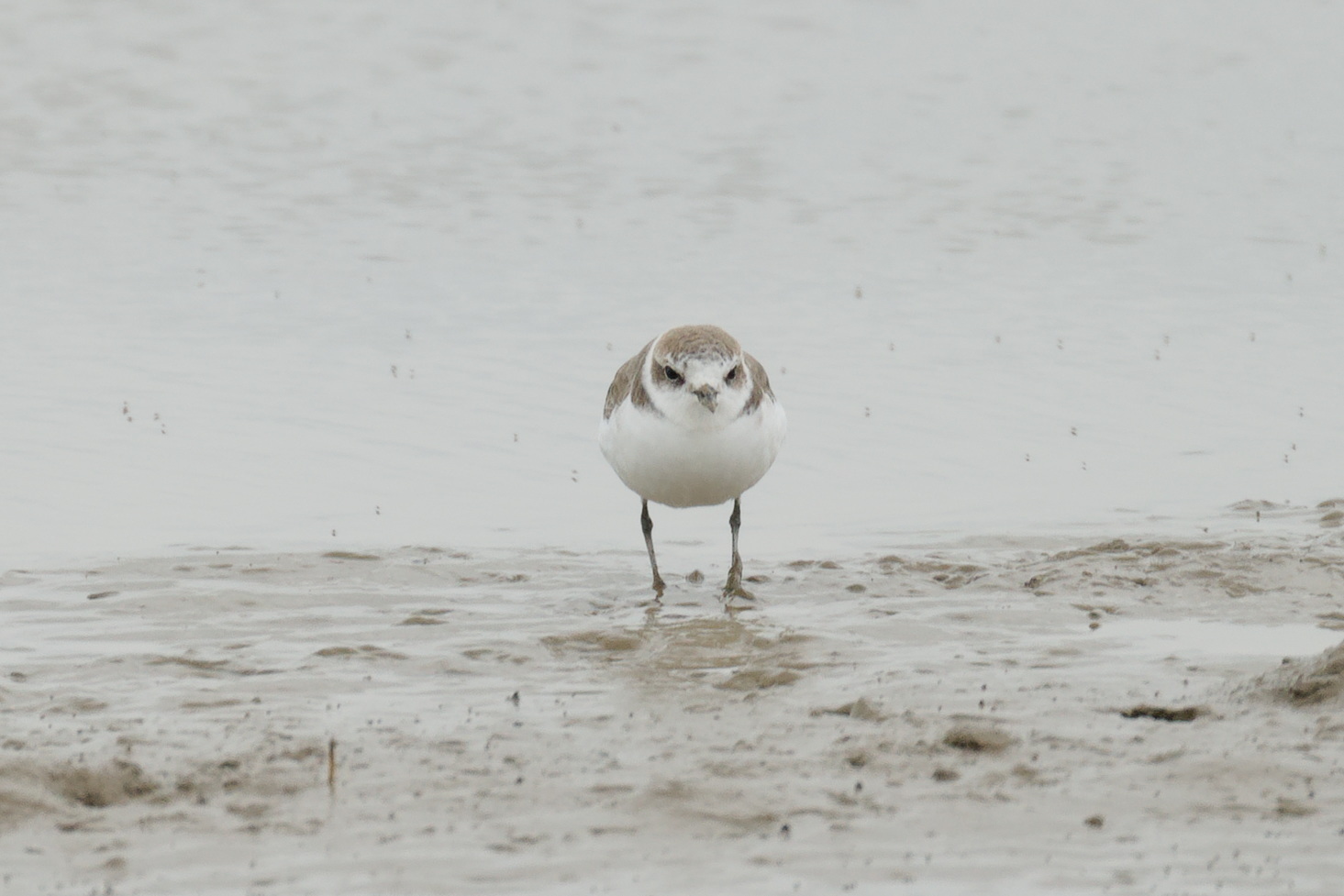
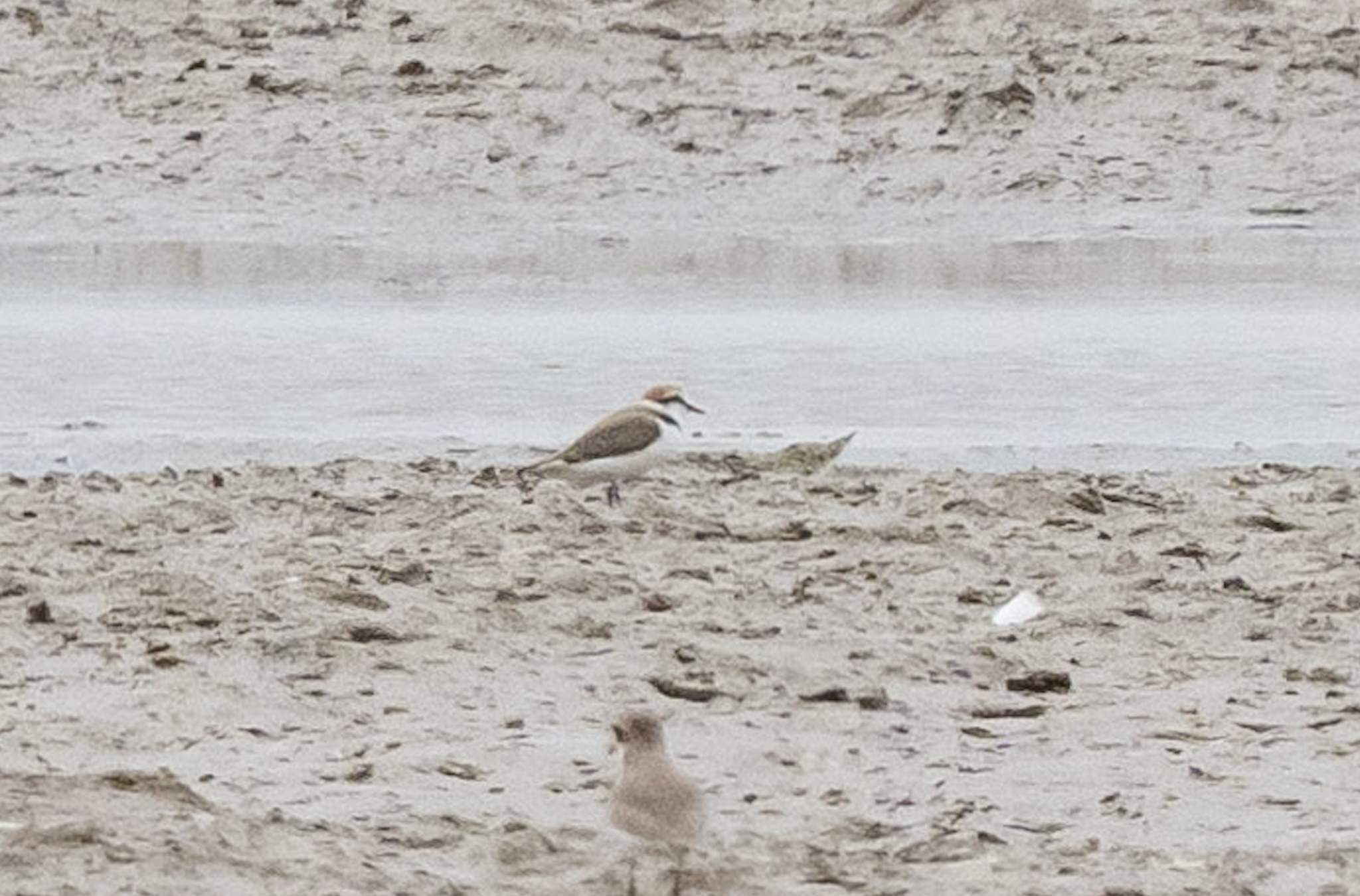
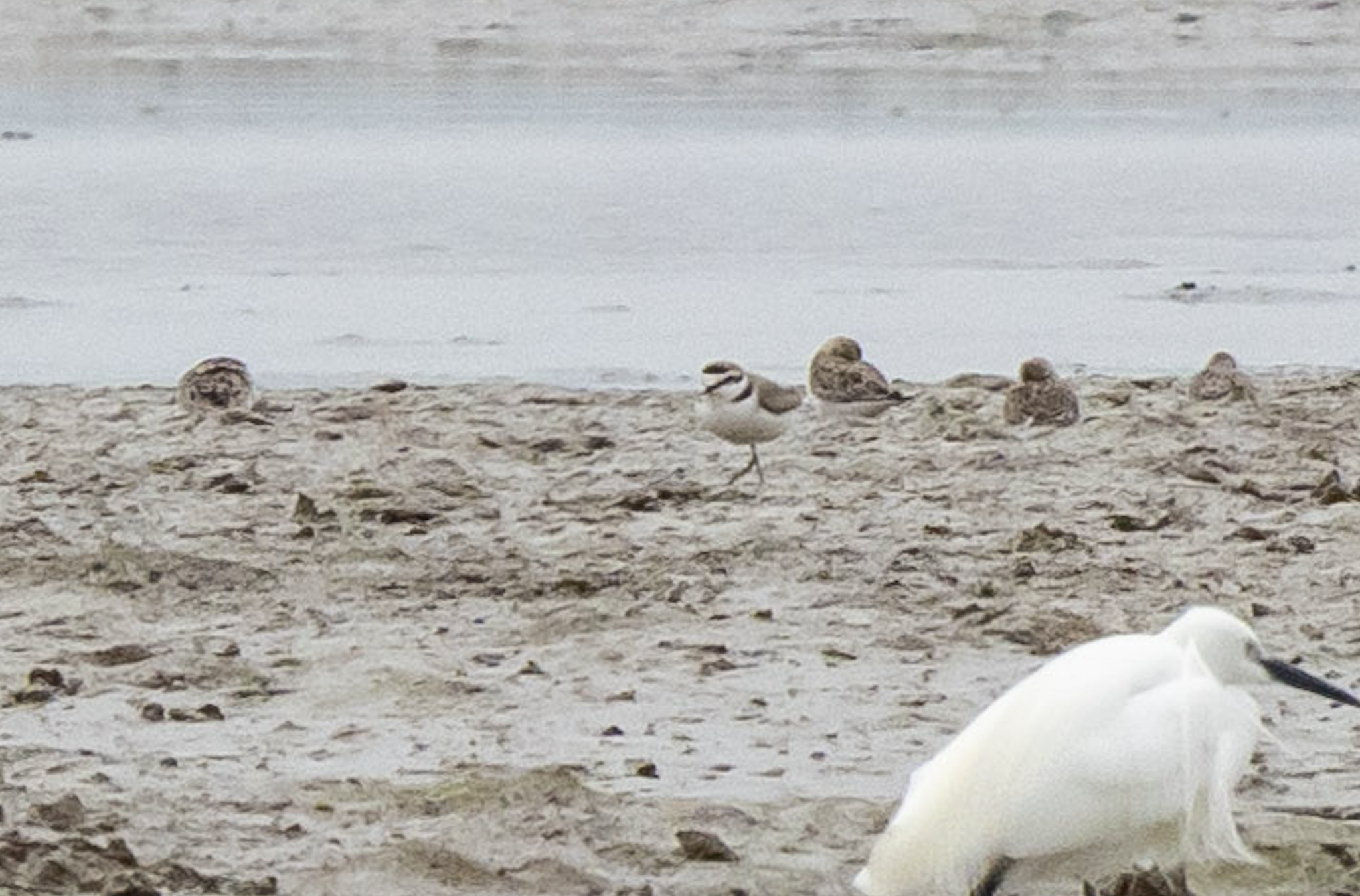
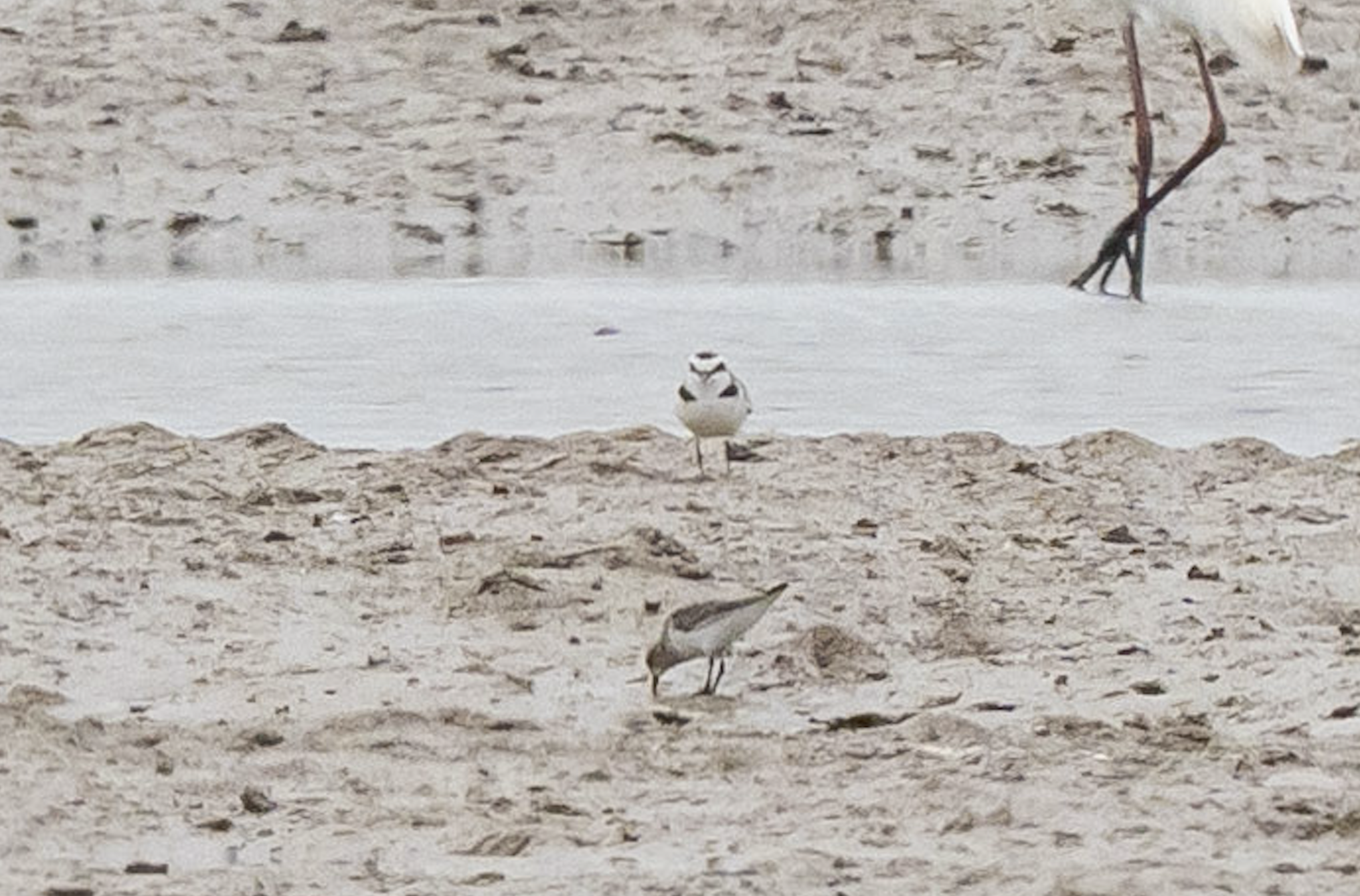
Adults weigh around 40 g with black bills and dark legs. Plumage is sexually dimorphic: males display a black horizontal head bar, two incomplete dark breast bands, black ear coverts, and a rufous nape and crown during breeding season. Females are paler in these areas without dark markings. Males possess longer tarsi and flank feathers than females. Ornamentation intensity varies with rainfall and breeding system; male ornaments become more elaborated in high-rainfall regions and are darker and smaller in polygamous populations compared to monogamous ones.
Identification
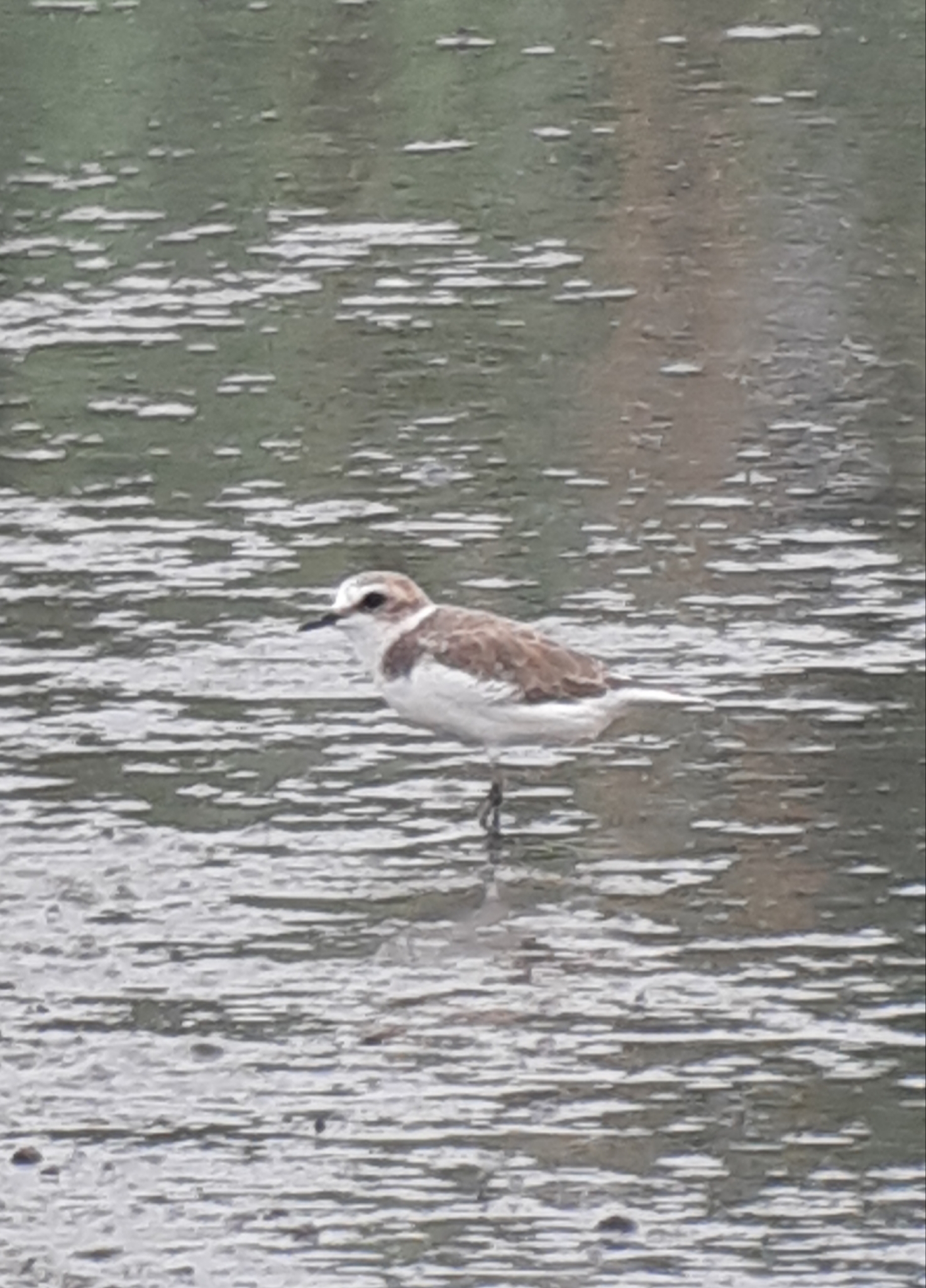
Distinguished by pale plumage, white underside, grey/brown back, and dark legs and bill. Breeding males show distinct dark head markings and incomplete breast bands, while females lack these dark features. Sex differences decrease as the breeding season progresses. Vocalizations include a 'kittup' alarm call, often paired with a 'too-eet' tweet, and a metallic 'dwee-dwee-dweedweedwee' threat note.
Distribution & Habitat
Ranges from latitudes 10º to 55º across North Africa (including Senegal and Cape Verde), Central Asia (including alkaline lakes in China), and Europe (including Spain and Austria). Subspecies include A. a. alexandrinus (west Europe, north Africa, central Asia), A. a. nihonensis (Sakhalin, Kuril Islands, Japan, Korea, northeast China, Taiwan), and A. a. seebohmi (south India, Sri Lanka). Some populations are migratory, wintering in Africa, while island populations may be resident. It is a rare vagrant in Australia and no longer breeds in Britain or Hungary.
Behavior & Ecology
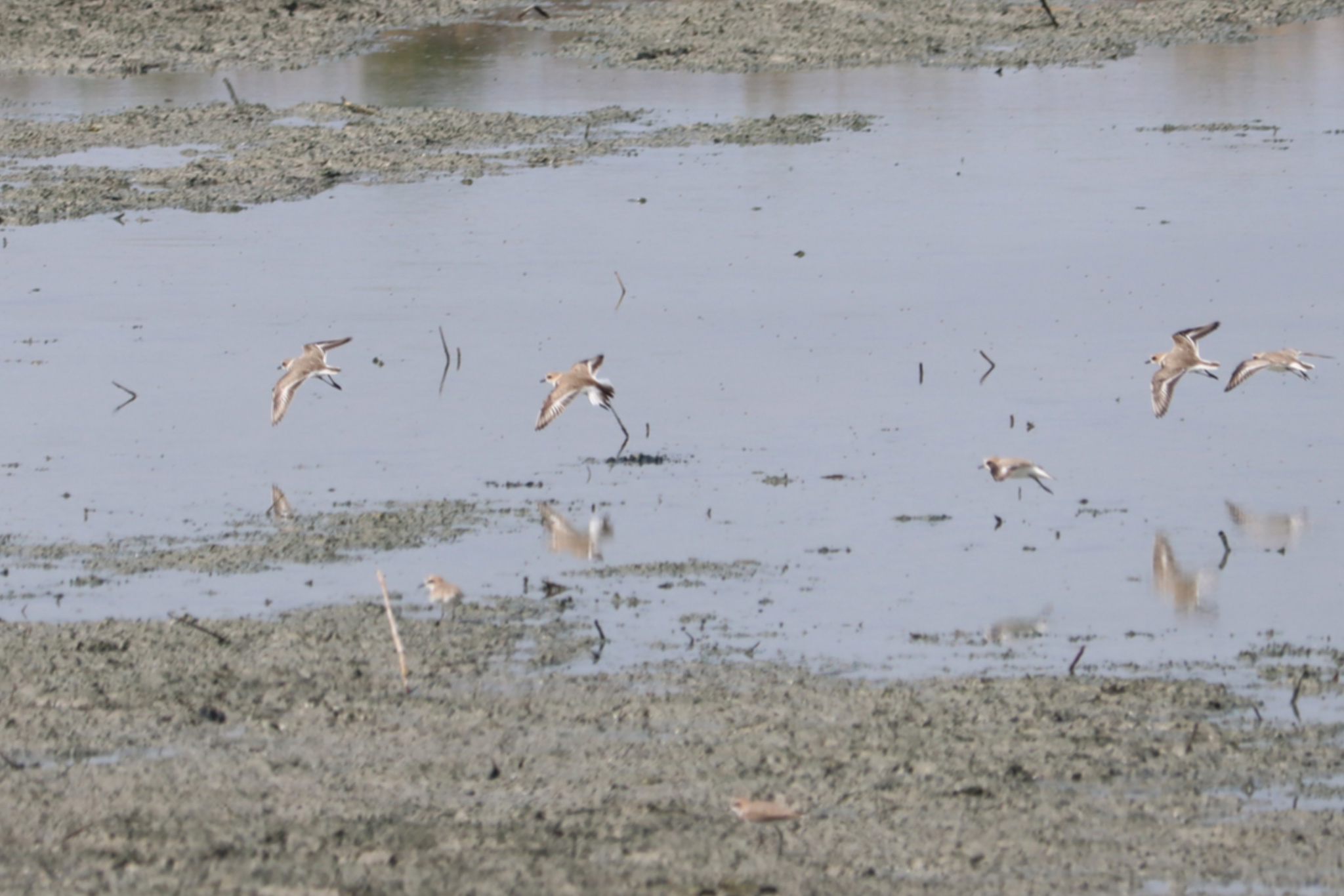
Ground-nesting in low, open, moist sites away from thick vegetation. Nests are scrapes lined with shells, pebbles, grass, and leaves. Clutch size is typically three eggs, incubated for 20–25 days by both sexes (females by day, males by night). Exhibits brood desertion, where one parent (more frequently the female) leaves after about a week. Forages individually or in loose flocks using a run-and-stop method to catch arthropods, insects, molluscs, and worms. Parents defend territories aggressively and use distraction displays, such as feigning injury, to lure predators from nests. Chicks crouch to hide or run with parents when threatened.
Conservation
Classified as Least Concern on the IUCN Red List, with a global population estimated at 100,000–500,000 individuals, though continuously declining. The European population is estimated at 43,000–70,000. Major threats include habitat loss from urbanization, pollution, and human disturbance (particularly from tourists and dogs), as well as predation by species like brown-necked ravens and white-tailed mongooses. Rising sea levels threaten low-elevation nests. Listed on Annex I of the EU Birds Directive and Annex II of the Bern Convention. Conservation measures include creating protected areas and minimizing human interaction.
Culture
The common English name derives from the county of Kent, where it was historically found but has not bred since 1979. The subspecies seebohmi has been proposed for elevation to full species status with the suggested name Hanuman plover, referencing the monkey god Hanuman from the Ramayana.
Source: Wikipedia · CC BY-SA 3.0
Taxonomy
- Order
- Charadriiformes
- Family
- Charadriidae
- Genus
- Anarhynchus
Taxonomy Changes
Charadrius alexandrinus → Anarhynchus alexandrinus
Genus transfer — GBIF Backbone Taxonomy uses the former name; AviList 2025 uses the current name.
Subspecies (3)
-
Anarhynchus alexandrinus alexandrinus
breeds western Palearctic to eastern China, southern Japan including Ryukyu Islands; winters to Africa, southern Asia, Philippines, Indonesia, and Borneo
Data Sources
CBR Notes: 由Charadrius属移入Anarhynchus属(dos Remedios et al. 2015; Eaton et al. 2021)
Species description from Wikipedia, licensed under CC BY-SA 3.0.
Bird images and sounds sourced from GBIF, contributed by citizen scientists worldwide under Creative Commons licenses.
Taxonomy data from AviList 2025.