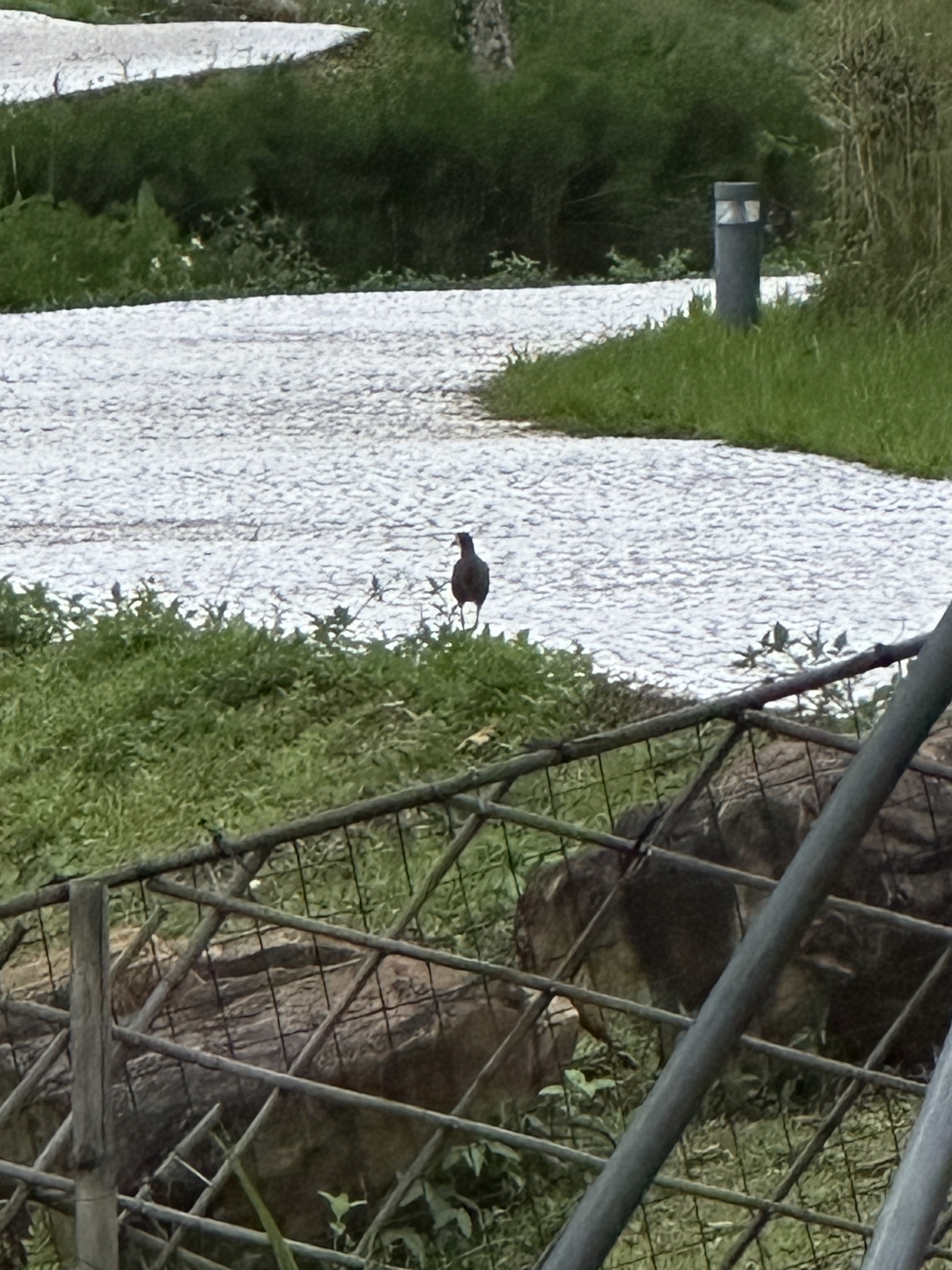
Gruiformes / Rallidae / Amaurornis
White-breasted Waterhen
Amaurornis phoenicurus · 白胸苦恶鸟
Introduction
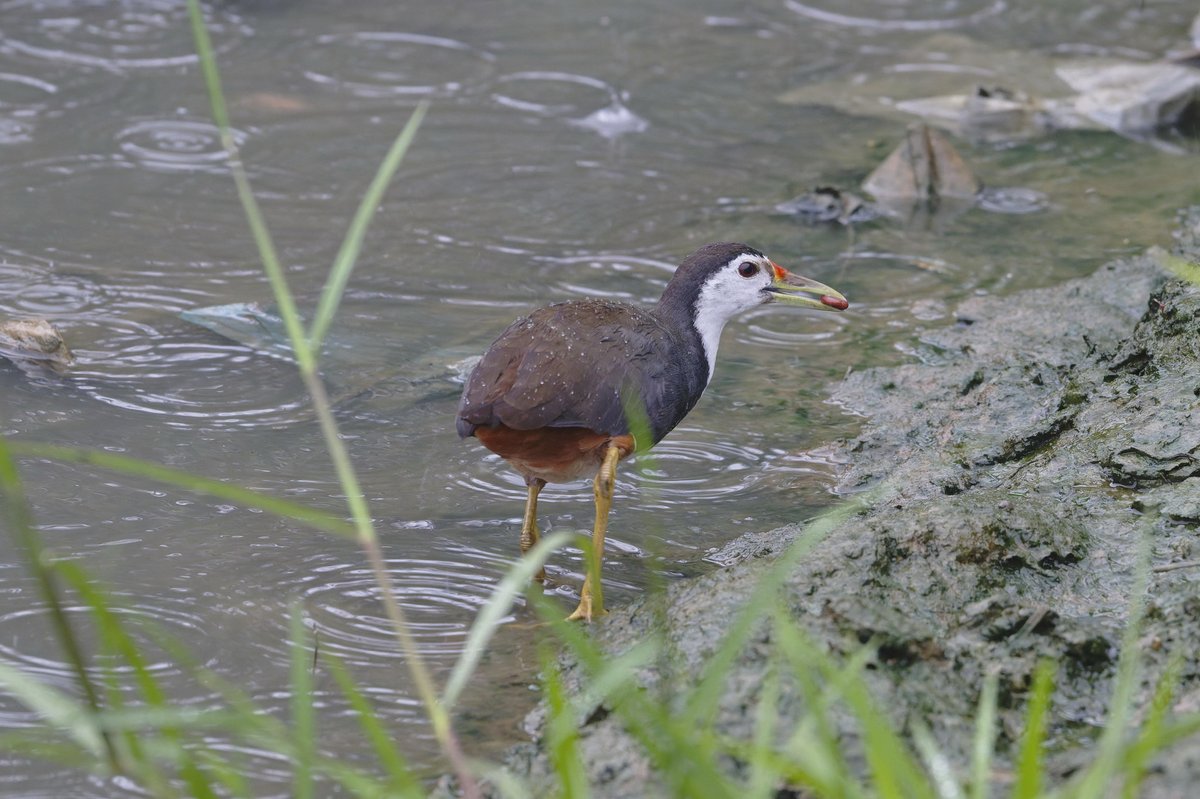
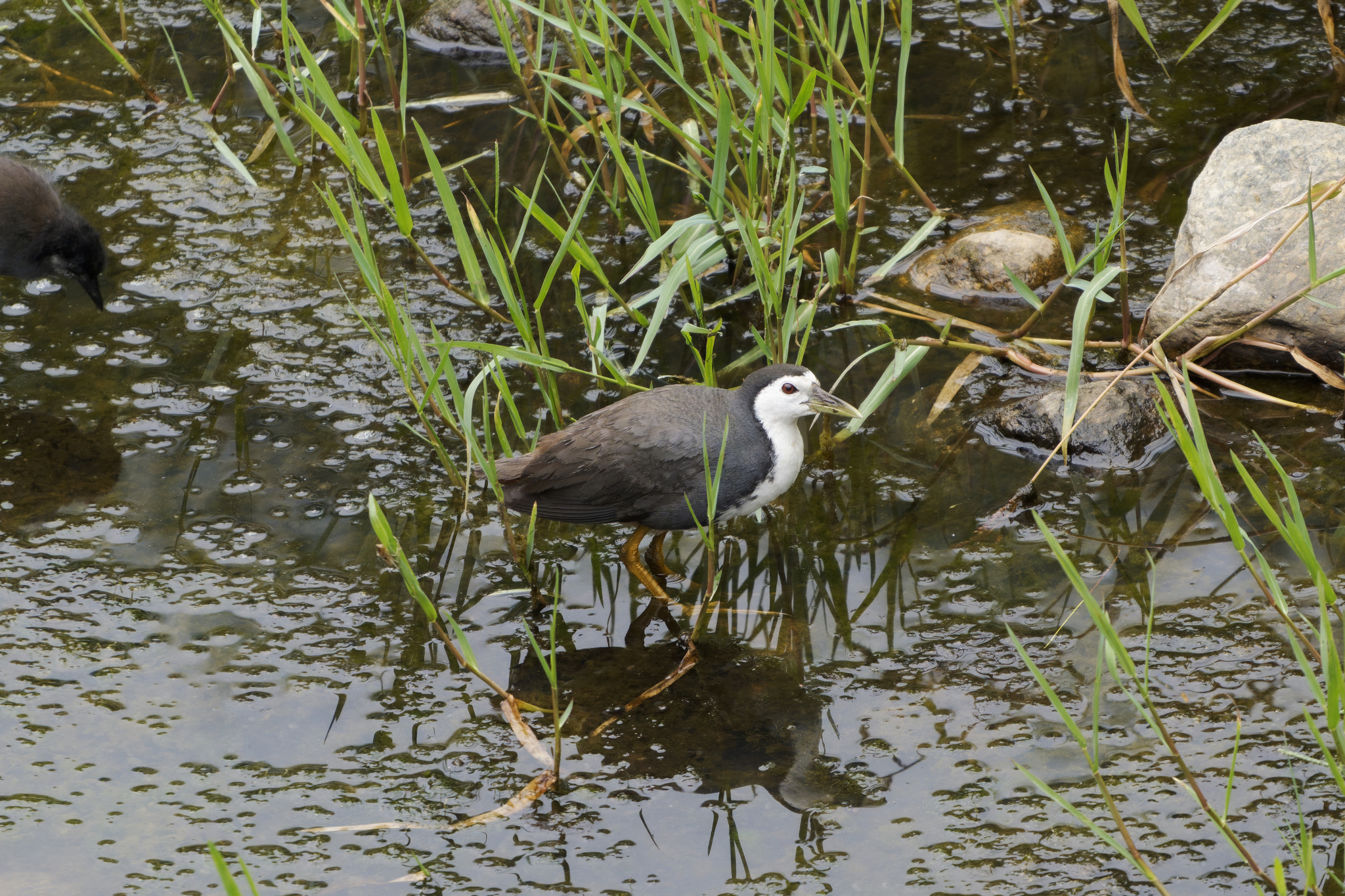
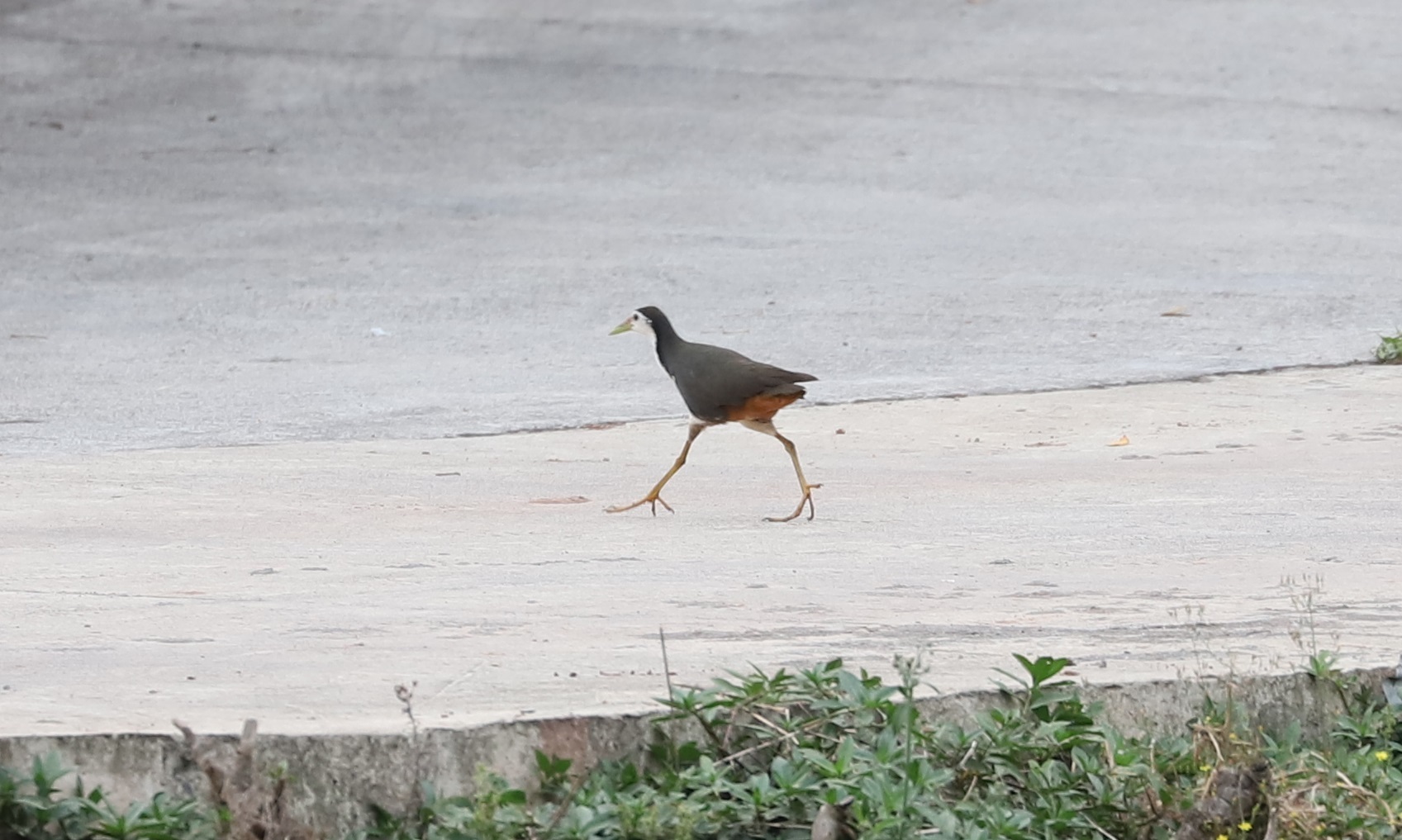
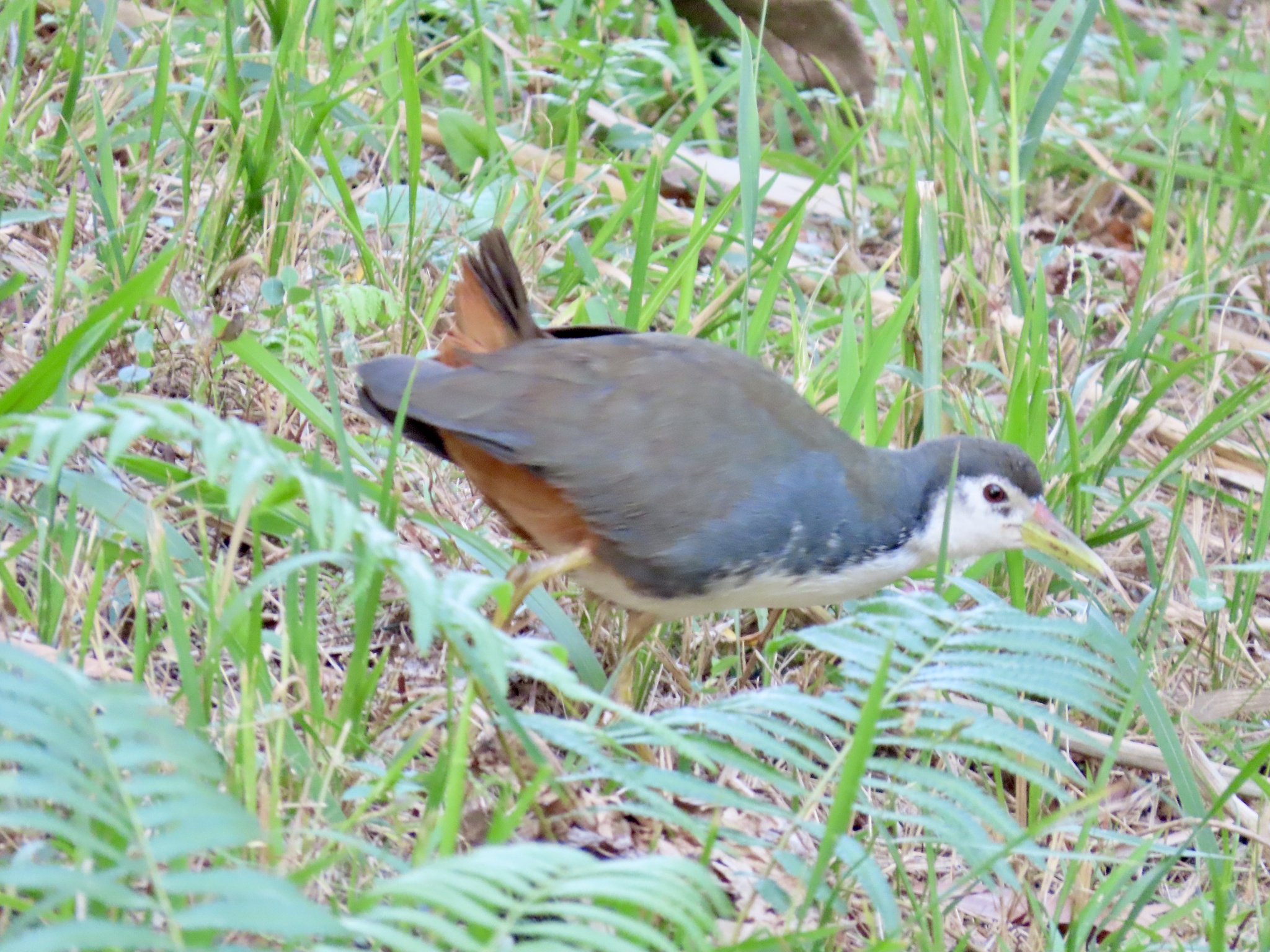
A waterbird of the rail and crake family, Rallidae, widely distributed across South and Southeast Asia. It is a dark slaty bird with a clean white face, breast, and belly. Distinctive traits include bold behavior, often seen stepping slowly with its tail cocked upright in open marshes or drains, and largely crepuscular activity. During the breeding season, it makes loud, repetitive croaking calls.
Description
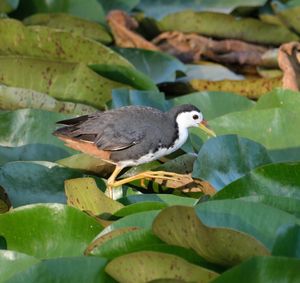
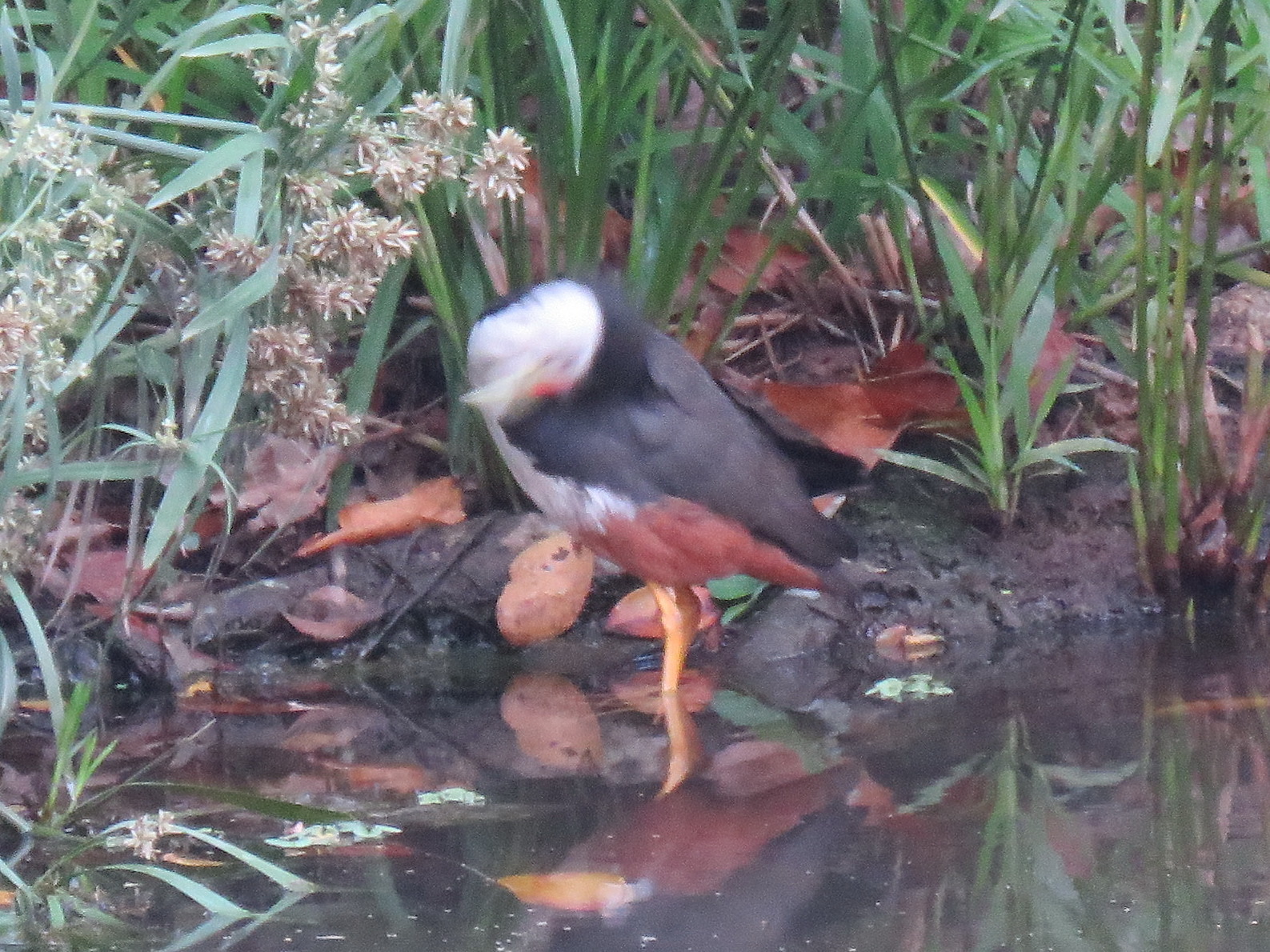
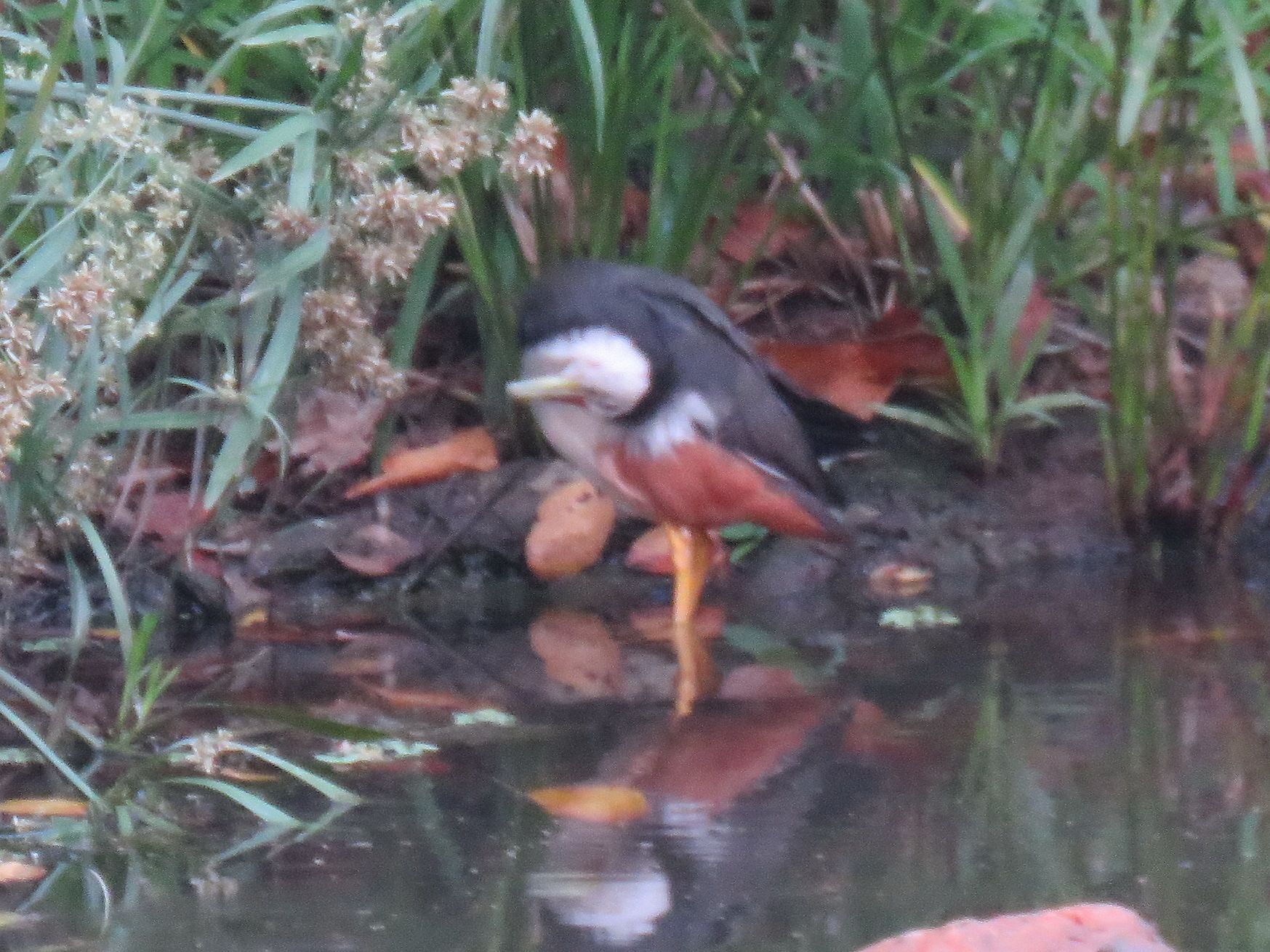
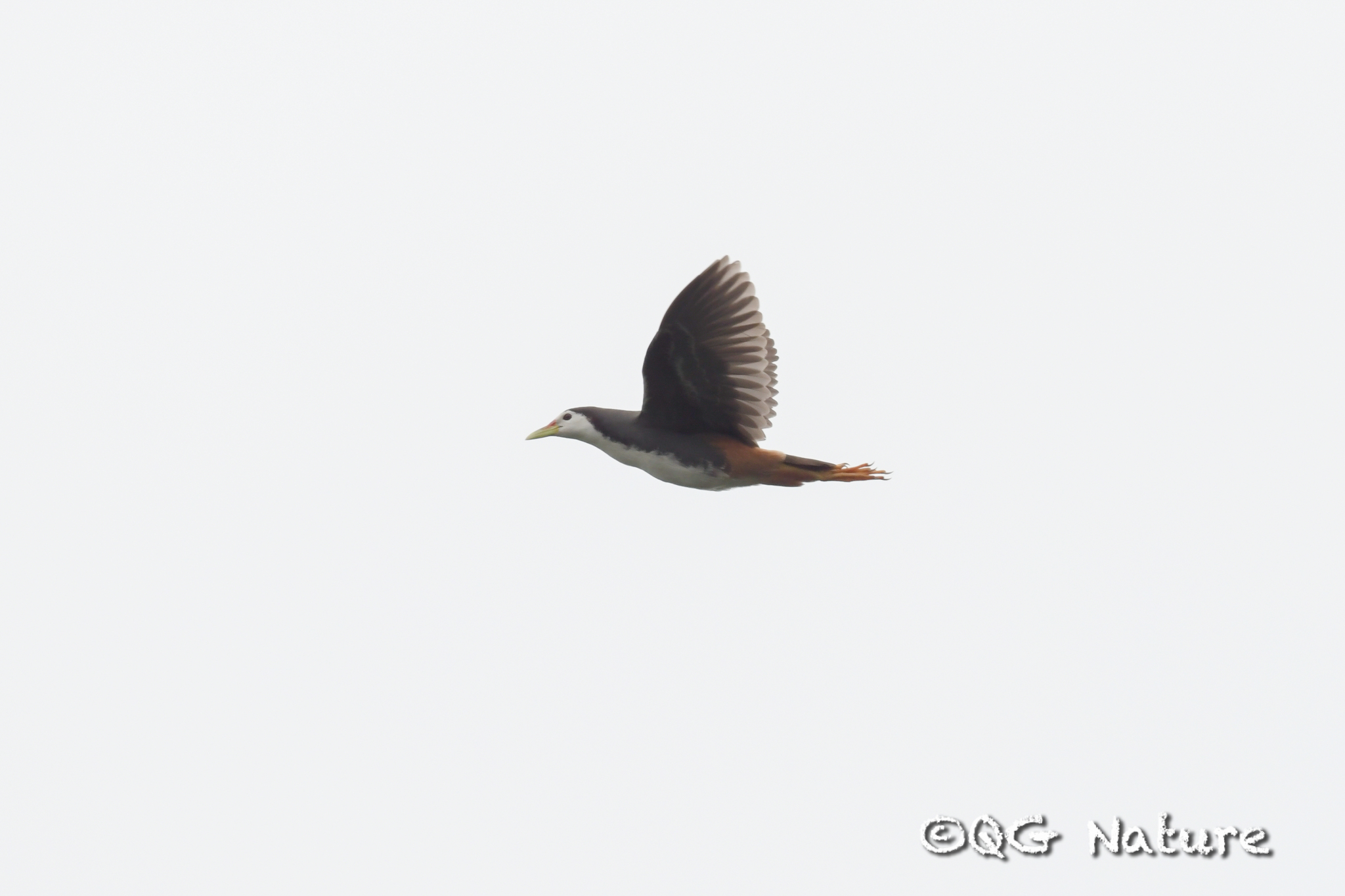
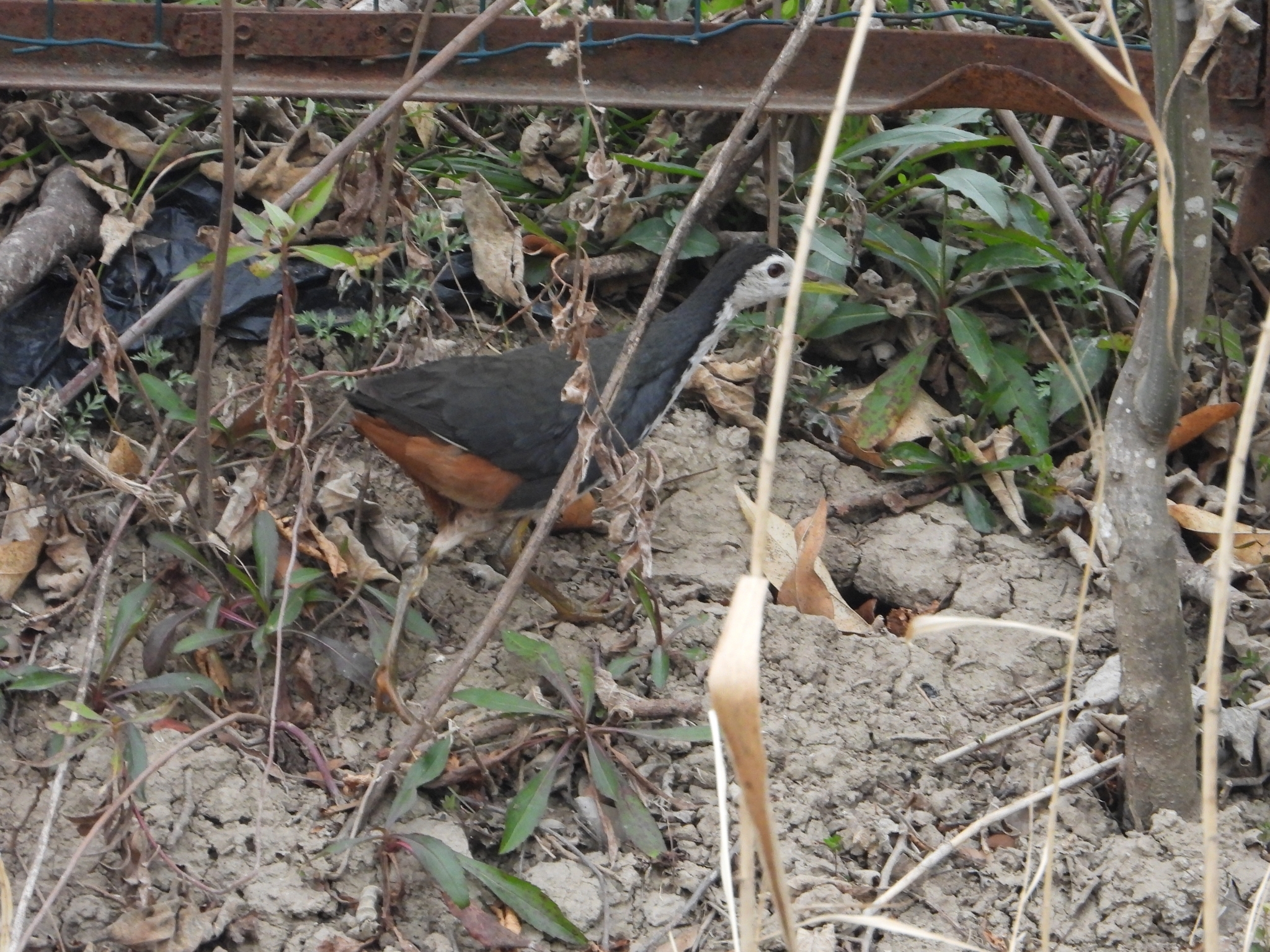
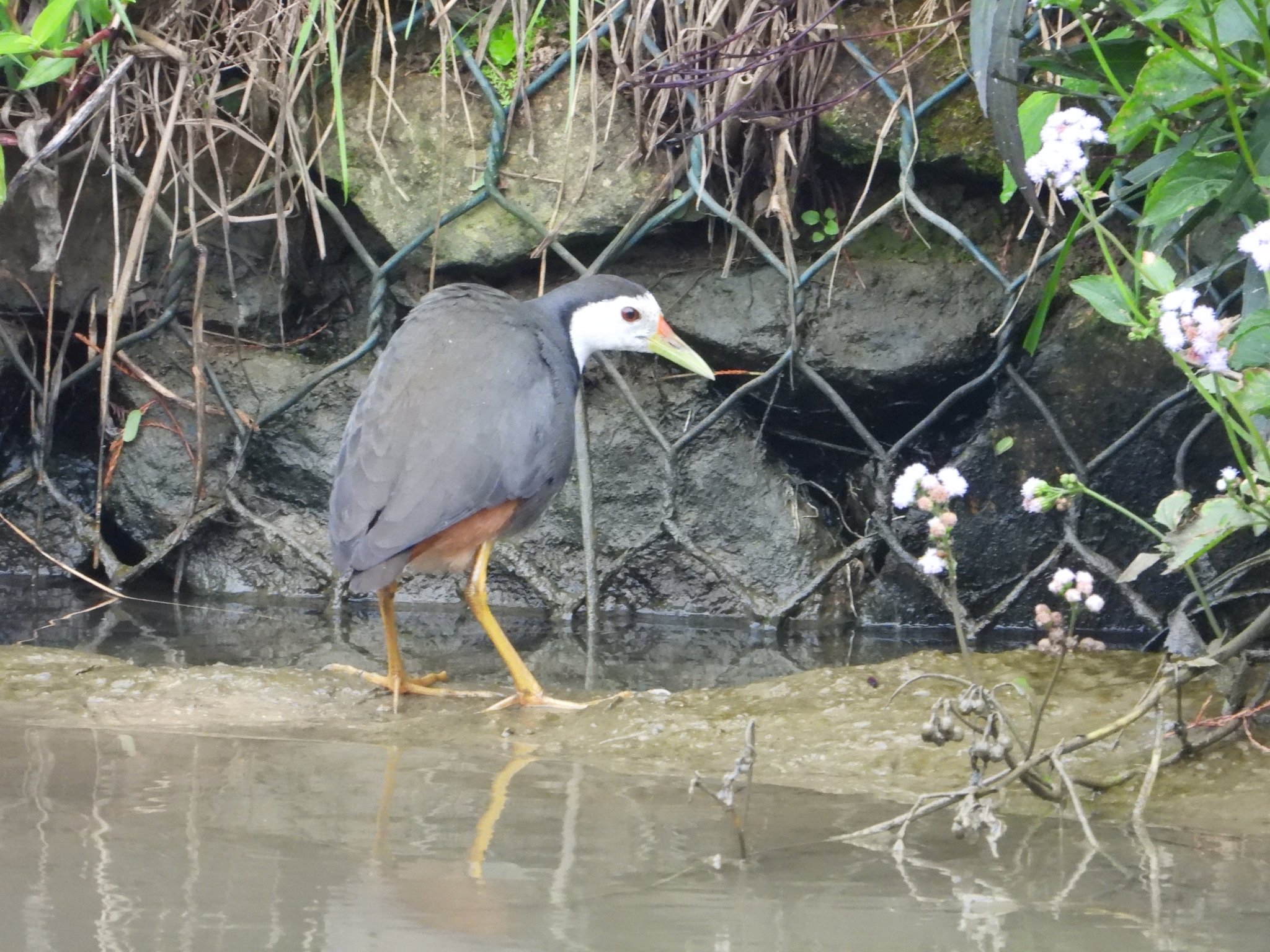
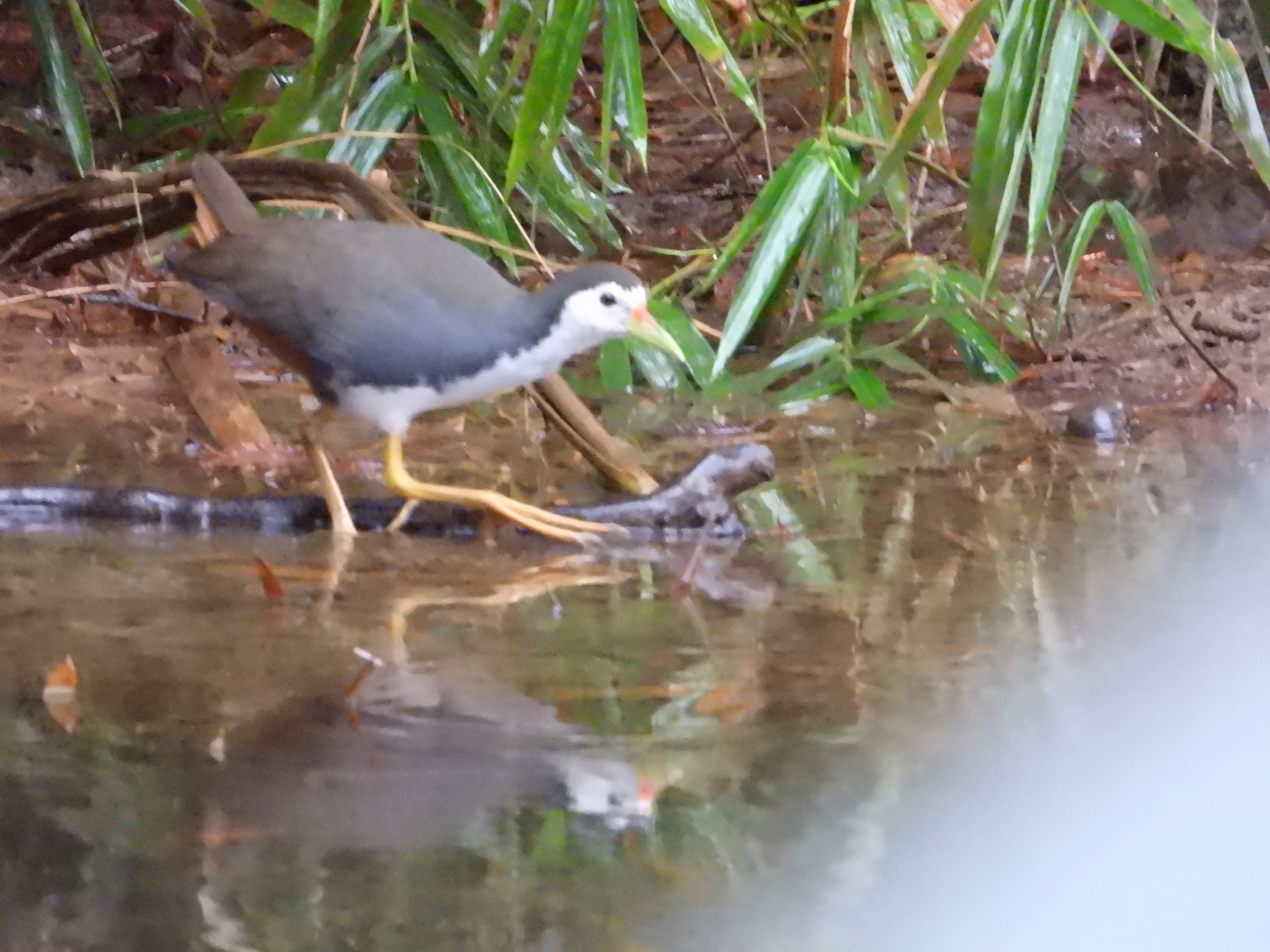
Adults have mainly dark grey upperparts and flanks, with a white face, neck, and breast. The lower belly and undertail are cinnamon or white. The body is flattened laterally. Features include long toes, a short tail, and a yellow bill and legs. Sexes are similar, though females are slightly smaller. Immature birds are duller versions of adults. Downy chicks are black. Body length is 32 cm (13 in).
Identification
Key marks include dark grey upperparts contrasting with a white face, neck, and breast, and a yellow bill and legs. The tail is held up and jerked while walking. Similar to other rails but bolder and more often seen in the open. The Andamans population makes duck-like quack calls, while others produce loud, croaky calls, especially at dawn and dusk.
Distribution & Habitat
Breeding habitat includes marshes across tropical Asia from Pakistan east to Indonesia. Mainly found in plains but recorded in higher hills such as Nainital (1300m) and the High Range (1500m) in Kerala. Permanent residents throughout their range, making short-distance movements. Found near freshwater, brackish water, and seashores when freshwater is absent. Subspecies include nominate (Sri Lanka/India), chinensis (mainland Asia to Japan), insularis (Andaman and Nicobar Islands), midnicobaricus (central Nicobars), leucocephala (Car Nicobar), maldivus (Maldives), javanicus (Java), and leucomelanus (Sulawesi and Lesser Sundas).
Behavior & Ecology
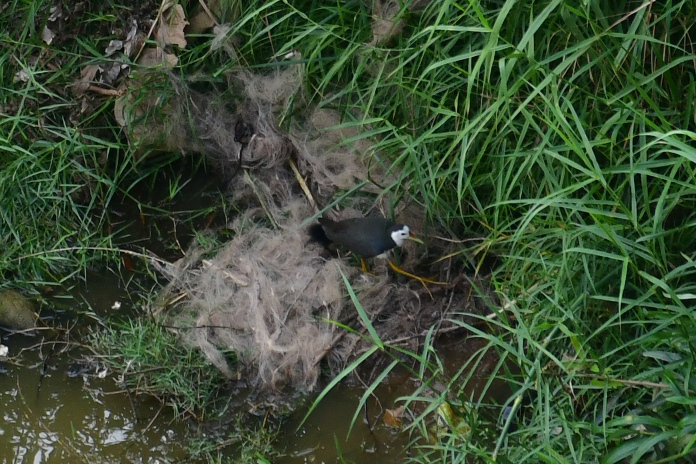
Usually seen singly or in pairs, foraging slowly along waterbody edges on the ground or in low vegetation. Probes in mud or shallow water and picks up food by sight. Diet includes insects (especially beetles), small fish (often washed in water), aquatic invertebrates, and grains or seeds. Nesting season is mainly June to October. Nests are built in dry locations on the ground in marsh vegetation, laying 6-7 eggs. Both sexes incubate and care for chicks. Eggs hatch in about 19 days. Chicks dive underwater to escape predation. Adults build roost or brood nests.
Culture
Local names are often onomatopoeic, such as ruak-ruak in Malay and korawakka in Sinhala. Other names include Dahuk in Bengali, Dauk in Assamese, Gur-gu-aa in Boro, Vo-kurwak in Karbi, Keruwak in Iban, Daahuka in Odia, pankombadi or kuak kombadi in Marathi, kulakozhi in Malayalam, Kanbili in the Maldives, hundukoli in Kannada, kaanaangkozi in Tamil, and tikúgas in Cebuano.
Source: Wikipedia · CC BY-SA 3.0
Taxonomy
- Order
- Gruiformes
- Family
- Rallidae
- Genus
- Amaurornis
Vocalizations
Subspecies (5)
-
Amaurornis phoenicurus insularis
Andaman and South Nicobar islands
Data Sources
Species description from Wikipedia, licensed under CC BY-SA 3.0.
Bird images and sounds sourced from GBIF, contributed by citizen scientists worldwide under Creative Commons licenses.
Taxonomy data from AviList 2025.