Chukar Partridge
Alectoris chukar
石鸡
Introduction
This upland gamebird (family Phasianidae, genus Alectoris) is native to arid and semi-arid regions of Asia and parts of southeastern Europe, where it inhabits rocky, open hillside habitats from low desert valleys to high mountain plateaus. It forms part of a complex of closely related red-legged partridges, with taxonomic relationships to the rock partridge and other Alectoris species. The species has been widely introduced as a gamebird across multiple continents, with established feral populations in North America, New Zealand, and various island locations.
Description
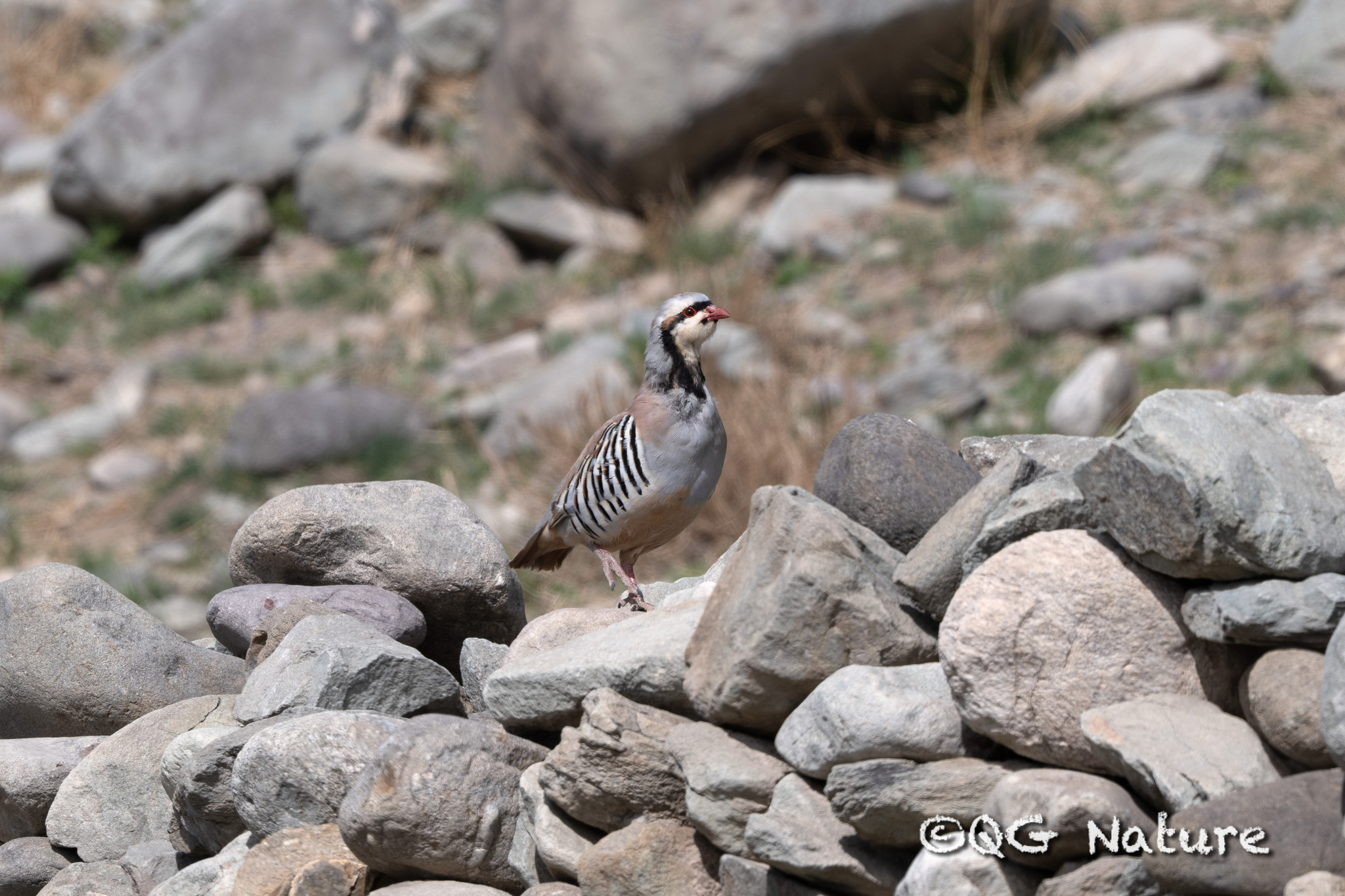
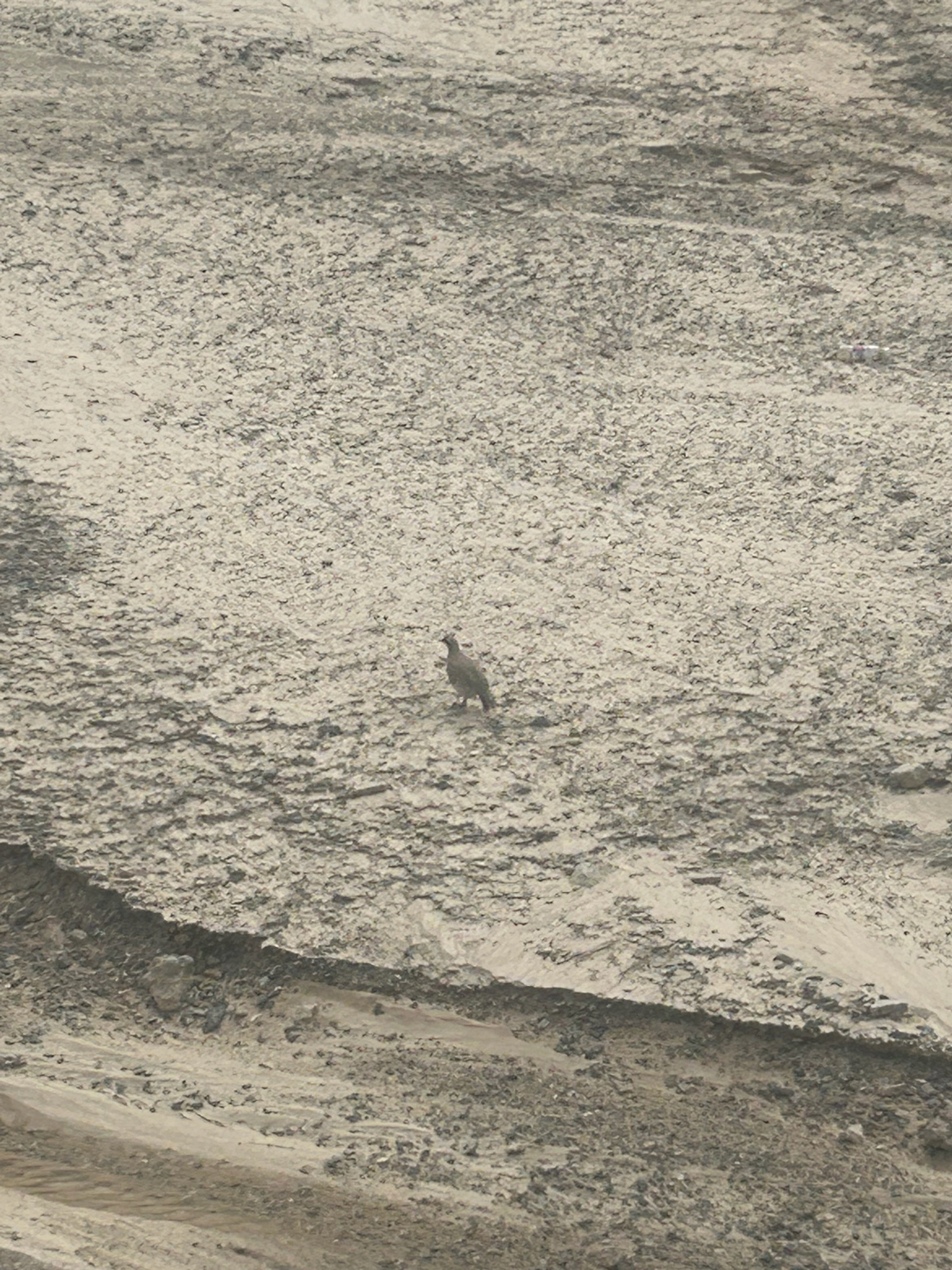
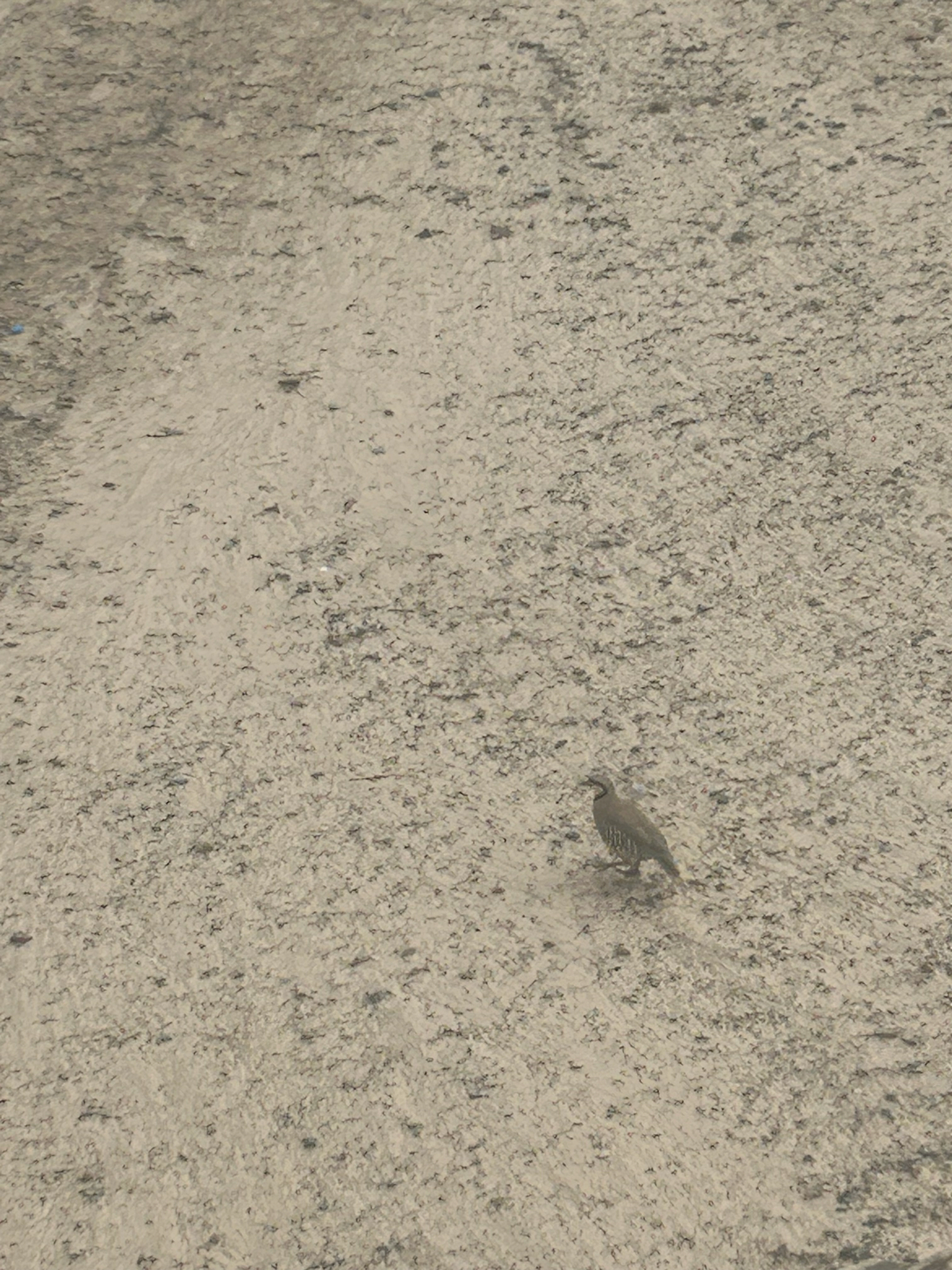
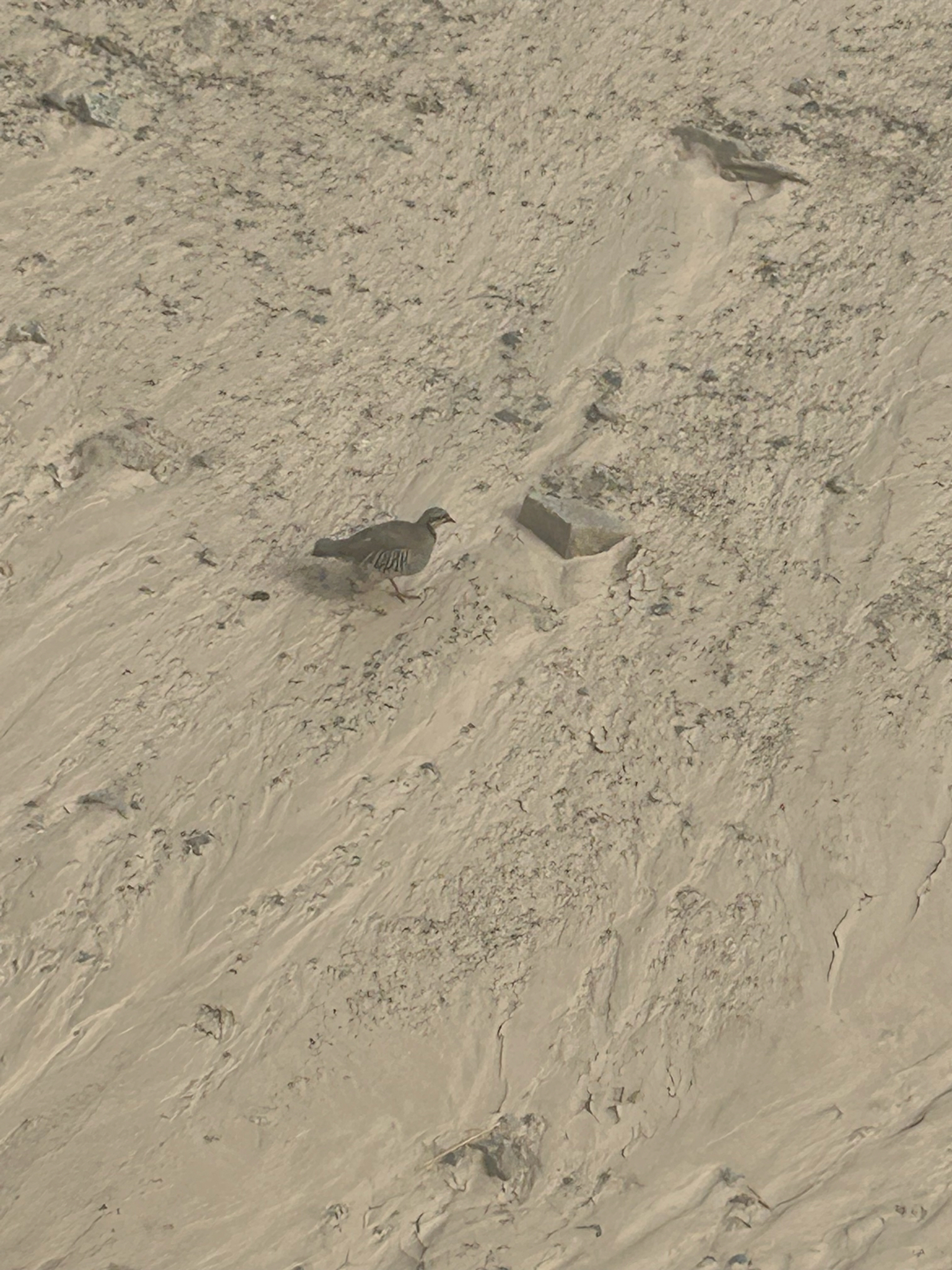
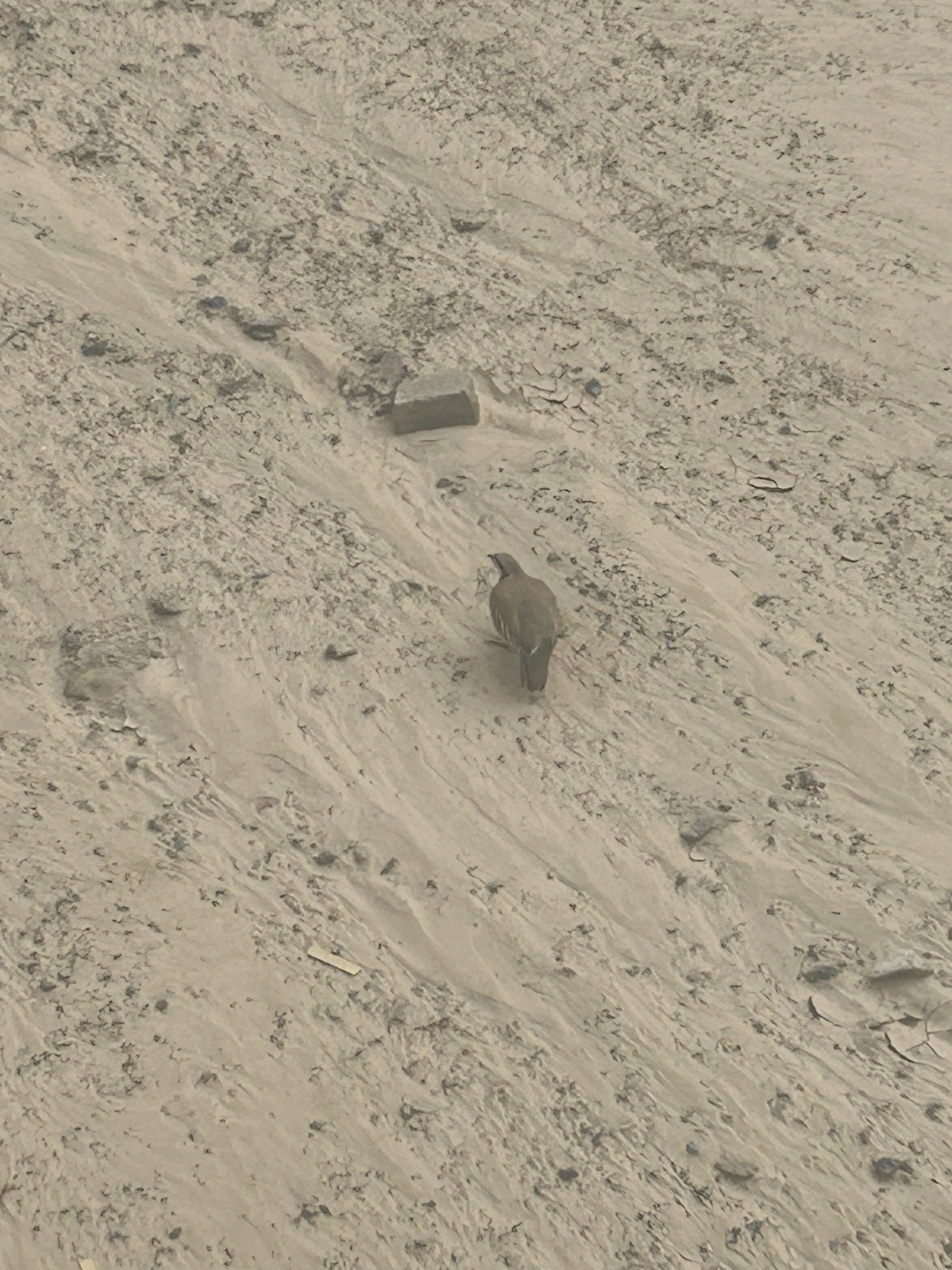
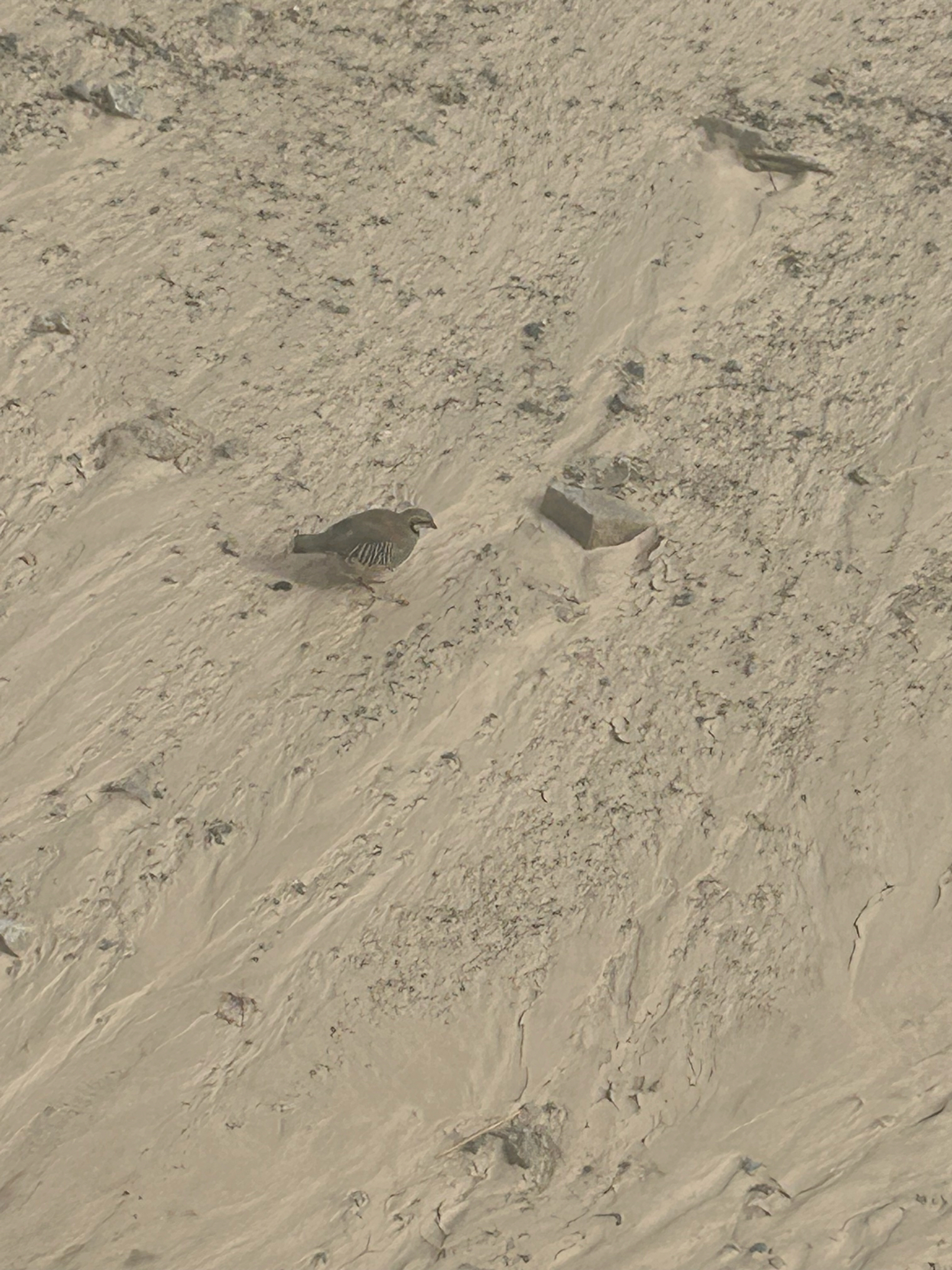
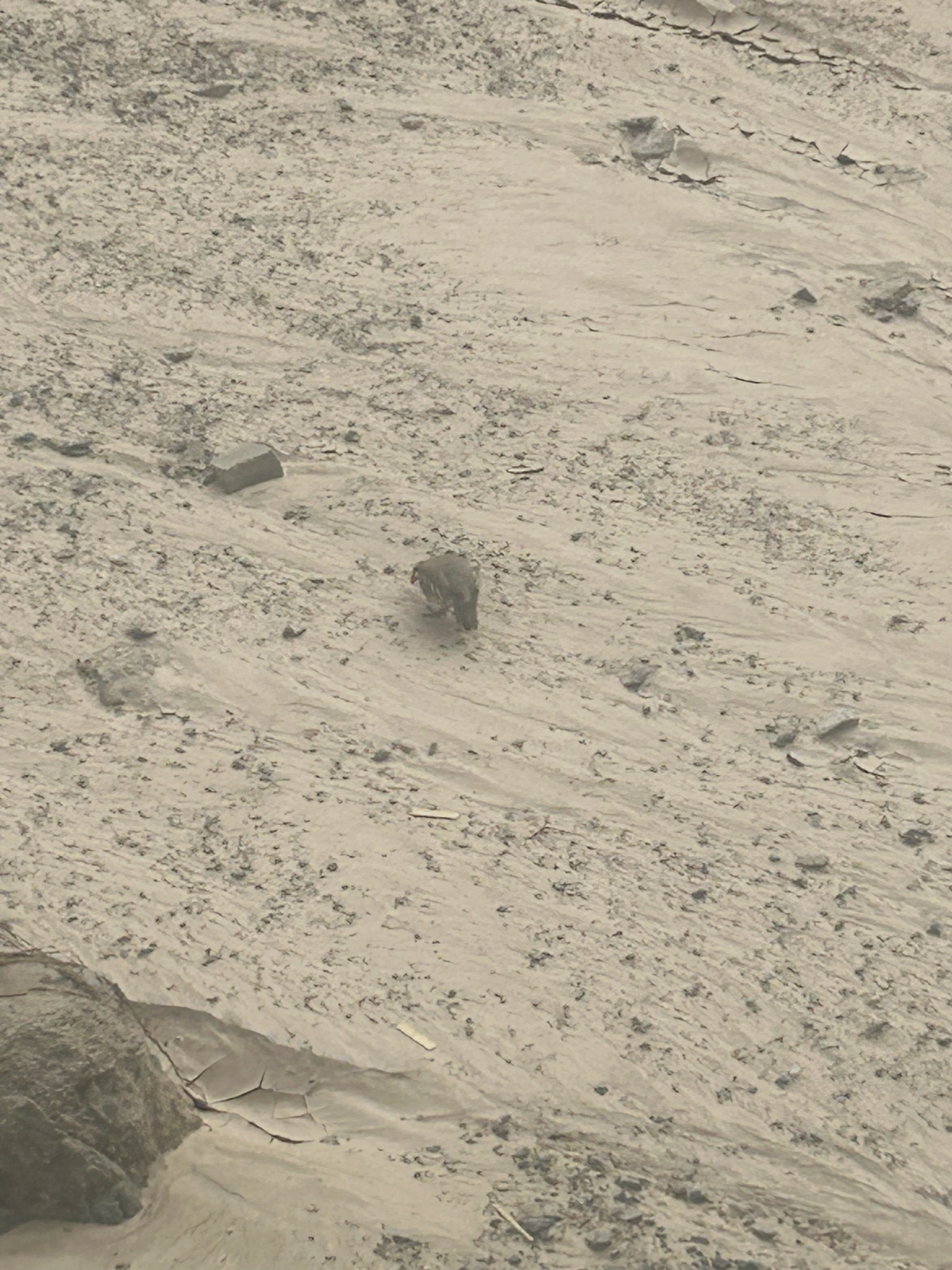
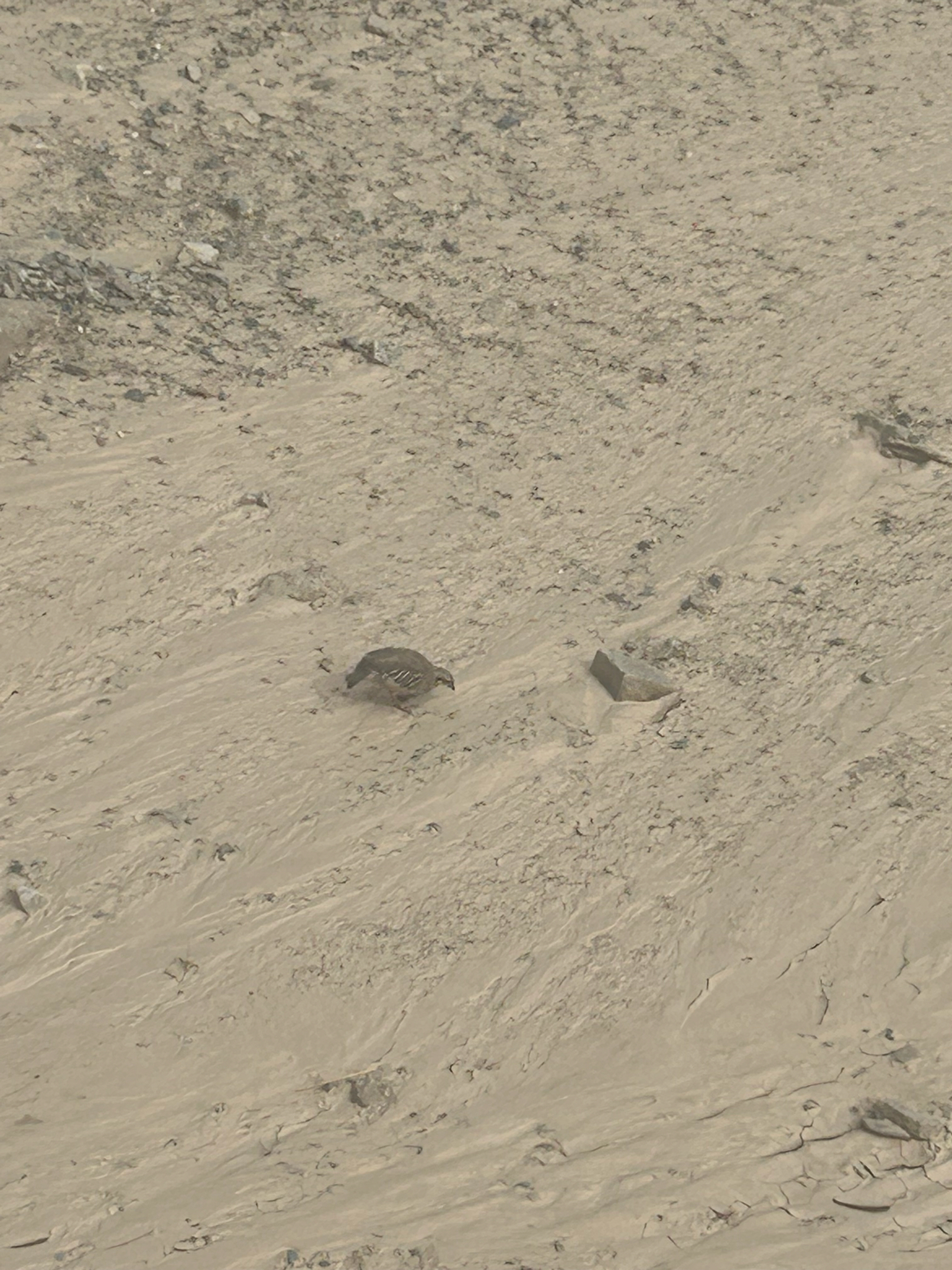
A plump, rounded gamebird measuring 32-35 cm in length with a compact build adapted for life on rocky hillsides. The upperparts display warm brown tones, while the breast appears grey and the belly shows buff coloration. The face is white with a prominent black gorget stretching across the throat. Rich rufous streaks adorn the flanks, creating a distinctive barred pattern. The legs are bright red and the bill coral-colored. Sexes appear similar, though females average slightly smaller and lack the spur found on male legs. The tail contains 14 feathers, with the third primary being the longest and the first primary level with the fifth and sixth primaries. Plumage shades vary across the 14 recognized subspecies, reflecting the species' extensive geographic range.
Identification
The sharply defined black gorget provides the most reliable field mark, distinguishing this species from the red-legged partridge, whose black collar breaks into dark streaks near the breast. Compared to the similar rock partridge, this species shows browner tones on the back and a yellowish wash on the foreneck. The Barbary partridge can be distinguished by its reddish-brown rather than black collar and grey throat and face with a chestnut crown. The characteristic vocalization—a noisy, repeated 'chuck-chuck-chukar-chukar'—is diagnostic and often the first clue to the bird's presence. When flushed, this species typically runs before flying, preferring to escape on foot through rocky terrain rather than taking immediate flight.
Distribution & Habitat
Native range spans temperate Asia from Israel, Palestine, Lebanon, and Syria eastward through Turkey, Iran, Afghanistan, and Pakistan to India along the western Himalayas extending to Nepal. Small populations occur in southeastern Europe including Bulgaria and Greece, with marginal presence on the Sinai Peninsula. The species occupies rocky, open hillsides with grass or scattered scrub, ranging from 400 meters below sea level in the Dead Sea region to 2,000-4,000 meters in eastern portions of its range. Introduced populations have become established in the Rocky Mountains, Great Basin, and high desert areas of the western United States, as well as in Canada, Chile, Argentina, New Zealand, and Hawaii. The species avoids areas of high humidity and rainfall.
Behavior & Ecology
Outside the breeding season, these birds form coveys of 10 to 50 individuals, foraging together on the ground. During summer, they pair up for breeding, with males becoming highly territorial and aggressive. The diet consists of a wide variety of seeds supplemented by insects, with birds ingesting grit to aid digestion. Breeding males perform courtship displays including tidbitting, head-lowered chasing, and a high-stepping stiff walk while calling. The nest is a simple ground scrape lined sparsely with vegetation, containing 7-14 eggs incubated for 23-25 days. Chicks utilize wing-assisted incline running as they develop flight capabilities. Vocalizations include a loud rallying call consisting of repeated 'chuck' notes, with various other calls used in different contexts. Birds call frequently, especially during mornings and evenings.
Conservation
The species maintains stable populations across most of its extensive range and is not considered threatened by hunting or habitat loss. Weather patterns during the breeding season represent the primary natural factor affecting population numbers. Conservation concerns focus on hybridization with native partridge species where captive-bred birds have been released, particularly threatening rock partridge and red-legged partridge populations in parts of Europe. Several countries, including the United Kingdom, have banned the release of captive-bred hybrids due to the genetic threat to wild populations. The species' adaptability and wide distribution contribute to its overall resilience.
Culture
References to this bird appear in Sanskrit texts dating to approximately 250-500 AD, indicating long-standing cultural significance in the Indian subcontinent. In North Indian and Pakistani culture, as well as Hindu mythology, the bird has been associated with intense, often unrequited love—symbolizing devotion through its reputed habit of gazing constantly at the moon. Because of their pugnacious behavior during the breeding season, males have been kept as fighting birds in some regions. British sportsmen in colonial India considered them good sport, though they were not prized for their flavor. The onomatopoeic name derives from the bird's characteristic call.
Source: Wikipedia · CC BY-SA 3.0
Taxonomy
- Order
- Galliformes
- Family
- Phasianidae
- Genus
- Alectoris
- eBird Code
- chukar
Vocalizations
Subspecies (14)
-
Alectoris chukar chukar
eastern Afghanistan to eastern Nepal
-
Alectoris chukar cypriotes
Crete, Rhodes, Cyprus, and nearby smaller islands, and southwestern and south-central Türkiye
-
Alectoris chukar dzungarica
northwestern Mongolia to Russian Altai and eastern Tibet
-
Alectoris chukar falki
north-central Afghanistan to Pamirs and western China (western Xinjiang)
-
Alectoris chukar kleini
southern Bulgaria and northern Greece through northern Türkiye to the Caucasus
-
Alectoris chukar koroviakovi
eastern Iran to Pakistan
-
Alectoris chukar kurdestanica
Caucasus Mountains to Iran
-
Alectoris chukar pallescens
northeastern Afghanistan to Ladakh and western Tibet
-
Alectoris chukar pallida
Tarim Basin and Wusun Mountains of western Xinjiang (western China)
-
Alectoris chukar potanini
western Mongolia
-
Alectoris chukar pubescens
Inner Mongolia to northwestern Sichuan and eastern Qinghai
-
Alectoris chukar sinaica
northern Syrian Desert southward to Sinai Peninsula
-
Alectoris chukar subpallida
Tajikistan (Kyzl Kum and Kara Kum mountains)
-
Alectoris chukar werae
eastern Iraq and southwestern Iran
Data Sources
Species description from Wikipedia, licensed under CC BY-SA 3.0.
Bird images and sounds sourced from GBIF, contributed by citizen scientists worldwide under Creative Commons licenses.
Taxonomy data from AviList 2025.