
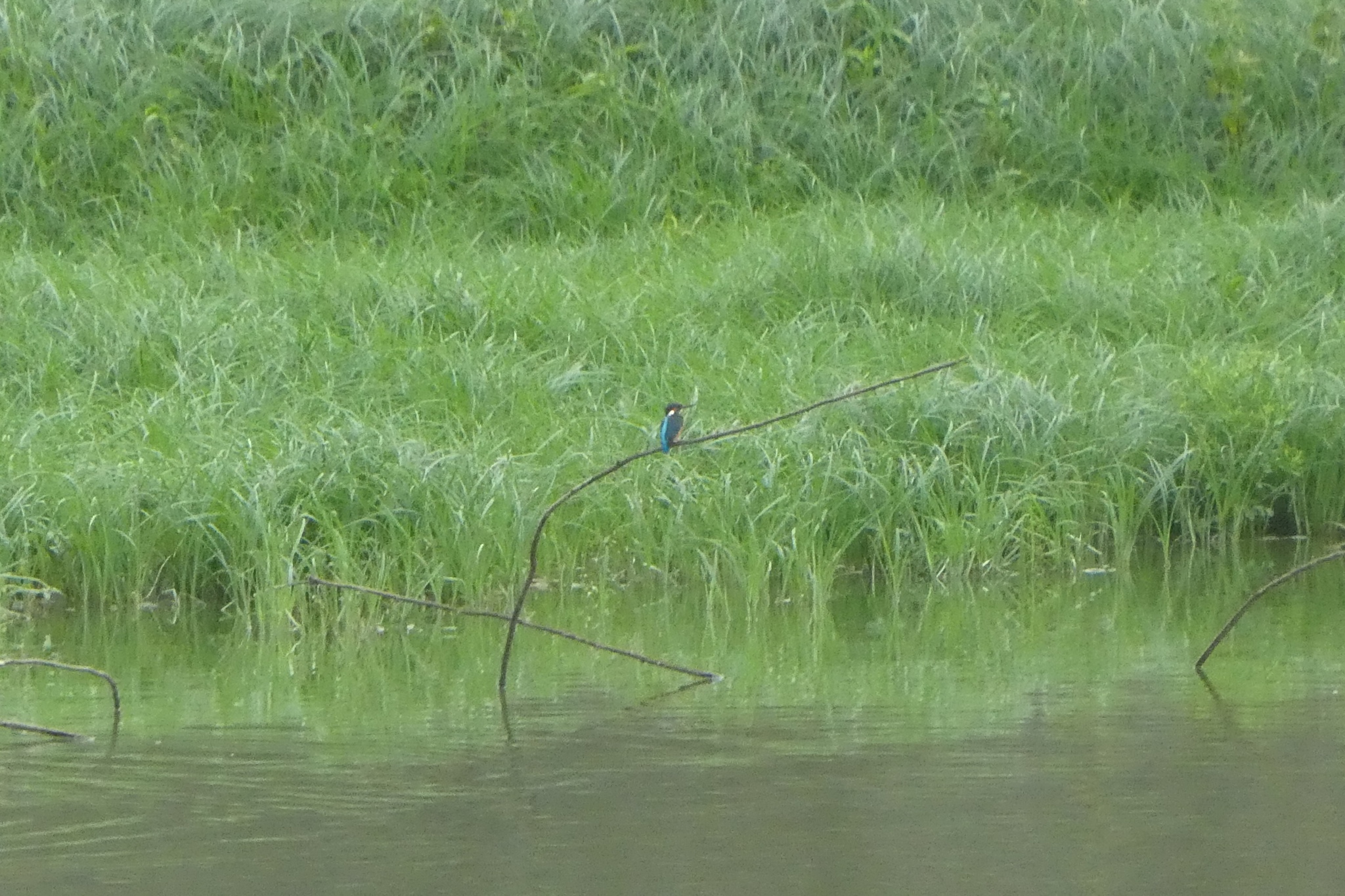
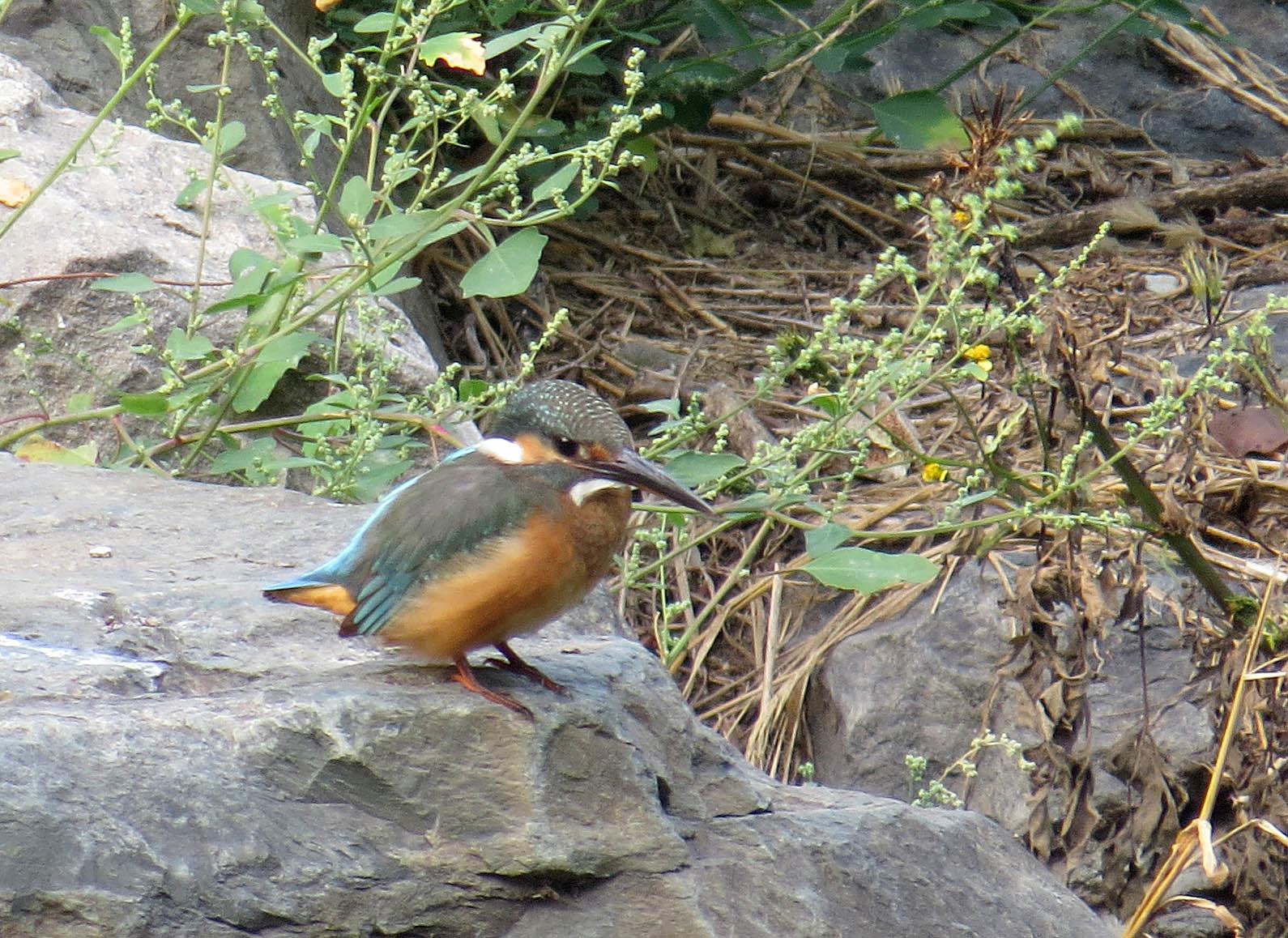

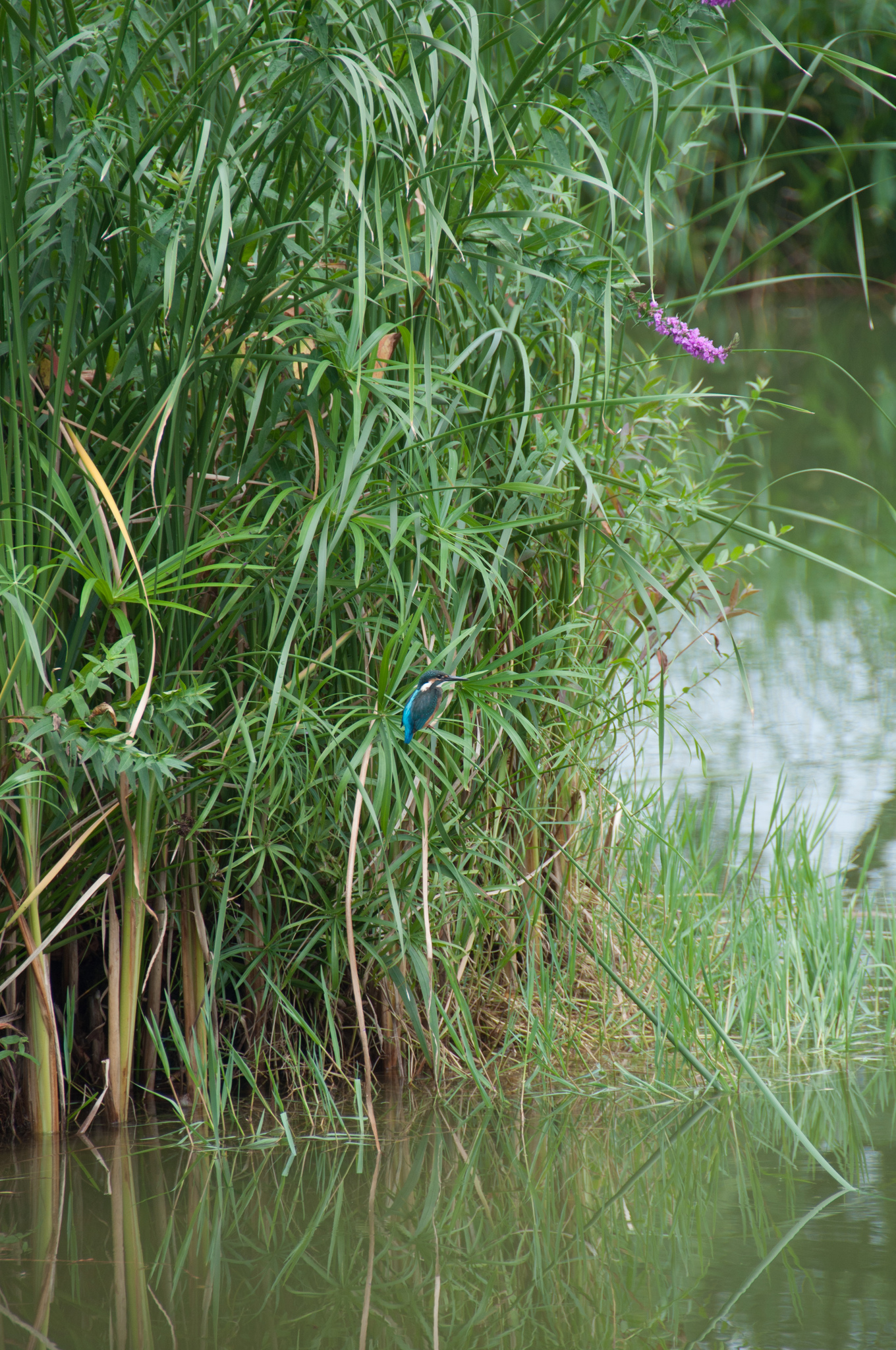


Coraciiformes / Alcedinidae / Alcedo
Common Kingfisher
Alcedo atthis · 普通翠鸟
Introduction
A small kingfisher with seven recognized subspecies, distributed across Eurasia and North Africa. It inhabits clear, slow-flowing streams, rivers, lakes, and coastal estuaries. The species feeds mainly on fish caught by diving and possesses special visual adaptations for underwater prey detection. It is evaluated as Least Concern by the IUCN.
Description
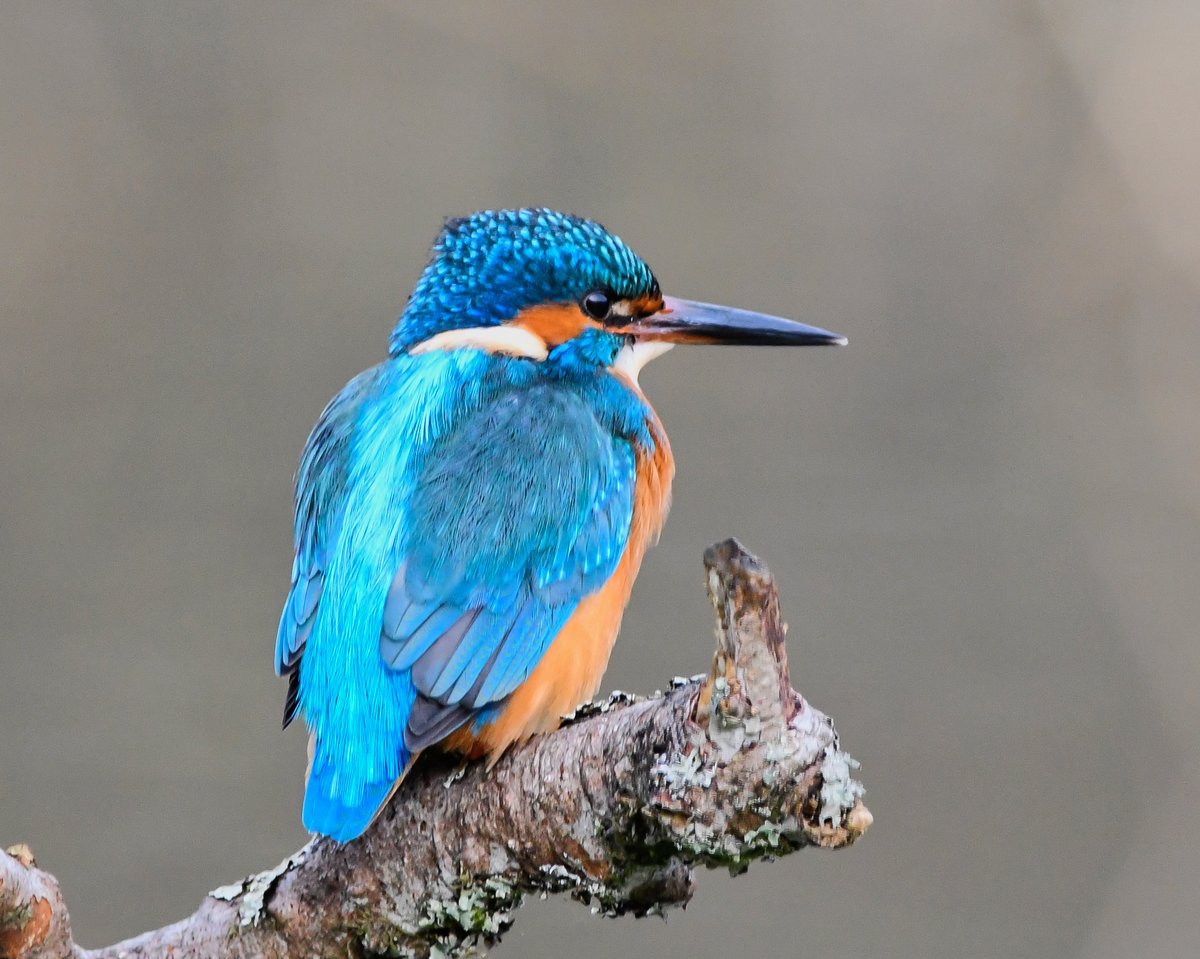
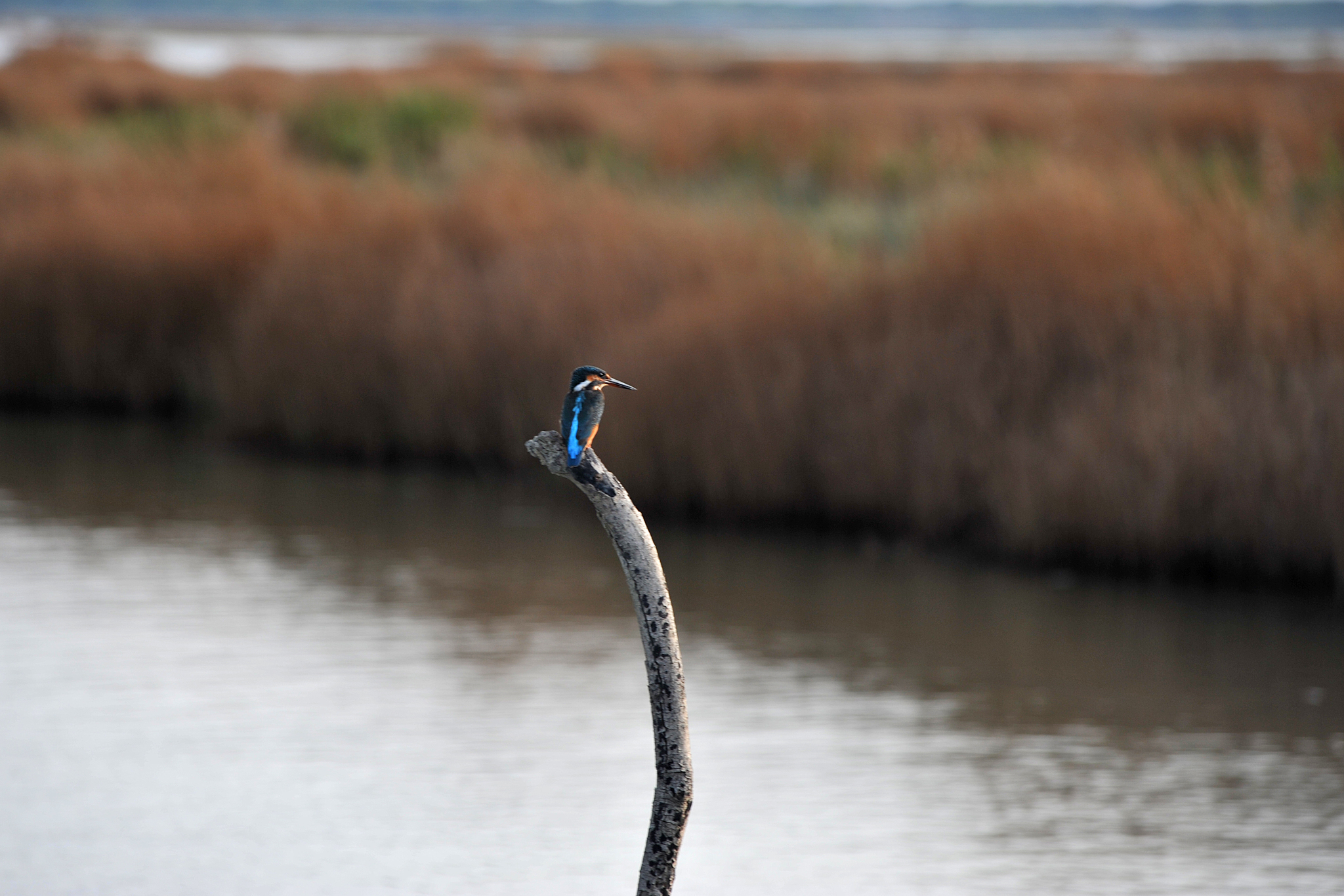
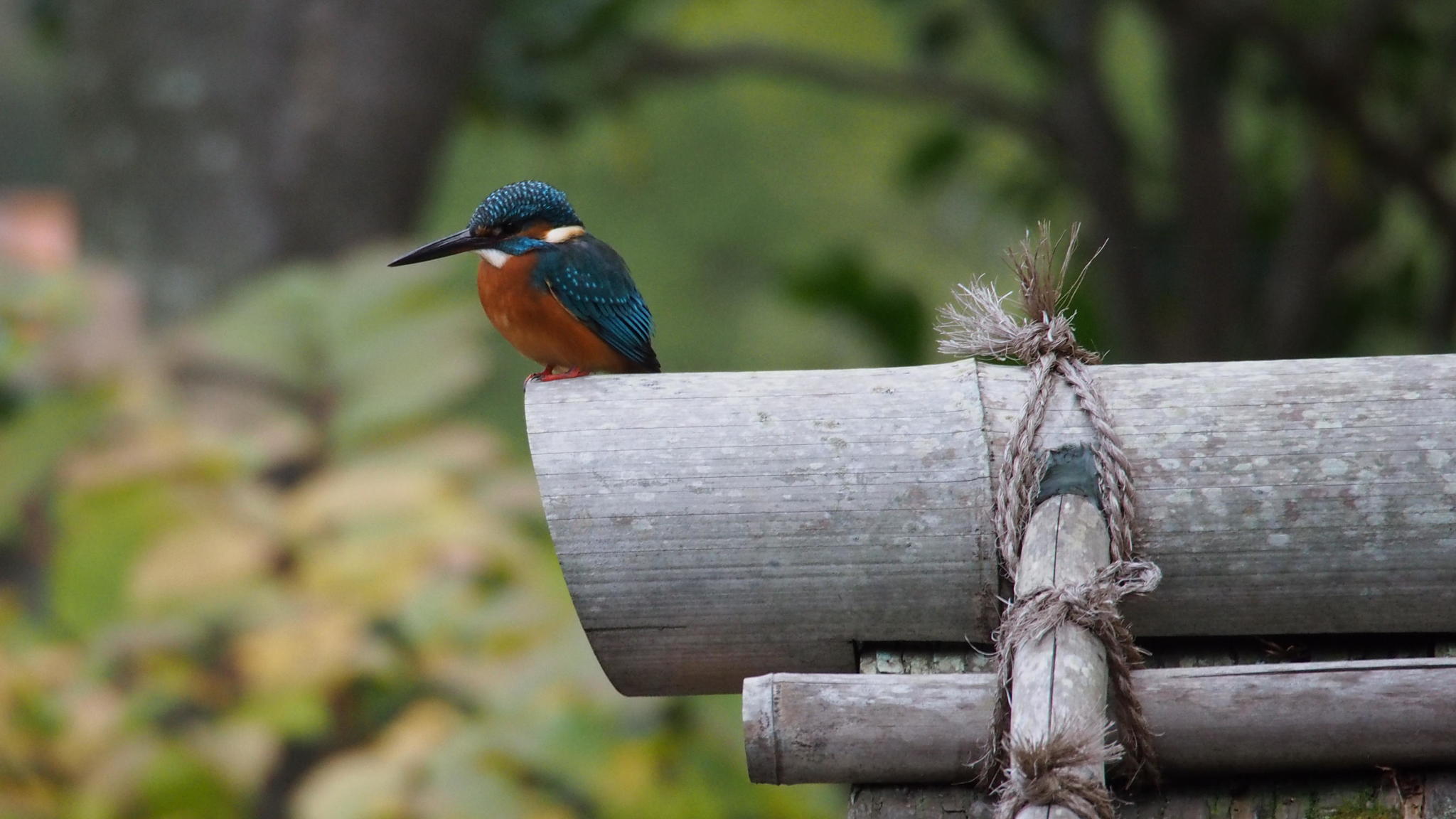
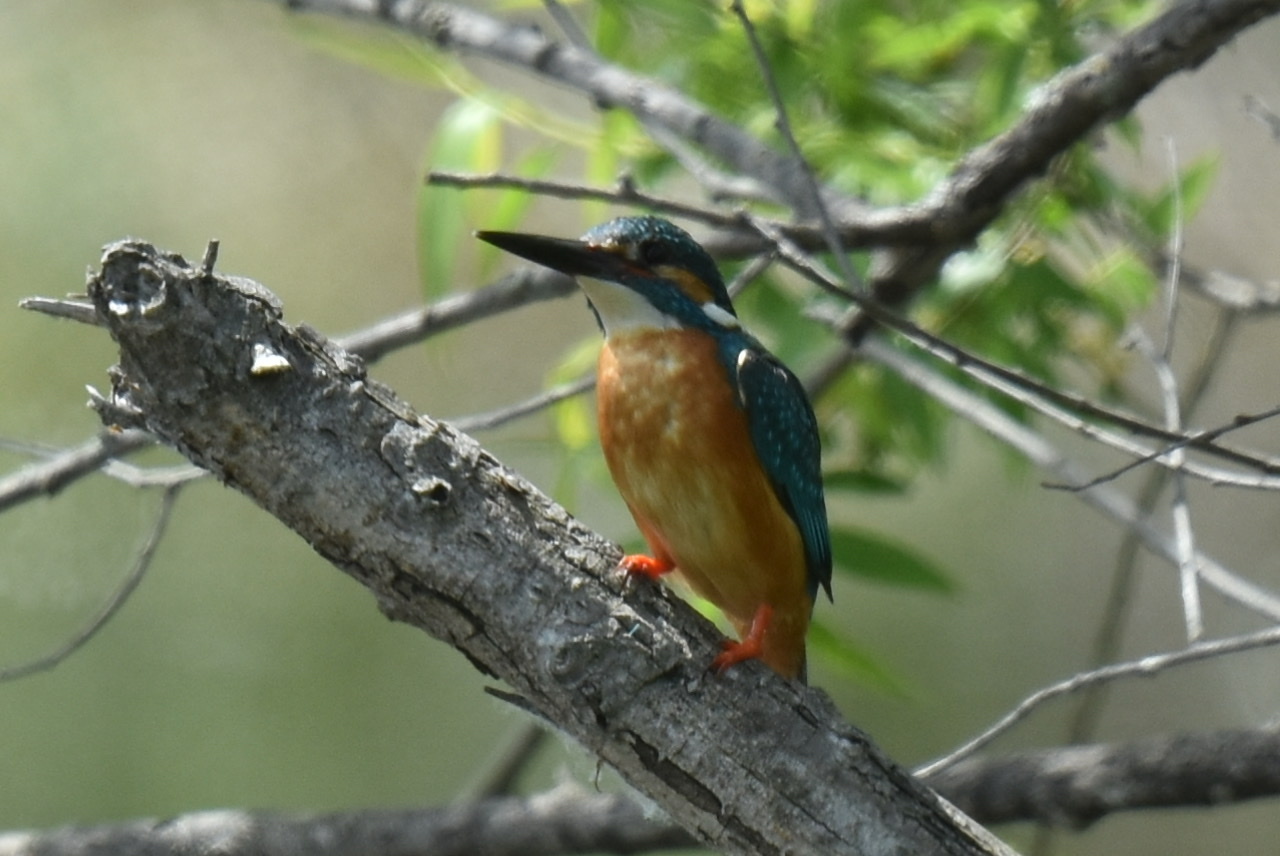
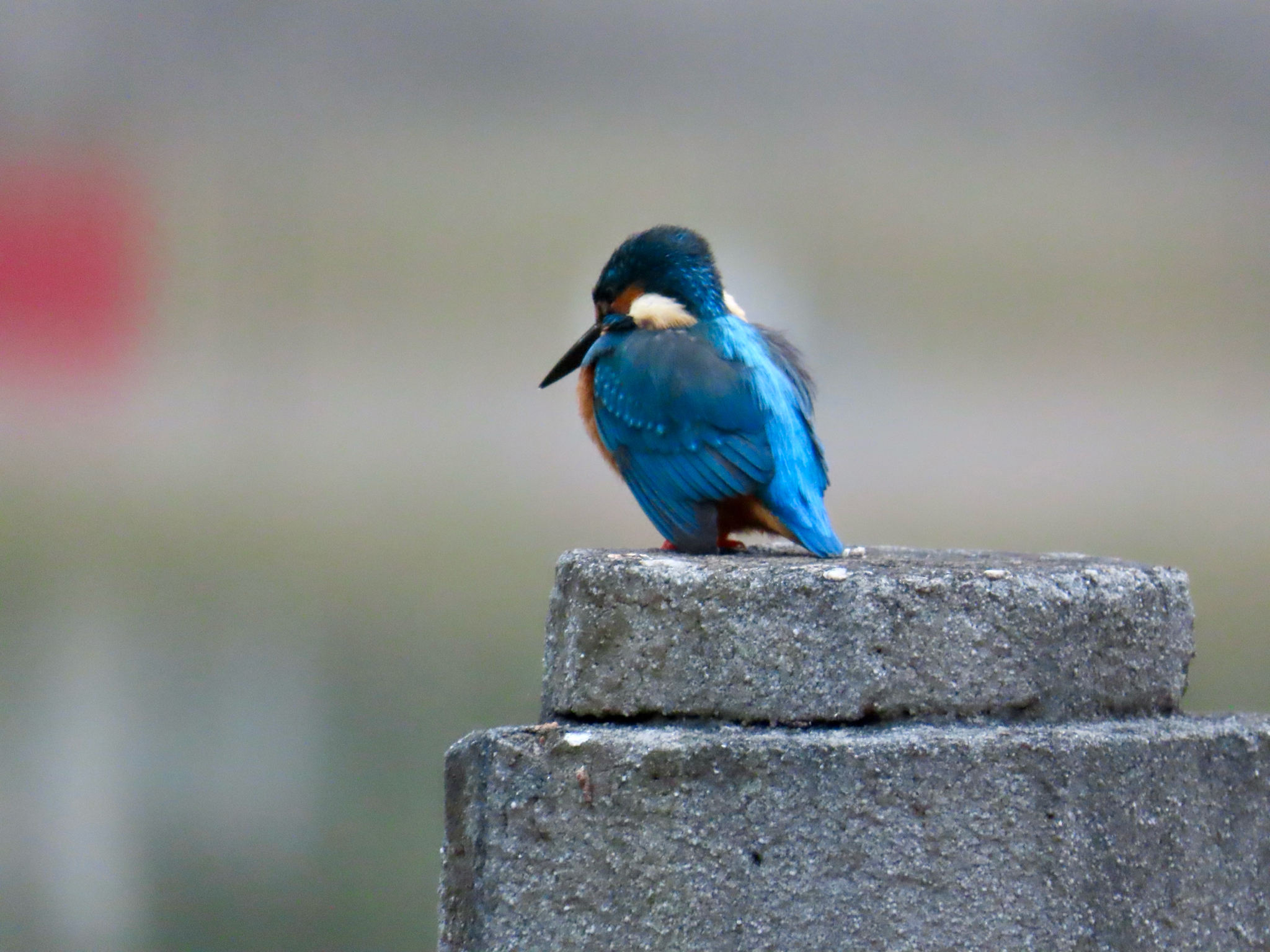
This sparrow-sized bird has a short-tailed, dumpy-bodied, large-headed profile with a long bill. Adults measure about 16 cm (6.5 in) in length, with a wingspan of 25 cm (10 in) and weight of 34–46 g. The male of the western European subspecies has green-blue upperparts, a pale azure-blue back and rump, rufous underparts, a white throat, and a black bill with red at the base. Legs and feet are bright red. The female is identical except her lower mandible is orange-red with a black tip. Juveniles have duller, greener upperparts, paler underparts, and black bills and legs.
Identification
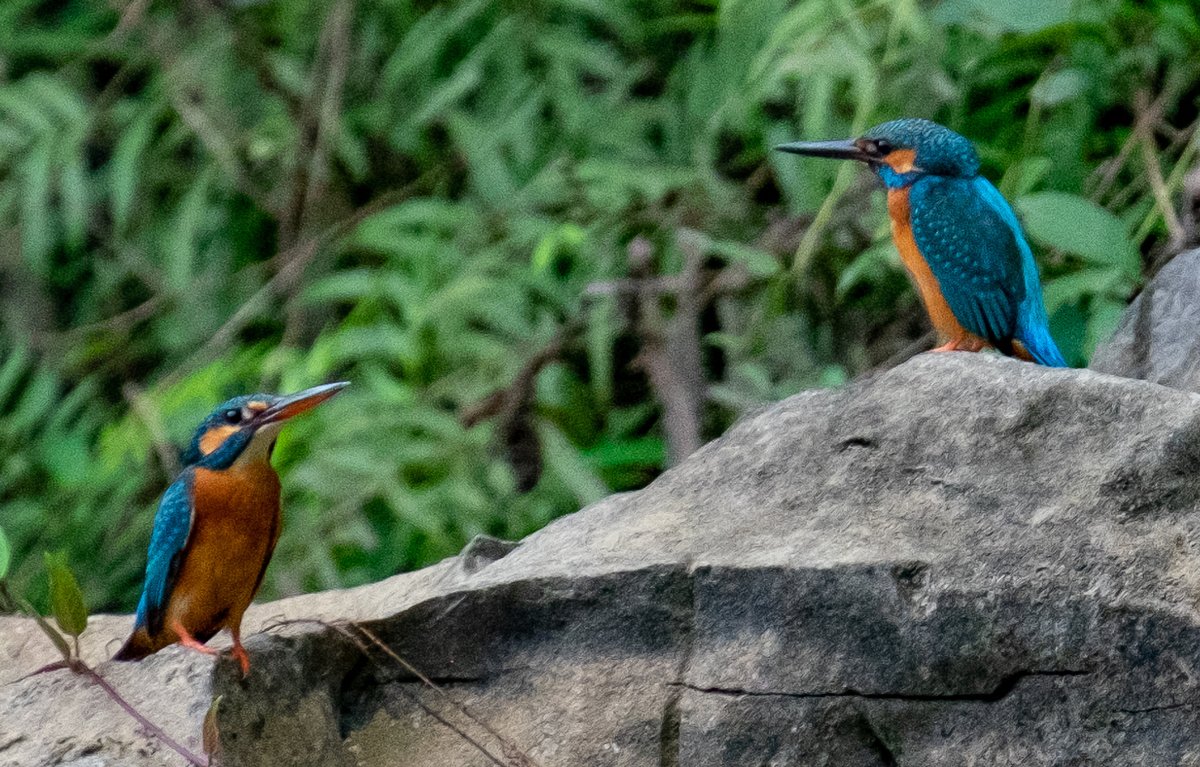
In North Africa, Europe, and Asia north of the Himalayas, this is the only small blue kingfisher. In south and southeast Asia, it is distinguished from similar species by rufous ear patches. Flight is fast, direct, and low over water, showing an electric-blue flash on the back. Vocalizations include a short, sharp whistle 'chee' repeated two or three times, and a harsh 'shrit-it-it' when anxious.
Distribution & Habitat
Widely distributed over Europe, Asia, and North Africa, mainly south of 60°N. Seven subspecies vary in hue and size. Resident in mild climates but migrates from areas where rivers freeze, with some Siberian breeders traveling at least 3,000 km. Wintering grounds include southern parts of the breeding range, Africa, and Southeast Asia. Habitats include clear streams, rivers, lakes with vegetated banks, mangrove creeks, and swamps.
Behavior & Ecology
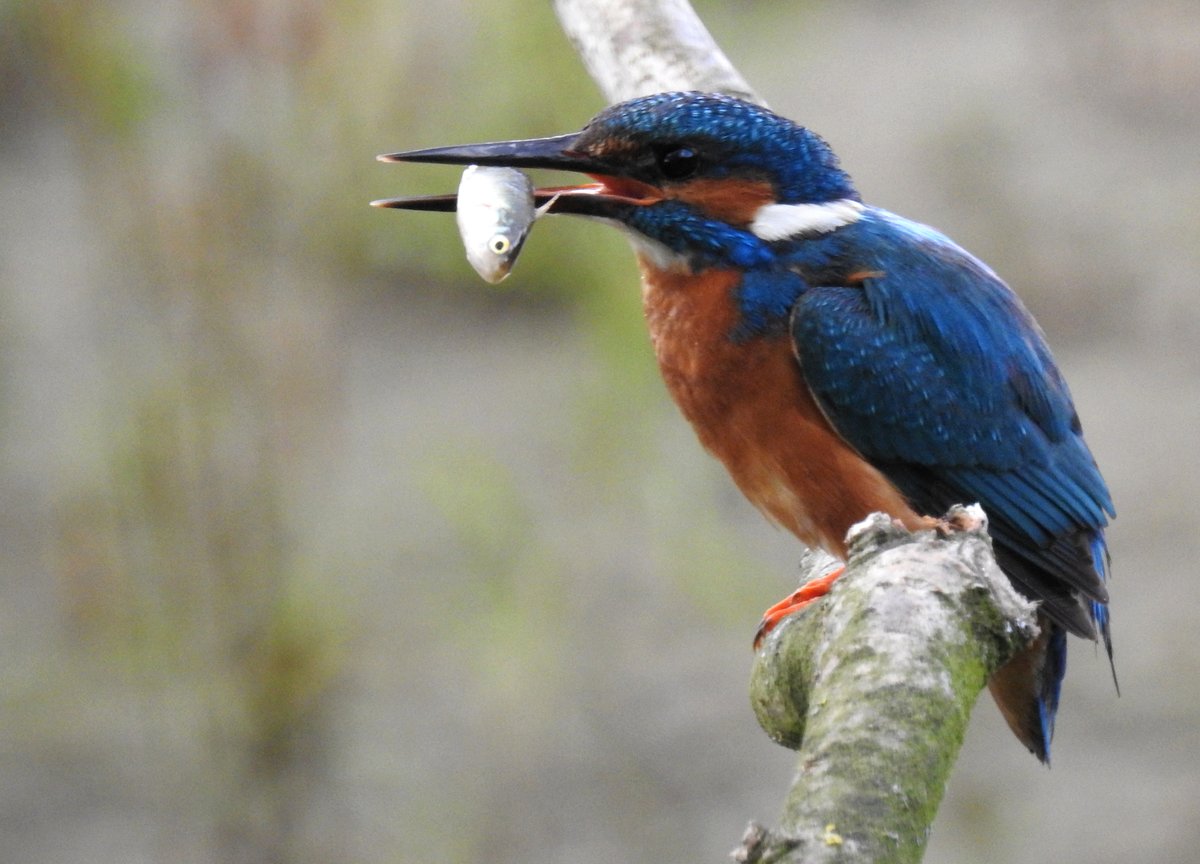
Highly territorial and solitary, requiring control of a river stretch to meet daily food needs of 60% of body weight. Hunts from perches 1–2 m above water, diving up to 25 cm deep. Diet consists mainly of fish (average 2.3–6.5 cm), aquatic insects, and crustaceans. Nests in burrows excavated in riverbanks, laying 2–10 glossy white eggs. Both sexes incubate; chicks fledge after 24–25 days. Two to three broods may be reared per season.
Conservation
Evaluated as Least Concern by the IUCN Red List. Global extent of occurrence is estimated at 10,000,000 km². The European population is estimated at 160,000–320,000 individuals. Populations appear stable globally. Threats include habitat disruption from artificial bank confinement, water pollution, severe winters, flooding, and historical persecution for hat making and stuffing.
Source: Wikipedia · CC BY-SA 3.0
Taxonomy
- Order
- Coraciiformes
- Family
- Alcedinidae
- Genus
- Alcedo
Vocalizations
Subspecies (7)
-
Alcedo atthis atthis
southeastern Europe and North Africa to northwestern India
Data Sources
Species description from Wikipedia, licensed under CC BY-SA 3.0.
Bird images and sounds sourced from GBIF, contributed by citizen scientists worldwide under Creative Commons licenses.
Taxonomy data from AviList 2025.