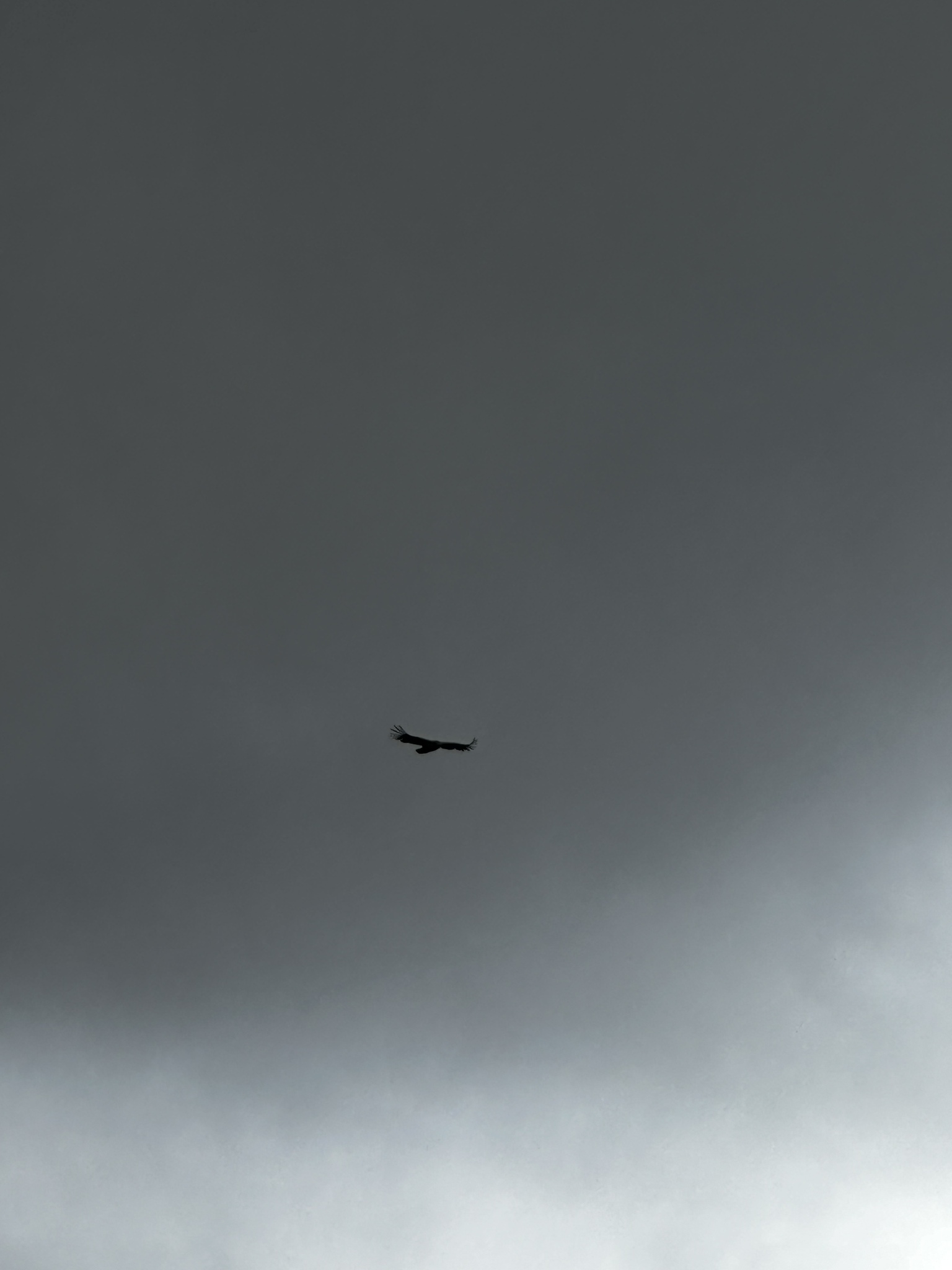
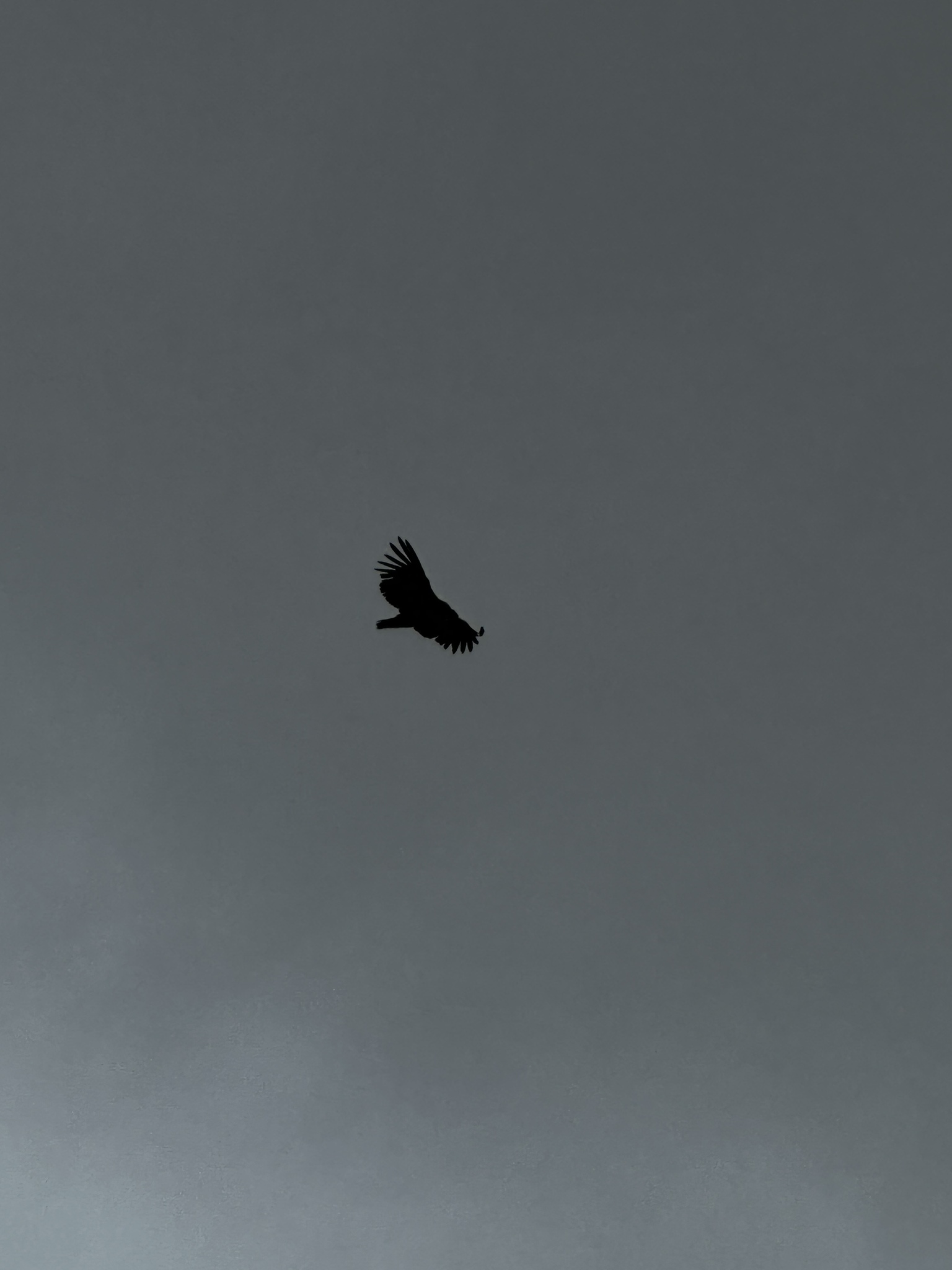

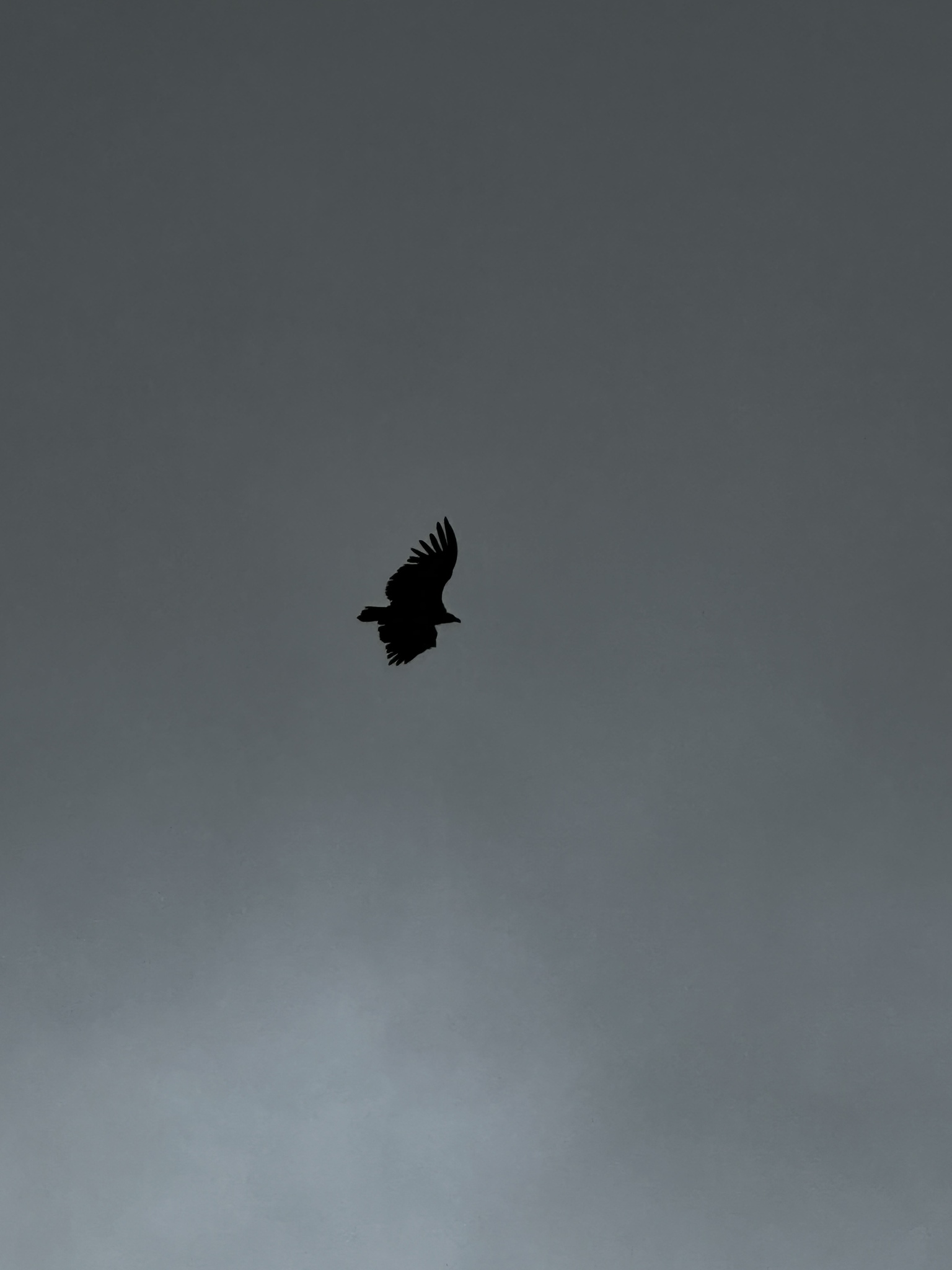
Cinereous Vulture
Aegypius monachus
秃鹫
Introduction
The cinereous vulture (Aegypius monachus) is the largest member of the Accipitridae family. Body length reaches 1.2 meters and wingspan up to 3.1 meters. Adults weigh up to 14 kilograms. Females tend to be slightly heavier than males, though there is considerable size overlap. The species occupies Eurasian habitats and is a carrion specialist. A 2015 genome sequencing study identified genetic adaptations including specialized immune responses and enhanced gastric acid secretion, with positive selections in genes related to respiration and immune defense compared to other raptor species.
Description
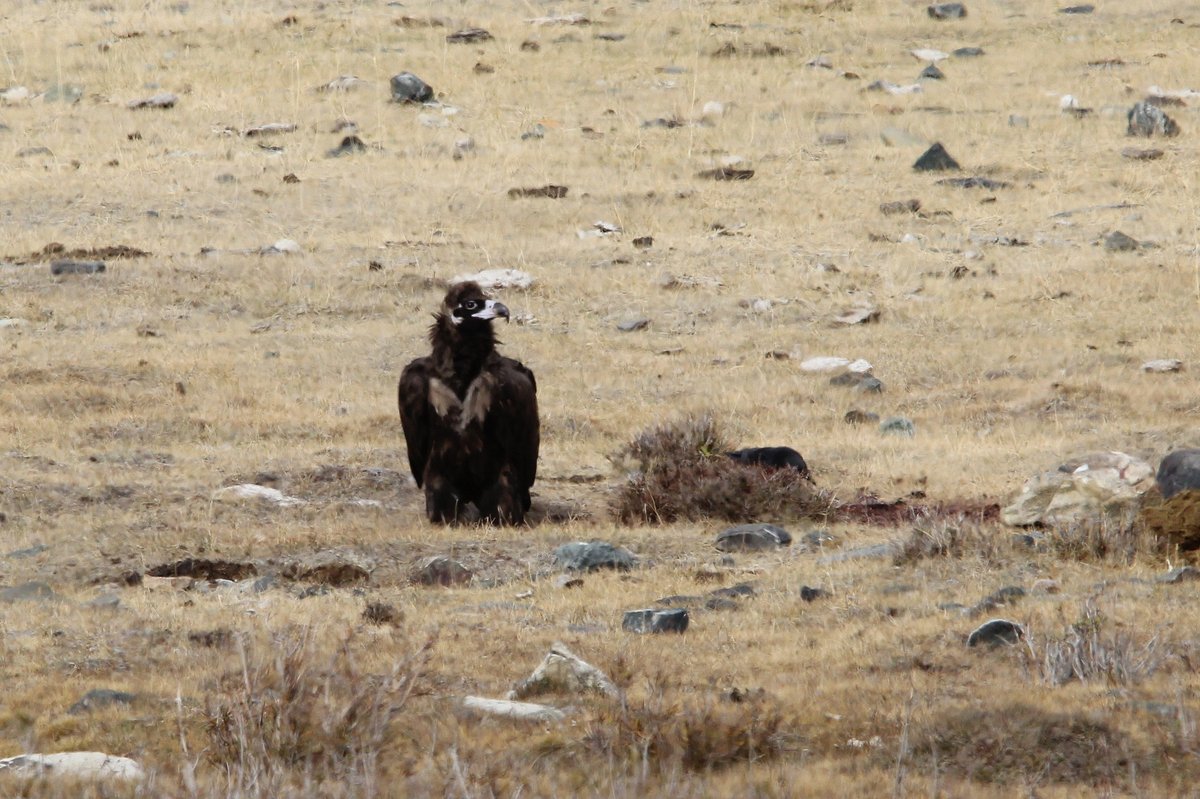
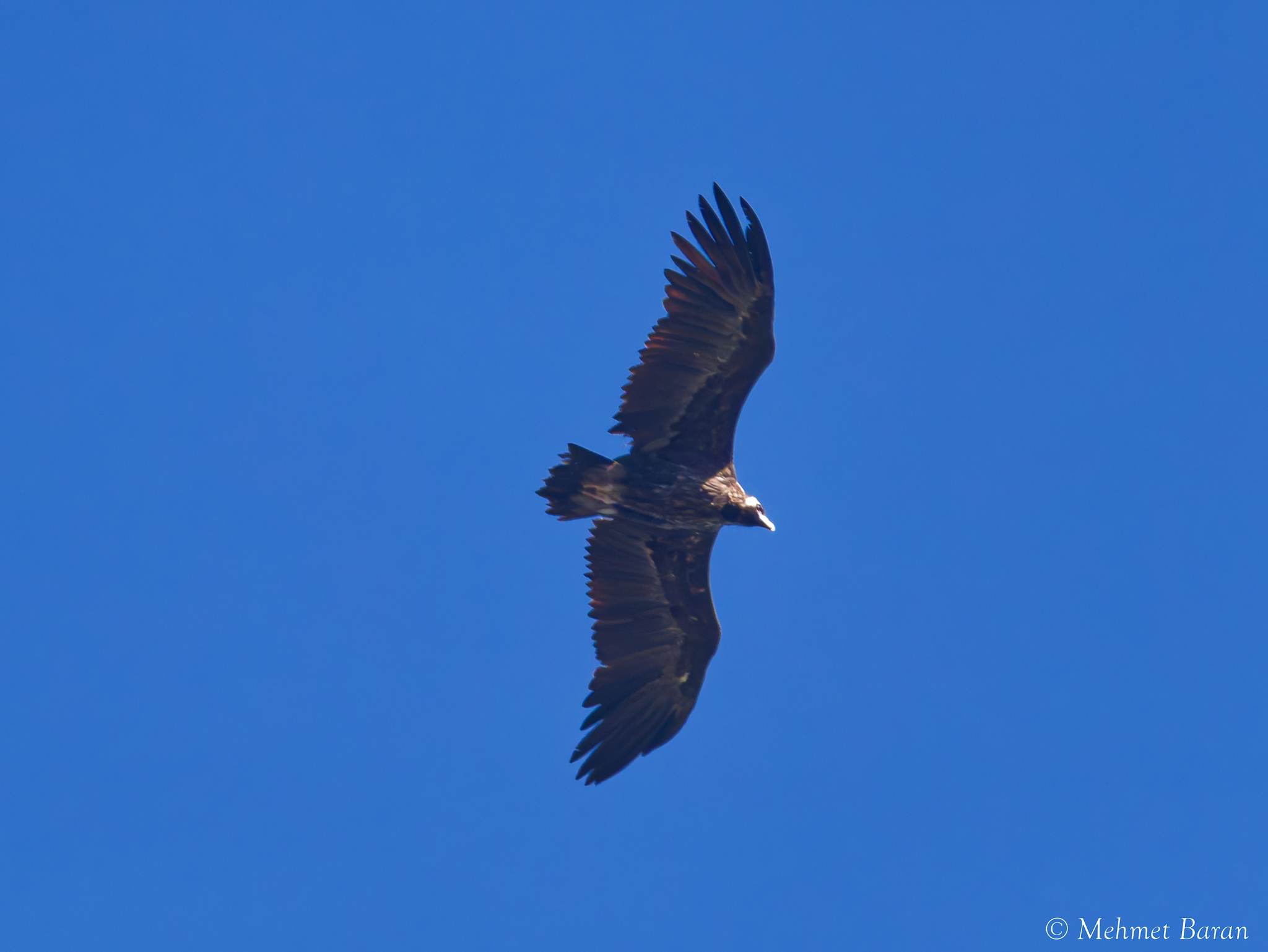
This is an enormous vulture with predominantly dark blackish-brown plumage covering the entire body except for the head. Adults have a pale head covered in fine blackish down, with bluish-grey skin on the head and neck and a whitish patch above the eye. The eyes are brown, the cere purplish, the bill blue-grey, and the legs pale blue-grey. The primary flight feathers are black, giving flying birds an all-black appearance from a distance. Immature birds are sepia-brown above with a much paler underside and grey down on the head. The species possesses one of the largest bills of any living accipitrid, with an exposed culmen measuring 8-9 cm. The wings are broad with serrated leading edges, held straight or slightly arched in flight. Standard measurements include a wing chord of 73-89 cm, tail of 33-41 cm, and tarsus of 12-14.6 cm.
Identification
The combination of enormous size and overall dark coloration makes this species relatively distinctive, especially when compared to smaller raptors like eagles or buzzards. The broad, 'barn door' wings and slow, buoyant flight with deep, heavy flaps are characteristic. The most similar-shaped species is the lappet-faced vulture, which has a bare pinkish head and contrasting whitish thighs and belly against otherwise dark plumage. All Gyps vultures can be distinguished by their paler, streaky plumage and more bulging wing primaries that give a less evenly broad-winged appearance. Despite the similar name and color, the American black vulture is not closely related and inhabits a completely different continent. In flight, the silhouette of this species is unique among Old World vultures due to its massive bulk and uniformly dark underparts.
Distribution & Habitat
This Eurasian species occupies a fragmented range from Spain and Portugal in the west, through Greece, Turkey, and the Middle East, eastward to northern India, Manchuria, Mongolia, and Korea. Reintroduced populations exist in southern France. The species is generally a permanent resident except in the eastern parts of its range, where birds from northern areas migrate south to Korea and China during winter. It inhabits hilly, mountainous areas, favoring dry semi-open habitats such as high-altitude meadows. Nesting occurs near the tree line in mountains, with the species always associated with undisturbed, remote areas. In Europe and the Caucasus, it occurs from 100 to 2,000 meters elevation, while in Asia it is found at higher elevations up to 4,500 meters. Remarkably, one individual was recorded at 6,970 meters on Mount Everest, with specialized hemoglobin allowing efficient oxygen uptake at extreme altitudes.
Behavior & Ecology
Unlike most Old World vultures, this species is largely solitary, found alone or in pairs much more frequently. Small groups of 12-20 birds may congregate at large carcasses, though larger gatherings of up to 30-40 have been reported. The species is very vocal only at nest sites, producing querulous mewing, roaring, or guttural cries. Breeding occurs in loose colonies from February through September or October, with nests typically 1.45-2 meters across and 1-3 meters deep, built in large trees or occasionally on cliff ledges. Clutches usually contain a single egg, occasionally two, incubated for 50-62 days. Nestlings grow rapidly, reaching nearly 16 kg before fledging. The diet consists almost entirely of carrion, from large mammals to fish and reptiles, with the powerful bill capable of tearing open tough hides and breaking bones. The species dominates other scavengers at carcasses and has been recorded preying on live animals including lambs, calves, and occasionally tortoises dropped from height.
Conservation
The species is currently listed as Near Threatened by the IUCN, having declined over most of its range over the past 200 years. Primary threats include poisoning from baited carcasses intended for predators, reduced carrion availability due to improved hygiene standards, habitat destruction, and deliberate persecution. Nests are easily accessible and have been historically compromised by egg and firewood collectors. The decline has been most severe in Europe, with extinction in France, Italy, Austria, Poland, Slovakia, Albania, Moldova, Romania, and northwest Africa. However, conservation efforts have shown success in Spain, where populations increased from 200 pairs in 1970 to about 1,000 pairs by 1992, now spreading to Portugal. Reintroduction schemes are underway in France, and small increasing populations exist in Bulgaria and Greece. The global population is estimated at 15,600-21,000 mature individuals, with 2,300-2,500 pairs in Europe and 5,500-8,000 pairs in Asia.
Culture
The Hebrew word for 'eagle' historically encompassed various large birds of prey, including vultures. As a result, biblical passages referencing eagles may actually be describing this or similar vulture species. The English name 'monk vulture' derives from the German 'Mönchsgeier,' referencing the bird's bald head and ruff of neck feathers that resemble a monk's cowl. The species was deliberately renamed 'cinereous vulture' to distinguish it from the American black vulture, though this name references the Latin 'cineraceus,' meaning ash-colored or pale grey, which was historically used for the pale grey juvenile of the Egyptian vulture.
Source: Wikipedia · CC BY-SA 3.0
Taxonomy
- Order
- Accipitriformes
- Family
- Accipitridae
- Genus
- Aegypius
- eBird Code
- cinvul1
Distribution
Mediterranean basin to eastern Asia
Data Sources
Species description from Wikipedia, licensed under CC BY-SA 3.0.
Bird images and sounds sourced from GBIF, contributed by citizen scientists worldwide under Creative Commons licenses.
Taxonomy data from AviList 2025.