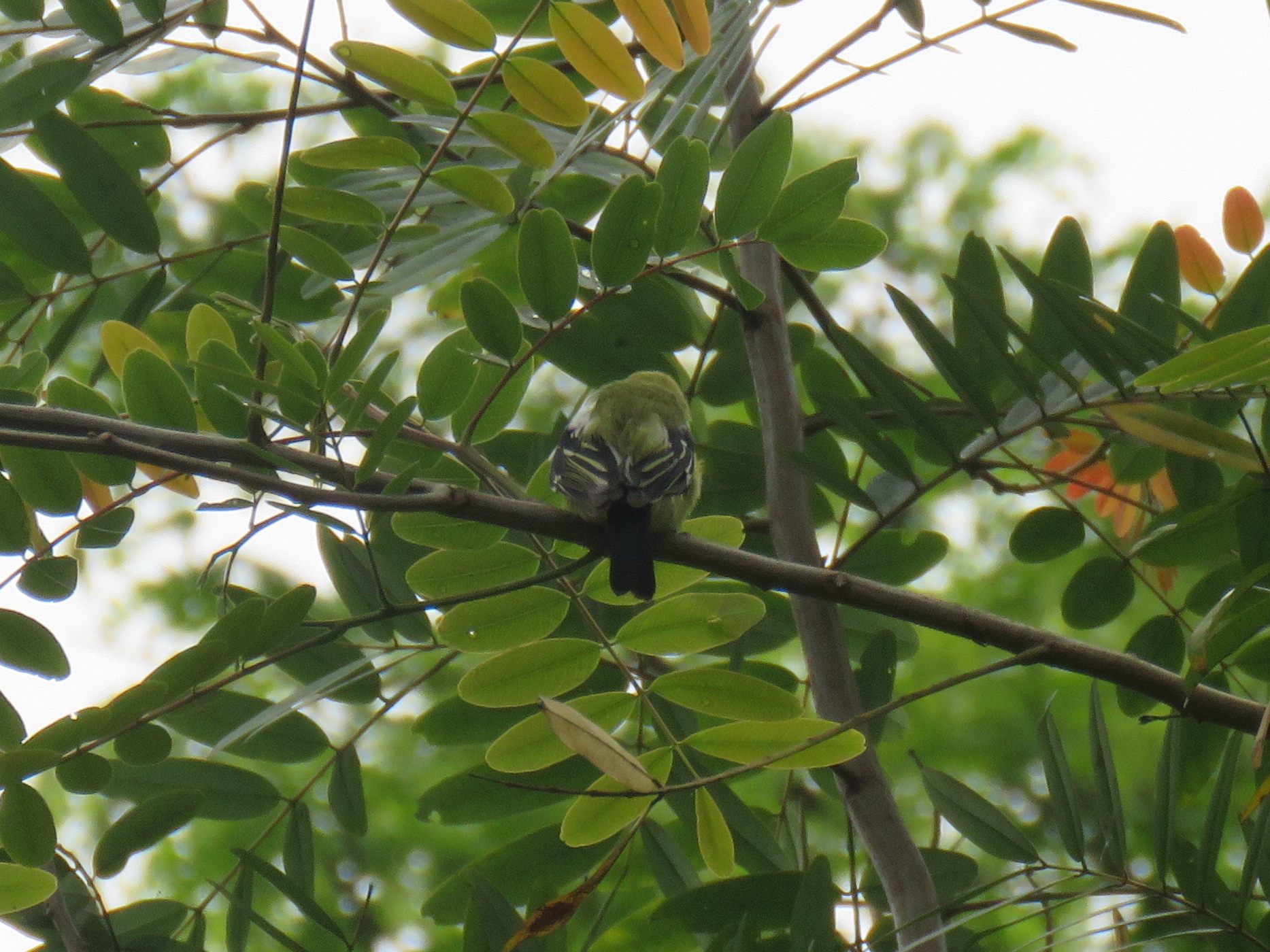
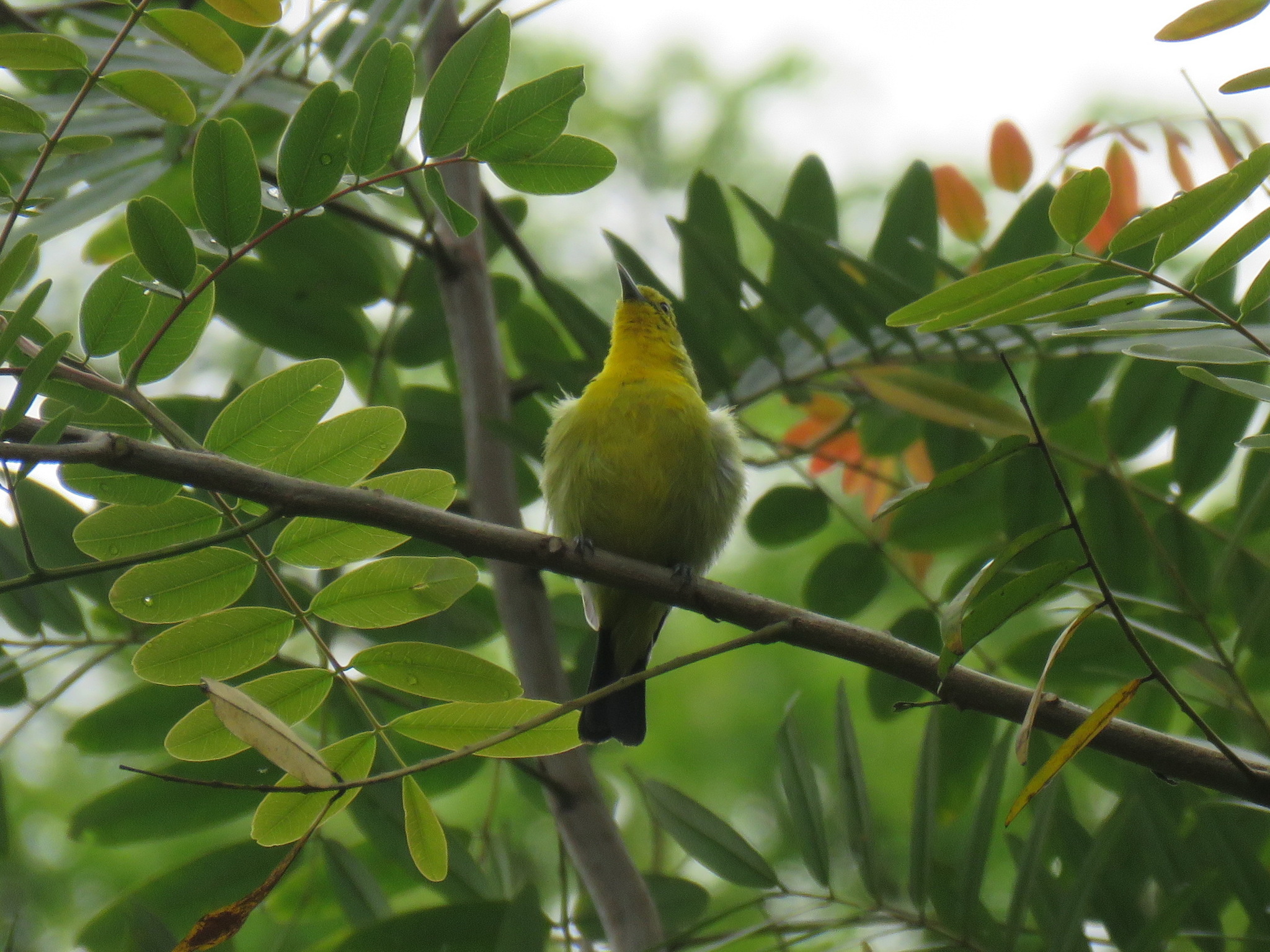
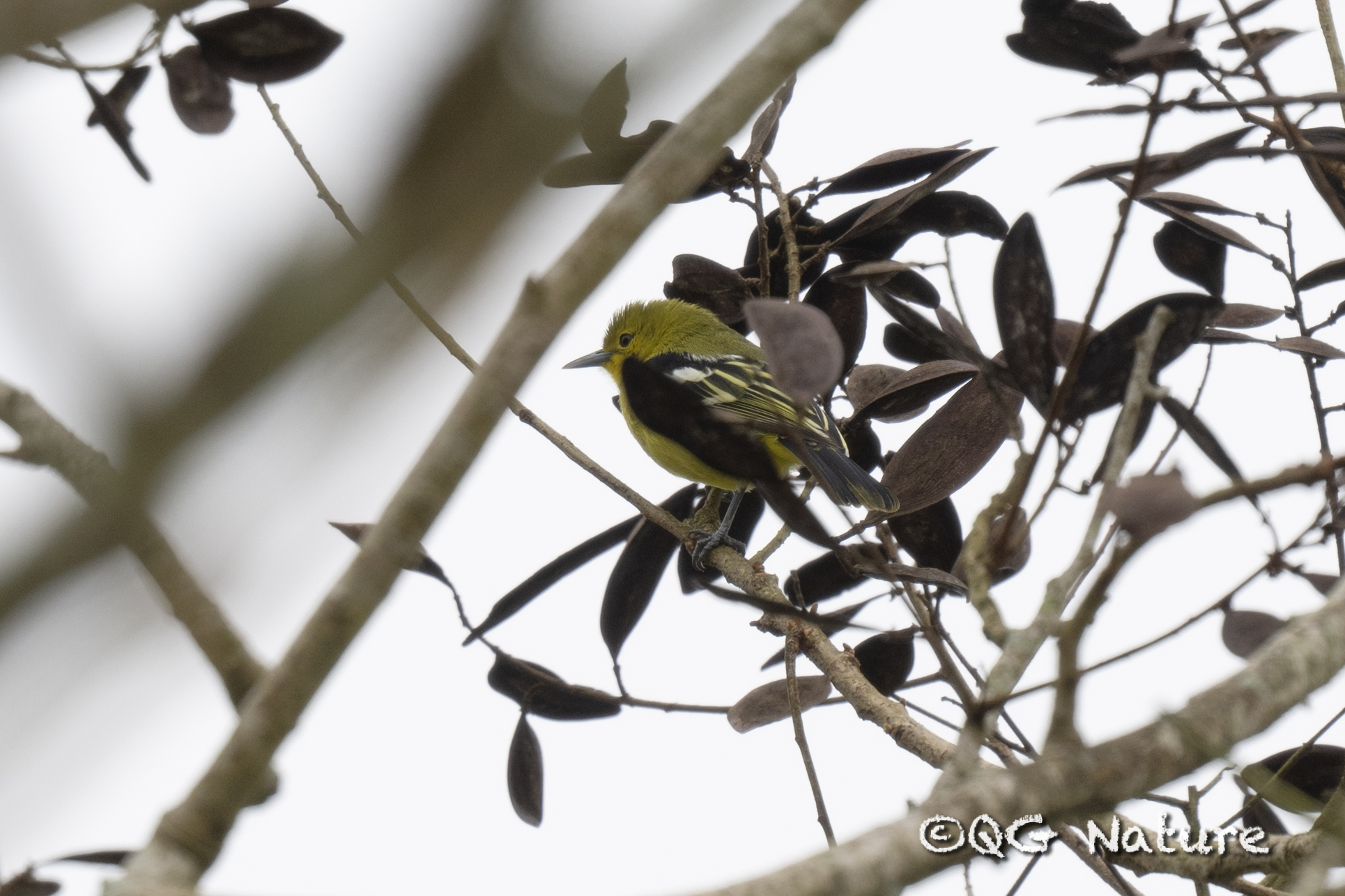
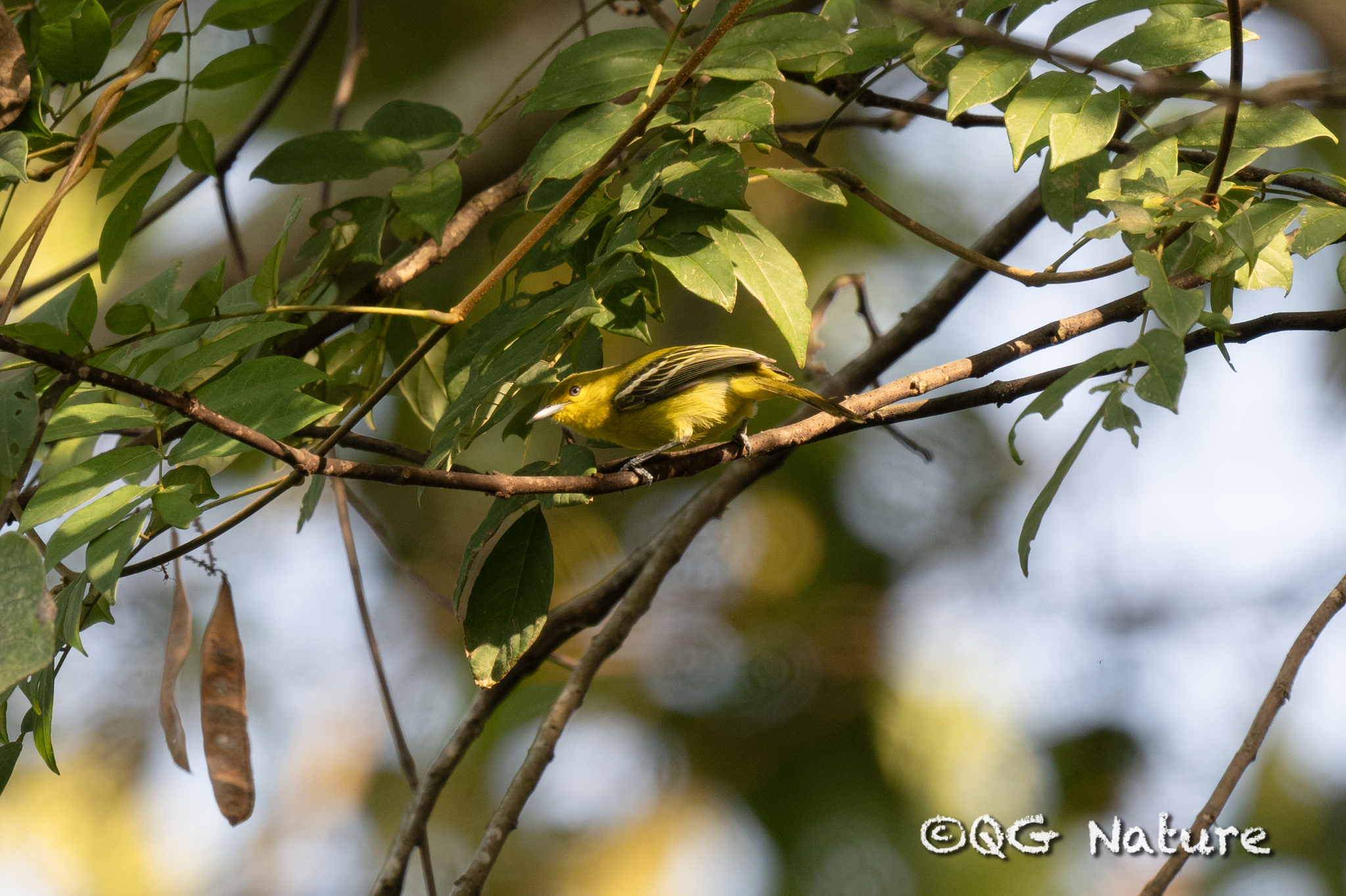
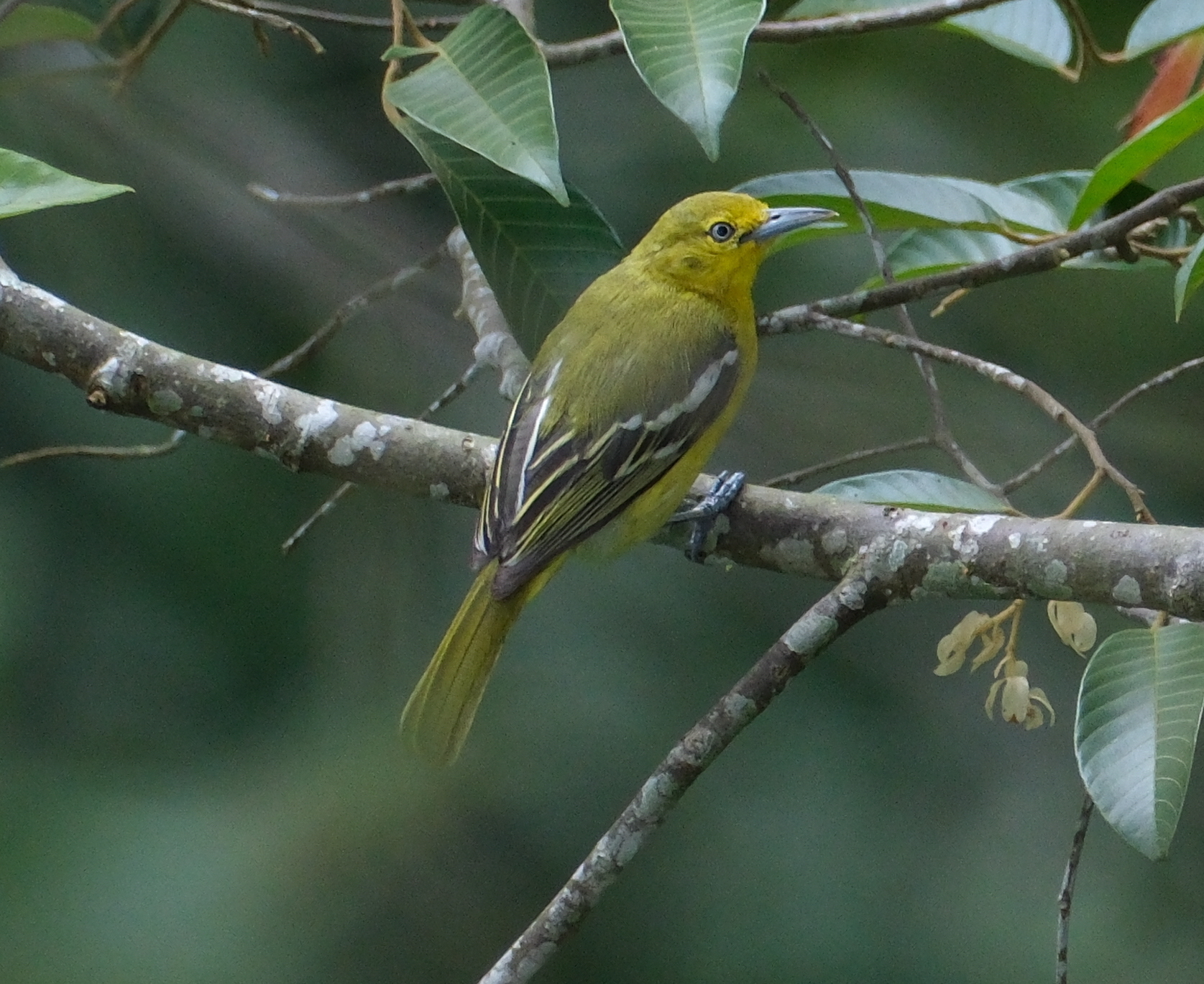
Common Iora
Aegithina tiphia
黑翅雀鹎
Introduction
A small passerine found in tropical woodlands across the Indian subcontinent and Southeast Asia. The species inhabits scrub and forest edge habitats, occurring in the middle and upper canopy layers. It produces loud, whistling calls. Males in breeding plumage display black, yellow, green, and white coloration. The species forages actively, often joining mixed-species flocks to glean insects from branches. Males perform an acrobatic courtship display involving aerial maneuvers and feather-puffing. Eleven subspecies exhibit varying plumage patterns across the species' range.
Description
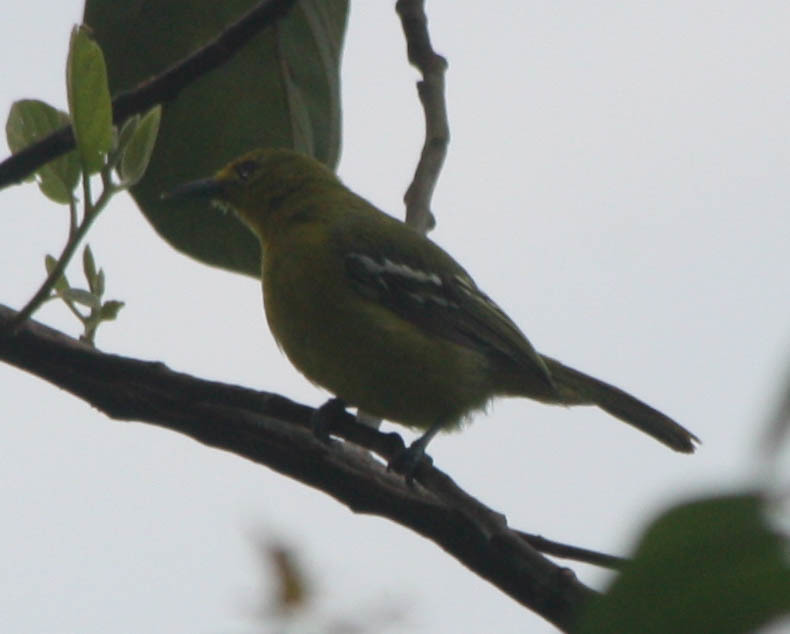
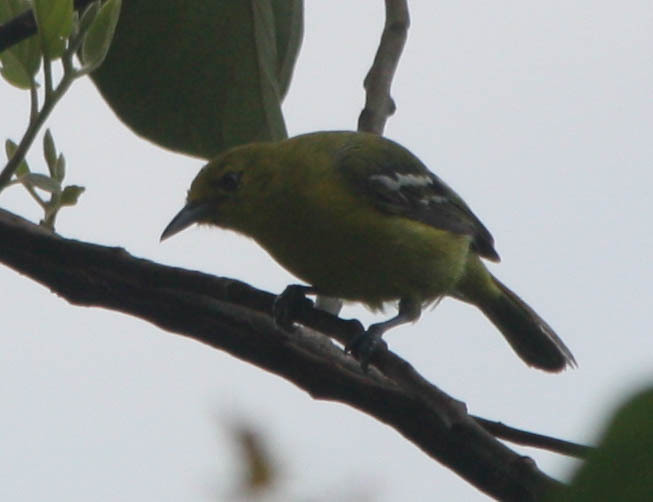
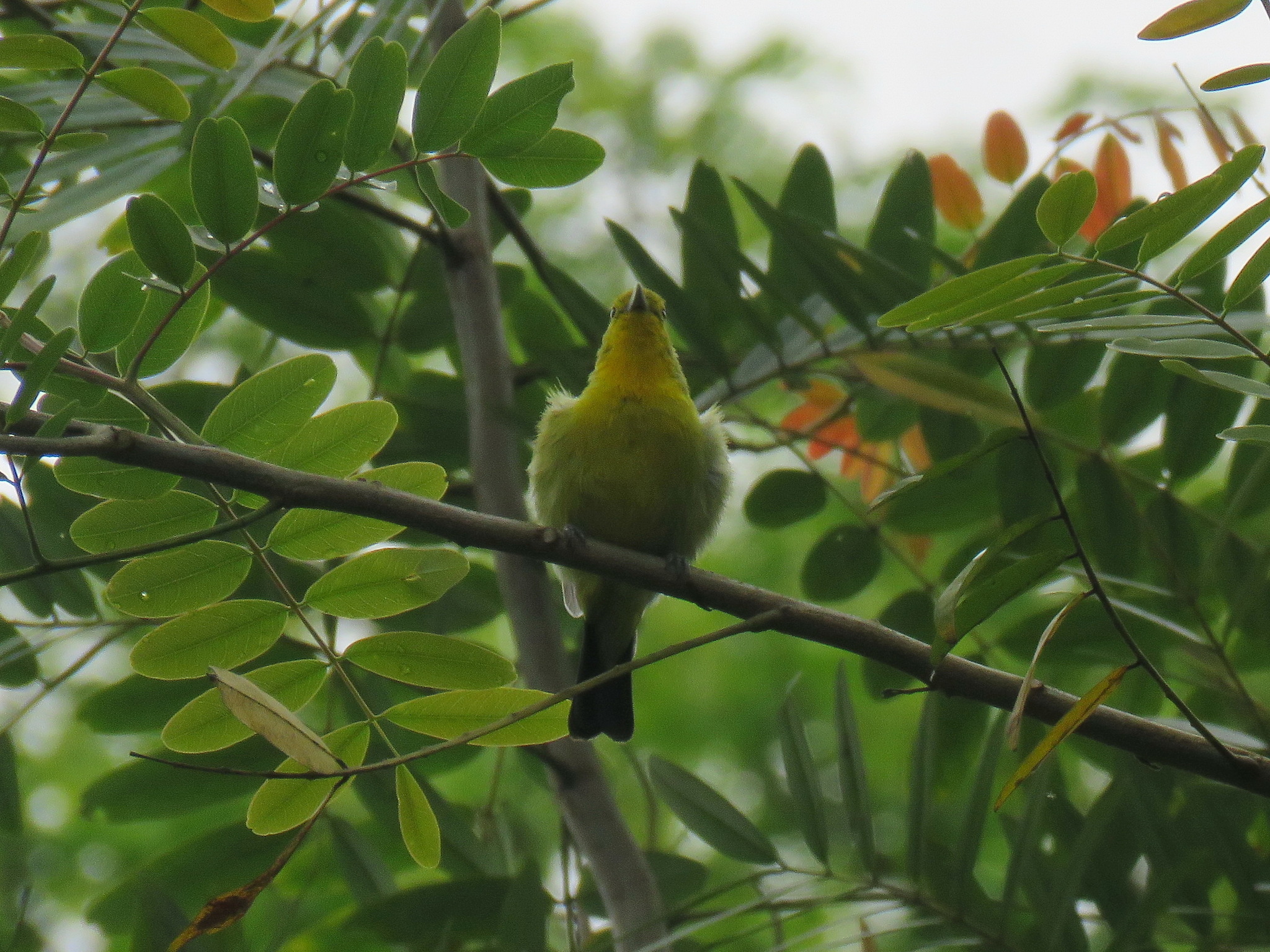
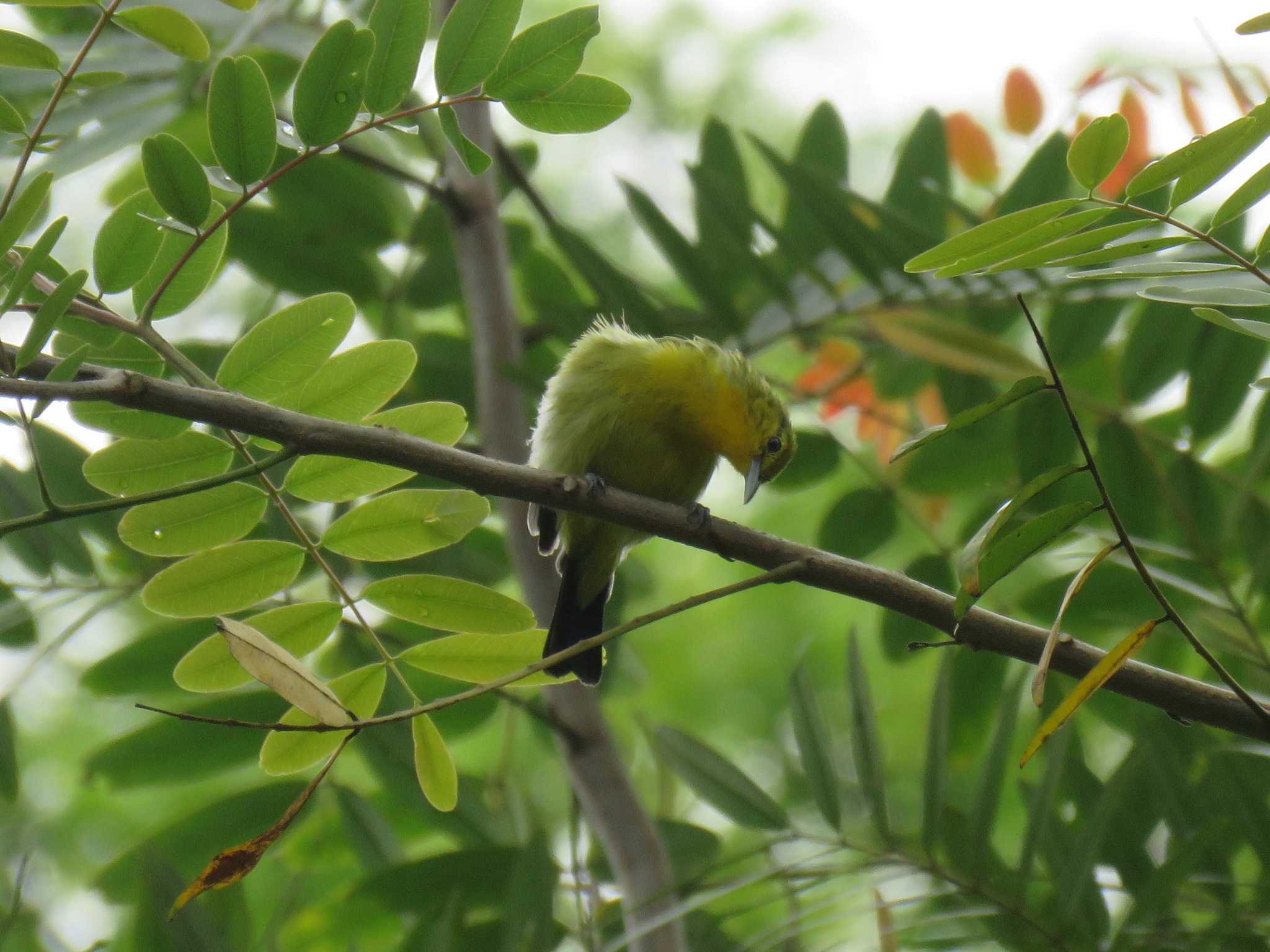
This compact passerine possesses a distinctive pointed and notched beak with a straight culmen. Sexual dimorphism is pronounced, particularly during the breeding season when males develop a black cap and back, complemented by black wings and tail year-round. Females maintain greenish wings and an olive tail throughout the year. Both sexes share bright yellow underparts, though the male's two white wing bars become especially prominent during breeding season. The male's breeding plumage shows considerable geographic variation in the extent of black coloring on the upperparts, creating challenges for precise identification without reference to location and subspecific characteristics.
Identification
Males in breeding plumage can be confused with Marshall's iora, but the latter consistently displays white tips to the tail, which serves as a reliable distinguishing feature. The extensive plumage variation among subspecies complicates identification based solely on appearance. Males of the nominate Himalayan subspecies closely resemble females or show only minimal black on the crown. In northwestern India, males appear brighter yellow, while northern Indian populations display a black cap combined with olive on the upper mantle. Southwestern Indian and Sri Lankan males show jet black cap and mantle. Observers should note wing pattern, extent of black plumage, and geographic location when identifying this species.
Distribution & Habitat
This species ranges widely across the tropical Indian subcontinent and throughout Southeast Asia, occupying diverse habitats including scrub, forest edge, and wooded areas. Eleven subspecies are recognized across its range, each occupying specific geographic regions. The subspecies multicolor occurs in southwest India and Sri Lanka, while tiphia occupies the northern range from India to western Myanmar. The septentrionalis subspecies inhabits the northwest Himalayas, and philipi is found in southern China, northern Thailand, and northern Indochina. Island populations include scapularis on Java and Bali, viridis in central and southern Borneo, and aequanimis in northern Borneo and the western Philippines.
Behavior & Ecology
These birds forage actively in trees, typically moving through the canopy in small groups while gleaning insects from branches. They regularly join mixed-species feeding flocks, increasing their foraging efficiency and providing birdwatchers with excellent observation opportunities. The vocal repertoire includes churrs, chattering sounds, and distinctive whistles, with the song described as a trilled wheeeee-tee. Individuals may imitate the calls of other birds, particularly drongos. During breeding season, primarily after monsoon rains, males perform an elaborate courtship display that involves launching into the air, fluffing all feathers especially on the pale green rump, then spiraling down while spreading the tail and drooping wings. Both parents share incubation duties for approximately 14 days, raising two to four greenish-white eggs in a compact cup nest built in tree forks. Nests face predation from snakes, lizards, and crows, and may be parasitized by banded bay cuckoos.
Culture
The genus name Aegithina derives from Ancient Greek aigithos or aiginthos, a mythical bird mentioned by Aristotle and other classical authors. While the specific epithet tiphia's etymology remains uncertain, it may relate to Tiphys, the helmsman of the Argonauts in Greek mythology, or possibly to the Greek word for tiara. This classical connection provides an interesting historical layer to the bird's cultural significance, linking a tropical Asian species to ancient Mediterranean mythological traditions through scholarly nomenclature.
Source: Wikipedia · CC BY-SA 3.0
Taxonomy
- Order
- Passeriformes
- Family
- Aegithinidae
- Genus
- Aegithina
- eBird Code
- comior1
Vocalizations
Subspecies (11)
-
Aegithina tiphia aequanimis
northern Borneo, adjacent northern islands, and Palawan
-
Aegithina tiphia cambodiana
Cambodia to southeastern Thailand and southern Vietnam
-
Aegithina tiphia deignani
peninsular India to northern and central Myanmar
-
Aegithina tiphia horizoptera
southern Myanmar to Thailand, the Thai-Malay Peninsula, Sumatra, and adjacent islands
-
Aegithina tiphia humei
central India (south of the Ganges River)
-
Aegithina tiphia multicolor
southern India and Sri Lanka
-
Aegithina tiphia philipi
southwestern China to central Myanmar, northern Thailand, Laos, and northern Vietnam
-
Aegithina tiphia scapularis
Java and Bali
-
Aegithina tiphia septentrionalis
Pakistan and northwestern India (Punjab)
-
Aegithina tiphia tiphia
northeastern India (Kumaon to Bengal and Assam)
-
Aegithina tiphia viridis
southern Borneo
Data Sources
Species description from Wikipedia, licensed under CC BY-SA 3.0.
Bird images and sounds sourced from GBIF, contributed by citizen scientists worldwide under Creative Commons licenses.
Taxonomy data from AviList 2025.