Charadriiformes / Scolopacidae / Actitis
Common Sandpiper
Actitis hypoleucos · 矶鹬
Introduction
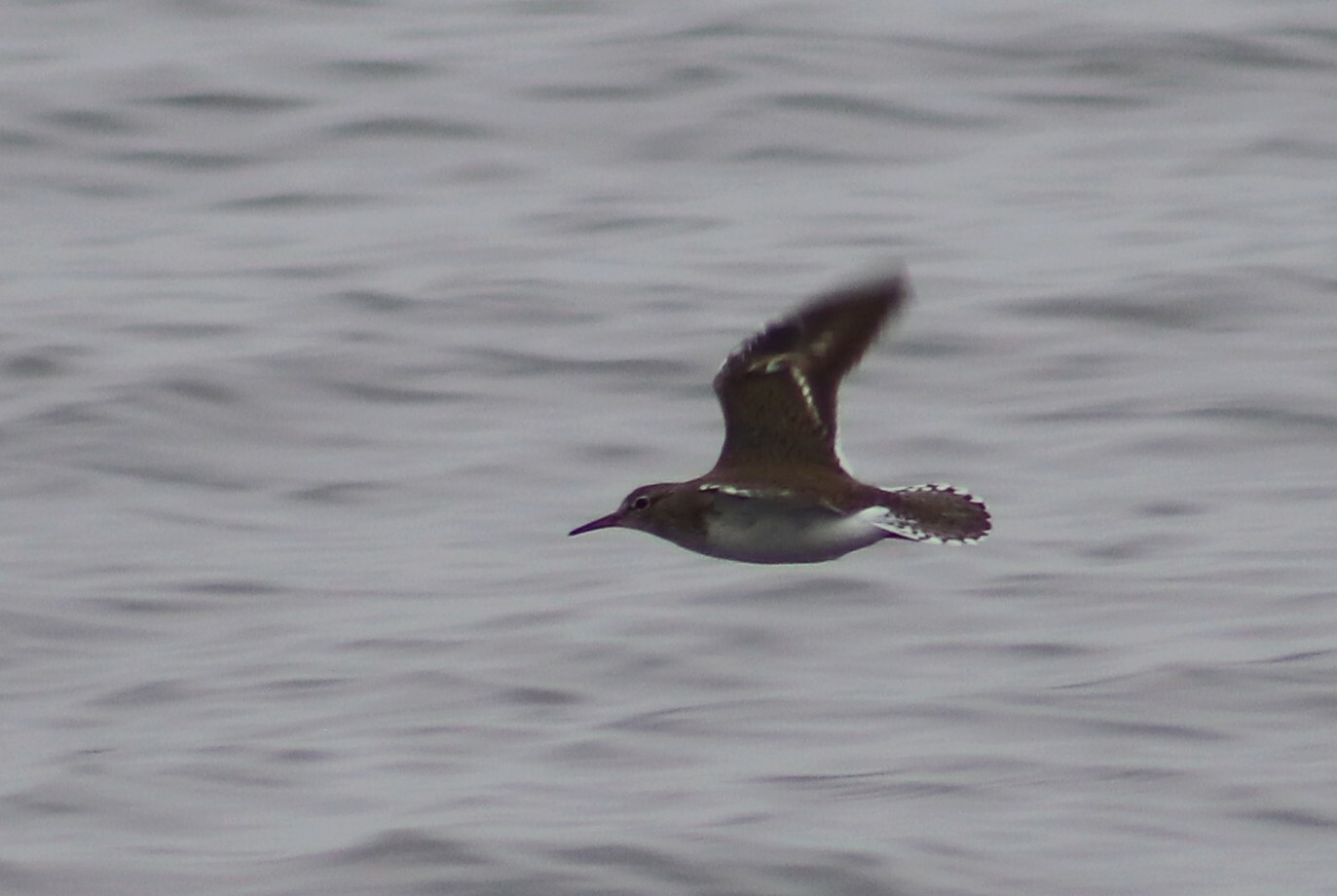
A small Palearctic wader in the genus Actitis, closely related to the spotted sandpiper. It breeds across temperate and subtropical Europe and Asia, migrating to Africa, southern Asia, and Australia. Distinctive traits include a stiff-winged flight low over water and a characteristic tail-pumping motion while foraging. Classified as Least Concern on the IUCN Red List.
Description
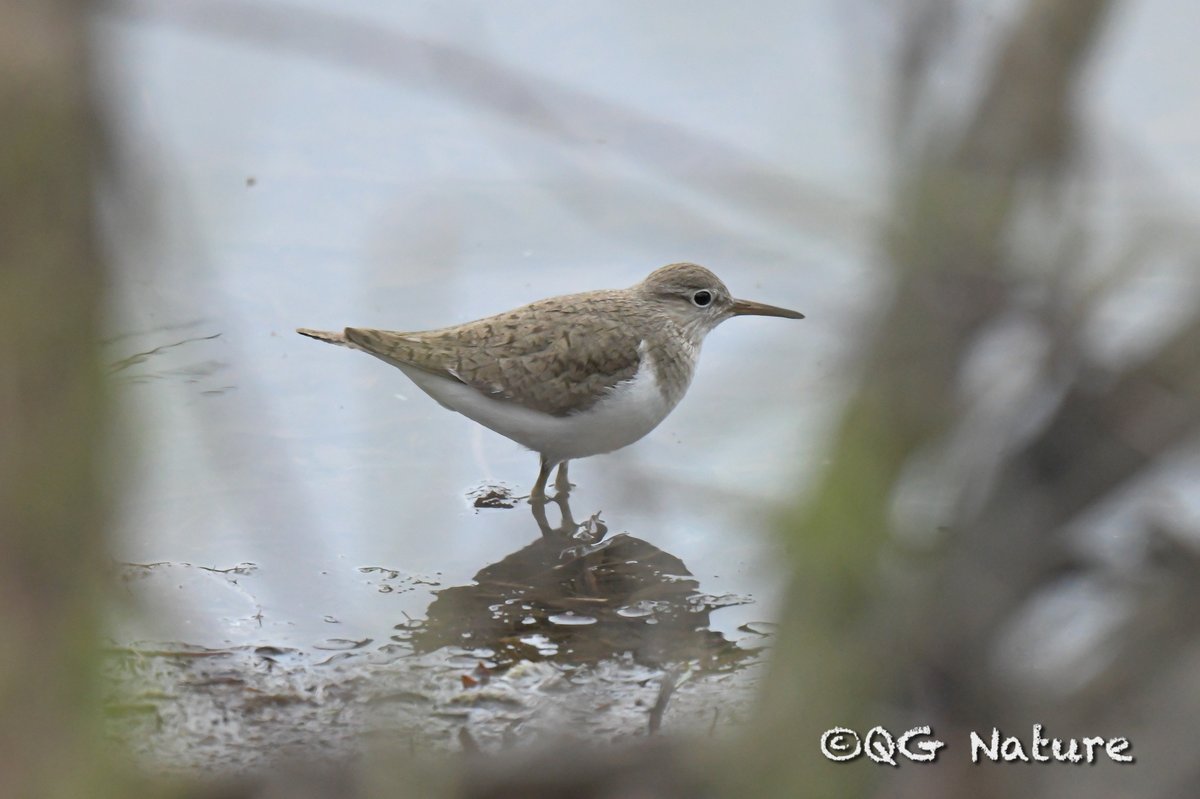
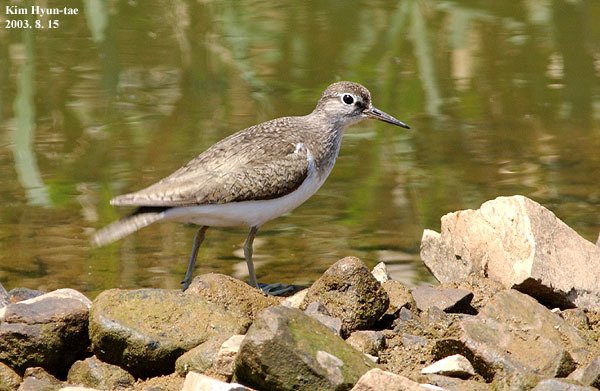
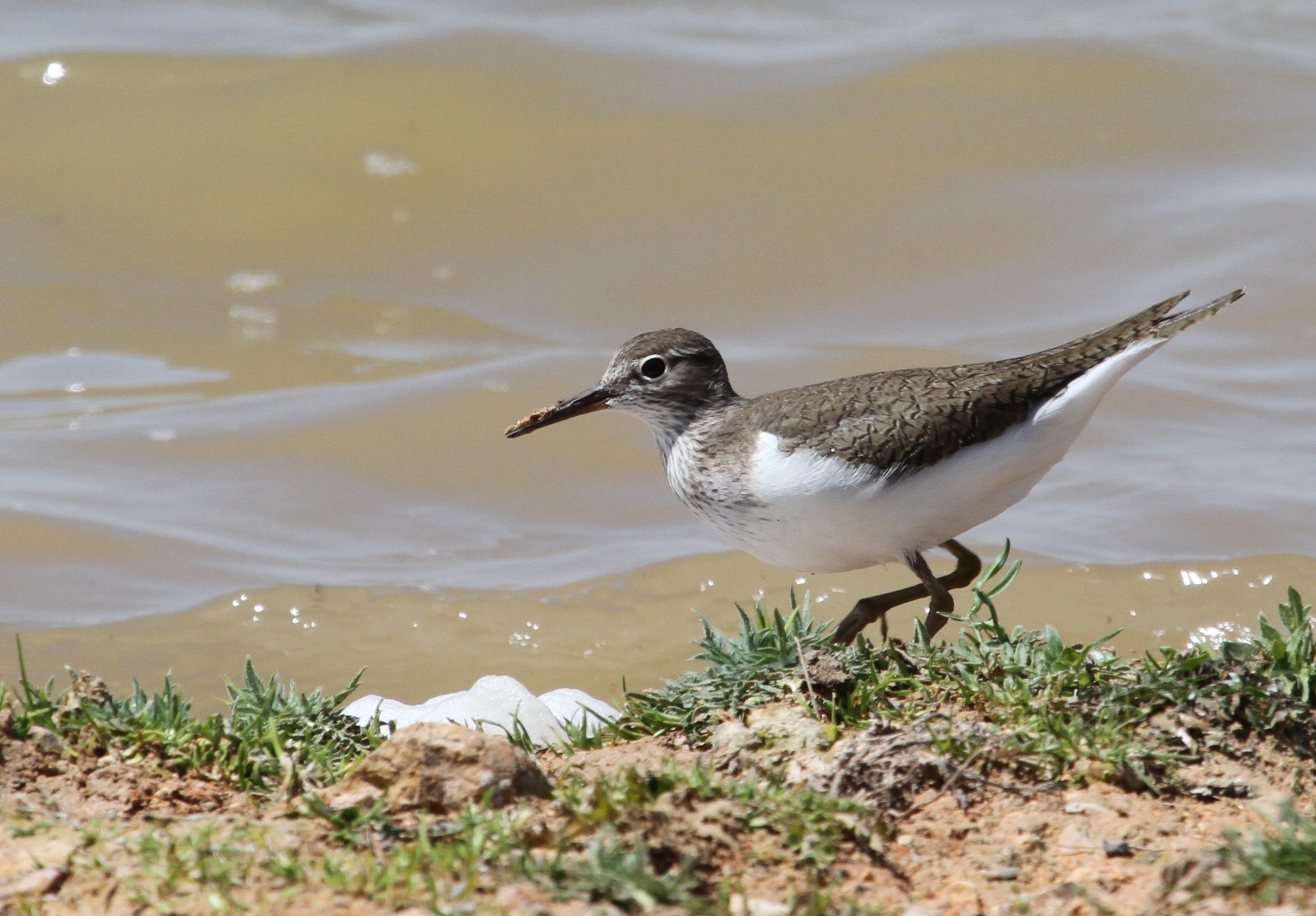
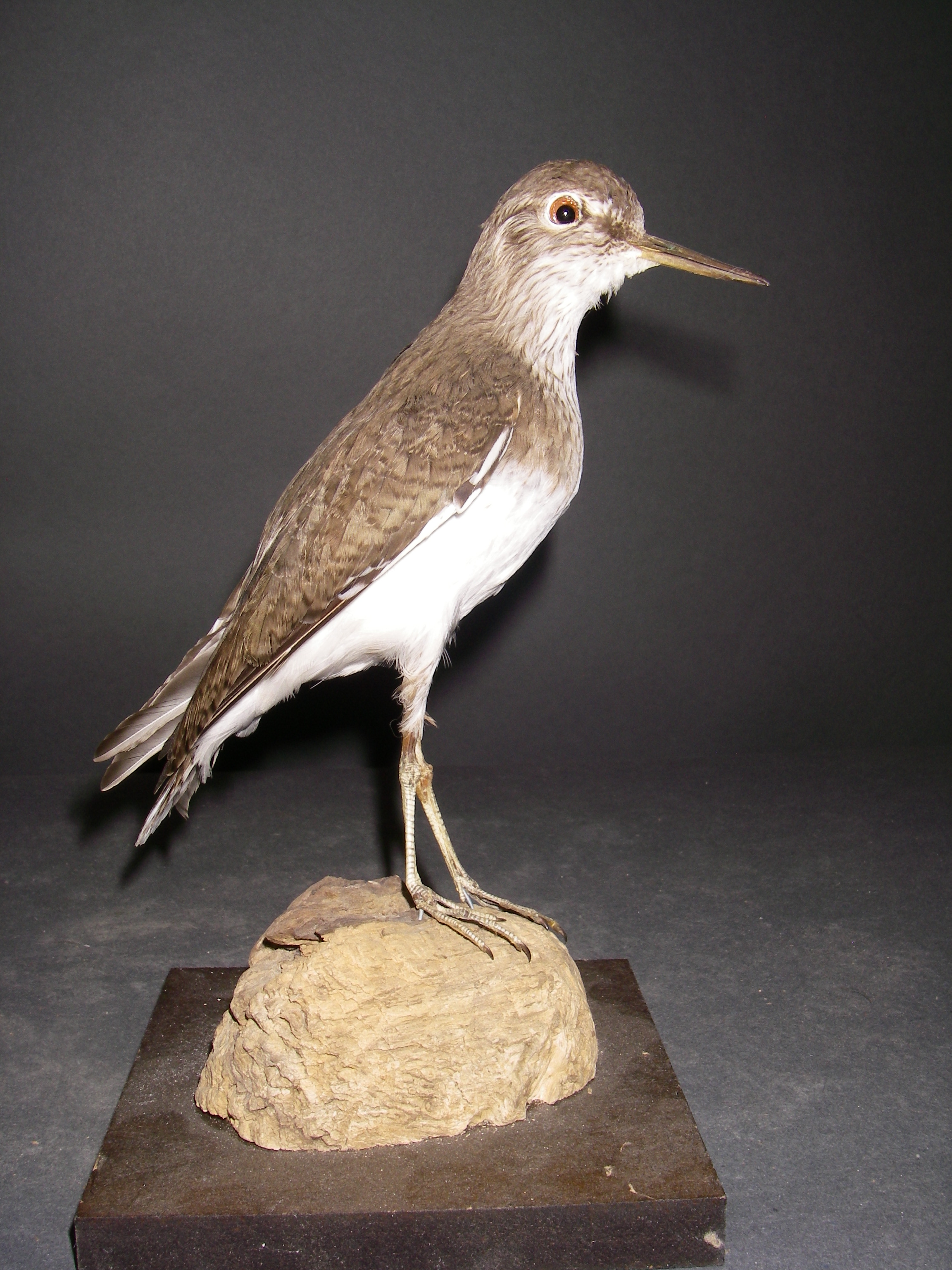
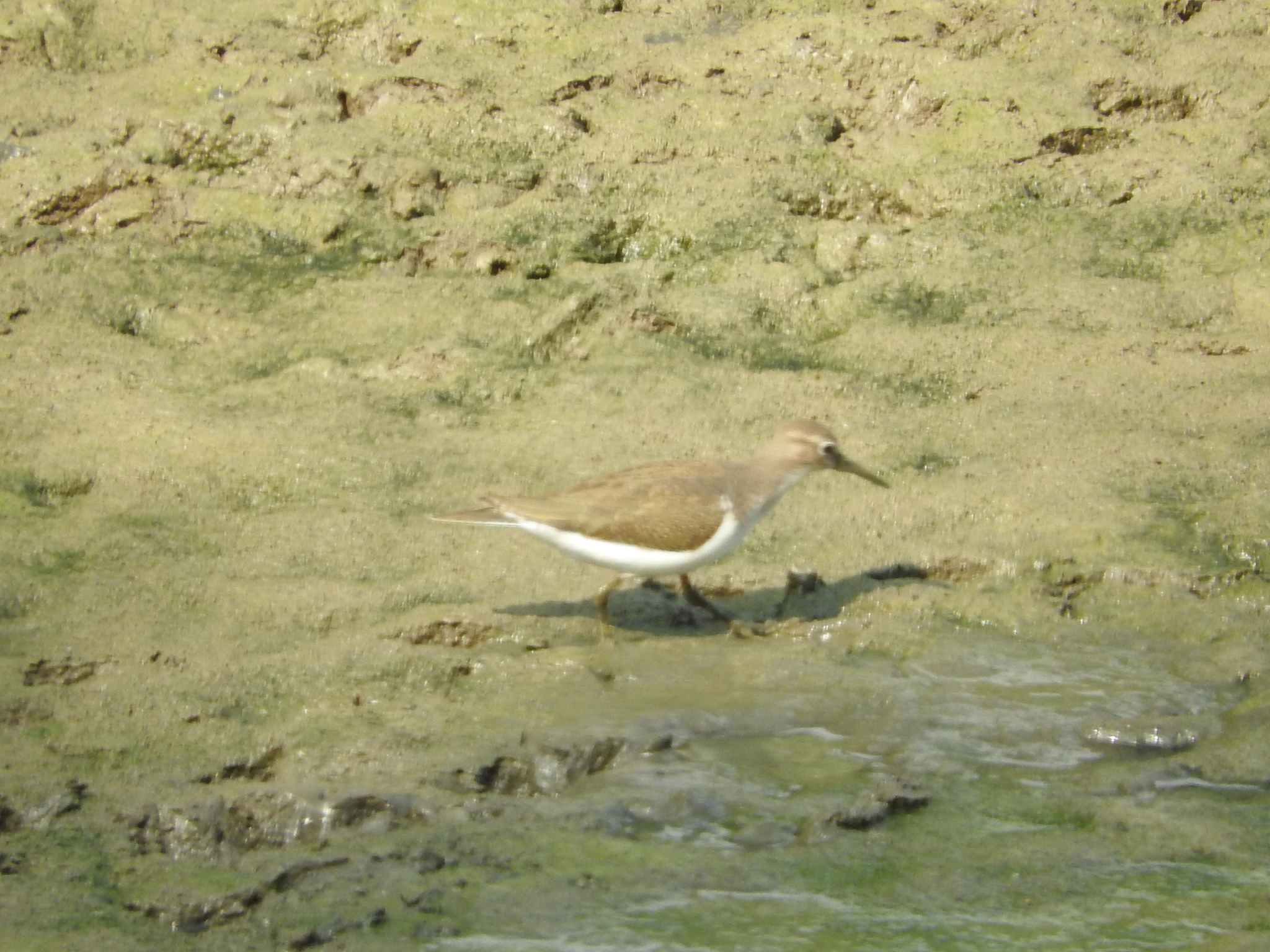
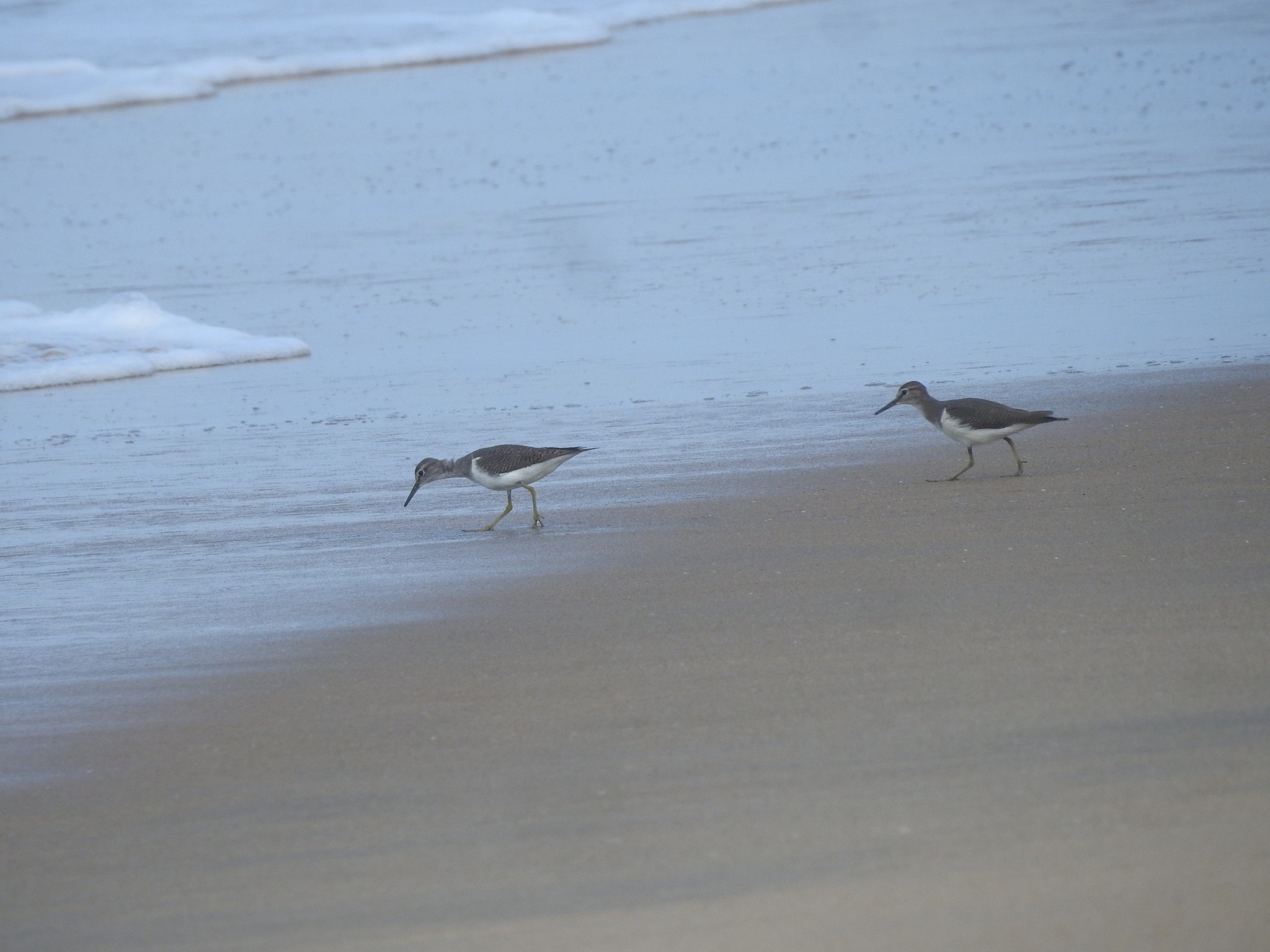
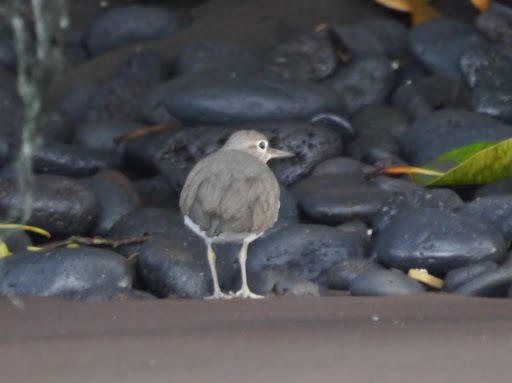
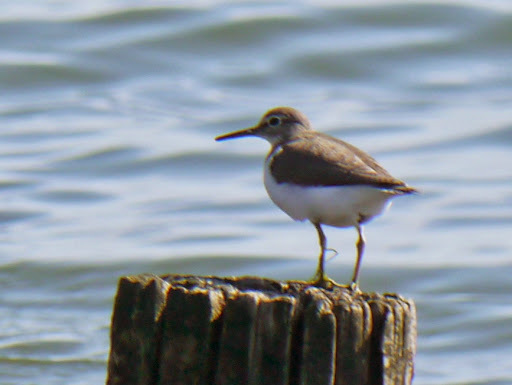
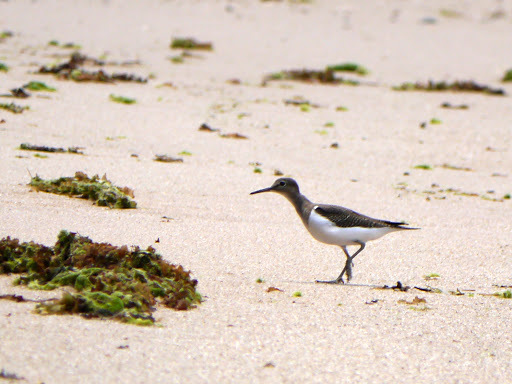
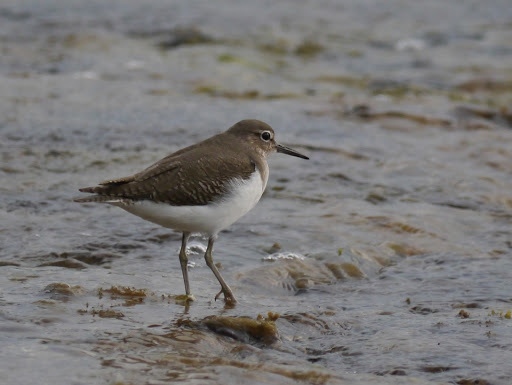
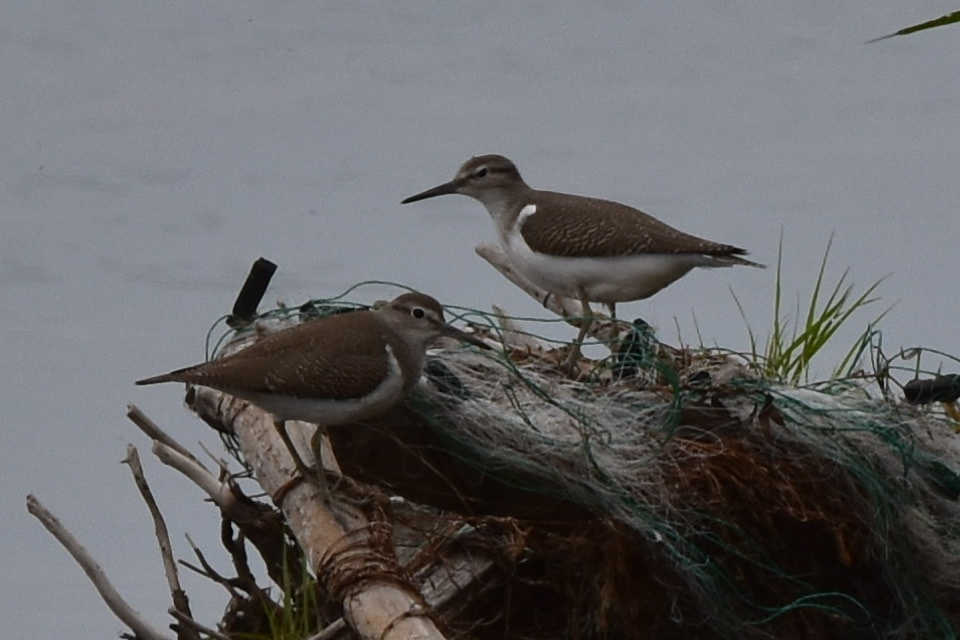
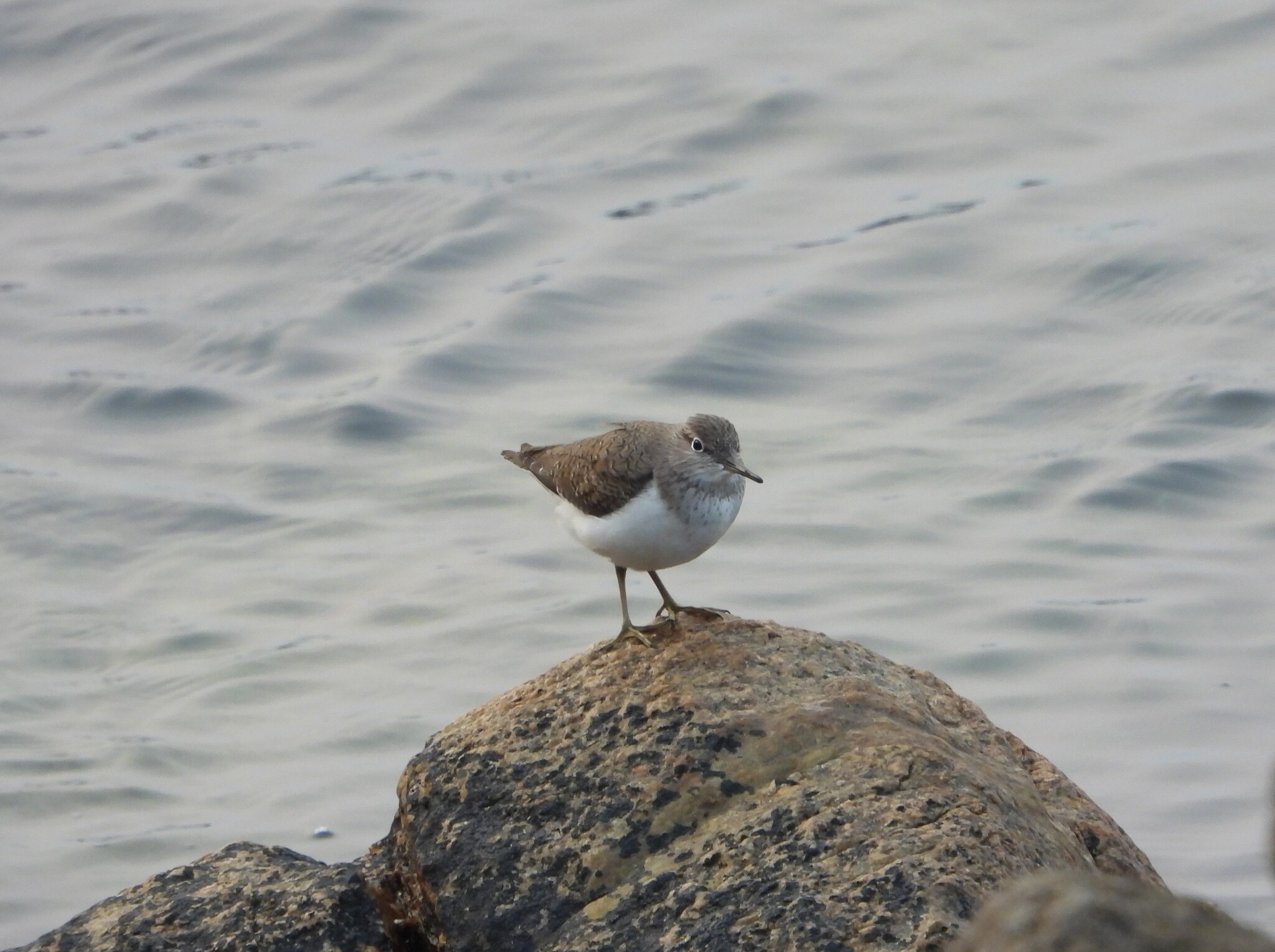
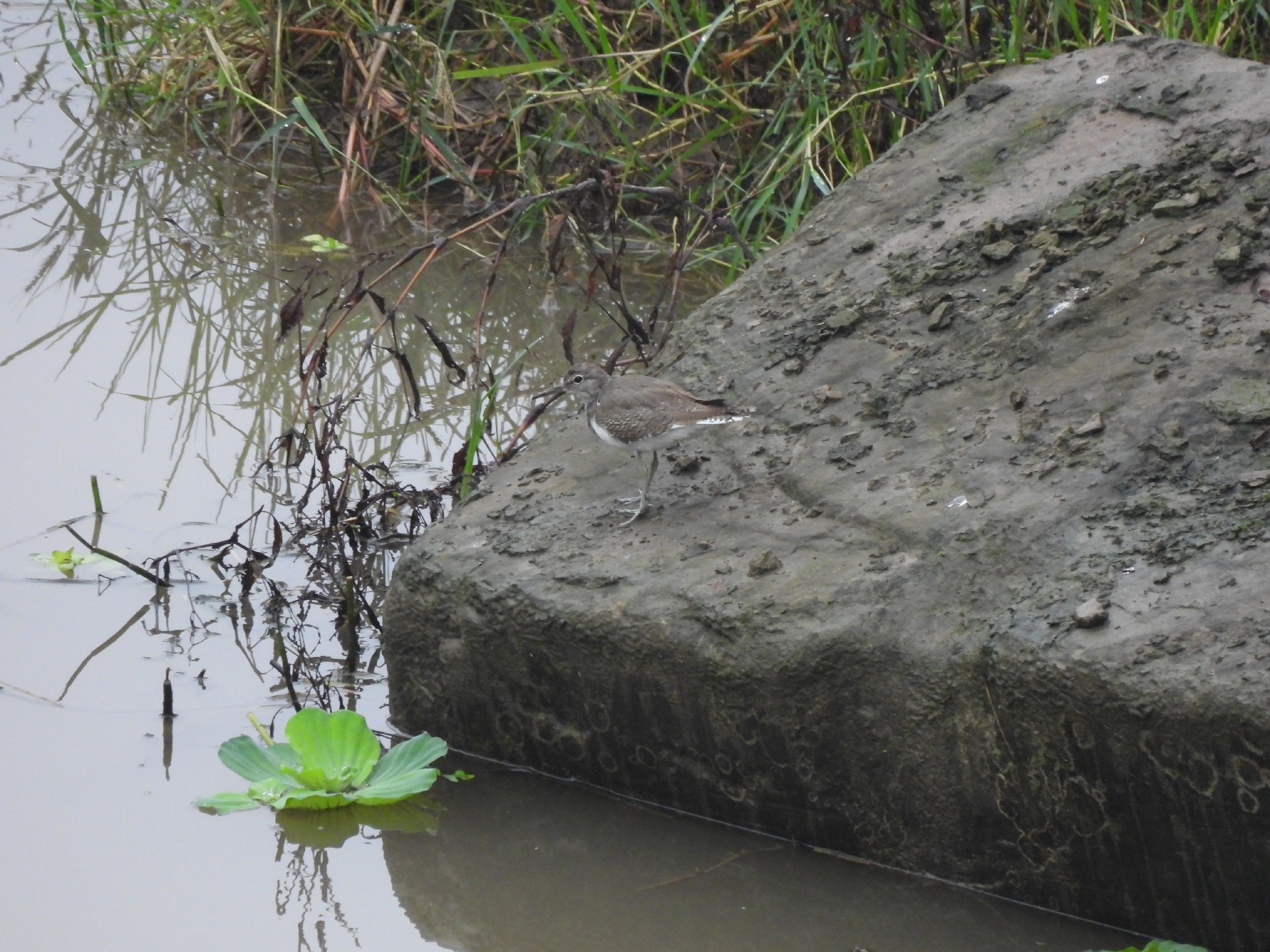
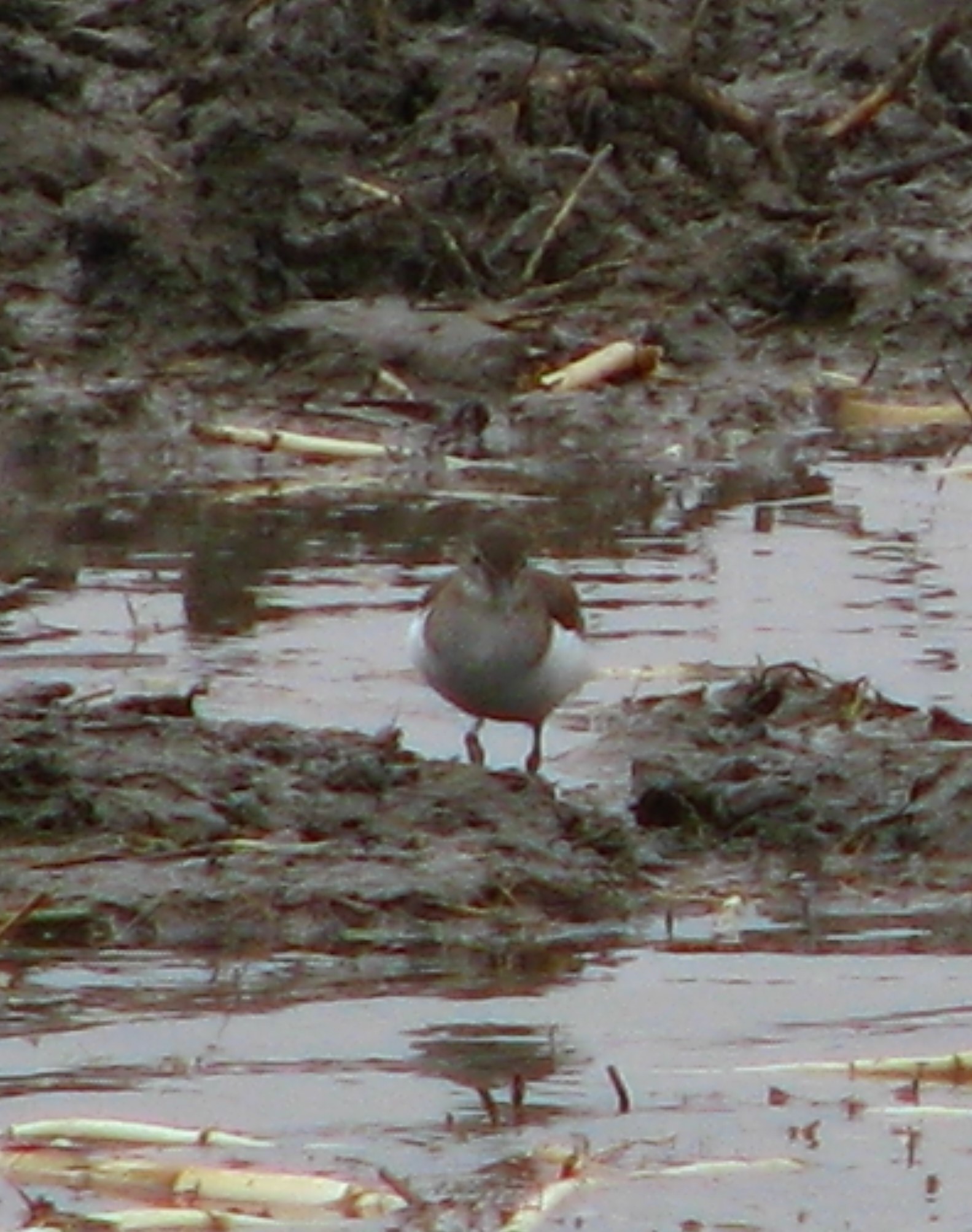
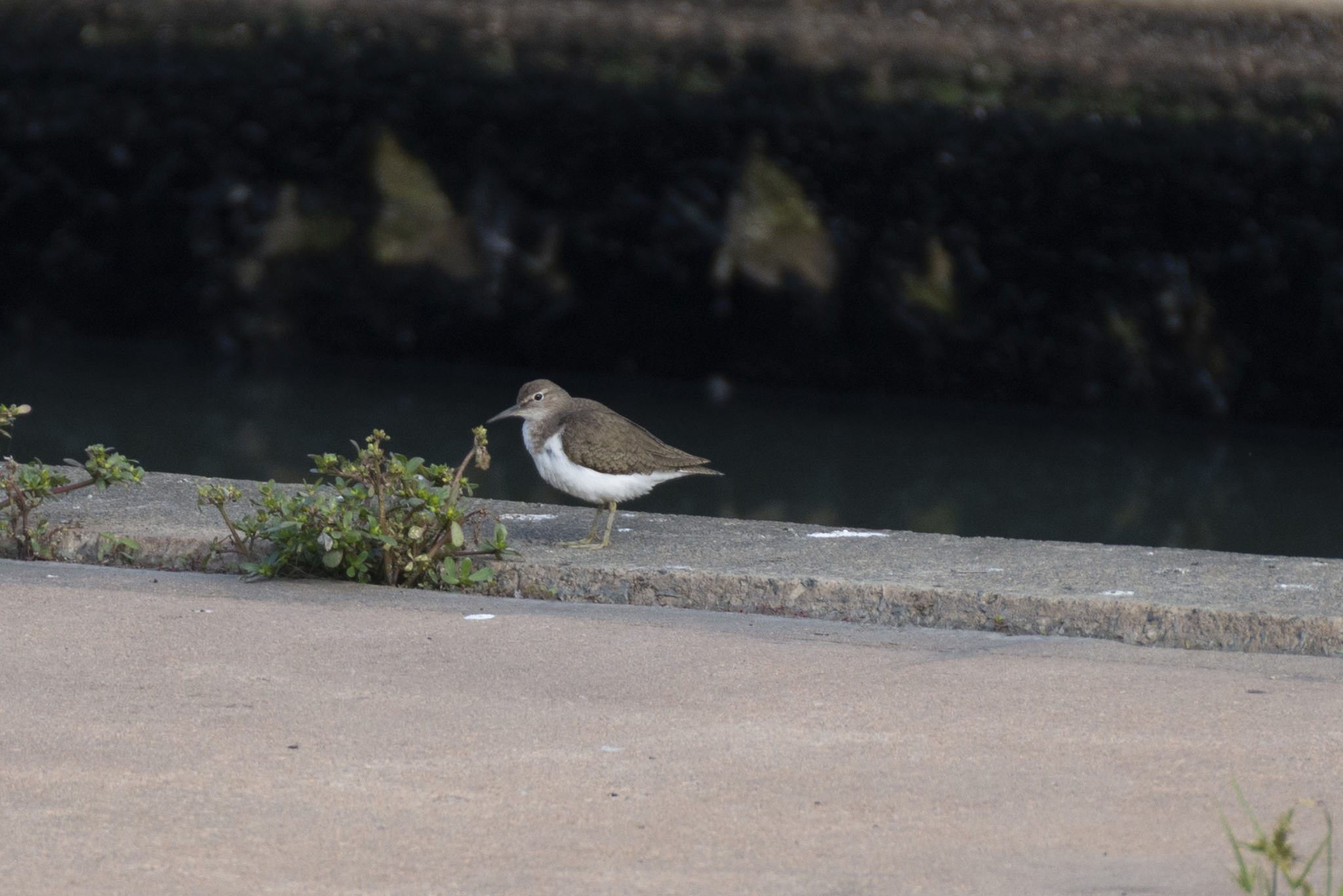
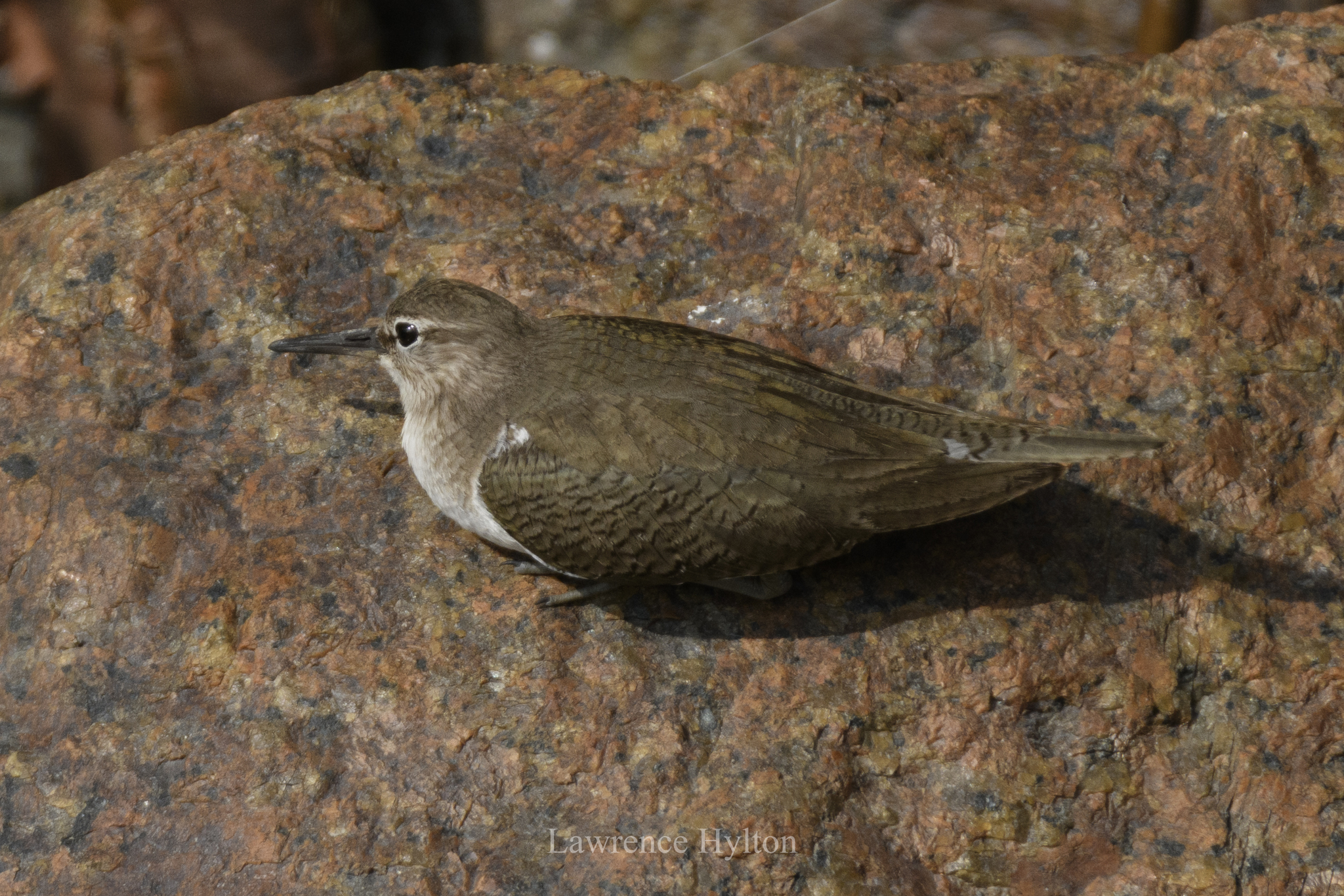
Adults are 18–20 cm (7.1–7.9 in) long with a 32–35 cm (13–14 in) wingspan. They have greyish-brown upperparts, white underparts, short dark-yellowish legs and feet, and a bill with a pale base and dark tip. Winter plumage is duller with conspicuous wing barring visible only at close range. Juveniles are more heavily barred above with buff edges to wing feathers.
Identification
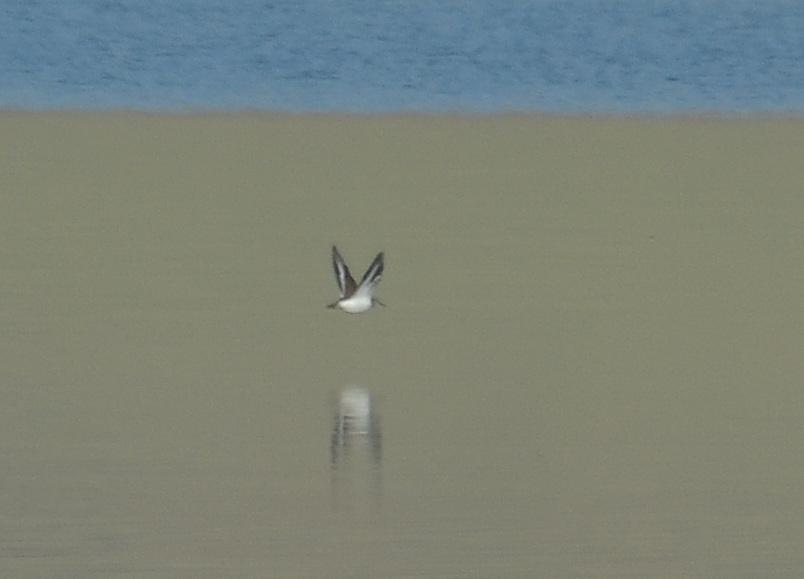
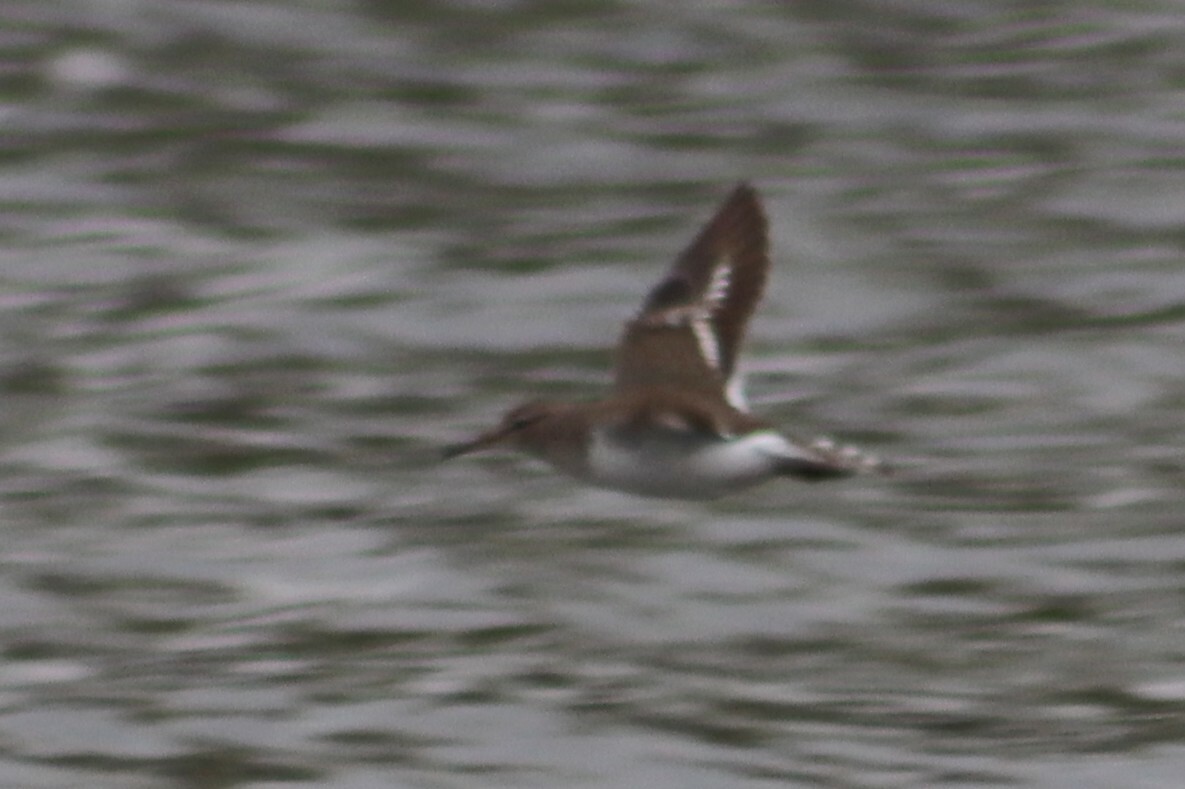
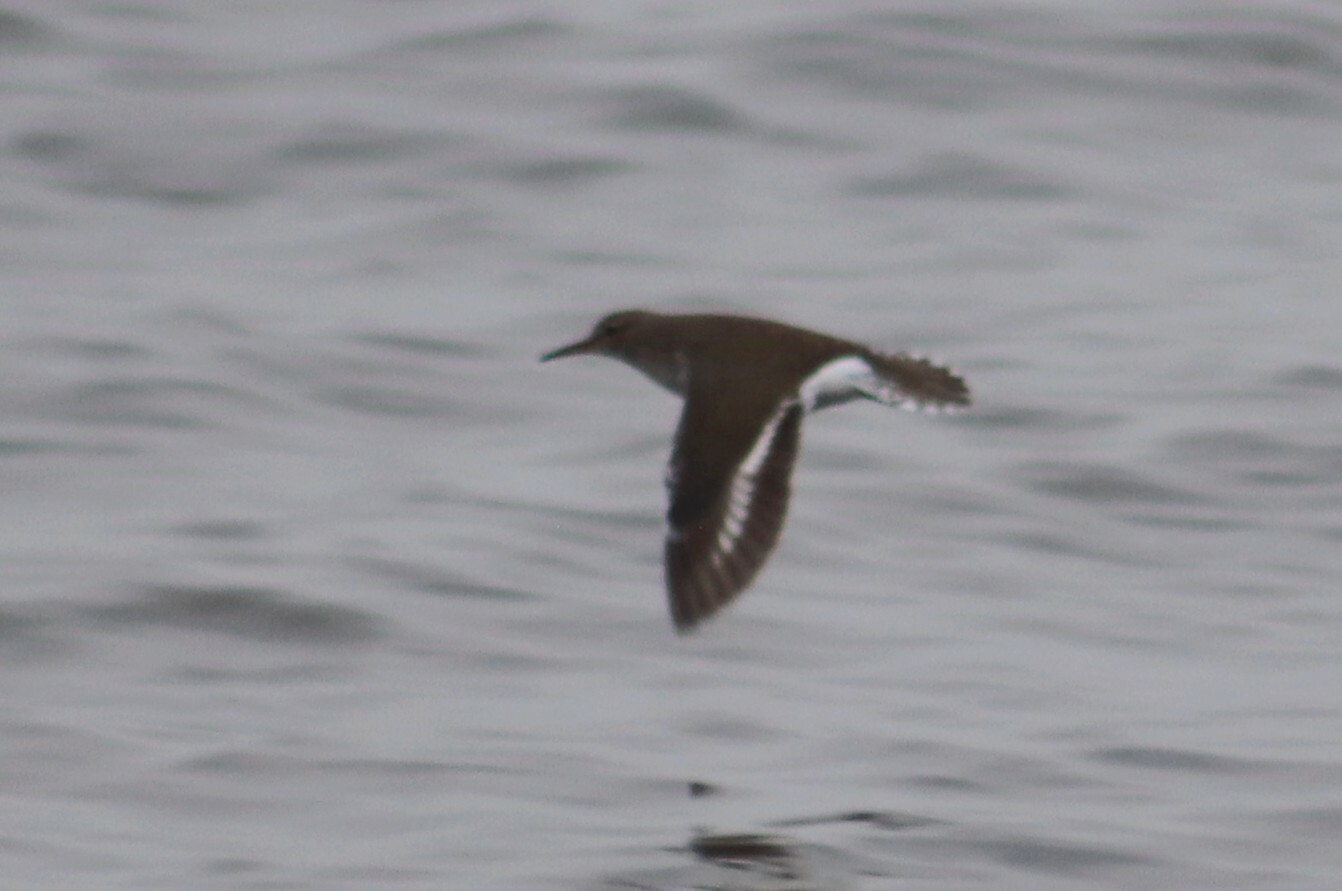
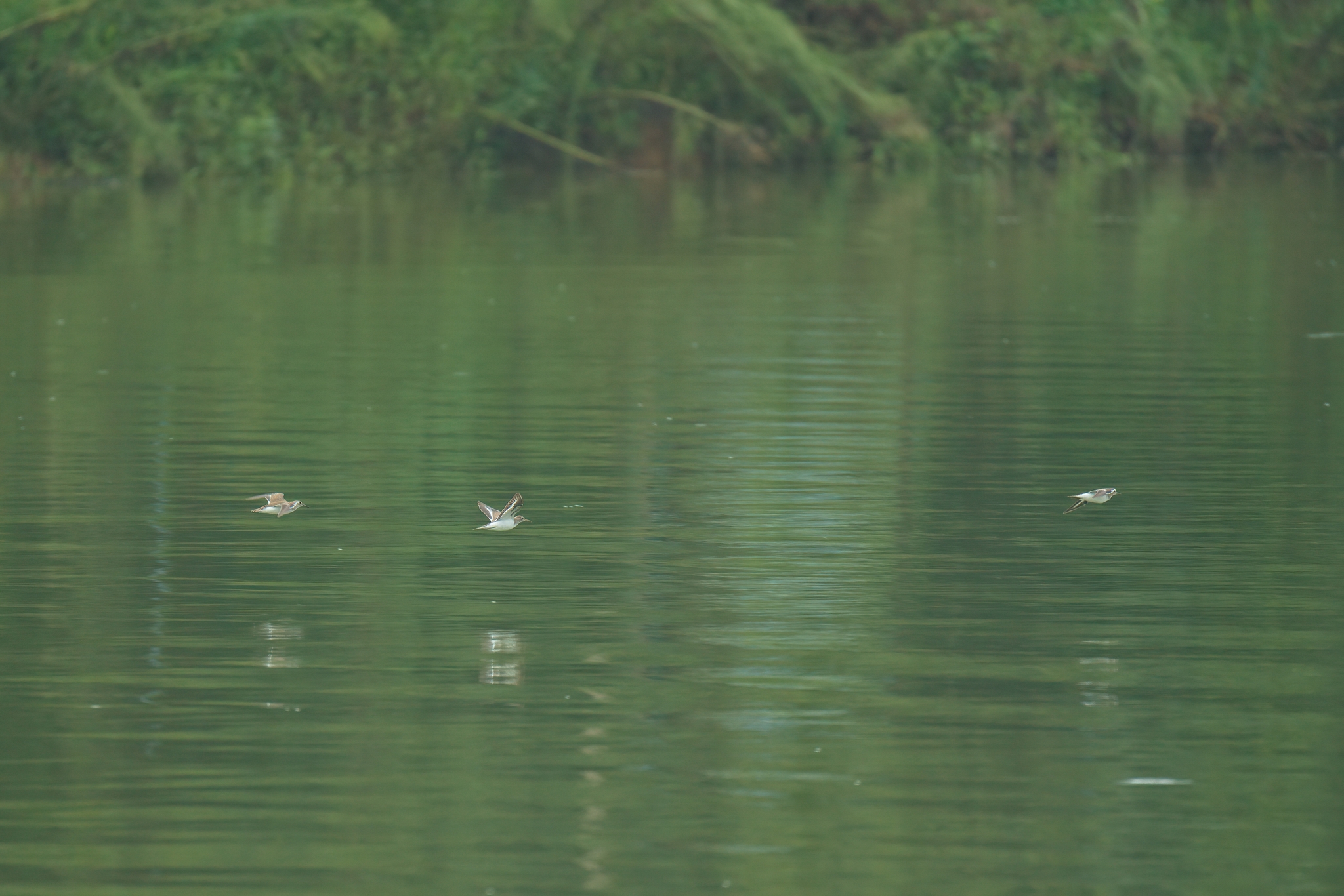
Similar to the slightly larger spotted sandpiper in non-breeding plumage but distinguished by darker legs and feet and a crisper wing pattern visible in flight. Exhibits a distinctive stiff-winged flight style low over the water.
Distribution & Habitat
Breeds across most of temperate and subtropical Europe and Asia. Migrates to Africa, southern Asia, and Australia in winter. The eastern migration route passes Palau in Micronesia, where hundreds may stop over before departing for breeding grounds between the last week of April and the first week of May. No subspecies are recognized.
Behavior & Ecology
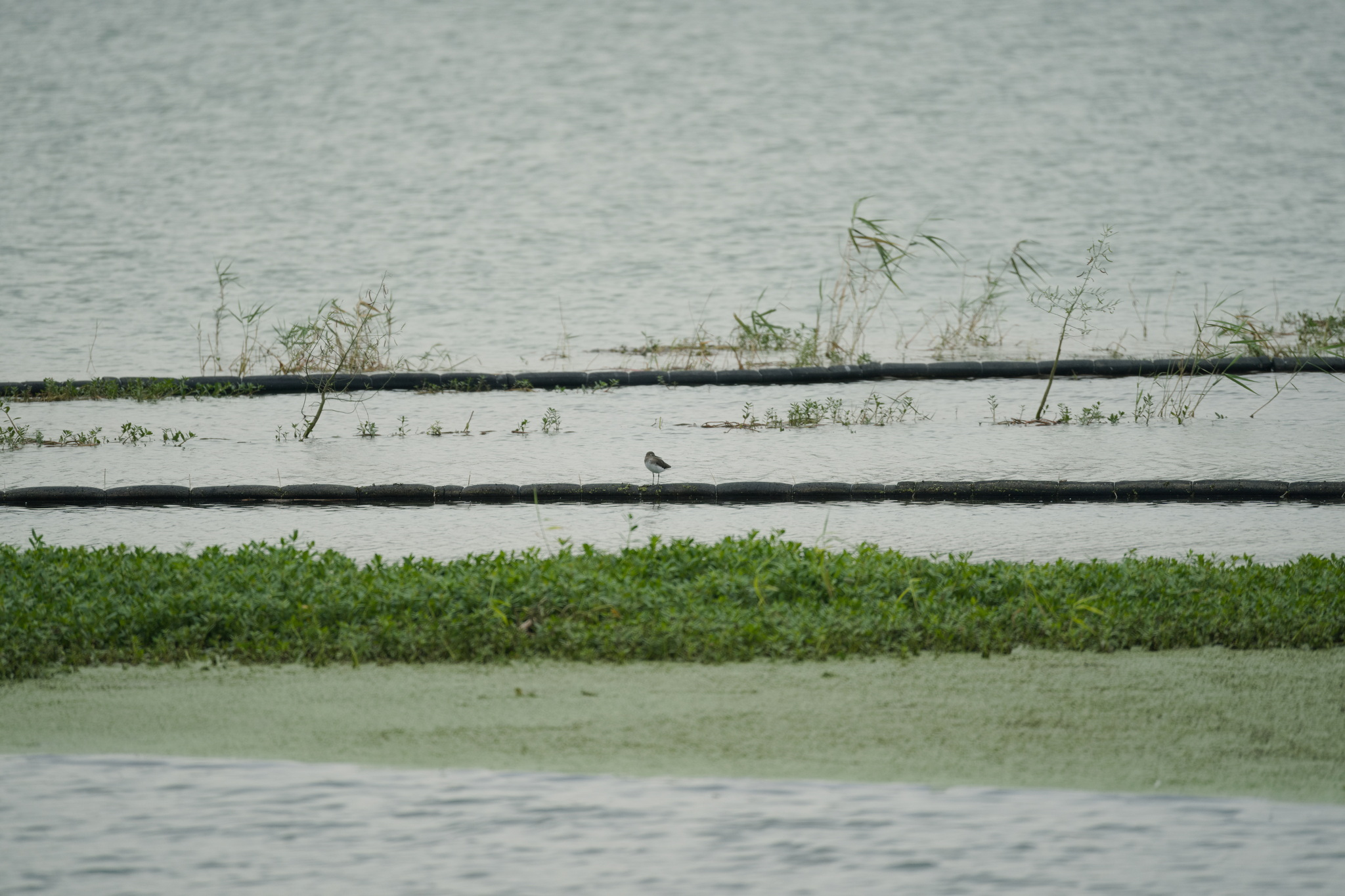
Usually encountered alone or in small groups, occasionally forming larger flocks during migration or at breeding roosts; seldom joins multispecies flocks. Nests on the ground near freshwater. Young may cling to the parent's body to be flown away when threatened. Forages by sight on the ground or in shallow water for insects, crustaceans, and other invertebrates, sometimes catching insects in flight. Characteristically performs pumping tail and thrusting head movements while foraging.
Conservation
Classified as Least Concern on the IUCN Red List due to being widespread and common, though considered vulnerable in some states of Australia. Included in the Agreement on the Conservation of African-Eurasian Migratory Waterbirds (AEWA).
Culture
In the Nukumanu language of Papua New Guinea, the species is called tiritavoi. Another name, matakakoni, meaning 'bird that walks a little, then copulates' in reference to its foraging movements, is considered taboo and not used around children and women.
Source: Wikipedia · CC BY-SA 3.0
Taxonomy
- Order
- Charadriiformes
- Family
- Scolopacidae
- Genus
- Actitis
Distribution
breeds inland waterbody margins from British Isles and Scandinavia eastward to Chukotskiy Peninsula (northeastern Russia), in south from Iberian Peninsula across Caucasus to Kashmir (northwestern Himalayas), northeastern China, and Japan; winters from southwestern Europe and Africa eastward to Melanesia and Micronesia
Data Sources
Species description from Wikipedia, licensed under CC BY-SA 3.0.
Bird images and sounds sourced from GBIF, contributed by citizen scientists worldwide under Creative Commons licenses.
Taxonomy data from AviList 2025.