Common Sandpiper
Actitis hypoleucos
矶鹬
Introduction
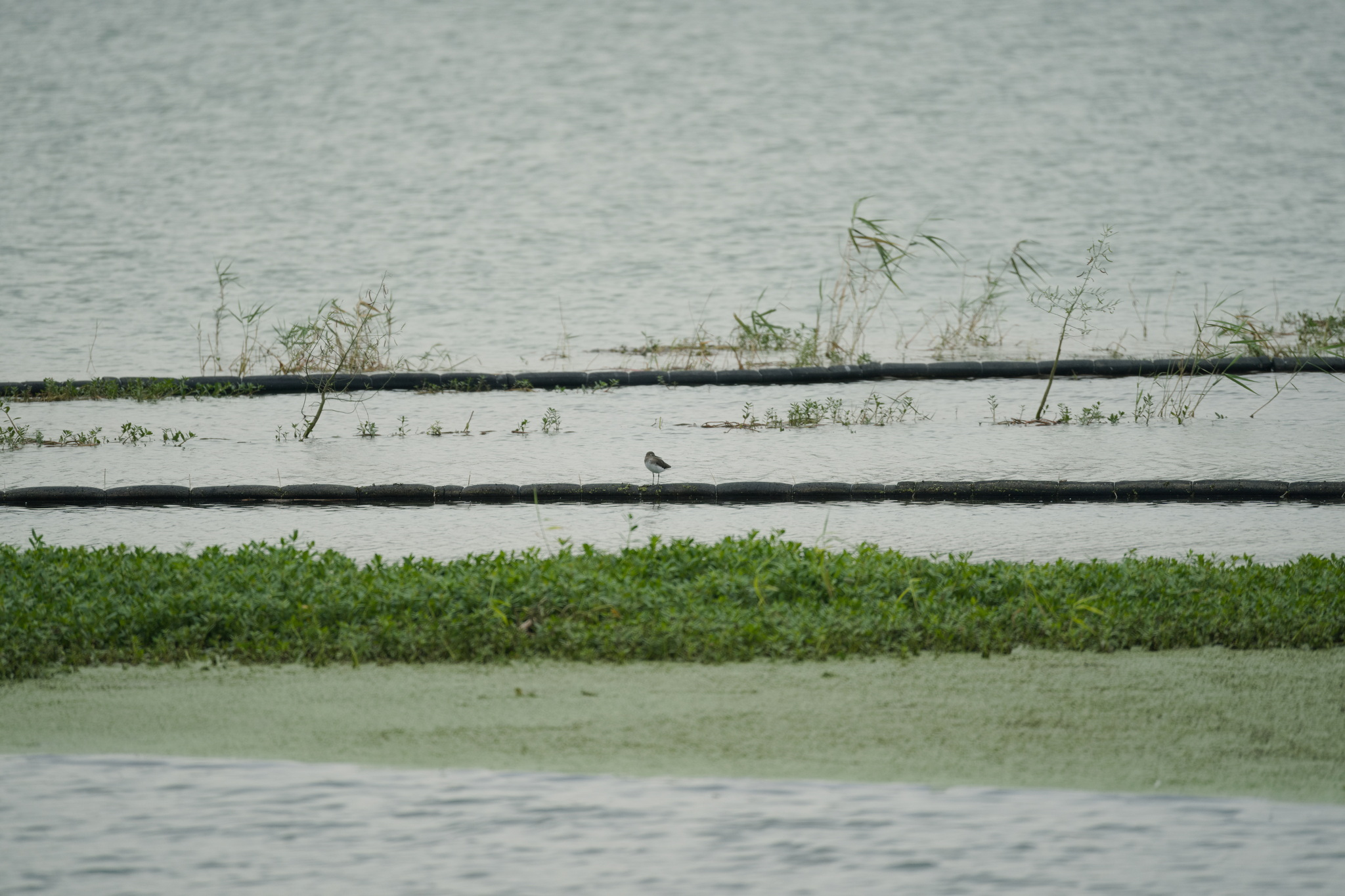
Small Palearctic wader. Breeds across Europe and Asia along freshwater habitats. Winters from Africa to Australia. Characterized by continuous tail-pumping and jerky head movements while foraging along muddy shores and shallow waters. Forms a transatlantic species pair with the spotted sandpiper (Actitis macularius); the two species are parapatric. Hybridizes occasionally with the green sandpiper (Tringa ochropus).
Description
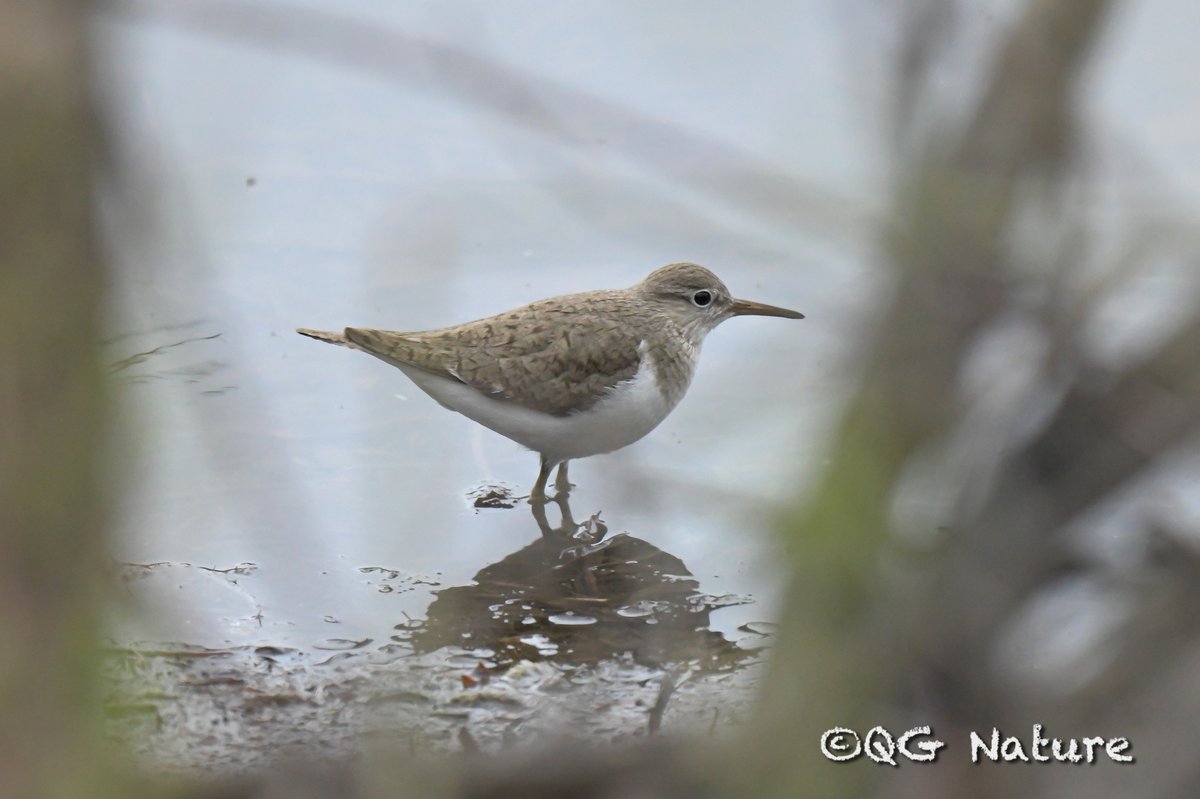
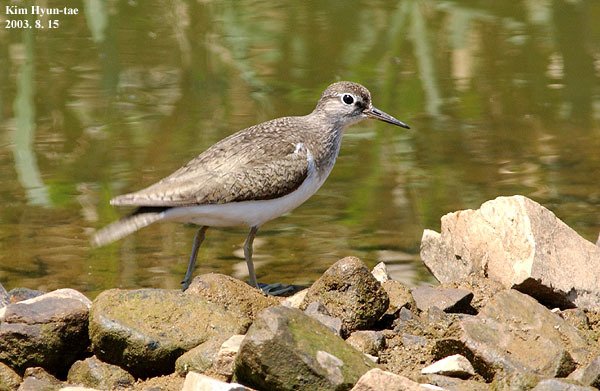
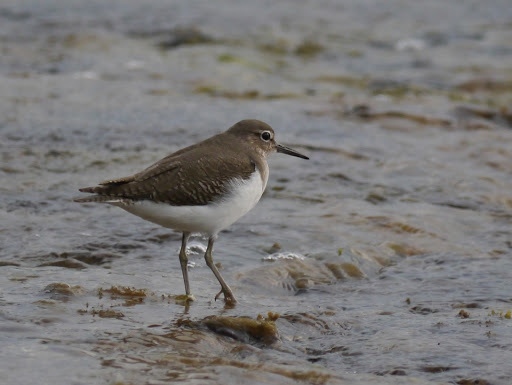
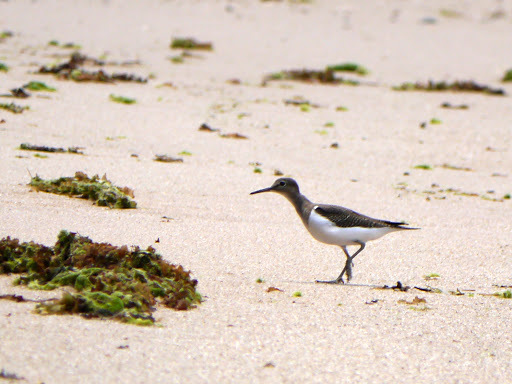
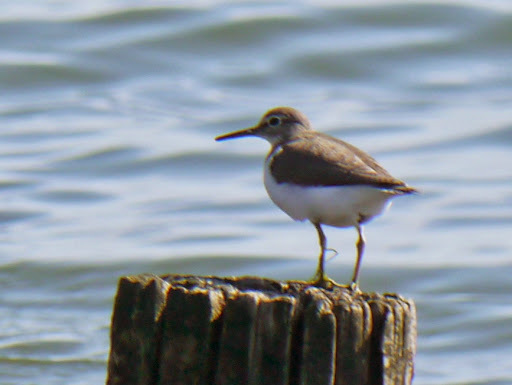
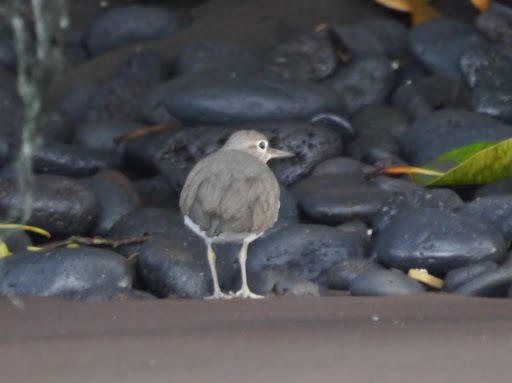
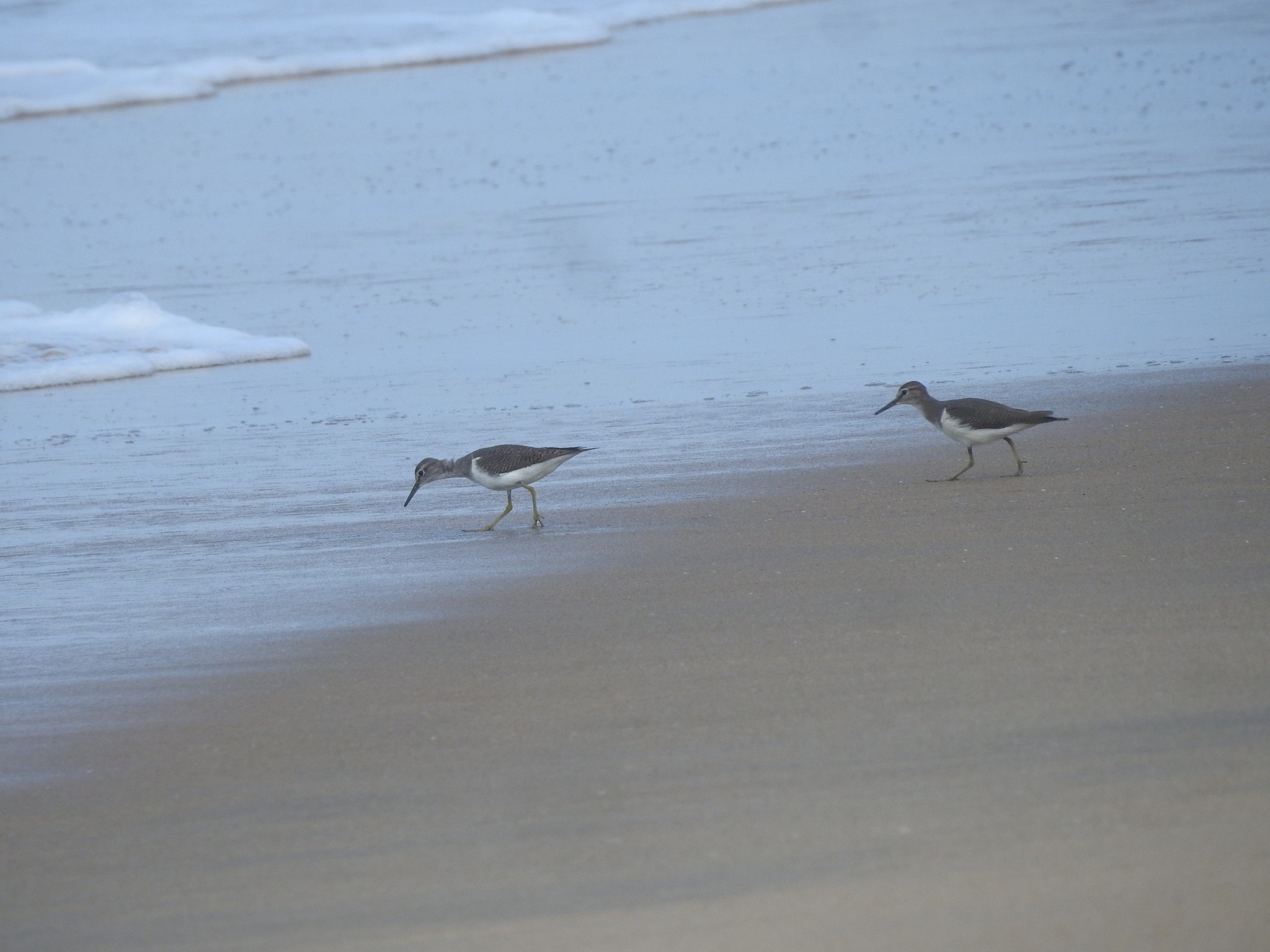
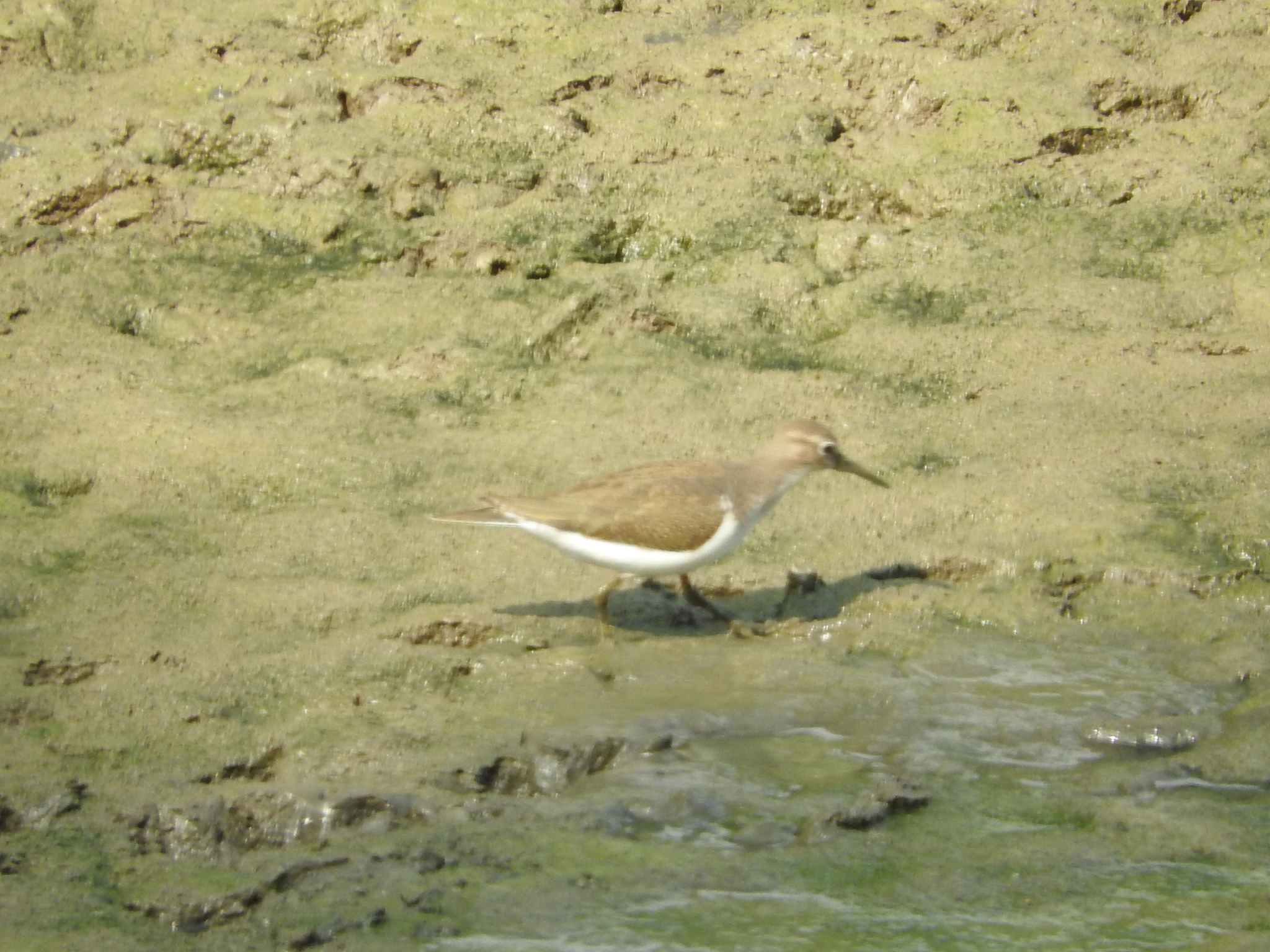
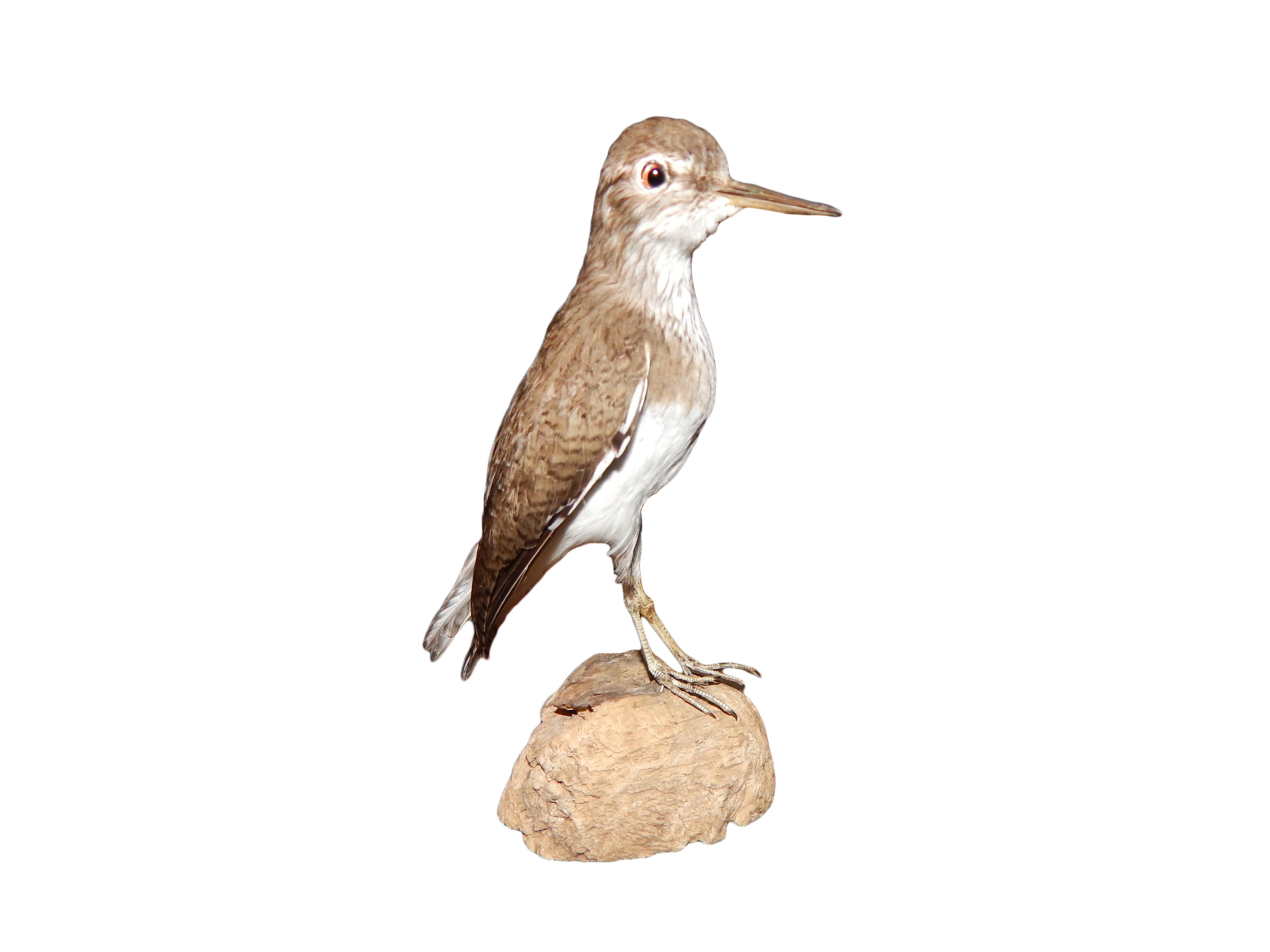
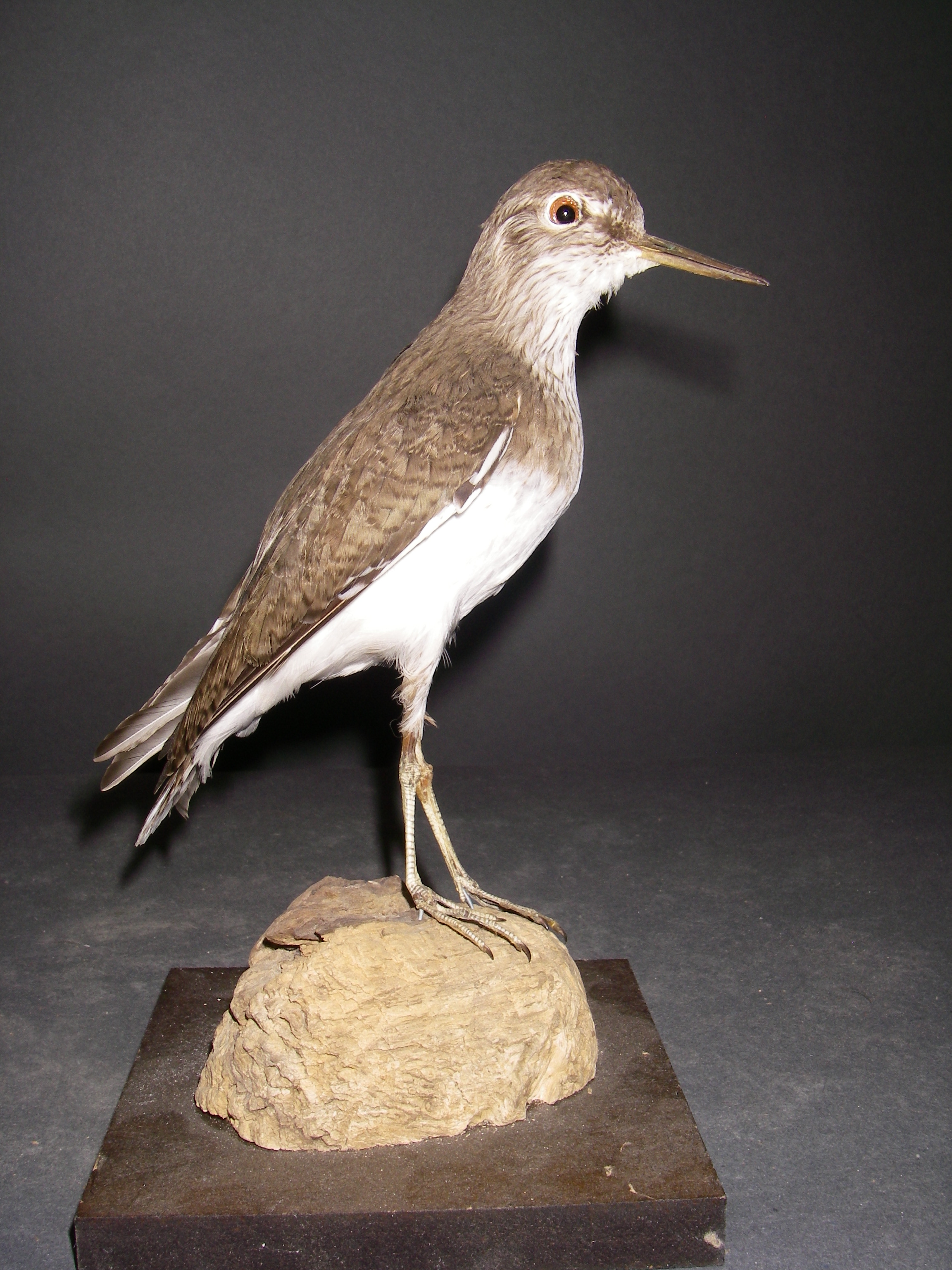
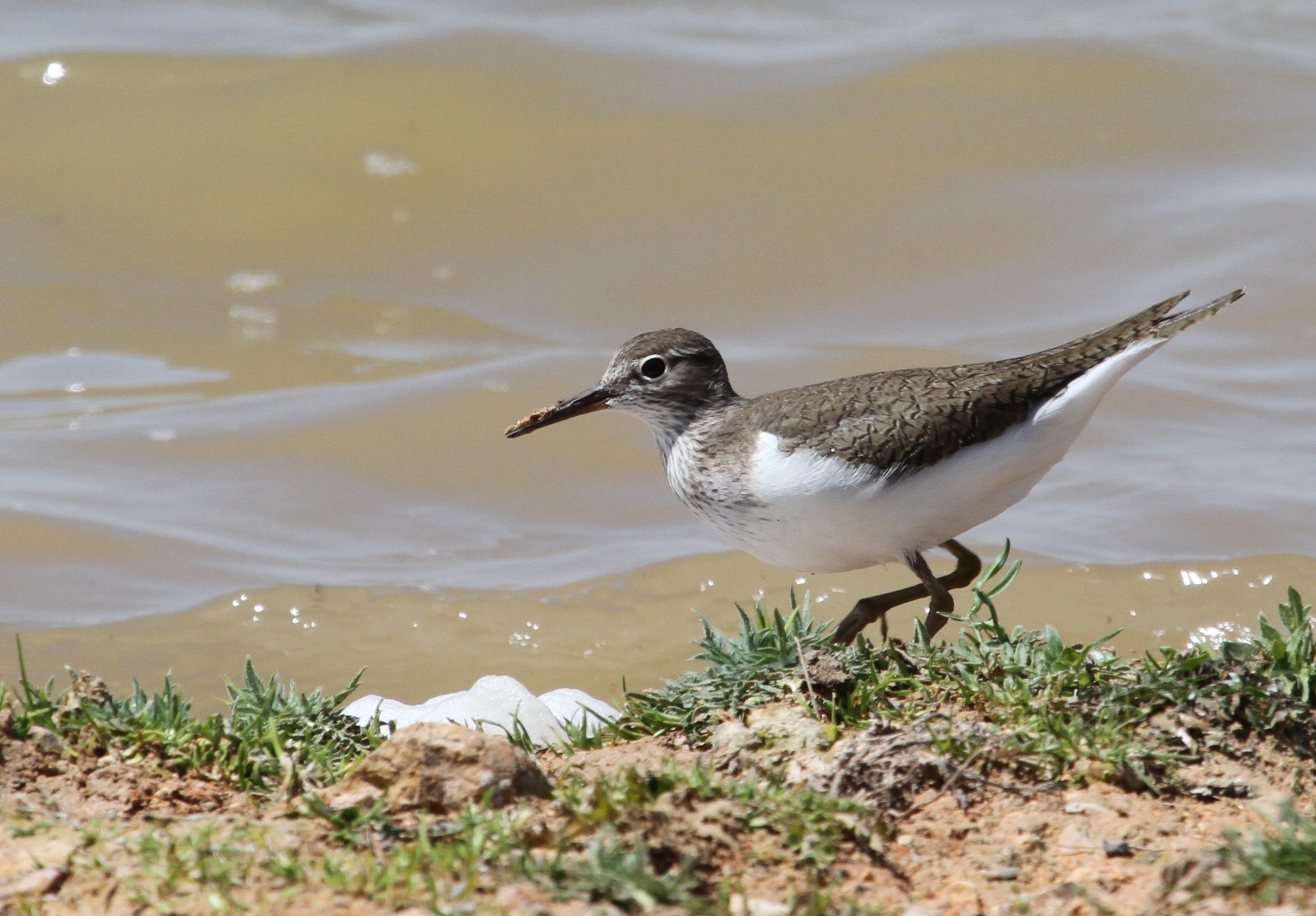
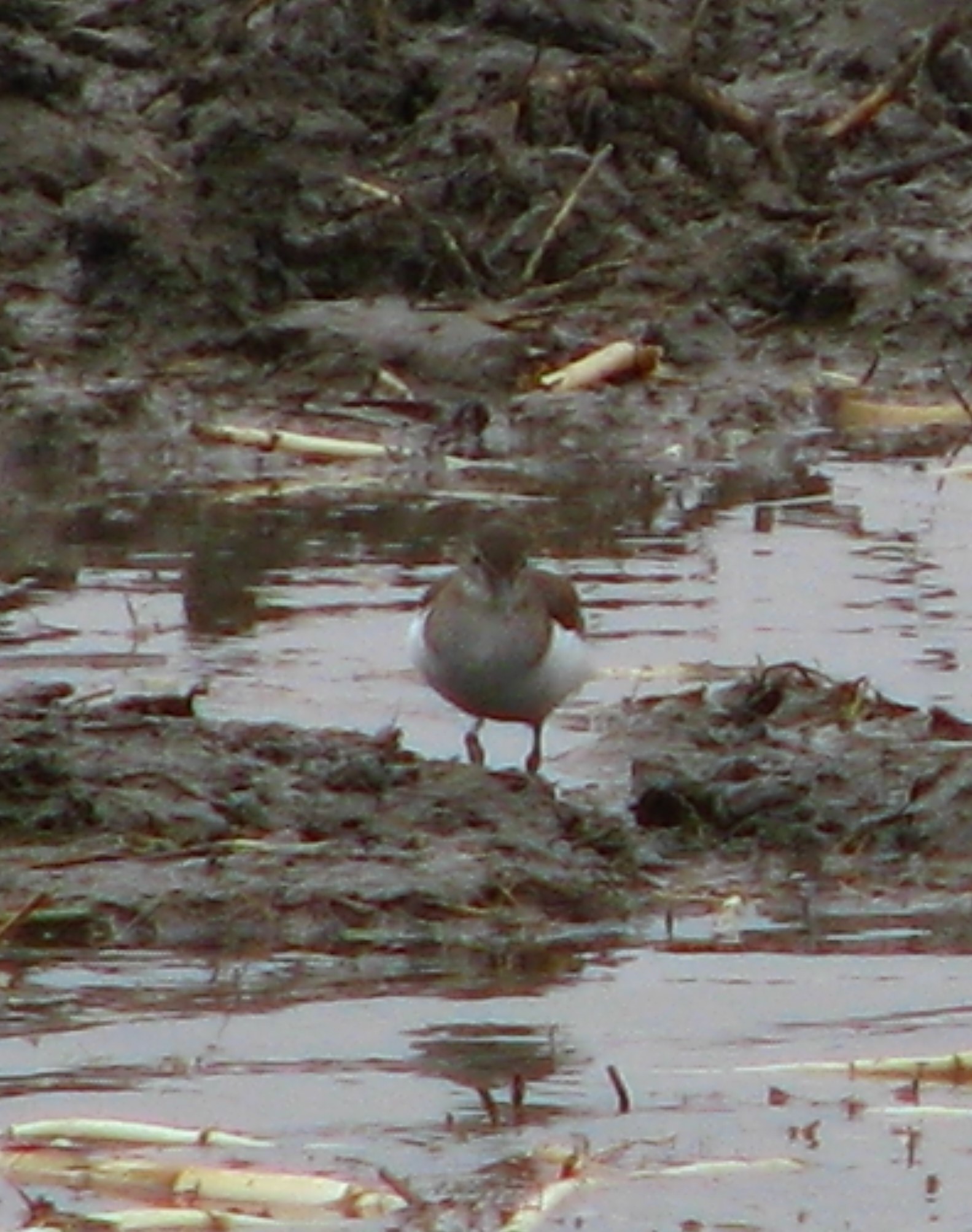
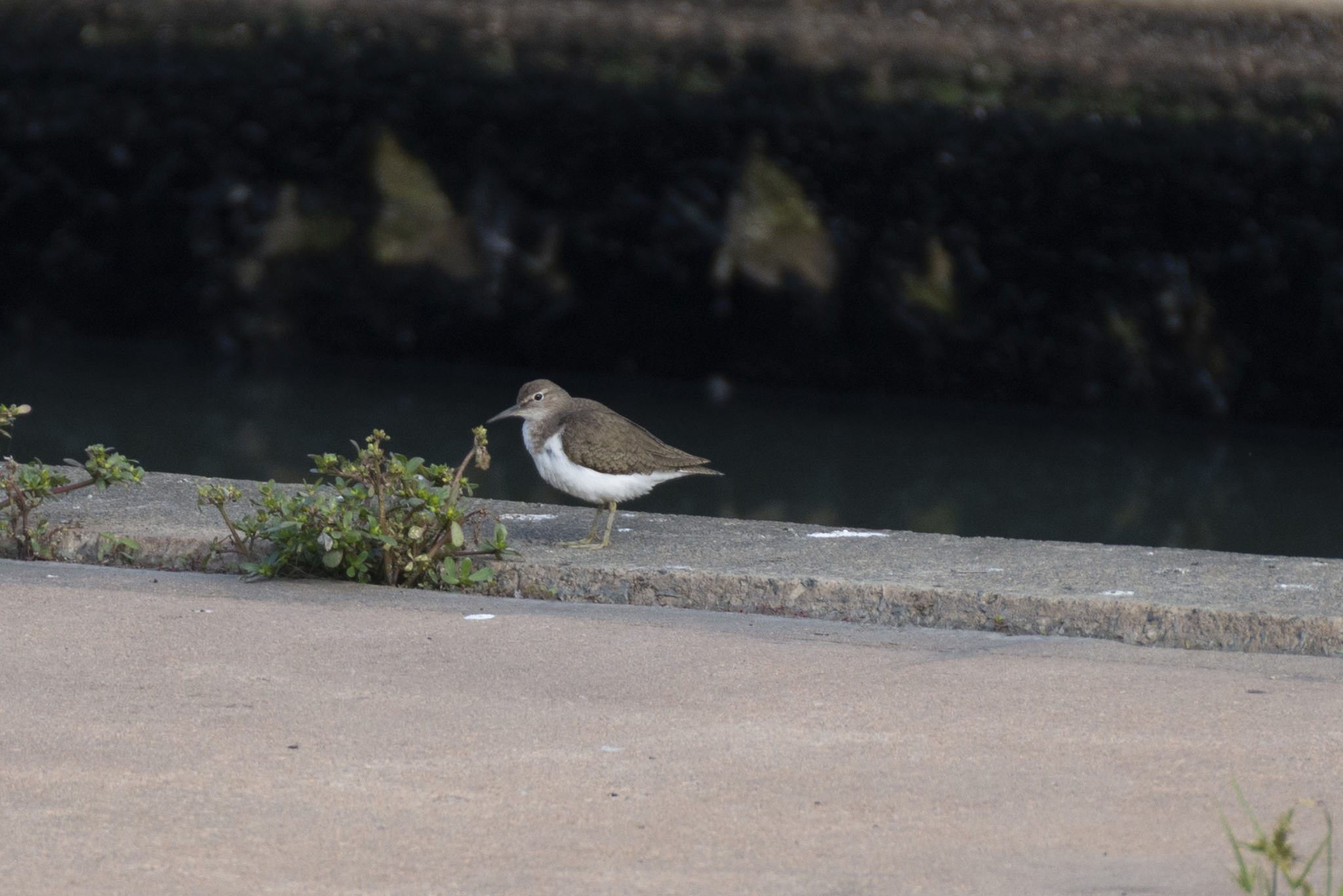
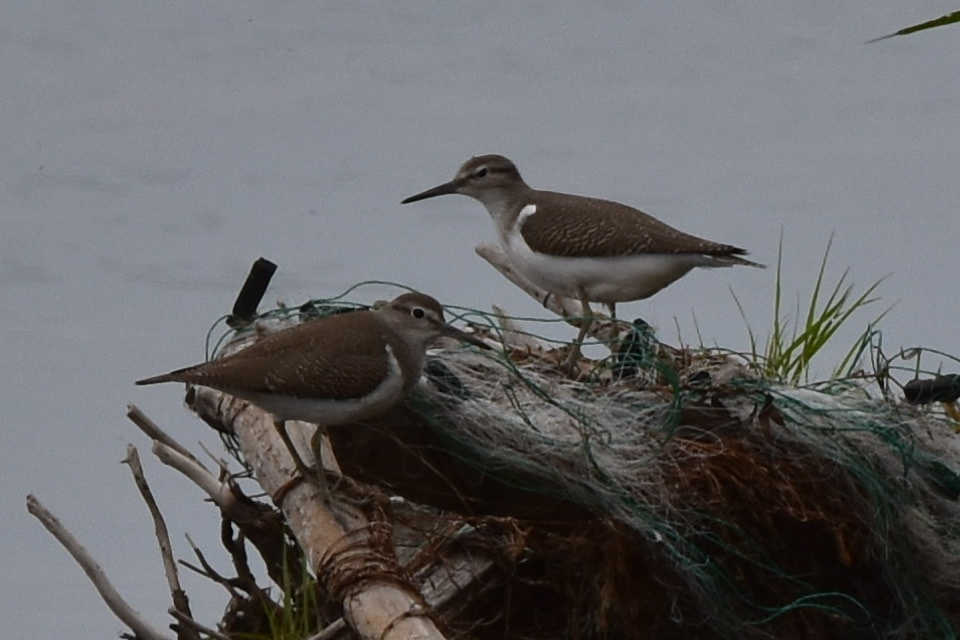
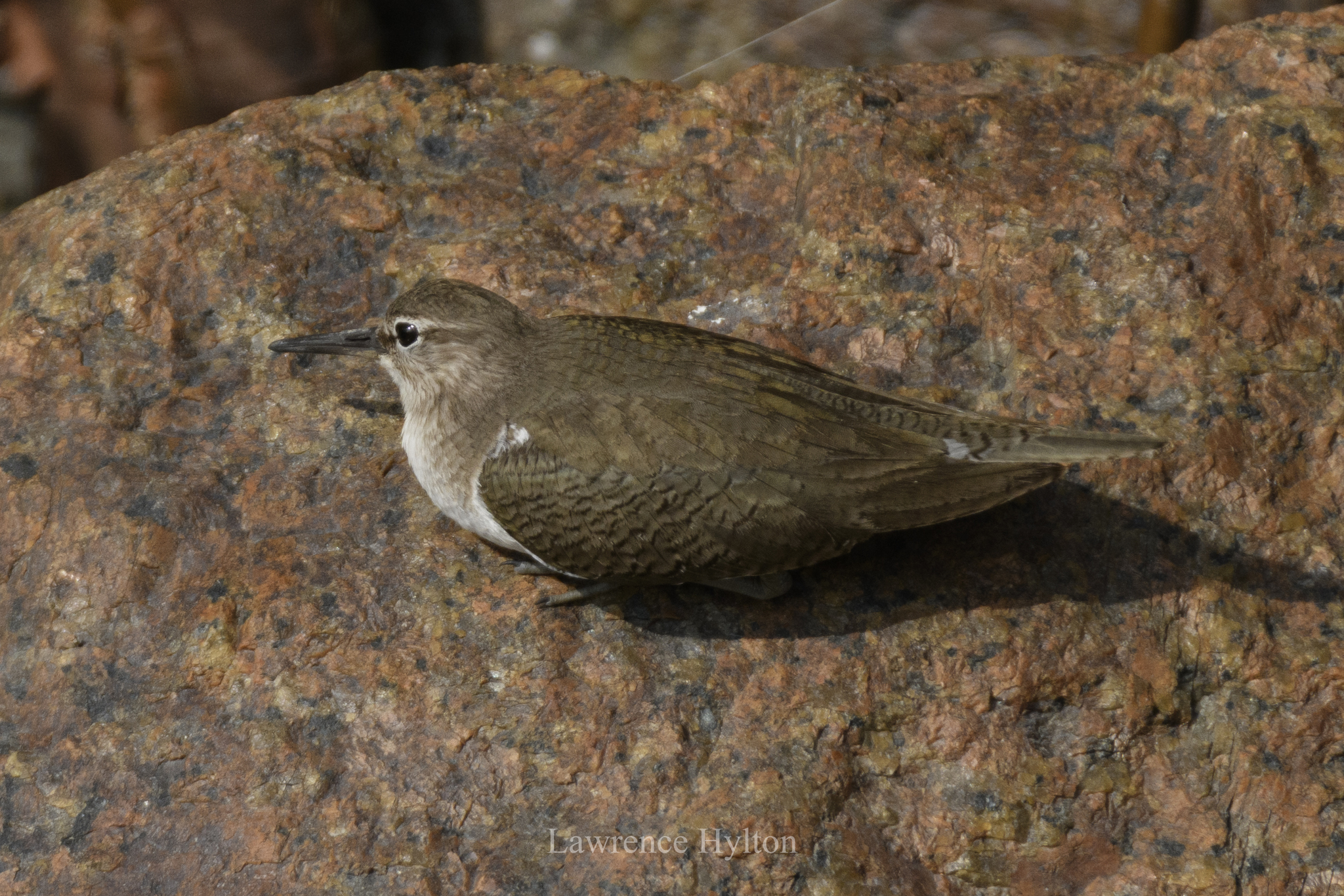
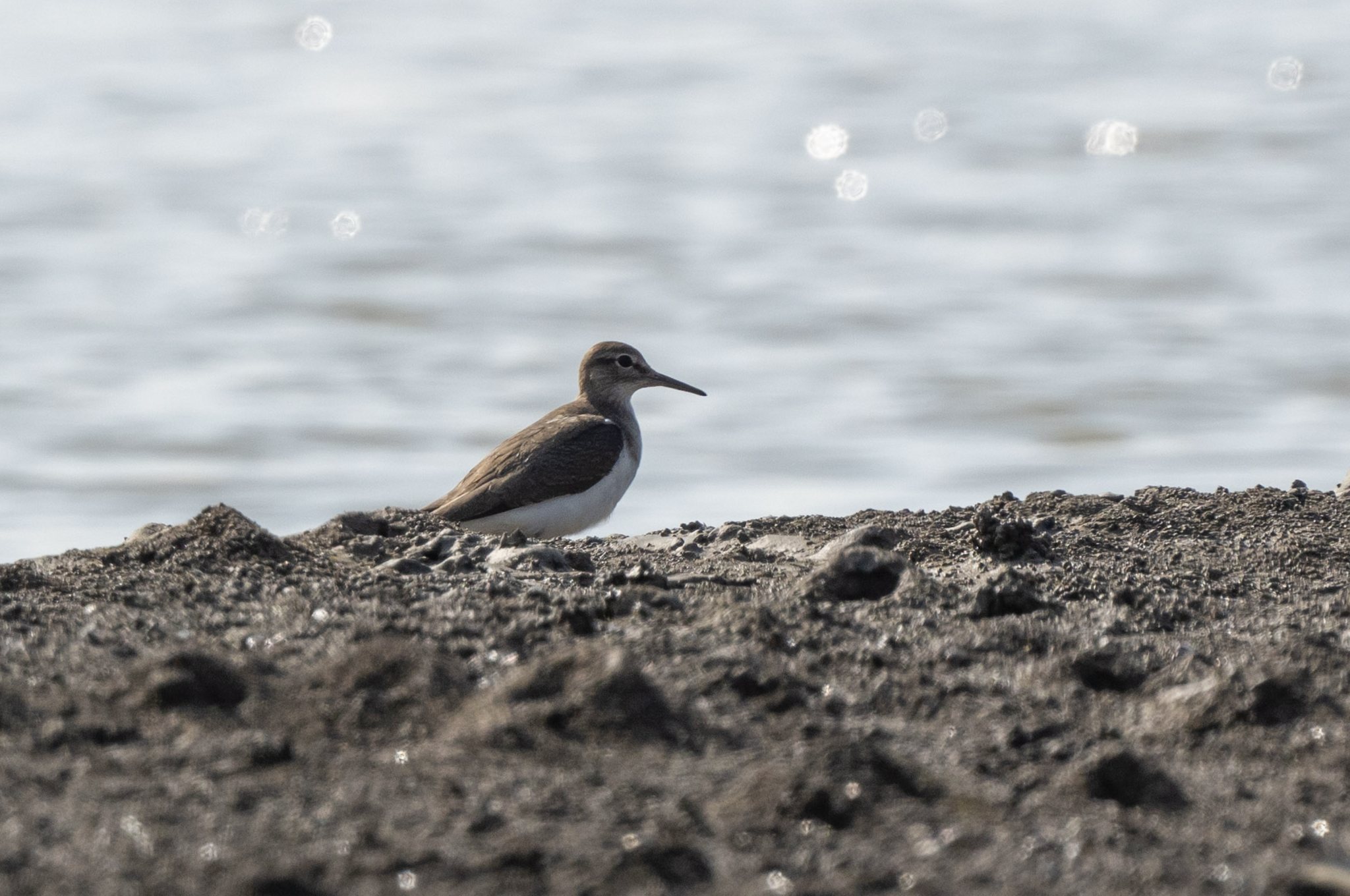
This compact sandpiper measures 18–20 cm in length with a wingspan of 32–35 cm. The upperparts are greyish-brown, contrasting with clean white underparts. Its most distinctive features include short dark-yellowish legs and feet and a bill that shows a pale base graduating to a dark tip. Winter plumage appears duller overall, with more visible barring on the wings—though this marking remains subtle and only apparent at close range. Juveniles can be distinguished by heavier barring on the upperparts and distinctive buff edges to their wing feathers, giving them a slightly scaly appearance compared to adults.
Identification
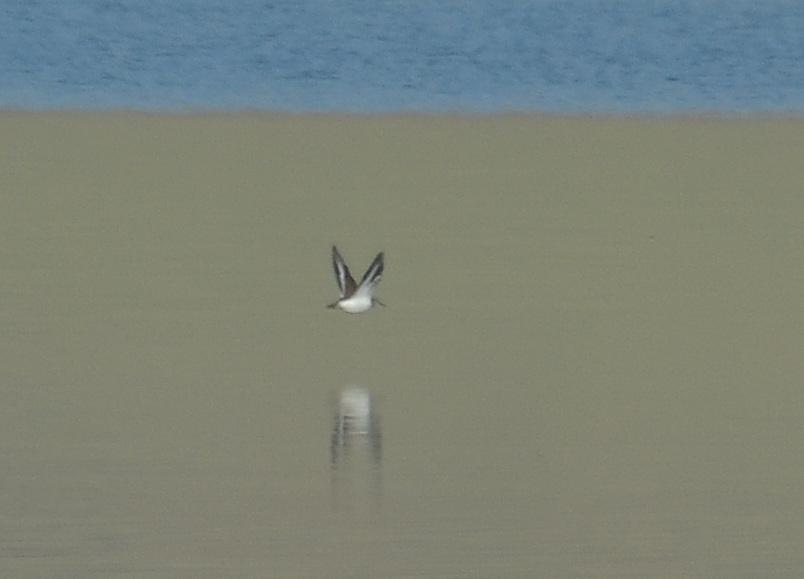
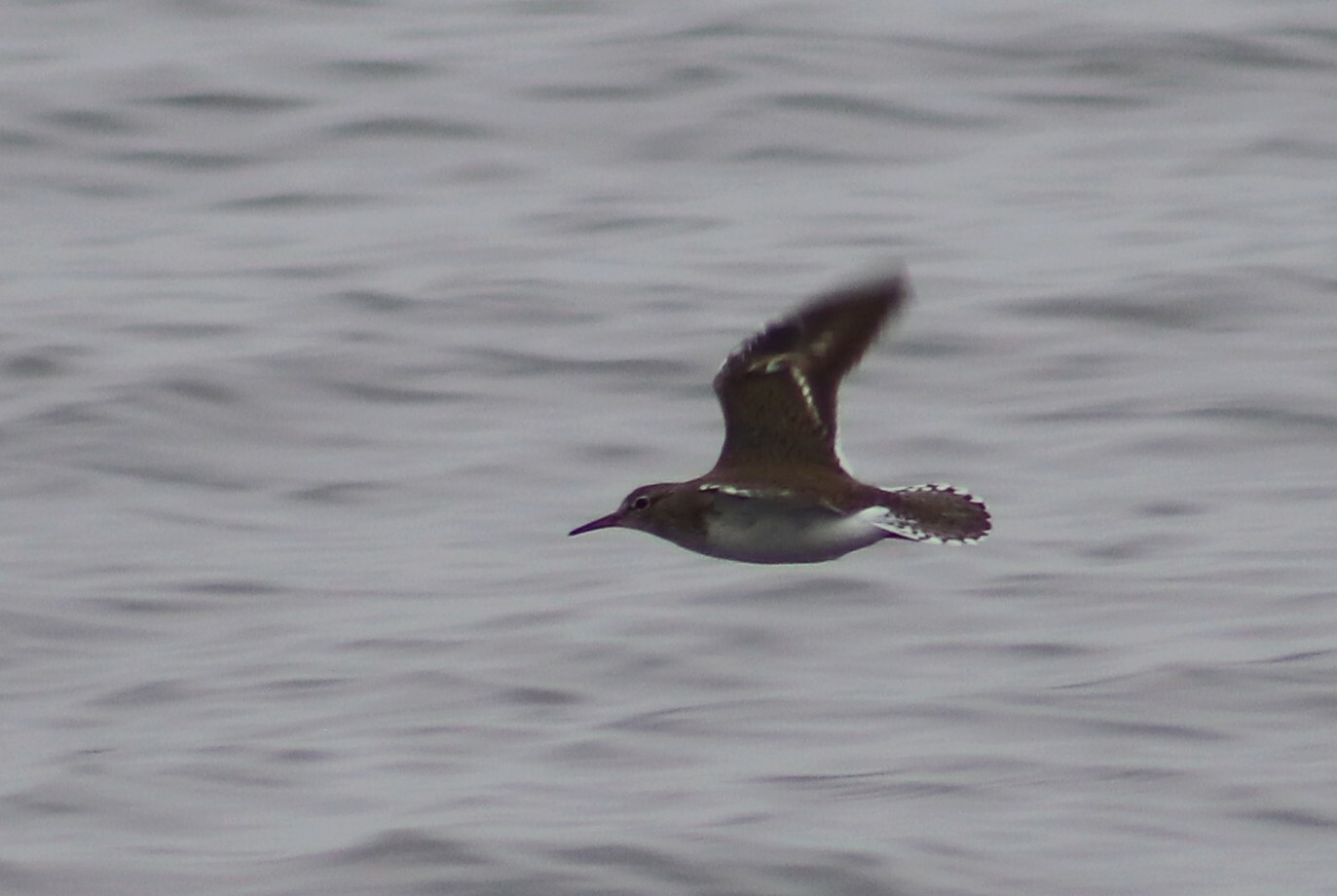
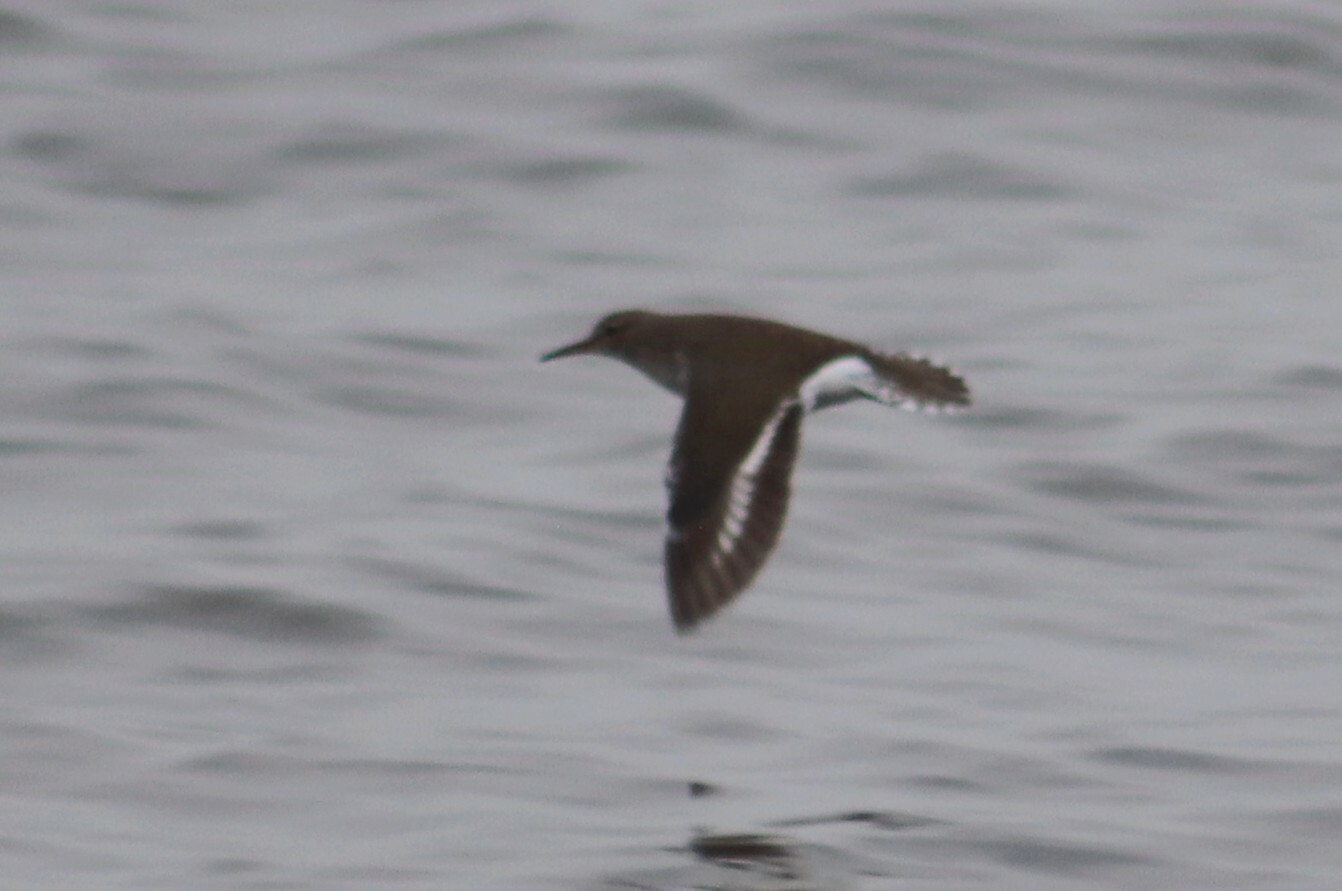
In non-breeding plumage, this species closely resembles the slightly larger spotted sandpiper, presenting a common identification challenge where their ranges overlap. The key distinguishing features are the darker legs and feet, which contrast with the yellowish legs of the spotted sandpiper. In flight, observers should look for a crisper wing pattern that helps separate these species. However, birdwatchers rarely face this confusion in the field since the two species are primarily allopatric—occurring on separate continents—and vagrants are uncommon.
Distribution & Habitat
This species breeds extensively across temperate and subtropical regions of Europe and Asia, occupying freshwater habitats near lakes, rivers, and wetlands. As a long-distance migrant, it journeys southward in autumn to wintering grounds spanning Africa, southern Asia, and Australia. The eastern migration route funnels many birds through Palau in Micronesia, where hundreds may gather at stop-over sites to refuel before continuing their journey. These flocks disperse from Palau to return to their breeding quarters between late April and early May.
Behavior & Ecology
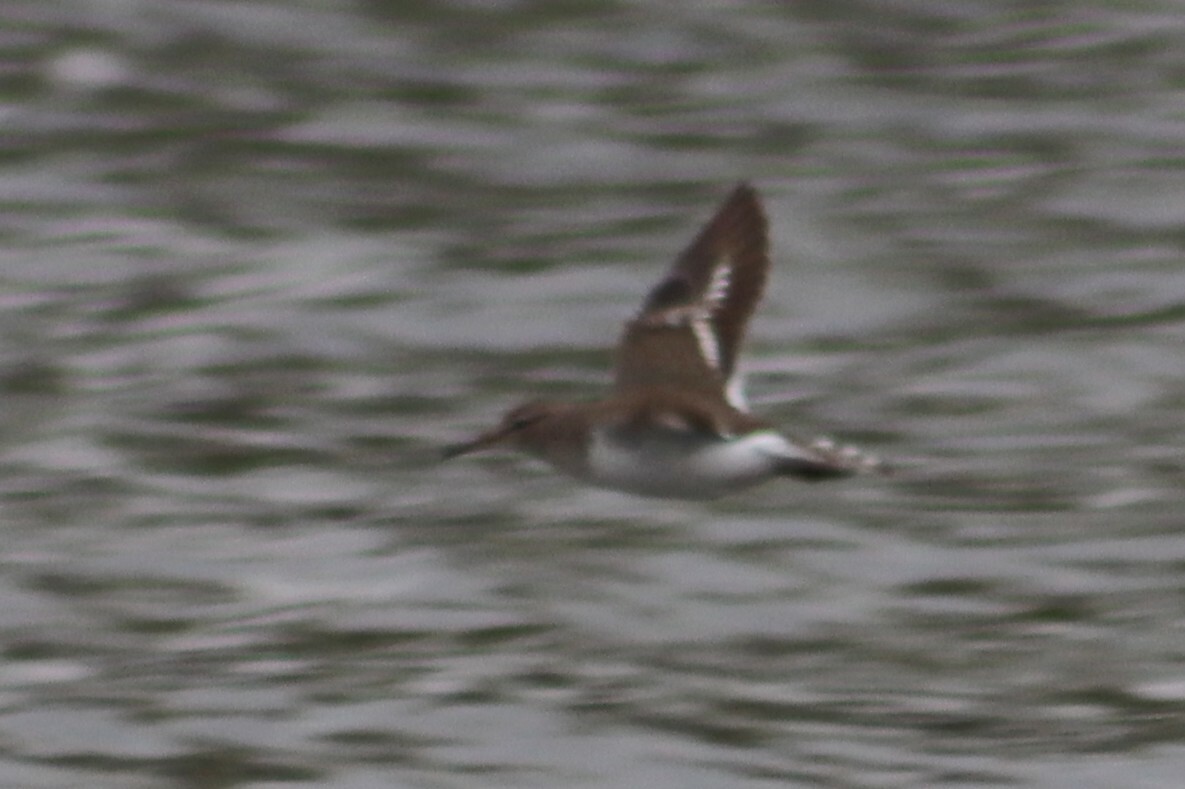
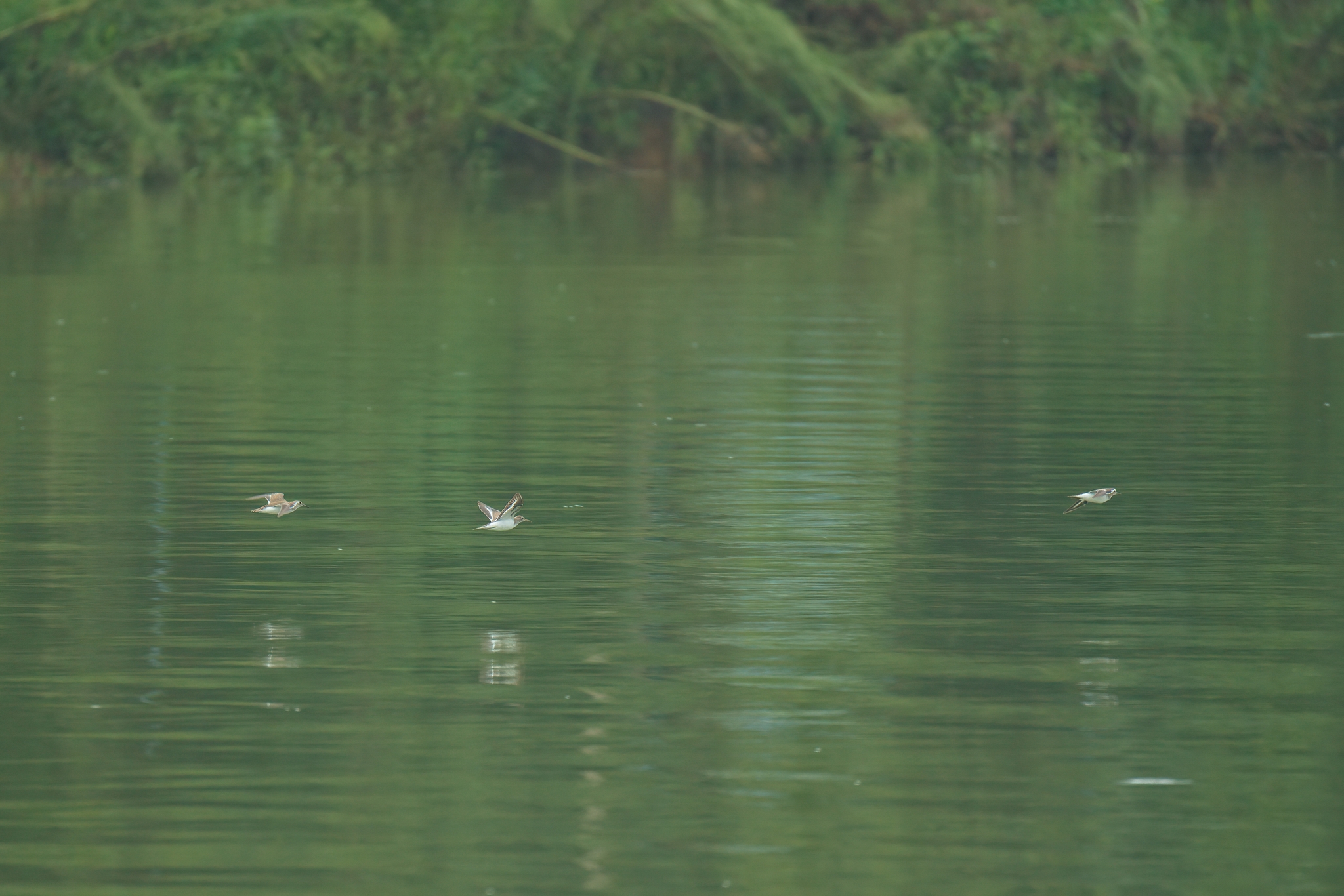
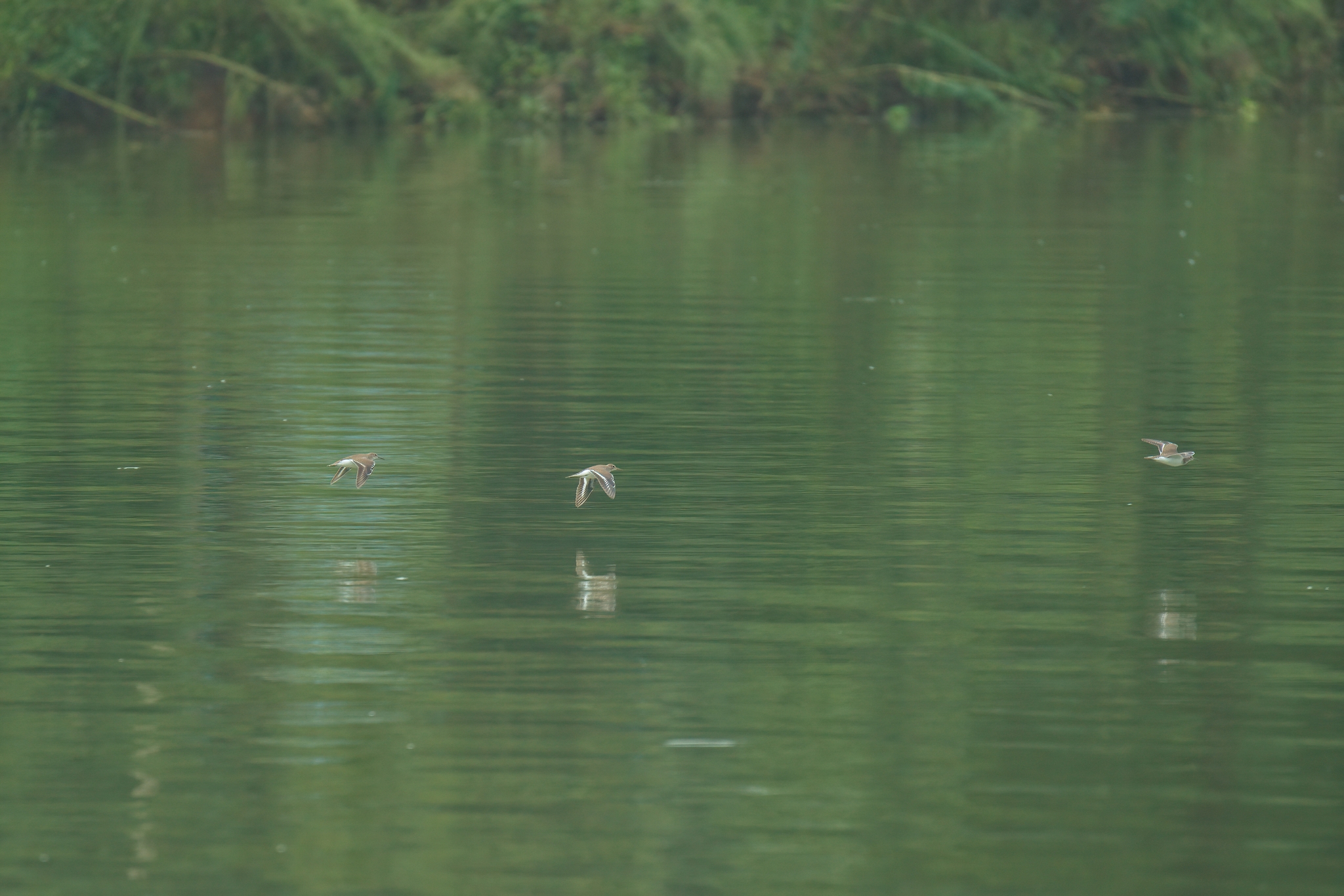
Birdwatchers typically encounter this species as solitary individuals or in small loose groups, though larger concentrations may form during migration periods or at communal roosts near breeding sites. Unlike many shorebirds, it rarely joins mixed-species flocks. Its flight is quite distinctive—stiff-winged and low-sweeping over the water, often described as bat-like in its movement. During the breeding season, nests are situated on the ground close to freshwater sources. When danger threatens, chicks have a remarkable survival behavior: they cling to their parent's body and are carried to safety. The species forages actively by sight in shallow water or on muddy substrates, picking up small invertebrates including insects and crustaceans, and occasionally hawk flying insects mid-air.
Conservation
The species maintains a broad global distribution and large population, earning it a status of Least Concern on the IUCN Red List. Despite this favorable assessment overall, conservation concerns exist at regional levels—it is classified as vulnerable in certain Australian states where local populations face pressures. International protection measures apply through the Agreement on the Conservation of African-Eurasian Migratory Waterbirds, which aims to protect migratory waterbird habitats and populations across the species' vast flyway.
Culture
In the Nukumanu language of the Nukumanu Islands of Papua New Guinea, this bird is known as tiritavoi. However, a second name—matakakoni—exists that carries significant cultural restrictions. This term, which translates roughly to 'bird that walks a little, then copulates,' references the species' characteristic pumping tail and thrusting head movements during foraging. Due to its explicit meaning, this name is considered somewhat taboo and is avoided in the presence of children and women, demonstrating how behavioral observations of birds can become embedded in cultural linguistic practices.
Source: Wikipedia · CC BY-SA 3.0
Taxonomy
- Order
- Charadriiformes
- Family
- Scolopacidae
- Genus
- Actitis
- eBird Code
- comsan
Distribution
breeds inland waterbody margins from British Isles and Scandinavia eastward to Chukotskiy Peninsula (northeastern Russia), in south from Iberian Peninsula across Caucasus to Kashmir (northwestern Himalayas), northeastern China, and Japan; winters from southwestern Europe and Africa eastward to Melanesia and Micronesia
Data Sources
Species description from Wikipedia, licensed under CC BY-SA 3.0.
Bird images and sounds sourced from GBIF, contributed by citizen scientists worldwide under Creative Commons licenses.
Taxonomy data from AviList 2025.