Passeriformes / Acrocephalidae / Acrocephalus
Oriental Reed Warbler
Acrocephalus orientalis · 东方大苇莺
Introduction
A passerine bird of eastern Asia belonging to the genus Acrocephalus, formerly classified as a subspecies of the great reed warbler. It breeds mainly in reedbeds and forages for insects and other invertebrates.
Description
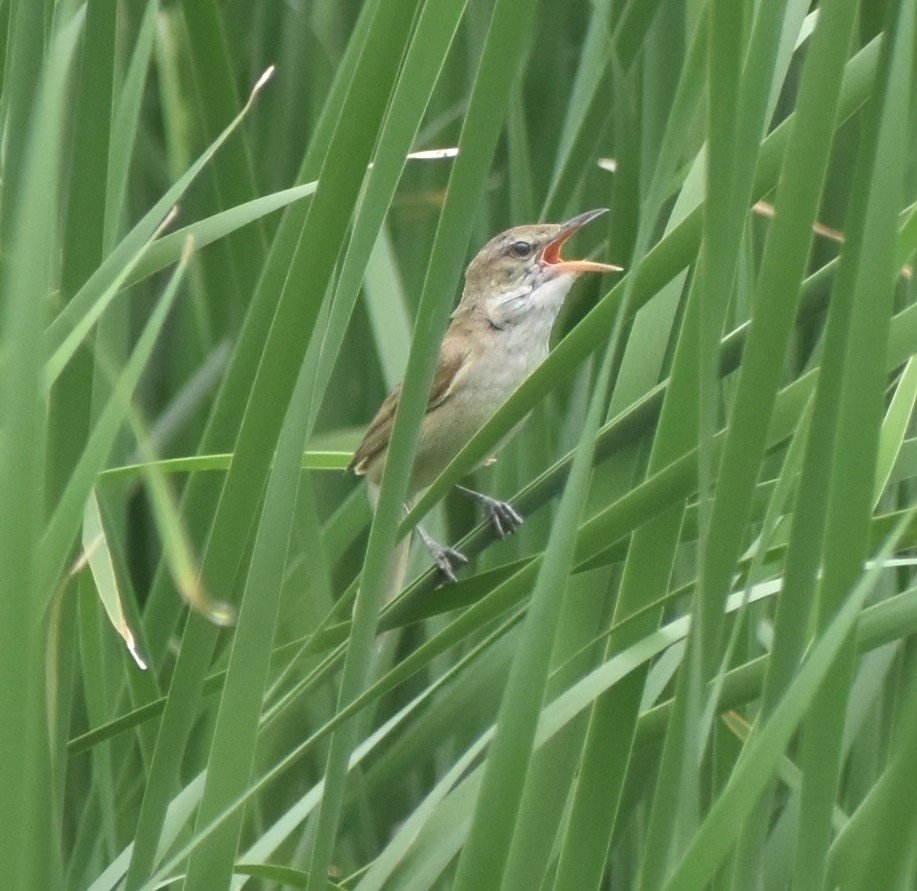
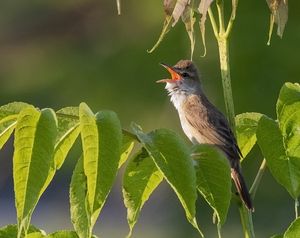
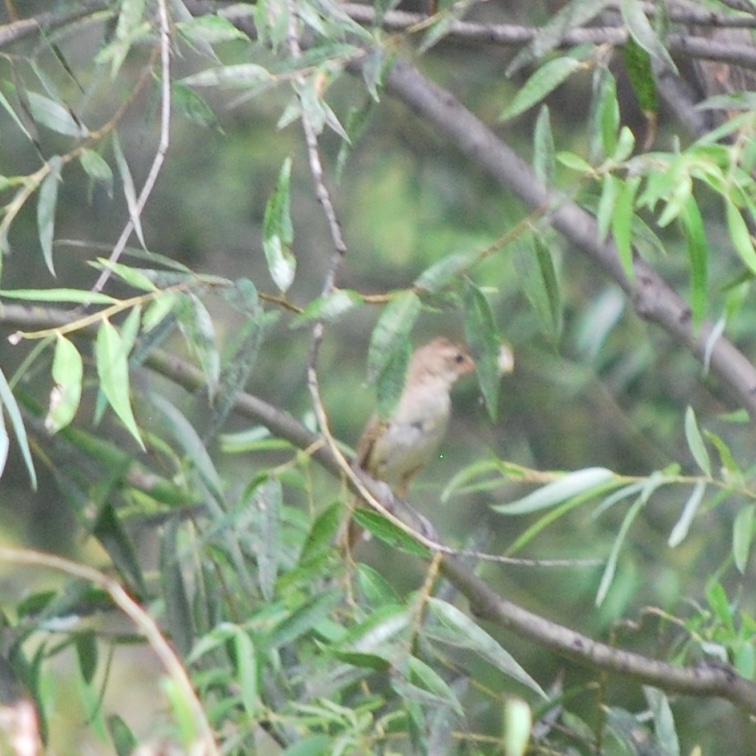
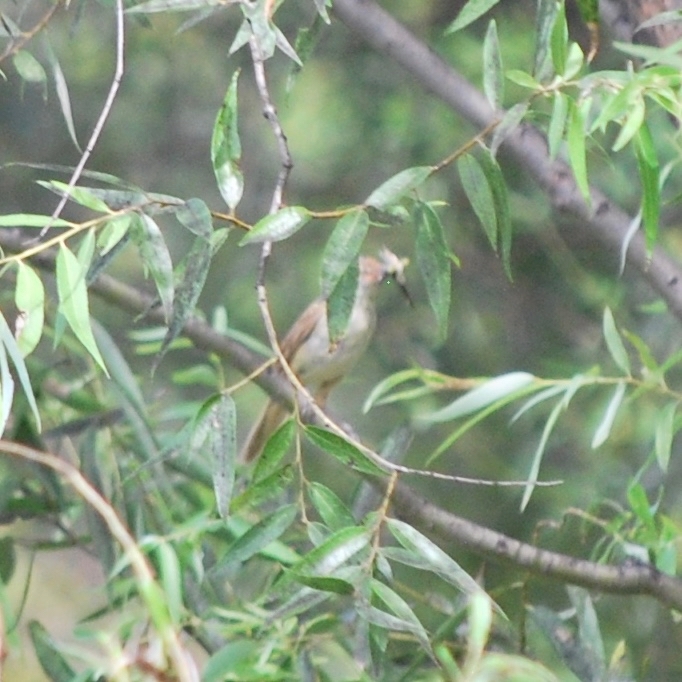
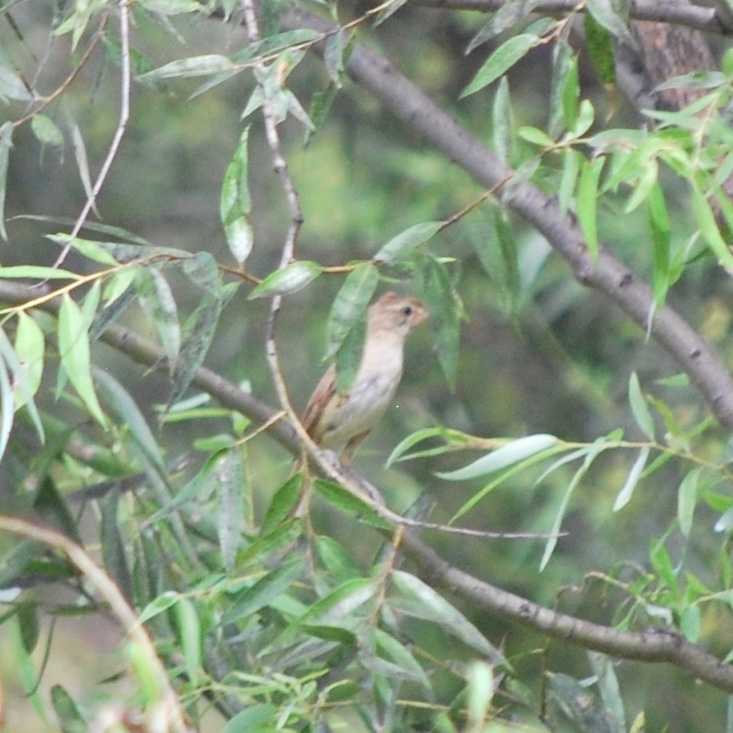
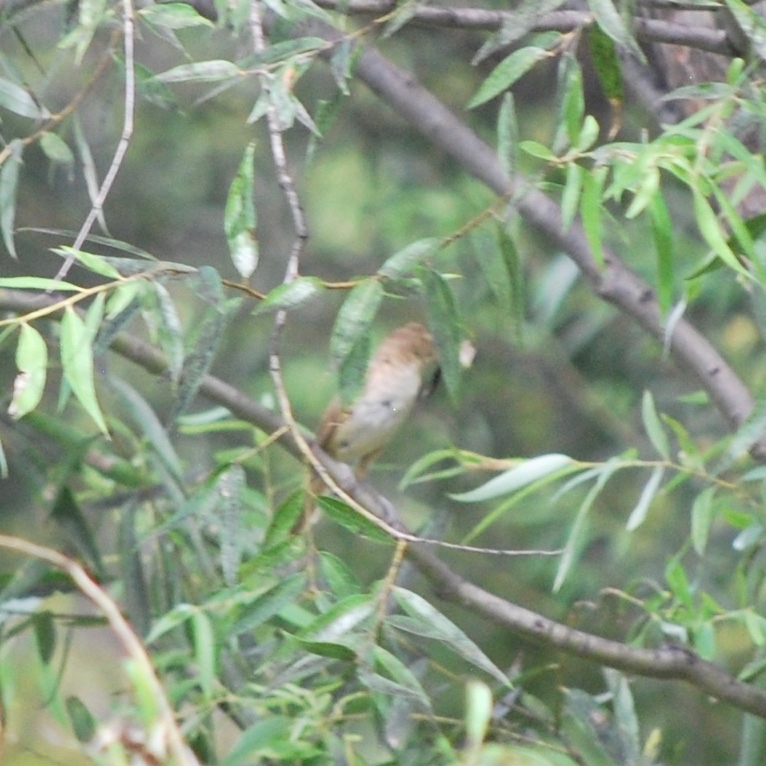
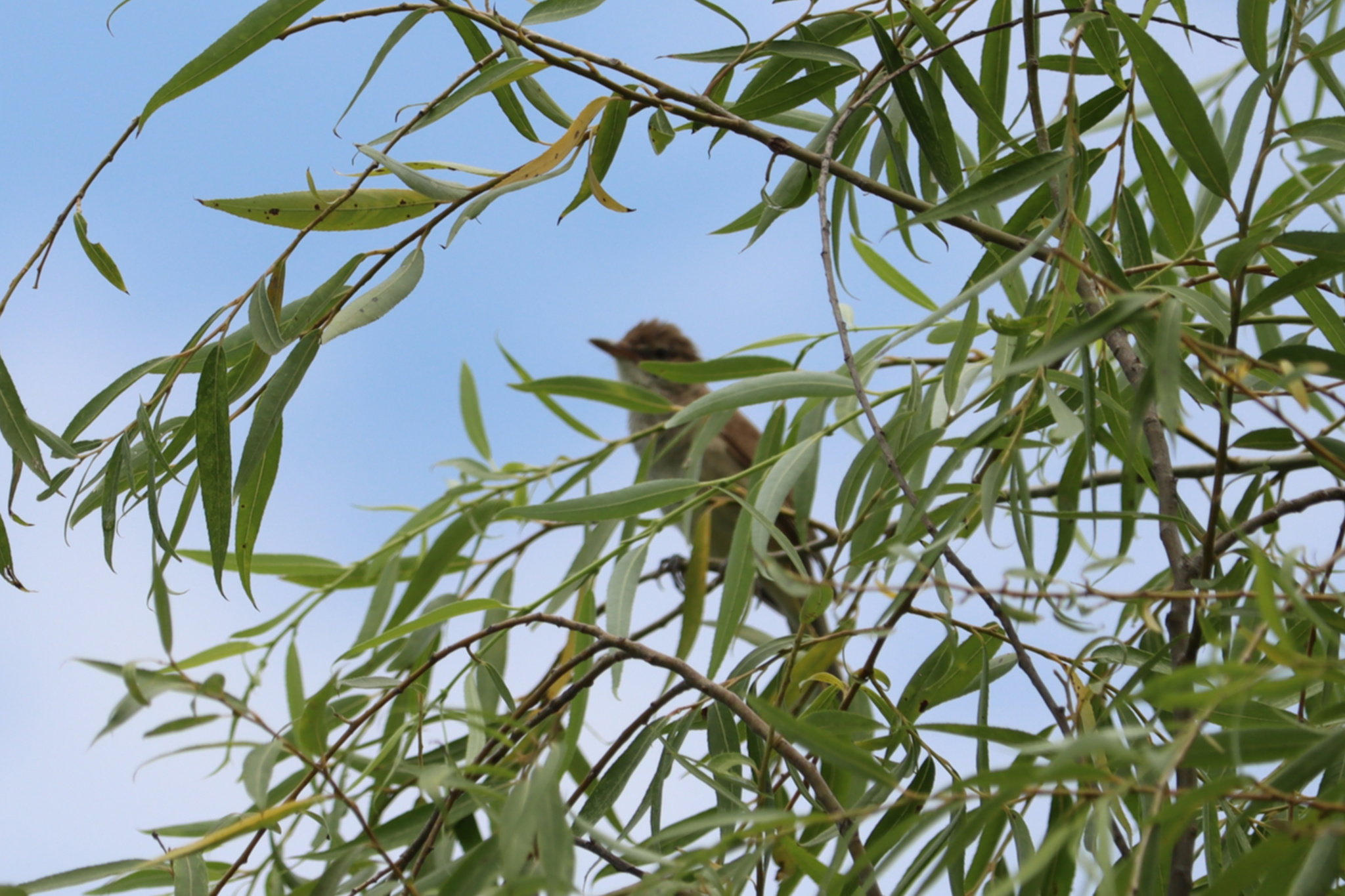
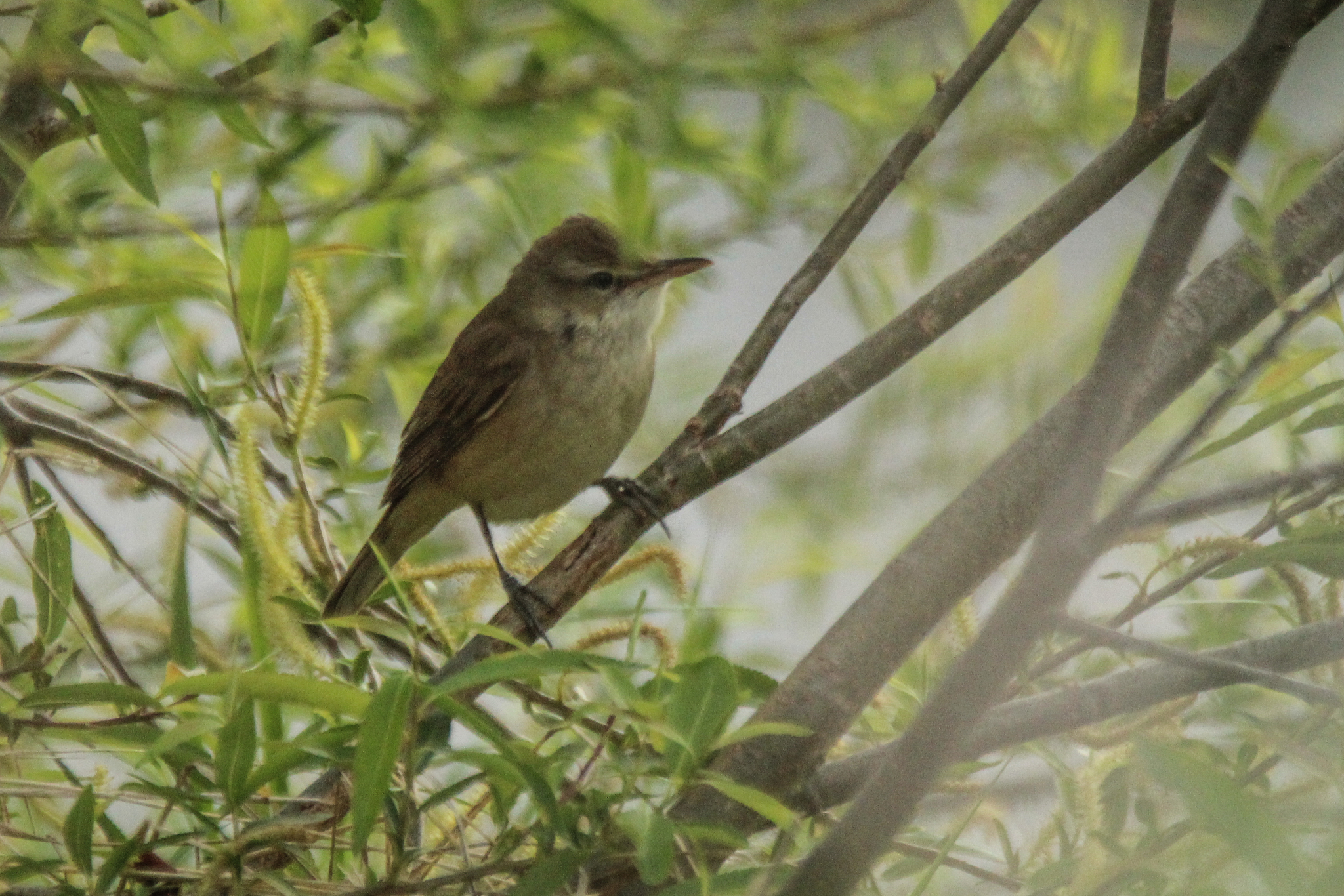
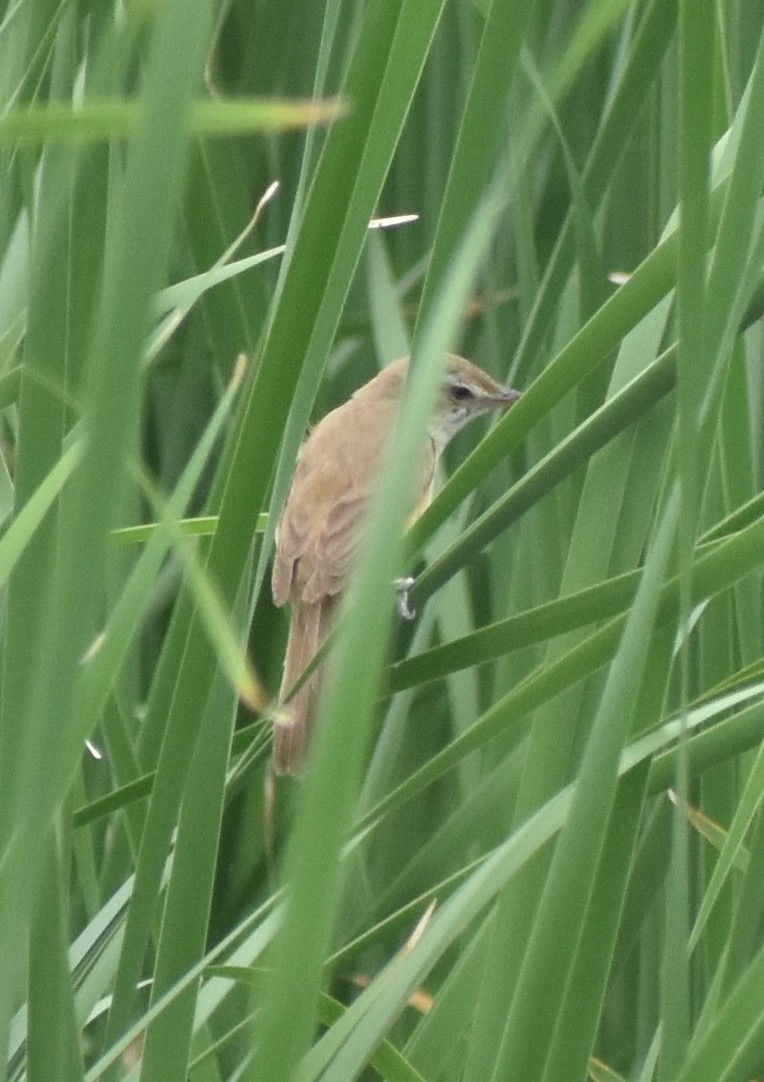
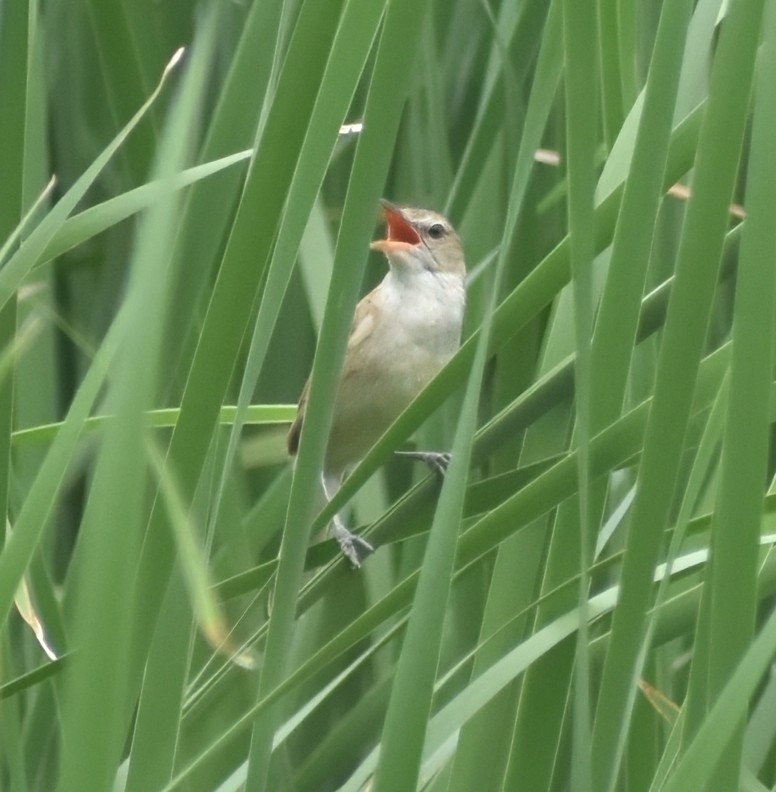
Large warbler, 18–20 cm long with a wingspan of 23–26 cm. Plumage is brown above with a paler rump and whitish tips to the tail feathers. Underparts are whitish, browner on flanks and undertail-coverts, with narrow greyish streaks on throat and breast. Features a dark eyestripe, whitish supercilium, and a fairly long, heavy bill that is brownish above and pink below with a bright orange gape. Feet are grey.
Identification
Slightly smaller, slenderer, and shorter-winged than the great reed warbler. Tail is shorter and more square-ended than the clamorous reed warbler, with a slightly longer primary projection and a slightly shorter, thicker bill. Pale tip to the tail separates it from both similar species. Song is a mixture of warbling phrases and guttural, croaking notes given from prominent perches. Call is a loud, harsh chack.
Distribution & Habitat
Breeding range covers southern Siberia, Mongolia, northern, central and eastern China, Korea, and Japan. Winters in north-east India and across South-east Asia to the Philippines and Indonesia, occasionally reaching New Guinea and Australia. Vagrant in Israel and Kuwait. Breeds mainly in reedbeds; also found in marshes, paddy fields, grassland, and scrub.
Behavior & Ecology
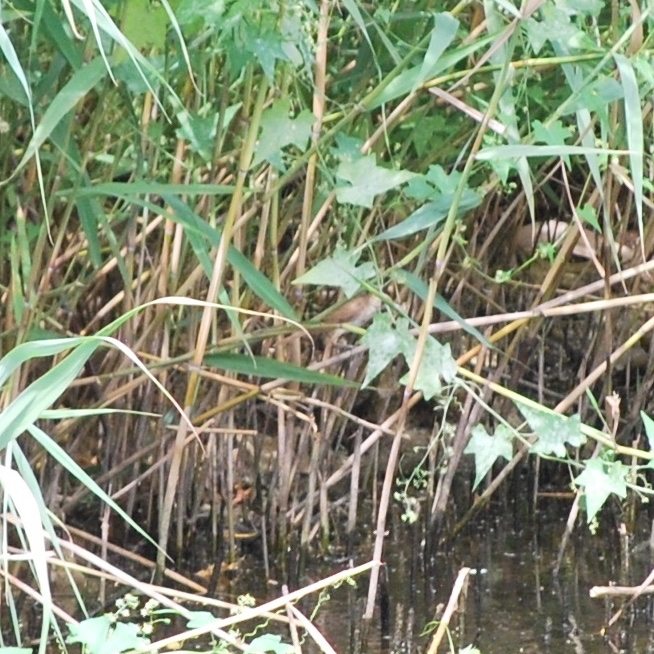
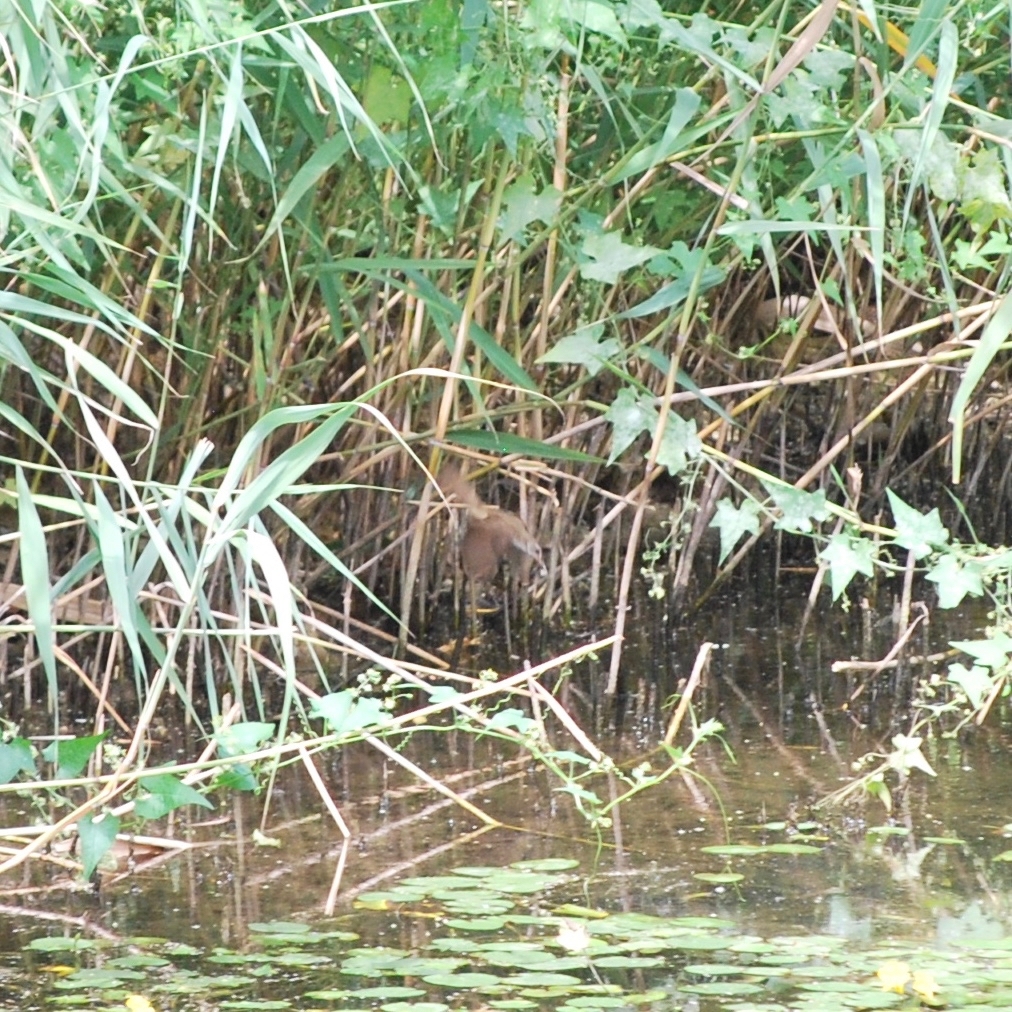
Forages for insects and other invertebrates. Has small breeding territories and can achieve high population densities. Nest is built 1–1.5 metres above ground among reed stems. Lays two to six eggs, incubated for 12 to 14 days. Young fledge after 10 to 15 days. Major nest predators include the Siberian weasel, cats, and snakes of the genus Elaphe.
Source: Wikipedia · CC BY-SA 3.0
Taxonomy
- Order
- Passeriformes
- Family
- Acrocephalidae
- Genus
- Acrocephalus
Distribution
breeds eastern Mongolia and south-central Russia eastward to southeastern Russia and Japan, southward to east-central China; winters southeastern India, southeastern Asia, Indonesia, Philippines, and northwestern Australia (rare)
Vocalizations
Data Sources
Species description from Wikipedia, licensed under CC BY-SA 3.0.
Bird images and sounds sourced from GBIF, contributed by citizen scientists worldwide under Creative Commons licenses.
Taxonomy data from AviList 2025.