Great Reed Warbler
Acrocephalus arundinaceus
大苇莺
Introduction
This warbler reaches 21 centimeters in length. It breeds across mainland Europe and the Western Palearctic, constructing nests in reed beds. It migrates to sub-Saharan Africa for winter, returning to breeding grounds by late April. Winter habitats include reed beds, bush thickets, rice fields, and forest clearings. Males and females show minimal sexual dimorphism. The species breeds both monogamously and polygynously.
Description
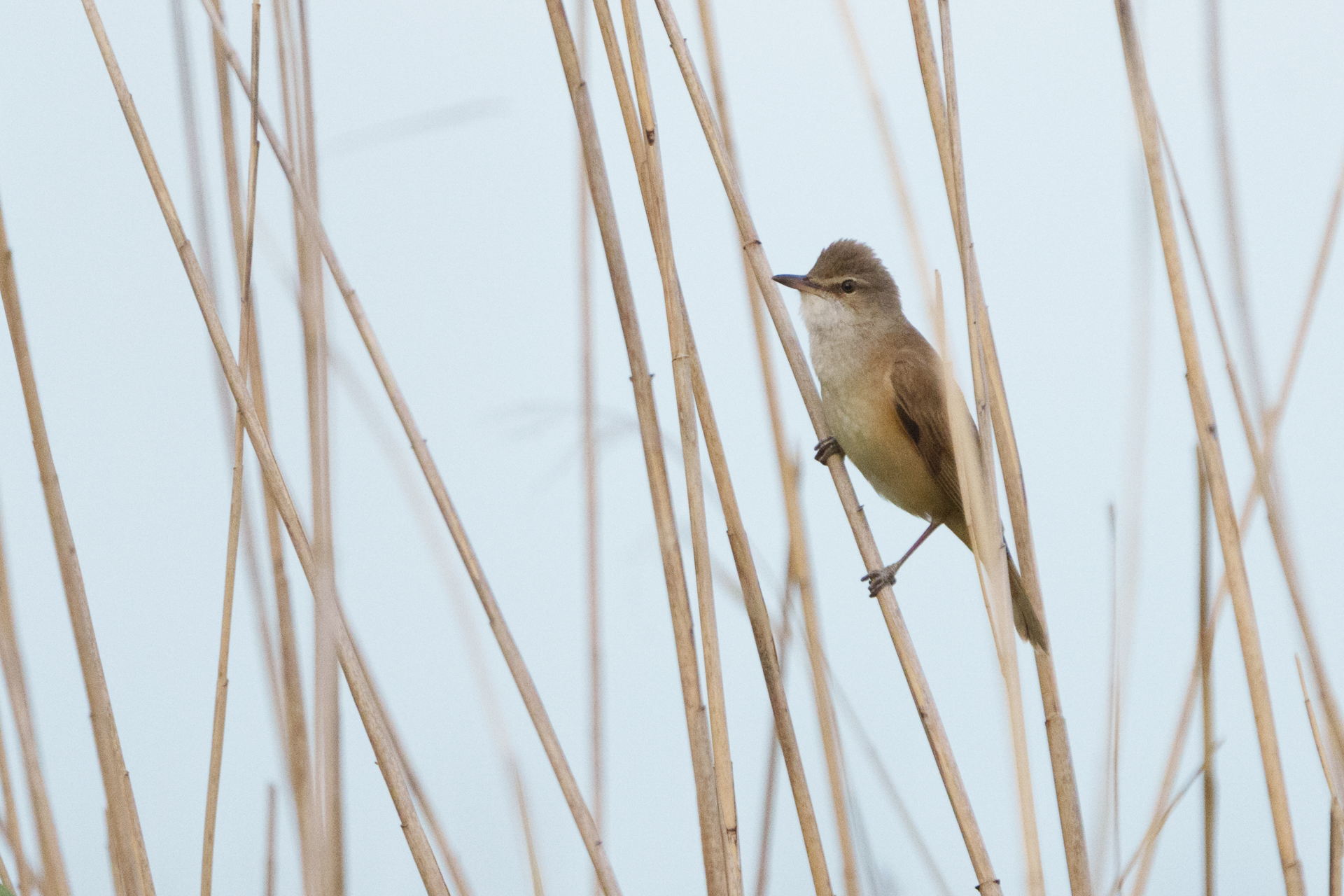
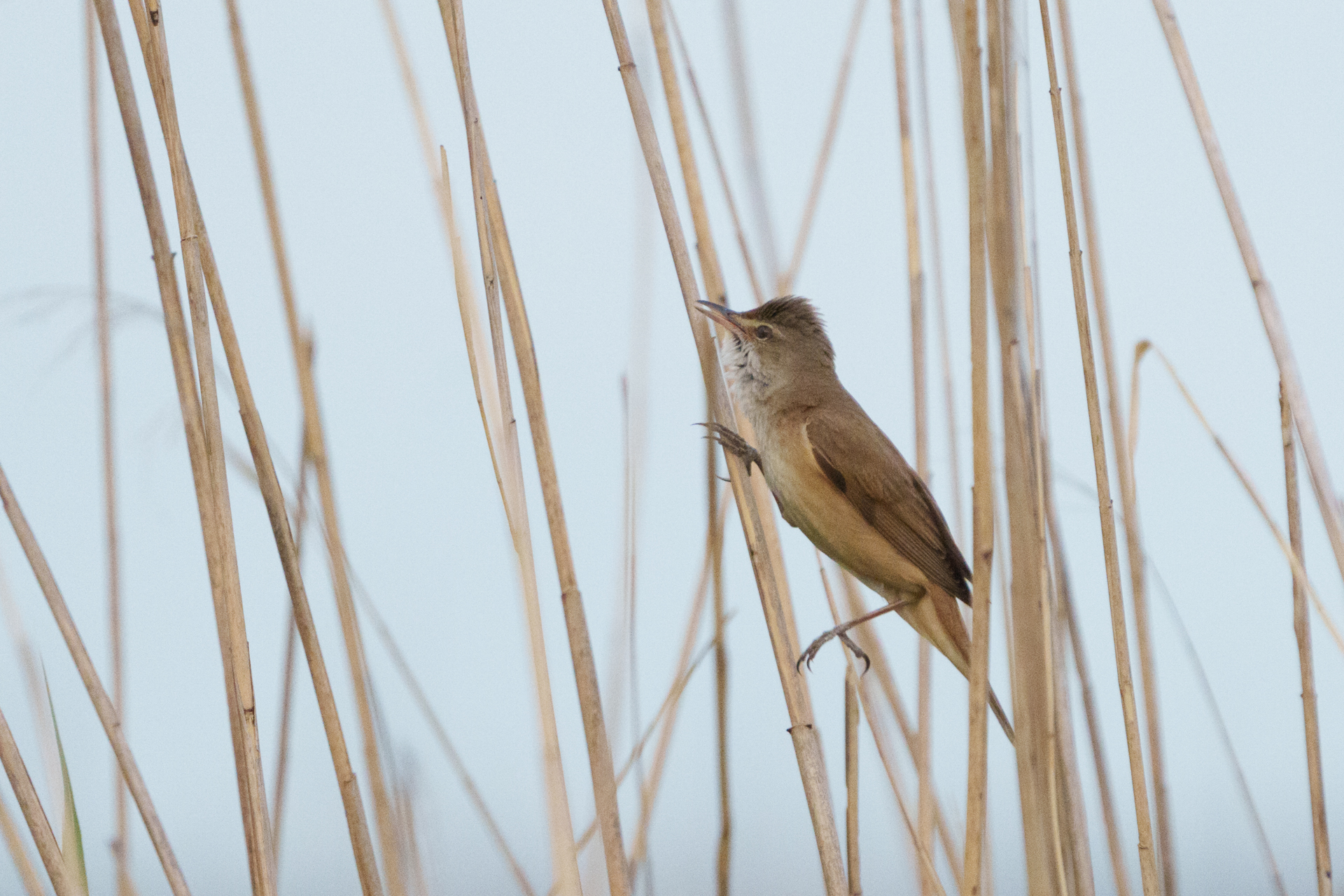
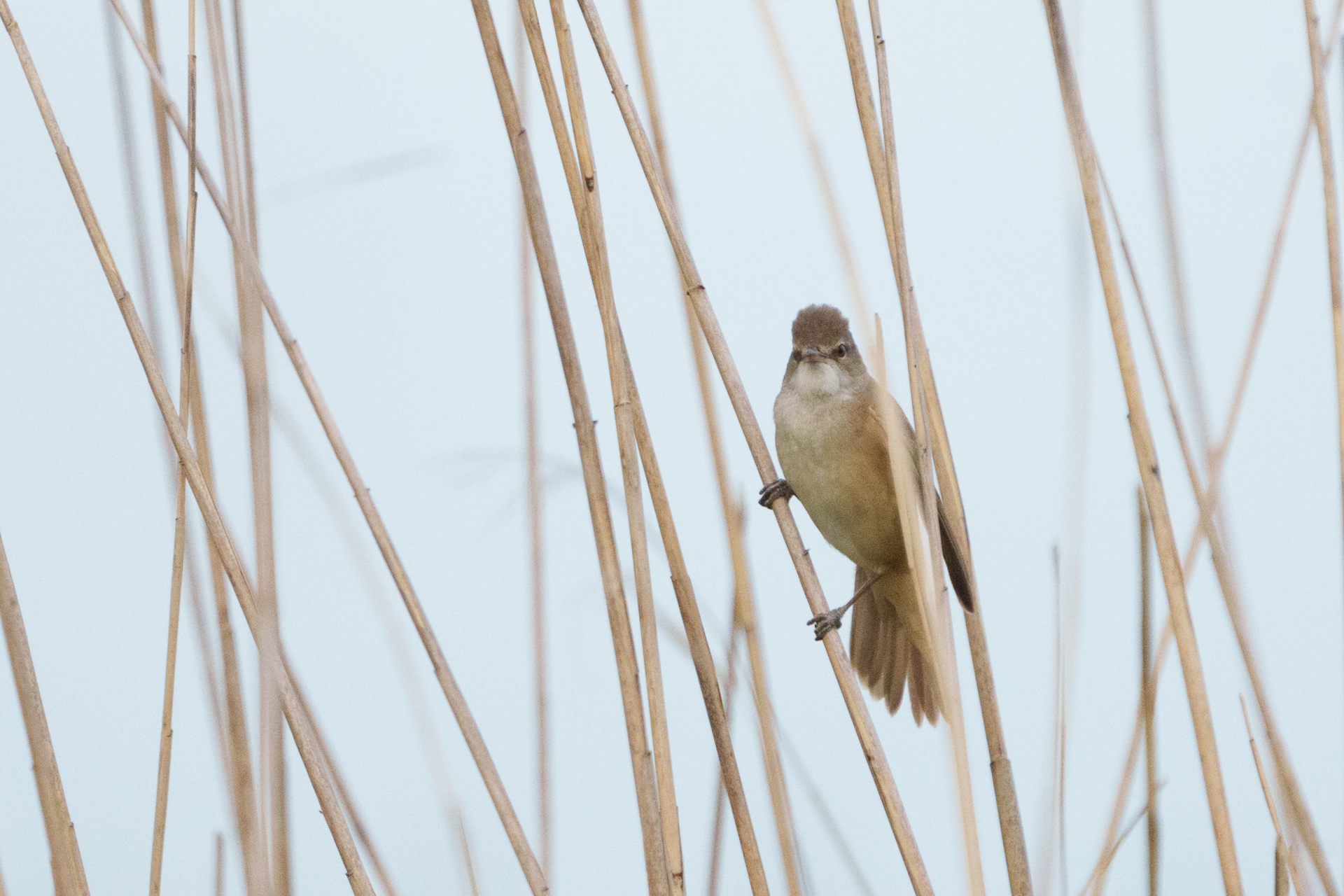
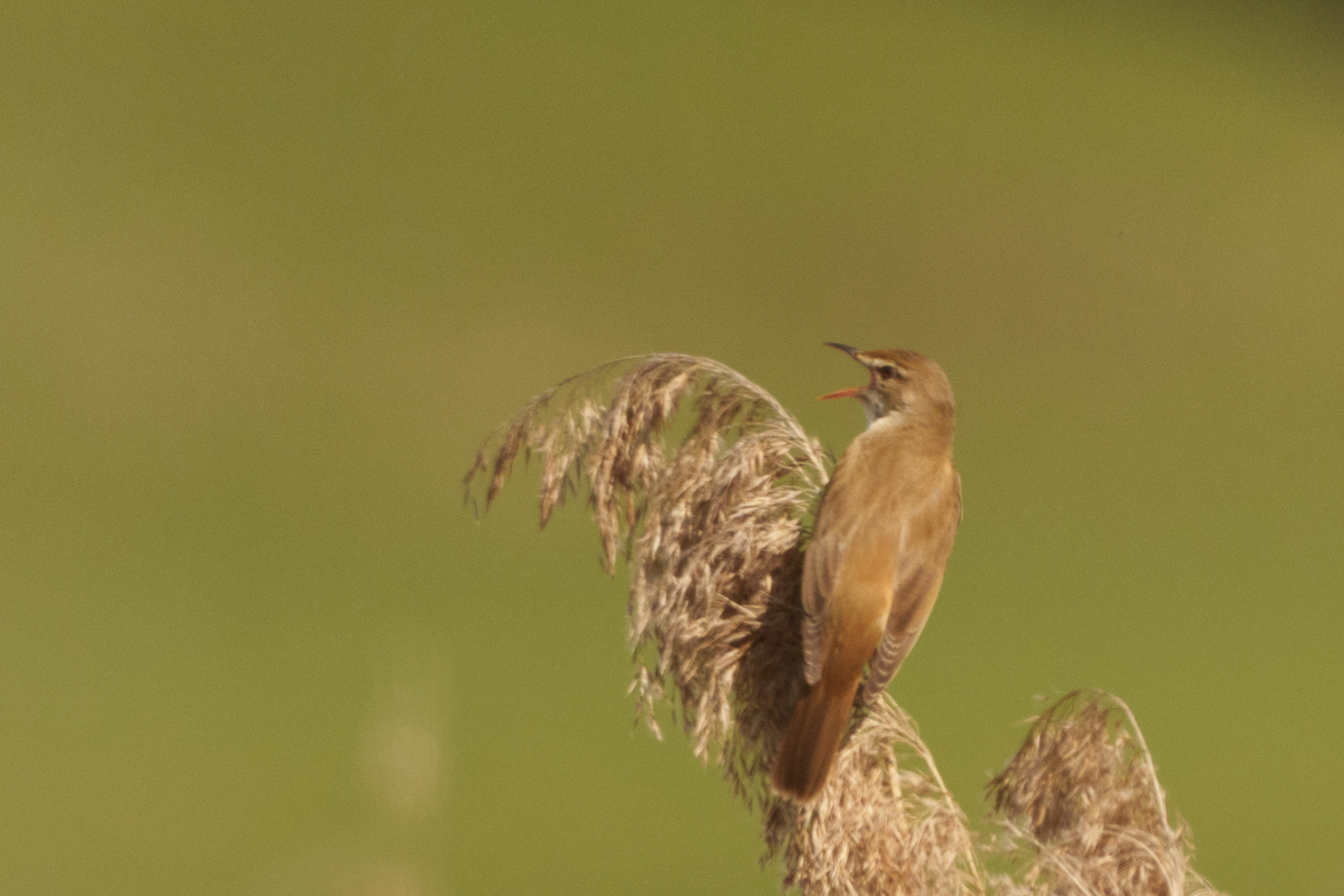
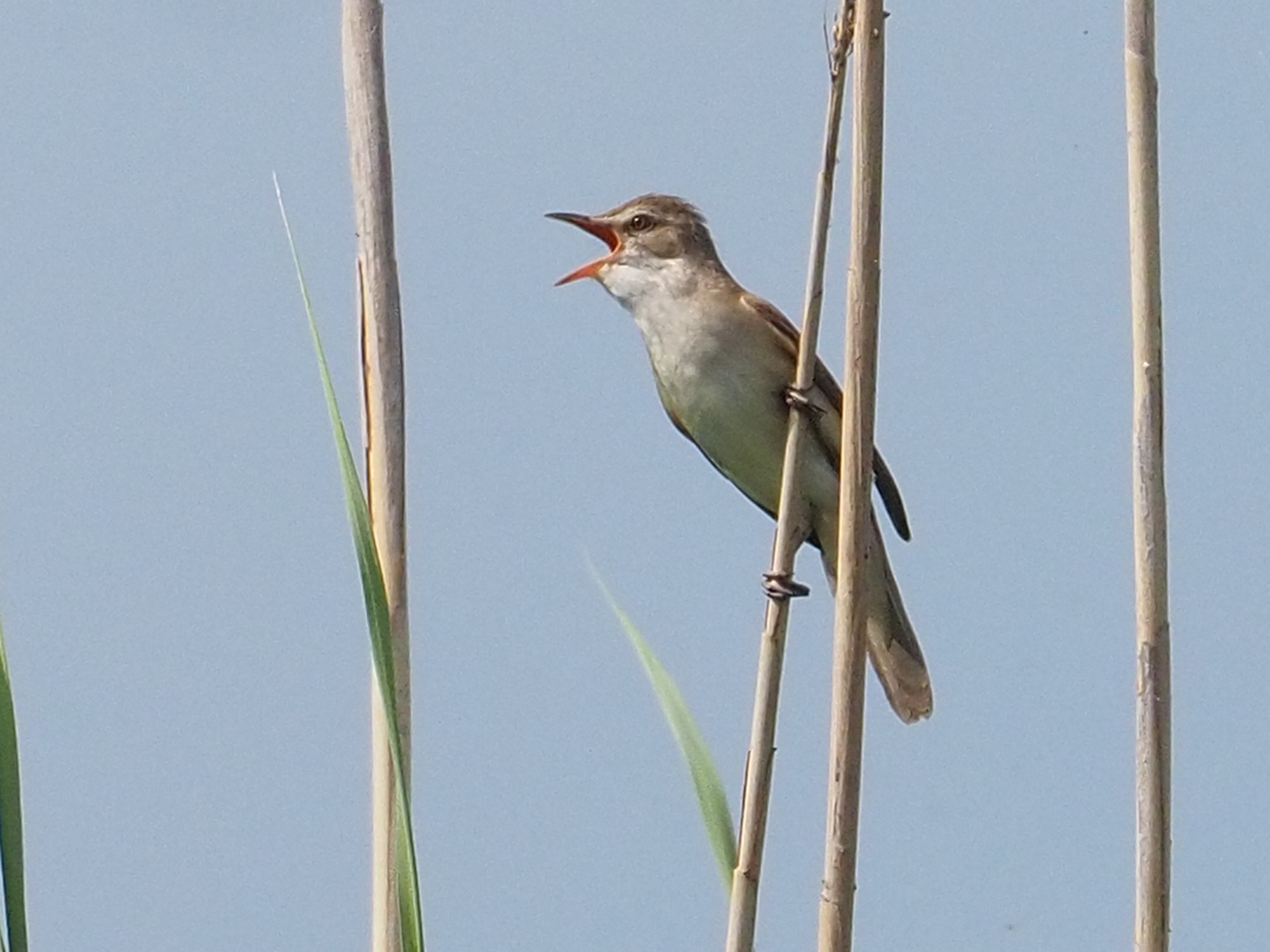
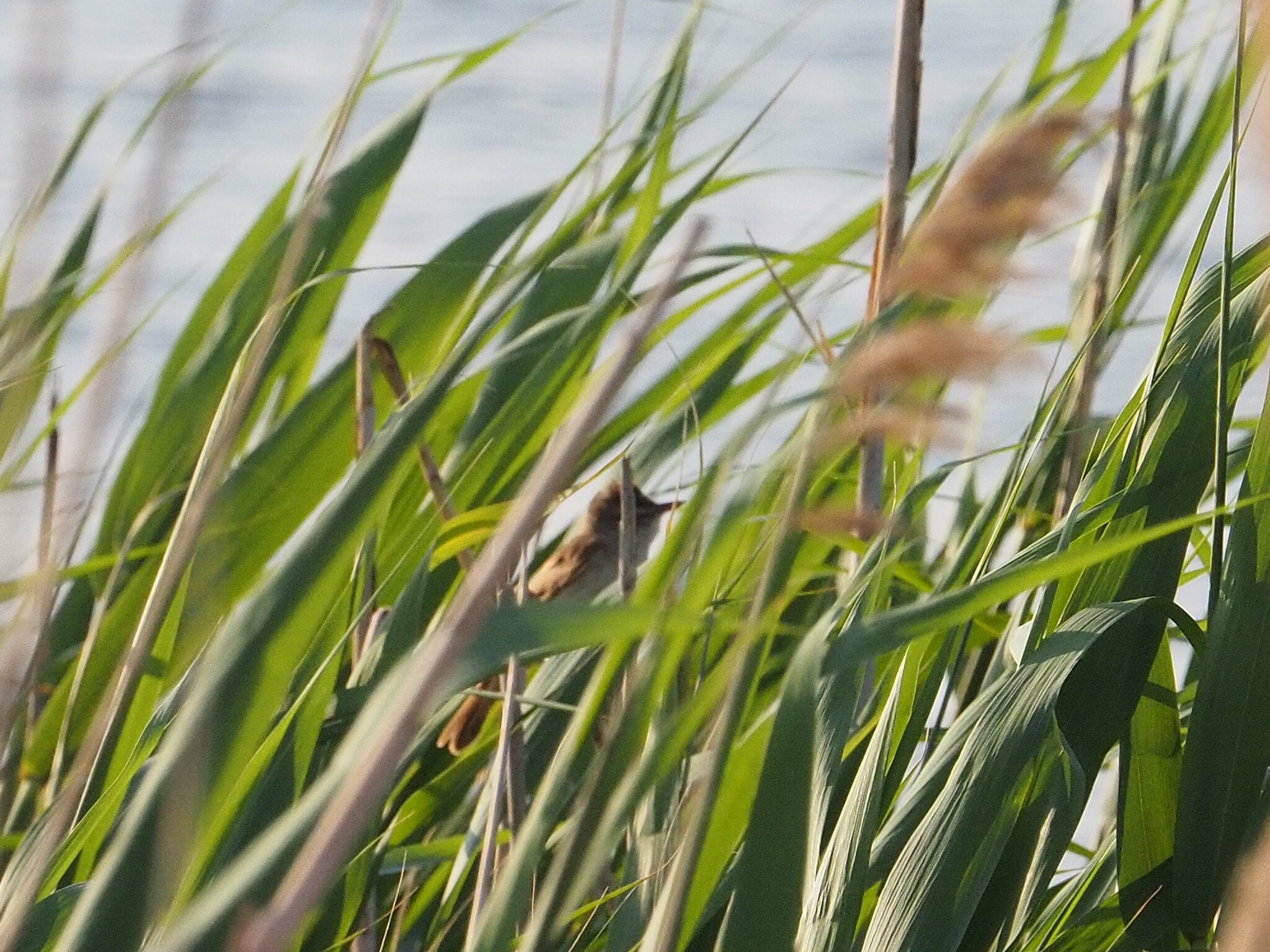
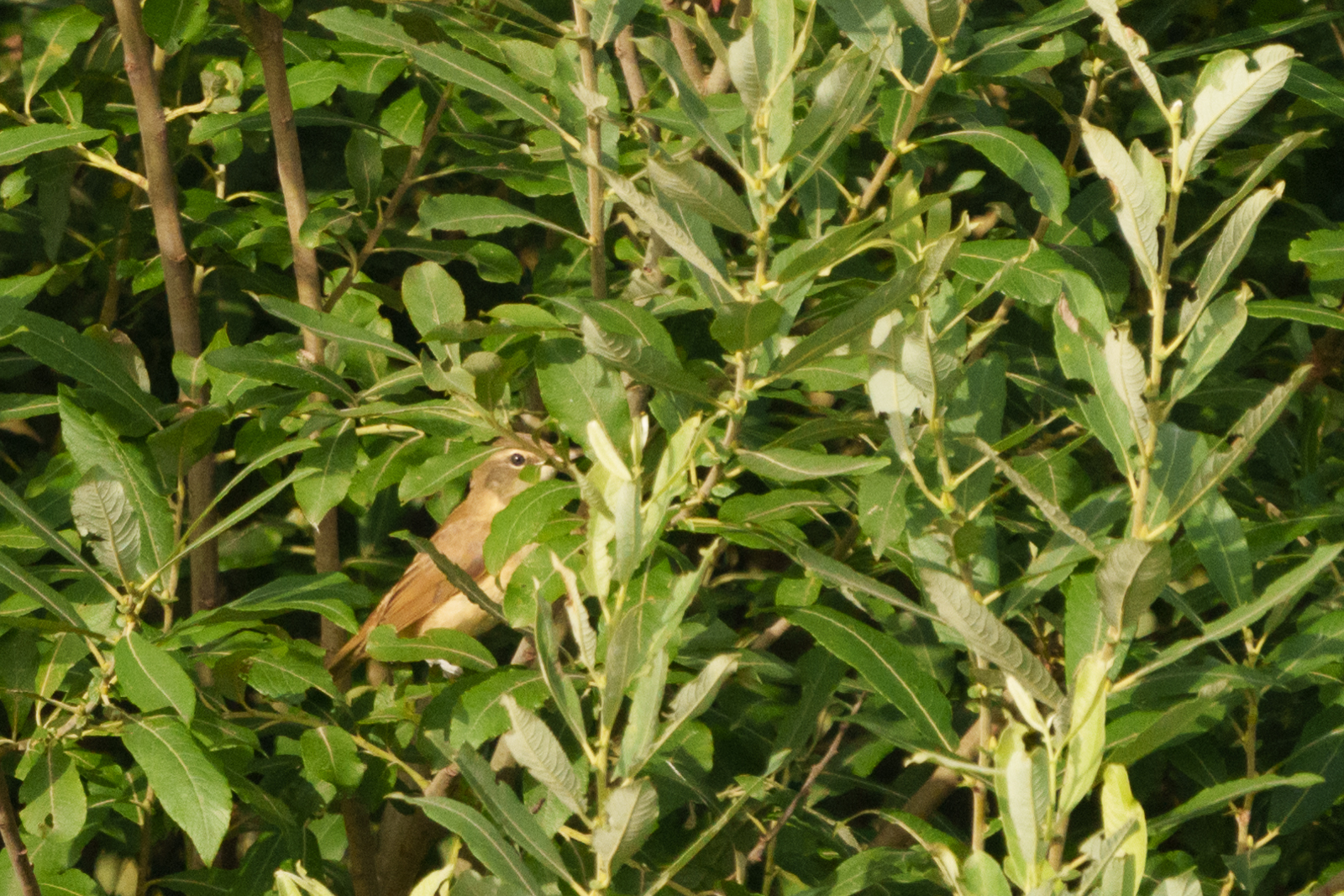
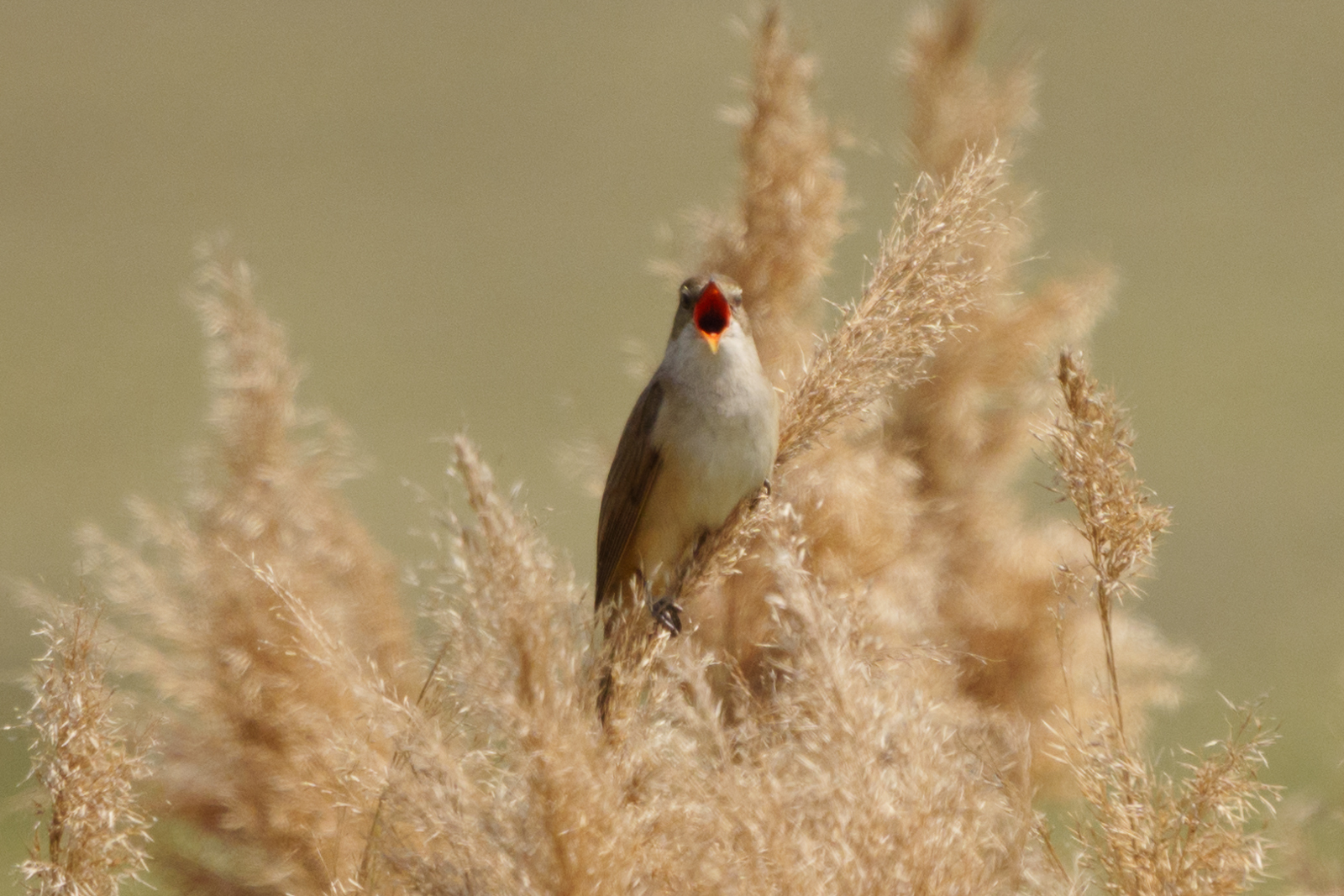
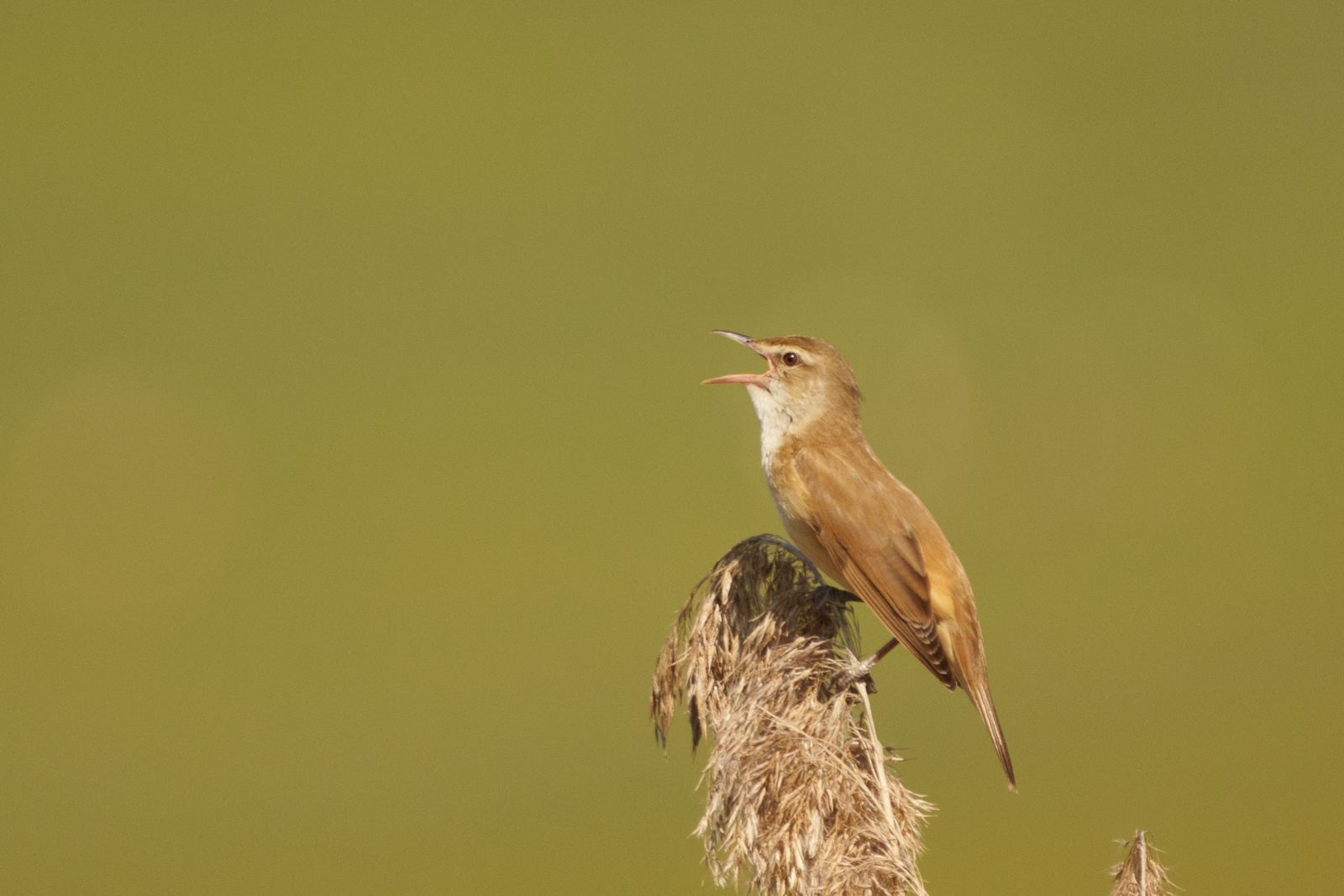
This is a substantial warbler, roughly the size of a thrush, making it one of the largest species in its family. Adults measure 16-21 centimeters in length with a wingspan of 25-30 centimeters and weigh between 22-38 grams. The upperparts are uniformly brown without streaks, while the underparts show dull buffish-white coloring. It has a flattened forehead and a robust, pointed bill. The sexes appear identical, though juveniles display richer buff tones on their underparts. Overall, it resembles an oversized common reed warbler but can be distinguished by its stronger eyebrow stripe (supercilium).
Identification
In the field, this species most closely resembles the common reed warbler but is noticeably larger with a more powerful bill and stronger supercilium. The two species can be difficult to distinguish by size alone in isolation, but when seen together, the size difference is apparent. The species does not breed in Britain, where only the smaller common reed warbler occurs, though vagrants occasionally appear there.
Distribution & Habitat
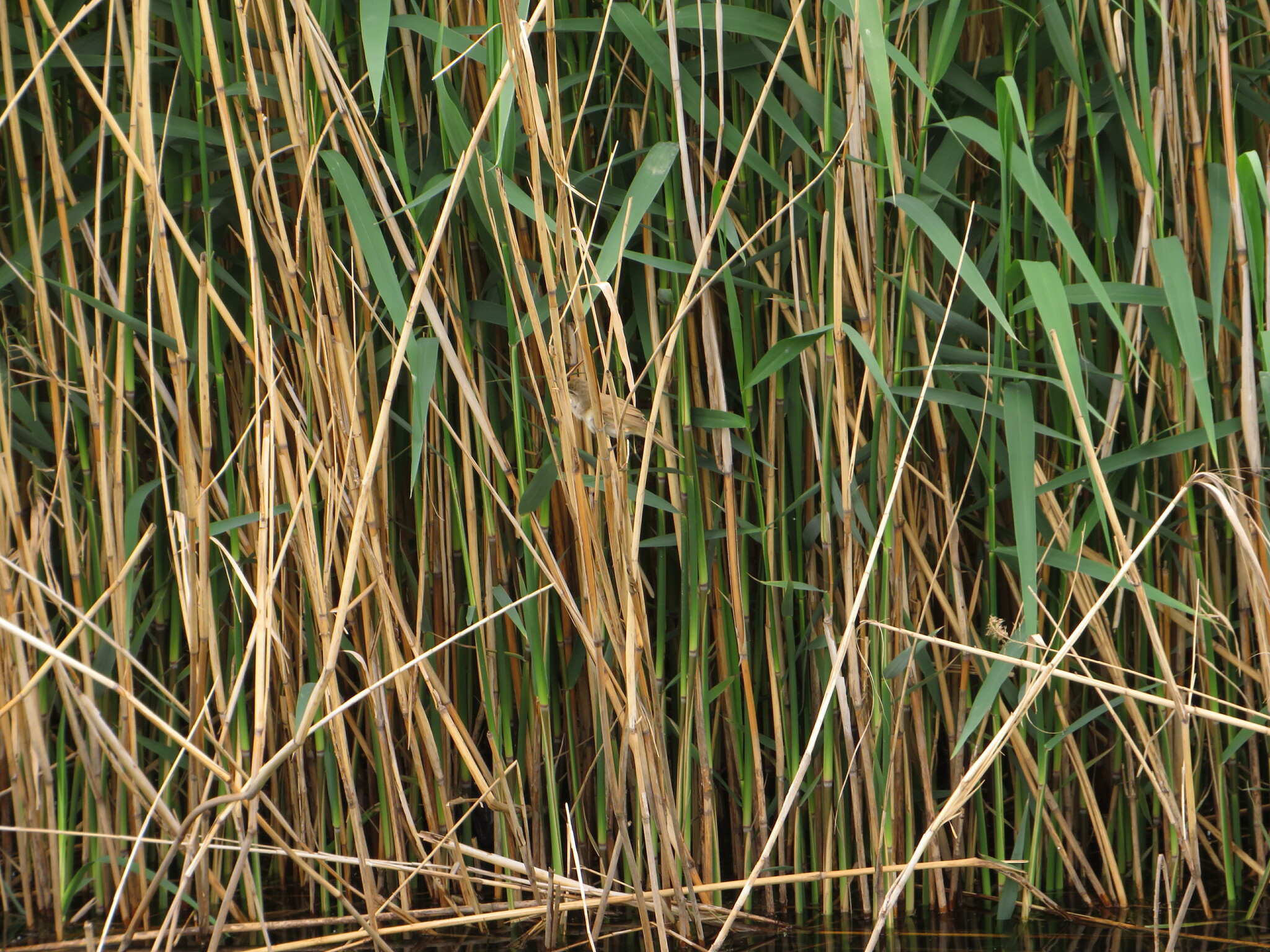
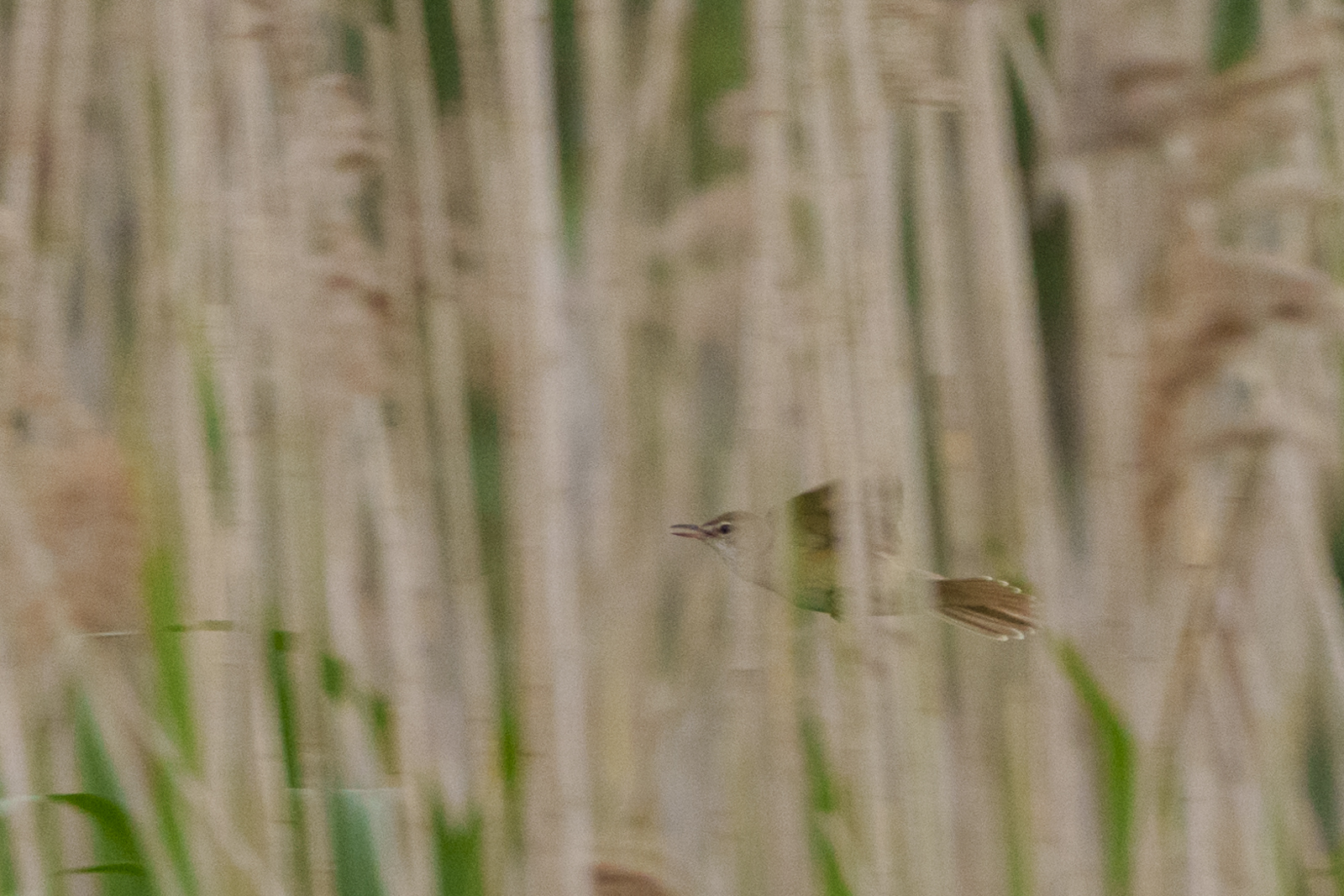
This species breeds across most of Europe and the Western Palearctic, though it is absent from Britain as a breeding bird. It occupies large reed beds, often with scattered bushes. Populations have been expanding around the eastern Baltic Sea while declining at the western edge of its range. It migrates to tropical Africa for winter, arriving relatively late in spring. Research using tracking devices has revealed remarkable migratory journeys across the Mediterranean Sea and Sahara Desert, with some individuals flying at altitudes exceeding 5,000 meters—among the highest recorded for any passerine bird.
Behavior & Ecology
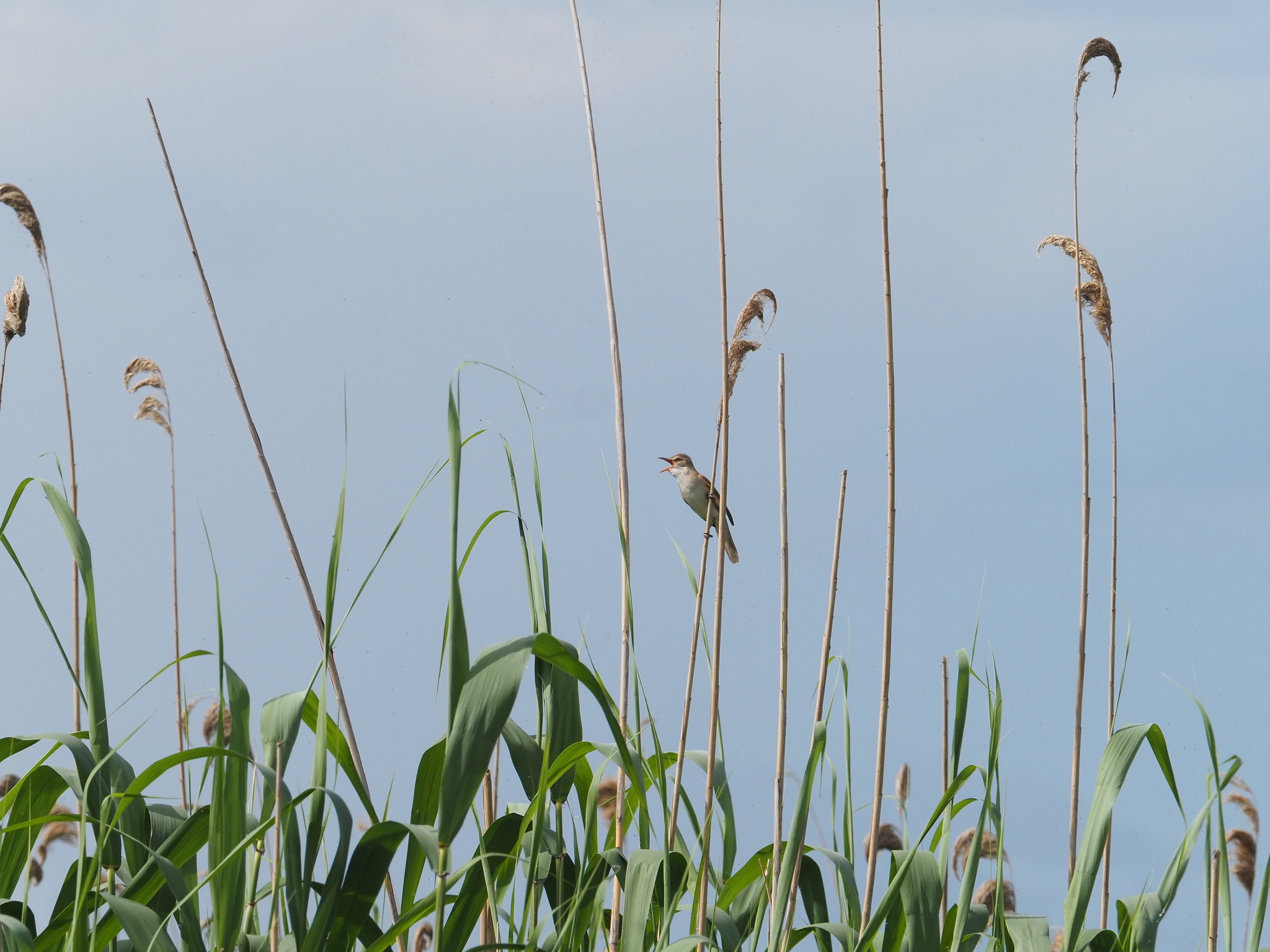
Primarily insectivorous, this warbler feeds on insect larvae, moths, dragonflies, damselflies, beetles, spiders, small fish, and frogs. It also consumes fruit outside the breeding season. Males use two distinct song types: short, simpler songs for territorial defense and longer, more complex songs lasting about four seconds to attract females. Song repertoire size correlates strongly with reproductive success, as females prefer males with larger repertoires who occupy higher-quality territories. Males arrive on breeding grounds at different times, with early arrival strongly predicting mating success. The species breeds polygynously in some cases, with males defending large territories in dense reed beds. Females lay 3-6 eggs in open cup-nests built among reeds. Males provide minimal parental care, particularly in polygynous arrangements.
Conservation
Classified as Least Concern by the IUCN due to its extensive range and large population. The species is common and widespread, though it undergoes notable long-term population fluctuations. It demonstrates remarkable adaptability, quickly colonizing new habitats when they become available. However, wetland drainage and habitat loss pose ongoing threats to local populations.
Source: Wikipedia · CC BY-SA 3.0
Taxonomy
- Order
- Passeriformes
- Family
- Acrocephalidae
- Genus
- Acrocephalus
- eBird Code
- grrwar1
Subspecies (2)
-
Acrocephalus arundinaceus arundinaceus
breeds Europe to western Siberia, Türkiye, northern Iran, and northwestern Africa; winters Africa
-
Acrocephalus arundinaceus zarudnyi
northern Iraq and Iran to southern Afghanistan, Altai, northwestern Mongolia, and western China
Data Sources
Species description from Wikipedia, licensed under CC BY-SA 3.0.
Bird images and sounds sourced from GBIF, contributed by citizen scientists worldwide under Creative Commons licenses.
Taxonomy data from AviList 2025.