Passeriformes / Sturnidae / Acridotheres
Common Myna
Acridotheres tristis · 家八哥
Introduction
Member of the family Sturnidae native to Asia. Omnivorous bird inhabiting open woodlands, cultivation areas, and urban environments with strong territorial instincts. Listed among the world's 100 worst invasive species by the IUCN Species Survival Commission in 2000 due to rapid range expansion and threats to biodiversity.
Description
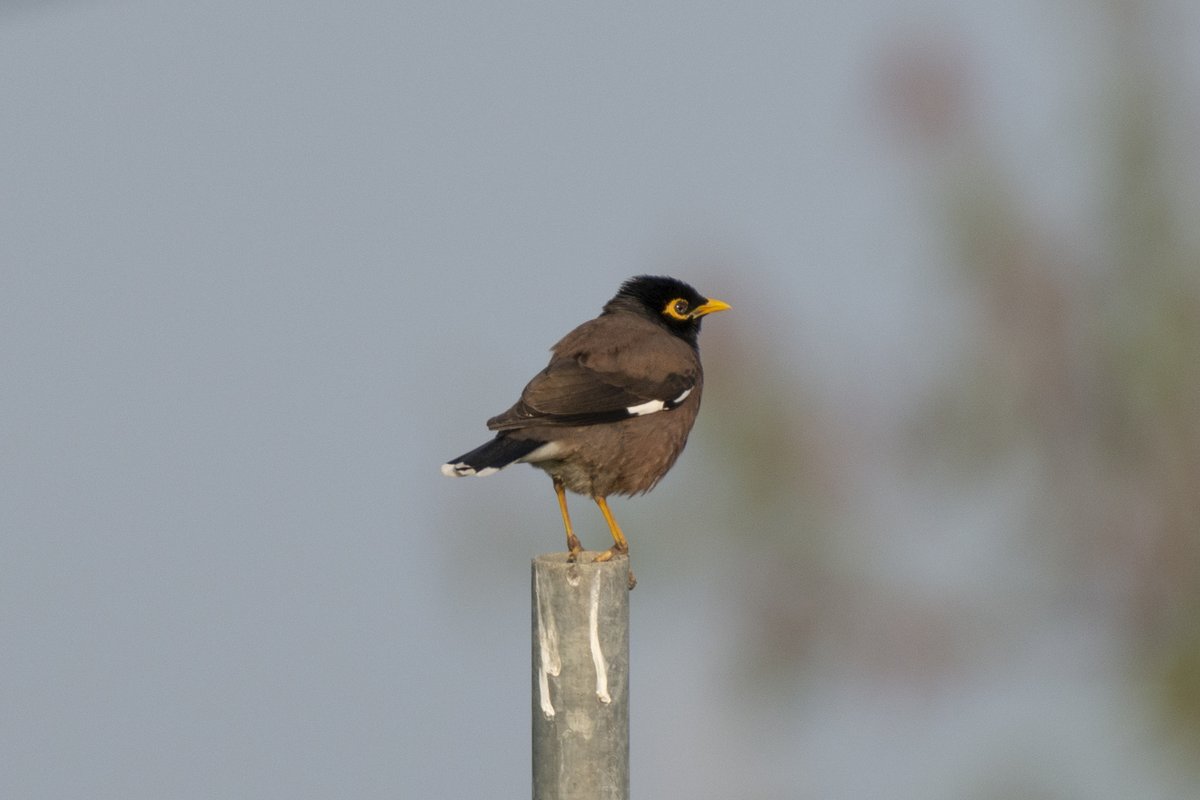
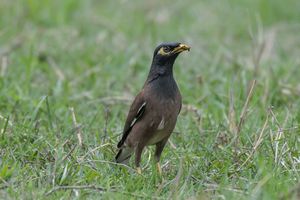
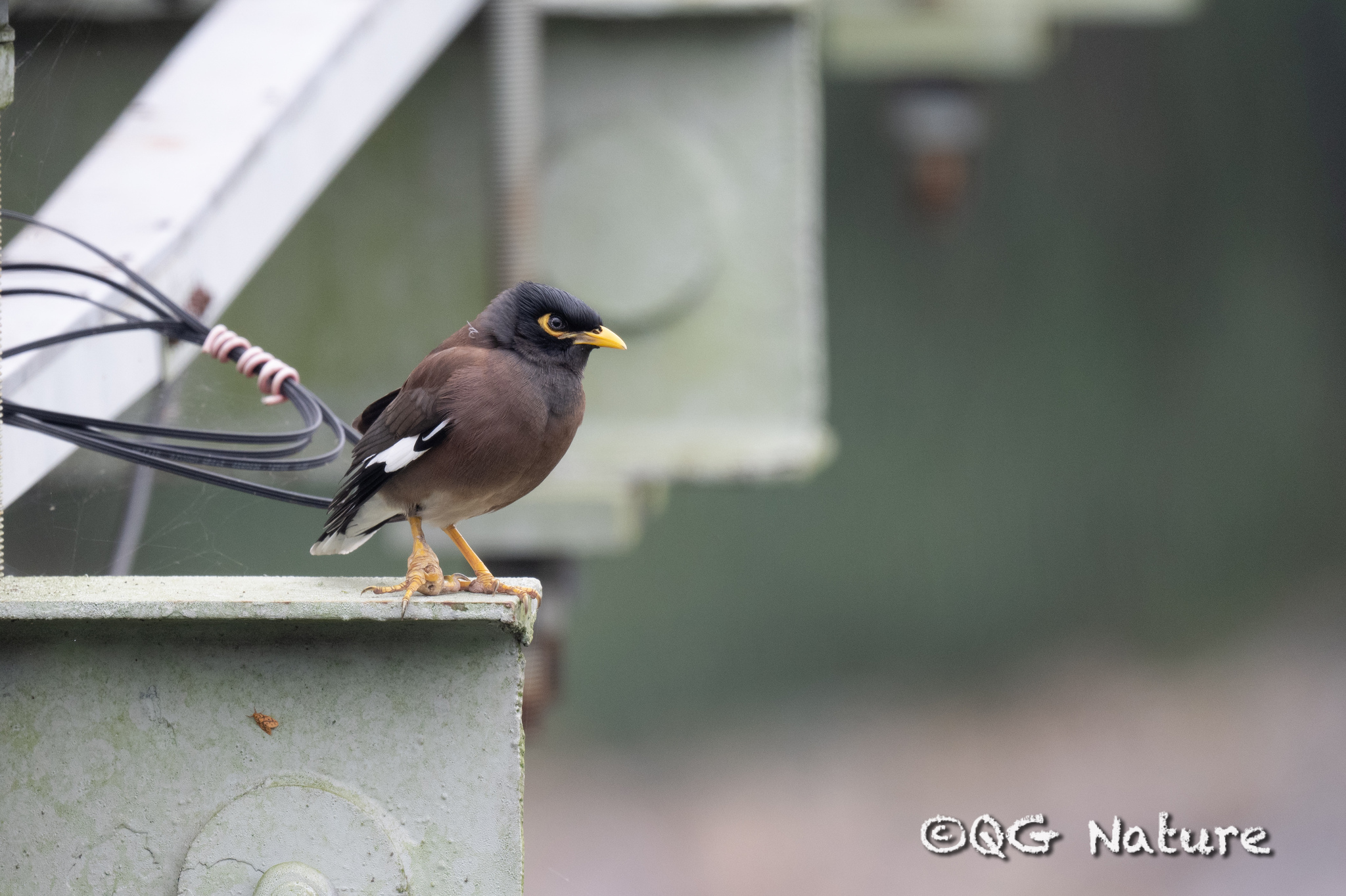
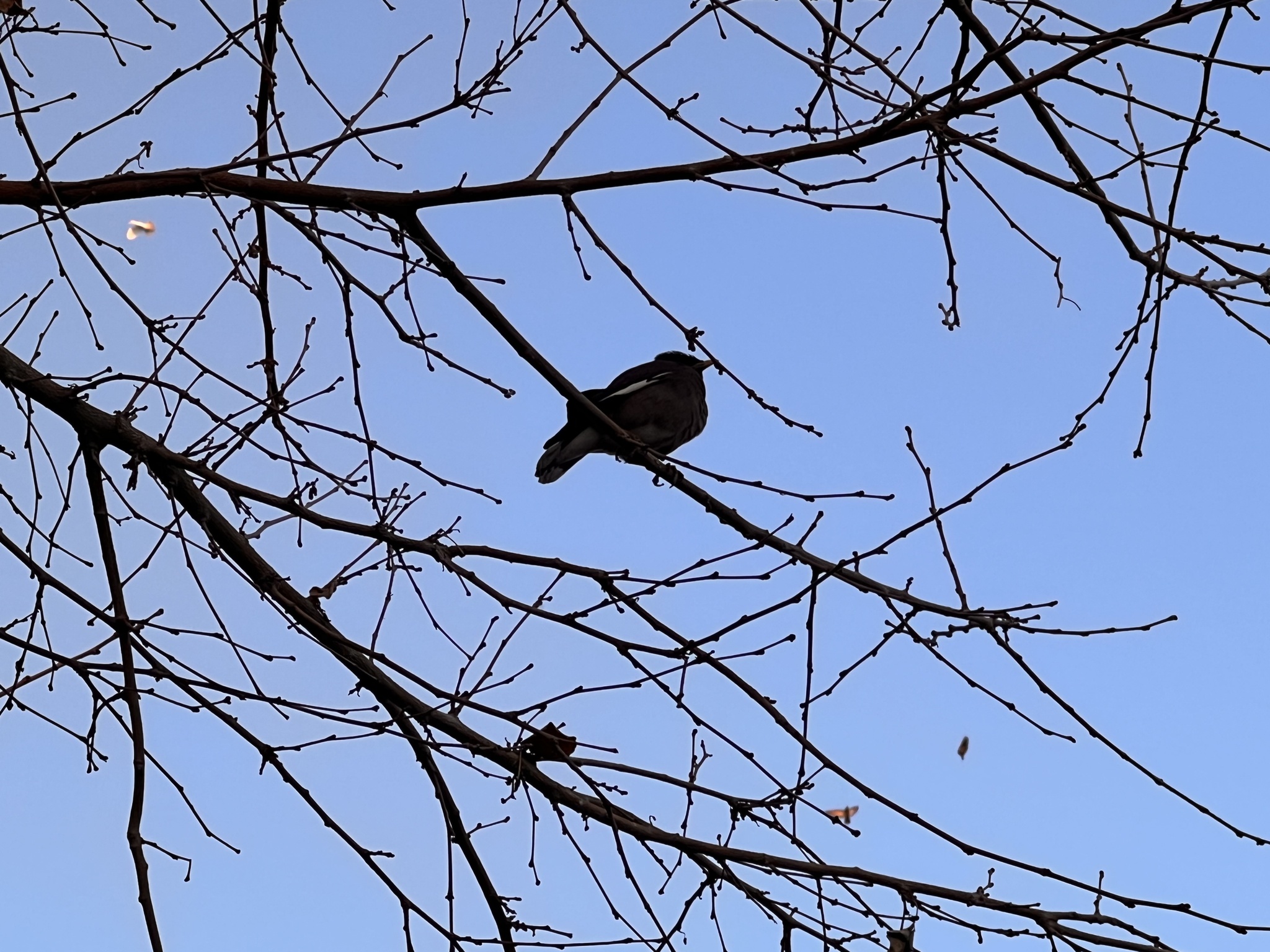
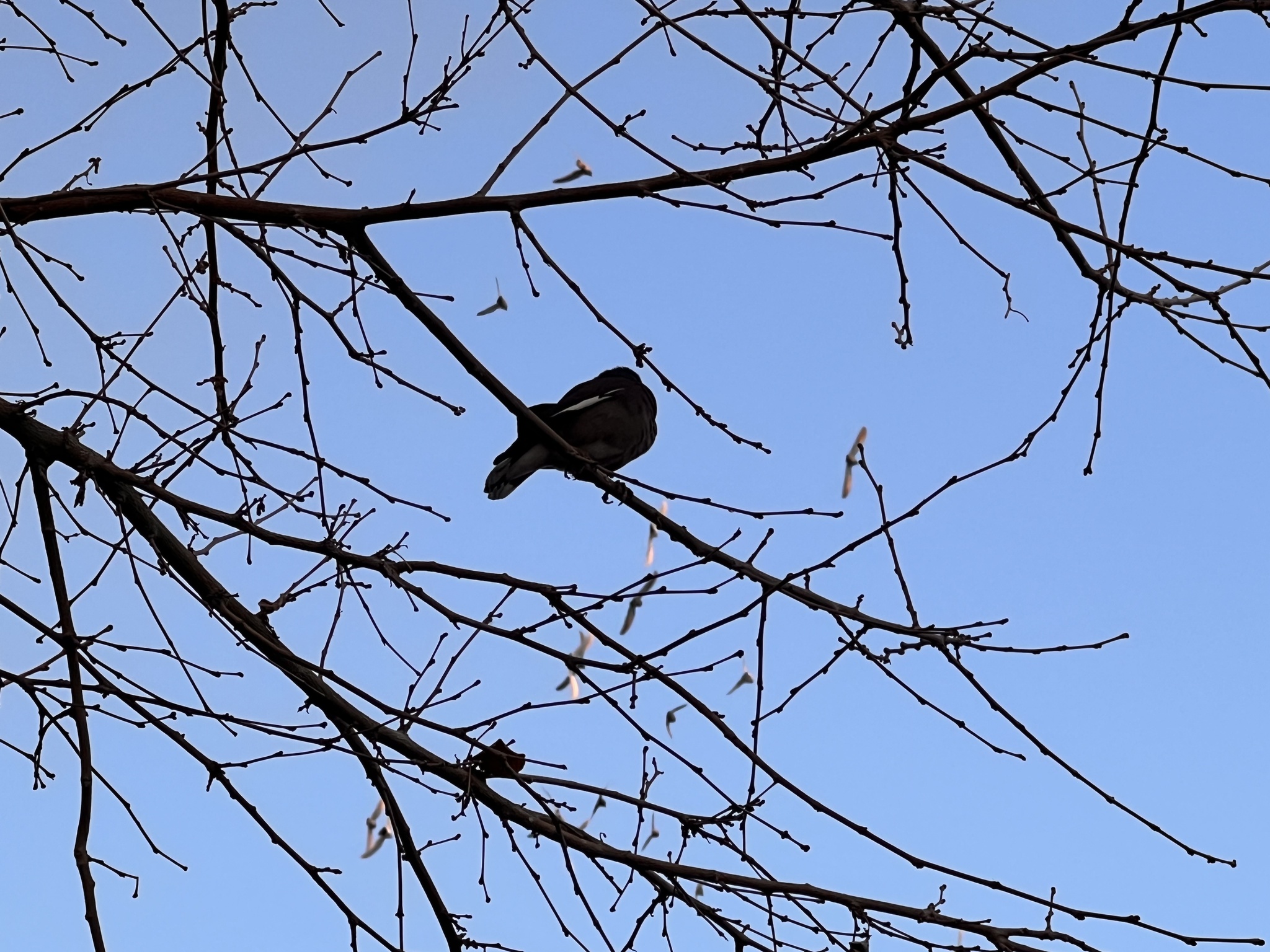
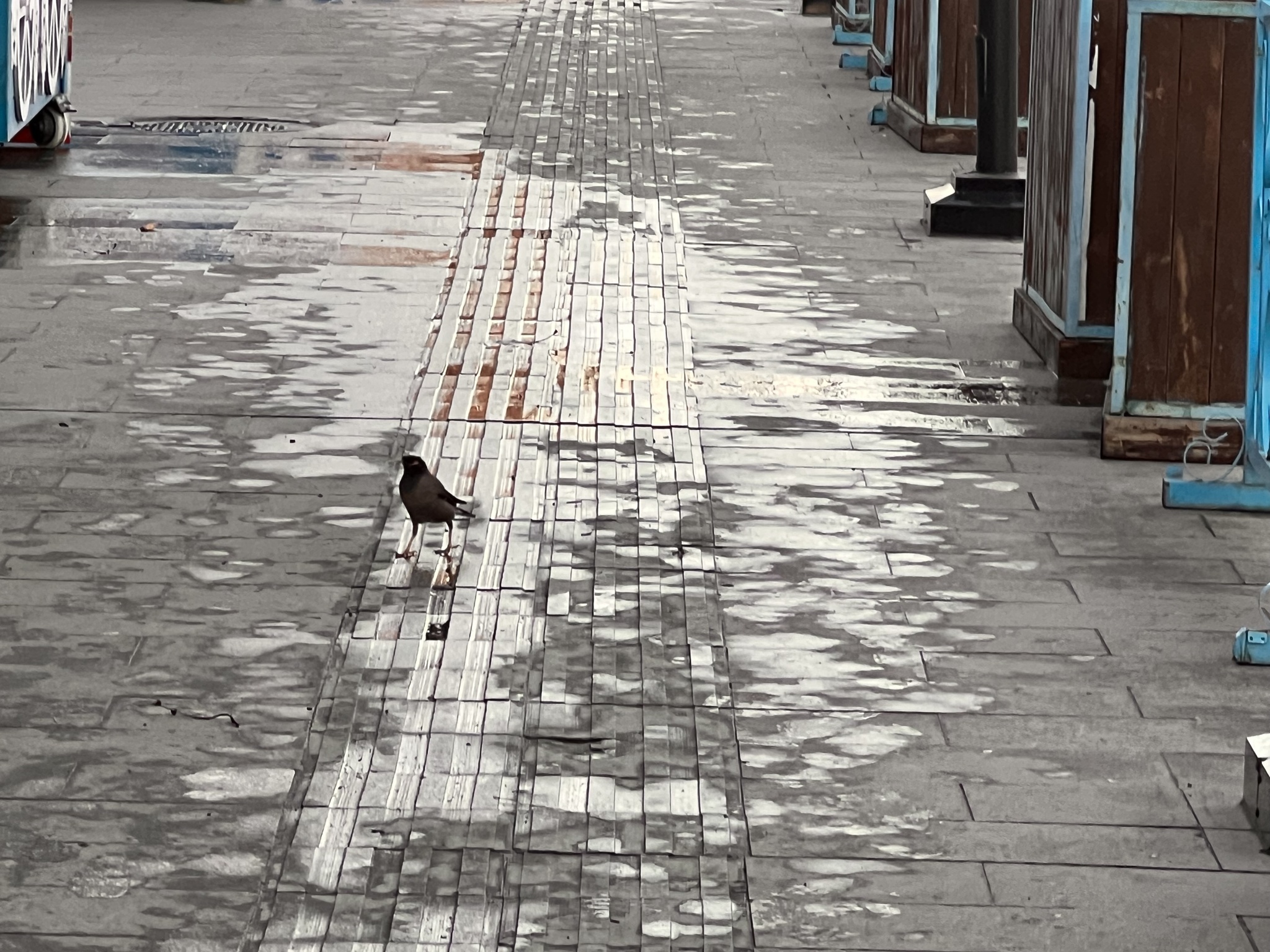
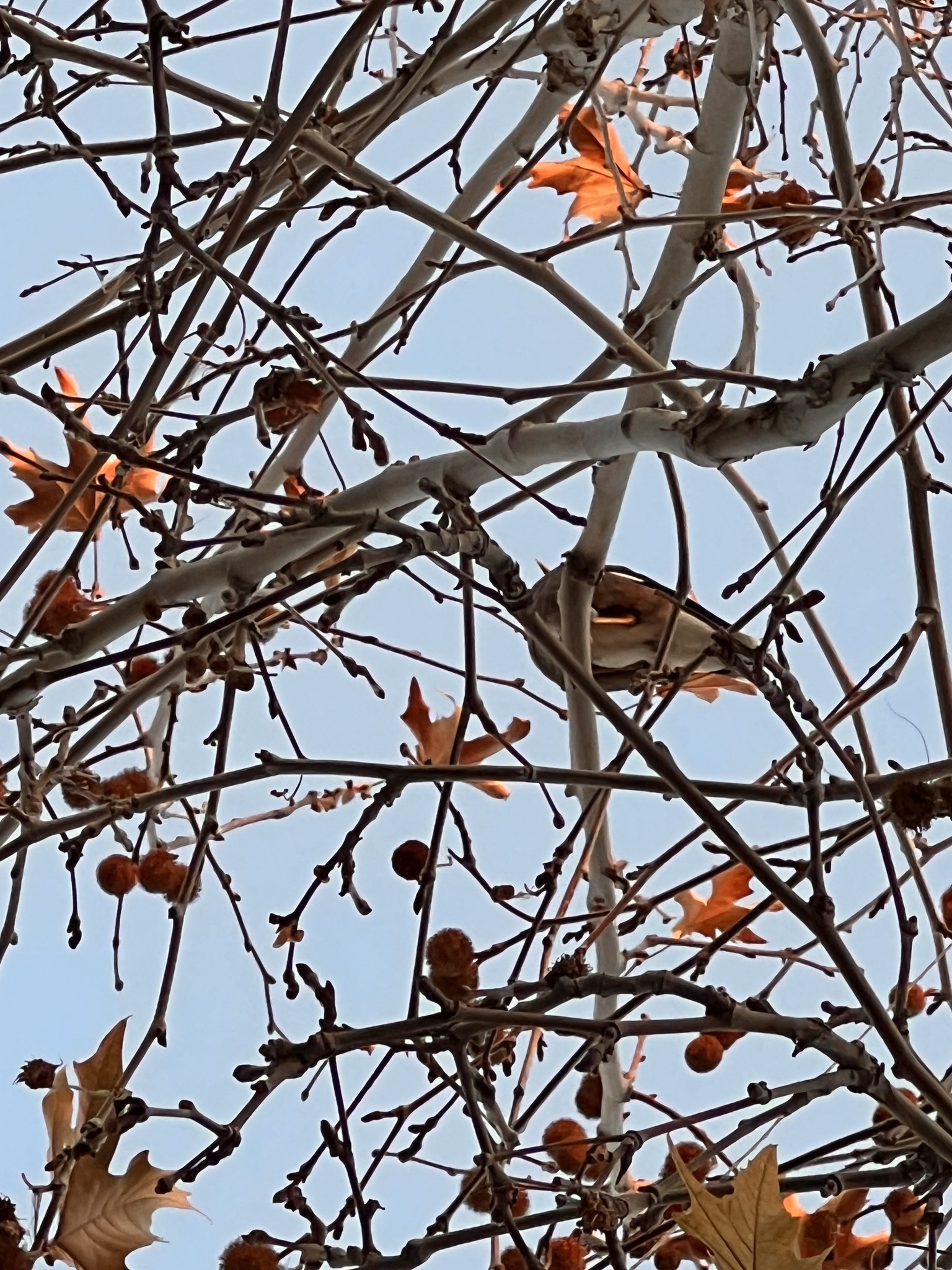
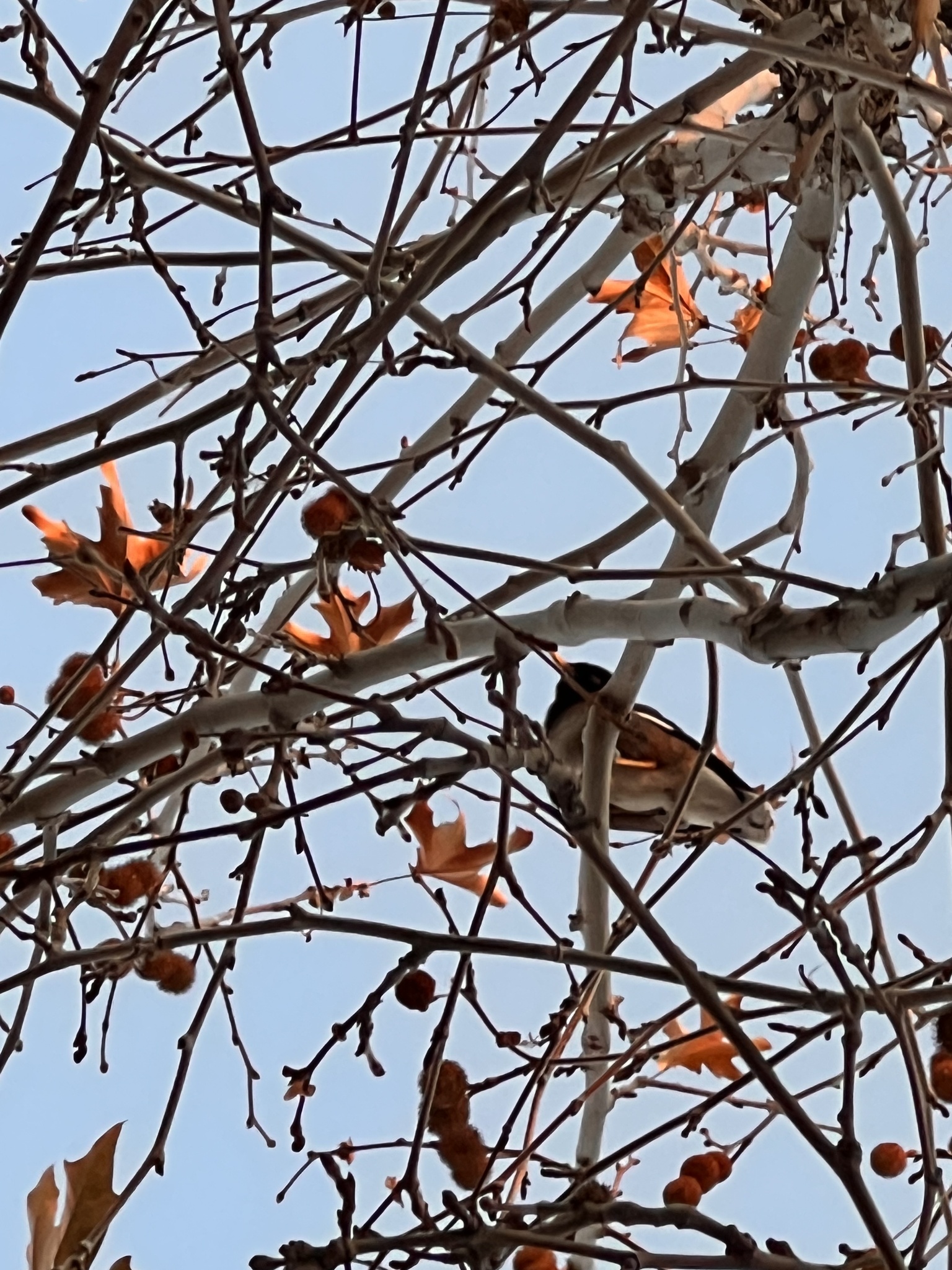
Body length is 23 centimetres (9.1 in). Features a brown body, black hooded head, and a bare yellow patch behind the eye. The bill and legs are bright yellow. Wings are rounded with a white patch on the outer primaries; wing lining on the underside is white. Tail is round with a square tip and a white tip. Sexes are similar. Follows Gloger's rule: birds from northwestern India are paler than those from southern India. The Sri Lankan subspecies is darker, has half-black and half-white primary coverts, and a larger yellow cheek-patch.
Identification
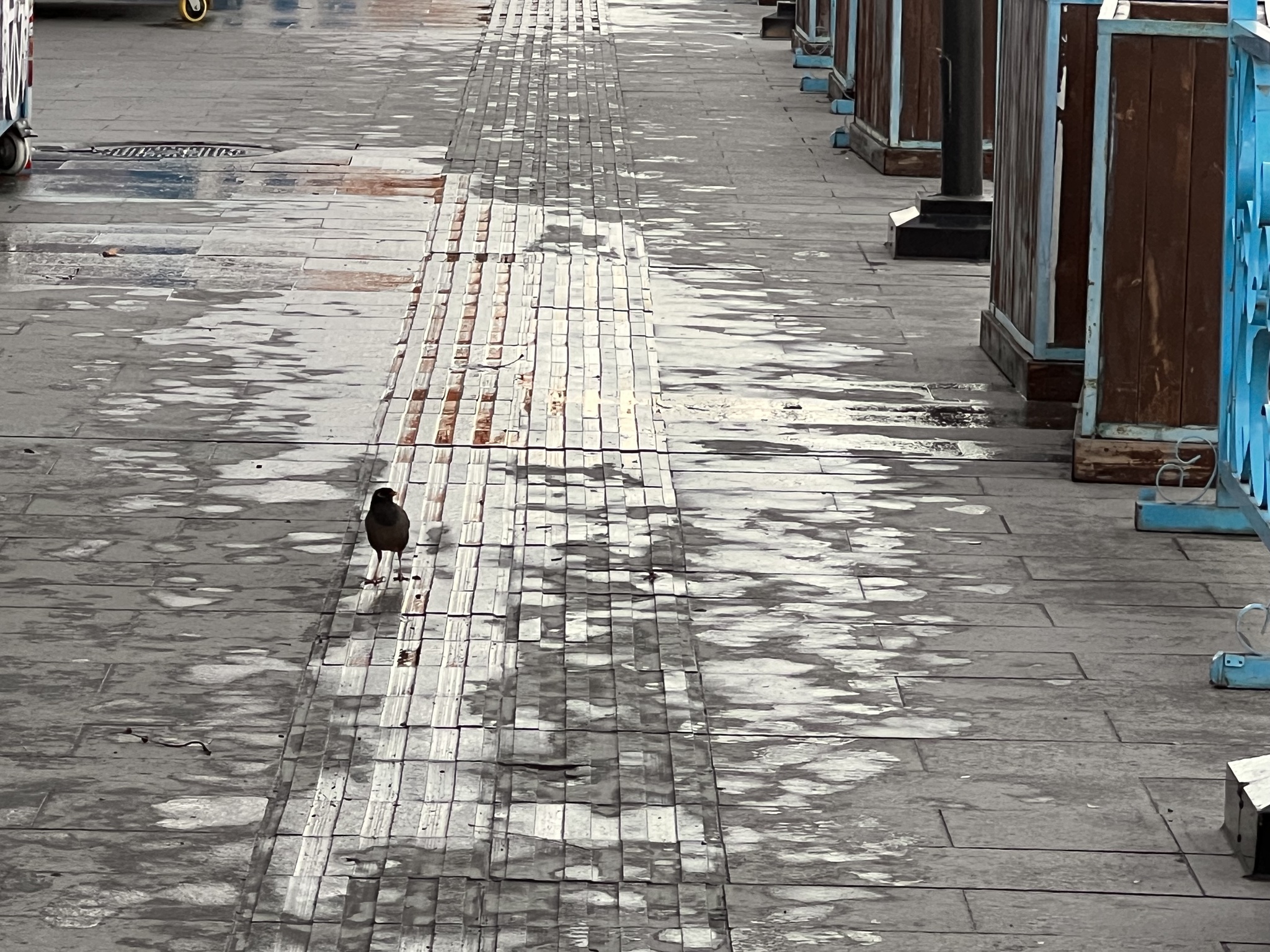
Identified by brown body, black head, and distinctive bare yellow skin patch behind the eye. Bright yellow bill and legs. White patches visible on outer primaries and tail tip during flight. Vocalizations include croaks, squawks, chirps, clicks, whistles, and growls. Often seen in pairs.
Distribution & Habitat
Native range spans Iran, Pakistan, India, Nepal, Bhutan, Bangladesh, Sri Lanka, Afghanistan, Central Asian republics, Myanmar, Malaysia, Singapore, Thailand, Indochina, Japan, and China. Introduced to Hawaii, North America (South Florida), Canada, Australia, New Zealand, South Africa, various Indian and Atlantic Ocean islands, Cyprus, Turkey, Israel, and parts of Europe including Spain and Portugal. Thrives in urban and suburban settings; population density in Canberra reached 75 birds per square kilometer by 1994. In Australia, concentrated along the eastern coast. In New Zealand, established primarily in the North Island.
Behavior & Ecology
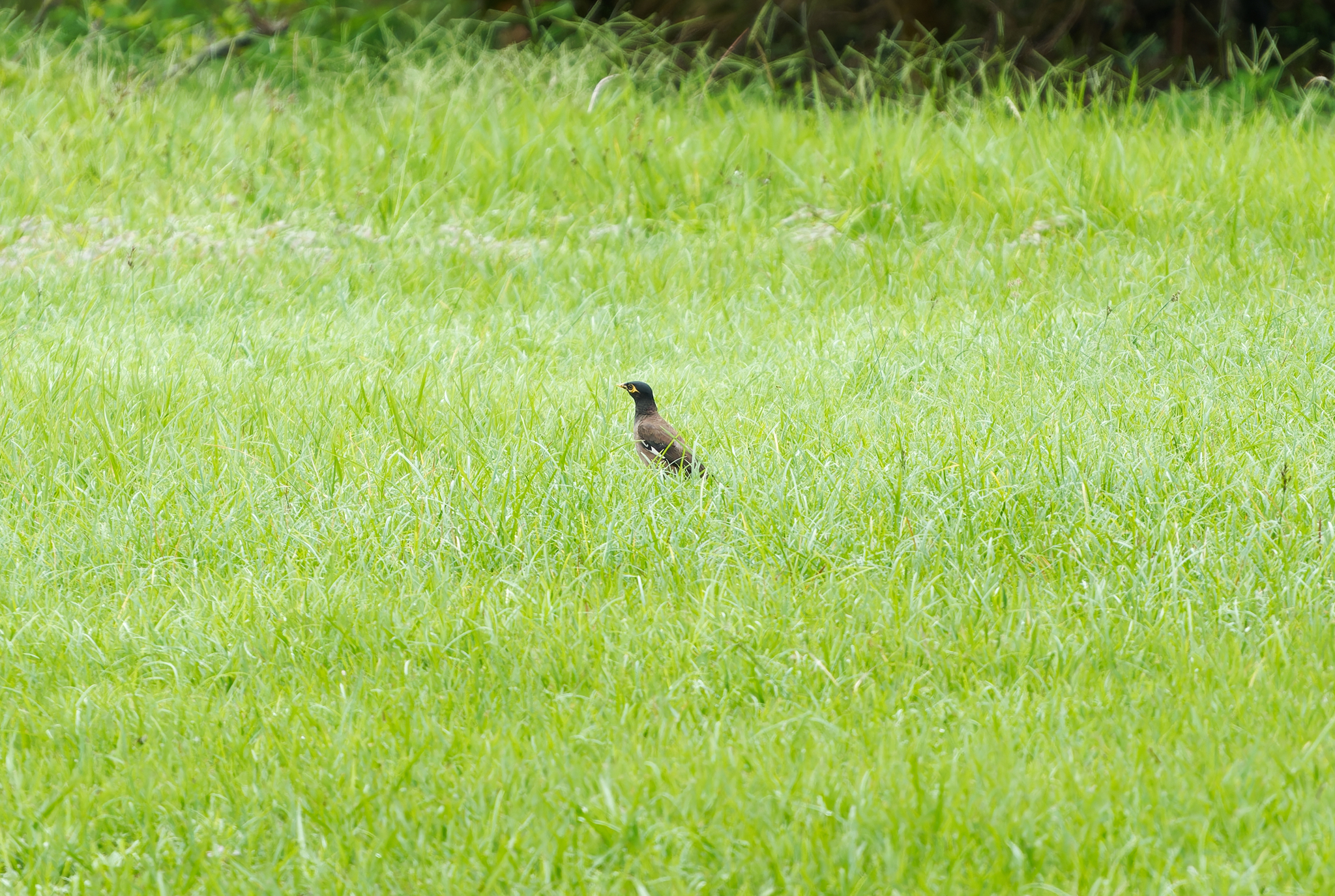
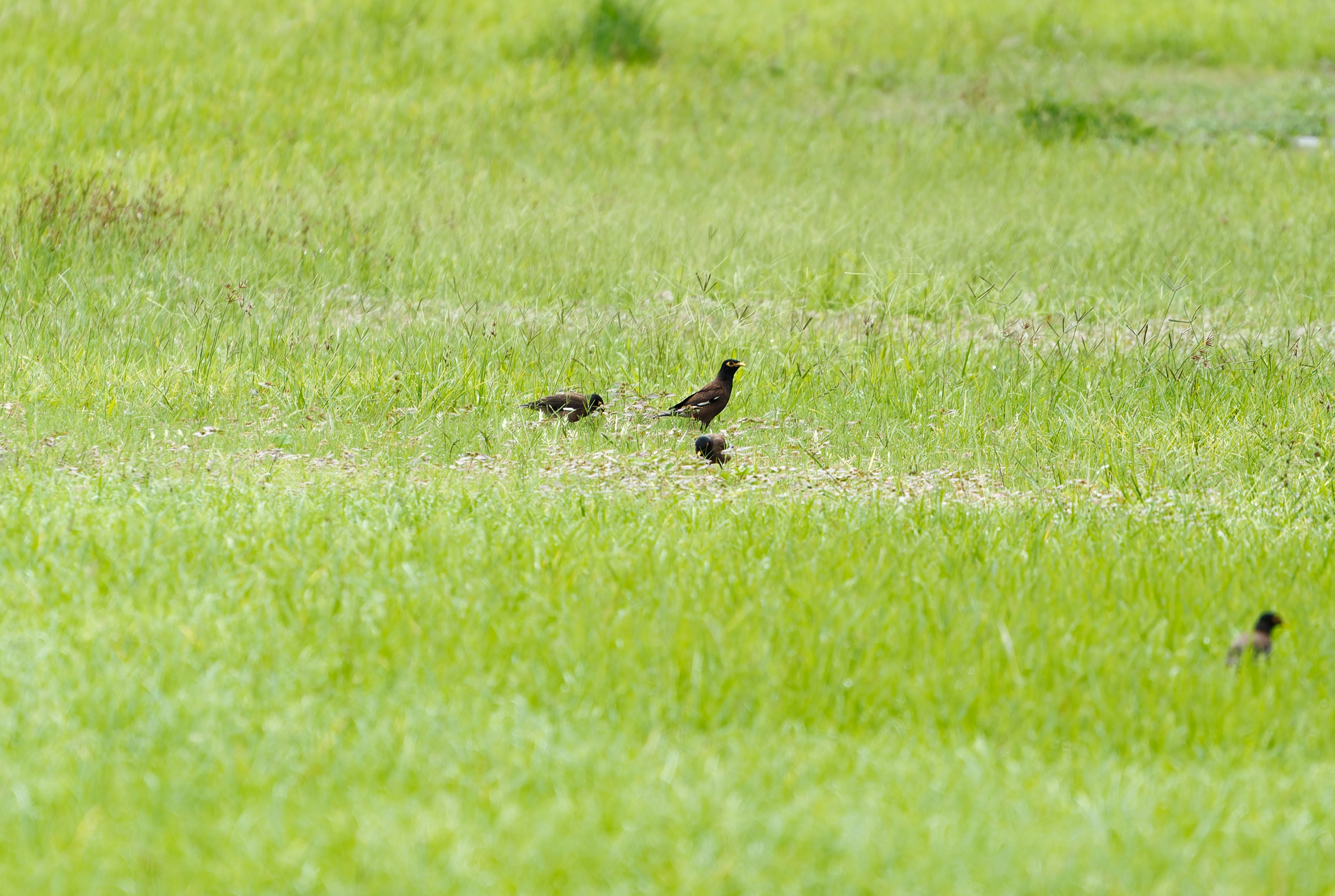
Omnivorous diet includes insects, grubs, earthworms, seeds, grain, fruits, nectar, and human waste. Forages on ground, often following grazing cattle. Breeds in tree or wall holes, nest boxes, or building crevices at elevations up to 3,000 m. Clutch size is 4–6 eggs; incubation lasts 17–18 days, fledging 22–24 days. Aggressively evicts chicks of other hollow-nesting species. Roosts communally in flocks ranging from hundreds to thousands, synchronizing social activities and avoiding predators. Vocalizes in unison before roosting. Acts as a cross-pollinator for flowers such as Salmalia and Erythrina.
Conservation
Declared one of the world's 100 worst invasive species by the IUCN Species Survival Commission in 2000. Poses significant threats to native biodiversity, agriculture, and human interests, particularly in Australia where it was named 'The Most Important Pest/Problem' in 2008. Added to the List of Invasive Alien Species of Union concern in Europe in 2019. Controlled via poisoning, shooting, trapping, and scaring devices in non-native ranges due to competition with native hollow-nesters and crop damage.
Culture
Known in Sanskrit literature as sārikā, kalahapriyā ('fond of arguments'), chitranetra ('pretty eyes'), pītanetra ('yellow-eyes'), and pītapāda ('yellow-legs'). Popular as a cage bird for singing and mimicry abilities. Nicknamed 'flying rats' and 'cane toad of the sky' in Australia due to scavenging behavior and abundance.
Source: Wikipedia · CC BY-SA 3.0
Taxonomy
- Order
- Passeriformes
- Family
- Sturnidae
- Genus
- Acridotheres
Subspecies (2)
-
Acridotheres tristis melanosternus
Sri Lanka
Data Sources
Species description from Wikipedia, licensed under CC BY-SA 3.0.
Bird images and sounds sourced from GBIF, contributed by citizen scientists worldwide under Creative Commons licenses.
Taxonomy data from AviList 2025.